Category: Fashion

Retail News Asia is committed to providing both local and global retailers with the latest Fashion news throughout the Asian market. This on a daily base.

  • NBA Unveils Immersive Flagship Store In Macao: Fusing Retail And Entertainment

    NBA Unveils Immersive Flagship Store In Macao: Fusing Retail And Entertainment

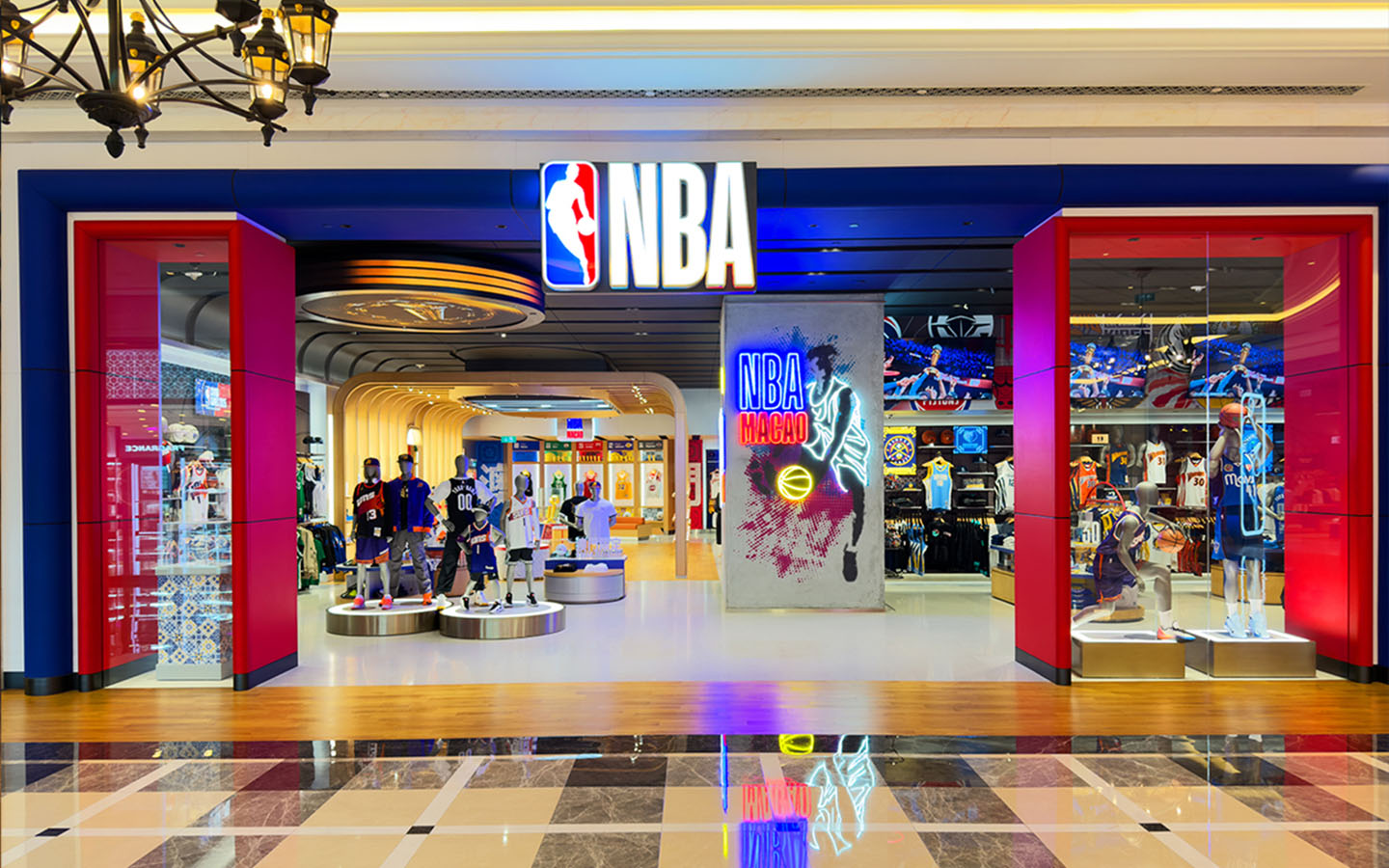
    The National Basketball Association (NBA) and Sands China have inaugurated the first NBA flagship store in Macao, creating an immersive retail experience for visitors.

    The Store’s Location and Design

    The store is situated on the second floor of The Londoner Macao. It spans 900 square meters and ingeniously amalgamates retail and entertainment to offer an authentic NBA experience. The space allows consumers access to official NBA merchandise and interactive experiences.

    The store’s merchandise caters to the diversified needs of fans, boasting a wide range of apparel, footwear, headwear, player jerseys, trading cards, and collectibles. In addition, it offers exclusive items inspired by the Macao city’s skyline and cultural motifs, making it a unique shopping destination.

    A New Retail Experience

    The NBA flagship store offers more than just traditional retail. It encourages fans to interact with the brand in a new way, permitting them to personalise jerseys and sneakers, and discover genuine memorabilia. The store also provides basketball-themed activities at an LED half-court that streams live games, further enriching the customer experience.

    Jonathan Li, senior VP of NBA China, expressed his excitement about the store, expressing that it is a “dynamic space where fans can gather and celebrate their love of the game.”

    Expansion of NBA’s Retail Footprint

    The launch of the flagship store in Macao signifies an expansion of the NBA’s retail footprint across Asia. It also contributes to the NBA’s global network of more than 200 NBA-branded stores and attractions worldwide.

    Questions & Answers

    Where is the new NBA flagship store located?
    The NBA flagship store is located on the second floor of The Londoner Macao.

    What does the NBA flagship store offer to its customers?
    The store offers a range of official merchandise including apparel, footwear, headwear, player jerseys, and trading cards. Additionally, it offers personalized jersey and sneaker services and basketball-themed activities.

    What is the objective behind the opening of the NBA flagship store in Macao?
    The objective is to provide an immersive NBA experience to the fans, expand the NBA’s retail footprint across Asia, and contribute to a global network of NBA-branded stores and attractions worldwide.

  • LVMH Experiences First Growth Of 2020 Amidst Rising Demand In China

    LVMH Experiences First Growth Of 2020 Amidst Rising Demand In China

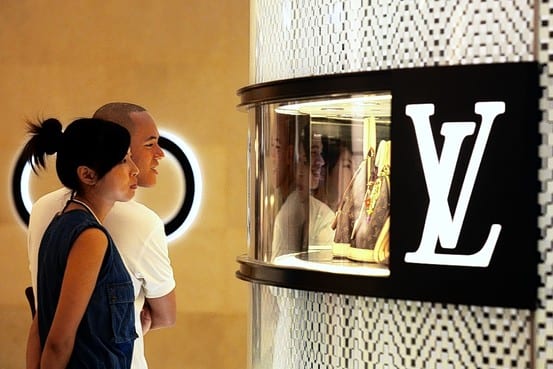
    LVMH, the world’s largest luxury goods group, has reported a 1% increase in sales in the third quarter. This uptick, the first instance of growth this year, was largely driven by an enhanced demand in China. With a diverse portfolio spanning fashion, alcohol, and retail, LVMH is considered a reliable indicator of the overall health of the luxury goods sector.

    Encouraging Signs From Asia

    According to a statement from LVMH, the Asian market, excluding Japan, saw a “noticeable” improvement during the first nine months of the business year. The company’s CFO, Cecile Cabanis, further highlighted that “Mainland China turned positive in Q3.”

    However, Cabanis also pointed out potential challenges for the fourth quarter. These include unfavourable currency rates and ongoing economic uncertainties. Yet, she expressed confidence in the new creative direction the group’s brands are adopting.

    In terms of financial improvement, Cabanis explained that it would be a gradual process that will “take time” and will involve “gradual sequential improvement.”

    Stock Market Response

    In response to the improved sales figures, LVMH’s US shares leapt by 7.5% on Tuesday. Analysts observed a combination of self-help measures and increased demand from China, suggesting a U-shaped recovery trajectory for the luxury goods giant.

    However, it was not all good news. LVMH’s fashion and leather goods division, which includes flagship brands Louis Vuitton and Dior and accounts for over two-thirds of the company’s profits, saw a 2% drop in sales compared to the previous year.

    Overall Performance of the Luxury Sector

    The luxury sector, worth $400 billion, has been struggling following the end of the post-pandemic boom. Rising prices, tariffs, and the ongoing real estate crisis in China have all contributed to the sector’s problems. However, the third-quarter sales update from LVMH, the first significant player in the industry to report, has led to increased optimism among investors.

    Industry analysts have expressed positive sentiments, suggesting that the sector’s focus on more affordable products and a “burst of creativity” from new designers may signal an end to the downturn.

    A Time of Change for LVMH

    Facing challenging business conditions, LVMH has recently made several personnel changes. Bernard Arnault, the French billionaire who controls the conglomerate, has repositioned some of his key personnel and designers, including those at Dior, Celine, Loewe, and Fendi.

    Since the company’s last trading update on July 24, its share prices have increased by 13%. This rally has elevated LVMH to the top spot, surpassing rival Hermes as France’s most valuable company, as analysts began to see positive signs for luxury sales beyond the very high end.

    Questions & Answers

    What contributed to LVMH’s sales growth in Q3?
    The main factor was an improved demand in China, which turned positive in the third quarter.

    What challenges does LVMH face in the fourth quarter?
    The company is grappling with unfavourable currency rates and ongoing economic uncertainties.

    What changes has LVMH made in response to the challenging business climate?
    LVMH has made significant personnel changes, repositioning key staff and designers across its various brands, including Dior, Celine, Loewe, and Fendi.

  • Adidas Unveils Flagship Store At Jewel Changi Airport: Integrating Peranakan Heritage With Innovative Retail Experience

    Adidas Unveils Flagship Store At Jewel Changi Airport: Integrating Peranakan Heritage With Innovative Retail Experience

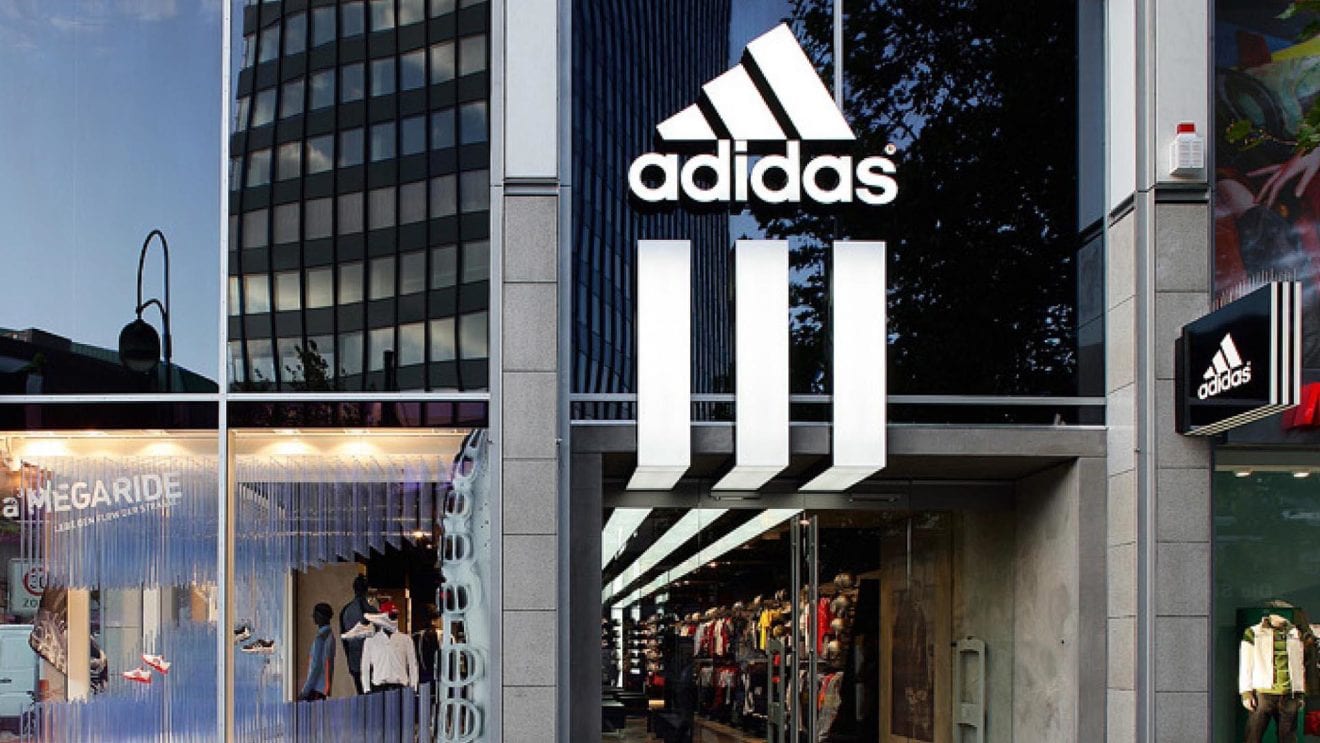
    Adidas has launched its premier showroom at Jewel Changi Airport in Singapore, incorporating interactive spaces that seamlessly blend the brand’s core identity with local narratives.

    The flagship store offers both lifestyle and performance products, providing customers with a comprehensive shopping experience, according to the brand’s announcement.

    Taking inspiration from Singapore’s rich Peranakan heritage, the two-level showroom features contemporary adaptations of traditional tile designs throughout the interior.

    The store’s aesthetic design prominently features the Jewel Rain Vortex on its second level, providing a stunning retail backdrop.

    The ground level of the store hosts Adidas’s women’s collection, while the second level showcases the men’s line. The second floor is home to interactive areas including the ‘Made for You’ zone, a customization studio allowing customers to personalize their Adidas’s ‘Three Stripes’ products to their preference.

    The Y-3 Premium Corner of the store displays Adidas’s collaboration with Yohji Yamamoto, highlighting a predominantly black palette and minimalist design that underscores Adidas’s position in the luxury market.

    Naful Gani, Adidas Senior Manager of Brand Activation in Singapore, commented on the new store’s design. “With the Jewel Changi Airport store, we’ve deliberately created a space that seamlessly transitions between performance and lifestyle, mirroring our day-to-day life – transitioning between training in performance, living in Originals, and shuttling between both worlds daily,” said Gani.

    Gani further stated that the store’s interiors, inspired by local culture, offer international visitors immediate insights into Singapore’s distinct heritage while enjoying the familiarity of a globally reputed brand environment.

    Questions & Answers

    What does the new Adidas store at Jewel Changi Airport offer?
    The new Adidas store at Singapore’s Jewel Changi Airport offers a comprehensive shopping experience with both lifestyle and performance products. It also features a customization studio allowing customers to personalize their Adidas products.

    What is the unique aspect of the store’s design?
    Inspired by Singapore’s rich Peranakan heritage, the store features contemporary adaptations of traditional tile motifs throughout the interior. The second level of the store prominently features the Jewel Rain Vortex as a stunning retail backdrop.

    What does the Y-3 Premium Corner feature?
    The Y-3 Premium Corner of the store displays Adidas’s collaboration with Yohji Yamamoto, emphasizing a predominantly black palette and minimalist design that underscores Adidas’s luxury positioning.

  • Adidas unveils flagship in Singapore’s Changi Airport

    Adidas unveils flagship in Singapore’s Changi Airport

    Adidas has unveiled its flagship store at Jewel Changi Airport in Singapore, offering experiential zones that seamlessly blend brand identity and local narratives.

    The shop offers both lifestyle and performance products in a unified space, aiming to provide shoppers with a comprehensive experience, according to the brand.

    Drawing inspiration from Singapore’s rich Peranakan heritage, the two-level flagship store boasts of innovative tile motifs throughout its interior. The store’s visual layout includes the Jewel Rain Vortex on its second level, serving as a captivating retail backdrop.

    The women’s collection of Adidas takes center stage on the first floor. Meanwhile, the second floor houses the men’s collection, coupled with interactive zones such as the ‘Made for You’ area. This space features a customization studio enabling customers to personally tailor Adidas’s iconic Three Stripes to their preference.

    The Y-3 Premium Corner showcases the brand’s collaboration with Yohji Yamamoto. Featuring mainly black shades and a minimalist presentation, this section strengthens Adidas’s high-end positioning.

    Naful Gani, Adidas’s Senior Manager of Brand Activation in Singapore, spoke about the innovative store design. “With the Jewel Changi Airport store, we’ve deliberately created a space that merges performance and lifestyle to mirror our current way of life – exercising in performance gear, living in Originals, transitioning between the two worlds every day,” he said.

    He further added, “Through the store’s locally-inspired interiors, international visitors get an immediate glimpse of Singapore’s distinctive heritage, while experiencing the comfort and familiarity of a globally recognized brand atmosphere.”

    Questions & Answers

    What is unique about the new Adidas flagship store at Jewel Changi Airport, Singapore?

    The store offers experiential zones that blend the brand’s identity with local storytelling. It houses both lifestyle and performance products under one roof, providing a comprehensive shopping experience. The store’s design draws inspiration from Singapore’s Peranakan heritage.

    What is the ‘Made for You’ zone at the Adidas store?

    The ‘Made for You’ zone is an interactive area featuring a customization studio. This space allows customers to personalize Adidas’s iconic Three Stripes to their liking.

    What is the Y-3 Premium Corner at the Adidas store?

    The Y-3 Premium Corner showcases the brand’s collaboration with designer Yohji Yamamoto. It features a predominantly black palette and minimalist presentation, reinforcing Adidas’s luxury positioning.

  • Authenticity In Retail: How Employees Shape Brand Culture For Competitive Advantage

    Authenticity In Retail: How Employees Shape Brand Culture For Competitive Advantage

    In the dynamic world of retail, heritage brands and new entrants alike are recognizing the power of authenticity. This realization was notably demonstrated when a sponsored post by an employee reached a staggering 3.9 million views. In this case, the loss experienced by Chick-fil-A in terms of authenticity was compensated for by Shake Shack, which gained significantly in cultural credibility. This situation illuminated the compelling fact that employees can serve as highly effective cultural translators, particularly when they are empowered to express their unique perspectives.

    The Power of Culture

    Culture is not just a buzzword; it’s a unique element that sets one brand apart from another. While it is possible to invest considerable resources into marketing strategies, creating a ‘cool’ image is not something that can be purchased. Similarly, authenticity, a highly coveted trait in today’s retail environment, cannot be feigned.

    The implication for organizations is that they need to consider whether they are sufficiently courageous to allow their employees to mold, interpret, and enhance their culture. This approach necessitates an openness to divergent viewpoints and a willingness to relinquish a degree of control over the organizational narrative.

    Authenticity: A Critical Competitive Advantage

    In an increasingly cluttered retail landscape, authenticity allows brands to distinguish themselves from their competitors. An authentic culture resonates with consumers, who are increasingly seeking out genuine connections with the brands they support. This authenticity can be instrumental in fostering customer loyalty and driving business growth.

    While the concept of authenticity might seem intangible, it is deeply rooted in the actions and attitudes of an organization’s employees. By empowering employees to serve as cultural ambassadors, organizations can tap into their unique insights and perspectives, fostering an authentic culture that resonates with consumers.

    Questions & Answers

    What role do employees play in shaping a brand’s culture?
    Employees play a crucial role in shaping a brand’s culture. They can serve as cultural translators, offering unique insights and perspectives that can help define and enhance an organization’s culture.

    Why is authenticity important in today’s retail environment?
    Authenticity is important because it allows brands to distinguish themselves in an increasingly competitive market. Consumers are increasingly seeking genuine connections with the brands they support, making authenticity a critical factor in fostering customer loyalty and driving business growth.

    How can organizations foster an authentic culture?
    Organizations can foster an authentic culture by empowering their employees to express their unique perspectives, thereby shaping, interpreting, and enhancing the organizational culture.

  • BHV Employees Protest Over Controversial Partnership With Fast-fashion Giant Shein

    BHV Employees Protest Over Controversial Partnership With Fast-fashion Giant Shein

    Employees at the BHV department store in Paris staged a demonstration on Friday to voice their disapproval of the recent decision by the store’s management to collaborate with fast-fashion retailer, Shein. The protest was triggered by the agreement to allocate a permanent spot to Shein on the store’s seventh floor.

    The proprietor of BHV, Société des Grands Magasins (SGM), has been the subject of significant backlash in France in the wake of this partnership’s announcement with Shein. This comes as a reaction to Shein’s business model which involves shipping inexpensive garments directly from Chinese manufacturers to customers in over 160 countries worldwide.

    On the day of the protest, dozens of employees congregated outside the department store at 3:30 pm local time, brandishing labour union flags. Union representatives and local government officials addressed the crowd with speeches.

    Concerns about Job Security and Business Practices

    BHV has encountered fiscal challenges for some time now, leading to delayed payments to brands and subsequent product shortages. These issues have impacted sales and stirred anxiety among employees about job security, as expressed in a statement by the union.

    The employee union also expressed concern about the withdrawal of several French brands from BHV following the announcement of the collaboration with Shein. Florine Biais, a BHV employee and union representative, explained that customers have started turning away due to unavailability of desired products and concern over Shein’s introduction.

    SGM, when questioned about the payment delays, attributed the issue to the transition to new payment systems following its acquisition of BHV in November 2023. They assured that the problem is temporary and would be resolved in a few weeks.

    SGM’s Perspective and Shein’s Ambitions

    SGM has been optimistic about the partnership with Shein, anticipating it to draw in a younger demographic and contribute to BHV’s modernization efforts. They expressed their conviction that the partnership would be beneficial for both the company and its employees.

    Shein’s spokesperson, Quentin Ruffat, echoed these sentiments, arguing that the proposed store would enhance BHV’s footfall and in turn, benefit other retailers.

    Shein, a Chinese company established in 2012, has seen exponential growth, becoming the world’s largest fast-fashion retailer. However, it has also received criticism for its factory working conditions, high carbon emissions, and lack of transparency regarding its management and finances.

    Following fines totalling 191 million euros from French and Italian regulators since July, Shein is now focused on strengthening its internal controls to adhere to regulations more strictly and enhance its consumer reputation.

    Questions & Answers

    Why are BHV employees protesting against the Shein collaboration?
    The employees, backed by their union, are concerned about job security due to poor sales and late payments to brands. They also fear the exit of French brands following the Shein collaboration.

    What is SGM’s response to the protest?
    SGM acknowledged the payment delay issues but attributed them to the transition to a new payment system. They assured that the problem is temporary and that the collaboration with Shein would be advantageous for the company and employees.

    What are some criticisms Shein has faced?
    Shein has been criticized for poor working conditions in its factories, high carbon emissions, and a lack of transparency about its management and finances.

  • Cos makes Indian debut in New Delhi

    Cos makes Indian debut in New Delhi

    Cos, the fashion label under the H&M brand, has unveiled its first retail outlet in India, situated in the Select Citywalk Mall, New Delhi, marking its entrance into the burgeoning South Asian marketplace.

    Store Design and Sustainability Efforts

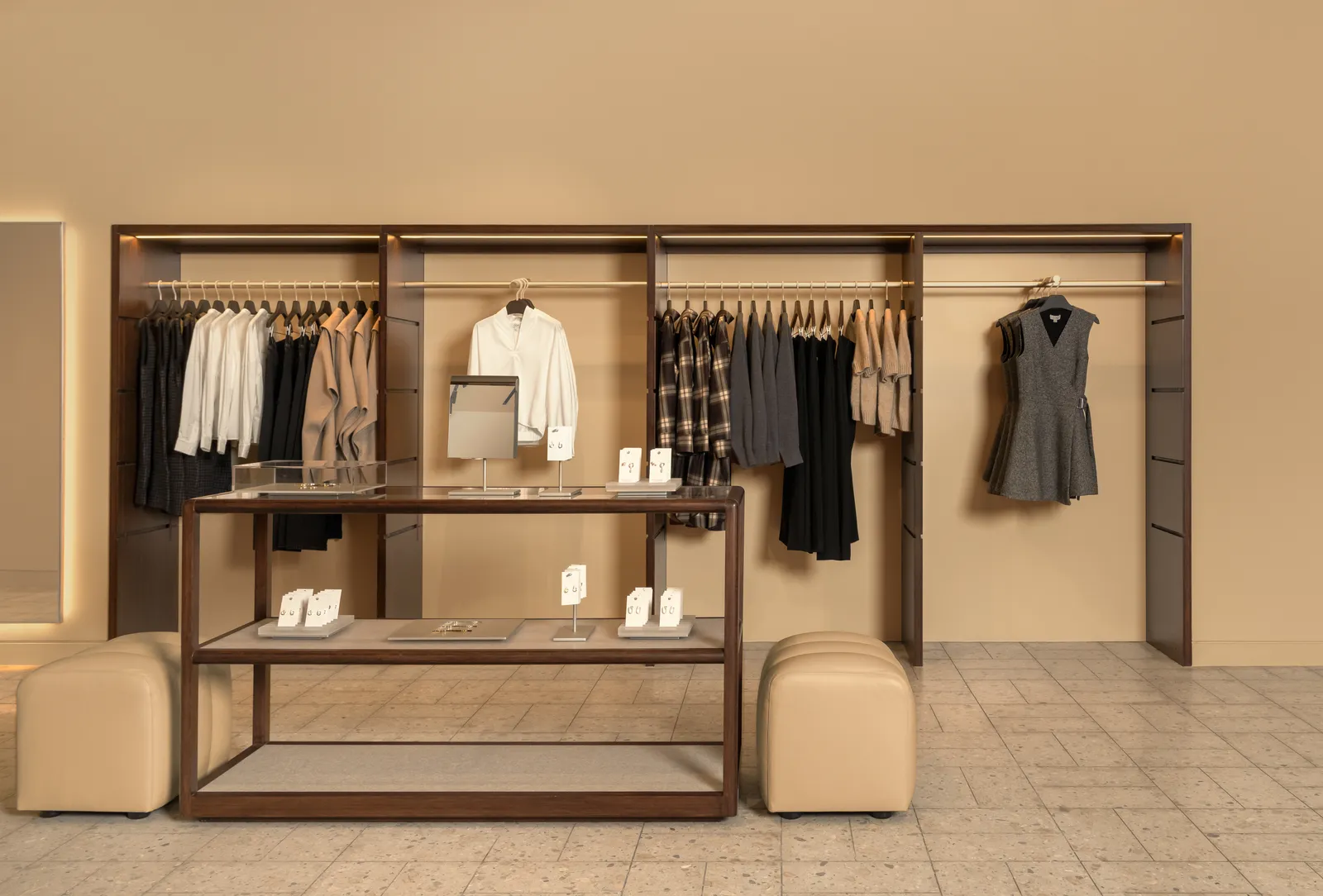
    Cos boasts a store aesthetic that was crafted completely in-house. It features a harmony of intricate architectural nuances and eco-friendly materials, resulting in a stylish, welcoming ambience. The exterior of the store is adorned with Armourcoat clay lime plaster, a material that according to the fashion brand, acquires a unique patina from its interaction with water minerals during its application.

    The store’s floors are fitted with terrazzo tiles from Grassi Pietre, which are made from 90% recycled material. These tiles are further enhanced with hand-tufted wool rugs by Kasthall.

    Interior Arrangements and Furniture

    The interior of the store presents ready-to-wear garments and accessories, showcased on aluminium railing systems and recycled shelving units from Smile Plastics. These displays are augmented by a sculptural table by Paper Factor that is constructed from recycled cellulose fibres and natural pigments.

    The store also features an array of specially curated furniture from esteemed international design houses. These pieces include the Scarpa 925 chair, crafted by Cassina and Karakter, the Offset coffee table by Resident, Bon Bon lamps designed by Helle Mardahl, and the iconic Pumpkin sofa, a creation of Pierre Paulin for Ligne Roset.

    New Collection Launch

    Coinciding with the store’s launch is the release of Cos’s Autumn/Winter 2025 collections for men and women. These collections showcase the brand’s distinctive minimalist tailoring and high-quality fabric use.

    Questions & Answers

    Where is Cos’s first store in India located?
    Cos’s first store in India is located in the Select Citywalk Mall in New Delhi.

    What materials have been used in the design of the store?
    The store design incorporates sustainable materials such as Armourcoat clay lime plaster, terrazzo tiles composed of 90% recycled material, and recycled shelving units. It also features a sculptural table made from recycled cellulose fibres and natural pigments.

    What collections has Cos launched with the store opening?
    Cos has launched its Autumn/Winter 2025 collections for men and women, featuring the brand’s signature minimalist tailoring and premium fabrics.

  • Lanvin leader David Chan to step down this month

    Lanvin leader David Chan to step down this month

    David Chan, the executive president and chief financial officer of Lanvin Group, has announced his decision to step down from his position effective October 27. While he plans to explore fresh opportunities, Chan is also slated to provide advisory support during the transition period. His successor, however, remains to be declared.

    Zhen Huang, the chairman of Lanvin Group, acknowledged Chan’s valuable contributions to the company. “His remarkable contributions have played a crucial role in charting the strategic course and transformational initiatives of the group,” remarked Huang. He further added, “As he embarks on his new journey, we extend our best wishes for his continued success.”

    Despite the departure of Chan, who served as the executive president since the company’s inception, the Lanvin Group remains confident about its future potential. In addition to the high-profile responsibilities handled by Chan, including mergers and acquisitions, brand operations, and performance management, he was also instrumental in the strategic planning and leadership recruitment across the group’s portfolio. Huang reaffirmed, “Lanvin Group continues to stand strong with plans to sustain growth and create enduring shareholder value.”

    Established in Shanghai and jointly headquartered in Milan, Lanvin Group is supported by Fosun International. It commands a strong brand portfolio, which includes names like Lanvin, Wolford, Sergio Rossi, and St John Knits.

    Questions & Answers

    Why is David Chan leaving Lanvin Group?
    David Chan is stepping down from his role at Lanvin Group to pursue new opportunities. He will continue to serve in an advisory capacity during the transition period.

    Who will succeed David Chan as the executive president and CFO of Lanvin Group?
    The successor to David Chan has not been announced yet.

    What impact has David Chan had on the Lanvin Group?
    David Chan has been instrumental in shaping the strategic direction of Lanvin Group since its inception. He has overseen a wide range of responsibilities, including mergers and acquisitions, brand operations, strategic planning, leadership recruitment, and performance management across the group’s portfolio.

  • Levi Strauss & Co. Sees Robust Q3 Growth Driven By Direct-to-consumer Sales Surge

    Levi Strauss & Co. Sees Robust Q3 Growth Driven By Direct-to-consumer Sales Surge

    Levi Strauss & Co. continues to prove its strength in the retail industry, experiencing significant profit in the third quarter. The primary factor driving this growth is the double-digit increase in sales through the company’s direct-to-consumer (DTC) channel.

    Financial Performance

    By the end of the third quarter on August 31, the firm’s net revenues had reached $1.5 billion, showing a 7% rise year-on-year. This growth is consistent in both reported and organic terms. Sales in the Americas, Asia, and Europe also saw considerable increases, with 6%, 12%, and 5% respectively. Specifically, the U.S. saw a 3% increase in sales, reflecting the company’s strong presence in the domestic market.

    The DTC channel played a significant role in this surge with net revenues increasing by 11% as per reported data and 9% organically. This is attributed to a 7% jump in the U.S., a 4% rise in Europe, and a staggering 14% surge in Asia. Meanwhile, wholesale net revenues also observed an uptick, though at a slower pace, with a 3% rise in reported terms and a 5% increase organically.

    Profit and Future Strategy

    The company’s operating margin saw remarkable growth, reaching 10.8% from the previous year’s 2.3%. The gross margin also improved by 110 basis points to a robust 61.7%. The driving factors for this improvement were a favorable channel mix and price increases, which were slightly offset by the effects of import tariffs.

    The net income from continued operations, excluding the Dockers business, stood at $122 million, a significant increase from last year’s $23 million. The company also successfully sold the Dockers intellectual property and operations in the U.S. and Canada for $194.7 million as of July 31. The remaining operations are projected to be sold in the first quarter of the upcoming year.

    The President and CEO of Levi Strauss & Co., Michelle Gass, lauded the company’s impressive performance, attributing it to the strategic shift towards becoming a DTC-first, comprehensive denim lifestyle retailer. Despite the complex macroeconomic environment, Gass expresses optimism about the company’s ability to sustain this profitable growth well into 2026 and beyond.

    Expectations for the Coming Year

    Levi Strauss & Co. has revised its full-year guidance upward, predicting a 3% increase in net revenues. This is a significant rise from the 1-2% growth forecast provided in the second quarter. This prediction assumes that import tariffs from China will remain at 30% and the rest of the world at 20%.

    Questions & Answers

    What was the primary driver behind Levi Strauss & Co’s growth in the third quarter?
    The key driver was the double-digit growth in sales from the company’s direct-to-consumer (DTC) channel.

    What led to the improved operating margin of Levi Strauss & Co.?
    The improvement in operating margin was driven by a favorable channel mix and price increases, partially offset by the impact of tariffs.

    What are Levi Strauss & Co.’s growth expectations for the upcoming year?
    For the coming year, the company predicts a 3% increase in net revenues, assuming that import tariffs remain the same.

  • Asia’s Fashion Giant Urban Revivo Makes Strategic Inroad Into Europe With Uk Flagship Store

    Asia’s Fashion Giant Urban Revivo Makes Strategic Inroad Into Europe With Uk Flagship Store

    Urban Revivo, a leading fashion brand from Asia often dubbed as “the Zara of Asia,” has recently launched its flagship store in the UK, on Neal Street in Covent Garden. The 515 square meter store is nestled among unique boutique stores and established heritage brands, marking a strategic inroad into Europe’s vibrant fashion industry and demonstrating the brand’s global ambitions.

    Establishing a Global Presence

    Urban Revivo, founded in 2006, has expanded rapidly across Asia, with over 400 stores spread across China, Southeast Asia, and recently, the United States. The company’s launch in Covent Garden follows its debut in New York’s SoHo district in February, and is set to be followed by further entries into other global fashion hubs including Hong Kong and Tokyo.

    The Covent Garden location offers an exciting opportunity for Urban Revivo to engage with London’s dynamic fashion scene. Vivian Chen, CEO of Urban Revivo International, recognizes that the introduction of new brands often face high entry barriers, necessitating time for consumers to build trust and familiarity. Approximately 60% of the Covent Garden store’s offerings are designed by the company’s London-based European Design Center. This reflects the brand’s “quiet luxury” aesthetic, which Chen describes as a blend of timeless sophistication and subtle individuality.

    Adapting to Different Markets

    Urban Revivo is quick to adapt its brand to resonate with the distinct tastes of its different markets. Chen notes that the European market values longevity in design, quiet luxury, and a clear brand identity, differing from Asian markets, particularly China, where fast-changing fashion trends and brand experimentation are more prevalent.

    Boasting design centers in Guangzhou and London, Urban Revivo is building a connecting bridge between Eastern and Western aesthetics, aiming to create a brand that resonates globally. The brand plans to replicate its successful consumer research and feedback system, which is supported by millions of members, in the UK and European markets.

    Challenges and Opportunities

    Chen recognizes that Europe, home to three major fashion capitals, presents unique challenges due to its rich tradition of art and fashion, and consumers with avant-garde perspectives on cultural trends. However, the company’s success in the UK market serves as a solid foundation for its expansion into the broader European market and other new regions.

    While Urban Revivo is characterized by its fast-fashion model, with a typical turnaround from trend to retail shelf in just 10 days, its approach is more considered. The London store, for example, carries only 800 Stock Keeping Units (SKUs).

    Future Ventures

    Urban Revivo’s global expansion plan includes new ventures into Hong Kong and Tokyo, two of Asia’s most mature and fashion-forward markets. The company plans to open a flagship store in Hong Kong’s Harbour City, a luxury shopping destination in Tsim Sha Tsui, and is preparing to debut its store in Japan’s fashion capital, Tokyo, by the end of this year.

    Questions & Answers

    What is Urban Revivo’s expansion strategy?
    Urban Revivo’s expansion strategy involves establishing a presence in global fashion capitals such as London, New York, Hong Kong, and Tokyo, and adapting its brand to resonate with the distinct tastes of its different markets.

    How does Urban Revivo’s approach differ from traditional fast-fashion brands?
    Unlike traditional fast-fashion brands that flood stores with high-volume, high-turnover SKUs, Urban Revivo’s strategy is more measured. The London store, for example, carries only 800 SKUs.

    What are Urban Revivo’s future expansion plans?
    Urban Revivo plans to expand into Hong Kong and Tokyo, two of Asia’s most mature and style-conscious markets. The company will open a flagship store in Hong Kong’s Harbour City and is preparing to debut its store in Japan’s fashion capital, Tokyo, by the end of this year.

  • Gap Inc. Partners With Google Cloud, Leveraging Ai To Revolutionize Retail And Customer Experience

    Gap Inc. Partners With Google Cloud, Leveraging Ai To Revolutionize Retail And Customer Experience

    Gap Inc. has joined forces with Google Cloud in a multi-year partnership aimed at fast-tracking the company’s tech strategy through the application of artificial intelligence (AI). The overarching objective is to bolster operations and improve consumer interactions throughout its various brands.

    Harnessing the Power of AI

    According to Sven Gerjets, Gap Inc’s Chief Technology Officer, the company is embracing AI as a transformative tool in retail, building its future tech roadmap around it.

    He stated, “This partnership offers us the proficiency and speed to integrate AI throughout our operations, enabling our teams, igniting creativity, and delivering to our customers more swiftly and with a higher degree of personalisation than ever before.”

    The collaboration with Google Cloud will equip Gap with a cohesive, AI-powered platform devised to enhance product development, planning, and pricing processes. This will spark creativity and efficiency across all its brands, which include Old Navy, Gap, Banana Republic, and Athleta.

    To facilitate product design, customer experience, and employee enablement, Gap will utilize Google Cloud technologies such as Gemini, Vertex AI, and BigQuery.

    Reinventing Retail with AI

    Thomas Kurian, CEO of Google Cloud, expressed his enthusiasm about the partnership, saying it’s about revolutionising the retail landscape with AI and supporting Gap in leading the industry in terms of speed, personalisation, and game-changing customer experiences.

    With AI, Gap envisages creating a hyper-personalised shopping experience for consumers, enabling stronger storytelling and relevance to engage a wider audience. Furthermore, Google AI will assist Gap in optimizing ad placements and fortifying omnichannel marketing through Google Ads.

    Gap has already begun leveraging AI tools to aid employees in decision-making and execution, thereby enhancing efficiency.

    Sven Gerjets stated, “By re-engineering our workflows and empowering every employee with AI, we are allowing Gap Inc teams to concentrate on creativity, culture, and customer connection, while preserving the company’s human-centric DNA at the heart of innovation.”

    Questions & Answers

    What is the aim of the partnership between Gap Inc and Google Cloud?
    The partnership aims to accelerate Gap Inc’s tech strategy through AI, thereby improving operations and customer experiences across all of its brands.

    How will Gap Inc implement Google Cloud technologies?
    Gap Inc will utilize Google Cloud technologies to enhance product development, planning, and pricing procedures, and streamline product design, customer experience, and employee enablement.

    How will AI effect the shopping experience for Gap Inc’s customers?
    With AI, Gap Inc aims to create a hyper-personalised shopping experience for customers, enabling stronger storytelling and reach to a wider audience.

  • Uniqlo And Old Chang Kee Unite: A Unique Fashion Fusion Celebrating Singapore’s Heritage

    Uniqlo And Old Chang Kee Unite: A Unique Fashion Fusion Celebrating Singapore’s Heritage

    Uniqlo Singapore has recently announced an exciting collaboration with local food brand, Old Chang Kee. This new venture will see the launch of a unique UTme! collection, beautifully capturing the ethos and heritage of Old Chang Kee.

    A Blend of Fashion and Heritage

    This project, developed in association with local design house Wheniwasfour, uncovers a fresh and engaging perspective on Old Chang Kee’s storied history. The collection incorporates playful illustrations of the brand’s original Rex outlet as well as their signature snack – the Curry’O. The result is a delightful mix of fashion and nostalgia.

    The collection comprises seven distinct t-shirt designs, alongside six unique embroidery options.

    Shared Values and Synergy

    The collaboration between Uniqlo and Old Chang Kee is a particularly significant one, as reflected in the sentiments of Han Keen Juan, the chairman and founder of Old Chang Kee. He emphasized that the alliance was not merely a business venture, but a shared belief in common values.

    Juan expressed that Old Chang Kee, since its inception in 1956, has consistently focused on enhancing the everyday lives of Singaporeans. The brand’s commitment to innovative and top-quality products that cater to individuals of all backgrounds is closely aligned with Uniqlo’s own ethos.

    Accessibility and Exclusivity

    Four of the seven UTme! shirt designs will be available for purchase at all Uniqlo outlets across the country. Alternatively, for those seeking something more exclusive, three additional designs and six embroidery motifs will only be available at UTme! stores. These are located at Orchard Central, Jewel Changi Airport and VivoCity.

    In addition to the Old Chang Kee-themed shirts, the collaboration also offers customization options. Customers will have the opportunity to add personalized touches to other items, including denim pieces and tote bags, using the available embroidery designs.

    The Vision Behind the Collaboration

    Paulene Ong, the Managing Director of Uniqlo Singapore, stated that this collaboration aligns perfectly with their ‘Lifewear philosophy’. They drew inspiration from Old Chang Kee’s commitment to preserving their rich heritage through the training of future generations.

    Ong expressed hope that each design will resonate with both the local community and tourists alike, providing an engaging glimpse into Singapore’s vibrant food culture.

    The Uniqlo x Old Chang Kee collection will be launched in stores and online on October 17.

    Questions & Answers

    What does the Uniqlo x Old Chang Kee collection include?
    The collection includes seven unique t-shirt designs and six embroidery motifs, inspired by the heritage of Old Chang Kee.

    Where can one purchase items from the Uniqlo x Old Chang Kee collection?
    Four of the seven t-shirt designs will be available at all Uniqlo stores across Singapore. However, three additional designs and six embroidery options will be exclusive to UTme! stores located at Orchard Central, Jewel Changi Airport and VivoCity.

    What is the key motivation behind this collaboration?
    The collaboration stems from a shared set of values between Uniqlo and Old Chang Kee. It seeks to combine fashion with tradition and heritage, thereby resonating with a wide range of customers – local residents and tourists alike.

  • Nike Franchise Collapse Sparks Debate: Is The Retail Franchise Model Nearing Its Limits?

    Nike Franchise Collapse Sparks Debate: Is The Retail Franchise Model Nearing Its Limits?

    The franchise model has long been an effective method for expanding retail reach. However, the downfall of AF-1, an Australian franchisee that managed seven Nike stores in Sydney, has sparked questions about whether this model is reaching its limits.

    Challenges Facing Franchisees

    Operating costs are increasingly high, consumer demand is unpredictable, and the space for mistakes is shrinking. As global brands evolve at a rapid pace towards direct-to-consumer, data-informed decision-making, and experience-focused retail, franchisees that adhere to older structures and slower cycles are under strain.

    The closure of AF-1 led to more than 110 job losses, immediate store closures across Sydney, and the nullification of all existing store credits and gift certificates. This liquidation took place amidst difficult conditions for Australian retailers and marked the termination of almost twenty years of AF-1’s operations of Nike franchises in Sydney.

    Transformation of the Retail Landscape by 2025

    By 2025, the retail landscape is predicted to have undergone a significant shift, influenced by retailers’ digital integration, changing consumer expectations, and the move towards brand centralisation.

    This shift is indicative of a larger trend towards a centralised brand strategy. Here, the importance of consistency, data ownership, and customer experience surpass the benefits of decentralised franchising. Today’s consumers expect smooth, omni-channel experiences, and maintaining consistent brand standards across multiple franchises can pose a challenge.

    Although the franchise model remains feasible, it is less dominant than before, particularly for brands with the capability and resources to manage their own stores.

    The Potential Advantages of Nike Controlling Its Operations

    If Nike were to take full control of its retail stores, it could unlock significant benefits. This would mean prioritising brand control, customer experience, and data integration over rapid growth through franchising.

    A centralised brand control would enable Nike to offer a consistently premium worldwide experience, from cutting-edge store design to unified customer engagement and merchandising.

    Full ownership of data would give Nike the ability to apply insights from every customer interaction to strategic decisions, enabling a tailored customer experience. The brand would also gain operational agility, quickly introducing new technologies, sustainable practices, or innovative merchandising without dealing with delays from franchise partners.

    Direct ownership would also eliminate the need for profit-sharing with franchisees, allowing Nike to maintain higher margins and control pricing and promotions for maximum value.

    Enhancing the Nike Experience

    For consumers, store ownership by Nike would mean an improved and seamless journey, regardless of whether they are shopping online, in-store, or through the Nike app.

    Store teams directly trained by Nike would provide consistent expertise and premium service. Owned stores could offer exclusive access to unique product releases, customisation experiences, community events, and tech integrations specific to Nike’s brand ethos. The customer would also benefit from increased trust and transparency, with authenticity, ethical standards, and sustainability consistently maintained throughout the shopping experience.

    Questions & Answers

    What are the challenges facing franchisees in the retail industry?
    High operational costs, unpredictable consumer demand, and shrinking margins for error due to rapid changes in retail trends are some of the key challenges faced by franchisees.

    What are the potential benefits if Nike were to fully control its operations?
    Nike could unlock significant advantages such as prioritising brand control, customer experience, and data integration, maintaining higher margins, and controlling pricing and promotions for maximum value.

    What would store ownership by Nike mean for consumers?
    A seamless shopping journey across various platforms, consistent expertise and premium service, increased trust and transparency, and exclusive access to unique product releases and experiences would be the benefits for consumers.

  • Uniqlo’s Bold Expansion In U.s. Amid Rising Tariffs: A Strategy For Success?

    Uniqlo’s Bold Expansion In U.s. Amid Rising Tariffs: A Strategy For Success?

    In the face of ever-changing tariffs and an increase in living costs that have impacted consumer spending, many brands are struggling to maintain a physical retail presence, let alone expand it. However, one international retailer is boldly rising to this challenge: Uniqlo.

    Uniqlo’s Expansion Plans

    This week, the Japanese retail and lifestyle behemoth Uniqlo announced plans to expand its retail footprint in the United States by 2026. The expansion entails the opening of flagship stores in Chicago and San Francisco, and four new locations in New York City.

    Uniqlo plans to inaugurate a total of 11 new stores across the United States in the forthcoming spring/summer season, increasing the total number of its American stores to 89. This is a significant milestone for the clothing titan.

    Uniqlo’s management had previously announced their intention to add between 20 and 30 new locations every year in North America, aiming for a goal of 200 stores by 2027.

    Christine Russo, Principal of Retail Creative and Consulting Agency (RCCA), noted that although Uniqlo is slightly off its projected schedule with its current 76 stores, geopolitical instability and tariffs are likely the cause.

    Russo explained that the timing of Uniqlo’s expansion aligns with the rise of “recession-core”, a consumer behavior trend that emerges during economic downturns. This trend is characterized by a preference for minimalism, with consumers opting for practical, versatile, and durable clothing over more flamboyant items that have a shorter shelf life.

    Uniqlo’s Appeal to Consumers

    Uniqlo has garnered consumer attention with its commitment to steadfast quality, a stark contrast to other fast-fashion brands. The company offers durable basics and a limited number of designs per season, and their dedication to technological innovation is evident in their patented Heatech and Airism fabrics.

    Neil Saunders, Managing Director of Global Data, also believes that Uniqlo’s appeal lies in its commitment to creating sturdy, yet stylish basic wardrobe items. He stated that Uniqlo’s reputation for quality distinguishes it from other fast-fashion competitors, a characteristic that appeals to shoppers who prefer to buy durable items that last.

    Moreover, Uniqlo has made significant efforts to create engaging store environments in its U.S. locations that encourage consumers to browse and make purchases. For instance, several U.S. stores now offer services that were once exclusive to its Asian locations, including custom embroidery and clothing repair services.

    The Brand’s Future Growth

    Despite its success in the U.S. market, Uniqlo has yet to fully penetrate this retail region. Saunders believes that Uniqlo’s expansion plans will allow the brand to establish a presence in larger cities where they can open flagship stores, thus increasing brand visibility and potentially boosting sales volume in the U.S.

    Uniqlo’s unique differentiation points, according to style publications such as Esquire and GQ, include a carefully curated selection of items ranging from innovative products designed to combat extreme temperature variations to the perfect everyday white t-shirt. The brand’s methodical approach to growth and consistency in quality underscore its enduring appeal.

    Questions & Answers

    What is Uniqlo’s expansion plan in the U.S.?
    Uniqlo plans to open 11 new stores across the U.S. in the forthcoming spring/summer season, bringing the total number of its American stores to 89.

    What makes Uniqlo stand out from other fast-fashion brands?
    Uniqlo distinguishes itself with its commitment to quality, offering durable, basic clothing items and a limited number of designs each season. The company’s focus on technological innovation is also prominent, as reflected in their patented Heatech and Airism fabrics.

    How is Uniqlo planning to increase its brand visibility and sales in the U.S.?
    Uniqlo aims to increase its brand visibility and sales by expanding into larger cities where it can establish flagship stores. It also continues to offer engaging store environments and services that encourage consumers to browse and make purchases.

  • Highsnobiety Shifts Focus From E-commerce To Cultural Influence; Overhaul Impacts 50 Roles, Transforms Flagship Store

    Highsnobiety Shifts Focus From E-commerce To Cultural Influence; Overhaul Impacts 50 Roles, Transforms Flagship Store

    Berlin-based platform Highsnobiety is set to halt its e-commerce operations by the end of the current year in a strategic pivot towards its foundational publishing and cultural agency operations.

    Restructuring and Refocusing

    As part of a larger restructuring process within the company, about 50 roles across the retail and associated departments are anticipated to be impacted. Highsnobiety is taking measures to ensure that the employees affected by this decision are given adequate support throughout the transition period.

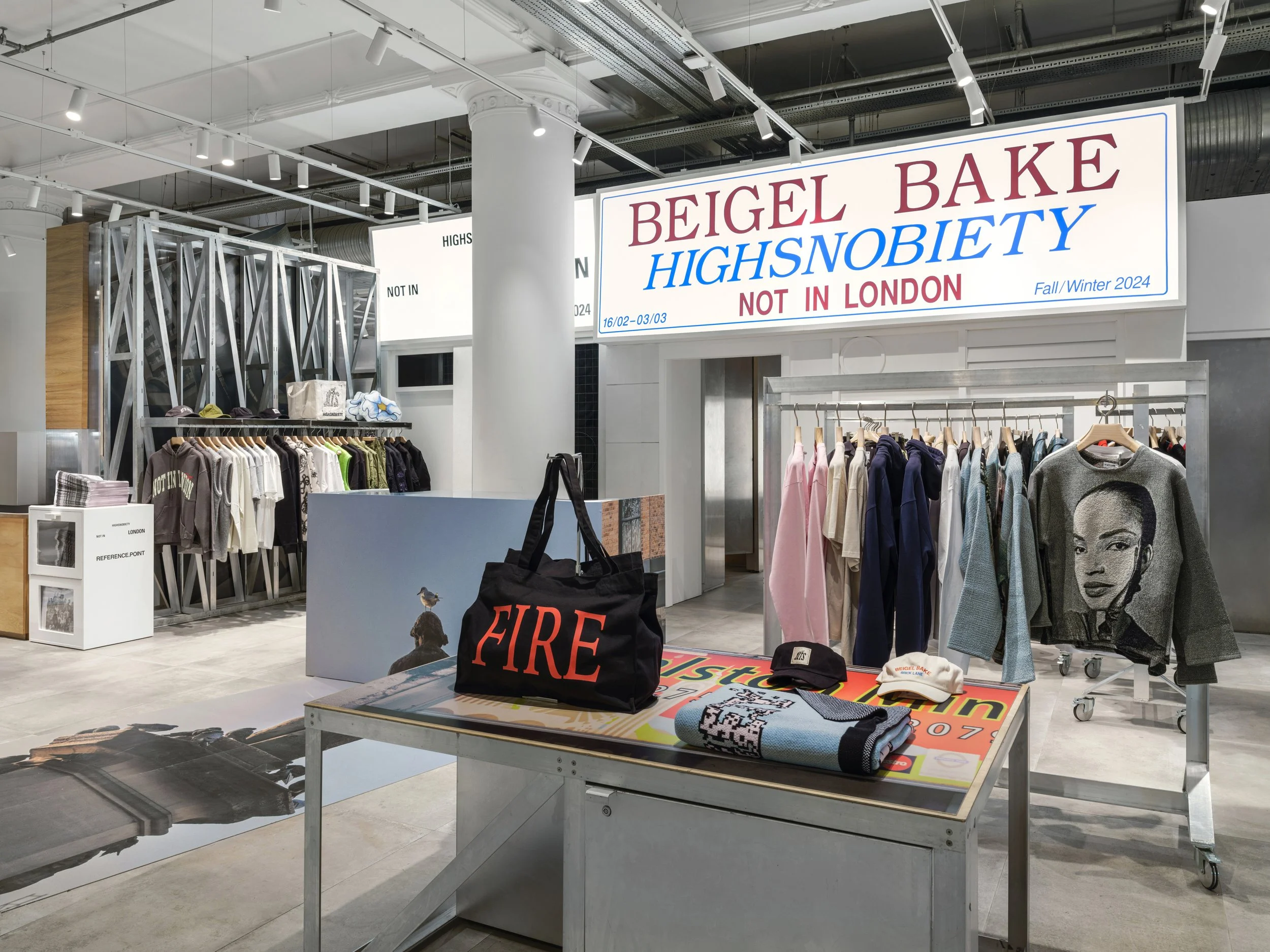
    Notably, this overhaul will also affect the brand’s flagship store, situated on Berlin’s Unter den Linden Boulevard. Having been opened just last year, the store is slated to undergo a significant transformation. The space will be repurposed into a hub for brand collaborations, activations, and temporary pop-up experiences.

    From Digital Publication to E-Commerce

    Highsnobiety was originally established as a digital publication focusing on youth culture and the streetwear segment. In an attempt to enrich its editorial content, the company ventured into e-commerce in 2019 by launching a platform that offered a curated selection of fashion and lifestyle products. This included collaborations with several prominent brands.

    However, upon reflection, the company has concluded that it can make its most meaningful long-term contributions by influencing culture, rather than running a third-party retail model.

    Shaping Culture

    David Fischer, the founder and CEO of Highsnobiety, reflected on the ethos of the company. He emphasized that Highsnobiety has always aimed to help its community understand emerging trends and aid brands in gaining credibility with relevant audiences.

    In the last half a decade, Highsnobiety has successfully created cultural moments that have extended far beyond the realm of traditional publishing. Fischer expressed that looking forward, the company’s focus and efforts will be squarely directed at continuing this cultural influence.

    Questions & Answers

    What changes is Highsnobiety making?
    Highsnobiety is terminating its e-commerce operations by the end of the year and refocusing on its original publishing and cultural agency operations.

    What is the impact of this decision on the company’s employees?
    Approximately 50 roles related to retail and associated departments are expected to be affected. However, Highsnobiety is working to provide ample support to the affected employees throughout the transition.

    How is Highsnobiety’s flagship store on Berlin’s Unter den Linden Boulevard being restructured?
    The flagship store will be transformed into a space for brand activations, collaborations, and temporary pop-up experiences.