Category: Fashion

Retail News Asia is committed to providing both local and global retailers with the latest Fashion news throughout the Asian market. This on a daily base.

  • Coach Unveils Its First Coffee Shop in Singapore – A Bold New Venture!

    Coach Unveils Its First Coffee Shop in Singapore – A Bold New Venture!

    The vibrant new Coach Coffee Shop has officially opened its doors in Singapore, nestled within the bustling WEAVE lifestyle hub at Resorts World Sentosa. This innovative café marks Coach’s first foray into the world of coffee, merging retail with a cozy dining experience right at the entrance of its retail store

    In true homage to its New York origins, the café boasts a striking design characterized by city skyline wallpaper, sleek black industrial accents, and raw concrete walls, all illuminated by modern LED lighting. The exterior, adorned with lush greenery, creates a welcoming contrast that invites visitors to step in and explore.

    At the heart of the café’s whimsical vibe is its charming mascot, Lil Miss Jo, who not only graces the coffee cups but also appears on an exclusive lineup of merchandise. Shoppers can pick up tote bags, mugs, t-shirts, and more, creating a delightful connection between the café and Coach’s fashion-forward ethos.

    As for the menu, Coach is serving up a variety of American comfort food classics. Diners can savor grilled cheese, hearty Reuben sandwiches, and, for the weekend crowd, a special cheeseburger that promises to satisfy cravings. Sweet tooths will be tempted by innovative cruller-style donuts in flavors like raspberry and maple, as well as a playful soft-serve ice cream selection that includes peanut butter & jelly and peaches & cream, with an exclusive Singapore twist featuring chili crab.

    Quenching Thirst with Creative Beverages

    To wash it all down, the café offers a diverse drink menu, featuring staples such as coffee, hot chocolate, iced chocolate, and refreshing cherry lemonade. Additionally, Coach Coffee Shop introduces an exciting seasonal menu that kicks off with unique concoctions like strawberry matcha and orange cream, ensuring that every visit can be a new adventure.

    For a brand known for its luxurious handbags, Coach Coffee Shop in Singapore adds an unexpected layer of charm and culinary delight, blurring the lines between retail and gastronomic experience in a way that turns a shopping trip into a fun-filled outing.

    Questions & Answers

    What unique features does Coach Coffee Shop offer that reflect its brand identity?
    The café showcases Coach’s New York roots through its design, featuring city skyline wallpaper and industrial accents, while also promoting its coffee cup mascot, Lil Miss Jo, across exclusive merchandise.

    What types of food and drinks are available at the café?
    The menu emphasizes American comfort food, including grilled cheese, Reuben sandwiches, and weekend cheeseburgers, accompanied by desserts like cruller-style donuts and a playful soft-serve ice cream selection. The drink menu features coffee, iced beverages, and creative seasonal drinks.

    What is special about the café’s seasonal menu?
    The café introduces a rotating seasonal menu that begins with unique offerings like strawberry matcha and orange cream, adding an element of surprise for returning visitors.

  • H&M’s Balancing Act: Navigating Sustainability Goals Amid Rising Retail Competition

    H&M’s Balancing Act: Navigating Sustainability Goals Amid Rising Retail Competition

    In the fast-paced world of retail, brands often find themselves caught in a web of immediate consumer demands and long-term strategic planning. One company feeling the heat is H&M, which has recently made headlines for its sustainability initiatives and focus on ethical fashion. However, as the Swedish retailer grapples with fluctuating sales and increasing competition, a closer look at its approach reveals a mixture of innovation, challenges, and the occasional misstep.

    H&M’s Sustainability Journey

    H&M has positioned itself at the forefront of sustainability, pledging to use 100% recycled or other sustainably sourced materials by 2030. This ambitious commitment resonates well with eco-conscious consumers, particularly younger shoppers who prioritize sustainability in their purchasing decisions. Still, the journey has not been without pitfalls; the brand has faced scrutiny over greenwashing accusations, raising questions about the authenticity of its efforts.

    Facing Market Challenges Head-On

    As of mid-2023, H&M has reported a notable dip in sales, attributed partly to changing consumer preferences and the rise of fast fashion competitors who are nimble and aggressive. The retailer’s recent focus on overhauling its online platform and optimizing supply chains indicates a strategic pivot to better meet contemporary retail demands. A dash of urgency is in the air, as the brand aims to strike the right balance between sustainability and competitiveness — ensuring it doesn’t lose its footing in the rapid race that is retail.

    The Asian Market Landscape

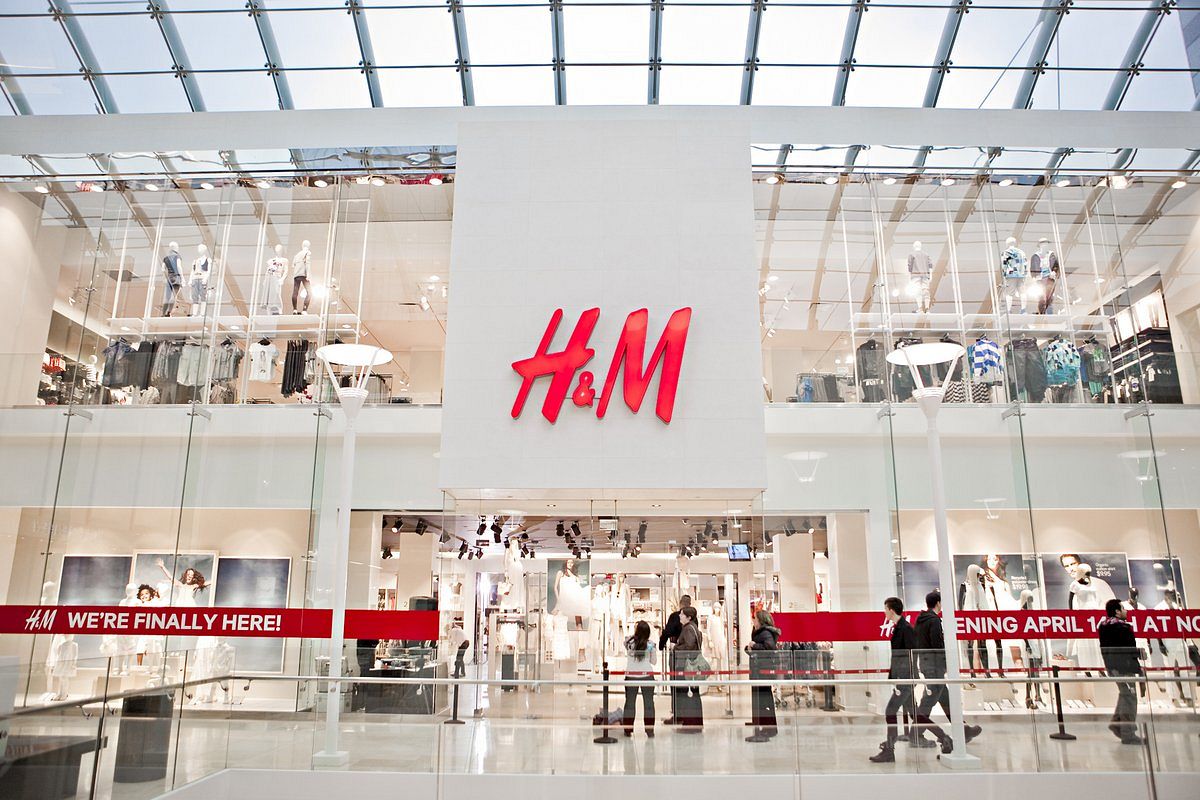
    In Asia, where retail dynamics differ significantly from those in Europe and the Americas, H&M has been investing heavily. The brand has recently opened new flagship stores in key markets such as Bangkok and Shanghai, designed to deliver a more personalized shopping experience. It’s a gamble aimed at turning foot traffic into sales, as traditional shopping experiences are making a resurgence post-pandemic. Who knew that physical stores would have to go full circle and embrace digital experiences, incorporating tech-savvy elements while still allowing customers to feel the fabric before they buy?

    Looking Ahead

    The company is betting on strategic collaborations to further enhance its offerings. Partnerships with local designers and influencers have become pivotal in creating collections that resonate with diverse Asian consumers. By understanding local tastes and trends, H&M strives to craft a more cohesive brand narrative that appeals across cultural lines. The road ahead will require diligence and adaptability, and as H&M navigates these waters, the aim remains clear: to redefine what it means to be a responsible retailer in a rapidly evolving marketplace.

    Questions & Answers

    What sustainability goals has H&M set for itself?
    H&M aims to use 100% recycled or other sustainably sourced materials by 2030, reflecting its commitment to ethical fashion.

    What challenges is H&M currently facing in the retail market?
    H&M is dealing with declining sales due to shifting consumer preferences and stiff competition from fast fashion brands.

    How is H&M adapting to the unique demands of the Asian market?
    The retailer is opening flagship stores in major Asian cities and collaborating with local designers to tailor its offerings to regional tastes.

  • Hermès Chairman Confirms Recovery of Missing $16B Stake by Heir is Impossible

    Hermès Chairman Confirms Recovery of Missing $16B Stake by Heir is Impossible

    During an earnings call on Wednesday, Executive Chairman Axel Dumas revealed an unsettling update regarding Nicolas Puech, the great-grandson of Hermès founder Thierry Hermès. “I’ve had the certainty for a long time that Nicolas Puech no longer holds his shares,” Dumas stated, suggesting the luxurious legacy has spiraled into complex legal battles. Dumas further expressed skepticism about the possible restoration of Puech’s stake and disclosed that the firm has initiated legal proceedings to address the issue.

    This insight from Dumas is the most comprehensive yet on the ongoing saga surrounding Puech’s missing fortune, a topic that has stirred intrigue among luxury retail watchers. Puech inherited a 5.7% stake in Hermès following the deaths of his mother in 1996 and sister in 2004, yet his relationship with the family and the company has grown increasingly fraught.

    A Pivotal Moment Amid a Takeover Attempt

    In 2010, as LVMH’s Bernard Arnault attempted a discreet takeover of Hermès, Puech turned against his family by quietly facilitating the transfer of some Hermès shares to Arnault, which allowed the business mogul to acquire a 23% stake in the luxury powerhouse. However, Arnault’s ambitions crumbled, resulting in a resolution in 2014 that saw him unwind his stake. That same year, Puech stepped down from Hermès’ supervisory board, but the fate of his shares has since become shrouded in mystery.

    The Complications of Bearer Shares

    Things took a turn for the complicated when it was revealed that Puech’s shares are bearer shares, a type of stock traditionally less transparent than registered shares. Unlike his family members who hold shares in their names, Puech’s stock does not disclose ownership, leading to challenges in tracing who currently possesses them and distributing dividends through intermediaries.

    A Legal Twist in 2023

    The plot thickened in 2023 when Puech claimed in court that he no longer owned the shares, placing the blame on his former wealth manager, Eric Freymond. According to reports, Puech accused Freymond of mismanaging his financial affairs, prompting intrigue about the control and governance of the inherited wealth. However, a Geneva court dismissed these claims, emphasizing that Puech had ceded control of his affairs to Freymond and could have revoked their arrangement at any time. The court found Puech’s accusations to be vague and lacking in substantial evidence.

    Freymond, who staunchly denied any wrongdoing, recently passed away in Switzerland, leaving behind an even more tangled narrative around the Hermès shares. Meanwhile, LVMH confirmed it has divested all its holdings in Hermès, closing the door on any former entanglements.

    The Broader Implications for Hermès

    If Puech still retains his stake, he would emerge as the largest individual shareholder of Hermès, a brand that carries a staggering market value of over US$300 billion as of February. The Hermès family, a network of over 100 members, remains one of Europe’s most affluent dynasties, and the repercussions of this saga could resonate far beyond just one heir’s misfortune. After all, in a world where luxury can be as elusive as it is sought after, such tales weave a compelling narrative that captivates the imagination.

    Questions & Answers

    What prompted the current dispute over Nicolas Puech’s shares?
    The dispute emerged from Puech’s alleged lack of ownership of his inherited shares after he assisted Bernard Arnault during a failed takeover of Hermès, raising questions about the ultimate fate of those shares.

    Why are Puech’s bearer shares significant?
    Bearer shares lack registered ownership details, complicating the process of tracking dividends and ownership, which poses challenges for the company in determining who rightfully holds the shares.

    What was the outcome of the recent legal proceedings involving Puech?
    A Geneva court ruled against Puech, stating he ceded control to his wealth manager and failed to provide sufficient evidence to support his claims of mismanagement.

  • Danish Brand Flying Tiger Copenhagen Debuts In Singapore, Amplifying Asia-pacific Presence

    Danish Brand Flying Tiger Copenhagen Debuts In Singapore, Amplifying Asia-pacific Presence

    Flying Tiger Copenhagen, a Danish lifestyle brand, has recently expanded its global footprint with the launch of its first store in Singapore. Situated in Bugis+, the store’s opening signifies the brand’s sustained drive to establish a stronger presence in the Asia-Pacific region.

    The newly unveiled 157sqm store showcases a wide range of products, adhering to the brand’s focus on design-centric and economically priced offerings. The selection includes homeware, stationery, interior decor, and toys, thereby meeting a variety of consumer needs and preferences.

    Singapore represents the latest accomplishment in Flying Tiger Copenhagen’s ambitious regional growth strategy. The brand initiated its Asia-Pacific expansion in 2023 with the inauguration of its stores in Indonesia and the Philippines. This was closely followed by store launches in Australia and Vietnam in the subsequent year.

    The operations in Singapore are steered by PT Mitra Adiperkasa Tbk (MAP), an Indonesian lifestyle retail company. MAP also supervises the brand’s operations in Indonesia and Malaysia, thereby ensuring a cohesive strategy across these markets.

    Established in 1995, Flying Tiger Copenhagen has experienced significant growth and now operates over 1000 stores in 39 global markets. This expansion underscores the brand’s commitment to bringing its unique offerings to a wider international audience.

    Questions & Answers

    What is the Danish lifestyle brand that recently opened its first store in Singapore?
    The brand is Flying Tiger Copenhagen.

    What variety of products does the new Flying Tiger Copenhagen store in Singapore offer?
    The store offers a selection of homeware, stationery, interior decor, and toys.

    Who is managing the operations of Flying Tiger Copenhagen in Singapore?
    The operations are managed by an Indonesian lifestyle retail firm known as PT Mitra Adiperkasa Tbk (MAP).

  • ABC-mart Debuts In Philippines With ‘grand Stage’ Store, Marking New Chapter In Asian Expansion

    ABC-mart Debuts In Philippines With ‘grand Stage’ Store, Marking New Chapter In Asian Expansion

    Japanese retail giant ABC-Mart is set to make its first appearance in the Philippines with the opening of a store in Bonifacio Global City (BGC), Manila, scheduled for September. This marks the corporate expansion of the company into a second market in the region following a successful launch in Vietnam which took place in 2022.

    Overseas Expansion

    ABC-Mart currently operates nearly 400 stores overseas, predominantly in South Korea and Taiwan. The company is also actively investigating opportunities for growth in other Asian countries such as Thailand and Indonesia.

    According to Kabir Buxani, the incoming CEO of Sonak Retail Group – the local partner of ABC-Mart – BGC is an ideal location for the brand’s first store in the Philippines. “BGC has a lively atmosphere and sets the tone for fashion in the region,” Buxani indicated.

    The Grand Stage Store

    The store, dubbed as the “Grand Stage,” will span two levels, covering an area of 750 square meters. It is expected to stock over 1,000 products including limited-edition sneakers, sandals, and clothing from major brands such as Nike, Adidas, Puma, Asics, and New Balance.

    In addition, the store will showcase the company’s first-ever wellness corner worldwide, integrating footwear with lifestyle products.

    Koji Higashimae, CEO of ABC-Mart Sonak Philippines, stated that the company’s aspiration is to achieve a balance between variety and accessibility. “Our belief is that style should not compromise comfort and high-quality fashion should be within everyone’s reach,” Higashimae explained.

    Furthermore, the company has plans to open a second outlet later in the year at Mitsukoshi in BGC.

    Questions & Answers

    What is ABC-Mart’s expansion strategy in Asia?
    ABC-Mart is strategically expanding its retail footprint in Asia, having already established stores in South Korea and Taiwan. The company has now stepped into the Philippines and Vietnam, with future prospects in Thailand and Indonesia.

    What can customers expect at the new ABC-Mart store in BGC, Manila?
    Customers can look forward to a wide variety of over 1,000 products, including clothing, limited-edition sneakers, and sandals from well-known brands like Nike, Adidas, and others. The store will also introduce the company’s first-ever wellness corner, which will blend footwear with lifestyle products.

    What is the philosophy of ABC-Mart when it comes to fashion?
    ABC-Mart believes that style should not compromise comfort. The company aims to provide high-quality, fashionable products that are both diverse in variety and accessible to everyone.

  • Prada Sees 9% Revenue Boost, Credits Rising Star Miu Miu Amid Tough Luxury Market

    Prada Sees 9% Revenue Boost, Credits Rising Star Miu Miu Amid Tough Luxury Market

    Prada, a family-owned group known for its luxury fashion, recently reported a 9% spike in first-half net revenues at constant currencies. The company’s lesser-known yet rapidly growing Miu Miu brand played a significant role in this upswing, potentially signaling a positive shift in an otherwise sluggish sector.

    In terms of figures, Prada’s net revenue reached a substantial 2.74 billion euros ($3.16 billion), mirroring analysts’ expectations. This growth can be attributed to supportive performance across all regions.

    Brand Performances

    Despite the group’s overall success, the Prada brand experienced a 3.6% drop in retail sales in the second quarter. In contrast, the Miu Miu label saw a remarkable 40% increase in sales, accounting for a quarter of the group’s total revenues last year.

    Prada’s second quarter was adversely affected by reduced tourist influx into Europe and Japan, as well as unfavorable comparisons to last year’s performance. Company executives shared these insights during a conference call held after the results were announced.

    Andrea Guerra, the Chief Executive, informed analysts that he anticipates tourist traffic levels to rebound by the end of August.

    Management Changes

    In a noteworthy development, the Italian firm recently separated from Prada’s brand CEO, Gianfranco D’Attis. Guerra has temporarily assumed the additional responsibilities, with plans to retain them for an extended period. He stated, “If it is an interim (arrangement), it’s a long one.”

    Operating Profit and Future Acquisitions

    The group’s adjusted operating profit climbed 8% to 619 million euros in the first six months, falling slightly short of the 636 million euro operating EBIT projected by analysts.

    Prada Chairman Patrizio Bertelli commented on this solid performance, stating it was achieved amidst a challenging backdrop, somewhat unprecedented in our industry.

    In terms of upcoming developments, the group anticipates finalizing the acquisition of Versace from Capri Holdings between September and November this year.

    Luxury Industry Outlook

    Despite these positive developments for Prada, a robust recovery for the luxury industry remains uncertain. For instance, Gucci’s parent company, Kering, reported a 15% fall in quarterly revenues. Additionally, LVMH recorded a 4% drop in quarterly sales, and Hermes, despite a 9% sales surge, showed signs of being affected by the broader luxury downturn.

    Questions & Answers

    What accounted for Prada’s 9% increase in first-half net revenues?
    Prada’s growth in the first half was largely due to supportive performance across all regions and the exceptional growth of the Miu Miu brand.

    How has Prada’s management changed recently?
    Prada recently parted ways with its brand CEO, Gianfranco D’Attis. The company’s Chief Executive, Andrea Guerra, has taken on these additional responsibilities for the foreseeable future.

    What is the current outlook for the luxury industry?
    The luxury industry faces uncertain times. While some brands like Prada and Hermes have shown growth, others, such as Gucci and LVMH, have reported decreases in revenue. A robust recovery for the industry remains elusive.

  • Hermes Records Impressive Growth With €8 Billion Revenue In First Half Of Year

    Hermes Records Impressive Growth With €8 Billion Revenue In First Half Of Year

    Hermes, the esteemed French luxury brand, has demonstrated impressive sales growth in the first half of the current year. This surge in revenue was experienced across all regions as affluent customers continued their patronage of the brand’s distinguished leather products.

    The brand recorded a revenue of €8 billion (US$8.78 billion) for the half-year period concluding on June 30th. This performance marks an 8% increase in profits, calculated at a constant exchange rate when compared to the same timeframe in the previous year.

    Sales saw a 9% rise in the second quarter itself, which was bolstered by an excellent performance in the markets of the United States, Japan, and the Middle East.

    According to Hermes, the growth was widespread across all geographical regions, with each one reporting gains. Japan led the way with a robust 16% increase, followed by the Americas with a 12% rise. Sales in France experienced a 9% increase while Europe, excluding France, witnessed a 13% acceleration.

    Axel Dumas, the Executive Chairman of Hermes, has expressed his satisfaction, attributing the firm’s first-half success across all regions to the strength of the Hermes model.

    On behalf of the company, he expressed gratitude to all their customers for their continued trust and to all the employees for their dedication, adding, “We will continue to invest and recruit to ensure the group’s sustained success.”

    The primary driver of growth for Hermes is its core leather goods and saddlery division, which includes the highly coveted Birkin and Kelly bag lines. The brand also reported significant increases in the sales of jewellery and homeware. However, the sales of watches and perfumes exhibited a decline.

    Hermes has laid out plans to persist with investments in craftsmanship, to broaden production, and to reinforce its global retail presence in order to meet the escalating demand for its exclusive merchandise.

    Questions & Answers

    What was the revenue of Hermes for the first half of this year?
    The French luxury brand Hermes recorded a revenue of €8 billion (US$8.78 billion) for the first half of the year.

    Which regions showed significant growth for Hermes?
    Every geographical region posted gains for Hermes. Japan led with a 16% increase, followed by the Americas with a 12% rise. Sales in France experienced a 9% increase, whilst Europe, excluding France, witnessed a 13% rise.

    Which product categories drove the growth for Hermes?
    The primary growth driver for Hermes was its core leather goods and saddlery division, including the popular Birkin and Kelly bags. The brand also reported double-digit increases in jewellery and homeware.

  • Temasek Boosts Stake In Zegna Group: A Strategic Move In Global Ultra-luxury Market Amid Volatility

    Temasek Boosts Stake In Zegna Group: A Strategic Move In Global Ultra-luxury Market Amid Volatility

    Singapore’s state investment firm, Temasek, is set to raise its stake in the Ermenegildo Zegna Group to 10 percent. This move, announced by both companies on Tuesday, is part of Zegna’s strategy to expand globally in the robust ultra-luxury market.

    Investing in Volatile European Markets

    Temasek is currently identifying investment opportunities in Europe, a region experiencing market volatility due to the international trade war initiated by the former US President, Donald Trump. This volatility has resulted in more appealing valuations for certain businesses.

    Insiders familiar with the deal indicated that Temasek views Zegna, a company increasingly receptive to foreign investors, as a promising investment prospect.

    Details of the Deal

    The deal, expected to be completed by July 30, involves Temasek acquiring 14.1 million Zegna treasury shares at $8.95 each, amounting to a total of $126.4 million. This purchase, combined with the 12.7 million shares Temasek previously procured on the open market, results in a total stake of 10 percent for the investment firm.

    Zegna’s Chairman and CEO, Ermenegildo “Gildo” Zegna, believes that this partnership with Temasek will strengthen their global organic expansion.

    Influence of Luxury Consumers

    Despite worldwide economic uncertainty, top-tier luxury consumers, those who spend more than 50,000 euros ($57,660) annually, continue to consume. Though this group represents less than 1 percent of the market, they contribute to 23 percent of the industry’s value. Their expenditure remains constant even as less affluent consumers reduce their spending.

    Future Developments

    Nagi Hamiyeh, Temasek’s head of Europe, the Middle East, and Africa, is expected to join Zegna’s board as a non-executive director at Zegna’s annual general meeting in June 2026. He expressed that this investment illustrates Temasek’s faith in Zegna’s positioning and potential for long-term value creation.

    Funds from this transaction will bolster Zegna’s balance sheet and facilitate their expansion into new markets, particularly Asia. Temasek’s regional expertise is anticipated to play a crucial role in this expansion.

    Questions & Answers

    What is the percentage of Temasek’s stake in the Ermenegildo Zegna Group?
    After the completion of the deal, Temasek’s stake in the Ermenegildo Zegna Group will increase to 10 percent.

    What is the primary purpose of Temasek’s investment?
    The proceeds from the transaction will be used to improve Zegna’s balance sheet and aid their expansion into new markets, particularly in Asia.

    Who are the top-tier luxury consumers?
    Top-tier luxury consumers are individuals who spend over 50,000 euros ($57,660) annually. These consumers continue to spend consistently, despite global economic uncertainty.

  • Chinese Brands Make Waves in Southeast Asia’s Competitive Retail Landscape

    Chinese Brands Make Waves in Southeast Asia’s Competitive Retail Landscape

    Chinese skincare brands are making waves across Southeast Asia, boasting an impressive 115% compound annual growth rate (CAGR) in the mass skincare market from 2019 to 2024. This explosive growth is attributed to innovative product offerings and competitive pricing, launching them into the spotlight as formidable contenders against established players, according to a recent whitepaper by Euromonitor International.

    Chinese Brands Seize Opportunities in Southeast Asia

    The report, titled “The Rise of Chinese Brands in Southeast Asia,” delves into the dynamics of the ASEAN-6 economies—Indonesia, Malaysia, the Philippines, Singapore, Thailand, and Vietnam—collectively contributing to 95% of Southeast Asia’s impressive $4 trillion GDP. “Chinese companies are making significant strides in this region, particularly in sectors where they enjoy distinct competitive advantages such as electric vehicles, consumer electronics, and home appliances,” explains Tim Chuah, senior global insight manager at Euromonitor.

    Beauty and Beyond: A Market Revolution

    The beauty sector is witnessing an especially thrilling transformation, with Chinese brands challenging the status quo. In addition to skincare, they are quickly carving out niches in food and foodservice industries. “The aggressive expansion of Chinese brands into these sectors is reshaping the competitive landscape across Southeast Asia,” Chuah added, signaling that incumbent firms need to step up their game.

    Impact Across Industries

    Chinese brands are also shaking up the air conditioning market, rapidly increasing their market share from 9% in 2015 to a projected 25% in 2024. Meanwhile, Japanese competitors have faced a 7% decline during this same period, highlighting the ongoing shift in consumer preferences.

    Capitalizing on Culinary Trends

    In the food and beverage sector, Chinese brands are tapping into a rapidly expanding appetite for coffee, milk tea, snacks, and dairy products throughout Southeast Asia. These categories are experiencing robust double-digit growth, with the beverage segment expected to rise at an impressive 9% annually until 2029.

    Furry Friends and Digital Wallets: The New Frontier

    Not stopping there, Chinese pet care companies are venturing into the burgeoning pet care market in Southeast Asia. This segment alone is projected to grow at a 9% CAGR from 2025 to 2030—a promising landscape for brands eager to cater to pet owners. Meanwhile, while Chinese digital wallets continue to attract tourists, their reach among local consumers remains limited due to strong domestic alternatives. Achieving success in this competitive space will largely depend on forming strategic partnerships with local businesses.

    Questions & Answers

    How are Chinese skincare brands influencing the beauty market in Southeast Asia?
    Chinese skincare brands are dramatically reshaping the beauty market by delivering innovative, cost-effective products that appeal to consumers, resulting in a phenomenal 115% CAGR from 2019 to 2024.

    What sectors are Chinese companies focusing on in Southeast Asia?
    Chinese companies are expanding aggressively in electric vehicles, consumer electronics, home appliances, and increasingly in beauty and food services, posing new challenges to established local and international brands.

    What trends are emerging in the Southeast Asian food and beverage sector?
    The demand for coffee, milk tea, snacks, and dairy products is surging, driving double-digit growth with the beverage segment anticipated to grow annually by 9% until 2029.

  • Banana Sisters Boosts Global Expansion With Second Flagship Store In Southeast Asia

    Banana Sisters Boosts Global Expansion With Second Flagship Store In Southeast Asia

    Banana Sisters, a South Korean legwear brand, has broadened its global presence by launching its second international flagship store in the SM Mall of Asia. This move forms part of the company’s broader expansion plan in Southeast Asia.

    The new retail outlet occupies a 46-square-meter area situated on the third floor of the mall’s Entertainment section. Shoppers will find an impressive variety of approximately 300 different sock styles in the store. Additionally, the store boasts a range of branded merchandise such as T-shirts, caps, and a selection of eco-friendly bags.

    Banana Sisters is the umbrella company for several sub-brands. These include Banana Sisters, which caters to women, Banana Brothers for men, Biarritz offering chic styles, Bitz for sportswear, and Banana Kids for children’s wear.

    In addition to expanding through physical stores, Banana Sisters also plans to establish an e-commerce platform dedicated to the Philippines. This online venture is set to launch by the end of next year and will provide local payment options and nationwide delivery service.

    Yong Ju Jung, the CEO of Banana Sisters, affirmed that the store at the Mall of Asia will play a crucial role in expanding the brand’s presence in the region.

    Questions & Answers

    What is Banana Sisters’ recent strategic move in Southeast Asia?
    Banana Sisters, a South Korean legwear company, has launched its second international flagship store in the SM Mall of Asia.

    What can shoppers expect to find in the new Banana Sisters store?
    The store boasts approximately 300 different sock styles, as well as a range of branded apparel and accessories, including T-shirts, caps, and eco-friendly bags.

    What are Banana Sisters’ future plans besides expanding their physical stores?
    The company has plans to launch a dedicated Philippine e-commerce platform by the end of next year, offering local payment options and nationwide delivery.

  • Nicole Kidman Announced As Global Brand Ambassador For Japanese Luxury Brand Cle De Peau Beaute

    Nicole Kidman Announced As Global Brand Ambassador For Japanese Luxury Brand Cle De Peau Beaute

    Nicole Kidman, recognized worldwide for her acting prowess and staunch advocacy for women’s rights, has been announced as the new global brand ambassador for Cle de Peau Beaute, a renowned Japanese luxury skincare and makeup brand.

    Kidman’s appointment aligns seamlessly with Cle de Peau Beaute’s values, which revolve around intelligence, sophistication, and an uncompromising attitude, according to the company. Kidman’s embodiment of these values throughout her personal and professional life is what cemented her as the ideal figure to represent the brand on a global scale.

    Mizuki Hashimoto, the chief brand officer of Cle de Peau Beaute, elaborated on this, stating, “Radiance is about more than just physical appearance; it’s also about the inner strength that fuels positive transformation.” Hashimoto lauded Kidman for her inspiring journey, stating that it embodies the brand’s belief in the power of passion and purpose to unlock a radiant inner strength that can inspire and empower others.

    Kidman is not just known for her extensive acting career of over 40 years, but also for her dedicated humanitarian work. Her role as a UN Women Goodwill Ambassador has seen her actively promote women’s empowerment, especially in areas of education, economic opportunities, and the prevention of gender-based violence.

    Reacting to her appointment, Kidman expressed her excitement about joining the Cle de Peau Beaute family. “I am inspired by the brand’s commitment to celebrate individual beauty across all aspects of life,” she commented. “I look forward to what we can create together.”

    Cle de Peau Beaute, established in 1982, is considered a prominent brand in the luxury skincare and makeup industry. It is owned by the cosmetic giant, Shiseido.

    Questions & Answers

    Who is the new global brand ambassador for Cle de Peau Beaute?
    Nicole Kidman, the acclaimed actress and women’s rights advocate, has been appointed as the new global brand ambassador for Cle de Peau Beaute.

    What values of Cle de Peau Beaute does Nicole Kidman embody?
    Nicole Kidman aligns with Cle de Peau Beaute’s values of intelligence, sophistication, and an uncompromising attitude. Her inspiring journey also resonates with the brand’s belief in the power of passion and purpose to unlock a radiant inner strength that can inspire and empower others.

    What is Nicole Kidman’s opinion about joining Cle de Peau Beaute?
    Nicole Kidman has expressed her excitement and inspiration about joining Cle de Peau Beaute. She admires the brand’s commitment to celebrate individual beauty across all life’s aspects and is looking forward to what they can create together.

  • LVMH Sees Sales Dip: Fashion And Wine Departments Hit Hardest Amid Economic Uncertainty

    LVMH Sees Sales Dip: Fashion And Wine Departments Hit Hardest Amid Economic Uncertainty

    LVMH Moet Hennessy Louis Vuitton experienced a decrease in sales during the first half of the year, primarily due to weaker performance in its fashion and wine departments.

    Decreased Revenue

    The distinguished luxury conglomerate reported a 4 per cent decline in revenue, which totaled EUR39.8 billion (US$46.7 billion) over a six-month period. This figure represents a 3 per cent decrease in sales on an organic basis, including a 3 per cent decrease in the first quarter and a 4 per cent reduction in the second quarter.

    Impact on Different Divisions

    The major contributors to this decline were an 8 per cent drop in sales in both the fashion and leather goods division and the wine and spirits division. The group attributes the dip in fashion revenue to the strong growth it enjoyed last year, which was largely spurred by increased tourist spending in Japan, owing to a weaker yen. As for the wine segment, it suffered due to the influence of trade tensions impacting the critical markets of the US and China.

    Furthermore, perfume and cosmetics and watches and jewellery departments also reported a 1 per cent decline in sales. In contrast, the selective retailing segment remained flat, a result of continued growth at Sephora and the streamlining of operations at DFS.

    Profit Decline

    In terms of profit, there was a 15 per cent slide in profit from recurring operations which amounted to EUR9 billion, and the net profit was down 22 per cent to EUR5.6 billion.

    Despite these figures, the group maintains its confidence in the prevailing uncertain geopolitical and economic climate. It plans to continue focusing on bolstering the appeal of its brands.

    Questions & Answers

    What were the major contributors to LVMH’s decline in sales?
    The major contributors were an 8 per cent drop in sales in both the fashion and leather goods division and the wine and spirits division.

    What factors affected the fashion and wine segments?
    The dip in fashion revenue can be attributed to the strong growth it experienced last year due to increased tourist spending in Japan, owing to a weaker yen. The wine segment suffered due to trade tensions impacting the crucial markets of the US and China.

    What are LVMH’s plans moving forward amidst the economic downturn?
    The group plans to maintain its focus on enhancing the desirability of its brands, expressing confidence in the prevailing uncertain geopolitical and economic environment.

  • Liverpool FC Expands Global Footprint With 20th Standalone Store In Hong Kong

    Liverpool FC Expands Global Footprint With 20th Standalone Store In Hong Kong

    Liverpool Football Club (LFC) recently inaugurated its inaugural standalone store in Hong Kong, marking a significant milestone as its 20th globally. This move is strategically aligned with the five-year extension of the club’s collaboration with All Star Partner, an established sports and e-commerce retailer with a focus on worldwide sports brand merchandizing and licensing.

    Promoting Football Culture in Hong Kong

    The newly launched store, strategically situated in the Kai Tak Sports Park, caters to the club’s burgeoning fan base in the region. It is a one-stop-shop for all official Liverpool FC merchandise, offering a wide spectrum of club-branded attire, exclusive collections, and up-to-the-minute product releases.

    Luo Bin, CEO of All Star Partner, shared his confidence in the standalone store’s ability to not only fulfill the demand for official merchandise from Hong Kong and regional fans but also establish a dedicated space for fan interaction. This will enable fans to fully engage in the distinctive football culture of Liverpool FC.

    On the same note, Lee Dwerryhouse, Senior VP of Merchandising at LFC, reaffirmed that Asia continues to be the club’s strategic priority. This emphasizes the region’s pivotal role in the club’s international retail and fan engagement approach.

    The Growing Presence of LFC in Asia

    The Hong Kong store marks the ninth standalone LFC store in Asia. Besides these standalone outlets, the club also operates over 100 stores within larger establishments, pop-up locations, and an extensive network of e-commerce platforms specifically designed for Asian markets.

    Questions & Answers

    What does the opening of the new standalone store in Hong Kong signify for Liverpool FC?
    The opening of the standalone store in Hong Kong marks Liverpool FC’s 20th such outlet worldwide, highlighting the club’s ongoing expansion and commitment to engaging with its overseas fanbase.

    What is the purpose of the new standalone store in Hong Kong?
    The new store primarily targets Liverpool FC’s growing fanbase in the region by providing a wide range of official merchandise. It also aims to create an exclusive space for fans to interact and immerse themselves in the club’s unique football culture.

    What is the extent of Liverpool FC’s retail presence in Asia?
    With the new addition in Hong Kong, Liverpool FC now operates nine standalone stores in Asia. Additionally, the club runs over 100 stores within larger establishments, pop-up stores, and a robust network of e-commerce platforms across Asian markets.

  • LVMH Explores Sale of Iconic Fashion Brand Marc Jacobs Amid Strategic Refocus

    LVMH Explores Sale of Iconic Fashion Brand Marc Jacobs Amid Strategic Refocus

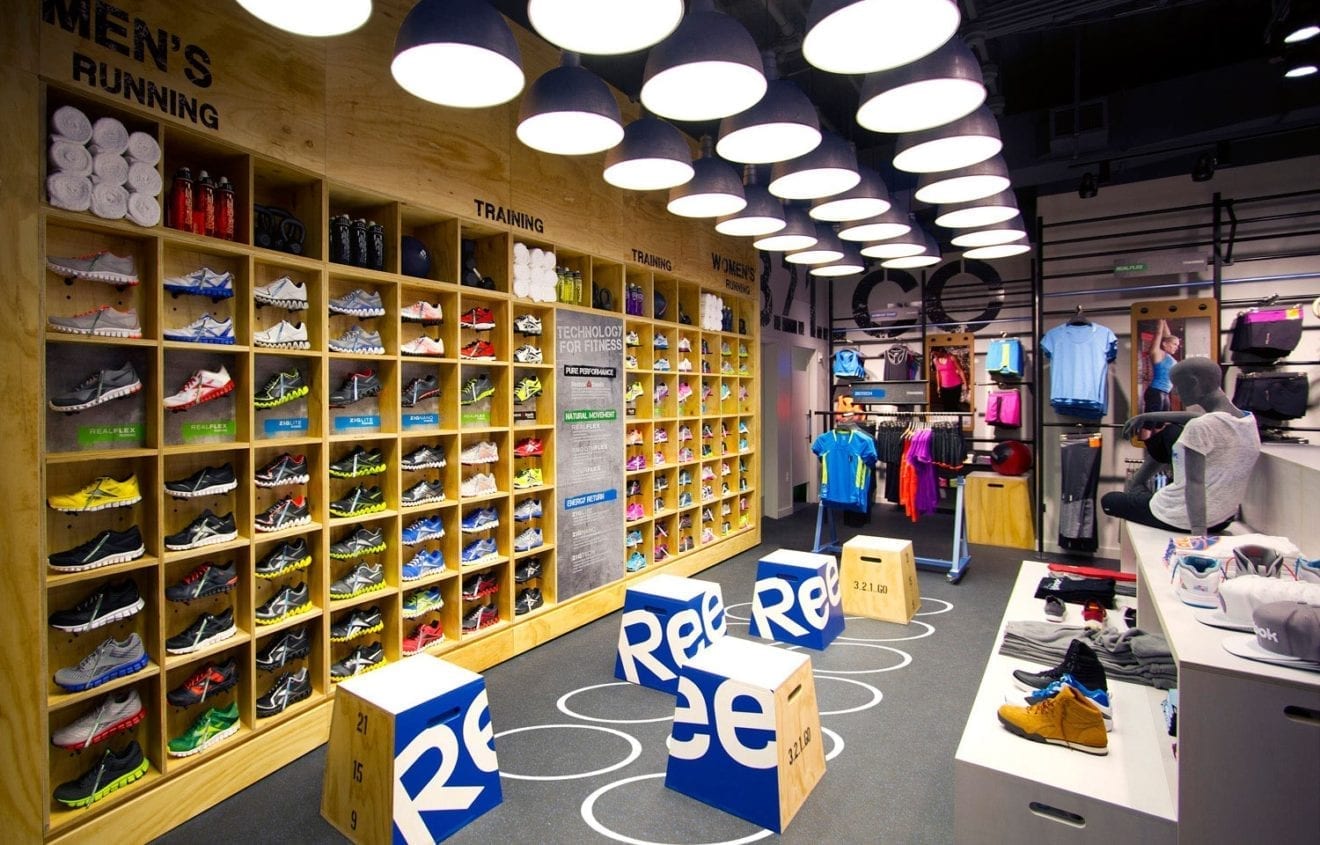
    Rumors are swirling around LVMH’s Marc Jacobs label, as the luxury giant engages in discussions with interested buyers, including Authentic Brands Group, known for their acquisition of Reebok, and WHP Global. Sources close to the negotiations, who wished to remain anonymous due to the sensitive nature of the talks, suggest that a deal could be on the horizon.

    While Authentic Brands has declined to comment, WHP Global has yet to respond. Adding to the mix, Bluestar Alliance, the current owner of Brookstone, is also vying for the Marc Jacobs brand, which analysts estimate could fetch around $1 billion, according to a recent report by the Wall Street Journal.

    Neither LVMH, Marc Jacobs, nor Bluestar Alliance provided comments regarding the report from the WSJ. Previously, in 2024, Bloomberg revealed that LVMH was looking into strategic options for the Marc Jacobs brand after attracting interest from potential buyers, though the company denied such claims at that time.

    Founded by American designer Marc Jacobs in 1984, the brand is celebrated for its vibrant and eclectic designs that marry high fashion with street style. In a pivotal moment for both parties, LVMH appointed Jacobs to oversee Louis Vuitton in 1997 and subsequently acquired a stake in his own label.

    According to the Journal, a deal might be finalized soon, provided that discussions do not stall. This potential offloading of Marc Jacobs aligns with LVMH’s recent efforts to streamline its brand portfolio. Last year, the luxury conglomerate sold Off-White—initially established by Virgil Abloh—to Bluestar Alliance, although the sale price was not disclosed.

    In another notable move, Stella McCartney, who previously sold a minority stake of her brand to LVMH, reacquired that stake this year, just five years after the luxury group’s investment. McCartney has pledged to continue advising LVMH’s chief executive, Bernard Arnault, on sustainability issues—a topic she passionately champions.

    The luxury retail sector has been a hotbed for dealmaking recently, particularly in Europe. In a significant move, Prada acquired Versace from Capri Holdings in a staggering $1.4 billion deal, highlighting the competitive and dynamic nature of high-end fashion.

    While LVMH’s second-quarter sales, which encompass iconic products like Louis Vuitton handbags and Moët & Chandon champagne, fell slightly short of market expectations, analysts remain optimistic. The group’s shares have risen, buoyed by signs of recovering demand in the critical Chinese market, a beacon of hope amid challenging conditions.

    Analyst Adam Cochrane from Deutsche Bank noted that, despite the second-quarter results lacking brilliance, there were “glimmers of hope” on the revenue horizon. French luxury brands continue to navigate a tricky landscape, grappling with economic downturns and the looming specter of U.S. import tariffs.

    Questions & Answers

    Which companies are interested in acquiring Marc Jacobs?
    Authentic Brands Group and WHP Global are among the potential buyers, with Bluestar Alliance also expressing interest.

    What is the estimated value of the Marc Jacobs brand?
    Analysts estimate the brand could be valued at around $1 billion.

    What recent strategic move did Stella McCartney make concerning her brand?
    Stella McCartney has repurchased the minority stake that LVMH held in her label, five years after LVMH’s initial investment.

  • Louis Vuitton Set to Unveil Stunning Megastore in Luxurious Global Retail Hub

    Louis Vuitton Set to Unveil Stunning Megastore in Luxurious Global Retail Hub

    Scaffolding has emerged around the latest project from Louis Vuitton, poised at K11 Musea and overlooking the Avenue of Stars—a scenic promenade that showcases breathtaking views of Victoria Harbour and the vibrant Hong Kong skyline. As the luxury brand prepares for its next chapter in this prime location, whispers of its plans have started to circulate, although official confirmation remains elusive.

    Reports suggest that the new outlet will encompass approximately 40,000 square feet, mostly dedicated to non-retail features. The anticipated offerings include a museum, a café, and a luxurious lounge reserved for VIP clientele. This flagship store is expected to be one of the largest in Asia, with a projected opening by the end of 2026, as indicated by Bloomberg during the initial agreement announcement.

    A Blueprint for Immersive Shopping

    Industry experts, speaking to the South China Morning Post, hint that the store’s design will mirror that of the recent three-level, ship-shaped retailer unveiled in Shanghai. This indicates a strategic approach aimed at creating a multi-experience hub rather than simply a retail outlet, aligning with a trend toward immersive shopping environments.

    Luxury Amid Record High Rents

    Louis Vuitton’s bold move into this space comes as Tsim Sha Tsui claims the title of the most expensive retail market globally. As of the fourth quarter of 2024, prime rents soared to an astonishing 17,132 euros (roughly US$20,177) per square meter annually, outpacing renowned shopping streets like Madison Avenue in New York and Bond Street in London, according to property consultancy Savills. The developer, New World Development, helmed by the billionaire Cheng family, is reportedly setting rental terms partly based on the store’s turnover—talk about a high-stakes game of luxury leasing!

    Navigating Shifting Consumer Habits

    This new endeavor arrives at a time when global luxury brands are recalibrating their strategies in China, a market grappling with economic uncertainty that has nudged consumers toward a more careful approach to spending. Despite challenges, the appetite for high-end experiences—think five-star hotels, extravagant dining, and fine travel—is undimmed among affluent individuals. In response, brands like Louis Vuitton are capitalizing on the opportunity to create physical spaces that deliver personalized experiences, luring customers who crave more than just products.

    Strategically located near popular tourist destinations, K11 Musea has quickly become a favorite among both locals and visitors alike. Adding to its allure, Louis Vuitton recently hosted a fashion show at the mall in late 2023, showcasing its menswear pre-fall 2024 collection, further solidifying its presence in this bustling cultural hub.

    Questions & Answers

    What unique features will the new Louis Vuitton store at K11 Musea offer?
    The store will include a museum, a café, and an exclusive lounge for VIP customers, aiming to provide an immersive shopping experience rather than just retail space.

    Why has Louis Vuitton chosen Tsim Sha Tsui for its new flagship store?
    Tsim Sha Tsui is recognized as the world’s priciest retail market, making it an appealing location for luxury brands seeking high visibility and foot traffic.

    How are luxury brands adapting their strategies in China amid economic fluctuations?
    Brands are focusing on creating brick-and-mortar experiences that emphasize personalization and unique offerings in response to consumers becoming more selective with their spending.