Category: Fashion

Retail News Asia is committed to providing both local and global retailers with the latest Fashion news throughout the Asian market. This on a daily base.

  • Italian Fashion Powerhouse OVS To Open First Store In India Amid Global Expansion

    Italian Fashion Powerhouse OVS To Open First Store In India Amid Global Expansion

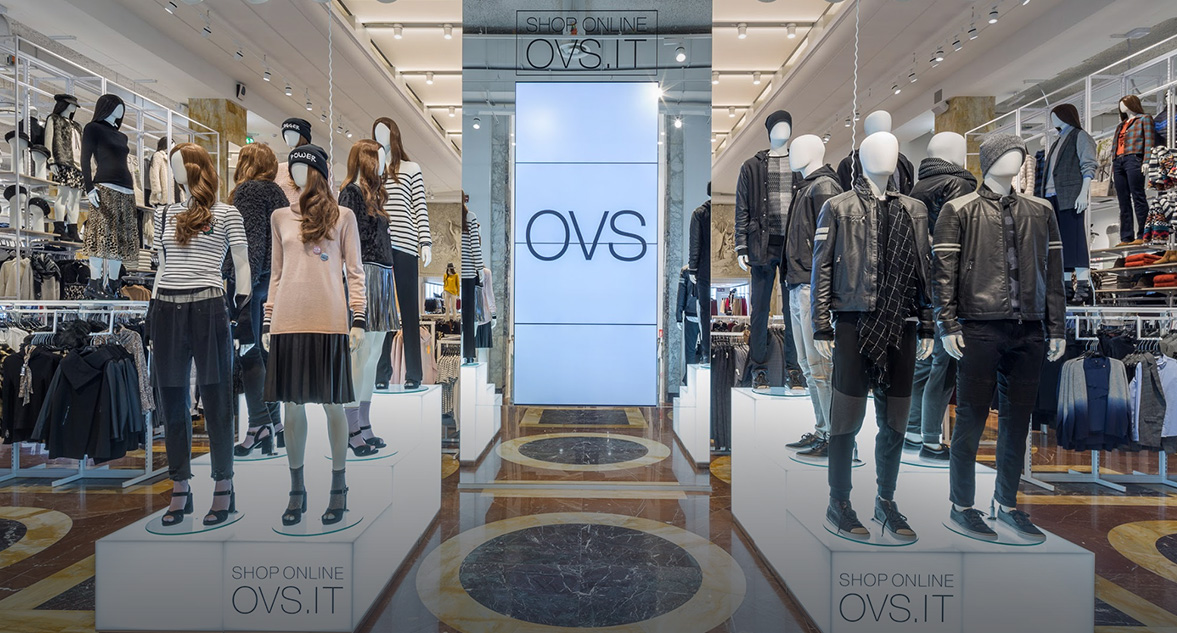
    Italian fashion retail giant, OVS, is preparing to penetrate the Indian market. The company is set to open its first store at Pacific Mall, Tagore Garden, New Delhi, next month. This move is part of the company’s larger global expansion strategy. OVS, which reported sales of €1.63 billion in 2024 and operates over 2200 stores globally, sees the Indian market as a significant growth opportunity.

    Targeting India’s Dynamic Fashion Market

    India is known for its dynamic fashion landscape, fueled by a young population with an increasing appetite for international styles. Sundeep Chugh, MD at OVS India, shared his enthusiasm about introducing OVS’s unique blend of Italian design, quality, and affordability to Indian consumers.

    Store Features and Collection Highlights

    The New Delhi OVS store will showcase the brand’s latest retail concept. Additionally, it will offer a diverse product range, from everyday essentials to premium lines. The company’s creative director, Massimo Piombo, designs collections with the goal of inspiring and encouraging customers to embrace their creativity. The essence of Italian style – a blend of art, travel, and culture – is embodied in all OVS collections. With India’s vibrant and style-conscious market, the brand anticipates a significant response to their offerings.

    Global Footprint Expansion

    OVS already serves more than 6 million customers worldwide. The company views its entry into India as a critical turning point in its growth strategy. OVS plans to bring its ‘Love People, Not Labels’ philosophy to global markets, adding another dimension to its international expansion.

    Questions & Answers

    What is the significance of OVS’s entry into the Indian market?
    The entry into the Indian market is a part of OVS’s broader international expansion strategy. It provides the company access to one of the world’s most dynamic fashion markets, characterized by a young demographic with a growing preference for global styles.

    What can customers expect from the first OVS store in New Delhi?
    Customers visiting the New Delhi store can expect to see the brand’s latest retail concept and a diverse product range, from everyday essentials to premium lines.

    What is OVS’s growth strategy?
    OVS’s growth strategy includes expanding its global footprint and bringing its ‘Love People, Not Labels’ philosophy to international markets. This involves catering to diverse customer preferences and promoting inclusivity in fashion.
  • Uniqlo Ceo Yanai Warns Of Economic Fallout From U.S. Tariffs; Unveils Plans To Raise Prices

    Uniqlo Ceo Yanai Warns Of Economic Fallout From U.S. Tariffs; Unveils Plans To Raise Prices

    Tadashi Yanai, the founder of the global fashion brand Uniqlo and CEO of Fast Retailing, has expressed his concerns over the impact of tariffs on international trade, particularly the United States. Yanai, who is Japan’s wealthiest individual, has previously vocalized his apprehensions about the potential economic fallout from the extensive tariffs put in place by the U.S. administration.

    Tariffs and their Impact

    Yanai aired his views during a Uniqlo event in New York City, where the brand was showcasing its LifeWear clothing line and an art collaboration with Toray Industries of Japan and The Museum of Modern Art. Speaking through a translator, he stated, “I fear the world could go bankrupt,” before adding, “America is the one that could suffer the most.” He did not elaborate further on his statement.

    Fast Retailing, under the leadership of Yanai, has grown to become a dominant force in the Asian apparel market and is currently executing an ambitious expansion plan in Europe and North America.

    Effects on Uniqlo and its Operations

    The company announced in July that the increase in U.S. tariffs would have a significant impact on its American operations starting from the later part of the year. To counteract this, the company plans to raise prices.

    The majority of Uniqlo products sold in the U.S. are manufactured in Southeast Asia and South Asia, making the brand particularly susceptible to any shifts in the tariff landscape.

    Questions & Answers

    Who is Tadashi Yanai?
    Tadashi Yanai is the founder of global fashion brand Uniqlo and the CEO of Fast Retailing. He is also Japan’s richest man.

    What is Yanai’s viewpoint on U.S. tariffs?
    Yanai is concerned about the potential economic fallout from extensive tariffs imposed by the U.S. administration. He believes that the United States could suffer the most from these tariffs.

    How is Uniqlo planning to counteract the impact of these tariffs?
    Uniqlo plans to raise prices to mitigate the financial impact of the increased U.S. tariffs on its operations.

  • Valentino And Vans Unveil Ai-driven Campaign For Innovative Capsule Collection

    Valentino And Vans Unveil Ai-driven Campaign For Innovative Capsule Collection

    Luxury fashion house Maison Valentino and popular footwear brand Vans have joined forces to launch an innovative campaign that leverages artificial intelligence (AI) for a new capsule collection. This ingenious blend of physical and digital storytelling is a testament to the evolving frontiers of fashion marketing.

    The AI-Infused Campaign and Collection

    The campaign visuals were produced by AI, utilizing raw footage from Maison Valentino’s Fall/Winter 2025 Paris runway show where the collection was initially showcased. Guided by Maison Valentino’s Alessandro Michele’s vision, the team has imaginatively redefined the classic silhouette of Vans Authentic sneakers. This transformation retains the distinctiveness of Valentino and the originality of Vans through canvas uppers adorned in a spectrum of vibrant prints.

    The novel design features a checkerboard motif, overlapping patterns, and dynamic motion graphics. According to Michele, the product is a surreal and dreamlike fresco where nature erupts.

    The Collection Details

    The collection consists of six styles tailored for both men and women, each distinguished by a unique ‘I Love Valentino x Vans’ print that evokes the style of souvenir typography.

    The collaborative Valentino Garavani and Vans sneakers are available for purchase on both the brands’ official websites. A special edition of the collection will also be presented in Valentino boutiques globally and at the Vans’ London flagship store, with sales commencing this Friday.

    Questions & Answers

    What is unique about the new campaign by Maison Valentino and Vans?
    The campaign is notable for its use of artificial intelligence to generate visuals, blending physical and digital storytelling.

    Who is the creative force behind the redesigned silhouette of Vans Authentic sneakers?
    The redesign was guided by Maison Valentino’s Alessandro Michele, who ensured that the distinctiveness of both brands was preserved in the new design.

    Where can the Valentino Garavani and Vans sneakers be purchased?
    The sneakers are available on both companies’ official websites, as well as in Valentino boutiques worldwide and at the Vans’ London flagship store.

  • Client data exposed in Gucci, Balenciaga and McQueen cyberattack

    Client data exposed in Gucci, Balenciaga and McQueen cyberattack

    Luxury brands Gucci, Balenciaga, and Alexander McQueen have fallen victim to a cyber attack, leading to the potential theft of millions of customer’s private details. The assault targeted Kering, the French corporation that owns these prestigious labels.

    Kering recognized and confirmed the breach but did not publicly name the brands impacted. In a statement made in June, they reported that “an unauthorized third party momentarily gained access to our systems and accessed limited customer data from some of our Houses”.

    This incident is not an isolated event but seems to be part of a broader trend impacting luxury brands and retailers throughout the year. Other brands that suffered similar breaches include Cartier, owned by Richemont, and labels under LVMH. In July, a data leak affecting approximately 419,000 customers at LVMH’s Louis Vuitton was being investigated by Hong Kong’s privacy watchdog.

    The stolen customer data reportedly includes names, email addresses, phone numbers, addresses, and the total amounts spent at the brands’ stores. Notably, Kering has reassured that no financial information, such as credit card or bank account numbers, was stolen during the attack.

    The hackers, referring to themselves as “Shiny Hunters,” allege to have data associated with 7.4 million unique email addresses.

    In response to the breach, Kering stated that its brands promptly reported the incident to the relevant authorities and notified customers in accordance with local regulations. However, Kering did not provide a response when questioned about the countries impacted by the cyber attack.

    Questions & Answers

    What brands were affected by the cyber attack?
    The affected brands include luxury labels Gucci, Balenciaga, and Alexander McQueen, all owned by French parent company Kering.

    What kind of customer information was stolen during the breach?
    Reportedly, the stolen client data includes names, email addresses, phone numbers, addresses and the total amounts spent at the brands’ stores. However, no financial information like credit card or bank account numbers were compromised.

    How did Kering respond to the cyber attack?
    Kering reported that its brands immediately disclosed the breach to relevant authorities and notified customers as per local regulations. However, they did not comment on the specific countries affected by the attack.

  • Malabar Gold & Diamonds Expands UK Presence With Two New Showrooms; Reveals Future Expansion Plans

    Malabar Gold & Diamonds Expands UK Presence With Two New Showrooms; Reveals Future Expansion Plans

    Malabar Gold & Diamonds, a renowned Indian jewellery brand, has broadened its reach in the UK with the introduction of two additional showrooms – one in Birmingham and another in Southall.

    The Birmingham Outlet

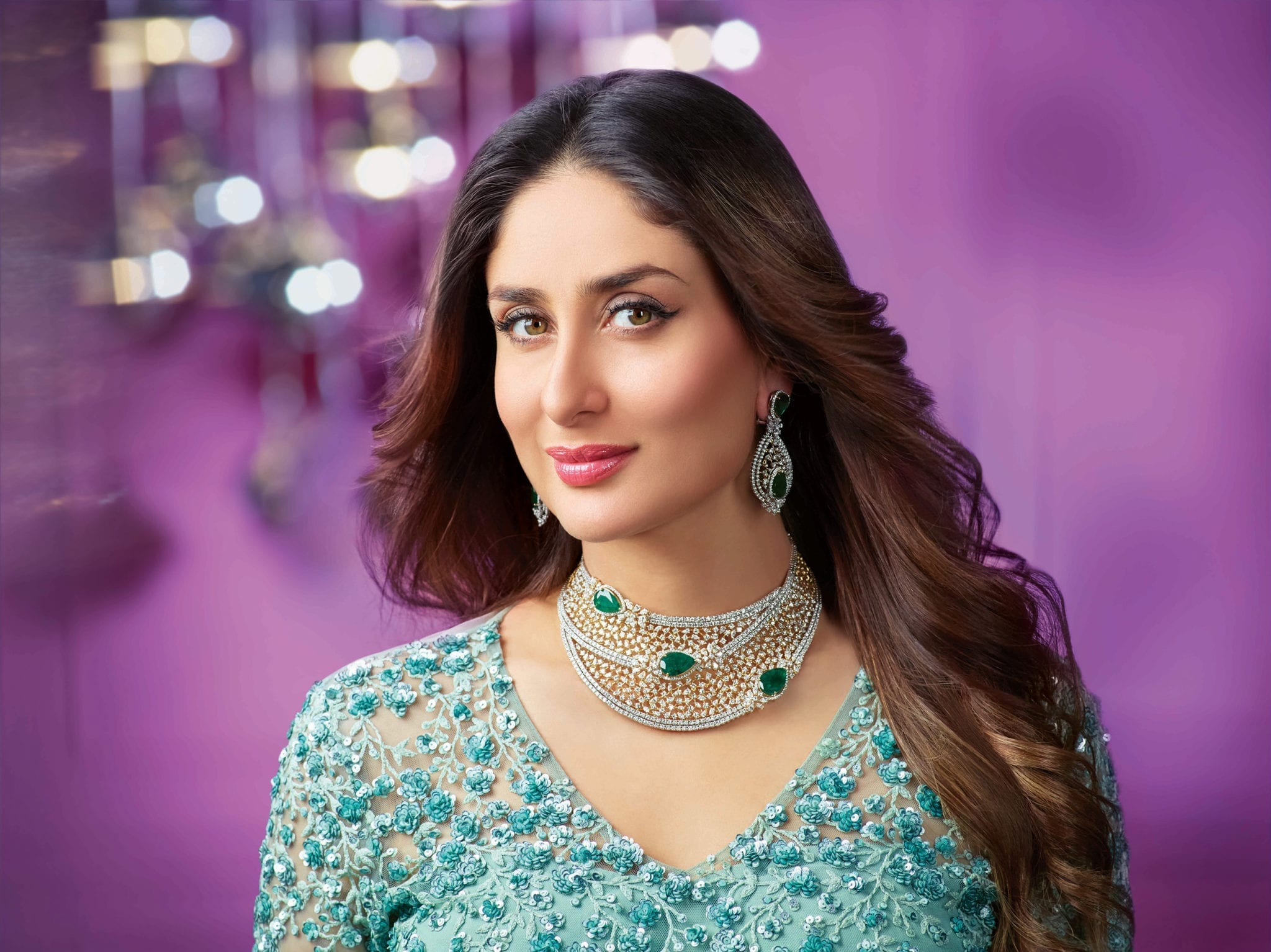
    The Birmingham outlet is the largest of the brand’s stores in the UK, boasting 5700 square feet of retail space. Both new store locations were inaugurated by Bollywood actress and brand ambassador, Kareena Kapoor Khan. In a statement, the company expressed that these spaces have been designed to provide consumers with a world-class shopping experience.

    Current and Future Showrooms

    With these two new store openings, Malabar Gold & Diamonds now operates retail locations in Birmingham, Leicester, Southall, and Green Street, London. “We’re receiving excellent support and cooperation from the UK authorities for business initiatives originating from South Asian countries. This is something to truly appreciate,” conveyed MP Ahammad, the chairman of the Malabar Group. He further informed of plans to open more showrooms in addition to the existing four in the UK.

    The company has also affirmed its plans to increase its presence by adding outlets in Manchester and a third location in London. Furthermore, they are considering long-term expansion plans which include entry into Ireland and France markets.

    Global Presence

    On an international scale, Malabar Gold & Diamonds owns and operates over 400 stores that are spread across 13 countries.

    Questions & Answers

    What is the size of the new Birmingham outlet of Malabar Gold & Diamonds?

    The Birmingham outlet is the brand’s largest in the UK, spanning an impressive 5700 square feet.

    Where are the current locations of Malabar Gold & Diamonds in the UK?

    Malabar Gold & Diamonds operates retail locations in Birmingham, Leicester, Southall, and Green Street, London.

    What are the future expansion plans of Malabar Gold & Diamonds?

    The company has plans to add outlets in Manchester and a third location in London. They’re also considering long-term expansion into Ireland and France.

  • Australia’s Surf Giants Face Competitive Surf as Retail Powerhouses and Newcomers Ride the Wave

    Australia’s Surf Giants Face Competitive Surf as Retail Powerhouses and Newcomers Ride the Wave

    As surfers hit the waves off Torquay on August 17, the challenges that lie ahead for the Australian surfing industry seem as vast as the ocean itself. Among the leading names in surfing gear—Rip Curl, Quiksilver, and Billabong—there is an unmissable concern: how to appeal to both die-hard surf enthusiasts and the casual fans of the surf lifestyle.

    Chasing the Cool Factor

    These iconic brands find themselves at a crossroads, pivoting their strategies to remain relevant in a rapidly evolving market. Some analysts suggest that Rip Curl, Quiksilver, and Billabong are becoming more synonymous with shopping malls than with the beaches they once epitomized. As their products fill shelves in retail outlets across Asia, the surf culture they represent risks losing its edge and allure.

    Market Dynamics in Asia

    In Asia’s burgeoning retail landscape, these brands are not just competing against one another but also with local surfwear companies that have learned to tap into regional trends. The challenge is exacerbated by a consumer base that is increasingly discerning, preferring authentic experiences over mere labels. Traditional marketing strategies, once effective, now seem inadequate in an environment where social media influence reigns supreme.

    Rediscovering Authenticity

    To combat this dilution of identity, brands are attempting to strike a dynamic balance between maintaining a hardcore surfing ethos and catering to the mainstream consumer. Limited-edition product lines, collaborations with local artists, and a focus on sustainability are some of the strategies being employed to reconnect with their roots and recapture that coveted “cool” factor. After all, who could resist a surfboard made from recycled materials, adorned with a stunning local design? That’s the kind of storytelling that can reel in consumers.

    The Path Forward

    Retail experts suggest that understanding the different segments of the audience—serious surfers versus aspirational shoppers—will be critical as these brands navigate their next moves. As competition heats up in both retail spaces and social media, only time will tell if the big three can adapt without losing their soul. Surfers, after all, crave authenticity. And let’s be honest, surfing gear that screams “beach vibes” yet looks great in a café doesn’t hurt either!

    Questions & Answers

    How are traditional surf brands adapting to changing consumer preferences?
    These brands are introducing limited-edition collections and collaborating with local artists to maintain relevance while staying true to their roots.

    What challenges do these brands face in the Asian market?
    They are vying for attention not only from one another but also against emerging local companies tapping into regional trends, which puts their traditional marketing strategies to the test.

    Is there still a market for hardcore surfing culture among casual consumers?
    Indeed, balancing appeals to both hardcore surfers and casual fans is essential for growth; authenticity remains a vital piece in keeping the surf culture alive.

  • Giorgio Armani Guides Heirs on Strategic Sale of Fashion Empire to LVMH and L’Oréal

    Giorgio Armani Guides Heirs on Strategic Sale of Fashion Empire to LVMH and L’Oréal

    The fashion world is in mourning following the death of Giorgio Armani, who passed away on September 4 at the age of 91, leaving behind an empire that industry analysts value between 5 billion and 12 billion euros (approximately US$5.9 billion to US$14 billion). Known as “King Giorgio,” the designer had no children to inherit his renowned label.

    Legacy in the Hands of Influential Players

    According to his will, priority for the estate is to be given to luxury giant LVMH, beauty behemoth L’Oréal, eyewear leader EssilorLuxottica, or another qualified group identified by a foundation he established to preserve his legacy. Notably, this was done in collaboration with Armani’s business and life partner, Pantaleo Dell’Orco. All three companies acknowledged their openness to exploring potential arrangements.

    The mention of stake sales and the inclusion of well-known French companies as possible buyers came as a surprise, considering Armani’s longstanding commitment to maintaining control over his fashion group—a brand that continues to retain significant prestige, even amid a global luxury slowdown.

    Potential Partnerships Spark Excitement

    LVMH, led by billionaire Bernard Arnault, expressed gratitude to be mentioned in Armani’s will. “Giorgio Armani honors us by naming us as a potential partner for the exceptional fashion house he has built,” Arnault stated. He suggested that if a partnership were to materialize, LVMH would be dedicated to bolstering its presence globally.

    EssilorLuxottica, closely linked to Armani through commercial partnerships, also indicated a willingness to consider a potential deal. Meanwhile, L’Oréal, which currently holds a licensing agreement with the Armani group until 2050, revealed plans to explore this new opportunity. It’s quite the fashion ‘who’s who’ vying for a piece of the pie, with all eyes on the future.

    A Shift in Control and New Directions Ahead

    Analysts believe that LVMH is likely the most interested party in acquiring a stake in Armani, emphasizing the strategic alignment between their businesses. They estimate that a stake could be valued between 5 billion and 7 billion euros, and LVMH appears well-positioned financially to proceed if an opportunity arises.

    Armani’s will, comprised of two documents filed earlier this year, stipulates that heirs should sell an initial 15% stake in the fashion house within 18 months of his passing. A further transfer of an additional 30% to 54.9% stake is to follow three to five years thereafter, emphasizing a structured approach to the transition of control. Alternatively, an initial public offering (IPO) may be pursued if the heirs prefer different exit strategies.

    These provisions are largely binding and could be subject to challenges in court if unmet, according to Italian legal experts. Known for revolutionizing modern fashion with his minimalist approach to jackets and suits, Armani had rebuffed several acquisition attempts over the years, including approaches from Gucci and John Elkann of the Agnelli family.

    The Future of Armani’s Vision

    Maintaining a firm grip on both creative and operational leadership, Armani has left a business generating stable revenues—an impressive 2.3 billion euros (around US$2.7 billion) in 2024—but one struggling with shrinking profits, now less than 3% of revenue according to Berenberg’s calculations.

    The will details various share types with different voting rights, ensuring that the Fondazione Giorgio Armani and Dell’Orco together control a significant 70% of the company. The foundation is committed to holding no less than 30% of the capital, serving as a safeguard of Armani’s founding principles, and is tasked with proposing a successor to lead the group.

    While the world waits to see what direction Armani’s heirs will take, one thing is clear: the legacy of Giorgio Armani will continue to influence fashion on a global scale.

    Questions & Answers

    What are the estimated values of Giorgio Armani’s fashion empire?
    The fashion empire is estimated to be worth between 5 billion and 12 billion euros (approximately US$5.9 billion to US$14 billion).

    Who are the potential buyers mentioned in Armani’s will?
    The potential buyers include luxury conglomerate LVMH, beauty giant L’Oréal, and eyewear leader EssilorLuxottica, with the possibility of other equally qualified groups being considered.

    What does Armani’s will stipulate regarding the transfer of ownership?
    The will requires heirs to sell an initial 15% stake within 18 months of Armani’s death, followed by an additional 30% to 54.9% stake within three to five years, or to pursue an IPO if preferred.

  • Uniqlo Shatters Milestone with Japan Sales Surpassing 1 Trillion Yen—A Historic First for Apparel Brands!

    Uniqlo Shatters Milestone with Japan Sales Surpassing 1 Trillion Yen—A Historic First for Apparel Brands!

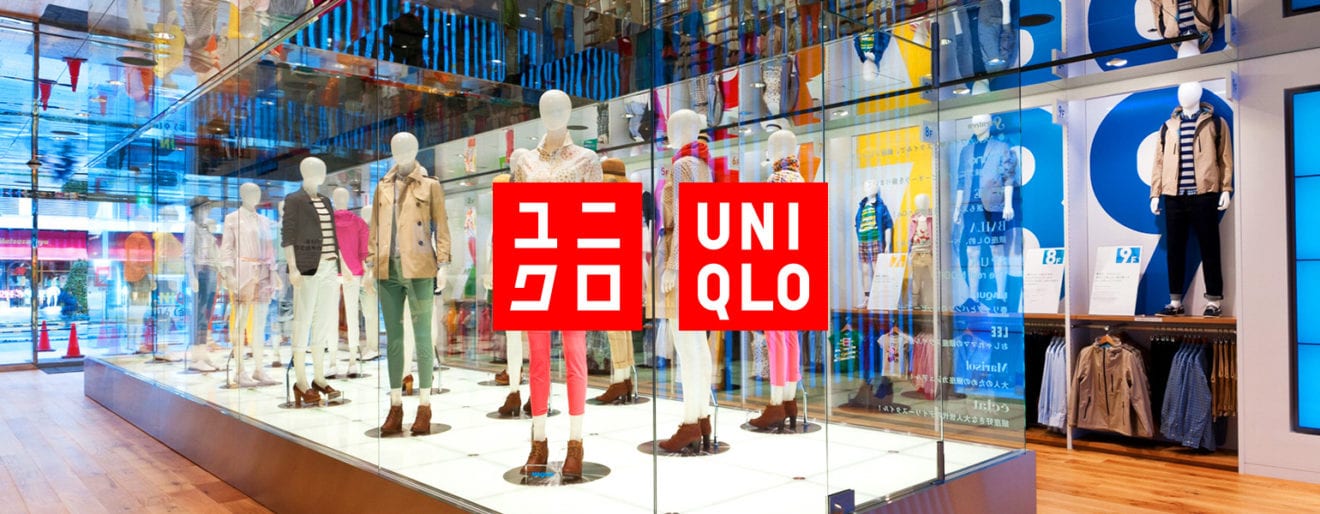
    In a landmark achievement for the Japanese retail landscape, Fast Retailing has reported that Uniqlo’s domestic sales soared to approximately 1.03 trillion yen ($6.98 billion) for the fiscal year ending August 2025. This impressive 10% year-on-year increase sets a new record, making Uniqlo the first apparel company in Japan to surpass the 1 trillion yen sales mark.

    Much of this success can be attributed to Fast Retailing’s strategic utilization of larger store formats and cutting-edge big data analytics. These elements have redefined customer engagement, allowing for tailored experiences that drive foot traffic and boost sales. It’s as if Fast Retailing cracked the code to unlocking retail success while keeping shoppers coming back for more.

    As Uniqlo expands its footprint with innovative concepts, the brand continues to attract a loyal customer base, reinforcing its position in an increasingly competitive market. The journey to this significant milestone took 41 years, starting from the opening of the first Uniqlo store.

    Questions & Answers

    What milestone did Uniqlo achieve in the fiscal year ending August 2025?
    Uniqlo surpassed 1 trillion yen in domestic sales for the first time, achieving approximately 1.03 trillion yen ($6.98 billion), marking a significant milestone for the apparel industry in Japan.

    What factors contributed to Uniqlo’s sales growth?
    Uniqlo’s sales growth can be attributed to Fast Retailing’s strategic use of larger store formats and big data analytics, which enhanced customer engagement and shopping experiences.

    How long did it take for Uniqlo to reach the 1 trillion yen sales mark?
    It took Uniqlo 41 years to reach this remarkable sales milestone, beginning with the launch of its first store.

  • NY Streetwear Brand Fried Rice Launches Pop-up Store In China, Signifying Asian Market Expansion

    NY Streetwear Brand Fried Rice Launches Pop-up Store In China, Signifying Asian Market Expansion

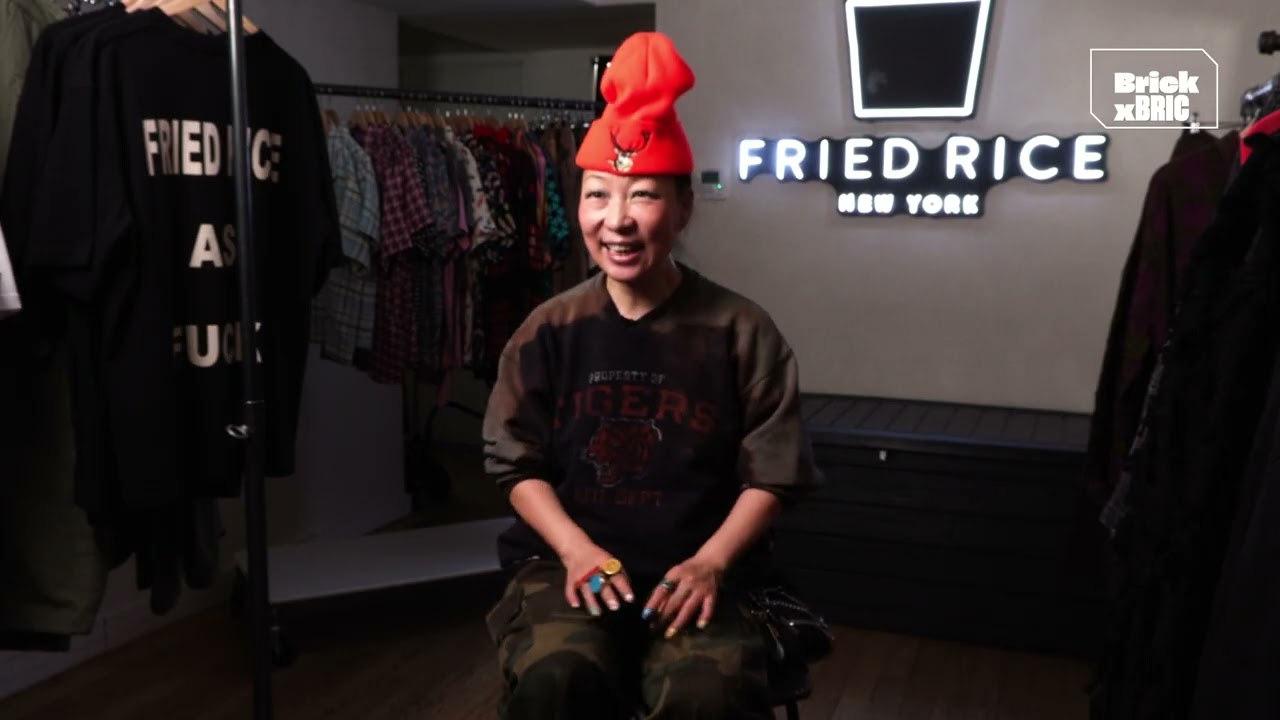
    Fried Rice, a renowned streetwear brand headquartered in New York, has made its debut in China with a pop-up store. This marks the brand’s initial steps towards expanding its presence in the Asian market.

    A New Venture in Shenzhen

    Strategically located in Shenzhen’s K11 Ecoast, the pop-up store opened its doors on August 30. It will continue its operations for approximately a year until next August, providing customers with the opportunity to experience Fried Rice’s unique offerings firsthand.

    The brand, created by the acclaimed designer Maya Wang, is celebrated globally for its cutting-edge, gender-neutral streetwear line that creatively blends innovative design details with superior fabric quality.

    On discussing the new venture, Wang, who also serves as the brand’s creative director, noted that the collaboration with K11 was a natural progression in Fried Rice’s pursuit of establishing itself in Asia. She added, “Our purpose here is to learn, to collaborate, and to celebrate creative aspirations with the individuals we interact with during this journey. This pop-up is as much about forging personal relationships as it is a shopping destination.”

    Expansion Plans in Asia

    The brand views the store’s launch as a strategic move, providing a firm base for their projected expansion across the Asian market. The central focus of this expansion is to build strong ties with regional creative communities that share the brand’s vision and values.

    Currently, Fried Rice is exploring numerous growth avenues within the region, including distribution, live retail broadcasting, and retail licensing partnership opportunities. For its initial endeavors, the brand is primarily targeting markets in Japan, China, and South Korea.

    Fried Rice has also announced plans for a pop-up store in Tokyo next year. Additionally, the brand aims to mark its presence at the third consecutive Asia ComplexCon in Hong Kong in the early part of the coming year.

    Questions & Answers

    What is the brand Fried Rice known for?
    Fried Rice is a New York-based streetwear brand recognized for its innovative, gender-neutral clothing collections that feature creative design elements and high-quality materials.

    What is the focus of Fried Rice’s expansion in Asia?
    Fried Rice intends to connect with local creative communities that align with its brand values as part of its expansion in Asia. The brand is also exploring opportunities in distribution, live retail broadcasting, and retail licensing partnerships.

    What are some of Fried Rice’s upcoming plans in Asia?
    In addition to the recently launched pop-up store in Shenzhen, Fried Rice has plans for a Tokyo pop-up store the following year. The brand will also participate in its third consecutive Asia ComplexCon in Hong Kong early next year.

  • Chinese Sportswear Giant, Anta Group, Targets 1000 Stores In Southeast Asia By 2025

    Chinese Sportswear Giant, Anta Group, Targets 1000 Stores In Southeast Asia By 2025

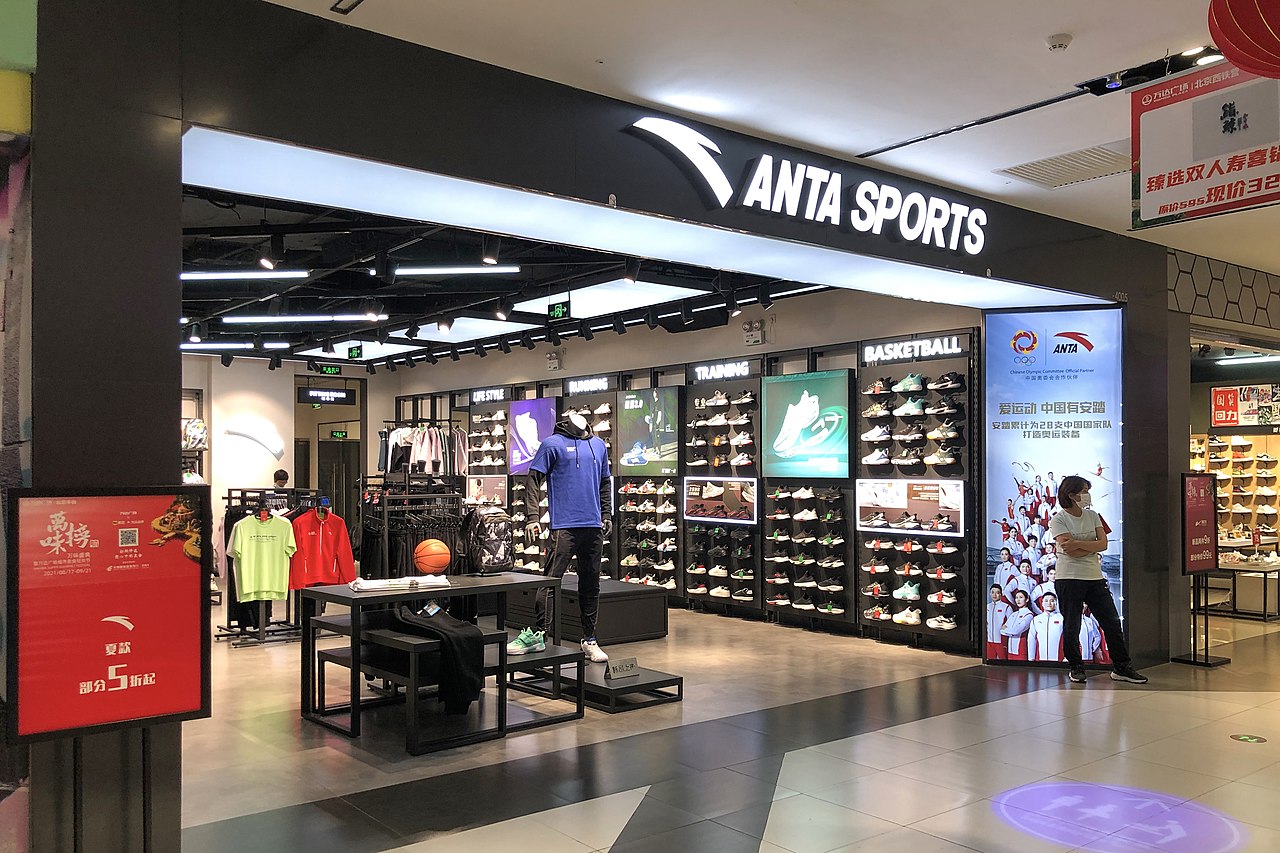
    Anta Group, a Chinese sportswear company, has announced its goal to reach a total of 1,000 stores in Southeast Asia within the next three years. Currently, the group operates almost 13,000 stores globally, including more than 200 in Southeast Asia. These stores are spread out over various countries including the Philippines, Singapore, Malaysia, and Vietnam. The ambitious expansion plan will see the group quadruple its retail presence in Southeast Asia.

    Speaking at the 2025 Asia New Vision Forum

    The announcement was made by Will Wang, Vice President of Anta Group and Chairman and President of Anta SEA, during the 2025 Asia New Vision Forum held in Singapore. The forum assembled a panel of executives from various Southeast Asian industries to discuss strategies for creating strong connections between brands and consumers at a regional and global level.

    Wang stressed the critical role of Southeast Asia in Anta’s global expansion strategy, revealing that the brand’s retail sales in the region have nearly doubled in the first half of this year compared to the same period last year. Wang attributed this success to Anta’s high-value products, localization and digitalization strategies, and the effective implementation of its “Brand+Retail” business model.

    In his speech, Wang underscored the importance of staying true to the brand’s DNA while achieving localization in each market. He stated, “It’s not just about selling products in Southeast Asia; it’s about delivering brand value and high-quality service to local consumers with standardized excellence. Our team is confident we will achieve our 1,000-store target for the Anta brand in the next three years.”

    Anta’s Global Growth Strategy

    For Anta, Southeast Asia is not only a significant market but also a strategic starting point for its global growth. The region’s expansion into neighboring markets, combined with the growth of both its offline and online businesses, has fueled a significant increase in the brand’s overseas revenue. In the first half of this year alone, Anta’s overseas revenue grew by more than 150% year-over-year.

    Anta Group’s international retail network extends to crucial markets such as the UAE, Saudi Arabia, Egypt, Kenya, and North America, all achieved through strategic partnerships. Most recently, the group opened its first flagship store in the United States, located in Beverly Hills, California.

    Questions & Answers

    What is Anta Group’s expansion target in Southeast Asia?
    Anta Group aims to open 1,000 stores in Southeast Asia within the next three years.

    What factors have contributed to Anta Group’s success in Southeast Asia?
    The success of Anta Group in Southeast Asia can be attributed to their high-value products, effective localization and digitalization strategies, and the implementation of their “Brand+Retail” business model.

    Where has Anta Group recently opened its first flagship store in the United States?
    Anta Group recently opened its first flagship store in the United States in Beverly Hills, California.

  • To Summer Opens Flagship Store In Hong Kong, Fusing Local Tradition With Eastern Ethos

    To Summer Opens Flagship Store In Hong Kong, Fusing Local Tradition With Eastern Ethos

    To Summer, a premier fragrance brand based in Beijing, has broadened its operations beyond China’s mainland by inaugurating its debut store in Hong Kong.

    A Blend of Local Culture and Eastern Spirit

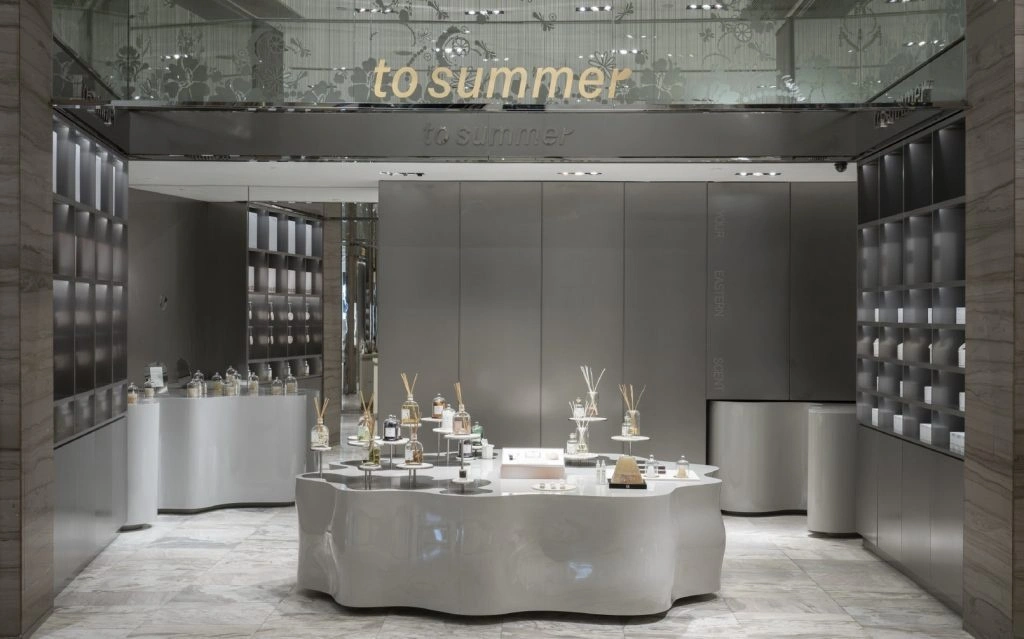
    Situated in Causeway Bay, the new outlet is labeled ‘Made in Hong Kong’ and illustrates an intriguing fusion of local tradition and Eastern ethos. The brand displays its complete array of offerings at this store, encompassing a variety of perfumes, home fragrances, and body care commodities.

    Distinct Features of the Store

    The flagship store stands out with four unique sections, namely The Eastern Ingredients Studio, Changwu Pavilion, Study Room, and Bathroom. Each of these rooms embodies specific aspects of the brand and its character.

    Strengthening Local Market Presence

    Arnold Lau, the spokesperson for To Summer, expressed that their primary focus would be on nurturing the Hong Kong market and catering to local customers. He revealed that the brand intends to use the Causeway Bay store as a strategic base for deploying resources and gradually escalating their operations.

    Lau further emphasized the exceptional status of Hong Kong as a global financial and cultural center. He believes that this provides an unrivaled stage for brands like To Summer to exhibit their products and engage with a diverse international clientele.

    Inspiration Behind the Store

    The design of the store draws its inspiration from historic craftsmanship and the essence of Hong Kong artisans. Various elements reflect the influence of Hakka, the Sham Shui Po fabric market, hand-carved artist Jin Fa Mahjong, and celebrated designer Alan Chan.

    Past Endeavors in Mainland China

    In mainland China, To Summer has demonstrated a commitment to preserving cultural heritage. The brand initiated a project to rehabilitate ancient structures, such as its Kuiyuan residence store in Guangzhou. It also organized a pop-up event in Shenzhen earlier this year.

    Questions & Answers

    What is the range of products offered by To Summer at its Hong Kong store?
    To Summer offers a wide array of products at its Hong Kong store, including perfumes, home fragrances, and body care products.

    What are the unique features of To Summer’s Hong Kong store?
    The To Summer store in Hong Kong has four distinct sections: The Eastern Ingredients Studio, Changwu Pavilion, Study Room, and Bathroom. Each room represents specific aspects of the brand and its offerings.

    What inspired the design of the To Summer store in Hong Kong?
    The store design draws inspiration from historic craftsmanship and the spirit of local Hong Kong artisans, integrating elements from Hakka, the Sham Shui Po fabric market, hand-carved artist Jin Fa Mahjong, and renowned designer Alan Chan.

  • Chipotle Announces Expansion Into Asian Market Starting With South Korea And Singapore

    Chipotle Announces Expansion Into Asian Market Starting With South Korea And Singapore

    Chipotle, a popular American fast-casual restaurant chain, has announced plans to penetrate the Asian market in the coming year. The expansion will begin in South Korea and Singapore, through a strategic collaboration with SPC Group.

    Chipotle’s Asian Debut

    The rapidly growing interest in international food and exceptional culinary experiences among Koreans and Singaporeans makes these two markets the perfect launching pad for Chipotle’s Asian journey. This perspective was shared by Heesoo Hur, the Executive Vice President and Owner of SPC Group, who underscored the familiarity and appreciation for the brand in these countries.

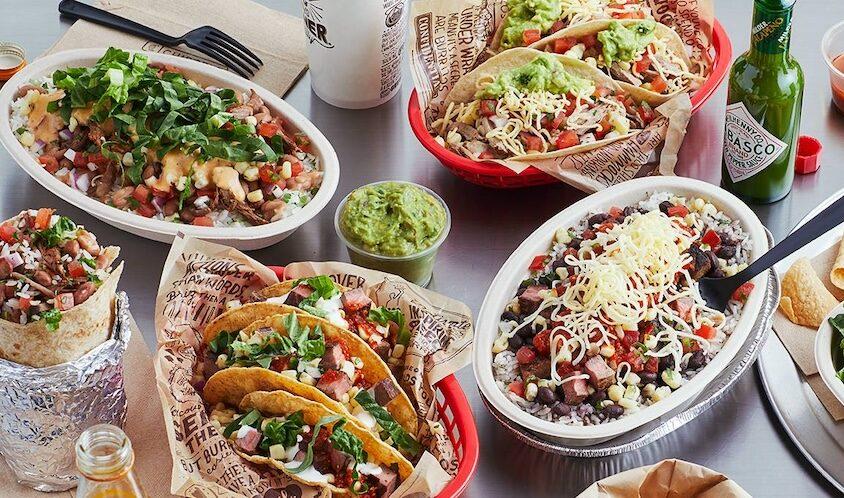
    Chipotle’s reputation for offering personalized meals using fresh ingredients, with an assortment of burritos, bowls, tacos, and salads, resonates well with the evolving food preferences in these markets. Customers can craft their meals from an array of fillings served from an assembly line, making each meal a unique dining experience.

    A Promising Growth Opportunity

    According to Chipotle’s CEO, Scott Boatwright, the move to expand into Asia represents an enormous growth potential for the brand. With the increasing demand for real, fast-prepared food coupled with significant brand recognition among consumers, he anticipates strong adoption rates from the onset.

    This expansion to Asia trails Chipotle’s series of international openings. In 2023, the company started its Middle Eastern operations by signing an agreement with Alshaya Group, resulting in six Chipotle restaurants across Kuwait and the UAE. Furthermore, Chipotle has already announced plans to establish its first eatery in Mexico next year through a deal with Alsea.

    Currently, Chipotle operates over 3,800 restaurants across the globe, with plans to inaugurate up to 345 additional locations this year. The company also aims to reach a long-term target of 7,000 restaurants in the US and Canada.

    Questions & Answers

    Why has Chipotle chosen South Korea and Singapore as its entry points in Asia?
    These markets were selected due to their familiarity with the brand and their evolving interest in international culinary experiences.

    What makes Chipotle’s dining experience unique?
    Chipotle offers customers the opportunity to customize their meals with fresh ingredients, creating a personalized dining experience.

    What are Chipotle’s future expansion plans?
    In addition to its Asian debut, Chipotle aims to open up to 345 new restaurants this year, with a long-term target of 7,000 locations in the US and Canada.

  • Haglofs Unveils Flagship Store In South Korea, Melding Nature And Retail In A Unique Outdoor Experience

    Haglofs Unveils Flagship Store In South Korea, Melding Nature And Retail In A Unique Outdoor Experience

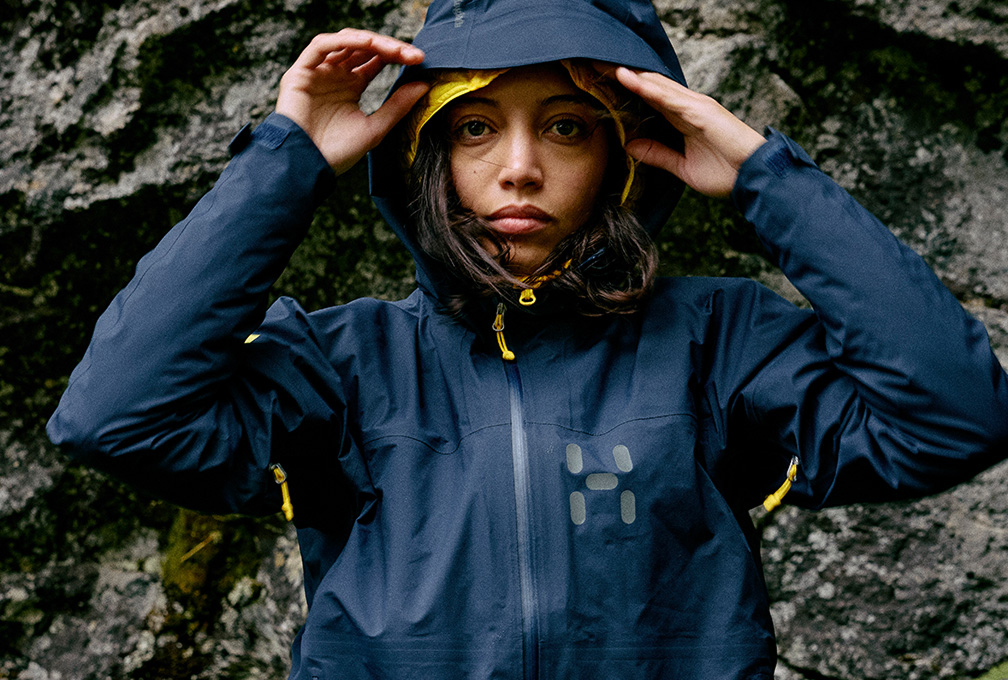
    Swedish outdoors company Haglofs has launched its premier flagship store in South Korea, leveraging a partnership with local distributor Hayl. The store, situated at the base of Dobongsan National Park, spans 421 square meters and houses the brand’s complete lineup of clothing, equipment, and accessories.

    Embracing Seoul’s Outdoor Culture

    According to Ji-Hwan Lee, CEO of Hayl, opening the flagship store at Dobongsan National Park means integrating into Seoul’s thriving outdoor culture, where the bustling cityscape converges with the serenity of the mountains. The park boasts a variety of trails suitable for both novice hikers and seasoned mountaineers, and is accessible throughout the year. This setting mirrors Haglofs’ core belief that nature should be accessible, inviting, and within everyone’s grasp.

    Nature Inside, Life Outdoors

    The store exemplifies the ‘Nature Inside, Life Outdoors’ concept, aiming to spotlight both the human and technical facets of the brand. This approach is designed to offer consumers an engaging and immersive retail experience that transcends traditional shopping.

    Exploring the Korean Frontier

    Daniel Stiller Cohn, head of distribution sales at Haglofs, declared that Korea represents a new and untapped market for the brand. He expressed confidence in their trusted distributor, Hayl, to lay a robust groundwork for the brand in the region. He cited Hayl’s passion and expertise as crucial elements as the brand introduces its focus on innovation and sustainability to the Korean market.

    Questions & Answers

    What is the concept behind Haglofs’ new store in South Korea?
    The store exemplifies the ‘Nature Inside, Life Outdoors’ concept, emphasizing both the human and technical facets of the brand. This approach aims to offer consumers an immersive retail experience.

    What does the location of the store symbolize for the brand?
    The location at the base of Dobongsan National Park, which offers trails for all levels of hikers and is accessible year-round, aligns with Haglofs’ belief that nature should be welcoming and accessible to everyone.

    How does Haglofs view its entry into the South Korean market?
    The brand sees South Korea as a fresh and untapped market. They have expressed confidence in their local distributor, Hayl, to establish a strong presence for the brand in the region, with a particular emphasis on innovation and sustainability.

  • Aupen, Singapore’s Buzzing Bag Brand, Faces Trademark Woes with Target: Staff Cuts and Product Withdrawal Announced

    Aupen, Singapore’s Buzzing Bag Brand, Faces Trademark Woes with Target: Staff Cuts and Product Withdrawal Announced

    Aupen, a burgeoning handbag brand founded by former national swimmer Nicholas Tan, announced layoffs on Monday as the company navigates mounting legal challenges. The spokesperson confirmed that staff were informed of the cutbacks, which affect over ten employees in Singapore as of last December.

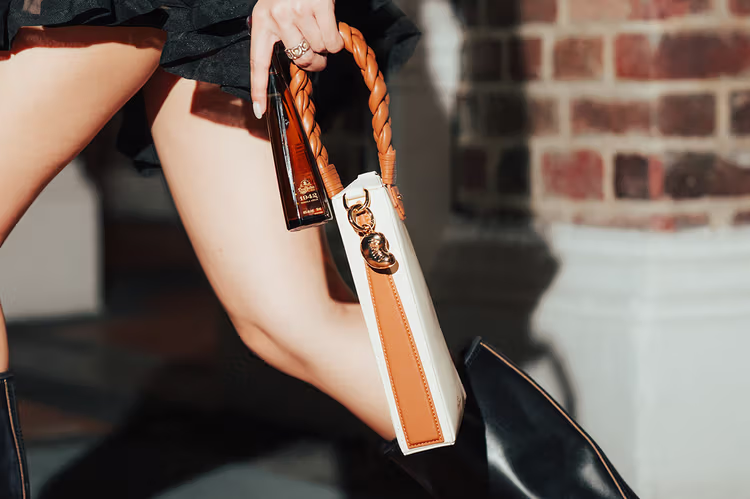
    Operating solely online with no physical storefronts, Aupen specializes in asymmetrical leather handbags, with most pieces priced under US$600. The brand has gained significant traction since its founding in 2022, quickly capturing the attention of celebrities like Taylor Swift, Beyoncé, and Kylie Jenner. However, it remains unclear if the company will continue its operations amid these turbulent circumstances.

    Legal Showdown with Target

    The layoffs come on the heels of a letter from retail giant Target, opposing Aupen’s attempt to register its trademark internationally, including in the U.S. The communication, shared by Aupen on Instagram last month, raised concerns over “source confusion” due to the phonetic and visual similarities between Aupen and Target’s own label, Auden, which has been utilized since 2019 and was relaunched last July.

    In its letter, Target sought clarification on Aupen’s use of its brand name for products and services, questioning why any confusion is unlikely. With nearly 2,000 stores across the U.S. and recently reporting net sales of US$25.21 billion for the second quarter of 2025, Target’s weight in the retail realm is formidable.

    Aupen’s Climb to Fame

    Aupen’s rapid ascent has been nothing short of impressive. From its inception, the brand has established a cult following and even partnered with LVMH Metiers d’Art, an arm of the esteemed luxury conglomerate LVMH. It’s almost as if the fashion gods conspired for a perfect storm of success—until now.

    The Intellectual Property Office of Singapore (IPOS) has stepped in to support Aupen during this tumultuous time, advising the brand to seek independent legal counsel. Despite Aupen’s characterization of Target’s challenge as a lawsuit, IPOS clarified that they do not recognize it as such, confirming that Aupen’s existing trademark in Singapore remains intact. “IPOS maintains a registration regime that ensures equal and fair access for all companies seeking trademark protection in Singapore,” the agency stated.

    A Personal Plea

    Amid this legal fray, Tan has taken to social media to voice his concerns. He described the situation as a David versus Goliath struggle, stating, “a $100 billion giant is crushing an independent brand.” He highlighted the potential for long, costly court battles that could stifle Aupen’s product launches while allowing larger competitors to mimic designs at a fraction of the cost. “This will erase us. And when we are gone, people may think that Auden is Aupen,” he lamented in an Instagram story. Further complicating matters, he attributed the recent staff layoffs to the overwhelming legal pressures, dedicating himself to honoring the salaries of his team and suppliers amidst the turmoil.

    Questions & Answers

    What triggered Aupen’s layoffs?
    The layoffs at Aupen were driven by ongoing legal challenges with Target, which oppose the brand’s attempt to register its trademark internationally, including in the U.S.

    How has Aupen gained popularity since its inception?
    Founded in 2022, Aupen quickly amassed a following through its unique asymmetrical leather handbags, garnering attention from high-profile celebrities and even collaborating with LVMH Metiers d’Art.

    What is the stance of the Intellectual Property Office of Singapore regarding Aupen’s trademark?
    The IPOS has reached out to Aupen for support and confirmed that, while they are aware of Target’s opposition, Aupen’s existing trademark in Singapore remains valid.

  • Uniqlo Focuses on Revitalizing Hong Kong Stores Instead of Pursuing Expansion Plans

    Uniqlo Focuses on Revitalizing Hong Kong Stores Instead of Pursuing Expansion Plans

    Uniqlo, the globally recognized Japanese clothing brand, is gearing up for a significant transformation at its Mira Place location, as it embarks on an ambitious expansion project. The store, which first opened its doors in 2005, is set to double its footprint to an impressive 2,500 square meters, with the grand reopening slated for October 17, according to reports from the South China Morning Post.

    Transforming Space for Customers

    This revamped store will hold the title of Uniqlo’s largest outlet in the Kowloon area, reflecting the brand’s commitment to meeting customer needs in Hong Kong. Last November, the retailer similarly redesigned its City Plaza store in Taikoo Shing, expanding across multiple floors, a testament to its evolution in retail strategy.

    Beyond Square Footage: A Focus on Needs

    Tomoyuki Ota, the chief operating officer for Uniqlo in Hong Kong and Macau, highlighted the brand’s focus on understanding what customers genuinely desire rather than merely increasing the number of stores. “The most important thing is what the customer needs and not just the number of stores,” said Ota. This philosophy drives the updates and renovations across its locations.

    Expansion Beyond Borders

    While Uniqlo is enhancing its existing stores in Hong Kong, it is also setting its sights on a bold strategy in India, aiming to more than double its current store count over the next three years. The company marked its foray into southern India with a new store that opened earlier this month.

    Accelerating Presence in the South

    “In the first four years, we focused on north India—that is why our expansion was so fast,” said Kenji Inoue, Uniqlo’s chief financial officer and chief operating officer. “But now we are entering the southern market, which will accelerate our growth going forward.” Since making its debut in India in 2019 with a store in New Delhi, Uniqlo has grown to 16 locations across the country.

    Financial Growth Amid Challenges

    Parent company Fast Retailing reported an 8.4% rise in profit to JPY339 billion (US$2.3 billion) for the nine months ending in May, with Uniqlo International, which includes Hong Kong and other markets, reflecting a robust 12.7% revenue growth to JPY1.45 trillion. However, the company cautioned in July that higher tariffs in the U.S. would impact its operations as the year progresses, especially given that most of Uniqlo’s products sold stateside are manufactured in Southeast Asia and South Asia.

    A Global Perspective: More Than Just a Store

    From its modest beginnings as a single store in Hiroshima 40 years ago, Uniqlo has blossomed into a retail powerhouse with over 2,500 stores worldwide. The brand sells a range of popular products, including affordable fleeces and cotton shirts primarily sourced from China and other Asian manufacturing hubs. As it looks to the future, Uniqlo is also concentrating on expansion in North America and Europe, shifting its focus amid a slowing Chinese economy—the brand’s largest market, where it operates more than 900 stores.

    Questions & Answers

    What is unique about Uniqlo’s expansion strategy in Hong Kong?
    Uniqlo is focusing on renovating existing locations like its Mira Place store to better cater to customer needs, rather than simply increasing the number of stores in the area.

    How many Uniqlo stores are currently operating in India?
    As of now, Uniqlo has expanded to 16 stores in India since its entry into the market in 2019.

    What financial performance did Fast Retailing report recently?
    Fast Retailing posted an 8.4% increase in profit to JPY339 billion (US$2.3 billion) in the nine months ending in May, with Uniqlo International achieving a notable revenue growth of 12.7% during the same period.