Category: Fashion

Retail News Asia is committed to providing both local and global retailers with the latest Fashion news throughout the Asian market. This on a daily base.

  • Louis Vuitton Launches Standalone Beauty Boutique In China Amid Revenue Slump

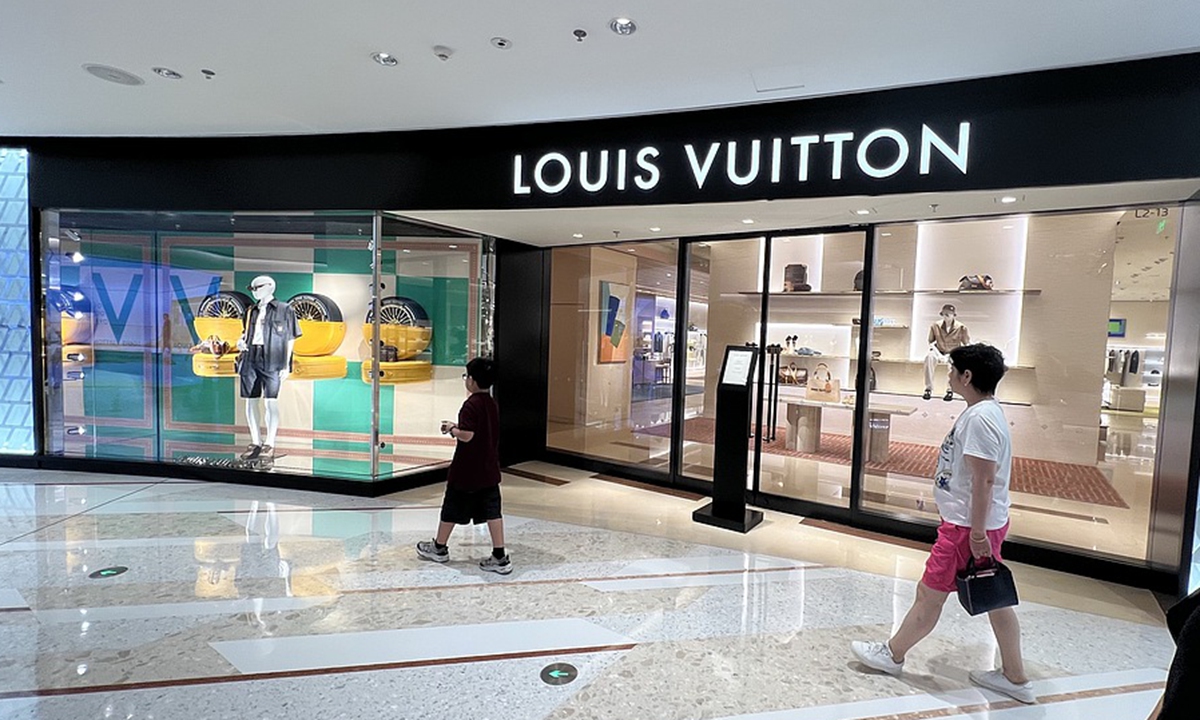
    Louis Vuitton Launches Standalone Beauty Boutique In China Amid Revenue Slump

    The French luxury behemoth, Louis Vuitton, has recently inaugurated its inaugural standalone beauty retail outlet in China. This strategic development marks a significant effort by the brand to fortify its presence in the high-end market segment and re-establish its bond with Chinese consumers.

    The Beauty Boutique

    The beauty boutique, nestled in the esteemed Deji Plaza of Nanjing, serves as the platform to exhibit the company’s novel beauty product line, La Beaute. This line is the creative offspring of the distinguished makeup artist, Dame Pat McGrath. The La Beaute collection comprises a meticulously curated assortment of products such as lipsticks, lip balms, eyeshadow palettes, and an array of beauty accessories.

    Product Highlights

    Notable products from the collection include the LV Rouge lipsticks, which are available in a staggering 55 shades, with both satin and matte finishes. These lipsticks are marketed at roughly $160 each. Furthermore, the product line is also home to 10 LV Baume lip balms and 8 LV Ombres eyeshadow palettes.

    Brand Strategy

    The unveiling of this boutique aligns with Louis Vuitton’s large-scale plan to rejuvenate its relations with China’s luxury consumer base. This comes in the wake of a reported 4 per cent slump in its global revenue during the first half of FY25. The brand’s initiative is a response to the weakening demand noticed in China, a situation partly attributed to the prevailing trade friction between Beijing and Washington.

    Questions & Answers

    What is the strategic significance of Louis Vuitton’s first standalone beauty boutique in China?
    The launch of this boutique is a key move by Louis Vuitton to strengthen its foothold in the premium market and foster stronger relations with Chinese consumers.

    What are some notable products from the new La Beaute collection?
    Prominent products from the collection include the LV Rouge lipsticks, available in 55 shades, LV Baume lip balms, and LV Ombres eyeshadow palettes.

    Why is Louis Vuitton focusing on re-engagement with China’s luxury consumers?
    The brand’s focus on re-engagement with China’s luxury consumers comes in response to a 4 per cent decrease in its global revenue during the first half of FY25 and weakening consumer demand within China.
  • Chanel Unveils Signature Duplex Boutique At Seoul’s Incheon Airport, Partners With Shilla Duty Free

    Chanel Unveils Signature Duplex Boutique At Seoul’s Incheon Airport, Partners With Shilla Duty Free

    Chanel, the renowned French luxury brand, has recently launched a duplex store in partnership with Shilla Duty Free at Seoul’s Incheon International Airport. This store, situated in Terminal 2, is a reflection of the brand’s signature style, featuring a colour scheme of black and white, adorned with touches of modern art.

    At this duplex store, customers can look forward to browsing through Chanel’s vast collection. The offerings include ready-to-wear clothing, footwear, and accessories. The ground floor is dedicated to showcasing iconic Chanel bags as well as the brand’s newest products, like the Chanel 25 handbag.

    A representative from Shilla Duty Free expressed their optimism regarding the new store. They anticipate the Chanel duplex boutique will become a significant attraction at Incheon International Airport due to its size, unique interior design, comprehensive product range, and superior customer service.

    Chanel is not the only luxury brand under Shilla Duty Free’s umbrella. Other high-end names, such as Tiffany & Co, Omega, and Dior, are also managed by Shilla Duty Free, with plans for these brands to open stores next year.

    In related news, Chanel has also taken a significant step towards sustainability. The company has set up Nevold, a separate division that focuses exclusively on waste management and recycling.

    Despite challenges faced by the luxury sector, resulting in a 4.3% decrease in revenues to $18.7 billion for the year ending on December 31, Chanel remains committed to providing high-quality luxury products and outstanding customer experiences.

    Questions & Answers

    What is unique about Chanel’s new duplex store at Incheon International Airport?
    The store stands out for its size, stylish interior design inspired by Chanel’s brand colours of black and white, its extensive range of products, and its outstanding customer service.

    What can customers expect to find in this new Chanel store?
    Customers can explore a wide selection of Chanel’s collection including ready-to-wear clothing, footwear, accessories, and iconic bags like the Chanel 25 handbag.

    What other luxury brands are operated by Shilla Duty Free?
    Shilla Duty Free also operates other high-end brands such as Tiffany & Co, Omega, and Dior, which are all planning to open stores next year.

  • Giordano Sees Sales Surge Amid Economic Uncertainty: E-commerce Success And ‘beyond Boundaries’ Strategy Key

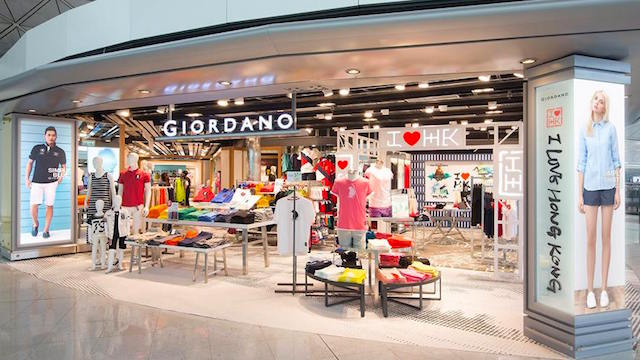
    Giordano Sees Sales Surge Amid Economic Uncertainty: E-commerce Success And ‘beyond Boundaries’ Strategy Key

    Hong Kong’s prominent fashion retailer, Giordano, recently announced an increase in their sales for the first half of the fiscal year. This significant improvement in sales is mainly attributed to a substantial surge in the company’s e-commerce operations.

    Positive Revenue Growth Amid Economic Uncertainty

    Giordano’s revenue for the first half of the fiscal year experienced an increase of 1.6 per cent, amounting to HK$1.934 billion (US$248 million). The management team highlighted this growth as a significant accomplishment in the midst of a fluctuating political and economic environment.

    The primary contributor to this growth was the company’s online business, which saw a remarkable increase of 26.1 per cent. This surge was credited to ongoing digital transformation efforts and customer-centric strategies.

    Geographical Revenue Analysis

    In the realm of geographical revenue, Mainland China saw a 13 per cent increase, with a nearly 18 per cent rise in the second quarter and an 8 per cent surge in the first quarter. Same-store sales remained steady in Q2, which was a positive shift from the 3.6 per cent decline in Q1.

    Revenue in Hong Kong and Macau reversed from a 6.5 per cent drop in Q1 to a 2.2 per cent increase in Q2, outperforming the overall negative retail sales in Hong Kong’s clothing sector.

    Sales in the Gulf Cooperation Council similarly experienced a 1.9 per cent growth during the half. However, Southeast Asia and Australia witnessed an 8 per cent decrease, mainly due to the poor performance in the Indonesian market.

    The company’s gross margin dropped by 3.3 percentage points to 55.6 per cent, which was primarily due to a larger volume of online sales and wholesale, inventory clearance efforts, and increased merchandise costs. The attributable net profit remained fairly consistent, with a minor increase of 0.8 per cent to HK$121 million.

    The ‘Beyond Boundaries’ Strategy

    CEO Colin Currie shed light on the company’s ‘Beyond Boundaries’ five-year strategy, which was initiated a year ago. He said that through this strategy, they were able to successfully execute a series of ‘Quick Win’ initiatives to establish a robust foundation for 2025 and beyond.

    The central focus of the ‘Beyond Boundaries’ strategy for 2025 is to strengthen the ‘Digital-First’ approach, simplify the brand portfolio, and make significant strides in Greater China.

    Currie stated that while the company is pleased with the positive results, they are continually reviewing and adjusting areas that need improvement, particularly in safeguarding their gross margin. To support better performance, they are actively improving their processes and enhancing sourcing efficiency.

    Last year, Giordano reported a 1.2 per cent revenue increase.

    Questions & Answers

    What led to the increase in Giordano’s sales for the first half of the fiscal year?
    The increase in sales was primarily driven by a significant boost in the company’s e-commerce operations.

    How did Giordano’s geographical revenue perform during this period?
    Mainland China experienced a 13 per cent revenue increase, while Hong Kong and Macau saw a 2.2 per cent rise. However, Southeast Asia and Australia faced an 8 per cent decrease in revenue.

    What is Giordano’s ‘Beyond Boundaries’ strategy?
    The ‘Beyond Boundaries’ strategy is a five-year plan aimed at strengthening the ‘Digital-First’ approach, simplifying the brand portfolio, and making significant strides in Greater China.

  • Forever 21’s Fourth Attempt: Reinventing Brand Presence In Chinese And North American Markets

    Forever 21’s Fourth Attempt: Reinventing Brand Presence In Chinese And North American Markets

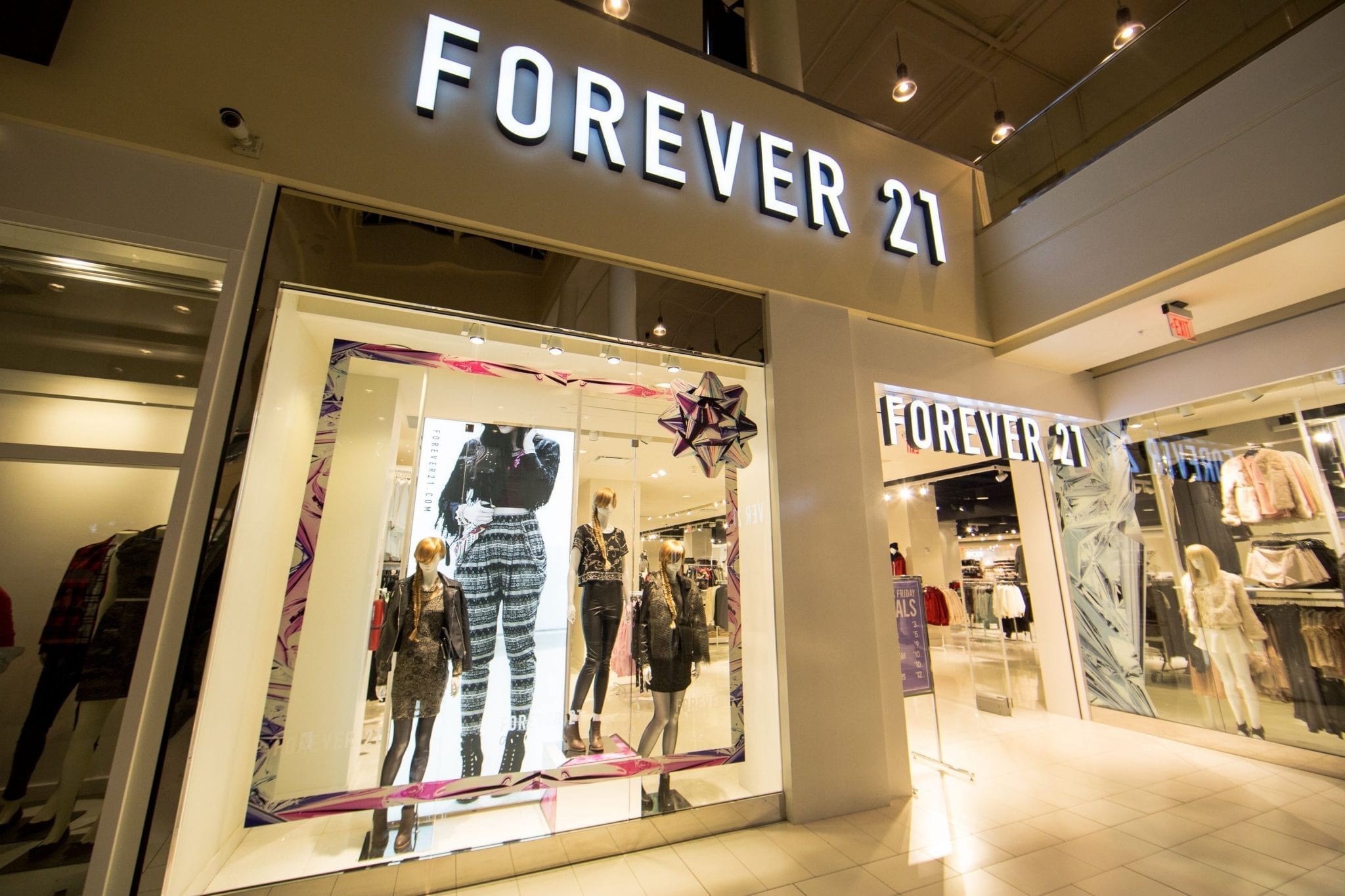
    Renowned fast-fashion retailer, Forever 21, is poised to venture once again into the Chinese market for the fourth time. The brand’s previous three attempts, beginning in 2008, were unsuccessful in maintaining a solid foothold in the second-largest global economy.

    Reviving the Brand: Future Prospects

    Beyond its focus on China, Forever 21 also aims to revitalise its presence in the North American market. To support this endeavour, the brand is currently in search of a strategic partner, with an announcement to follow in the near future, according to Authentic Brands Group (ABG), the holder of Forever 21’s worldwide intellectual property rights.

    The primary emphasis of the brand for the foreseeable future is on strengthening its market position in both China and the United States, as disclosed by ABG in a recent press briefing.

    Bankruptcy and Recovery

    In March, Forever 21 declared bankruptcy in the U.S. for the second time in six years. The brand also revealed plans to phase out domestic operations due to the increasing pressures of online competition in the fast-fashion industry, coupled with dwindling traffic in shopping malls.

    Following its third relaunch in China in 2022 and the opening of several retail outlets beyond the country’s primary fashion hubs, Forever 21’s operations gradually diminished towards the end of 2024.

    Re-emergence and Partnerships

    However, the brand is making a comeback, creating a buzz with its famed bright yellow branding appearing in major Chinese cities. Marketing events at music festivals and Forever 21 advertisements within Shanghai’s metro system have marked the brand’s return.

    For its latest endeavor, ABG is collaborating with brand operator Chengdi, a firm partly owned by e-commerce giant Vipshop Holdings. During a press launch in Shanghai, Chengdi expressed its intention to localize operations and attract a new generation of young consumers, with plans to open more brick-and-mortar stores in 2026.

    CEO’s Remarks on the Acquisition

    Jamie Salter, CEO of ABG, had previously described the acquisition of Forever 21, which was purchased from bankruptcy in 2020, as “probably the biggest mistake I made.” However, when asked about these remarks recently, an ABG spokesperson clarified that Salter “has always believed that having Forever 21 as part of ABG is a good idea and he continues to maintain that belief.”

    Questions & Answers

    What is Forever 21’s future strategy in the global market?
    Forever 21 aims to reestablish its presence in the Chinese and North American markets, with plans to seek a strategic partner for the North American relaunch.

    What led to Forever 21’s bankruptcy and eventual recovery?
    Increasing online competition in the fast-fashion industry and declining mall footfall led to Forever 21’s bankruptcy. It’s recovery has been marked by a strategic relaunch and partnership with Chengdi in the Chinese market.

    What did ABG’s CEO Jamie Salter mean by his comments regarding the acquisition of Forever 21?
    Jamie Salter had previously expressed regrets about acquiring Forever 21. However, an ABG spokesperson clarified that Salter continues to believe in the brand’s potential as part of ABG.

  • Lanvin Group Reports 22% Revenue Decline Amid Global Luxury Market Softening

    Lanvin Group Reports 22% Revenue Decline Amid Global Luxury Market Softening

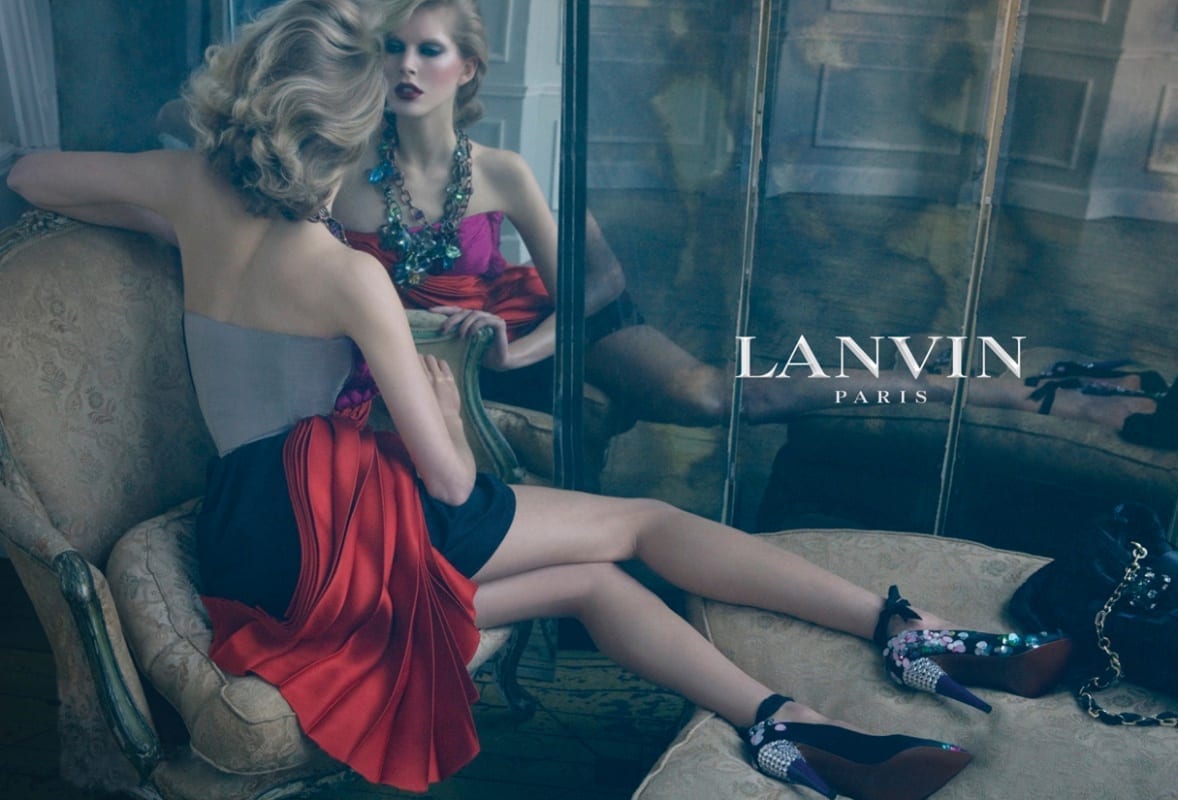
    The luxury fashion conglomerate, Lanvin Group, which houses brands such as Lanvin, Wolford, Sergio Rossi, St John, and Caruso, has reported a decline in first-half revenue to US$155.6 million. This figure represents a 22% decrease compared to the same period last year due to the softening global luxury demand.

    Market Pressures and Cost Management

    The group cited several factors that contributed to the decrease in sales, one of which was weaker wholesale in the EMEA region and Greater China. However, disciplined cost management and efficiency measures have begun to show positive impacts. Despite these challenges, the group’s gross profit stood at $84.2 million, maintaining a margin of 54%, aided by precise inventory management during a challenging period of creative transition.

    Zhen Huang, the chairman of Lanvin Group, stated, “Despite facing a challenging luxury market in the first half, we remained disciplined in cost management and strategic streamlining. With new creative leadership and ongoing investment in product innovation, we are well-positioned to capture opportunities as the market environment improves.”

    Individual Brand Performance

    Lanvin saw the most significant drop in the group, with its revenue down by 42%, as wholesale partners in EMEA were more restrained. The brand noted some resilience in the retail sector in the same region and that its North American e-commerce platform showed strong recovery under a new marketplace model.

    Wolford’s revenue declined by 23%, although its wholesale sales rose by 14%. The brand’s gross margin was affected by lower production utilization and inventory clearance, but the company managed to cut general and administrative expenses by 18% under cost-saving measures.

    Sergio Rossi’s sales fell by 25%, with direct-to-consumer revenue down by 21% and wholesale sliding by 33%. It managed, however, to show some progress in Q2, with retail sales up by 17% and e-commerce climbing 10% from the previous quarter.

    St John maintained a stable performance, with revenues remaining broadly flat. The brand sustained a 69% gross margin and an 11% contribution margin.

    Caruso saw an 11% decline in its revenue, primarily due to a temporary slowdown in its Maisons business.

    Adjusted EBITDA for the period was a negative $60.8 million, reflecting the lower revenue. This figure was less favorable than the negative $49.1 million reported for the previous year.

    Future Plans

    Andy Lew, the group’s executive president, stated that the group plans to refine its retail footprint in the future, strengthen wholesale partnerships, and invest in new creative leadership to drive momentum in the second half of the year. “Our focus in the first half was on operational discipline and laying the foundation for future growth. We expect to build brand momentum and increase consumer engagement in the second half with fresh creative direction across our houses, supported by targeted marketing and refined channel strategies.”

    Questions & Answers

    What factors contributed to Lanvin Group’s decline in revenue?
    Answer: The decline in revenue was primarily due to weaker wholesale in the EMEA region and Greater China, along with general market pressures.

    Which brand in the Lanvin Group saw the most significant drop in revenue?
    Answer: Lanvin reported the most significant drop in revenue, with a decrease of 42%.

    What are Lanvin Group’s plans for the future?
    Answer: The group plans to refine its retail footprint, strengthen wholesale partnerships, and invest in new creative leadership to drive momentum in the second half of the year.

  • Uniqlo India Aims for 300% Sales Boost and Plans to Double Store Count!

    Uniqlo India Aims for 300% Sales Boost and Plans to Double Store Count!

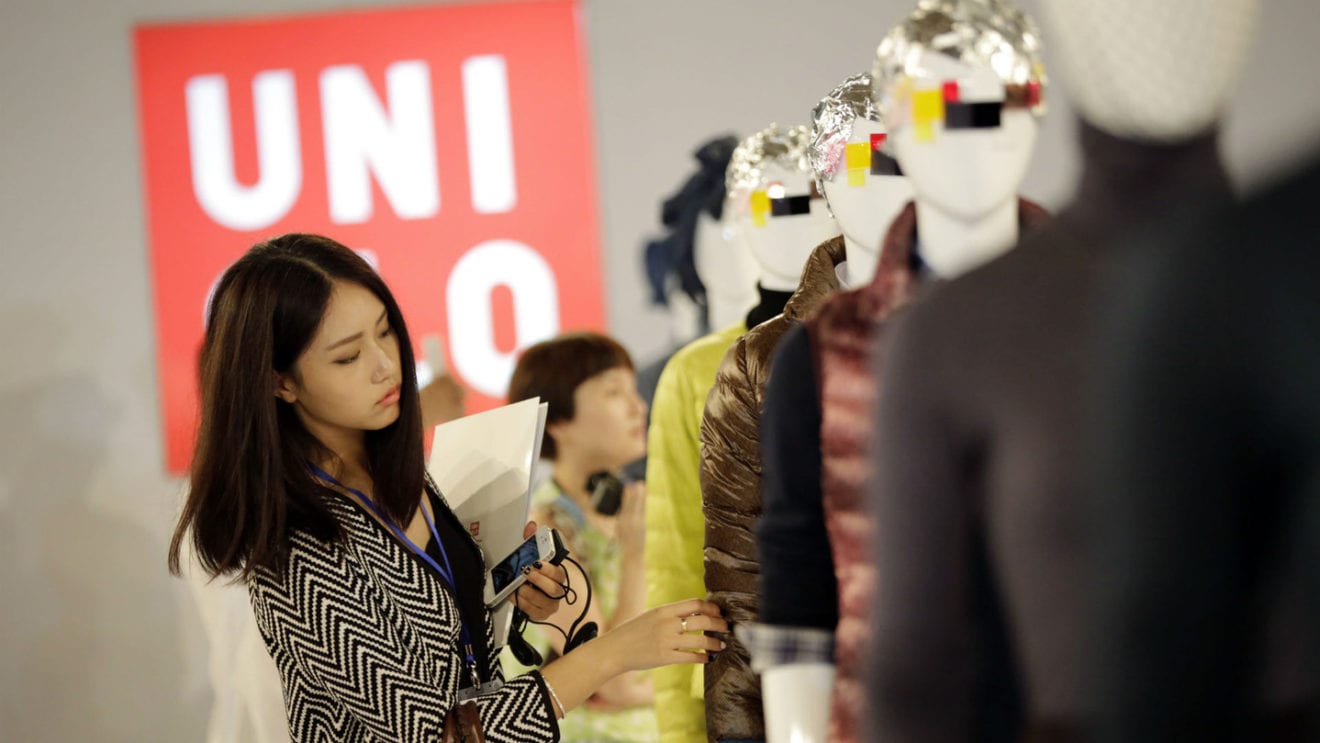
    Uniqlo is poised for a dramatic uplift in its Indian operations, aiming for a threefold sales increase by 2028, according to insights shared by the company’s COO with Nikkei Asia. This ambitious goal surfaces amid a backdrop of tepid consumer spending and fierce competition facing many fashion retailers in the region.

    The launch of its 17th Indian store in Bengaluru on August 29 signifies a strategic shift as Uniqlo ventures into new territory, marking its first retail footprint in Southern India. The company’s expansion mirrors its commitment to raise brand awareness and strengthen its presence in major urban centers.

    As consumer habits continue to evolve amid economic pressures, Uniqlo remains undeterred. “We see immense potential in the Indian market, which is largely untapped compared to other regions,” the COO emphasized. With this new store opening, Uniqlo aims not just to sell clothing but also to weave itself into the fabric of the local culture.

    Considering the array of global fashion choices, it seems consumers are craving quality at an accessible price, a sweet spot where Uniqlo excels. Perhaps this strategy will prove to be the fashion equivalent of finding buried treasure in the bustling marketplace.

    This push into Bengaluru is also expected to play a vital role in bolstering Uniqlo’s positioning against its rivals, leveraging its unique brand identity and commitment to innovative fabrics. As they gear up for the store’s launch, the spotlight is firmly on how Uniqlo plans to capture the hearts—and wallets—of another diverse consumer base in India.

    Questions & Answers

    What are Uniqlo’s sales goals in India by 2028?
    Uniqlo aims to achieve a threefold increase in sales in India by 2028.

    What is significant about the upcoming Bengaluru store?
    The Bengaluru store will be Uniqlo’s 17th in India and its first in Southern India, marking a key expansion into new territory.

    How does Uniqlo plan to differentiate itself in the competitive Indian market?
    The company plans to leverage its strong brand identity, innovative fabrics, and the promise of quality apparel at accessible prices to appeal to Indian consumers.

  • Booming Secondhand Market In Asia Signals New Era For Sustainable Shopping

    Booming Secondhand Market In Asia Signals New Era For Sustainable Shopping

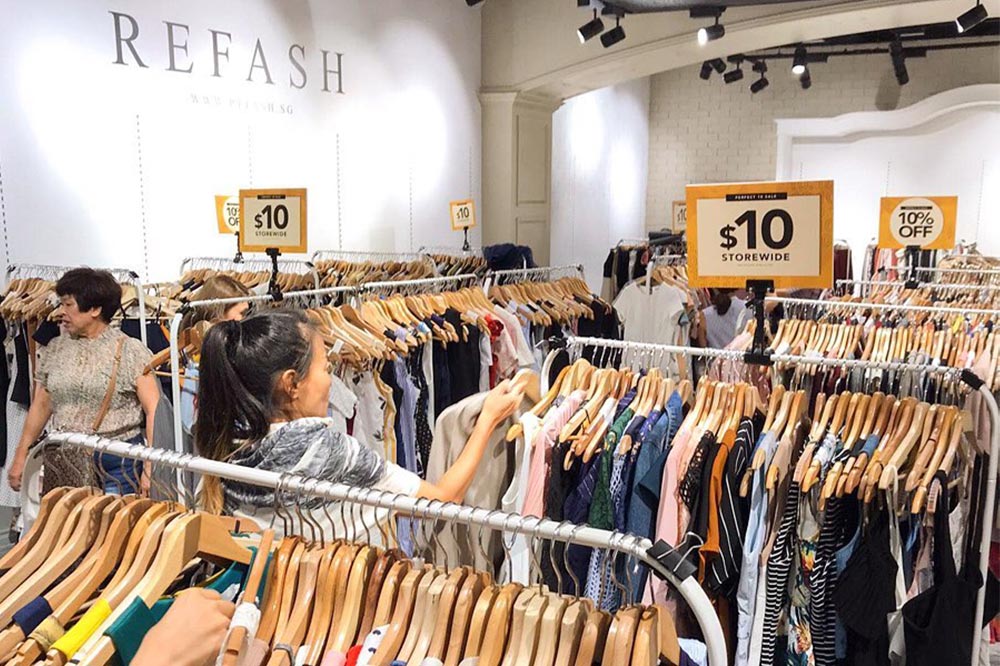
    The ongoing transformation in the retail landscape across Asia takes a tantalizing turn as reports emerge about the booming secondhand clothing market, particularly in countries like South Korea and Japan. This rise, spurred by a growing thrift culture and shifted consumer attitudes, signals a new era in sustainable shopping practices. Shoppers are no longer just looking for bargains; they are becoming increasingly mindful of their consumption habits and the environmental implications of their purchases.

    Secondhand Shopping Takes Center Stage

    The phenomenon of thrifting has captured the hearts of many, with platforms like Carousell, Depop, and Mercari leading the charge. In Japan, where the concept of ‘mottainai’—a term expressing a sense of regret regarding waste—resonates deeply, consumers are diving headfirst into used goods. South Korea is not far behind, with its vibrant “seconhand” market thriving amidst a cultural shift toward sustainable fashion.

    As discussions of environmental impacts become more prevalent, retailers and brands are aligning their values with those of eco-conscious consumers. Notably, this shift has turbocharged sales in thrift stores, which are witnessing a remarkable uptick in foot traffic and online engagement. It’s almost as if shopping for used clothes has become the new black.

    Corporate Moves to Support Sustainability

    Major brands are also recognizing this trend. For instance, companies like Uniqlo are launching recycling programs, encouraging customers to bring in old garments in exchange for store credits. These initiatives not only lower waste but also foster a sense of community as shoppers engage in a circular economy. With reports indicating a 40% increase in secondhand purchases from the previous year, it’s clear that both consumers and businesses are embracing this evolution.

    The Thrifting Experience: More Than Just a Trend

    The allure of secondhand shopping goes beyond mere savings; it’s about the thrill of discovery and the unique stories woven into each vintage piece. It’s not uncommon for shoppers to stumble upon rare finds—from classic designer pieces to quirky local designs—that offer a glimpse into the past and a sustainable future. In the words of one dedicated thrifter, “It feels like a treasure hunt, but with less stress and more style!”

    Challenges Ahead: Bridging Quality and Affordability

    Despite the growth, the secondhand sector faces challenges. Quality control and standardization remain critical as this market expands. Consumers demand not just affordability but reliability; they want to trust that what they’re purchasing meets certain standards. As platforms and retailers grapple with these expectations, innovation will be vital in smoothing the shopping experience while keeping sustainability at the forefront.

    The journey towards a greener retail landscape is undeniably on the upswing in Asia, with secondhand shopping leading the charge. As more consumers opt for sustainable choices, the retail industry is poised for an exciting transformation.

    Questions & Answers

    What factors are driving the growth of the secondhand market in Asia?
    A combination of rising awareness about sustainability, changing consumer behavior, and innovative online platforms has propelled the secondhand market forward, making it a popular choice among eco-conscious shoppers.

    How are major fashion brands responding to this trend?
    Brands like Uniqlo are implementing recycling programs to encourage customers to give back old clothing, thus aligning with the growing consumer demand for sustainable practices and contributing to a circular economy.

    What challenges does the secondhand market face as it continues to expand?
    Quality control and standardization are significant hurdles for the expanding secondhand market as consumers increasingly seek reliable products that provide value and assurance.

  • L’Oréal Invests In Asian Manufacturing For Greener, Localized Beauty Products

    L’Oréal Invests In Asian Manufacturing For Greener, Localized Beauty Products

    As the retail landscape in Asia rapidly evolves, global brands are increasingly eyeing the region for their strategic expansion plans. A striking example is the decision by major cosmetics player L’Oréal to significantly ramp up its investment in local manufacturing capabilities, reflecting an acute understanding of the region’s unique market dynamics and consumer preferences.

    Investing in Local Manufacturing

    L’Oréal recently announced its commitment to invest over €150 million in its manufacturing facilities in various Asian markets, including Vietnam and China. This investment is not just about increasing production capacity; it’s a calculated move aimed at enhancing supply chain efficiency and ensuring that the company can quickly respond to the ever-changing trends that define the beauty industry in Asia. With products flying off the shelves at the speed of light, L’Oréal is positioning itself to capture the hearts—and wallets—of consumers who increasingly crave local and authentic experiences in their beauty regimes.

    What makes this investment even more compelling is L’Oréal’s clear intention to incorporate eco-friendly practices within their production lines. By integrating sustainable technology, the brand is not simply keeping pace with consumer expectations but is actively setting the stage for a greener retail future in a region that is becoming more environmentally conscious.

    Market Trends Fueling Growth

    The move comes amid significant shifts in consumer behavior across Asia. In particular, digital engagement and e-commerce sales are skyrocketing, with beauty products becoming some of the most sought-after items online. L’Oréal’s decision to fortify its manufacturing presence underscores a broader trend among brands aiming to localize their offerings. This not only streamlines operations but also aligns products more closely with local tastes and cultural nuances, providing a personalized shopping experience that many consumers are now demanding.

    Moreover, the beauty market in Asia is projected to grow exponentially in the coming years, bolstered by a diverse demographic and an influx of youthful consumers eager to experiment with new products and trends. With this pivotal investment, L’Oréal is not merely playing catch-up but rather, making a bold statement that it intends to lead in this dynamic marketplace.

    Consumer Engagement at the Forefront

    Brands like L’Oréal are also innovating in how they engage with consumers. Interactive campaigns on social media, coupled with influencer partnerships, are reshaping traditional marketing tactics. Rather than simply advertising products, L’Oréal is entering a dialogue with its consumers, which is often more effective. After all, in a world flooded with choices, who wouldn’t want to be engaged by the brands they love?

    Furthermore, the ability to produce and distribute products locally allows L’Oréal to experiment with limited-edition launches tailored specifically for Asian markets. The idea of creating something exclusive that resonates locally adds not just value but a tantalizing element of desirability—because, let’s face it, who doesn’t love a product that feels tailored just for them?

    A Bright Future Ahead

    With these strategic investments and innovations, L’Oréal is well-positioned to thrive in Asia’s retail sector. By balancing local production with sustainable practices, and by engaging deeply with consumers, the brand is crafting a path that many others may soon follow. As the beauty industry continues to flourish, one thing is clear: the best is yet to come, and the sparkle of local engagement combined with a global brand ethos is set to dazzle Asian consumers.

    Questions & Answers

    How much is L’Oréal investing in its Asian manufacturing capabilities?
    L’Oréal is committing over €150 million to enhance its manufacturing facilities in several Asian markets, including Vietnam and China.

    What impact do local manufacturing investments have on consumer preferences?
    By localizing production, L’Oréal can better cater to regional tastes and preferences, creating a more personalized shopping experience for consumers.

    Why is sustainability important in L’Oréal’s investment strategy?
    Integrating sustainable practices in manufacturing responds to the growing environmental consciousness among consumers, positioning L’Oréal as a responsible leader in the beauty industry.

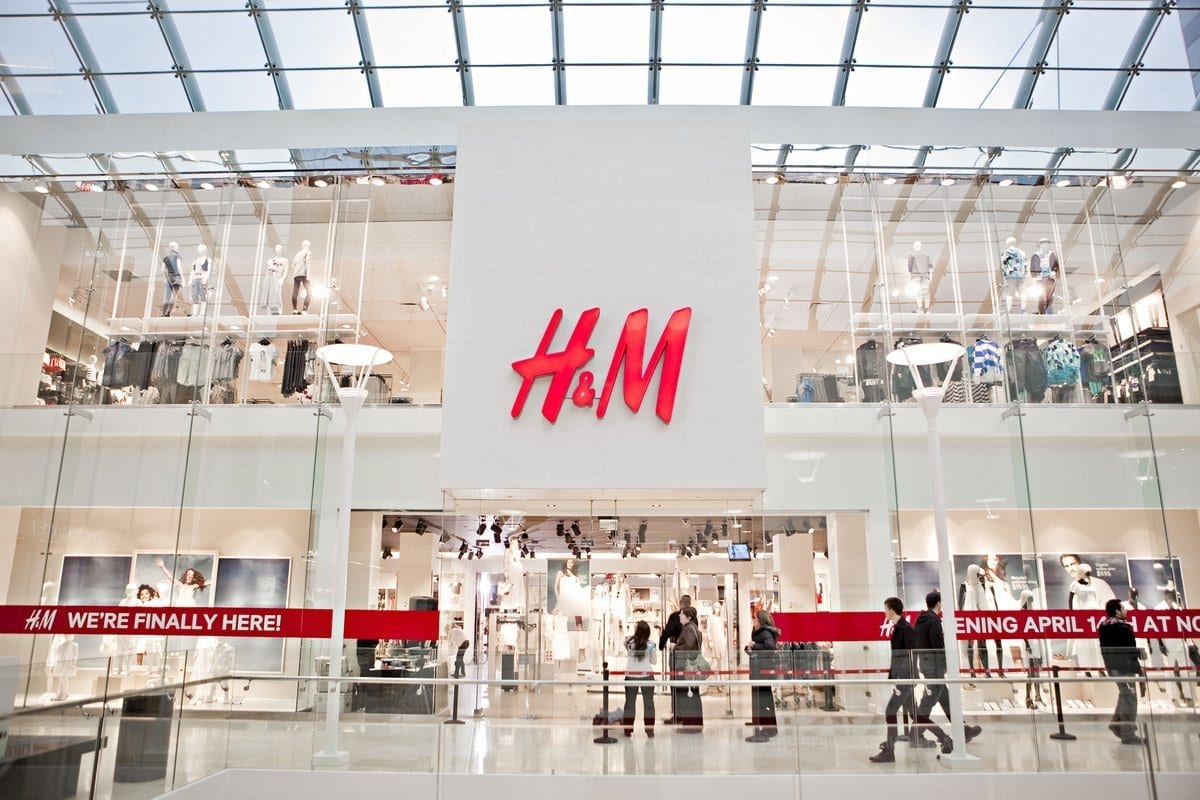
  • Gill Capital Revolutionizes H&M With Ai-powered Search Agent And Virtual Shopping Assistant

    Gill Capital Revolutionizes H&M With Ai-powered Search Agent And Virtual Shopping Assistant

    Gill Capital Group is making waves in the retail sector with its recent pilot of a generative AI-powered search agent and a virtual shopping assistant on H&M’s e-commerce platforms in Indonesia and Thailand. This initiative seeks to enhance the online shopping experience, and early trials indicate it has achieved just that, resulting in boosted engagement and sales among test groups.

    Addressing the Challenges of Online Shopping

    The retail landscape is riddled with challenges, one of the most pressing being ineffective search functions that often misinterpret customer intentions. Gill Capital’s innovative search agent addresses this issue head-on, using natural language processing to accurately comprehend and interpret shopper queries. Whether a customer is searching for a breezy blouse in Thai or a chic tunic for Eid in Bahasa, the AI is designed to understand context over mere keywords, yielding more relevant search results.

    This intelligent system not only enhances the user experience but also streamlines backend operations by automatically organizing product catalogs. Gone are the days of employees manually sifting through inventory to assign keywords—now, they can focus on more strategic tasks.

    Transforming the Shopping Experience with AI

    In addition to the search agent, Gill Capital is integrating a conversational shopping assistant on H&M’s digital platforms. This smart agent provides personalized recommendations and can tackle complex inquiries, such as confirming product availability in local stores. By serving as a bridge between online and physical retail, it empowers shoppers and enriches customer service interactions.

    Victor Siow, Gill Capital Group’s Chief Data and Analytics Officer, emphasized the importance of staying ahead in the retail game. “While search technology has advanced from basic keyword matching to more sophisticated semantic searches, many online retailers haven’t kept pace. We’re leveraging Google’s powerful infrastructure to maintain our competitive edge,” he stated.

    Combining reasoning models like Gemini 2.5 Flash with its proprietary data, Gill Capital ensures that its AI delivers relevant and accurate recommendations across the board. The company isn’t just stopping with H&M; it plans to extend these AI solutions to other brands in its portfolio while also exploring new opportunities for innovation, particularly in supply chain optimization.

    These ambitious projects are currently being piloted under Google Cloud’s AI Cloud Takeoff program, launched in collaboration with Digital Industry Singapore (DISG). Gill Capital’s foray into AI isn’t just a technological upgrade; it’s a clear investment into the future of retail that could reshape shopping in Asia and beyond.

    Questions & Answers

    What are the key features of Gill Capital’s AI-powered search agent?
    The search agent excels at understanding natural language queries, comprehending local languages, and addressing user intent beyond basic keywords, enabling more relevant shopping results.

    How is Gill Capital enhancing customer service through AI?
    By incorporating a conversational shopping assistant, customers can receive personalized recommendations and resolve queries regarding stock availability, effectively connecting the digital experience with physical stores.

    What are Gill Capital’s future plans for its AI initiatives?
    The company aims to roll out these AI solutions to other brands within its portfolio while exploring further applications, particularly in optimizing supply chain operations.

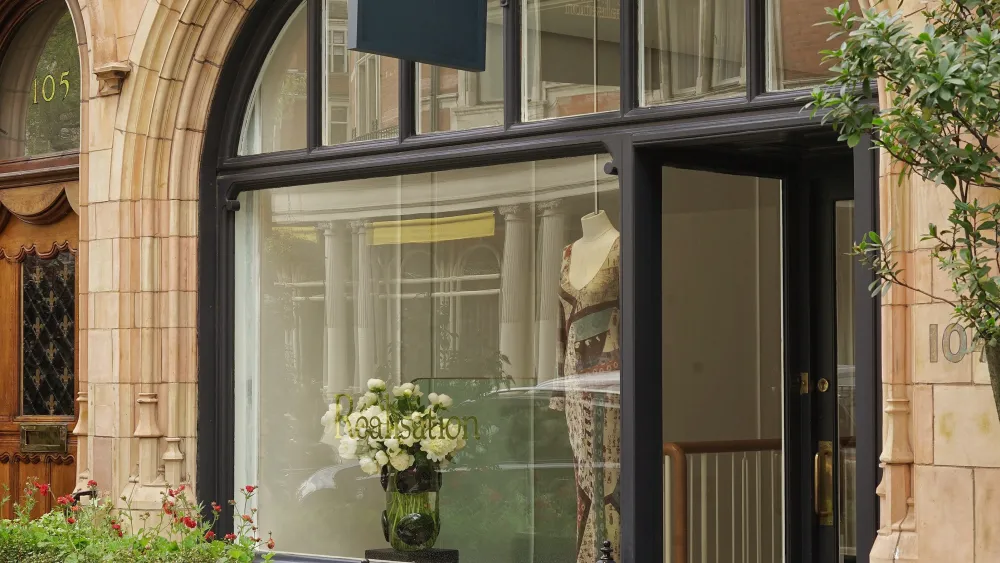
  • Réalisation Par’s Shanghai Pop-up Store: Unprecedented Success Prompts Extension

    Réalisation Par’s Shanghai Pop-up Store: Unprecedented Success Prompts Extension

    Australian fashion retailer Réalisation Par has recently launched its first-ever pop-up store, in association with LookNow, a renowned multi-brand boutique based in Shanghai, China.

    The Inaugural Pop-Up Store

    Réalisation Par’s initial Shanghai pop-up shop experienced enormous popularity, selling out completely and necessitating a temporary closure for restocking. Following this overwhelming success, the company has determined to extend its duration until October.

    Teale Talbot, co-founder of Réalisation Par, mentioned that the partnership with LookNow was carefully planned, following the brand’s continued online success in the region. She stated, “After the success of our pop-up stores in London, Los Angeles, and Sydney, we believe now is the perfect time, and LookNow is the perfect partner, to reach out to our Chinese customers in a real-life setting.”

    Partnership with LookNow

    The collaboration with LookNow offers Réalisation Par a chance to gain exposure in the boutique’s numerous locations spread across China. This partnership essentially enables the brand to sell directly to Chinese consumers without the need to maintain a permanent retail space.

    Chanel Lai, co-founder of LookNow, expressed her admiration for Réalisation Par and mentioned that her customers feel similarly. She said, “It’s an honour to introduce such a renowned brand to the centre of Shanghai. We eagerly anticipate welcoming both new and loyal customers to our store to discover a remarkable collection of Réalisation Par’s most popular pieces.”

    Questions & Answers

    What is the significance of Réalisation Par’s inaugural pop-up store in Shanghai?
    The pop-up store represents Réalisation Par’s entry into the Chinese market, giving them direct access to Chinese customers without the need for a permanent retail space.

    How has the Shanghai pop-up store performed so far?
    The store has been incredibly successful, selling out completely and leading the company to extend its duration until October to meet customer demand.

    What does the partnership between Réalisation Par and LookNow entail?
    The collaboration allows Réalisation Par to leverage LookNow’s numerous locations across China, providing them with a platform to sell directly to Chinese consumers.

  • Dolce & Gabbana Reports 4% Revenue Growth Despite Retail Challenges; Sets High Ambition For Beauty Division

    Dolce & Gabbana Reports 4% Revenue Growth Despite Retail Challenges; Sets High Ambition For Beauty Division

    Dolce & Gabbana, the revered Italian luxury fashion brand, has unveiled financial figures for the fiscal year that came to a close on March 31. The company saw its revenue climb by 4 per cent, translating to a total of US$2.2 billion.

    Revenue Drivers and Losses

    The primary catalyst behind this revenue growth was an 11 per cent surge in wholesale sales, accounting for 46 per cent of the brand’s total revenue. Unfortunately, the company also witnessed a 3 per cent decline in retail sales, indicative of challenges in crucial markets such as Europe and Asia.

    Despite the increase in revenue, Dolce & Gabbana’s net loss expanded to $136 million from the previous fiscal year’s figure of $15 million.

    Department Specific Performance

    Notably, the fashion and home division of the company experienced an 8 per cent revenue drop to $1.4 billion. This downturn is attributable to weakened demand in Europe and China, with the effect partially mitigated by gains in the Middle East, South America, and South Africa.

    On the other hand, the beauty segment posted strong figures, with sales escalating by 30 per cent year-over-year to approximately $699 million.

    Expansion and Future Endeavors

    From 2022 onwards, Dolce & Gabbana has broadened its makeup offerings to encompass more than 100 products. The brand plans to further expand this range to a complete line of 350 SKUs and has recently launched a skincare line, the Fresh Skin Collection.

    In terms of future goals, the company has set its sight on achieving $1.1 billion in annual beauty sales by the end of fiscal 2027. This objective emerges as part of their strategic shift from licensing to direct management of the beauty division.

    Additionally, Dolce & Gabbana has obtained $116 million in medium-term financing and has extended the maturity of a $345 million term loan to 2030.

    Questions & Answers

    What was the primary driver behind Dolce & Gabbana’s revenue growth?
    The primary driver was an 11 per cent increase in wholesale sales, which now account for 46 per cent of the brand’s total revenue.

    How did Dolce & Gabbana’s beauty segment perform in the past fiscal year?
    The beauty segment performed exceptionally well, with sales seeing a 30 per cent year-over-year increase to approximately $699 million.

    What are Dolce & Gabbana’s future plans for their beauty division?
    The company plans to achieve $1.1 billion in annual beauty sales by the end of fiscal 2027, following its strategic shift from licensing to direct management of the beauty division.

  • Lovisa Reports Record Sales And Profit Growth Amid Accelerated Global Expansion

    Lovisa Reports Record Sales And Profit Growth Amid Accelerated Global Expansion

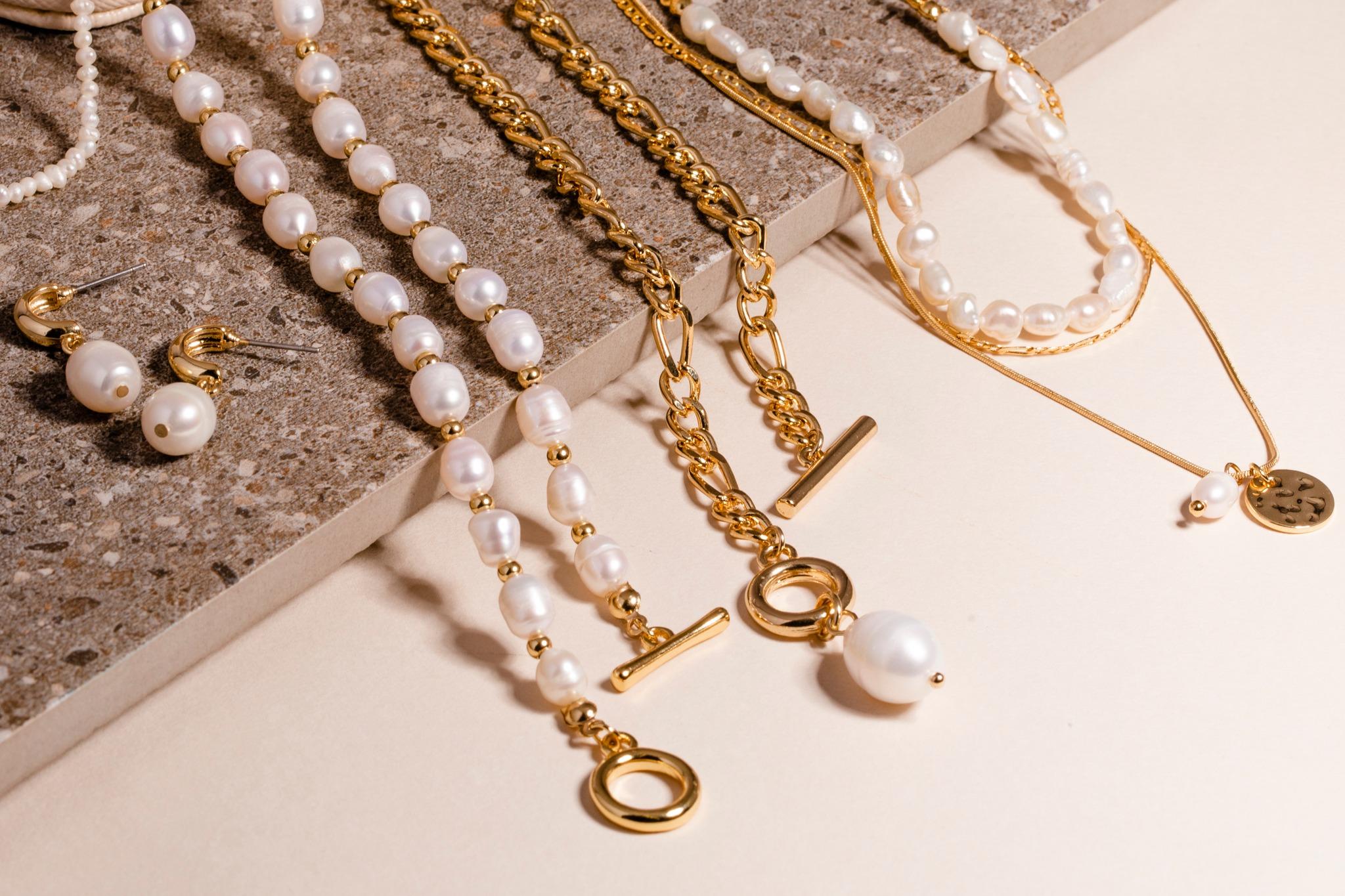
    Lovisa, the popular jewelry chain, reported significant growth in its sales and profit in the past fiscal year, alongside an accelerated expansion program.

    Revenue and Sales Growth

    Lovisa’s revenue for the fiscal year, ending June 29, experienced a 14.2% surge, reaching A$798.1 million. This increase was primarily due to the persistent expansion of the store network. During the year, Lovisa launched 162 new stores, wrapping up the year with a total of 1,031 stores across over 50 markets. A noteworthy milestone was the opening of its first store in Zambia and the establishment of three new franchise markets in Ivory Coast, the Republic of Congo, and Panama.

    Comparable store sales also saw a growth of 1.7%, showing a marked improvement in the second half of the year, following a relatively stagnant first half.

    Profit Increase

    Lovisa also reported a significant rise in its earnings and net profit. Earnings before interest tax saw a hike of 8.2%, reaching $138.7 million while the net profit after tax rose by 4.8%, amounting to $86.3 million.

    Lovisa’s global CEO, John Cheston, remarked on the company’s consistent performance, highlighting its impressive gross margin performance and the acceleration of store rollouts in the second half of the fiscal year. Cheston expressed his eagerness to continue prioritizing affordable, high-quality fashion jewelry.

    Outlook for the New Fiscal Year

    In the initial eight weeks of the new fiscal year, Lovisa reported a 28% total sales increase and a 5.6% rise in comparable sales, along with the addition of 10 new stores. The company intends to keep expanding both its physical and digital store networks, with strategic plans to foster growth in both existing and new markets.

    Questions & Answers

    What contributed to Lovisa’s significant growth in the past fiscal year?
    Lovisa’s growth was primarily driven by the continued expansion of its store network, with 162 new stores opened during the year.

    What were the earnings and net profit for Lovisa in the last fiscal year?
    The earnings before interest tax rose 8.2% to $138.7 million and the net profit after tax increased by 4.8% to $86.3 million.

    What are Lovisa’s plans for the new fiscal year?
    Lovisa plans to continue expanding its physical and digital store networks, with strategies in place to drive growth in existing and new markets.

  • Ami Paris Launches First Indonesian Outpost In Jakarta, Bolsters Global Expansion Strategy

    Ami Paris Launches First Indonesian Outpost In Jakarta, Bolsters Global Expansion Strategy

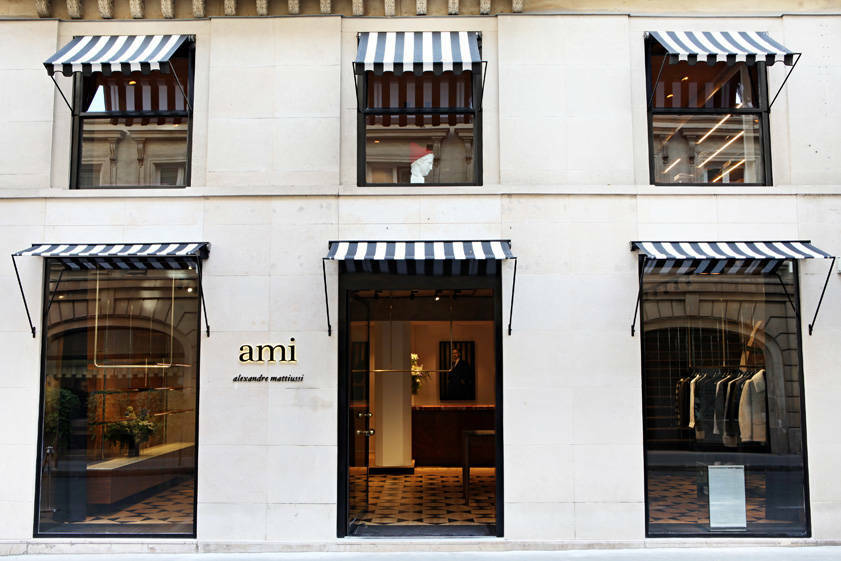
    Ami Paris, a renowned French fashion label, has initiated its first venture in Indonesia, extending its reach in Southeast Asia. The flagship store is situated in Plaza Senayan, a prominent luxuriant mall in Jakarta, operating in collaboration with the domestic retail conglomerate Time International.

    The Store Layout and Collection

    Occupying a 90-square-meter area, the store exhibits the full spectrum of Ami Paris’ merchandise that includes menswear, womenswear, and accessories. The store launched with the brand’s Fall-Winter 2025 collection, providing customers with the latest fashion trends.

    In addition to showcasing the brand’s extensive collection, the store also premieres the label’s revamped interior design concept. The store’s design mirrors its Parisian counterpart, employing materials like Euville stone, natural oak, and champagne gold finishes.

    The Jakarta site integrates design elements like striped parquet flooring and an asymmetrical layout, coupled with mirrored surfaces. These features align with the aesthetic principles consistent in other Ami Paris boutiques.

    Global Expansion

    With the inauguration of the Jakarta store, Ami Paris’ global store count escalates to 78. This expansion signifies the brand’s ongoing global growth strategy, focusing on pivotal international markets.

    Questions & Answers

    What is the location of Ami Paris’ first store in Indonesia?
    The first Indonesian store of Ami Paris is located in Plaza Senayan, a high-end mall in Jakarta.

    What are the unique design elements in the Jakarta store?
    The store features a unique design with elements such as striped parquet flooring and an asymmetrical layout with mirrored surfaces, reflecting the aesthetic found in other Ami Paris boutiques.

    What does the opening of the Jakarta store signify for Ami Paris?
    The opening of the Jakarta store represents Ami Paris’ ongoing strategy of global expansion, focusing on key international markets.

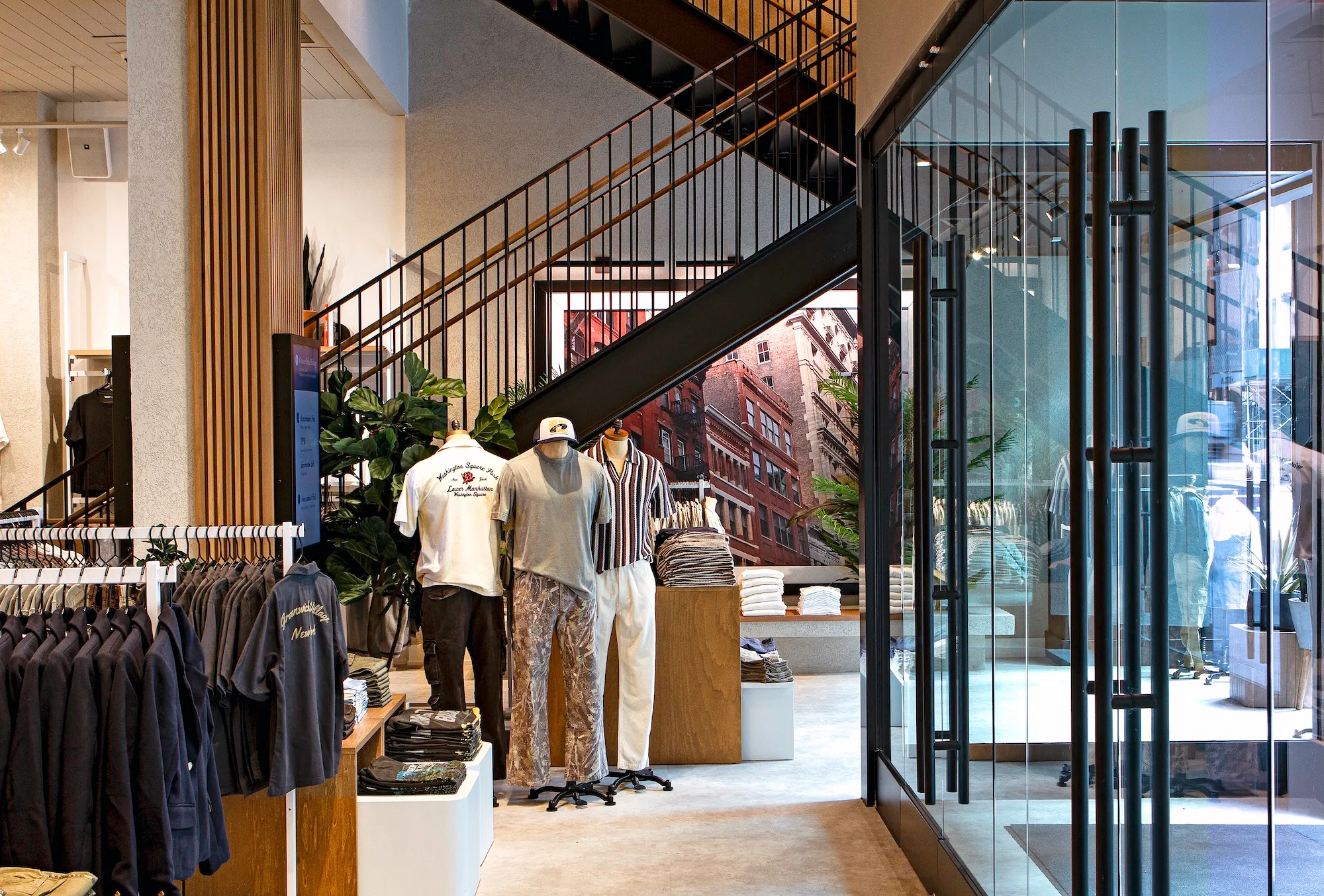
  • Abercrombie & Fitch Q2 Earnings Soar, But Tariffs Threaten Future Profits

    Abercrombie & Fitch Q2 Earnings Soar, But Tariffs Threaten Future Profits

    Abercrombie & Fitch reported a record-breaking performance for Q2, driven in large part by a 19% sales increase from its subsidiary, Hollister. This performance prompted the company to revise its full-year sales forecast upward. However, not all was rosy, as the Abercrombie brand itself recorded a 5% fall in sales, following a 26% increase in the previous year.

    Detailed Business Performance

    Net sales for the quarter that ended on August 2nd soared by 7% year on year to reach US$1.2 billion, with comparable sales increasing by 3%. Operating income rose to $207 million, a significant jump from the $176 million recorded during the same period the previous year.

    The performance varied by region, with the Americas posting an 8% growth, and the Asia-Pacific region registering a 12% increase. However, the Europe, Middle East, and Africa (EMEA) region saw a slight decrease of 1%.

    During the announcement of the results, CEO Fran Horowitz lauded the resilience demonstrated by the company. She stated that the company outpaced its expectations by achieving a growth of 7% from the previous year and exceeding profitability expectations. The company also returned a considerable portion of its profits, $50 million, to its shareholders.

    Horowitz expressed optimism about the future, stating the company is entering the second half of the year with a proactive approach, backed by an upbeat sales outlook that builds on the previous year’s record results.

    Challenges and Opportunities

    Despite the positive outlook, the company issued a warning about potential challenges. It stated that tariffs on imports from Vietnam, Indonesia, Cambodia, and India are projected to add $90 million in costs this year. This is a significant increase from the company’s May forecast of $50 million in tariff expenses, despite mitigation efforts.

    However, industry experts have recognized Abercrombie & Fitch’s momentum. Neil Saunders, MD at GlobalData, pointed out that the company’s consistent execution has been pivotal to its growth. He praised the company’s strategies, citing the successful store and merchandising efforts, the rate of product refresh, strong seasonal marketing, and responsiveness to trends.

    Saunders also commended Abercrombie Kids’ strategic move into the wholesale market as a smart growth strategy. He highlighted that the US kids’ wear market was valued at $82.1 billion in the previous year, and Abercrombie & Fitch only has a small share of this market. Therefore, expanding through wholesale could provide fast access to new customers and require less capital than opening additional stores.

    Questions & Answers

    What drove Abercrombie & Fitch’s record Q2 performance?
    The main driver was a 19% sales increase from Hollister, a subsidiary of Abercrombie & Fitch.

    How did Abercrombie & Fitch’s performance vary by region?
    Sales in the Americas and Asia-Pacific regions grew by 8% and 12% respectively, while the Europe, Middle East, and Africa region recorded a 1% decrease.

    What challenges does Abercrombie & Fitch anticipate for the future?
    The company expects tariffs on imports from Vietnam, Indonesia, Cambodia, and India to add $90 million to its costs this year.

  • Sukoshi’s Largest Store Yet: Canadian Beauty Retailer Expands Footprint With New York Launch

    Sukoshi’s Largest Store Yet: Canadian Beauty Retailer Expands Footprint With New York Launch

    Canadian beauty retailer, Sukoshi, is poised to continue its North American expansion with the opening of its largest store in New York next month. This marks a significant milestone in the company’s growth strategy, reflecting its ambition to increase its footprint in the region.

    Store Details

    The new store will be located on Third Avenue in New York City’s prestigious Upper East Side. In line with Sukoshi’s brand aesthetics, the store interior will be adorned with a ‘matcha’ green colour scheme. It will be stocked with beauty products from two notable brands: Red Chamber and Girlcult.

    Linda Dang, CEO of Sukoshi, expressed her vision for the brand, stating, “Our mission is to champion brands that set high standards and to create spaces where discovery and education make beauty more meaningful for every customer.”

    Company Overview

    Sukoshi, established in 2018, is a purveyor of Asian beauty products. Currently, it represents over 200 beauty brands across 15 stores throughout North America. Additionally, the company has ambitious expansion plans for the upcoming year, including opening more than 20 new locations in the US market.

    Sukoshi also has plans to establish a presence in several shopping centres across the US. Locations for future stores include Lenox Square, Aventura Mall, King of Prussia, and Bellevue Square.

    Previous Successes

    In the previous year, Sukoshi launched its first retail outlet, Sukoshi Mart, in the Roosevelt Field mall. This establishment was in association with Simon Property Group and featured alongside prominent retailers like Neiman Marcus, Bloomingdale’s, Nordstrom, and Macy’s.

    Questions & Answers

    What is Sukoshi?
    Sukoshi is a Canadian-based beauty company that offers Asian beauty products from over 200 brands. Since its founding in 2018, it has grown to operate 15 stores across North America.

    What is significant about Sukoshi’s upcoming store in New York?
    The upcoming New York store will be Sukoshi’s largest store to date and represents a key part of its expansion plans in the North American market.

    What are Sukoshi’s future expansion plans?
    The company plans to open more than 20 new stores in the US market this year. Additionally, it intends to launch stores in several shopping centres across the US, including Lenox Square, Aventura Mall, King of Prussia, and Bellevue Square.