Category: Fashion

Retail News Asia is committed to providing both local and global retailers with the latest Fashion news throughout the Asian market. This on a daily base.

  • Giuseppe Zanotti Expands Into Singapore

    Giuseppe Zanotti Expands Into Singapore

    Valiram and Giuseppe Zanotti jointly announce a new phase in their partnership with the opening of a new boutique in Singapore.

    Valiram’s partnership with the Italian luxury footwear and fashion designer started in 2007 when the Malaysian-based luxury and lifestyle retail specialist opened the first Giuseppe Zanotti boutique in Malaysia at premier retail landmark Pavilion Kuala Lumpur.

    The new Giuseppe Zanotti monobrand boutique will be located in ION Orchard, a stylish architectural wonder and the most glamorous shopping complex in Singapore.

    Occupying 108-square-meter premium retail space, this refined concept store houses the brand’s iconic sculptural shoes, avant-garde sneakers and leather handbags and accessories for both men and women.

    A limited collection of children’s shoes will be introduced specifically for the boutique launch.

    The boutique’s interior design is driven by the vibrant and emotional DNA of the brand. Chrome and shiny gold surfaces mix with dark yellow and electric blue fabric on the floor carpet and furniture, and classic elements like white walls and mirror finishing complement the contemporary furniture and hardware details.

    A careful juxtaposition of materials and details brings to the environment a refined and contemporary mood, which enhances the brand’s creations for a luxury shopping experience.
    “Valiram is passionate about creativity and craftsmanship, a combination that Giuseppe Zanotti is renowned for.

    Mr. Giuseppe Zanotti added: “The strong affinity between Valiram and the brand, two businesses both longing for creativity and craftsmanship, has made it possible to accept this new challenge with true determination.

    This partnership along with the new boutique at ION Orchard, embarks our footprints in Singapore”.

  • Jeep clothing mainland sales rises

    Jeep clothing mainland sales rises

    Menswear retailer China Outfitters, which holds the Jeep license on the mainland, has boosted sales and profits in the first half year.

    While same-store sales in its own store network – which now numbers 564 – slipped by 3 per cent, online sales through Tmall and other platforms soared 20.3 per cent.

    China Outfitters achieved sales of RMB445.7 million (US$65 million) for the period, up 0.7 per cent on the same period last year. Profit attributable to shareholders rose 16 per cent RMB7.9 million ($1.15 million).

    Jeep is by far China Outfitters’ largest brand, with 565 points of sale including those of third-party retailers. Other labels in the stable are SBPRC, London Fog, MCS, Zoo York, Barbour, Lincs and Marina Yachting.

    Sales in self-operated stores rose 2.7 per cent, accounting for 77.3 per cent of total revenue, largely driven by outlet store growth.

    Sales to third-party retailers decreased by 14.5 per cent, due to a smaller store network.

  • agnès b. brings art to Hong Kong

    agnès b. brings art to Hong Kong

    agnès b. Galerie Boutique has always brought beautiful and artistic works to Hong Kong. In January, agnès b. Galerie Boutique was pleased to welcome renowned, published Belgian cartoonist turned artist, François Olislaeger, who has participated in exhibitions at the Contemporary Art biennal in Le Havre in France, at the Cité de l’Architecture and at the Gaité Lyrique.

    In Hong Kong for the first time, François exhibits his Une Fleur Par Jour (A flower a day) project inspired by his obsession with heavenly flowers.

    In 2016, François Olislaeger turned himself into a florist crafting an incredible herbarium of Cacti, Bougainvillea, Lysis, Daisies and Tulips with the utmost care and attention to detail. It is here that he honed in on his craft using gentle, pastel watercolours to depict “simply” feeling the power of flowers and paint.

    Through each flower’s lifecycle François focused on the emerging blossoms, changes of colour palettes, the variation of gestures and movement from each unique bloom, he then reinterpreted it through soft watercolours onto canvases with a sense of artistic freedom and playfulness.

    François Olislaeger’s flowers don’t have the precision of botanic boards – it is not his vocation. They don’t have the radicalness of those of Ellsworth Kelly yet. The creativity is somewhere else, in the context, in the setting, some details more or less noticeable – a colour, an incongruous presence, and petals hanging. François Olislaeger’s flowers are innocent. For the moment, they talk mainly about love – of art, of life, of a father for his young daughter Lila – and about the transformation of a very talented cartoonist becoming a painter.

    agnès b. Galerie Boutique is showcasing more than 80 pieces of François’s collection in this exhibition, some of the artworks were previously exhibited in agnès b. Galerie du jour in Paris, however for the majority of his collection – this is their first showcase and the exhibition is now open to public until 30 June 2019.

    agnès b. Galerie boutique was delighted to welcome François Olislaeger to the vernissage of his exhibition at the agnès b. Galerie Boutique on the night of 31 January 2019.

    Media and KOL friends were treated to a personal recollection of what inspired him to create his artwork as well as witness François live paint the Lily and two other artworks exclusively for the Hong Kong exhibition. agnes b. Galerie Boutique also designed 7 styles of temporary tattoo stickers that guests were about to take home a memory of his art.

  • Mainlanders drive Sa Sa sales to $2.1b

    Mainlanders drive Sa Sa sales to $2.1b

    Sa Sa International Holdings (0178), the cosmetics and skincare retailer, said yesterday retail and wholesale turnover for the first quarter ended June 30 increased by 24.8 percent over the same period the year to HK$2.11 billion.

    The retail and wholesale turnover in Hong Kong and Macau markets increased by 27.7 percent to HK$1.8 billion, while same-store sales increased by 25.3 percent.

    This was mainly driven by a 27.5 percent increase in the number of transactions from mainland tourists, which also led to a 14.5 percent growth in the volume of transactions.

    The average sales per transaction of local consumers and mainland tourists increased by 8.1 percent and 7 percent respectively, Sa Sa reported.

    Hong Kong’s retailers have forecast their turnover in the second half to grow by 10 percent year on year, JLL found in a recent survey.

    About 83 percent of the international and local retailers are planning to open new shops in the city over the next 12 months, a significant jump from 62 percent as recorded a year ago. JLL surveyed 40 retailers and retail landlords in June and found that more than 90 percent of the respondents stated their retail sales in the first half of 2018 fared better than those in the previous year.

    Retailers from almost all sectors are seeing strong and sustained growth in their sales which will lead to them investing more into the market, while the luxury sector is currently the biggest winner, led predominantly by the mainland tourists, said James Assersohn, director of Asia Pacific Retail at JLL.

    “However, we also see locals increase spending which provides a deeper and more sustainable growth trajectory for retail businesses here,” James added.

    Meanwhile, it is worth noting that changing consumption patterns and shopper profiles fueled by millennials and generation Z have also led to greater demand for mass and mid-market brands, serving as a significant boost to local spending, said the survey. It is expected that the rents of high street shops and prime shopping centers to grow in the range of 0 to 5 percent for the full year, said Terence Chan, Head of Retail at JLL in Hong Kong.

    For the local industrial and commercial property market, property agency Midland IC&I (0459) forecast 10,000 transactions will be recorded in 2018, rising by 8 to 10 percent year-on-year, which will set a new record high.

    The turnover for the year is expected to decline 0 to 5 percent mainly due to uncertainties including the trade war between China and the United States and fluctuations the local stock market.

    Midland IC&I forecasts that industrial and commercial properties will record a turnover of HK$130 billion and HK$160 billion respectively for the second half and the full year.

  • Christopher Bailey to depart Burberry after 17 amazing years

    Christopher Bailey to depart Burberry after 17 amazing years

    Christopher Bailey is to depart from Burberry after 17 years as its creative head. In a statement issued overnight, Burberry said Bailey, 46, will remain in his dual roles of president and chief creative officer until March 31, when he will also resign from the board.

    He will design the Spring/Summer 2018 collection and exit the business in December after a period of transition.

    “Burberry has undergone an incredible transformation since 2001 and Christopher has been instrumental to the company’s success in that period,” said Burberry CEO Marco Gobbetti.

    Bailey described his tenure at the UK-headquartered luxury fashion brand as “the great privilege of my working life”.

    “I am excited to pursue new creative projects but remain fully committed to the future success of this magnificent brand and to ensuring a smooth transition.”

    Replacement tipped

    Some analysts are already picking Bailey’s replacement: Phoebe Philo, who worked with Gobbetti at Celine, has been identified as a frontrunner.

    “For now, Philo remains in her role at Celine” But LVMH is interviewing designers to replace Philo and rebuild Celine’s design team in preparation for her eventual departure. The conglomerate vehemently denied that Philo’s departure was “imminent” without denying that interviews for her replacement were taking place.”

    “Phoebe used to work with Marco Gobbetti and they know each other well,” Mario Ortelli, head of the luxury goods sector at Sanford C Bernstein. “She is a big name, and in terms of brand elevation she can be one of the possible candidates for the role. In our view Phoebe Philo could move across to Burberry and recreate the powerful CEO-creative director combination Gobbetti and Philo experienced at Celine.”

    Thomas Chauvet, head of luxury goods equity research with Citigroup, concurred in a note issued after the Bailey announcement.

    “Early feedback from investors suggests that the successful partnership she previously had with Mr Gobbetti makes her a suitable potential candidate.”

    Pascal Martin, partner with OC&C Strategy Consultants in Hong Kong, said 17 years at the helm of a luxury brand’s design team is a long tenure – longer than most design directors in global luxury houses, with the exception of very rare cases like Chanel’s Lagerfeld.

    “In his time, Bailey had completely revived the brand and had the genius to re-invent the trench, Burberry’s iconic product, and make it trendy and aspirational. He has also led Burberry’s charge into the digital world, ahead of the entire luxury sector, making the brand “cool” to the millennials generation when other luxury brands were still very hesitant and protective.”

    Rivals catching up

    But Martin said Burberry’s designs and stores have lost a bit of their innovativeness lately, while many luxury brands have caught-up with Burberry on the digital front.

    “Looking ahead, creating new excitement around the brand – through product design and store design – is going to be one of the major challenges for the new design director.”

    Charlotte Pearce, a retail analyst with GlobalData, said since Bailey became creative director in 2004, he has contributed to total revenue growth of £2 billion and has helped to regenerate the brand, turning it back into the aspirational, iconic label that it once was.

    “With just over a year until Bailey leaves, there is plenty of time for Marco Gobbetti, who took over as CEO in July, to find the right candidate to fill Bailey’s shoes. It is crucial that Burberry finds someone with respect for the brand’s British heritage but is able to further evolve the label creatively and bring it into a new era,” said Pearce.

    Gobbetti said Burberry has “a clear vision for the next chapter” to accelerate the growth and success of the brand.

    “I am excited about the opportunity ahead for our teams, our partners and our shareholders.”

  • Coty’s results beyond expectations

    Coty’s results beyond expectations

    Beauty products maker Coty Inc (COTY.N) posted better-than-expected quarterly results, selling more of a range of luxury perfumes which include Burberry and Gucci brands.

    Once a pure-play fragrance maker, Coty has diversified by acquiring a slew of established brands and adding hair appliances and Younique makeup to its portfolio of products to attract younger customers.

    Powered by strong growth in designer brands including Chloe and Tiffany & Co, sales in its luxury beauty segment climbed 19 percent to $752.5 million in the third quarter ended March 31.

    Shares in the company rose 6.3 percent to $16.90 in response to the results.

    Chief Executive Officer Camillo Pane said that prior to the relaunch of a series of its products in January this year, sales of its CoverGirl makeup and skincare faced double-digit declines. Wednesday’s results showed a low single-digit percentage fall.

    “The overall Clairol business is not showing big signs of improvement,” said Pane, as it faces a stagnant beauty market in the U.S. and competition from L’Oreal (OREP.PA) and ELF Cosmetics.

    Pane said he expects modest organic net revenue growth in the second half of 2018.

    Net loss attributable to Coty Inc narrowed to $77 million or 10 cents per share, from a loss of $164.2 million or 22 cents per share, a year earlier.

    Coty reported a drop of about 73 percent in restructuring costs in the quarter.

    Excluding certain items, the company earned 13 cents per share, beating analysts’ average estimate by 1 cent.

    Sales rose 9.4 percent to $2.22 billion, beating analysts’ estimate of $2.17 billion.

  • Espoir enhances customer experience by new concept store “MAKE-UP MARKET”

    Espoir enhances customer experience by new concept store “MAKE-UP MARKET”

    Espoir opened new concept store with the theme ‘Market’ in order to provide a new brand experience in Shinsa-dong, Seoul.

    Inspired by the European market, the ‘MAKE-UP MARKET’ of Espoir brings a feeling of a colorful  interior to the actual food market.

    The make-up market store is the first self-picking concept store.

    Espoir has introduced a self-picking process that allows customers to test and buy their own products through a space configuration that considers the customer’s movement.

    Additionally, they provide free stamps, ribbons, etc. in the self-packing zone so that customers can freely wrap their own products when they have finished all their purchases.

    There is a tasting zone in the market  so that anyone who visits the store can test the best-selling products of Espoir. There is also a flea market zone on the first floor and the basement floor for best-selling items at special price.

    In this concept store, pre-sales promotions that were only offered online will be carried out in the off-line store alone so that customers can experience new more quickly than anyone else.

    There are also a variety of exclusive set items available only in ‘MAKE-UP MARKET’ store.  Customers will receive a ‘slim fit air puff’ or a special market sticker on a first-come, first-served basis for customers purchasing from a concept store during February 2018.

    “We hope that customers will be able to experience various aspects of our products through the new concept store of ‘MAKE-UP MARKET’ following the concept store of Hongdae ‘MAKE-UP PUB concept store’, and we will prepare a various event that will provide fun and new products for customers in the future,” company said.

  • Nike sued over copycat sports bra design

    Nike sued over copycat sports bra design

    A Florida-based entrepreneur is suing Nike for allegedly copying her design patents pertaining to a sports bra with pockets.

    SherryWear LLC claimed in a lawsuit filed this week that Nike copied its pocket bra design after its founder, Sherry Goff, submitted the SherryWear pocket bra design to Nike via an online submission. The design at the time had some issued and pending patents.

    According to the suit filed in a Massachusetts court on Monday, Nike rejected Goff’s design in March 2017. Just a few months later, Nike filed a U.S. patent application for a “Bra With Storage Pockets.” Goff submitted the SherryWear pocket bra design to Nike again after that and was rejected again.

    SherryWear specifically takes issue with Nike’s Swoosh Pocket Bra and the Swoosh on the Run bras, both of which feature pockets.

    “Nike has never had authority to use, offer, sell or import any product or assembly covered by the Pocket Bra Patents or actively induce others to do so,” the suit claims. “By continuing to engage in commercial activities described in this complaint, Nike is knowingly, deliberately and intentionally infringing the Pocket Bra Patents.”

    Retail News has reached out to Nike for a comment. In a statement to Retail News, a spokesperson for SherryWear’s law firm, Caldwell IP Law, said it is “confident in the effectiveness of the patent system and its ability to empower small businesses, such as SherryWear.”

    Nike may be on the defensive this time, but the Swoosh has historically taken a harsh legal stance when it comes to protecting itself against potential copycats. Nike, in 2021, filed a trademark infringement and dilution complaint against MSCHF, the company that released its controversial Satan Shoes with Lil Nas X, and settled the lawsuit shortly after. Last year, Nike resolved its trademark infringement battle with footwear designer John Geiger after claiming he created sneakers that were similar to Nike’s Air Force 1 shoes.

  • Puma and Adyen Showcase the Speed and Flexibility of Unified Commerce

    Puma and Adyen Showcase the Speed and Flexibility of Unified Commerce

    Retail’s Big Show APAC (NRF 2025 APAC), world’s leading sports brand Puma and global financial technology platform Adyen shared how their strategic partnership is transforming retail operations and customer experiences across Asia Pacific and beyond.

    From flagship stores to high-pressure, high-volume environments like Formula 1 events, Puma is leveraging Adyen’s unified commerce platform to deliver fast, frictionless, and flexible customer experiences—online, offline, and everywhere in between.

    Since 2020, Puma has partnered with Adyen to consolidate its previously fragmented payment systems. Before that, multiple providers across different markets led to issues with fraud, reconciliation delays, and inconsistent customer experiences. By migrating to Adyen’s single platform, Puma has streamlined backend operations, improved reporting accuracy, and accelerated store and event rollouts in Singapore, Hong Kong, Malaysia, Australia and New Zealand, the UK, and other European markets.

    This partnership underscores a growing trend among global retailers to consolidate fragmented payment systems into unified platforms—streamlining operations and enhancing the customer journey across every channel.

    Key Highlights:

    • From Fragmented to Unified: Before 2020, Puma operated with a mix of payment providers across different markets, resulting in operational inefficiencies and inconsistent customer experiences as a multinational business when scaling. Adyen’s unified platform now powers both online and in-store payments in a single ecosystem.
    • Accelerated Rollouts: In Australia, Puma deployed Adyen’s POS terminals across 26 stores in under a month—fully remotely, effectively eliminating the cost of in-person deployment in a vast geographic market. Singapore and other markets have since adopted the same agile deployment model.
    • Omnichannel Innovation: Puma is enhancing its omnichannel model to drive conversion rates and ensure seamless transactions, preventing missed sales opportunities by helping customers complete purchases in the moment. Customers can buy online and return in-store, or purchase in-store and receive goods from other store locations or warehouses—eliminating friction and keeping the buying process convenient.
    • Customer-Led Payment Strategy: Puma adapts to local consumer preferences, whether that’s credit cards, e-wallets, or Buy Now, Pay Later (BNPL), Puma can quickly activate local payment methods via Adyen’s platform—meeting regional preferences without technical complexity.
    • F1-Ready Payments: At high-volume events like Formula 1, Puma leverages Adyen’s mobile and scalable solution to process thousands of transactions efficiently—supporting seamless customer journeys in high-pressure environments. This enables high-speed setups and smooth customer flows during major global events.

    “With Adyen, Puma is not only simplifying operations but also enhancing customer experiences on a global scale,” said Ben Wong, General Manager, Southeast Asia & Hong Kong at Adyen. “Retail today is about agility, speed, and personalization. From F1 events to everyday store operations, our partnership with Puma is a clear example of how unified commerce can empower retailers to operate smarter, move faster, and adapt to rapidly changing market conditions. Whether it’s enabling remote rollouts, supporting local payment preferences, or handling massive event transactions, we’re proud to help Puma deliver a seamless experience that puts the customer first.”

  • Farfetch Expands Into Korean Market Through Alliance With E-commerce Giant Coupang

    Farfetch Expands Into Korean Market Through Alliance With E-commerce Giant Coupang

    The premier luxury e-commerce platform, Farfetch, is set to broaden its business operations into the Korean market. This move is made possible through an alliance with Coupang, which is Korea’s principal e-commerce company.

    Facilitating International Fulfilment

    As part of the collaboration, Coupang will be managing all overseas fulfilment for Farfetch. On the domestic front, RLux, a high-end shopping application owned and operated by Coupang, will provide free delivery service for all items purchased within Korea.

    Enhancing Customer Convenience

    In a move aimed at improving customer convenience, Farfetch will integrate all customs duties and additional fees into the product prices. This means that customers will see the total cost upfront, making it easier for them to make informed buying decisions.

    Stephen Eggleston, Farfetch’s Chief Commercial Officer (CCO), expressed his enthusiasm for the expansion. He highlighted this as a special chance for brands in partnership with Farfetch to reach out to Korean luxury customers directly.

    Rescue from Financial Uncertainty

    In 2023, Farfetch found itself on the brink of bankruptcy. This financial calamity was averted when the company was acquired by Coupang.

    Diverse Brand Portfolio

    Now, Farfetch boasts a diverse portfolio of 1400 brands, boutiques and department stores. The company caters to customers in no less than 190 countries around the globe.

    Questions & Answers

    What new markets is Farfetch expanding into?
    Farfetch is broadening its business operations into the Korean market.

    Who will manage Farfetch’s overseas fulfilment in Korea?
    Coupang, Korea’s principal e-commerce company, will handle all overseas fulfilment for Farfetch.

    What measures is Farfetch taking to improve customer convenience in Korea?
    To enhance customer convenience in Korea, Farfetch will include all customs duties and additional fees in the product prices.

  • Asics Boosts Indian Manufacturing Amid Regulatory Changes, Plans For Brand-owned Stores

    Asics Boosts Indian Manufacturing Amid Regulatory Changes, Plans For Brand-owned Stores

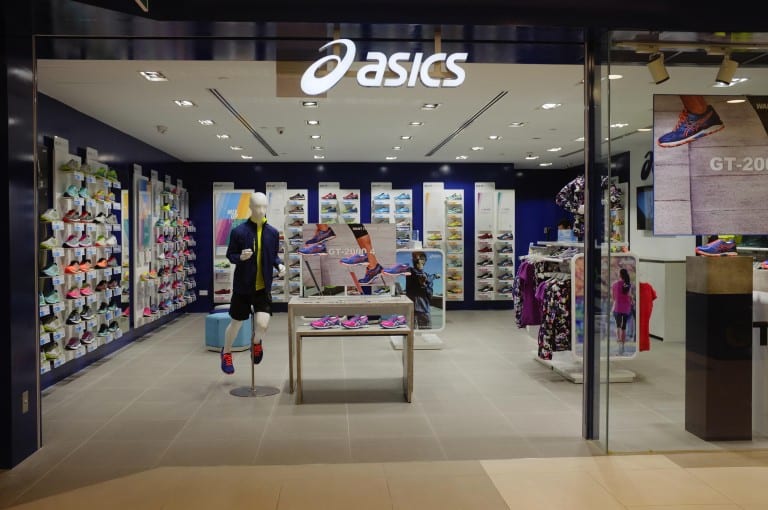
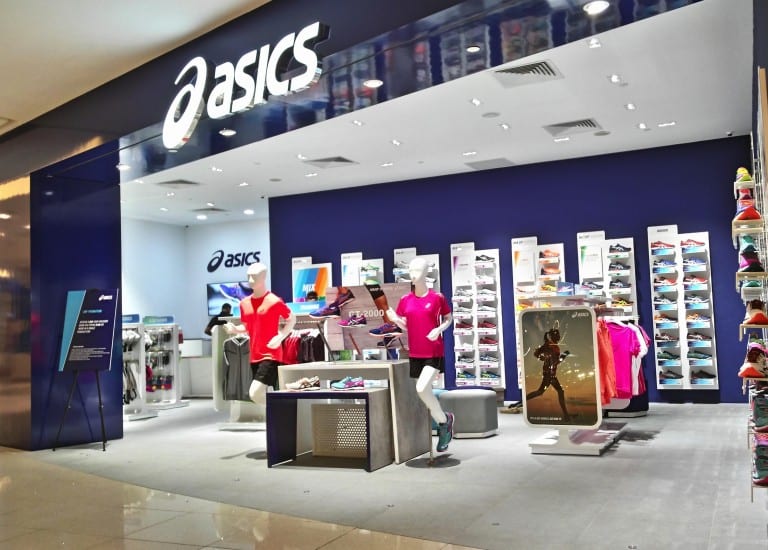
    Asics, the Japanese sportswear giant, has announced plans to increase its manufacturing operations in India from 30% to 40% over the coming years. This move is aimed at maintaining a stable supply chain, following changes in the country’s regulations that have led to a halt in footwear imports.

    The Indian government has recently introduced a set of standards for different footwear types. These regulations demand that both local and international manufacturers secure quality certifications. In response to these rules, Asics has paused its footwear imports, citing the impracticality of importing without the required government certification.

    Local Production Strategy

    In order to navigate this challenging situation, Asics is working towards enhancing its local production capabilities. “We are strategically developing local production capabilities,” stated Rajat Khurana, Managing Director of Asics India.

    During the 2024-25 fiscal year, Asics achieved 30% local production. This achievement meets the government’s required threshold, which permits foreign brands to run their own single-brand stores in India.

    Expansion Plans

    With approximately 125 stores currently being operated via franchise partners, Asics is now planning to open its first brand-owned store within the year. The company is actively exploring potential locations in and around major cities such as Delhi and Mumbai, with plans to establish a few more outlets in the years to come.

    In addition to directly owned stores, Asics also intends to open three new franchise stores every month until the end of the year. The brand, which competes with internationally recognized names such as Nike, Adidas, and Skechers USA in the Indian market, is set to capitalize on the country’s growing fitness culture.

    Financial Outlook

    Asics is optimistic about its financial prospects in India, predicting a revenue growth of between 35% and 37% for the fiscal year 2024-25. This projection follows a 26% increase in revenue during the previous fiscal year, which saw its earnings rise to 4.28 billion rupees (US$49.7 million).

    The company, which is particularly known for its running shoes, is benefitting from the rising interest in fitness, tennis, and pickleball among India’s affluent urban dwellers. The local market for sporting goods and apparel is anticipated to double by 2030, reaching US$58 billion, up from the 2023 levels, as per a 2024 report by Deloitte.

    Questions & Answers

    What is the reason behind Asics’ decision to increase manufacturing in India?
    Asics is boosting its manufacturing in India in response to new regulations that have halted footwear imports.

    What are Asics’ expansion plans in India?
    Asics plans to open its first brand-owned store in India this year and aims to establish more in the coming years. The company is also looking to open three new franchise stores every month until the end of the year.

    What is Asics’ projected revenue growth in India for 2024-25?
    Asics is expecting to see a revenue growth of between 35% and 37% in India for the fiscal year 2024-25.

  • Authentic Brands Group Unveils New APAC Headquarters in Vibrant Shanghai

    Authentic Brands Group Unveils New APAC Headquarters in Vibrant Shanghai

    Authentic Brands Group has made a major move in its global expansion strategy by opening its Asia-Pacific (APAC) headquarters in the vibrant city of Shanghai. This new development, covering nearly 2,000 square meters, is not just an office—it’s a hub of creativity and innovation.

    Bringing Brands to Life

    The Shanghai office boasts five immersive showrooms, a stylish Style Studio, an executive lounge, and specialized spaces designed for the diverse teams focusing on brand management, business development, PR, marketing, and entertainment. This environment is set to inspire collaboration and take Authentic’s regional initiatives to new heights.

    Top brass from the company, including CEO Jamie Salter and President Matt Maddox, were present for the launch, alongside APAC President Wesley Chu, EVP Josh Perlman, and global brand partner David Beckham. Their attendance highlights the importance of this new hub in cementing Authentic’s presence in the Asian market.

    A Global Vision, Local Focus

    The Shanghai office is strategically positioned to function as a regional center for brand management, licensing, and marketing throughout Greater China and the broader APAC region. This bold move follows the establishment of Authentic’s EMEA headquarters set to open in 2024, emphasizing the company’s commitment to localizing operations in critical markets.

    Founded in 2010, Authentic Brands Group has swiftly risen to prominence. The company manages a portfolio of over 50 lifestyle, sports, and entertainment brands, generating approximately USD 32 billion in annual global retail sales. Its impressive lineup features global superstars like David Beckham, Shaquille O’Neal, and a diverse array of brands including Reebok, Aéropostale, Quiksilver, Barneys New York, and Sports Illustrated.

    As they celebrate this milestone, one can only wonder what other surprises Authentic has in store for the bustling APAC market.

    Questions & Answers

    **What is the size of the new Shanghai office?**
    The Shanghai office spans nearly 2,000 square meters.

    Who were some key figures present at the office launch?
    Notable attendees included CEO Jamie Salter, President Matt Maddox, APAC President Wesley Chu, EVP Josh Perlman, and brand partner David Beckham.

    What does Authentic Brands Group aim to achieve with this new headquarters?
    The headquarters will serve as a regional hub, enhancing brand management, licensing, and business development in Greater China and the wider APAC region.

  • Chow Tai Fook Overcomes Sales Slump With Increased Operating Profit: Unveils Expansion Plans

    Chow Tai Fook Overcomes Sales Slump With Increased Operating Profit: Unveils Expansion Plans

    Despite subdued consumer sentiment impacting its sales in the last fiscal year, Chow Tai Fook witnessed an increase in its operating profit.

    The company’s revenues for the fiscal year, ending on March 31, saw a significant decrease of 17.5 per cent, amounting to HK$89.6 billion (US$11.4 billion). The reasons behind this slump were attributed to wider macroeconomic factors and high gold prices, both of which contributed to dampening consumer sentiment.

    However, the company’s operating profit demonstrated resilience amidst these challenges, marking a 9.8 per cent increase and reaching HK$14.7 billion. This rise in profit can be attributed to a well-curated product mix, increased gold prices, and effective cost management strategies. Consequently, the operating profit margin also saw an enhancement of 400 basis points, rising to 16.4 per cent.

    Nevertheless, the profit assigned to shareholders witnessed a drop by 9 per cent, amounting to HK$5.9 billion. This was due to the fact that the growth in operating profit was overshadowed by the losses incurred through the revaluation of gold loan contracts.

    The company also highlighted that its same-store sales performance in Mainland China demonstrated a progressive improvement on a quarterly basis. Concurrently, the performance of stores in Hong Kong and Macau showed signs of stabilization towards the end of the fiscal year.

    Throughout the year, Chow Tai Fook made notable advances in its brand transformation strategy. The company launched five new stores featuring a premium format in Mainland China and Hong Kong. These were designed to augment brand desirability and enhance store productivity.

    In the upcoming fiscal year, the company is set to continue its strategic expansion by unveiling its new-format stores in Singapore and Canada. Additionally, it also plans to penetrate high-growth markets in Southeast Asia and prime locations.

    Questions & Answers

    What was Chow Tai Fook’s revenue for the year ended March 31?
    The revenue for Chow Tai Fook for the year ended March 31 was HK$89.6 billion (US$11.4 billion).

    What factors contributed to the increase in Chow Tai Fook’s operating profit?
    The rise in Chow Tai Fook’s operating profit can be attributed to an improved product mix, higher gold prices, and effective cost management measures.

    What are Chow Tai Fook’s expansion plans for the upcoming fiscal year?
    Chow Tai Fook’s expansion plans for the upcoming fiscal year include launching new-format stores in Singapore and Canada. It also plans to infiltrate high-growth markets in Southeast Asia and other prime locations.

  • Esteé Lauder’s Visionary Leader Leonard A. Lauder Dies At 92: A Legacy Of Transformation And Philanthropy

    Esteé Lauder’s Visionary Leader Leonard A. Lauder Dies At 92: A Legacy Of Transformation And Philanthropy

    The former chairman of Esteé Lauder, Leonard A Lauder, has sadly passed away at the age of 92.

    Loss of a Visionary

    Lauder’s death leaves a significant void in the company and the wider industry. His son, Gary M Lauder, who is also a member of the Esteé Lauder board of directors, expressed his sorrow at the loss. He emphasized the immeasurable impact of Lauder’s life, the significant contributions he made to the company, and the values of integrity, curiosity, and philanthropy that he instilled in the Esteé Lauder family. His presence will be sorely missed.

    A Tenacious Leader

    Lauder, the elder son of Esteé and Joseph H Lauder, joined the family business more than six decades ago. Armed with vision and tenacity, he played an instrumental role in the company’s transformation. Under his leadership, Esteé Lauder evolved from a single brand in the U.S. market to a global cosmetics giant boasting multiple illustrious brands.

    Before his tenure as chairman, Lauder held several leadership positions within the company, including serving as the president and CEO of Esteé Lauder from 1972 to 1999.

    Brand Expansion and Acquisitions

    Lauder was also instrumental in initiating the launch of various brands such as Aramis, Clinique, and Lab Series. His strategic vision extended to the company’s acquisition strategy, leading to the inclusion of prestigious brands like Aveda, Bobbi Brown, Jo Malone London, La Mer, and Mac under the Esteé Lauder umbrella.

    Stephane de La Faverie, current president and CEO of Esteé Lauder, recognized Lauder as an industry icon and pioneer who inspired employees and garnered respect worldwide for his visionary leadership.

    Philanthropy and Beyond

    Beyond his business ventures, Lauder dedicated his efforts to various fields, including medical research, particularly in the areas of cancer and Alzheimer’s, public education, art, foreign policy, and philanthropy. His varied contributions earned him several prestigious awards and accolades.

    Questions & Answers

    What role did Leonard A Lauder play in Esteé Lauder’s growth?
    Leonard A Lauder was instrumental in transforming Esteé Lauder from a single-brand company into a multi-brand cosmetics powerhouse with a global presence.

    What were some of the brands that Leonard A Lauder introduced?
    He initiated the launch of several brands, including Aramis, Clinique, and Lab Series, and contributed to the company’s acquisition of Aveda, Bobbi Brown, Jo Malone London, La Mer, and Mac.

    What contributions did Leonard A Lauder make outside of his business ventures?
    Lauder was heavily involved in various philanthropic activities, including cancer and Alzheimer’s research, public education, art, foreign policy, and philanthropy, earning him several prestigious awards.

  • Bata’s First Indian Ceo, Sandeep Kataria, Steps Down; Panos Mytaros Steps Up As Global Successor

    Bata’s First Indian Ceo, Sandeep Kataria, Steps Down; Panos Mytaros Steps Up As Global Successor

    Sandeep Kataria, the Chief Executive Officer of Bata, has announced that he will be resigning from his role in September to seek fresh prospects. The departure will coincide with the appointment of Panos Mytaros as the corporation’s new Global CEO.

    Transition of Leadership

    Kataria, who started his tenure with the Switzerland-based footwear company in 2020, was the first Indian to spearhead the brand, which has been in business for 130 years. During his time with Bata, Kataria played a crucial role in modernizing its global operations. His tenure witnessed a significant transformation of the brand, including a revamped identity, streamlined operations, and a shift towards digital and design-led innovation.

    In a highly competitive and digital-dominated retail landscape, Kataria was credited for enhancing Bata’s market positioning across Asia, Africa, and Europe. The company expressed deep appreciation for his contributions, emphasizing his tireless dedication to the people and his passion for the Bata brand.

    Looking back at his time with the company, Kataria portrayed Bata as “a community, a legacy, and a force for good,” expressing that leading the team was one of the most significant privileges of his life. It is expected that Kataria will remain with the company for several months to facilitate a smooth leadership transition.

    Appointment of New Global CEO

    The new Global CEO, Panos Mytaros, is an industry veteran with over 30 years of experience in the footwear and leather industry. Prior to his appointment at Bata, he held the position of CEO at the Danish shoe company, Ecco.

    Graham Allan, the chairman of Bata, praised Mytaros for his deep industry knowledge and passion for footwear craftsmanship. “His track record in brand building and developing compelling footwear collections, as well as in leading complex international organizations, made him the ideal candidate to guide Bata through our next phase of growth,” Allan added.

    About Bata

    Bata, established in 1894 in the present-day Czech Republic, continues to be a family-owned business. The company sells approximately 150 million pairs of shoes annually under roughly 20 brands, including Bata, North Star, and Power.

    In India, Bata operates over 1960 stores, selling roughly 50 million pairs annually. This makes it the country’s leading footwear company in terms of both revenue and volume.

    Questions & Answers

    Who is replacing Sandeep Kataria as the CEO of Bata?
    Panos Mytaros, previously the CEO of the Danish shoe company Ecco, will replace Sandeep Kataria as the CEO of Bata.

    What significant changes did Sandeep Kataria bring about in Bata during his tenure?
    During his tenure, Kataria led a significant transformation of the brand, including a revamped identity, streamlined operations, and a shift towards digital and design-led innovation. He also helped enhance Bata’s market positioning across Asia, Africa, and Europe.

    What is Bata’s standing in the Indian market?
    With more than 1960 stores and approximately 50 million pairs of shoes sold annually, Bata is the largest footwear company in India by both revenue and volume.