Category: Fashion

Retail News Asia is committed to providing both local and global retailers with the latest Fashion news throughout the Asian market. This on a daily base.

  • Incheon negotiates e-commerce law for T2 tender

    Incheon negotiates e-commerce law for T2 tender

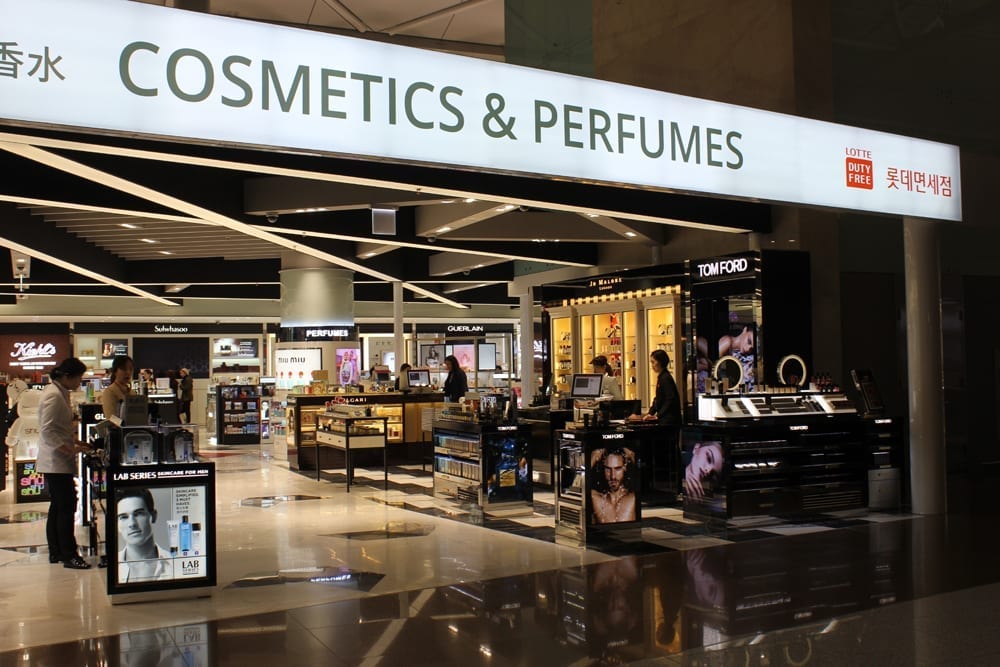
    Kim Bum Ho, Deputy Executive Director of IIAC’s Commercial Marketing Group, said this morning that although Incheon Airport has planned to issue its T2 tender on schedule [in the first week of December], there could be a delay if the debate surrounding a change in e-commerce regulation – among a few other issues – continues.

    Operators at South Korea’s Incheon International Airport (ICN) are currently not permitted to offer online duty free shopping due to regulation that stipulates that downtown DF operators alone command this privilege.

    But Kim is all too aware of the increasing importance of e-commerce in South Korea, confirming that online sales growth continues to soar. “In South Korea the increased rate of online duty free shopping is now almost 50%-60% year-on-year…it’s so huge.”

    Kim says that many local residents now prefer to only shop online. “So if you go to the downtown duty free store at this hour (evening in South Korea) you will only see Chinese people; no Koreans, no local people. Local people like to shop online. It’s such a big trend.”

    In order to attract the most competitive bids (and retailers), Kim is trying to get the current e-commerce regulation for airport duty free operators changed…but it’s not been easy.
    A-large-jewellery-and-watches-counter-at-Incheon-International-Airport
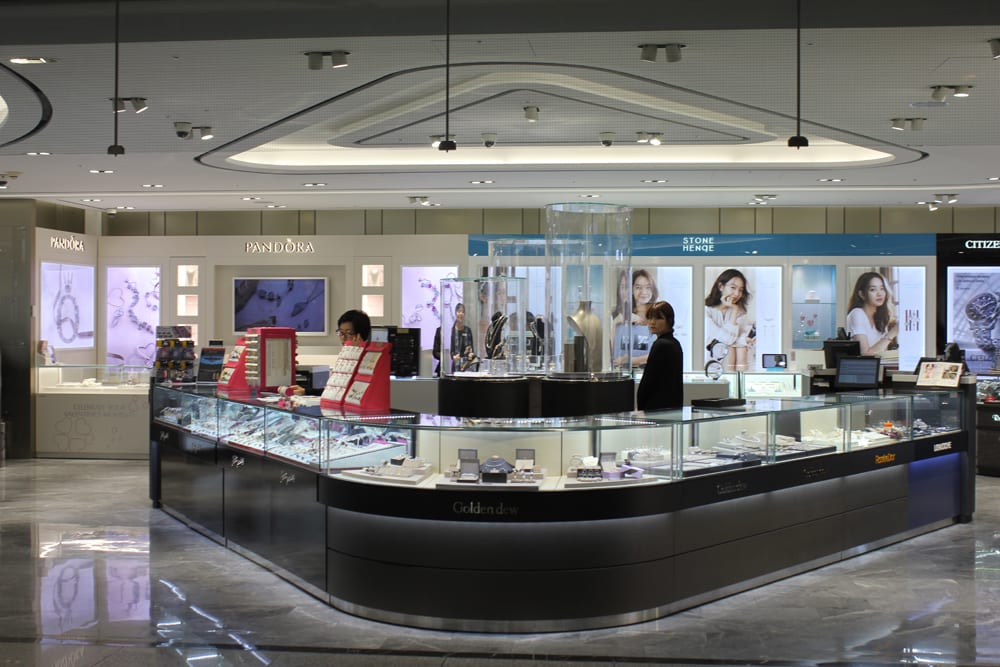
    A large jewellery and watches counter at Incheon

    “The duty free sales do not match the passenger growth rate unfortunately, but we think at this moment the duty free business has increased by 15% compared to last year,” says Kim.

    “We are now talking…it is one of the issues we need to talk with the government about…So we are trying to [eliminate] the barriers to have e-commerce for airport duty free operators. I do think we can solve the problem for T2 operators…We have officially asked the Korean Customs office to permit the e-commerce business for airport duty free operators.”

    Kim reveals that IIAC should find out if this is possible in two weeks time. In fact, he plans to write this into the terms of the T2 tender, if negotiations with the Korean Customs Service (KCS) go to plan.

    TERMINAL 2 TERMS

    “I think it will be determined in two weeks. It’s one of the conditions for the bidding. So yes we are planning to open the tender in early December, but we have to negotiate with the Korean Government Customs office before it opens…if it is takes longer we’ll need more weeks before we open. Anyway, our target date is early in December.”

    Kim confirms that most local Korean operators such as Lotte, Shilla, Shinsegae, Hanwha and Doosan are interested in the Terminal 2 tender. Regarding the international operators he admits that two have already approached him, but he cannot reveal the company names at this stage.

    T2 TO OPEN IN LATE 2017

    Of course once the results have been announced, the retailers can begin to fit out the stores ready to commence trading in late 2017 when the new $5bn terminal opens.

    “T2 will be opened late in 2017,” confirms Kim. “We spent almost $5bn on constructing it. It’s a totally new and unique place…we have centralised the duty free shops more…and it will be a more market and customer-oriented place. We can provide a good business environment.”

    This year Incheon Airport says it has witnessed a very healthy increase in passengers of around 19%, however unfortunately duty free sales have not kept pace, as Kim concedes.

    “The duty free sales do not match the passenger growth rate unfortunately, but we think at this moment the duty free business has increased by 15% compared to last year.”

    Of course, Kim says that it’s difficult to make a direct comparison with last year, as the airport and the whole country suffered from the impact of MERS.

    “It’s not best to compare directly with last year, but when we compare with two years ago (2014) we had about 10% increase in duty free sales.”
    Incheon-International-Airport
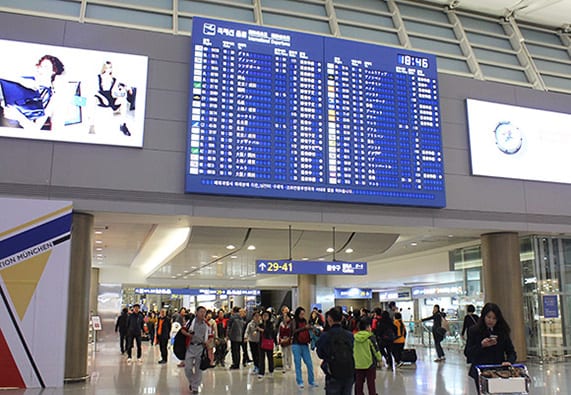
    This year Incheon Airport says it has witnessed a very healthy increase in passengers of around 19%.

    $2BN SALES TARGET STILL IN SIGHT

    Kim also strongly believes that the airport can still achieve the $2bn sales total it predicted earlier this year. “We can hit $2bn again. Last year in 2015, we couldn’t because of the MERS…but this year in 2016 I think we can hit $2bn again.”

    As the world’s biggest duty free market, many are interested to see what sort of sales South Korea can register in 2016. As reported, duty free sales rose +36% to $7.9bn in the first nine months of this year.

    Kim gave us his updated forecast this morning: “I think the duty free business can hit about $9bn or $10bn in South Korea this year, so there is amazing growth actually.”

    However, Kim also admits that for the last few months – maybe even as early as April this year – the growth in the number of Chinese inbound visitors has decreased, for which Kim says ‘there are many reasons’.

    CHINESE INBOUND GROWTH SLOWS

    One of these could be the new luxury goods import tax introduced by the Chinese Government earlier this year in a bid to protect home-grown businesses. Of course political tension could also be a factor.

    [There were earlier concerns that the South Korean Government’s plan to plug into the US’ Terminal High-Altitude Air Defence (THAAD) system by the end of 2017 might cause a drop off in Chinese visitors, considering Beijing’s stiff opposition to the deployment].

    LOTTE WILL BID AGGRESIVELY

    “Duty free operators, including Lotte and Shilla are worrying about the Chinese changes…they spend less and they visit less.”

    Kim believes this is more of a problem for the downtown duty free business and maintains that ‘the airport business is very stable compared to the downtown business’.

    “Incheon is the gateway to South Korea and almost all the Chinese visitors have to come through Incheon Airport. It’s the national gateway…so it’s very stable, though their spending per passenger is now decreasing.”
  • Hugo Boss cuts prices in 12-month turnaround plan

    Hugo Boss cuts prices in 12-month turnaround plan

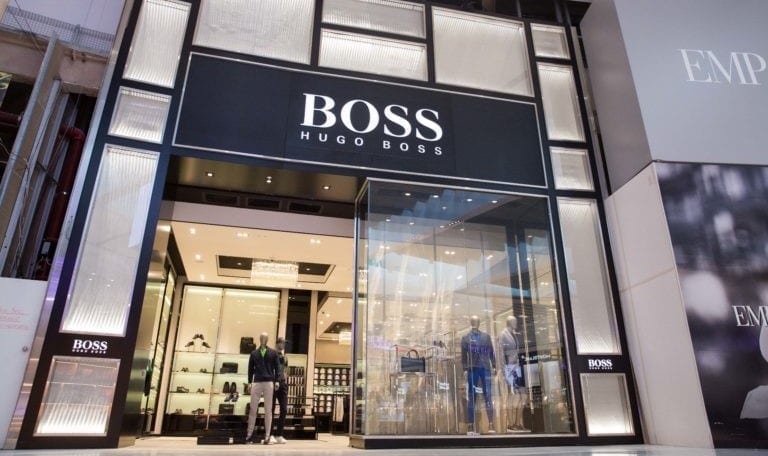
    German fashion house Hugo Boss says it will not return to growth until 2018 as it launches a turnaround that includes eliminating brands, slowing down store expansion and selling more online.

    CEO Mark Langer says 2017 will be a transition year as it reorganises its struggling wholesale unit that sells to US department stores. Already the company has cut €65 million (US$68.86 million) in costs.

    With Hugo Boss shares losing more than a third of their value in the past year, Langer’s recovery plan involves making more affordable clothing, in a move away from a declining luxury market. It will produce clothes only under the Hugo and Boss brands, narrowing its focus to casualwear and business attire. The Boss Orange and Boss Green labels will be folded into the Boss brand, and Hugo’s entry-level prices will be about 30 per cent lower than the Boss.

    Womenswear, which accounts for about 11 per cent of revenue, will become a lower priority with Boss withdrawing from New York’s fashion shows next year. There will also be more focus on casual clothes and shoes.

    Price tags will be adjusted internationally to close gaps caused by currency fluctuations, with prices in Asia coming down by about 15 per cent while European prices rise slightly.

    Langer predicts that wholesale revenue via department stores in the US will decline by at least 10 per cent next year, with that business hit lately by high-level discounting to lure shoppers.

  • Victoria’s Secret opens South-east Asian flagship

    Victoria’s Secret opens South-east Asian flagship

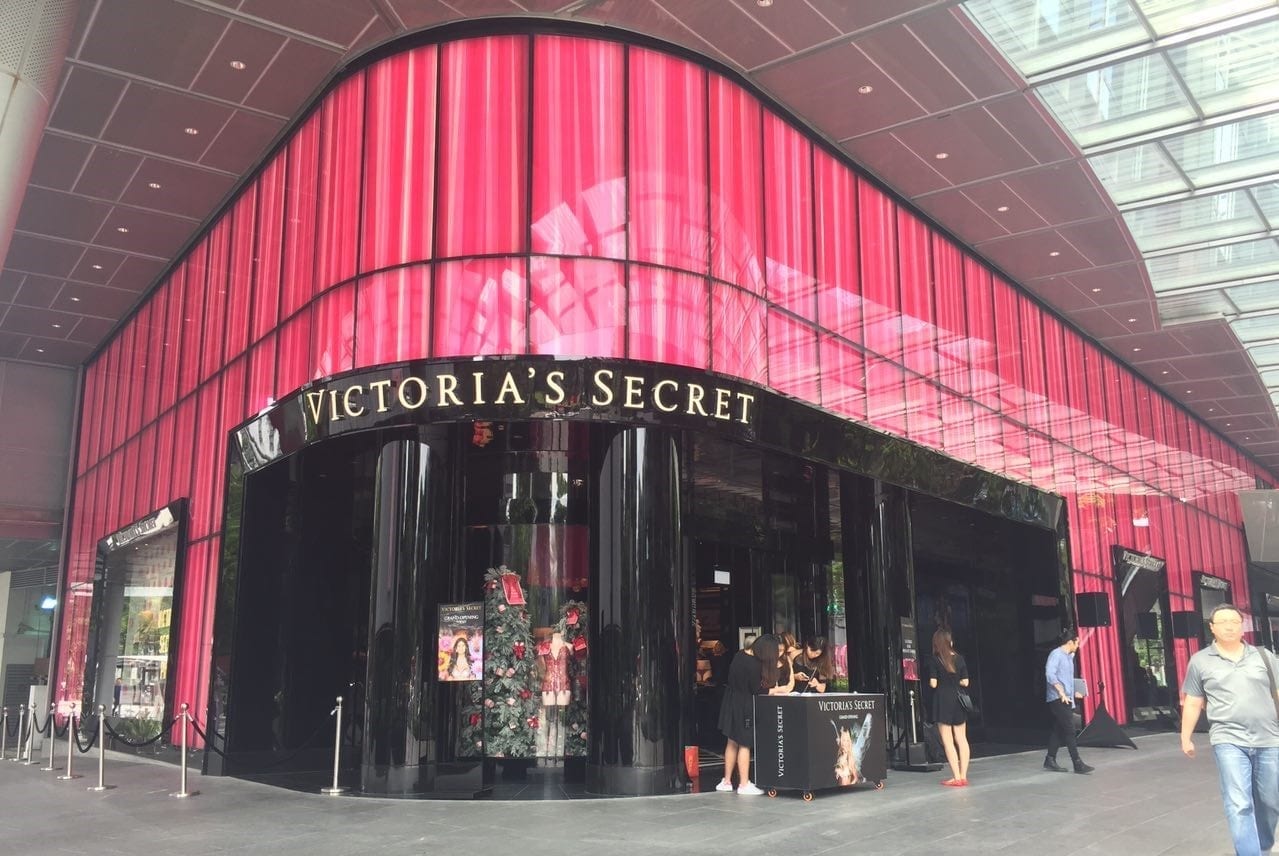
    American lingerie brand Victoria’s Secret opened its first South-east Asian flagship store – a head-turning pink glass confection – at Mandarin Gallery yesterday.

    First in the queue of about 100 shoppers were mother-and-daughter duo Mandy Lo, an office administrator in her 40s, and Hazel Goh, 19, a student.

    While they had been waiting for only 30 minutes, the arrival of the flagship was a long time coming for Ms Goh, a loyal customer since she was 13. She had been ordering the label’s lingerie, fragrances and accessories online for several years.

    She and her mother bought $500 worth of underwear, bras and a windbreaker, amid thumping music, flashing video screens, oversized chandeliers and elaborate table displays of lingerie-clad mannequins.

    She says the store met most of her expectations. “It’s pretty awesome. I was expecting everything, but I couldn’t find certain designs of bras and underwear that I wanted, but the Pink range here is better than online.”

    The Victoria’s Secret Pink range is a line of underwear, clothes and accessories targeted at women in their late teens and early 20s.

    Another excited shopper was Australian tourist Jane Fitzgerild, 46. The chef had walked past Mandarin Gallery on Thursday and noticed the store.

    She returned yesterday with her husband to buy bras. She says: “I’ve never been to any of the brand’s flagships. I’m a big fan and I like its quality and assortment of products.”

    Opening the 12,000 sq ft duplex store in Orchard Road, amid a weak retail market, may seem like a risk, but Singapore Polytechnic senior retail lecturer Sarah Lim thinks this is a savvy move by retail group Valiram, which distributes the brand here.

    Ms Lim says: “Victoria’s Secret is differentiated from other lingerie brands such as La Senza and Triumph because of its glamorous image. For consumers, it is a good move because, now, they can shop from the brand’s full range. The store also adds excitement to the retail scene.”

    Singapore is the first Asian territory, apart from the Middle East, to have the full assortment.

    The brand was founded in 1977 by the late Roy Raymond after he felt embarrassed purchasing lingerie for his wife in a department store.

    In 1982, Victoria’s Secret was acquired by American fashion retailer L Brands, which made US$12.7 billion (S$18.11 billion) in sales last year, up from US$11.5 billion the previous year.

    There are more than 1,600 Victoria’s Secret stores worldwide.

    The brand is most famous for its high-octane annual Victoria’s Secret Fashion Show, which started in 1995 and features supermodels such as Adriana Lima and Alessandra Ambrosio and also top performers, including American pop stars Taylor Swift and Rihanna.

    Similar to the stores in the United States, the Singapore flagship sells the full assortment, including the Victoria Sport and Victoria’s Secret Pink lines. This is a fuller spectrum than the fragrances, accessories and women’s underwear now offered at the brand’s seven stores in Singapore, including outlets at 313@Somerset and Wisma Atria.

    Prices range from $19 for a lipgloss to about $800 for a silk robe from the Victoria’s Secret Designer collection. New designs will be available every two to six weeks.

    At the flagship, there are 12 bra specialists, who advise customers on the product lines and styles, and know how to do bra measurements.

    In each of the 24 luxurious fitting rooms is a call button, should shoppers need help from a specialist.

    Ms Ema Negara, assistant vice- president of Victoria’s Secret store operations in Singapore, says having specialists who can empathise with customers is important.

    According to her, about 90 per cent of women take bras in the wrong size to the fitting room and some walk out upset.

    She says: “Our motto is to make women feel sexy, sophisticated and forever young.”


  • FINE jewellery launches into travel retail in China

    FINE jewellery launches into travel retail in China

    The 130-piece Treasure Collection includes silver pendants and earrings with cubic zirconia, diamonds and pearls, with each piece presented in a transparent sealed box. Prices range from US$49 to US$499.

    F.I.N.E Managing Director Ari Johansson said: “Jewellery is the most profitable category per cubic centimetre in retail, and we’ve developed a unique brand and a range of jewellery that inspires the wearer.

    “We also created a product that travel retailers can stock and manage more efficiently. Our extensive experience in manufacturing, logistics and training is reflective in the way we innovate in this space, be it in the box, on the box or out of the box.”

    Johansson will address the conference and trade fair on ‘Three ways to improve jewellery sales in duty free’.

  • Burberry cuts product lines to focus on newest fashions

    Burberry cuts product lines to focus on newest fashions

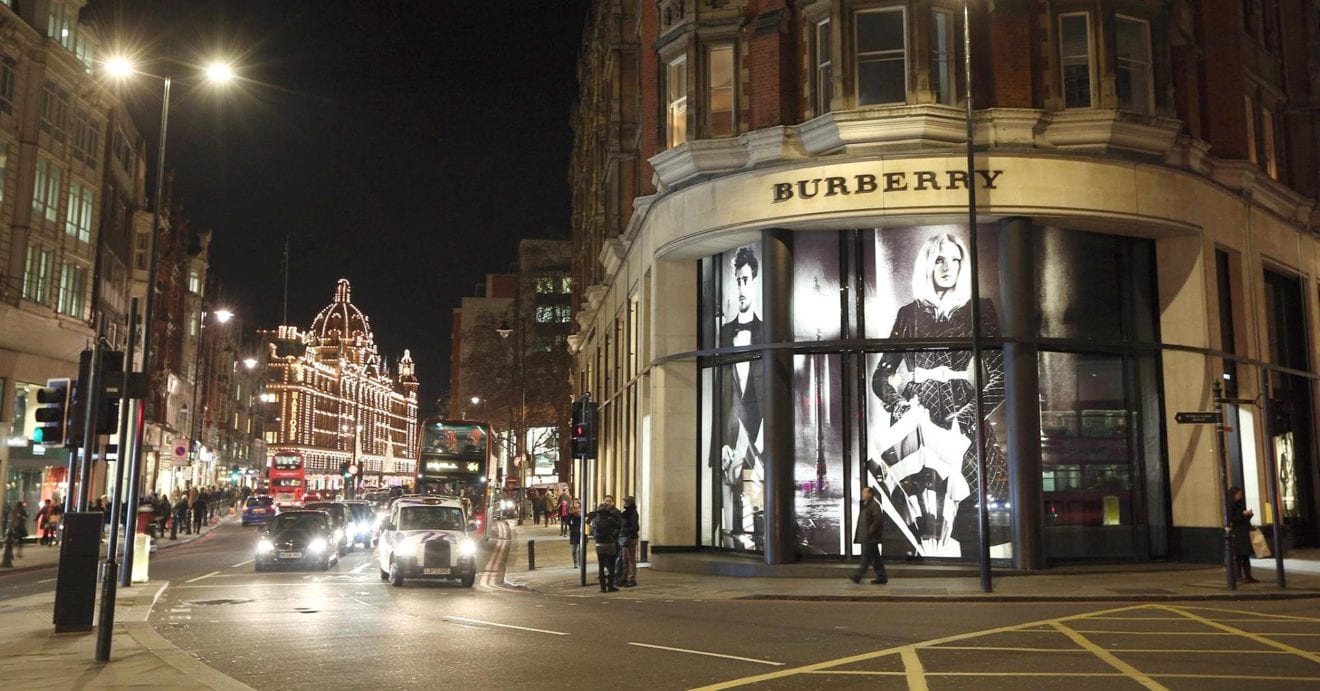
    Burberry is cutting between 15 and 20 percent of its product lines in a quest to focus on its newest ranges as it battles to attract shoppers in a volatile luxury goods market. The U.K. luxury-goods maker reported a 24 percent drop in first-half profit that met analysts’ estimates, but failed to match rivals that reported better-than-expected results.

    While luxury brands have been struggling with slowing growth in Asia, a drop in tourist spending in Europe following a series of deadly attacks and competition from fast-fashion chains, Burberry has been hit particularly hard. Its adjusted pretax profit fell 4 percent to 146 million pounds ($182 million) in the six months through September, in stark contrast with contrast with those of LVMH, Kering SA and Hermes International SCA, which all beat estimates in their latest reporting periods.

    The company had already announced a 4 percent drop in half-year sales to 1.16 billion pounds last month as weak demand in some overseas markets offset a surge in sales in its British home as tourists took advantage of a lower pound.

    The brand, which recently removed longstanding  creative director Christopher Bailey from his additional role of chief executive offer, bringing in Marco Gobbetti, the former CEO of Céline to hand the business/operational side of the brand. Additionally, Burberry announced in February that it plans move away from the traditional model of presenting seasonal ranges months ahead of their appearance in store, in favor of two collections a year that would be available in shops immediately.

    Finance chief Carol Fairweather said on Wednesday the company was cutting back on product lines ahead of the key Christmas trading period and would give greater prominence to its newest products, such as the bridle bag that was a top seller from its September runway show. “We are delighted with everything we have in place for (the) festive (season),” she said in a statement.

    Shares in Burberry, along with other luxury groups such as LVMH, fell on Wednesday after Donald Trump’s victory in the U.S. presidential election added to uncertainty over prospects for the global economy, analysts said. Burberry makes about 20 percent of its sales in the United States.

  • Under Armour opens office in Korea

    Under Armour opens office in Korea

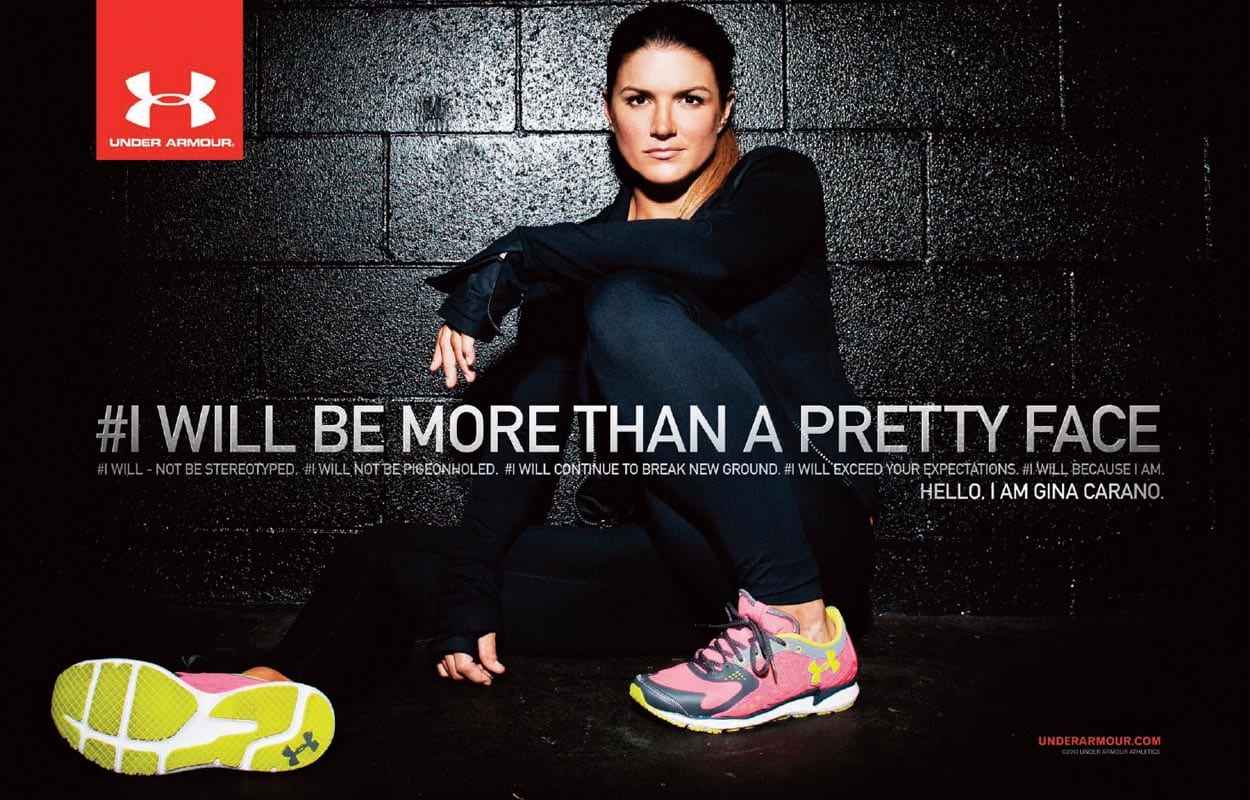
    U.S. sports brand Under Armour said Thursday that it has opened an office in Korea to operate its business directly next year. So far, its clothes, shoes and sports equipment have been imported, marketed and sold through business partner Hyosung Galaxia.

    The company said it decided to bring its products directly to Korean consumers as the country’s sports and fitness market continues to grow.

    “Under Armour will strengthen its marketing, distribution and retail efforts, providing Korean consumers with the best brand and shopping experience,” said David Song, country manager of Under Armour Korea. “We will open our flagship store in southern Seoul in January. The brand will also continue to connect with athletes directly and promote sports, fitness and healthy living through its connected fitness platform, which is the world’s largest digital health and fitness community.”

    Song said driving deeper growth in Korea is a pivotal component of the firm’s comprehensive international growth strategy. “Through design, innovation and our Under Armour connected fitness platform, we look forward to forging long-term relationships directly with athletes at every level in the country.”

    Under Armour Korea plans to open premiere retail shops and carry out robust marketing campaigns to tell its unique brand story, as well as invest in the next generation of Korean athletes to exemplify its brand.

  • Michael Kors Celebrates Singapore Flagship with Kate Hudson

    Michael Kors Celebrates Singapore Flagship with Kate Hudson

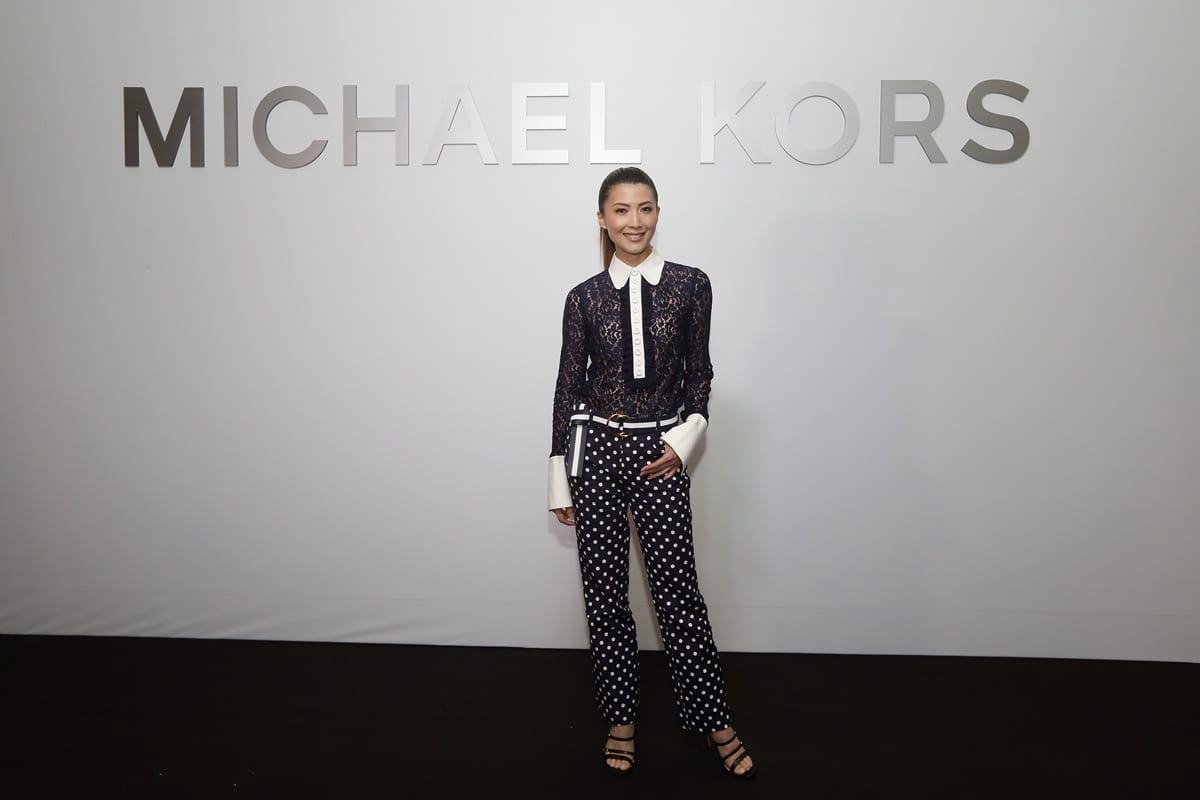
    What’s Michael Kors up to these days? The designer has been visiting Asia, where he celebrated the opening of his Singapore Mandarin Gallery flagship store. While there, he was presented a dendobrium orchid genus from Kirk Wagner, US Ambassador to the Republic of Singapore, and Serene Tan, Singapore Tourism Board member, a unique honor.

    Past recipients include Elton John and The Duke and Duchess of Cambridge. The next day, he hosted a cocktail party to kick off the store opening, where guests like Kate Hudson, Marion Caunter, and Debra Henry joined, followed by a private dinner.

  • Grand Opening of the Second “Lukfook Jewellery” Shop in New York

    Grand Opening of the Second “Lukfook Jewellery” Shop in New York

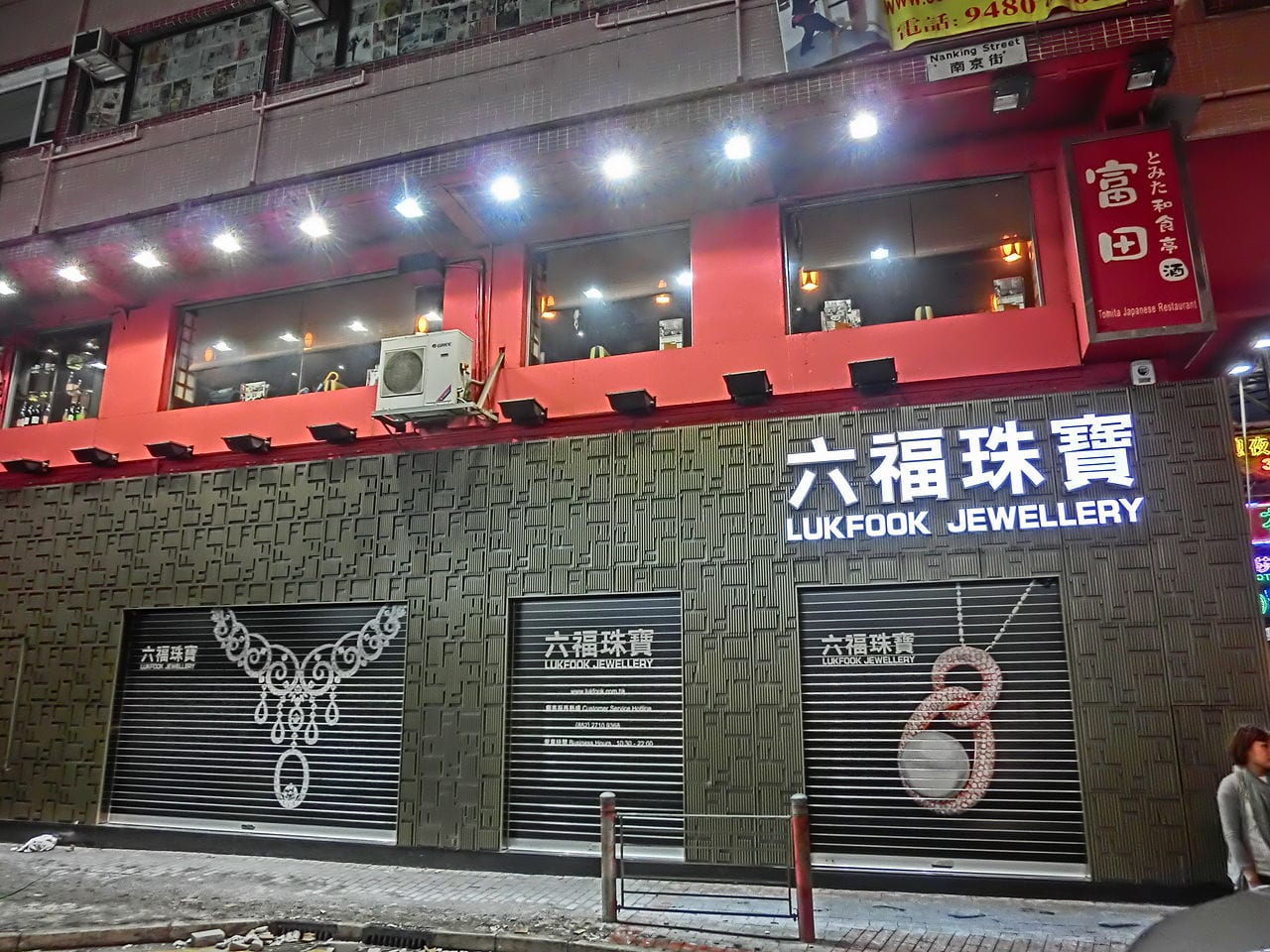
    Luk Fook Holdings is pleased to announce that the Group opens its new retail shop in New York City. Located on first floor, New World Mall in Flushing, this new shop is the Group’s second retail shop in New York City after opening its first shop in Manhattan. To mark this occasion, the Group hosted a grand ribbon-cutting ceremony on 29 October. Officiating guests including Ms. Toby Ann Stavisky, the New York State Senator, Ms. Grace Meng, U.S. Congresswoman and Ms. Pauline Yeung, co-founder of the Group and winner of Miss Hong Kong Pageant, witnessed this significant moment together with many other guests.

    Mr. Wong Wai Sheung, Chairman and Chief Executive of the Group said, “Adhering to our corporate vision of “Brand of Hong Kong, Sparkling the World”, we have been actively expanding our retail network globally. Currently, the Group has over 1,460 shops in eight countries and regions. With the opening of the second shop in New York, the Group anticipates to further penetrate into the Chinese communities in the overseas market. We will continue to pursue high quality and innovation to enhance our brand competitiveness, and endeavour to provide quality jewellery products and professional services to customers all over the world, in order to build Lukfook as a premier jewellery brand for customers.”

    The Group has tapped into the North American market since 2003 and opened shops in Canada and the United States, laying the foundation for further overseas expansion. The new shop is located in New World Mall, which is one of the largest indoor Asian malls in the northeastern region of the United States. The mall features over 100 shops, offering jewellery, clothing, cosmetics, electronics, world cuisine and many more. With convenient location and easy accessibility, New World Mall is a popular shopping and entertainment hotspot for the Chinese in Flushing and Queens.

    Address: Space Nos. 112 – 116, First Floor, New World Mall, 136-20 Roosevelt Avenue, Flushing, New York, NY 11354, USA

  • Swedish retail giant H&M opens 18th Philippines Store in Centrio

    Swedish retail giant H&M opens 18th Philippines Store in Centrio

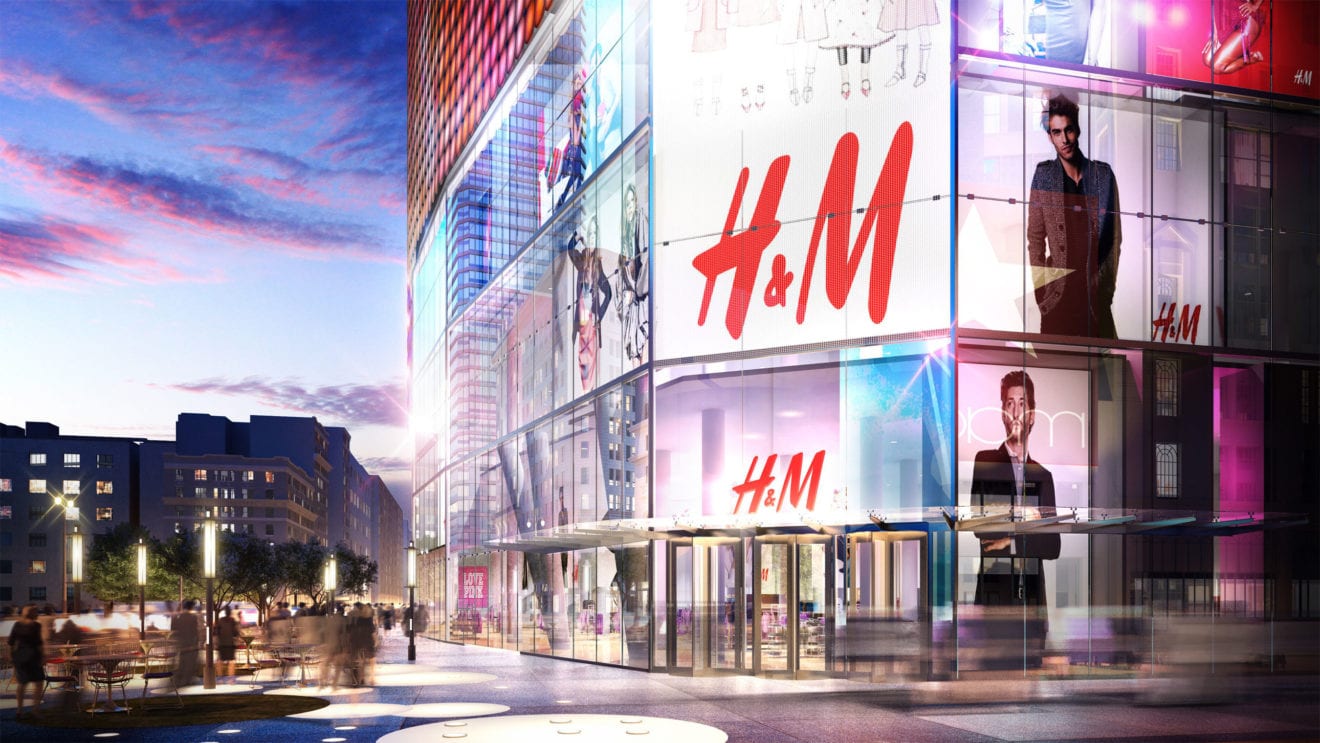
    Swedish retail giant H&M Hennes and Mauritz, Inc. has opened its 18th store in the Philippines at Ayala Centrio Mall in Cagayan de Oro City.

    H&M Country Manager for South East Asia Fredrik Famm leads the countdown for the ribbon cutting of their Centrio Store

    H&M Country Manager for South East Asia Fredrik Famm leads the countdown for the ribbon cutting of their Centrio Store

    Over a thousand excited shoppers queued as early as the day before to be the first to see only its second store in Mindanao after Davao.

    The crowd lines up to get a glimpse of the new store

    The crowd lines up to get a glimpse of the new store

    H&M Cagayan de Oro has more or less 1,500 square meters of store space and opens regularly from 10am-9pm.

    It carries a full assortment of H&M products including ladies, men’s, kids, shoes, accessories and lingerie, and also has complete sports, denim and underwear departments for both men and ladies.

    Ed Montalvan and other media are given a quick tour of the store prior to its 27 Oct opening by AList Dir Cybill Guynn (RMB, NPN)

    Ed Montalvan and other media are given a quick tour of the store prior to its 27 Oct opening by AList Dir Cybill Guynn (RMB, NPN)

    Alert environment-conscious shoppers will find an array of Conscious and sustainably-produced products, and will be delighted to avail of the option to donate used clothes for a discount voucher they can use for their next purchase under H& M’s Garment Collecting Program..

    Fredrik Famm, H&M Country Manager for South East Asia, sees a lot of potential in his assigned region, especially the Philippines.

    Fredrik Famm, H& M Country Manager for South East Asia, fields queries from the media with Danreb Mejia, H&M Head for Communications & Press

    Fredrik Famm, H& M Country Manager for South East Asia, fields queries from the media with Danreb Mejia, H&M Head for Communications & Press

    “By the end of the year we will have around 20 stores in the Philippines,” Famm said an exclusive media interview prior to the 27 October Centrio store opening. “We have big plans for the coming years given the country’s growing population, growing middle class, growing disposable income, and growing fashion interest.”

    “We’ve been in the Philippines for exactly two years since October 2014,” he said. “It’s been an amazing journey, we’ve been very well received, so we now have 18 stores in the country, it’s been a very quick expansion, and Filipino customers have embraced us in an amazing way.”

    The country’s robust economy has obviously been the driver for the store’s fast expansion.

    “We see a lot of potential in the Philippines, there is a lot of fashion interest, we see that segment is growing very quickly, and we see we have something to offer that is not yet fully present in the market,” Famm said. “We offer fashion, quality and price, and our products are made in a sustainable way. We think we can manage this mix better than most of our competitors.”

    H&M Centrio offers the same fashion at the same price you find in H&M stores all over the world

    H&M Centrio offers the same fashion at the same price you find in H&M stores all over the world

    H&M has sold out collections and there have been long queues whenever they open a new store. Apparently, fashion conscious Pinoys who’ve been abroad have been delighted to find the same merchandise at the same prices in H&M’s Philippine stores.

    “The fashion you see in Cagayan de Oro is the same that you can see in London, Paris, New York,” Famm stressed. We believe fashion is global and everything travels fast these days via internet and social media. We want customers to have the same experience when they enter our store in Cagayan de Oro as what they experience when they enter a store in Europe or US.”

    Thus, the chain has experienced sold out collections and long lines whenever they have opened a new store in the Philippines.

    Centro Mall Manager Natalie Mae Crisostomo (left) with Veronika Spanikova , H&M Construction Manager for South East Asia & Joy Tan, Construction Project Manager for H&M Philippines (photo by Mike Banos, NPN)

    Centro Mall Manager Natalie Mae Crisostomo (left) with Veronika Spanikova , H&M Construction Manager for South East Asia & Joy Tan, Construction Project Manager for H&M Philippines.

    “We want Cagayan de Oro customers to be able to find the same fashion in bigger cities in Europe and the US. We have the same collections everywhere and we build our stores the same way,” he added.

    Providing fashion for every age group at affordable prices has endeared the store to fashion conscious Pinoys eager to make their own individual fashion statements.

    “We believe customers are looking for the same fashion all over the world. Looking at the diversity that we have, everyone must be able to dress their own personality,” Famm said.

    “Every day you have new fashion arriving in the store, and that’s what makes us extremely competitive.  We want customers to find something new every time they visit us so customers should be able to come back every week and find something interesting.”

    Pinoy shoppers who’ve shopped in H&M stores all over the world will be further delighted to know they’re paying the same prices for the same merchandise they’ve been buying aboard.

    Souvenir shot with Danreb Mejia, H&M Head for Communications & Press

    Souvenir shot with Danreb Mejia, H&M Head for Communications & Press

    “We aim to have the same prices all over the world except for local differences due to customs duties, taxes, logistics, or exchange rates, but more or less we have the same price levels especially within the Philippines,” Famm assures.

  • Rising price of gold leaves hefty dent in jeweller Luk Fook’s sales

    Rising price of gold leaves hefty dent in jeweller Luk Fook’s sales

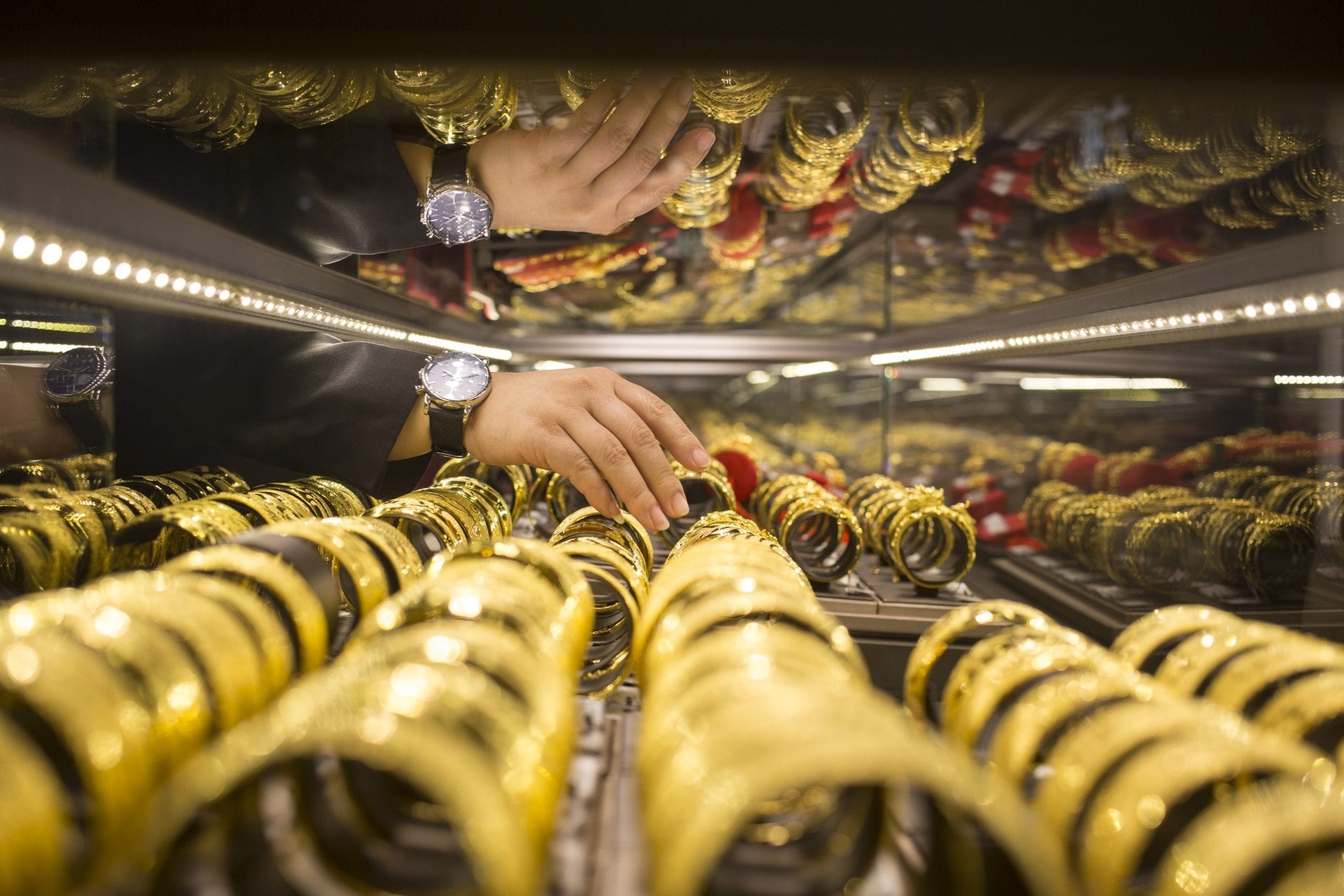
    Surging gold prices, and a mini gold rush in 2015 have been blamed by leading Hong Kong jewellery retailer Luk Fook Holdings for a sharp fall in sales during its second quarter.

    The retailer which operates over 1,400 retail outlets in mainland China, Hong Kong, Macau, Singapore and North America, saw same store sales decline 37 per cent in the three months to September (its second quarter) on the same period last year, which was weaker than expected, Bank of America Merrill Lynch analyst Tina Long said in a note.

    Much of the decline was due to gold sales, which recorded a 47 per cent fall in same store sales in the second quarter year on year , worse than competitor Chow Tai Fook’s 36 per cent decline.

    Sales of gemsets, items designed using various types of gem stones, fell 14 per cent, better than the 23 per cent drop seen by peers, but started moving into single digit growth in September and October.

    Sales were better in the mainland than in Hong Kong, which still accounts for 75 per cent of its revenue. Mainland sales fell 23 per cent, while combined sales for Hong Kong and Macau fell 37 per cent in the second quarter.

    Luk Fook’s management said in a statement the deterioration in gold sales this year was being compared with what had been a high base in 2015, thanks to the mini gold rush in July and August.

    That had been coupled with “overall sluggish retail sentiment” and the gold price rally in the same period this year.

    Daiwa analyst Jamie Soo noted that Hong-Kong based competitor Chow Tai Fook had released sales performance figures for the same period which showed a “similarly lacklustre performance”.

    Gold prices rallied to a three-year high in July as investors chose “safe haven” assets following Britain’s vote in June to leave the European Union.

    Gold futures were trading at over US$1,370 per ounce in July and August, but have dropped back down to $1,267.

    Both Long and Soo expect things to get brighter for the jewellery retailer, with Soo noting September had seen low single digit growth, mainly driven by an improvement in sales of gemsets.

    “Management also indicated that there has been slight improvement in gemset sales in Hong Kong and Macau,” he said.

    This momentum had continued into China’s national “golden week” holiday in October, and the management has said they believe there were signs of stabilisation, Soo said.

    Long expected a more favourable movement in the gold price and a better-than-expected recovery in consumer sentiment to help push the price objective up.

    “We think that sales bottomed in July, and kept improving thereafter with positive growth for gemsets seen in both September and October in Hong Kong and mainland,” Long said.

    Long estimated this year’s net income to slip from HK$959 million last year to HK$951 million before bouncing up to HK$1,072 million next year, still down on 2015’s HK$1,615 million.

    Long expected the share price to trend upward, helped by lower rental costs for retail outlets, although she lowered her price objective for Luk Fook from HK$21.70 to HK$21.00.

    “Luk Fook would be the biggest beneficiary from the recent upward trend of gold price due to its smallest hedging ratio of 15 per cent to 20 per cent,” she said.

    “We see re-rating more likely as sentiment towards gold stocks improves.”

    But Long warned that there were a number of risks to the rating, including a slowdown in Hong Kong tourist growth and depreciation of the yuan and gold prices.

    Retail sales in Hong Kong plunged 10.5 per cent in August on dwindling visitor numbers – the steepest decline since February, and the 18th consecutive monthly contraction.

    Luk Fook Holdings was trading at HK$20.25 on Monday, while Chow Tai Fook was trading at HK$5.63.

  • Foschini to open three more outlets after Junction Mall entry

    Foschini to open three more outlets after Junction Mall entry

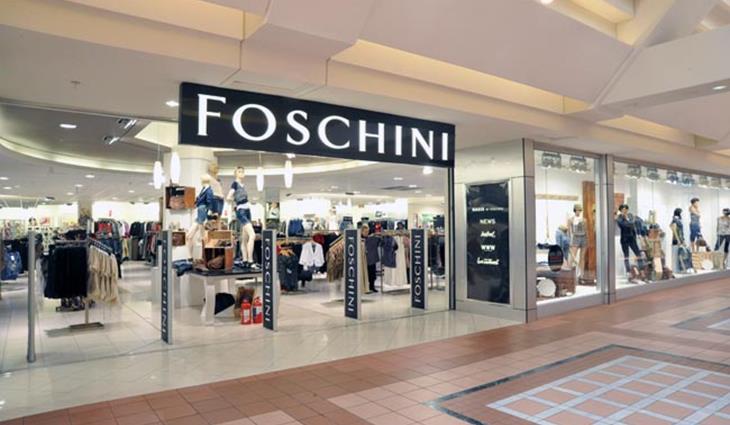
    South Africa’s clothing retailer Foschini Group has set its eyes on opening of three more outlets after marking its entry into the country with a branch at Nairobi’s Junction Mall.

    Foschini Group, which has 22 different retail brands under its label, has opened Sterns — a contemporary and classic Jewellery shop that targets individuals in the lower-middle, middle and upper income class — at the Junction Mall.

    The firm plans to open three additional stores — Foschini women’s wear shop, Markham targeting men and a second Sterns store — at the Village Market before the end of the year, with further plans to open 10 more next year.

    “Sterns store is our first entry into Kenya and the East African market. We’re bringing something fresh into a market that has for a long time been dominated by closed family businesses. We aim to cater to individuals in all categories,” said the Foschini Group Kenya area manager Isabelle Achila in an interview.

    The Fix and Exact fashion lines, Totalsports and Sportscene sports and street wear brands, AmericanSwiss — a jewellery line and @Home, a homeware and interior décor store, are other retail brands the group is looking to introduce in Kenya. Foschini’s entry is expected to create more than 100 jobs for locals.

    “We believe that Kenya is a strong emerging market with opportunities for growth. Our mission it to be the biggest retailer in Africa and we plan to introduce other brands that are doing well outside South Africa,” said Ms Achila.

    The group’s debut in the local market was scheduled to happen in 2015 but the delay in completion of the Two Rivers Mall where Foschini Group has booked 10 stores and the construction of the Village Market extension saw them push back entry dates. The firm had also embarked on an expansion drive in West Africa delaying its entry into the Kenyan market.

    “The reason why we have not rolled out as aggressively as we had anticipated and would want to is because the various places where we had booked space are yet to open and this has delayed our entry plans. We are specific when it comes to location and we were able to open our current branch at the Junction Mall because an opportunity we liked presented itself,” she said.

    Foschini Group deals in clothing, jewellery, accessories, sporting and outdoor equipment as well as homeware that target the middle and upper middle income markets.

    The group has a network of more than 2,100 stores in African countries that include Botswana, Nigeria, Ghana, Lesotho, Swaziland and South Africa. It also has an international presence with stores in Hong Kong, Mexico, Netherlands, Qatar and Switzerland, among others.

    South African brands are looking for markets outside the country to beat competition and grow sales from Africa’s growing middle class with disposable income.

    Edgars, another South African fashion chain retailer is also eyeing the local market, which is now billed as the second biggest retail market after South Africa.

    It is estimated that by 2020 Africa’s spending power will be Sh140 trillion ($1.4 trillion) up from Sh86 billion ($860 million) in 2008.

    Global players are now turning to emerging markets such as Africa for growth, attracted by rising disposable household incomes, fast economic growth and a young population, according a study by McKinsey & Co.

  • Downsizing and decluttering will ‘remake retail’

    Downsizing and decluttering will ‘remake retail’

    There’s a new consumer mantra: “when in doubt, toss it out”.

    With pressure on housing internationally, shoppers are buying fewer higher-quality items to save space – and that’s is expected to have long-term ramifications for retailers, says a new report.

    Decluttering: Anatomy of a Consumer Trend and How Retailers Can Win, from international think tank Fung Global Retail & Technology says while for some people downsizing and organising belongings is a matter of choice, for others the process is a necessity as rising housing prices force people to live in smaller homes, says the report.

    Others are focussing on sustainability and the ethical standards of manufacturers, writes Fung Global Retail & Technology MD Deborah Weinswig. Retailers, especially those in fast fashion that have relied on consumers buying a larger number of lower-priced items, will have to adapt to changing consumer needs and values.

    “Consumers’ future priorities will be ethics, a concept of ‘disownership’ and sustainability,” Weinswig writes. “Retailers … should align their product and service offerings more closely within the values of their target customers.”

    While the idea of having with fewer possessions has been around for centuries, the term “declutter” was born in the 1970s and the concept has continued to gain popularity, she writes. Decluttering resonates particularly strongly with urban dwellers, who struggle to fit belongings into small apartments.

    Now millennials, the largest generation in history, are more consciously frugal in terms of living arrangements, product consumption and travel expenses. The growth of the “sharing economy” has also resulted in the popularity of platforms such as eBay, Etsy and Craigslist, further eroding the purchase of new products.

    Long-term results

    Weinswig believes this will have long-term results for more traditional retailers and brands, especially in clothing. Fast fashion had helped apparel consumption skyrocket over previous decades. The average woman owned 120 items of clothing last year, up from 36 items in 1930, according to Cladwell, a company that helps users create their own capsule wardrobe. However, this trend may be reversing. A growing focus on ethical consumption has created consumer concern about hiring practices – sometimes involving children – in fast-fashion manufacturing.

    Some retailers are responding to the evolving preferences of shoppers. Patagonia’s Common Threads initiative provides a framework for responsible consumption based on five precepts: reduce, repair, reuse, recycle and reimagine. Japanese retailer Muji offers waste-reducing packaging, minimalist housewares and eco-friendly products.

    Other brands espousing minimalism include Scandinavia’s Bang & Olufsen and Cos, Calvin Klein in the US, and Japan’s Uniqlo.

    “Decluttering is a long-term trend that is here to stay,” Weinswig writes. “Retailers can capitalise on this opportunity by responding to the evolving preferences of their customers, and seeking ways to influence consumer behaviour.”

    Based in New York, Fung Global Retail & Technology has a research team across New York, London and Hong Kong that follows retail and tech trends. Weinswig is a former Wall Street and retail tech analyst and startup adviser.

  • Offshore investor shows interest in FJ Benjamin

    Offshore investor shows interest in FJ Benjamin

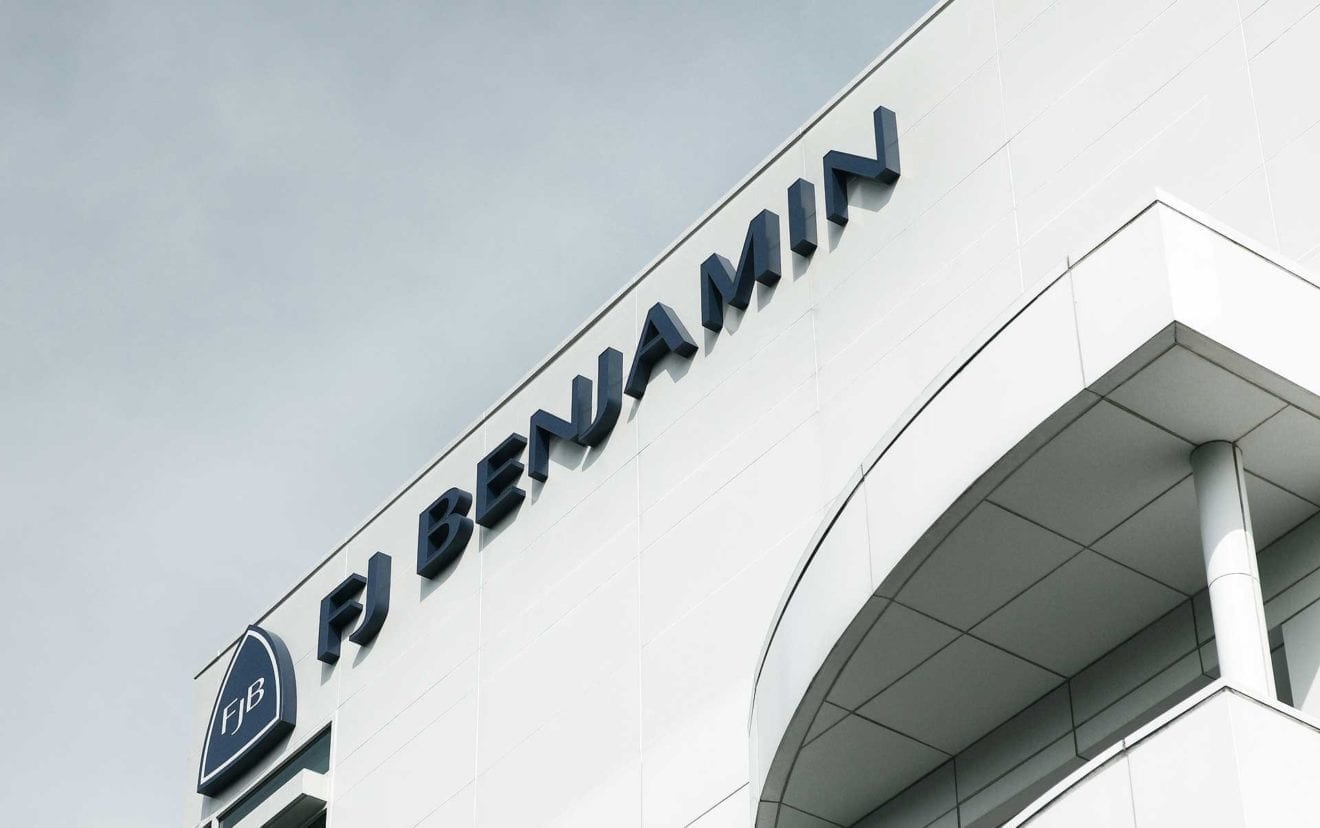
    An international group is seeking to invest in Singapore brand-management company FJ Benjamin, which has such brands as Bell & Ross, Givenchy, Guess and Tom Ford in its portfolio.

    FJ Benjamin says it has entered into a non-binding term sheet, a document that sets out the terms and conditions under which an investment will be made, with an offshore third party.

    This term sheet would be “in relation to a potential transaction which may enhance or unlock shareholder value”, the company said in a release to the Singapore Exchange.

    With mall vacancies in Singapore for the three months to June 30 rising to 7.8 per cent from 7.3 per cent the previous quarter, FJ Benjamin saw its net loss for the fiscal year ended the same date balloon by 35 per cent to about S$23.5 million (US$16.6 million) while revenue fell by 14 per cent to S$253.6 million – its third consecutive year of losses.

    Managing more than 20 brands, FJ Benjamin has 226 stores in eight cities. One of its international labels, Raoul, closed its last store in Singapore, in Paragon mall, in February.

  • New Phuket boutique opens for Furla at Shilla Duty Free

    New Phuket boutique opens for Furla at Shilla Duty Free

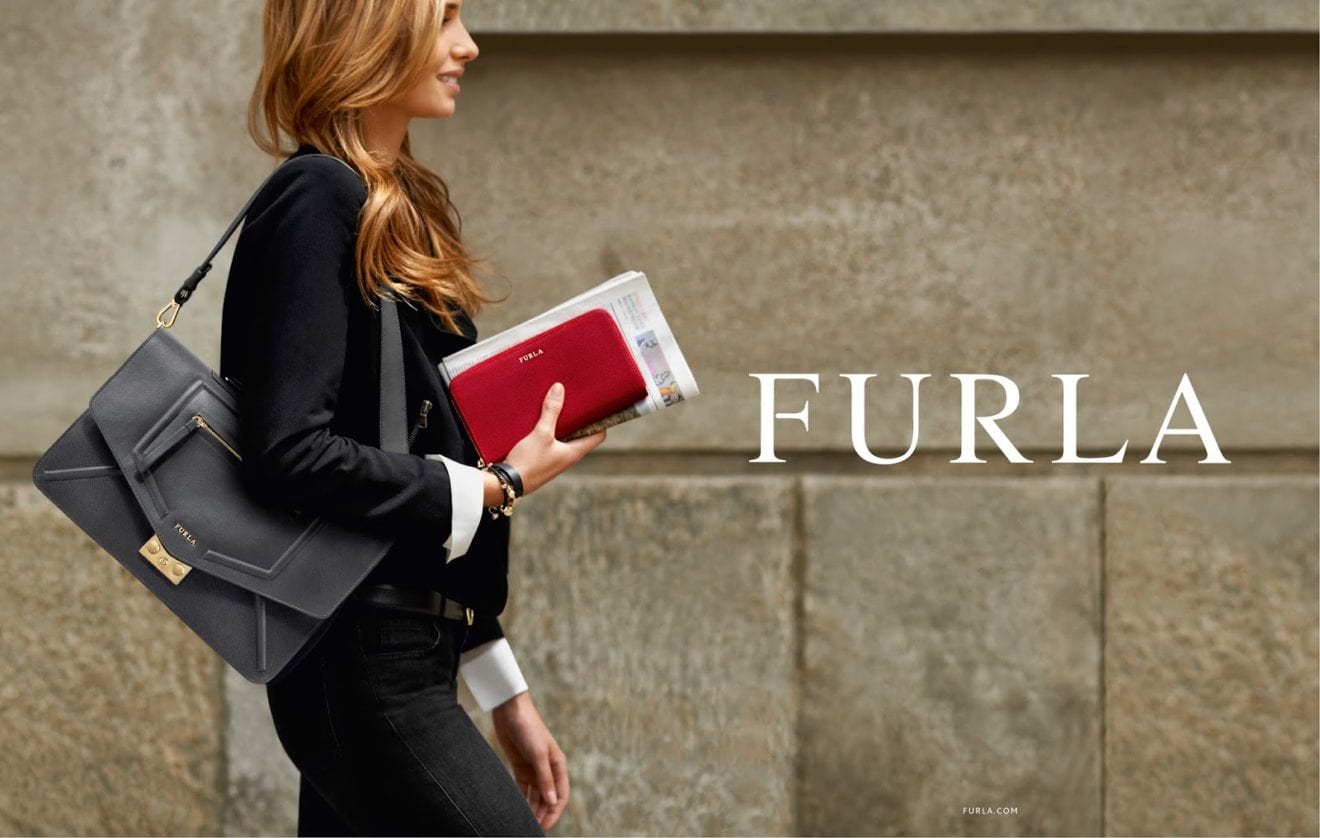
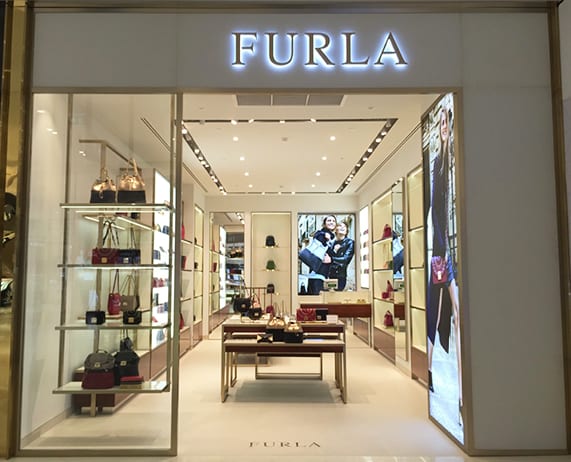
    The new boutique was officially opened last Saturday ^ featuring Furla’s Autumn and Winter 2016 Collection.

    The outlet is well lit and easily browsed with aisle room for customers to browse the wall-mounted leathergoods collections, as light boxes reinforce the brand’s product presentation and lifestyle.

    Gerry Munday, Furla’s Global Travel Retail Director said: “We thank Shilla Duty Free for their continued support of the brand.”

    Furla Phiket November 2016 Shilla
    The new boutique offering at Shilla Duty Free’s downtown store in Phuket.

    BACKGROUND TO PHUKET STORE OPENING

    It is first reported this new downtown duty free store development back in July of this year when Shilla Duty Free joint venture partner GMS Duty Free talked directly with our Asian Correspondent David Hayes.

    GMS Duty Free is the joint venture company formed by Shilla Duty Free with local partners, Gems Gallery Group and The Mall Group, to operate the store.

    The Mall Group is one of Thailand’s leading shopping mall operators with six malls, five of which are in Bangkok and one in northeast Thailand. The Gems Gallery Group is a leading Thai jewellery retailer and wholesaler with four showrooms in Bangkok, Chiang Mai, Pattaya and Phuket.


  • Salvatore Ferragamo Japan re-opens flagship

    Salvatore Ferragamo Japan re-opens flagship

    Italian luxury house Salvatore Ferragamo Japan has re-opened its wholly renovated and extended Tokyo flagship store, at Chuo-dori, Ginza.

    Salvatore Ferragamo Japan - Ginza 1

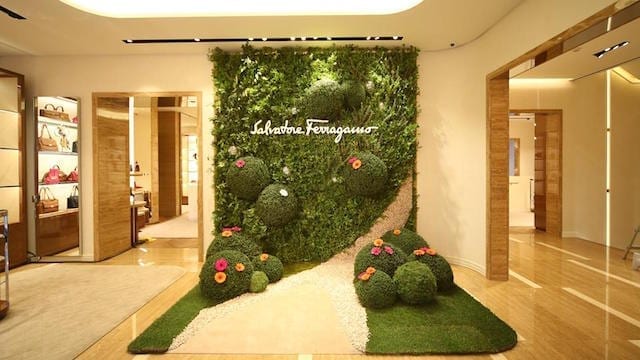
    Covering 600 sqm, the new store is now Salvatore Ferragamo’s largest in Japan. Extending over three floors, it carries the label’s full range of men’s and women’s collections: ready-to-wear apparel, handbags, footwear, leather goods, silk accessories, eyewear, fragrances, watches and jewellery.

    Salvatore Ferragamo Japan - Ginza 3


    Each floor comprises interconnected rooms creating a domestic feel. They are furnished with a blend of Italian design classics and references to period design from the 1930s to the 1950s. The decor is an Italian-style showcase, from Gio Ponti furniture to period Venetian glass vases, from sofas and chairs from Italy to handmade rugs, together with Venetian stucco and travertine marble. LED illumination highlights the products on display.