Category: Fashion

Retail News Asia is committed to providing both local and global retailers with the latest Fashion news throughout the Asian market. This on a daily base.

  • Saint Laurent Malaysia opens second store

    Saint Laurent Malaysia opens second store

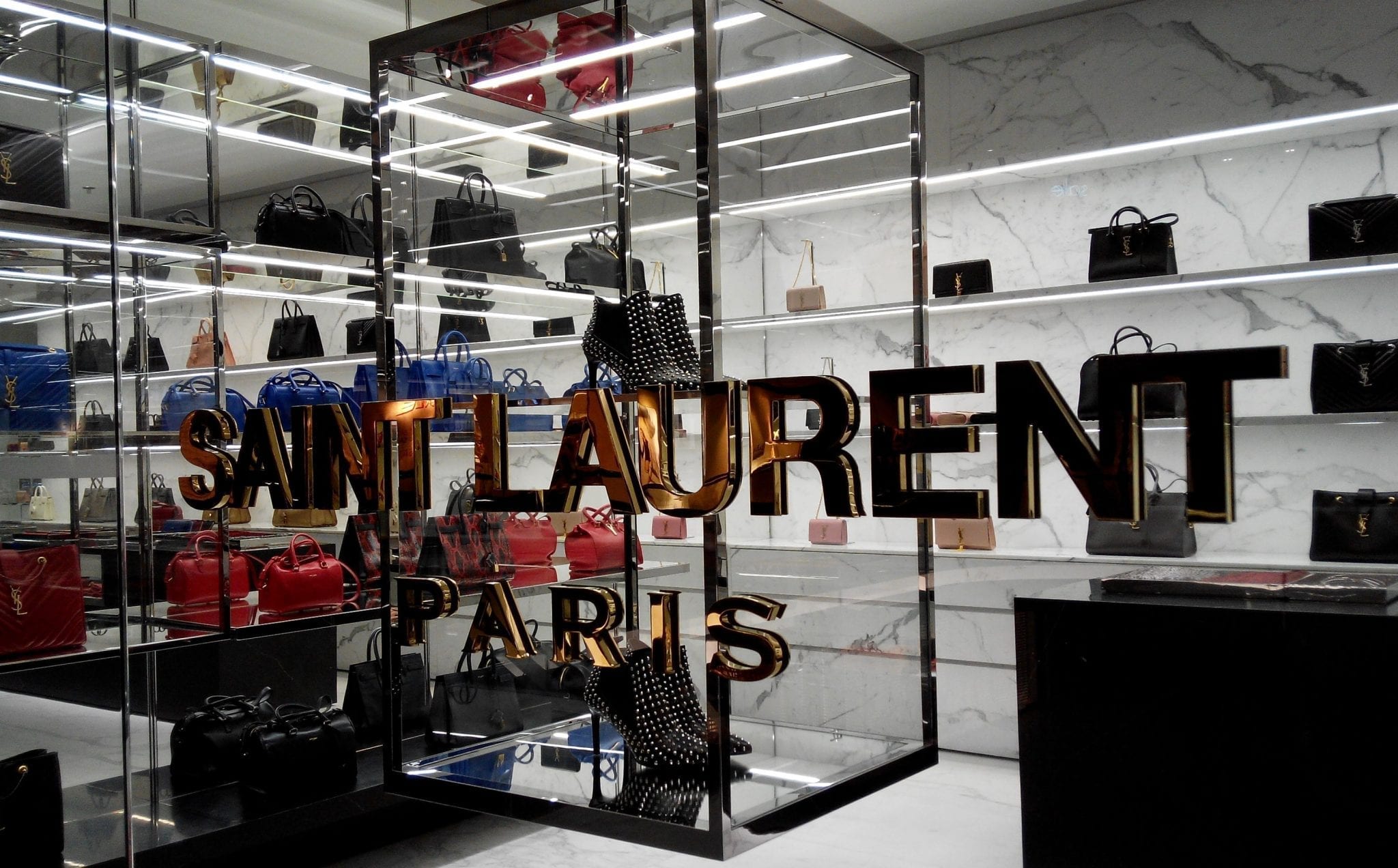
    Just weeks after the opening of the Saint Laurent Malaysia store at Suria KLCC, another has started trading at Pavilion KL.

    Its latest store aims to reflect the fashion brand’s heritage and identity, offering an original shopping experience. The boutique offers prêt-à-porter, accessories, shoes, sunglasses and jewellery for both men and women.

    Across two floors, one at street level, the boutique offers a modern interpretation of the French modernist movement of the 20th century, reports Buro 24/7. It takes a minimalist approach and is finished with art deco materials presenting an interplay of matte and shine through a fusion of materials: the floors and walls are in white statuary marble and black silk marble, with structures in polished brass and extra-clear glass.

  • Shiseido profits leap 135 per cent

    Shiseido profits leap 135 per cent

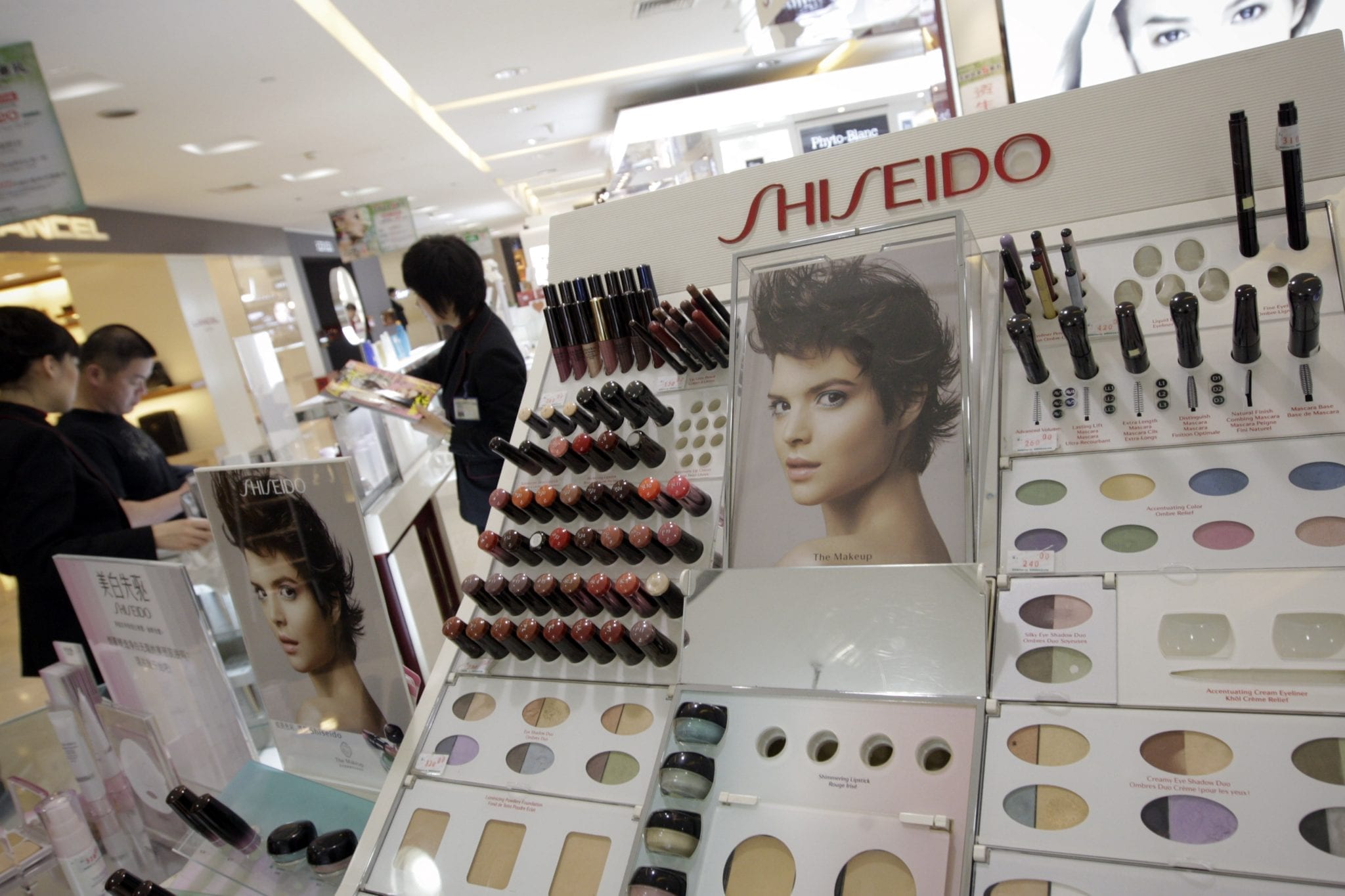
    Shiseido profits for its latest nine months more than doubled over the same period last year.

    ‘New income’ leaped 135 per cent to a record ¥37.2 billion (US$345.8 million) for the nine months to September 30. The cosmetics company attributes this to several factors including an increase in operating income, the sale of intellectual property rights associated with the Jean Paul Gaultier brand, and gain from the sale of its Kamakura factory site.

    Shiseido’s operating income increased 17.1 per cent year on year to ¥38.7 billion. As well as “substantial” grown in its home market, it also had higher sales in Chinai and in travel retail.

    However, sales fell in the Americas, Asia-Pacific, Europe, the Middle East and Africa.

    The company still expects its full-year net profits to grow by 1.8 per cent to Y30 billion with a significant year-on-year decrease in operating income in the fourth quarter.

  • H&M Vietnam launching in 2017

    H&M Vietnam launching in 2017

    International fashion brand H&M Vietnam (Hennes & Mauritz) has signed for its first store openings next year.

    No further details have been released by the Swedish fast-fashion company, which will also move into Colombia, Iceland, Kazakhstan and Georgia next year.

    Founded in 1947, H&M’s business credo is to offer fashion and quality at the best price in a sustainable manner.

    Other brands in the H&M Hennes & Mauritz group include & Other Stories, Cheap Monday, COS, Monki and Weekday, as well as H&M Home. The H&M Group has more than 4200 stores in 64 markets, including franchise markets.

    It’s debut in Vietnam was widely expected after rival brand Zara launched in Ho Chi Minh City in September, achieving the highest first day sales of any store globally.

  • The Hour Glass profits drops 14 per cent

    The Hour Glass profits drops 14 per cent

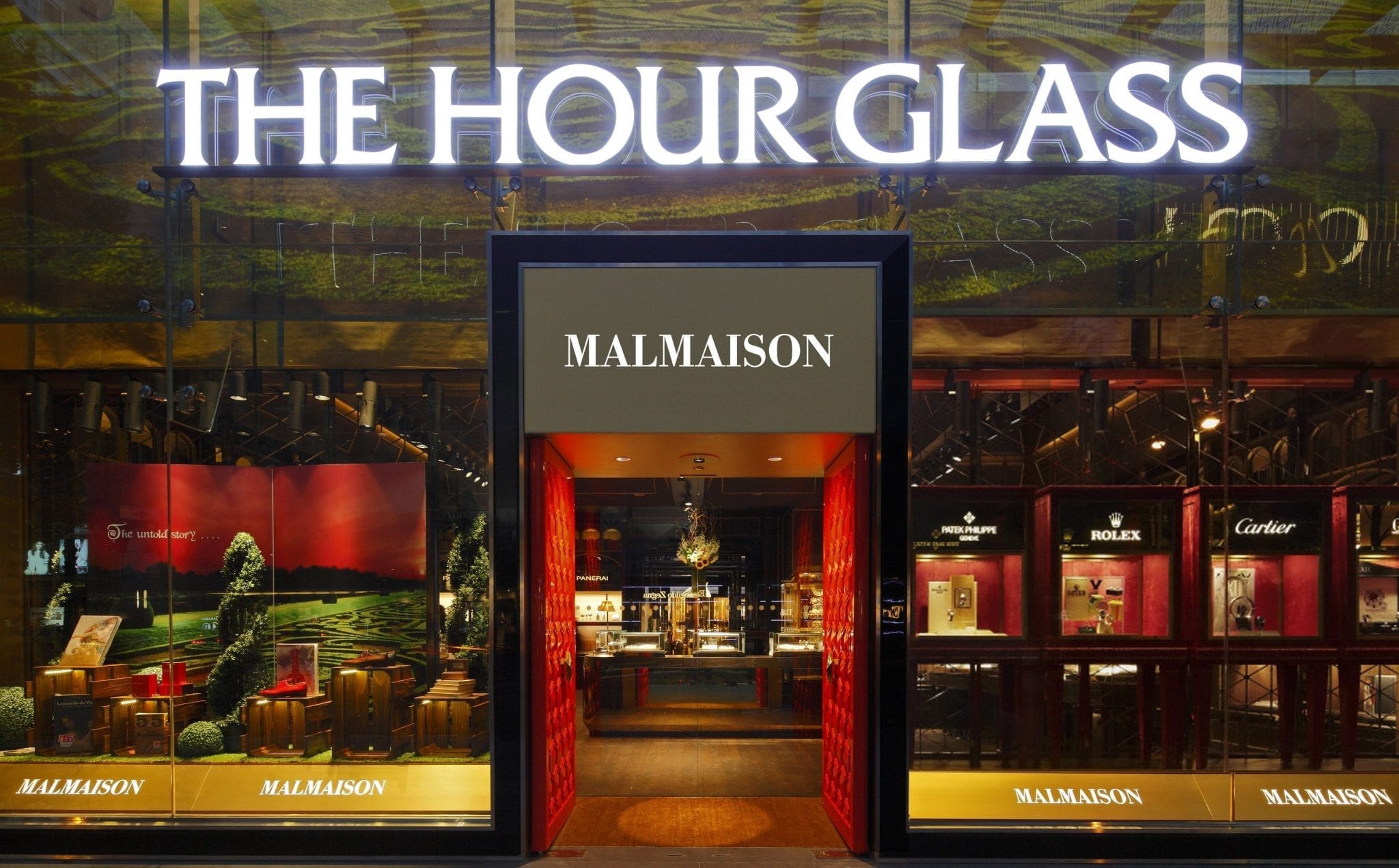
    Citing challenging business conditions and weakening consumer confidence, luxury-watch retailer The Hour Glass reports that its net profit for the second quarter ended September 30 fell 14 per cent year-on-year to S$8.32 million (US$5.88 million).

    Revenue declined 7 per cent to S$163.11 million for the period.

    For the six months to September 30, The Hour Glass profit slumped 18 per cent to $16.51 million and revenue was down 7 per cent at $311.3 million.

    The group says the death of the King of Thailand will have an impact on the performance of the group’s Thai associates as the country enters a prolonged period of mourning.

    While the retailer believes market conditions will continue to be challenging, it expects to remain profitable for the rest of the financial year.

  • Lotte Shopping profit soars 203 per cent

    Lotte Shopping profit soars 203 per cent

    While revenue for its third quarter rose 2 per cent year-on-year, South Korea’s Lotte Shopping Companysaw its net profit soar 203.9 per cent to KRW78.2 billion (US$68 million).

    The retail giant says these are preliminary figures yet to be independently audited.

    Third-quarter revenue rose 2 per cent to KRW7.9 trillion. Domestic department stores maintained solid same-store sales growth (SSSG) of 2.2 per cent, while hypermarket SSSG faded 2.4 per cent in the face of a sluggish industry and the impact of renewal construction.

    Internationally the company had strong sales growth, apart from weakness for its China hypermarkets because of competition. Department store SSSG rose 9.2 per cent while hypermarkets declined 5.1 per cent.

    Lotte’s third-quarter operating profit dipped 10.1 per cent to KRW176 billion, both for department stores and hypermarkets domestically.

    On the international market there was an improvement in operating loss thanks to enhanced efficiency in all stores, plus there was an increased profit contribution from its cinema and electronics businesses.

    There was an increase in labour costs because of a one-off special incentive paid to all Lotte employees.

  • Skechers in Korea joint venture

    Skechers in Korea joint venture

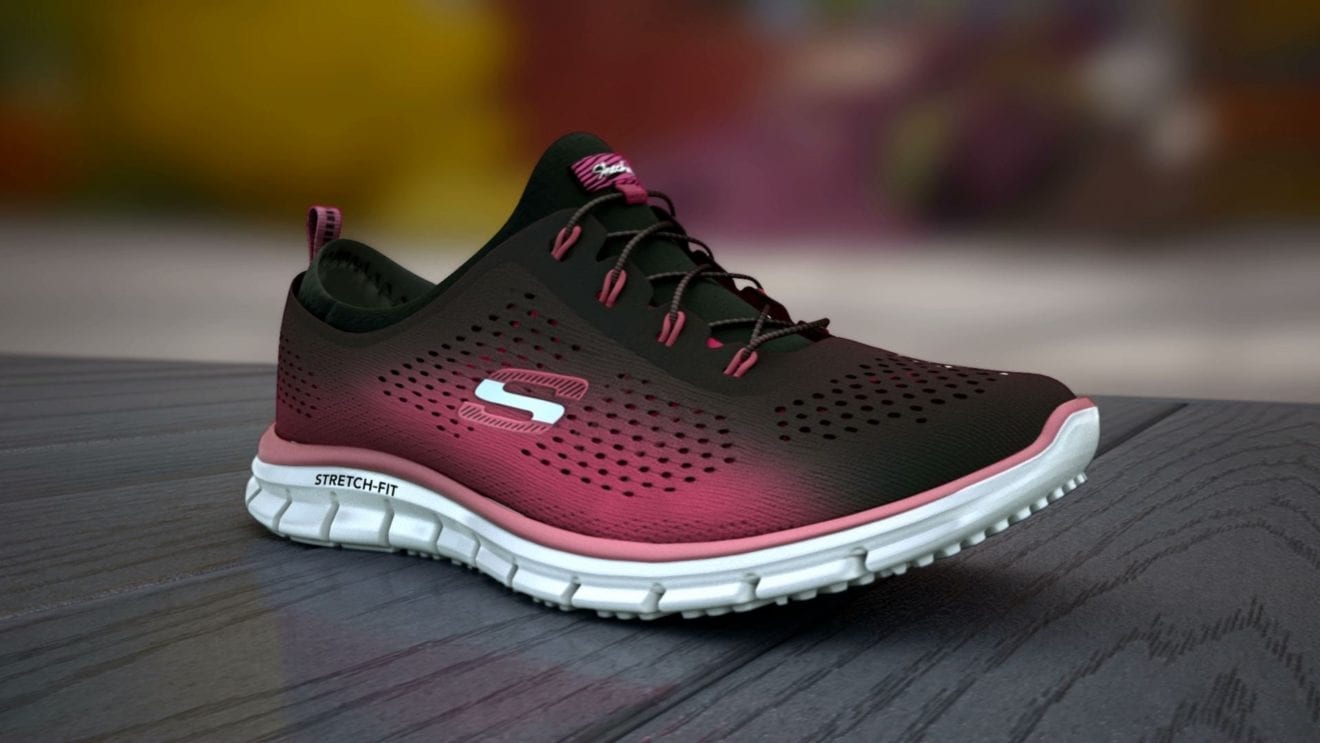
    Skechers in Korea will now be managed by a joint venture with the parent company.

    Previously imported and distributed by a third-party company, Skechers head office in the US has confirmed it has partnered with Luen Thai Enterprises in a new business called Skechers Korea Co.

    “This will enable Skechers to use its proven sales and marketing strategies to further expand the brand in one of our key international markets,” the company said in a statement released in the US.

    “With a dedicated team from our previous distributor, LS Networks, and the knowledge and acumen of our Skechers China team, we believe we can profitably grow our business in South Korea and truly penetrate the region with a strong presentation from our vast collection of men’s, women’s and kids’ footwear.”

    Skechers footwear has been available in South Korea for more than 15 years.

    “ In that time, we have developed a great footprint with a network of more than 55 Skechers stores and built the brand through strong marketing campaigns, including using the talents of exceptionally popular endorsees like K-Pop stars Sistar and EXO in Skechers marketing campaigns,” said David Weinberg, COO and CFO of Skechers.”

    LS Networks distributed Skechers in South Korea from 2009 to 2016.

    “We’ve been very pleased with the consumer response to the Skechers product in South Korea,” added Sung Hun “Scott” Lee, previous senior GM of Skechers’ Korean distribution partner and now president of Skechers Korea Co. “Through my time with LS Networks, I’ve seen firsthand how Skechers has grown in Korea, most recently through the Skechers D’Lites craze that started here in 2015 and spread through Asia and then around the globe.

    “Now as part of the Skechers global team and with key members of my previous team transitioning with me, we’ll have the direct resources, support and insight to really take the business to the next level.”

    Willie Tan, CEO of Skechers Asia joint ventures, said forming a JV with Skechers that combines its global expertise with the local partner’s unique insight in this market “we’ll be able to more efficiently build the brand and more effectively directly target merchandising to the unique tastes of consumers across South Korea”.

    “We expect this will strengthen our business not only in South Korea but further synergise the business across Asia.”

  • Lane Crawford selects Orange Services’ Cloud to improve digital shopping experience

    Lane Crawford selects Orange Services’ Cloud to improve digital shopping experience

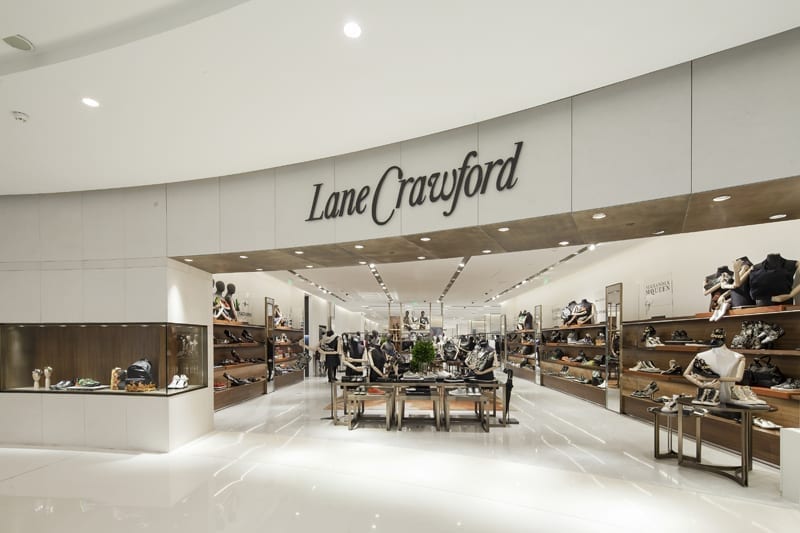
    Orange Business Services has been selected by Lane Crawford, a multi-brand designer label luxury retailer, to provide a cloud-based platform to extend, secure and manage its IT resources in Hong Kong and China. This deployment will enable Lane Crawford to marry offline strengths with digital advantages and offer its customers a more connected retail experience.

    Founded in 1850, Hong Kong-based Lane Crawford is widely recognized as a leading retailer of specialty and luxury goods in Hong Kong and China. Through Orange Business Services’ cloud platform, Lane Crawford will have higher flexibility and scalability to accommodate changes in demand due to seasonal shopping, sales and promotional activities, and ad-hoc use. By adopting a cloud-based platform, Lane Crawford can appropriately align its business with the rapid growth of online shopping in China and meet the needs of new and existing customers.  In addition to meeting Lane Crawford’s needs for its digital transformation, Orange Business Services’ solution delivers an enhanced level of security infrastructure and business continuity plans.

     “Lane Crawford has a long history of delivering high quality products and excellent experiences to its customers,” said Jack Zhang, General Manager, Orange Business Services China.  “We are very pleased to have been selected as a partner in their digital transformation journey and to support them based on our deep understanding of the retail business and Lane Crawford’s existing infrastructure environment.”

    Lane Crawford selected Orange Business Services’ cloud platform for its ability to easily scale to meet rapid changes in consumer demand and its one-stop solution for all the needs it had for connectivity, flexibility and security.  Orange Business Services’ platform is fully compatible with other business critical applications being used by Lane Crawford.

     “Our former infrastructure did not provide adequate flexibility for scalability or future business growth,” said Raymond Liu, Senior Manager, IT Infrastructure, Lane Crawford.  “Orange Business Services’ cloud-based solution gives us cost-efficient performance, enhanced security and protection, and support of on-line transaction applications.  For Lane Crawford, this is a critical step forward in our digital transformation.”

  • Government to take firm action against illegal textile imports

    Government to take firm action against illegal textile imports

    The government plans to take firm action against illegal imports of textile and textile products as these have been hindering business and impacting ind ustrial growth in the manufacturing sector.

    “We will take firm action against importers who have so far misused facilities to avoid official levies by the government,” Finance Minister Sri Mulyani said at a press conference here on Thursday.

    She stated that strengthening the textile industry and the textile products sector was very important as this sector has been asked to increase production to boost national exports.

    Smuggling of used clothes into several regions of the country to meet the increasing demand for cheap clothes has been disrupting growth of textile and textile products sector.

    Certain people were illegally importing products. These people held import licenses to transfer goods to other parties. Businessmen dealing in textile and textile products exploited these licensed importers.

    “We will enforce the law. We have invited police officers to a meeting attended by the chief of the crime investigation department to take a stronger and more consistent action against illegal imports,” she assured.

    Sri Mulyani informed that she would also invite other ministries to review regulations relating to textile and textile products imports. Some of these regulations overlap and run against the needs of the public, trade and industry.

    The TPT (textile and textile products) is a labor intensive industry that can absorb a lot of workers and even create new jobs in the distribution and trade sectors, she added.

    In 2016, Indonesias TPT exports contributed 9.61 percent to the total non-oil and gas exports, which is the second highest after palm oil exports, recorded at 10.3 percent.

    Based on national law enforcement data in 2015, 162 cases of smuggling were aborted by the Directorate of Customs and Excise of the Ministry of Finance. Until October this year, 151 cases of TPT smuggling cases had come to light.

    The Directorate of Customs and Excise would tighten coordination and supervision in cooperation with the Corruption Eradication Commission, the Indonesia Police, the Ministry of Trade as well as the Ministry of Industry to solve the TPT import problem.

    With improved TPT import policies and their implementation, the national manufacturing industry is expected to grow while domestic prices of TPT would be more stable and state revenues more optimal.

  • Richemont sales woes prompt radical response

    Richemont sales woes prompt radical response

    With Chinese shoppers buying fewer watches, Richemont sales continue to slide, prompting the luxury brand owner to announce uncharacteristically radical moves.

    While continuing to cull its store network, Richemont has axed its CEO role, placing more accountability in the roles of its brand executives.

    Richemont, which counts luxury timepiece brands Vacheron Constantin and IWC in its 35-strong portfolio, says trends are improving in Mainland China, Hong Kong and Macau. But with more of its portfolio in watches than rival corporate fashion groups LVMH and Kering, it is more exposed to current market trends and less resilient. Richemont also owns Cartier, Chloe, Dunhill, Giampiero Bodino, Jaeger-LeCoultre, Lancel, Montblanc, Officine Panerai, Piaget, Peter Millar, Purdey, Roger Dubuis, Shanghai Tang and Van Cleef & Arpels.

    Profits fell 43 per cent (including exchange rate effect) to €798 million for the six months to September, and the company has expressed its concern at overcapacity in the Swiss watchmaking industry. A large factor in the poor result was the €249 million buy-back and destruction of excess products to reduce overcapacity in the distribution chain.

    Sales were down by 13 per cent to €5.1 billion, but significantly this was led by Japan and Europe, rather than Hong Kong and Macau as in past reporting periods. Mainland Chinese buyers still played their part in the decline, however: fewer are visiting Europe due to concerns over terrorism, and the depreciation of the yuan has impacted on spending in Japan.

    The company closed 25 shops globally during the first half and another 25 are scheduled for closure by December 31. It did not reveal the locations of these stores.

    The end of the CEO post coincides with the retirement of outgoing chief Richard Lepeu and finance director Gary Saage. The company’s founder, South African-born Johann Rupert, will remain in the role of executive chairman and will take over supervising a group of division directors.

    Richemont has a reputation for managing for the long-term and resisting the sort of knee-jerk reactions typical among listed companies ever-concerned about satisfying shareholders.  “The significance of such a dramatic break with the past can’t be overstated,” observed an analyst with Bloomberg.

    “They indicate that it doesn’t expect conditions to get any easier any time soon, so it needs a fresh approach. It just might work. And it’s not as radical an idea as it might seem,” wrote columnist Andrea Felsted.

    She suggests the company may need to fix or divest underperforming brands

    “It also needs to control the cost base by addressing headcount, which it has already started to do, and slimming the store estate. The danger is that the new management structure is cumbersome, lacking cohesion, and is ripe for internal power struggles. Rupert will remain the constant, and is likely to take greater control as a result of the radical revamp. He says his role is that of ‘an arbiter of egos, akin to a soccer manager’.”
  • Marks & Spencer plans to close all stores in Chinese mainland after profits plunged

    Marks & Spencer plans to close all stores in Chinese mainland after profits plunged

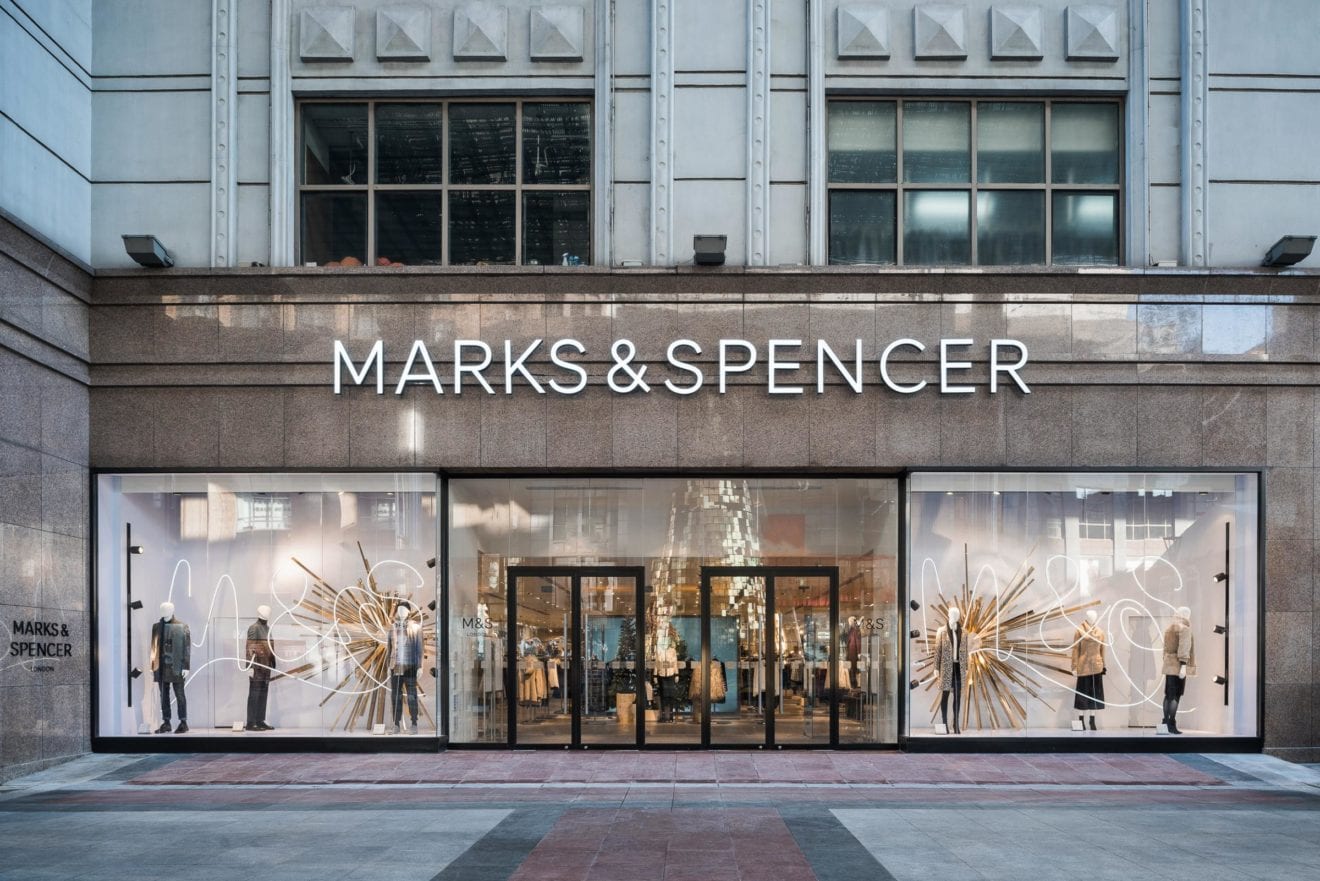
    UK retailer Marks & Spencer announced on Wednesday that it will pull out of the Chinese mainland market and close all the 10 stores amid shrinking profits, according to a statement the company sent to the Global Times on Wednesday.

    “Our review has shown that our stores in Chinese mainland continue to make losses and as result we can no longer trade with a store presence in the Chinese market,” Adam Colton, managing director of Greater China at Marks & Spencer, said in the statement.

    The company didn’t disclose sales revenues in the Chinese mainland market.

    An employee at an Marks & Spencer store in Beijing told the Global Times on Wednesday that he feels sorry about the closures because business in Beijing was quite good and there were a lot of loyal customers. He did not know when his last day of work would be. The 1,500-square Beijing flagship store at the Place shopping mall was opened in December 2015.

    Intensified competition and relatively high prices were the main reasons behind Marks & Spencer’s retreat from Chinese mainland, experts noted.

    “In Chinese mainland, the traditional UK brand did not have much appeal for Chinese consumers. For example, the prices in its food shops were a bit more expensive than even imported food stores,” Wang Xinmiao, a Beijing-based retail industry analyst, told the Global Times on Wednesday.

    In addition, the company did not have much time to cultivate brand awareness and a loyal customer base because the Chinese apparel market had already been saturated with “fast fashion” international brands, such as Zara, H&M, GAP, and Uniqlo, which marched into the Chinese mainland market much earlier than Marks & Spencer, Wang said.

    In contrast, the UK retailer has built a profitable wholly-owned business in Hong Kong in large part because it entered the market as early as 1988, the statement noted. Marks & Spencer is planning to expand its business in Hong Kong by opening more food stores in the near future.

    A customer said he came on purpose to the Beijing shop here after he has known the closure news. He has lived in UK for years and he trusts M&S, and he will shop in Hong Kong after the end of business here.

    The UK retailer has been losing ground in other international markets. In addition to its closures on the Chinese mainland, the company outlined plans to shutter 53 stores in 10 international markets, including seven in France, while pulling out of Belgium, Estonia, Hungary and Lithuania.

    In the first half of 2016, the company’s pre-tax profit plummeted 88 percent to 25.1 million pounds ($ 31.39million), down from 216 million pounds in the same period a year ago, as reported by BBC on Wednesday.

  • Zalora partners with Calvin Klein Asia

    Zalora partners with Calvin Klein Asia

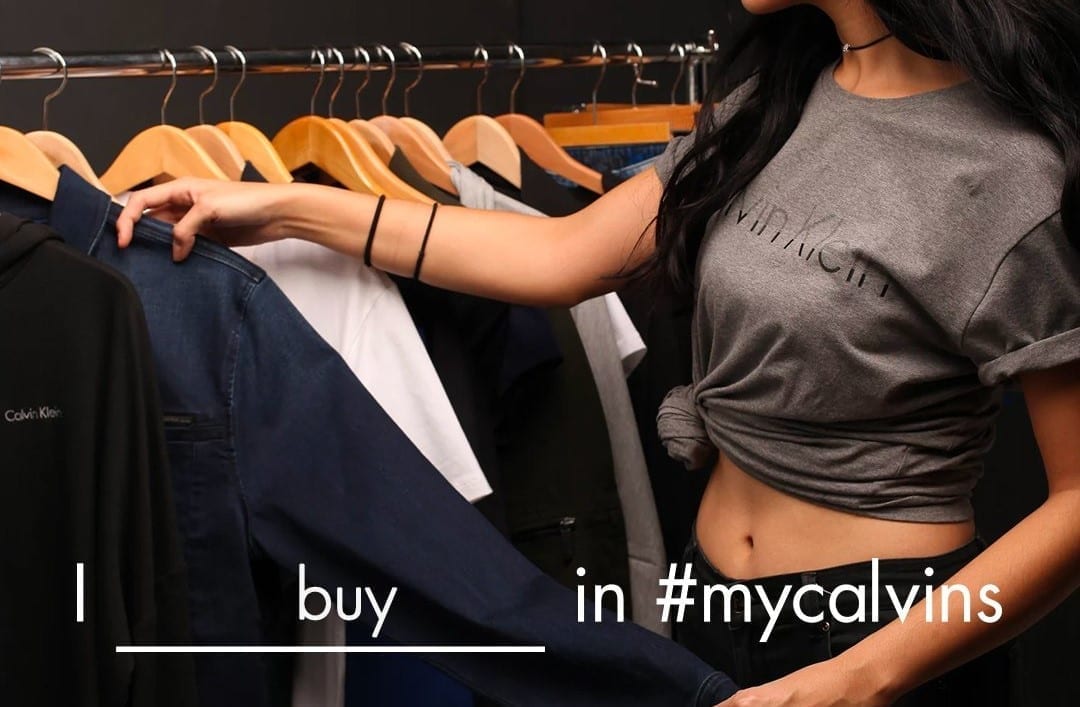
    Zalora has partnered with Calvin Klein Asia to launch Calvin Klein Jeans, Calvin Klein Underwear and Calvin Klein Performance at Zalora.com.

    The partnership significantly expands the distribution of Calvin Klein presence in five key markets including Singapore, Hong Kong, the Philippines, Taiwan and Malaysia.

    Zalora will launch the Fall 2016 season, offering more than 300 assorted products spanning womenswear, menswear, underwear, bags and small leather goods.

    Parker Gundersen, CEO of Zalora Group said Calvin Klein enjoys tremendous appeal across Asia.

    “With strong partners like Calvin Klein, we remain well ahead of the competition in terms of product assortment and ability to serve the millions of consumers throughout Asia seeking trusted and convenient access to fashion online,” he said.

    The shop has its own dedicated address and the products are also available on Zalora’s app.

  • Two more stores for Brooks Brothers Hong Kong

    Two more stores for Brooks Brothers Hong Kong

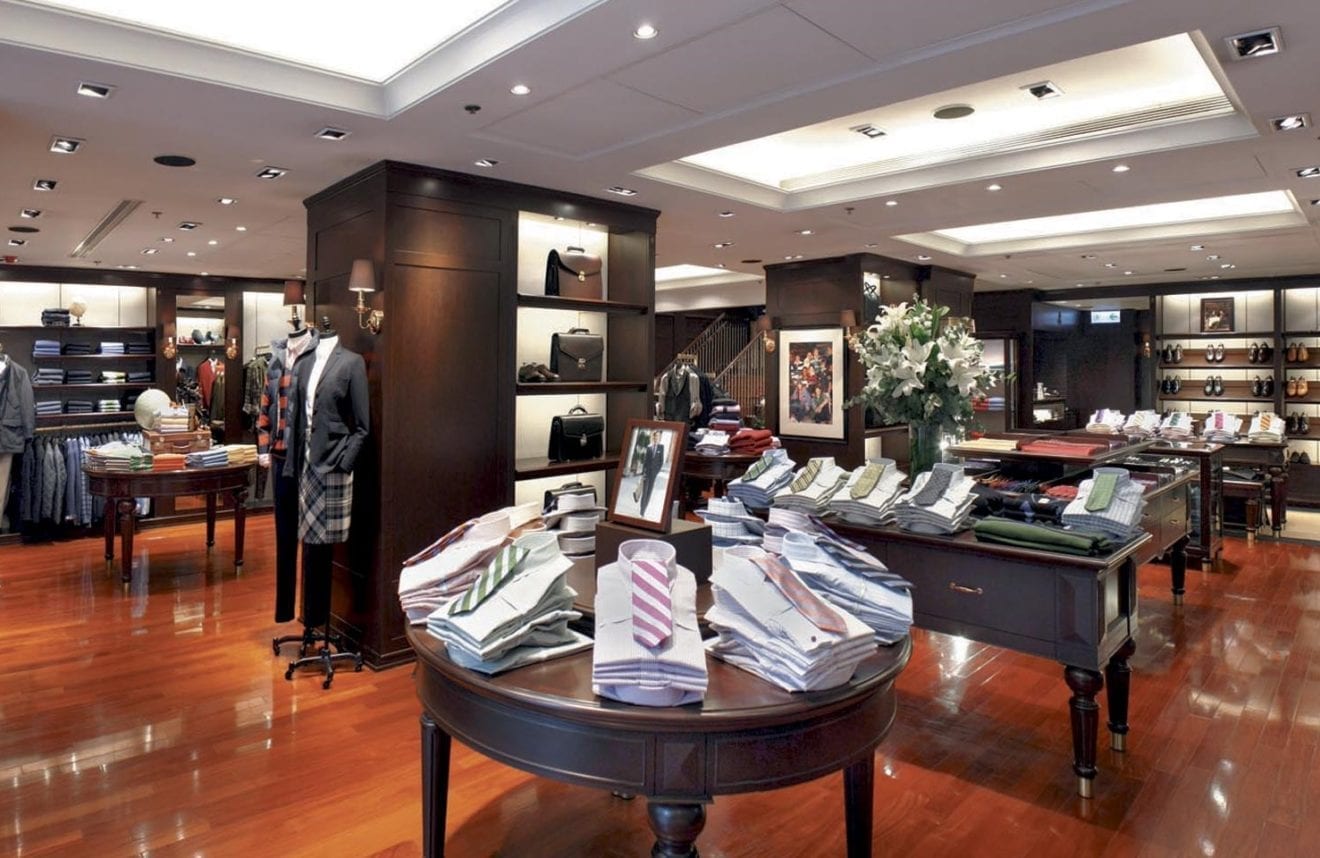
    US apparel brand Brooks Brothers has opened a flagship store at Gateway Harbour City in Tsim Sha Tsui, as well as a concept store at Times Square, Causeway Bay.

    Brooks Brothers is known for creating the button-down collar and seersucker suits, and its new boutiques showcase the same classic looks as featured at its first Hong Kong store at IFC Mall.

    Brooks Brothers opened its original store in New York in 1818.

  • Reebok restructure to be fast-tracked

    Reebok restructure to be fast-tracked

    The new CEO of Adidas says he plans to streamline and restructure the ailing Reebok business as a priority under his watch.

    CEO Kasper Rorsted, in a conference call with business media, also promised a completion of the sale of the Adidas TaylorMade golf business by the end of this year, even if that meant booking a loss.

    While its core Adidas brand business is performing well enough to prompt four raises in the company’s financial outlook this year, a Reebok restructure is necessary while the unit continues to struggle.

    “We’ll give Reebok more freedom to operate globally, and more responsibility in the US,” Rorsted said. “We’ll get a more focused organisation, and that will enable us to continue the momentum we have right now of Adidas in the US and it will make Reebok stronger.”

    Rorsted will move Reebok’s headquarters from Canton to new premises in Boston where the team will be 100 per cent Reebok, with about 150 jobs cut. At least one US factory will be closed and the US store network cut back to focus on wholesale. Restructuring is estimated to cost $33 million.

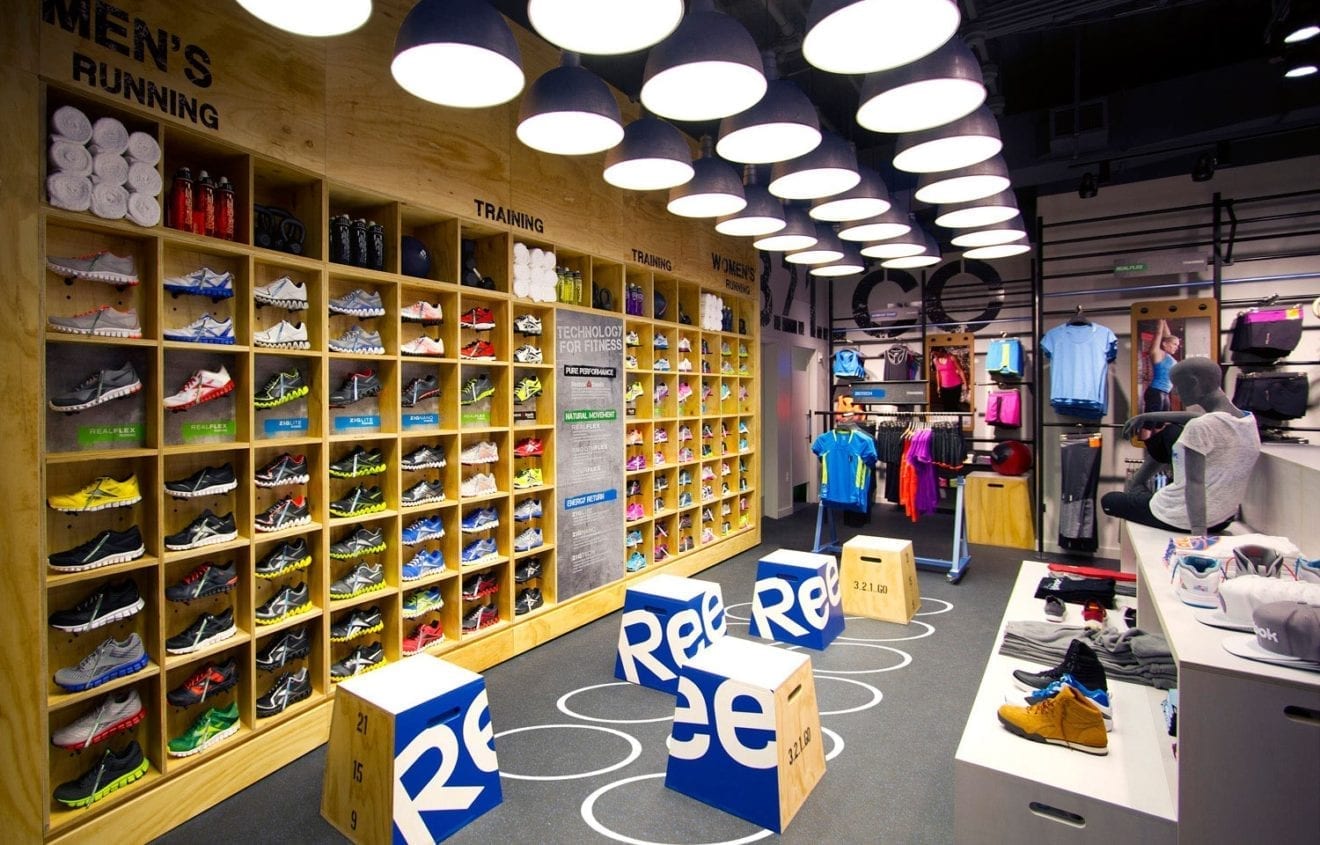
    Adidas has been converting Reebok from a traditional sports shoe maker into a fitness brand. Top-line sales growth has grown for the last 14 quarters, but it still lags its parent.

    “We have to be realistic. Reebok is growing slower than Adidas and our competition, and we have seen no growth in North America in the past three years. And lastly, the profitability is significantly below the group average. It’s time to get back to the gym and redouble our efforts on Reebok.”

    So strong is Adidas performing the costs of restructuring and  a potential loss on the sale of the golf business is unlikely to impact on group profit. And Rorsted indicated there was no sign of any slowing in Adidas’ growth.

    “The consumer centric approach has increased our brand desirability and relevance with the consumers. You can see that not only in our markets or in our revenue numbers, but also in the market share gains in the key categories and markets where we are active.”

  • Korean Fashion Struts Authentic Style to Thailand’s Online Shoppers

    Korean Fashion Struts Authentic Style to Thailand’s Online Shoppers

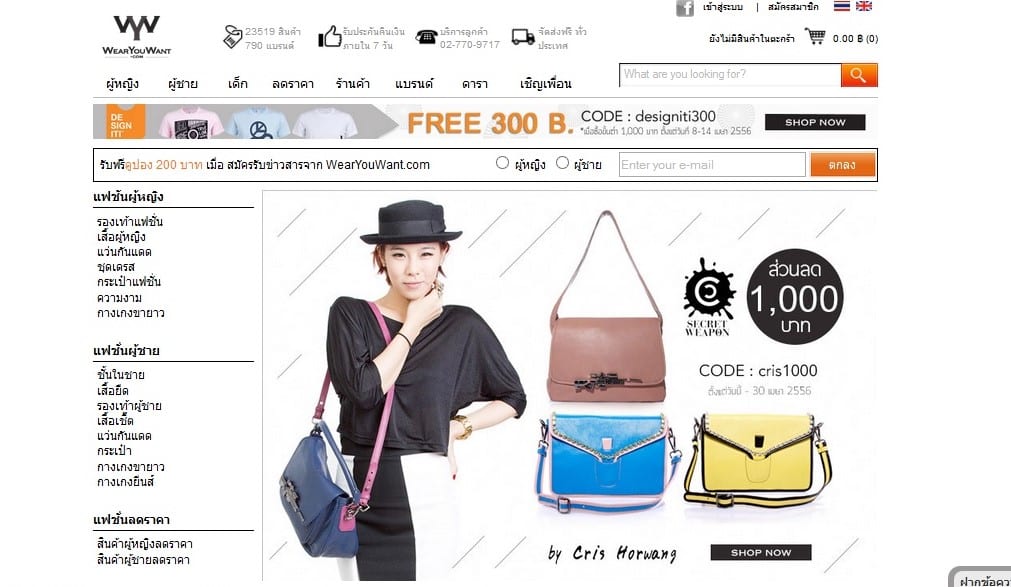
    WearYouWant, Thailand’s leading online fashion and beauty marketplace, is launching a premium, Korean fashion range in Thailand, designed and made in Korea, to satisfy the ever-growing love of Korean brands in the Kingdom. Developing a close relationship with online fashion house, Atria International Style, WearYouWant is sourcing authentic Korean brands, importing these for the Thai market from up-and-coming local Korean designers.

    Just as Korean pop music as captured a huge fan base in Thailand, there is high demand for Korean fashion too. The new Korean range of cool and stylish women’s apparel, accessories, bags and shoes, is to be showcased on WearYouWant. The launch, planned for December 2016, is big news for Thailand’s online shoppers. It is also a sign of growing focus from Korea on Thailand’s rapidly developing e-commerce market; the fastest growing in Southeast Asia.

    The WearYouWant collection is unique in Thailand and has been specially curated by fashion experts to assure quality and to appeal to the country’s online fashion-buying market who are actively seeking out Korean brands. Martin Toft Sorensen, Co-Founder and Co-CEO of WearYouWant confirms that this latest fashion collection launch is part of an ongoing strategy to understand and meet their customers’ needs and a response to the market in Korea too.

    Our decision to move forward with Korean brands is in part due to a general push for designers to expand beyond the saturated markets in Korea. WearYouWant is an ideal platform for this expansion as there is a great amount of passionate interest from our online shoppers for Korean fashions. We pride our success in being ahead of the curve with consumer trends and this is what makes our platform so vibrant, relevant and exciting.”

    This launch follows the Last Mile Fulfilment (LMF) Korea 2016 conference in September 2016, which Martin Toft Sorensen attended. The event focused on the attraction of Thailand’s solid e-commerce market and higher purchasing power for Korean brands looking to grow within Southeast Asia and succeed outside Korea’s competitive markets. Also clearly highlighted was the importance of fashion distributors in assisting Korean brands to spread out within the region and the value that this can bring to outside markets. The WearYouWant launch aims to add value to Thailand’s blossoming ecommerce market where demand is strong and expectations high.

    ATRIA STYLE (www.atriastyle.com), a powerful South Korean platform that sells contemporary fashion and beauty brands all over the world has been working closely with WearYouWant to fuel cross-border fashion and beauty relations in Thailand to build strong commerce presence between these two key retail luxury markets.

    Founder and CEO, Cindy Yun is optimistic about the future success of Korean fashion and beauty brands through the WearYouWant platform.  “Korean designer fashion is forward thinking, high quality and, in terms of production, there is a good lead time in creating output. This means that brands are stylish and affordable which greatly appeals to savvy Thai consumers. For designers looking to expand their collections outside of Korea, WearYouWant is a vital online lifeline and the e-commerce opportunity this launch entails will enable them to realize their true potential.”

  • David Beckham splits with H&M

    David Beckham splits with H&M

    David Beckham has split with fashion retailer H&M – and he’s being upstaged by a Canadian pop star with a hairdo worse than Donald Trump’s…

    H&M introduced its first Beckham Bodywear collection featuring form-fitting underwear in 2012 and expanded the partnership to include a broader range of garments including jerseys and light summer suits dubbed Modern Essentials in March 2015. There’s even been a Beckham raincoat.

    But now the brand believes it is time for a change. It has signed up Grammy-winning R&B artist Abel Tesfaye, 26, who performs under the deliberately misspelled name The Weeknd, for a one-off menswear collection which will go on sale from March. The chain believes the new signing will appeal to younger shoppers than Beckham, now 41.

    According to Bloomberg, H&M said it would not rule out future collaborations with Beckham, who also has partnerships with Hong Kong-based Global Brands, endorses Adidas shoes, Breitling watches and Samsung smartphones.

    An H&M spokeswoman told Bloomberg there was no direct link between the end of the Beckham partnership and the signing of Tesfaye.

    The singer will choose his favourite items for an H&M collection to be called Spring Icons Selected by The Weeknd.

    Queuing for Kenzo

    Meanwhile, H&M’s collaboration with fashion label Kenzo launched yesterday, leading to queues outside two stores in Singapore where the collection was on sale – in the Orchard Building and at Ion Orchard.

    The Orchard Building store opened at 8am and by 7.30am about 100 people were lined up outside the store. Some at the front of the queue had reportedly arrived on Tuesday morning, presumably holding the place in shifts.