Category: Fashion

Retail News Asia is committed to providing both local and global retailers with the latest Fashion news throughout the Asian market. This on a daily base.

  • Selfridges shines, Debenhams flounders

    Selfridges shines, Debenhams flounders

    Two iconic British department store brands released their annual trading figures overnight – and the contrast was blinding.

    Debenhams underwhelmed with like-for-like figures showing a decline in sales of 1.1 per cent, ts growth driven purely by the addition of five new stores and online advances.

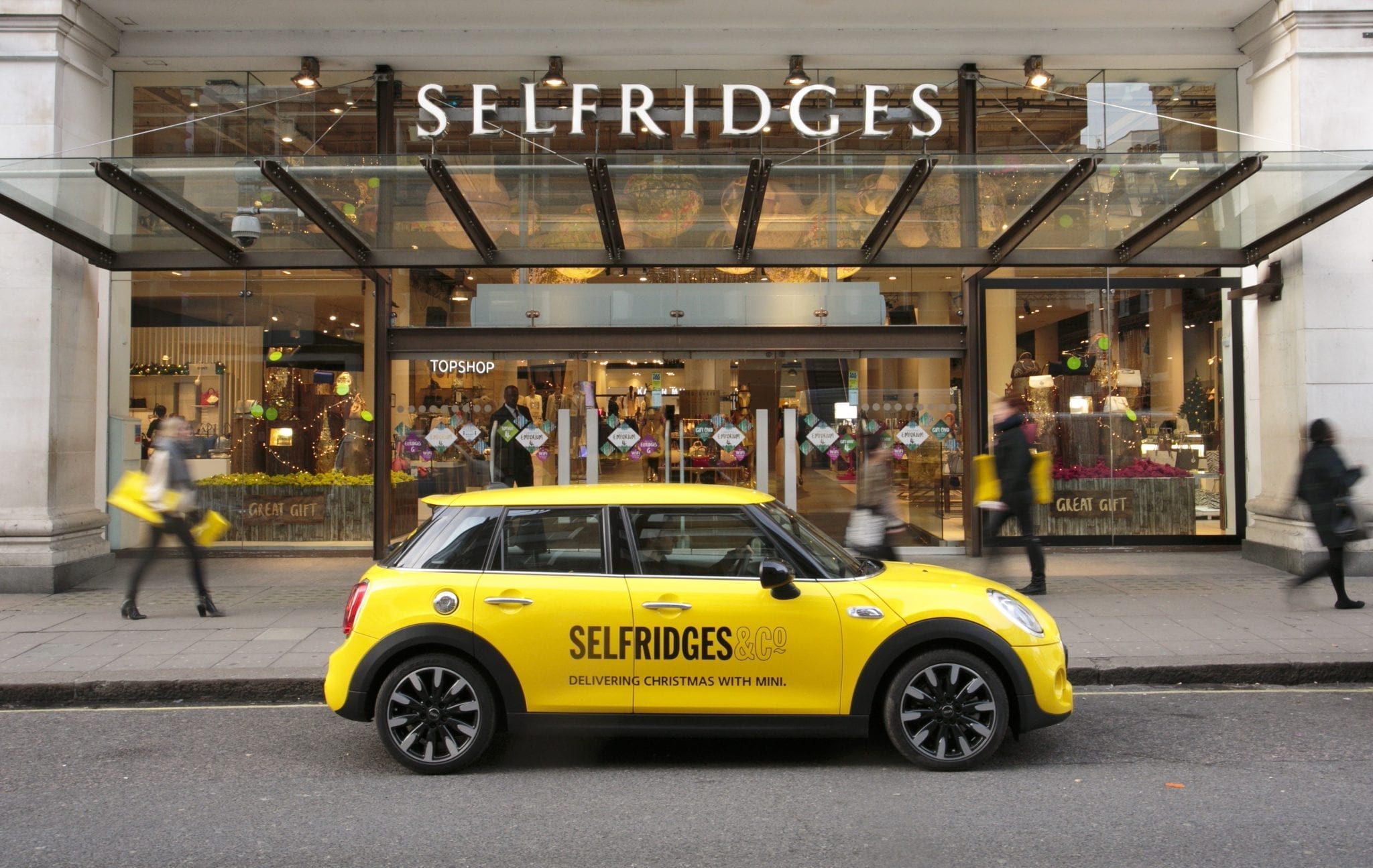
    Yet Selfridges’ “winning formula” delivered another year of robust sales growth, in the words of Verdict Retail lead analyst Honor Strachan.

    “Its ability to bring on board the right mix of brands, tailor each of its stores to the local audience and create an ever-changing in-store shopping experience has ensured Selfridges remains relevant and an exciting destination among an increasingly demanding shopper base,” said Strachan.

    His colleague Kate Ormrod, a senior analyst, was less complimentary about Debenhams, describing the company’s UK gross transactional value of £2.352 billion as “underwhelming”.

    “Debenhams is slightly in limbo at present while new CEO Sergio Bucher familiarises himself with the company and forms his strategy to revitalise the business. Focus on clothing and homewares is much needed in FY2016/17, as well as ensuring the instore experience is consistent across its UK store portfolio.”

    Ormrod said Debenhams’ online business remains a key asset, and now represents 14.7 per cent of group sales – aided by its focus on mobile, its click & collect service, and investment in IT and systems, which bode well for the Christmas peak.

    “Refocusing the business away from clothing has been successful with solid growth achieved in beauty, gifting and accessories. While trading in the overall clothing market has been volatile, Debenhams must review and refresh its ranges to maintain its appeal and relevance in the market – or face further market share erosion. Selected Designers at Debenhams sub-brands such as Star by Julien Macdonald and J by Jasper Conran feel dated, along with core ranges such as Red Herring and Mantaray. Though Debenhams appears hesitant to rectify its problems in clothing, there is opportunity to target mature shoppers and better compete with the likes of JD Williams,” she said.

    “Debenhams’ strength lies in beauty and the addition of cult brands such as Kat Von D ensure the retailer garners destination appeal both instore and online. Driving cross-sector spending is essential to turn younger beauty shoppers into core Debenhams customers. Plans to introduce lighting to 30 stores, a clear attempt to muscle in on area BHS excelled in, and introduce furniture hubs in eight branches are positive steps, though Debenhams’ overall homewares offer pales in comparison to rival John Lewis in terms of breadth and destination appeal.

    Selfridges deflects the pressure

    Strachan paid tribute to Selfridges’ ability to prosper while facing “immense pressure from sector specialists and online pureplays”. Gross transactional value rising 5 per cent to £1.4 billion.

    A £300 million commitment to refurbishing its Oxford St, London, flagship dented its operating profit, which slipped marginally to £152 million, trimming margins to drop one percentage point to 10.9 per cent.

    “The modernisation of its flagship London store, taking over two years and due to be completed in spring 2018, is central to Selfridges’ strategy in creating destination departments, such as its 2016 openings of the Body Studio and Designer Studio, off the back of its success of its Denim Studio (2013) and Shoe Galleries (2010),” said Strachan.

    “The accessories department is currently being overhauled with the first phase due to open in time for peak Christmas trading, and will undoubtedly benefit from the influx of tourists taking advantage of the weak pound.”

    He said with Selfridges’ proposition heavily skewed to the luxury end of the market, he expects Selfridges to have a very strong second half in 2016/17, resulting in full year growth exceeding its 2015/16 financial year and an increase in its UK department store market share.

    “Selfridges continues to raise the bar by surprising its shoppers – with brand launches including Missguided for example – which is key as we approach a period of more considered spending among domestic consumers.”
  • Asia to account for 50% of Prada sales

    Asia to account for 50% of Prada sales

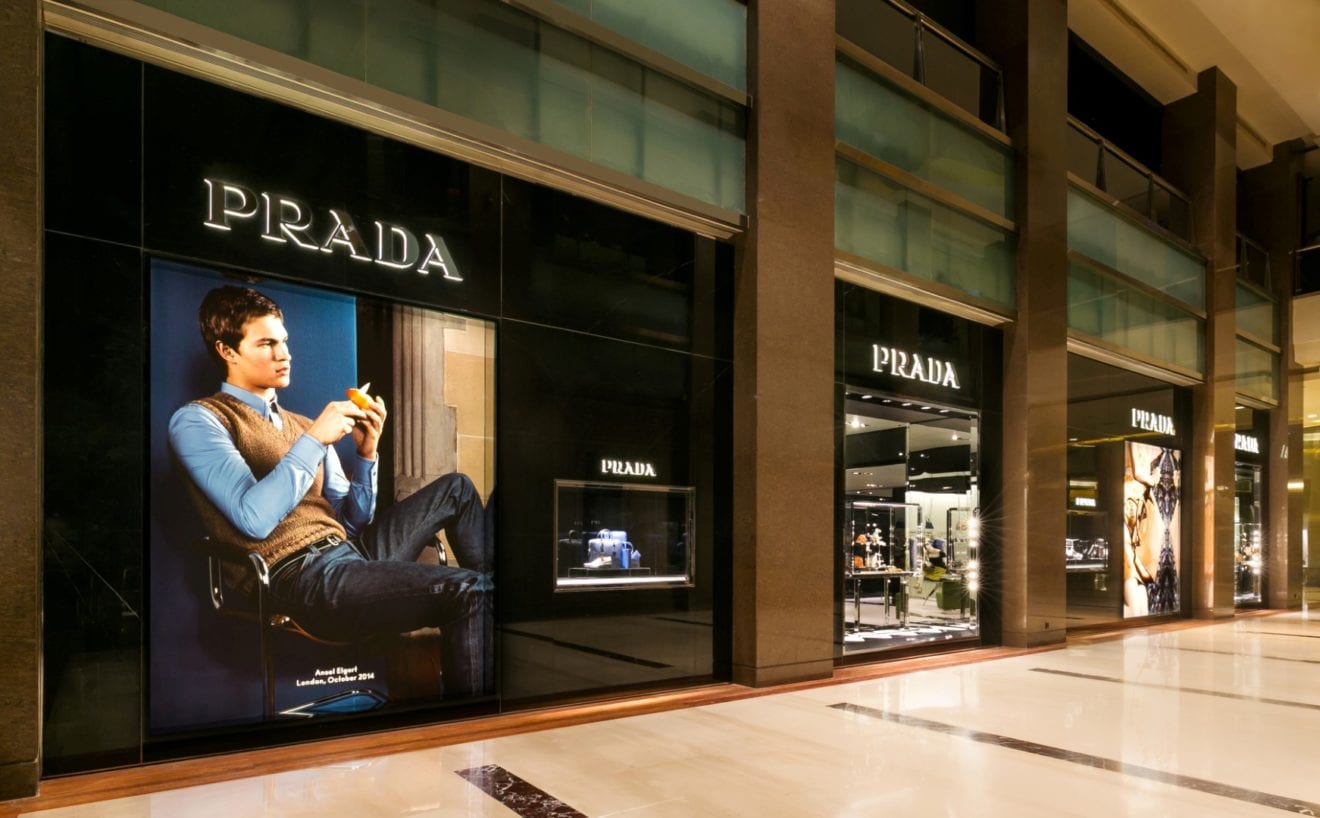
    Prada expects that its sales in Asia will account for half of its total sales within one year, while sales in China will be 3 times of current sales in the next 2-3 years.

    Deputy Chairman Carlo Mazzi said, “Currently 40 percent of our business comes from Asia, it will rise to 50 percent in the coming year, and I do not think China’s economy will be much affected by the current European economic crisis.”

    Prada Brand completed its listing at Hong Kong stock market in June 2011. It also held its spring and summer fashion show in January, 2011 in Beijing.

    The brand announced that its sales for the first six months of 2011 rose 38 percent year on year to €223 million.

    In addition to Prada Brand, other global fashion brands, such as Burberry, Christian Dior, Rebecca Minkoff are also keenly eyeing the Chinese market.

  • Citizen Watch signs Takeshi Kaneshiro for new campaign

    Citizen Watch signs Takeshi Kaneshiro for new campaign

    The summer of 2010 sees Citizen Watch (China) Co., Ltd., and Citizen Watches (H.K.) Ltd. revamping their brand image based on the fitting theme “Innovation, Powered by Willpower”. One of Asia’s top international actors, Takeshi Kaneshiro has officially been signed as the new brand ambassador to launch Citizen’s largest campaign in the history in China and the Asian region.

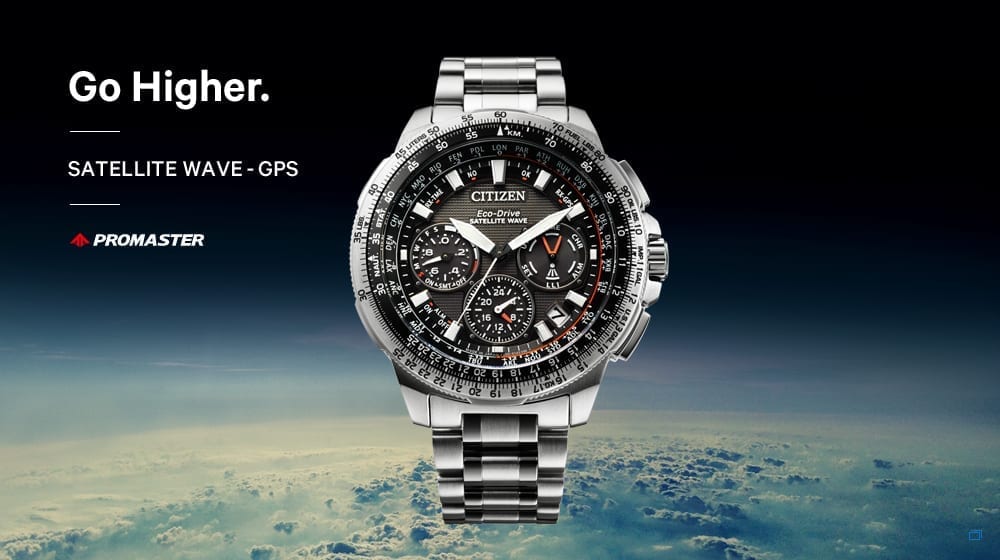
    In the world of wrist watches, Citizen has always been in the forefront in the deliverance of innovative functionalities. Eco-Drive, Radio-Controlled, and Titanium watches are just some of innovations by Citizen that revolutionised the world of wrist watches. And now with Takeshi Kaneshiro – who personifies sophistication, intelligence and inventiveness – fronting the new “Innovation, Powered by Willpower” themed campaign, Citizen will be embracing its vision to “extend the experience of the world embodied by the Citizen brand to individuals with innovative visions, who aspire to be innovative, and who are always one step ahead of the others”.

    Born on October 11th 1973 in Taiwan of mixed Japanese and Taiwanese parentage, Takeshi Kaneshiro has spread himself between cinema, dramas, and commercials. Some of Kaneshiro’s notable works include: the box-office hit Red Cliff (2008, 2009), K-20 Kaijin Nijumenso Den (2009), The Warlords (2008).

    The shooting of Takeshi Kaneshiro for Citizen’s new campaign was commissioned to world-famous photographer, Kaoru Ijima, who successfully captured Kaneshiro’s steely willpower and sophisticated aura in the advertisements that will resonate with consumers everywhere. Thus, through the astute collaboration between Kaneshiro and Ijima, was born a new innovative campaign visual for Citizen that will reinforce its image as the “ Symbol of Innovative Thinking “.

    True to its brand DNA, Citizen’s new range of Eco-Drive Super Titanium watches – to be launched in Malaysia in Sept 2010 – promises to be highly innovative, with eco-friendly features and sophisticated designs.

  • H:Connect brings Korean style to Singapore

    H:Connect brings Korean style to Singapore

    Contemporary South Korean fashion brand H:Connect, fronted by Korean celebrity Yoona of Girls’ Generation, has officially opened its first Southeast Asian store at Bugis Junction in Singapore.

    The brand plans to make the most of the rising appeal of hallyu, or the Korean Wave, across Southeast Asia, which is driving Korean exports of fashion, entertainment and cosmetics in particular.

    It joins more than 300 H:Connect stores across South Korea, China and Taiwan, including a flagship store in the Gangnam district of Seoul.

    In its new Singapore store, the 10-year-old brand features it latest collection for men and women, separated into three themes: City Dweller (understated designs), Nostalgic Insta (combining vintage denim with floral prints and embellishments) and Athleisure (statement sweaters, pullovers and denim with a Korean street-style vibe).

    Prices range from S$19 (US$13.64) for basic tops to $129 for jackets and overcoats.

  • Zalora Support Three Local Designers at Singapore Fashion Week

    Zalora Support Three Local Designers at Singapore Fashion Week

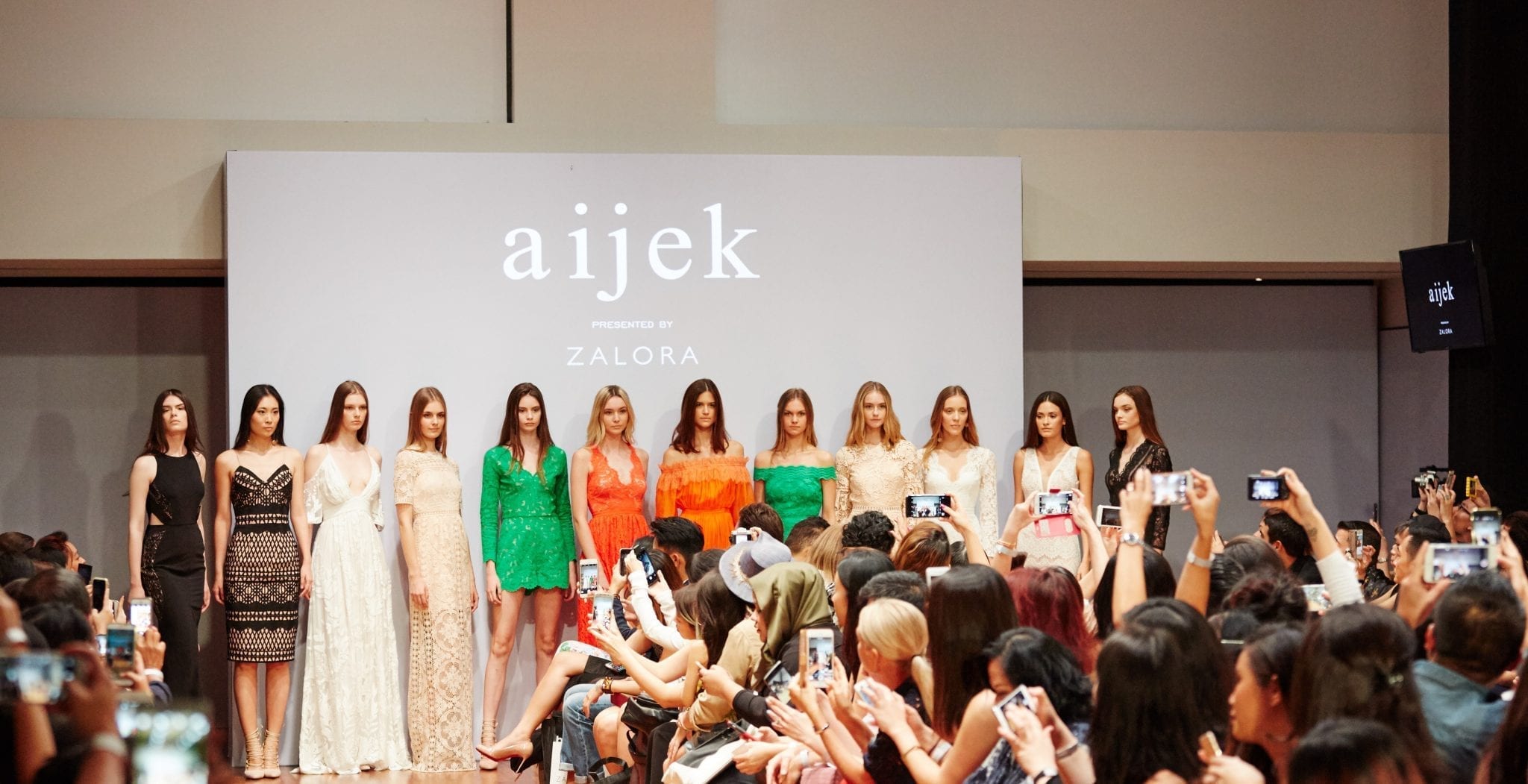
    ZALORA, Asia’s online fashion destination, today announced its partnership with Singapore Fashion Week as the Official E-Tail Partner. This is the second time the online fashion brand is taking part in one of the region’s biggest fashion events of the year. ZALORA will be presenting three Singapore designers and labels namely, Stolen, Aijek, and Max Tan in the Fashion Futures Showcase. Fashion fans in Singapore can purchase the collections on ZALORA from today onwards.

    As the Official E-Tail Partner, ZALORA will be hosting a shoppable Singapore Fashion Week microsite on ZALORA.com that will feature curated collections from Fashion Futures Showcase and Singapore Fashion Week Access, a dedicated show segment for Singapore designers. As part of ZALORA’s commitment to stay up-to-date with the latest trends within the industry, ZALORA is embracing the ‘see now, buy now’ model enabling fashion show goers to purchase their favourite looks immediately.

    Shop Max Tan Spring/Summer 2017, Stolen Spring/Summer 2017, and Aijek Fall/Winter 2016 collections at www.zalora.sg/fashion-week-singapore and on the ZALORA mobile app.

    “ZALORA is proud to be supporting local designer talent in one of the most anticipated fashion events of the year,” said Parker Gundersen, Chief Executive Officer of ZALORA Group. “We’re very passionate about supporting the local fashion industry across all of our markets in Asia, and Singapore Fashion Week provides a great opportunity for us to give the region’s top designers exposure to millions of new consumers on our online platform. It’s also an exciting way for our customers to discover new fashion and to buy product straight from the runway.”

    “Singapore Fashion Week is delighted to be working with ZALORA again this year, as we recognise the growing impact and importance of digital and social media, and connecting designers and labels

    with customers via e-commerce. With the growing trend of ‘See Now, Buy Now’ as well, I believe that online retailers like ZALORA will play an ever-growing role in partnerships with fashion weeks around the world,” commented Tjin Lee, Founder and Chairman of Singapore Fashion Week.

    ZALORA also strongly believes in making fashion more inclusive and accessible. To further engage fashion consumers, the Fashion Futures Showcase will be live-streamed on ZALORA where viewers at home can watch the shows and access exclusive content. Catch all the exciting happenings at Singapore Fashion Week Fashion Futures Showcase on social media at #ZALORAxSGFW.

  • Upset Hindus urge Australian company to recall Hindu gods’ leggings

    Upset Hindus urge Australian company to recall Hindu gods’ leggings

    Upset Hindus have urged for the immediate withdrawal of leggings carrying images of various Hindu gods and goddesses, sold on a Melbourne headquartered online marketplace Redbubble, calling it highly inappropriate.

    Hindu statesman Rajan Zed, in a statement in Nevada today, said that Hindu deities printed on Redbubble leggings—Shiva, Vishnu, Brahma, Krishna, Ganesha, Durga, Lakshmi, Skanda, Saraswati, Hanuman, Kali, Seshnarayana—were highly revered in Hinduism and was meant to be worshipped in temples or home shrines and not to be worn around one’s legs. Inappropriate usage of Hindu deities or concepts for commercial or other agenda was not okay as it hurt the devotees.

    Zed, who is President of Universal Society of Hinduism, also urged Redbubble CEO Martin Hosking and Board Chair Richard Cawsey to offer a formal apology.

    Hinduism was the oldest and third largest religion of the world with about one billion adherents and a rich philosophical thought and it should not be taken frivolously. Symbols of any faith, larger or smaller, should not be mishandled, Rajan Zed noted.

    Zed further said that such trivialization of Hindu deities was disturbing to the Hindus world over. Hindus were for free artistic expression and speech as much as anybody else if not more. But faith was something sacred and attempts at trivializing it hurt the followers, Zed added.

    Award-winning Redbubble, founded in 2006 and listed on Australian Securities Exchange, which also has offices in San Francisco (USA), claims to be “a global online marketplace powered by artists” and sells “high-quality, everyday products”. “More than 4.2 million Customers from over 196 different countries have shopped on Redbubble”, it states.

  • Sa Sa profit drop looms

    Sa Sa profit drop looms

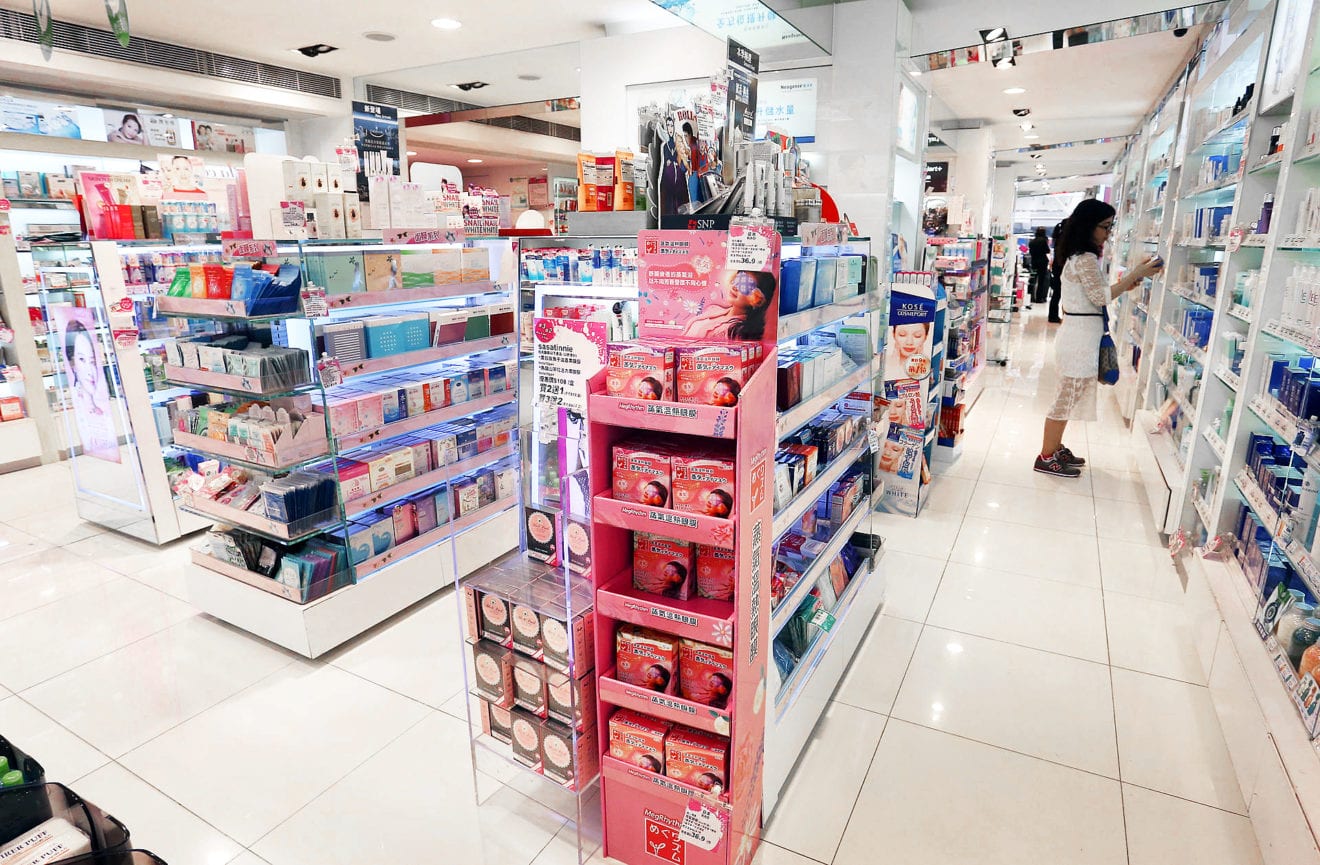
    Sa Sa profit is expected to fall 35 to 45 per cent for the six months ended September 30.

    The Hong Kong-based cosmetics retailer has issued a profit warning, citing a drop in both sales and gross profit margin of its Hong Kong and Macau business, weaknesses in some overseas stores and decline in online profits.

    Meanwhile, the group has recorded a 2.3 per cent decrease in retail and wholesale turnover to HK$1910.9 million (US$246.3 million) for its second quarter.

    In other markets, including China, Malaysia, Singapore, Taiwan and Sasa.com), the group’s turnover fell 2.9 per cent. For Hong Kong and Macau, turnover was down 2.2 per cent to HK$1552 million, total sales easing by 2 per cent while same-store sales were 2.5 per cent down on a year-on-year basis.

    However, there was a 3.9 per cent rise in the number of transactions because of increased traffic growth. The number of transactions of Hong Kong and mainland customers rose by increased by 1.8 and 5.9 per cent respectively, while the average sales per transaction fell by 5.5 and 6.9 per cent respectively.

    Improved sales performances, says the group, were a result of its efforts to adjust product offerings to meet market demand. The resulting change in product mix intensified downward pressure on gross profit margin for the quarter.

    For the National Day Golden Week holiday from October 1 to 7, the group’s retail sales in Hong Kong and Macau had positive growth of 13.8 per cent, with same-store sales growing by 12.4 per cent.

    As at September 30, the group had a total 283 stores/counters, down from 288 at June 30. Hong Kong and Macau has 113 outlets (up one), China 53 (down two), Malaysia 68 (down one), Taiwan 26 (down five). Singapore was steady at 23 outlets.

  • Penang outlet mall Design Village about to launch

    Penang outlet mall Design Village about to launch

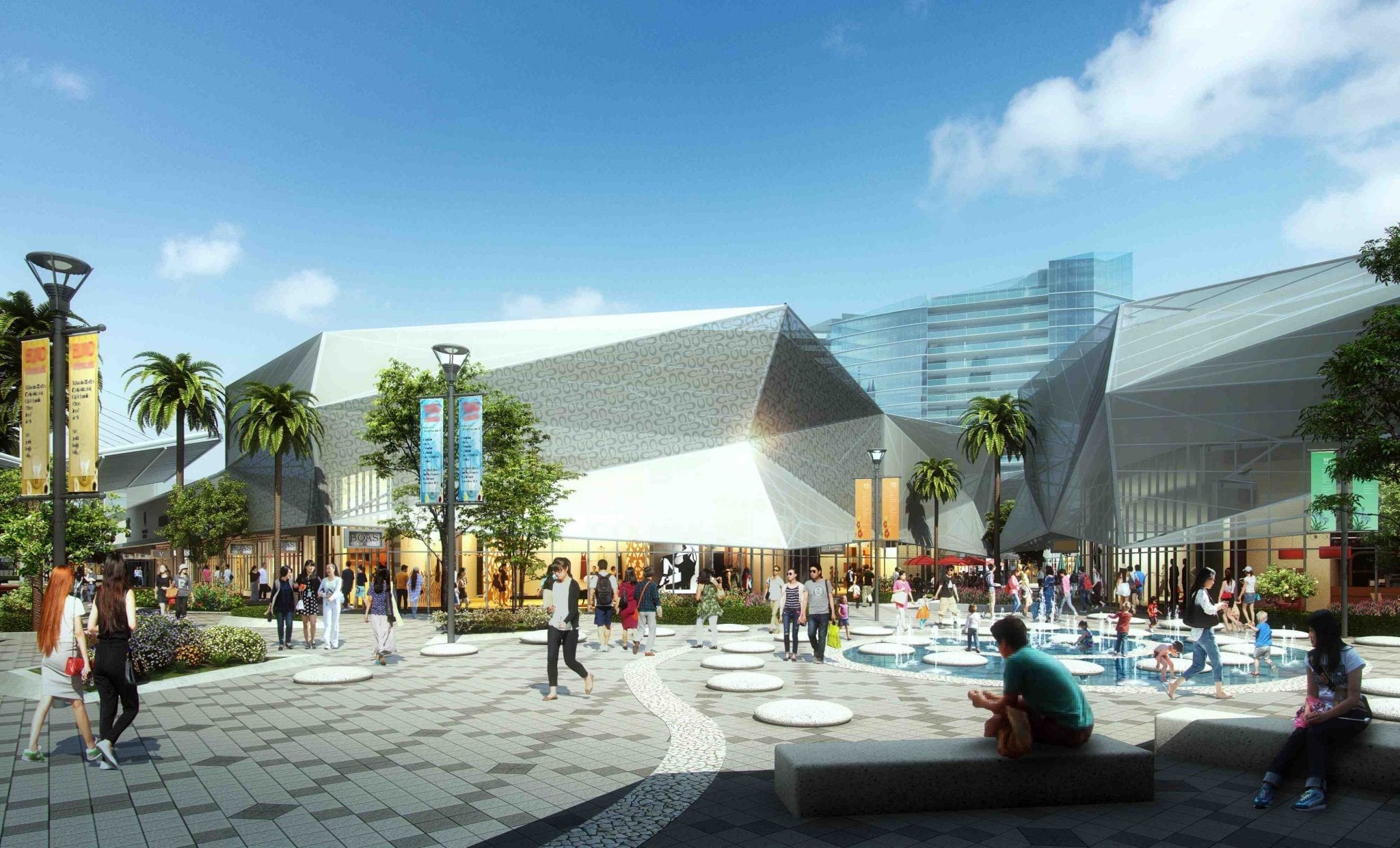
    Penang will gain its first premium outlet mall, Design Village, next month.

    In Batu Kawan in mainland Penang, it will be the biggest outlet mall in Malaysia. It was developed by PE Land, which owns and runs The Spring shopping mall in Kuching.

    The outlet mall is on a mixed-use site that will include a hotel and high-end condominiums. The single-storey mall has a net leasable space of 400,000 sqft (37,161 sqm) for 150 stores.

    There are more than 80 brands already committed to the mall, which is aiming for up to 100, says Savills Malaysia MD Allan Soo. The company is the international leasing and retail development adviser for Design Village.

    Design Village Malaysia 1

    The mall’s retail mix will be 20 per cent large-format stores, 15 per cent F&B, 7 per cent sports outlets and 5 per cent children’s stores, with 25 per cent new tenants and 28 per cent others.

    It will include the biggest Adidas outlet in Malaysia, plus the first outlet stores for Aldo and Bata. Other retailers include Banana Republic, Guess, Padini Concept Store, Sacoor Brothers, Samsonite and Starbucks.

    The mall will provide daily shuttle services to and from hotels and the airport.

    Design Village GM Aileen Tay says the mall is also working with tour companies to bring in tourists who will be offered rebates through tax-free shopping network Global Blue.

    PE Land is the retail and property development arm of Borneo-based conglomerate Pan Sarawak Holdings.

  • Sales edge up for L’Occitane International

    Sales edge up for L’Occitane International

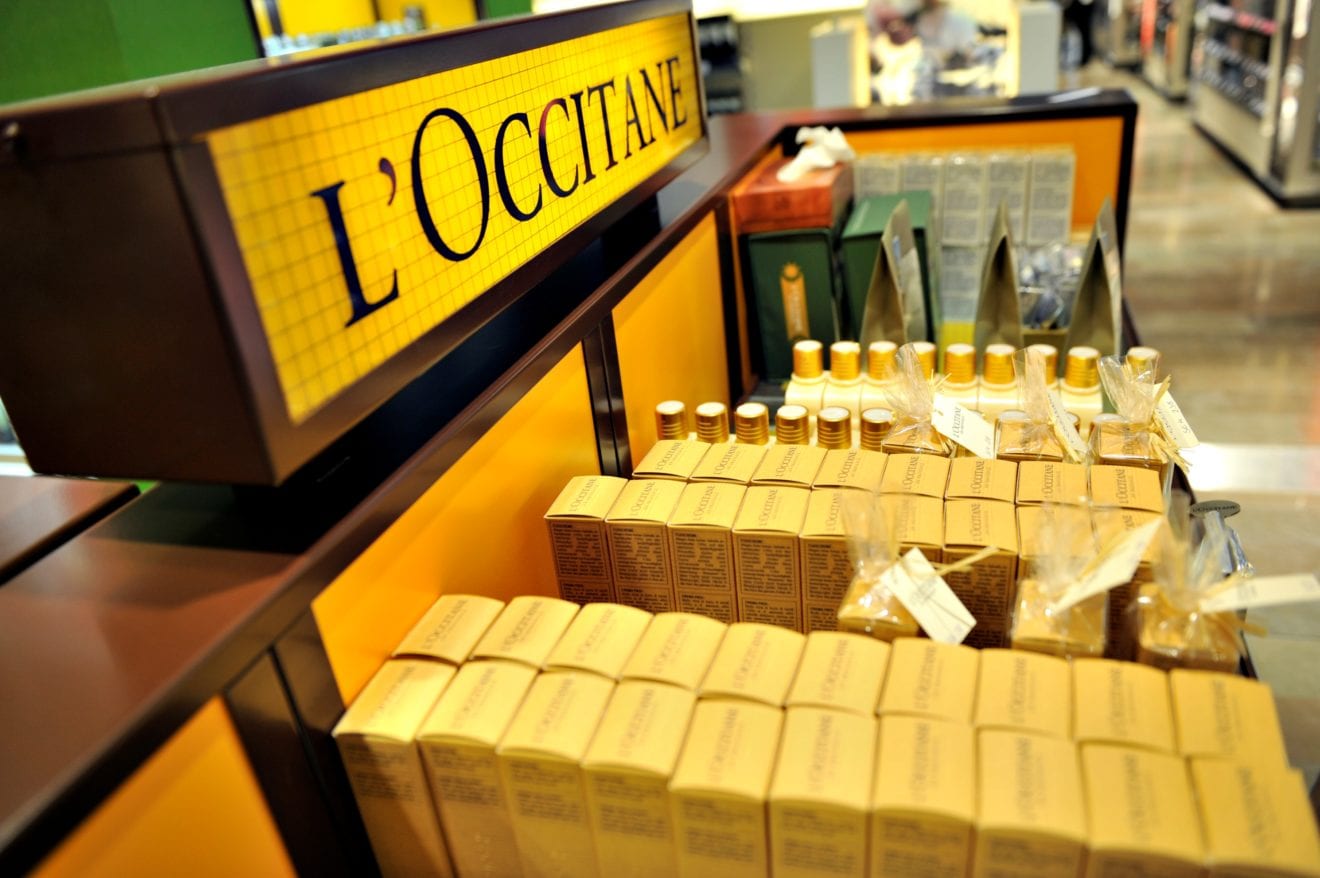
    Group net sales grew by 1.3 per cent for cosmetics and wellbeing products retailer L’Occitane International for the six months ended September 30

    This figure was at constant exchange rates, being 0.9 per cent at reported rates – both an improvement from the first quarter. The company says this was mainly because of the contribution of stores opened last year and this year, marketplaces, wholesale and distribution.

    L’Occitane’s emerging brands also showed encouraging growth.

    Japan’s growth rate of 15.9 per cent was a result of the strengthening yen, while local currency growth in China accelerated slightly to 5.4 per cent despite severe weather creating a challenging retail environment.

    Overall growth was hindered by sluggish retail sales in some markets, including Hong Kong.

    The group’s net sales at reported rates were €551.7 million (US$600.7 million), up 0.9 per cent over the same period last year. At constant exchange rates, sales growth was 1.3 per cent. Both are an improvement from the first quarter.

    For the six months, sell-out sales accounted for 72.6 per cent of net sales, amounting to €400.5 million, growth of 0.6 per cent. This was mainly contributed by non-comparable stores and other sales, including new and renovated stores, marketplaces, and cafe and spa businesses.

    Altogether these posted 13.7 per cent growth at constant exchange rates.

    Compared to the same period last year, the group’s eCommerce channels grew by 6.8 per cent to reach 10.1 per cent of total retail sales. Same-store sales fell 2.5 per cent through uncertainties brought by the weak global economy, threats of terrorist attacks in France and other European countries, economic uncertainties in the UK, the depressed retail market in Hong Kong as well as severe weather in some markets.

    Sell-in sales of €151.1 million accounted for 27.4 per cent of the group’s total sales, an increase of 3.2 per cent over the same period last year. This was primarily driven by the dynamic growth in wholesale and distribution channels of emerging brands, in particular Au Bresil, Erborian and Melvita.

    China was among the countries with highest sales growth in local currencies – 5.4 per cent, despite severe weather in the second quarter. This was mainly because of new stores, marketplaces and B2B.

    With the stronger yen, sales growth in Japan was 15.9 per cent.

    During the six months, the group maintained its selective global retail expansion by adding 32 stores, compared with 57 in the same period last year.

  • Can This British Retailer Conquer China?

    Can This British Retailer Conquer China?

    New Look, a fast-fashion retailer bearing a striking similarity to Forever 21, is aiming to boldly go where many chains have gone before but few have succeeded.

    The British retailer’s chief executive officer, Anders Kristiansen, has made no secret of his intentions in China, announcing plans in June to open 50 more stores there by March, which would bring its total number of locations in the Asian nation to 150. That’s 10 times the number of stores it had in China in 2015. But a Reuters report last Thursday revealed that New Look’s owner, South African billionaire Christo Wiese, has a more ambitious expansion in mind—500 stores within three years.

    New Look currently has more than 850 stores around the world, two-thirds of which are in the U.K. Despite a challenging first quarter that saw revenues fall 4.2% to 354.2 million pounds ($431.9 million), Kristiansen insisted the retailer would stay the course in China, where there had been a “strong local reaction to our affordable, fast-fashion offer.”

    According to Reuters, Wiese plans to conquer the Chinese market using a local-for-local manufacturing model, meaning most of the clothing it will sell in China will be made there to ensure locally relevant products are delivered to stores quickly. It’s a sourcing strategy that Zara owner Inditex has down to a tee and many other companies, including Under Armour, are trying to replicate around the world.

    “South Korea and Japan drive a lot of the trends that the Chinese customer seeks, so our ability to be able to identify those trends, source them locally and get them into our stores quickly is key,” Sven Gaede, managing director of New Look’s international business, told Reuters, adding that 85 percent of what the retailer already sells in China is made there.

    Local sourcing aside, some experts are skeptical about the retailer’s bullish growth plans. Franklin Yao, managing partner at strategy consultants Smith Street, described them as “virtually impossible,” noting that New Look is unlikely to find 500 empty retail stores, given the fact that H&M and Uniqlo also want to open hundreds more locations in China in the coming years.

    That being said, Chinese consumers are notoriously fickle and several big-name brands have failed to gain a foothold there, including Gap, Marks & Spencer and Walmart. In an effort to test the waters before committing to a brick-and-mortar presence, most international retailers first launch on the likes of JD.com or Alibaba’s Tmall and Taobao.

    But New Look appears to be covering all its bases in China: After opening its first locations in Shanghai and Beijing in February 2014, it launched an online store on Tmall seven months later and debuted on JD.com earlier this year.

  • Duty-free sales climb 36% in Korea so far in 2016

    Duty-free sales climb 36% in Korea so far in 2016

    Duty-free sales from South Korea’s retailers increased 36.4% year-on-year to W8.9trn ($7.9bn) in the first nine months of 2016, according to local media reports. This is compared with W6.55trn a year ago.

    Sales growth in particular is driven by the rise in foreign tourists, with Chinese travellers comprising nearly 43% of all travellers. Chinese spend per passengers reached a total of $350, while Koreans spent $106, according to The Korea Times.

    According to the publication, despite the increase in sales many retailers in the country are facing deficits, with the exception of Lotte Duty Free and The Shilla Duty Free, which reportedly saw profits totalling W232bn and W38bn in the first half the year, respectively.

    Galleria Duty Free Shop of Hanwha was reported to have suffered a W17bn loss, while Doosan’s Doota Duty Free saw a W16bn loss for the same period.

    Despite this, there is still room for optimism, with potential for annual duty-free sales to top W10trn by the end of the year. Retail real-estate developments such as Hanwha Galleria’s launch of the Galleria Duty Free 63 store in July, and buoyant figures reported by retailers like Shinsegae, add to the country’s potential for a possible positive rebound.

    Photo of KTO

  • Fashion retailer French Connection’s shares jump on takeover hopes

    Fashion retailer French Connection’s shares jump on takeover hopes

    Shares in UK-based fashion retailer French Connection Group Plc rose more than 20 percent on Monday after a media report said overseas investors were looking to buy the lossmaking firm.

    The Telegraph newspaper had said on Saturday that interested buyers were thought to be a mix of European and U.S. private equity firms, as well as investment manager Neuberger Berman, and that French Connection had approached investment bank Moelis & Co (MC.N) for advice.

    French Connection and Moelis declined to comment. Neuberger Berman did not immediately respond to a request for comment.

    French Connection has struggled to compete in recent years against fast-fashion rivals such as ASOS, Forever 21 and Inditex’s Zara and has failed to report a pretax profit since the year ended Jan. 31, 2012 with critics saying it should ditch its 25-year-old FCUK logo.

    Private equity firms could be a natural fit for French Connection as they could push through operational changes to extract profit, and revive the company’s brand appeal, said Neil Saunders from retail consultant Conlumino.

    The retailer has been the source of takeover speculation in the past, and some industry experts said there was now more pressure on the company following years of underperformance and little sign of underlying issues being addressed, despite turnaround measures including store closures and the hiring of new management and design teams.

    Activist investment firm Gatemore Capital Management (GCM), which has an 8 percent stake in French Connection, would be supportive of running an open sales process, Liad Meidar, managing partner at GCM said in an emailed statement.

    GCM said it would be interested in a potential buyer looking to focus on increase the rate of store closures and improve gross margins in French Connection’s retail and wholesale business.

    French Connection needed to focus on fashion for 25- to 35- year-olds, said Gatemore, which last month urged the retailer to speed up its store closure program after its first-half results showed another loss.

    As of Friday’s close of 32.75 pence – a fraction of highs of more than 500p set in 2004 – French Connection had a stock market value of 31.5 million pounds.

    Any buyer will have to gain the backing of founder and executive chairman Stephen Marks, who still holds a 41.65 percent stake in the company as of March 15, according to Thomson Reuters data.

    British companies have become cheaper for overseas buyers in recent months as Britain’s vote to leave the European Union has driven the pound GBP= to its lowest in about three decades.

    French Connection shares were up 10 percent at 36p by 0721 ET on Monday.

  • ZALORA Brings See Now, Buy Now Model to Singapore Fashion Week

    ZALORA Brings See Now, Buy Now Model to Singapore Fashion Week

    ZALORA, Asia’s online fashion destination, today announced its partnership with Singapore Fashion Week as the Official E-Tail Partner. This is the second time the online fashion brand is taking part in one of the region’s biggest fashion events of the year. ZALORA will be presenting three Singapore designers and labels namely, Stolen, Aijek, and Max Tan in the Fashion Futures Showcase. Fashion fans in Singapore can purchase the collections on ZALORA from today onwards.

    As the Official E-Tail Partner, ZALORA will be hosting a shoppable Singapore Fashion Week microsite on ZALORA.com that will feature curated collections from Fashion Futures Showcase and Singapore Fashion Week Access, a dedicated show segment for Singapore designers. As part of ZALORA’s commitment to stay up-to-date with the latest trends within the industry, ZALORA is embracing the ‘see now, buy now’ model enabling fashion show goers to purchase their favourite looks immediately.

    Shop Max Tan Spring/Summer 2017, Stolen Spring/Summer 2017, and Aijek Fall/Winter 2016 collections at www.zalora.sg/fashion-week-singapore and on the ZALORA mobile app.

    “ZALORA is proud to be supporting local designer talent in one of the most anticipated fashion events of the year,” said Parker Gundersen, Chief Executive Officer of ZALORA Group. “We’re very passionate about supporting the local fashion industry across all of our markets in Asia, and Singapore Fashion Week provides a great opportunity for us to give the region’s top designers exposure to millions of new consumers on our online platform. It’s also an exciting way for our customers to discover new fashion and to buy product straight from the runway.”

    “Singapore Fashion Week is delighted to be working with ZALORA again this year, as we recognise the growing impact and importance of digital and social media, and connecting designers and labels

    with customers via e-commerce. With the growing trend of ‘See Now, Buy Now’ as well, I believe that online retailers like ZALORA will play an ever-growing role in partnerships with fashion weeks around the world,” commented Tjin Lee, Founder and Chairman of Singapore Fashion Week.

    ZALORA also strongly believes in making fashion more inclusive and accessible. To further engage fashion consumers, the Fashion Futures Showcase will be live-streamed on ZALORA where viewers at home can watch the shows and access exclusive content. Catch all the exciting happenings at Singapore Fashion Week Fashion Futures Showcase on social media at #ZALORAxSGFW.

  • Asian duty-free market buoyant

    Asian duty-free market buoyant

    The Asian duty-free market is growing at five times the global growth rate.

    New data released by the travel retail trade association TFWA (Tax Free World Association) shows that sales in the first quarter of 2016 rose by 5 per cent in Asia-Pacific. Global growth was just under 1 per cent.

    The TFWA is optimistic that the duty-free sector “faces a bright future” at a time when other sectors of the international retail market are struggling.

    Global duty-free sales are estimated at US$62 billion according to duty free and travel retail specialist Generation Research. The market has been growing steadily for the past six years, and while it suffered a decline in 2015, the figures for the first quarter of 2016 show the business is back on its upward trajectory.

    The fragrance and cosmetics category is the main driver of growth globally and its sales were up 7.8 per cent in the first quarter, while sales of wines and spirits were up by 4 per cent. Sales on board ferries grew by 6.5 per cent, while airport sales remained stable.

    TFWA president Erik Juul-Mortensen said the figures allowed the sector to be cautiously optimistic and tips further growth from the booming air travel market.

    The trade association Airports Council International predicts passenger numbers worldwide will more than double from 2015, when the number of air travellers reached 7.2 billion, to just over 19 billion in 2035 – a compound annual growth of 5 per cent.

    The World Tourism Organisation’s says international tourist arrivals were up 4 per cent in 2015 to reach a record of 1.2 billion, 50 million more than in 2014. The latest figures for the first half of this year show that tourism got off to a strong start in 2016, with international arrivals up 4 per cent compared with the same period last year.

    “This can only be good news for our industry, and all the indicators would suggest that we have plenty to be upbeat about,” said Juul-Mortensen. “This is a great sector to be in, and with growth rates that have been, in many years, the envy of many high street retailers, duty free and travel retail presents a wealth of opportunities.”

  • Oysho lingerie arrives in Indonesia

    Oysho lingerie arrives in Indonesia

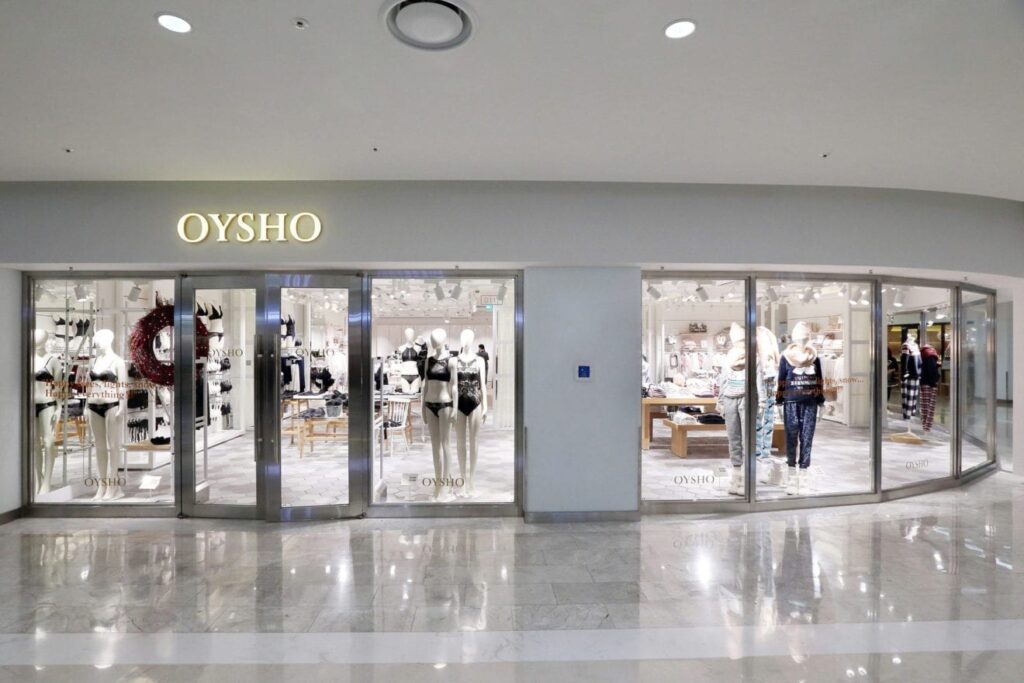
    Spanish lingerie brand Oysho, owned by Inditex, continues its international expansion with the opening of its first store in Indonesia.

    In Jakarta’s centre, the 300 sqm shop is in Plaza Indonesia, a shopping centre that is also home to other Inditex brands such as Zara, as well as luxury labels including Burberry, Chanel, Hermes and Louis Vuitton.

    oysho-store

    Since launching in 2001, Oysho has expanded its presence to 44 countries with more than 600 stores. The brand specialises in lingerie, sleepwear, loungewear and footwear. It generated 229 million euros (about US$252 million) in the first quarter of this year, representing an 8 per cent increase year-on-year.