Category: Fashion

Retail News Asia is committed to providing both local and global retailers with the latest Fashion news throughout the Asian market. This on a daily base.

  • Yaok offers online service for luxury boutiques

    Yaok offers online service for luxury boutiques

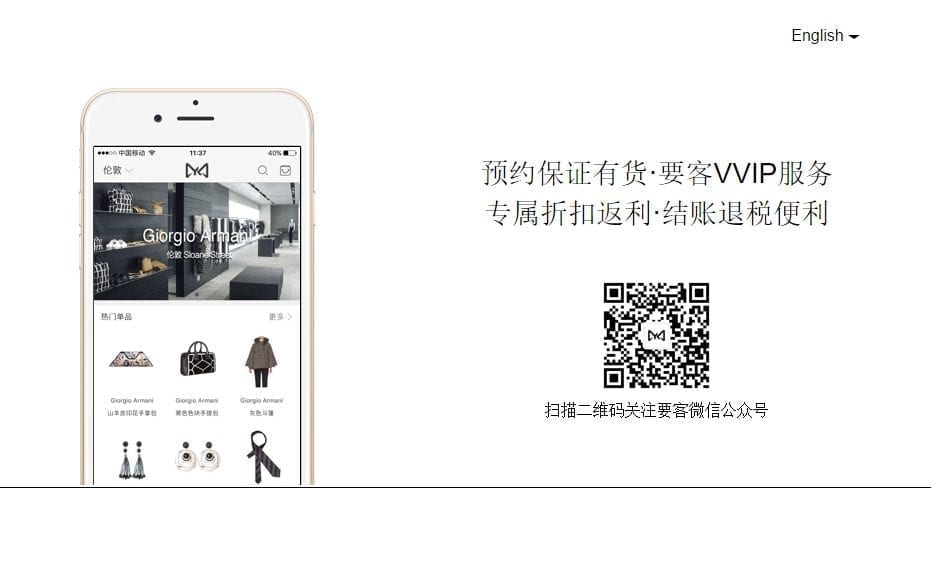
    Chinese company Yaok has built an online reservation service for offline brand boutiques to tackle the online/offline conflict.

    It is the result of 10 years of market research the preparation, including five years of in-depth communication with more than 100 luxury brands.

    Founder/CEO Steven Yao says that many luxury brands, including Chanel and Dior, have realised the importance of the internet, but while finding online partners still have concerns about brand image.

    “Everyone is looking for an online solution, especially one that’s appealing to Chinese consumers,” he says. “Unfortunately, current Chinese online players can’t fulfill luxury-brand needs because of false brand perception, unfit target audience, and lack of control on product authenticity.

    “Some chose to set up their own eCommerce platforms, but found it difficult to attract traffic with one single brand.”

    Through Yaok, a brand can have its own official reservation platform, giving it absolute control in managing its image, product inventory, order status and customer database. It also allows instant communication between brand and customer.

    According to the China’s Fortune Character Institute, 73 per cent of Chinese consumers have a shopping list before overseas travel, 45 per cent of which cannot be fulfilled because of such factors as lack of desired size or model, resulting in loss of sales and unsatisfying customer experiences.

    Agreements in place

    Yaok lets customers reserve products in advance and have VIP services in store. Already the company has global or regional collaboration agreements with most international luxury brands.

    Yao says that when the platform officially launches at the end of next month, products from 80 per cent of luxury brands will be available. Users will be able to make VIP reservations in nine countries and regions.

    He estimates that 500,000 shoppers, all with a net wealth exceeding $2 million, will use Yaok to buy luxury goods globally. Its prestige service is either by invitation only or for current brand VIPs. Applications can be submitted via Yaok app or WeChat, but acceptance is not guaranteed.

    Yaok has completed two rounds of fundraising, with Feng Ye as angel investor.

    Yao was the first CEO for the Hurun Report, the magazine known for its “China Rich List”. Other core Yaok members have also worked in brand houses like Giorgio Armani or Louis Vuitton for more than 10 years.

    Yaok is affiliated to the Fortune Character group, founded in 2008, which specialises in researching the luxury market.

  • Estee Lauder buys out Becca Cosmetics

    Estee Lauder buys out Becca Cosmetics

    Estee Lauder has signed an agreement to acquire Becca Cosmetics, a high-growth makeup brand offering complexion and color products that flatter a wide range of skin tones and enhance women’s features.

    Now the beauty giant says it wants to speed up the Becca Cosmetics’ brands rollout in Asia and further abroad.

    While the majority of the brand’s sales are in North America, it is currently engaged in a strategic global expansion with Sephora across Southeast Asia, Europe and the Middle East. Becca Cosmetics has a strong social media presence, with more than 1 million Instagram followers, and an engaged consumer base of all ages and backgrounds.

    Launched in 2001, Becca Cosmetics has experienced exceptional growth for years, with a curated product line-up including primers, concealers, foundations, blushes and highlighters that use “the beauty of light” to enhance the complexion. Most of the brand’s foundations are available in up to 20 shades, with half designed for medium to deep tones and half designed for light to medium tones.

    Since 2011, Becca has been led by president and CEO Robert DeBaker, and CFO/COO James MacPherson. It has been part of Luxury Brand Partners’ portfolio since 2012. The brand has a robust presence in specialty multi retailers Sephora and Ulta in North America, and is also sold in select department stores, as well as through BeccaCosmetics.com.

    “Becca Cosmetics is a wonderful addition to our portfolio of prestige beauty brands,” said Fabrizio Freda, president and CEO of The Estee Lauder. “Its unique focus on complexion products that flatter a wide range of skin tones, combined with its sophisticated yet accessible consumer and digital engagement across channels has inspired a devoted fan base. We see terrific growth opportunities for Becca as it expands globally and continues to cultivate its online and digital expertise.”

    “The Estee Lauder Companies is the ideal home for Becca,” said DeBaker. “The company has the scale and vision to help elevate Becca to its next phase of growth while encouraging us to continue to build our unique brand equity. We believe that beauty products should reflect a diverse range of skin tones and help all women create a naturally beautiful, yet individual look – and ELC is incredibly supportive of our mission.”

    Estee Lauder is one of the world’s leading manufacturers and marketers of skin care, makeup, fragrance and hair care products, its brands sold in more than 150 countries and including Estee Lauder, Aramis, Clinique, Lab Series, Origins, Tommy Hilfiger, Mac, Bobbi Brown, Donna Karan New York, Aveda, Jo Malone London, Michael Kors, Tom Ford, Smashbox, Ermenegildo Zegna, Tory Burch, Glamglow and By Kilian.

    Terms of the deal were not disclosed. The acquisition is expected to close in November.

  • China’s garment retail sales grow 7.2% in Jan-Sept ’16

    China’s garment retail sales grow 7.2% in Jan-Sept ’16

    Retail sales of garments, footwear, hats and knitwear of Chinese enterprises above designated size increased 7.2 per cent year-on-year during the first nine months of 2016. The total value of retail sales of these goods was 1,002 billion yuan ($148.121 billion). However, the growth rate was lower compared to total retail sales of consumer goods.

    During January-September 2016, the total retail sales of consumer goods reached 23,848.2 billion yuan, up by 10.4 per cent year-on-year. Of the total, the retail sales of consumer goods of units above designated size was 10,834.4 billion yuan, up 7.8 per cent, according to the National Bureau of Statistics of China.

    The national online retail sales of goods and services during the nine-month period was 3,465.1 billion yuan, up 26.1 per cent year-on-year. Of this, the online retail sales of physical goods was 2,795.0 billion yuan, growing at 25.1 per cent and accounting for 11.7 per cent of the total retail sales of consumer goods. Of the online retail sales of physical goods, clothing sales went up by 16.3 per cent.

    The Bureau also released its preliminary estimate of the Chinese economy during the first three quarters of 2016. According to the estimate, the gross domestic product (GDP) of China in the first three quarters of this year was 52,997.1 billion yuan, a year-on-year increase of 6.7 per cent at comparable prices.

    The value added of the primary industry was 4,066.6 billion yuan, up by 3.5 per cent year-on-year; that of the secondary industry was 20,941.5 billion yuan, up by 6.1 per cent; and that of the tertiary industry was 27,989.0 billion yuan, up by 7.6 per cent.

    In terms of external trade, the total value of imports and exports in the first three quarters of 2016 was 17,531.8 billion yuan, a decrease of 1.9 per cent year-on-year. The total value of exports was 10,058.5 billion yuan, registering a drop of 1.6 per cent. The value of imports was 7,473.3 billion yuan, down by 2.3 per cent. The trade surplus was 2,585.2 billion yuan.

  • This Retail Tycoon Wants to Open 500 Stores in China in Three Years

    This Retail Tycoon Wants to Open 500 Stores in China in Three Years

    As Europe’s fashion giants brace for what could be the toughest leg of their expansion in China, a South African retail tycoon has launched a bold assault on the world’s most populous nation.

    Christo Wiese is promising to open 500 of his New Look stores in just three years, catapulting the British brand into the same league in China as the world’s top fashion chains – Spain’s Inditex and Sweden’s H&M.

    His plan is to make most of the clothes in China to ensure they cater to local tastes and can get to stores quickly – a strategy similar to the one successfully pursued in Europe by Zara-owner Inditex.

    The arrival of New Look – and its local sourcing strategy – poses a new risk for the likes of H&M and Inditex, already suffering from slower growth in China, fierce competition for real estate and the cost of investing in ecommerce.

    H&M is opening more stores in China this year than anywhere else in the world and the country is already the second biggest market for Inditex outside Spain.

    China is a big draw for retailers who hope to tap the aspirations of a fast-growing middle class, with mid-range names benefiting as consumers trade down from luxury brands since Beijing’s clampdown on corruption and conspicuous spending.

    But recent history offers plenty of examples of failure. Western brands that have struggled in China include Gap Inc , Abercrombie & Fitch and Marks and Spencer , which decided last year to close five stores in smaller cities to focus on flagship stores in large cities and online.

    “Most of the Western fashion labels that are mid-range fail in China. A large part of it is that the styles and the fit are so completely different,” said Shaun Rein, founder of market intelligence firm China Market Research.

    LOCAL TASTES, LOCAL SOURCING

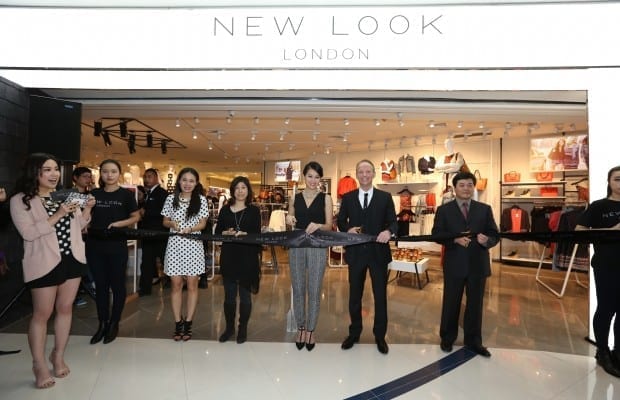
    New Look, a chain founded in 1969 and bought last year by Wiese’s investment vehicle Brait SE, does not want to make the same mistake. It now runs 94 stores in China, out of a global total of 852, and hopes to have up to 150 by next March.

    “I will definitely give it a try if it is a foreign brand and as long as I like it,” said Chen Jie, a 32-year-old businessman from Shenzhen who was carrying an H&M bag in a shopping district in Hong Kong. “Price is not an issue but the design and quality must be good.”

    While New Look is cashing in on the popularity in China of British style – it is adding the “London” tag to its logo for its Chinese stores and website – it is also catering for local tastes.

    Sven Gaede, managing director of New Look’s international business, says the firm has an advantage over many European rivals as 85% of what it sells in China is sourced locally and more than a third is designed exclusively for China.

    That has allowed New Look to tap into the current popularity in Asia of culottes – flared, three-quarter length trousers. Gaede said they account for 12% of the firm’s sales in China, though they are not popular in its European markets.

    “South Korea and Japan drive a lot of the trends that the Chinese customer seeks, so our ability to be able to identify those trends, source them locally and get them into our stores quickly is key,” said Gaede.

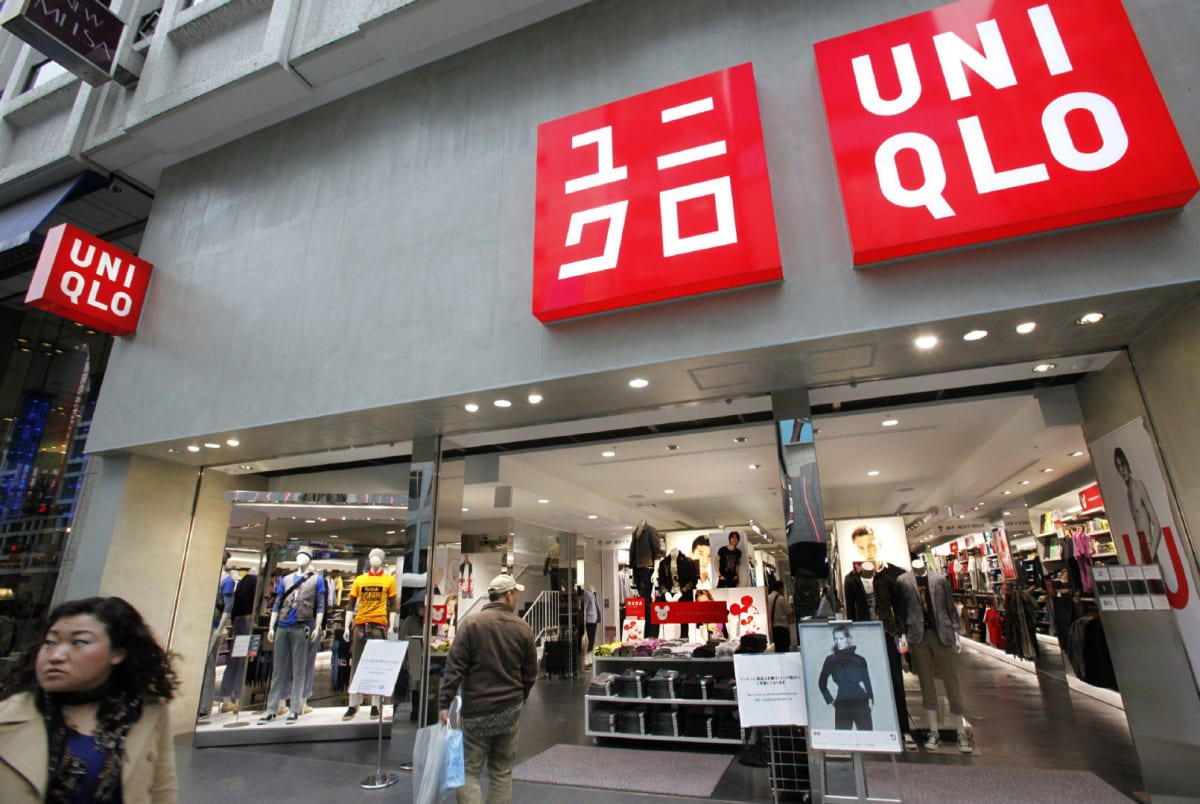
    That helps explain the success of the Uniqlo chain of Japan’s Fast Retailing in China, which already has almost 500 stores in the country and is aiming for 1,000 stores in about five years – more than in Japan.

    “It’s pretty hard for the foreign fast brands to do the localisation that Uniqlo does in China as it was born with the Asian gene,” said Violet Shen, a marketing executive in Shanghai.

    The “fast fashion” model was pioneered by Inditex, which can bring new styles from the catwalk to stores in Europe within days from factories mostly in Spain and North Africa. However, Inditex does not have the same advantage in China.

    Inditex plans to add 60 stores in the next few years to the 582 it already runs in China, but it serves them from its logistics centres in Spain.

    “As their proportion of sales increases in the East, it challenges this model. You can’t hub out of Spain,” said Dominic Jephcott, chief executive of supply chain experts Vendigital.

    New Look is not the first Western retailer to try to bring the Inditex model to China.

    Denmark’s Bestseller, which runs brands like Vero Moda and Jack & Jones, says over 90% of its products sold in China are also produced in China and most of the designs for the Chinese market are adjusted to local tastes.

    That has helped the family-owned firm to become the clear leader in China, with more than 6,800 stores in over 300 cities, to give it a 2% share of the fragmented market, according to market research firm Euromonitor.

    Anders Kristiansen ran the China business of Bestseller before taking over as New Look chief executive in 2013. Gaede said Kristiansen’s experience in Asia is one of the reasons behind the group’s aggressive expansion strategy.

    H&M also buys many of its garments in China – the country accounts for about a quarter of its global sourcing.

    But the Swedish firm does not make a big point of adjusting its ranges for China, where it has opened 47 stores in the last nine months, taking its total to 400.

    “We see that fashion becomes more and more global and that China doesn’t differ much from the rest of the world regarding trends and fashion,” said investor relations head Nils Vinge.

    “There are of course local differences but that is true for every market. H&M has a business model that can adapt to this,” Vinge said, declining to elaborate.

    Rein of China Market Research says Western brands must strike a delicate balance.

    “You have to keep your global brand image and you can’t be that creatively different in China than other markets. The Chinese travel around the world,” he said. “It is good to localise. But it hard to localise an aspiration.”

    STORES VS ECOMMERCE

    A bigger challenge for New Look may be to secure the right locations, especially as rivals also seek to add hundreds of stores in the coming years.

    “To find 500 stores of real estate and roll that out in the right way … I think it is virtually impossible,” said Franklin Yao, managing partner at strategy consultants Smith Street.

    But the more established New Look’s brand becomes in China, Gaede said, the better the locations and terms it will be offered, adding that the firm was now pushing into smaller cities.

    “We are less wedded to the number each year and we are more wedded to getting quality locations,” he said.

    Meeting soaring Chinese demand for buying clothes online is also tough.

    Most international brands initially launch on Chinese ecommerce sites like JD.com and Alibaba’s Tmall and Taobao, but are keen to build up their own online operations to protect margins and integrate ecommerce and store services.

    New Look is currently available on Tmall and JD.com, but plans its own transactional site in the next 12 to 18 months.

    Partnering with Chinese sites and local payment and delivery service providers is essential to reach consumers across such a vast country, said Vendigital’s Jephcott.

    “It is a hard physical push and a very hard digital push, all premised on a strong relationship with the logistics partner like Taobao,” Jephcott said, noting that Taobao has established a delivery network of micro-stores even in small towns.
  • Bata moves infrastructure into the cloud

    Bata moves infrastructure into the cloud

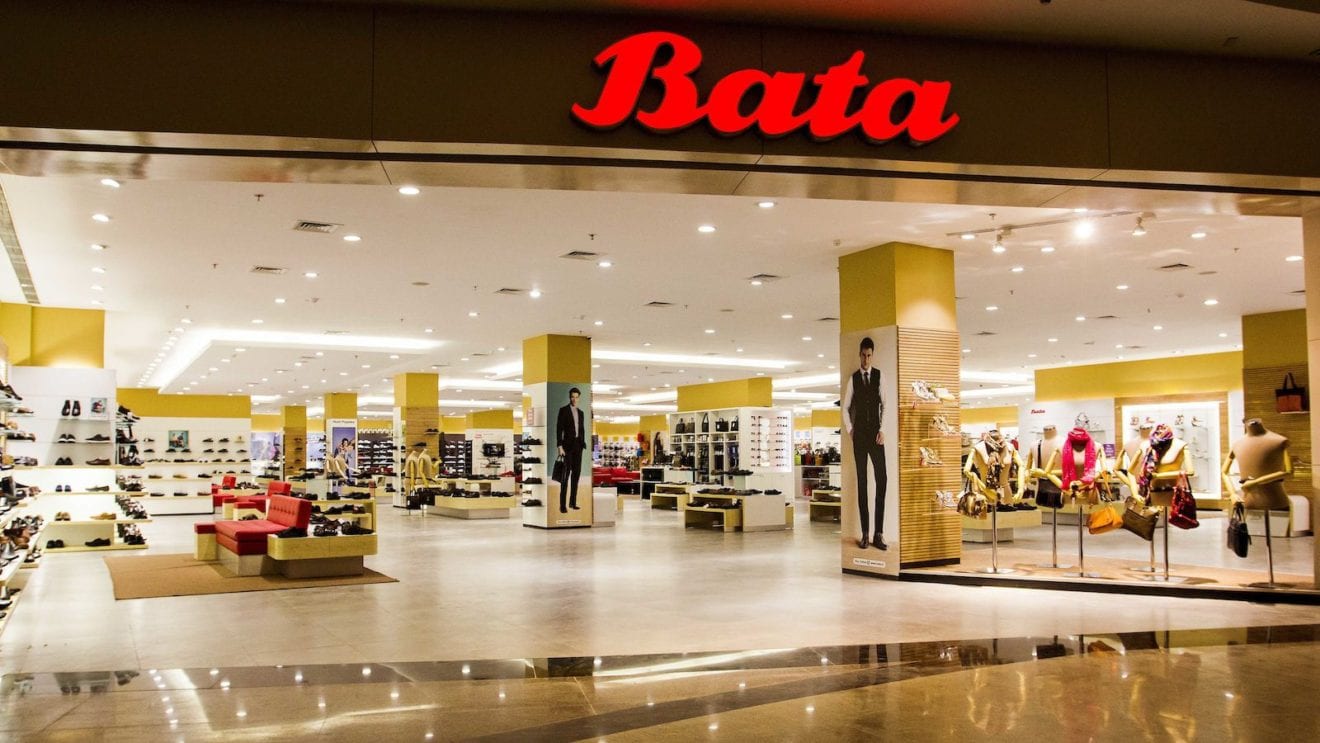
    Datapipe has partnered with footwear retailer Bata to drive its digital transformation by moving its technology infrastructures to the cloud.

    Bata is seeing strong growth in Asia’s multibillion-dollar footwear market, specifically in India, China and Southeast Asia. The company tapped Datapipe, a specialist in managed cloud services for the enterprise, to manage its cloud deployment and deliver the security, speed, cost-efficiencies, and scalability required for these high-growth markets.

    Bata’s global sourcing infrastructure, hosted on Amazon Web Services (AWS), is increasingly reliant on cutting-edge cloud infrastructure for its day-to-day operations including its Point of Sale (PoS) system, warehousing, logistics, and purchase order processes. As a managed cloud-service provider and AWS premier consulting partner, Datapipe was selected to assist Bata with developing and growing its presence in Asia by unlocking operational efficiencies.

    Jason Singh, head of marketing for APAC at Datapipe said that with Bata’s rapid growth in emerging markets, the company needed an IT infrastructure that was secure, scalable, and incredibly reliable.

    “We worked closely with Bata to optimise its AWS architecture and practice. This freed up the company’s technology team to focus on other core aspects of its business. As a result, Bata’s focus is where it should be: serving its customers and managing its production facilities, while Datapipe manages its cloud deployments.”

    To bolster Bata’s digital transformation, particularly around best practice design and security, Datapipe adopted a two-phased approach to ensure an optimised environment. Datapipe first redesigned Bata’s existing cloud environment based on AWS best practices including platform based security configurations. The second phase will deploy comprehensive network and instance-based security controls and services, ensuring secure connections to Bata’s eCommerce websites for users in the region.

    Jeremy Chong, director, global footwear services at Bata said the Datapipe team has strengthened the security and efficiency of Bata’s cloud infrastructure, allowing the company to focus on business growth.

    Bata has more than 5200 retail stores in 70 countries and production facilities in 18 countries. The APAC footwear market is projected to reach US$127.2 billion in annual revenues by 2020, according to Euromonitor, up from $104 billion in 2015. Growth in the global footwear market will be fuelled by demand from developing markets in Asia, according to Verdict Financial. eMarketer, meanwhile, predicts worldwide retail eCommerce sales will reach $1.915 trillion in 2016, with double-digit growth due to hit $4 trillion by 2020.

  • DLF Brands quits luxury sector

    DLF Brands quits luxury sector

    India’s DLF Brands, which runs high-street fashion brands mall Emporio in Delhi, is quitting the luxury business.

    It has just shut down two of the seven stores of US fashion brand DKNY after parting ways earlier with such brands such as Giorgio Armani, Mango, Salvatore Ferragamo and Sephora.

    “We don’t have any plans to open more DKNY stores,” says DLG Brands MD Timmy Sarna. “And we don’t want to be in the high-fashion business. It’s difficult to scale up that business because there aren’t too many locations in the country where you can sell luxury.”

    Instead, DLF Brands, the retail arm of real-estate company DLF, wants to focus on mass brands. “We have profitable businesses in Kiko, Mothercare and Sunglass Hut,” says Sarna.

    DLF Brands has bought the franchise rights of UK-based Mothercare for 15 years, and plans to launch smaller stores, even in community-based markets, selling value-added products.

    “From 109 stores at present, we want to increase the number to 300. A major part of production is happening here now, so prices will eventually come down,” Sarna says. “Apart from this, our other brands such as Sunglass Hut, Claire’s and make-up brand Kiko are doing extremely well and are profitable.”

    DLF Brands started its exit from the luxury market in 2012, quitting its joint ventures with Ferragamo and Giorgio Armani. In 2014, it shut down stores of Italian menswear brand Boggi Milano, then last year parted with LVMH’s make-up and skincare brand Sephora, which was taken over by Arvind Lifestyle Brands.

    “You can either be in the fashion business or in the mass-brand business. You cannot have your finger in too many pies,” says Sarna.

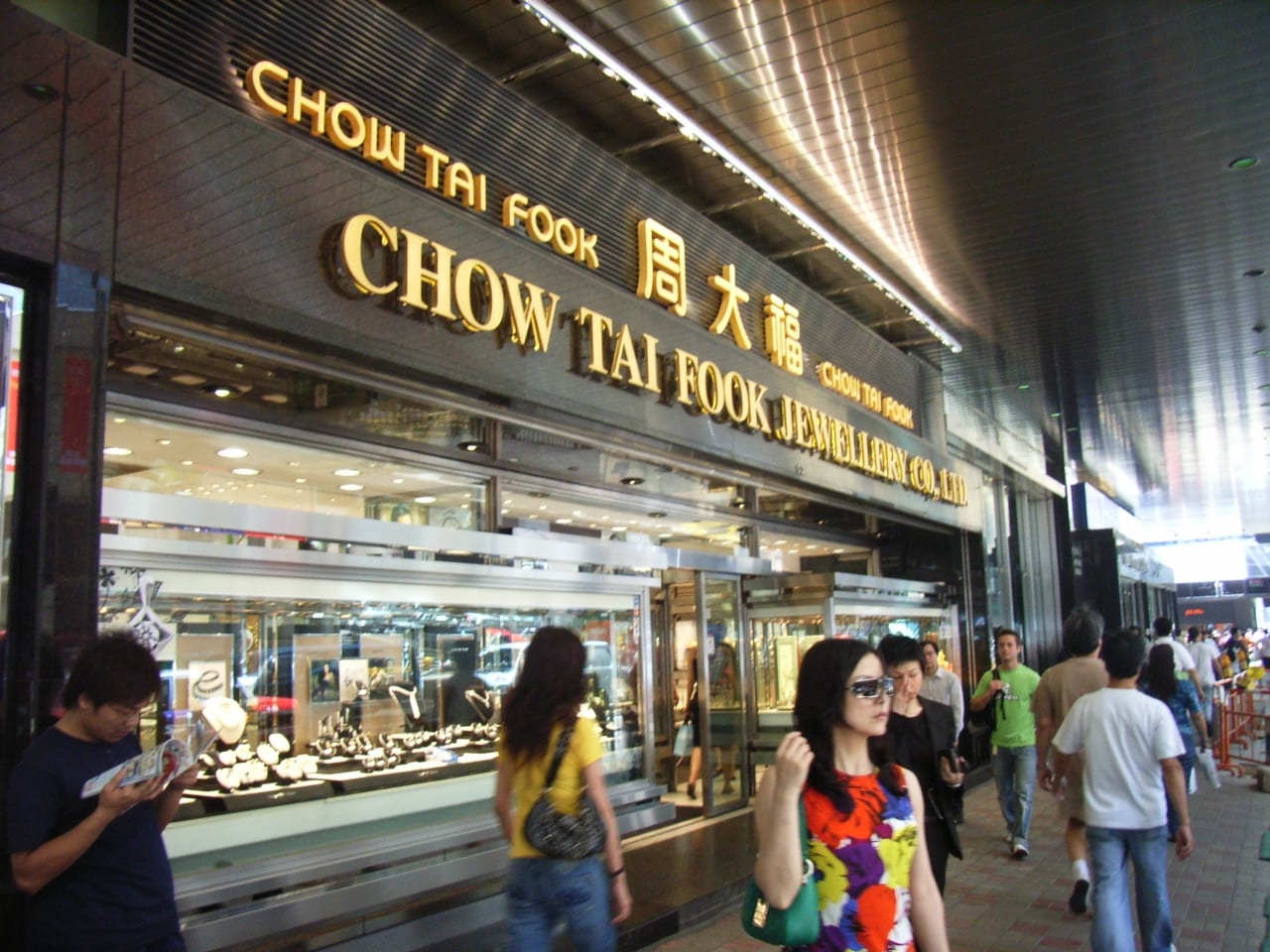
  • Chow Tai Fook sales plummet

    Chow Tai Fook sales plummet

    Chow Tai Fook sales plunged in both Hong Kong and Mainland China markets in the quarter to September 30.

    By value, same-store sales fell by 30 per cent in Hong Kong and Macau and by 22 per cent on the mainland. By volume, same-store sales in Hong Kong fell 39 per cent, and on the mainland by 32 per cent, compared with the same quarter last year.

    Sales of gold products, which account for about 53 per cent of total sales, fell by 23 per cent in Hong Kong and Macau and by 27 per cent in the mainland. Gem set jewellery sales were down 23 per cent and 17 per cent.

    In a statement, the company said its figures in both markets were affected by the high base of 2015, when there was a surge in sales of gold as the price fell.

    But the changing buying behaviour of Mainland Chinese tourists also took its toll, evidenced by the percentage of total sales settled by China UnionPay of in RMB falling from 57 per cent to 43 per cent year-on-year.

    Chow Tai Fook opened a net 11 points of sale during the quarter: 12 jewellery stores and one watch store opened in Mainland China, while its Hong Kong store count dropped by two. At the end of September, Chow Tai Fook had 2326 points of sale.

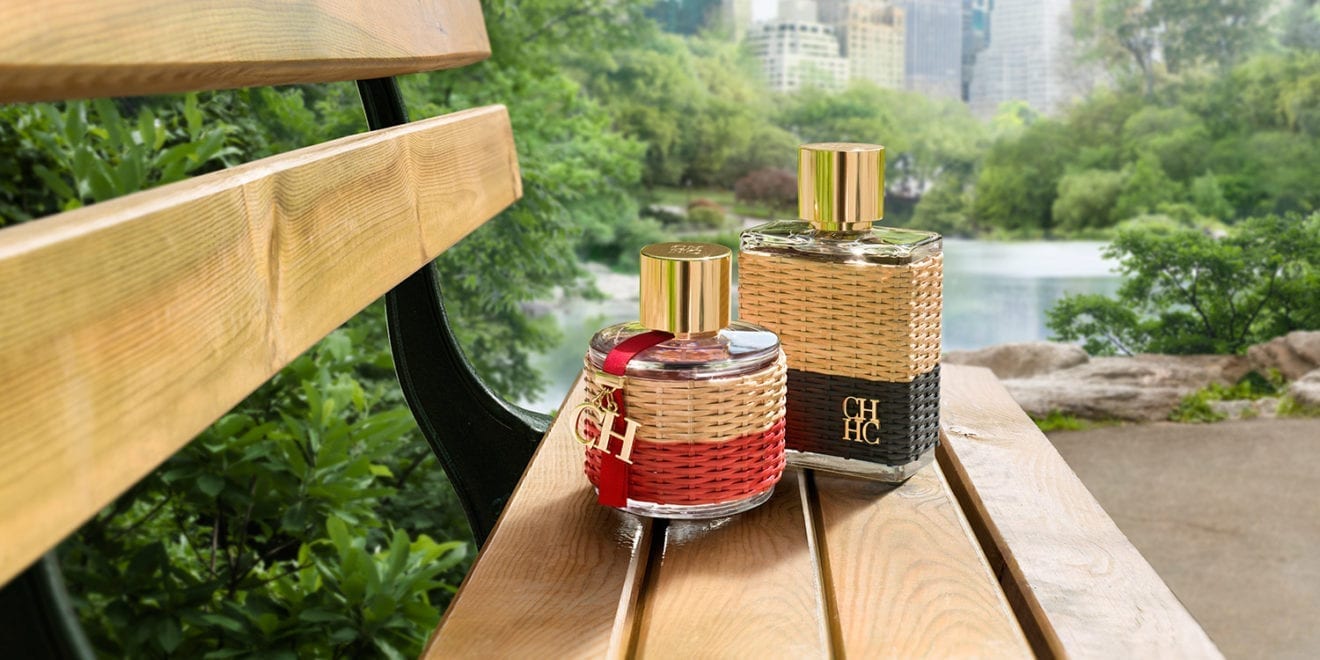
  • Carolina Herrera Vietnam flagship opens

    Carolina Herrera Vietnam flagship opens

    Carolina Herrera has opened a flagship store at Saigon Centre shopping mall.

    The first Carolina Herrera Vietnam store, it is located on Level 1, facing Le Loi St – one of the most visible spots in the city’s centre.

    Carolina Herrera Vietnam 1

    At the grand opening, CH introduced its latest Fall-Winter collection to customers, with the demonstration of models and Vietnamese Beauty Pageants.

    Founded in 1981 in New York by the “Fashion’s First Lady”Carolina Herrera, CH currently has 129 freestanding stores and more than 220 shops-in-shops in Europe, Asia, Africa, Middle East and America.

    Carolina Herrera Vietnam 2


    Carolina Herrera represents elegant lifestyles for men and women through fashion, fragrance, and bridal collections.

    The brand comes to Vietnam under the management of Maison, a local Vietnam fashion distributor which represents 21 international brands including Christian Louboutin, Jimmy Choo, Mango, and Topshop.

  • After Death of Thai King, Luxury Market Wavers

    After Death of Thai King, Luxury Market Wavers

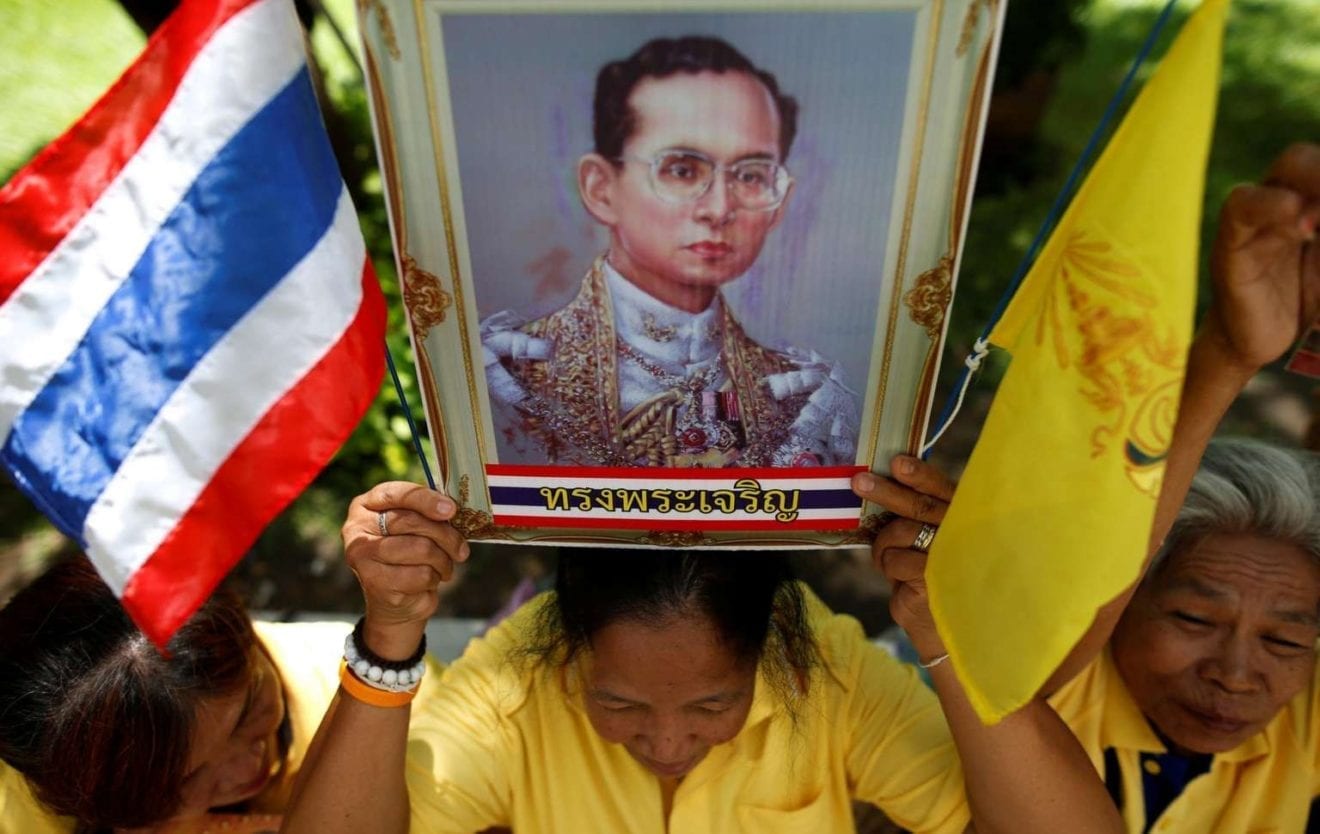
    Following a decade of declining health, 88-year-old King Bhumibol Adulyadej of Thailand, the world’s then-longest-reigning monarch, passed away in Bangkok on October 13. The king’s untimely death concluded a reign that lasted more than seven decades and initiated a year-long period of mourning, bearing substantial consequences for the nation’s luxury and fashion sectors.

    As declared by Prime Minister Prayuth Chan-ocha, leader of the junta that has ruled the country since 2014 after seizing power through a bloodless coup d’état, civil servants will be expected to wear “sombre-coloured” attire for the duration of the mourning period, while the rest of the population has been ordered to “tone down” or cancel entertainment and “joyful events” for at least the next month.

    Though the first full week of mourning has yet to pass, the consequences are already being felt. “I think [the fashion and luxury sectors] are definitely going to suffer — there will be a drastic decline in consumers of fashion brands,” predicts Kullawit ‘Ford’ Laosuksri, editor-in-chief of Vogue Thailand. “For example, I have spoken to a distributor of Kate Spade and Valentino, and they said that they had to re-estimate their Spring/Summer orders … The tourist and retail sectors are going to see a decline in sales — that is something the whole nation is afraid of.”

    Indeed, many of these fears are justified. “Retailers and hotels cancelled all promotions and activities related to sales and events during October to November,” says Anisa Ngandee, an analyst from Euromonitor. “Generally, the last quarter is usually the peak tourism period and the months where retailers [see] festive spending [during the] holiday seasons; thus, it will have a short-term impact on the retailers and hotels sales.”

    Regarding his publication, Laosuksri says, “There’s nothing we can do for the November issue, [but] for December issue, we are definitely going to decrease the print run, [while] a lot of traditional advertisements will be — if not in black and white — condolence messages.”

    From a Western perspective, the extent of mourning may seem extreme, but King Bhumibol’s reign was unique. For most Thais, life under Bhumibol is all they have ever known. “I and all the Thai people view this passing of the king as something that is quite personal as if somebody from our family has passed,” says Laosuksri. King Bhumibol’s heir, Crown Prince Maha Vajiralongkorn, has delayed his ascension to join the Thai people in grieving for his father; however, the country’s general election will go ahead as planned in late 2017.

    In recent years, the Thai luxury market has shown tremendous promise, growing 8 percent year-on-year from 2015 to 2016, reaching a total value of nearly $1.6 billion, according to Euromonitor. This can partly be attributed in part to the country’s young, wealthy upper-middle class. According to Digital Luxury Group,a business intelligence firm headquarted in Geneva, 20.5 percent of consumers who earned $150,000 or more in 2014 fell into the 30-34 age bracket, while another 18.6 percent fell into the 35-39 bracket, giving luxury brands and retailers ample space to penetrate the Thai market.

    The tourist and retail sectors are going to see a decline in sales — that is something the whole nation is afraid of.

    Nevertheless, despite this wealthy domestic consumer base, tourism still plays a significant role in sales of luxury goods. According to Bain & Company’s 2015 Global Luxury Goods Report, “Thailand [is a] top performer [in the Southeast Asia market] thanks to Chinese flows with strong potential going forward.” Just two days before the death of the king, Thailand’s biggest retailer, Central Group, announced expectations of a 21 percent rise in revenue to 320 billion baht ($9.17 billion) for fiscal 2016; sales at Central stores to foreigners rose 15 percent while transactions with domestic consumers merely increased by 5 percent.

    Given the immediate decline in the domestic demand for luxury goods, the Thai government must now tighten their dependence on the tourism sector to offset regressions, as retailers scramble to compensate losses in sales. “[The fashion industry] is very much going to depend on tourism; therefore, I think the government will be trying their best to promote it … after the one-month period,” predicts Laosuksri.

    If Laosuksri’s forecasts are correct, the Thai government will need to amplify its current efforts to engage Chinese tourists. “Thai authorities are leveraging Mandarin websites and KOL (key opinion leader) representation in China to promote the destination,” says Thibaud Andre of Daxue Consulting, a market research firm based in China. “[They] are strongly pushing their domestic practitioners to be more educated on Chinese culture and basic Mandarin, as well as [to increase activity] on Chinese platforms such as Wechat, Weibo or Taobao.”

    Despite the negative image of Chinese tourists in Thailand and controversy surrounding the recent crackdowns on “zero-dollar” budget tours targeted at lower-income tourists from China earlier this month, according to the Siam Commercial Bank, the average daily expenditure per person amongst Chinese tourists has grown to 5,748 baht ($164.1) in 2015, from 4,425 baht ($126.4) five years prior. In terms of purchasing power, foreign shoppers, especially Chinese tourists, have become a cornerstone of the Thai luxury market.

    In data provided by Thailand’s Department of Tourism, from January to August of this year, approximately 6.6 million tourists from China visited Thailand — more than from Europe, the United States, Australia, Africa and the Middle East combined – with nearly two million arriving between January and February 2016 alone, an especially high-traffic period for the Lunar New Year.

    In the near future, Thailand’s luxury retail market may face several hurdles in sustaining recent growths in sales — particularly given the country’s strict lèse-majesté laws and the increasing risk of ultra-monarchist violence in the capital deterring inbound tourists from mainland China. “In the short term … we already lowered our expectations to 10.5 million visits for 2016 due to the mourning period,” says Andre. “Chinese agencies are already refunding their clients and tour operators are cancelling trips.”

    While the short-term forecast may seem turbulent, market analysts remain positive about the future. According to Ngandee, “In the long term, with the development of infrastructure, expected number of tourists are projected to be positive; [compounded with] the expansion of Thai middle-income population, industries are generally looking forward to more optimistic performances.” Nevertheless, Euromonitor suggests that stability still remains contingent upon next year’s government election.

    However, the country has shown resilience during previous political and social upheavals, and many Thai industry insiders like Laosuksri maintain a sense of hope in this period of uncertainty.

    “Euromonitor projects that more than 12 million incoming Chinese tourists at the end of 2020, [and] Thailand is expected to remain among the top destinations and might overtake the second hit destination [for outbound Chinese travellers] at the end forecast period,” assures Ngandee.


  • LIU JO Open at Paragon Mall in Singapore

    LIU JO Open at Paragon Mall in Singapore

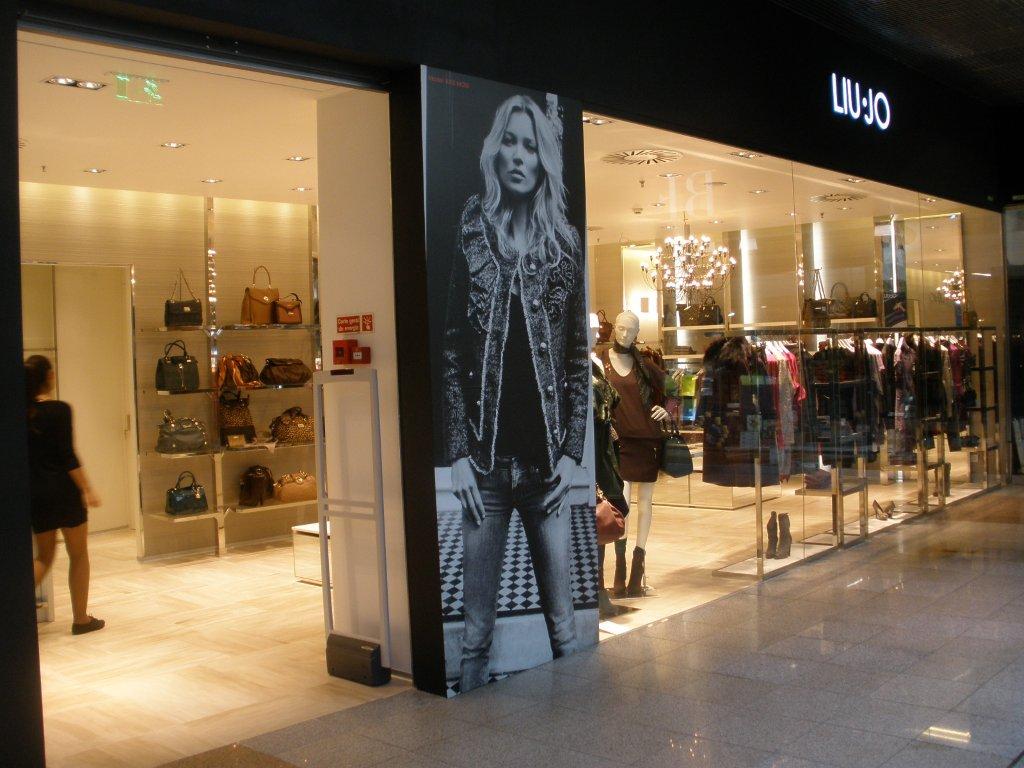
    Italian fashion brand Liu Jo is pleased to announce the opening of its new boutique in the prestigious Paragon Mall in Singapore. It is also the key flagship boutique for South East Asia region.

    The impressive vast 3,305 square feet boutique marks an important milestone in Liu Jo’s fast-growing expansion in the Asia region and continues the new exciting Curiosity retail concept which aims to create an exclusive but warm and homely ambience for its shoppers. The new layout highlights precious metals in a modern, intriguing design, presenting a minimalist, sleek and sophisticated décor to give pride of place to its collections. Complemented with the recognisable Liu Jo brand codes and signature eclectic style, the new boutique presents a refreshed expression of the brand’s mission to celebrate feminine elegance and quality.

    Previously located at Wisma Atria Mall, loyal followers of the brand will be pleased to know that the new Paragon boutique boasts a larger retail space, and will house an extensive selection of the Italian brand’s ready-to-wear and accessories offering. Liu Jo Black Label Collection, Liu Jo White Label Collection, Liu Jo Blue Denim Collection, Liu Jo Gold Label Collection, Liu Jo Sport, Les Plumes de Liu Jo, Liu Jo Accessories, Liu Jo Shoes and the Liu Jo Eyewear and, Liu Jo Fragrances will be available at this flagship boutique.

    This new Paragon boutique is a key step to the development of the Italian company to increasing and strengthening its global market share. Singapore will play a strategic key role: it will be a key platform for further focus on the rapid growth of the South East Asia market.

    Presenting a new interpretation of accessible luxury shopping, this new boutique marks the continuation of the steady success and popularity the brand enjoys in Asia. The international fashion brand currently has presence in 50 countries and 3 different continents – Europe, Africa and Asia – through a distribution network including over 350 mono-brand points of sales and 5000 multi-brand points of sales world-wide.

  • Fast Retailing profit rebounds

    Fast Retailing profit rebounds

    While Fast Retailing profit fell in the full year, the Japanese apparel giant says its second-half profit rebounded sharply.

    Consolidated revenue rose 6.2 per cent to JP¥1.7864 trillion (US$17.19 trillion) while its operating profit fell 22.6 per cent to ¥127.2 billion.

    Factors underlying the sharp decline in profit include a ¥11 billion foreign-exchange loss, a ¥13.8 billion J Brand impairment loss, and ¥9.3 billion for impairment losses on Uniqlo Japan and Uniqlo US stores, plus retirement and store-closure losses.

    In the second half, from March to August, profit rebounded by 94.3 per cent year-on-year, attributed to a nascent recovery in sales at Uniqlo Japan and Uniqlo International, and concerted cost-cutting efforts.

    For Uniqlo Japan the second-half profit bounced back by 38 per cent. Revenue for the year was ¥799.8 billion, up 2.5 per cent, with profit dropping 12.6 per cent to ¥102.4 billion. Same-store sales rose 4.9 per cent in the second half compared to a 1.9 per cent decline in the preceding six months.

    For Uniqlo International, full-year revenue was up 8.6 per cent to ¥655.4 billion while profit fell 13.7 per cent to ¥37.4 billion. In the second half, however, profit rebounded to 15 times the previous year’s level, mainly because of sharp profit gains in Uniqlo Greater China (encompassing China, Hong Kong and Taiwan), Southeast Asia and Oceania, and Europe.

    For the group’s global brands, revenue rose 11.3 per cent while profit fell 34 per cent for J Brand, revenue rose 32.7 per cent and profit by 34.8 per cent for GU, profit was also up for Theory, while Comptoir des Cotonniers, J Brand and Princesse Tam.tam had losses.

    During the 12 months, Uniqlo International opened a series of stores, including its first global flagship store in Southeast Asia, the Uniqlo Orchard Central store in Singapore. As of August 31, the number of Uniqlo International stores had grown by 160 to 958.

  • China biggest buyer of Korean beauty products

    China biggest buyer of Korean beauty products

    China was the biggest buyer of Korean beauty products last year, grabbing almost half of the country’s cosmetics exports, according to Korea Health Industry Development Institute data.

    Chinese buyers accounted for 41.1 per cent of South Korea’s cosmetics exports, jumping from 22.1 per cent portion in 2013.

    The value of the exports also skyrocketed, from US$274.34 million in 2013 to $1.04 billion last year.

    However, exports to China could be in jeopardy if Beijing imposes economic sanctions in response to South Korea’s push for an advanced US missile defense system, says the institute. South Korea announced in July that it would take on the Terminal High Altitude Area Defense (THAAD) system by the end of next year to counter growing threats from North Korea.

    “There is concern over the Chinese government enacting indirect or direct economic sanctions and possible anti-South Korea sentiment in China,” says the institute.

  • Saint Laurent Malaysia opening boutique

    Saint Laurent Malaysia opening boutique

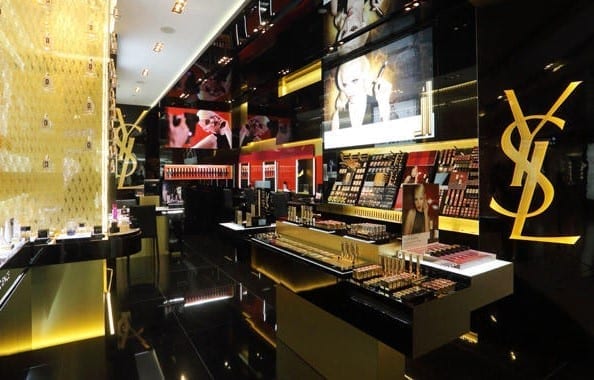
    French fashion brand Saint Laurent Malaysia is about to open its first boutique in Suria KLCC mall.

    It is a new concept for Saint Laurent, featuring the collection of its newly appointed creative director Anthony Vaccarello, as well as an exclusive envelope chain bag collection available in seven colours and finishes.
    Mirrors and marble will be a feature of the interior finish of the store.

    Later this year, Saint Laurent plans to open a second store in Kuala Lumpur, in Pavilion KL.

  • Innisfree Vietnam marks maiden store

    Innisfree Vietnam marks maiden store

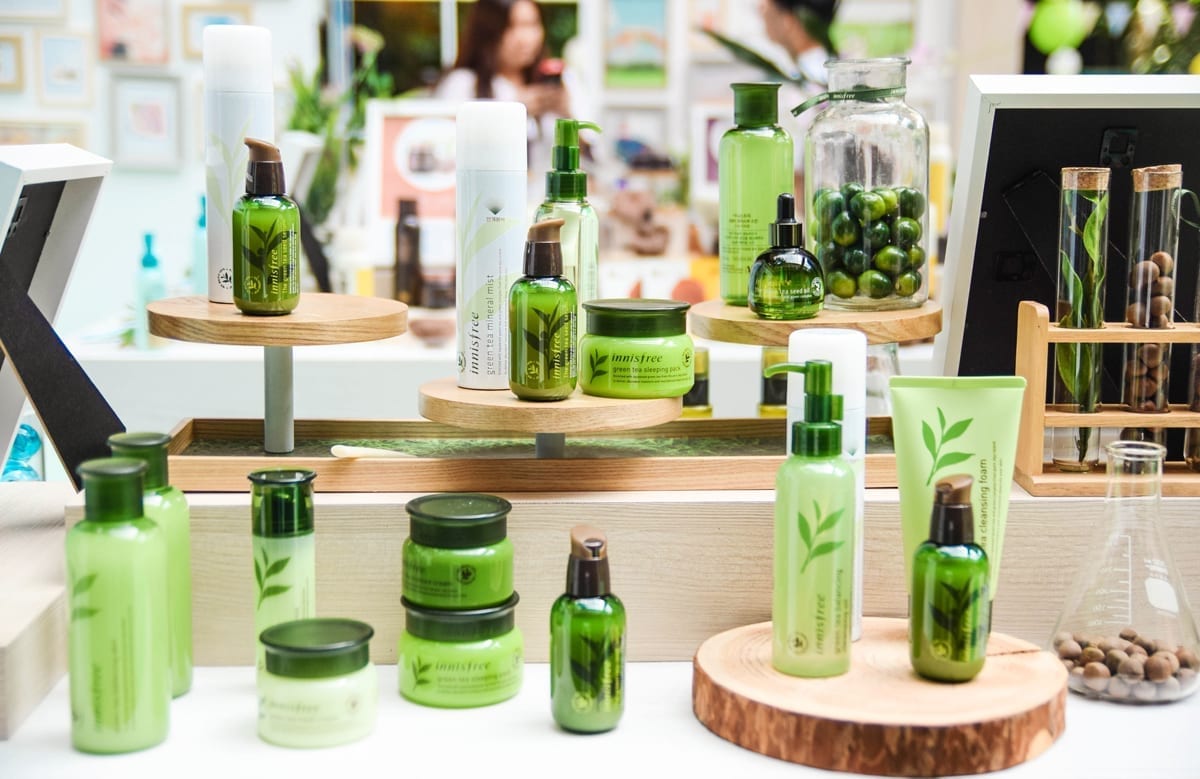
    The Korean eco-cosmetics brand Innisfree has officially launched in the Vietnam market.

    The first Innisfree Vietnam store will open at 257 Hai Ba Trung St in District 3, on the edge of Ho Chi Minh City’s CBD on October 29.

    Vietnam is the ninth overseas market that Innisfree has chosen for international expansion.

    Innisfree Vietnam store

    The brand will join a booming Korean cosmetics market in Vietnam along with TheFaceShop, Etude House and Skinfood. For a long while, Vietnamese eco-cosmetics lovers have been buying Innisfree items online and having them brought in by travellers, hand-carried from Korean cosmetics shops.

    Innisfree is founded in 2000, under management of Amore Pacific, the parent company of other brands such as Laneige, Sulwhasoo and Etude House.

    With its mission to bring the most authentic beauty ingredients extracted from Jeju island green tea and volcanic rocks, Innisfree appeals to women who prefer natural beauty methods.

  • Lojel Indonesia flagship opened

    Lojel Indonesia flagship opened

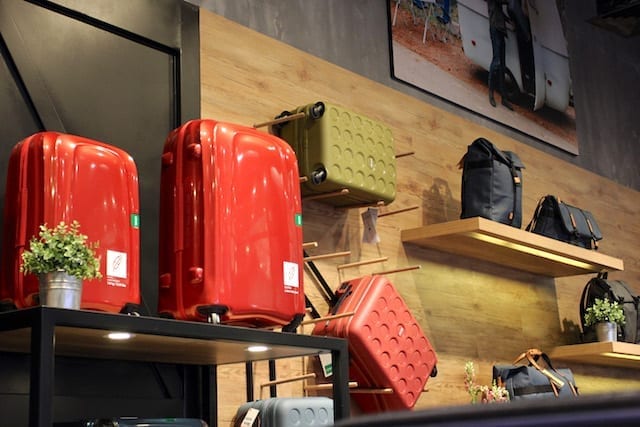
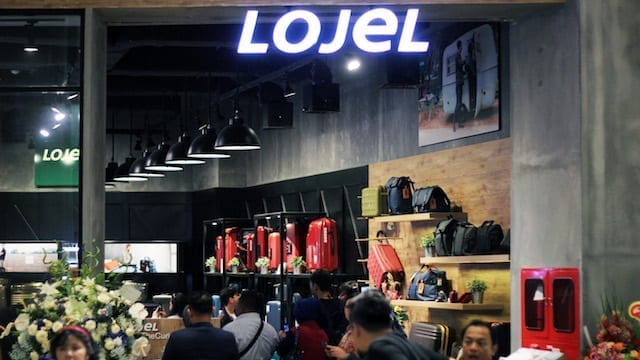
    Lojel has opened a flagship store in Jakarta.

    The first Lojel Indonesia store, it is located on the ground floor of the Lotte Shopping Avenue.

    Founded in 1989, Lojel is now an international brand producing high-quality luggage and travel accessories. It is sold in 30 countries across five continents.

    Lojel Flagship Store 7

    The Lojel Indonesia flagship opened with an exhibition of photography by Jacky Soeharto, to help reinforce the brand’s affiliation with travel.

    “Lojel put its space with a hint of industrial style interior and a warm light display of its colorful products,” observed local blog Neighbourlist.

    lojel-front

    “Lojel has always connected to every modern travelers and adventurers with a young spirit and Indonesia seems to have taken its grasp.”

    See more photos of the new store and its Indonesian range at Neighbourlist.