Category: Fashion

Retail News Asia is committed to providing both local and global retailers with the latest Fashion news throughout the Asian market. This on a daily base.

  • Louis Vuitton and Chinese dispute

    Louis Vuitton and Chinese dispute

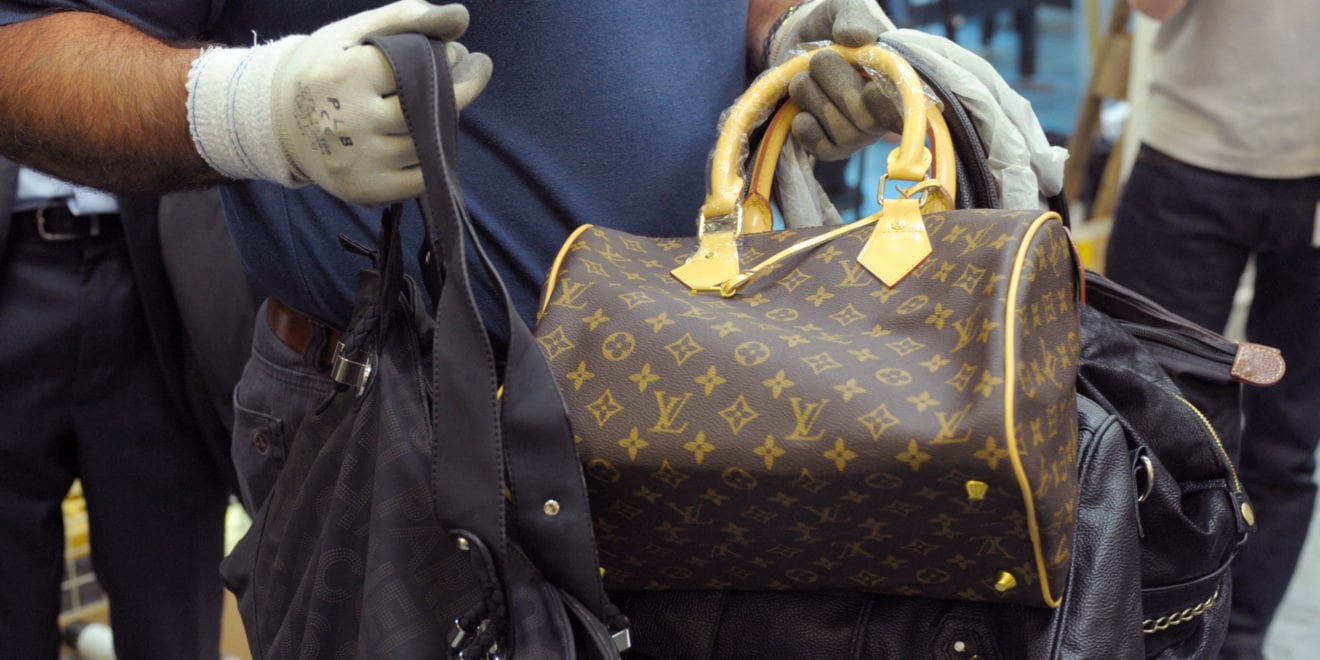
    Luxury retailer Louis Vuitton is suing three individuals in China for selling counterfeit items on Alibaba’s online shopping outlet Taobao.

    Damages of 250,000 RMB ($37,900) are being sought by the LVMH-owned company, says a statement on a Beijing court’s website uploaded yesterday. It says the suits are against a person surnamed Liang and two with the surname Han, who were sentenced in 2014 for selling counterfeit Louis Vuitton clothing, shoes and handbags between 2011 and 2014.

    This move comes nine months after luxury conglomerate Kering pursued legal action over fakes on Alibaba’s platforms. The group sued Alibaba directly, filing the suit in the US rather than China.

    In 2013 LVMH signed a co-operation agreement with Taobao to fight fakes on its platforms. Under the agreement, Taobao agreed to proactively track down and remove listings of counterfeit LVMH items.

    Meanwhile, Alibaba has been working to defend its reputation. It hired a former counterfeit investigator from Apple in December as its new head of global intellectual property enforcement. This followed the American Apparel & Footwear Association calling on the US Trade Representative to add Alibaba back to its blacklist of “notorious markets” for fakes (it was removed in 2012). Alibaba has also hired extra staff to fight fakes and is releasing an English-language version of its intellectual property reporting system.

    The courts’ decisions on the Kering and Louis Vuitton lawsuits could have an impact on the way brands formulate their China anti-counterfeit strategy in the years to come, observes Jing Daily. Kering has challenges with its US lawsuit as the Bank of China has refused to comply with a subpoena to disclose information about counterfeiters’ bank accounts to the New York District Court. The bank is also appealing a $50,000-a-day fine imposed by the court, arguing that the order violates Chinese bank secrecy laws.
  • Chinese demand to drive growth in Australian luxury

    Chinese demand to drive growth in Australian luxury

    A surge in demand for luxury goods has seen Chinese-led spending overwhelmingly turn to international markets including Australia, according to the latest research from property group CBRE.

    According to the latest report, Luxury Retail 2015, 70 per cent of all Chinese-led luxury purchases are now transacted overseas, resulting in increased sales across the world, including Australian markets.

    “Chinese purchasers account for 30 per cent of the luxury spend worldwide and 70 per cent of these purchases take place overseas, showing that the downward shift in their economy has prompted Asian consumers to rethink their purchasing habits,” said CBRE head of research and consulting EMEA, Andrew Phipps.

    “The advent of the new ‘anti-extravagance legislation’ in China and their consumers’ growing awareness of price differentials of up to 70 per cent has led to many preferring to make their purchases overseas, where the prices are far more attractive,” said Phipps.

    CBRE head of retail brokerage leasing, Australia, Leif Olson said international brands were looking to capitalise on the uptick in demand for luxury goods by securing a presence in Australia’s biggest fashion hubs.

    “In 2015, the Australian retail landscape has transformed significantly, with a plethora of global brands lining up to open stores across the country,” said Olson. “This momentum shows no sign of slowing down, with affordable luxury brands to lead the charge in Australia over the next year, while top tier brands will look at securing flagship assets in core locations.”

    Olson said the next wave of growth in Australia’s luxury retail market would be centred on the expansion of retailers in Brisbane, Perth and Adelaide; the addition of food and beverage to luxury retail; and growth of premium childrenswear.

    “The addition of food and beverage to luxury retail stores is an untapped market in Australia, and a widespread concept already seen in the world’s largest fashion meccas, including Hong Kong and Macau,” said Olson.

    “Not everyone is in a position to splash out on a luxury branded handbag or wallet, but being able to have a coffee or meal at Armani, for example, broadens the brand’s appeal and makes it more accessible for everyone.“

    Luxury childrenswear represents another opportunity for growth in Australia says Olson.

    “Shifting the appeal of a brand from adults to families will be a major focus of retailers expanding in Australia, with this helping them to engage and reinforce relationships with their key clients – the parents – while building their future consumer base from the next generation.”

  • Sa Sa feels pinch of Chinese policy

    Sa Sa feels pinch of Chinese policy

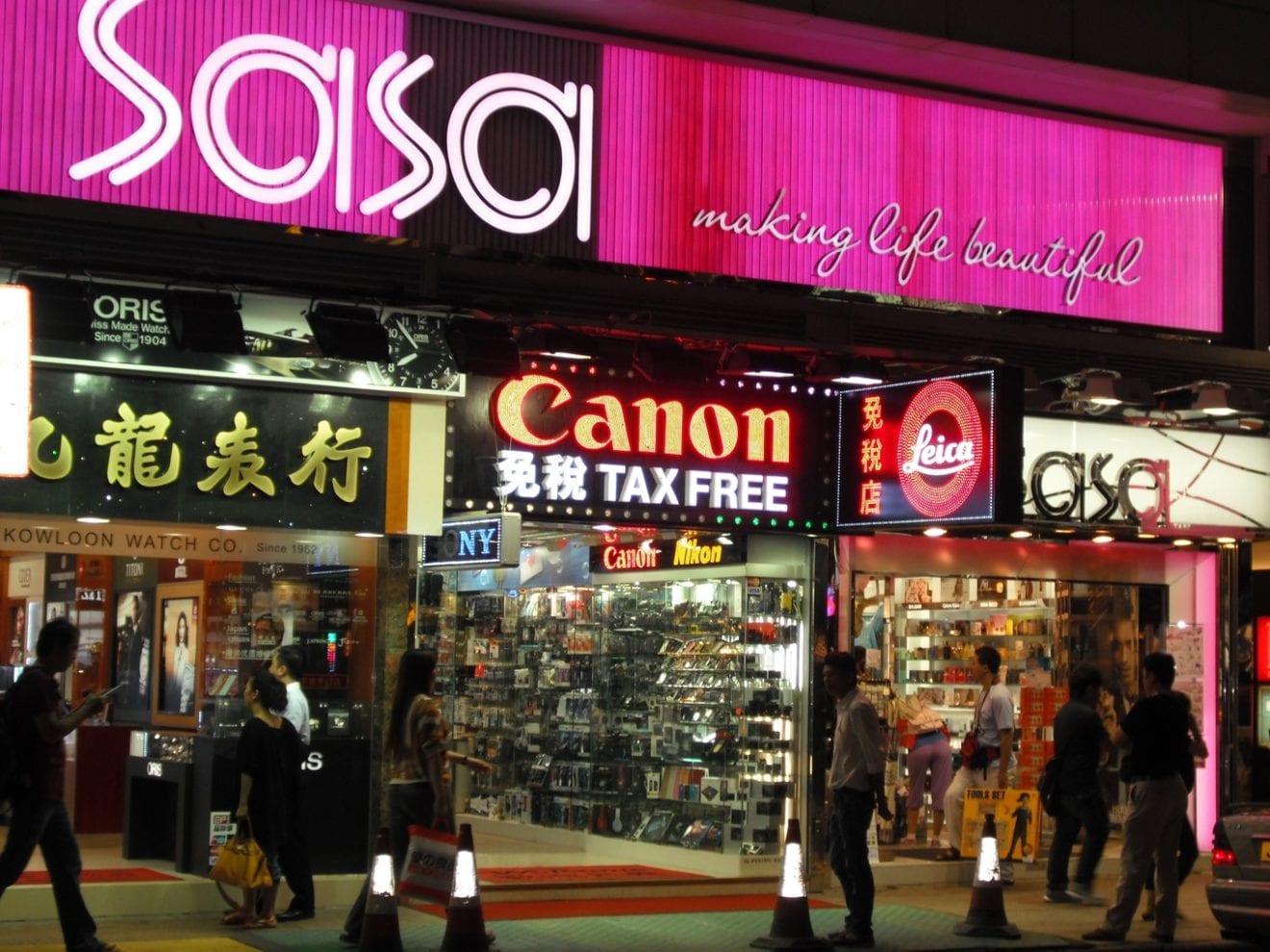
    China’s policy of one trip a week for mainlanders plus the strength of the Hong Kong dollar against a weaker yen have gouged sales for cosmetics retailer Sa Sa International.

    Both its retail and wholesale turnover dropped 14.2 per cent for the third quarter (October 1 to December 31), the company has announced. Turnover declined by 15.8 per cent in the Hong Kong and Macau markets, where same-store sales dropped 12.2 per cent.

    Overall, transactions were 7 per cent weaker, average sales per transaction fell 9.1 per cent and there was a 12.1 per cent dip in same-store sales. The group’s total turnover in other markets, including Mainland China, Malaysia, Singapore, Taiwan and online, dropped 6.7 per cent.

    Chairman/CEO Dr Simon Kwok says the impact of the “one-trip-per-week” policy had gradually gained momentum, leading to a notable year-on-year decline in the number of same-day visitor arrivals.

    “We expect the negative trend will continue to influence the local retail market.”

    In response, he says the group will optimise its product offering and enhance the shopping experience for its customers.

    Back in October, Sa Sa International Holdings already warned that its net profit for the six months to September 30 would be slashed in half because of the sluggish retail scene.

  • Luk Fook same store sales down 26 pct in SARs for fiscal Q3

    Luk Fook same store sales down 26 pct in SARs for fiscal Q3

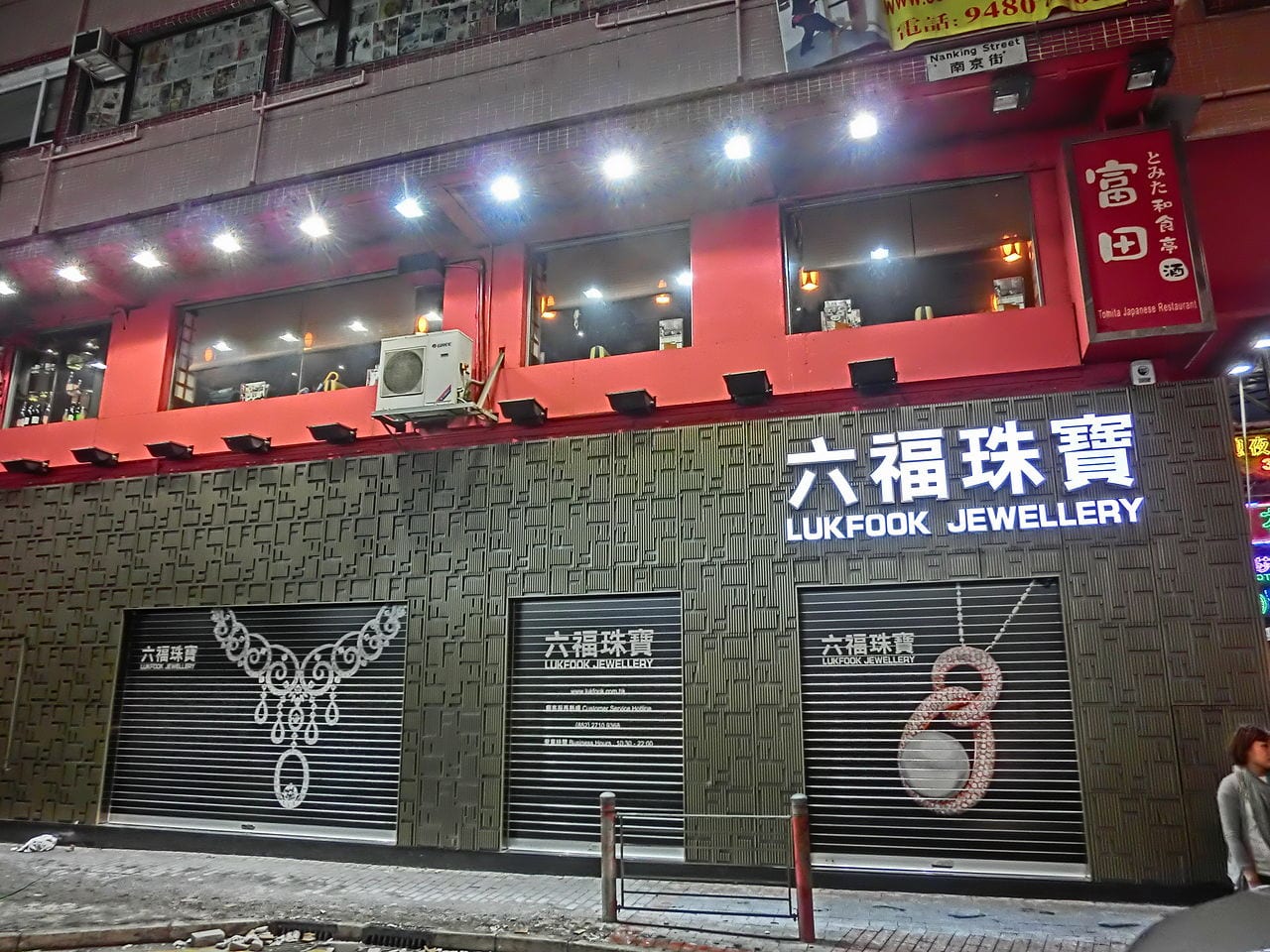
    Hong Kong-listed jewellery retailer Luk Fook Holdings (International) Ltd. saw a 26 per cent year-on-year decrease in its same store sales from Hong Kong and Macau shops for the three months ended December 2015, the biggest decline since the final quarter of 2014.

    During the third quarter fiscal, Luk Fook saw a decline of same store sales of 26 per cent year-on-year in gold from its shops in both Hong Kong and Macau, while that of gem-set jewellery fell 27 per cent, the company told the Hong Kong Stock Exchange after trading hours on Wednesday.

    The exact sales revenue figures were not disclosed in the retailer’s Wednesday filing, and the sales performance disclosed by the company only covered sales from its self-operated shops, while the sales of licensed shops and e-commerce business was excluded.

    The same store sales of Luk Fook’s group-wide retail business was down 25 per cent in the fiscal third quarter, as the retailer also saw a drop of 10 per cent in its shops in Mainland China.

    According to the filing, Luk Fook blamed the sales decline in the third quarter on ‘continuing overall sluggish retail sentiment’ and a relatively high base in sales figures.

    As at the end of last year, Luk Fook ran 96 self-operated shops on the Mainland, 47 shops in Hong Kong, 10 in Macau and 6 overseas. The jewellery retailer ran another 1,261 licensed shops on the Mainland and in Korea.

  • Burberry sees return to sales growth in China

    Burberry sees return to sales growth in China

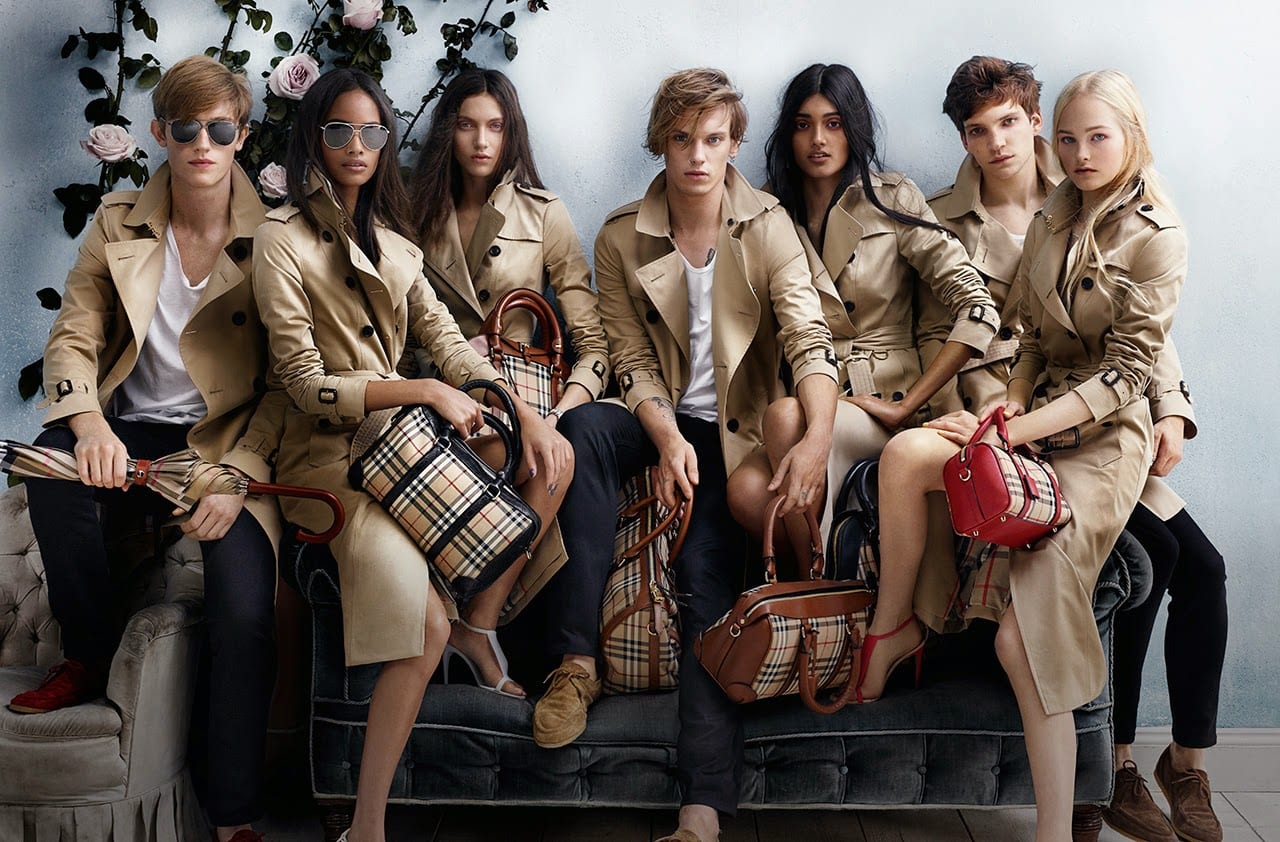
    Luxury fashion group Burberry on Thursday announced a return to retail sales growth in China despite an economic slowdown, boosting overall results in its third quarter.

    The British handbag and clothing company reported overall retail sales of £603 million ($866 million, 794 million euros) in the October through December period, “as (sales in) mainland China returned to growth”, Burberry said in an earnings statement.

    China is in sharp focus for markets amid an overall slowdown for the world’s second largest economy.

    In the three months to the end of 2015, Burberry saw total underlying retail sales growth of 1.0 percent, an improvement on the 4.0-percent decline in its second quarter.

    Burberry’s financial year runs from April to the end of March

    On the downside, sales in Hong Kong fell by more than 20 percent owing to long-standing protests against China.

    All of Burberry’s Hong Kong stores remain profitable however thanks to cost controls, the company said in the statement.

    “The outlook for our sector remains uncertain,” said chief executive Christopher Bailey.

    “However, we are anticipating and responding to these changes through an intense focus on new growth opportunities.”

    Chief financial officer Carol Fairweather told a conference call with reporters that Burberry’s performance in France had been impacted by fewer tourists visiting from China and the Middle East following the Paris terrorist attacks in November.

  • Uniqlo struggles with currency and weather

    Uniqlo struggles with currency and weather

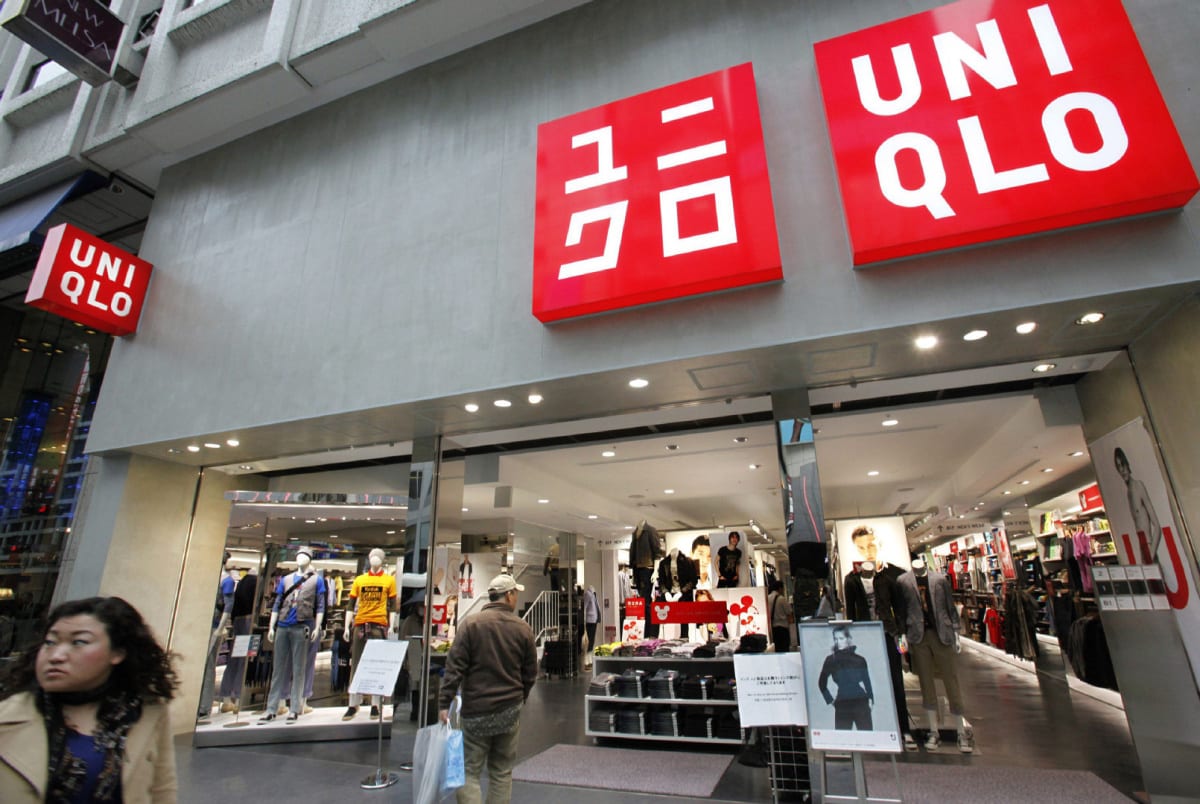
    Uniqlo, Asia’s largest apparel retailer, has delivered a disappointing set of results for the quarter to November 30.

    While revenue rose 8.5 per cent year on year to ¥520.3 billion (US$4.44 billion), profit fell 16.9 per cent to ¥75.9 billion ($647.1 million). Considerable depreciation of the Japanese yen was the main factor in a ¥29.0 billion fall in pre-tax profits, the company said.

    Uniqlo International sales also fell short of target in the first quarter, reporting a rise in revenue but a decline in profit (revenue: ¥196.9 billion (+17.2 per cent year on year), operating profit: ¥20.8 billion (-14.2 per cent)).

    “Unseasonal warm winter weather around the globe adversely impacted same-store sales at Uniqlo Greater China (encompassing operations in mainland China, Hong Kong and Taiwan), Uniqlo South Korea and Uniqlo US in particular, resulting in a lower than expected first-quarter performance and declining profits in all three of these areas.

    Meanwhile, Uniqlo Europe reported higher than forecast gains in both revenue and profit, and Uniqlo Southeast Asia and Oceania reported a steady operating profit, as expected.

    New store openings proceeded as planned, with a net 66 stores opened during the first quarter, mainly in Greater China and Southeast Asia. As a result, the total number of Uniqlo International stores had expanded by 169 year on year to 864 stores as at November 30.

    Uniqlo Japan fell short of expectations in the first quarter, declining in both revenue and profit Revenue was ¥230.9 billion (-0.7 per cent), operating profit ¥44.8 billion (-12.4 per cent).

    “While online sales expanded 23.2 per cent year on year, same-store sales declined 2.3 per cent, resulting the fall in revenue,” the company said.

    “In September and October, fall winter items such as cashmere sweaters, merino sweaters, gaucho pants and wide pants got off to a great start and sales proved strong, pushing same-stores sales higher as a result. However, the unexpected heatwave in November stifled demand for winter items, and led to a sharp drop in revenue.

    “On the profit side, hefty discounting of winter items in November squeezed the first-quarter gross profit margin, while lower than-expected first-quarter sales inflated the selling, general and administrative expenses to revenue ratio.”

    The number of directly run Uniqlo Japan stores, excluding 38 franchise outlets, totaled 806 stores at the end of November 2015. While that represents a net decrease of 18 stores year-on-year, 10 of these stores were converted from directly-run stores to new employee-franchise outlets.

    The group reiterated its goal of becoming the globe’s largest apparel retailer.

    “To this aim, we have focused our efforts on expanding Uniqlo’s global operations, boosting store numbers in each country where we operate, opening global flagship stores and large-format stores in major cities around the world, and offering exciting joint collections with well-known designers from around the world, such as Ines de la Fressange. This strategy is designed to both boost awareness and visibility of the Uniqlo brand and strengthen our global operational base. We are also actively promoting our GU brand by accelerating the opening of new stores in Japan and launching the label in the Chinese market.

    “We believe the GU operation has reached a key turning point in its growth and development as a second pillar brand for the group,” the company concluded.

    Uniqlo’s Global Brands division exceeded expectations in the first quarter by reporting a 17.4 per cent year on year gain in revenue to ¥91.8 billion, and a 29.7 per cent year on year gain in operating profit to ¥12.4 billion.

    “Within the Global Brands segment, our low-priced GU fashion casualwear label reported significant rises in both revenue and profit that surpassed our initial forecasts. GU reported double-digit growth in same-store sales on the back of strong sales of heavily advertised campaign items such wide pants, baggy sweaters and knitted bottoms.

    “Meanwhile, our Theory fashion brand and J Brand premium denim label both fell slightly short of target when they reported a decline in profits.”

    The company’s France-based Comptoir des Cotonniers and Princesse tam.tam labels reported lower-than-expected sales and a decline in profit, after the November terrorist attacks in Paris forced some stores to close temporarily.

  • Chow Tai Fook sales slide continues

    Chow Tai Fook sales slide continues

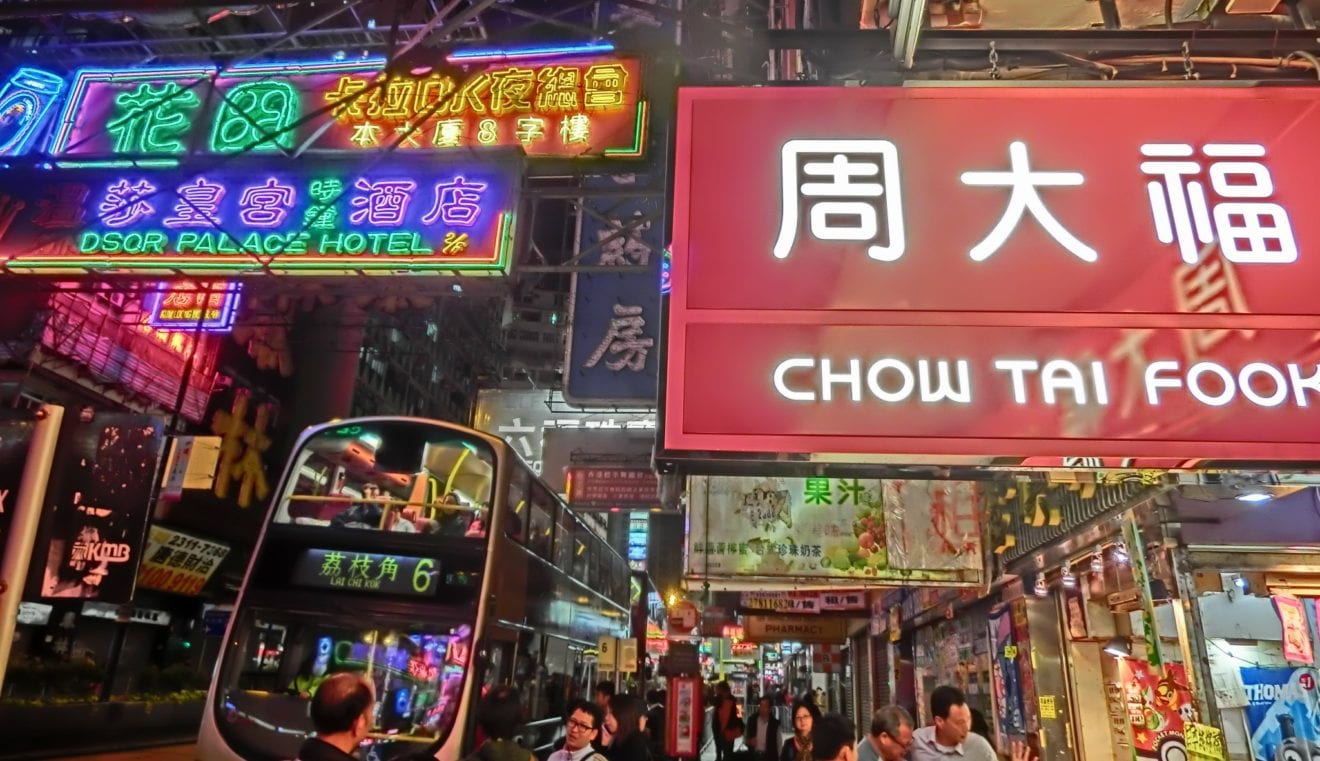
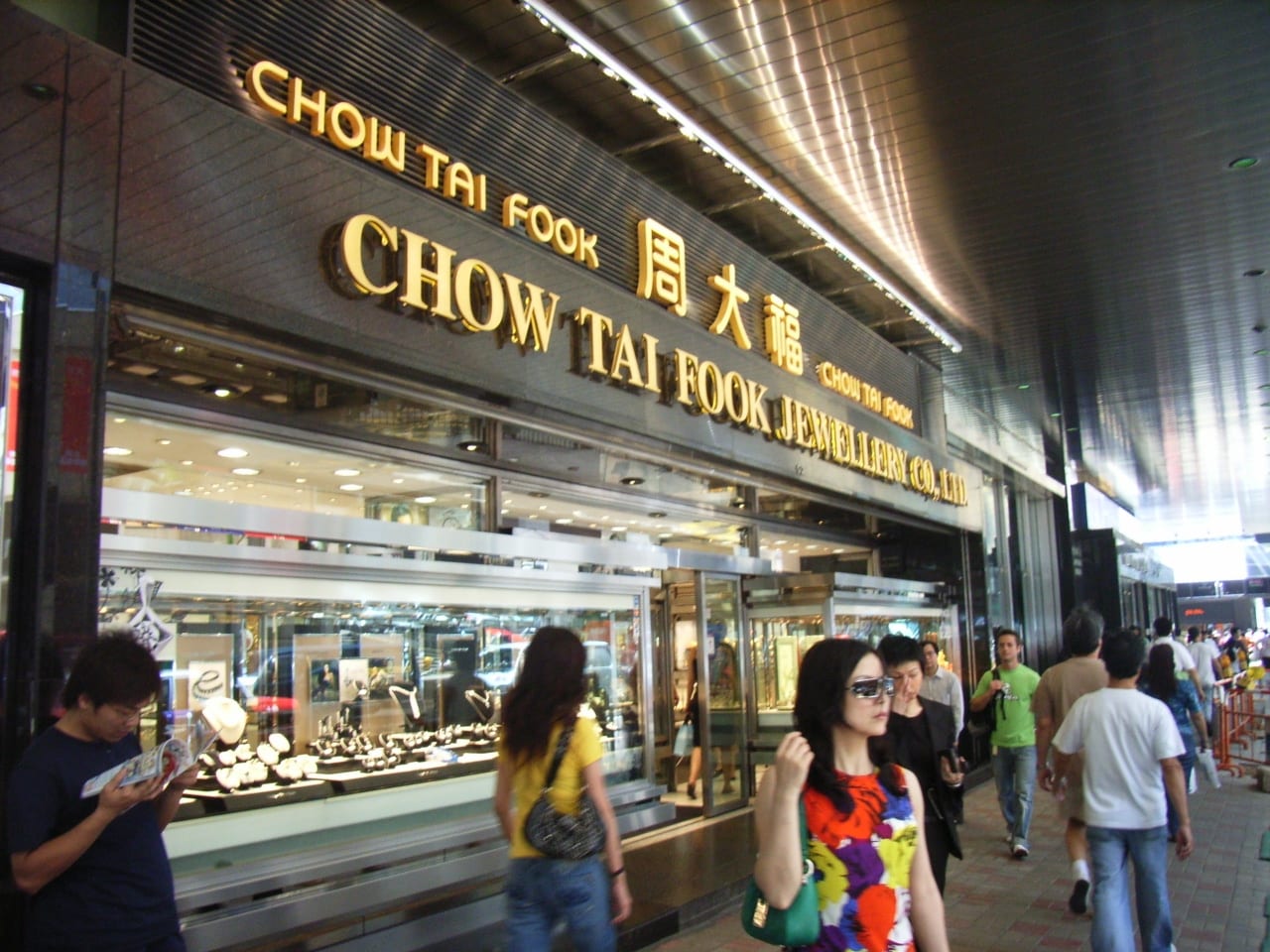
    Jeweller Chow Tai Fook continues to be battered by the declining number of wealthy Mainland Chinese tourists visiting Hong Kong and Macau.

    The Hong Kong listed retailer has revealed its same store quarterly sales slumped 23 per cent in Hong Kong and Macau in the three months to December 31 and by 6 per cent in Mainland China. It said those figures were “similar to the same store sales sales performance” of the preceding quarter.

    In total value, after currency effects were taken into account, total sales fell 11 per cent, compared with 10 per cent in the preceding quarter. Mainland sales, on a constant currency basis, were down two per cent.

    The group opened a net 31 points of sale during the quarter, including 28 jewellery outlets and two watch stores in Mainland China, and a net one store elsewhere, taking its total point of sale count to 2317 as at December 31.

    Meanwhile, Chow Tai Fook MD Kent Wong said on a conference call that the company expects to close five or six stores in Hong Kong during the next three months as it adjusts its network to reflect the changing shopper demographic.

    He said the domestic market remained challenging with the local currency pegged to the US dollar which is widening the gap between the Hong Kong dollar and China’s renminbi.

  • Laneige opens Singapore concept store

    Laneige opens Singapore concept store

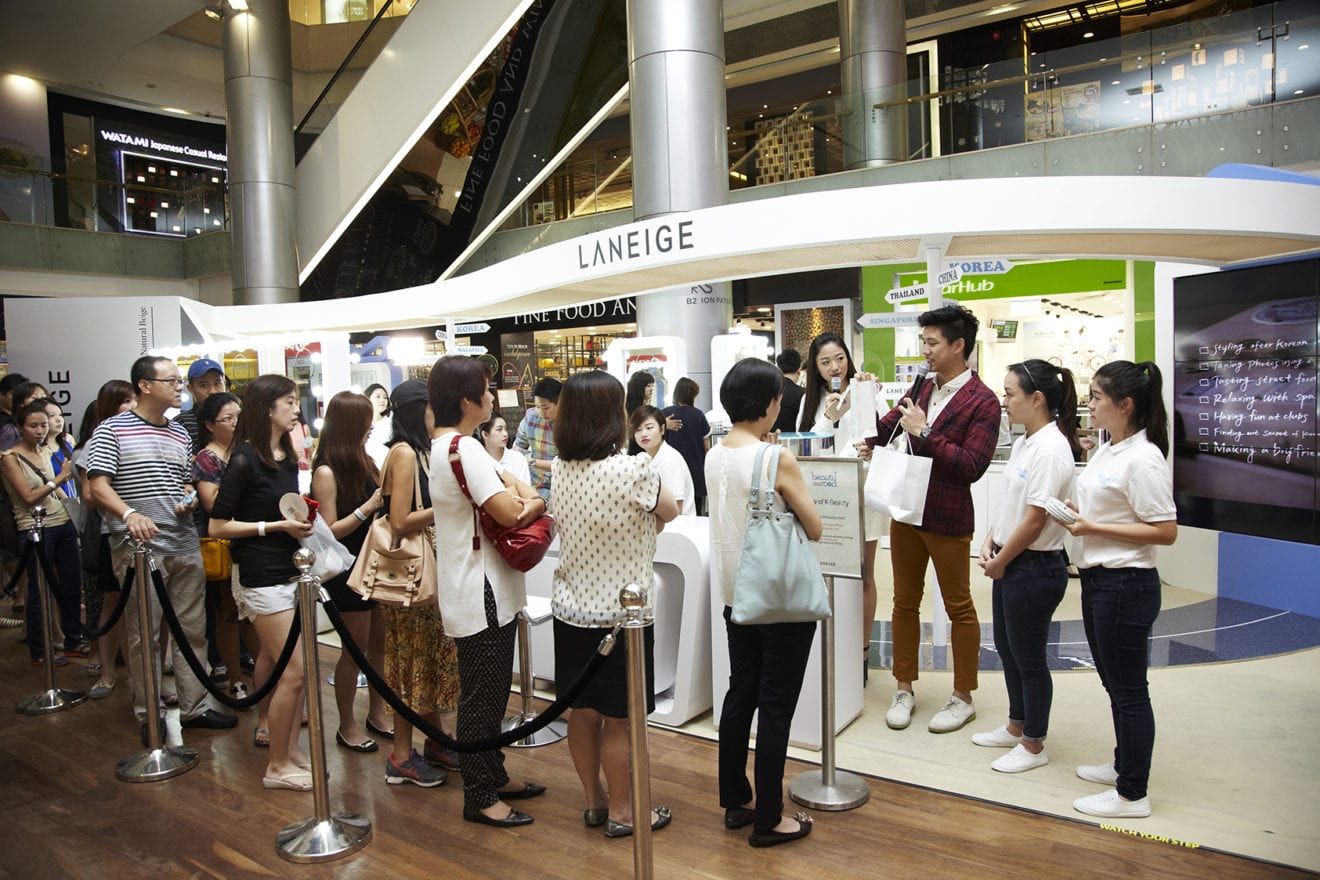
    South Korean skincare brand Laneige has opened a new concept store in Ion Orchard, Singapore.

    Not only does the outlet have a new look, but it features exclusive products. It is the ninth Laneige store for Singapore, the first opening in 2012.

    Exclusive to the store is the Laneige G5 product range, comprising seven variations of Water Science Mist, various types of sleeping balls that serve as a mask for different parts of the body, and lip cards in 20 different shades. The range is exclusive to G5 concept boutiques, and as the new store is the first and only boutique so far, it is the only shop in the world selling it.

    As Laneige’s flagship outlet, the store’s design is different from its other shops. The “water meets light” design concept infuses elements of water, light, and blue and pink colours.

    Laneige brand GM Doreen Chia says the design is “edgy, sophisticated, modern and sparkling” in line with the brand’s beauty concept and vision. Laneige is known for its emphasis on the power of water for revitalising and nourishing the skin.

    There are several zones in the store – one for top-selling items, another for signature products (such as its Water Bank range), Homme for men another for make-up. A feature is a consultation room where beauty advisors can analyse a customer’s skin condition and advise on appropriate products.

    Laneige has stores throughout Asia – in Brunei, China, Hong Kong, Indonesia, Malaysia, Taiwan, Thailand, The Philippines and Vietnam – as well as Canada, New Zealand and the US.

  • Chow Tai Fook’s Hong Kong, Macau Sales Plunge on Fewer Chinese

    Chow Tai Fook’s Hong Kong, Macau Sales Plunge on Fewer Chinese

    Chow Tai Fook Jewellery Group Ltd., the world’s largest listed jewelry chain, said same-store sales in Hong Kong and Macau plunged 23 percent in the final three months of 2015 as fewer mainland Chinese tourists visited the two cities.

    Same-store sales, for outlets open at least a year, fell 6 percent for those in mainland China, bringing the total decline to 15 percent for the fiscal third quarter ending December, the company said in a statement Friday. The retail sales value for all of the company’s outlets slumped 11 percent in the period, it added.

    The operating environment in China as well as sales outlook for the Lunar New Year holidays in February remain challenging, and the company will continue to focus on cost-cutting measures in the rest of the current fiscal year ending March, Managing Director Kent Wong said on a conference call with reporters Friday.

    “The retail jewelry industry is now in a consolidation stage after the rapid growth in the past decade,” Wong said. “What we can do now is to better control cost structure on both rentals and staff costs, while expanding our high-end product lines.”

    Chow Tai Fook in November declared its first-ever special dividend even as it posted the steepest decline in semi-annual profit since it went public, after its shares fell to about 70 percent before its offer price since its 2011 share listing. China’s economic slowdown, as well as campaigns against corruption and extravagant spending have hurt luxury retailers and casino companies.

    The retailer of gems and watches has said it will shut outlets that do not perform well, but doesn’t plan to lay off workers. Still, the number of employees may fall further after it dropped 8 percent in the first half, reducing staff costs by 13 percent, Wong said Friday.

    Chow Tai Fook Chairman Henry Cheng said in November the company has shelved its overseas expansion plans and will focus on the Hong Kong, Macau and mainland China businesses.

    Mainland Chinese tourists to Hong Kong, who accounted for more than 70 percent of the total in November, have dropped 16 percent in the month, according to the city’s tourism board.

    Chow Tai Fook may request rental reductions of 30 percent on average, for the roughly one-third of its Hong Kong stores that renew their lease agreements each year, it had said in November. Wong said the company is in talks to renew leases for three shops in the city.

    The luxury chain’s retail network expanded to 2,317 points of sales as of end-2015, including a net opening of 28 jewelry, and 2 watch outlets in mainland China. It will open between 50 to 60 points of sales in China in the rest of the fiscal year, Wong said.

    Competitor Chow Sang Sang Holdings International Ltd. said it won’t cut prices even as it expects same-store sales to slide during the Lunar New Year holidays, amid a strong Hong Kong dollar that has turned mainland tourists away, the Standard newspaper reported Friday citing Lau Hak-bun, the company’s general manager of Greater China retail.

    Chow Tai Fook’s Wong also said the company has no plan to cut product prices in the future.

  • Shibuya109 opens in Hong Kong

    Shibuya109 opens in Hong Kong

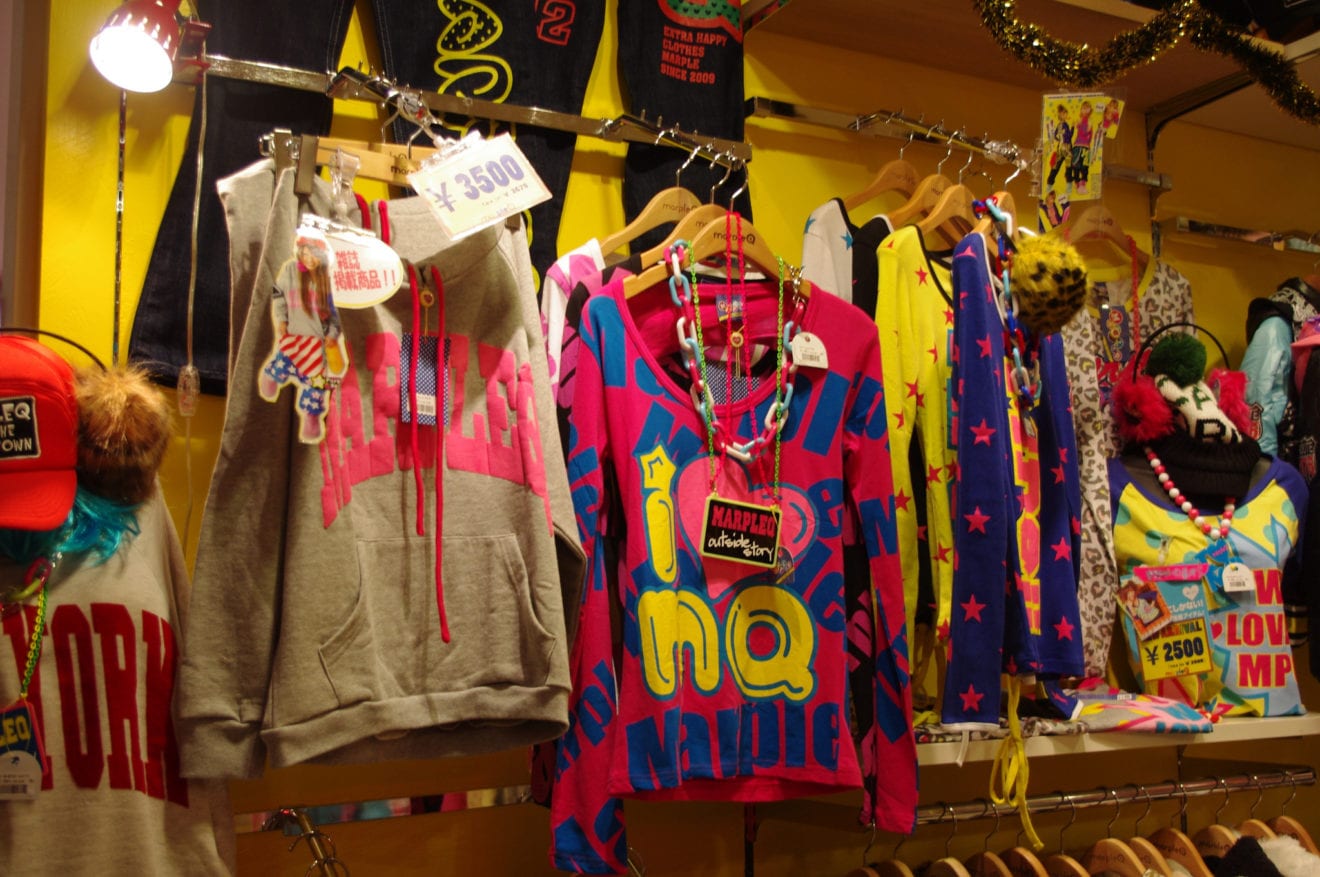
    The Japanese department store Shibuya109 has opened its first outlet outside its home market – in Market City in Kowloon, Hong Kong.

    Owned by Tokyu Hands, Shibuya109’s first Hong Kong store is described as a ‘mini-mall’ offering just a curated collection of brands from Japan to test the broader Asian market.

    The store opened quietly during the Christmas season lead-up taking up an 800sqm space on the third floor of Gateway Arcade at Harbour City in Tsim Sha Tsui. It is home to 13 retail brands from the Tokyo stores: Ank Rouge, Duras, Esperanza, Ki La Ra Girl, Liz Lisa, MLR, Rady, Redyazel, Regalect, Samantha Vega, Secret Honey, SLY and Wego Tokyo. For six of these brands, it will be their first launch on an overseas market.

    There is also a space tagged Shibuya109 Stage, dedicated to incubator brands.

    Shibuya109 takes its name from the popular shopping district in Tokyo.

    The concept of the mini mall is to highlight Japan’s fashion culture.

    Tokyu Malls Development Corporation says it chose Hong Kong because of its popularity with tourists – some 50 million people a year visit the territory.

    If the Hong Kong store proves a success, Tokyu will consider similar such outlets in Singapore and other Asian cities.

  • Valentino Singapore opens Marina Bay Sands boutique

    Valentino Singapore opens Marina Bay Sands boutique

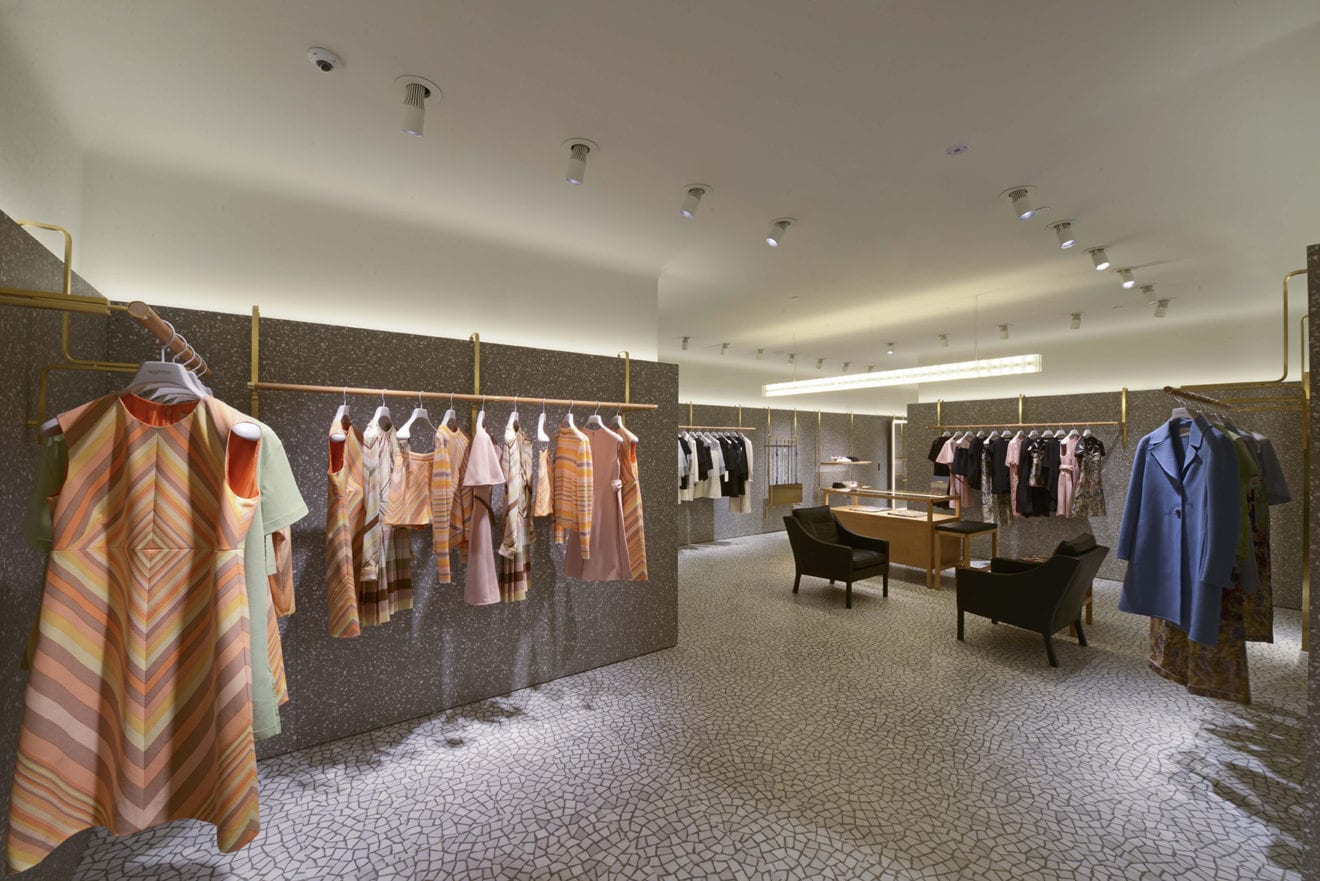
    Italian luxury fashion brand Valentino has opened its second and largest store in Singapore, at Marina Bay Sands.

    The 341 sqm store Palazzo concept was developed in partnership with the brand’s creative directors, Maria Grazia Chiuri and Pierpaolo Piccioli, and British architect David Chipperfield. It features marble, timber and leather interiors.

    The boutique offers the brand’s women’s ready-to-wear line, accessories and fragrances. Few details have emerged as yet, with only the store’s name appearing on the Marina Bay Sands website without any information.

    To mark the opening, the House of Valentino is organising a grand opening celebration cocktail party on January 13. The outlet is in The Shoppes at Marina Bay Sands, one of the city’s largest luxury shopping malls.

    Valentino’s other shop in Singapore is in the Ion Orchard complex.

  • LVMH’s L Capital in PE merger deal

    LVMH’s L Capital in PE merger deal

    In a marriage of high fashion and finance, a new partnership is being formed by luxury products company LVMH with two equity firms, Catterton and Groupe Arnault.

    They have agreed to create L Catterton, combining private equity firm Catterton’s North and Latin American interests with LVMH and Groupe Arnault’s European and Asian private equity and real estate interests, now under the Singapore-based L Capital and the L Real Estate banners. Under the terms of the agreement, L Catterton will be 60 per cent owned by the partners of L Catterton and 40 per cent jointly owned by LVMH and Groupe Arnault.

    This will make L Catterton the largest global consumer-focussed investment firm with six distinct and complementary fund strategies specialising on consumer buyout and growth investments across Asia, Europe, and North and Latin America, as well as prime commercial real estate globally. After various successor funds are closed, L Catterton expects to grow its assets under management to more than $12 billion, drawing on 27 years of experience with more than 120 investment and operating professionals in 17 offices across five continents. It will be led by global co-CEOs J. Michael Chu and Scott A. Dahnke, currently managing partners at Catterton.

    “The breadth of our collective expertise will be second to none in the consumer industry,” says Chu.  “And we look forward to benefitting from the strength and global reach of the team at L Capital and L Real Estate as we continue to seek out investment opportunities with significant growth potential.”

    “The globalisation of media and technology, combined with increasingly permeable geographic borders, is driving rapid consumer growth on an unprecedented global scale,” said Dahnke.

    Catterton invests in all major consumer segments, including food and beverage, retail and restaurants, consumer products and services, consumer health, and media and marketing services. Its investments include CorePower Yoga, Kettle Foods, Nature’s Variety pet food, Noodles & Company, Outback Steakhouse, PF Chang’s, Plum Organics, Restoration Hardware, Protein Bar, Snap Kitchen, Sweaty Betty and Wellness pet food.

    L Capital invests in companies across Asia and Europe in such sectors as beauty and wellness, fashion and accessories, food and beverage, media and entertainment, and special retail. Founded in 2001 with support from LVMH and Groupe Arnault, it specialises in lifestyle brands and selective retail businesses in Europe. L Capital – Asia is Asia’s largest consumer-focussed private equity firm with headquarters in Singapore, and regional offices in Hong Kong, Melbourne, Mumbai and Shanghai. Its investments include 2XU, Asiaray Media, Bateel, Charles & Keith, Emperor Watch & Jewellery, Jones the Grocer, Marubi and Sasseur.

    L Real Estate develops mixed-use projects anchored by luxury retail. Its investments include G6 in Ginza, Tokyo, and Miami Design District.

    LVMH (Moet Hennessy Louis Vuitton) is represented in fashion and leather goods by a portfolio of brands including Celine, Donna Karan, Fendi, Givenchy, Kenzo, Loewe, Louis Vuitton and Marc Jacobs. Its wines and spirits division includes Belvedere, Chandon, Cloudy Bay, Dom Perignon, Hennessy, Krug, Moet & Chandon and Wenjun. In the perfumes and cosmetics sector it has Guerain, Parfums Christian Dior, Parfums Givenchy, Parfums Kenzo and Perfumes Loewe.

    LVMH’s retail interests include DFS, Le Bon Marche and Sephora, it has a joint venture with De Beers Diamond Jewellers, and its watches and jewellery division comprises Bulgari, Chaumet, Dior Watches, Hublot, TAG Heuer and Zenith.

    Subject to customary regulatory and certain investor approvals, the L Catterton transaction is expected to close early this year.

  • Jewellery retailers bearish on sales for CNY holiday

    Jewellery retailers bearish on sales for CNY holiday

    Retailers Chow Sang Sang and Seng Fung both reckon the fall trend in jewellery sales seen in 2015 will last until the upcoming holiday

    The fall trend seen in jewellery sales last year will persist all the way through the upcoming Chinese New Year holiday in February, and more shop consolidations or a halt of retail expansion are likely to happen under the bearish outlook on sales, said jewellery retailers. Mr Lau Hak Bun, general manager of retail operations (Greater China) at the jewellery retailer Chow Sang Sang Holdings International Ltd, told media yesterday after attending a Hong Kong radio programme of his bearish forecast for sales for the coming Chinese New Year holiday, with a likely register of “single-digit” drop in sales for Hong Kong and Macau.

    The Chinese New Year holiday this year will fall on the second week of February.

    Speaking to media, Mr Lau has noted that sales during Christmas have failed to stimulate overall sales for Chow Sang Sang, which has already seen a fall trend since the first half of 2015. Chow Sang Sang saw its same store sales in Hong Kong and Macau decline by 12 percent year-on-year for the first half of last year as the consumption sentiment from mainland Chinese clients weakened and the unit selling price of the company’s jewellery items decreased, Mr Lau said.

    The gaining strength of the US dollar and the depreciation of Southeast Asian currencies will also affect visitors’ high-end spendings in Hong Kong this year, the jewellery retailer executive expected. Lee Koi Ian, general manager at local jewellery retailer Seng Fung Jewellery Co Ltd, shared a similar sales outlook with Mr Lau.

    “The recent drop in gold prices has not really stimulated much of our sales,” Mr Lee told Business Daily, “Since last year, the sales of jewellery has weakened a lot as we have seen much less gift hunting [from mainland Chinese shoppers] and spending from gamblers.”
    Declining to give a full sales figure for last year, Mr Lee said Seng Fung has suffered a “double-digit” drop in its turnover for the whole year.
    “Visitors’ traffic did improve a bit during the Christmas holiday, but still on a year-on-year basis, we saw our sales register a single-digit drop,” Mr Lee said.

    For the first three quarters of 2015, notable decline is seen in the sales of watches and jewellery here: the value of the retail sales of watches and jewellery has dropped by 26.1 percent year-on-year to MOP10.15 billion in the period, latest available data from Statistics and Census Service (DSEC) shows.

    Cautious outlook
    In response to the weaker sales performance, both Chow Sang Sang and Seng Fung said that they are not going to offer steep discounts for the promotion of sales of their products.

    “But we’ll be more cautious in our shop expansion plan,” Mr Lee said, “In the coming one or two years, we don’t think we are having more shops in casinos.”

    Currently Seng Fung runs eight shops across Macau, mostly on streets. In Chow Sang Sang’s interim report filed in September last year, the retailer has already mentioned that one street-level shop in Macau was closed at the expiry of its lease. Now Chow Sang Sang runs four shops in Macau, of which three are in casino-resorts.

    The Hong Kong-listed jewellery retailer does not rule out more shop consolidation or even closures to happen, Mr Lau noted to media yesterday. Chow Sang Sang has already closed two stores last year, one in Causeway Bay and another in Kwai Fong.

  • China’s Li Ning on track to end bad run

    China’s Li Ning on track to end bad run

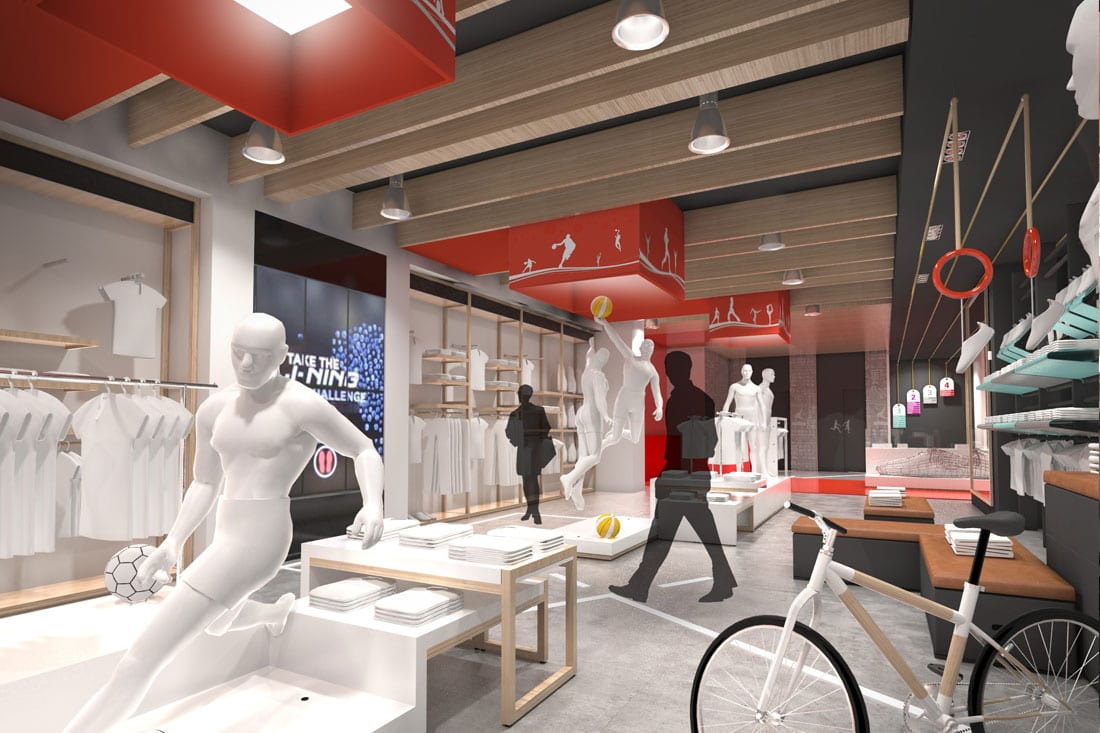
    Li Ning, the struggling Chinese sportswear company that is one of the mainland’s best known brands, says it will break even for 2015, leaving behind three years of annual losses.

    In a filing to the Hong Kong stock exchange, the company said it expected to “record an approximate break-even in terms of profit and loss attributable to the equity holders” in the year that ended December 31, “principally due to an increase in both the sales revenue and gross profit of the group and a decrease in expense ratio”.

    Li Ning has spent most of the past three years trying to restructure its business, clearing out inventory built up by third-party distributors, closing thousands of underperforming stores and increasing the percentage of direct-run outlets.

    The brand, which has struggled to shake off the image of a producer of cheap sports shoes that are little more than western knock-offs, announced a net loss of Rmb781m ($119m) for 2014, its third consecutive annual loss. But it reported signs at that time of a recovery in sales growth.

    The company on Wednesday attributed the improved performance to enhanced direct retail operating efficiency and long-term relationships with channel partners, and expanded ecommerce business.

    “It looks like their efforts to shut down unprofitable stores and focus on inventory with better sales and better margins are finally paying off,” said Ben Cavender of China Market Research in Shanghai.

    A recovery in the broader China sportswear market also appears to have played a role, retail analysts said.

    Ma Gang, a China-based footwear and apparel analyst, noted that “the whole industry is now on the upturn . . . and Li Ning has done a lot of work [to stem its losses].” But “whether the company will start to make profit now depends on its future strategy, including whether it keeps opening more stores,” he added.

    Chen Ke, Shanghai-based retail partner at Roland Berger, projects that the Chinese sportswear market will “maintain a 10 per cent growth rate in the next three years” while Li Ning itself “has improved efficiency after a shift . . . to opening more of its own stores”.

    But Mr Cavender pointed out that Li Ning “is still lagging behind some of their major domestic and international competitors and it’s unclear whether they have enough exciting products in place to make a strong run in 2016”.

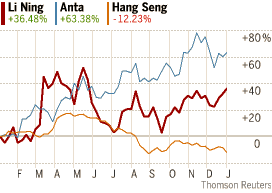
    Anta, Li Ning’s top domestic sportswear rival, said net profit for the first half of 2015 rose 20 per cent from the same period a year earlier.

    Shares in Li Ning closed up nearly 7 per cent on Wednesday in Hong Kong, in a broader market down almost 1 per cent.


  • Victoria’s Secret to open first flagship store here

    Victoria’s Secret to open first flagship store here

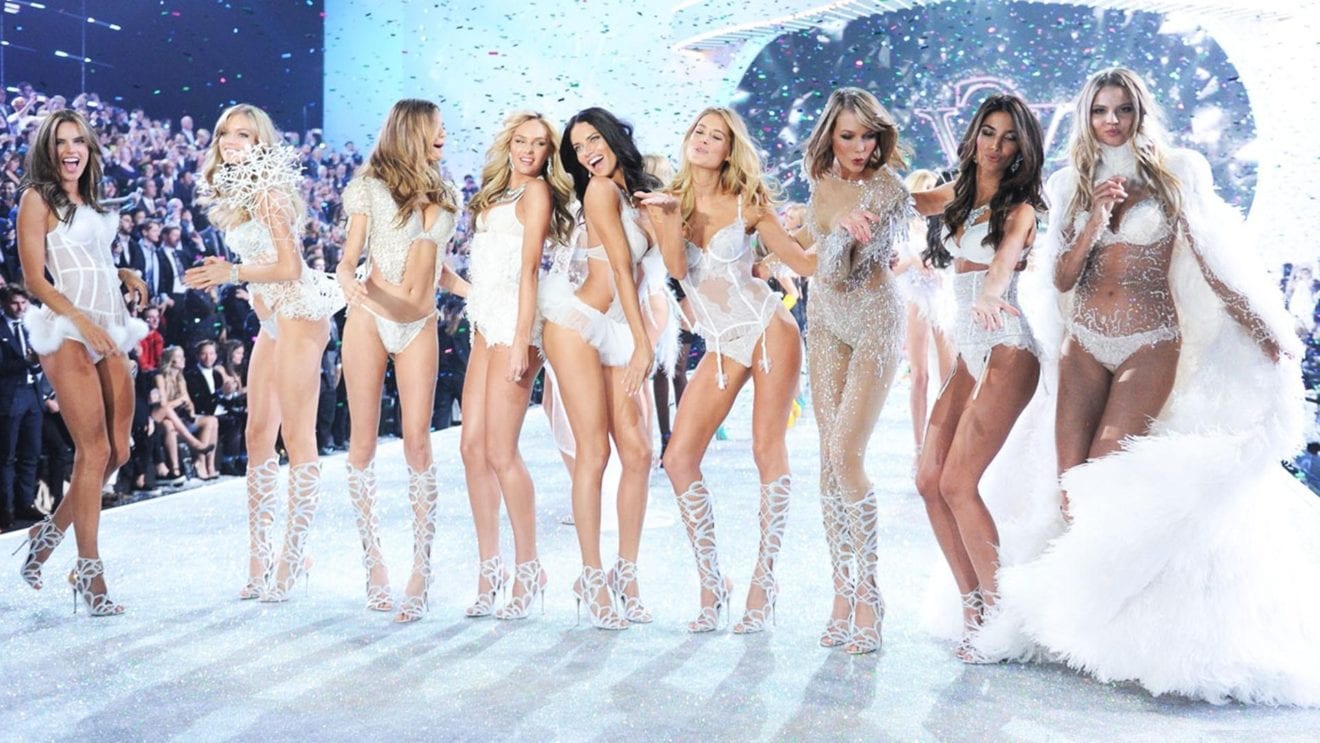
    Victoria’S Secret will open its first South-east Asia flagship store in Singapore by year end and unveil a full assortment of its sexy wares.

    The international lingerie brand will open the 12,000 sq ft outlet in the fourth quarter of the year at Mandarin Gallery in Orchard Road.

    The two-storey store, which faces the street, will take over the units that Mont Blanc, Bimba Y Lola and Bathing Ape used to occupy.

    These brands will be moving to other areas in the four-storey mall. The concierge counter on level two was also relocated to level three to accommodate the largest American retailer of women’s lingerie.

    The nine existing Victoria’s Secret stores here are all the brand’s beauty and accessories stores. They sell fragrances, accessories like bags and only a small range of women’s underwear.

    Patrina Tan, senior vice-president of retail, marketing and leasing at Overseas Union Enterprises, which manages Mandarin Gallery, said that the hoarding on the mall went up last week.

    “Mandarin Gallery has always been known to be a mall that houses the best of the best in retail and food. We have the king of ramen, the king of ribs. So naturally, Victoria’s Secret echoes and reinforces what the mall stands for,” she said.

    There are plans for the brand to hold fashion shows here on top of other events, she said. “It is a long-awaited brand that has never been available in this part of the world.”

    The Straits Times understands that prices at the store here will differ from those elsewhere as they will be based on domestic variables like taxes and profit margins.

    Its product range will be identical to that offered in stores in the United States and will not be tailored to the local market.

    Victoria’s Secret is one of several global brands that have chosen to set up shop here recently.

    French sporting goods store Decathlon will open a 35,000 sq ft store in Chai Chee Technopark next week; popular French women’s wear label Maje opened its first flagship store at The Shoppes at Marina Bay Sands in October; Singapore’s first Apple store will open next year; and the renowned Dover Street Market will soon make its debut here.

    Experts said that international retailers, faced with economic challenges in developed markets, are looking to emerging markets such as South-east Asia.

    “Singapore is seen as an ideal test bed for brands looking to break into South-east Asian markets and is viewed as an important place to build brand awareness,” said Sarah Lim, Singapore Polytechnic’s senior retail lecturer. “Customers in countries in the region will identify with the brand when it moves over to their countries.”

    She said that Victoria’s Secret will up the ante in the retail scene here: “They don’t just sell products, but strengthen their brand with fashion shows and experiential shopping. Other brands can learn from them.”

    Shoppers like Gina Farr, 32, are excited.

    The fitness trainer is a fan of the brand’s underwear and owns several pairs that she bought from the smaller stores here.

    “The quality is great, and there will be a wider range including bras. The range of items they have here now is too small,” she said. “I would probably shop there quite often when it opens.”