Category: Fashion

Retail News Asia is committed to providing both local and global retailers with the latest Fashion news throughout the Asian market. This on a daily base.

  • Korean retailers suffer from warm winter

    Korean retailers suffer from warm winter

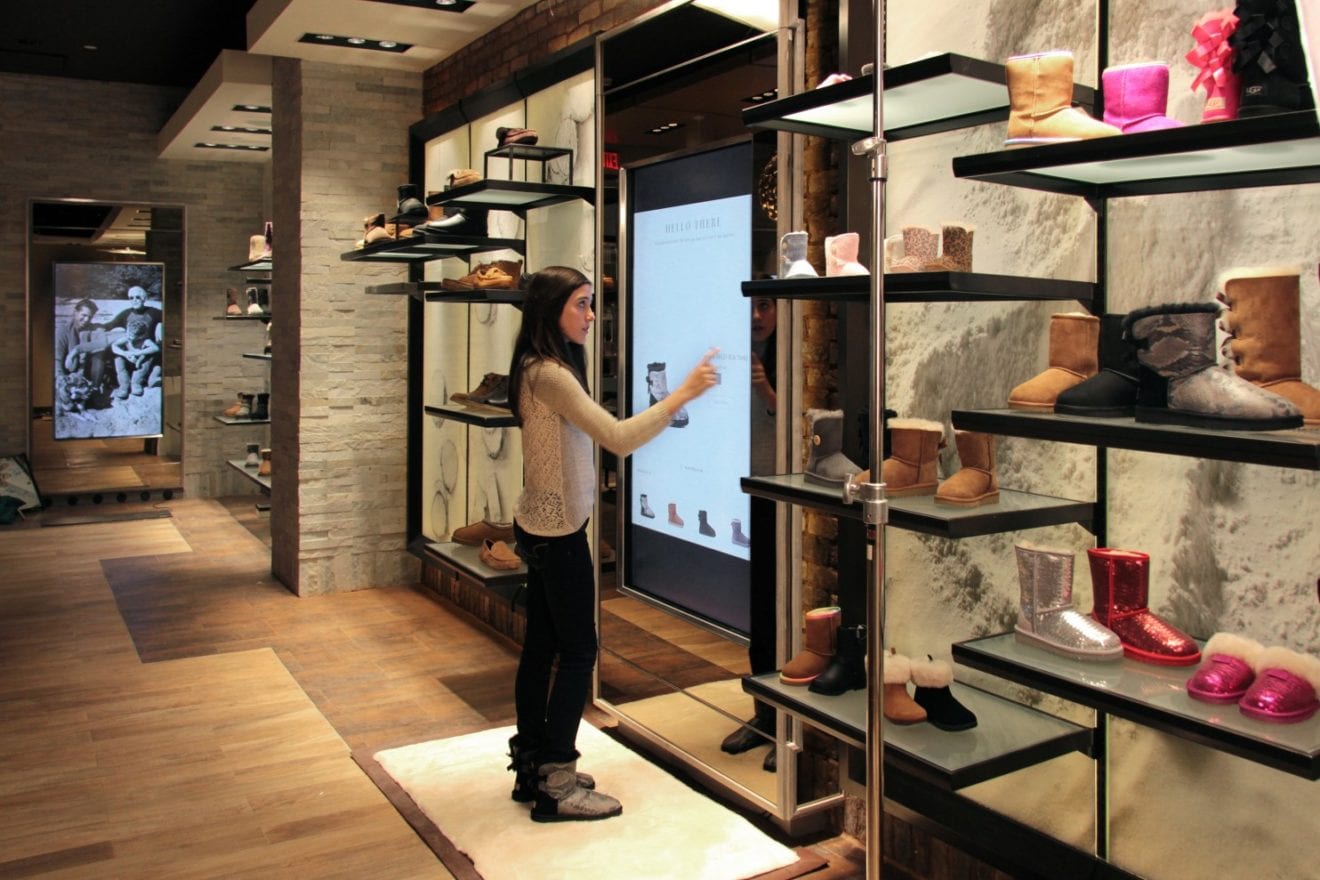
    The unusually warm weather has hurt Korean retailers sales of everything from winter coats to snow boots, while boosting sales of outdoor sportswear and camping gear, store executives say.

    December was the warmest month on record in South Korea as an unusually strong El Nino effect has been heating up the globe. The change has carved a chunk out of retailers who rely on the weather for clothing sales. Annual ice fishing festivals were cancelled across the nation.

    E-Mart, the nation’s leading discount store chain, said winter clothing sales fell 11.4 per cent in December from a year ago, while heaters and heating pads tumbled 31.3 per cent. Scarves, gloves and other cold-weather accessories also took a hit from the mild weather.

    In contrast, outdoor sportswear and gear enjoyed unusually high popularity.

    Sales of sporting gear sales jumped last month, with camping equipment rising 45 per cent on-year.

    “Sales of winter clothing tumbled due to the unusually high temperature in December, while meat and home meal replacement related to camping and outdoor activities rose,” said Choi Hun-hak, a marketing manager at E-Mart.

    “We will prepare discount events for winter-related items as the warmer-than-usual winter is expected to continue in January.”

    The Korea Meteorological Administration has forecast mild weather throughout the winter.

    At Lotte Mart, the nation’s second largest discount chain, sales of winter clothing and snow removal equipment decreased 21.6 per cent and 23.9 per cent, respectively.

    Sales of winter-related items at major department stores have also failed to take off this winter, in a stark contrast from the last season’s down padding frenzy.

    Lotte Department Store said winter clothing and fur coat sales slipped 5.4 per cent and 8.8 per cent, respectively, in December compared with a year earlier.

    Instead, light padding jumpers and down vests have fared relatively better than usual, while golf wear showed double-digit growth as the ground remain unfrozen most of the time.

    “Clothing sales, which are highly dependent on weather, are struggling due to the unexpected warm weather,” said Yoon Young-hoo, a men’s sportswear manager at Lotte Department Store.

    “Although golf and outdoor sportswear are usually popular in the spring and fall seasons, they are posting robust sales during the peak winter season.”

  • Nature Republic shutters TST flagship

    Nature Republic shutters TST flagship

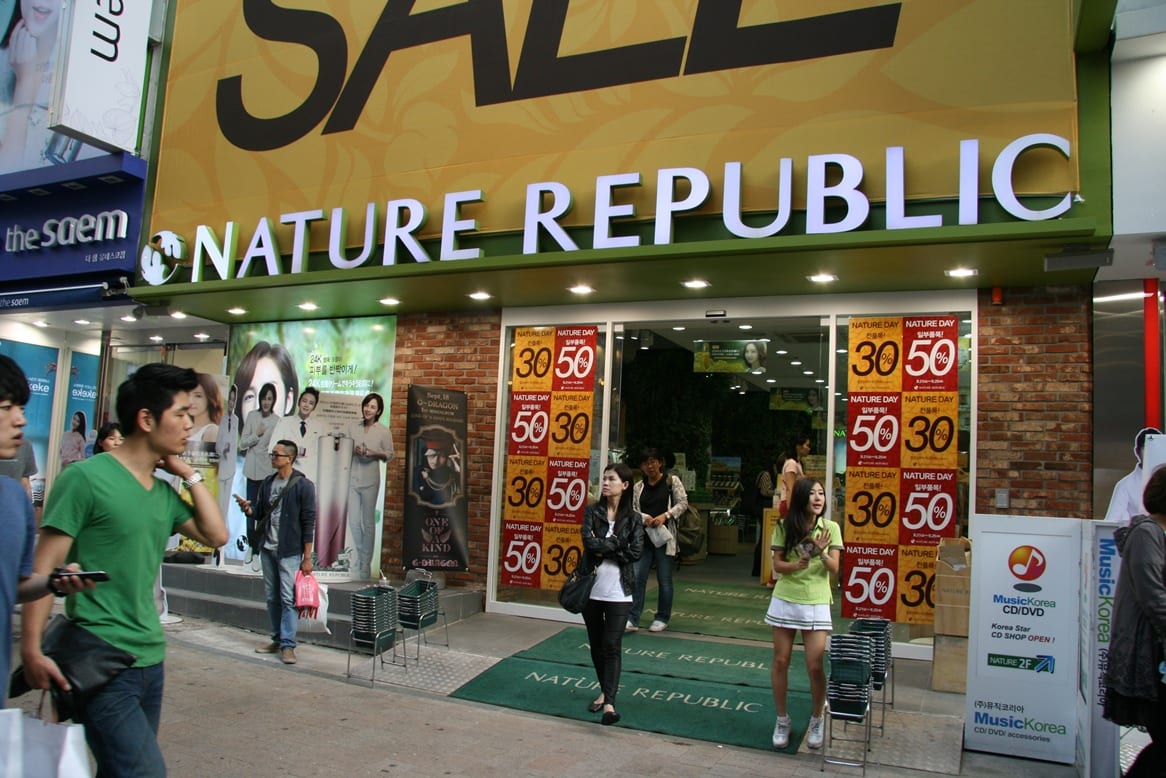
    Korean cosmetics retailer Nature Republic has shuttered its Tsim Sha Tsui flagship store – seven months before the end of its lease.

    According to a report in the Hong Kong Economic Journal, Nature Republic was paying a monthly rent of $950,000 for the 1640 sqm store which spanned three units in front of The One shopping mall on Granville Rd.

    While property industry sources are blaming declining spending by affluent Mainland Chinese tourists for the downturn in retail sales generally, Nature Republic’s move is more likely the result of over ambitious sales targets in Hong Kong, given the store has only been trading since last summer.

    While Korean brands are commanding fast growth in Greater China, it is difficult to see how a store of this size with such high rent could be commercially viable in a retail category which is hugely competitive, and dominated by listed chains Sa Sa and Bonjour.

    The space is now being offered at a 5.3 per cent discount on the previous rent, according to the HKEJ report.

    Centaline Commercial COO Stanley Poon said other retailers had ended leases prematurely after lacklustre Christmas sales – but they’d been paying monthly rentals of up to $300,000, for smaller footprints.

    Nature Republic is not the first Korean cosmetics retailer to strike trouble in Hong Kong. Exactly a year ago the local partner of Missha closed all of its 20 stores overnight before the brand returned to the territory in June with a new partner.

  • Dior China opens largest flagship yet

    Dior China opens largest flagship yet

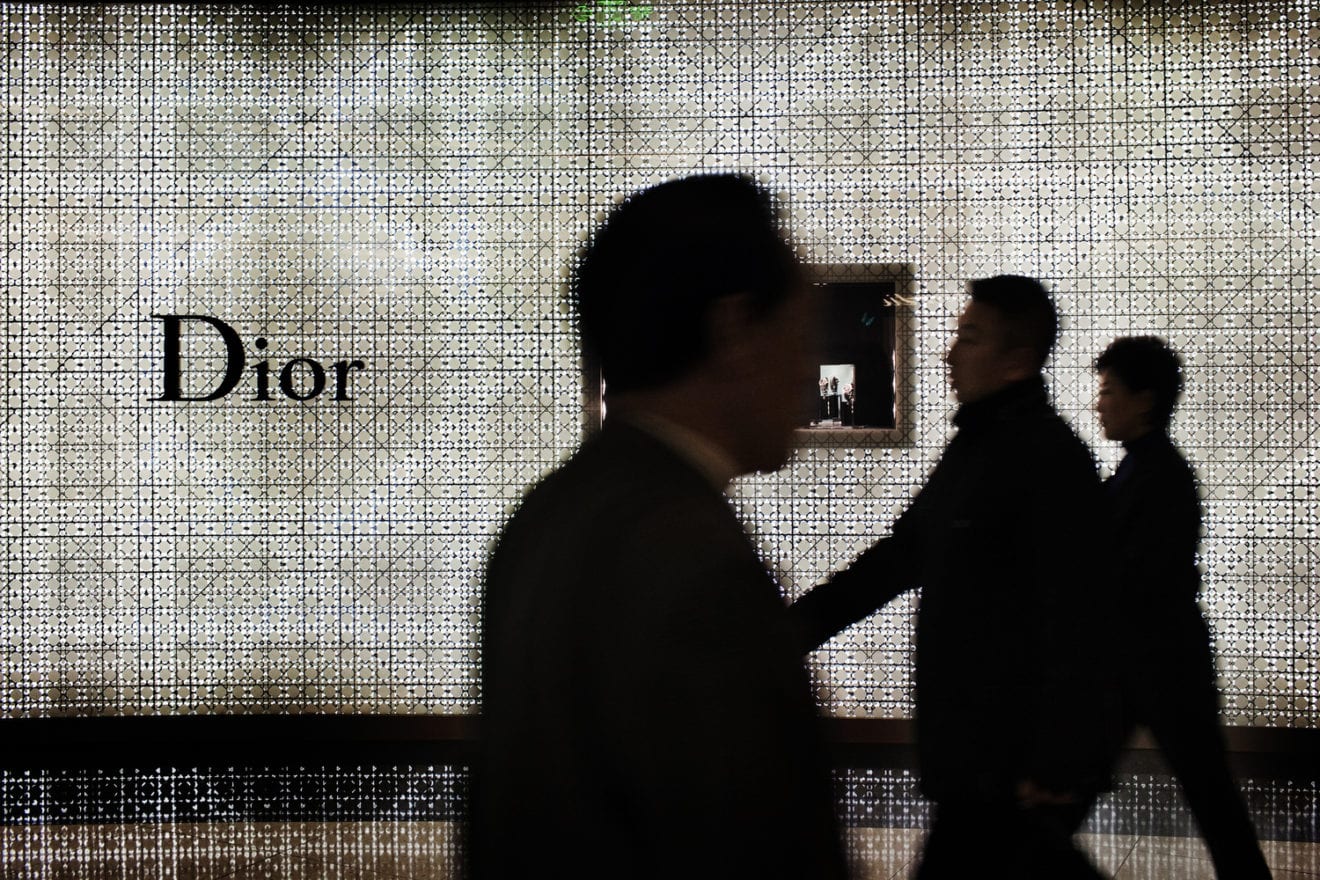
    Dior’s new Beijing China World boutique is the French luxury label’s largest flagship store in China.

    Dior China opened the store this week in conjunction with its re-staged Spring/Summer 2016 presentation. The retail space is split across two levels, featuring a floor-to-ceiling, double layer glass facade that emulates the fine feminine fabric in the fashion house’s Cannage print.

    Dior Beijing China 1

    Designed by Peter Marino, the interior is inspired by Dior’s Paris flagship and dotted with a carefully curated group of artworks by contemporary artists. Each of the 10 pieces, which include a bench by Terence Main and a video art wall by Yorame, reflect the codes of the house.

    There is also a sculpture Siamese Metal 5 from British artist Richard Deacon, the work Waterwall, Roselyn by Gregory Ryan and table lamps by Veronique Rivemale are also displayed in the store.

    On the second floor, the footwear section is adorned by a Gaia Imprint Low Table, designed by Vincent Dubour.

    Dior Beijing China 2

    Classic furniture pieces from Guillaume Piechaud, Paolo Giordano and Timothy Horn have been placed strategically throughout the space, and the store features a private VIP salon decorated with two Mineral Commodes designed by Juan & Paloma.

    The new Dior China flagship is located in Beijing’s Chaoyang district.

    dior beijing

  • China’s Top Boutique Openings in 2015

    China’s Top Boutique Openings in 2015

    IMG_2022

    Last year is yet another in a line of several that proved tough for the luxury retail industry in China. The anti-graft campaign has continued in full force, causing some shoppers to steer clear of flashy, high-cost purchases, while online shopping has driven many malls around the country to close. Still, 2015 was a big year for several international high-end labels, independent boutiques, and department stores that entered China for the first time or were revamped to give consumers an updated look. Here are six brands that made headlines in the style sector this year.

    Fei Space

    _DSC0251

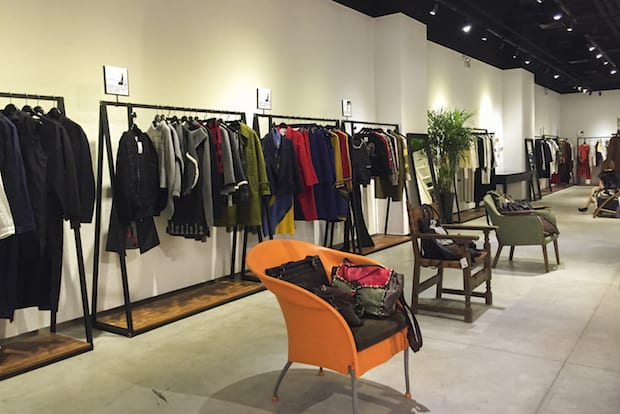
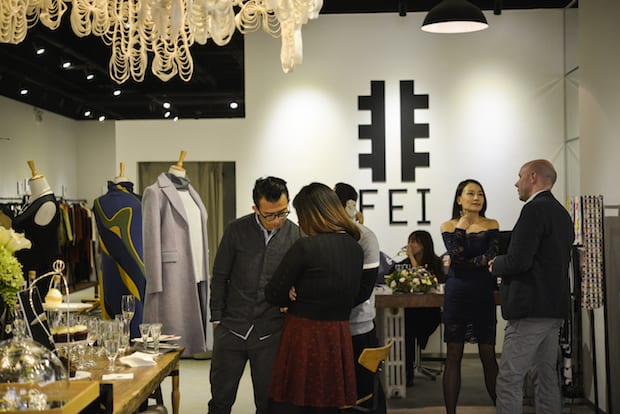
    Formerly located in 798 Art District, Fei Space is a culmination of local designers and stylish brands from around the world. Shoppers may also recognize the boutique for its pop-up store in Beijing’s U-Town mall that featured past-season collections from Topshop and Topman. Now that the official Topshop has opened in Galeries Lafayette (see below), the new Fei Space now is primarily focused on Chinese independent designers and some casualwear, such as Beijing-based American workwear brand Taciturnli and Shenzhen designer VMajor. It’s located in the Grand Summit mall, an evolving shopping center in the capital’s embassy district that includes a multitude of high-end Chinese boutiques and local health food chains aimed at the discerning shopper.

    Triple Major Beijing

    triple_major

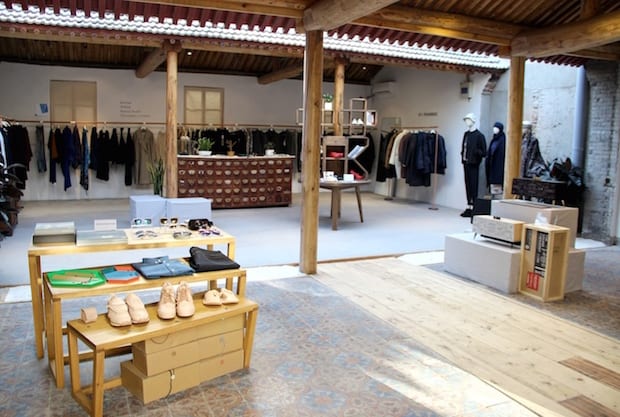
    The year was off to a good start as far as openings go—Triple Major wowed media with its expansive new store in Beijing’s developing Dashilar district, which was designed in part to reflect the building’s former use: a Chinese pharmacy. Owner Ritchie Chan moved the concept store featuring both international and local brands from its home in Beijing’s central hutongs to an area that’s quickly transforming into a hub for young creatives with no shortage of locally-owned third-wave coffee shops, art galleries, and small, artisan boutiques.

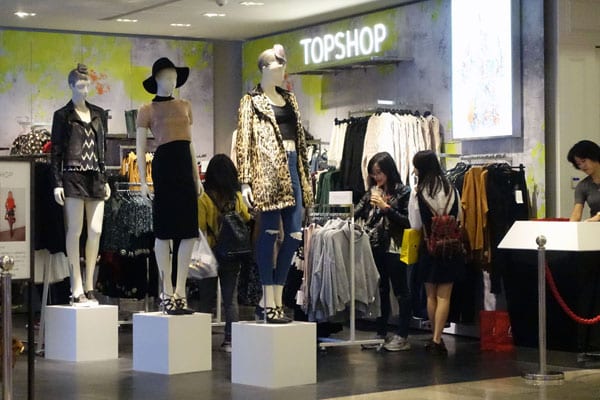
    Topshop at Galeries Lafayette

    The new Topshop location at Galeries Lafayette in Beijing. (China Daily)

    The new Topshop location at Galeries Lafayette in Beijing. (China Daily)

    Topshop has been open in Hong Kong for a few years, but only this year has the brand decided to put roots in the mainland, namely in the French department store Galeries Lafayette, a mall that has been struggling to attract shoppers in Beijing’s Xidan area. This version is tiny compared to its flagship and blends in on a floor mainly reserved for Asian independent labels.

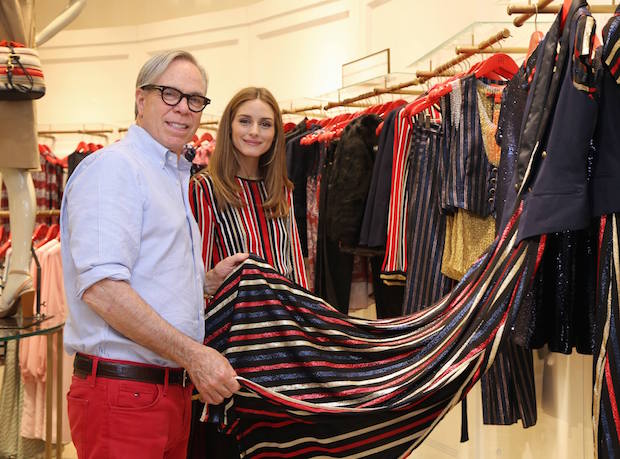
    Tommy Hilfiger

    Tommy Hilfiger (L) with socialite Olivia Palermo (R) at the brand's new store opening in Beijing. (Tommy Hilfiger/Facebook)

    Tommy Hilfiger (L) with socialite Olivia Palermo (R) at the brand’s new store opening in Beijing. (Tommy Hilfiger/Facebook)

    Tommy Hilfiger kicked off opening its largest store in Beijing’s In88 shopping center with a football-themed runway show in the spring, hoping to gain Chinese fans by pushing an all-American aesthetic.

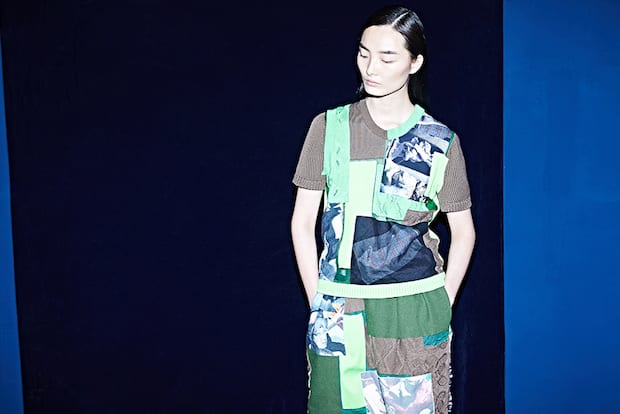
    JNBY Concept Store

    A look from JNBY's latest collection. (Courtesy Photo)

    A look from JNBY’s latest collection. (Courtesy Photo)

    The JNBY Concept Store is nothing new outside of China, but Beijing gained its first in the new Grand Summit mall this year along with an art exhibit in cooperation with Beijing’s UCCA to kick things off. Fans of the international, Hangzhou-born brand that’s known for supporting independent Chinese designers with high-end clothing for adults and children also get a selection of contemporary jewelry and handbags and artisan chocolate.

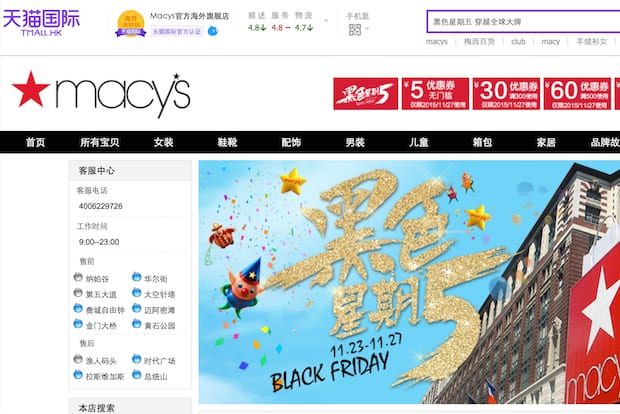
    Macy’s (Tmall)

    Macys

    Macy’s entered China this year on more official terms when it opened its shop on Alibaba Group’s Tmall, becoming the first U.S. department store to do so. It steered away from opening a brick-and-mortar shop, unlike its competitors who have done so and struggled, like the UK brand Marks & Spencer. M&S closed a chunk of its stores in Shanghai and instead opened a brand new space in Beijing’s business district shopping center, The Place.

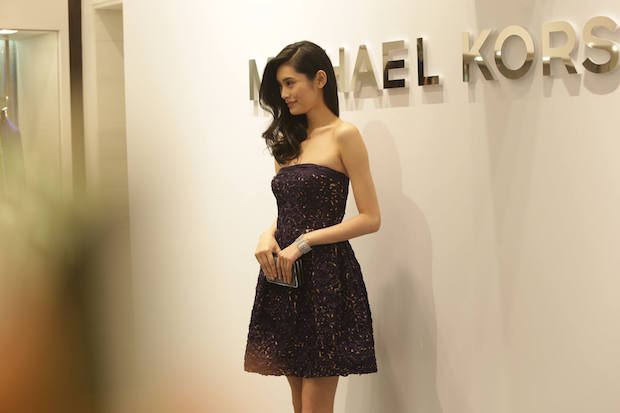
    Michael Kors

    Model Ming Xi makes an appearance at the Michael Kors opening in Beijing. (Michael Kors/Facebook)

    Model Ming Xi makes an appearance at the Michael Kors opening in Beijing. (Michael Kors/Facebook)

    Huamao Shopping Center in Beijing acquired a 9,000-square-foot Michael Kors flagship store last month, which was celebrated with a photo exhibition done in collaboration with Vogue China. The new shop is now the largest in Asia, followed by the Shanghai flagship that opened last year alongside a high-profile campaign to attract jet-set Chinese consumers.

  • House of Fraser opens first store in China

    House of Fraser opens first store in China

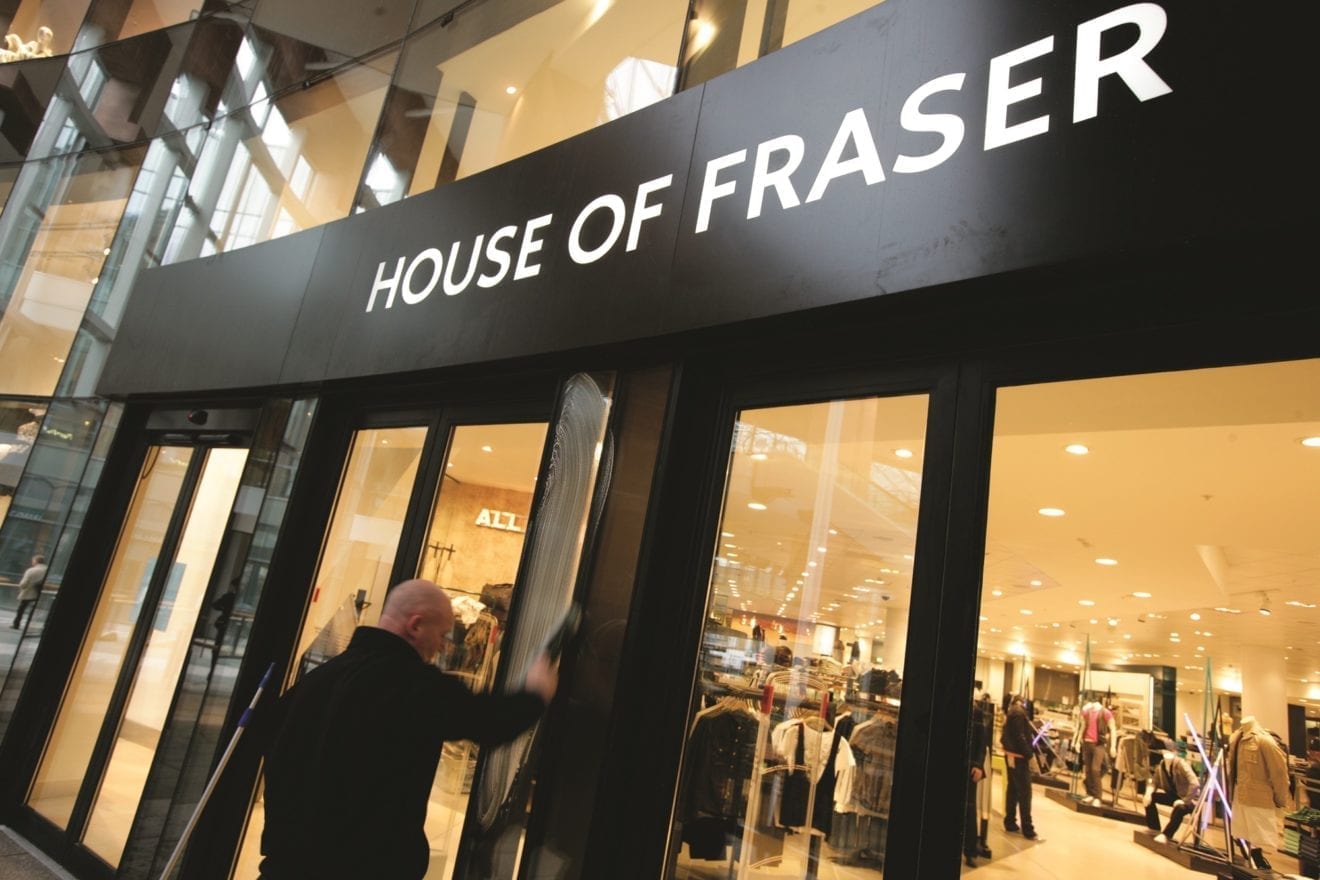
    UK and Ireland’s department store group House of Fraser opened its first store in China this month. The store, located Xinjiekou Sanpower Plaza (International Financial Centre) in Nanjing, covers a total building area of approximately 28,500 square meters with six floors and around 50 video screens.

    Several brands have partnered with House of Fraser to introduce its products for the first time to the Chinese market.  There are also new concepts such as Style by HoF, and a Nike Beacon store, the largest Nike beacon store in China as well as Monceau, a lifestyle and cafe.

    The store aims to provide a premium retail experience, including a VIP lounge, a VIP loyalty, and personal shopping. The world’s biggest toy chain Hamleys and the American novelty retail corporation Brookstone are adjacent to the store.

    Nanjing is the capital of the Jiangsu Province in Eastern China and has a total population of 8.2 million. Its commercial center, Xinjiekou, has a total of over 1,600 businesses and the most prosperous area in downtown Nanjing.

    House of Fraser completed its sale to Nanjing Xinjiekou Department Store, a Chinese department store chain owned by the Sanpower Group on 2 September 2014, marking an exciting beginning for the company under Chinese ownership.

    “This is an exciting time for House of Fraser and the opening of the store in Nanjing is a strong way to finish 2016. We are confident that our first store will clearly demonstrate the unique status that House of Fraser can achieve in the market, and will be a standout platform for our brand partners,” said Frank Slevin, Chairman of House of Fraser UK, in a media statement.

  • First Marks & Spencer Beijing store opens

    First Marks & Spencer Beijing store opens

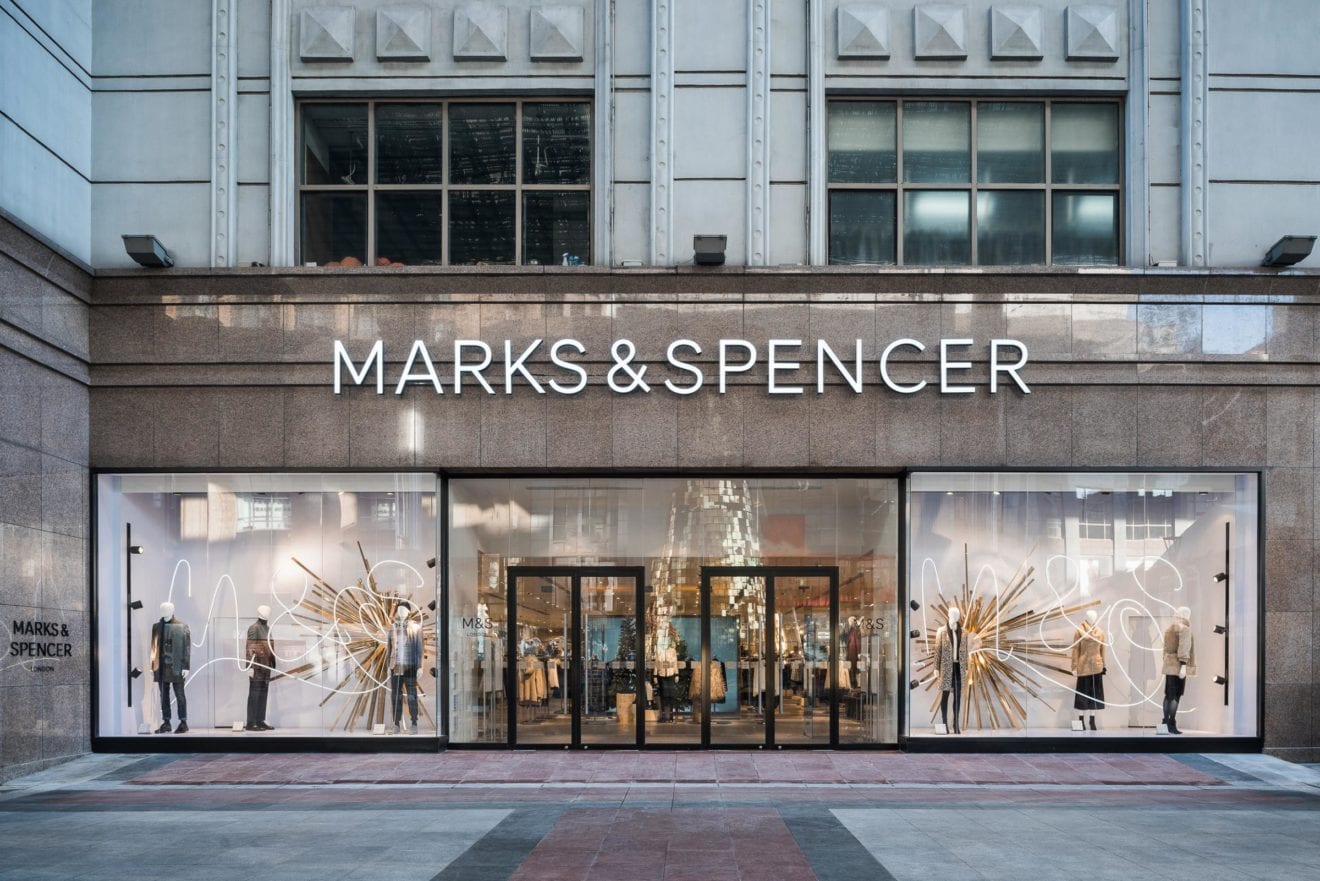
    UK department store operator Marks and Spencer has opened its first store in Beijing.

    The new 1500 sqm M&S Beijing store has opened in The Place shopping centre, selling clothing and food.

    M&S operates 10 stores in Shanghai and the move to Beijing is in line with a strategy to gradually expand in China’s tier 1 cities, albeit at a slower pace than originally forecast.

    “We’re looking at places which are very much ‘tier 1’… where you have an upper middle class consumer base… where we will do well even in the context of a slowdown in the economy,” executive director of marketing & international, Patrick Bousquet-Chavanne said last September.

    M&S has closed some smaller stores in China and is now focusing on larger stores in major cities.

    It has 20 in Hong Kong.

  • Nike profits soar in Q2

    Nike profits soar in Q2

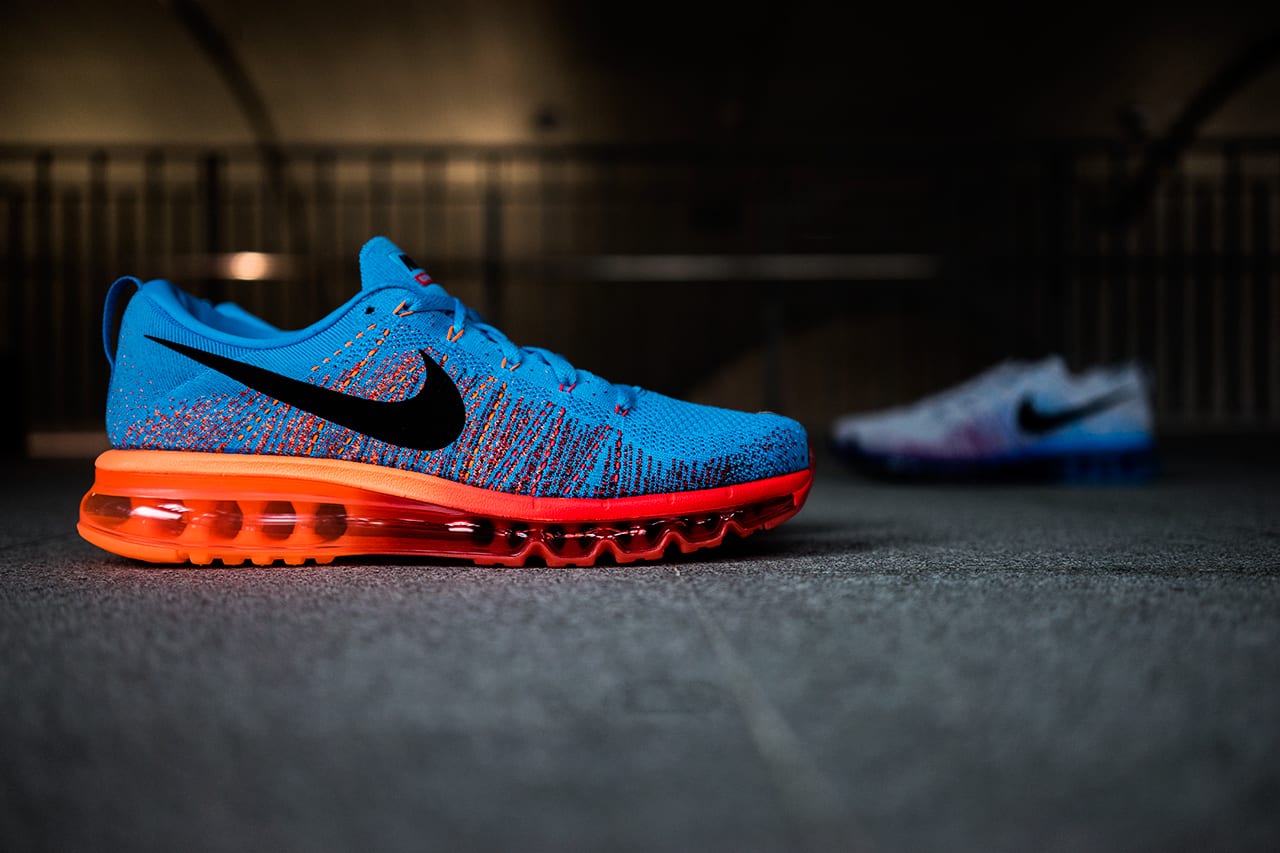
    Sportswear brand Nike says sales rose four per cent in the second quarter – but profit soared 20 per cent.

    The company says strong consumer demand drove revenue growth across the entire Nike brand portfolio and improved gross margins led to the profit boost during the three months to November 30.

    “Our strong Q2 growth and profitability show that Nike continues to drive real momentum through the category offense – by going deep with consumers by sport and serving them completely,” said Mark Parker, president and CEO.

    “And our powerful global portfolio of businesses, combined with strong financial discipline, continue to drive significant shareholder value. We see tremendous opportunity ahead as we enter an Olympic and European Championships year with a full pipeline of inspiring innovation for athletes everywhere.”

    Revenues totalled US$7.7 billion, up 12 per cent on a currency neutral basis. Of that, the Nike brand accounted for $7.3 billion, up 13 per cent, driven by double-digit growth in every geography and most key categories.

    Revenues for Converse were $398 million, down five per cent on a currency neutral basis, as strong growth in North America was more than offset by a decline in Europe

    Gross margin increased 50 basis points to 45.6 per cent, primarily due to higher average selling prices, partially offset by higher product input costs and unfavorable changes in foreign exchange rates.

    Net income increased 20 per cent to $785 million.

  • Giant Muji Shanghai flagship store opens

    Giant Muji Shanghai flagship store opens

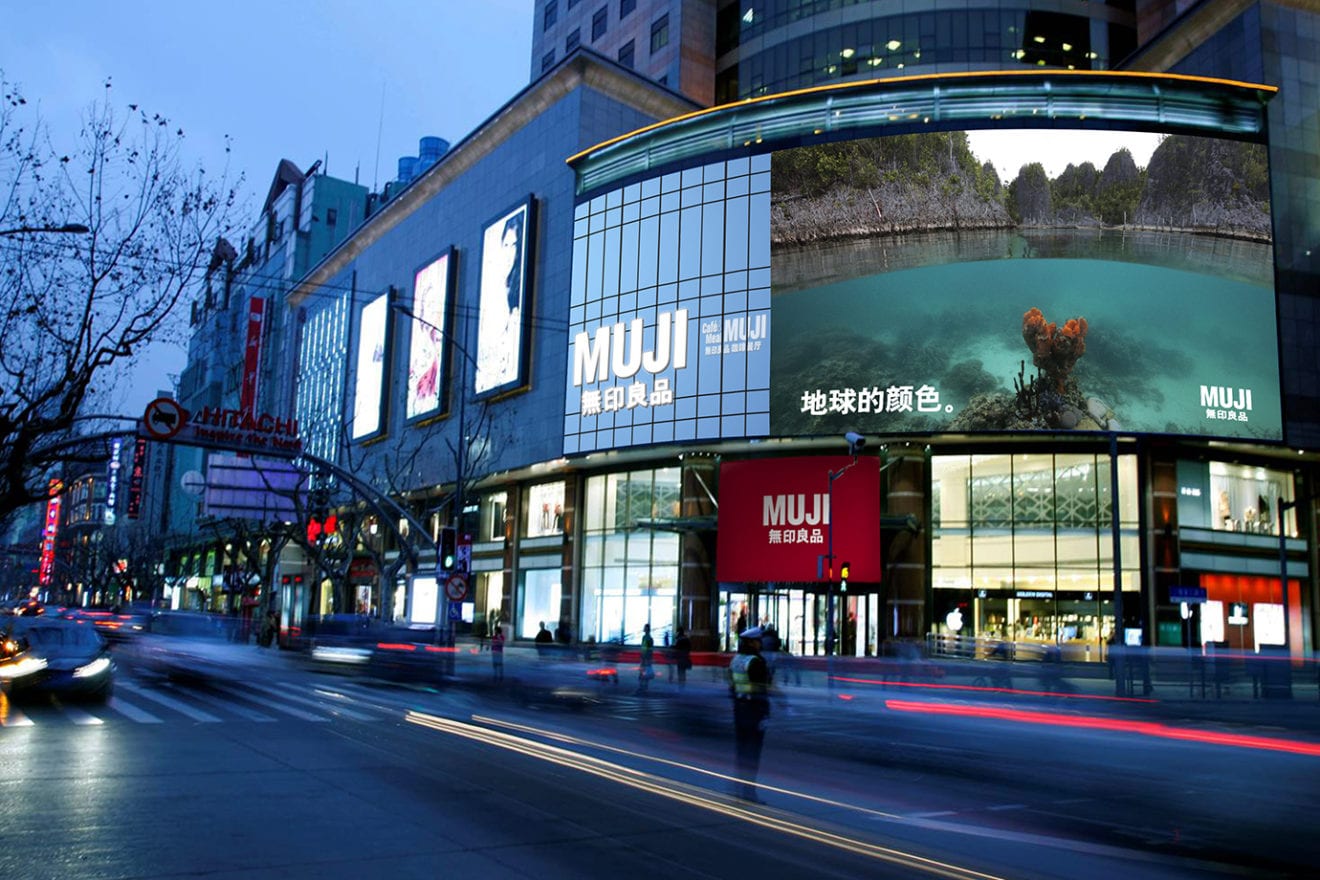
    The new Muji Shanghai flagship just opened marks the Japanese department store brand’s largest shop in China.

    Muji says it built the massive store so consumers in China “can experience the Muji lifestyle concept”.

    MUJI Shanghai Huaihai 755 - 6

    MUJI Shanghai Huaihai 755

    The new store is located at 755 Huaihai Rd, Shanghai’s premium high street shopping strip which is also home to flagships from brands as diverse as Uniqlo and Alfred Dunhill.

    MUJI Shanghai Huaihai 755 - 5

    MUJI Shanghai Huaihai 755 -1

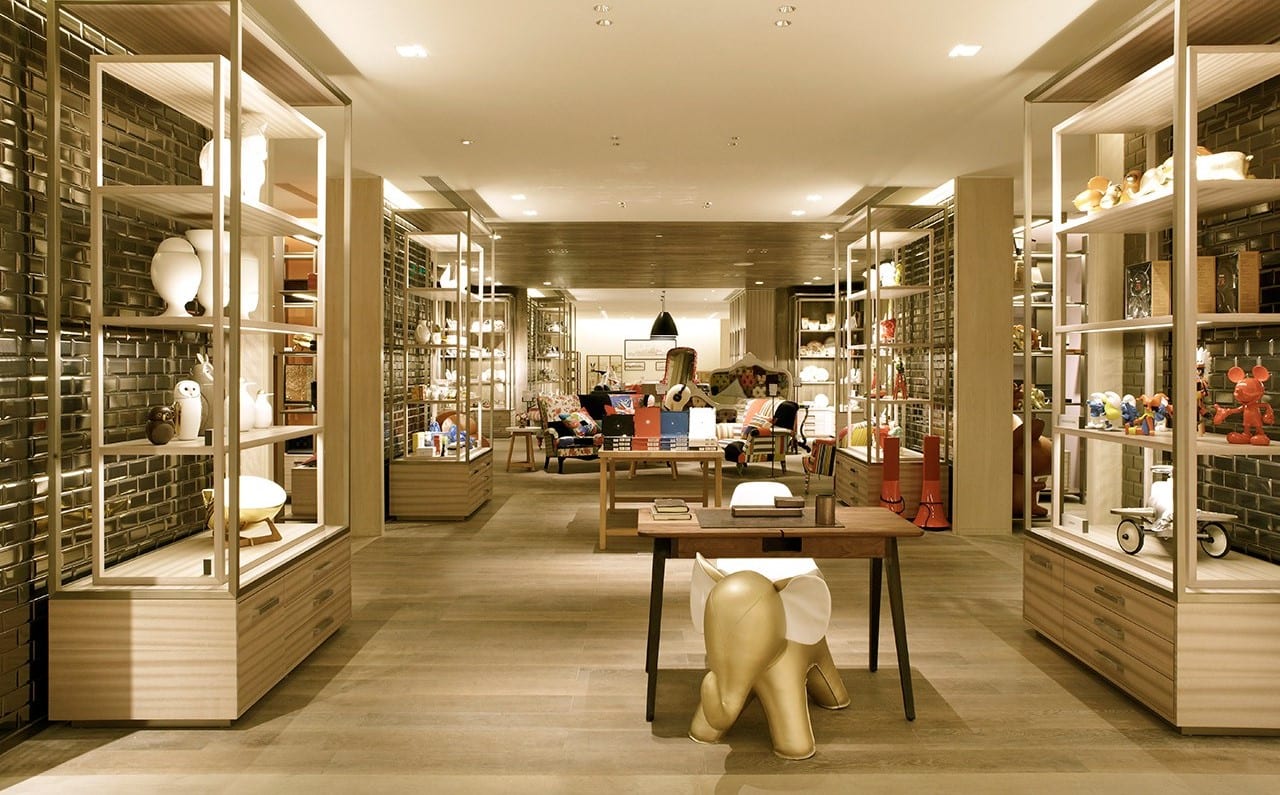
    From a design perspective, each of the store’s three levels uses a different natural material to create three unique, differentiated shopping environment: Wood, iron (metal) and glass (earth).

    MUJI Shanghai Huaihai 755 - 4

    The flagship also incorporates  the cafe & Meal Muji dining concept, for the first time in Shanghai.

    MUJI Shanghai Huaihai 755 - 10

    “We seek out food ingredients that are tasty as natural food, and produce menus that make use of the original tastes of those ingredients with simple cooking methods,” said a Muji spokesperson of the new eatery offer.

    MUJI Shanghai Huaihai 755 - 3

    And – for the first time in China – Muji Books has opened featuring a curated range of reading materials and stationery products.

    MUJI Shanghai Huaihai 755 - 7

    MUJI Shanghai Huaihai 755 - 9

    MUJI Shanghai Huaihai 755 - 2

    In one corner of the store, customers can create their own scents mixing and matching various essential oils for their own unique recipe.

    MUJI Shanghai Huaihai 755 - 8

    Muji says the store is large enough for it to host seminars and events for customers.

  • Ice-Watch expands into east Malaysia

    Ice-Watch expands into east Malaysia

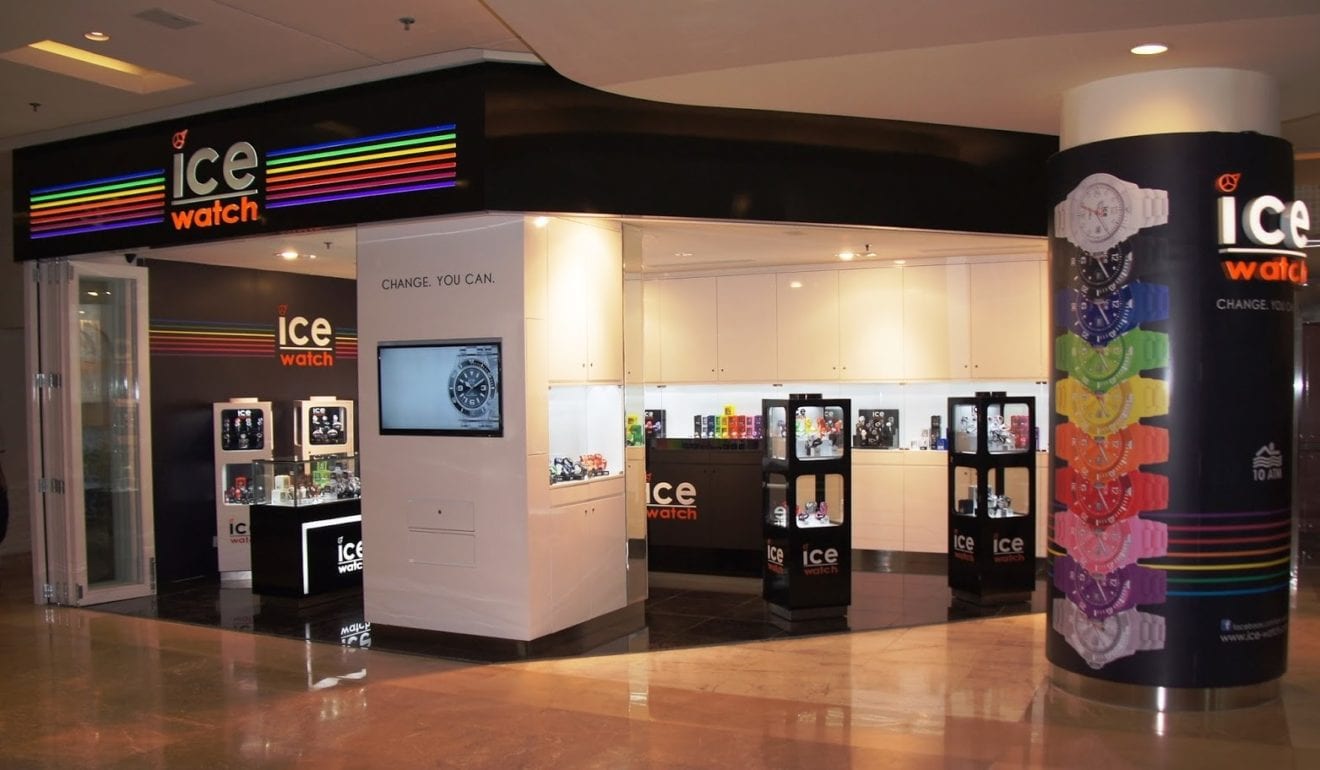
    Belgian watch brand Ice-Watch has opened its first store in east Malaysia, at Vivacity Megamall in Sarawak.

    It marks the retailer’s 15th gallery in the Malaysian market, showcasing the brand’s wide range of collections and its novelty timepiece line Ice City, which combines a modern design with an ultra-slim steel case and a pared-down dial.

    Ice-Watch Malaysia chairman Datuk Seri Meer Sadik Habib said the brand has grown rapidly since it launched in the country just last year.

    “This is our first shop in east Malaysia, so it’s something very exciting for us,” he said at the opening ceremony.

    He said Ice-Watch is “a strong, young brand” which cuts across age, style and background, appealing to a broad customer base.

    “With its accessible price, multiple colours and design combinations, our highly versatile brand allows you to switch watches based on your outfit or mood.”

    He believes the company’s moderate price points had helped it ride out Malaysia’s tumultuous retail market post April 1’s introduction of GST.

    “People still want to buy, so instead of buying something very expensive and exclusive, you get something with a brand but reasonable in price,” he said.

  • 2015 Indonesia’s blossoming fashion scene

    2015 Indonesia’s blossoming fashion scene

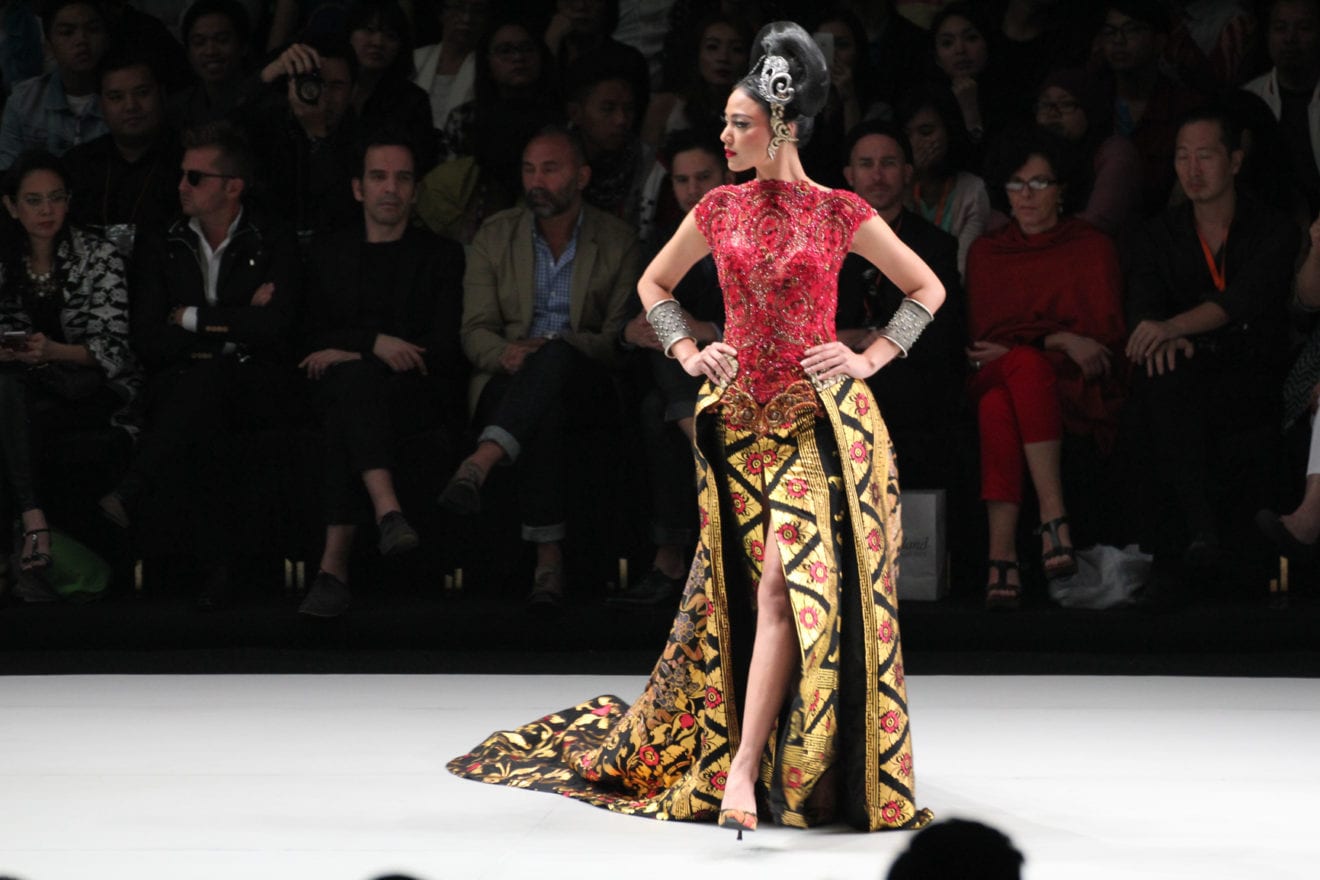
    The year 2015 has been special for Indonesia’s fashion scene — thanks to the rising popularity of local brands.

    Throughout the year, new fashion labels have been popping up, while fashion events have continued to be a paradise for fashion enthusiasts looking for trendy fashion products.

    Fashion observer Diaz Parzada said that this year the country had seen a phenomenal wave of ready-to-wear fashion, which became the main focus of many designers and brands.

    Ready-to-wear has been thriving for the past two years due to its ability to reach a wider audience, and of course, to generate profit.

    “This is a breakthrough as designers are not just people who make clothes but also professional business players that have many doors through which to distribute their works,” said Diaz, who is also the advisor for designer mentoring program Indonesia Fashion Forward and the business development director at the British Council.

    Veteran designers like Biyan Wanaatmadja and Sebastian Gunawan were the first to tap into the ready-to-wear industry, and many young designers are now following their lead.

    Young couturier Tex Saverio, who is known for his high fashion pieces, is one example.

    He launched his second ready-to-wear line, TXID, earlier this year after receiving good responses to his first ready-to-wear line, Tex Saverio Jakarta, and his collaboration with a couple of foreign online ready-to-wear brands.

    “Through ready-to-wear, I want to promote Indonesian fashion to the world. In addition to that, I want to educate the Indonesian market, to teach them that a fashion house should not have only one line,” Tex said.

    Many celebrities and fashion lovers also set up their own fashion ventures this year, offering fashion products at more competitive prices through various online platforms or fashion bazaars.

    However, that online phenomenon has also made the executive director of the Indonesian Fashion Designers Association (IPMI), Tri Handoko, concerned about a paucity of strong design characteristics differing from one brand to another.

    “Most of those new brands offer similar designs; their lookbooks are even similar with no distinct identity visible in their collections,” he said.

    “On one hand, that movement shows support for local fashion, but on the other hand, the creativity level is stagnant to some extent.”

    From left : Obin (JP/Don), Norma Hauri (Courtesy of Jakarta Fashion Week), Major Minor with Eko Nugroho (JP/Don)

    Diaz also voiced the same concern, saying that some designers had shared with him that their designs had been copied by many online fashion sellers.

    “Like it or not, designers have to accept it. But moving forward, they must explore more creative ideas for their new designs while creating powerful campaign strategies to build strong fashion brands,” he said.

    Another highlight of the year came from Muslim fashion, better known nowadays as modest wear.

    Earlier this year international retailers Uniqlo, from Japan, and Sweden’s H&M, launched a campaign to promote modest wear, moves that have been greatly welcomed by Indonesia’s hijab communities.

    Modest wear designer Norma Moi said that 2015 had been a good year for her business and she had recorded a steady increase in demand.

    “My profit increase has been in line with the increase in my resources — around 40 to 50 percent,” Norma said.

    The thriving business of modest wear in Indonesia has prompted the government to aim to make the country the center of Islamic fashion by 2020.

    It is not an ambitious goal, so long as designers continued to innovate.

    “We have to keep innovating and always be creative, making our designs interesting and unique, if we want to be the center of Muslim fashion,” she said.

    But to really realize the plan, the government must also participate by providing designers with proper production supplies, such as materials.

    Norma said many designers, including her, still used imported fabrics due to the quality and availability.

    “There are local textile producers that also make fine fabric, but most of them only want to sell to big retailers that buy in bulk. We don’t have the capacity to make our own fabric yet, so we have no choice but to import,” she said.

    “The producers and the government should understand that there’s also us in this fashion business, not only big retailers.”

    Though modest wear recorded a strong performance this year, other designers saw lower sales from the middle of the year forward.

    Tri said that his business was declining as it entered the second semester, blaming the slowing economy as a key factor.

    Another designer, Sapto Djojokartiko, echoed him, saying that he also saw slower sales in his mid-priced pieces.

    “I’m not sure about the cause, but I have prepared some strategies to improve the whole business next year,” he said.

    As 2015 moved toward the end, Indonesia’s fashion scene was shocked by the resignation of seven senior members of Association of Indonesian Fashion Designers and Entrepreneurs (APPMI), including the chairman who is also the president director of Indonesia Fashion Week (IFW), Ali Charisma, Deden Siswanto and Lenny Agustin.

    Different visions to those of the association is reportedly behind their resignations. As a consequence, those who replace the steering committee of IFW have their work cut out for them to ensure the continuation of IFW early next year.

    “The resignation of APPMI leading members should be a cause for reflection for our fashion scene; what form of fashion association fits the situation today? Or is it still important to have such an association? Regarding whether it will impact our fashion scene or not, we have to wait and see,” Diaz said.

    In 2016, Indonesian fashion products are predicted to remain favorites for fashion enthusiasts who have developed more pride in wearing local designs.

    Indonesian designers will continue to wow the international fashion audience next year as some will participate in prestigious fashion events, such as London and Paris Fashion Weeks.
  • Why luxury sector woes could be a blessing in disguise

    Why luxury sector woes could be a blessing in disguise

    Hong Kong’s retail sector can bounce back from the current sluggish phase, as it did in the past in the wake of the 2003 SARS crisis and the 2008 global financial meltdown, an industry chief says.

    “Hong Kong retailers are smart; it might take time but the sector will definitely recover,” says Thomson Cheng, the new chairman of the Hong Kong Retail Management Association.

    “Tomorrow will be a better day,” he told the Hong Kong Economic Journal.

    To counter headwinds like a stronger local currency and fewer mainland visitors, Cheng urges retailers to upgrade their services and provide more unique products.

    Hong Kong should not focus too much on Chinese tourists, but should try to attract people from across the world, he said.

    As an executive director of Lane Crawford Joyce Group, Cheng has been involved in luxury retailing for years.

    The industry veteran expects the luxury segment to continue to be the worst performer in 2016.

    “I don’t see much of a rebound next year.”

    But one good thing about the shrinkage of luxury sales is that it will unlock retail space to other shops. During the heyday, high-end stores had crowded out the smaller brands and retailers of other products.

    Many major luxury brands have already announced downsizing plans in Hong Kong amid the current downturn in sales. Some firms are looking to cut their store number by as much as a fifth.

    Shopping malls should consider diversifying and bringing in more retailers that offer goods and services related to everyday living, Cheng said.

    The retail ecosystem will be healthier if there is wider variety and more brand diversity, rather than the present situation in which there are too many jewelry shops, cosmetics retailers and drug stores chasing mainland tourists, he said.


  • Burberry Hong Kong deep discounts for Christmas

    Burberry Hong Kong deep discounts for Christmas

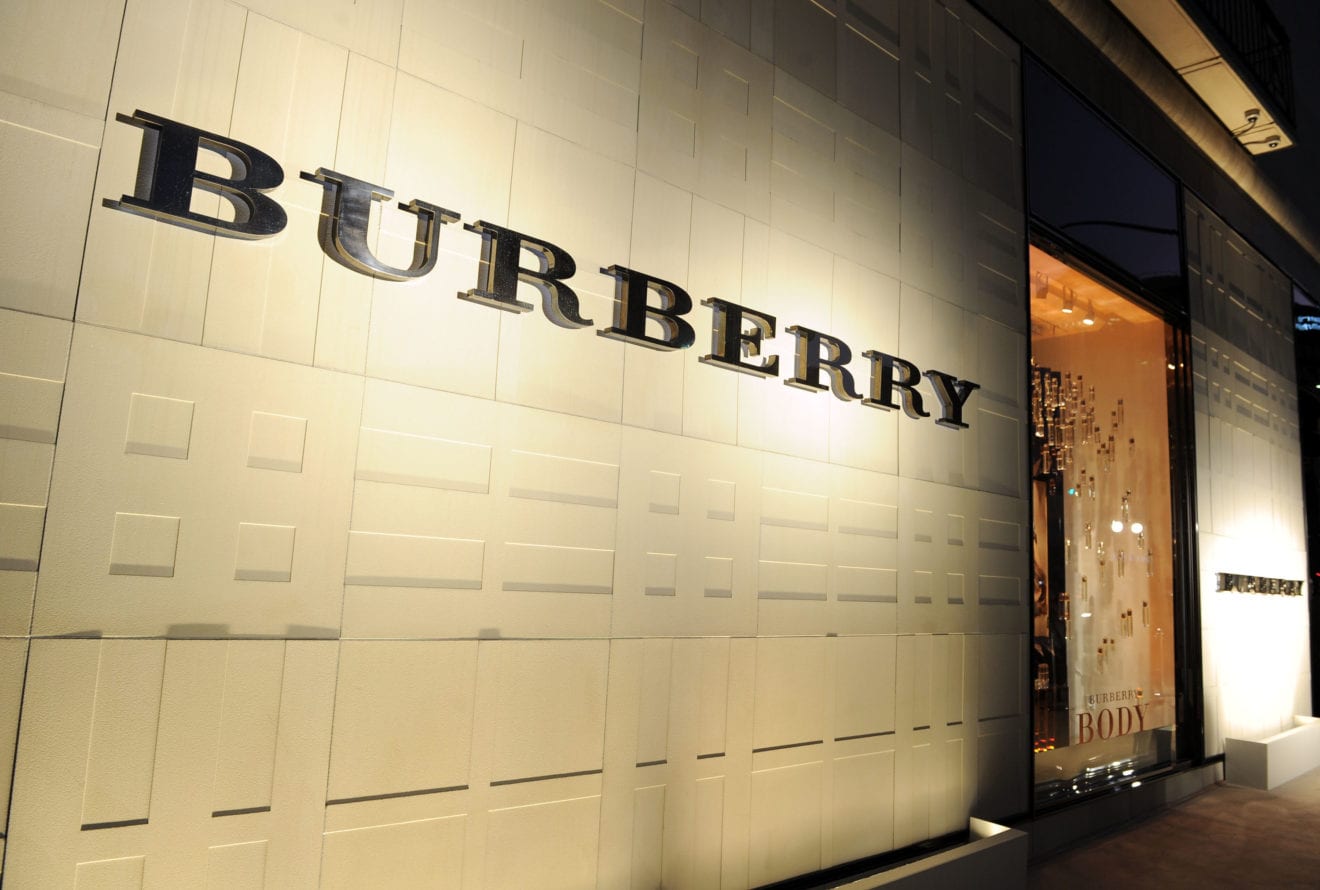
    Luxury fashion retailer Burberry Hong Kong has launched an unprecedented deep discounting campaign to move stock in the peak Christmas retail period.

    The British brand has reduced the prices on some lines by 50 per cent, the biggest reductions since the Individual Visit Scheme for Mainland Chinese tourists was launched in 2003.

    Typically, the highest discounts in the pre-Christmas sale is 30 per cent on limited lines.

    It is rare for high end brands like Burberry to offer such large discounts – but rivals Gucci and Prada have already discounted lines by similar amounts in Hong Kong, where such retailers lack an outlet channel for surplus or end of line stock.

    Industry observers say the level of discounting in such a peak retail period reflects the serious challenge faced by luxury retailers since the clampdown on gift giving in the Mainland took effect and the exchange rate fluctuations made it affordable for big spending Chinese travellers to travel to Japan and Europe to shop instead of Hong Kong and Macau.

    “A 50 per cent discount is unusual for big luxury brands like Burberry” Hayman Chiu, associate director at Cinda International, told the South China Morning Post.

    “The whole luxury industry is doing the same thing right now.”

    Burberry’s discounts apply only to a limited proportion of its stock, specifically about 10 styles of handbags and some clothing.

  • First Monica Vinader Singapore store opens

    First Monica Vinader Singapore store opens

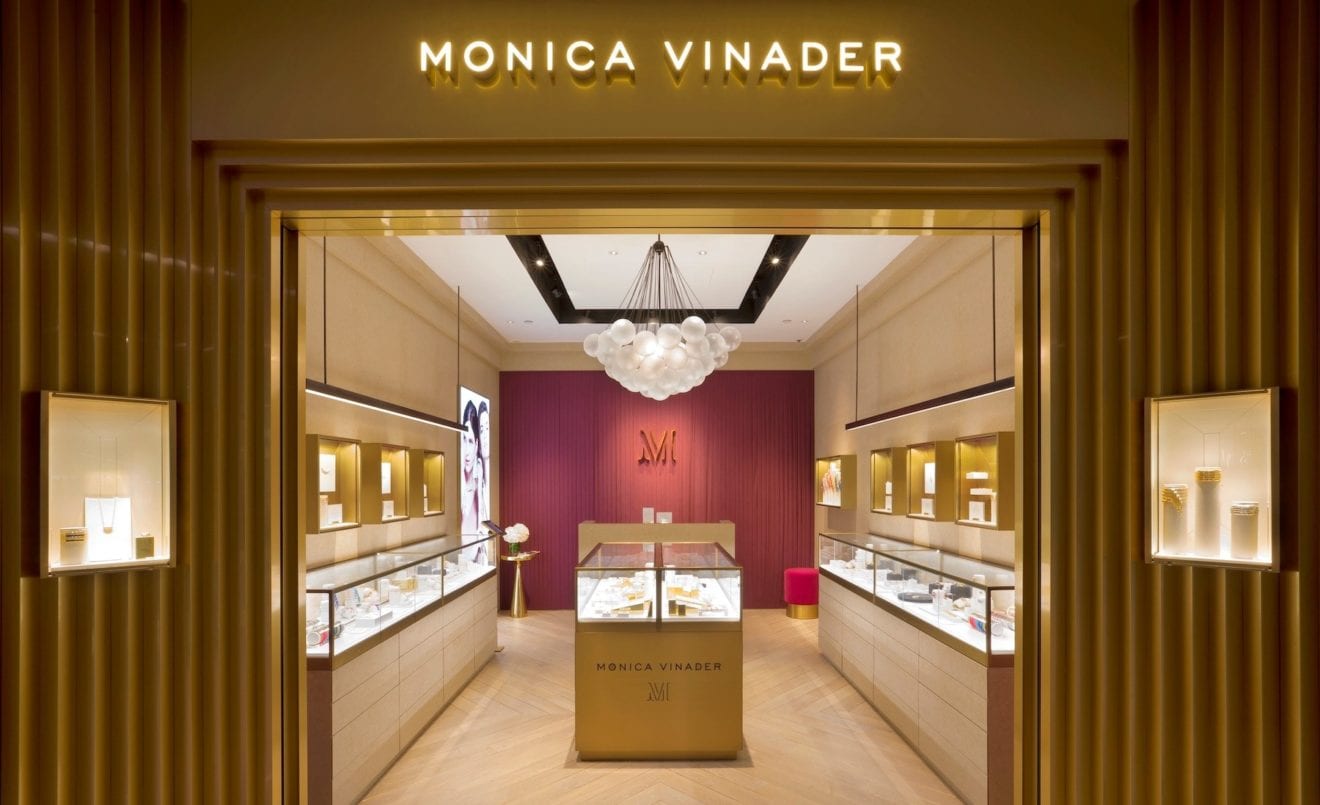
    British luxury jewellery brand, Monica Vinader has opened the doors to its first Singapore boutique.

    The Monica Vinader Singapore store is located inside the Ion Orchard shopping centre on Orchard Rd.

    “I am delighted to be opening our first store in Singapore, such an internationally vibrant city, and excited to be able to welcome our Singapore customers to our new boutique at Ion Orchard mall,” said Monica Vinader, CEO & founder of the namesake retail brand.

    The new store offers all the Monica Vinader collections from Friendship bracelets, to bespoke cut gemstone jewellery and contemporary diamond ranges. Customers will be encouraged to visit the Friendship bar where they can engrave personal messages, motifs or hand drawn doodles using the complimentary engraving service, or to layer and stack bracelets, pendants or rings to define their individual styles for any occasion.

    The store’s interior features marmorino walls and iconic gold vitrines which align with the brand’s philosophy, “using high specification materials, custom fixtures and fittings to create a welcoming and vibrant luxury shopping environment”.

    Monica Vinader has become globally renowned for its instantly wearable, contemporary designs, and is a favourite amongst A-list names such as Olivia Palermo, Emma Watson and HRH the Duchess of Cambridge.

    Monica Vinader was founded in 2002 after she began creating a jewellery collection while working in South America with her husband. Initially she focused on creating bespoke pieces for private clients, but demand soon grew to a larger audience. In 2006, the company began trading as Monica Vinader Ltd and went on to win Retail Jewellers’ Jewellery Brand of the Year award in 2009 before securing private equity investment for an international expansion.

  • Mujosh makes Australian debut

    Mujosh makes Australian debut

    Mujosh, the Hong Kong fashion eyewear brand, has opened its first store in Australia – at Melbourne Central mall in the city’s CBD.

    Just five years old, Mujosh has already opened stores in Thailand and Malaysia. Australia is its third overseas market entered with a specialty store, although it has distribution agreements in other markets, including Japan.

    “We hand picked a selection including our bestsellers and limited-edition designer series for our customers in Australia,” said Grace Zhang, director of international business division with Mujosh.

    “The latest Mujosh collections will also be unveiled in here at the same time as it will be in other territories.”

    “It is exciting that we can bring Mujosh to our customers in Australia,” said Alan Chen, the brand’s founder.

    “After five years of fast but solid development, Mujosh decided to expand into the international market at the beginning of 2015. Having our first store in Australia is an important milestone for our international business development.”

    Managed by GPT, Melbourne Central located in the heart of Melbourne, attracts a wide variety of customers from the inner suburbs of the city.

    Mujosh was founded by “a group of young creative rule-breakers who believe glasses are not only tools to improve eyesight, but also fashion accessories to differentiate wearers and make them stand out from the crowd,” the company explains.

  • Estee Lauder settles Have & Be Korea deal

    Estee Lauder settles Have & Be Korea deal

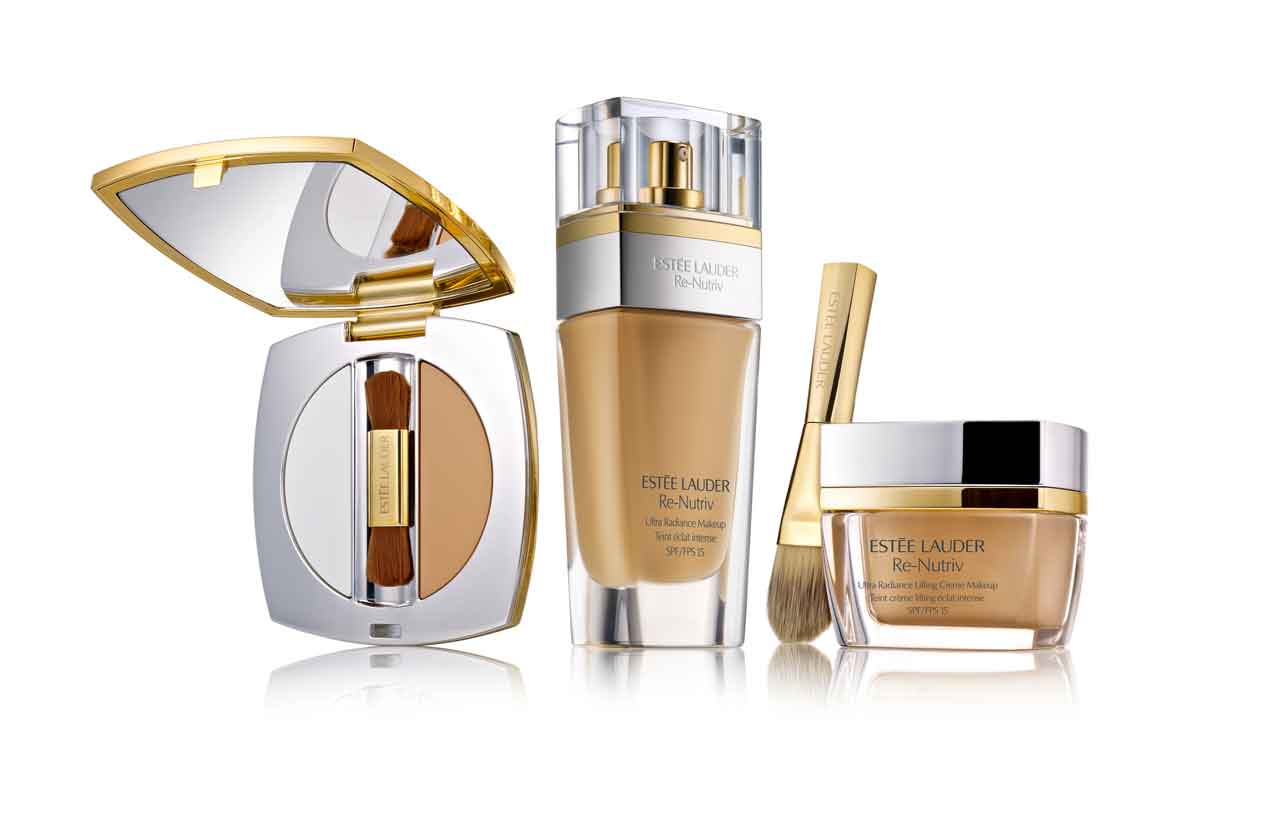
    Estee Lauder has completed the acquisition of Have & Be Korea, the parent of skin care brands Dr Jart+ and Do The Right Thing.

    The New York-listed global beauty powerhouse has not revealed terms of the deal, which gives it an important brand in the fast-growing Korean beauty industry.

    Launched online in 2005 by ChinWook Lee, Dr Jart+ is a Seoul-based, global high-growth skin care brand featuring quality and innovative products designed to address specific skin care needs. The brand’s unique fusion of dermatological science and art – as reflected in the

    brand name, which is inspired by the phrase “Doctor Joins Art” – appeals to a broad range of consumers, especially millennials. Dr Jart+ is sold in many countries around the world, primarily in Asia and the US, through various department stores, specialty-multi and eCommerce channels including Sephora.

    The Estee Lauder Companies’ investment also includes an interest in Do The Right Thing (DTRT), a men’s-focused skin care brand that fuses Korean innovation with a bold New York style. Founded by Mr Lee in 2012, DTRT’s line of cleansers, lotions, moisturisers and serums are sold in Korea through various channels and in the US through Sephora and Birchbox Man.

    Estee Lauder is one of the world’s leading manufacturers and marketers of quality skin care, makeup, fragrance and hair care products. The company’s products are sold in over 150

    countries and territories under brand names including: Estee Lauder, Aramis, Clinique, Prescriptives, Lab Series, Origins, Tommy Hilfiger, Mac, Kiton, La Mer, Bobbi Brown, Donna Karan New York, DKNY, Aveda, Jo Malone London, Bumble and bumble, Michael Kors, Darphin, Tom Ford, Smashbox, Ermenegildo Zegna, Aerin, Marni, Tory Burch, Le Labo, Editions de Parfums Frederic Malle and Glamglow.