Category: Fashion

Retail News Asia is committed to providing both local and global retailers with the latest Fashion news throughout the Asian market. This on a daily base.

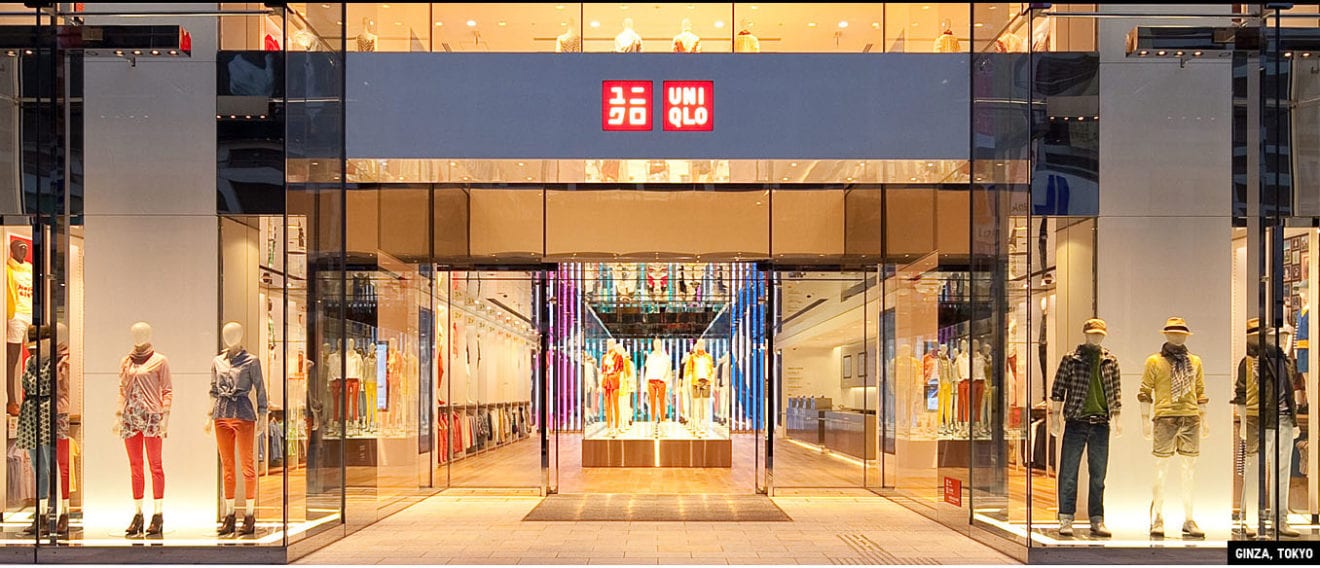
  • UNIQLO Opens World’s First MAGIC FOR ALL Store in Shanghai

    UNIQLO Opens World’s First MAGIC FOR ALL Store in Shanghai

    UNIQLO is set to open its MAGIC FOR ALL store on the fifth floor of the UNIQLO Shanghai Global Flagship Store on Huai Hai Road, its largest UNIQLO store in the world, on September 27. The MAGIC FOR ALL line of LifeWear apparel is part of a global collaboration with Disney Consumer Products that aims to surprise and delight customers of all ages.

    Customers begin their MAGIC FOR ALL journey at the store’s main entrance, where a 180-centimeter-tall Mickey Mouse statue and 100 Mickey Mouse figurines await. Known as the Mickey 100 Series, the inspiration for these iconic figurines was taken from 100 exclusive new designs for Mickey Mouse, which will be on display for the first time in Shanghai. Fifteen of the designs were reproduced on colorful UTs (UNIQLO T-shirts), including five designs for children.

    Inside the MAGIC FOR ALL store, customers are treated to a series of unique and immersive experiences found only at UNIQLO in Shanghai. Tinker Bell can be seen flying across wall monitors accompanied by music, and in a world first, the store features Shout Mickey, a special area that captures joyful moments. When a customer shouts ‘Mickey’ toward the lens of a digital camera, the moment is captured and a digital image can be sent to the customer’s mobile device as a memento of the visit. The store also features a Future area, showcasing UNIQLO’s UT range of fashions, and the Colorful Fairy Tale realm for little princesses.

    Unique and innovative being central to the overall shopping experience, the store is the first in China to offer MAGIC FOR ALL options for UTme!, a custom T-shirt design service, and for MY UNIQLO, which enables customers to add special touches to items of clothing.

  • Spyder launches in Korea

    Spyder launches in Korea

    Ski and sportswear brand Spyder has launched in South Korea with an all-new product line available in freestanding stores and shop-in-shops.

    An accelerated retail rollout is planned with 25 stores opening across the country by the end of 2015.

    “We are excited to be working with Global Brands to bring Spyder to South Korea, one of the world’s most fashion-forward and trendsetting markets,” said Jamie Salter, chairman and CEO of Authentic Brands Group and owner of the brand.

    “Spyder is highly regarded and we are confident that the brand will flourish in the country.”

    Designed for the ‘style-seeking South Korean consumer’, both the men’s and women’s collections draw from the core DNA of the brand, fusing elements of performance and fashion.

    “We see tremendous equity in the Spyder brand and its ability to translate across key markets in Asia,” said Bruce Rockowitz, CEO and vice chairman, Global Brands Group.

    “We look forward to replicating the success we have achieved in other markets to South Korea, through the roll out of a number of exciting brand and category extensions.”

    Spyder is featured in shop-in-shops at fashion hot spots including Galleria Department Store, Hyundai Department Store, Lotte Department Store and AK Department Store. The brand also launches with freestanding stores in Seoul, Daegu, Gumi, Incheon and Sokcho. Spyder will be promoted in a 360 degree campaign that includes national Print, Out of Home, Digital, Social, and TV promotion beginning this month.

    Spyder is described as one of the world’s most recognisable and credible outdoor sportswear brands, focused on enhancing the ski experience both on and off the mountain. Originally founded by David Jacobs, coach of the Canadian Ski Team and Bob Beattie, coach of the United States Ski team, Spyder’s roots run deep in the ski community. The brand has been the official sponsor of the US Ski team since 1989. Spyder offers technical ski, fitness, and lifestyle apparel and accessories for men, women, and children. The highly sought after brand is available in department stores, sporting goods stores, and specialty retailers throughout North America, Europe, the Middle East and now South Korea.

  • Issey Miyake opens in Hong Kong

    Issey Miyake opens in Hong Kong

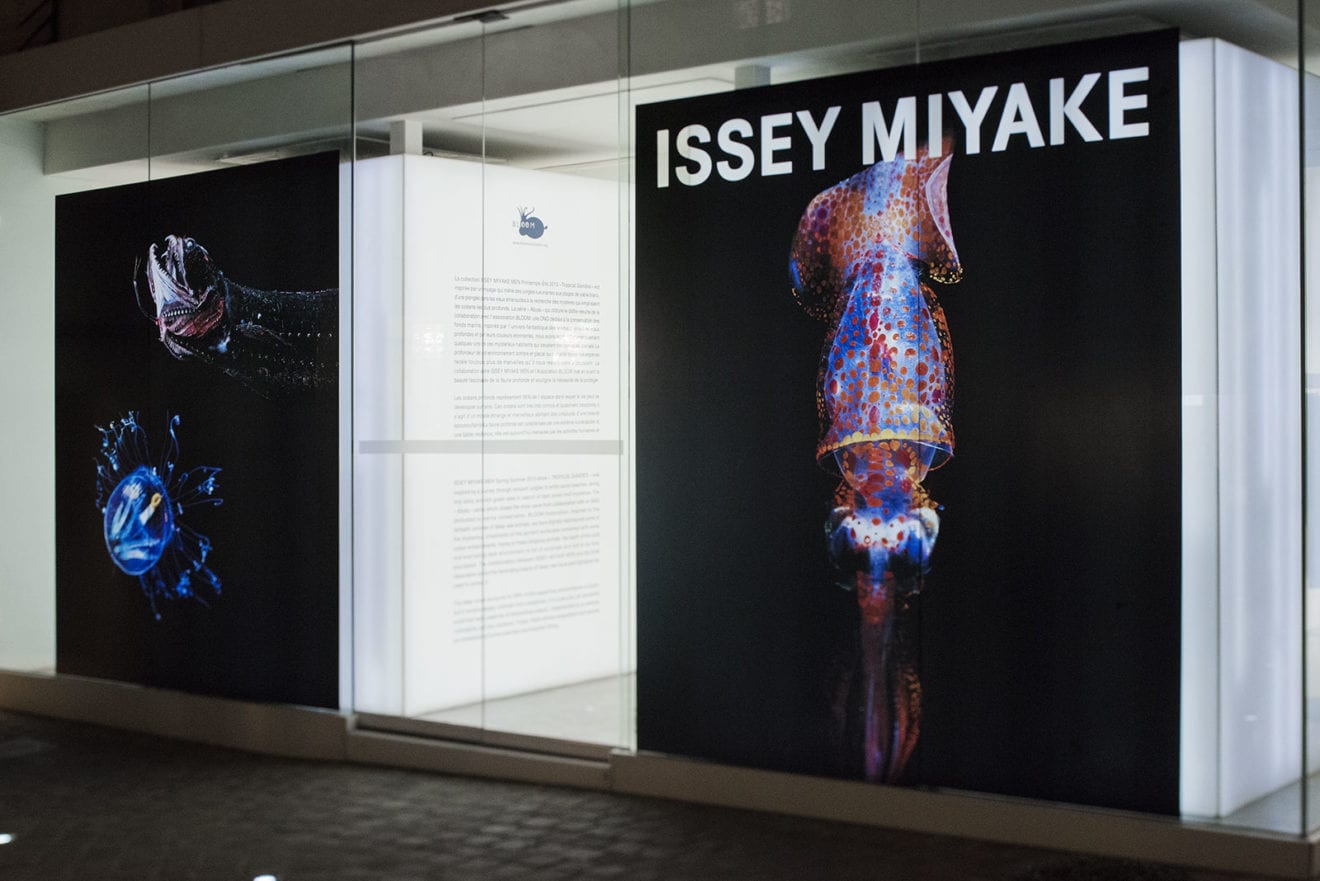
    Japanese luxury fashion designer Issey Miyake has opened its first store in Hong Kong.

    The Issey Miyake Hong Kong boutique is located on level 1 of the Ocean Centre at Harbour City on Canton Rd in Tsim Sha Tsui.

    Bao Bao Issey Miyake - Habour city 1

    Womenswear, menswear accessories, shoes – and, of course, the brand’s famous fragrances – are all on sale in the boutique which also offers shoppers a unique outlook across the harbour.

    The brand is known for it minimalist designs and the new Hong Kong boutique captures that philosophy in its design with merchandise displayed in a gallery like setting and simple black and white LED signage at the front.

    BaoBao Issey Miyake - Habour city


    Issey Miyake was born in Hiroshima and studied graphic design in Tokyo before working in Paris and New York. He returned to Tokyo in 1970 and founded the Miyake Design Studio to produce high-end women’s fashion.

    Over the years he has developed spin-off brands and expanded into fragrances in 1992.

    His flagship store is in Osaka.

  • Lama Hourani opens Shanghai boutique

    Lama Hourani opens Shanghai boutique

    Jordanian jeweller Lama Hourani has opened an exclusive boutique in Shanghai.

    But it’s been positioned as so exclusive, customers cannot enter without a prior appointment.

    Lama Hourani’s exquisite silver and gold jewellery creations are creating a stir in Asia, underpinning her rising fame as a celebrity designer in Asia. Her creations are worn by royalty, the glitterazzi and even the Pope.

    The new store is on the ground floor of a historic house in Shanghai’s French Concession. Its decor is like something from a book celebrating Arabian design: gold and marble plinths, deep blue carpet, black and white images on the walls depicting minorities, gold framed mirrors.

    “I opened [the boutique] because people in China were just so curious…The handmade aspect is special, and it’s a major plus for me to have a proper presence here.”

    Hourani these days lives in Shanghai so it is no surprise she chose the vibrant, modern city for her first retail presence. But she is also a regular visitor to Hong Kong, presenting exclusive curations of her designs to customers – again by appointment only.

    “My clients are from all over the world and are usually independent, self-established, culturally curious women… China has so much of that,” she said in a recent interview.

    “If you are talking about demographics, those who are well-travelled, the crème de la crème, they all want to wear a statement piece that says something, rather than something that makes them belong somewhere. A lot of customers in China are beyond that first stage.”

    In Hong Kong, Lama Hourani’s luxury jewellery is sold through Joyce and the website Plukka.com – as well as her own website.

    Having established a solid reputation in jewellery, Hourani says her next focus is to expand the brand into other categories: homewares is an obvious first extension.

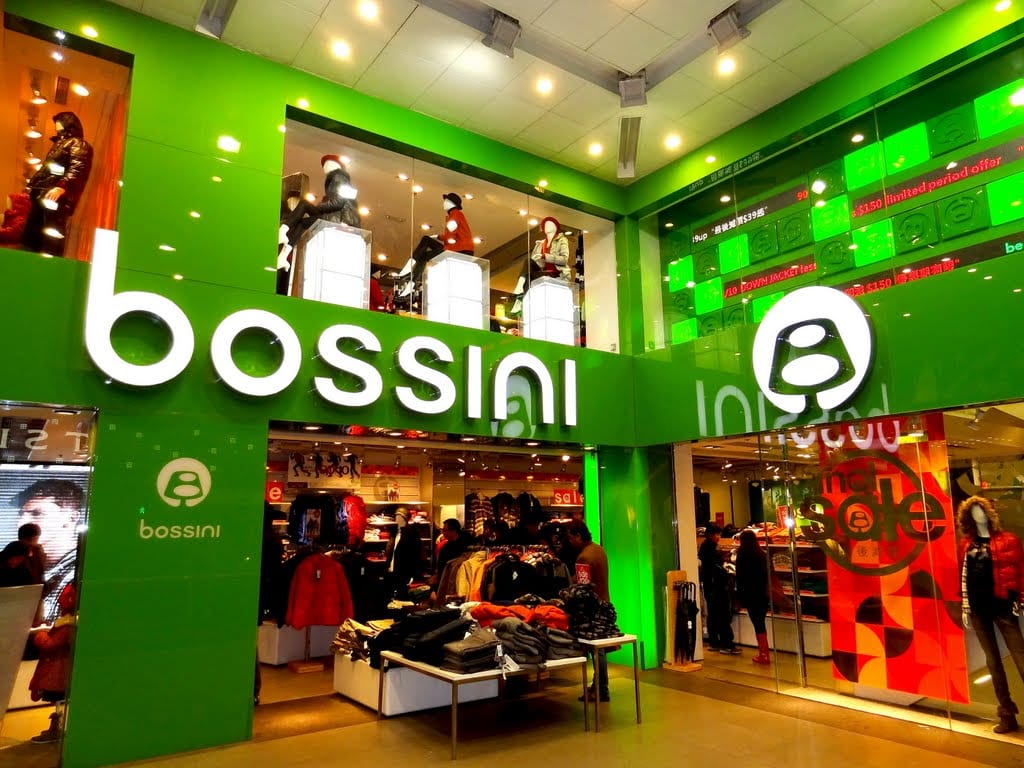
  • Bossini strong in retail storm

    Bossini strong in retail storm

    Apparel retailer Bossini has weathered Hong Kong’s retail downturn by achieving strong growth offshore.

    The Hong Kong based company has revealed its annual results in the year to June 30, reporting a mere one per cent decline in sales to HK$2.523 billion, and a three per cent decline in gross profit to HK$1.264 billion with gross margin down one per cent to 50 per cent. profit attributable to shareholders fell nine per cent.

    “During the fiscal year 2014/15, despite facing challenging retail conditions in Hong Kong and Macau, its segmental business, which includes the export franchising operations, registered record-high sales with flat same-store sales growth for the directly managed stores,” the company said.

    “The operations in mainland China, Taiwan and Singapore all experienced improvements in segment results, resulting from the continuously improving shop productivity and stringent cost control measures. Mainland China segment achieved six per cent same-store sales growth and also recorded nine consecutive quarters of positive same-store gross profit growth. Taiwan segment saw a same-store sales growth of seven per cent, representing seven consecutive quarters of positive same-store sales growth.”

    Bossini ended the year with a presence in 35 countries and regions and a store count of 938 (down 24). Of those, 257 were directly managed stores and 681 were franchised.

    One factor in the group’s improved operational efficiency was a small reduction in inventory turnover timetable from 84 days to 83.

    Looking forward, CEO Edmund Mak said the group will benefit from lower production cost if US dollar remains strong versus Renminbi.

    “Besides, it is estimated that rents will fall in certain areas in Hong Kong as retailers are generally suffering from sales downturn, which could help partially offset the group’s ongoing difficulties. The group will be proactive in taking stringent measures to control costs, including rental costs, and continue to improve shop productivity. The group aims to remain flexible and responsive to changing market conditions.”

    Mak said Bossini sees grounds for “considerable optimism” in its overseas operations.

    “Therefore, we will focus more on expanding operations outside Hong Kong and Macau, in order to achieve a more balanced portfolio. Furthermore, we will continue to expand kids’ line, particularly in Mainland China, while launch co-branded and licensing programmes of clothing and accessories via partnerships that reinforce the core brand value ‘be happy’, striving to build “bossini”’s reputation as a vibrant, valued and competitive go-to brand.”

  • Boucheron Singapore store opens

    Boucheron Singapore store opens

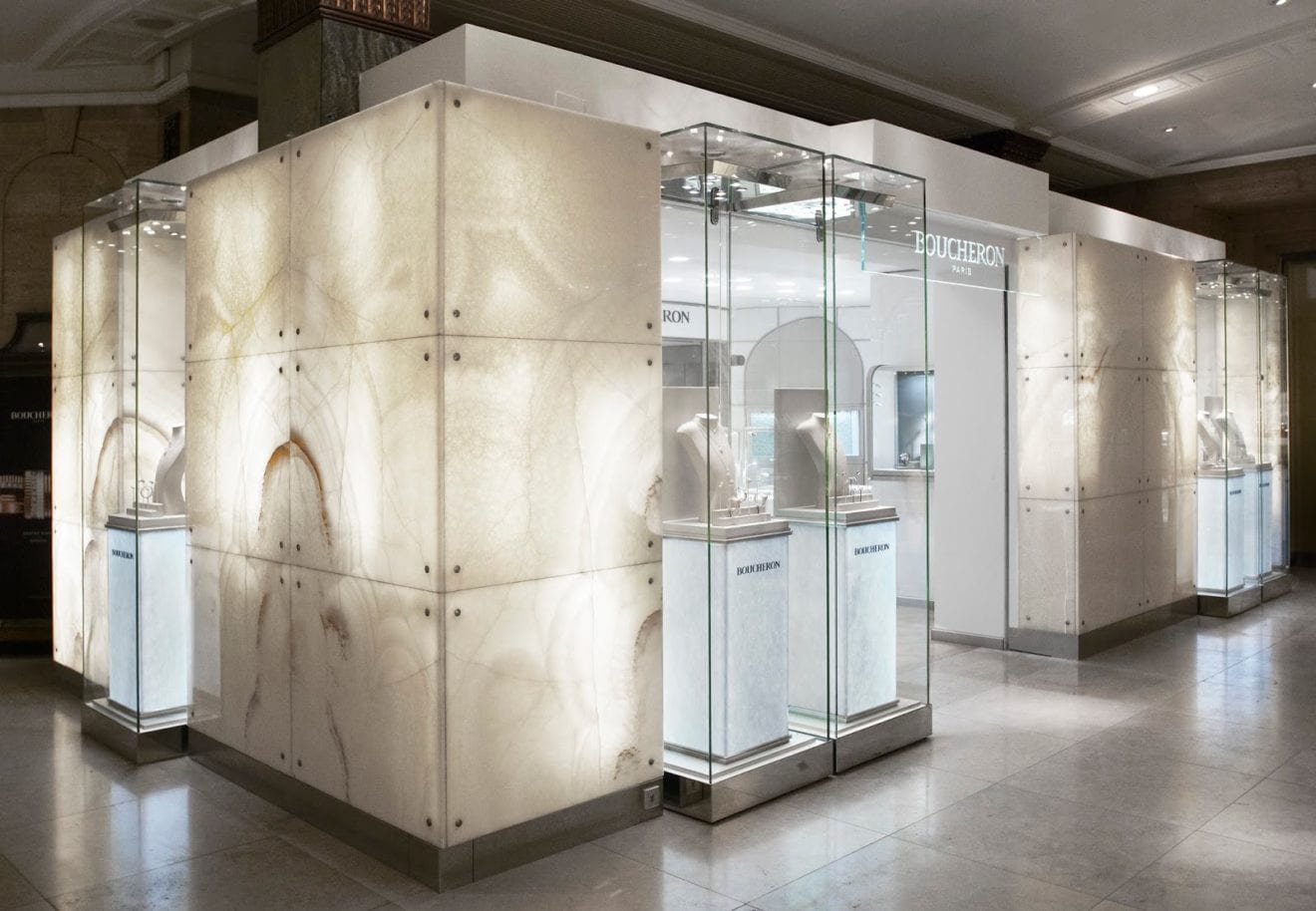
    Paris jeweller Boucheron has opened its first store in Singapore.

    Boucheron Singapore is among several new boutiques recently opened inside The Shoppes at Marina Bay Sands.

    Designed to reflect the famous jewellery brand’s Parisian flagship boutique at 26 Place Vendome, the Singapore store has a sumptuous, luxurious feel to highlight the timeless, elegant nature of its jewellery creations.

    The boutique was opened with a cocktail function early this month where more than 100 guests got the chance to view an exclusive Boucheron jewellery collection flown in from France.

  • Grana opens first permanent store

    Grana opens first permanent store

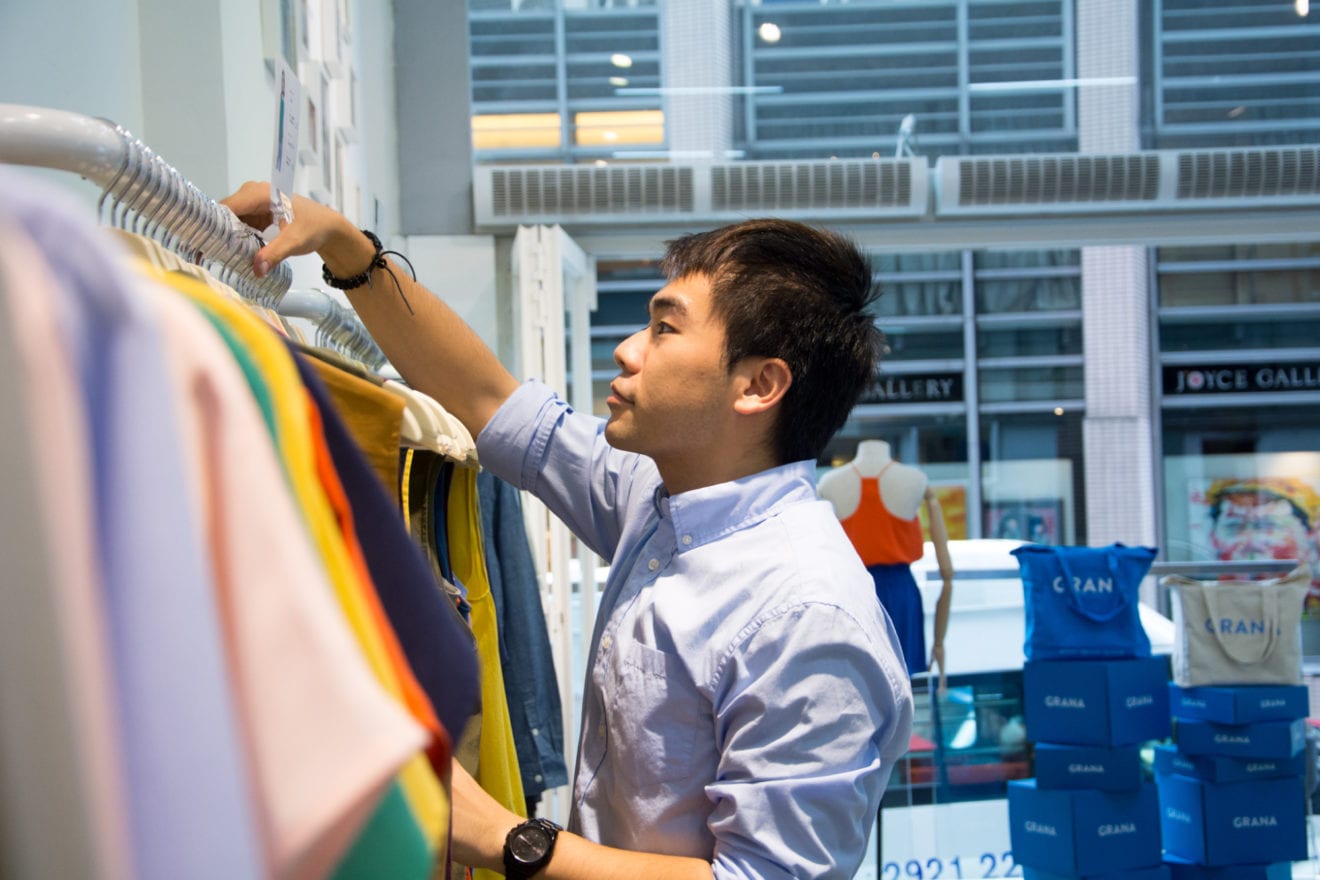
    Online fashion startup Grana has opened its first permanent physical store as it tries a new way of ensuring clothes fit the customers who order them.

    The new 1300 sqft store in Sheung Wan is branded The Fitting Room. It’s a unique hybrid retail concept, allowing customers to try a garment on, then buy clothes online instore for delivery to home or collection later in-store.

    While customers can try clothes on and see the styles first hand, they cannot purchase clothes from the store and take them home immediately.

    It aims to address the problem of online shoppers returning goods because they don’t fit, or because they don’t consider their purchase matches the colour or style of what they saw online.

    Grana is the creation of Australian Luke Grana, who was inspired by the high quality of t-shirts he came across during a trip to Peru. The site was developed with a unique business model in mind – in Grana’s own words “high-quality fashion at disruptive prices”.

    “Our business model is a little bit different; we deal directly with fabric mills instead of going through distributors or agents. Also, by operating online, we don’t have to pay rent. So when fashion retailers put in mark-ups along the way, our pricing is really simple: each of our shirts cost US$6, we retail that for US$12; jeans are US$20, we sell that for US$40. It’s a really honest and transparent pricing model and I think that’s what our, Generation Y customers prefer.”

    Of the new Sheung Wan store, Grana observes: “We bring together the best of two shopping worlds for a unique hybrid experience. Our customers can receive the tailored customer service and interaction that only a bricks-and-mortar location can provide, but with the ease of online purchasing.”

    Grana says similar hybrid stores are now being considered for Australia and the US.

    The new store is located at 108 Hollywood Rd, Sheung Wan, Hong Kong.

    Grana Hong Kong store inside

  • Luxury Brands Leave Hong Kong as Rental Prices Skyrocket

    Luxury Brands Leave Hong Kong as Rental Prices Skyrocket

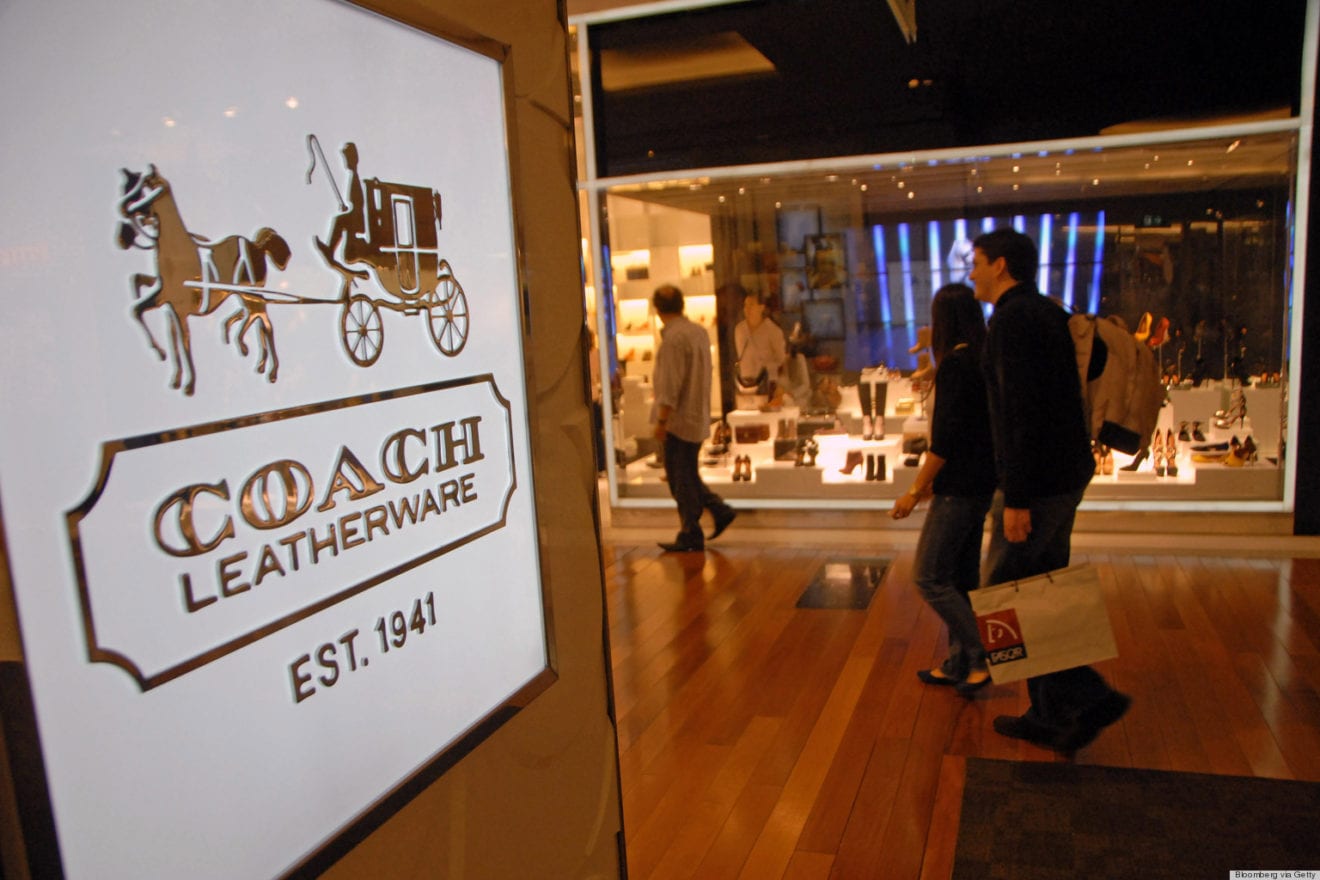
    Following TAG Heuer’s exit, luxury fashion brand Coach pulled out its flagship store in the Central District of Hong Kong on Aug. 31, two years before its lease expires.

    Women’s shoe retailer Belle International in Tseung Kwan O also closed on the same day, while Hong Kong jeweler Emperor Watch & Jewellery Limited also announced plans to terminate its store’s lease early.

    The Guangzhou-based paper said that the exodus of luxury brands from Hong Kong has raised concerns about whether the trend may spread into mainland China.

    High rental fees were one of the reasons for the closures, the report said. Store rentals in Causeway Bay in the first quarter of 2014 stood at HK$43,310 ($5,580) per square meter, making it the most expensive in the world next to New York’s Fifth Avenue shopping district.

    With its store’s closure in Central, Coach will save HK$180 million ($23 million). It had been paying rental fees of $7.2 million ($930,000) per month.

    TAG Heuer ultimately decided to close shop after negotiations for a rent reduction with its landlord fell apart.

    Hong Kong is gradually losing its appeal to mainland Chinese shoppers, who are becoming more inclined to go to Europe, the U.S., Japan and South Korea to shop.

    Total retail sales in the city in 2014 have decreased 0.2 percent from the previous year to HK$493.3 billion ($63.65 billion), its first negative growth in the retail sector since the Hong Kong government launched the individual visa scheme for mainland visitors 11 years ago.

    Between March and July, the region’s retail sales fell even further, posting a 0.4-percent decline year-on-year in June and 2.8 percent in July.

    But despite increasingly poor sales of luxury goods such as jewelry and watches in Hong Kong, medium- and low-priced goods, including food stuffs, liquor, and tobacco, have been growing steadily. According to Southern Metropolis Daily, foodstuff sales rose 7 percent year-on-year in July, an indication that shoppers visiting Hong Kong are shifting from luxury items to daily necessities.

  • Richemont Revenue Beats Estimates on Japan, Europe Demand

    Richemont Revenue Beats Estimates on Japan, Europe Demand

    Richemont, the world’s biggest jewelry maker, said sales growth accelerated as weaker currencies attracted big-spending tourists to Japan and Europe, spurring the stock’s steepest intraday gain in more than two years.

    Sales increased 4 percent excluding currency shifts in the five months through August, the Geneva-based company said in a statement Wednesday. Analysts expected a 1 percent gain, according to the median estimate in a Bloomberg survey. The shares climbed as much as 7.5 percent.

    Sales rose 48 percent in Japan and 26 percent in Europe, offsetting an 18 percent decline in Asia-Pacific. The results mirror comments by peers in the luxury business, such as Hermes International SCA, which reported higher first-half sales, fueled by an acceleration in Japan. LVMH Moet Hennessy Louis Vuitton SE in July posted strong revenue growth in Europe and the U.S., which helped offset a decline in China, Macau and Hong Kong.

    “Japan and Europe more than compensate for the weak development in Hong Kong,” said Rene Weber, an analyst at Bank Vontobel AG in Zurich. “The strong performance of those markets mean the Swiss watch industry can weather the Asian weakness, at least this year.”

    Shares in the Swiss owner of the Cartier jewelry brand, whose full name is Cie. Financiere Richemont SA, rose 6.4 percent to 76.65 francs as of 11:40 a.m. in Zurich. The report bolstered shares in the luxury-goods industry, with Hermes up 4.8 percent and LVMH gaining 3.5 percent.

    Richemont said sales in Hong Kong and Macau were “significantly lower,” while mainland China returned to growth with retail sales growing at a “strong double-digit rate.” The company reports five-month sales figures each year on the day of its annual meeting with shareholders.

    “Part of the crisis in confidence in the watch industry in Asia-Pacific is fragile confidence by independent retailers amid the problems in Hong Kong and Macau,” said Jon Cox, an analyst at Kepler Cheuvreux in Zurich, adding that Richemont’s comments about China were reassuring.

    Still, Richemont said its wholesale business continues to be weighed down by weakness in the Asia-Pacific region, which is still “extremely challenging.”

    Luxury spending in Hong Kong has been suffered since late 2012 when the Chinese government has been discouraging exuberant spending among officials. Political protests in Hong Kong last year forced some stores to shut and weighed on tourism.

    Among other luxury stocks, Swatch Group AG, the maker of Omega watches, rose 3 percent, and Kering SA, which owns Gucci, rose 4.4 percent.

  • ‘Weak’ Hong Kong and Macau hits Prada

    ‘Weak’ Hong Kong and Macau hits Prada

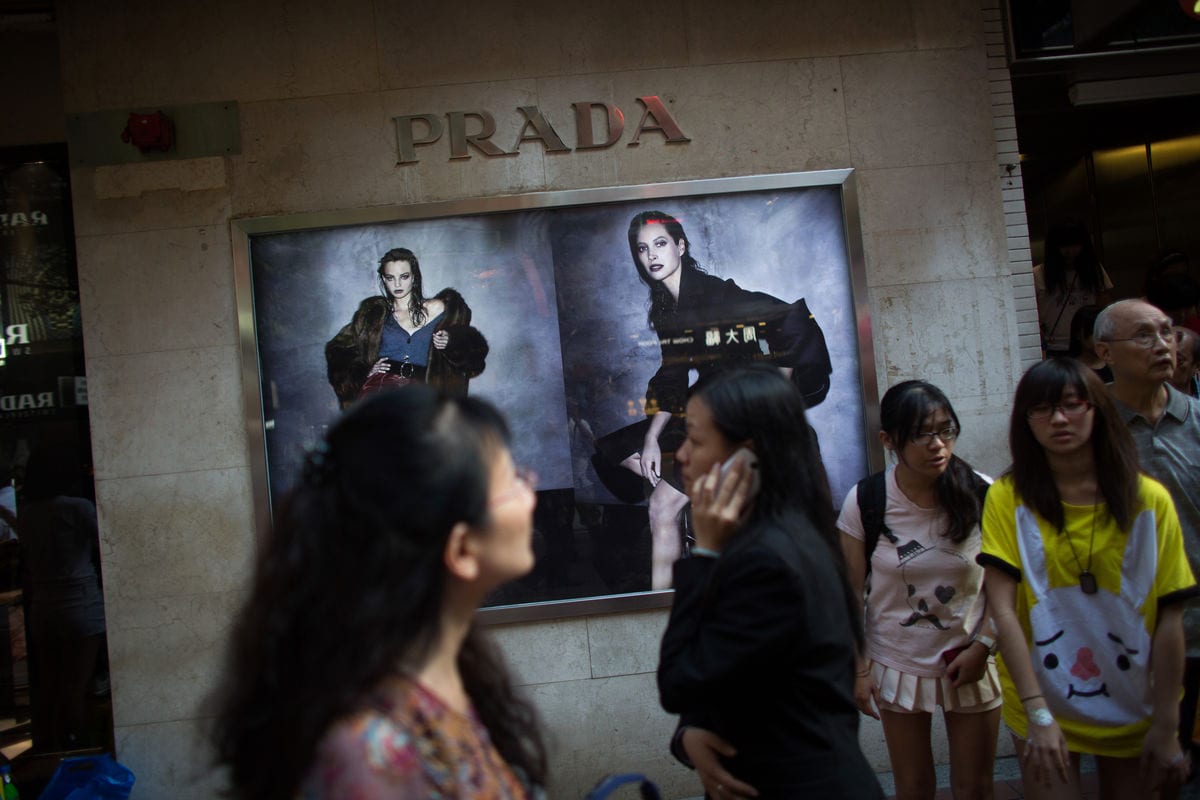
    Continuing volatility in the market and the exchange rate landscape in Hong Kong, Macau and the Asia Pacific region (excluding Japan) has been blamed for Prada’s overall net profit fall of -23% to €188.6m ($212.7m) in the first half of 2015.

    Despite the big challenges in the Asia Pacific region which is Prada’s biggest market, the Milan-based fashion company first half-year revenue growth of +4.2%, thanks to more positive market performances in Europe, The Americas, The Middle East and Japan.

    Consolidated net current exchange rates on the corresponding period in 2014.

    The luxurygoods company says the increase is entirely attributable to the retail channel, as a result of its selective strategy aimed at further enhancing the of its Directly Operated Stores.

    All other regions reported good growth, although the company adds that the Asia Pacific market (excluding Japan) showed the same negative trend as it did in the first quarter of the year, offset by a positive effect.

    Patrizio Bertelli, COO said: “The luxury goods market is undergoing a period of significant change which must be met with a far-reaching, long-term strategy.

    “Our commitment remains centered on creative dynamics and the spirit of innovation, so that we can constantly increase the levels of excellence of our products.

    “In operational terms, we will continue with our thorough review of business processes in order to make them more efficient.”

    While its wholesale business declined by 13%, sales of the group’s retail network grew by 7.6% at current to €1,552.4m ($1,750.7m). The company reported that its 605 Directly Operated Stores (DOS) also benefited from a general improvement in sales performance.

    The European market grew by +12.4% thanks to a steady flow of tourists, together with a recovery in consumption by domestic customers, while the Japanese market outshone the rest of Asia with a +11.7% constant result. Sales in the Americas and the Middle East also improved considerably (both plus +15%).

    In terms of retail channel by brand, Prada recorded a 5.4% rise in sales thanks entirely to the effect, but was badly impacted by the negative economic situation in the Asian market.

    Miu Miu grew with revenues up at both current (+18.7%) and constant (+6%), enjoying a sales boost in the second quarter. The Church’s shoe business also grew by +18.6% and Car Shoe’s result was in line with the same period last year.

    EBITDA for the first half of the year was €440.1m ($496.3m) or 24.1% of net revenues, while EBIT came in at €293.2m ($330.7m) or 16.1% of consolidated net revenues.

    As mentioned, was reported down -23% at €188.6m ($212.7m) or 10.3% of consolidated net revenues.

  • Diesel targets China in copy clampdown

    Diesel targets China in copy clampdown

    Italian lifestyle brand Diesel says it is initiating legal action against an average of three Chinese companies every week in its war against copycats selling copies of its apparel.

    “Hundreds of legal actions are in place against usurpatory brands, especially in China,” the company said in a statement outlining the enormous scale of the counterfeit goods trade and its astonishing campaign to fight back.

    Last year, Diesel says it started a legal action by the US Federal Court in New York, against 83 sites, which were illegally selling counterfeited products by using the cybersquatting technique – registering domain names with “Diesel” in the address.
    So far Diesel closed 3346 sites, sent 4000 ‘cease and desist’ letters, and de-listed 19,000 sites from Google. Just 131 of those sites were in Asian countries.

    “It has been calculated that in this way the company has avoided about 700,000 visits to illegal marketplaces; 9200 bids [from prospective buyers] have been removed completely,” the company said.

    Fake Diesel jeans seized in a raid.

    In Asia, over the past year Diesel obtained to remove 6786 listings on marketplaces, for a total of 1.7 million items.

    Diesel has worked with Customs agencies to seize more than 60,000 items coming from China in 2013, and another 75,000 last year, and more than 80,000 items in the European Community.

    In China, 1300 items have just been confiscated in a factory producing counterfeited t-shirts, and in another factory the police seized 910 pairs of shoes with Diesel logo, along with a quantity of unfinished products worth US$155,000.

    Last month, Diesel successfully closed the case of the ‘Diesel Cluthing’ line, which was signalled by Diesel business partners who found infringing products circulating in the Colombian market. After thorough investigation, the Chinese authorities confiscated 520 jeans infringing the Diesel trademark: the company, who registered this logo, is now under an opposition process.

    On top of these activities, Diesel says it has established a system to register its iconic products and therefore ensure that any potential copy is identified and sequestrated (in the last six months only, four cases have been closed successfully). The latest triumph took place earlier this year, when Diesel finally won back the property of its brand in Indonesia – a legal battle which has lasted 23 years.

  • China ‘no catastrophe’ says Bulgari CEO

    China ‘no catastrophe’ says Bulgari CEO

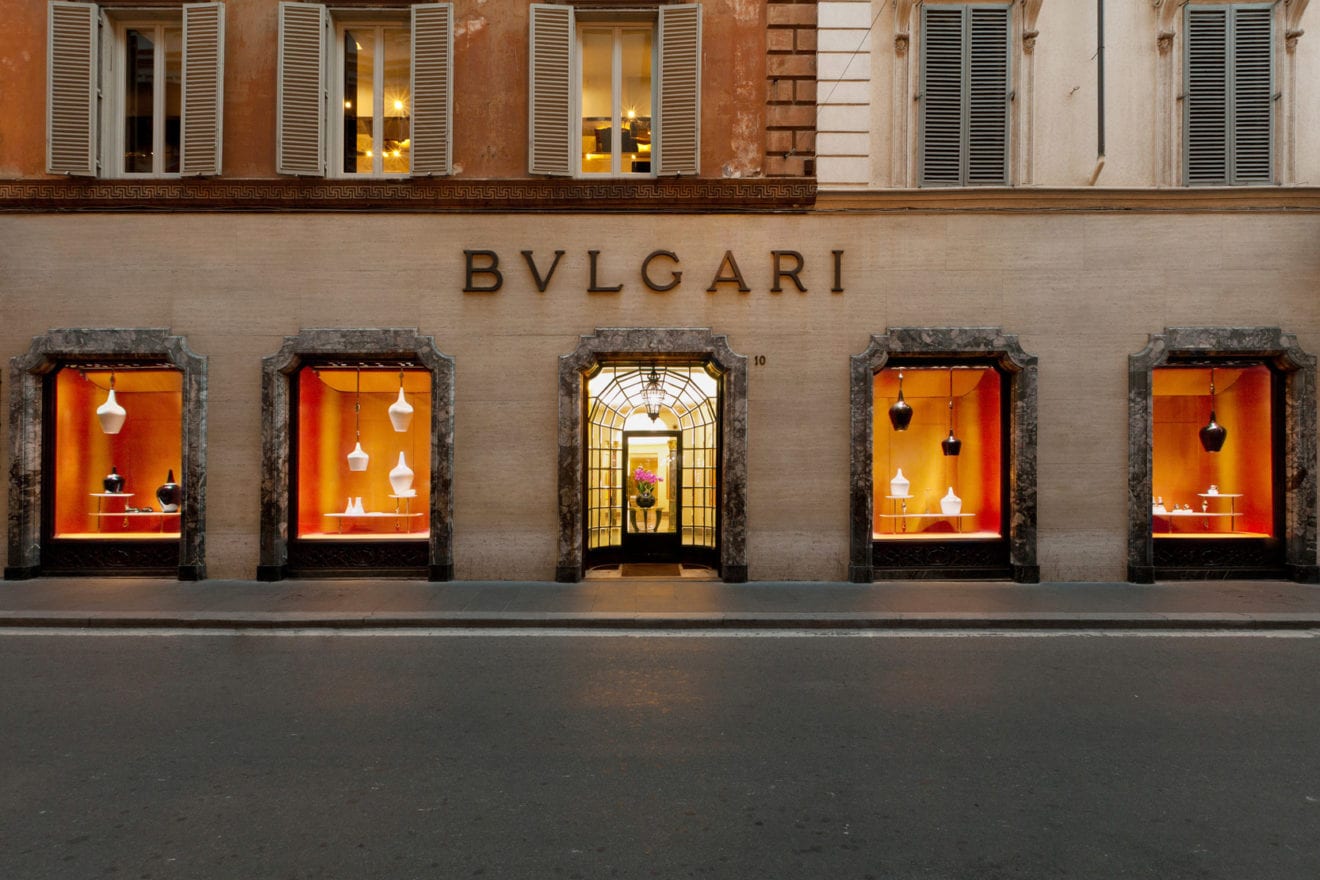
    Slowing luxury sales growth in China is “not a catastrophe, it’s a correction” says Bulgari CEO Jean-Christophe Babin.

    In an interview with international business news organisation Bloomberg, during the World Retail Congress in Rome, Babin warns of overstating China’s current slowdown

    A decline in the luxury sector began last year when the Chinese central government announced a clampdown on graft and gift giving and was later exacerbated by a sharp devaluation of the Chinese currency which triggered a slump in share prices.

    But in the interview – watch it here online – Babin points out that the share price declines have only brought world markets back “to what we all considered a good level last year”.

    He said China’s economy is still growing at about 6.8 per cent which produced enough customers to buy Bulgari’s luxury jewellery.

    While not disclosing figures, Babin said Bulgari’s July and August figures were “exactly in line with the first semester”despite the currency and stock market realignments.

  • ST by Olcay Gulsen Hong Kong opens

    ST by Olcay Gulsen Hong Kong opens

    Dutch fashion brand ST by Olcay Gulsen has made its debut in Hong Kong.

    ST by Olcay Gulsen Hong Kong opened a pop up store to raise brand awareness at Level 1 of Pacific Place on August 31, a prelude to the opening of its first standalone store in the territory, which will open on the lower ground level of Festival Walk at the end of this month.

    ST by Olcay Gulsen was created by designer Olcay Gulsen whose vision was a label offering “affordable luxury clothes” that were keeping up to date with fast fashion trends.

    In just 11 years, Gulsen has developed a significant reputation, not just at home but internationally.

    ST is short for ‘SuperTrash’, her original brand shortened to ST for various ranges including STenim and ST. Girls. The SuperTrash brand specialises in dresses, tops and pants. Her creations are sold in more than 2000 stores worldwide.

    Hong Kong fashion blog Butterboom.com was impressed by the offer in the pop up store.

    “We spotted quite a few dramatic sexy dresses from their fall collection and some great long jacket in teal that we would like in our wardrobe so we are hopeful this brand will make it to fashionista’s list of must-visit shopping stops.”

  • Uniqlo Belgium to launch in Antwerp

    Uniqlo Belgium is to open its first store – in Antwerp, on October 2.

    The opening will mark a further expansion of Uniqlo parent Fast Retailing’s European footprint as it tries to achieve its goal of becoming the world’s largest apparel retailer by 2020.

    The new Antwerp store will have a total sales floor area of about 1320 sqm over two levels and a mezzanine floor. It will be a “large-scale Uniqlo store” featuring men’s, women’s, and kids’ clothing. In addition to the 2015 Fall/Winter collection, customers will also find the collaboration line created jointly with apparel brand Lemaire, led by Christophe Lemaire and Sarah-Linh Tran.

    “Our first store in Antwerp, an important and influential fashion city, marks our arrival in the Benelux region,” said Takao Kuwahara, Fast Retailing Group senior VP and Uniqlo Europe COO. “Uniqlo has so far built a presence in London, Paris, Moscow and Berlin, and I am pleased that the time has come for us to expand on our success in Europe by opening a first store in Belgium. We are very excited to introduce our brand and our products to customers across Benelux.”

    Uniqlo, (an abbreviation for ‘Unique Clothing Warehouse’) was established in Japan in 1984 and now boasts more than 1600 stores across 16 countries. Belgium will be its 17th. In Europe, the company operates 26 stores in four countries, having launched in the UK in 2001, France in 2007, Russia in 2010, and Germany in 2014.

    To coincide with the store’s debut, Uniqlo has developed a marketing campaign centred around ‘Six Faces of Antwerp’.

    The six are Bent Van Looy, Helena Eeckeleers, (pictured above), Felix Denayer, Joke De Coninck, Mark Colle, and Francine Martens.

    Spanning across different parts of society, including musicians, sportsmen, craftspersons, models and entrepreneurs, each person in the campaign has a special connection and relevance to the scenery of Antwerp. They will showcase how Uniqlo’s LifeWear products fits seamlessly into the daily lives of every person, regardless of age, personal background or style.

    Bent Van Looy is a singer, musician, artist, style icon, and TV personality. As the frontman of Das Pop and the drummer of Soulwax, he travels regularly around the world. In 2013, he released ‘Round the Bend’, his first solo album. He is currently based in Paris but returns regularly to Antwerp, where he grew up and still has a strong connection with.

    Helena Eeckeleers combines her marketing studies at the Karel de Grote-Hogeschool with a modeling career. She is passionate about fashion and loves to spend time in the south of Antwerp.

    Felix Denayer is a professional field hockey player who won the ‘Golden Stick’ for Best Belgian Hockey player twice.

    Joke De Coninck is a barista who spends most of her time working in Caffenation, a renowned coffee bar in Antwerp.

    Mark Colle is one of the most sought-after florists in the world and the number one choice for haute couture houses.

    Francine Martens worked for 50 years at bakery Goossens, the smallest but most authentic bakery in the center of Antwerp where people queue all day long. Francine retired a few years ago, but is still very much linked to the bakery.

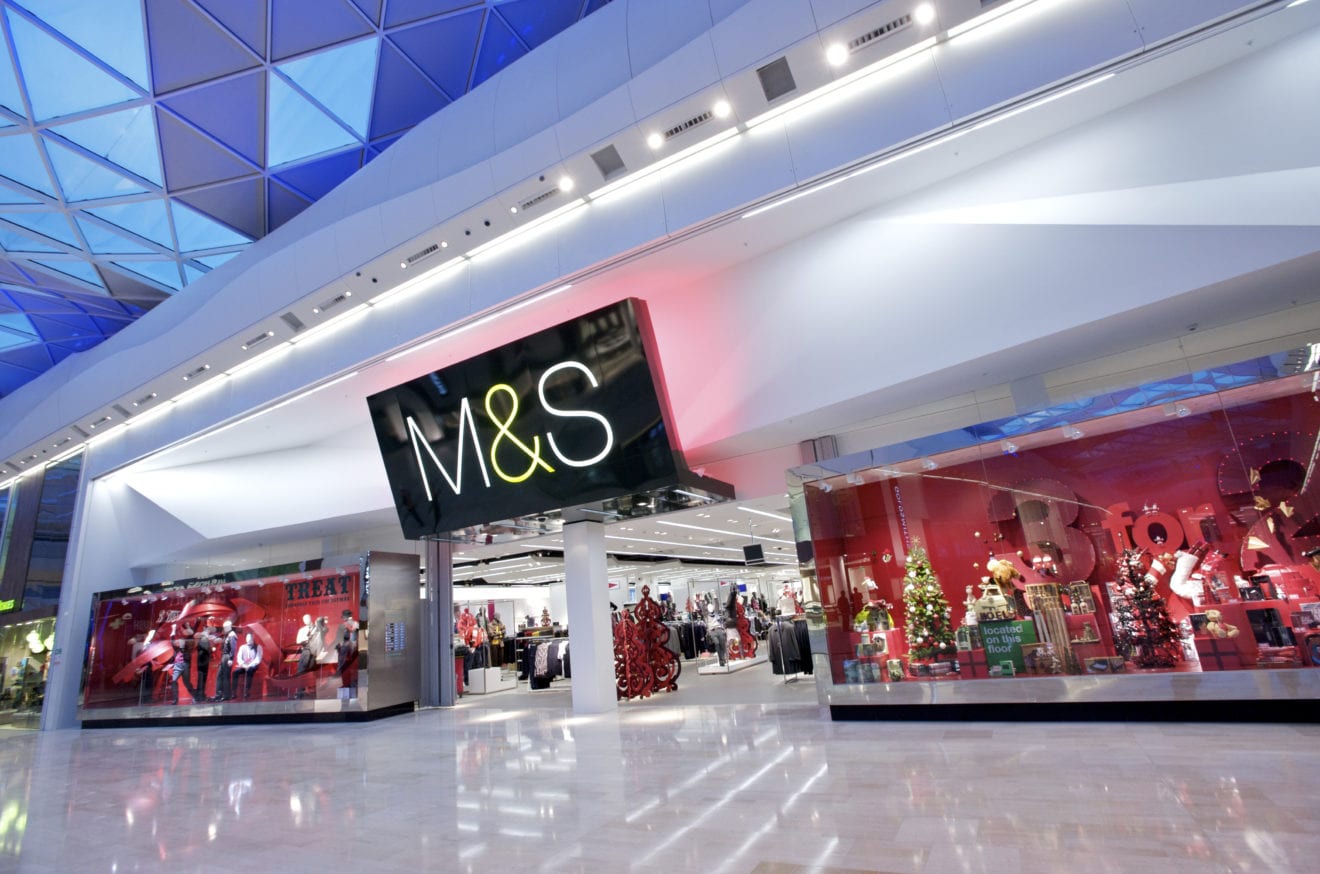
  • Marks & Spencer to slow China expansion

    Marks & Spencer to slow China expansion

    UK department store chain Marks & Spencer says it will slow its expansion plans in Greater China due to the economic and political turmoil in the two markets.

    The British retailer currently has 20 stores in Hong Kong and 10 in China and had been planning significantly more.

    Back in 2014, CEO Marc Bolland set a target of opening 250 new overseas stores within three years – an ambitious goal even in favourable economic climate.

    This week, M&S’s executive director of marketing & international Patrick Bousquet-Chavanne told news agency Reuters in an interview that while the company remained committed to both markets, the 2014 targets were unreachable.

    “The world has shifted, is a different place… The Syrian situation was very different from what it is today… Putin had not invaded Ukraine and China was growing at close to nine per cent,” he said.

    “It’s reasonable in that context that you would expect a different outlook on the next three years for the company.”

    Last March M&S said it would close five underperforming stores in China to focus on flagship stores and online – and expanding its food offer in Hong Kong.

    He told Reuters M&S still planned a Beijing flagship store during the 2015-16 financial year and that it still planned to open in the cities of Guangzhou and Dalian, but gave no timetable.

    He said the company had seen a softening in its store sales in China as the economy slowed, but no dramatic effect.

    “The sectors in which we trade are not luxury, so we haven’t seen the same dramatic slowdown as some might have,” Bousquet-Chavanne said.