Category: Fashion

Retail News Asia is committed to providing both local and global retailers with the latest Fashion news throughout the Asian market. This on a daily base.

  • Prolonged summer takes heat out of Uniqlo sales

    Prolonged summer takes heat out of Uniqlo sales

    Uniqlo parent, Japanese giant Fast Retailing, says its total sales dropped 8.1 per cent in November.

    “Same-store sales dipped year on year in November after unusually hot weather in mid-month stifled sales of winter clothing necessities,” the company said in a  brief trading statement which gave only percentages and not total sales data.

    The number of Uniqlo stores operating outside Japan exceeded the number of domestic stores last month – by 864 to 844.

    In November, same-store sales decreased by 8.9 per cent year on year while sales at its own-run stores (excluding franchises) decreased by 9.9 per cent. Total sales, including online, thus fell by 8.1 per cent.

  • Uniqlo to launch Liberty London range

    Uniqlo to launch Liberty London range

    Uniqlo has announced a collaboration with high end UK department store Liberty London to create an exclusive range of apparel.

    Liberty London for Uniqlo will launch with a Spring/Summer 2016 collection, in stores from Spring.

    The collaboration brings together a special selection of Liberty’s iconic floral prints with women’s, girls’, babies’ and men’s products for Uniqlo LifeWear, whose signature innovations make clothing lighter, more comfortable, affordable and accessible to all.

    Liberty started in London’s Regent Street in 1875, selling ornaments, fabrics and artworks from Japan and elsewhere in Asia that inspired some of the 42,000 prints that make up Liberty’s print archives.

    Extensive collections of Liberty catalogues, dresses and textiles, housed at The Victoria and Albert Museum, attest to the myriad contributions to art, culture, and fashion of one of the world’s most prestigious brands.

    Liberty’s mock-Tudor-style building on Great Marlborough St is a destination for fashionistas and an epitome of classical British design.

    The Liberty London for Uniqlo collection will be sold worldwide in Uniqlo stores.

  • Geox plans 350 China stores with Hong Kong partner

    Geox plans 350 China stores with Hong Kong partner

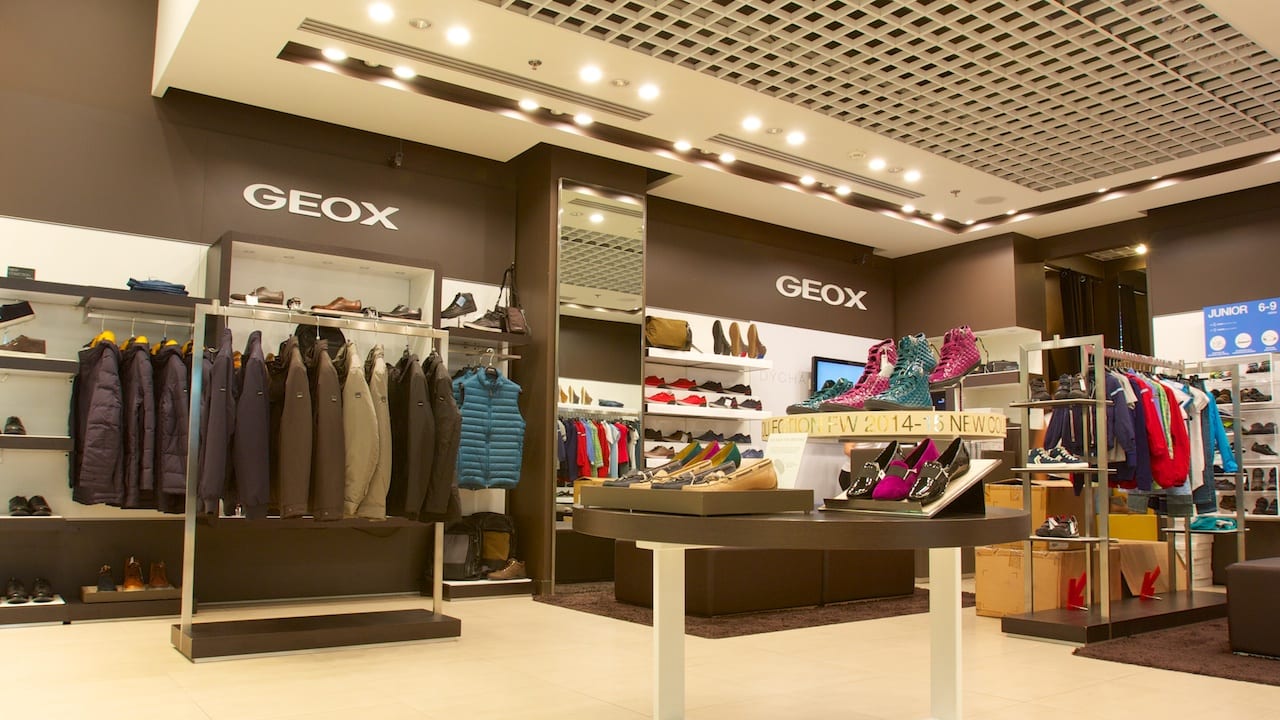
    Italian shoemaker Geox has signed a distribution agreement with Hong Kong listed Pou Sheng International to set up 350 stores in Mainland China by 2020.

    The two companies will target China’s rising middle class – 109 million newly affluent, quality-conscious and brand-happy Chinese consumers.

    Geox is one of the leading brands worldwide in the lifestyle footwear market, listed on the  Milan stock exchange and Pou Sheng is one of the leading retailers in China in the lifestyle and sportswear market, retailing brands such as Converse, Rockport and Keds with 4586 retail outlets and another 2691 sub-distributors across China.

    The Geox agreement includes the exclusive distribution of Geox adult collections in China and the opening of 350 new stores in the first five years – including mono brand stores and  shops-in-shops in high end footwear specialist retailers, shopping malls and department stores.

    Mario Moretti Polegato, chairman and founder of Geox, said the strategic agreement is aimed at “developing properly our brand distribution in China where, in our directly operated stores in Shanghai and Beijing, Geox has already demonstrated to have strong potential”.

    “I believe the partnership with Pou Sheng is extremely relevant as it merges the Geox mission of improving everyday life of our endorsers, through our breathable innovations, with a partner whose enlightened mission is providing services and products that promote high quality of living and healthy lives and whose goal is to be the customer’s number one choice and the brand’s best partner in China through the strongest and most innovative multichannel retail network”.

    Geox CEO Giorgio Presca describes China’s emerging middle class as “definitely the best thing” that could have happened to his company.

    “On one hand, the rise of the middle class will boost the economy. On the other, it is the perfect thing for brands like us.”

    Geox is already expecting same-store sales growth in China of 17 per cent or more this year – its highest growth rate globally. But China still comprises just two per cent of its total sales.

  • eGG Optical continues stellar growth

    eGG Optical continues stellar growth

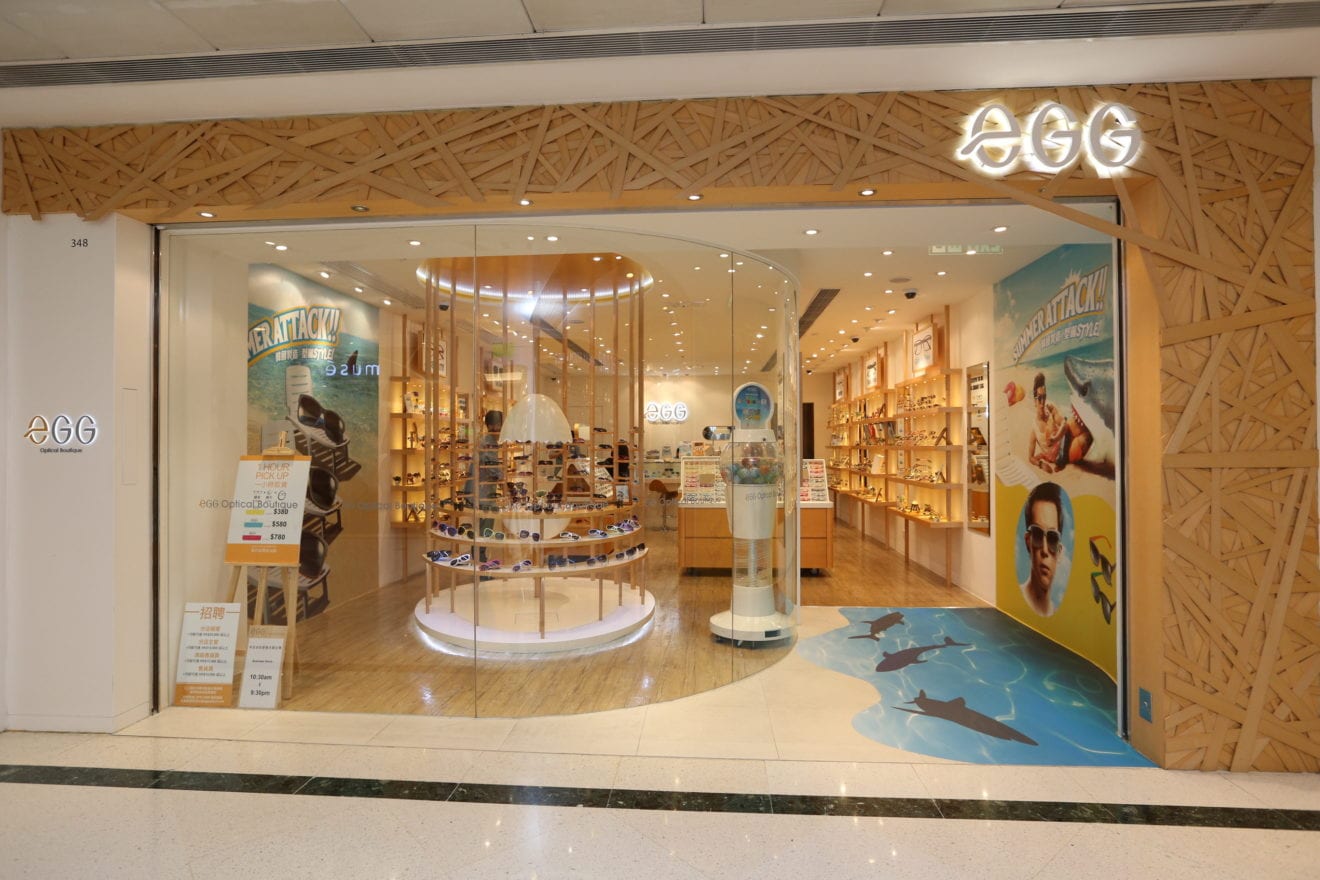
    Hong Kong based fashion eyewear chain eGG Optical Boutique is continuing its stunning growth trajectory.

    According to parent Stelux, the chain’s sales increased by 46.4 per cent to HK$80.5 million in the six months to September 30.

    Its 21 Hong Kong stores have now reached breakeven point and the 34 Mainland China stores cut their operating loss to just $3.3 million. Same store growth in all markets continued to grow.

    A further three stores have recently opened in Southeast Asia.

    Stelux believes the eGG Optical Boutique fast fashion eyewear concept has found favour with shoppers because it captures consumer preference for trendy and fancy optical eyewear.

    In the first half of last financial year the Hong Kong operations lost $500,000 and in the second half $200,000, finishing the year with just 15 stores. That a further six have been opened in the first six months of this year demonstrates the confidence Stelux has in the new brand. Its Hong Kong stores improved sales by 45 per cent due to both network expansion and increasing same store sales.

    In the mainland, eGG Optical’s sales rose 48.8 per cent to $31.0 million.

    “The loss was reduced to $3.3 million owing to significant operating improvements in Northern China and close to breakeven achieved in Southwestern China through turnover growth,” reported Stelux.

    “Combined with eGG’s attractive and eye-catching shop visual merchandising and ability to attract consumer traffic appreciating lifestyle and fashion design, the group will capture the opportunities in the current soft leasing market to further expand into Mainland China.”

  • Korea scraps perfume tax

    Korea scraps perfume tax

    Korea’s government has removed some items from the Individual Consumption Taxes list, making them exempt from what is often referred to as a ‘luxury tax’.

    Perfume, cameras and deer antlers were removed from the list, but tax will still be imposed on purchases of Royal Jelly.

    Authorities reported that the ruling party and opposition party have agreed on the revision of the Individual Consumption Tax Act.

    The government announced that it would be eliminating the seven per cent tax that was imposed on deer antlers, Royal Jelly and perfume, when it revealed the revised bill in August.

    However, during debate at the national assembly, Royal Jelly was excluded from the exempted items, and cameras, which used to face a 20 per cent tax, were added.

    The bill proposed by governor Jung Eui-hwa suggested that cameras be excluded from the items facing individual consumption taxes. She explained that ‘owning a camera is no longer a symbol of wealth’, and instead it is seen as a matter of ‘consumer preference and choice’.

    Though it was not included in the revised bill that both parties agreed to, the five per cent tax which was imposed on air conditioners, refrigerators, washers and TVs consuming more than the standard amount of electricity is expected to be abolished as the revised act is enforced.

    The revision was undertaken to follow international trends, and recognise the changes that have occurred with the passing of time. It was concluded that the items exempt from taxes were no longer thought of as ‘luxury’ goods in the current society, in which personal income and standard of living are both higher than in the past.

    With the abolishment of individual consumption taxes, the factory prices of deer antlers, cameras and perfume will be lowered. However, some have pointed out that it remains to be seen whether the revision of the bill will lead to lower consumer prices, like the prices of high-fashion brand bags.

  • American Eagle Outfitters ‘pulls itself out of the mire’

    American Eagle Outfitters ‘pulls itself out of the mire’

    Solid revenue increases at American Eagle Outfitters are evidence the self help measures the company has been employing continue to pay dividends.

    This is especially so as they have been achieved against the backdrop of a teen fashion market that remains subdued and competitive, and during a quarter when the weather was mostly against apparel retailers.

    Key to the transformation of American Eagle Outfitters is a step change in product assortments and in-store execution, especially at American Eagle bannered stores. Compared to a year ago, stores are looking cleaner with a much clearer proposition incorporating a sensible mix of staple and fashion pieces.

    In line with changing tastes, the fashion pieces have more subtle branding and detailing, and many are focused on current trends and ‘must have’ seasonal items like parka jackets. These things, along with a notable step-up in the quality of garments, have helped to improve customer interest and conversion rates. This, in turn, is leading to higher sell-through and lower levels of discounting – something that American Eagle Outfitters was previously guilty of relying on to drive volume.

    These lower levels of promotional activity have helped American Eagle Outfitters to rebuild its profitability, with net income increasing by an impressive 720 per cent this quarter to just over $74 million. Gains to the bottom line were also driven by store rationalisation and improved cost discipline – all things that will continue to deliver gains as the company moves into the final quarter of its fiscal year and beyond.

    The renewed sense of energy and confidence that is present on American Eagle Outfitters’ shop floor is also evident in the boardroom where directors signed off on the acquisition of the Tailgate Clothing Company, which owns and operates Tailgate, a vintage, sports-inspired apparel brand with a college town store concept, and Todd Snyder New York, a premium menswear brand. Both of these businesses are entirely complementary to American Eagle Outfitters in that they have a more premium position and serve a slightly edgier, discerning customer. This is especially so for Todd Snyder which sells sweatpants at $175 and coats for as much as $1995. As niche as this may seem, as the growth of brands like Ted Baker attests, this premium segment of the fashion market is growing rapidly – and we see it as positive that American Eagle Outfitters now has access to this growth.

    Moreover, it is positive that the acquisition is one that has been made on the grounds of giving American Eagle Outfitters access to a different part of the market and has been made at a time when the core business is firmly in recovery. This gives us confidence that the transaction has been made for the right reasons and not simply to hide difficulties in the core business.

    That said, as much as the new businesses provide significant future opportunities, American Eagle Outfitters does need to ensure that its focus remains firmly on the core. Despite its recent success the market in which it operates remains very difficult and is subject to a number of unhelpful competitive dynamics, including the continued growth of fast fashion brands like H&M and Primark. None of this is to suggest that American Eagle Outfitters cannot continue its run of success, merely that it needs to keep both hands on the wheel if it is to steer a successful course.

    This year has been one in which American Eagle Outfitters has managed to pull itself out of the mire. It has emerged as a stronger, leaner player with a much more distinct point of view. We believe that it will build on this progress in the final quarter and beyond. It will do so under the pragmatic and effective leadership of Jay Schottenstein, whose position as interim CEO has now been made permanent.

  • Sonae launches Zippy Philippines

    Sonae launches Zippy Philippines

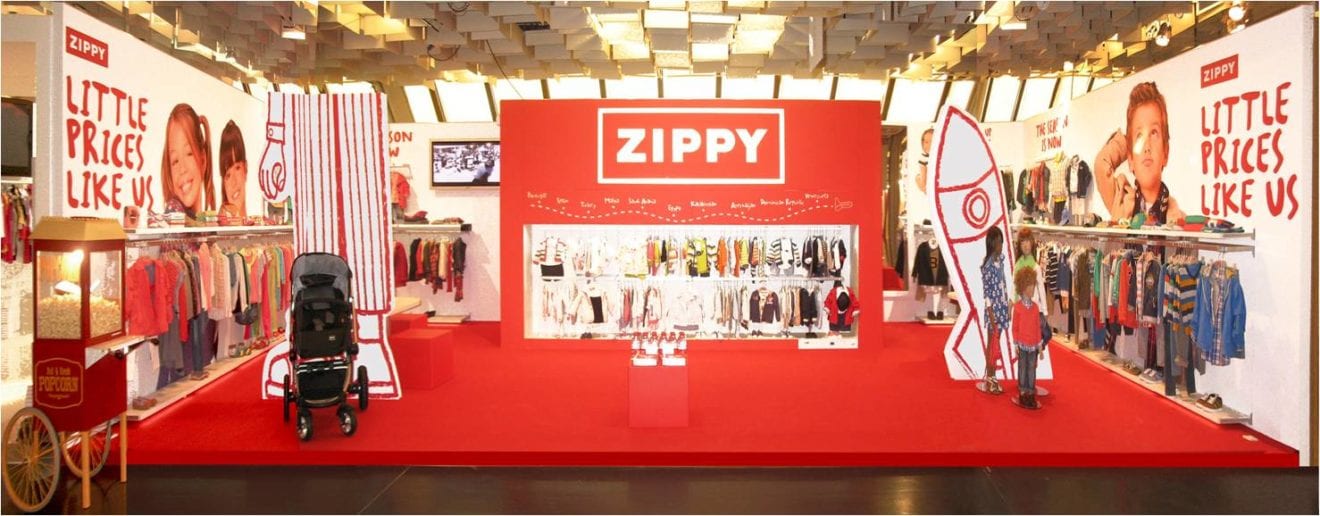
    Portuguese multi-brand retailer Sonae has expanded its international activity to Asia by opening its first two Zippy stores in the Philippines.

    The Sonae brand of children’s clothing and nursery products has signed a franchising agreement that includes opening about 24 stores across the country during the next five years.

    Miguel Mota Freitas, CEO of Sonae SR,  said the partnership is in line with Sonae’s international expansion strategy, which looks to use its brands’ competitive advantages worldwide, diversifying markets and stimulating new development opportunities.

    “Asia is a populous and economically dynamic region, with high birth rates, where consumers are beginning to pay more and more attention to quality products, which opens new perspectives for Zippy, particularly now in the Philippines,” he said.

    Entering the Philippines resulted from the franchising agreement celebrated with Trimark Holdings, which operates more than 600 stores in the country under more than 40 international brands, mostly in fashion.

    The Zippy Philippines stores have opened at the Glorietta and North Edsa shopping centres, in the capital city, Manila.  Zippy’s Philippines stores will have an average area of 100 sqm offering products from clothing and footwear to baby and kids accessories.

    With a population of around 100 million inhabitants, the Philippines is the seventh most populated country in Asia and the 12th most populated in the world. With more than one third of the population aged under 14 years, the potential customer base fits right into Zippy’s target market.

    World Bank data predicts the Philippines’ economy will grow at 6.5 per cent annually for the next two years.

  • Optical 88 struggles

    Optical 88 struggles

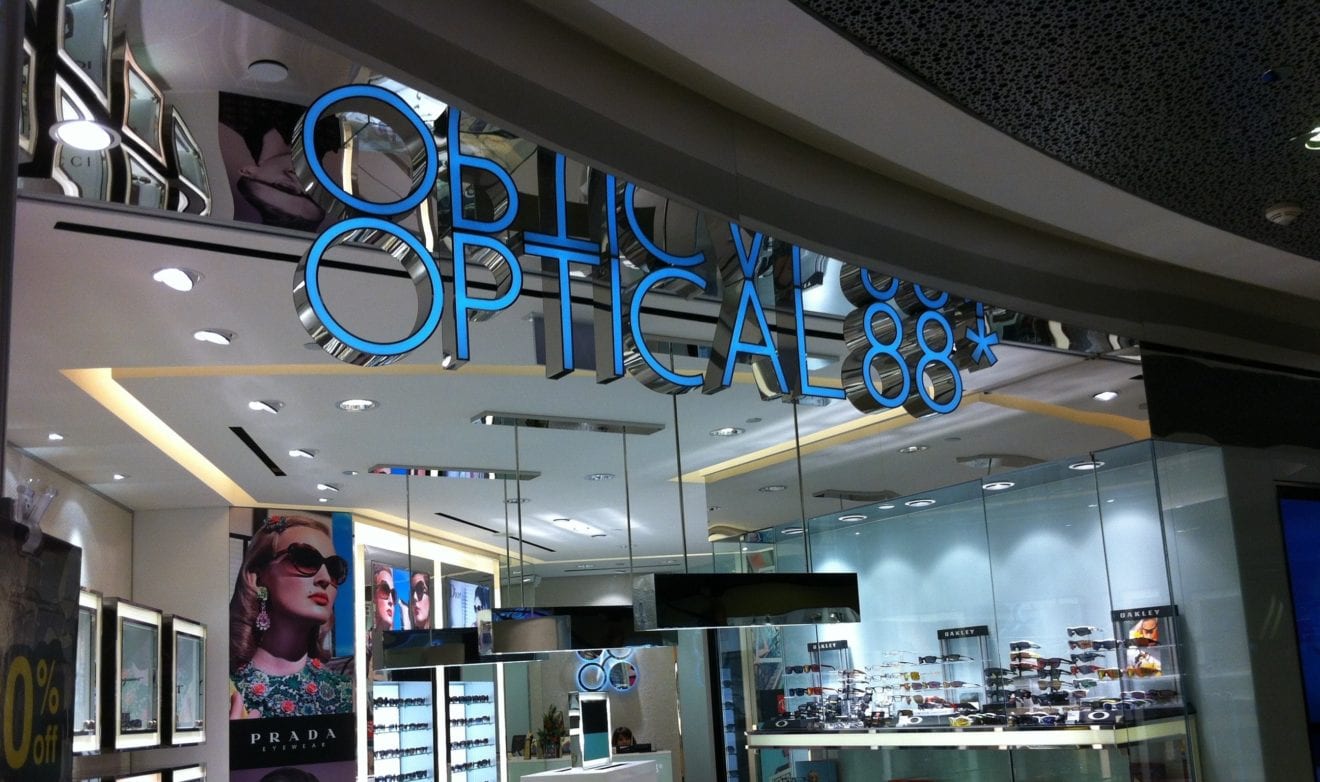
    Eyewear chain Optical 88 has suffered a 10.5 per cent slump in sales in the first half, with profit down 53.2 per cent.

    According to the trading announcement of its parent company Stelux International, sales reached HK$579.1 million and EBIT $18.0 million.

    The company says exchange rate fluctuations and the subdued Hong Kong and Macau markets contributed to the downturn, although the business remains profitable.

    In Hong Kong and Macau turnover decreased by 8.9 per cent and profit by 32.6 per cent, despite efforts in cutting operating costs (other than shop rentals) by around 7.4 per cent. “The turnover performance was impacted by the softened demand from local customers and tourists but gross profit margin remained healthy and stable,” Stelux said in its filing.

    In Mainland China, sales declined by a modest 5.3 per cent. The company says it is building on Optical 88’s professional and healthcare positioning, and will continue to expand the store network in Mainland China in the second half of this year. It aims to accelerate network expansion in the Southern and Southwest regions to further strengthen its market share, paving the way for further expansion into other parts of China.

    Optical 88’s turnover in Southeast Asia dropped by 17.8 per cent (or by 7.1 per cent on a constant currency basis), and a loss of $11.5 million was recorded.

    The introduction of GST in Malaysia in April caused turnover to slip in the first quarter, but the company made up the lost ground in the second quarter.

    Store consolidation and productivity enhancement measures in Singapore paid off this year, with the loss narrowing by 10.7 per cent to HK$7.5 million through reduced operating costs.

    The Thai operations are still profitable, but recorded a drop in turnover by 19.1 per cent caused by the significant decline in consumer confidence and purchasing power in Thailand.

    “Severe competition driven by widespread sales promotions in the market has also led to narrowed margin. The tough market is expected to continue in Thailand, and we will… close non performing shops and continue with our cost control measures, which have reduced our operating costs by 15.7 per cent in the first half,” said Stelux in its filing.

  • Penshoppe parent plans 125 new stores

    Penshoppe parent plans 125 new stores

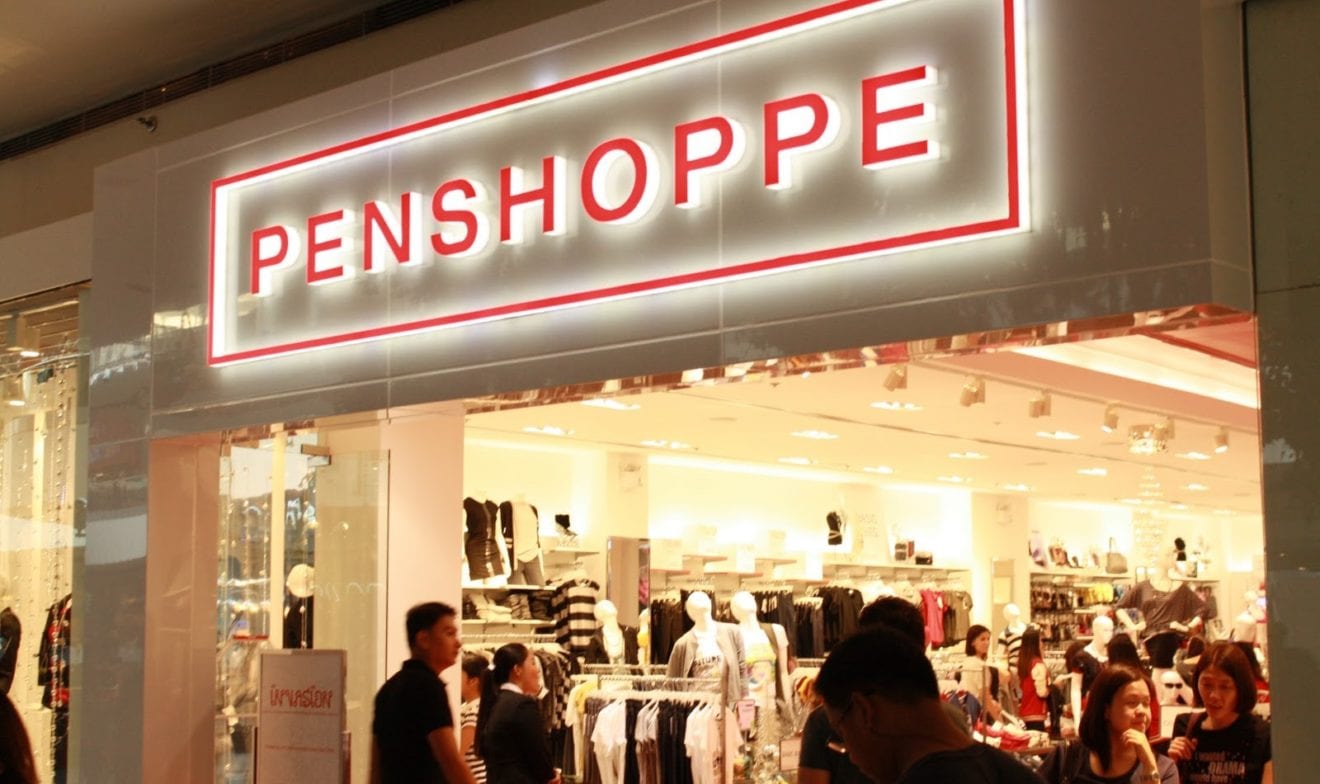
    Philippines fashion retailer Golden ABC says it plans to open 125 new stores in the Philippines and across Asia in 2016.

    According to CEO Bernie Liu, 100 stores will open in the company’s home market and a further 25 will open in other Asian countries, including Indonesia.

    Liu is undeterred by the rapidly rising ranks of foreign fast fashion clothing brands entering and expanding in the Philippines.

    “We have been competing with these international brands for years now in other parts of Asia. Our goal is to bring a Filipino brand into the international arena,” Liu said during the opening of three new stores at the SM Seaside City mall in Cebu.

    Golden ABC’s flagship brand – and the one most likely to be opened in Asian markets – is Penshoppe. The new Penshoppe store at SM Seaside City is the brand’s largest shop yet, with a footprint of 850 sqm, more than twice the size of a normal store.

    Golden ABC also operates the ForMe and Oxygen brands, both of which have also opened stores in SM Seaside City. The retailer has 700 stores across Asia and the Middle East. Its largest Asian markets outside the Philippines are Indonesia and Cambodia – and in Vietnam where the company recently opened a store inside the new VivoCity mall in District 7.

    “We are very encouraged by the response in Vietnam,” Liu said in an interview.

    Penshoppe has 26 stores in Indonesia, with three more under construction.

    Golden ABC also owns the Memo, Regatta and Tyler retail brands, and the direct-selling business Red Logo.

  • Bosideng sales slumps

    Bosideng sales slumps

    Chinese down apparel brand Bosideng has seen sales revenue slump 10 per cent – and profit nearly halved in the first half year.

    Down apparel sales, which account for almost half the group’s turnover, fell 14.6 per cent.

    While Bosideng blamed its poor performance on “tremendous challenges” facing China’s apparel industry, there was one telling line in its interim report which suggests a deeper problem:

    “The increasing popularity of the Internet and online shopping that stimulated the proliferation of information, coupled with the speedy expansion of an increasing number of overseas brands in the PRC market, have not only offered more choices for consumers, but also made consumers more sensitive to product prices and styles.”

    “And styles”. Bosideng is having to face the reality that growing an apparel business so dependent on a functional, rather than fashionable, product range may have its limitations.

    But there are signs it is adapting.

    The company said that as Mainland China’s economic growth slows the gap is narrowing between first and second-tier cities and rural areas. That has prompted national brands to switch their development mode from one that relies on store opening to swift response in various stages of business operation, “including branding, products, logistics and retail sales, so as to meet the expectations of the market and consumers”.

    “The group has actively explored and gradually shifted from the traditional wholesale business model to a retail model that draws closer to the market and the consumers. This allows the group to build a more solid business foundation for future development and to seek healthy and sustainable development.”

    The down business, by nature, is seasonal, with demand naturally higher in winter months, prompting offseason sales and promotional activity in the first half of the year. Part of the reason for the sales decline in the last half was an increase in the discounting to reduce inventory.

    Bosideng also stepped up its efforts to implement more stringent production and product plans.

    “Through in-depth analysis of retail statistics, the group was able to arrange the production of various product styles more accurately to avoid unnecessary inventories… For instance, two brands – Snow Flying and Bengen – developed minimal new styles, whereas Combo devoted all efforts in stock clearance this year and did not design new styles.”

    It has also commenced trial marketing, ranging some new styles in physical stores prior to finalising production and sales plans to test and understand the market reaction in order to avoid excess inventory.

    The company is also continuing to optimise its retail network, shutting down underperforming stores to enhance store quality: the number of outlets in the down apparel business – both self operated and third party – fell by a net 548 in the period, to 6051.

    Some stores which are usually shuttered over summer, or sub-let by third party distributors, were kept open as outlets to help reduce inventory. Bosideng supplied the product, the distributors met the overheads, saving the group distribution costs and adding sales channels for stock clearance.

    Bosideng is also shifting its focus away from department stores more towards shopping malls, reflecting changing lifestyles of Chinese consumers.

    This year, it has opened pop up stores for the first time in six prime shopping centres to assess potential to showcase new lines.

    “The pop up stores attracted customer flow with innovative displays and eye-catching designs. Various live events, performances and games were introduced to increase interaction with consumers, thus enhancing brand recognition. The pop-up stores were well received by the market, which not only successfully became talk of the town with widespread media coverage, but also drove the group’s local sales performance. The group believes that it will accelerate store opening in large-scale shopping malls in the long run to allow the retail network of the group to better satisfy the needs of the consumers.”

    Meanwhile, diversification away from down appears to be bearing fruit.

    During the period, revenue from Jessie brand increased by 18.8 per cent year on year to approximately RMB158.3 million. Following the adjustment of the brand’s retail network over the past two years, the net number of Jessie retail outlets increased by five to 216 this year. Jessie has been focusing on enhancing the profitability of self-operated stores and implementing refined management and further optimised product mix.

    In wholesale, Jessie optimised the ordering system at the trade fairs and increased the mix and match references and provided more guidelines to distributors so as to increase associated orders. “As a result, revenue from self-operated and wholesale business recorded a significant increase.”

    But revenue from its Mogao brand  decreased by 21.9 per cent year-on-year to approximately RMB128.2 million, largely due to a net reduction of 21 stores to 284 during the period. It also dropped its womenswear lines to focus purely on menswear, so the last period was essentially one of repositioning. Bosideng says the change was well received by distributors and this year it will step up branding efforts, especially on new media.

    Internationally, Bosideng’s London flagship store has accumulated “considerable retail experience and deeper understanding of the consumer preference of the local market”.

    “The London flagship store will… step up its efforts in expanding the popular down apparel series this year. Fully utilising its extensive resources in down apparel products, the group will assist the flagship store to further optimise the product mix so as to drive its sales and profitability.”

    For the record, Bosideng reported total sales revenue of RMB2,563.7 million, a gross profit margin down 11.3 percentage points to 36.1 per cent, its operating profit margin down by 5.6 percentage points to 5.2 per cent and a profit attributable to shareholders down 48.3 per cent to RMB130.7 million.

    In the year ahead, Bosideng says it will continue to reduce inventory and significantly reduce the development of traditional and basic styles to avoid overlapping with old stocks.

    “At the same time, the group will introduce more hi-tech fabrics in order to satisfy the growing demand for functional down apparel in the market, providing more value-for-money, high quality and trendy down apparel products to customers.”
  • Veeko International flourishes despite downturn

    Veeko International flourishes despite downturn

    While its peers suffer from Hong Kong’s lacklustre market, one retailer has achieved a stunning sales boost.

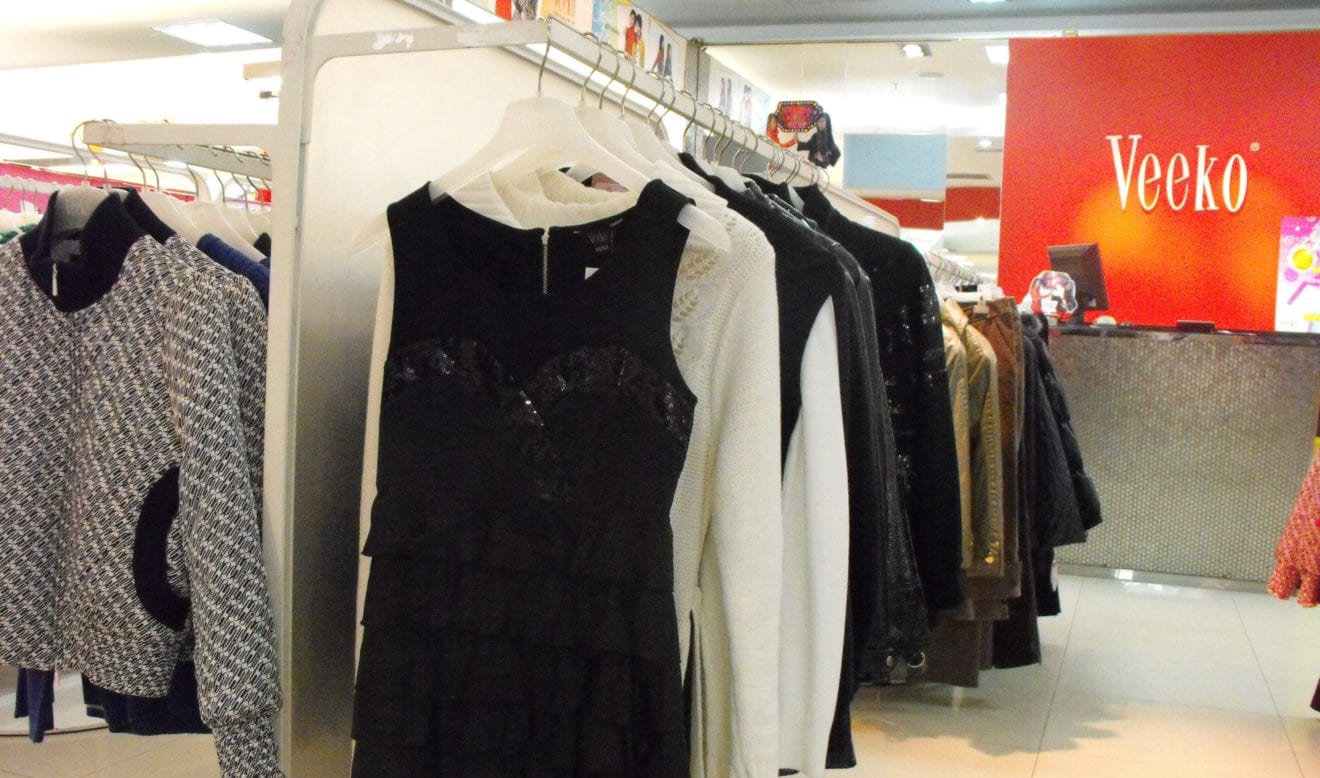
    Veeko International operates 82 Colourmix and one Morimor cosmetics stores and 155 fashion stores in Hong Kong, Macau, Taiwan, Singapore and Mainland China under the Veeko and Wanko brands.

    For the six months to September 30, Veeko International recorded a turnover of HK$1.066 billion – an increase of 23.6 per cent on the corresponding period of last year. Its cosmetics business increased sales by 33.7 per cent over the same period last year, accounting for 77.6 per cent of Veeko’s turnover. Sales in the fashion business slipped two per cent.

    Profit attributable to shareholders reached HK$41.488 million – up 14.9 per cent on last year, driven by a 56.2 per cent increase in profit from the cosmetics business. The fashion business, meanwhile, recorded a $2.68 million loss, a 133.6 per cent downturn on the profit of $7.97 million for the same period last year, largely due to exchange rate losses from overseas markets including Taiwan, Singapore and Mainland China. At constant exchange rates the division would have recorded a profit.

    Veeko says it will continue to expand its Colourmix store network, having added six in the first half.

    A large part of the success of its cosmetics operations is an increase in the average sale from $358 per transaction for the same period last year to $377 per transaction for the current period, – a year-on-year increase of 5.3 per cent. The gross profit margin of cosmetics business for the

    period was relatively unchanged at 35.7 per cent.

    Veeko’s fashion store network was down by a net 19 stores due to a revision of its store networks in Singapore, China and Taiwan.

    Veeko says Hong Kong and Macau accounted for 78.8 per cent of the group’s total fashion retail turnover. Sales in the two territories rose 6.2 per cent year on year, but gross profit margin decreased by 1.7 percentage points to 71.8 per cent.

    Taiwan fashion sales fell 24.9 per cent, due to the closure of eight stores, leaving it with 25 in the market. But same store sales grew by 6.4 per cent.

    In Singapore, sales slumped 26.6 per cent, largely due to the closure of four stores, leaving it with just nine there. Same store sales in local currency slipped 2.6 per cent.

    And in China, turnover fell 19.4 per cent, due to a net reduction of 10 stores, leaving it with 41.

    Veeko says it expects the challenges faced by the retail business will continue during the next half year, with cautious consumption sentiments.

    “The group… believes that opportunities exist alongside with challenges. In an environment which is full of challenges, the best policy is to uplift our competitiveness and lay a good foundation for sustainable growth in the future by maintaining healthy growth of the core business in the long run.”

  • Tokyo-based affiliate eyes major stake in Lotte Confectionery

    Tokyo-based affiliate eyes major stake in Lotte Confectionery

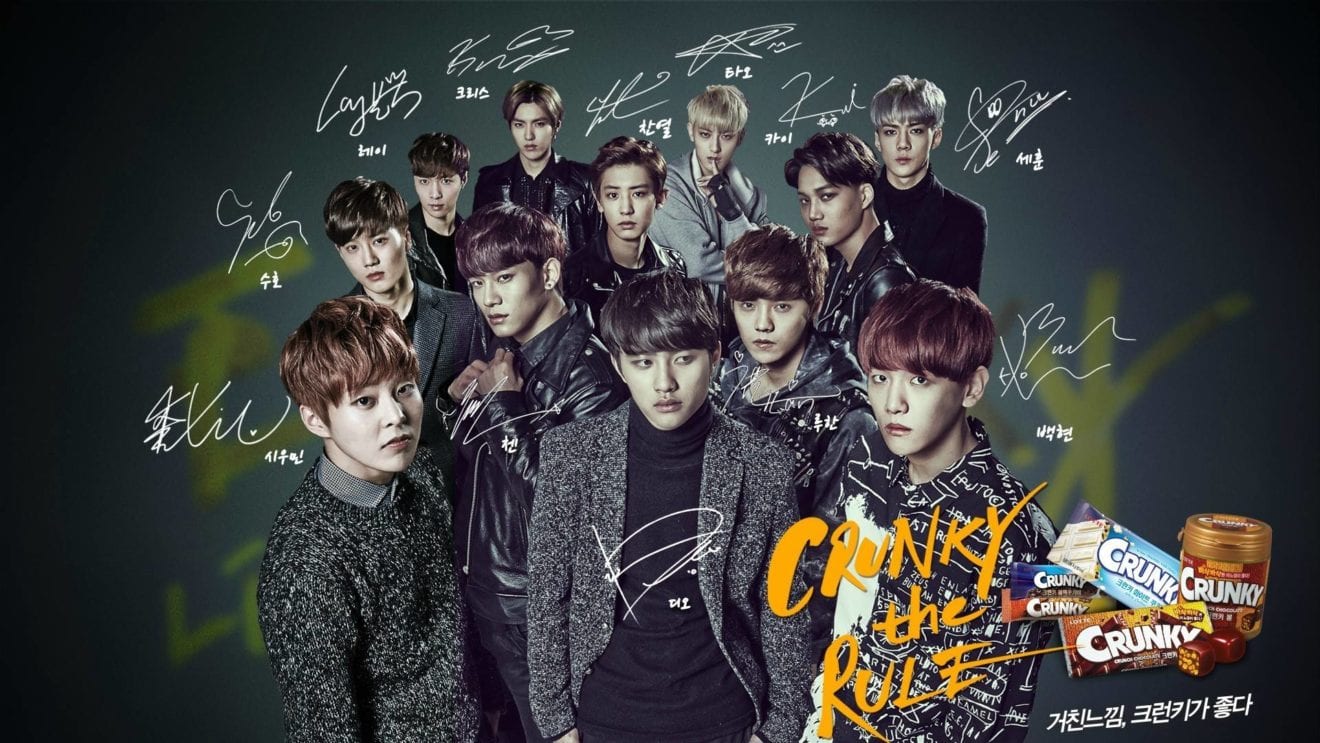
    Korean retail giant Lotte Group’s confectionary affiliate said Wednesday that Japan-based Lotte Holdings has offered to buy 259 billion won ($219.6 million) worth of shares in the firm, a move that will help the group chairman strengthen his control amid a prolonged succession dispute with his brother.

    The Japanese firm will buy 7.9 percent shares of Lotte Confectionary at 2.3 million won per share from the market during trading hours by Dec. 28, the company said in a regulatory filing.

    “By boosting stakes in Lotte Confectionery, Lotte Holdings will be able to improve efficiency based on the potential synergies between the two firms,” it said in a press release.

    Once the purchase is completed, Japan’s leading confectioner will emerge as the second-largest shareholder of the Korean firm with a 10 percent stake. It bought a 2.1 percent stake in the firm on Nov. 4.

    Tightening its grip on Lotte Confectionery means having the group’s key affiliate under control as it holds stakes in Lotte Shopping and Lotte Chilsung.

    Industry insiders said Lotte Holding’s recent decisions to increase its stake in the Korean confectionery unit is to show its support for Shin Dong-bin — the Lotte Group chairman and Lotte Holdings vice chairman — who has been at war with his brother Shin Dong-joo over control of the group since July.

    With Lotte Holdings’ backing, the incumbent chairman who holds an 8.78 percent stake in the Korean unit can cement his leadership over the group, whose portfolio ranges from food to retail mostly in South Korea and Japan.

    Dong-joo, the former Lotte Holdings vice chairman who led the Japanese operations until January, owns a 3.96 percent stake while his father and Lotte founder Shin Kyuk-ho holds a 6.83 percent stake in Lotte Confectionery.

    Meanwhile, the chairman said he would consider listing Lotte Holdings on the Japanese stock market to build a management structure free of the founding family’s feuding.

    During an interview with Japanese media outlet the Nikkei, he said the market debut will be discussed after the Korean initial public offering of Hotel Lotte, slated for the first half of 2016.

    “Coming under tighter scrutiny in the market will enhance the company’s structure and establish transparent corporate governance,” Shin said.

  • Asia driving L’Oreal growth despite market turbulence

    Asia driving L’Oreal growth despite market turbulence

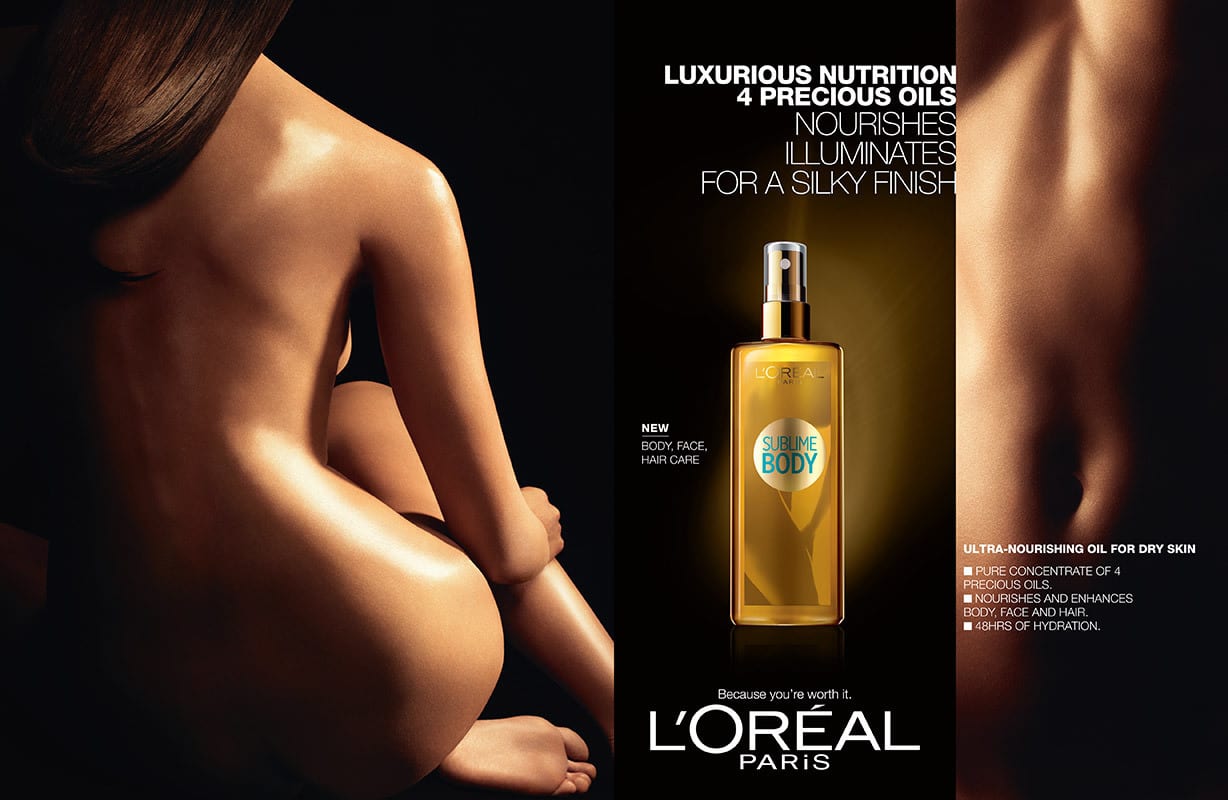
    Asia is driving huge growth for cosmetics giant L’Oreal, despite a slowdown in Hong Kong.

    At the end of September, L’Oréal posted growth of 4.4 per cent on a like-for-like basis – and 21.9 per cent based on reported figures as the company expands its retail network and wholesale operations in the region.

    Kiehl’s, Yves Saint Laurent and Giorgio Armani contributed to dynamic growth of the L’Oreal Luxe division, despite the context of slower third-quarter growth in Hong Kong and Travel Retail Asia.

    The Consumer Products Division is performing well in India, Australia and Thailand. In China, growth at L’Oreal Paris is accelerating, while Magic is undergoing a transitional period. The Active Cosmetics Division is growing strongly, thanks to the success of La Roche-Posay, L’Oreal reported in its quarterly filing.

    Jean-Paul Agon, chairman and CEO, said at the end of September, the group’s reported growth is strong, at 13.2 per cent, still supported by a positive currency effect.

    “Despite a global context that is still volatile, we are confident for the year end. The beauty market remains dynamic. In each Division, our brands are pushing forward with successes such as Maybelline and NYX in the Consumer Products Division, Yves Saint Laurent, Kiehl’s and Urban Decay at L’Oréal Luxe, Redken in the Professional Products Division and La Roche-Posay at Active Cosmetics,” he said.

    “Finally, the acceleration of our digital transformation is making us stronger, in particular with the rapid increase (40 per cent) of our eCommerce sales which should significantly exceed 1 billion euros this year.

    “We are confirming our ambition to outperform once again the beauty market in 2015 and to achieve significant growth in both sales and profits.”

  • Luk Fook profits slump 42% on weak Hong Kong, Macau sales

    Luk Fook profits slump 42% on weak Hong Kong, Macau sales

    Jeweller Luk Fook Holdings is looking to Mainland China to restore growth after a heavy drop in profits due to the Hong Kong and Macau market slump.

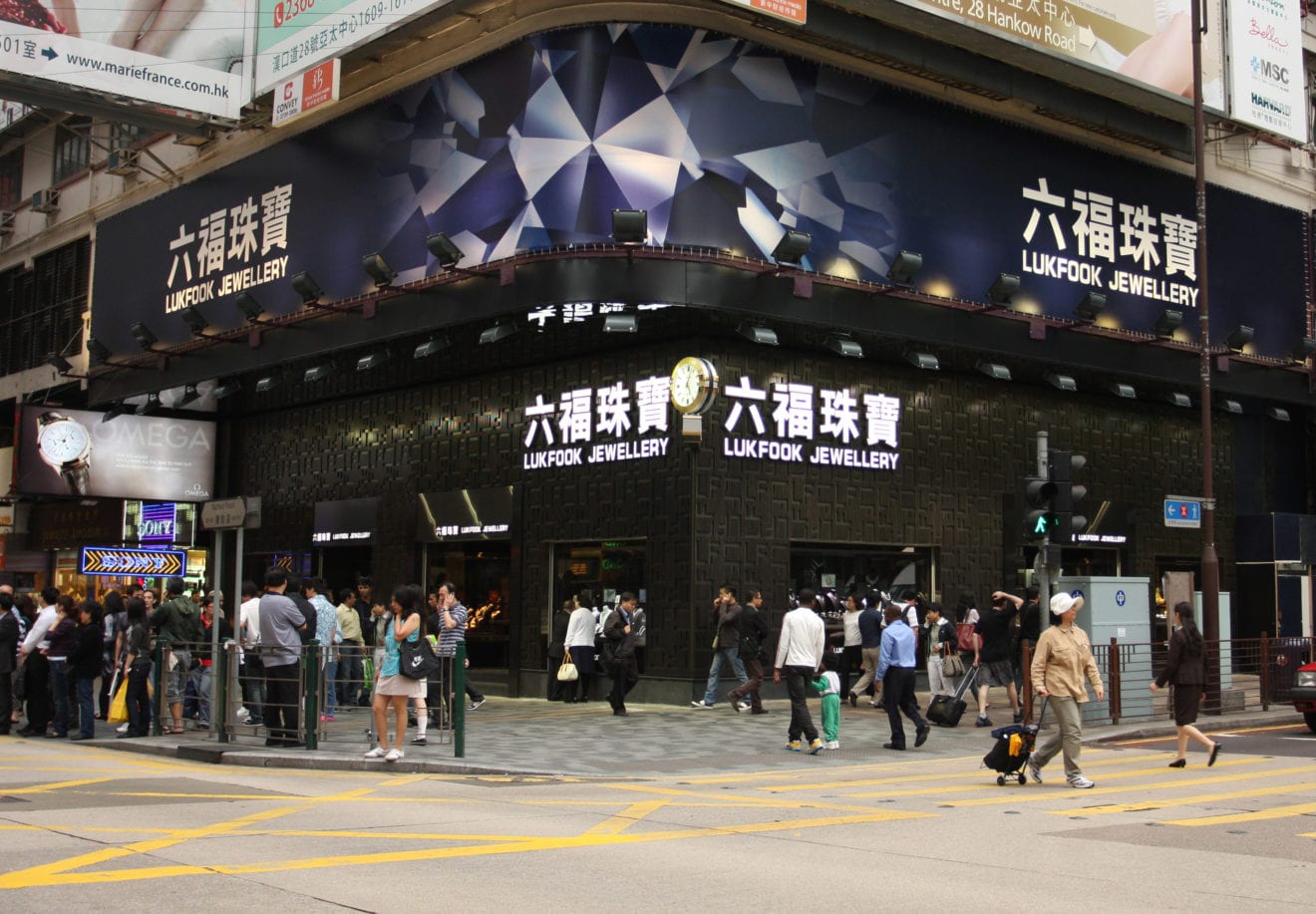
    Lukfook Group says its sales declined 7.7 per cent to HK$6.965 billion in the half year to September 30 and profit attributable to shareholders slumped 42.4 per cent to $463 million.

    Same store sales across the business fell 11.6 per cent, largely due to falling sales of gem‐set jewellery products in Hong Kong and Macau. Sales fell 16.2 per cent in Macau alone.

    However in Mainland China, gem-set jewellery sales rose 17.5 per cent, marking the 10th consecutive quarter of positive growth in that market.

    Wong Wai Sheung, chairman and CEO of Lukfook Group said the slowing economic growth in Mainland China, relaxed visa requirements and currency devaluation in Europe, Japan and Korea as well as a strong Hong Kong dollar against other currencies had caused Mainland tourists to switch to overseas for consumption.

    “These adversely affected the retail industry in Hong Kong and Macau and hindered the recovery of the retail business of the group.”

    Hong Kong rents also took their toll on Luk Fook profits.

    “The decrease in revenue, together with the increase in total rental expenses mainly contributed by the high rental of the loss‐making new shops in certain Hong Kong prime locations, resulted in the increase in the total operating expenses to revenue ratio to 14.6 per cent (2014:13.0%),” the company said in its filing.

    The company opened a net total of 29 Lukfook shops (including 23 licensed shops and six self‐operated shops), and four 3D‐Gold self‐operated shops established by the new joint venture (the group has 51 per cent equity) with a licensee in Mainland China. The number of shops in Hong Kong and Macau and overseas remained unchanged. As at September 30, the group had 1412 Lukfook shops globally in Mainland China, Hong Kong, Macau, Singapore, Korea, the US, Canada and Australia; and four 3D‐Gold shops operated in Mainland China.

    Mainland Chinese visitors remained the primary customer group for the Hong Kong retail business, which contributes 60 per cent of the group’s turnover.

    Wong Wai Sheung said with continuing uncertainty in the global economy, the overall operating environment will remain challenging in the short term.

    “However, in the long run, as the per capita income in Mainland China increases, the group believes that there will still be strong customer demand for jewellery products, therefore the group remains positive about the mid‐ to long‐term business prospects. The group will continue to optimise the retail network, maintain the expansion strategy of focusing on the development in the Mainland China market, and further strengthen the cooperation with eCommerce platforms to expand our distribution channels, and also offer more fashionable and affordable jewellery products which are suitable for wearing in workplace, in order to attract middle‐class consumers.”

  • Inside the new Valentino Bangkok boutique

    Inside the new Valentino Bangkok boutique

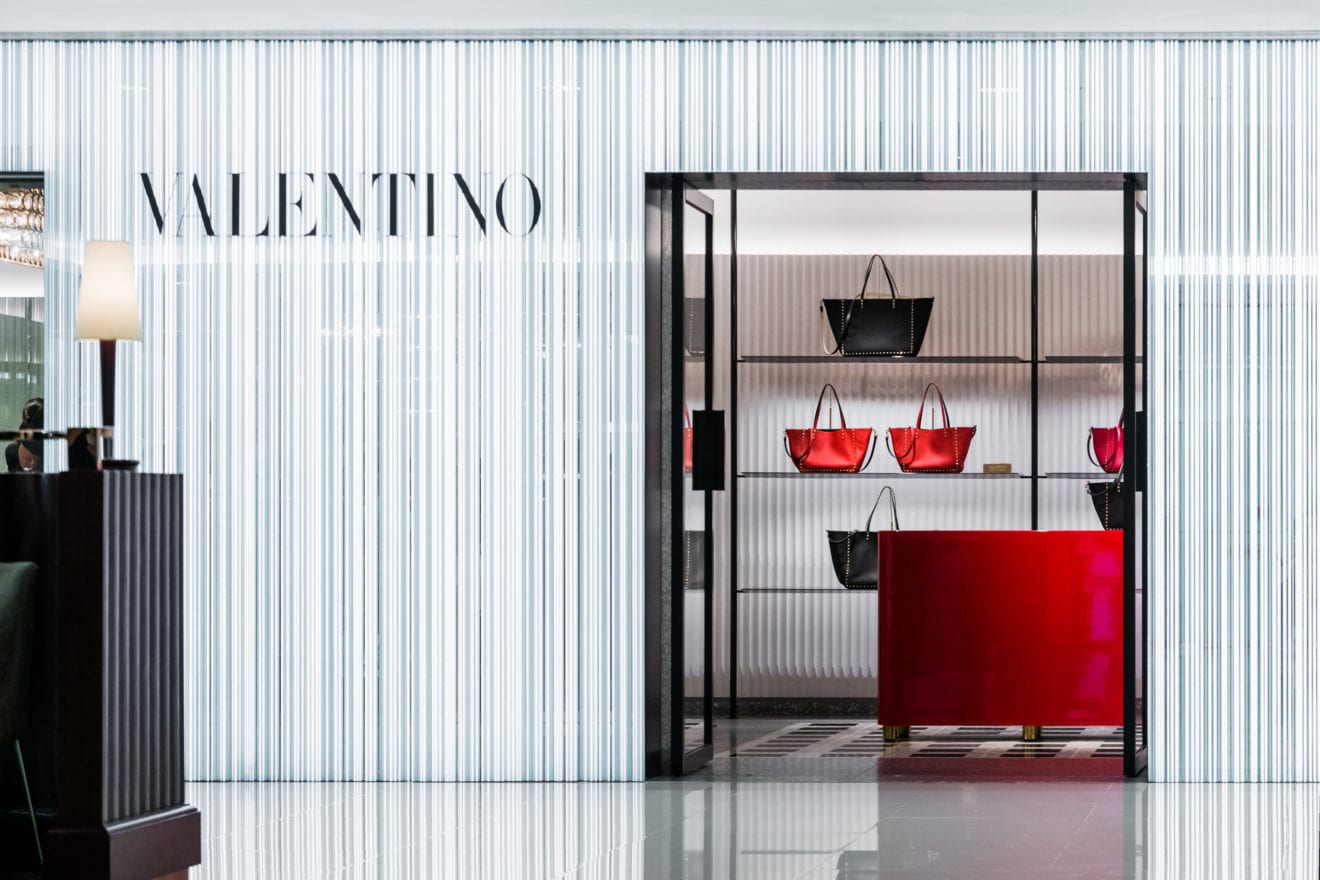
    A new Valentino Bangkok boutique has opened in the upmarket Emquartier shopping centre on Sukhumvit.

    Valentino Emquartier  Bangkok 3

    The store has 380 sqm of floor space in what the fashion brand describes as “a one-of-a-kind brand experience” which “caters to an elite clientele, serving both its male and female clients in a single location”.

    Valentino Emquartier  Bangkok 2

    As the photos show, the design is contemporary and minimalist, creating a sense of space with matching stone textured walls and floors and simple wooden display cabinets.


    Valentino, founded in 1960, is headquartered in Milan, Italy.

    Valentino Emquartier  Bangkok 1