Category: Fashion

Retail News Asia is committed to providing both local and global retailers with the latest Fashion news throughout the Asian market. This on a daily base.

  • Monica Vinader Hong Kong opens at Harbour City and Sogo

    Monica Vinader Hong Kong opens at Harbour City and Sogo


    A year since the opening of its first store at IFC Mall, jeweller Monica Vinader has opened a second store at Harbour City in Kowloon and a counter at the prestigious department store Sogo.

    Monica Vinader Hong Kong

    “I am honoured that the brand has been so well received in Hong Kong, which is such a sophisticated, international city,” said Monica Vinader, CEO & founder of the brand.

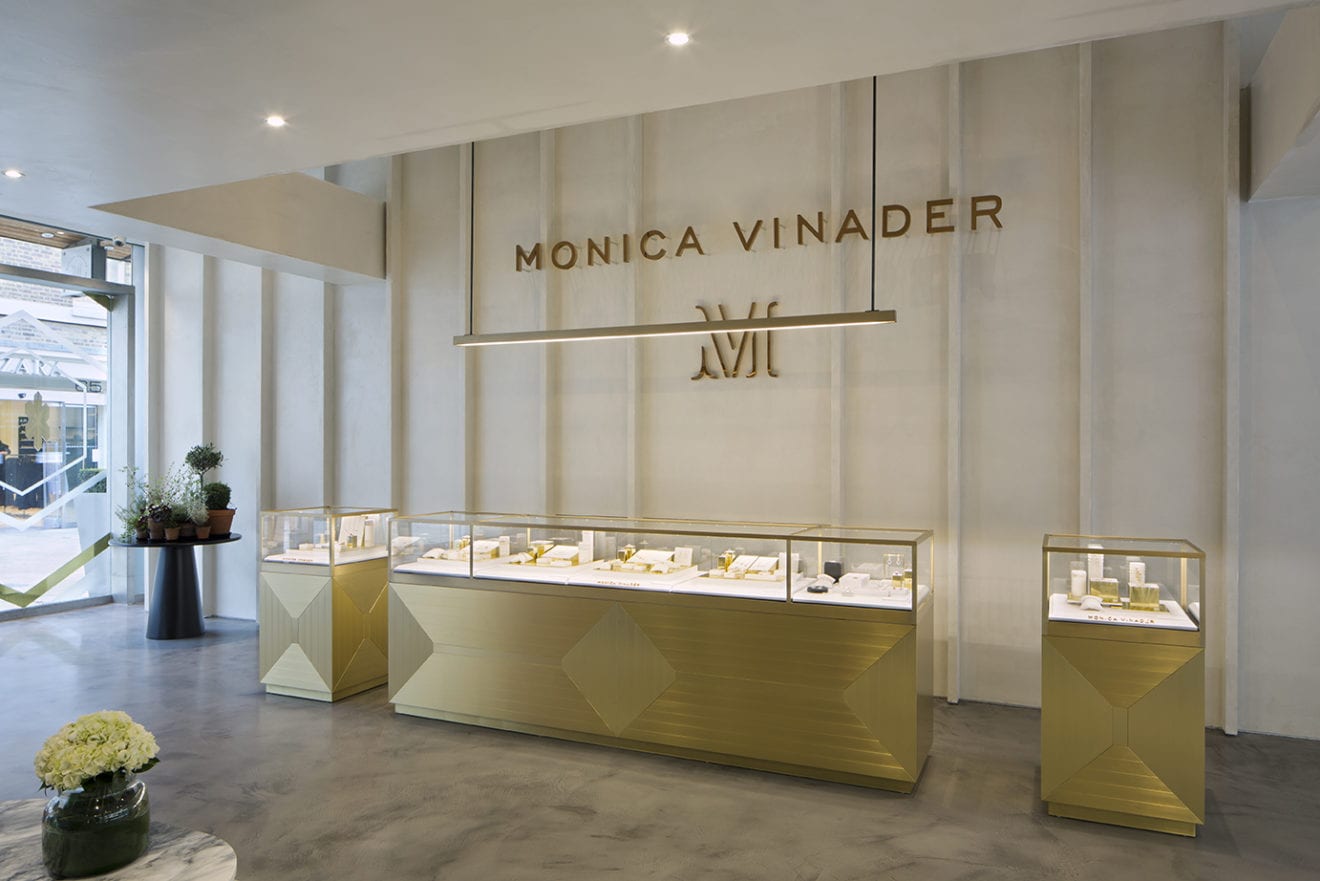
    The new Monica Vinader Hong Kong store’s interior features custom fixtures and fittings that create a vibrant and welcoming luxury shopping environment.

    Monica Vinader Hong Kong 1

    It offers all the Monica Vinader collections, from the recognisable Friendship bracelets, to bespoke cut gemstone jewellery and contemporary diamond collections.

    The retailer’s complimentary, same-day engraving service, offered in Monica Vinader stores around the world, will also be available from the Harbour City boutique. Customers will be able to engrave personal messages, motifs or hand-drawn doodles onto bracelets and pendants to make them truly unique.

    The store is located on Level 3 of Ocean Terminal and trades from 10am to 10pm.

    Monica Vinader Hong Kong 2

  • Diesel unveils retail expansion plans

    Diesel unveils retail expansion plans

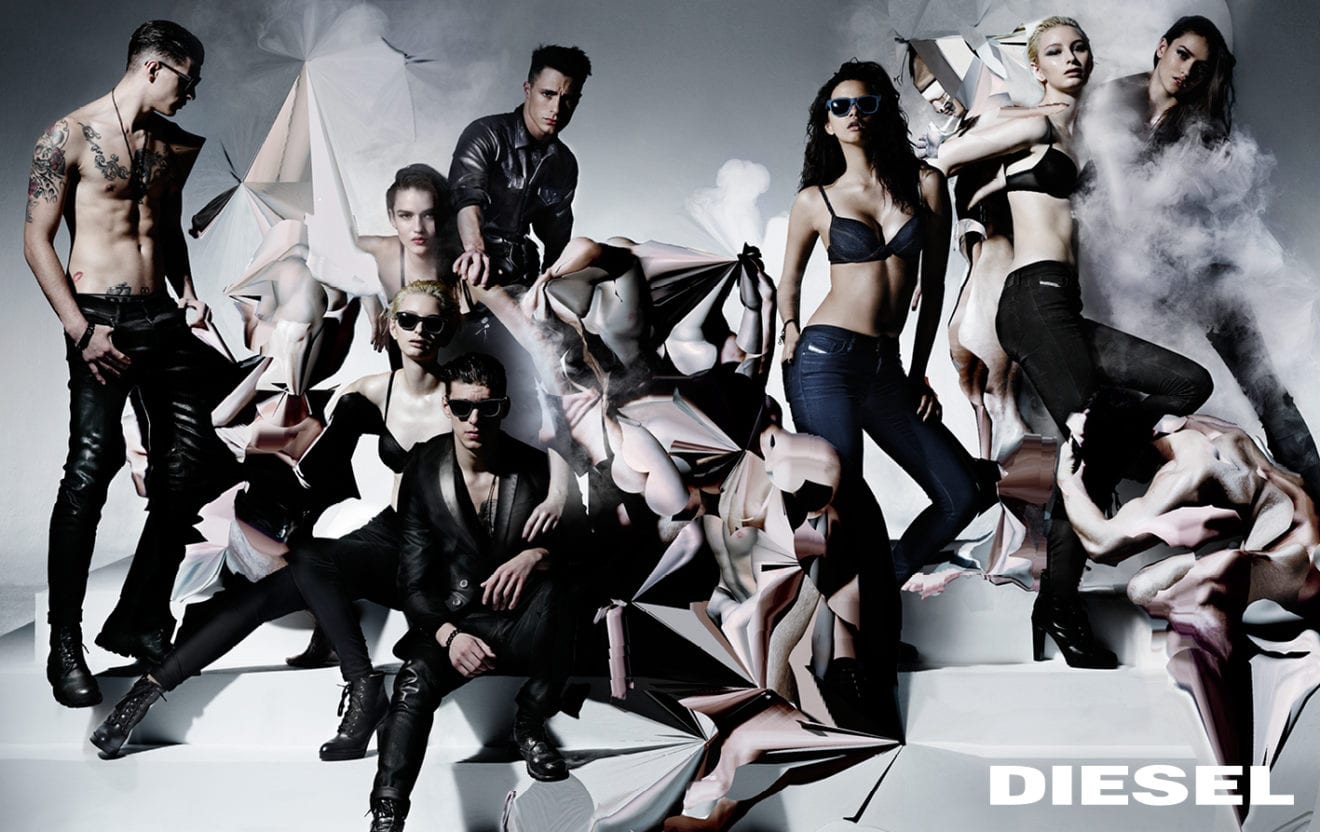
    Fashion brand Diesel is ramping up its global expansion, with plans to open an 80sq m standalone store in Haikou Meilan International airport in the Hainan district to complement its recent opening in Panama Tocumen International airport’s retail plaza.

    The retail expansion marks an exciting period for the company, with also another shop in shop opening planned at the end of the year at Tel Aviv Ben Gurion airport with JR Duty Free. The Italian brand is also to undergo a refit of its boutique outlet inside Qatar Duty Free’s Junction store at Hamad International airport.

    Head of Travel Retail Michele Turrin was very enthusiastic about the company’s expansion prospects: “Historically Japan has been our strongest market and in China we have plans of further developing our existing stores network both in domestic and travel-retail. Haikou is one of these projects” he told DFNIonline.

    “Middle East travel-retail is interesting with new developments in the region. We opened last year in Doha with a very successful POS in Qatar Duty Free Junction fashion store. We’re also looking very seriously at the Midfield Terminal in Abu Dhabi. We’re confident we can do well in the GCC [Gulf Cooperation Council] where we have nearly 40 domestic stores, the brand is well positioned and enjoys a good reputation.”

    The company says it is also in discussions with some key airports to deploy pop-up store units, although Diesel did not mention who and in which location when DFNIonline pressed on this issue.

    Diesel has had a successful retail operation in travel-retail. Its innovative product, the JoggJeans, has had superb traction in this space, representing already around 20% of an average turnover at Diesel’s travel-retail stores. Its dominance of the denim market is also profound, with the JoggJeans, in some locations, representing up to 60% of the jeans category turnover – and around 30% of its travel-retail store sales.

    “Usually denim is considered a difficult sell, but because of the strength of the brand, the denim category has achieved unexpected high sales at all of our stores. We initially thought not to dedicate denim as much space to an airport location, but after analysing the results we slightly changed our formats to accommodate enough space in this category. We are “masters of denim” and our JoggJeans represent our USP in the market.”

  • Swarovski partners with DFS on in-store styling

    Swarovski partners with DFS on in-store styling

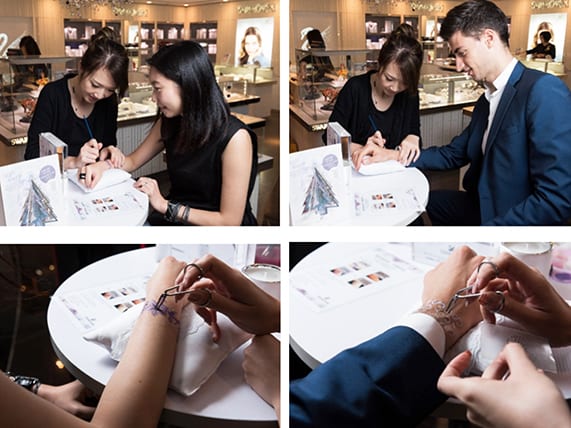
    Swarovsiki and DFS in Hong Kong and Macau are partnering this Christmas with Asia’s first in-store styling service offering customers complementary hand decoration.

    The new service was launched on 21 November in T Galleria by DFS stores in both territories, with Swarovski stylists providing the exclusive consultation on the Swarovski crystal designs.

    The new ‘exclusive service’ is being made available during selected times within DFS’ stores in Canton Road and Tsim Sha Tsui East in Hong Kong, as well as at the City of Dreams and Shoppes at Four Seasons in Macau.

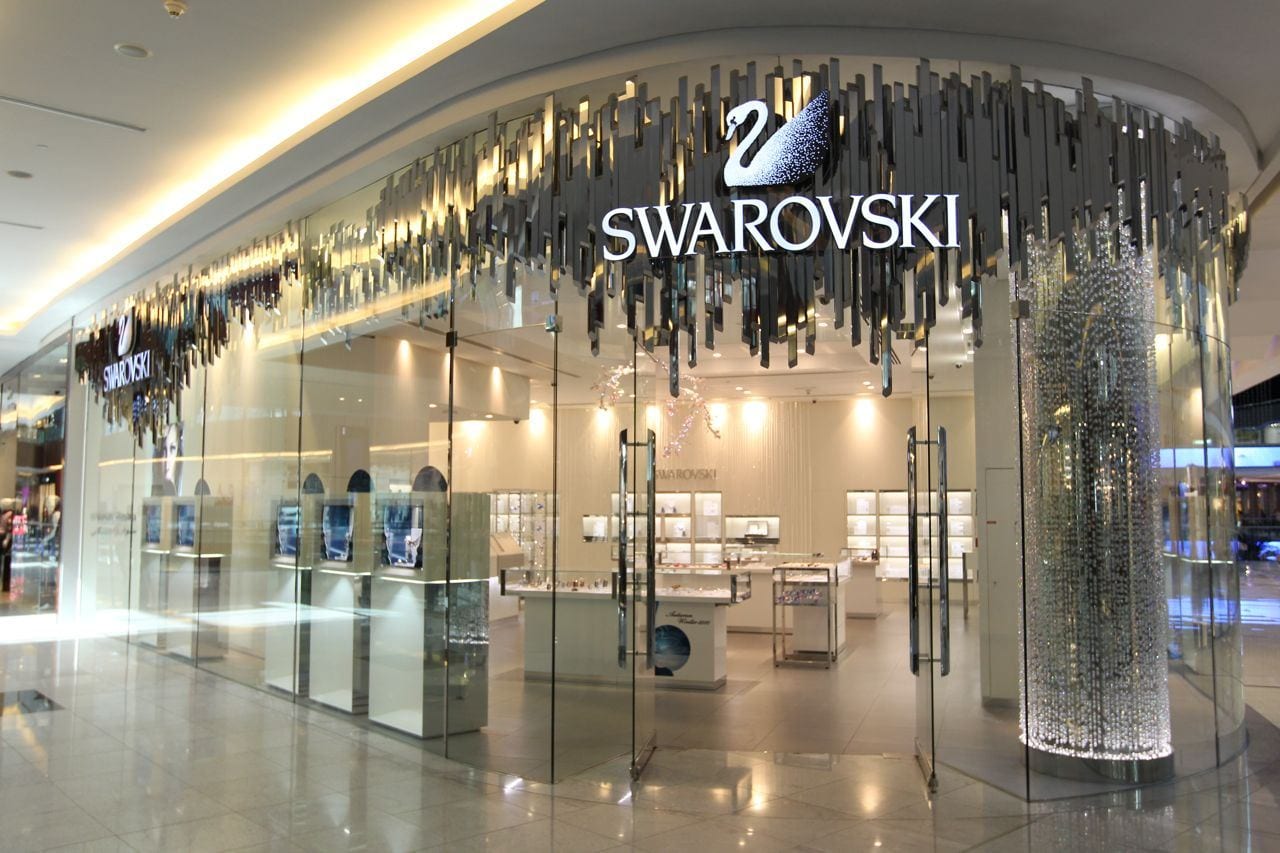
    Swarovski partners with DFS

    Commenting, Karen Tse, Director, Travel Retail Asia Pacific, at Swarovski, said: “Swarovski empowers women to make their every day extraordinary and this is an example of how we bring our mastery of crystal cutting and passion for jewellery design to life.

    “We are excited to partner with DFS Group for this very first in-store styling experience that brings travellers an extra touch of Swarovski sparkle when visiting T Galleria by DFS in Hong Kong and Macau.”

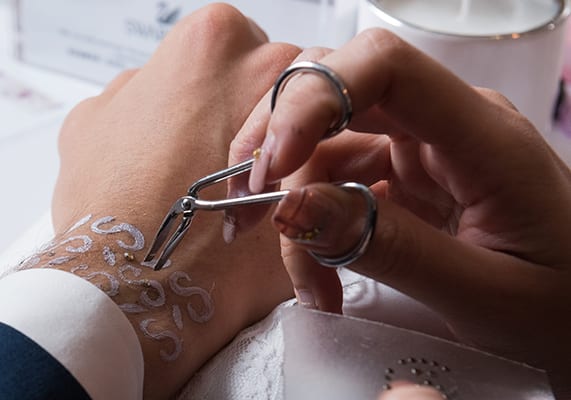
    Swarovski DFS up close

    A close up-view of the hand decoration process.

    Adding his comments, DFS Group’s Jason Blejwas, Director of Merchandise, Sunglasses, Fashion Watches & Jewelry, Global Merchandising said: “DFS is excited to partner with Swarovski in presenting this premier tailor-made activation in our T Galleria by DFS Hong Kong and Macau Swarovski boutiques.

    “Through exclusive events such as Swarovski’s holiday hand decoration activation, we are able to create a dynamic and delightful experience for our customers and continue to deliver on our promise to be the world traveller’s preferred destination for luxury shopping.”

  • Hugo Boss sees weakness in China, US persisting in 2016

    Hugo Boss sees weakness in China, US persisting in 2016

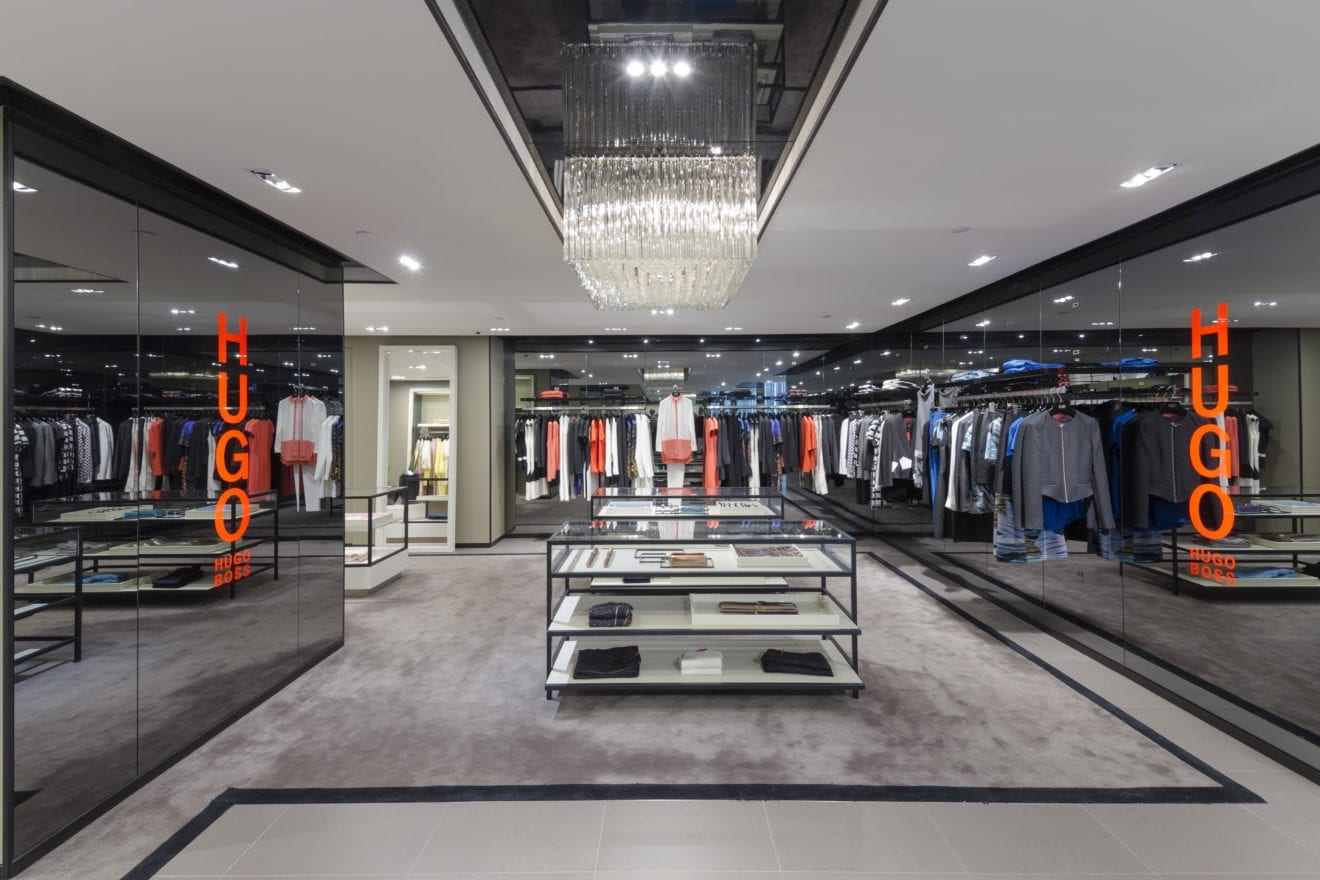
    German fashion house Hugo Boss expects challenges in China and the US market to keep a lid on sales growth next year, but it said it would keep investing in its website and stores.

    In a presentation released ahead of an investor day on Tuesday, Hugo Boss said it expected 2016 sales growth below its long-term target for a high single-digit rise and said it would only reach its 2020 target for a core earnings margin of 25 percent if the overall market recovered.

    However, it said lower capital expenditure and a further improvement in it management of working capital would help boost free cash flow in 2016, adding it remained committed to maintaining an attractive dividend payout policy.

  • Massive Innisfree China store planned

    Massive Innisfree China store planned

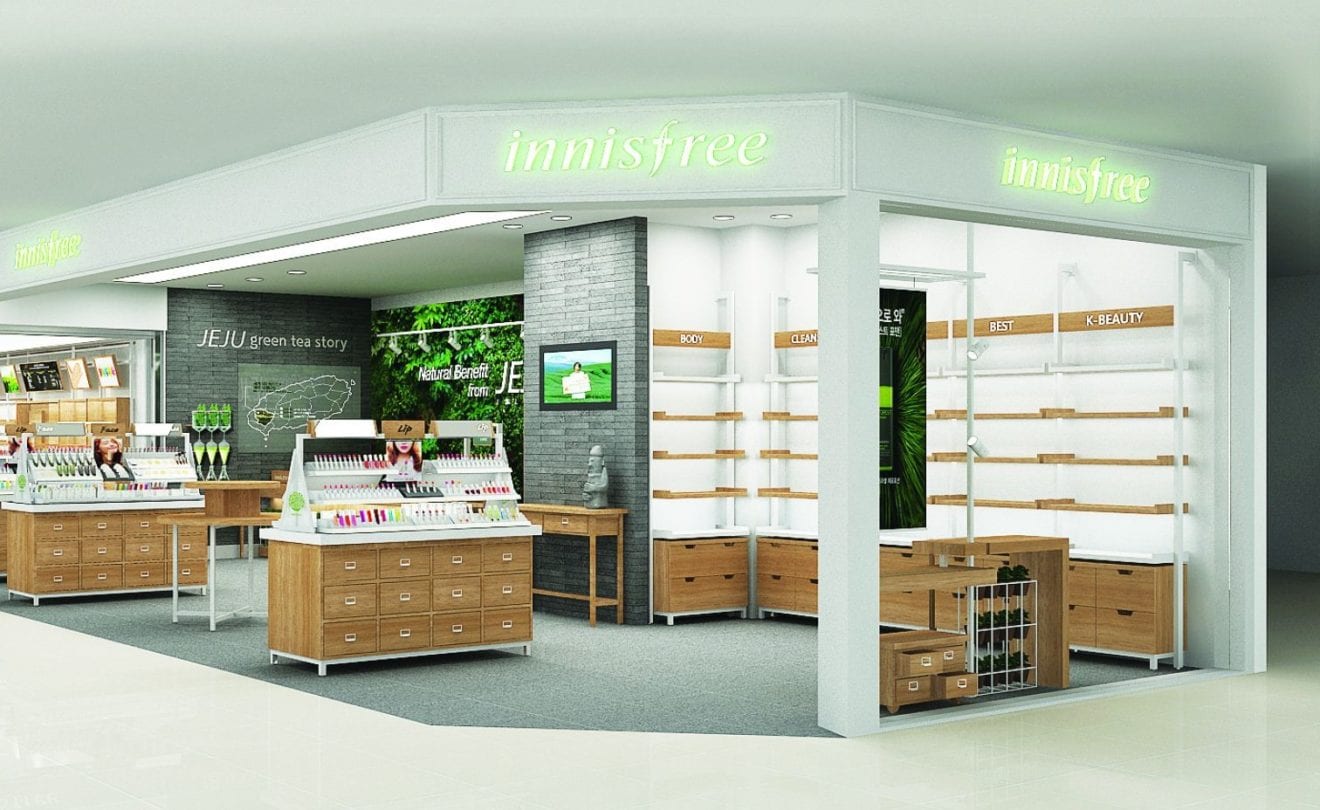
    Innisfree, the Korean natural cosmetics brand owned by Amore Pacific, is to open its largest store yet, in China.

    Amore Pacific announced Innisfree China will open an 827 sqm flagship store in Shanghai.

    This is the largest store among all of Innisfree’s retail locations, and reportedly the largest cosmetics store in China.

    Since Amore Pacific launched an online store in April 2012, it has been operating 200 offline stores all over China, including in Shanghai, Beijing and Shenyang. Innisfree’s ‘Green Tea Seed Serum’ and ‘Volcanic Ash Pore Mask’ are its highest-selling products.

    Management of Amore Pacific said Innisfree is popular among picky Chinese consumers in their 20s and 30s.

    “We think that the concept of our products made from natural ingredients found on Jeju Island, and the trust in Amore Pacific is an attraction to Chinese consumers.”

  • Uniqlo parent commits to refugee support

    Uniqlo parent commits to refugee support

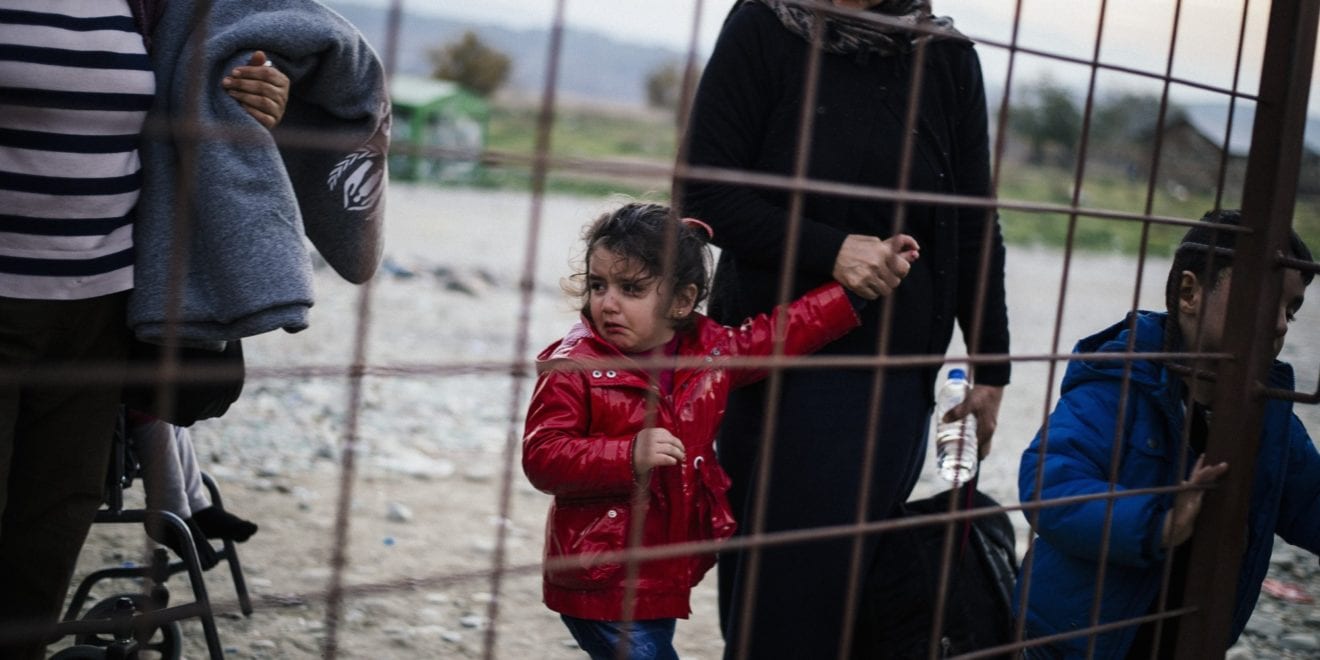
    Uniqlo parent Fast Retailing has committed US$10 million in cash and some 150,000 items of Heattech clothing to help keep newly arrived refugees warm in Europe.

    Fast Retailing will supply the support through the UNHCR, the UNited Nation’s refugee agency.

    As well as the donations, Uniqlo will provide internships with future employment possibilities to 100 refugees in Japan and abroad.

    “The refugee issue is one of the most difficult challenges the international community is facing today,” said Tadashi Yanai, chairman, president and CEO of Fast Retailing.

    “We must collectively tackle the constant threats that have forced so many people, including a large number of children, to flee. We have been providing refugees with emergency assistance, programs that promote self-reliance and donations of clothes for nearly 10 years. We will continue to supply refugees with the clothes they need and give them hope for better lives, in keeping with our never-ending desire for a sustainable and peaceful world,” he said.

    UNHCR spokesman Antonio Guterres said nearly 60 million people have been forced to flee their homes worldwide; the equivalent to almost half the population of Japan.

    “Twenty million of these people are refugees. In the face of such an unprecedented challenge, the robust support of the private sector is crucial for meeting the needs of the millions of families who have lost everything and who are seeking a safe place to restore their lives and build a better future.”

    Fast Retailing started its collaboration with the UN Refugee Agency in 2006 and entered into a global partnership in 2011, a first for a company headquartered in Asia. The new support being pledged this week is part of a global partnership aimed at assisting forcibly displaced people around the world, in recognition of the need for international organisations and private enterprises to collaborate more closely for the refugee cause.

    Under the new agreement, Fast Retailing commits to support the UN Refugee Agency with US $10 million over the next three years, starting from 2016. The funds will help UNHCR respond to emergencies and other acute humanitarian crises, and help refugees in Asia become self-reliant.

    The donation will also cover costs related to the distribution of donated clothing. To date, Fast Retailing has collected and distributed through UNHCR more than 10 million items of lightly used clothing to refugees across 37 countries and regions.

  • Joyce Boutique plunges into the red

    Joyce Boutique plunges into the red

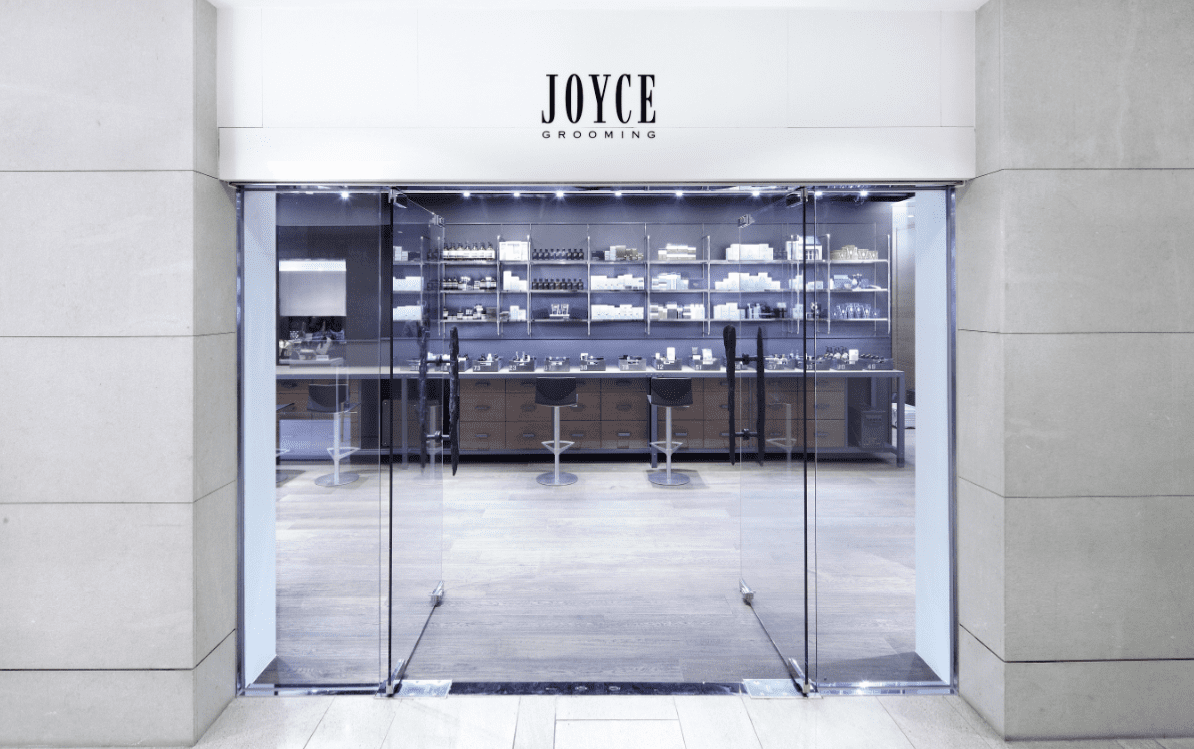
    Listed fashion boutique operator Joyce Boutique says it will continue to take a cautious approach to business expansion and focus on consolidation of the Joyce multi-label business towards higher-productivity stores in the year ahead.

    It will renovate and expand the Joyce flagship store in Central and relocate the Shanghai Joyce flagship store to a bigger space within Plaza 66 to introduce a completely new look and unique shopping experience to customers.

    The move follows revelation of a HK$34.9 million half year loss for the company – a major turnaround from the $32.8 million profit in the same period last year.

    Sales slumped 10.9 per cent, and gross margin lost 3.5 percentage points, the company has reported to the stock exchange.

    “The persistent fall-off in customer spending on luxury goods in Hong Kong and Mainland China drove down the sales performance of the luxury retail market in the period. Depreciation of the euro and yen against the dollar and renminbi led to an increase in overseas shopping and online shopping for luxury goods and impacted on bricks-and-mortar local retailing.” the company said in its interim report.

    Joyce Boutique’s Hong Kong, turnover dropped by 10.3 per cent against the same period last year and accounted for 82.5 per cent of group turnover (2014: 81.9 per cent). Further impacted by declined gross margin and increased rental costs, the Hong Kong division incurred an operating loss of $12.6 million for the period (2014: a profit of $36.6 million).

    Mainland China turnover declined by 14.6 per cent versus the same period last year and operating results turned into a loss of $22.9 million from last year’s profit of $3.1 million, chiefly the result of a general decline in turnover and margin and an additional $7.6 million provision made for a loss making shop in Shanghai.

    Joyce Boutique inside

    The joint venture with Marni made a loss contribution of $1.0 million (2014: profit of HK$1.3 million) due to a drop in turnover and an increase in operating costs.

    “In view of the difficult trading environment, the group adopted a cautious shop strategy. While opening new shops for three potential brands as planned in the previous financial year (the first Hong Kong shop for Thom Browne at On Lan St, the first China shop for Sacai at Beijing Sanlitun and the first Macau shop for Alexander Wang at Galaxy Macau), the group closed certain non-performing shops to improve shop productivity,” the company reported.

    As well as the change in store focus and the renovation of the Hong Kong and Shanghai flagships, the company says it plans to further strengthen customer loyalty and drive sales from VIP customers through enhanced personal stylist services and the introduction of private customer mobile apps.

    Joyce Boutique says it expects the near term trading environment will remain “tough and challenging”.

    “Rental levels in prime shopping malls remain high relative to turnover. Online shopping and overseas shopping for luxury goods will continue to impact on bricks-and-mortar specialty retailing. In view of the challenges, the group will focus on driving cost efficiency and shop productivity, fashion editing and reducing business risks through taking cautious approach to business expansion and stock purchase planning.”

  • BCBGMaxAzria opens Tmall store

    BCBGMaxAzria opens Tmall store

    BCBGMaxAzria, the US premier lifestyle fashion brand has partnered with B2C cross-border eCommerce solutions provider VoyageOne to expand its online footprint in China.

    “We are pleased to launch of BCBG on Tmall. We are very optimistic about the opportunity in China,” says Max Azria, founder, chairman and CEO of BCBG Max Azria Group.

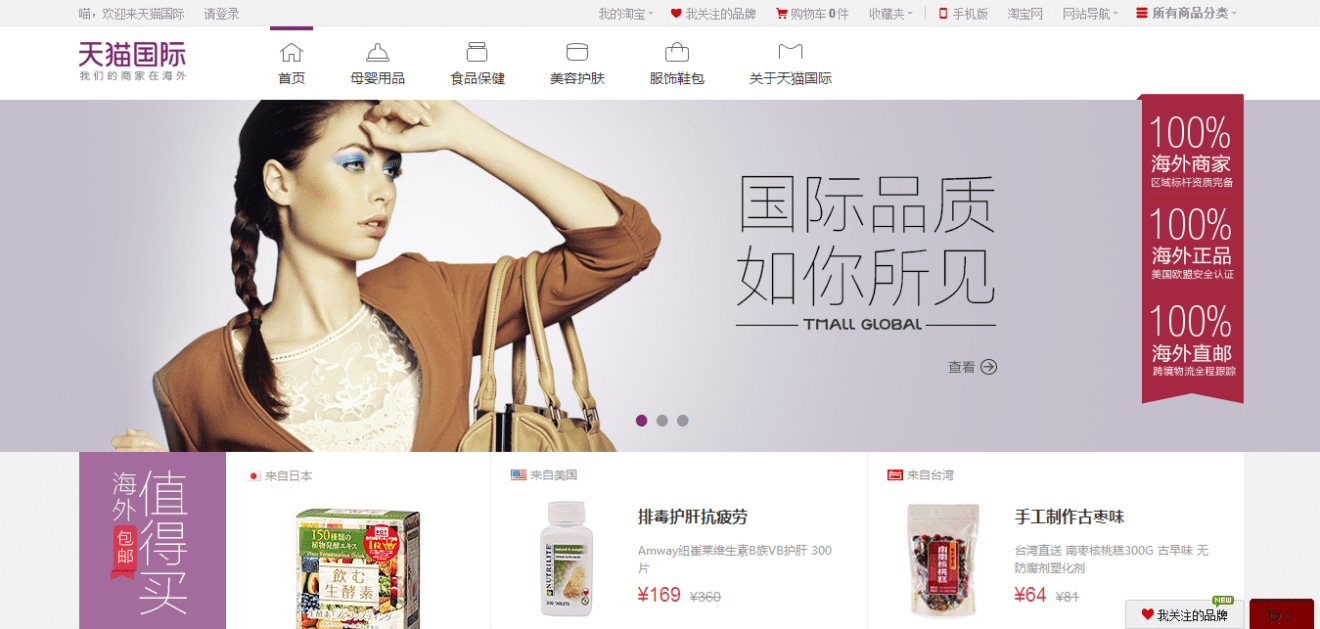
    BCBGMaxAzria’s flagship line is now available to Chinese online shoppers on Alibaba’s Tmall Global through VoyageOne’s platform. BCBGMaxAzria can now efficiently integrate, sell, and manage its online selling process across multiple marketplaces in China.

    “BCBGMaxAzria is a truly an American flagship designer brand and completely understands the complexity of cross-border eCommerce landscape in China and the need for a proven technology and solution delivery mechanism by which BCBGMaxAzria seamlessly integrate, launch and manage its online footprint in China,” said Dennis Zhang, VoyageOne CEO.

    “We’re extremely pleased to partner with BCBGMaxAzria to delivering true online shopping and customer service experiences through a single platform while help them grow their online business in China.”

    Michelle Magallon, SVP of digital commerce & omnichannel with BCBG Max Azria, says China is an important international market for the brand.

    The BCBGMaxAzria Winter 2015 collection is already available at Tmall’s Hong Kong and China stores.

  • New Valentino Shanghai IFC mall

    New Valentino Shanghai IFC mall

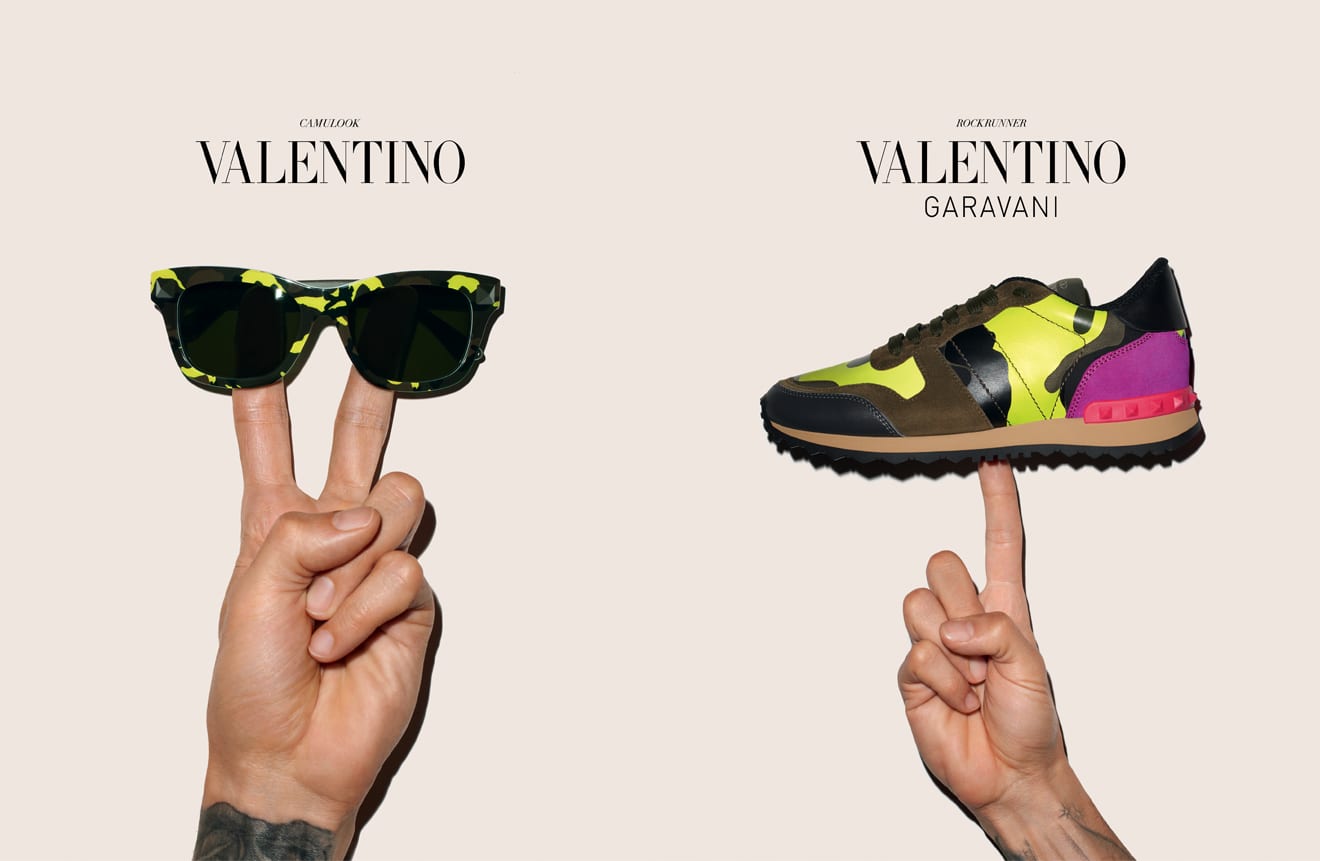
    Luxury fashion brand Valentino has opened a new boutique in Shanghai.

    The new Valentino Shanghai IFC Mall boutique features 490 sqm of retail space.

    Valentino Shanghai IFC mall 5


    It was developed by creative directors, Maria Grazia Chiuri and Pierpaolo Piccioli, together with British architect Sir David Chipperfield.

    Valentino Shanghai IFC mall 3


    Valentino says the store “perfectly represents the core values of the Maison: luxury, elegance and Italian craftsmanship.”

    Valentino Shanghai IFC mall 2

    The store concept combines old and new, heritage and style co-exist in the idea of a new future that is not nostalgic, but full of memories.

    Valentino Shanghai IFC mall 4

    The Shanghai IFC mall store carries womenswear, menswear and accessories.

    Valentino Shanghai IFC mall 1

    IFC Mall in the Pudong financial district is one of the premium retail destinations in the city.

  • Swedish fashion brand, H&M makes Cebu debut

    Swedish fashion brand, H&M makes Cebu debut

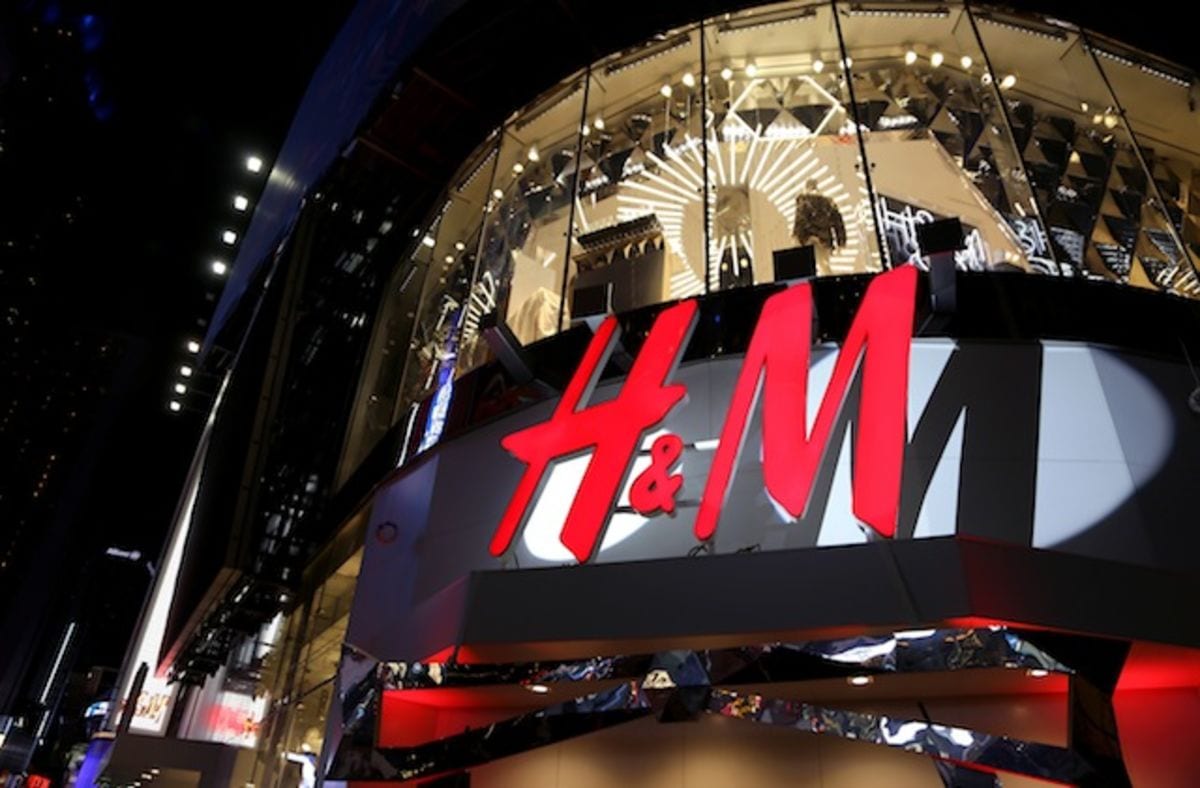
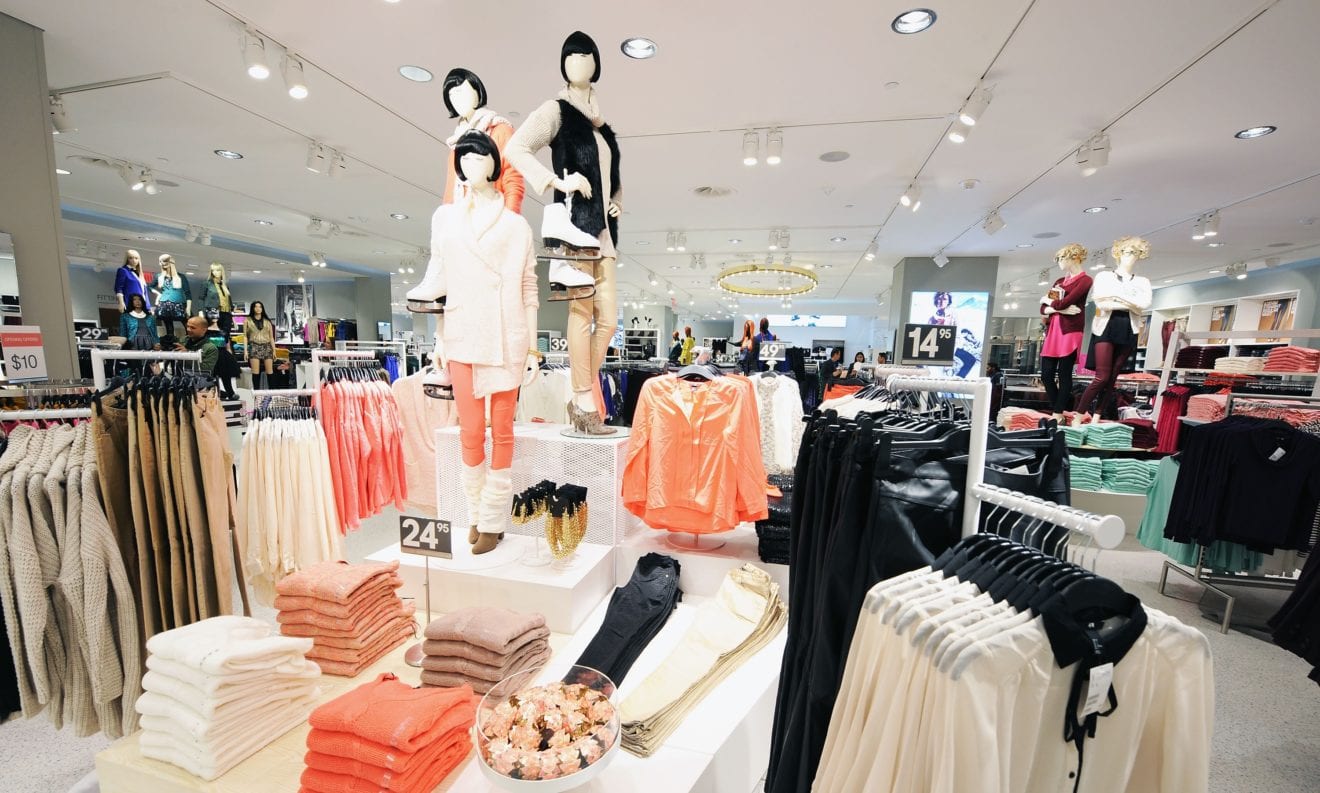
    SWEDISH retail brand H&M (Hennes & Mauritz) is opening its doors to Cebuano shoppers at the Ayala Center Cebu today. Top officials are confident the brand, which was long clamored for by Filipinos to enter the Philippine market, will get a positive reception among Cebuanos similar to long queues experienced during its opening day in Manila last year.

    H&M Cebu is the biggest H&M store in the Philippines to date. The store covers three floors that occupy 3,800 square meters of Ayala Center Cebu’s leasable space.

    “We are just so happy we are given this huge space for our first store in Cebu. We are very well received in the Philippines with the long queues and sold-out collections, which is really amazing. I trust we will get the same vibrance in Cebu,” said Fredrik Famm, H&M country manager for Southeast Asia, in an interview Wednesday. According to the press release, the first 300 customers in line will receive gift cards valued as high as P5,000 and opening offers that are up to 50 percent off.

    H&M Cebu is the 11th store in the country. By year end, the retail brand will have a total of 12 stores nationwide, the latest will be the second H&M store in Cebu at SM Seaside City in South Road Properties, which will open on Dec. 9. Famm sees the Philippines as a destination where there is much growth potential, citing its mature retail market reflected by the increasing number of commercial establishments being put up in key cities like Cebu.

    The country’s over 100 million consumers and well-travelled population, he added, also presents opportunities for international retail brands to thrive.

    A report obtained from the Philippine Retailers Association noted that as of the first quarter this year, consumer spending in the country hit an all-time high of P1.278 trillion from P1.259 trillion in the last quarter of 2014. For the month of May, 2015 alone, the report said that retail sales increased 1.5 percent over the same month last year. Consumer spending in the Philippines averaged P875.888 billion since 1998 up to January 2015. It also added that the country posted a record low of P581.662 billion in sales in the first quarter of 1998.

    H&M Ayala Center is a full concept store carrying ladies wear, mens wear, kids clothing and home accessories. Famm said the brand is a “combination of fashion, quality, price and sustainability.”

    “Every person who’s got an interest in fashion is our customer. Regardless of your personality, you will find something in our stores,” said Famm. More than just brining in high-quality and value for money fashion items, H&M will also introduce its Garment Collecting initiative in Cebu, were customers can donate their used clothes and get discount voucher at 15 percent to use for their next purchase.

    Famm said this initiative, which is implemented through its partner, I:Collect, a global recycling company, is the company’s way of protecting and preserving the environment.

    H&M is said to be the first fashion company to launch a global collection initiative. This initiative, Famm said, “can help reduce waste at the same time give old and worn out garments a new life.”

    “Of the thousand tons of textiles that people throw away every where, as much as 95 percent could be reworn or recycled,” the firm said in its website.

    “Of the used clothes, many things can still be redone. Like, can reuse it and turn them into other products like car seats and other purposes; we can also recycle by turning these old textiles to new fibers,” said Famm.

    This global initiative is being implemented all over H&M’s 3,900 stores worldwide. It has so far collected a total of 7,600 tons of used clothing or 38 million pieces of clothes. Last December, H&M collected 20 tons of used clothing in the Philippines. According to Famm, consumers’ interest on goods made out of sustainable processes is gaining popularity.

    “For H&M, this is a growing part in our production,” he said, adding that the retail brand is also one of the largest buyers of organic cotton in the world from suppliers who also adopt sustainable processes in their own operations. “In many markets, we get high demand of this type from our customers.” H&M products, which are made from sustainable materials, are identified in competitive green price tags.

    After Cebu, the officials are keen on looking at other interesting cities in the Philippines where they can set-up more H&M stores.

    “We see a lot of potential in all major cities in the country. We are looking for appropriate locations. We are kind of picky on that, but we want to be in areas where our customers are,” said Famm.
  • Fashion brands targeted in Cambodian minimum wage push

    Fashion brands targeted in Cambodian minimum wage push

    Lobby group the Clean Clothes Campaign aims to shame the world’s large fashion brands into supporting a Cambodian minimum wage rise.

    The CCC says it is lobbying on behalf of a coalition of Cambodian unions that the multinational brands must ensure a minimum wage of US $177. Thousands of women and men in Cambodia and around the world, have worn stickers saying “brands must provide a living wage for workers!” in factories which produce apparel for major global brands such as H&M, Inditex, Levi’s and Gap.

    The campaign is co-ordinating ongoing action in Asia, the US and Europe.

    In October, the Labour Advisory Council (LAC), a tripartite wage-setting body, voted to approve a new minimum wage of $140, to be implemented in January 2016 for Cambodia’s 700,000 garment workers, despite objections from a number of unions.

    “This insufficient $12 wage increase is a slap in the face to workers who have been organising for over a year to demand a fair minimum wage of $177,” said the CCC.

    A coalition of Cambodian unions are joining together to demand that the brands immediately ensure a minimum wage of US $177 is paid in their Cambodian suppliers and negotiate directly with Cambodian unions a binding agreement to achieve living wages, decent purchasing practices, stable employment, and union rights for the long-term.

    “Some brands, such as H&M and Adidas, have made public statements that they support a living wage for workers in their supply chains. However, these assertions ring hollow to workers who often work excessive overtime and still cannot provide for the basic needs of themselves and their families.”

    Athit Kong, VP of C.CAWDU, an independent union in Cambodia, says the $12 increase does not reflect the real basic needs of the workers, “especially in light of the enormous profits of multinational brands”.

    “It is clear that the only solution to poverty wages in the garment industry is genuine collective bargaining between brands, as the principal employers, and the garment unions.”

    A Global Action Day is planned for December 10, International Human Rights Day. Workers and campaigners from all over the world will show support to the Cambodian workers with workplace actions, fashion mobs, catwalks, and other store actions.

    Mirjam van Heugten from CCC, says brands sourcing from Cambodia cannot expect the women and men working in their factories to accept “these bread crumbs”.

    “The workers effectively slave themselves at factories, only for the brands to make huge profits. The targeted brands such as H&M and Inditex must put their leadership claims into practice by making sure all garment workers receive a living wage.”

  • French lingerie brand Etam opens first China store

    French lingerie brand Etam opens first China store

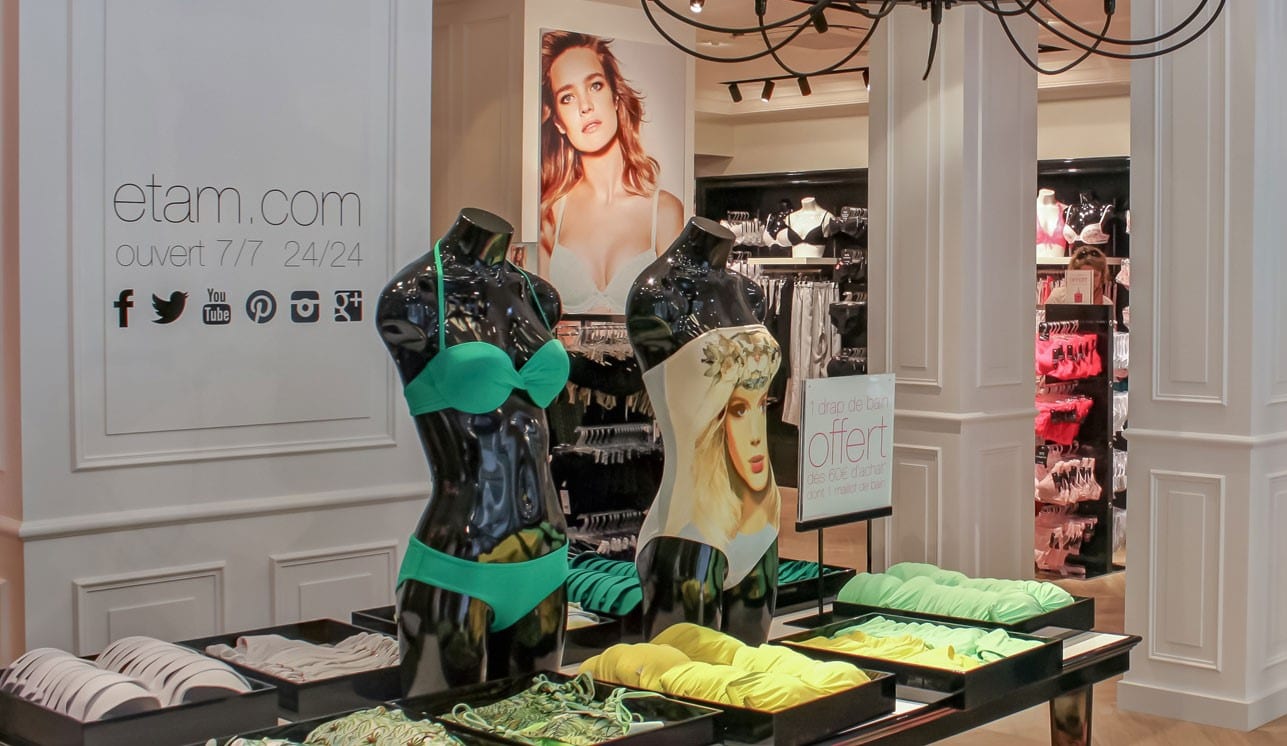
    French lingerie brand Etam has opened its first retail store in Super Brand Mall, Shanghai.

    The 100 sqm store features a tasteful black, white and pink color scheme, displaying the sophisticated array of elegant French-designed underwear for women marketed under the tagline “so sexy, so chic”. It also stocks Etam’s swimwear, sportswear and legwear.

    Etam started selling its clothing in China in 1994 through wholesale channels and the market now accounts for about one third of its total sales.

    But despite the importance of the country to its business, it has not until now opened its own stores there.

    Founded in 1916, Etam is now sold in 4400 stores in 48 countries. The Shanghai store will sell the same lines as in Paris.

    China marks a major strategic expansion for the company which to date has only opened stores in Asia in the Philippines. Its store network is largely concentrated on Europe and the Middle East.

  • Bauhaus posts loss as margins squeezed

    Bauhaus posts loss as margins squeezed

    Fashion retailer Bauhaus has reported a net loss of HK$26.6 million for the first half year after sales tumbled in key markets.

    In Taiwan, where it has 95 stores and counters, stagnant retail sentiment and weak consumption presented great challenges, with same-store sales tumbling 18 per cent.

    In Mainland China, where the group has self-managed shops in Beijing, Shanghai, Guangzhou, Nanjing and Suzhou and a franchise network focusing on the second-tier cities, turnover dropped by 4.9 per cent to about $58.4 million and same store sales slipped two per cent.

    And in Hong Kong and Macau, same store sales declined by seven per cent in the first half year.The two territories account for about 73 per cent of the locally listed company’s sales through 90 stores, less than half its total network of 228.

    The group’s turnover is mostly from its major in-house labels like Salad, Tough and 80/20, and licensed brands including Superdry.

    Bauhaus opened seven new stores in  in Hong Kong and Macau in the six months to September 30 as it “continued to enrich its shop portfolio to be more attractive, efficient and competitive”.

    “However, retail performance in many sectors across the region deteriorated, possibly due to less spending from both inbound tourists and local citizens as a result of the growth slowdown in Mainland China, strong local currency and volatile finance markets. In addition, the operating costs in the region still remained high in general, particularly rentals, further cutting profit margin of the retailers.”

    Profit before tax in the two territories dropped by 57.2 per cent to about HK$24.1 million (compared with $56.3 million in the same period last year).

    Bauhaus said in its half yearly results filing that gross profit across the whole business decreased by about 11.1 per cent to $353.9 million, with gross margin declining by two percentage points to about 60.5 per cent.

    “Global economic performance was weaker than expected during the six months. The slowdown of growth in Mainland China together with the strengthening US dollar, which in turn resulted in a strong Hong Kong dollar against most Asian currencies, gradually had an obvious negative impact on inbound tourism and local retail consumption,” the company said.

    However, the group says its sales and results are greatly affected by seasonality, with the first half of the year traditionally less important than the second.

  • Guess? Inc. Beats the Retail Slump With Solid Results

    Guess? Inc. Beats the Retail Slump With Solid Results

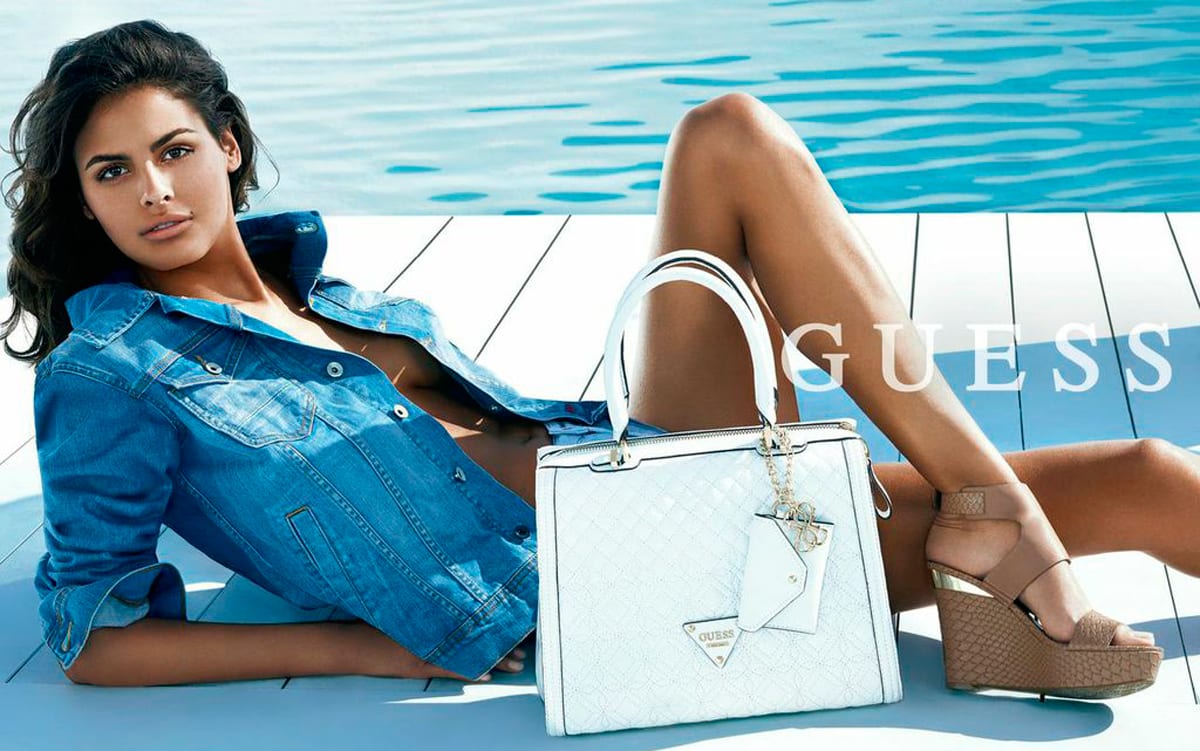
    The retail industry has been a minefield lately, with many companies reporting tough results. Jeans specialist Guess? hasn’t been immune from the problems facing retail peers like Gap , and coming into its fiscal third-quarter financial report, Guess? investors were bracing for substantial declines in earnings and revenue. In the end, the company didn’t do nearly as badly as many had feared, and that helped to send the stock higher in relief. Let’s take a closer look at how Guess? fared and what its latest results mean for the industry going forward.

    Guess? remains under pressure but still held up well
    Fiscal third-quarter results for Guess? still had plenty of ugly numbers. Revenue fell 12% to $521 million, which was almost exactly in line with what most investors had expected to see from the jeans maker. On the bottom line, net income fell 40% to $12.4 million, but even though earnings of $0.15 per share were down substantially from year-ago levels, they were still $0.04 per share ahead of the consensus forecast among investors.

    As we’ve seen several times in recent quarters, Guess? took a hit from weak foreign currencies. The strong dollar cost the company $0.13 per share in earnings and pulled down overall revenue by about eight percentage points. Retail comparable sales including e-commerce fell 6% in dollar terms but only 2% on a constant-currency basis.

    Guess? saw considerable weakness throughout its business. The Americas retail segment suffered a 7% drop in sales, with Europe taking a 15% hit and Asia seeing sales fall 17%. Wholesale revenues in the Americas fell 12%. Even with the strong dollar, all four areas suffered declines in constant-currency terms. On the margin front, results were mixed, with operating margins improving in the Americas retail and Asia segments but falling in Europe and in the Americas wholesale business. The company continued its strategy of boosting initial mark-ups in its retail segments, but fixed costs offset some of the resulting margin gains.

    CEO Victor Herrero emphasized the positives, noting that overall results exceeded expectations and that comps in the European business were especially strong. “I am laser focused on driving the organization to raise the level of execution,” Herrero said, “as this will be a critical enabler of successful achievement of our strategies.” The CEO pointed to initiatives to boost sales and merchandising quality, build its business in Asia, and reinforce purpose and accountability within the company as having shown signs of success during the quarter.

    Can the jeans maker keep moving forward?
    Investors were also pleased with Guess?’s guidance. For the fiscal fourth quarter, the company expects revenue to fall 4% to 7%, with currency accounting for about 5.5 percentage points of the decline. Earnings of $0.53 to $0.62 per share would also be in line with what investors already expect from Guess? next quarter.

    For the full year, Guess? was more optimistic. The company narrowed its earnings guidance to the upper end of its previous range, now expecting $0.93 to $1.02 per share. Sales declines of 8.5% to 9.5% will look ugly, but they’re not inconsistent with the expectations that investors have for the company.

    What Guess? needs to execute on is its longer-term strategic plan. Investors want to see real progress for fiscal 2017, including stable revenue and rising earnings. That could prove difficult, especially in light of what rival Gap said in its recent report. Gap disappointed investors with its future guidance, including a 15% decline in earnings per share for its holiday quarter. Gap investors also expect it to have trouble rebounding in the coming fiscal year, calling for minimal sales growth and only about a 6% rise in earnings per share.

    Investors nevertheless remain optimistic about Guess?, sending the stock up more than 3% in the first hour of after-market trading following the announcement. As with most companies in the retail industry, Guess? will rely on solid holiday results in order to drive future growth in the months and years to come. If sales climb to finish the year, then Guess? could build further on its share-price gains.