Category: Fashion

Retail News Asia is committed to providing both local and global retailers with the latest Fashion news throughout the Asian market. This on a daily base.

  • T Galleria By DFS Introduces Fall/Winter 2015 Campaign

    T Galleria By DFS Introduces Fall/Winter 2015 Campaign

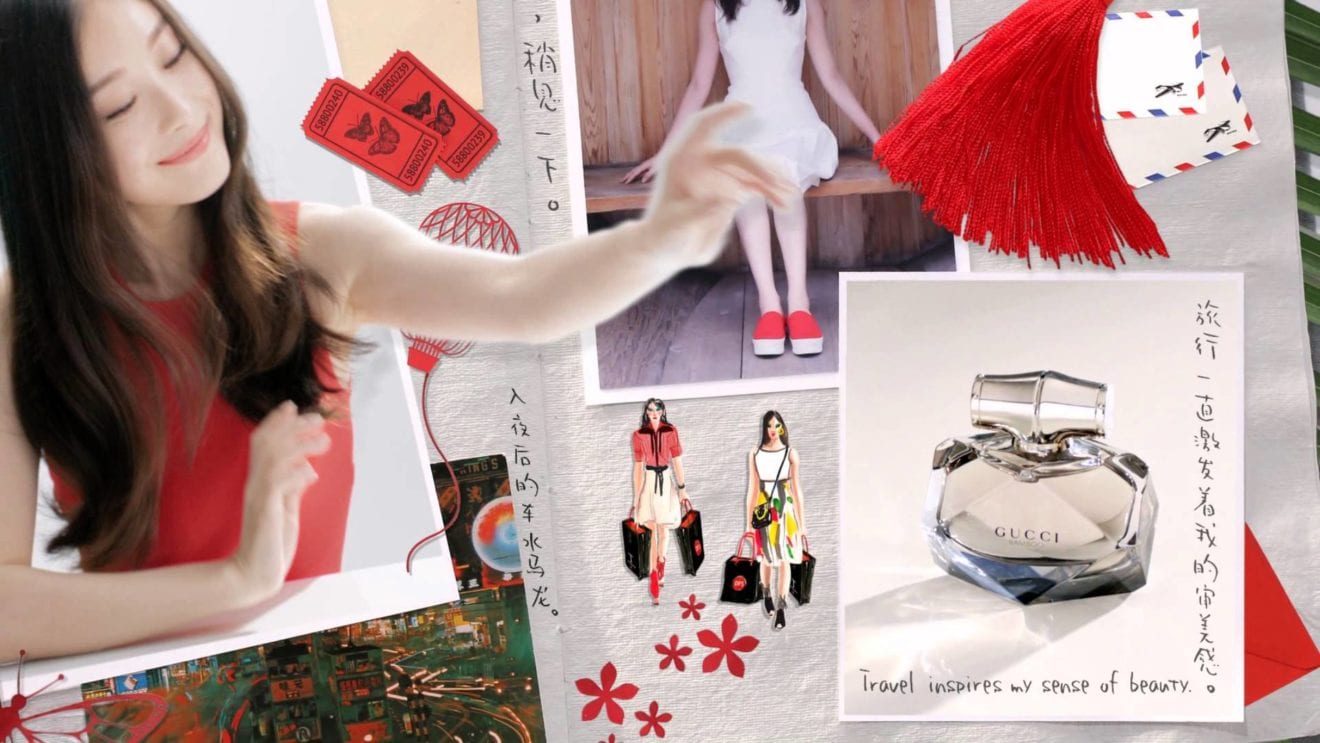
    Introducing three new international travelers and social media influencers – Chinese actress Ni Ni (倪妮), Japanese model Chiharu Okunugi (小椚 ちはる)  and American photographer Bill Gentle – the campaign weaves their personal adventures, stories and photographs throughout the T Galleria by DFS experience this season.

    Launching on August 3, T Galleria by DFS will debut a three-part video series exploring the travels and tales of each influencer while also highlighting some of the luxury products that are signature to DFS. “We’re continually inspired not just by the destination, but by the journey itself,” said John Gerhardt, Senior Vice President, Creative Branding Direction, DFS Group. “Ni Ni, Chiharu and Bill bring that experience to life, capturing how when we travel, our stories and memories intertwine with the photos we take and the items we bring home.” 

    The episodic campaign will debut three videos beginning in August detailing the stories of the three stars. The first episode, debuting on August 3 and featuring Gucci Bamboo Eau de Parfum, follows Chinese actress Ni Ni as she reflects on one of her favorite places in Asia, the Singapore Botanic Gardens, and how even when filming on the busy streets of Hong Kong or Shanghai, even just a hint of fragrance can transport her back that peaceful, personal place.    

  • Tuk tuk centre stage in Jimmy Choo Bangkok concept store

    Tuk tuk centre stage in Jimmy Choo Bangkok concept store

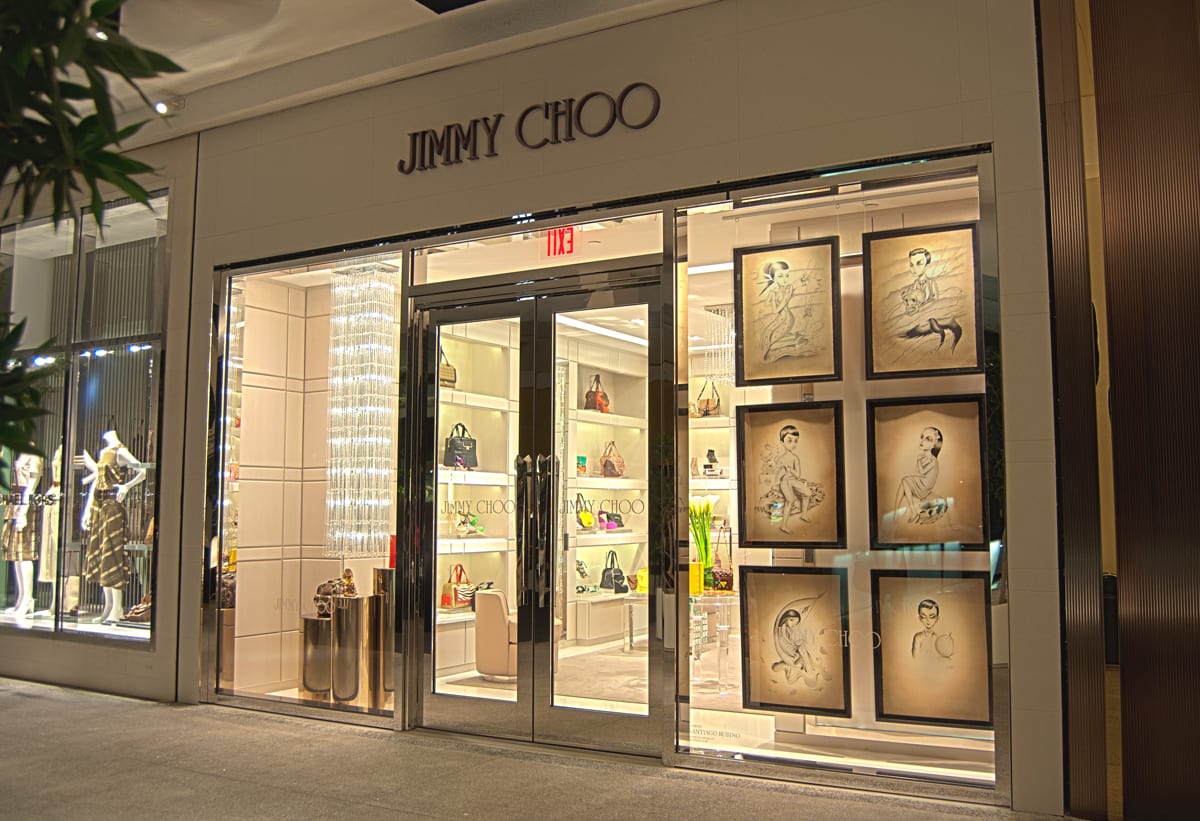
    Luxury shoe brand Jimmy Choo has marked the opening of its newest Bangkok store with the release of a ‘Candy bag’ featuring a tuk tuk.

    “Like the London Taxi, the tuk tuk is an icon of the city. It has a unique warmth and eccentric charm all of its own,” Jimmy Choo creative director Sandra Choi observed at the opening of the new store in the new EmQuartier upmarket shopping mall on Sukhumvit Rd.

    Jimmy Choo is releasing limited editions of the Candy bag to mark openings of a number of new stores around the globe – the Bangkok edition is the seventh, following Hawaii, Los Angeles, Dallas, Las Vegas, London and Toronto.

    Choi worked alongside David Collins Studio to design the new EmQuartier shop which features soft colour tones and contrasting shimmering surfaces.

    “I wanted our new space to be a luxurious environment that would combine the refined detail of a haute couture salon with the intimacy of a fantasy closet,” Choi said in an interview with The Nationnewspaper.

    The interior design includes satin gold, rose gold pink marble and mink velvets which blend with “oyster stone and mother of pearl chevron floor”.  Rounded glass pendants hanging from the ceiling add to the luxury feel.

  • Burberry Beauty Box enters China

    Burberry Beauty Box enters China

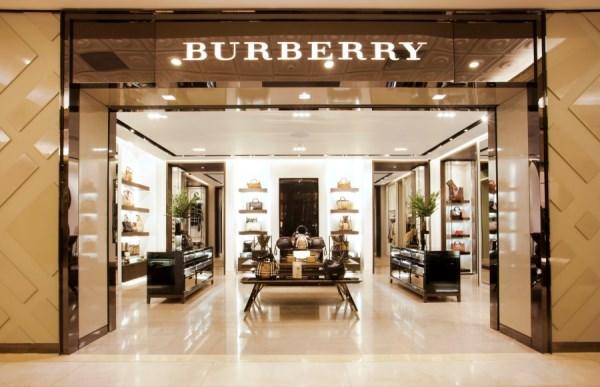
    British luxury apparel brand Burberry has opened two more Beauty Box stores in greater China.

    It follows the opening of Beauty Box’s first Asian store in Korea last December in Seoul’s Coex Mall.

    Burberry Beauty Box concepts are now trading in Hong Kong and Shanghai.

    In Hong Kong, the store has opened in Times Square at Causeway Bay. The store closely follows the Burberry Beauty Box flagship in London’s Covent Garden.

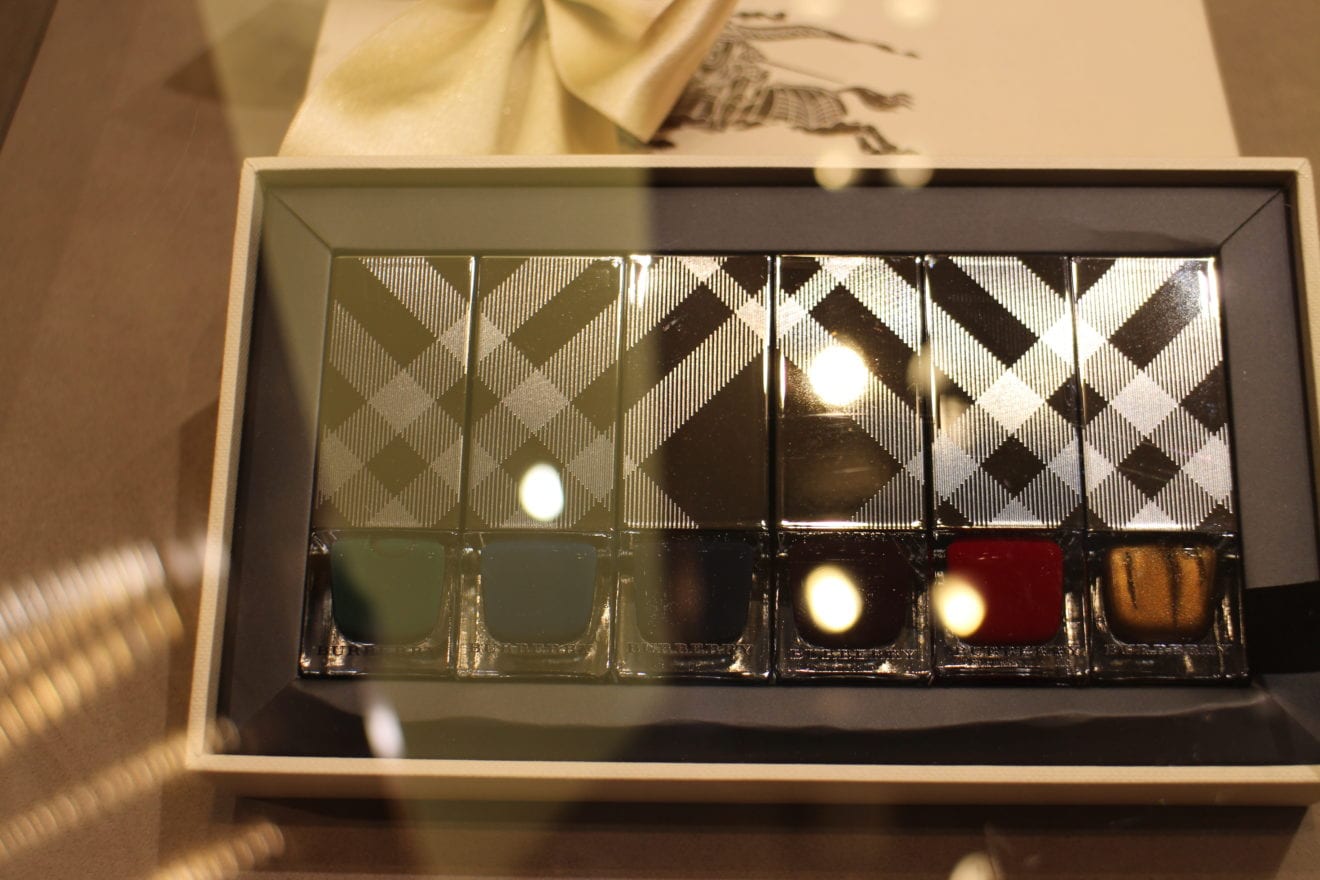
    The new Beauty Box concept focuses on make-up, including Burberry Eyes, Lips, Face and Nails lines, fragrances for men and women, including My Burberry, and assorted luxury accessories.

    It includes a digital Lip & Nail Bar, a 95 degree screen broadcasting Burberry catwalk shows, and the My Burberry Digital Experience that lets customers digitally interact with the brand.

    Customers can order in-store monogrammed labels for 90ml bottles of My Burberry Eau de Parfum and My Burberry Eau de Toilette to create an exclusive, customised gift.

  • Kitsune touches down in Hong Kong

    Kitsune touches down in Hong Kong

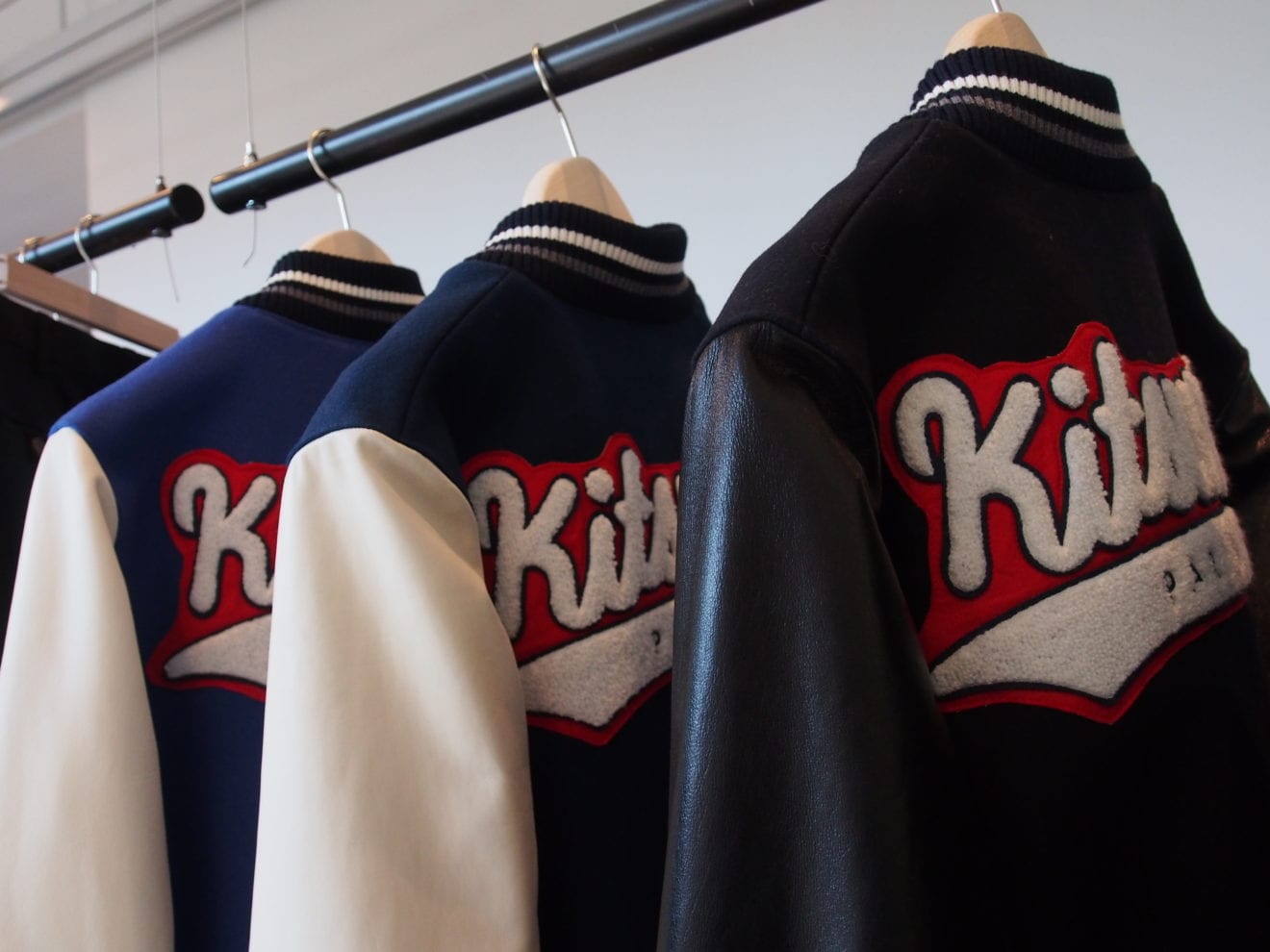
    French fashion label Maison Kitsune has opened its first permanent store in Hong Kong.

    Kitsuné is a French electronic music record label and fashion label created in 2002 by Gildas Loaëc, Masaya Kuroki and the London-based company Åbäke. Kitsune is the Japanese word for “fox” and the brand uses references to foxes in its marketing material.

    “Following the success of our Maison Kitsuné Gallery, the brand’s first ever pop-up shop in Hong Kong inaugurated last March 2015, we’re now settling down in the city for good with the opening of our very own Hong Kong pied-à-terre,” the company announced on its blog.

    Located in Causeway Bay, the 80 sqm store reveals a ‘post-modern chic space fusing the brand’s Parisian heritage with some subtle touches of traditional Asian decors’.

    Co-founders and creative directors Gildas Loaëc and Masaya Kuroki have created a unique retail experience that aligns fashion, music and design, featuring industrial-style floor, black and white tiles, oak shelf with white painted wood bracket, white walls and Asian antique furniture bargain-hunted in Hong Kong.

  • Disney, Uniqlo form global partnership

    Disney, Uniqlo form global partnership

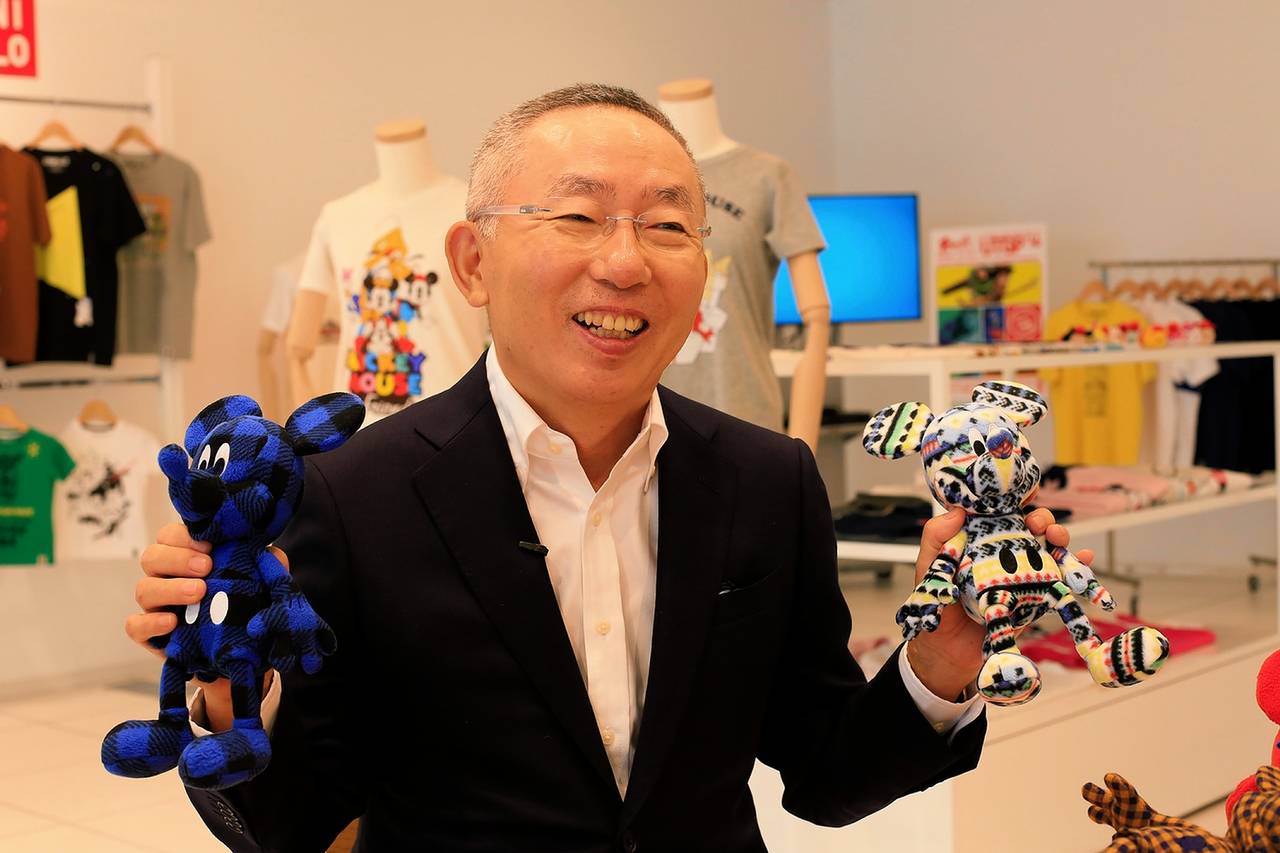
    Uniqlo has announced a global collaboration with Disney Consumer Products, dubbed Magic For All.

    The initiative will see characters from Disney’s brands, including Marvel action, Star Wars adventure and Pixar creativity to everyday Uniqlo LifeWear fashions and introduce “innovative new products, pop-up displays, and in-store and online customer experiences,” the Japanese apparel retailer said in a statement.

    “We want to help everyone’s dreams come true,” said Tadashi Yanai, chairman, president and CEO of Fast Retailing.

    “I look forward to bringing together LifeWear and the magic, excitement and adventure of Disney, Marvel, Star Wars and Pixar to deliver enjoyment to customers all around the world through our products, customer service and shopping experience.”

    Paul Candland, president of The Walt Disney Company Asia, said the entertainment giant prides itself on delivering magical experiences to fans of all ages, “whether it’s at the movies, retail, our theme parks or at home”.

    “Uniqlo shares our passion for storytelling and we look forward to expanding our global collaboration creating unique experiences for fans to immerse themselves in the Disney, Marvel, Star Wars and Pixar brands.”

    The Disney, Uniqlo relationship began in 2009, when the company launched its first collection of UTs (Uniqlo T-shirts) featuring iconic and treasured Disney characters, Mickey Mouse and Minnie Mouse. Through Magic For All, Uniqlo will extend its collaboration beyond the UT and sweat parka lines and introduce new LifeWear items beginning in fall 2015.

    Products will range from Ultra Light Down, fleece, and flannel shirts to umbrellas, plush toys, and other offerings featuring Mickey Mouse and Minnie Mouse and then expand to include popular characters from Star Wars, Pixar Animation Studios’ Toy Story, Marvel’s Avengers and Disney’s Frozen.

    Customers will be introduced to Magic For All at D23 Expo, The Ultimate Disney Fan Event, in Anaheim, California from August 14-16.


    A concept store featuring the full product range will open in Shanghai at the end of September. Currently under construction, it will occupy the fifth floor of the five story Uniqlo Shanghai Global Flagship, the brand’s largest worldwide.

    Global flagships and large-format stores around the world will also offer Disney, Marvel and Star Wars-themed products through newly created Magic For All sections.

    In spring 2016, Uniqlo will open its first store in the US southeast, at Disney Springs in Lake Buena Vista, Florida. This flagship will house the brand’s assortment of Magic For All offerings for men, women and children in a setting that captures the fantasy and magic of Disney.

    On July 13, Uniqlo announced “friendship in Disney-Pixar movies” as the theme for its annual UT (Uniqlo T-shirt) Grand Prix 2016 Design Contest. First launched in 2005, the contest attracts thousands of entries from around the world. The winning designs are included in the following year’s spring summer UT Collection, which is sold worldwide. An exclusive animated short was produced to support the 2016 competition.

  • Faux Chanel confiscated  in Jakarta

    Faux Chanel confiscated in Jakarta

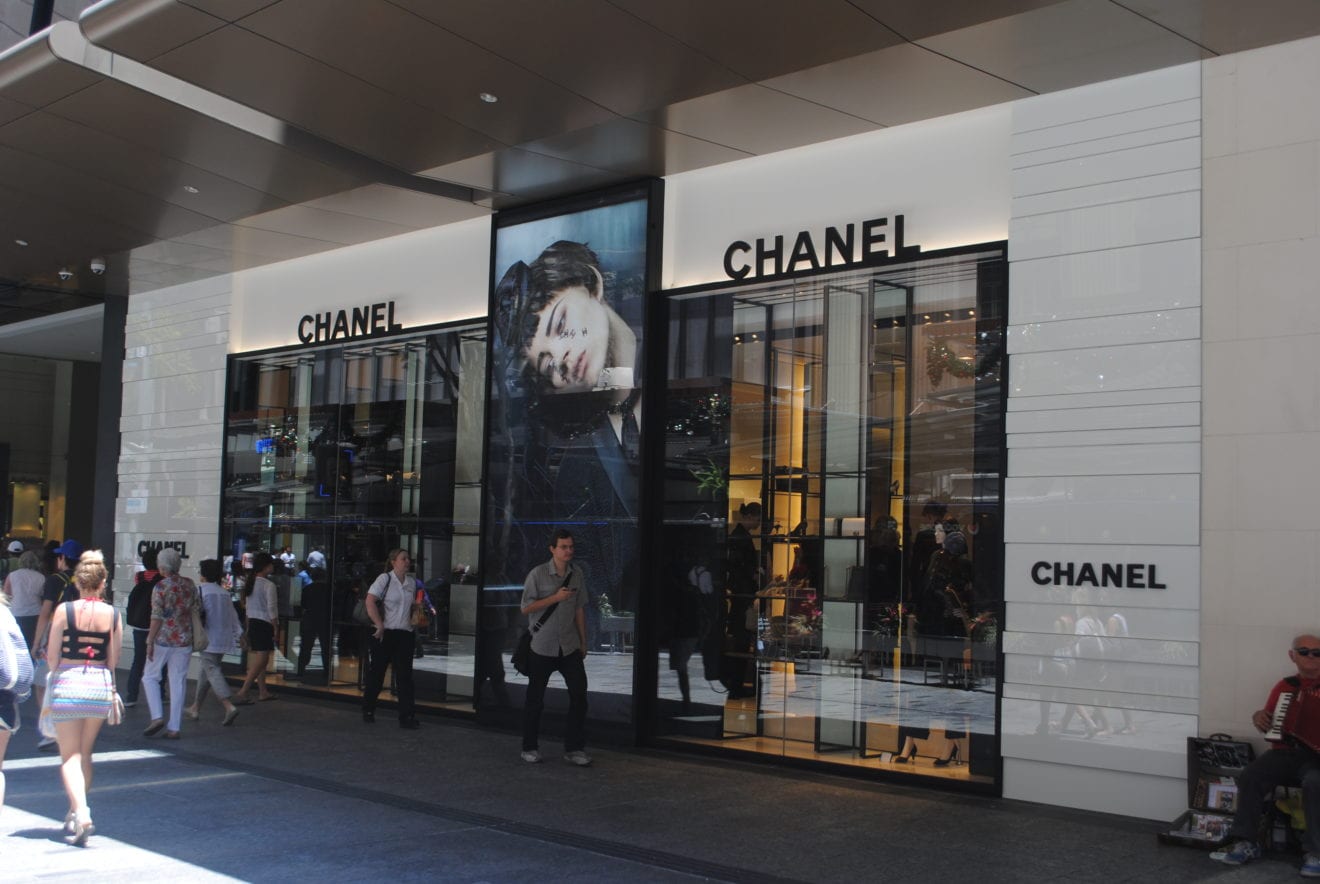
    The National Police have seized hundreds of counterfeit Chanel products from 13 stores in Mangga Dua and Senen, Jakarta.

    The head of the National Police’s special economic crimes division, Sr. Comr. Helmy Santika, said his team carried out a raid on Wednesday after receiving reports from the public in May about the sale of purses, bags, shoes and clothes fraudulently branded as Chanel.

    “The Chanel brand is registered at the directorate of intellectual property at the Human Rights and Law Ministry and is also protected under the 2001 law on brands,” Helmy said, as quoted by kompas.com on Friday.

    Of the 13 stores, 10 were located at ITC Mangga Dua in North Jakarta and the remaining three at Senen wholesale market in Central Jakarta.

    Helmy added that the confiscated items would become case evidence.

    After Wednesday’s raid, the police summoned the stores’ owners and attendants as witnesses in the hope of identifying suspects further up the supply chain.

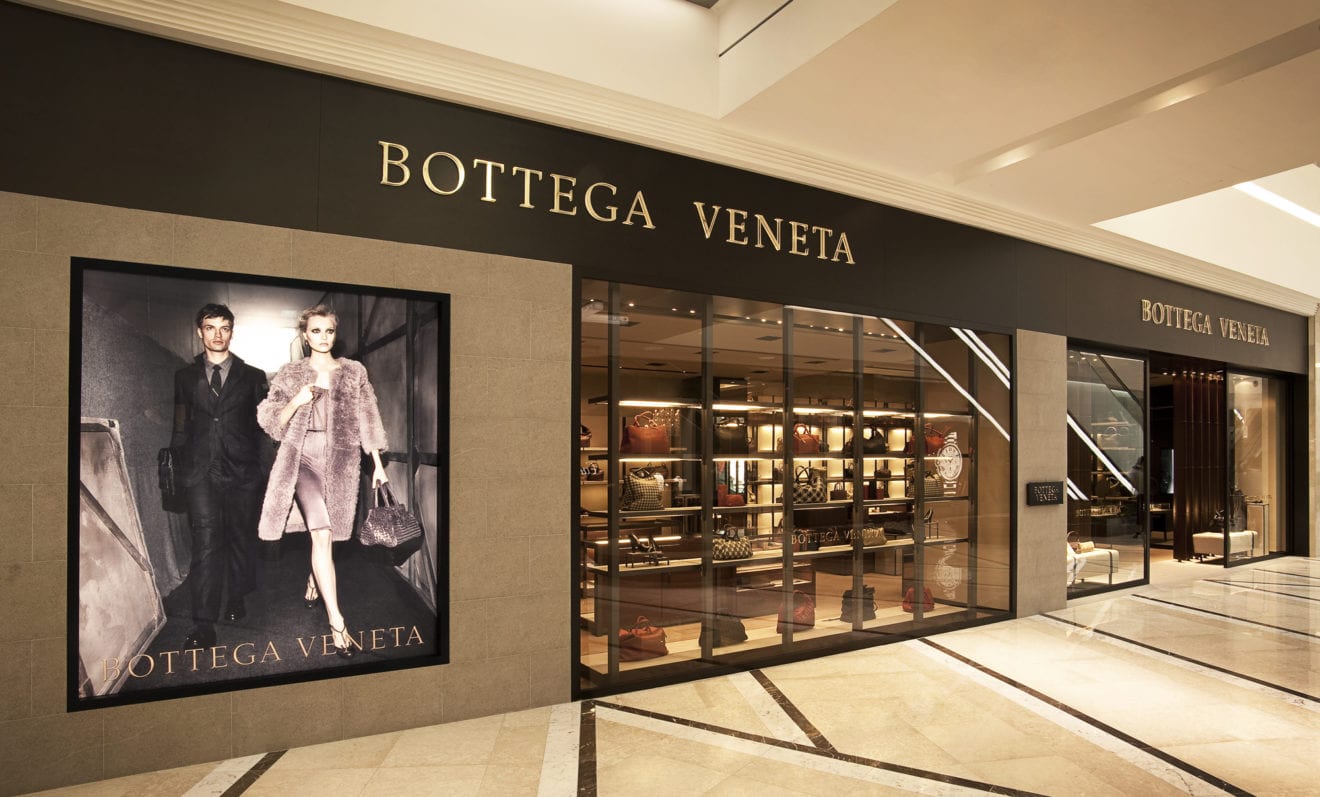
  • Bottega Veneta May Close Hong Kong Stores

    Bottega Veneta May Close Hong Kong Stores

    Retail rents in Hong Kong have long been among the most expensive in the world, but for years the high operating costs have been worthwhile. Luxury brands could capture not only the highly sophisticated local shoppers, but also mainland Chinese and other foreign tourists. That was, until recently.

    Sales have slowed markedly for luxury brands in Hong Kong over the last two years. As a result, Kering—the parent company of Gucci, Bottega Veneta, and Yves Saint Laurent—is considering closing some stores.

    Political and economic changes in mainland China, acerbated by the umbrella movement of mass civil disobedience in Hong Kong, have had a negative impact on Hong Kong’s economy. After China’s new leader Xi Jinping launched a crackdown on extravagant spending and corruption in 2013, mainlanders have been spending less.

    Kering confirmed that it has started negotiating rents with landlords in Hong Kong.

    According to Kering’s first half results for 2015, “the downward trend in Asia-Pacific” (excluding Japan) was entirely due to the ongoing decline in consumer spending in Hong Kong and Macau.” Sales in mainland China were up year on year, and South Korea and Australia reported solid sales performances in line with the rise in tourist numbers, the report stated.

    The company confirmed that it has started negotiating rents with landlords in Hong Kong, and also Macau, mainland China, and other international locations.

    “We are very lucid about the situation in Hong Kong where we didn’t see any improvement during Q2 2015. Depending on the outcome of the discussions with the landlords and the business situation, we may consider closing stores in Hong Kong in the mid-term,” a Kering spokesperson said in a statement.

    The company has 58 retail locations in Greater China (mainland China, Hong Kong, Macau, and Taiwan).

    Kering’s revenue in Japan increased 7.4 percent during first-half 2015, driven by increased tourism from mainland China and local clientele.

    The Asia-Pacific region (excluding Japan), again accounted for more than 90 percent of Bottega Veneta’s business in emerging markets. “Sales in this region dropped 4.3 percent year on year, weighed down by a lacklustre luxury goods market in Greater China during the period, despite the very positive trends seen in South Korea, Taiwan, and Australia, where purchases by Chinese tourists increased significantly,” according to Kering’s first half report.

    Other luxury brands are also feeling the pinch in Hong Kong. Burberry has said it is attempting to negotiate rents with landlords in Hong Kong because the U.K.-based company’s sales there have dropped to a two-year low, according to Bloomberg.

    “Asia Pacific experienced a low single-digit percentage comparable decline, impacted by the continued challenging environment in Hong Kong, which decelerated further to a double-digit percentage decline in comparable sales. Mainland China comparable sales grew by a low single-digit percentage and Japan saw exceptional growth, albeit off a small base,” according to Burberry’s first quarter trading update.

    Faith Hope-Consolo, chairman of The Retail Group at Douglas Elliman real estate, said Hong Kong’s market is inundated with luxury brand stores with labels such as Gucci, Prada, Louis Vuitton, and Burberry owned by the likes of The Kering Group, Richemont and LVMH.

    She said, “There has been an introduction of more affordable lines to each brand to address and absorb the consumer choices and support a market whose tourist numbers fluctuate with an ever-changing economy.”

  • Zacks Rating on Guess?

    Zacks Rating on Guess?

    Guess?, Inc. is a hold, according to the latest average broker rating of 2.73. The number of analysts in this rating is 11. Zacks research analysts are highly optimistic on the shares and has given it a short term rating of 1, indicating that it is a Strong Buy.

    Guess?, Inc. stock has received a short term price target of $ 20.4 from 10 Analyst. The share price can be expected to fluctuate from the mean short term target, can be seen from the standard deviation reading of $2.8. The higher estimate of target price is $24 , while the lower price target estimate is $16

    Company has received recommendation from many analysts. In a research note released to the investors, Piper Jaffray maintains its rating on Guess?, Inc.. Investors must note that the brokerage house has a Neutral rating on the shares of the company. The Equity Firm raises its price target from $20 per share to $22 per share. The rating by the firm was issued on July 15, 2015.

    Guess Inc. has dropped 3.4% in the last five trading days, however, the shares have posted positive gains of 13.19% in the last 4 weeks. Guess Inc. is up 19.81% in the last 3-month period. Year-to-Date the stock performance stands at 6.26%.

    Guess?, Inc. witnessed a decline in the market cap on Wednesday as its shares dropped 0.68% or 0.15 points. After the session commenced at $21.98, the stock reached the higher end at $22.21 while it hit a low of $21.79. With the volume soaring to 989,900 shares, the last trade was called at $21.88. The company has a 52-week high of $26.829. The company has a market cap of $1,875 million and there are 85,693,000 shares in outstanding. The 52-week low of the share price is $16.61.

    Guess?, Inc. (GUESS?) designs, markets, distributes and licenses apparel and accessories for men, women and children. The Company operates in five: Europe, North American Retail, Asia, North American Wholesale and Licensing. Its products are sold through retail, wholesale, e-commerce and licensing distribution channels. The lines include full collections of clothing, including jeans, pants, skirts, dresses, shorts, blouses, shirts, jackets, knitwear and intimate apparel. It also grant licenses to manufactures and distributes a range of products, including eyewear, watches, handbags, footwear, kids and infants apparel, leather apparel, swimwear, fragrance, jewelry and other fashion accessories. In fiscal 2012, it, along with its distributors and licensees, opened 224 stores in all concepts combined outside of the United Sates and Canada, which consisted of 120 stores in Europe and the Middle East, 89 stores in Asia and 15 stores in the combined area of Central and South America.

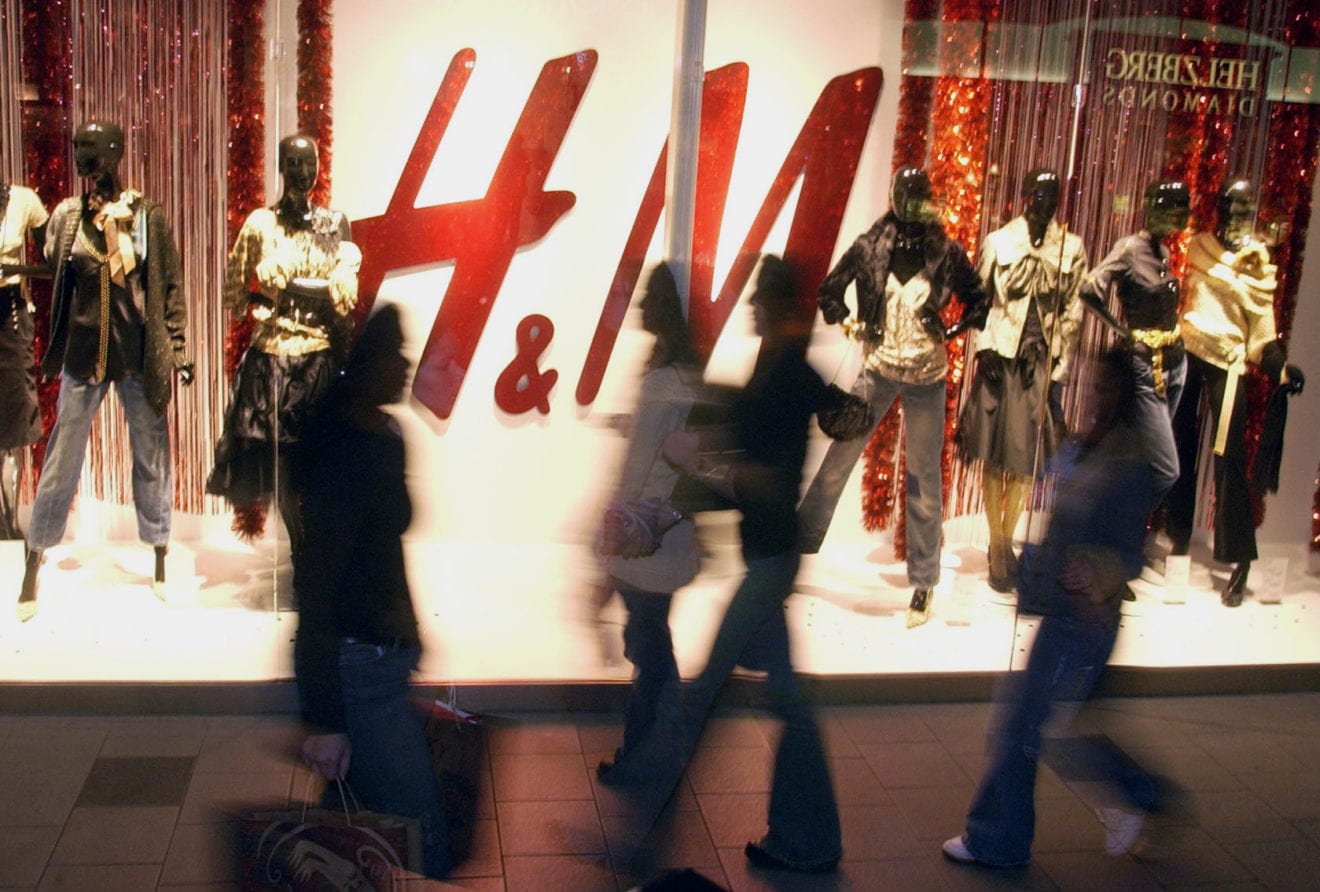
  • H&M may open 30 stores in India by early 2016

    H&M may open 30 stores in India by early 2016

    Following IKEA announcing the purchase of 13 acres in Hyderabad for its first store in India on Friday, it’s the turn of another Swedish chain, Hennes & Mauritz (H&M), to go for a big rollout in the country. H&M, rival to another European fast fashion brand, Zara, is likely to open as many as 30 stores in India by early next year, sources say.

    The Swedish fashion chain, in the middle of major global expansion, is learnt to have already closed about 15 real estate lease deals in India, and is in the process of raising this count. The group, with $22 billion in global sales and 3,600 outlets across 59 markets, recently announced it would launch its first India store in the national capital. The store, of about 25,000 sq ft, would be located at a popular mall.

    At the time of making its application for investing about Rs 750 crore into the country, H&M had said it planned to open 50 outlets across India through the next few years. Zara, in a joint venture with Tata group’s Trent, has 16 stores across the country; it posted $114 million in sales for the year ended March this year.

    H&M did not reply to a Business Standard questionnaire on store openings and lease deals.

    According to H&M’s latest quarterly report, the company plans to open as many as 400 stores across the world this year. Besides India, the group’s expansion thrust is on the US and China. In fact, in North America, both H&M and Inditex’s Zara are giving stiff competition to the US-based Gap. Recently, Gap announced its plan to shut 175 stores in the US.

    Besides international expansion, H&M is also focused on going online. Of late, the group has gone online in Poland, Portugal, Romania, the Czech Republic, Bulgaria, Slovakia, Hungary and Belgium, among others.

    Though the company secured the government’s approval to invest in India early last year, it has delayed its launch partly due to a slow retail environment in its home market, pressure on margins and focus on some other key markets. Analysts said general elections in India, as well as political uncertainties, might also have added to the delay.

    H&M’s big India play at this point is significant because there has been no action in the international brick-and-mortar retail scene for about a year, except Gap launching its store recently.

    The National Democratic Alliance government at the Centre is opposed to foreign direct investment (FDI) in multi-brand retail. The UK’s Tesco, in partnership with the Tata group, is the only entity in multi-brand retail to have invested in India (Maharashtra and Karnataka). In 2013, American major Walmart parted ways with its partner, Bharti group.

    While limiting its business to wholesale, Walmart has not shown any interest in entering India’s multi-brand sector. French chain Carrefour, which also had wholesale stores in the country, made an exit last year, in the absence of a favourable multi-brand policy.

    In multi-brand retail, FDI is capped at 51 per cent, while 100 per cent foreign investment is allowed in single-brand retail. However, despite the fact that there’s no cap on FDI in single brand retail, companies such as IKEA and H&M are believed to have been worried over a clause pertaining to mandatory 30 per cent sourcing from India.
  • As platinum gains popularity, more outlets set to come up

    As platinum gains popularity, more outlets set to come up

    As platinum gains popularity in India, the Platinum Guild India expects to see the number of outlets going up from 800 now to over 1200 by March 2016.

    Vaishali Banerjee, India Manager of Platinum Guild India, told that within a short span, India has become the fourth largest market for platinum jewellery in the world and this can only get bigger as more youth take to this precious metal.

    The growth in India has been particularly rapid in the past 5 years and has grown to over 5 tonnes last year as against about 400 kg in 2008. This speaks volumes of how young people are embracing Platinum jewellery, whose trade is getting extremely organised with big retail stores setting up exclusive zones for display of platinum jewellery, she said.

    What started with platinum couple bands has gradually gained with men’s jewellery spanning chains and bracelets and now has grown into the Evara range of bridal jewellery segment. Introduced about six months ago, it is gaining popularity as its charm is in co-existence with popular gold jewellery in India. Though gold jewellery is tops when it comes to bridal jewellery, a number of youngsters are taking to platinum jewellery, she said.

    Vaishali said, “We are pleased at the way Platinum Evara has been received by consumers and trade, as platinum symbolises love and resonates well with the new bride and groom. There is huge appeal for platinum amongst youngsters.”

    Varghese Alukka, Managing Director of Jos Alukkas Jewellery said, “From 34 stores in the southern market in the country, we are looking at growing this to 50 stores in the next two years.”

  • Jewellery and watch firms top performers in luxury space

    Jewellery and watch firms top performers in luxury space

    India has bounced back and is confidently growing in the luxury markets as other BRIC countries struggle to gather pace, says Deloitte’s annual Global Powers of Luxury Goods report. By the end of last fiscal, world’s 100 largest luxury goods companies had generated sales of $214.2 billion despite currency headwinds and intense technological disruption.

    Developed economies like the US and Europe appear to be on the rebound, thus, boosting the purchasing power of upscale customers.  The Indian economy, too, is recovering from its slump. Jewellery and watch companies are top performers, producing the second-largest share of the luxury goods sale. Companies like Titan, Gitanjali Gems and PC Jeweller all make the cut as newcomers in the Deloitte’s top 100 luxury brands.

    The study also established that the channels on which luxury consumers shop are constantly evolving, making it critical for companies to understand the changing desires and buying behaviours.  “Several key aspects of the luxury sector will be unrecognisable in the next few years. The travelling luxury consumer will change the concept of national boundaries; millennial consumers will represent a significant percentage of sales volume in luxury; and the competitive forces driven by technology will continue to disrupt at a faster pace.” said Gaurav Gupta, senior director, Deloitte, India.

  • Truly a Dark Horse

    Truly a Dark Horse

    Dark Horse the unique Singaporean vintage clothing retail concept, is holding a grand opening of its pop up store tomorrow, (August 1).

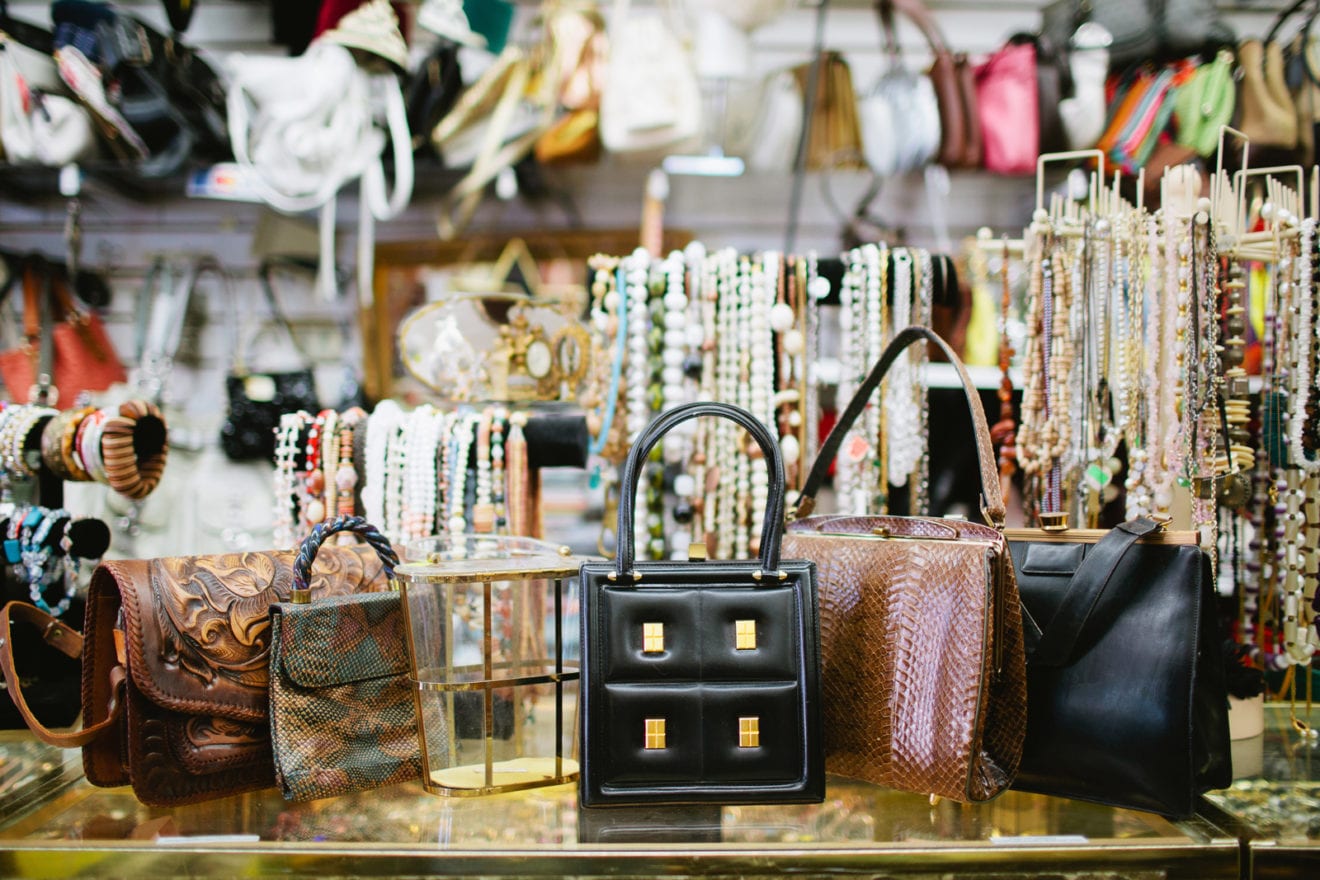
    Dark Horse Vintage offers a comprehensive range of “vintage treasures” hand-picked from abroad.

    Each piece has its own distinctive style, detailing and history, guaranteeing purchasers they won’t have to worry about seeing someone else adorned in the same threads.

    “Our gems are only one of a kind,” exclaim the founders.

    The pop up will be located on Arab St, at no 31.

    The store promises a wide range of collections from 1960s sun dresses to elegant silk scarves, retro high-waisted skirts and more.

    Besides its occasional pop up stores the retailer also provides personalised shopping and styling. “We handpick a customised collection from our range especially suited customers style preferences”.

  • Asics restructures global operations

    Asics restructures global operations

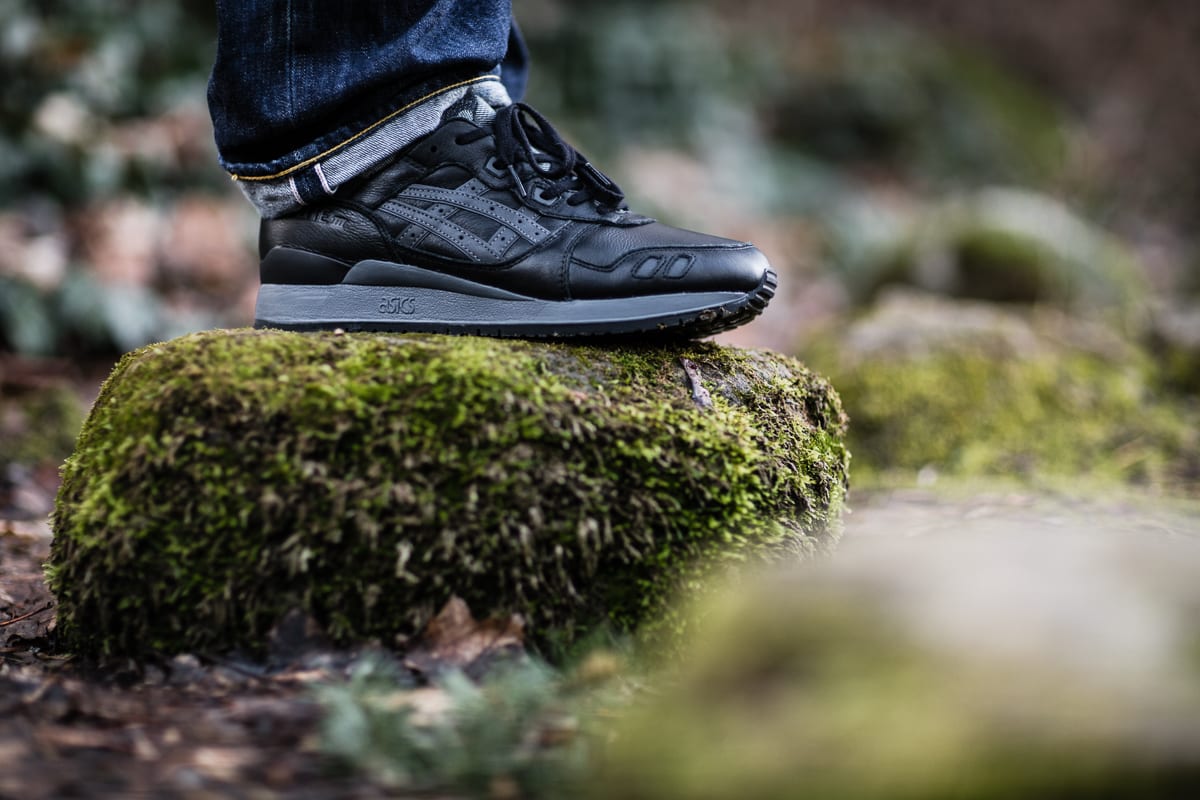
    Japanese sports brand Asics has announced an organisational restructure and the appointment of experienced international executives to accelerate business growth.

    Under what it calls ‘The Center of Excellence Initiative’ Asics is strengthening its global business, which includes the Onitsuka Tiger brand and retail network, through the appointment of “top talent to lead and manage its global categories from the most influential regional markets by category”.

    From September 16, a new Global Lifestyle Division will be established to lead global marketing for Lifestyle brands such as Onitsuka Tiger and Asics Tiger. Europe will be designated as the Center of Excellence for this category with the offices based in Amsterdam. This division will be headed by the newly appointed senior GM, Torsten Widarzik, who moves from his current position as CEO of German fashion label Campus. Widarzik was previously Levis Strauss Germany/Switzerland GM and business and brand director with Nike Sportswear at Nike CEMEA, where he built the sportswear business across Central and Eastern Europe.

    Asics says strengthening its footwear and apparel business is also a key part of the business growth strategy following the appointment of Asics as Gold Partner in Japan for Tokyo 2020 Olympic and Paralympic Games.

    “To further accelerate growth, the design functions will be added to the Global Footwear Product Marketing Division.

    “The seamless integration of the product design, development and manufacturing functions will boost the development of competitive products.The reformed Global Footwear Product Marketing Division will continue to be led by Gerard Klein, senior GM, who returned to Asics in August 2014 after seven years at Converse where he was in charge of the go-to-market strategy and merchandising in the EMEA market.”

    Earlier this year, Asics also strengthened its Global Brand Marketing Division by appointing a new leader, Paul Miles, senior GM, who joined Asics in May 2015 from Nissan Motor, where he was VP of marketing and communications. Miles previously worked for Fast Retailing in France and Japan, where he was responsible for the market launch and expansion of the Uniqlo brand.

    “The restructuring of our global operations and the appointment of top talent as our new leaders shows our commitment to accelerate growth as a global sporting goods company,” said Motoi Oyama, CEO of Asics Corporation.

    “I am confident that the Center of Excellence initiative will enhance organisation’s capacity and effectiveness, and lead us into the next stage of growth.”

  • Uniqlo eyes Philippines as garments production site

    Uniqlo eyes Philippines as garments production site

    GLOBAL clothing retailer Uniqlo is planning to tap Philippine garments manufacturers as it considers making the country one of its production sites that will cater to its global retail network.

    In a briefing on Thursday, Katsumi Kubota, chief operating officer of Fast Retailing Philippines Inc., said he had started studying a list of 40 local garments factories that was given to them by the Philippine government during President Aquino’s state visit to Japan recently.

    Kubota said this was also one of the topics discussed by the Uniqlo head and President Aquino when they met in Tokyo.

    “I think we have to study it carefully…We do not own any of our factories so what I’m checking now is, first of all, the quality (of the products produced by these factories). We cannot sacrifice quality. We’re also looking at their (capacities) because most the time, one factory produces one item for Uniqlo branches all over the world, so we have to work with large factories. These factories must also be operated by good owners,” Kubota said.

    Kubota, however, did not provide any timeline as to when the study on the prospective factories would be completed. If the company decides to pursue this plan, the local garments factories that will be selected will have to supply to all Uniqlo stores globally.

    For now, Kubota said Uniqlo was focusing on expanding its retail network aggressively over the next five years and in beefing up the local market’s awareness of the Uniqlo brand.

    He said Uniqlo would be opening two branches in Cebu by the fourth quarter of this year, marking the company’s first foray outside Luzon. Plans to put up stores in key areas in Mindanao such as Davao, Cagayan de Oro and GenSan are being studied.

    “Opening our stores in Cebu, after our third year in the Philippines, is another important phase of our business in the country. We have opened 23 stores in Metro Manila and Luzon, and entering the Visayas market is a milestone in our growth strategy,” he added.

    The two Uniqlo stores in Cebu will cover at least 1,000 square meters each and create 200 jobs per branch. Kubota did not say the amount the company was investing in these stores but said it was compliant with Philippine laws that required foreign retailers to invest a minimum of $800,000 a store.

    He said Uniqlo was targeting to have 29 stores in the country by the end of the year and 200 by 2020.

  • Hong Kong retailers feel the pain as China economic slump hits travelling, shopping

    Hong Kong retailers feel the pain as China economic slump hits travelling, shopping

    For Hong Kong, it’s been one thing after another.

    A series of anti-China and pro-democracy protests last year prompted stores to close and mainland tour groups to cancel bookings. Meanwhile, a slowing Chinese economy and President Xi Jinping’s anti-corruption and austerity campaigns have also made the Chinese more wary of buying pricey cognac and Gucci bags in the city.

    While still the biggest outbound destination for Chinese tour groups, Hong Kong is in danger of losing its lead. Mainland Chinese travellers to Hong Kong last year grew by the slowest pace since 2009, Bloomberg Intelligence data show.

    Suncorp notes that the declining AUD has brought in more short term arrivals to Australia, and Australian Bureau of Statistics data shows that it is the Chinese who are coming in increasing numbers with more than 1 million arriving in the 12 months through May, a 17 per cent increase year on year.

    The Aussie has declined almost 35 per cent against the US dollar in the past four years, increasing the purchasing power of tourists and encouraging Australians to holiday at home.

    “According to Tourism Australia, they spent $5.7 billion in 2014, and this is forecast to more than double to $13 billion,” says Suncorp. “China has now surpassed the US as the biggest spender on tourism last year. But Tourism Australia considers we need to do more to take advantage of this boom in tourism and that our attractions are outdated. While we had a massive investment in mining, there was an underinvestment in the not so appealing tourism industry. It is likely that further investment and polishing up our industry will take time, but it is an important step to achieving economic growth in the long-term for Australia, as key commodity prices unwind.”

    Back in Hong Kong, with fewer mainland Chinese staying overnight, average daily rates at Hong Kong’s hotels fell for a ninth straight month through June. The Pearl of the Orient also faces rising competition from regional rivals such as Thailand and South Korea, and mainland alternatives including Shenzhen and Shanghai.

    In addition, China slashed tariffs on products such as face creams and imported sneakers from June 1, reducing Hong Kong’s draw as a cheaper shopping destination.

    The effect on Hong Kong’s retailers has been immediate and painful. Retail sales fell in four of the five months through May, with jewellery, watches and other high-end gifts the worst hit.

    Burberry Group, whose stores in Hong Kong’s Causeway Bay and Tsim Sha Tsui shopping districts sell $HK18,500 ($US2400) handbags and $HK24,000 dresses, has said it may try and lower its rent bill to offset a worsening slump in Hong Kong, while Emperor Watch & Jewellery, which sells Cartier and Montblanc watches, said it may shut one or two of its Hong Kong stores when their leases end this year.

    And the news out of China doesn’t inspire much confidence. French distiller Remy Cointreau reported first-quarter sales that missed analyst estimates as Chinese wholesalers continued to hold back on cognac orders. Prada also reported first-quarter profit that trailed analyst estimates on slumping sales in China, while foreign carmakers including Audi have stepped up discounts to woo buyers.

    So there’s no relief in sight for Hong Kong. The tourism board forecasts overall visitor arrival growth to slow to 6.4 per cent in 2015 from 12 per cent last year, with mainland Chinese tourist arrivals expected to drop by half to 8 per cent. Hong Kong’s economy expanded 2.1 per cent in the first quarter from a year earlier, weaker than a revised 2.4 per cent expansion in October through December.

    “We’re just too exposed to China,” said Silvia Liu, a Hong-Kong based economist at UBS. “Structurally, until the tourism sector consolidates and Hong Kong finds new growth engines, I don’t see the way out yet.”