Category: Fashion

Retail News Asia is committed to providing both local and global retailers with the latest Fashion news throughout the Asian market. This on a daily base.

  • Missha Hong Kong makes return

    Missha Hong Kong makes return

    Korean cosmetics retailer Missha is returning to Hong Kong.

    Some 20 Missha Hong Kong stores were shuttered around New Year’s Eve this year when the previous local retail partner collapsed.

    Now Missha has a new partner – DKSH (DiethelmKellerSiberHegner) – which will apparently help it build a new network.

    Missha entered Hong Kong in 2004, four years after its launch in Korea. But during the last two years it has faced tough competition from new rival brands, including Etude House and Nature Republic.

    Missha’s parent Able C&C said on Tuesday it had signed a contract with Swiss based DKSH Hong Kong giving it exclusive rights to promote Missha in the territory.

    The first two stores quietly opened on June 30 ahead of the formal announcement – counters in DKSH duty free stores in Causeway Bay and Tsim Sha Tsui.

    The following day a standalone store opened inside Yuen Long Plaza.

    DKSH has reached an agreement with Mannings to sell the products through 200 stores by the end of July and in 300 by the end of next year.

  • Asia slowdown hits Burberry sales

    A decline in the number of shoppers from mainland China travelling to Hong Kong to buy luxury goods has continued to be a drag on Burberry, the British retailer best known for its trenchcoats and cashmere scarves.

    Burberry said on Wednesday that comparable sales in Hong Kong were hit by a “double digit decline” in the three months to June 30, its first quarter, as fewer Chinese mainlanders headed to the city because of political tensions or hostility from locals.

    The British group, like many other retailers, suffered during last year’s lengthy pro-democracy protests in Hong Kong but has seen no pick-up in trading as mainland Chinese take advantage of changing exchange rates to travel to other destinations such as Japan and South Korea for shopping trips.

    Burberry said sales at its stores in mainland China still rose by a “low single-digit percentage” during the first quarter, but the problems in Hong Kong pushed down sales in the Asia-Pacific region overall by a “low single-digit”. In Japan, the retailer reported “exceptional growth” during the quarter, although from a low base.

    Carol Fairweather, Burberry’s chief financial officer, said the group was trying to target local Hong Kong residents through marketing events in an attempt to stabilise sales in the city. But she insisted all stores in Hong Kong remain profitable.

    Chinese shoppers — who account for 30 to 40 per cent of Burberry’s revenues globally — are still spending during trips to other parts of the world, Ms Fairweather said, despite concerns over weakening consumer sentiment in the world’s second-biggest economy following a period of dramatic stock market upheaval.

    “We still saw growth from the Chinese consumer in China and globally,” Ms Fairweather said.

    The problems in Hong Kong weighed down overall sales growth at Burberry during the quarter. Excluding the effects of currency movements, underlying retail revenue rose 8 per cent to £407m. This was in line with analysts’ forecasts but was lower than the 14 per cent growth recorded during Burberry’s last financial year. Comparable sales for the group as a whole rose 6 per cent, again lower than for the year to March 31 but slightly higher than analysts’ forecasts.

    Burberry said foreign exchange movements were in its favour during the first quarter, pushing it to upgrade its latest forecast for full-year profit at its core retail and wholesale business by £10m. This would, however, be offset by a “more adverse geographic mix” because of the challenges in Hong Kong, resulting in no overall change to group profit forecasts.

    Christopher Bailey, Burberry’s chief executive and chief creative officer, said the first-quarter performance was pleasing in light of “challenging” conditions.

    “We are pleased with our performance in this first quarter,” he said. “While mindful that the external environment remains challenging, we will continue to focus on growth opportunities across channels, regions and products, with exciting plans for the year ahead.”

    Burberry’s trading update came ahead of its annual meeting on Thursday.

    The luxury retailer is no stranger to revolts over Mr Bailey’s pay. At the 2014 annual meeting, almost 53 per cent of votes cast were against the directors’ remuneration report in protest at Mr Bailey’s £20m package.

    There have also been rumblings of a potential rebellion at this year’s meeting. Mr Bailey, who took up the dual role of chief executive and chief creative officer on May 1, 2014, banked almost £8m in pay and benefits for the year to March 31, 2015.

  • David Morris to open second Hong Kong boutique

    David Morris to open second Hong Kong boutique

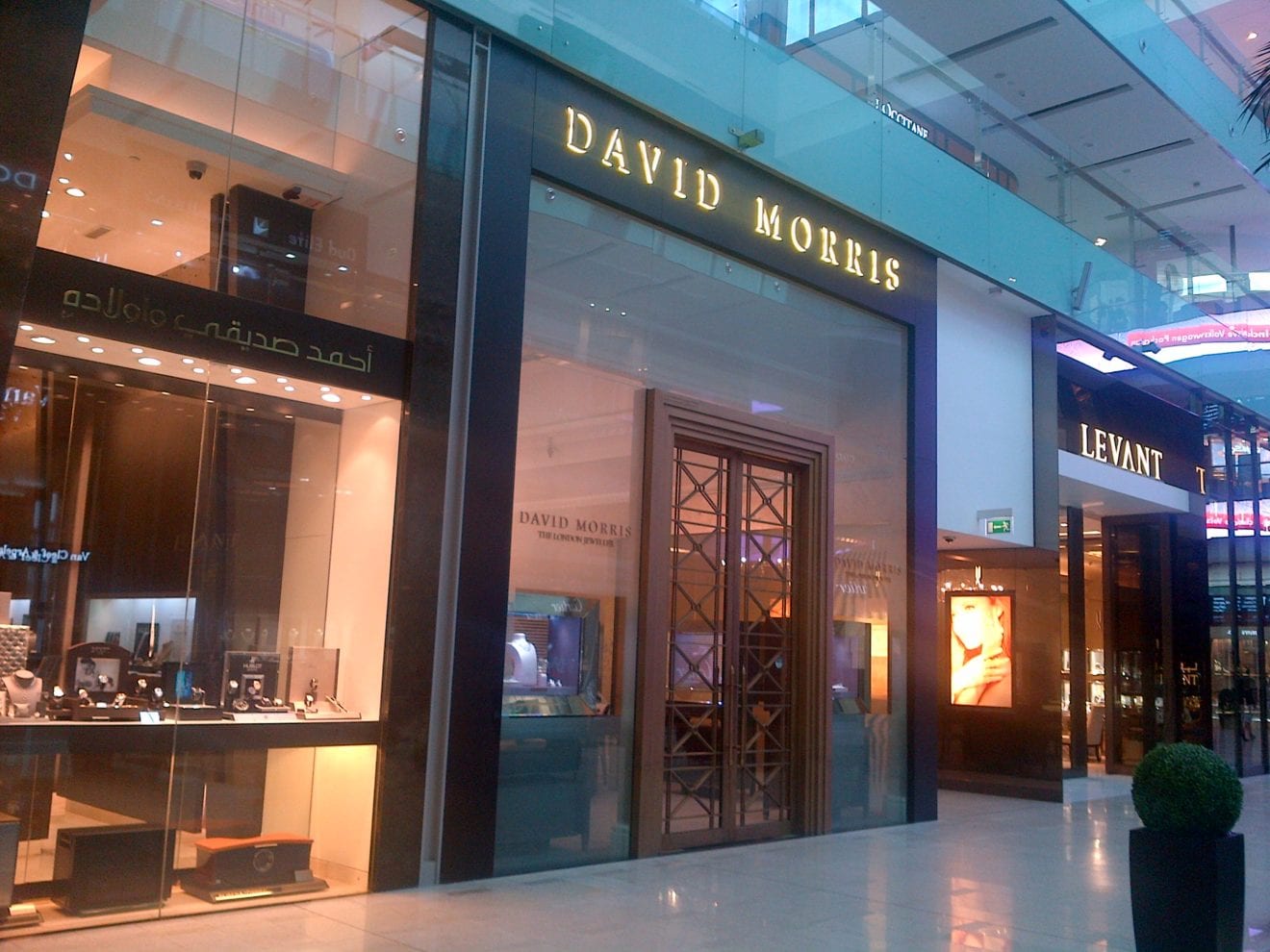
    British jewellery brand David Morris will open its second Hong King boutique at The Galleria on 9 Queen’s Road Central at the end of July.

    Jeremy Morris, son of founder David Morris and managing director of the eponymous brand, said: “Hong Kong has two markets; the local Hong Kong residents and the international market. To truly serve the local market it’s important to have a base in the Central District, where they are based.

    “Our designs are extremely sought-after by our locally based clients and our additional expansion in the area will enable us to enhance our service to our burgeoning international clientele.”

    Since Morris assumed the role of marketing director several years ago, he has expanded the brand’s presence to Dubai, Abu Dhabi, Moscow, Baku and Riyadh.

    The boutique joins the brand’s first flagship boutique, which opened at The Peninsula, Kowloon, in 2011.

    The family-run jewellers has served its clientele of royalty, including Princess Royals Margaret and Ann and the Eighth Earl Spencer and international collectors from its London flagship on Bond Street for more than 50 years.

    A further David Morris boutique is scheduled to open in Doha later this year.

  • Macau luxury slump projected

    Macau luxury retail sales are in free fall after the downturn in gambling.

    The Macau Importers and Exporters Association has estimated a slump in luxury retail sales of between 30 and 50 per cent in the first half of 2015.

    The association’s director, legislator Sio Chi Wai, told a media conference the fall was due to the downturn in visits to the territory for gaming, suggesting the vast majority of the downturn is from mainland Chinese spending less in stores.

    Sio did not estimate the value of first-half year luxury goods sales.

    But he did say he expected that the downturn would gradually level out.

  • Arcadia Malaysia partner rules out expansion

    Arcadia Malaysia partner rules out expansion

    Wing Tai, the corporate retailer which partners with Uniqlo and a raft of other brands, including the Arcadia Malaysia stores, says it is streamlining its retail business.

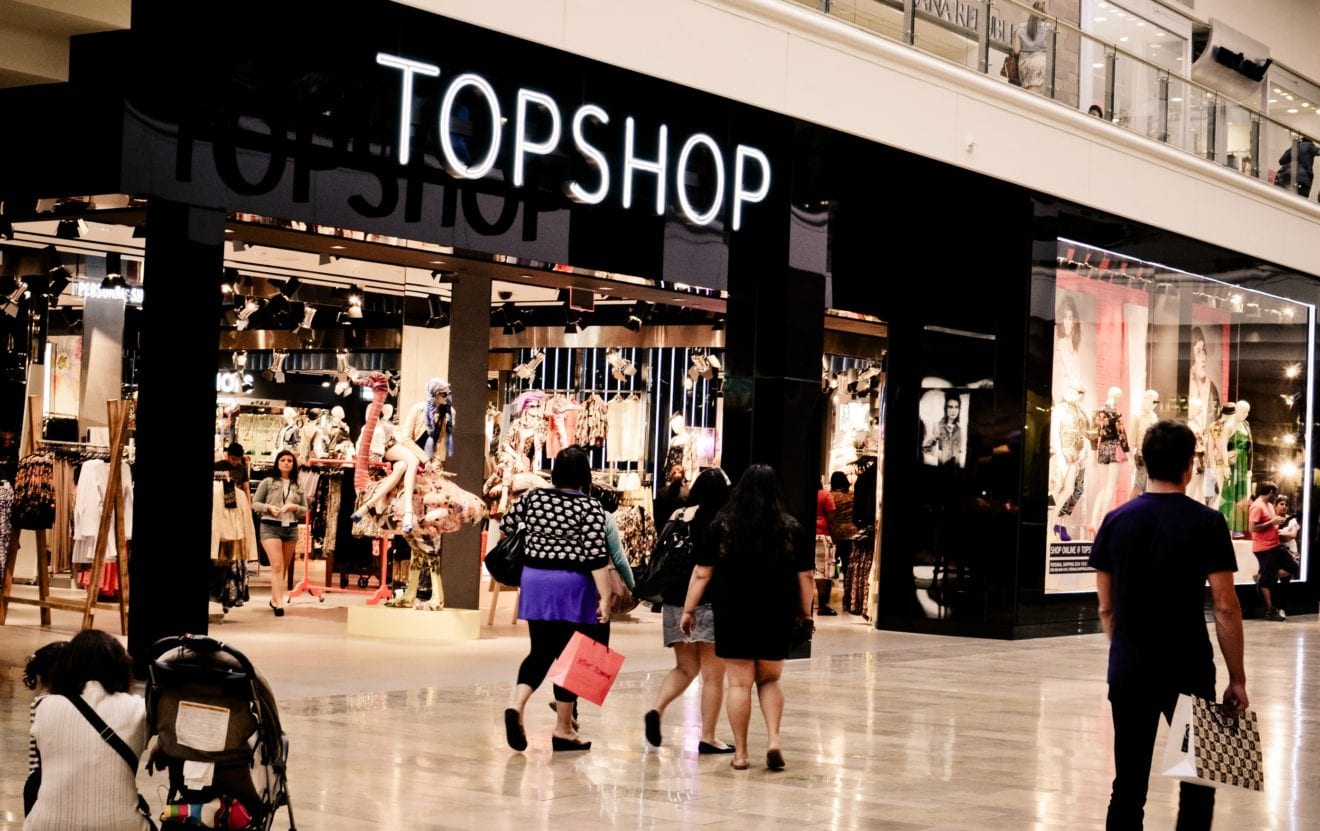
    The listed company has 85 retail stores in Malaysia’s major cities under 12 international brands – Topshop, Topman, Dorothy Perkins, Miss Selfridge, Warehouse, Karen Millen, Pumpkin Patch, Wallies, BCBG, Ben Sherman, Burton and Furla. It also has a 45 per cent stake in the joint venture with Japan’s Fast Retailing, operating 25 Uniqlo stores.

    Wing Tai GM of finance Lee Kong Beng says while the Uniqlo store network, targeting the value driven fast fashion customers, will expand into suburban markets, the Arcadia brands like Topshop and Topman have reached their limits in Malaysia.

    “We will not expand (the Arcadia brands),” he told a press briefing this week.

    He said while there were no current plans to close Arcadia stores, if any store failed to generate positive cashflow or profit it would be cut.

    “For retail, we’d just consolidate because it’s challenging. So no point being a hero, where you open outlets and the sale is not there.”

    Lee said the company was finding the current retail market in Malaysia challenging following the introduction of GST on April 1, which consumers are slowly adjusting to.

    An influx of tourists was bolstering the group’s earnings, with spending holding up in stores in high profile shopping malls.

    “We expect retail sales to pick up because of the weakening of the ringgit, so it’s cheaper to shop in Malaysia rather than in Singapore. It’s a matter of time people get used to GST. We see that (retail sales) are more stabilised now,” Lee said.

  • Prada Jakarta opens doors

    Prada Jakarta opens doors

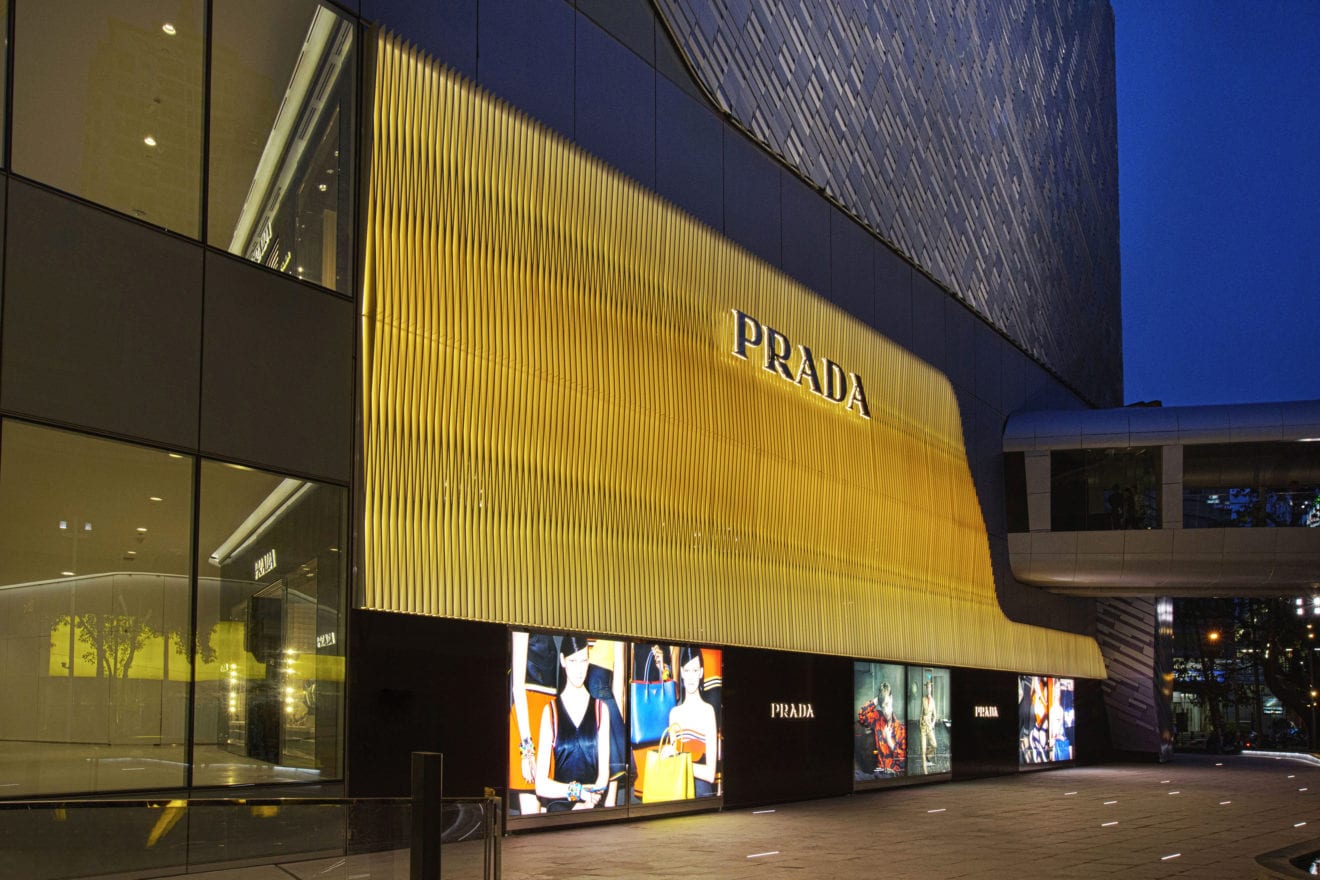
    Prada Jakarta has opened its doors, the luxury Italian fashion brand’s first store in Indonesia.

    The new 420 sqm single level store is located inside the upmarket Pacific Place shopping mall.

    The retail space, designed by architect Roberto Baciocchi, houses the women’s and men’s ready-to-wear, leather goods, accessories and footwear collections.

    The external facade is clad in black Marquinia marble, while slim polished steel profiles highlight the light boxes.

    The store has a corner location inside the mall, with slim strips of black Marquinia marble framing the entrance, display windows and large floor-to-ceiling windows that open up on the interior.

    The space is designed as a succession of rooms, each featuring a different atmosphere.

    The women’s leather goods area is defined by the signature black-and- white marble chequered flooring – a legacy of Prada’s identity worldwide – and green fabric-clad walls with alcoves housing displayed product, an original reinterpretation of Prada’s iconic display niches.

    The space housing the women’s accessories and small leather goods collections is characterised by black marble-clad walls and display counters with coloured saffiano leather detailing.

    The women’s footwear collection is showcased in an area defined by green fabric-clad walls with cut-in display niches. Beige carpeting and green velvet sofas create an elegant atmosphere.

    Green fabric-clad walls also characterise the area dedicated to the women’s ready-to-wear collection, where transparent perspex cases exalt the product display. Crystal tables and green velvet sofas complete the furnishing.

    The space devoted to men comprises an area dedicated to the leather goods and accessories collections and another room where the footwear and ready-to-wear collections are displayed. The area features masculine materials and finishes: ebony floorboards and walls, dark brown carpeting and cotto-coloured leather sofas. Polished steel display cases and counters with drawers covered in coloured saffiano leather complete the setting.

  • Asia remit for new Tiffany exec

    Asia remit for new Tiffany exec

    Tiffany & Co has appointed Philippe Galtié to the position of senior VP – international.

    Galtie, who is currently with super luxury brand Cartier, will direct all of the sales channels for Greater China, Asia-Pacific, Japan and EMEA.

    He takes up the new post on August 17.

    Frédéric Cumenal, Tiffany & Co CEO, said, Galtie brings to Tiffany & Co a seasoned understanding of the global retail landscape.

    “This knowledge will have a significant impact on the oversight and management of our store design and strategic planning teams.”

    Galtié, 54, began his career with a range of general management and global marketing roles at Moët-Hennessy, Mars Inc, Eridania Beghin Say and the Nestlé Group. For the past 15 years he has worked at Cartier, where he served as country head or other senior positions throughout Japan, Greater China and the Asia Pacific regions. Most recently, Galtié held the role of Cartier’s international retail director.

    Tiffany is the internationally-renowned jeweler founded in New York in 1837. Through its subsidiaries, Tiffany & Co. manufactures products and operates Tiffany & Co retail stores worldwide, and also engages in direct selling through Internet, catalog and business gift operations.

  • Asics India goes it alone

    Asics India goes it alone

    Japanese sports shoe brand Asics has opened its first company owned store in India.

    The 670 sqft outlet has opened in a shopping centre in south Delhi.

    It marks the end of a five year partnership with local conglomerate Reliance Retail.

    “We had a five-year agreement with Reliance Retail, and we did not want to renew the alliance,” Rajat Khurana, director of Asics India said in an interview.

    “The market has matured, and we have a much better understanding about the Indian sports shoes market, which is worth about $1 billion.”

    Now the brand will operate as a wholesaler, opening mono brand stores across India through franchise partners. It will manage the franchise business directly rather than partner with a local master franchisee.

    “Over the next 18 months, we will open exclusive outlets across the top 10 Indian cities, with one or two outlets in each city. Over the next three years, sales should treble,” said Khurana.

    Asics is the fourth largest sports goods manufacturer in the world and is currently sold in more than 150 countries.

    Asics branded products will continue to be available through multi-brand stores in India, including reliance Retail’s network.

  • Optical 88 reports strong Hong Kong sales

    Optical 88 reports strong Hong Kong sales

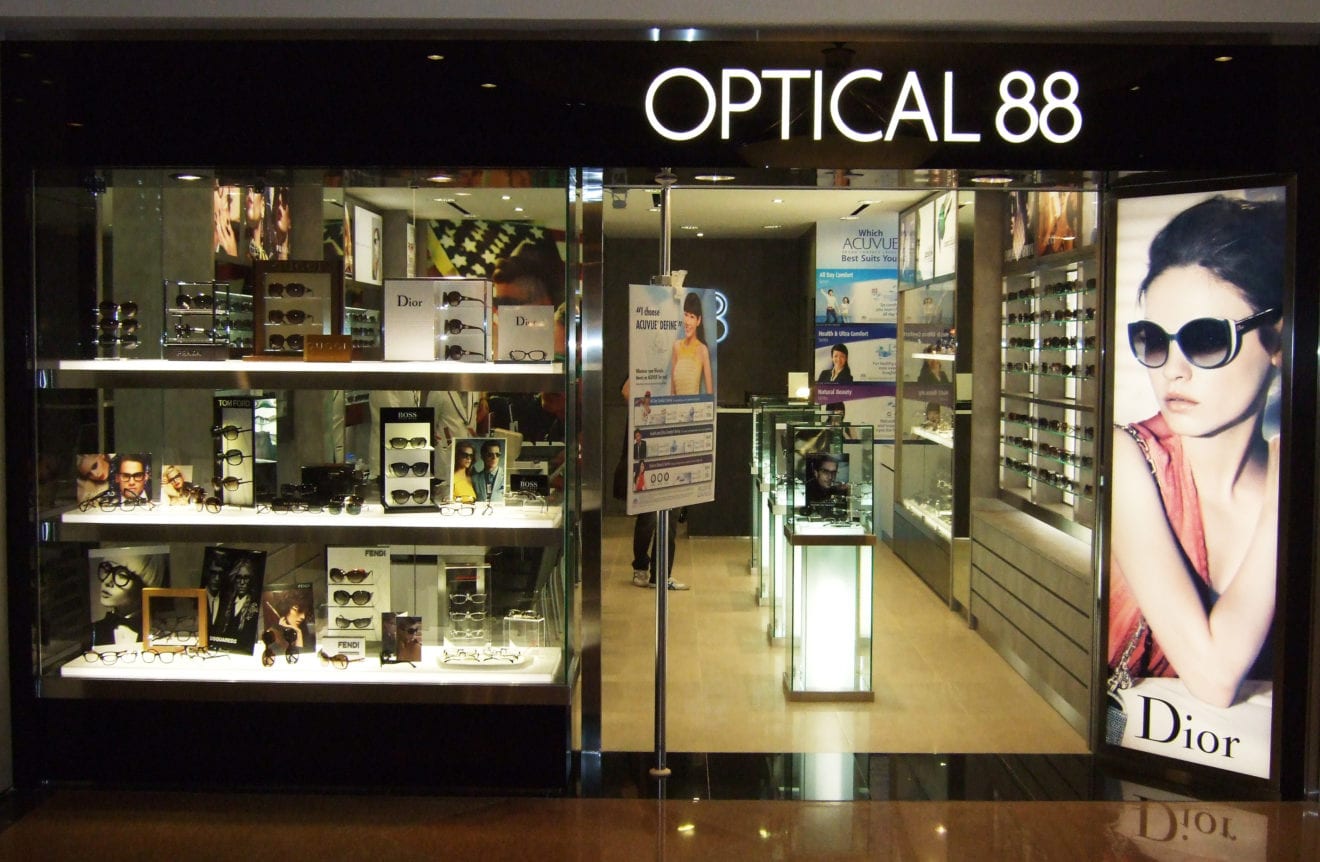
    Eyewear chain Optical 88 is narrowing its Mainland China losses as its sales improve.

    A subsidiary of Hong Kong-listed Stelux Holdings, Optical 88 has 227 stores in Hong Kong, Macau, Mainland China, Singapore, Malaysia and Thailand.

    Group sales rose just one per cent in the year to March 31, and its store network shrank by seven.

    Trading was mixed across the markets, with China and Malaysia standouts.

    China sales rose 4.7 per cent and the loss narrowed by 10 per cent to HK$27.5 million.

    “In line with our Greater China strategy, resources have been strengthened to accelerate shop opening in Southern and Southwestern China as we have relocated out from expensive cities, like Shanghai,” parent Stelux said in a stock exchange filing.

    “In addition, as we increasingly cater for the ageing demography and children, sales in progressive and functional lenses have improved whilst myopia control lenses have also been introduced.”

    In its home market of Hong Kong and Macau, the soft economy in Macau together with the accelerated slowdown in Hong Kong in the second half after a strong first six months, saw sales rise 3.9 per cent for the full year to $835.6 million.

    Profit rose 19.5 per cent to HK$95.4 million and gross margin improved to 64.2 per cent.

    “Though less affected by the decline in Mainland tourist spending, a cautious approach has nonetheless been adopted to review our store portfolio in key tourist locations.”

    Optical 88 recorded a loss for its Southeast Asian stores, but there were mixed results by market.

    Overall, Optical 88 lost $6.7 million in the three markets but on an exchange neutral basis, the loss was reduced to $1.4 million. Operating costs declined 2.2 per cent, with shop rentals falling 3.8 per cent.

    “In the second half of the year, a Hong Kong team was parachuted in to strengthen operational management and to improve operational efficiencies in all three regions. Initiatives were introduced to increase store productivity, improve gross margin and tighten procurement control. We will continue to see progressive improvements as a result of the above measures in the next year,” Stelux said.

    Singapore stores reported improved sales per shop as the brand focused on strengthening its customer base. Malaysian reported earnings of around $1.8 million, but excluding an

    exchange loss the profit would equate to $4.8 million.

    “In the medium term, we will be opening new stores to increase market coverage and to grow business scale.”

    The profit from Thai stores fell from $13.8 million to $8.6 million.

    “Given the poor economy and the unstable political situation, a cautious approach will be adopted towards shop leasing,” said Stalex.

    Optical 88’s total profit for the year rose 12.8 per cent to HK$61.2 million due to Hong Kong and Mainland China operations.
  • Fashion chain Reiss seeks equity investor

    Fashion chain Reiss seeks equity investor

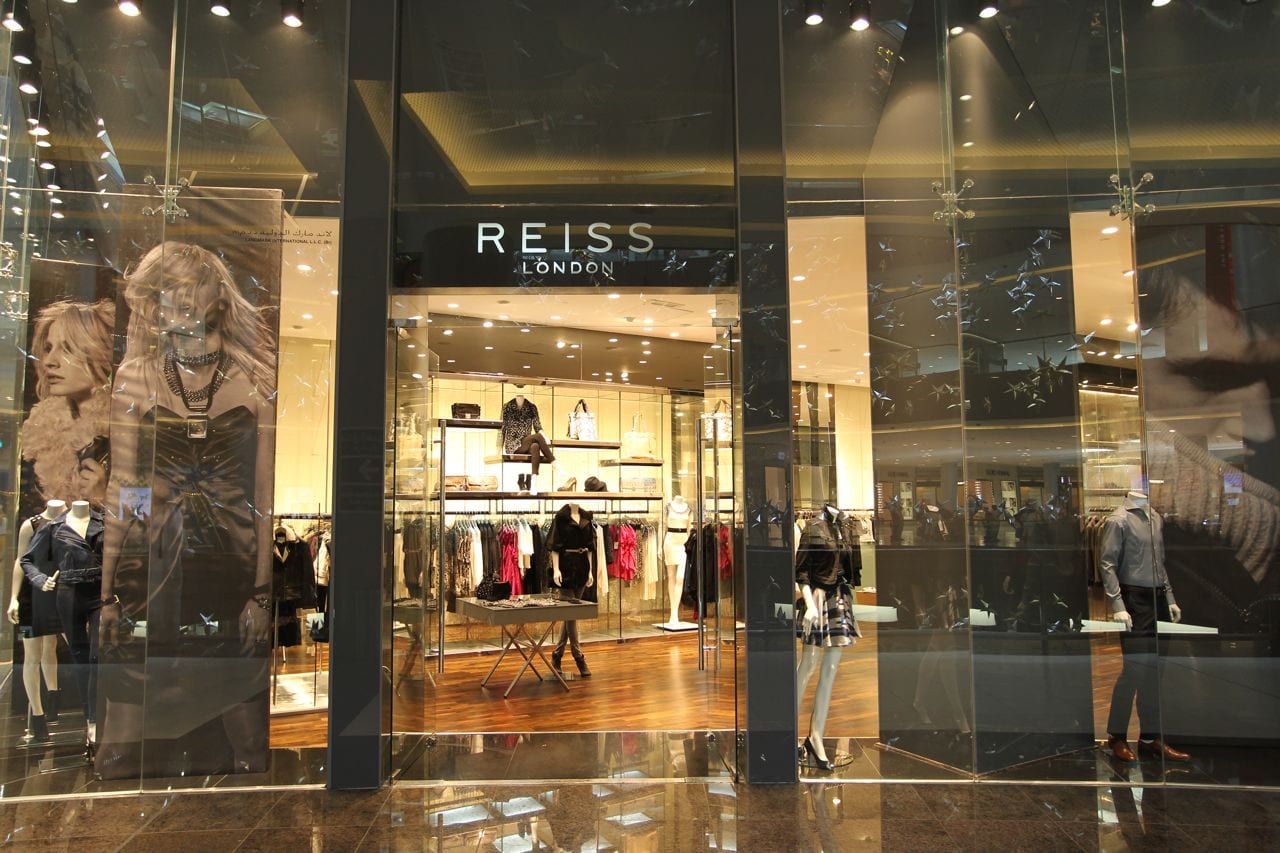
    The founder of the high street fashion chain Reiss is exploring a move to bring the first outside investors into the business he founded more than four decades ago.

    Sky News has learnt that David Reiss has appointed Morgan Stanley, the Wall Street investment bank, to conduct a review of options which is likely to lead to the sale of a minority stake in the company.

    The process, which is at an early stage, is unlikely to lead to a deal until the end of this year or early 2016, according to insiders.

    However, the news that Mr Reiss is to consider the sale of part of his company will alert prospective bidders interested in owning a stake in such a prominent high street name.

    Reiss has exploited its popularity with celebrity customers for many years, seeing a surge in sales after one of its dresses was worn by the Duchess of Cambridge before her marriage to Prince William in 2011.

    Other well-known names to declare their enthusiasm for Reiss’s products include the models Kelly Brook and David Gandy.

    People close to the company said on Thursday that a deal could value Reiss at as much as £325m although a precise valuation is unlikely to emerge until a formal process is underway.

    That figure would be a lofty valuation for a business which made £9m in pre-tax profit in 2013, although profits are said to have doubled last year and are expected to exceed £25m this year, an insider said.

    Mr Reiss is likely to seek an investor which can help to facilitate its continued international growth.

    The company, whose direct competitors include the likes of Ted Baker and French Connection, trades from approximately 130 stores, 80 of which are in the UK.

    Founded in 1971, Reiss has 20 outlets in the US and several in countries such as Hong Kong and Russia.

    It recently opened a flagship shop in Toronto, Canada and also has 20 franchise stores in the Middle East.

    Reiss, whose revenues are divided broadly equally between menswear and womenswear, sells clothes at higher prices than mid-market retailers but cheaper than many designer fashion labels.

    The chain’s founder, who rarely gives interviews, has expressed scepticism about the prospects of rivals who have sold controlling stakes, and people close to his company say that he intends to retain a majority interest in the business.

    A stock market listing is also unlikely to be considered, the sources added.

    “Owner-drivers have a vision but when you hand the reins down to other people, that drive and vision goes to other people. You have to have someone at the top who has energy, drive and spirit to make things happen,” Mr Reiss told The Telegraph in 2006.

    Reiss is chaired by Alan Jacobs, a corporate financier who has orchestrated the sale of a string of well-known retailers.

  • Superdry China launch confirmed

    Superdry China launch confirmed

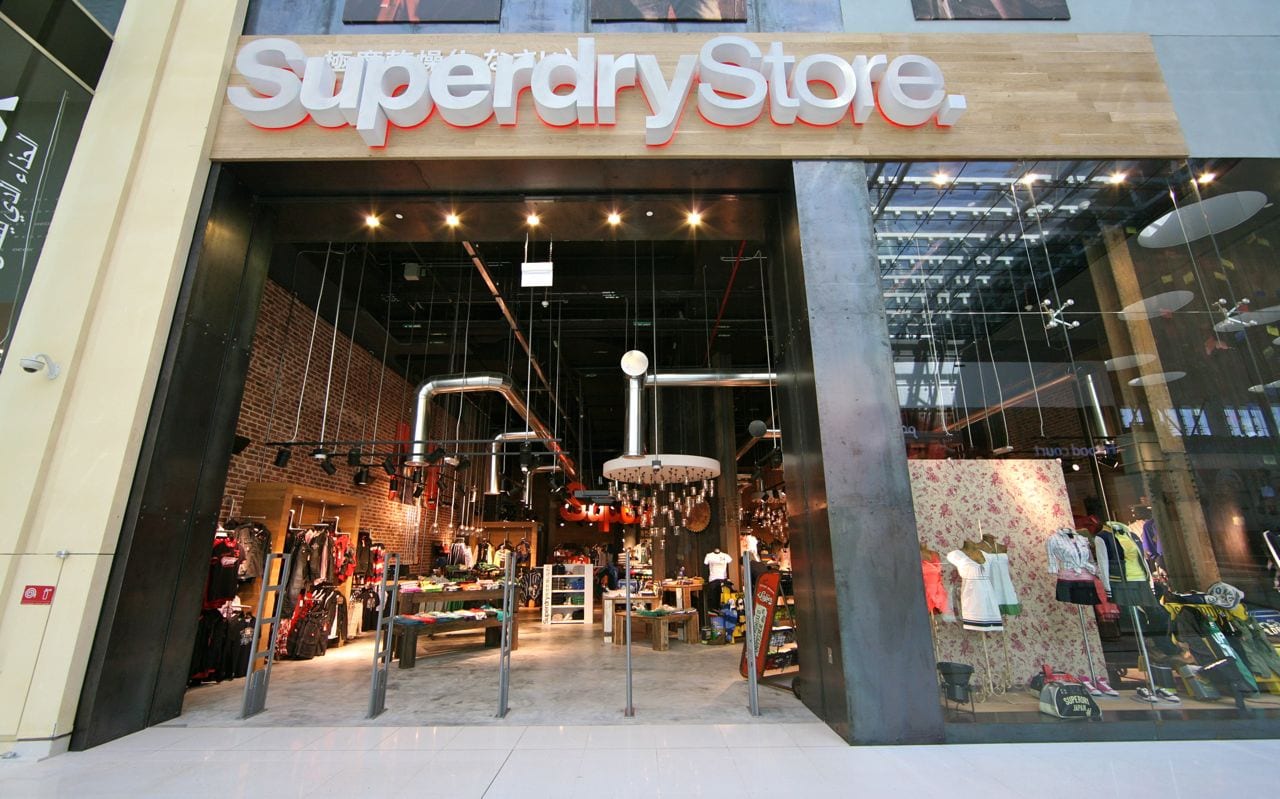
    SuperGroup, the parent of the hip casual fashion brand Superdry, has confirmed plans to enter China, as reported by Inside Retail Asia earlier this week.

    The Superdry China foray will be a 50:50 joint venture with local company Trendy International Group. SuperGroup will invest up to £18 million to kickstart the new market, but says it expects the JV to be self-funding within two years of launch.

    The group promises a “measured” roll-out program in China with Trendy managing the day-to-day business operations. SuperGroup will provide strategic brand support, design services and marketing.

    SuperGroup CEO Euan Sutherland said of the move: “The joint venture in China with Trendy International Group, together with an extensive pipeline of new stores in our targeted European markets and continued momentum in eCommerce, provides confidence of continued long-term growth.”

    The company announced a two per cent increase in net profit to £63.2 million in the year to April 25 April on revenue up 12.9 per cent to £486.6 million. Its retail revenue rose 17 per cent with same store sales growing 4.8 per cent.

  • Pazzion Spearheads Asia-Wide Expansion Plans With Agency Appointment

    Pazzion Spearheads Asia-Wide Expansion Plans With Agency Appointment

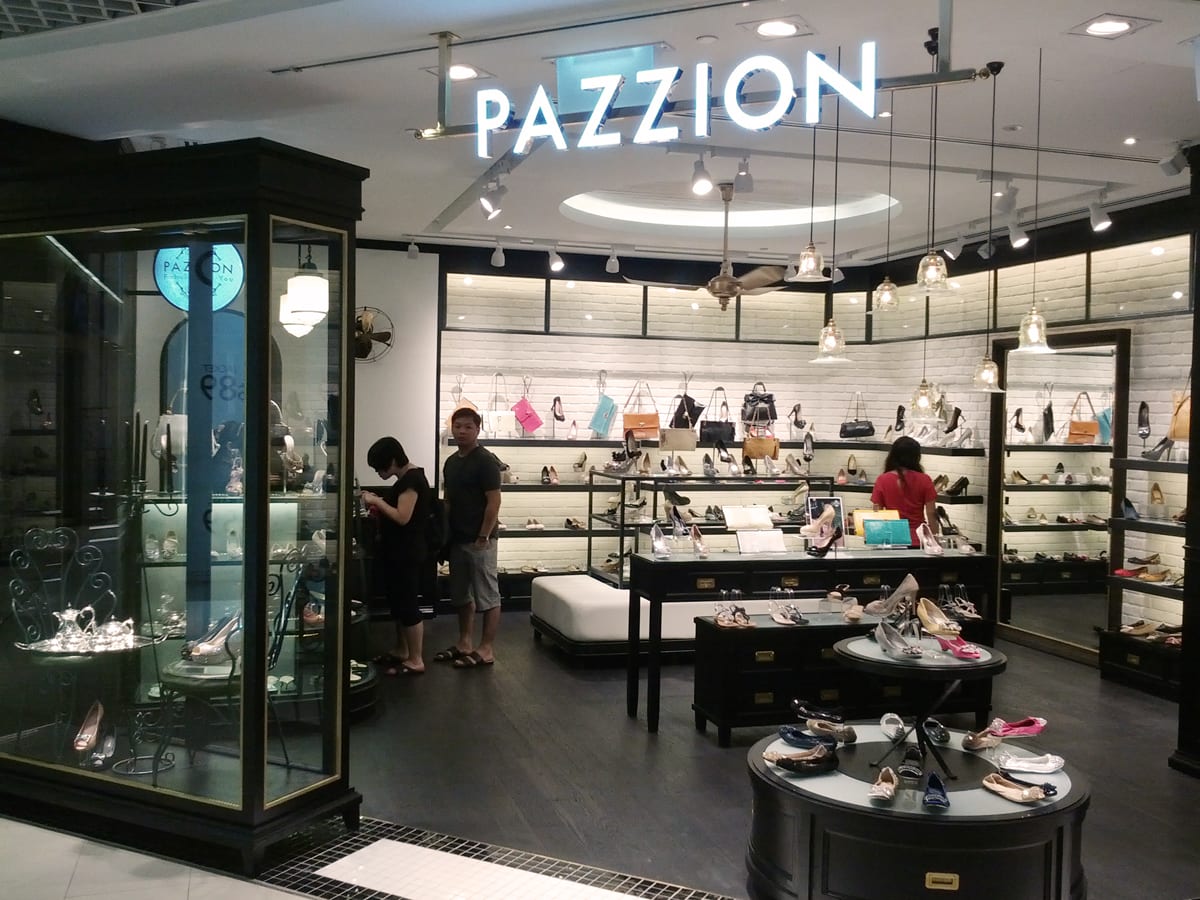
    Pazzion, home-grown shoe brand turned international sensation, has appointed award-winning PR agency, PR Communications to handle all its media relations programmes and special events.

    Since its conception in 2001, PAZZION has exploded onto the regional fashion scene. The brand has grown from a store in Wisma Atria to reach more than 10 countries, including India, Japan, and South Korea. PAZZION’s combination of keen market intelligence with an unwavering commitment to quality is the key to PAZZION’s breakout success.

    “Singapore is becoming one of the premiere fashion destinations in Asia, and local designers and brands are finally gaining the recognition they deserve. We aim to expand our brand presence here in Singapore, and we believe that this can be achieved through PR Communication’s expertise,” said Tom Ng, PAZZION’s founder.

    “We are delighted to be working with PAZZION. Consistently providing both quality and style, Pazzion prove that Singaporean brands can be just as good, if not better, than international ones. We aim to create a programme to make locals proud of the brand, as it grows from strength to strength in international markets,” said Eric Chan, Managing Director of PR Communications.

    Company Logo

    Established in 1990, PR Communications is an award-winning Singapore-based public relations consultancy that specialises in Lifestyle and Brand Marketing, Corporate Reputation, Entertainment PR and Eco-PR. The agency holds an extensive portfolio of global organizations and start-ups. Key clients of the Agency include AMK Hub, Caffé B, Chow Tai Fook, Hi-5 Productions, Konica Minolta, Samsonite, SK Jewellery and The Club.

    Born in 2001, PAZZION caters to the modern sophisticate who values both taste and craftsmanship. Each shoe, from sandal to heel, ballerina flat to bridal heel, is made from quality calf leather and lambskin, and is engineered to bring the best in style and comfort. PAZZION has stores in most major retail malls across Singapore, with its flagship outlet in Wisma Atria. Internationally, Pazzion’s presence can be found in Brunei, Cambodia, India, Indonesia, Japan, Mauritius, South Korea, Sri Lanka, Thailand, Turkey and Vietnam.

  • Pandora partners with DFS in major Hong Kong Airport promotion

    Pandora partners with DFS in major Hong Kong Airport promotion

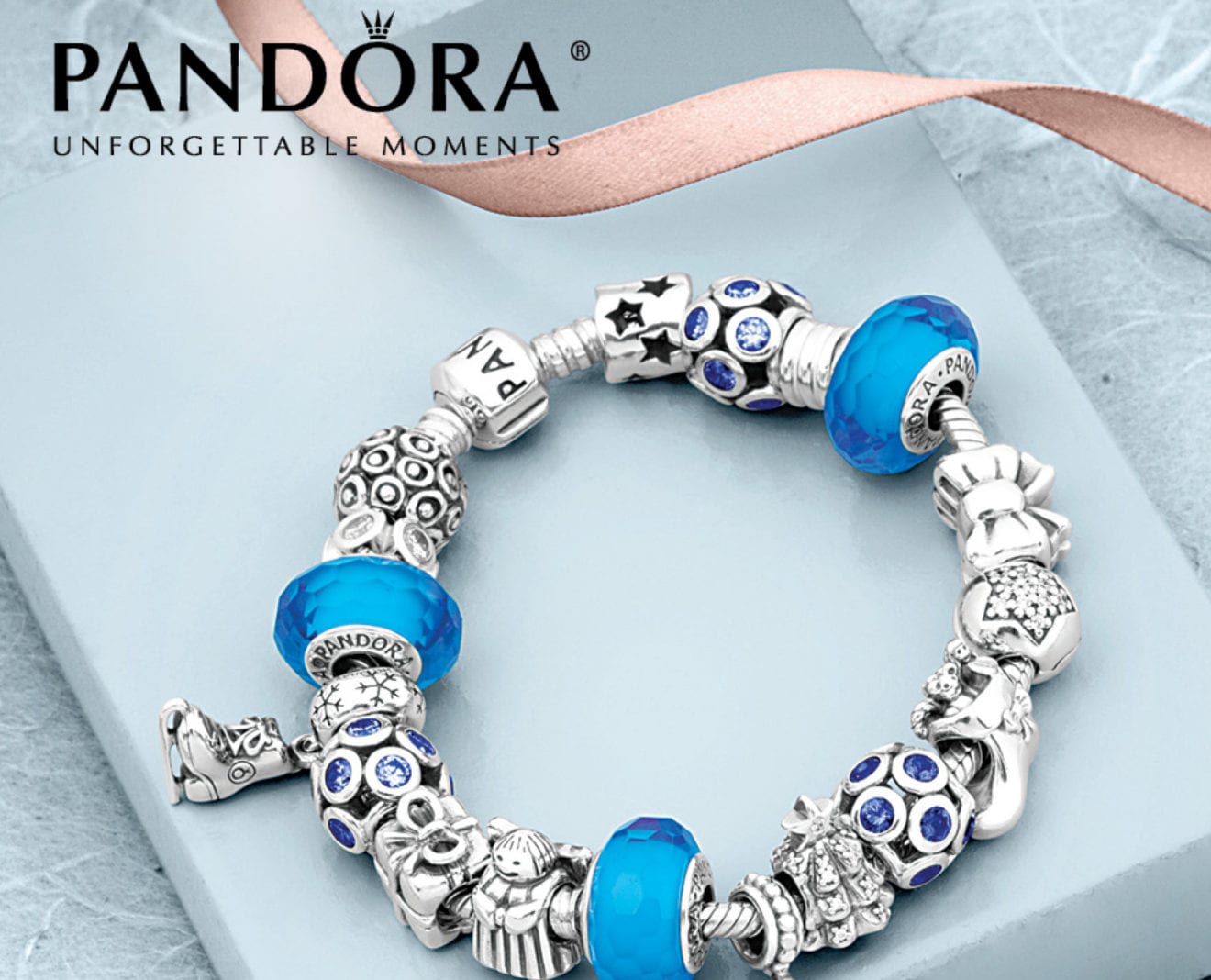
    Danish jewellery brand Pandora has opened a dedicated 13.5sq m promotional area at Hong Kong International Airport (HKIA) in partnership with DFS Group.

    The zone is a celebration of ‘Explore, Dream & Discover’, involving a pre-launch of Pandora’s new travel charms, which will launch in other selected stores on 30 July.

    The use of a 6sq m video wall creates a multi-media experience to highlight the pre-launch.

    “We are extremely proud and excited about opening stores at prestigious locations together with DFS,” said Pandora VP Travel Retail Julian Mullins.

    “Here at DFS we aim to be the world traveller’s preferred destination for luxury shopping and developing fantastic brand partnerships is key to delivering on that promise,” said DFS Group Director of Merchandise-­‐ Sunglasses, Fashion Watches and Jewellery Jason Blejwas.DFS and Pandora have worked in partnership for just over a year, opening stores in Abu Dhabi, Honolulu, Guam, Saipan and Hainan as well as DFS Group’s downtown Hong Kong locations and the retailer’s main store in HKIA’s East Hall.

    “We’re excited to expand on our relationship with Pandora and bring their unique brand aesthetic to the traveling consumer at HKIA.”

  • Bauhaus in sales slide

    Bauhaus in sales slide

    Denim retailer Bauhaus says its same store sales have slumped in Taiwan and Hong Kong in the last quarter.

    Same store sales fell 17 per cent in Taiwan and nine per cent in Hong Kong, but remained stable in Mainland China.

    The Hong Kong-listed street fashion retailer has 211 self-managed stores – 96 in Taiwan, 86 in Hong Kong and Macau and 29 in the mainland.

    Quarter on quarter it added three in Hong Kong-Macau, one in Taiwan and closed two in the mainland.

    Bauhaus did not offer any commentary on the figures.

    The retailer sells a range of imported denim and t-shirt brands including Desigual, Evisu, Superdry, True Religion and Red Pepper.

  • Uniqlo sponsors Special Olympics LA

    Uniqlo sponsors Special Olympics LA

    Tadashi Yanai, chairman, president & CEO of Fast Retailing, said Fast Retailing Group is committed to employing people with disabilities, in the belief staff can learn from each other and grow by working together.

    “Through our support of the Special Olympics LA World Games 2015, we hope to contribute to the realisation of a society in which all people, those with disabilities and those without, support each other and grow together.”

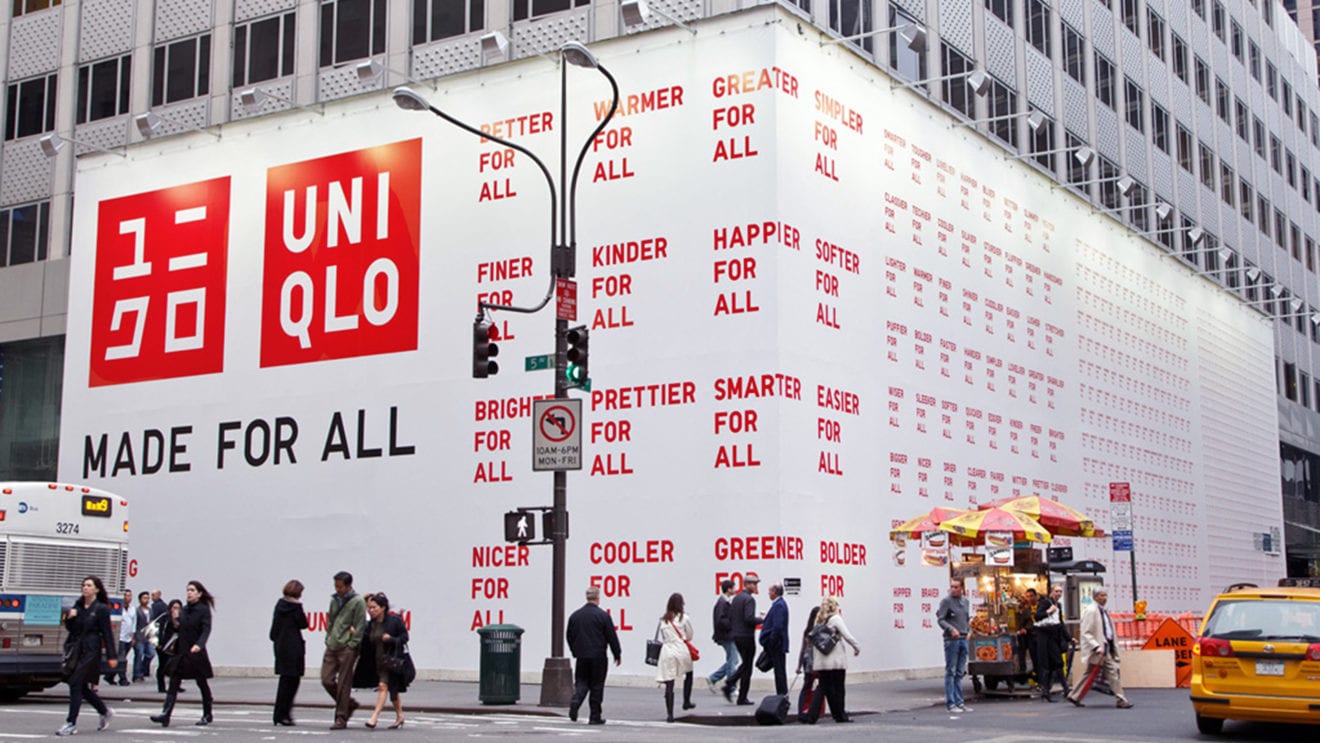
    Uniqlo will conduct a Special Olympics LA promotional campaign in its stores during the games. To raise awareness of the event, Uniqlo will put up posters supporting Special Olympics in Uniqlo stores in 12 countries and regions, and staff at Uniqlo’s five locations in the host city of Los Angeles will wear T-shirts with the Special Olympics LA logo.

    “Uniqlo believes in the ideal of Special Olympics LA, to foster independence and social participation for persons with intellectual disabilities through sports, and has supported Special Olympics Nippon since 2002,” the company said in a statement.

    Currently, Uniqlo supports local Special Olympics organisations in 12 countries and regions by providing uniforms, and sending volunteers to help run events.