Category: Fashion

Retail News Asia is committed to providing both local and global retailers with the latest Fashion news throughout the Asian market. This on a daily base.

  • Victoria Beckham to expand fashion line to Asia

    Victoria Beckham to expand fashion line to Asia

    Cheered by her famous family, Victoria Beckham brought a sexy vision of fall/winter to an intimate New York runway show on Sunday and confided plans to open a second store in Asia.

    The one-time pop star, mother of four and wife of retired English football superstar David Beckham, has won plaudits in the fashion industry for designing beautiful collections that flatter women’s bodies.

    Beckham said that 2015 would see her spend a lot of time in Asia, where she plans to open a second store after the success of her Dover Street boutique in London.

  • Graff Diamonds Hong Kong store opens

    Graff Diamonds Hong Kong store opens

    Luxury jeweller Graff Diamonds has further broadened its Asian presence, opening a new flagship in Hong Kong.

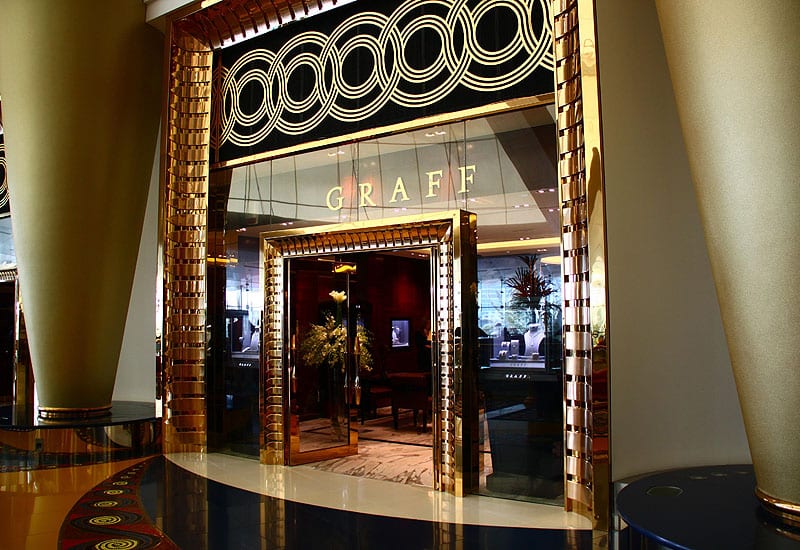
    The new store is in the St George’s Building in the city’s Central district. It features a broad frontage facing onto the street, as photographed.

    The move continues a growing commitment to the Asia market, illustrated by expansion in China since 2013 and Macau in 2012.

    The new Hong Kong store joins the jeweller’s flagships in Beijing, Hangzhou, Hong Kong, Macau, Shanghai, Tokyo and Taipei. The new store is its 18th in the continent.

    Designed by architect Peter Marino, the store follows Graff’s international store image with a modern and contemporary look and bespoke fixtures and fittings. The walls are clad in paper parchments, mica and painted bamboo and chairs are wrapped in woven and plush knitted fabrics.

    Each area of the store has a distinctive design and color palette with warm gold and bronze tones in contrast with icy green and grey hues.

    Jewelry showcases are located on interior walls creating maximum impact for displaying jewels and watches. A chandelier comprising spheres of green, gold and silver serves as a centerpiece suspended from rigid silver rods, illuminating the diamonds below.

  • Inditex ends Angora lines

    Inditex ends Angora lines

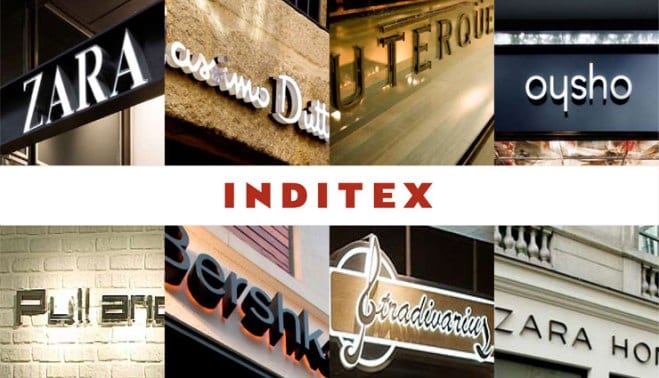
    Spanish fashion giant Inditex has announced a complete and permanent ban on the use of angora wool across all its brands.

    The ban follows discussions with animal rights group PETA US and a media expose of the cruel practice where live rabbits’ fur is ripped from their skin to produce the soft thread.

    Inditex, the world’s largest clothing retailer, says it will no longer stock products using angora wool in Zara, Pull&Bear, Massimo Dutti and Bershka stores.

    It went further to donate 20,000 brand-new angora wool garments manufactured in previous seasons (with a retail value of approximately US$878,000) to Syrian refugees in Lebanon through the charity Life for Relief and Development.

    “Thanks to Inditex’s massive donation, PETA is able to send a vital message about compassion for animals this winter – that only people desperately lacking basic necessities have any excuse for wearing fur that is ripped out of live animals’ bodies”, says PETA MD Ingrid E Newkirk.

    “We’re calling on all remaining retailers – such as Benetton – that are still touting these products of rabbit torture to follow quickly in the footsteps of Inditex and others, or else they’ll watch their customers, wallet in hand, walk out the door.”

    A PETA Asia investigation found some rabbits used for angora scream in pain as their fur is ripped out, while others are cut or sheared and invariably wounded by the sharp tools as they struggle desperately to escape. In addition, the angora farming industry condemns these intelligent, social animals to years of isolation in small, filthy wire cages.

    Inditex join more than 70 top brands and retailers – including Asos, Calvin Klein, Stella McCartney and Tommy Hilfiger – which have permanently banned angora wool as a result of PETA Asia’s investigation.

  • Shilla Singapore takeover complete

    Shilla Singapore takeover complete

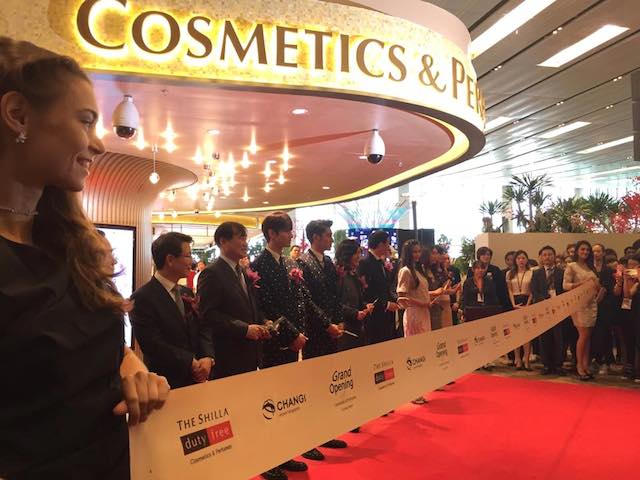
    After four months, Korean travel retail Giant Shilla has completed its takeover and renovation of the duty free retail offer at Singapore’s Changi Airport.

    Shilla Singapore now boasts 182 brands across the three terminals – about 80 of which are available at the airport for the first time and 26 of which cannot be found in stores anywhere else in Singapore. That list includes Aromatica, Ghost Perfume, cle de Peau, Burberry Cosmetics, Cosme Decorte, Urban Decay, Vichy, La Roche Posay and Jean Louis Scherrer Perfume.

    Shilla Duty Free starting taking over cosmetic and perfume retail operations at Changi Airport on October 1. At the time it promised to present the largest collection of cosmetics and perfumes brands among airport duty free shops in Asia.

    Shilla won the contract in a tender process, ousting incumbent Nuance Watson to run the 19 stores.

    “Singapore has a strong tourism market and we see the tremendous opportunity here. With our positioning as a global leading duty free operator and expertise gained from more than 28 years of experience in the industry, we are confident that we possess the distinctive know-how in providing experiential offerings in-store that would deliver a value-added experience for our customers,” said senior executive VP and head of The Shilla Duty Free, Jeong-Ho (Jason) Cha.

    The Shilla Duty Free is an affiliate company of Samsung, which runs six duty free outlets in Korea, two in downtown Seoul and Jeju and four at airports, including Macau. It plans further expansion into China and other Asian markets.

    Shilla also operates Prada, Bottega Veneta and Maison de Chronus watch outlets at Changi Airport.

  • Sherri Hill wins Hong Kong copycat case

    Sherri Hill wins Hong Kong copycat case

    A Hong Kong retailer of knock-off designer dresses has been hit with a $2.25 million judgment by US-based Sherri Hill and order to shut down a string of online stores.

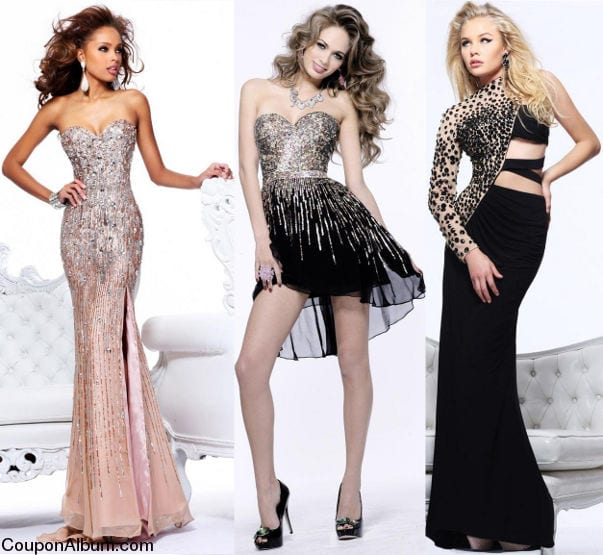
    Sherri Hill, a US designer and retailer of quality prom dresses and evening gowns, has won a permanent injunction against Dress Market , a Hong Kong-based dress retailer who had been operating a network of websites peddling cheap knockoff prom and pageant dresses.

    Additionally, after the injunction had been entered, Dress Market had committed contempt of court by defiantly re-posting Sherri Hill’s copyrighted images. In addition to imposing monetary damages, the court ordered all eight domain names and websites operated by the Hong Kong company be completely shut down and transferred to Sherri Hill.

    Gioconda Law Group Sherri Hill Dress

    In the original complaint filed in federal court in Manhattan in August 2013, Sherri Hill had accused Dress Market of selling hundreds of Sherri Hill dresses through multiple websites, including MerleDress.com, which, as a result of the case, now directs to Sherri Hill’s website.

    The complaint alleged that, by using Sherri Hill’s copyrighted images, Dress Market deliberately confused consumers into thinking they were getting the same style and quality products, when the actual quality of the dresses was much lower. Several dresses had been shipped to investigators in New York City by Dress Market’s employees, according to court papers.

    Dress Market’s lawyers unsuccessfully sought to have the case dismissed, arguing that the US federal courts lacked jurisdiction because Dress Market was operating its business entirely out of China and Hong Kong.

    But the court found that the sale and shipment of several dresses to the New York investigators, along with the unauthorised display of copyright images to New York consumers, were sufficient activities to warrant granting US federal courts jurisdiction over the infringing conduct occurring in China.

    After the preliminary ruling, Dress Market’s lawyers then sought to formally withdraw, claiming that the defendant had ceased communication.

    The federal lawsuit, filed by New York brand protection specialist Gioconda Law Group, successfully sought the statutory damages and a permanent injunction.

    “Sherri Hill will continue to protect her valuable trademarks and copyrights aggressively, both online and in the bricks-and-mortar context,” said Joseph C. Gioconda, her attorney for Sherri Hill.

  • Periwinkle childrens clothing targets ASEAN

    Periwinkle childrens clothing targets ASEAN

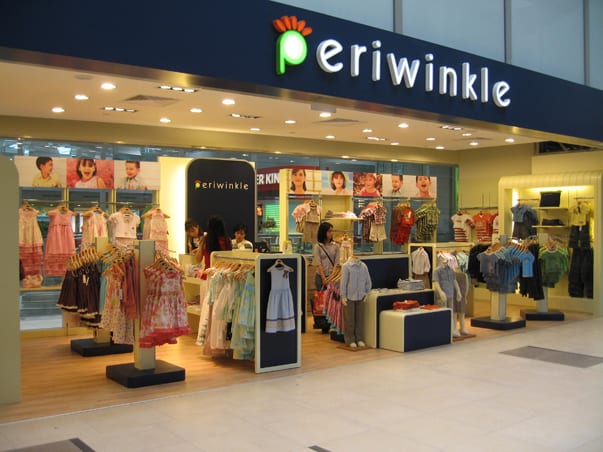
    Periwinkle childrens clothing has opened its first store in Indonesia through a licensing agreement with an Indonesian partner.

    The Philippines retailer, which already has a presence in Singapore and Canada, received support from the Department of Trade and Industry, as part of a program to help retailers from the Philippines expand into other ASEAN markets with the advent of the Asian Economic Community (AEC) this year.

    “We intend to assist local companies with established brands, expand in the international market by partnering with foreign companies, particularly in the Asean countries, and promote the Philippines as a reliable and competitive source of global fashion retail brands,” said Trade Undersecretary Ponciano C. Manalo Jr.

    Periwinkle’s first store is a concession at the newly opened Central Department Store at the Grand Indonesia East Mall in Jakarta.

    It will open a second concession at British department store Debenhams at the Senayan City Mall and is currently evaluating franchising in Indonesia.

    Periwinkle’s partner in Indonesia is the Boga Group, which is active in the food and beverage and retail sectors, operating some 1000 hundred restaurants and retail outlets in Jakarta, Bandung, Surabaya, Yogyakarta, Medan, Makassar and Bali.

    “Periwinkle’s presence in Indonesia is an excellent opportunity for the retail brand to aim for wider regional expansion in light of the AEC 2015,” said Alma Argayoso, Philippine Trade and Investment Center Jakarta commercial counsellor.

    “We are optimistic that Periwinkle’s high-quality design will be patronised by Indonesian society, particularly sophisticated mothers, who love dressing up their children,” he said.

    The DTI is providing support to retailers through business counselling, business matching and brand promotion.

    Periwinkle executive Allan Hao Chin said the Boga Group partnership is purely a licensing agreement and the company will consider a full scale franchise and other options including a joint venture, depending on the success of the initial stores.

    “It is a milestone for Periwinkle to be present in Indonesia, Southeast Asia’s largest economy, and being able to share our brand globally,” Chin said.

  • LVMH 2014 profit boosted by Hermès stake sale

    LVMH 2014 profit boosted by Hermès stake sale

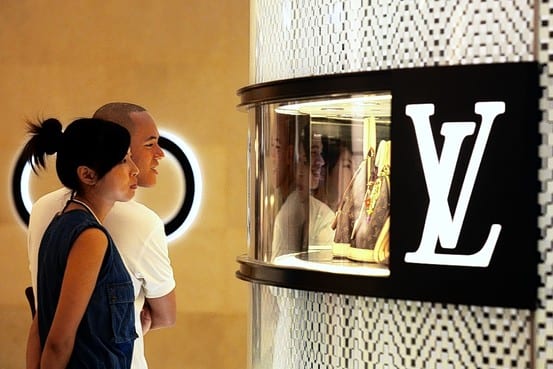
    LVMH Moët Hennessy Louis Vuitton SA said on Tuesday that US consumers helped drive revenue gains last year, offsetting continued sluggish sales in China.

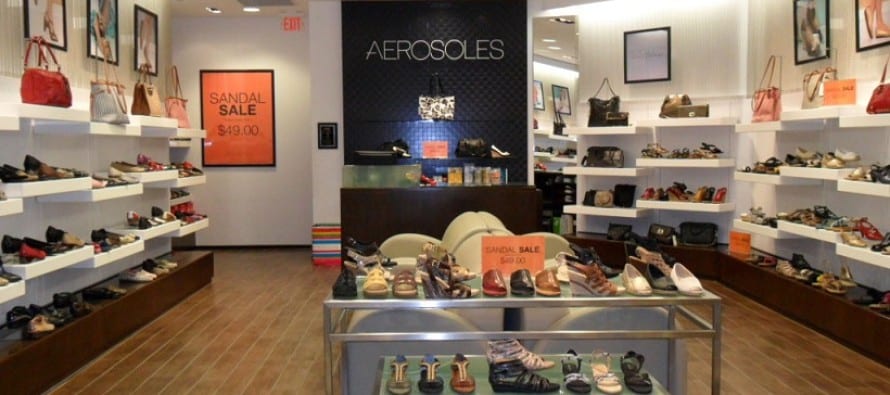
  • Tata International to set up outlets for footwear brands

    Tata International to set up outlets for footwear brands

    Tata International, the global trading and distribution company of the Tata group, is planning to set up exclusive branded outlets for four new footwear brands. The company will launch these for the domestic market by September this year.

  • Slumping sales, store closures hit Australian Esprit

    Slumping sales, store closures hit Australian Esprit

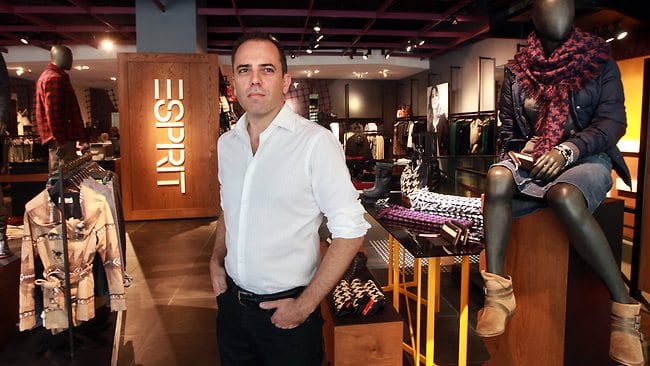
    Slumping sales and store closures led to a small loss for the Australian arm of international fashion retailer Esprit, as its parent company’s shares come under attack from short sellers.

    Esprit bills itself as the largest international fashion retailer in Australia and New Zealand, and has operated in Australia for more than 30 years.

    It employs nearly 400 people and has dozens of stores throughout Australia as well as selling through department store Myer. But in recent years, Australia has become increasingly popular for international fashion retailers, with global giants Uniqlo, Zara, H&M and Topshop setting up more than a dozen stores in the past few years.

  • HK handbag chain buys e-store

    HK handbag chain buys e-store

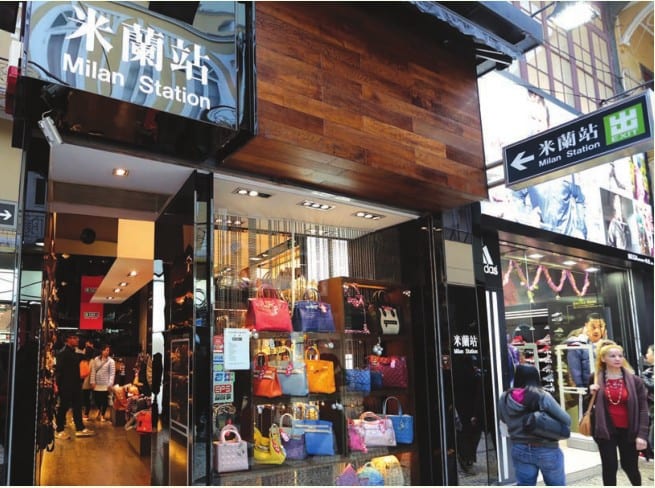
    Hong Kong listed handbag retailer Milan Station Holdings has acquired online retailer Chaodai.

    Milan Station’s parent companies Standpoint and J&C will form a new entity to acquire Chaodai which will then trade under the Milan Station branding. As with their ownership of Milan Station, the two companies will hold 90 per cent equity and 10 per cent respectively.

    “The parties… intend that through the acquisition and the proposed increase in capital, Chaodai will become well positioned in terms of financial and human resources and wider business networks to explore the cross-border online business under the brand name and the trademark of “Milan Station” for better return on their investments,” the company said in a regulatory filing to the Hong Kong Stock Exchange.

    Milan Station had already revealed plans to expand its retail points in the Hong Kong’s ‘clubhouses’ due to booming sales.

    It plans to expand its store network in Macau from six to 10 to further increase sales.

  • Michael Kors to join wearable tech movement

    Michael Kors to join wearable tech movement

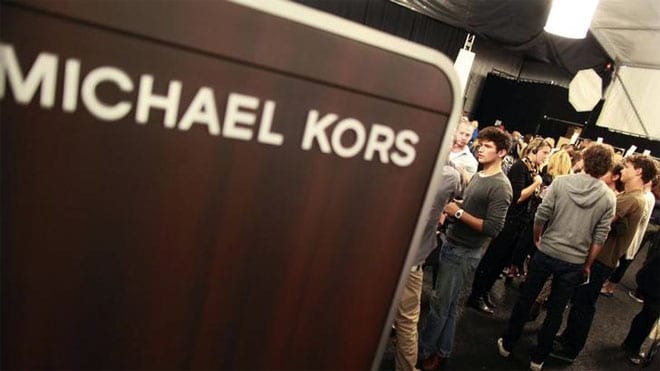
    Fashion-savvy fans of wearable tech will need to keep their eyes peeled over the next few months.

    On Michael Kors’ fiscal third-quarter earnings call on Thursday, CEO John Idol told analysts and investors that the affordable luxury brand “will be in wearables,” and expects to deliver announcements on that front in coming months.

    “That is coming from Michael Kors,” Idol said, adding that the brand is not interested in being first to the market. Instead, he wants to take the time to develop a product that’s viable for shoppers’ everyday lives.

  • Zara Australia to maintain prices as Australian dollar falls

    Zara Australia to maintain prices as Australian dollar falls

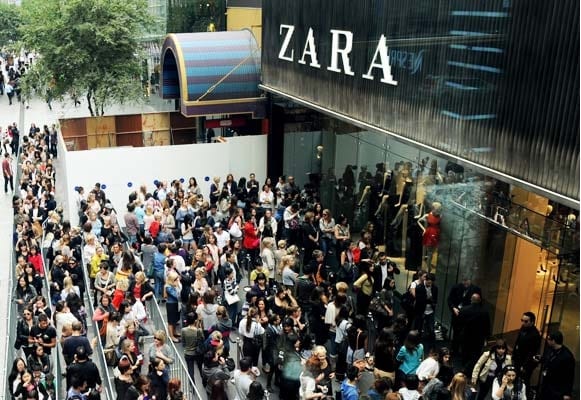
    Zara Australia has turned up the heat on domestic retailers by vowing to maintain prices despite a 17 percent fall in the dollar in the past five months.

    Zara’s plan to keep Australian prices on hold will limit the ability of domestic suppliers and retailers to raise prices across the board to recoup the cost of importing stock from countries such as China, India, Vietnam and Bangladesh.

    As reported in The Australian Financial Review last week, suppliers have warned retailers that prices for fashion clothing, underwear and basic apparel will rise significantly in the second half of calendar 2015 as currency hedges roll off and new ­season stock comes into stores.

  • Selfridges to launch gender-neutral shopping experience

    Selfridges to launch gender-neutral shopping experience

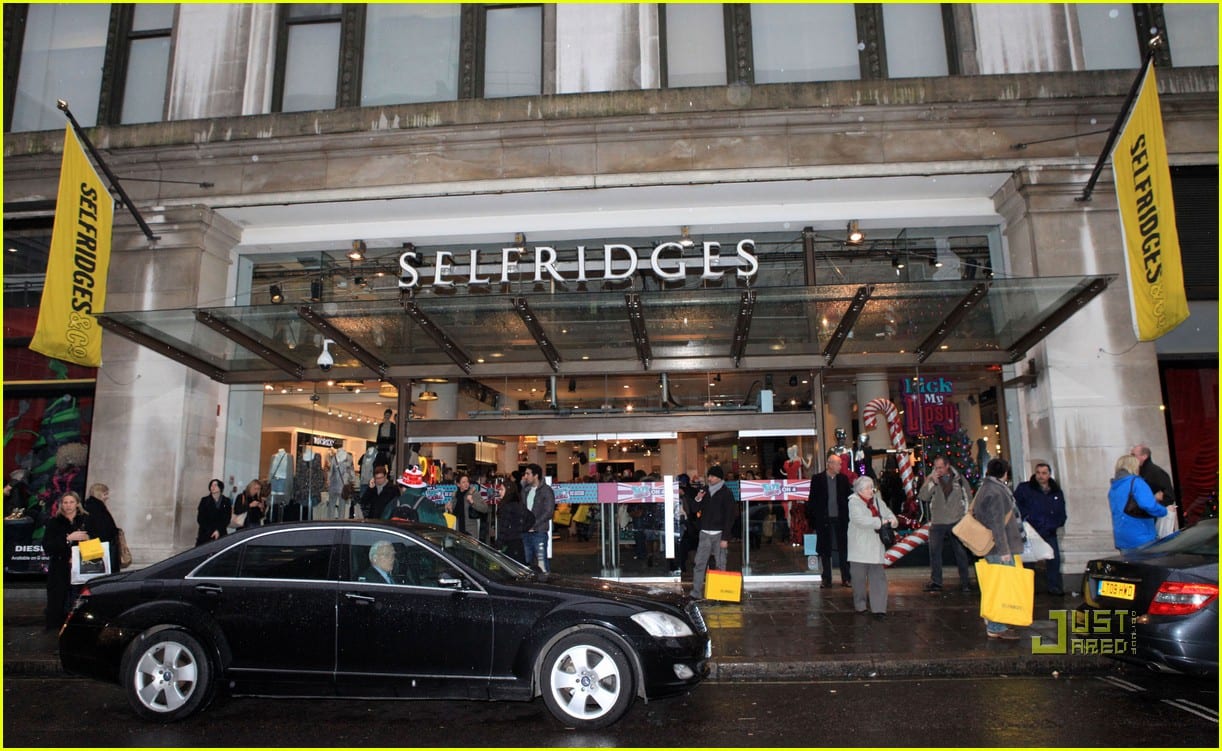
    The line between menswear and womenswear has become increasingly blurred: girls are stealing from the boys, men’s designers are showing cinched waists, and unisex lines are on the rise. So what better time than now to create a gender-neutral shopping experience?

  • Kate Spade targets 100 stores in Greater China

    Kate Spade targets 100 stores in Greater China

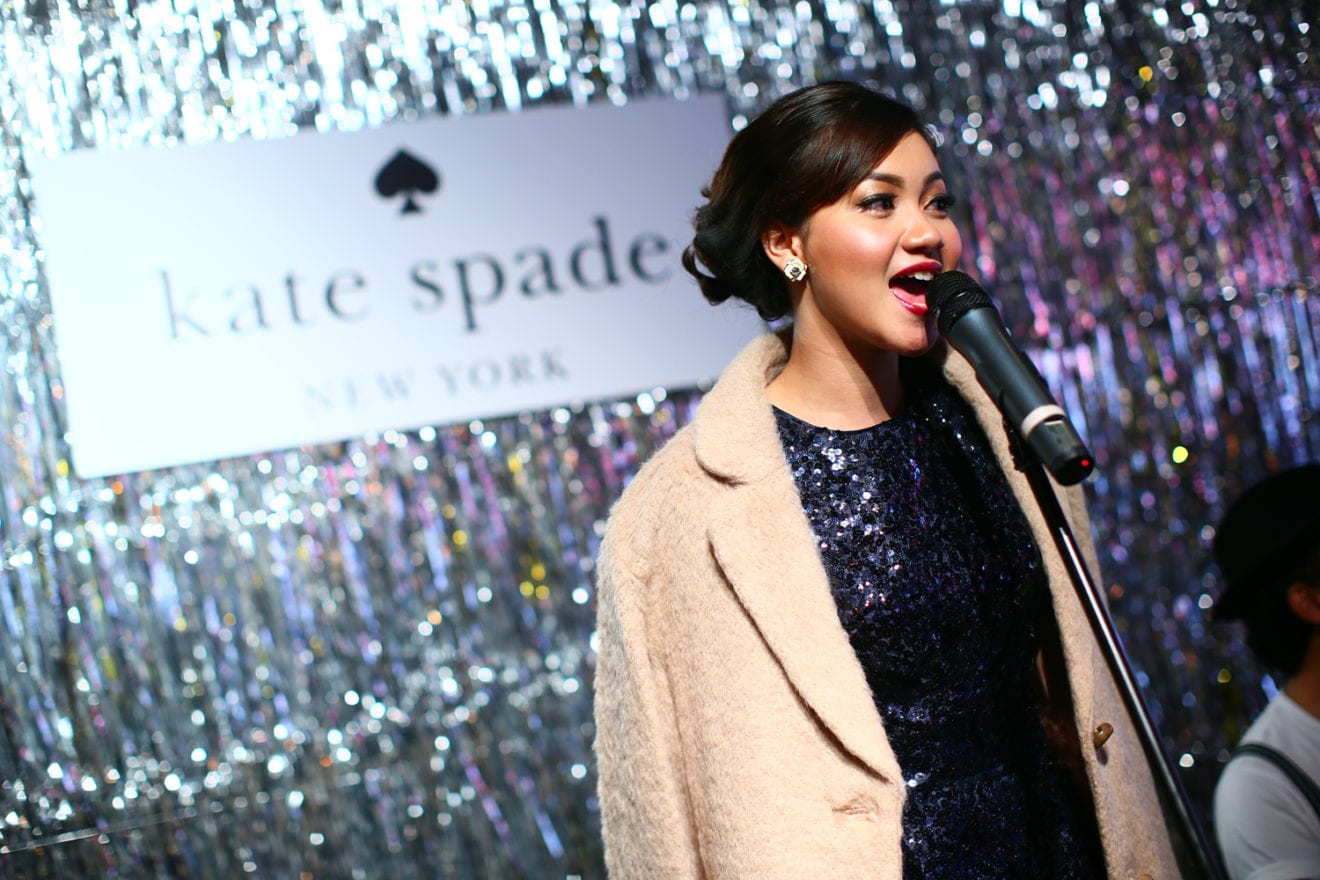
    Kate Spade is to buy out its Chinese joint venture partner in favour of a new partnership with Lane Crawford Group.

    Walton Brown, the brand wholesaling and retailing subsidiary of Hong Kong-based department store operator Lane Crawford, will team with Kate Spade in a major expansion of the New York brand into mainland China, Hong Kong, Macau and Taiwan in a new joint venture announced overnight, targeting 100 stores long term.
    The newly formed partnership will leverage the expertise of Walton Brown, and the global demand for Kate Spade & Company products, to establish a strategic network of stores in key cities, enhanced by a robust organisational and marketing platform across China, Hong Kong, Macau and Taiwan.

    Kate Spade’s current Chinese JV partner is E-Land Fashion China Holdings which owns 60 per cent of KS China Co Ltd. Next month, Kate Spade will pay US$36 million to buy out E-Land’s 60 per cent share in KSC.

    The new partnership will align Kate Spade & Company’s existing businesses in China and Hong Kong, Macau and Taiwan under one combined structure, owned 50-50 by the two parties. Kate Spade & Company and Walton Brown will actively manage the business together. The partnership will have an initial term of 10 years.
    Kate Spade CEO Craig A Leavitt said the new partnership is a pivotal next step as Kate Spade continues to advance a key axis of its growth strategy – geographic expansion.

    “Walton Brown is the right strategic partner as we position Kate Spade & Company for sustainable growth, allowing us to take a holistic approach to expansion, influence consumers and leverage resources across the Greater China region. Walton Brown’s relationships, operations and marketing expertise will help us create a cohesive foundation of stores surrounded by a vibrant ecosystem to help deepen our connection with consumers in Asia.”
    Walton Brown president Thomson Cheng said Kate Spade already has strong appeal in the market, with strong growth potential.

    “Together, we will build upon this momentum to establish a broader foundation and fuel Kate Spade & Company’s scale in the region. Drawing upon our best-in-class expertise and network, we look forward to partnering with Kate Spade & Company to enhance its global presence during this exciting time in the company’s transformation.”
    Kate Spade’s distribution agreements with Valiram in Singapore, Malaysia, Indonesia and Australia and with AT Luxury in Thailand are not affected by these transactions.

  • Now consumers can ‘print’ clothes at home…

    Now consumers can ‘print’ clothes at home…

    A European entrepreneur has created a portable device that allows consumers to automatically create custom clothes from a digital file. Even at home.

    Springwise.com reports that the ‘makers movement’ has come to prominence in the past few years as new technologies such as 3D printing and DIY computers have given consumers better tools to create and produce their own designs and gadgets. Even the fashion industry has received a boost from such innovation, and we’ve already seen sneakers made with a 3D printer.

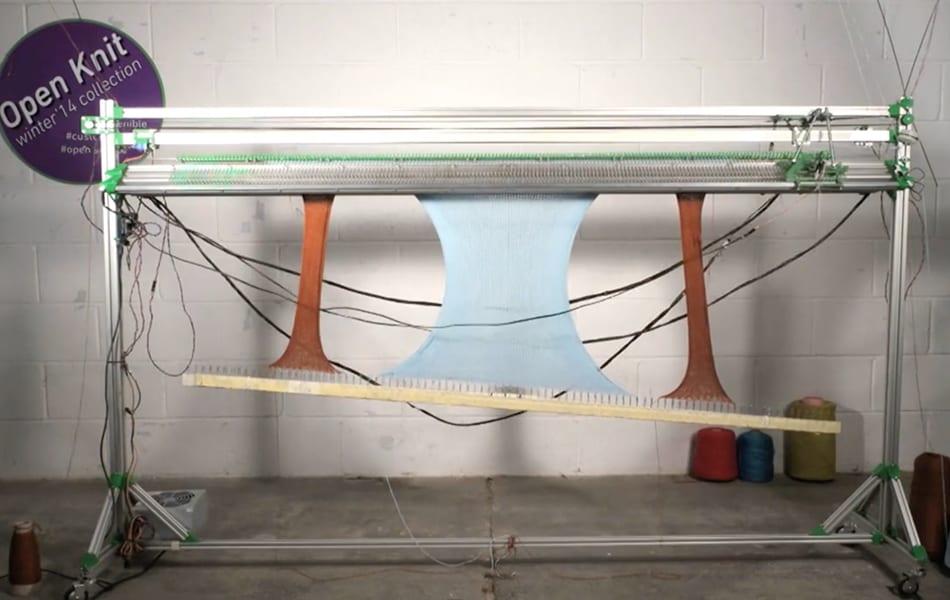
    Now the OpenKnit project has created a device that’s able to automatically create custom clothes from a digital file.

    The machine looks much like a traditional loom, except that it’s hooked up to a robot and computer. Users can either download or create their own design files for printing a garment. After uploading the file to the machine and loading the thread, a carriage moves from side to side to weave the item together using similar technology to a sewing machine.

    A sensor on the top keeps track of the needles and the position of the carriage to ensure the threads don’t get tangled. Using the system, a sweatshirt can be produced on the fly in roughly one hour. The OpenKnit machine is an open source design, and it costs under EUR 550 to build.

    “Since personalization is a key facet of fashion design, it’s easy to see how the possibility of consumers printing their own styles is an enticing one,” explains Springwise.com.