Category: Fashion

Retail News Asia is committed to providing both local and global retailers with the latest Fashion news throughout the Asian market. This on a daily base.

  • FashionValet seals cash injection

    FashionValet seals cash injection

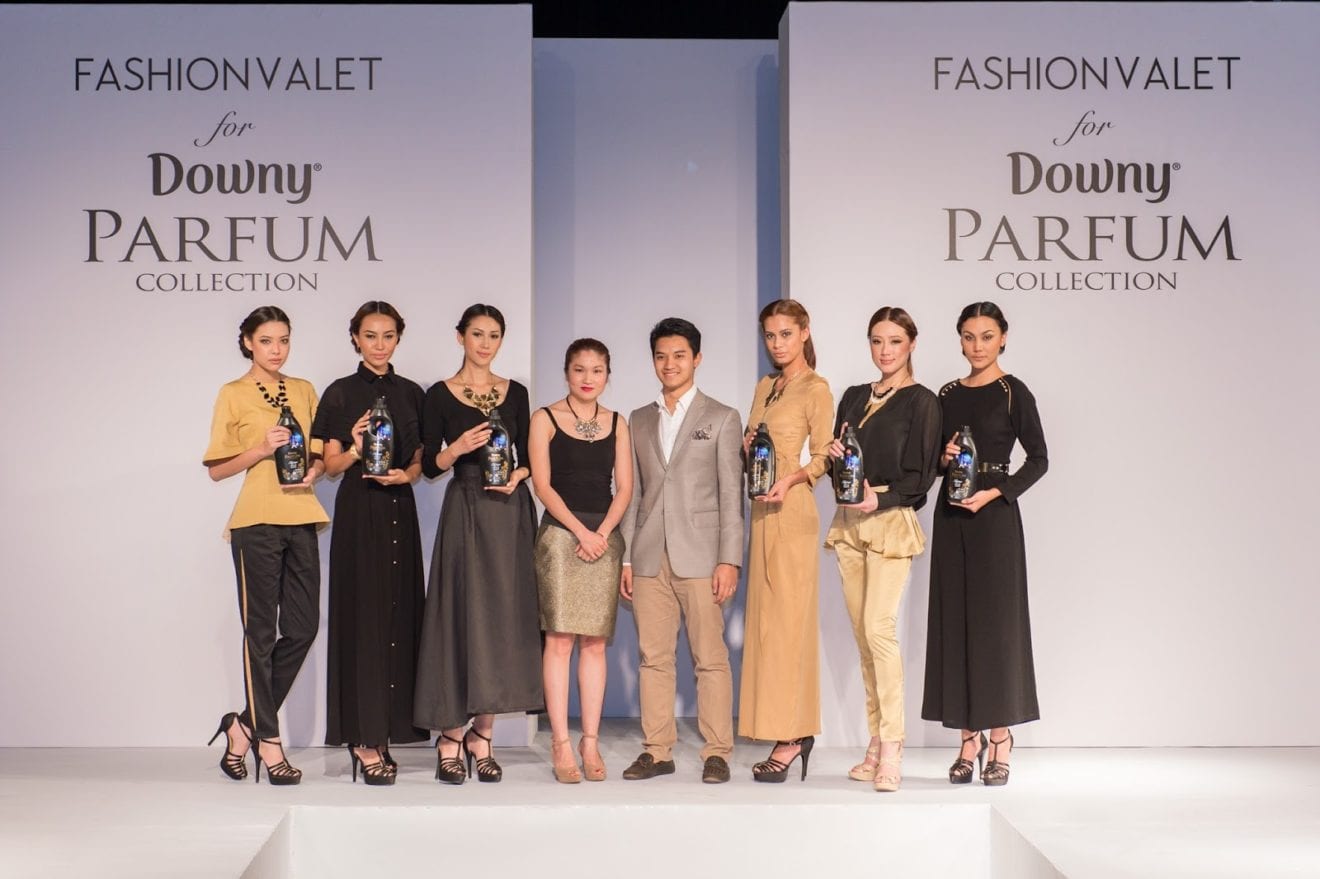
    A Malaysia online fashion destination started by a local married couple has attracted serious capital investment led by US private equity investor Elixir Capital.

    While the exact amount of the investment has not been disclosed by either party, the multimillion dollar injection will allow FashionValet to accelerate the expansion of its online reach through mobile e-commerce, big data strategies and original customer-centric content and to scale its operations into other Asian cities.

    Elixir Capital is a global private equity firm based in Silicon Valley, California.

    “The investment from Elixir Capital marks a significant step for FashionValet as we continue to really develop the brand beyond Malaysia and pave the way for retail e-commerce locally,” said the FashionValet’s co-Founder and CEO, Fadzarudin Anuar.

    “We’ve seen substantial e-commerce growth already, yet there’s room for much more in Malaysia, where there’s less than one percent penetration of sales online, as compared to 10 per cent in China, US and Western Europe, and we want to continue to foster this trend as one of the pioneering brands in the industry.”

    FashionValet tripled its revenue in 2014 on the way to becoming a leader in Malaysia’s online fashion sector. The company has managed to do this while keeping operations lean and reactive to community demand.

    “We were approached to be funded by several other companies, but Elixir Capital shared the same vision we had to grow FashionValet into a multi-million dollar company that champions local designers in Asia – which is what really convinced us to work with them,” added Vivy Yusof, co-Founder and chief creative officer of FashionValet.

    “FashionValet now forms the Southeast Asian centerpiece for Elixir’s multi-market investment platform in digital commerce, with accelerated enterprise growth and regional expansion serving as our investment thesis,” said Arshad Ahmed, MD of Elixir Capital.

    “FashionValet has the makings potentially of a homegrown Malaysian IPO in retail e-commerce.”

    FashionValet’s founders say they want to use the capital to better serve their customers and suppliers alike, and to improve the customer experience and product offering.

    FashionValet offers a wide selection of ready-to-wear garments, including Muslimah attire, with customers throughout Malaysia, Brunei, and Singapore. It stocks homegrown brands and designer products, serving as an outlet for up-and-coming designers across Asia.

  • Burberry Japan opens Osaka flagship

    Burberry Japan opens Osaka flagship

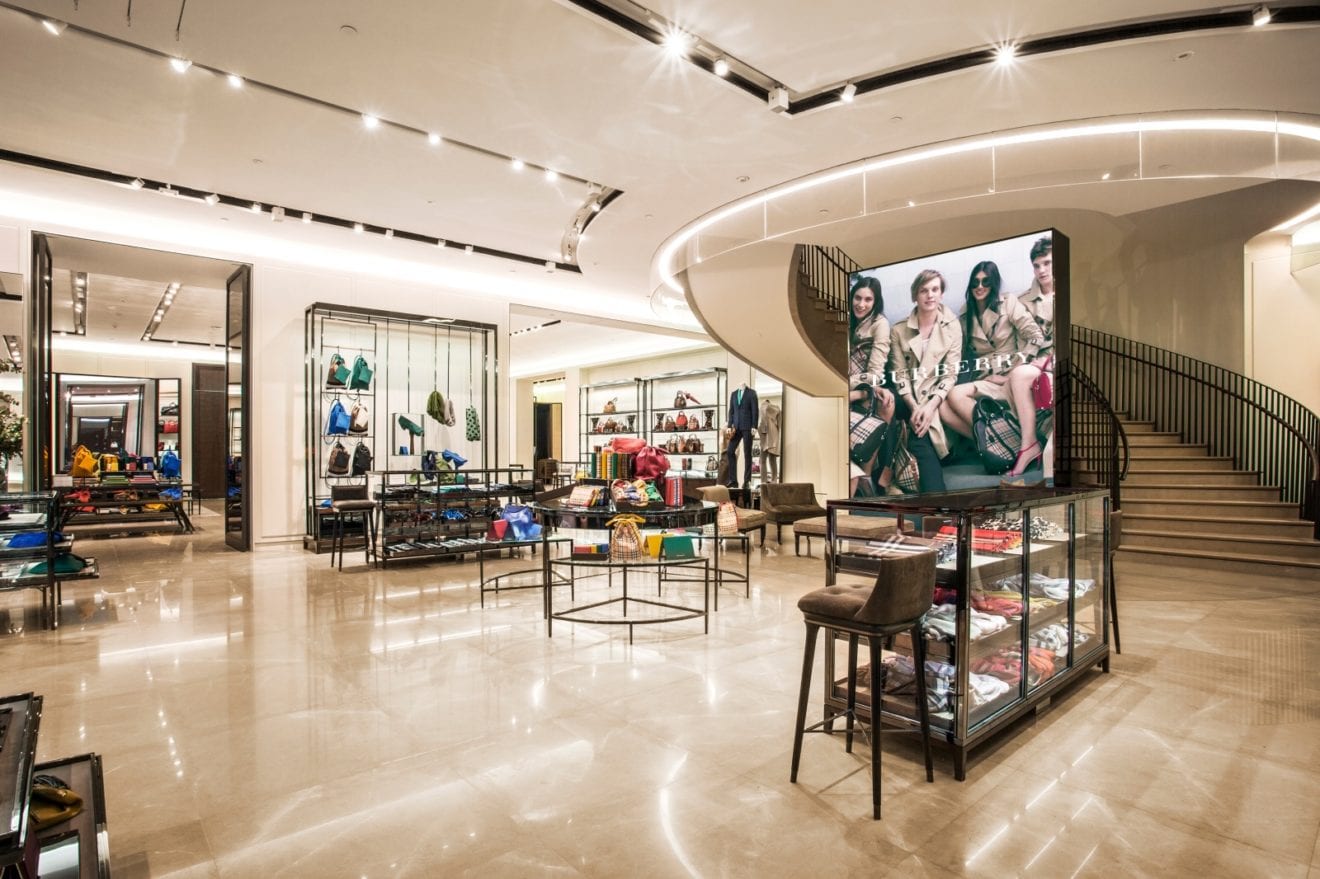
    Burberry has opened its first freestanding store in Shinsaibashi, Osaka.

    Set over two floors, the new flagship store houses the largest Burberry product assortment in Osaka, including the brand’s collection of Made in England trench coats.

    In-store digital screens showcase Burberry content and broadcast live events directly from the brand’s global headquarters in London, enabled by the Burberry retail theatre concept.

    The store showcases the Burberry Prorsum, Burberry London, Burberry Brit, Heritage, Accessories and Burberry Osaka Exclusive Collections and stocks womenswear, menswear, accessories, eyewear and watches.

    Burberry Japan Osaka 315

    To celebrate the opening, an exclusive range of men’s and women’s accessories was designed just for the Burberry Osaka store. This collection includes limited edition versions of key Burberry bag styles – The Mini Bee bag and The Petal bag for women.

    Burberry has a long-term commitment to Japan where it currently has four mainline stores and 13 concessions in locations including Omotesando, Kobe, Ginza Marronnier Dori and Roppongi.

    Burberry says it is beginning “a new chapter in Japan” in 2015. From June, the brand’s licensed products will be replaced with the Burberry global product offering including its British made heritage trench coats manufactured at its facilities in Yorkshire in the North of England and its scarves made in Scotland.

  • The Giordano restoration plan

    The Giordano restoration plan

    Troubled fashion group Giordano knows it faces a challenge restoring its mojo.

    Last week Giordano reported falling sales in every single market globally – in the worst case, Australia, by 20 per cent year on year. Profit slumped 35 per cent.

    But the Hong Kong-based fast fashion business also outlined to frustrated shareholders how it plans to restore growth and respectability to its trading results.

    In a lengthy report, Giordano said it expected to see continuing volatility in demand across the group in the year ahead.

    “We can see early signs of recovery in Mainland China with positive same store sales since the second quarter, albeit at a very low level. Taiwan is now showing modest sales growth as its marketing programs and local merchandising are starting to resonate with customers.

    “The Southeast Asian business was slightly stronger in the fourth quarter of the year as Singapore started to get its merchandising mix right and Indonesia and Thailand sales strengthened modestly.”

    Against this background the ability of the group to execute strategy is improving.

    “We now have established a truly regional focus in mainland China, although teams still need to be improved and we have different levels of performance in different profit centres. We have also successfully launched a fast track management training scheme with over 20 young graduates from Hong Kong and Mainland China which will enable us to expand our operations in the medium to long term.”

    Last year, Giordano developed improved disciplines over inventory planning, exercising tight control over buying budgets and inventory levels. “We will continue to enhance these processes and fine-tune them to further reduce inventory and to drive more accurate product selection and allocation going forward.”

    A standout non-performer in the group in 2014 was the Giordano Women brand, which the retailer said declined sharply in profitability terms due to “poor design decisions taken in the past”.

    Giordano Women contributed 24 per cent of sales in Giordano shops and the sales declined by 11 per cent – a more significant decline than for Giordano Men.

    “The strategy to increase the variety of styles and collections was not successful, and the de-emphasising of core products has proved to be an error.”

    The women’s product range is now being re-shaped to focus on core design values such as simplicity and function. As a result, sales volumes began to recover in the second half, and in the fourth quarter were only slightly down year on year. Giordano said this reflects heavy stock clearance and improved product, although the product development process is still being improved.

    New GW standalone counters are being developed. Fifty-eight standalone counters in China and Thailand produced HK$4 million in direct profit in 2014.

    The GW offer will now be “re-based” to a “modern basics” core, returning to “simple, functional products made from good quality fabric”.

    “This new initiative is being executed by a dedicated team which focuses only on womenswear. We expect this will enhance the competitiveness of our women’s product range rapidly.

    Mainland China

    Giordano says growth in consumer demand in mainland China remains weak.

    “On the other hand, supply of retail capacity, both online and offline, has not abated. New players, particularly international brands, continue to enter the market. This will further exert downward pressure on volume and margin for apparel retailers.”

    The company says it is making progress with its self-managed stores in improving store ambience, closing loss-making stores and getting the merchandising right.

    “Progress in developing our franchise network has been slowed by a pessimistic economic outlook for mainland China. With the closure of 338 stores in the last three years, we will focus on stabilising our franchisee network and returning to modest growth. We will use volume rebates and renovation and marketing subsidies to execute this strategy. At the same time we will increase our participation in franchisees’ merchandising and buying.”

    The store closures will continue in 2015. Last year it cut the number of stores in locations it considered damaging the brand from 358 to 162. This year more will close as it exits supermarkets and some street located stores.

    During 2014 Giordano launched a new basic casual brand Beau Monde at “friendlier prices” in Guangdong and Shanghai and Taiwan, establishing 13 shops in supermarkets and other locations where the main brand was considered inappropriate.

    “As with all newly launched brands, constant and fast modifications have been made to improve the look and feel of the store. In order to secure economies of scale, we will harmonise the supply chain between the two brands, focusing on synergy in common ‘basics’ production and fabric use. During 2015, we will develop this approach further and establish a significant number of new stores in Mainland China.”

    Hong Kong and Taiwan

    The Hong Kong market is becoming increasingly competitive for Giordano as the nature of tourism from Mainland China changes.

    “We have responded to high rents for prime sites by focusing our business development more on residential areas. This will continue until we see rent pressure reducing, which we foresee in 2015 and 2016. Growth into high rent prime locations will therefore be very cautious as we protect profitability.

    “In terms of merchandising, Hong Kong will follow the group direction and manage the mix more towards price competitive basic products than it did in 2014. The general strategy of differentiating our products and brand image from completion will persist but this will be balanced by strengthening our core brand values of simplicity, quality and value for money.

    “In a culturally unique market such as Taiwan, we will develop the brand through marketing programs and local merchandising. Taiwan is also a mature market and we think we have our approach generally right. Nonetheless, we will refresh our store image; and ambience and look for innovative ways to enhance the customer experience.”

    South East Asia

    The Singapore business faced a number of challenges in 2014, both from tough market conditions and poor decisions in merchandising.

    “We have started to correct this and we will see performance improve. Having said that, Singapore remains a difficult market which is currently seeing changes in tourism numbers and demographic.”

    In other key markets such as Malaysia, Indonesia and Thailand, Giordano says it will continue to expand into regional locations to realise ‘first mover advantage’.

    “During 2014, management teams faced new problems they have not encountered before – loss making stores and deteriorating same store sales. They responded well and in 2015 we expect to see these efforts pay off. Nonetheless, we see market conditions as challenging in these markets currently as macroeconomic factors soften consumer sentiment.”

    The development of the Vietnam business in 2014 was positive with store numbers increasing from 15 to 21 and a new store opening in Cambodia. Myanmar is also an emerging market Giordano plans to make the most of and it will work with franchisees there to identify potential and opportunities.

    “During 2015, we will establish a legal entity in Vietnam and we expect to see further growth in this market and Indo China in general as these markets develop.”

    Middle East

    The UAE was a challenging market for Giordano in 2014, with sales declining for the second year in a row. Consumer sentiment is good but significant increases in retail space have made this market highly competitive. Nonetheless margins have held up and inventory has been reduced.

    “Saudi Arabia remains an exciting medium to long term prospect for the group. The population is young and the opportunities to grow tourist business from international pilgrims will be strong. The current market is soft reflecting geo-political instability and the impact of infrastructure improvements that are taking place. We will focus on operational excellence, closing loss makers and establishing the stores that we have recently opened.”

    Giordano will also open its first stores in Africa this year,as reported by InsideRetail.Asia already, initially in Zambia. “These efforts do not generate strong revenue, but form the first steps in a strategy that will deliver sustainable growth in emerging markets.”

    Digital Strategy

    Giordano promises to embrace change which is increasingly seeing online and offline retail strategies converge.

    “Technology is transforming the way customers behave. The old way of having different channels that exist in silos with separate accountability, will become increasingly less relevant.”

    During 2014, the group introduced 318 in-store terminals to enable customers to buy online inside its stores. This “omni-channeling” practice will continue in 2015.

    “Until now our focus has been to develop online sales in mainland China. In 2015 we will look to establish stronger e-shops in the rest of the group. Additionally we will look at how new technology can capture information on customer preferences and buying habits and we will establish pilot projects to enhance customer service using such technology.”
  • Urban Outfitters sales up – at last

    Urban Outfitters sales up – at last

    Anthropologie parent Urban Outfitters sales have finally turned around after a series of declining quarters.

    In the three months to January, same store sales rose six per cent – the first quarterly increase of 2014. It was a significant turnaround from a 10 per cent slump in the third quarter.

    Overall revenue increased by 11.6 per cent, to US$1.01 billion.

    Urban Outfitters operates retail chains under the brands Anthropologie, Free People and its own name. The company says demand rose most strongly in Urban Outfitters and Free People stores.

    CEO Richard Haye said the company was pleased to report what was its first billion dollar quarter, fuelled by positive retail segment ‘comps’ across all its brands.

    “It is encouraging to see this sales trend continue into Q1.”

  • Isabel Marant to launch in China

    Isabel Marant to launch in China

    Paris-based fashion brand Isabel Marant will expand across Greater China after entering into a partnership with Lane Crawford subsidiary ImagineX Group.

    The two companies have entered into an exclusive strategic partnership to develop the Isabel Marant brand as well as its second line, Isabel Marant Étoile, to open a 12 points of sale within five years.

    The first free-standing Isabel Marant boutique will be launched in Hong Kong at On Lan St in July 2015. Rollout plans include high profile stores in Hong Kong, Beijing, Shanghai, and Macau.

    Isabel Marant started designing jewellery and knitwear in 1990 and established her collection of ready-to-wear four years later. She opened her first store in Paris in 1998 and today her designs are located in 18 Isabel Marant boutiques and more than 800 luxury multi-brand retailers worldwide.

    Isabel Marant CEO Sophie Duruflé said Isabel has always remained true to her design DNA with each of her collections and has never compromised on her vision.

    “Our partnership with ImagineX is in line with this spirit and we have great confidence in their management of the brand, the collections and our growth in Greater China.”

    Since 1992 ImagineX has built a portfolio of 21 international luxury and contemporary fashion, beauty and lifestyle businesses in the region, including Salvatore Ferragamo, Marc Jacobs, Donna Karan, Paul & Shark, Paul Smith, DKNY, Tumi and Scotch & Soda.

    Executive director Alice Wong described the addition of Isabel Marant to its brand portfolio as “a coup”.

    “It is also strategic for our continued appeal to both luxury and contemporary consumers. Her eponymous brand, Isabel Marant caters for our luxury clientele and for those consumers seeking value, her diffusion line, Isabel Marant Étoile is ideal.

    “This fresh and effortless urban style is very appealing for the Chinese consumer who is looking for an inspirational look worn by many style icons such as Kate Moss or Gisele Bündchen. We just see the brand having enormous potential in this market due to its heritage of carefully constructed design and eclectic essence of Isabel herself,” she added.

  • Prada South Korea opens men only store

    Prada South Korea opens men only store

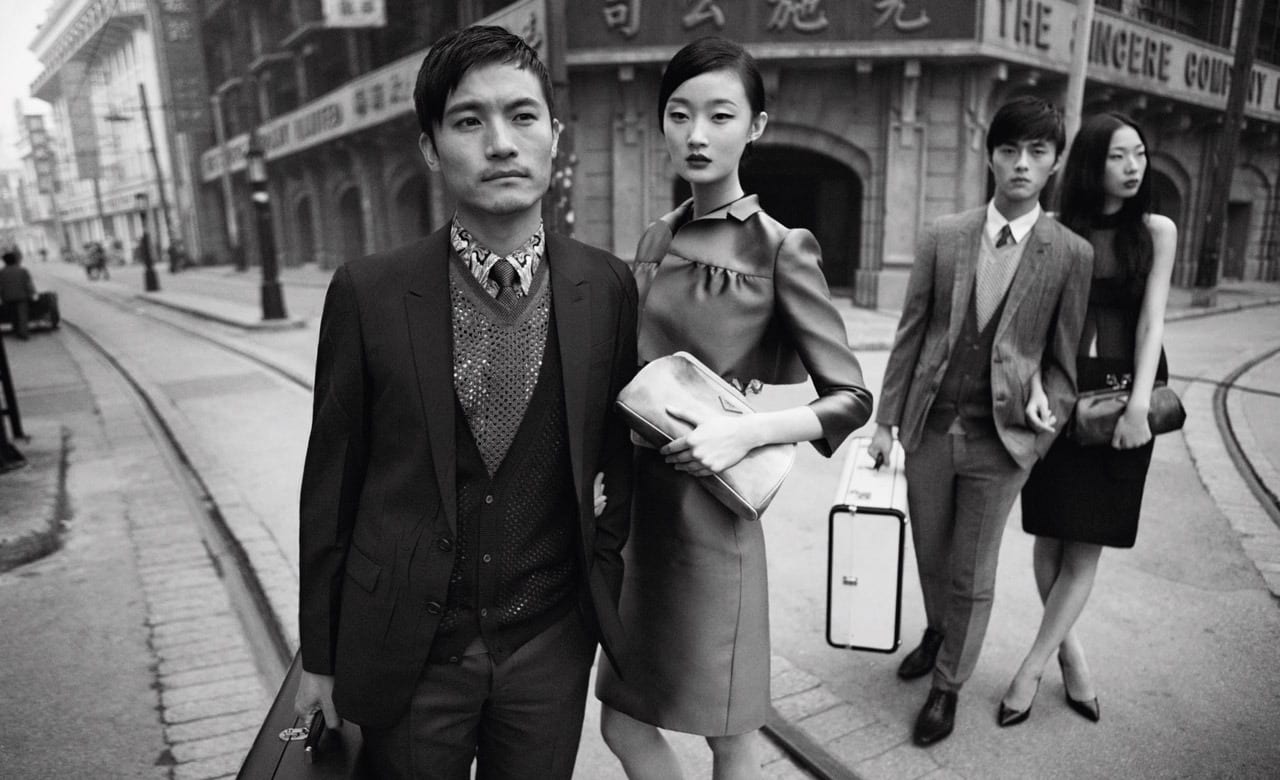
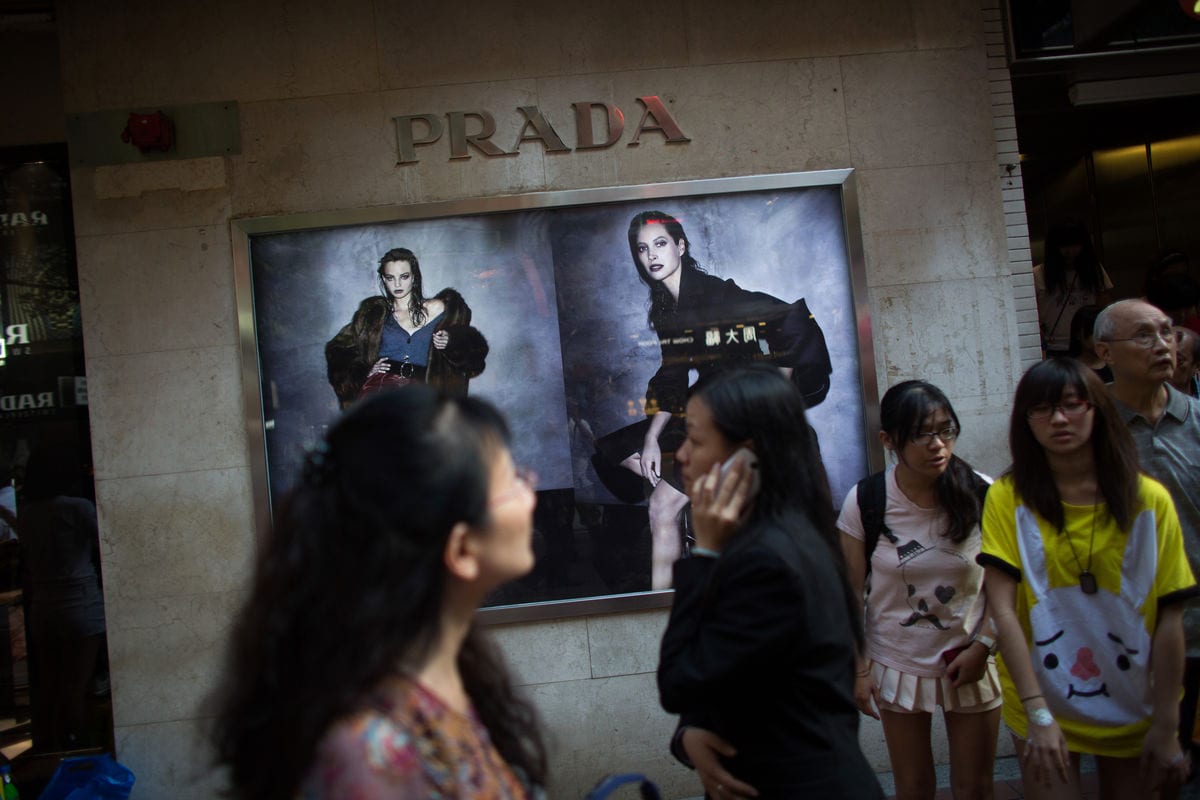
    Prada has opened its first store in South Korea selling only menswear.

    The new shop is hosted inside the Shinsegae luxury department store in Seoul, but features its own distinctive entrances.

    The new space, designed by architect Roberto Baciocchi, covers about 165 sqm and houses the men’s ready-to-wear, leather goods, accessories and footwear collections.

    The internal façade, clad in Saint Laurent marble, is characterised by two large corner entrances. Slim strips of steel frame the window and the light box.

    The entrances lead to an area where the leather goods and accessories collections are displayed.

    The next area features masculine materials and finishes and hosts the ready-to-wear and footwear collections. The space is defined by ebony floorboards and walls, dark brown carpeting and cotto-coloured leather sofas.

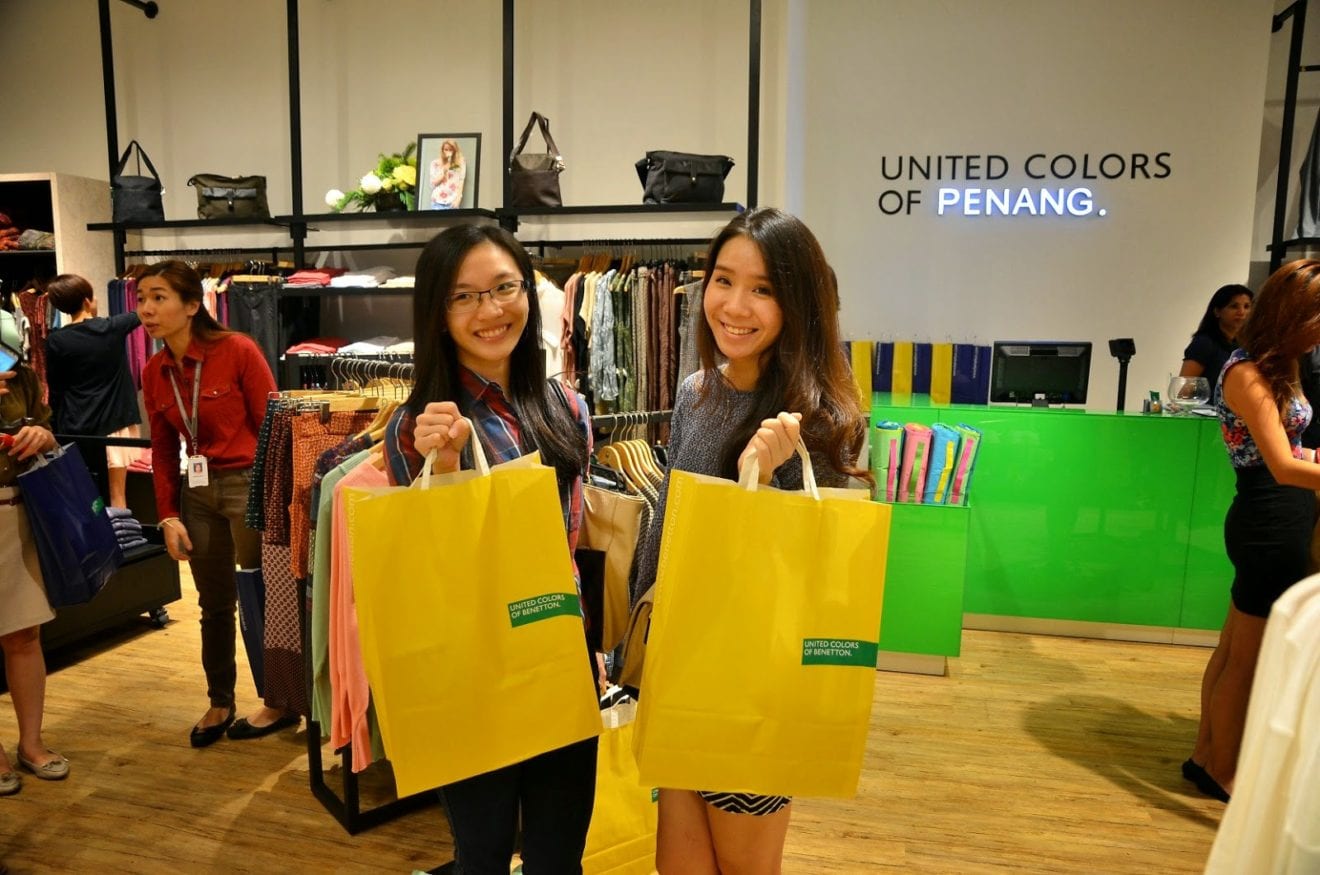
  • Benetton takes heat over Rana Plaza fund

    Benetton takes heat over Rana Plaza fund

    The Clean Clothes Campaign says it has confirmed authorization of another round of compensation payments to victims of the Rana Plaza clothing factory collapse.

    Rana Plaza, in the Bangladesh town of Savar, was the scene of the 2013 disaster where 1129 workers were crushed to death in the collapse of sweatshops producing clothing for western fashion brands.

    The Rana Plaza Coordination Committee has this month approved compensation payments to 5000 claimants, who are dependents of the deceased and injured workers. This round of payment is sufficient to pay an additional 30 per cent of each award, making the total amount received by each eligible beneficiary only 70 per cent of the amount they are entitled to.

    The Clean Clothes Campaign has singled out Italian fashion house Benetton for failing to make a promised payment, inferring the company is largely responsible for the short payment.

    “Other companies such as Children’s Place, Inditex (Zara), Mango, Matalan, and Walmart have failed to contribute a significant and proportional amount.

    “With this payment the majority of the funds received into the fund will be distributed and the payment of the final 30 per cent of each compensation claim will only take place once more donations are made to the Rana Plaza Donors Trust Fund, which remains at a US $9 million shortfall,” the campaign said in a statement.

    In the past year, the fund, set up by the International Labour Organisation in January 2014, has received around US $21 million in donations from global brands, the Bangladeshi Prime Minister’s Fund, trade unions and civil society.

    Benetton released a statement at the end of February confirming its intention to donate to the fund, but since then Benetton has remained silent on the matter.

    “Benetton claims it is delaying to allow time for a consultant to advise it on a fair amount of payment, but refuses to disclose any information about who will carry out this work, the methodology with which they will determine the amount, or a date for when a donation will be announced,” said the campaign.

    “The Clean Clothes Campaign urges Benetton to make an immediate payment of at least $5 million to the Rana Plaza Donors Trust Fund – an amount believed to be proportional according to Benetton’s ability to pay, the size of its relationship with Bangladesh and its relationship with Rana Plaza.”

    The campaign says compensation payment amounts are calculated “in line with international standards”. Despite this, brands continue to be reluctant to make “meaningful payments” to ensure that the victims of the Rana Plaza collapse receive full and fair compensation.

    “Now that the next round of payments have been authorised, the fund urgently needs more donations. There will be no more money in the fund, which means that families will then be placed in a precarious situation of not knowing if they will ever receive the full compensation that they are entitled to”, said Sam Maher of the Clean Clothes Campaign.

    “Every single brand has the responsibility to ensure that the victims receive full and fair compensation. Until this is accomplished, brands should recognise that their responsibility to the victims has not been fulfilled.

    “The $9 million shortfall is totally unacceptable, and we need to see all stakeholders involved, particularly Benetton and other brands, step up and fulfill their responsibility”, said Maher.

    “In the immediate aftermath of the disaster, when the industry made all sorts of commitments to the victims of Rana Plaza, we never imagined that full and fair compensation would still be an issue almost two years later.  Any of the companies – Benetton, Walmart, Inditex, Mango – have the ability to fill the gap.  All earn hundreds of millions of dollars in profit each year; money earned on the backs of the workers like those who died in the Rana Plaza collapse.

    “Its time for these brands to stop playing politics with people’s lives, and fill the gap immediately.”

  • Prada Hong Kong opens 9th store

    Prada Hong Kong opens 9th store

    Prada Hong Kong has opened its ninth store – inside the prestigious Plaza 2000 in Causeway Bay.

    The space, designed by architect Roberto Baciocchi, covers a total area of 1320 sqm and features women’s and men’s ready-to-wear, leather goods, accessories and footwear collections three floors.

    Prada Plaza 2000 Hong Kong 315

    A stunning external facade pays tribute to French-Venezuelan artist Carlo Cruz-Diez. The large entrance, light boxes and windows are inserted into the lower part of the facade, which is clad in black marble and crowned by an imposing bronze and steel-coloured aluminium structure backlit to create a unique kinetic effect both day and night.

    Prada Plaza 2000 Hong Kong 1 315

    Overall, the facade stands 15 metres tall and stretches 45 metres in length on both sides of the building, located on the corner of Russel St and Canal Rd East.

    The entrance on the ground floor opens up on an area dedicated to the women’s leather goods, accessories and travel collections. The space is characterised by the signature black- and-white marble chequered flooring and green fabric-clad walls with alcoves heroing the product. Ultra-slim polished steel cases and display counters with drawers covered in coloured saffiano leather complete the furnishing.

    Prada Plaza 2000 Hong Kong 315 2

    An imposing black elevator leads to the upper floors.

    The second floor houses the women’s ready-to-wear and footwear collections. The area is defined by beige carpeting and green fabric-clad walls with polished steel-framed display niches. Transparent perspex display cases, crystal and steel tables and green velvet sofas enrich the space.

    Prada Plaza 2000 Hong Kong 2 315

    An elliptical black Marquinia marble staircase leads to the upper floor, where the men’s ready-to-wear, leather goods, accessories and footwear collections are displayed. The space wields masculine materials and finishes: ebony floorboards and walls, and palladium display counters. Ostrich leather sofas and lush pony skin carpeting in the area dedicated to footwear complete the setting and lend an elegant atmosphere to the entire floor.

  • Gap surpasses Street 4Q forecasts on rising Old Navy sales

    Gap surpasses Street 4Q forecasts on rising Old Navy sales

    Gap Inc. reported stronger-than-expected fourth-quarter results on Thursday as sales continued to improve for Old Navy, its largest brand.

    Gap reported net income of USD319 million, or 75 cents per share, on USD4.71 billion in revenue. A year earlier the retailer earned USD307 million, or 68 cents per share, on USD4.58 billion in revenue.

    The company said sales at Old Navy stores open at least a year grew 5 percent for the year, including growth of 11 percent in the fourth quarter. Sales at locations open at least a year are considered important measurements of retailer health because they strip out results from stores that recently opened or closed.

  • Furla reports 13pc sales increase for 2014

    Furla reports 13pc sales increase for 2014

    Furla reports 13pc sales increase for 2014

    https://www.cpp-luxury.com/furla-reports-13-percent-sales-increase-for-2014/

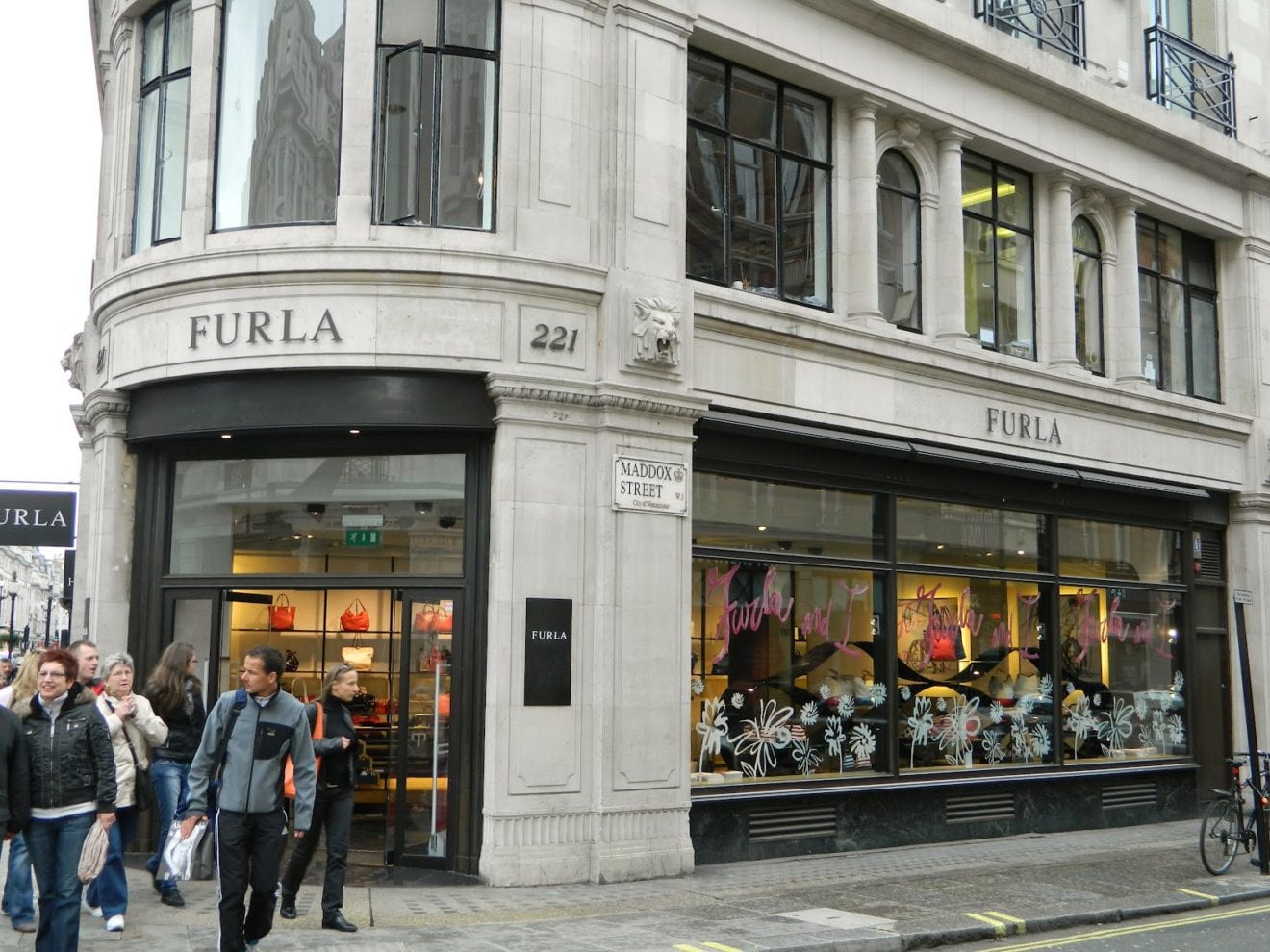
    Leather-wear maker Furla reports rising sales in 2014 of EUR258 million (USD288.2 million), a +13 percent increase on 2013. “This growth is the result of hard work, both in terms of product distribution. We are growing in all segments and in all regions in which we operate.

  • Forever 21 partners with NBA on new exclusive collection

    Forever 21 partners with NBA on new exclusive collection

    Forever 21 has partnered with the National Basketball Association (NBA) for a second time on a new exclusive collection of women’s apparel featuring essential pieces such as fitted tank dresses, shorts, and relaxed tank tops.

    The dresses with the logos of NBA teams including the Boston Celtics, Brooklyn Nets, Chicago Bulls, Los Angeles Clippers, Los Angeles Lakers, Miami Heat and New York Knicks.

    The Forever X NBA Collection is available now in select US stores and on Forever21.com.

    Founded in 1984 in Los Angeles, Forever 21 today has over 600 stores worldwide, including the United States, Canada, China, Europe, Hong Kong, India, Israel, Japan, Korea, Latin America, Mexico, Philippines and United Kingdom.

  • Under Armour turns ambitions to electronic apparel, monitoring apps

    Under Armour turns ambitions to electronic apparel, monitoring apps

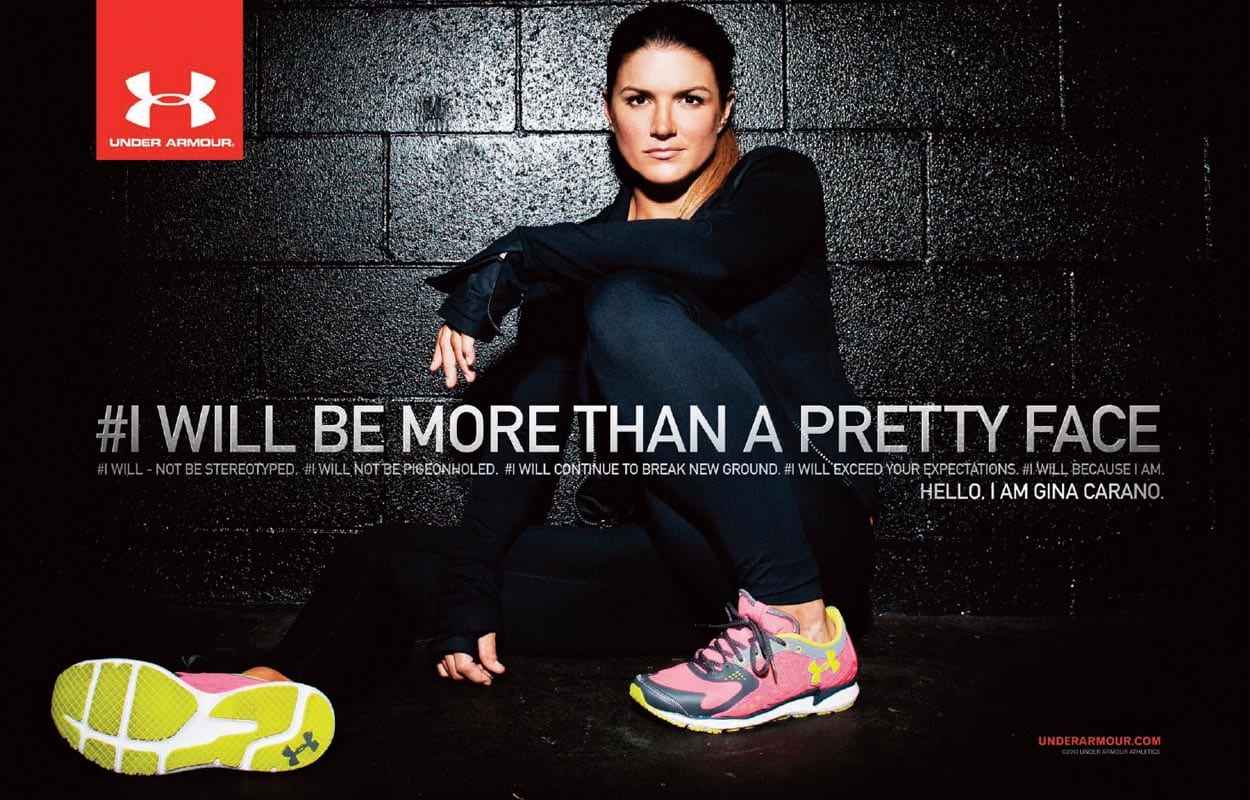
    Under Armour Inc. has some out-there ideas for your clothes. The athletic gear company has been spending big to buy developers of apps to monitor personal fitness, aiming in the short term to sell more shirts and shoes.

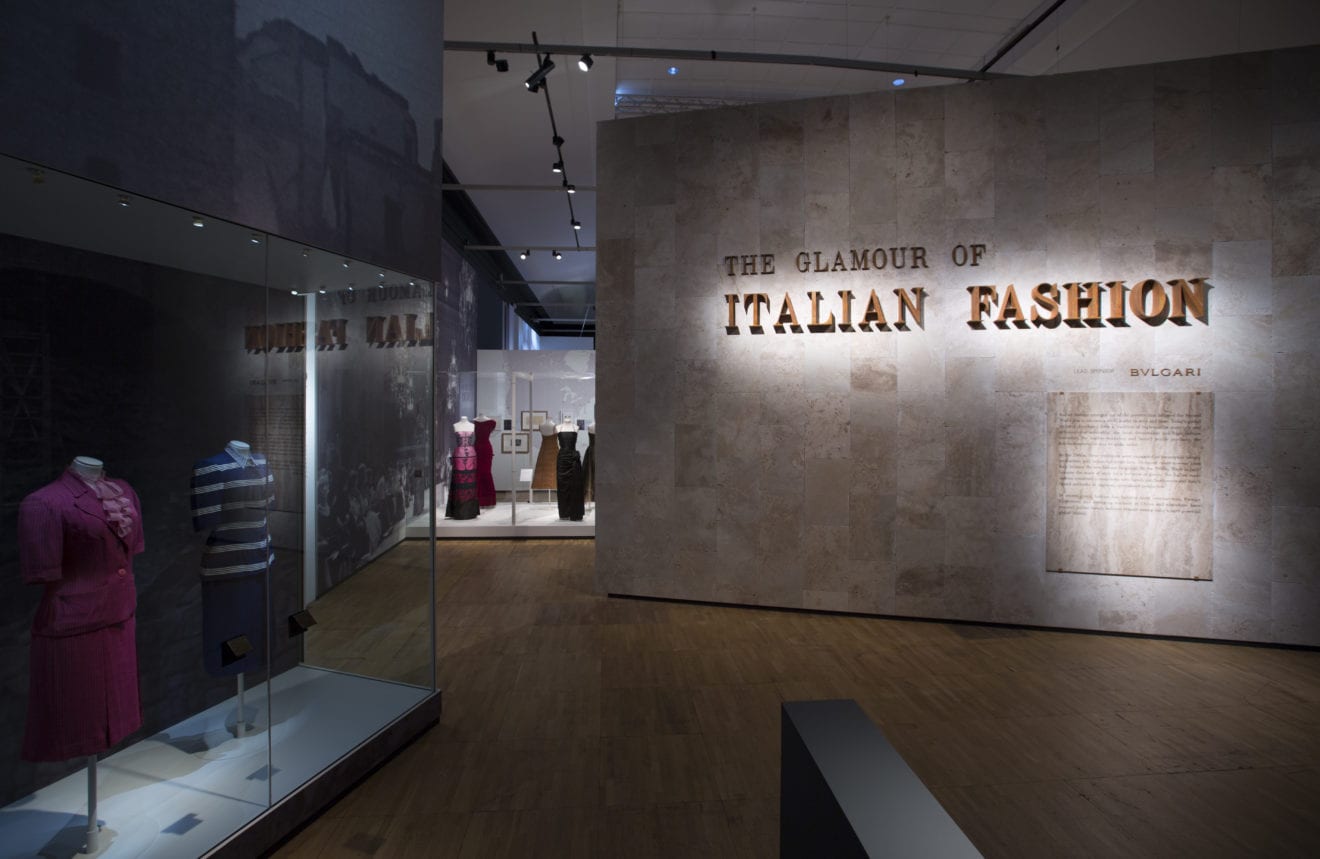
  • Luxury Italian fashion lands in Indonesia

    Luxury Italian fashion lands in Indonesia

    A new chain of stores selling “super premium” luxury Italian fashion has debuted in Indonesia.

    Founded by local entrepreneur Ricky Ahluwalia, True Italy has opened its first store in Jakarta’s Plaza Menteng.

    Ahluwalia says True Italy aims to sell premium Italian fashion brands at low prices – “It’s like buying gold at the price of silver”.

    But there is a catch: Ahluwalia’s business model is to buy previous season’s collections at closeout prices.

    “True Italy not only performing business, but also serving the market, fulfilling dreams of individuals, who now have access to super luxury Italian fashion items at prices comparable to normal department store brands.”

    Ahluwalia has more than 15 years experience in the fashion retail industry, after graduating from USCLA. His most recent role before founding True Italy was CEO of Royal Indo Traders.

    True Italy will initially focus on the Jakarta market where more stores as planned.

    Ahluwalia says his aim is to become “the leading multi branded Italian retail chain in Indonesia”.

  • Chow Tai Fook takes homeland hit

    Chow Tai Fook takes homeland hit

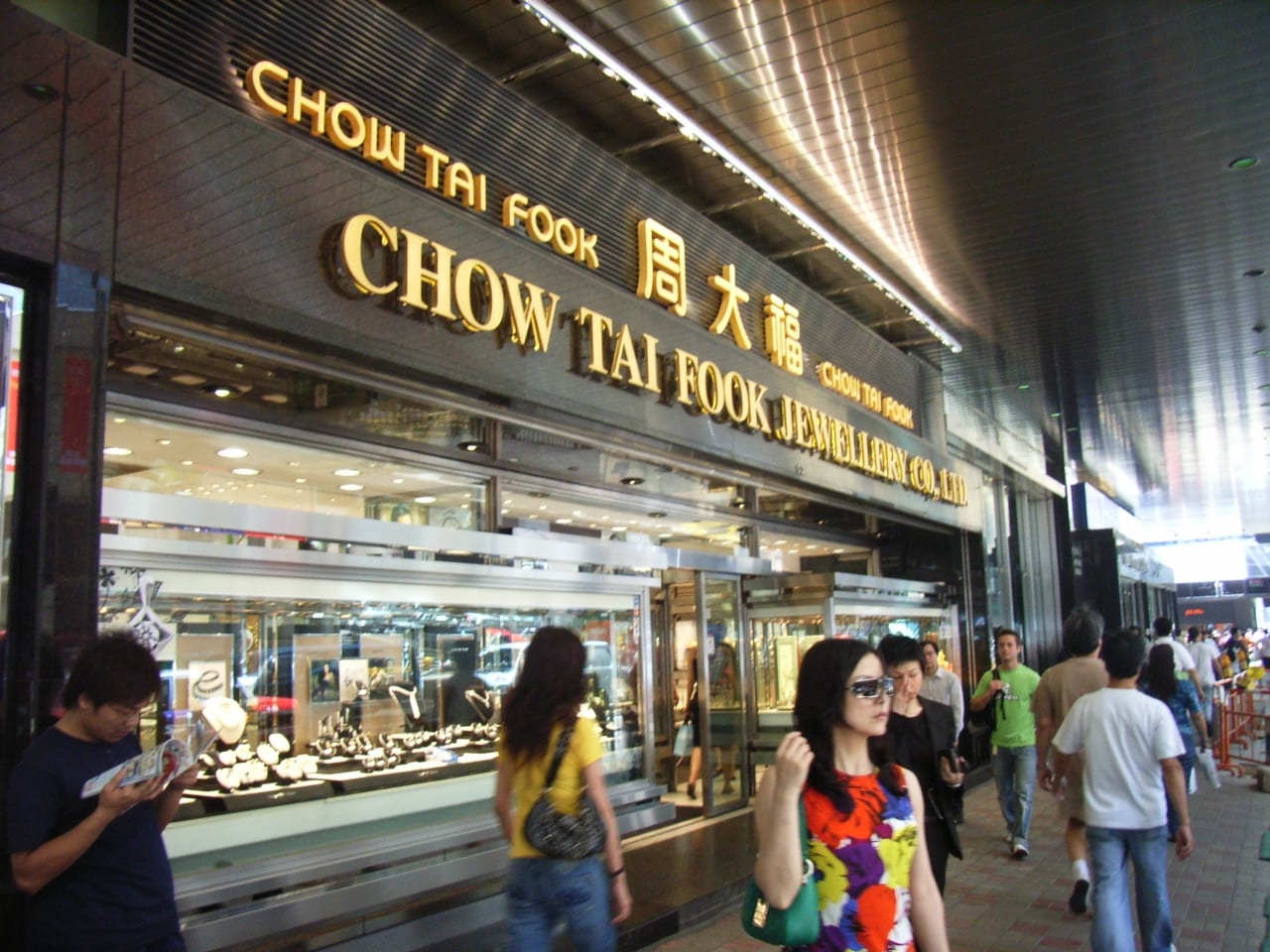
    Hong Kong based jeweller Chow Tai Fook says sales in its core Hong Kong market plunged 29 per cent over Lunar New Year.

    However an 11 per cent rise in mainland sales saw its total sales rise nine per cent during Lunar NY 2015 compared with the same season in 2014.

    In the mainland, same store sales of gem-set jewellery rose 62 per cent and of gold by two per cent. But in Hong Kong and Macau, gem-set sales fell 17 per cent and gold sales by 38 per cent – a rate even worse than the disappointing last quarter of 2014.

    In a statement, the company blamed weak consumer sentiment for a decline in sales of high-end products.

    Also a likely factor was the changing demographic of Chinese tourists into Hong Kong: in the past such visitors were usually cashed up and high spenders, but those tourists are now venturing further abroad into other Asian destinations and to Europe. Some have been spooked by the Occupy Central protests. The new mainland tourists into Hong Kong are of more modest means and often travelling for the first time.

  • AirCloset delivers endless wardrobe

    AirCloset delivers endless wardrobe

    A Tokyo subscription service offers time-poor Japanese women hand-picked fashion items, delivered free for a monthly fee.

    Women may love shopping, but for time-starved professional females and housebound new mothers adapting to round-the-clock parenting, finding time to discover new fashion can become a hassle.

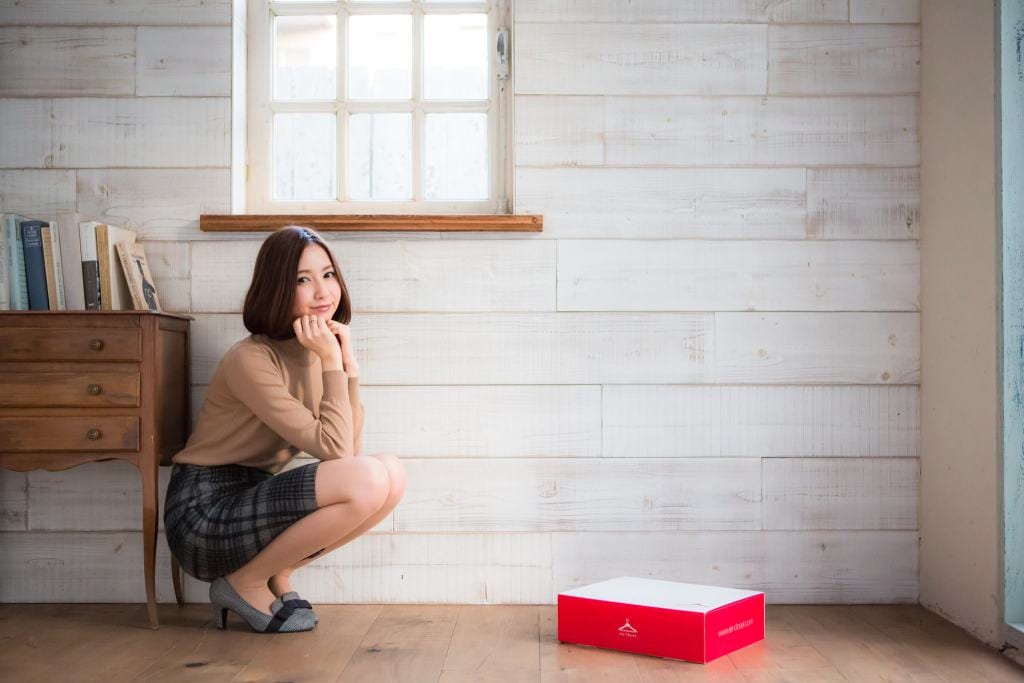
    Enter AirCloset, a new service by Tokyo-based startup Neuer-Sieg. For JPY 6800 (US$57) a month, women can receive a box containing three trendy garments, hand selected by a professional stylist. The subscriber can wear each piece as many times as they like, and return the box whenever they’re ready to try something new. There’s no limit on how often the boxes are exchanged, and if a subscriber happens to find an item that they just can’t live without, it can be purchased at a price point lower than retail.

    While straight-to-your-door fashion boxes are nothing new, the wear-and-return model is unique in Japan – and it’s already seeing strong early traction in the domestic fashion and startup communities.

    “We sent out a press release introducing the service in October and planned to launch in December,” Satoshi “Ash” Amanuma, Neuer-Sieg’s co-founder and CEO, tells Tech in Asia.“Initially, we planned for about 2000 pre-registrations. In reality, we ended up with more than 15,000 by the end of December.”

    Amanuma and his team of five were overwhelmed by the response. They decided to push the launch back to January in order to prepare more clothing and smooth out logistics, but pre-registrations continued to balloon.

    “We had to cut off pre-registrations at the end of January,” he says. “More than 25,000 people signed up.”

    AirCloset works thus: Women sign up on the site with a credit card and are automatically charged 6800 yen per month to receive an unlimited number of fashion boxes, with no minimum sign-up period. Users can sign up for one month and cancel if they wish. During the registration process, users select their style preferences based on photos of models wearing example outfits. Based on those selections, stylists attempt to curate items that suit their tastes – users don’t actually select any of the clothing directly.

    Each box contains three items, which include a combination of tops and bottoms that can be worn together (i.e. a cardigan, a one-piece, and a pair of jeans). If there’s a cute dress or skirt that they absolutely must add to their wardrobe, a subscriber can visit the AirCloset website to see its discounted price (and comparison full retail price). If they opt to hold on to it, they can simply send the remaining pieces back and their card will be charged. A return shipping label is already inside each box. Users are urged to fill out a survey with the return of each box, which allows stylists to tweak future items based on fit, color palette, and so on.

    The founder explains that a large part of the inspiration for AirCloset hits close to home. Amanuma has a three-year-old son and wanted to help his wife stay on top of current fashion trends despite having limited free time to go window shopping downtown. In the planning stages, he even considered launching it as a maternity and children’s clothing service.

    “The first thing we did was interview more than 200 women aged 27 to 35,” Amanuma says. “Our specific target groups are career women and young mothers with children between the ages of zero and three. One thing they all seem to have in common is a lack of time to discover new fashion brands because their focus is on work or raising their kids.”

    After getting a sense of what target users wanted, Amanuma hired a professional stylist and a support group of fashion industry advisors. Brands are selected from those featured in three popular fashion magazines: Oggi and Classy, for career women, and Very, for fashionable young mothers.

    Amanuma wouldn’t disclose the brand names that AirCloset will collaborate with, but he did say that more than 10 Japanese brands are on board with deals in the works to increase that number.

    *Satoshi “Ash” Amanuma.

    Amanuma wouldn’t specify when regular monthly memberships would begin, stating that it all depends on how much clothing his stylists can amass and how much warehousing and shipping his current logistics partner can handle. “We haven’t raised quite enough money for that stage, but we’re trying to speed up that process,” he says. “We need to reassess in a month or two how many brands will be able to provide clothes [in bulk].”

    There’s currently a waiting list for new pre-registrations, but the first wave of AirCloset boxes already shipped to the initial pre-registered users on February 17.

    AirCloset is a simple idea with a complicated process. Beyond clothing curation and an enormous amount of boxing and shipping, garments must be individually dry cleaned when they arrive back in the warehouse. No one wants to receive a box with clothing that looks like it came from a second-hand shop, so each piece must be examined for wear and tear before the boxing and shipping process repeats itself.

    Amanuma explains that, for example, if a white dress comes back with cigarette burns or a red wine stain, it will be returned to the subscriber and they will be charged for it. He’s considering implementing an insurance option that covers the cost of damaged gear, as well as offering deeper discounts to purchase items that have already been shipped out and worn by other users.

    At less than US$60 a month per subscriber, is there any room for turning a profit?

    “If you think of AirCloset as just a rental service, you might assume that the profit margin is very small. But there’s also the eCommerce element – people always have the option to buy.”

    There’s also another, potentially huge, revenue stream: big data. Each box is shipped with a questionnaire about the clothing it contains (which can also be filled out online).

    “Retailers can learn a lot from what users buy and what they send back, but they can learn even more from the wearer’s feedback – current fashion trends, what styles and colors are hot or not, and so on,” Amanuma says. “We hope retailers will pay us for that data.”

    Amanuma’s plans for the future are three-fold: expand to other fashion items (i.e. hats, shoes, accessories), expand to other fashion segments (i.e. men’s, kid’s, maternity), and expand overseas – particularly Southeast Asia.

    “I know that many women in Southeast Asia, especially Thailand, are interested in Japanese fashion,” he adds. “We can bring this same system to other markets, with Japanese brands or international brands [depending on each market’s interest]. I really believe in the idea of the sharing economy, so we’re trying to create something much bigger than a short-lived trend service.”

    Le Tote in the US is doing almost the exact same thing as AirCloset, but with three pieces of clothing and three accessories for US$49 a month. Amanuma says that he hadn’t heard of Le Tote until after launching his own service.

    “AirCloset is from our own idea, we didn’t think about competitors or anyone else doing this, but realized it was a pretty simple idea,” he says. “Later, we found out about Le Tote, which is still new in the US. Of course, there’s nothing like this in Japan.”