Category: Fashion

Retail News Asia is committed to providing both local and global retailers with the latest Fashion news throughout the Asian market. This on a daily base.

  • Arket bound to open its first retail store in China this autumn

    Arket bound to open its first retail store in China this autumn

    H&M-owned Arket has announced plans to open its first physical store in China this autumn.

    The flagship store will be located in Beijing and will stock a mix of the Stockholm-based brand’s wardrobe staples and seasonal fashion drops for both women and men.

    The store will also feature an Arket cafe and stock an assortment of beauty and home items.

    “We are incredibly happy to announce our upcoming opening in Beijing and we are looking forward to finally meeting our many Chinese customers in person,” said Arket managing director Pernilla Wohlfahrt in a statement.

    “The new store gives us an opportunity to welcome people into our world and invite them to experience the rich diversity of our collections – from beautifully-made fabrics and fashion designs to nature-inspired interiors, sustainable childrenswear and contemporary Swedish cuisine.”

    The physical store is the latest step of the Nordic band’s expansion into Asia. The company made its debut into the Chinese market in August with the launch of its digital flagship store on Alibaba Group’s B2C e-commerce platform Tmall.

    In late 2020 the brand also announced plans to open its first store in South Korea early this year.

  • Boohoo and Asos are acquiring collapsed retail brands

    Boohoo and Asos are acquiring collapsed retail brands

    British online fashion retailers Boohoo and ASOS made major expansion moves on Monday, with the former buying the Debenhams brand and the latter in talks to buy the key brands of Philip Green’s collapsed Arcadia group.

    The moves underline how online players have gained the upper hand over traditional bricks and mortar clothing retailers, a trend accelerated by the Covid-19 pandemic.

    Boohoo said it had acquired all of the intellectual property assets, including customer data, related business information and selected contracts of Debenhams from its administrators for 55 million pounds ($75.4 million).

    It will not take on Debenhams’ stores or its staff.

    Debenhams’ administrators said last month it was starting a liquidation process, putting 12,000 jobs at risk.

    Meanwhile, ASOS said it was in exclusive talks with the administrators of Green’s collapsed Arcadia group over the acquisition of the Topshop, Topman, Miss Selfridge and HIIT brands.

    “The board believes this would represent a compelling opportunity to acquire strong brands that resonate well with its customer base,” ASOS said, adding that any deal would be funded from cash reserves.

    However, it cautioned there was no certainty a deal will be sealed.

    Arcadia collapsed into administration in November, putting over 13,000 jobs at risk.

  • Prada CEO sees massive revenue growth during next years

    Prada CEO sees massive revenue growth during next years

    Italian luxury group Prada sees revenues rising to 5 billion euros ($6.1 billion) in four to five years, its chief executive said on Thursday.

    “We will reach five billion euros in a matter of four to five years. COVID-19 has given a strong shock to the whole system, we will see a strong acceleration when it will be over,” Patrizio Bertelli said in an interview with Italian daily Il Sole 24 Ore.

    “We have not grown as much as we would have liked so far, but we are the group that has best maintained its identity,” he added.

    The Hong-Kong listed group said it would close 2020 with an operating profit. Net revenues in 2019 were 3.226 billion euros.

    The fallout from the COVID-19 crisis triggered a 40% decline in Prada’s revenues in the first half of last year, leading to a 196 million euros operating loss.

    In the interview, Bertelli said there could be positive signs for the luxury sector as a whole from March, when lockdowns in many European countries may end.

    The executive, founder of the brand with wife Miuccia, said the company was not interested in acquiring other brands but would press ahead with buying production plants instead, investing 100 million euros per year in sites and shops in coming years.

    “Made in Italy’ production will be more and more important,” he said, noting 80% of Prada’s current production is based in Italy.

  • Swatch launches art-themed Macau pop up

    Swatch launches art-themed Macau pop up

    Swiss watch giant Swatch Group said Thursday it suffered a net loss of 53 million Swiss frances (49 million euros) last year as the coronavirus ravaged the global economy.

    Sales were down more than 32 percent at 5.5 billion Swiss francs, short of analyst forecasts compiled by the AWP agency for 5.8 billion Swiss francs.

    In 2019, the company, famous for its trendy multi-color plastic watches, had posted a profit of 748 million Swiss francs.

    Swatch said the pandemic slashed sales by more than 43 percent in the first quarter last year as the authorities imposed a sharp lockdown to try and curb the spread of the virus.

    As restrictions were subsequently eased, sales picked up again but remained well below normal levels, with business in tourist hotspots and airports hit badly.

    Swatch said it closed 384 outlets over the course of the year, with Hong Kong especially hard hit, falling from 92 in 2019 to 38 last year.

    For this year, the company said it hopes sales will recover to close to 2019 levels as the economy stabilises, citing China’s example.

  • Levi Strauss forecast disappoints as pandemic resurgence shutters stores

    Levi Strauss forecast disappoints as pandemic resurgence shutters stores

    Levi Strauss & Co on Wednesday forecast first-quarter results below analysts’ estimates as the resurgence of COVID-19 shutters the denim maker’s stores in major markets, sending its shares 9% lower in extended trading.

    The spike in coronavirus cases from late last year has led to lower traffic at stores and fresh capacity restrictions for shopping centers in key regions such as California, denting retailers’ sales during the crucial holiday shopping season.

    Levi said 17% of its stores globally were still closed, with a new wave of lockdowns in Europe shuttering 40% of the company’s footprint there.

    The San Francisco-based company said it expects those stores to remain closed for the rest of the current quarter, resulting in a 10 cents to 12 cents hit to its earnings per share.

    Including that impact, Levi forecast first-quarter adjusted earnings per share of 20 cents to 24 cents, below expectations of 33 cents per share, according to Refinitiv IBES data.

    The company said it expects quarterly revenue to be down by a high-teens percentage in constant currency, more than estimates of an 11.9% drop.

    However, the company could return to pre-pandemic revenue levels by the end of 2021 if conditions do not worsen, Chief Financial Officer Harmit Singh said.

    Levi also beat estimates for the fourth quarter ended Nov. 29 as online sales soared.

    Total revenue in the quarter fell about 12% to $1.39 billion but beat expectations of $1.34 billion.

    Levi earned 20 cents per share on an adjusted basis, beating estimates of 15 cents per share.

    The company also reinstated its quarterly dividend at 4 cents per share.

  • Owndays may be sold, fetching US$300 million

    Owndays may be sold, fetching US$300 million

    L Catterton Asia Advisors, the Asian arm of the namesake consumer-focused buyout firm, is exploring a sale of Japanese eyewear retailer Owndays Inc., people with knowledge of the matter said.

    L Catterton Asia has invited investment banks to submit proposals and will soon pick an adviser, said the people, who asked not to be identified as the information is private. The private equity firm is considering divesting the asset with its partner Mitsui & Co. in a sale that could fetch about $300 million, the people said.

    Established in 1989, Tokyo-based Owndays designs and manufactures optical eyewear glasses and runs 156 stores across Japan, its website shows. It has another 206 stores abroad at locations including Hong Kong, Taiwan, Malaysia, Thailand, Singapore and Australia. The company had 2,200 employees as of last February.

    In 2018, L Catterton Asia teamed up with Mitsui and its subsidiary to invest in Owndays for an undisclosed sum, according to a press release at the time.

    Deliberations on the sale of Owndays are at an early stage, while L Catterton and its partners could decide to keep the business, the people said. Representatives for L Catterton Asia and Owndays declined to comment, while a representative for Mitsui said the company hasn’t acknowledged details on the sale of Owndays at this moment.

  • L’Occitane files for bankruptcy in US

    L’Occitane files for bankruptcy in US

    L’Occitane U.S. filed Chapter 11 bankruptcy protection in New Jersey on Tuesday, seeking to close stores. The business cited declines in brick-and-mortar sales and the ongoing coronavirus pandemic as the reasons for the filing.

    “Like most retailers in the United States, the debtor has been impacted by the COVID-19 pandemic, which has significantly limited retail operations throughout the country and suppressed consumer willingness to shop in person,” L’Occitane regional managing director Yann Tanini wrote in a declaration for the court.

    “Even prior to the pandemic, the debtor was experiencing a decline in sales revenue from its brick-and-mortar boutiques, while its e-commerce revenue has dramatically increased,” Tanini said in court papers.

    L’Occitane had already starting downsizing its real estate footprint but wants to further reduce lease obligations due to the pandemic, the company said in court papers. The company hired Hilco Real Estate as a consultant to negotiate with landlords, but they have been reluctant, which prompted the bankruptcy filing. L’Occitane intends to reject 23 leases and “right-size its brick-and-mortar footprint,” it said.

    The company is the U.S. subsidiary of L’Occitane Groupe SA which is publicly listed in Hong Kong and also owns Erborian, LimeLife, and Elemis. U.S. operations account for about 9.1 percent of total company sales, the company said in court papers.

    The U.S. operations have 166 stores in 36 states and Puerto Rico, mostly in regional malls. Net sales have declined during COVID-19, the company said. Between April and December 2020, net sales dipped 21 percent year-over-year to $111 million. Brick-and-mortar sales made up 34 percent of that total, while e-commerce sales skyrocketed.

    L’Occitane has about 1,051 U.S. employees and furloughed and laid off certain workers during the pandemic. The company said that of 325 furloughed employees, 165 have come back, and 40 have been let go.

    The company has $161 million in assets and almost $162 million in liabilities, per court papers. L’Occitane U.S.’s biggest unsecured creditor is its parent company, which is owed $26 million related to loans and $4.5 million related to inventory.

  • Thriving Louis Vuitton offsets drop in sales at luxury group LVMH

    Thriving Louis Vuitton offsets drop in sales at luxury group LVMH

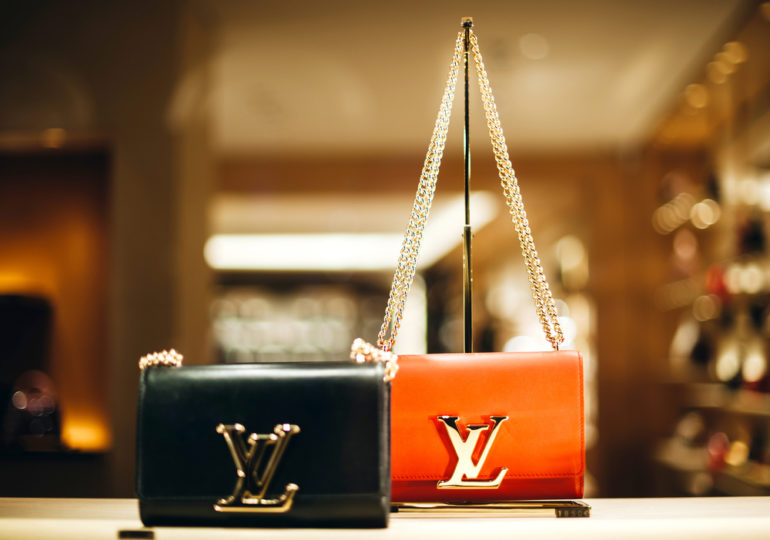
    Booming sales at LVMH’s fashion brands like Louis Vuitton, particularly in China, helped to cushion the impact of the coronavirus pandemic, which has crimped revenues at the French luxury group.

    LVMH, which closed a $15.8 billion acquisition of U.S. jeweler Tiffany in the middle of the pandemic, has like rivals taken a hit as governments the world over forced retailers to close shops during lockdowns.

    Declining international travel has also deprived luxury goods companies of tourist revenues.

    But an improving backdrop in China, one of the world’s biggest markets for luxury fashions and which had eased COVID-19 measures by the second half of 2020, has helped some companies to rebound.

    LVMH’s fashion and leather goods business, home to Vuitton handbags and other brands like Christian Dior, performed better than analysts expected in the fourth quarter, with sales rising 18% year-on-year on a comparable basis. Louis Vuitton is the group’s biggest revenue driver.

    That was an improvement on the third quarter, when like-for-like sales, which strips out acquisitions and currency effects, were already up 12%.

    “The strong beat should get LVMH’s share price home and dry,” Berstein analyst Luca Solca said in a note.

    LVMH Financial Chief Jean-Jacques Guiony told a conference call that new product launches planned before the pandemic – like a Vuitton handbag named after the Pont Neuf bridge in Paris – had helped the brand.

    LVMH – which is setting the tone for luxury rivals such as Gucci-owned Kering with its earnings – has also kept up with marketing spending while some smaller peers have cut back, and holding catwalk shows in cities such as Shanghai despite the crisis had helped, Guiony said.

    “Louis Vuitton and Dior were taking the bulk of customers’ attention when nobody was talking,” he added.

    LVMH’s billionaire boss Bernard Arnault said in a statement that the group was well placed to build on a market recovery.

    Guiony said the company had no visibility, however, on the outlook for China, at a time when new restrictions to fight a resurgence of COVID-19 cases risk overshadowing Chinese New Year festivities in mid-February, usually a major shopping highlight.

    LVMH also owns spirits brands, like Hennessy cognac, and operates airport duty-free shops, which have struggled.

    The French company went ahead with its Tiffany deal during the pandemic but ended up renegotiating the price tag slightly downwards. LVMH is now betting on growing its clout in jewelry, a resilient area of the luxury goods business.

    LVMH overall group sales for the October to December period came in at 14.3 billion euros, in line with forecasts.

    For 2020 as a whole, LVMH’s revenues reached 44.65 billion euros, falling 16% from a year earlier on a like-for-like basis.

    LVMH’s net profit reached 4.7 billion euros ($5.71 billion), down 34% on a year earlier, while profits from recurring operations – or earnings before interest and tax – fell 28% but vastly exceeded analyst forecasts.

    The group said it would propose a dividend payout against 2020 results of 6 euros per share, including a 2 euros per share interim dividend paid in December.

    It had cut its dividend last year to 4.80 euros during the COVID-19 crisis.

  • Uniqlo Singapore set to open ‘Hub of the East’ store

    Uniqlo Singapore set to open ‘Hub of the East’ store

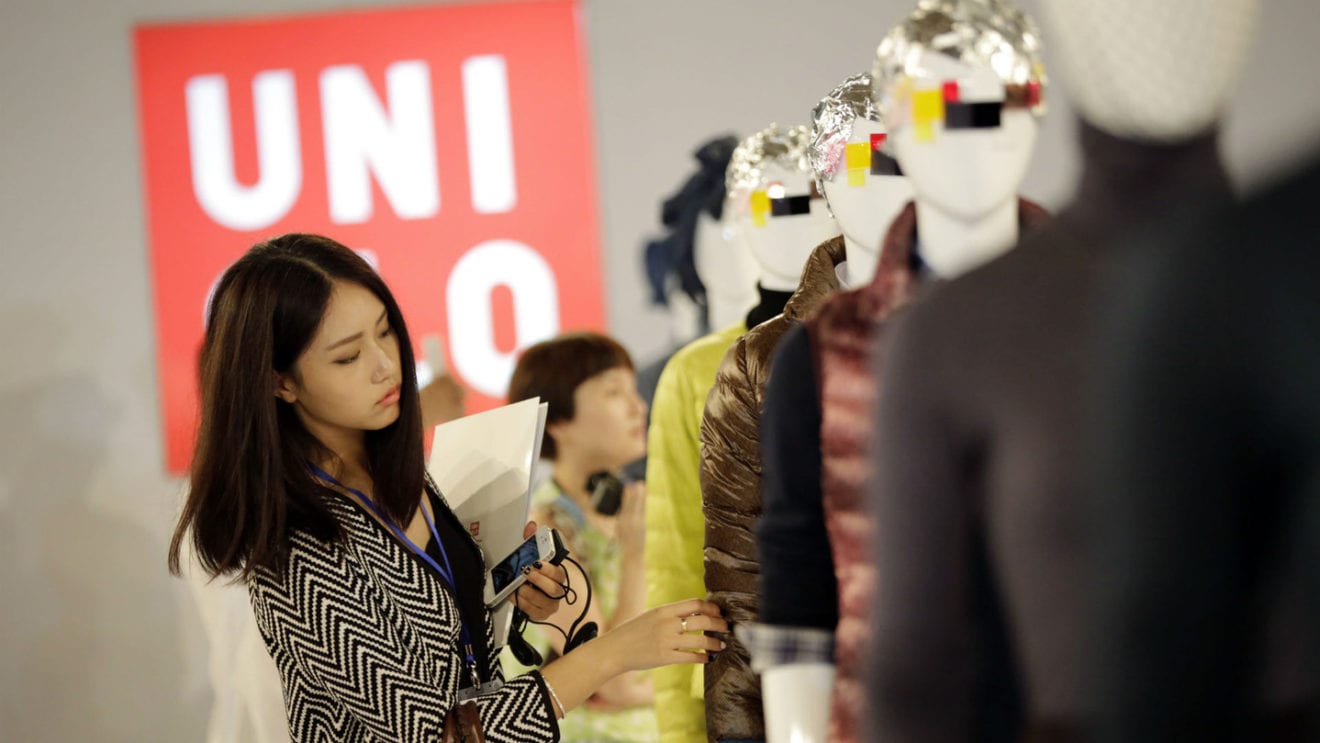
    UNIQLO today announces that it will open UNIQLO Orchard Central, its first Global Flagship Store for Southeast Asia and Singapore, on Friday, 2 September 2016. Under the concept of “U+S and The World”, the new store will showcase the brand’s full assortment of LifeWear – innovative, high-quality clothing that is universal in design and comfort, and made for anyone, anywhere – and will offer Singaporeans an exciting space to share their culture with the world. UNIQLO Orchard Central will be located in Orchard Central mall, along Orchard Road.

    “UNIQLO Orchard Central will be a unique store for the region, providing a new shopping experience for customers. With its vibrant creative scene, Singapore is the ideal location for us to showcase our LifeWear concept through the eyes of the local community. We hope that through our work with highly dedicated Singaporean individuals and groups, we will be able to turn this space into a platform where creative ideas can be expressed and shared with others,“ said Taku Morikawa, UNIQLO Southeast Asia CEO.

    UNIQLO Orchard Central spans three levels and covers 2,700 square meters in sales floor space. Fans of the brand can expect a new shopping experience, thanks to the combination of the in-store design, full product line-up and visually stunning displays. Even the elegant dark wood floors that evoke the mood of Singapore and Southeast Asia are intended to help create the proper setting for the largest product line-up anywhere in the region.

    Iconic rotating mannequins will be an integral part of UNIQLO Orchard Central, as well as close to 300 digital displays, the largest number anywhere in the UNIQLO world, and a total of 350 in-store mannequins, the latter matching the UNIQLO Ginza Global Flagship Store in Tokyo.

    “Singapore’s strategic location in Southeast Asia makes it the choice destination for UNIQLO’s first Global Flagship Store in the region. The opening of this new store marks a milestone in our highly successful eight-year joint venture collaboration.

    The Global Flagship Store will have exciting outreach programmes to engage the community. We look forward to serving our customers in this landmark store, and to inspire many creative talents to express themselves in this distinctive space with artistic works and concepts that are authentically Singaporean,” said Mrs Helen Khoo, Executive Director, Wing Tai Retail.

    A dedicated UT (UNIQLO T-shirt) corner on Level 1 will showcase exclusive UT designs drawn from the most popular collaborations such as Olympia Le-Tan and Bruno Munari. “i am OTHER”, the collection designed together with musician and style icon Pharrell Williams will also find a home on the shelves of UNIQLO Orchard Central. The new Disney Collection City Logo UTs includes a unique Singapore design featuring Mickey Mouse with the iconic Merlion, will be launched on the opening day of UNIQLO Orchard Central.

    The new store concept for UNIQLO Orchard Central, “U+S and The World” is taken from the words UNIQLO + Singapore and the company’s intention to serve as a bridge between Singapore and the World. The store is envisioned as the definitive place where UNIQLO will share the creativity, style and culture of a new Singapore with the rest of the world.

    Later this month, UNIQLO will launch “Your Stage Now Live”, the opening campaign of UNIQLO Orchard Central, by turning the hoarding around the store’s construction site into an urban canvas designed collectively by the local community. In addition, the campaign will also invite everyone to express themselves and showcase their culture to the world through a special “Your Stage Now Live” site.

    The opening of the store on 2 September will serve to kick-off a long-term collaboration with members of the local community through a broad array of programs centred on the store’s specially designed creative space, a launch pad for creativity and self-expression. Elements such as original in-store music, video content on the digital displays and curated spaces within the shop floor, as well as exclusive canvas tote bags and shopping bags, will all be co-created with the local community.

    “We warmly welcome UNIQLO’s global flagship store to Orchard Central, with its new shopping experience, innovative visual merchandising and special collections. UNIQLO will anchor Orchard Central’s appeal as a vibrant lifestyle and social hub for design conscious shoppers looking for quality affordable merchandise and a unique experience. Our mall enhancement works are also nearing completion and along with the opening of UNIQLO Orchard Central, our shoppers can look forward to a new retail experience as well as improved visibility and accessibility,’ said Ms Mavis Seow, Chief Operating Officer, Retail Business Group, Far East Organization.

  • How LVMH plans to reshape Tiffany

    How LVMH plans to reshape Tiffany

    French luxury goods group LVMH LVMH.PA plans to overhaul Tiffany & Co’s vast merchandise lineup to focus more on gold and precious gems while going more upmarket with its silver bangles after closing the $15.8 billion takeover of the U.S. jeweller this month.

    Six sources including two people with inside knowledge of Tiffany’s operations told Reuters the owner of Louis Vuitton would also likely revamp the appearance of the jeweler’s stores and boost its presence in Europe and Asia.

    More than a third of Tiffany’s 320 shops are in the United States and two sources described some of them as out-of-date, shoddy and in need of refurbishing.

    “LVMH can give Tiffany the kind of time and money needed to make some big investments in the product range and in stores worldwide, and wait for those to pay off in the medium term,” one of the sources said.

    At a town hall in New York for Tiffany’s 14,000 employees on Jan. 8 – a day after LVMH installed a new leadership team – the group’s new bosses laid out their initial plans to focus on high-end, sparkling jewelry, said one person who attended it. The group is also considering building out Tiffany’s lineup in watches, another source familiar with its thinking said.

    Unlike such rivals as Richemont-owned CFR.S Cartier and Van Cleef & Arpels, as well as fellow LVMH brand Bulgari, Tiffany’s products range from $150 silver pendants to diamond necklaces priced in the tens of millions.

    Silver jewelry has gross margins of around 90% and offers a perfect entry point for younger, less wealthy shoppers, but top industry names also need the medium- to the high range – with a price tag above $100,000 – to create an aura of exclusivity, experts say.

    In a video message to employees during the town hall, LVMH boss Bernard Arnault, who is also France’s richest man, said he wanted to elevate Tiffany’s standing, even if that took time.

    “We will also prioritize Tiffany’s long-term desirability over short-term constraints,” Arnault said, according to a person who attended. At one point brandishing one of Tiffany’s signature robin’s egg blue boxes, Arnault underscored the label could count on cash-rich LVMH’s resources.

    The world’s biggest luxury goods group, also home to Moet Chandon champagne, was shaken by the COVID-19 pandemic and sales in airport stores plunged, but its biggest labels have stayed the course.

    The mood among some of Tiffany’s workforce is anxious nonetheless.

    A senior store employee in Europe said the jeweler would benefit as a more sophisticated, exclusive brand under LVMH, but also worried about the group’s reputation as a demanding owner.

    “If a store doesn’t quite work, they just shut it down,” this person said, speaking on condition of anonymity.

    Arnault is known for dropping in on stores unexpectedly – including at a Tiffany store in Seoul after the deal was announced in late 2019, where he pointed out blips such as a cleaning product that had been left out on a stand and a pink Post-It note saying “not available” that had been put up on a product, people familiar with the group said.

    LVMH and Tiffany declined to comment. LVMH is due to report full-year 2020 results later on Tuesday.

    After a bruising court battle midway through the acquisition process, which ended with Tiffany and LVMH renegotiating the price tag slightly downwards, Arnault had soothing words for the U.S. jeweler.

    He told the town hall Tiffany’s resilience in recent months had exceeded LVMH’s expectations, one of those presents said.

    The group had previously called Tiffany’s prospects “dismal” due to poor management during the COVID-19 crisis.

    Tiffany regained some ground through online sales and in China in its last quarter. Jewelry as a whole, one of the fastest-growing luxury sectors in recent years, has resisted more than other areas during the pandemic.

    Tiffany is less exposed than rivals to Asia-Pacific – a major driver for luxury sales – which accounted for 28% of its worldwide sales of $4.4 billion in 2019. Europe stood at 11%.

    LVMH will scrutinize store performance and locations and could use its clout to get better leases or find better showcases freed up by other brands within the group.

    New York-based Tiffany, founded in 1837, achieved world fame with the 1961 movie “Breakfast at Tiffany’s” starring Audrey Hepburn, but a fresh marketing push could help the brand.

    Alexandre Arnault – one of four Arnault children with roles at LVMH and now Tiffany’s executive vice president, in charge of product and communication – told the town hall he would focus on advertising campaigns and luring young customers.

    The 28-year-old helped LVMH acquire luggage maker Rimowa and gave it a hipster edge while CEO there, through collaborations with Dior that made it sexy for the runway.

    The young Arnault will work alongside new CEO Anthony Ledru, who ran Vuitton’s global commercial activities but is also known for rolling out its high-end jewelry line and had a previous stint at Tiffany and also at Cartier.

    He takes over from Alessandro Bogliolo, who had already overseen a multi-year renovation of Tiffany’s flagship New York store on Fifth Avenue, and the purchase of an 80-carat-plus oval diamond to be set in a necklace that will become its most expensive piece of jewelry.
  • L’Occitane launches first sustainability #MEGA concept store in Hong Kong

    L’Occitane launches first sustainability #MEGA concept store in Hong Kong

    The new Sustainability Concept Store focuses on reducing plastic waste and supporting local sustainability projects.

    Located at Pacific Place in Hong Kong, the new store aims to engage the public in a fun way by undertaking green tasks and earning points through the new #MEGA Sustainability Reward Program. Tasks as simple as recycling their beauty empties in the on-site recycling bins or making a commitment with the Tree of Wishes will earn customers rewards.

    As part of the brand’s ongoing commitment to sustainability and recycling, the new #MEGA Sustainability Concept Store offers customers low waste products, such as soaps and Aromachologie hair care. Alongside this, the new store will host a number of sustainability-focused workshops to encourage customers and the wider public to engage in recycling.

    Nathaëlle Davoust, General Manager of L’Occitane Hong Kong and Macau, commented: “In L’Occitane, our societal and environmental commitment focuses on the protection of biodiversity and reduction of our environmental carbon and plastic footprint. The #MEGA Sustainability Concept Store is like our invitation to the Hong Kong public to explore how we can reduce plastic pollution together.”

  • Shiseido plans sale of consumer product lines for over $1.45 billion

    Shiseido plans sale of consumer product lines for over $1.45 billion

    Japanese cosmetics firm Shiseido Co Ltd said on Friday it was in talks to sell its lower-priced skincare and shampoo lines to private equity firm CVC Capital Partners in a deal reported to be valued at over $1.45 billion.

    Shiseido said it was in talks to sell its “personal care” business in the first half of the year to CVC but that no decision had been made.

    The business includes its Tsubaki shampoo and Sea Breeze deodorant brands which are sold at drugstores and convenience stores throughout Asia.

    The talks were first reported by Bloomberg News, which put the value of the deal at between 150 billion to 200 billion yen ($1.45 billion-$1.93 billion).

    Shiseido said it was considering taking a stake in the business and remaining involved in its development.

    The talks come as Shiseido has been eyeing possible asset sales to focus on premium cosmetics, including its namesake line and brands such as Cle de Peau and NARS sold at department store counters.

    Global private equity firms such as CVC and Carlyle Group have recently been looking to expand in Japan, taking advantage of large Japanese companies coming under pressure to sell non-core assets and improve returns to shareholders.

    CVC last year raised $4.5 billion for its fifth Asia Pacific fund.

    Like other companies in the luxury sector, Shiseido was hit hard by the coronavirus as people shopped less and wore less make-up. A halt in tourism has been particularly painful as the company depended heavily on Chinese visitors.

    The company said in November that it expects a net loss of 30 billion yen in 2020, worse than a previous forecast loss of 22 billion yen.

    Shiseido shares rose 4% in morning trade on the Tokyo Stock Exchange. A CVC representative declined to comment.

  • Harmay launches wet market-inspired store in China

    Harmay launches wet market-inspired store in China

    New-generation retail brand Harmay released its latest fashion collaboration collection with Chinese fashion designer Masha Ma on Tuesday as part of the brand’s continuing expansion despite the COVID-19 pandemic.

    The new fashion collection includes T-shirts, trousers and bags. The retail philosophy is focused on creating a beautiful life through sensuous experiences.

    The brand emerged online in 2008. In recent years, it has started to open more brick-and-mortar stores while maintaining and expanding its online territory with an experiential shopping journey.

    “Harmay was born in the golden age of China’s cosmetics and beauty retail industry, and now we have grown and expanded to become a unique retail brand that pursues beauty and a beautiful life,” said Jason Ju, Harmay HK co-founder and general manager, as well as a Harmay partner. “Bringing consumers a high-quality and innovative shopping experience and becoming a new benchmark for retail are goals we have been aiming for.”

    As a retailer of premium cosmetics and beauty products in China, the company offers a variety of well-known international cosmetics and skincare brands as well as self-developed personal skincare products, providing high-quality, contemporary makeup and cosmetics for consumers. Harmay sells exclusive brands, such as SG79|STHLM, Balmain Hair, Tangent GC, ICONIC London, Graine de Pastel, and many others.

    According to the retailer, Harmay acts as an agent for more than 50 international brands and has more than 200 licensed brands in its portfolio. Besides the top brands, the company explores overseas niche brands that haven’t entered the Chinese market.

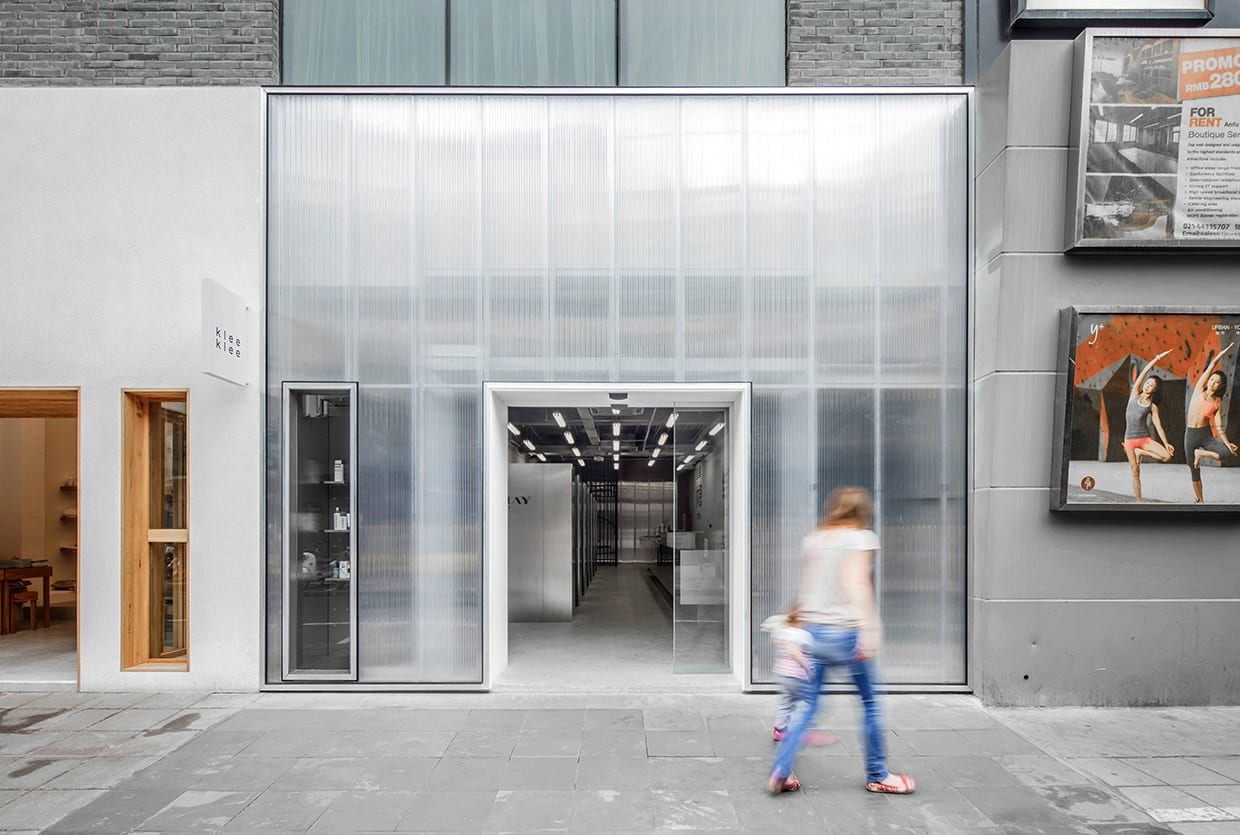
    In 2017, it opened its first brick-and-mortar store in Shanghai. Just last year, it opened stores in Hong Kong and Beijing. AIM Architecture, one of China’s leading award-winning architecture companies based in Shanghai, designed the interior of Harmay stores, featuring neat, orderly displays, clean lines, and wide and free spaces inspired by industrial warehouses, assembly lines, kitchens, and lockers. The design makes the stores look more peculiar, fashionable and international.

    Harmay will open two new stores in Chengdu and Shanghai this year.

    Facing the challenges brought by the sudden outbreak of the COVID-19 pandemic this year, Harmay maintained its stable customer flow and sales through its online and offline integrated operation model to resist risks, the company said. This proves that its solid e-commerce foundation and mature physical store development, as well as unique store design, diversified product selections, and customer-centric quality service, have won a large number of loyal followers.

  • Cartier and Asia help Richemont quarterly sales rise 5 per cent

    Cartier and Asia help Richemont quarterly sales rise 5 per cent

    Richemont, maker of brands Cartier and Van Cleef & Arpels, on Wednesday posted a 5% increase in quarterly sales led by strong growth at its jewelry brands in Asia Pacific and the Middle East.

    Luxury watch sales have contracted sharply during the COVID-19 pandemic, but the jewelry category led by Richemont’s Cartier brand has fared better, motivating LVMH’s recent acquisition of U.S. jeweler Tiffany.

    Richemont, the world’s second-biggest luxury group behind LVMH, said sales at constant exchange rates grew 5% in the company’s third-quarter, while sales at current rates rose 1% to 4.19 billion euros ($5.09 billion).

    The Geneva-based group did not give an outlook.

    Shares were indicated to open 3.2% higher, according to pre-market data by bank Julius Baer.

    It said it had seen strong growth in Asia Pacific with China up 80%, while Dubai in the Middle East had benefited from resumed tourist spending. Europe declined 20%, hit by the absence of tourism and store closures, and the Americas stagnated.

    Jewelry brands Cartier and Van Cleef & Arpels posted 14% growth, while watch brands were down 4%.

    “Richemont’s Xmas quarter was clearly ahead of expectations, which was mainly due to strong growth in Jewellery Maisons, which is also the main earnings contributor,” Vontobel analyst Rene Weber said, recommending to buy the stock.

    Kepler Cheuvreux’s Jon Cox said declines in Europe were also less than feared. “There is clearly an appetite for luxury given pent-up demand,” he said.

  • Prada cuts ties with Chinese actress after surrogacy controversy

    Prada cuts ties with Chinese actress after surrogacy controversy

    Italian luxury label Prada has ended all cooperation with Chinese actress Zheng Shuang, a week after appointing her as a brand ambassador after she was engulfed in a surrogacy controversy that has enthralled the Chinese public.

    Prada made the announcement late on Tuesday, after coming under heavy criticism on Chinese social media for cooperating with 30-year-old Zheng, whose former partner Zhang Heng has accused her of trying to abandon two young children the couple had through a U.S -based surrogate.

    It is the latest global brand to succumb to public pressure in China, where customers have become increasingly vocal about their expectations for the behavior of companies and celebrities, especially foreign ones.

    “The Prada Group has terminated all cooperation with Ms Zheng Shuang,” the company said on its official Weibo account, without providing further details.

    Prada did not respond to Reuters queries on Wednesday. Zheng and Zhang also did not answer Reuters’ requests for comment.

    China has become an increasingly important market for luxury labels during the global pandemic and its shoppers are expected to account for around half of all global spending on high-end brands in 2020, up from 37 percent in 2019, according to McKinsey & Company.

    Prada has said the group’s China sales jumped 60 percent in June and 66 percent in July.

    “The hit to Prada’s image is huge,” said Huang Shengming, professor of the Communication University of China in Beijing. “Their decision to stop working with Zheng is an effort to cut their losses and it’s the right move.”

    Surrogacy Controversy

    The controversy erupted on Monday after Zheng’s former partner Zhang Heng said on social media that the couple had turned to a surrogate to birth two children in the United States and released voice recordings of a woman he said was Zheng lamenting that the children could not be aborted.

    Zhang said he was stranded in the United States because he had to take care of the two children born in 2019 and 2020.

    Zheng quickly became the target of public criticism, with Weibo users calling her “irresponsible” and “vicious”. The controversy has over the past three days been a top trending item on the Twitter-like site, with 600 million views and more than 100,000 comments.

    Thousands of users also left comments on Prada’s Weibo account to question and ridicule the brand for hiring her.

    On Tuesday, the actress said on her Weibo account that she had not violated laws in either China or the United States but did not comment on whether any of the accusations were true.

    “It’s a very sad and private matter for me,” she said.

    Surrogacy is forbidden in China but going abroad to have surrogate children in countries such as the United States has increasingly become an option for some Chinese couples, especially wealthy ones.

    Chinese state media have weighed in on the Zheng controversy. Changan Sword, an online media site backed by the Central Political and Legal Affairs Commission, criticized her for taking advantage of the law and “corrupting human ethics”.