Category: Fashion

Retail News Asia is committed to providing both local and global retailers with the latest Fashion news throughout the Asian market. This on a daily base.

  • Uniqlo to open its 24th store in Australia early September

    Uniqlo to open its 24th store in Australia early September

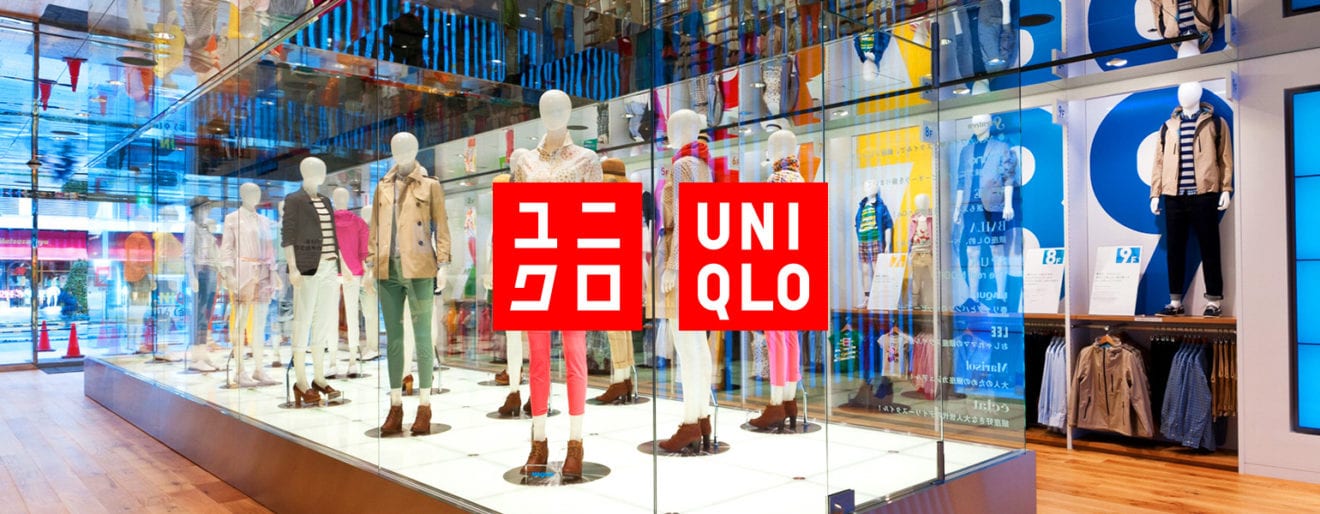
    Japanese clothing retailer Uniqlo will open a new store in the country at Bondi Junction this September, taking its store count in Australia to 24.

    The new store at Westfield Bondi Junction, which will span 1323sqm, will be the retailer’s ninth store in New South Wales.

    Uniqlo said this store will feature the biggest LED screen installation ever seen in the retailer’s Australian stores and will offer a full line-up of the brand’s LifeWear apparel for men, women, kids and babies.

    Kensuke Suwa, company chief operating officer, said since they’ve opened their first store in Australia in 2014, they have been able to consistently grow their retail footprint by leveraging their keen understanding of the local consumer and ensuring their products align with their needs.

    “We hope to keep the momentum going and look forward to making the brand even more accessible to Australians,” Suwa said.

    “We are excited by this milestone of bringing LifeWear from Tokyo to a truly iconic location in Australia and are looking forward to becoming a positive part of the Bondi community”

    This Uniqlo store is its eighth store with the Westfield Group, following Hurstville, Hornsby, Chatswood, Parramatta, Miranda, Chermside and Carousel.

  • Uniqlo says sales recovery varies across Asian markets

    Uniqlo says sales recovery varies across Asian markets

    Japanese fast-fashion retailer Uniqlo is seeing a significant rise in sales in Japan despite the impact of the coronavirus pandemic.

    But performances varied in different Asian markets.

    While the company is suffering abroad, a recent uptick in sales in its home territory – partly boosted by a popular face mask – is likely to see 25-per-cent sales growth for the August quarter. Even so, the firm’s net profit forecast for the entire financial year has been re-estimated downward by a steep 47.7 percent, factoring in expected upcoming impairment costs.

    The firm saw a sales decline for the first three quarters of its financial year of 15.2 percent below figures for the same period a year earlier, as well as a net profit decline of 42.9 percent. Multiple outlets were temporarily closed during part of this period due to the outbreak.

    While Uniqlo’s performance is expected to continue to improve in both Japan and China, the business is expected to undergo a significant decline of up to 40 percent in its markets in South Korea, India, Southeast Asia and Oceania during the fourth quarter.

    A bright spot is Vietnam where trading was strong after the country returned to normal, virus-free, in May.

  • Calvin Klein Announces Decision to Bring In-House Footwear Collections in Europe and Asia

    Calvin Klein Announces Decision to Bring In-House Footwear Collections in Europe and Asia

    Calvin Klein, a wholly-owned subsidiary of PVH, announced today that it will be bringing in-house its footwear collections offered in Europe and Asia.

    This development comes after a successful and fruitful partnership with Jimlar Corporation, a division of Global Brands Group. Jimlar Corporation currently holds the footwear license agreements for the CALVIN KLEIN JEANS, Calvin Klein and CK Calvin Klein lines, which will expire at the end of 2020. Beginning in 2021, Calvin Klein Europe and Calvin Klein Asia will operate the footwear category internally, allowing for more control over product design and development. This strategic initiative will create an opportunity to build on the existing footwear business by leveraging the Calvin Klein businesses’ established infrastructure and distribution networks in each region.

    “Jimlar has been a best-in-class licensee for over ten years and we’d like to thank them for contributing to the successful development of our footwear business,” said John Van Glahn, President of Global Licensing at Calvin Klein, Inc.  “We are excited to continue the momentum by bringing the category in-house in Europe and Asia, leveraging PVH’s operations and expertise to take the business to the next level.”

    Calvin Klein Europe and Calvin Klein Asia will establish dedicated teams that will be responsible for design, production, and distribution of Calvin Klein footwear in the regions.

  • Uniqlo to open 24th store in Australia in September

    Uniqlo to open 24th store in Australia in September

    Japanese clothing retailer Uniqlo will open a new store in the country at Bondi Junction this September, taking its store count in Australia to 24.

    The new store at Westfield Bondi Junction, which will span 1323sqm, will be the retailer’s ninth store in New South Wales.

    Uniqlo said this store will feature the biggest LED screen installation ever seen in the retailer’s Australian stores and will offer a full line-up of the brand’s LifeWear apparel for men, women, kids, and babies.

    Kensuke Suwa, company chief operating officer, said since they’ve opened their first store in Australia in 2014, they have been able to consistently grow their retail footprint by leveraging their keen understanding of the local consumer and ensuring their products align with their needs.

    “We hope to keep the momentum going and look forward to making the brand even more accessible to Australians,” Suwa said.

    “We are excited by this milestone of bringing LifeWear from Tokyo to a truly iconic location in Australia and are looking forward to becoming a positive part of the Bondi community”.

    This Uniqlo store is its eighth store with the Westfield Group, following Hurstville, Hornsby, Chatswood, Parramatta, Miranda, Chermside, and Carousel.

  • Singapore sports retailer Sportslink collapses

    Singapore sports retailer Sportslink collapses

    Singaporean retailer Sportslink will be closed by court order over debts of more than US$720,000 owed to supplier Adidas and more than $2.44 million including other creditors.

    The firm did not object to the ruling, with its financial difficulties tracing as far back more than two years. Previous agreements to settle debts by installments failed to eventuate.

    Sportslink once operated 24 outlets throughout the city-state, although recent Facebook posts list just nine stores.

    Adidas Singapore applied to have the firm liquidated after a statutory demand for immediate payment in November failed to settle the matter, a move that drew the support of other creditors.

    The firm advertised reopening following Singapore’s circuit breaker coronavirus lockdown barely a fortnight before the liquidation ruling was made. It has not filed recent financial statements with Singapore’s Accounting and Corporate Regulatory Authority.

  • Nike introduces Nike Rise concept store in China

    Nike introduces Nike Rise concept store in China

    Sneaker giant Nike has introduced its new retail concept Nike Rise in Guangzhou, China. The latest international store concept joins the brand’s innovative portfolio which already includes Nike Live in Tokyo and House of Innovation in NYC.

    The Nike Rise concept store features personalized shopping services with a focus on digital experiences.

    Nike Guangzhou has piloted a new app feature Nike Experiences, which connects members to “weekly sport-minded activations” to inspire and enable them to move.

    “Whether members are connecting through the Nike App or joining in-store, they’re invited to experience a digitally enabled journey at this store that links them to the energy and activity of the city, and unites communities across Guangzhou through the power of sport,” said Cathy Sparks, VP, and GM of Global Nike direct store & service.

    At Nike Rise, customers can experience Nike Fit which helps customers find the best fit for any footwear using scanning technology. Nike by You is a counter where members can find personalized items with designs inspired by the city’s sports culture.

    The brand’s members in Guangzhou will also have access to Nike’s events and workshops hosted by the city’s network of Nike athletes and experts.

    According to the company, more Nike Rise stores will be launched in other markets next year.

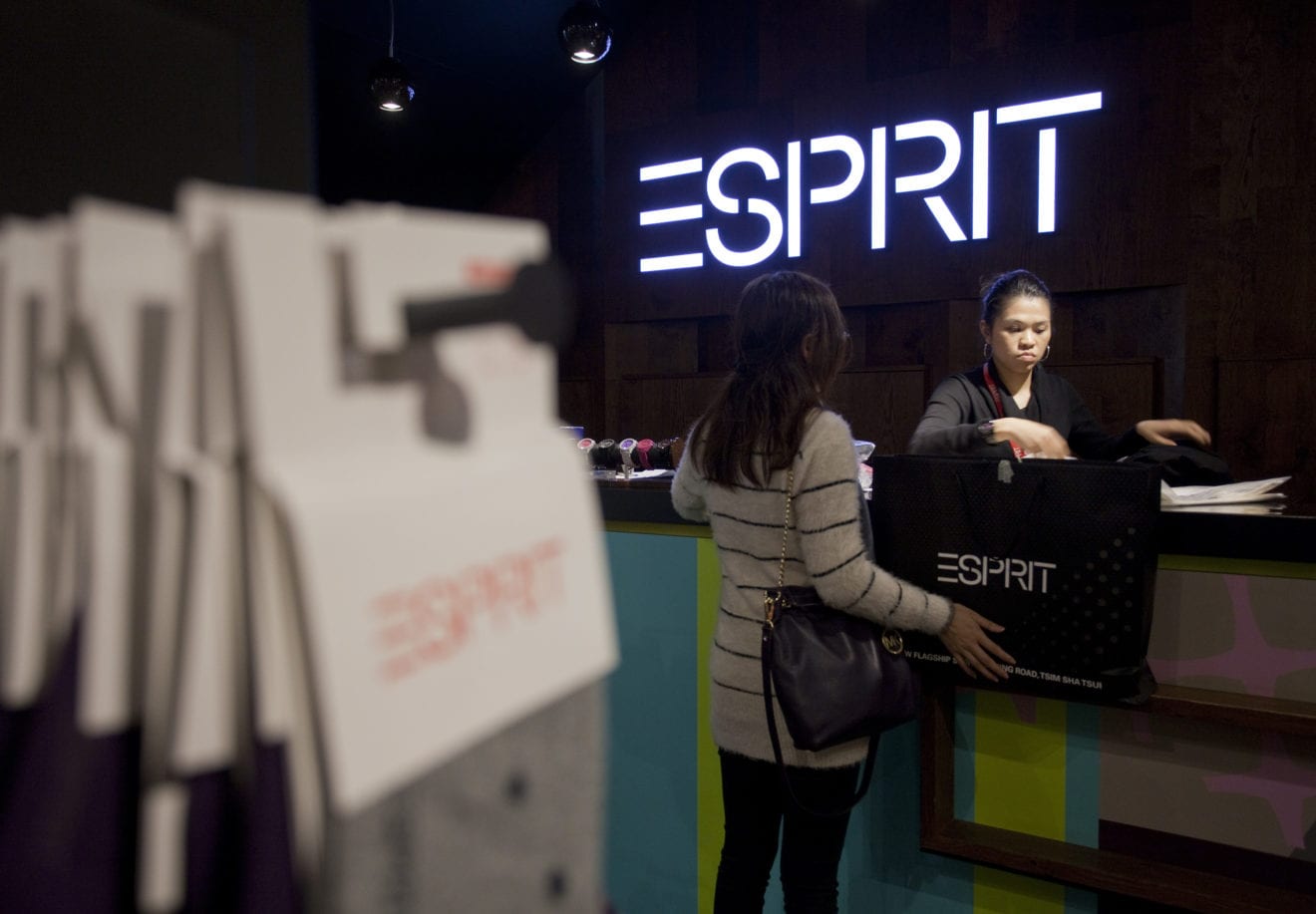
  • Vitasoy family behind bid to oust Esprit management

    Vitasoy family behind bid to oust Esprit management

    Hong Kong-listed apparel retailer Esprit is facing a boardroom stoush seeking the immediate removal of CEO Anders Christian Kristiansen who is leading a restructuring of the long-ailing business.

    Trading in Esprit shares was suspended yesterday and this morning the company revealed that North Point Talent Ltd, now its largest shareholder with a nearly 13-per-cent stake, has sought an urgent extraordinary shareholder meeting to vote on the exit of Kristiansen and another director, Dr Johannes Georg Schmidt-Schultes.

    North Point is an investment vehicle of Karen Lo, a descendent of the family which founded the Vitasoy business.

    The move comes as North Point has boosted its holding in Esprit from 4.93 percent at a cost of US$17 million. After exceeding the 10-per-cent threshold, the investor has the right to call an extraordinary general meeting.

    The move reflects North Point’s lack of confidence in the current management team and a move to replace it with new leadership – and could signal a takeover bid is in the wind, despite Esprit’s European business effectively-being in bankruptcy protection.

    Last week Esprit revealed plans to axe 1200 jobs and close 50 stores in Germany under the court-protected administration process. The company had closed all of its stores in Asia by the end of last month in an earlier round of cuts as it attempts to reverse years of losses driven by a long-standing inability to design clothes that appeal to its core customer base.

    North Point is also seeking the appointment of Marc Andreas Tschirner, Christian Chiu, and Wai Wong as executive directors of the company with immediate effect.

    The precise reasoning behind the removals and appointments are detailed in a statement filed along with the meeting request, but these have not been made public as yet.

    “The board is looking into the allegations made by the requisitionist and will seek legal advice if necessary,” Esprit company secretary Ophelia Lo said in a stock-exchange filing.

    The trading halt was lifted this morning.

  • BE.YOU.TIFUL

    BE.YOU.TIFUL

    After months of staying home due to the Movement Control Order (MCO), Sunway Putra Mall bounced back with the most anticipated campaign “Be.YOU.Tiful”. Every woman deserves to feel confident and comfortable in her own skin but it’s time to pamper yourself with some beauty essentials to enhance your look! The campaign runs from 1st July – 31st July where shoppers stand a chance to win amazing beauty prizes worth up to RM30,000.

    With a minimum spending of RM100 in ONE (1) receipt, shoppers are entitled to play the Glam-Up Game – a motion game on the vending machine. Unique QR codes are given to shoppers at the Concierge Counter upon registration. Shoppers are required to scan the QR code at the vending machine to launch the game. It takes a little body movement to collect the points and they can walk home with amazing prizes.

    Beauty products, cash and discount vouchers from M.A.C, Inglot, The Body Shop, Neal’s Yard Remedies, Selectiv’ By Sasa, Watsons, Pink Parlour, A-Saloon+ and many more are up for grabs throughout the campaign.

    Apart from that, there are loads of great deals to choose from during the Weekly Star Buy. Every week, shoppers could look forward to shop till they drop with a wide selection of haircare, skincare and nail care products.

    Moreover, throughout the campaign period, the mall is also providing Order & Collect service where shoppers are able to order their beauty essentials from Caring Pharmacy, Himalaya, Inglot and The Face Shop and make payment online and Customer Care team will assist to deliver shoppers’ orders to their vehicles upon collection at the Main Entrance.

    In line with Your Safe Space, Our Safe Space initiative, the mall has introduced additional standard operating procedures (SOPs) to include social distancing officers (SDOs) – a team dedicated to carry out core duties including dispersing large crowds in the malls and in stores, spacing out long queues at tenants’ outlets according to the demarcations, taking visitor’s temperature at mall entrances, reminding customers and retailers to wear face masks and more to ensure both shoppers and retailers are practicing safe social distancing measures mapped out by the management.

  • Burberry realigns business units, names new ready-to-wear head

    Burberry realigns business units, names new ready-to-wear head

    Burberry is reorganizing its creative team as the luxury label welcomes back Adrian Ward-Rees to lead its ready-to-wear business.

    The British-based luxury retailer will set up three new business units – ready-to-wear, accessories, and shoes and says it plans to “pool expertise within them” to improve its focus on products and improve quality.

    “The changes we intend to make will ensure we have the right structures in place as we enter the next phase of our strategy,” said CEO Marco Gobbetti.

    Ward-Rees held the role of senior VP and MD of Dior Homme with Christian Dior for the last four years and previously worked at Hong Kong-headquartered Lane Crawford, along with a merchandising role with Burberry.

    He takes up the new role as senior VP ready-to-wear on July 20, based in London and reporting to Gobbetti.

    “I am delighted to welcome back Adrian to Burberry to lead our newly created Ready-to-Wear business unit,” said Gobbetti.

    “Embedding product specialization will enable us to elevate quality and increase our agility, further supporting the momentum we have built across our brand and product and setting us up for future success as markets begin to recover.”

  • Lush Hong Kong flagship closes

    Lush Hong Kong flagship closes

    Beauty products retailer Lush Hong Kong has closed its five-story flagship store several months before its lease was due for renewal.

    The high-profile store was opened in late 2015, at Soho Square in Central. At the time billed as the brand’s largest store in Asia, it featured the first Lush spa globally.

    Located adjacent to the Mid-levels escalator on Lyndhurst Tce, it featured 6909sqft (642 sqm) of trading space.

    The ground floor featured the brand’s signature range of handmade soaps, scrubs, shampoos, and cosmetics, while the floor above housed a cafe, with the spa located on upper floors, offering customers scrubs, baths, massages, and facials.

    According to Land Registry records, Lush paid US$196,000 in rent for the latest year.

    Inside Retail Asia reached out to Lush for comment on the closure, but the company did not respond.

    Lush’s closure extends the recent trend of mid-market brands closing stores across the territory in the wake of falling footfall due to borders being closed to tourists during the Covid-19 pandemic. Other retailers including Gap, SaSa, and Swatch have been reducing their store count in the city, along with luxury brands such as Tiffany, MCM, and Prada.

  • Bottega Veneta opens ‘invisible outlet’ in Shanghai

    Bottega Veneta opens ‘invisible outlet’ in Shanghai

    Kering label Bottega Veneta has just opened its first pop-up store post-Covid-19 at Shanghai’s Plaza 66 Mall, dubbed the ‘invisible store’.

    Running until July 19, the pop up is doubles as an art installation with a mirrored exterior camouflaging the space, which seems to melt into the luxury mall’s atrium.

    Standing three meters high and taking up 100sqm of floor space, the pop up forgoes branding, save for a subtle and almost indistinguishable logo raised on the surface. Instead, it reflects the logos and stores of its neighboring permanent store rivals, essentially providing them with free exposure.

    Inside the Bottega Veneta invisible store, a reflective interior highlights the pre-autumn 2020 collection, covering men and women’s ready-to-wear lines, along with leather goods and accessories. Bottega Veneta currently operates 44 stores in China.

  • Havaianas invests $US50 million in Asian expansion plan

    Havaianas invests $US50 million in Asian expansion plan

    Undeterred by the advent of Covid-19, Brazilian flip-flop brand Havaianas is investing US$50 million into the expansion of its retail footprint across Asia-Pacific between now and 2024.

    Havaianas – which sells about 1 million pairs of footwear a day worldwide – was until 2017 represented by a small group of licensed distributors in Asia, overseen by an export manager in Brazil who also had responsibility for Africa, South America, and the Middle East. However, in 2018 the company opened a regional office in Hong Kong and appointed an Asia regional president, experienced retailer Robert Esser, to build a team managing expansion from Greater China down to Australia and New Zealand.

    Esser has since built a team of around 30 staff and opened a sub-office in Mainland China to accelerate the push there.

    New distributors have been appointed in multiple markets and the network has since grown from 35 to about 135 stores, augmented by another 25 or so short-term pop-up stores in regional areas where cold winter weather is not conducive to wearing flip flops all year round. Flagships have opened in Manila in the Philippines, and at Sydney’s iconic Bondi Beach in Australia, and the brand has established virtual stores on Chinese marketplaces including JD and Tmall.

    “In Asia Pacific today, our biggest potential markets are China, Indonesia, Thailand, and Malaysia,” explains Esser. “We now plan to reach more local consumers and deliver a change in the way they perceive and wear flip-flops. Havaianas wants to enchant Asian consumers and build a strong emotional connection and affective memory, occupying a unique space where attributes like functionality, style, and accessibility meet.”

    Esser believes the expansion reflects a great opportunity to introduce consumers to “a whole new concept in flip-flops”: not just functional footwear, but a combination of comfort and style and “a true fashion accessory”.

    “Apac is diverse but consumers are looking for authenticity, high quality, and fashionable products so Havaianas can be perfect for them,” said Esser.

    With Covid-19 leading to the closure of many of Havaianas and its partners’ stores across Asia for varying amounts of time, the company invested “disproportionately” into online channels, he says, setting out to achieve “find-ability and visibility”.

    “We set up stronger social-commerce platforms and built a relevant influencer strategy with local brand ambassadors, like Luna Maya in Indonesia and Nelydia Nik Sen in Malaysia. This has already delivered promising results with online business growing three-fold during the first quarter and six-fold during April.”

  • JW Anderson opens new outlet in Korea

    JW Anderson opens new outlet in Korea

    British fashion label JW Anderson has opened its second store in Seoul, South Korea. Located in Galleria Luxury Hall East, the store resembles the brand’s flagship in London’s Soho shopping district. Its facade features a floor-to-ceiling glass wall with the brand’s logo in neon.

    Customers can find a full selection of apparel for women, including the brand’s latest collection, at this store. The JW Anderson Korea store also offers handbags, footwear, and accessories

    The brand opened its first flagship store in Soho, London in March.

    Founded in 2008 by Northern Irish designer Janathan Anderson, JW Anderson’s design offers a “modern interpretation of masculinity and femininity by creating thought-provoking silhouettes through a conscious cross-pollination between menswear and womenswear elements”.

  • Senreve opens first Hong Kong pop-up store

    Senreve opens first Hong Kong pop-up store

    San Francisco-based online bag brand Senreve has opened a standalone pop-up store in Hong Kong, its first foray into a major city mall.

    Founded in 2016, the brand specializes in Italian-made luxury handbags. The new store has opened in the atrium of Pacific Place in admiralty.

    Designed by Hong Kong and London-based Editecture studio, the pop up features what the design team describes as an organic and open space to highlight Senreve’s core products and new lines.

    Operating until August 6, the pop-up will host workshops in collaboration with local female artists and entrepreneurs. Customers who make a purchase above a specific value will be invited to receive custom twilly scarf embroidery, tarot-card readings, and other benefits free of charge.

    Senreve previously opened a pop-up store-within-a-store last summer inside Khromis in Sheung Wan.

    The company also recently raised US$16.75 million in Series A funding for its upcoming Asian expansion.

  • Japanese entrepreneur revisits nation’s golden apparel era with Factelier

    Japanese entrepreneur revisits nation’s golden apparel era with Factelier

    Toshio Yamada, the founder of Factelier, is a young Japanese entrepreneur who wants to preserve the craftsmanship of his country’s apparel industry.

    Yamada has created his own uniquely Japanese brand Factelier which designs and sources clothing and accessories for men, women and babies from experienced, typically family-owned, clothing factories spread all over the nation. They are sold online and shipped to 100 countries, through a small network of boutiques in Japan and Taiwan, and in selected department stores.

    Yamada’s vision is to preserve the rich heritage of apparel manufacturing and let the suppliers he works with emerge from the unavoidable anonymity that comes with supplying global brands.

    Thirty years ago, Japan, one of the world’s largest apparel markets, used to produce 50.1 percent of its domestic sales. Today, thanks to the rise of fast fashion and the outsourcing of manufacturing to countries like China, Bangladesh and Vietnam, that share has slumped to just 3 percent. More than three-quarters of the companies manufacturing clothing in Japan in 1990 are no longer trading today.

    Yamada was born into a family that ran a women’s clothing store for 100 years in Kumamoto, on the island of Kyushu. Living upstairs, he helped out on the shop floor from early childhood, surrounded by quality locally made clothes in an era when ‘made in Japan’ was familiar.

    Later, as a student, Yamada interned with luxury label Gucci in Paris. There the realization dawned on him that labels like Gucci, Hermes, and Louis Vuitton were all born in factories. “So they respect craftsmanship. Now I’m hoping to revive the local craftsmanship in Japan.

    “Our dream is to create world-class brands made in Japan, and build a sustainable and profitable link between these local artisans and consumers around the world, by selling clothes from Japanese factories directly to consumers, cutting out the middleman,” he told Inside Retail Asia.

    Factelier was created via an astonishing commitment to researching the industry. Yamada personally visited some 600 factories the length and breadth of Japan before selecting 55 of them as suppliers, all of them with experience in supplying top international brands.

    “A lot of these companies did not have a homepage, right, and Google did not know about them. So I would take a train and get off at a station and go to a telephone box and use the telephone book to find them.” He would then phone the factories he found listed and ask if he could stop by.

    Somewhat surprised, they invariably welcomed him. “It was a very old style approach,” he recalls.

    Having built the network he not only maintains constant personal contact with his suppliers, but their company names appear beneath Factelier on the clothing labels. The connection between craftsmanship and consumer runs even deeper: Yamada’s company runs regular factory tours for customers so they can see the art and commitment that goes into the clothing they buy.

    “We know the stories behind the factories, how they make the products, and it’s very interesting – when our customers go to the factories and they see the craftwork behind the clothes they become loyal customers.”

    It took Yamada three years to build the base of the business, living off a part-time job as he traveled from factory to factory and developed designs and products. Eight years since his mission began, Factelier has grown to a 50-strong team with four stores and a warehouse in Japan, two stores in Taipei – and even a cafe. Sales are currently doubling twice a year with 80 percent of orders from Japan. The largest overseas markets are the US, Mainland China, Taiwan and Hong Kong.

    “Fashion manufacturing used to be a declining industry in Japan, but I think if we have the passion and the vision, I think we can revive it. And more importantly, [our customers] will spend more for better products.”

    Factelier’s garments are of similar quality (but not design) to those being supplied to the likes of Gucci or Hermes – but sell for about half the price. It helps, of course, that Factelier is not paying for massive international advertising budgets and other overheads associated with luxury brands. Typically the factory gets a higher price for the clothing it produces for Factelier because the two parties jointly decide on the retail price, rather than the label dictating pricing and how much the factory gets for making it.

    “It’s a very, very different business model from traditional brands,” says Yamada.

    That said, the factories could not survive on Factelier alone – the Japanese label typically only accounts for between 5 and 10 percent of a partner factory’s production. But they are getting a better deal and Yamada says many are finding themselves able to employ more graduates to expand their business.

    The closer relationship between brand, manufacturer, and the customer has produced an unexpected spinoff: consumers are starting to influence the range and style of clothing being produced, especially in the field of functional clothing.

    “One day a customer asked us to manufacture clothes that would repel mosquitos. That’s a very, very difficult request.” Diligently working with factories and textile suppliers Yamada’s team succeeded, by incorporating a herb in the fabric that sends the mozzies packing.

    During our conversation, Yamada wore a stylish blue wrinkle-free jacket. “If I pack it in a trunk, it does not crease.” Another product uses baseball-uniform techniques to create 3D pattern effects.

    And Factelier sells stain-proof white jeans. Spill soy sauce, wine, coffee or ketchup over the denim and it comes off immediately without leaving a stain. This was another product designed to fulfill a customer’s request.

    Besides his interest in functional clothing, Yamada is committed to sustainability. The company uses natural fibers and biodegradable fabrics and it recently planted an organic cotton farm near Mount Fuji. Japan imports 99 percent of its cotton and he wants to change that reliance on other countries.

    Yamada is optimistic there is a strong future for direct-to-consumer brands. “The size of the B2C market in Japan expanded to US$180 billion in 2018. It grew by $160 million, or 9 percent, in that year.

    “Yes, craftsmanship is very big. I want to spread the idea of craftsmanship all over the world.”