Category: Fashion

Retail News Asia is committed to providing both local and global retailers with the latest Fashion news throughout the Asian market. This on a daily base.

  • ShopWorn opens its first Hong Kong office

    ShopWorn opens its first Hong Kong office

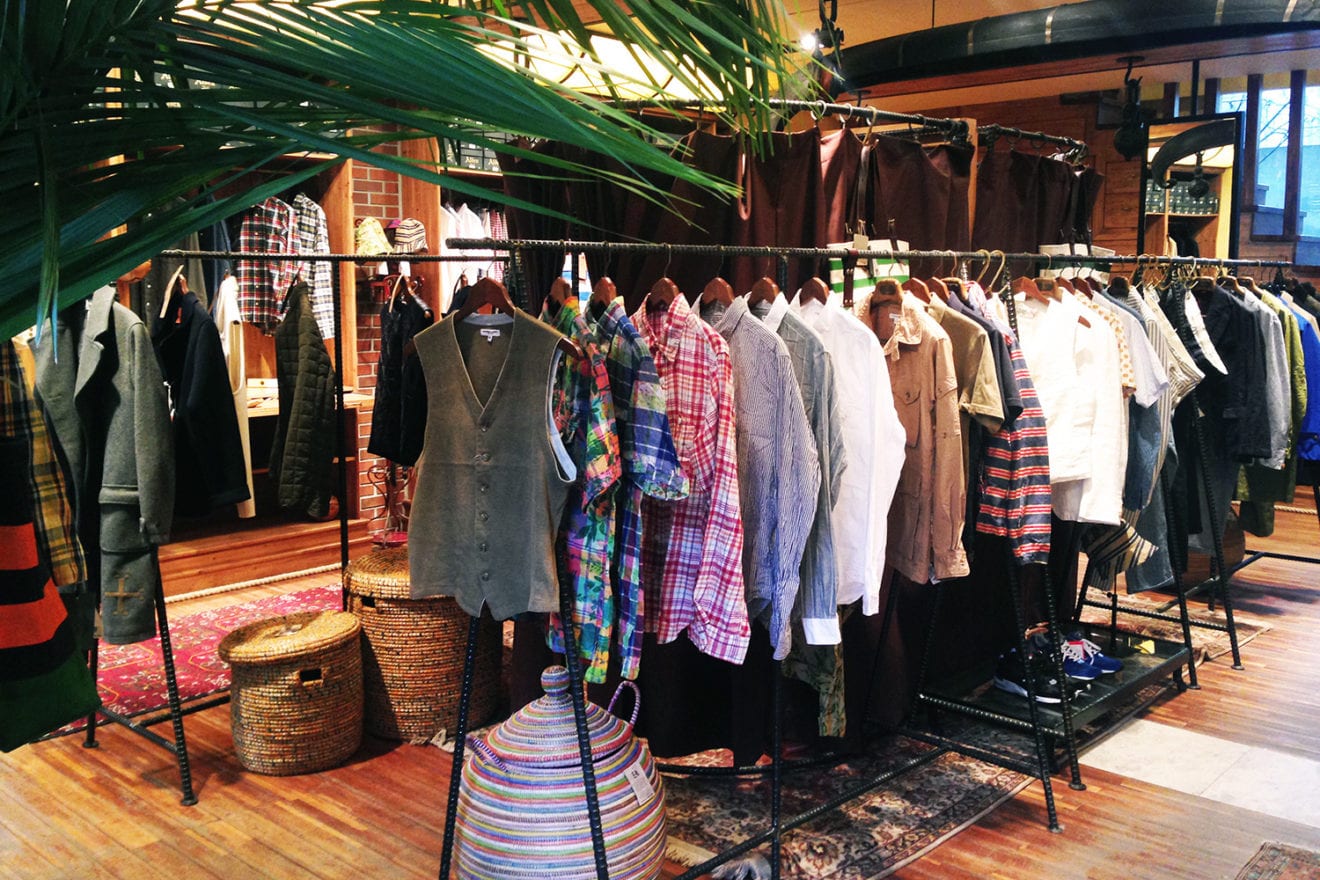
    Authentic luxury-goods platform ShopWorn has opened a satellite office in Hong Kong ahead of a planned expansion in Mainland China and Asia-Pacific.

    Unlike other online marketplaces, ShopWorn, launched in 2015, sells designer labels at discounts of 50 to 90 percent off the Manufacturer’s Suggested Retail Price (MSRP).

    From Carl F. Bucherer to Graham and more, past season’s luxury watches, jewelry, and other accessories sourced directly from brands and authorized retailers can be found on ShopWorn with authenticity guaranteed.

    The prices are kept low because items have never been worn by the consumer or pre-owned, but merely ‘shop worn’ – an industry term for merchandise that has been used in in-store displays.

    Typically, luxury retailers would either designate specific merchandise to be used in visual merchandising displays, or write-off items that have been lightly handled but are in an unsaleable condition, selling them to staff at a substantial discount or destroy them.

    ShopWorn also launched its first overseas virtual flagship on Tmall Global to target 800 million high-end Chinese consumers, joining other luxury labels from Dunhill to Marc Jacobs as of late – just in time for Singles Day.

    The platform aims to expand to Europe and other markets during the next five years, while a presence on other major Asian marketplaces such as Shopee, Lazada, and JD are already in the works.

  • AmorePacific opens first ‘refill store’

    AmorePacific opens first ‘refill store’

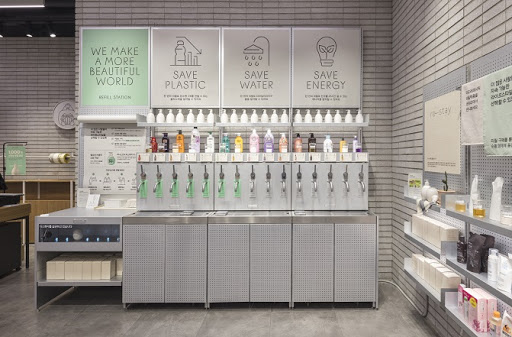
    South Korean cosmetics giant AmorePacific Corp has opened a so-called ‘refill station’ – a first for the nation’s cosmetics industry.

    The company opened the facility as a trial inside its new Gwanggyo store that opened last week in Suwon, Gyeonggi Province.

    Customers can take an empty container made of coconut shells from the store and fill it with the product of their choice, with 15 different kinds of shampoos and body washes on offer.

    After filling the container with the product of their choice and measuring the weight, they pay per gram.

    Although the price is different by product, customers can generally fill a container at savings of roughly 50 percent compared to pre-packaged cosmetics products.

    The contents for refill will be limited to those with a manufacturing date of less than 100 days prior. Returned empty containers will be sterilised before being released to be refilled.

    “We decided to run the refill station to better meet the demand of the times requiring a wider variety of sales methods and the promotion of refill products,” the company said.

  • Puma surfaces in third quarter as stores open again

    Puma surfaces in third quarter as stores open again

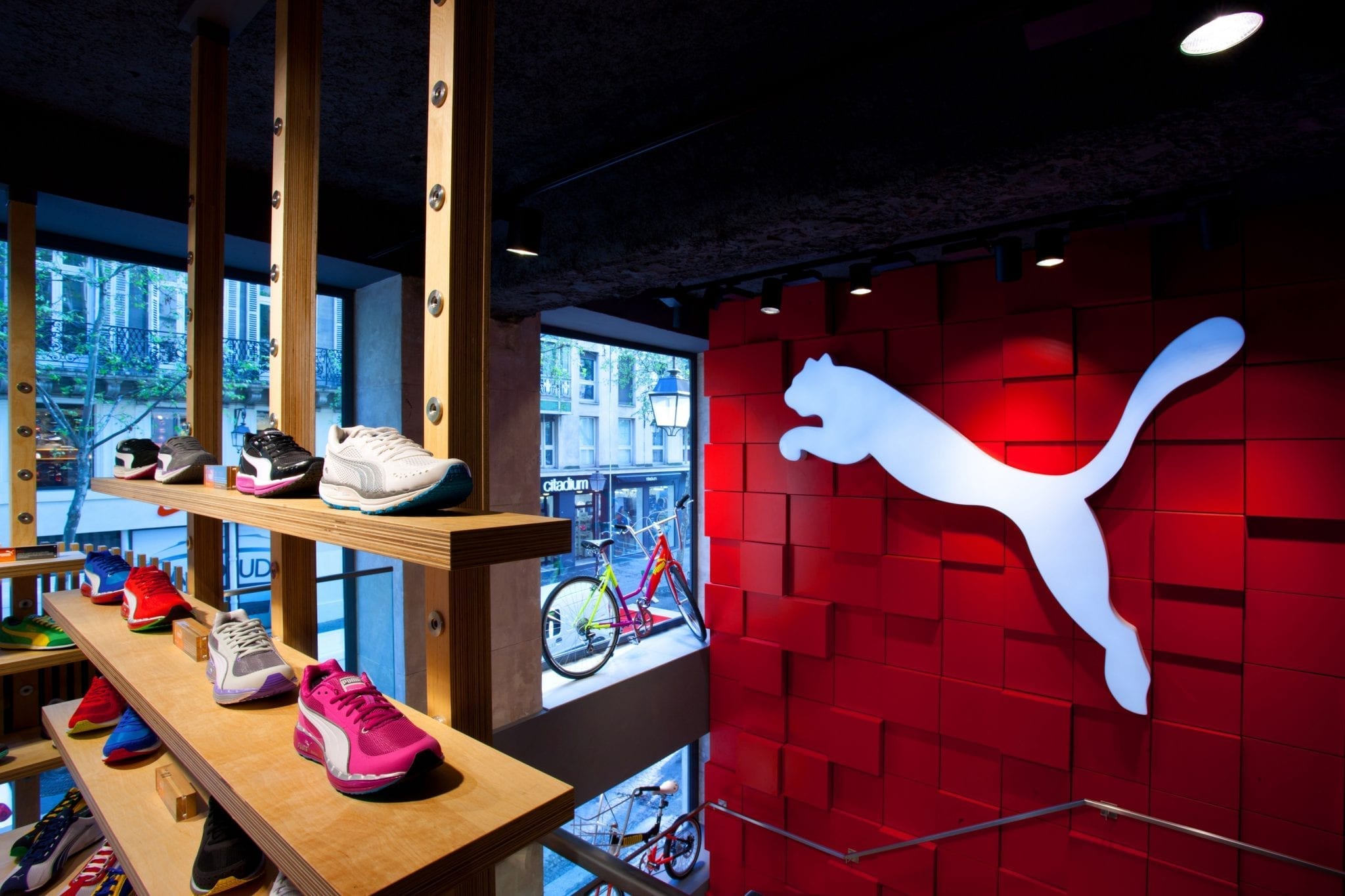
    Puma says its third-quarter sales rose 13.3 percent on a currency-adjusted basis to US$1.85 billion, leaving year-to-date sales down just 5.1 percent despite the impact of the pandemic.

    “The third quarter developed much better than I expected,” said Bjorn Gulden, Puma’s CEO.

    “Retail stores reopened, sports events resumed, consumer confidence improved and our sales increased week by week. I feel this strong performance confirms the strength of both PUMA as a brand and the sporting goods industry in general.”

    Puma’s gross profit margin decreased to 47 percent, largely due to negative currency impacts and increased promotional activity as the company adjusted to an unusual trading environment. However, operating expenses dropped by 3.3 percent allowing a pre-tax profit of $223 million.

    “Despite a very promotional market environment and currency developments that put pressure on our margins, we were even able to improve our EBIT compared to last year,” said Gulden.

    “This was achieved by continued strong cost control that we initiated in the extremely weak second quarter and through less but more efficient marketing activities.

    “October started well, but the recent development of Covid-19 and the number of infections we are seeing globally make us cautious for the rest of the year. We will continue to maneuver through this pandemic in the short-term without hindering Puma’s mid-term momentum.”

    Sales in Asia/Pacific declined by 1.9 percent, mainly due to slower growth in Greater China and a sales decline in India, Korea and Southeast Asian markets.

    For the first nine months of the year, including the time when lockdowns were in place across much of Asia, sales in the region fell 9.1 percent.

    Global net earnings for the nine months combined were down from $287 million last year to $63.7 million.

  • I.T flags big loss as Covid-19 impacts shoppers’ enthusiasm

    I.T flags big loss as Covid-19 impacts shoppers’ enthusiasm

    Multibrand Hong Kong fashion retailer I.T Limited has warned shareholders it will likely post a loss of at least US$38.7 million for the six months to August, such has been the impact of the Covid-19 on sales.

    Chairman Sham Kar Wai said in a letter to shareholders that the Covid-19 pandemic had led to a decline in consumer-spending enthusiasm across the world. While it has offered extra discounts to boost sales volume amid “an incredibly difficult trading environment” sales were down substantially.

    This is the third profit warning the company has issued this calendar year, following earlier announcements in July and August. It is based on initial figures and subjects to change before final results are reported tomorrow, (October 29).

    “Although during the period ended 31 August, the group took rapid and decisive action to reduce costs considerably, the savings in operating costs were not sufficient to offset the decline in sales and gross margin,” he said.

    August’s likely half-year loss follows a deficit of $9.2 million in the same period last year.

    I.T Group operates its own brands, including Chocolate and 5cm, concept stores Izzue and Double-Park; international brands it has local licenses for including Kurt Geiger and Camper; and A Bathing Ape, which the company rescued from Japanese owners in 2011.

  • Revolut Ramps Up Growth Efforts in Singapore

    Revolut Ramps Up Growth Efforts in Singapore

    The fintech hopes to build on the momentum it has gained amid the social and economic challenges brought about by the pandemic.

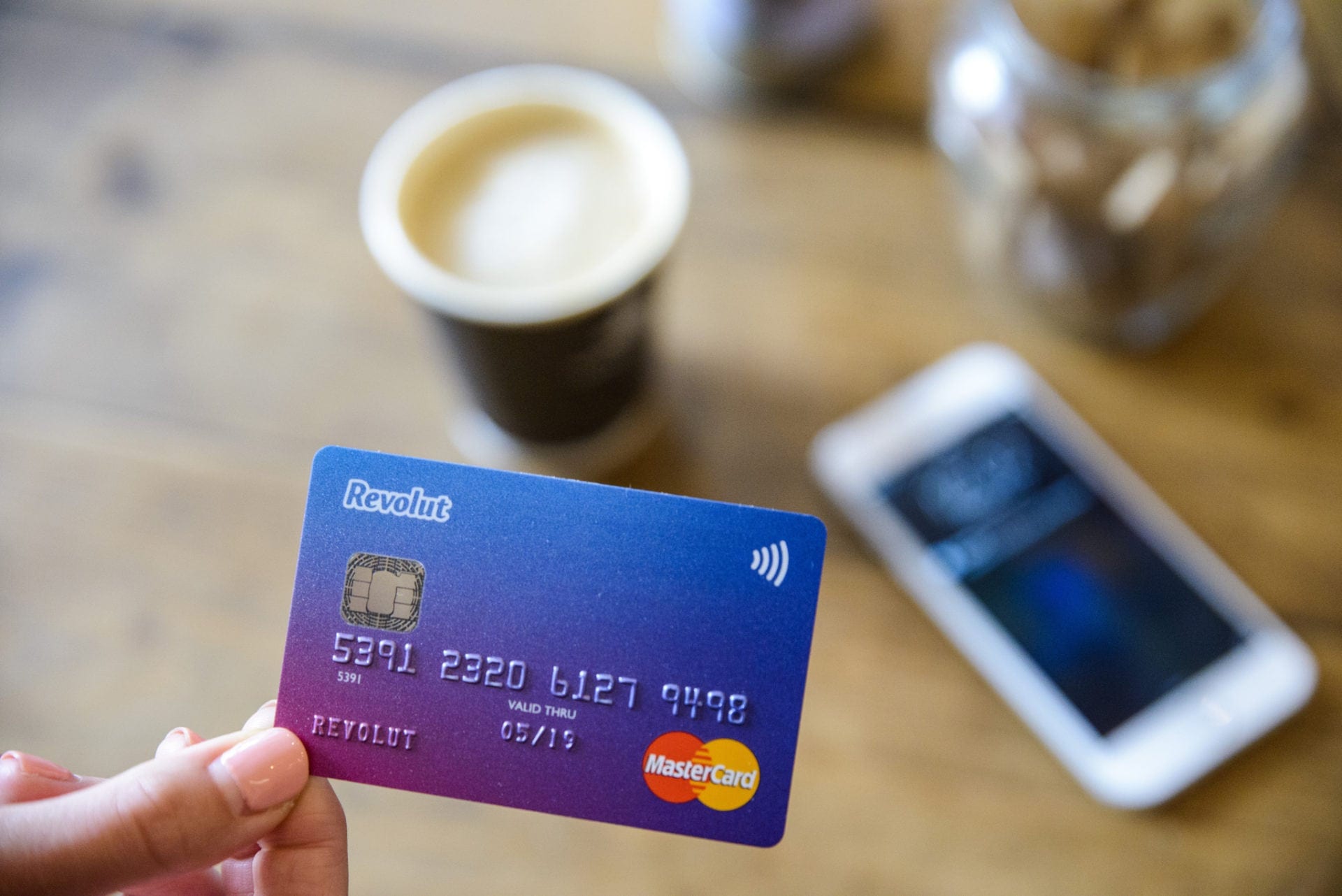
    Revolut Singapore has made a number of additions to its growing team in Singapore bring onboard digital strategist Sam Chui as marketing manager and media specialist Deborah Tan-Pink as communications manager.

    Chui joins from local marketing agency GoodStuph, while Tan-Pink resigns from her role as CEO of an edtech startup to join the company. She previously spent more than 10 years in lifestyle publishing, including a stint as editor-in-chief of Cosmopolitan Singapore. The pair will report to Pam Chuang, Revolut Singapore’s head of growth.

    Our hiring strategy is to attract top talents in the region with great expertise in specific fields. Both Deborah and Sam have on-ground knowledge of the Singapore market when it comes to our target customers, Chuang said about the new hires.

    The total number of e-commerce transactions among Revolut customers more than doubled during Singapore’s «circuit breaker» period earlier this year. Contactless payments also grew by 30 percent, and now comprises 90 percent of its transactions, Tan-Pink said.

    Revolut is currently seeing a recovery in in-store spending, particularly for restaurant dining, with close to 3x growth in total transactions. Year to date, our daily active people figure is close to pre-Covid levels and we are poised to grow this number further this quarter and into 2021, she said.

    The company said it has enjoyed «very positive momentum» since its launch one year ago, with over 70,000 customers, of which 65 percent are Singaporeans. The average age of the Revolut customer in Singapore is 35 and some three-quarters of its active customers use the Revolut card for e-commerce purchases, it noted.

    The company is preparing to bring Revolut Junior to the market in the last quarter of 2020, and expects a full roll-out of Revolut Business at end of the first quarter next year.

  • Puma launches crossover with Chinese streetwear brand Attempt

    Puma launches crossover with Chinese streetwear brand Attempt

    Puma has collaborated with Chinese streetwear brand Attempt to launch a “hacking the archive”-themed range.

    The Puma x Attempt Collection offers a selection of footwear, apparel, and accessories, featuring both classic Puma style and Attempt’s signature minimalist and functional designs.

    “The designs feature deconstructed elements with technical designs and the tonal color palette comes alive with bold color pops, resulting in a collection that is fresh, unexpected, and raw,” the company described.

    The collection also offers a mix of Puma footwear, including the RS-2K, Oslo Pro, and Style Rider. The apparel range features five tees and outerwear items for the warmer months. The accessories range consists of a crossbody bag and a cap.

    Founded in 2015, Attempt is known for its casual clothing featuring minimalist aesthetics with functionality and fresh styling.

  • Swiss Watchmakers Believe In-Store Shopping Will Prevail

    Swiss Watchmakers Believe In-Store Shopping Will Prevail

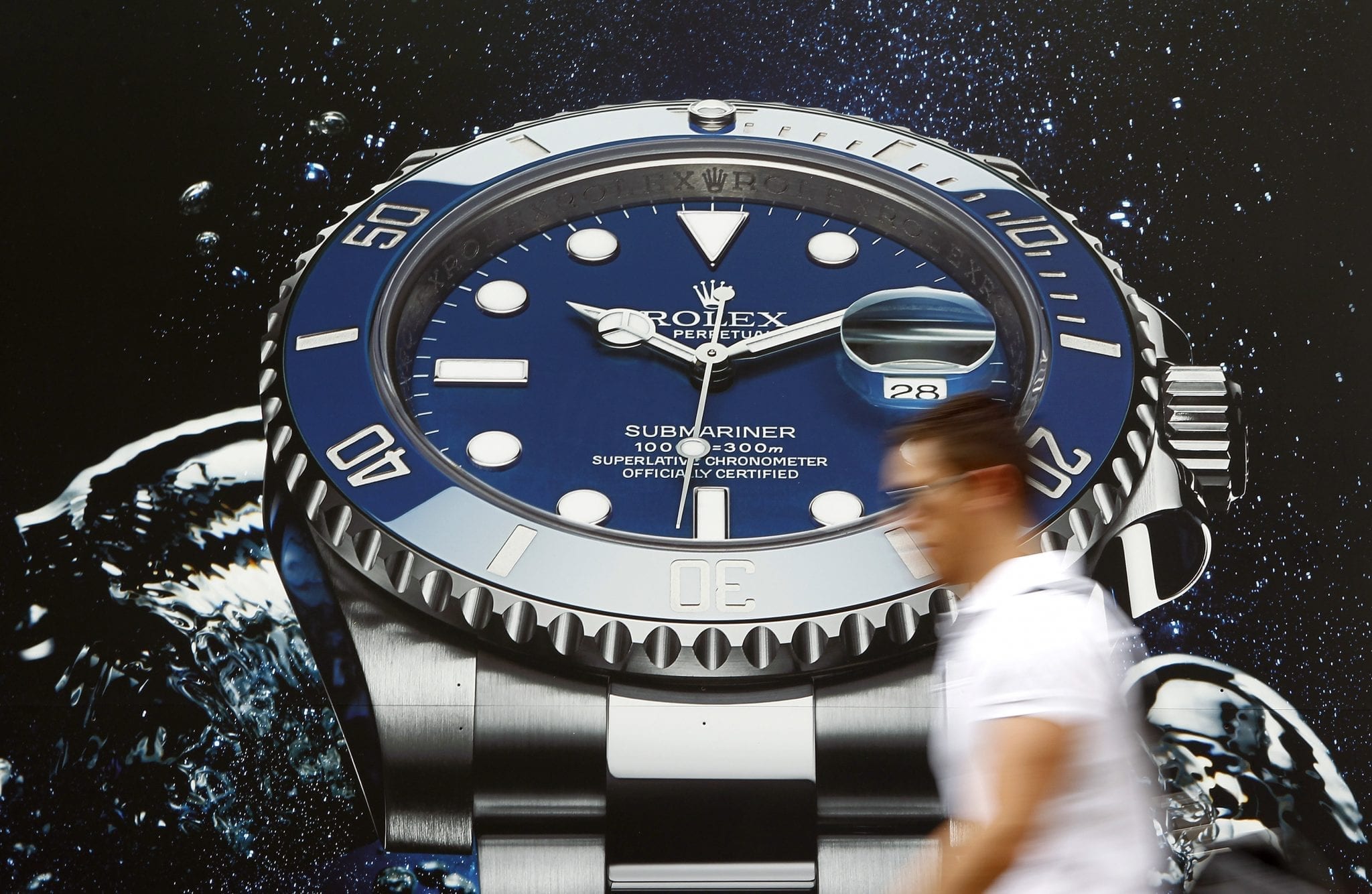
    Despite the pandemic, Swiss watchmakers believe in-store shopping will prevail over digital platforms. The majority of Swiss watchmakers believe that bricks and mortar stores will remain the preferred sales channels for their products and will prevail over online in the coming years. This, despite the recent impact of the pandemic and accelerated digitalization.

    In-store experiences are still viewed as an essential part of the customer journey, and companies are investing considerably in experiential brand marketing. Pessimism is rife among Swiss watch industry executives with 85 percent forecasting a grim outlook for the industry. Despite the challenging outlook, the industry is not complacent, prioritizing omnichannel strategies, delving into the pre-owned market, and shifting towards more sustainable and ethical ways of production.

    Hopes were high in January 2020 for a positive year for the watch industry after a challenging 2019. COVID-19 had other plans leading to one of the most disruptive periods in the history of the Swiss watch industry. Over two-thirds (67 percent) of watch industry executives surveyed in the Deloitte Swiss Watch Industry Study 2020 predict a gloomy outlook for the Swiss economy in general, with 85 percent forecasting a grim outlook for the industry specifically which shows the seriousness of the current situation and the monumental challenge for the industry.

    COVID-19 has hit the industry hard and the emerging second wave is a stark reminder that the crisis is not yet over. The decline in exports has affected entry-level quartz watches even more acutely, a segment suffering since 2012. The collapse of global tourism due to travel restrictions, which is likely to continue in the coming months, a drop in domestic demands due to the lockdown, and cautious spending habits are having a direct impact on the industry. Production halts in China exposed gaps in some of the producers’ supply chain and inventories, perhaps leading to a rethink of regionalizing production back to Switzerland.

    Over 70 percent of Swiss watch executives believe that offline channels will continue to dominate digital ones across all price brackets. Over 60 percent of brands surveyed are prioritizing the development and strengthening of their omnichannel strategy. The in-store experience is an essential part of the customer journey, which is why executives are looking to implement experiential brand experiences, a mobile-driven workforce, and mobile apps to enhance their in-store customer experience. Technologies like augmented reality or virtual reality are not prioritized at the moment.

    For an industry that largely relies on the emotional connection from seeing and handling luxury watches, the challenge moving forward will be how to combine physical and digital with so-called phygital experiences. This will be essential to create not only a seamless journey for customers but also increase resilience should another lockdown happen, Karine Szegedi, Head of Fashion & Luxury at Deloitte Switzerland, said.

    When it comes to which marketing channels influence consumers’ decisions to buy a watch, print ads are still most influential in Switzerland and Germany, while in France, China and the U.K., in-store events have the greatest impact. Social media and influencers are most effective in Hong Kong, UAE, and Singapore. Radio and TV are still quite important in many countries, showing the importance of getting the marketing channel mix right.

  • Guardian unveils revamped Singapore store

    Guardian unveils revamped Singapore store

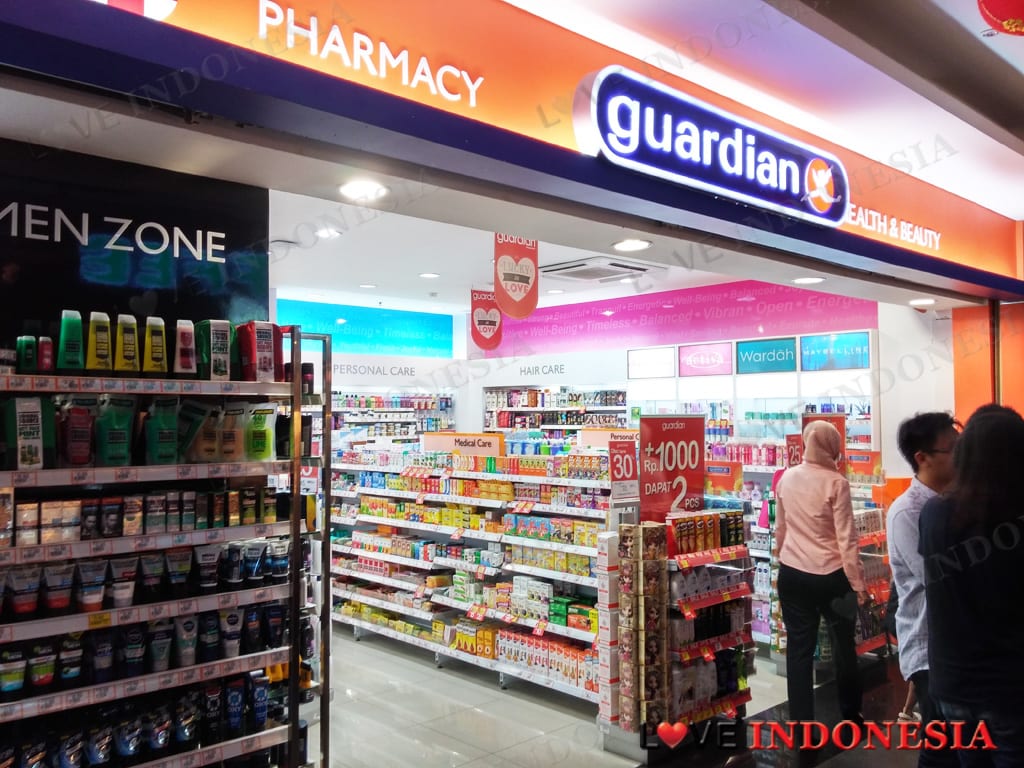
    Beauty Flash: Grooming giant Guardian’s latest and largest store, christened Guardian Plus, had officially opened at Takashimaya Shopping Centre, and boasts a number of firsts sure to make any beauty buff excited.

    For starters, the store at 6,000 square feet is an expansive wonderland of products and cool features, most notable of which is an interactive section outfitted with tablets and touchscreens. With a few swipes of their fingers, shoppers can pinpoint the location of a particular brand or product they’re looking for, as well as research on brands, compare prices and print out their own shopping lists.

    Another nifty touch is a Play, Trial & Test area. Here, you’ll get to test-drive products before you commit, get your skin analyzed by high-tech gadgets, and consult a power team of nutritionists, health, and beauty advisers.

    Choose from over 150 skincare brands and 85 haircare labels, some of which include insider favorites like No7, Mark Hill, Skincode, and Rodial. Guardian says that a mind-boggling 20,000 health and beauty products will be lining the aisles at Guardian Plus, so grab a girlfriend or two and have fun browsing over the weekend!

  • Adidas in talks to lay off Reebok

    Adidas in talks to lay off Reebok

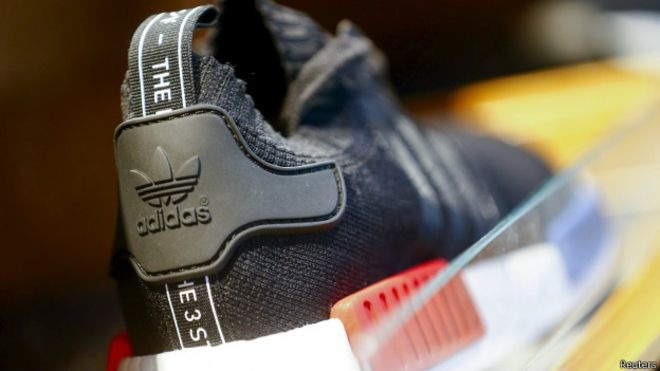
    For some sneakerheads who may be unaware, Reebok is owned by Adidas. Back in 2005, the brand was bought by the Three Stripes for a large sum of $3.8 billion and they have been sharing warehouses and website assets, ever since. Now, however, this business relationship could very well be coming to an end, based on a brand new report from Manager Magazin.

    This publication is based out of Germany and typically has the inside track when it comes to what’s happening over at Adidas Headquarters. Based on the report, it noted that the brand is putting together a team that will try to have Adidas sell-off Reebok by early 2021. This news comes in the midst of a disappointing Q2 sales report that showed Reebok’s revenues dip by 42 percent as a result of COVID-19.

    As for potential buyers, Manager Magazin claims Anta Sports in China or the VF Corporation are suitors. The VF Corporation is certainly an interesting candidate as it boasts properties such as Timberland, Vans, and The North Face.

    So far, Adidas nor Reebok has commented on this story. Keep it locked to HNHH as we will be sure to keep you updated on this story. Also, stay tuned as plenty of other sneaker content is coming down the pipeline.

  • Tiffany sees earnings bump during legal case

    Tiffany sees earnings bump during legal case

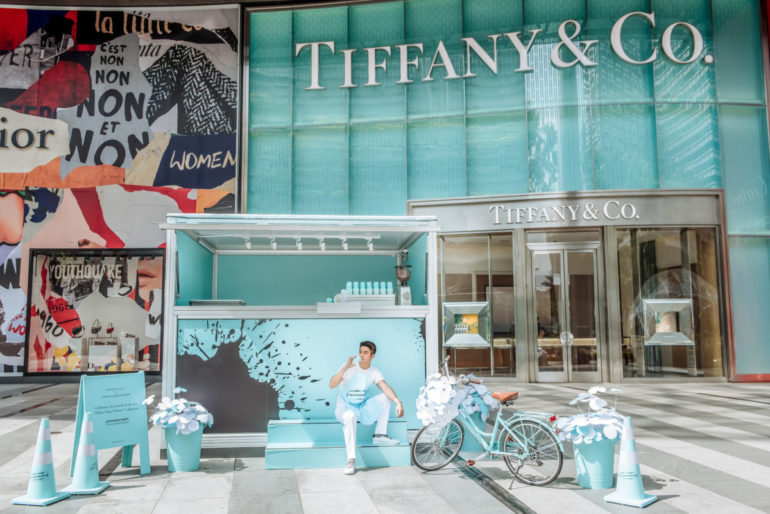
    In the midst of a legal stoush with one-time suitor LVMH, luxurious chain Tiffany has seen constructive gross sales momentum carry it by means of the final two months.

    Though worldwide web gross sales fell barely, working earnings grew 25 percent during August and September in comparison with the identical interval final 12 months. And e-commerce gross sales continued to point out resilience, making up virtually 13 percent of complete gross sales for the interval – virtually double the August – September interval final 12 months.

    “While we still expect full-year results to be substantially impacted by Covid-19, we are very pleased with the way the business has rebounded following the first quarter and continues to rebound in the third quarter, especially in Mainland China, and to recover in the United States,” stated Tiffany chief government Alessandro Bogliolo

    The enterprise does, nonetheless, anticipate fourth-quarter gross sales to be below these seen final 12 months, however expects greater earnings to proceed.

    The earnings announcement got here because the enterprise continues its legal battle with LVMH, which dedicated to buying Tiffany & Co. however pulled out on the grounds the enterprise had been mismanaged during the pandemic and that the French authorities had requested it to delay the acquisition – one thing Tiffany claims by no means amounted to a legal restraint.

    “LVMH’s specious arguments are yet another blatant attempt to evade its contractual obligation to pay the agreed-upon price for Tiffany,” Tiffany’s chairman Roger Farah stated in a press release final month.

  • Outdoor Venture unveils new retail concept

    Outdoor Venture unveils new retail concept

    Despite COVID-19 restrictions, there is plenty to do outdoors and plenty to do in Scouting. The Chief Cornplanter Council of the BSA and Chapman State Park are sponsoring a Cub Scout Outdoor Venture from 2 to 6 p.m. Sunday. The event is intended to give families a feel for the kinds of activities Scouts participate in, District Executive Jim Shaw said. And, “we’re trying to show people you can still do things outdoors.

    Chapman Dam is such a great asset. It’s amazing how beautiful it is and how many different things they can do.”

    “We’ll have a treasure hunt geocache,” he said. “Knot-tying, tree identification nature hike, archery, boating, fishing, and field games like capture-the-flag and tug-o-war.”

    The Martz Observatory is providing a solar scope. There is a special filter on the telescope that will allow visitors to look directly at the magnified sun. Most of the events will be ongoing from 2 to 6, but some, like geocaching and the guided hikes, will follow a schedule.

    “You can bring the whole family,” Shaw said. “Everybody’s welcome. No charge.”

    The registration area will be located in the pavilion nearest the spillway. Visitors should take the left turn at the park entrance, cross the bridge at the spillway, and turn into the first parking lot. There will be signs to help with navigation.

    Families are welcome to sign up youngsters for Scouting. Anyone who signs up will be entered into drawings for door prizes, Shaw said.

    Precautions against the spread of respiratory illness will be taken, according to Shaw. Masks will be available for those who do not bring them. Social distancing will be maintained. Hand sanitizer will be available at each station and Scouts and volunteers will wipe down equipment between each use.

  • China’s Miniso makes it’s Parisian debut

    China’s Miniso makes it’s Parisian debut

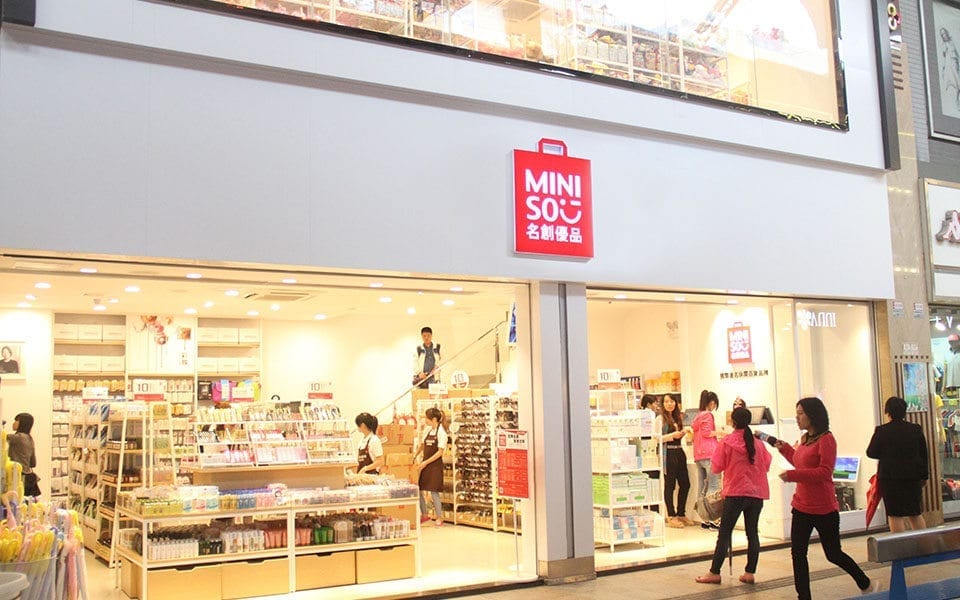
    MINISO, the Japanese-inspired lifestyle product retailer, opened its inaugural outlet in Paris today. The first store to open in Europe since the company’s successful listing on the New York Stock Exchange earlier this month, it signals continued global expansion for the brand as retail rebounds in Europe.

    Two more store openings are planned in France for this year, and MINISO aims to open additional locations in 2021. The retailer offers around 2,000 creative and low-priced goods ranging from creative home necessities, health and beauty products, fashion accessories and stylish gifts to office supplies, boutique package decorations, digital accessories, as well as food and seasonal products.

    Luxury bargains for fashion-forward consumers

    Shoppers in the chic District 8 now have the choice to purchase sleek goods without worrying about the price tag. Located on 58 Rue de la Chaussée-d’Antin, MINISO’s new store is within walking distance of Paris’ luxury stores, and offers more than 80% of its well-designed, quality products priced at under 10 euros.

    Before officially bringing its international aesthetic to the global fashion capital, MINISO first caught Parisians’ attention by debuting 40 original products at the Manson & Objet Fair last September. Almost exactly one year later, the brand was introduced to the French market by seasoned retail businessman Jonathan Siboni, the President of Luxurynsight.

    “Following much anticipation, I am thrilled to bring MINISO to French consumers. MINISO was a love-at-first-sight story for me at the Maison & Objet Fair last year,” said Siboni. “From the start, Ye Guofu’s vision has been generous and consistent, with an accent on customer experience. We have solid evidence that only being a visionary in retail can lead to also becoming a giant in digital. I was set on bringing this popular brand to the French market the moment I saw their stylish yet affordable products together with their advanced store management, and even more so determined after visiting dozens of MINISO stories throughout Europe.”

    MINISO, too, shares that excitement and eagerly looks forward to bringing its successful brand to France.

    “For MINISO, the French market is one of the most important and influential markets in Europe and across the world. Through our close collaboration with Mr Siboni and his team, we plan to open two other stores in Paris by the end of this year, said Edward Zhu, MINISO regional director. “We are confident that French consumers will increasingly fall in love with the thousands of affordable, quality products that MINISO has to offer.

    International design influence

    In 2018, the company established the MINISO Design Academy (MDA) in order to create more high-quality products that skillfully blend creativity and practicality. As of this June 30, the MDA has teamed up with 25 external partners and 49 brilliant designers from FinlandDenmarkNorwaySpain and South Korea. Their work has won 28 renowned international design awards such as the iF, Red Dot and ‘K Design’. The company is also continuously searching for and cultivating young designers with its MINISO Design Day, participating in art fairs and holding design competitions.

    MINISO opened its first store in Guangzhou, China, in 2013. Following seven years of rapid growth, MINISO has now opened more than 4,200 stores in over 80 countries and regions, including the US, UK, CanadaAustraliaSpain, UAE, India, and Mexico. Earlier this month, MINISO listed on the NYSE, becoming the fastest budget chain to go public.

  • Strong third quarter arrests LVMH’s sales decline for the year

    Strong third quarter arrests LVMH’s sales decline for the year

    Luxury items and liquor-retail group LVMH recorded a 21-per-cent decline in income throughout the first 9 months of this year in what it describes as a “very turbulent environment” in the wake of the Covid-19 pandemic.

    The decline in sales – 30.3 billion euros – largely occurred throughout the first two quarters of the three, with the decline recovering to an extra modest 7 percent in the third quarter, largely pushed by rebounding sales of cognac, vogue, and leather-based items. This was particularly sturdy in the US and Asia.

    Liquor sales fell 15 percent over the 9 months and three percent over the third quarter, whereas sales of vogue and leather-based items, led by Louis Vuitton and Dior, have been down by 11 percent for the full 9 months however surged at a double-digit rate in the third quarter. 

    Covid-19 noticed the suspension of the worldwide journeys and the closure of the group’s shops and manufacturing websites in most nations over an interval of a number of months.

    Sales in its watches & jewelry division led by Tag Heuer, Bulgari and Chaumet, declined by 30 percent in the first 9 months, however, a rebound in China throughout the third quarter was inadequate to arrest a general decline of 14 percent for the full interval.

    LVMH’s selective retailing division skilled a 31-per-cent drop in sales throughout the 9 months. The beauty-retail chain Sephora demonstrated “good resilience during the health crisis,” in keeping with the firm regardless of the closure of virtually all its shops globally for almost two months earlier than sales improved in the third quarter.

    Strong online sales noticed Sephora develop market share throughout its major markets. However, DFS predictably noticed a big decline in its exercise in most locations because of the suspension of a worldwide journey.

  • BlackPink’s Lisa becomes M.A.C’s new global brand ambassador

    BlackPink’s Lisa becomes M.A.C’s new global brand ambassador

    MAC Cosmetics just announced its newest Global Brand Ambassador as none other than Lalisa Manoban, otherwise known as Lisa. You know the Thai rapper and dancer as 1/4 of the record-breaking K-pop group BLACKPINK, and her new beauty gig is not only exciting for Blinks, but it’s also the first time a female K-pop star will front an international MAC campaign.

    If you’re new to K-pop or BLACKPINK — first, check out the group’s Netflix documentary — you should know that Lisa is more than just a musical sensation and dancing queen; she’s also a fashion trendsetter who loves to experiment with makeup.

    When it comes to her personal beauty philosophy, the performing artist says she’s always loved MAC makeup, and she aligns with the brand’s focus on self-expression. “To me, beauty is confidence,” Lisa said. “I think beauty comes from one’s confident inner self and one’s attitude — makeup and styling are the cherries on top.”

    Whether she’s performing at Coachella, dancing in a Selena Gomez music video, or sitting front row at Fashion Week, Lisa always serves up a different look. However, in her real life, she favors low-key glam. “I usually enjoy natural makeup,” she tells us, adding that she has a delicate prescription for leveling up her look. “I like to start with a simple base and finish with slightly bolder lip color to add some vibrance. Especially for lip makeup, I like to make an ombré lip that naturally gradates by tapping from the center of my lips.”

    For obvious reasons, MAC is thrilled about Lisa joining the legacy cosmetics brand as its Global Ambassador. Describing her as an “unparalleled talent” with “bold, fashion-forward style,” the company couldn’t imagine a more perfect match. “Always confident and never one to shy away from risks, she embodies our commitment to celebrating individuality and self-expression above all else,” explained Senior Vice President and Global Creative Director, Drew Elliot. “We can’t wait for her fans to see what she has in store for them through our collaboration.”

    As for what we can expect, Lisa says that the partnership will pay homage to her fellow BLACKPINK members as well as the millions of Blinks who have supported the group over the years. “My BLACKPINK members and our fans are my driving forces,” she explains of her humble motivation to keep growing as an artist, both on and offstage. “Thank you for always being there for me through all the happiest and the saddest moments. I am truly grateful.”

  • The Rise of Global Fashion Apps

    The Rise of Global Fashion Apps

    The past year has seen massive changes in the way that fashion retail stores operate and how customers approach retail shopping. The usual routine of visiting shops and trying on clothes is losing popularity and is slowly being replaced by a digital alternative.

    When Apple said, “There’s an app for that” nearly a decade ago, even they couldn’t have predicted just how influential mobile apps would become in our day to day lives.

    Mobile app development has exploded in the last ten years, meaning that your average smartphone user now has access to a massive range of apps from a multitude of sports and health trackers, to a games library that features everything from tiny indie games to rapidfire games of KO Poker, to the seemingly impossible Human to Cat Translator.

    With global e-commerce on the rise, one area of app development which is seeing significant growth is fashion apps that let customer digitally try on clothes before buying them, amongst other features.

    Fashion, as a whole, is increasingly turning to digital opportunities to offset a drop in retail sales. Dominican fashion designer Oscar de la Renta recently announced a partnership with Amazon to design for its Luxury Stores experience. Armani, on the other hand, have opened a traveling pop-up store on China’s Hainan Island that allows customers a “sensorial and playful immersion” and the opportunity to make their own film clips.

    What Are Fashion Apps?

    Broadly, fashion apps can be split into three categories of experience; discovery apps, personal shopping apps, and multiple-merchant apps.

    Discovery Apps

    Discovery apps allow customers to emulate the experiences of browsing through multiple stores looking for inspiration. These apps often don’t include a sales function; instead, they are a form of interactive advertising and social media.

    Some discovery apps also allow the user to virtually try on clothes, using their phone camera and technology similar to Snapchat’s filters to make it look like they are wearing a particular outfit.

    Examples of discovery apps include ShopStyle, which works a little like a Pinterest board for fashion, and The Hunt, which allows users to hunt out second-hand fashion clothing items.

    Personal Shopping Apps

    Personal shopping apps do pretty much what they say on the tin, giving the user the same personalized shopping experience that they might enjoy in high-end retail stores but from the comfort of their own home.

    An excellent example of this kind of app is Lookiero. Lookiero allows a user to upload a picture and some personal specifications. They will then be sent five clothing items, chosen specifically for them, which they can try on at home and return if they don’t like.

    Multiple-Merchant Apps

    Multiple-merchant, or universal shopping cart apps, mean users don’t have to hop between multiple shopping apps or websites in order to get their fashion fix. They can use the app to browse the inventory of merchants and then purchase and checkout from a single cart.

    The largest and most well known of these apps is Lyst, which gives its users access to thousands of different stores in one place.

    What Do Fashion Apps Offer?

    Obviously, different fashion apps offer different experiences, ranging from enjoying the services of a personal shopper to spending the day going from shop to shop looking for some inspiration.

    Some apps may be as simple as creating a wish-list of fashion products from multiple vendors. In contrast, others offer more complex services, such as digital try-ons, either by using cameras or sending products to your home, and multi-vendor shopping.


    However, taken as a collective, fashion apps replace an in-person experience that people are moving away from by offering new and exciting digital services that customers can access and use from their own homes.


    By adapting to changing circumstances in the global retail environment, fashion apps allow both retailers and customers to stay connected and, to an extent, replace some of the experience of in-person shopping.