Category: Fashion

Retail News Asia is committed to providing both local and global retailers with the latest Fashion news throughout the Asian market. This on a daily base.

  • Pomelo store lifts off in Jakarta

    Pomelo store lifts off in Jakarta

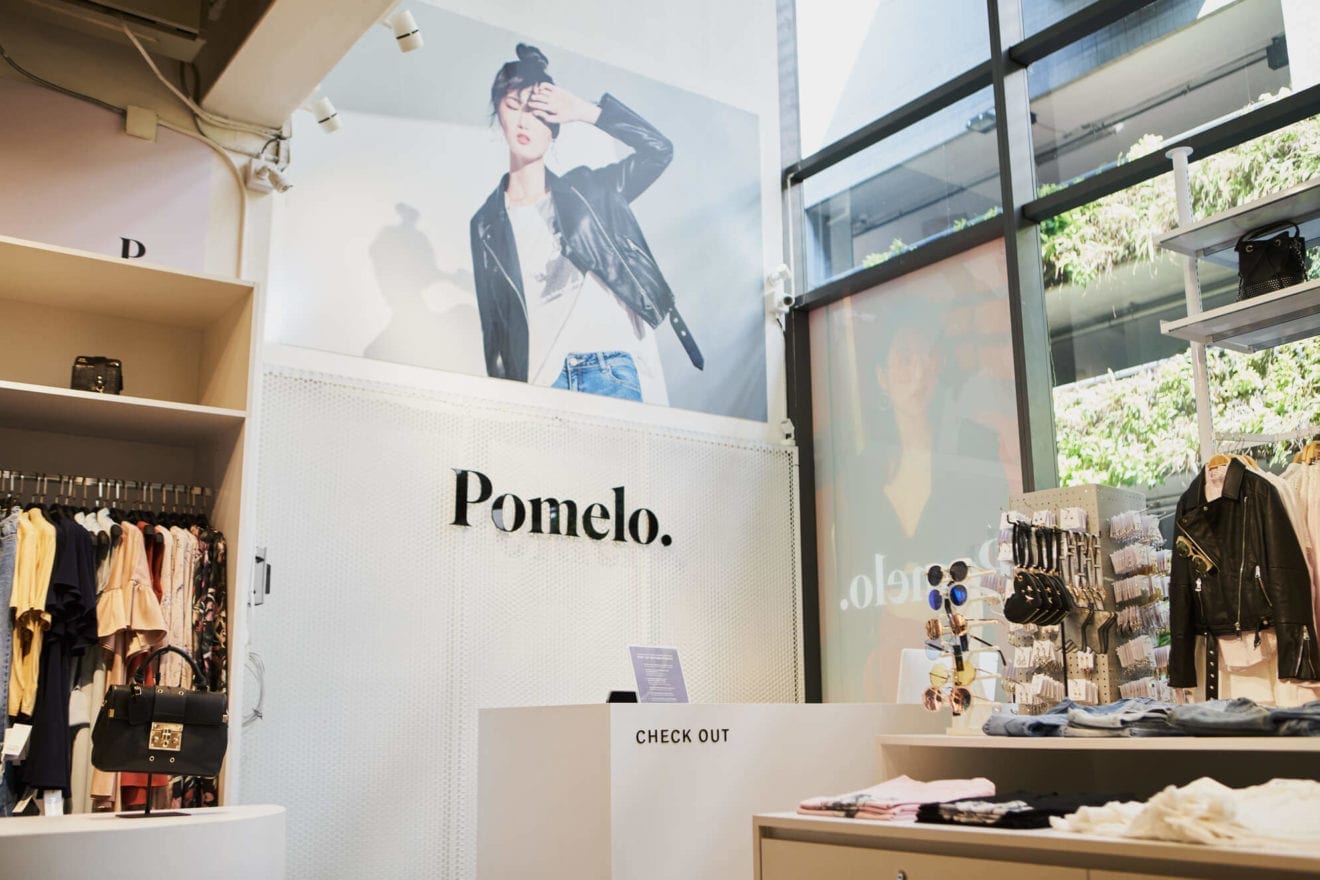
    Omnichannel fashion retailer Pomelo has launched in Indonesia with its first store at Central Park Mall, Jakarta.

    The new store features a new design with an entirely different interior layout and looks to stores elsewhere in Southeast Asia.

    Pomelo Indonesia also embraces sustainability concepts, with sustainably-produced components used in the fit-out and 90 percent of waste produced in-store every day recyclable.

    Beside its usual range, the store shows off exclusive collections, including the collaboration with Thai designers Milin Yuvacharuskul and Pomelo’s collaborative collection with Barbie.

    Pomelo also implements its Tap Try Buy, a rebranded iteration of its Pomelo Pick Up service, at the Jakarta store, allowing customers to shop online and try on at a preferred location and only pay for what they want to keep.

    “We look forward to expanding our offline footprint to even more customers across Indonesia over the coming months,” said Anders Heikenfeldt, chief retail officer at Pomelo.

    The launch is part of the company’s retail expansion plan in Southeast Asia. The first Malaysian store is scheduled to open next year.

  • Ferrari’s Agnelli family buys into Shang Xia

    Ferrari’s Agnelli family buys into Shang Xia

    The Italian dynasty’s holding fund, Exor, will invest around €80 million ($96.5 million) to become the majority owner of the luxury Chinese brand established by Hermès and designer Jiang Qiong Er a decade ago.

    The Parisian luxury house, which previously owned 90 percent of the brand, will remain a shareholder alongside Exor and Jiang. Shang Xia is the first fashion brand to join Exor’s portfolio, which includes Ferrari, Italian football club Juventus and The Economist Group.

    It’s a bet on a home-grown brand with major fashion backing at a time when the Chinese market is booming. Shang Xia focuses its design on Chinese culture and craftsmanship, just as European luxury brands celebrate Italian or French savoire faire.

    Other luxury stalwarts have made similar moves. In 2012, Kering bought Qeelin, a Chinese jewelry brand founded by Jiang’s husband Guillaume Brochard. Richemont owned, but then sold Shanghai Tang in 2017. So far the results have been mixed, with younger Chinese consumers showing limited interest.

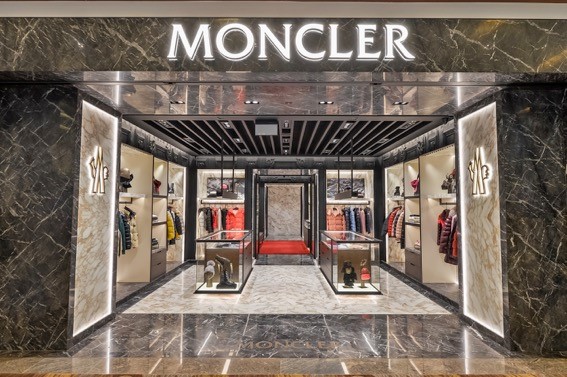
  • Moncler aqcuiring Stone Island

    Moncler aqcuiring Stone Island

    Italian designer clothing brand Stone Island has just been snapped up by Italian winter wear’s favorite Moncler SpA (BIT: MONC). While some retailers are winding up operations and slipping into administration, others are seeing an opportunity to expand. Designer goods are selling surprisingly well this year, and many analysts think 2021 will see a massive recovery in the sector.

    Last month we discussed how exclusive streetwear brand Supreme was acquired in a $2 billion deal by VF Corporation (NYSE: VFC). Now it’s the turn of Stone Island, which is being acquired by Luxury Italian group Moncler for $1.39 billion.

    Family-owned Stone Island was founded in 1982 by Massimo Osti. In the prior years, he’d created an unusual fabric that went onto become an integral part of Stone Island’s popularity. The Tella Stella fabric is a tarpaulin like weight, heavily stonewashed, and dyed in a variety of colors. In 1983 Carlo Rivetti, the current CEO and owner of Stone Island, bought his 50% stake in the company. In the ensuing years, the brand enjoyed increasing popularity. Inspired by both the military and traditional workwear, the pair created innovative new jacket designs with unusual features. For instance, a color-changing jacket that responds to temperature through its liquid crystal coating and a reflective jacket coated in a thin layer of glass.

    The brand’s popularity spiked in the nineties as English football hooligans embraced it. The founder left the company in 1994. In 2009 the brand began collaborating with others such as Adidas and then Supreme in 2014. The Supreme collab caught the eye of rapper Drake, who loved it and became a major fan and unofficial ambassador of the brand. This transitioned it away from the hardman image of football thugs to the trendy streetwear image popularised by sports brands. And Drake’s fan base was a boon to Stone Island, increasing its popularity stateside.

    Stone Islands’ growth has surged in recent years. In 2018, Stone Island’s revenue was approaching €200 million from around €56 million in 2012. It sold a 30% stake to Singapore’s sovereign wealth fund in 2017.

    CEO and owner Carlo Rivetti still owns just over 50% of Stone Island, and his family owners own an additional 19.9%. Skiwear-turned-fashion-brand Moncler is buying it from them in cash. It is buying the other 30% from Temasek, which also has a small stake in Moncler. All parties are being offered the same terms, but Temasek also has the option of taking newly issued Moncler shares for up to 50% of the cash consideration.

    Chairman and CEO of Moncler, Remo Ruffini said: “We are coming together at a challenging moment both for Italy and the world, when everything seems uncertain and unpredictable but I believe it is precisely in these moments that we need new energy and new inspiration to build our tomorrow,”

    What the Moncler and VF Corp. deals signify is the arrival of streetwear in a world of its own. No longer simply cheap and cheerful clothes for skaters, tradesmen or football fans. These brands cover all manner of outdoor pursuits, but in a trendy, designer way that makes even the laziest youngsters look cool. The streetwear market has an estimated value of $50 billion and is expected to enjoy double-digit sales growth by 2024.

    VF Corp now owns Supreme, along with The North Face, Dickies and Vans, but this isn’t stopping Supreme taking part in its exclusive collaborations with other popular brands. These surprise drops are what keeps it in demand. Customers love it, and they’re often oversubscribed in next to no time. Supreme just joined forces with Stone Island last month, when they dropped another sell-out collection. They’ve been partnering on occasion since 2014, and their limited-edition outerwear remains as popular as ever.

    This latest collab features both Supreme’s logo and Stone Island’s compass. Pieces include hand-painted shearling jackets, which have become one of Stone Island’s signature edits, as well as wind-resistant crinkle down jackets in camouflage print. There are also corduroy jackets, hoodies and some of Supreme’s quirky accessories, such as a glow-in-the-dark balaclava and swimming goggle inspired sunglasses.

    Dual branding opens up potential buyers to a much wider audience. It also gives a unique spin to a garment, but keeps it exclusive and therefore highly profitable. Despite the economic uncertainty facing the world, designer streetwear is on the up, with social media the perfect place to showcase and drop their latest offerings. Emerging markets are bringing youth and wealth, hungry to add the coolest fashion garb to their image streams. Both Stone Island and Supreme look to be headed for several years of continued growth ahead.

  • I.T Group founder and CVC plans to delist from stock market

    I.T Group founder and CVC plans to delist from stock market

    Fashion retailer I.T Group has proposed to privatize its business in a cash deal worth $168 million on Sunday, according to a Hong Kong Stock Exchange filing.

    The deal, backed by private equity firm CVC Capital Partners, will see non-founder shares bought at $3 Hong Kong dollars apiece in cash, which is a 55 percent premium to the stock’s last closing price on Nov 30. Under the proposal, company founder Sham Kar Wai will retain 50.65 percent ownership, with CVC owning the remainder 49.35 percent after going private. The deal is still subject to shareholder approval.

    In recent years, I.T Group has faced a similar fate as its Hong Kong-based peers such as Lane Crawford, Joyce, and Swank, struggling to keep up with retail’s digital transformation, which is dominated by Alibaba and JD.com in the mainland Chinese market.

    “While the company has adopted online strategies, it has been unable to transform business operations sufficiently for online growth and related cost-savings measures to offset a decline in sales from retail outlets,” the filing read. “In the six-month period prior to August 31, 2020, turnover for the company declined by 31.9 percent, following an annual net loss for the financial year ending February 29 2020 of $745.8 million dollars.”

    “The company foresees a long and challenging journey ahead until a full restoration of consumer confidence across most regions where the company operates…These factors require the company to re-strategize, undertake a deeper business transformation, and restructure in order to achieve long-term sustainable growth,” the filing said.

    As with the wider industry, I.T has faced sharp declines in consumer spending across several key markets due to the outbreak of COVID-19, but it also earlier grappled with the impact of pro-democracy protests in Hong Kong. I.T’s outlets themselves also became targets in protests earlier this year because of a perceived pro-Beijing stance of its founder, Sham. Meanwhile, inbound tourism to Hong Kong has plunged this year, with arrivals during the third quarter declining by 99.7 percent from a year earlier.

  • Cole Haan opens new concept store in Tokyo

    Cole Haan opens new concept store in Tokyo

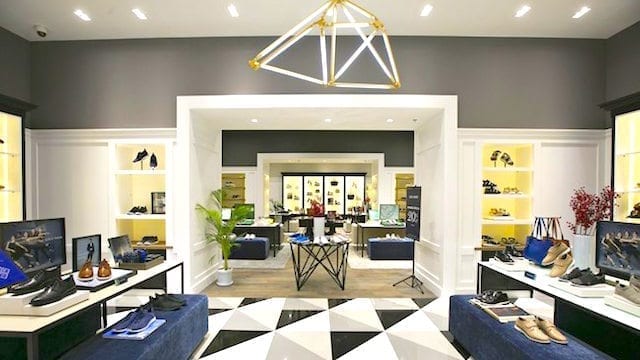
    American luxury fashion brand Cole Haan has launched its concept store in Tokyo at Grandshop – Cat Street, Harajuku. The flagship houses a selection of footwear and lifestyle products, including the exclusive GrandPro Rally Court Sneakers range in collaboration with Indian-American comedian Hasan Minhaj.

    “Japan holds a special place for the Cole Haan brand as we’ve been there for more than a quarter-century,” said  David Maddocks, brand president at Cole Haan. “It only made sense to bring our most innovative retail concept to one of the most iconic shopping destinations in the world — Harajuku district’s Cat Street.”

    The store facade includes a window integrated with a transparent LED screen showcasing Cole Haan’s product. Digital touchpoints such as QR codes and a selfie station are implemented inside the store.

    The Cole Haan Harajuku is also the brand’s third Grandshop. Founded in 1928, Cole Hann is now sold in more than 60 countries.

  • Foot Locker flagship forced to close for virus outbreak

    Foot Locker flagship forced to close for virus outbreak

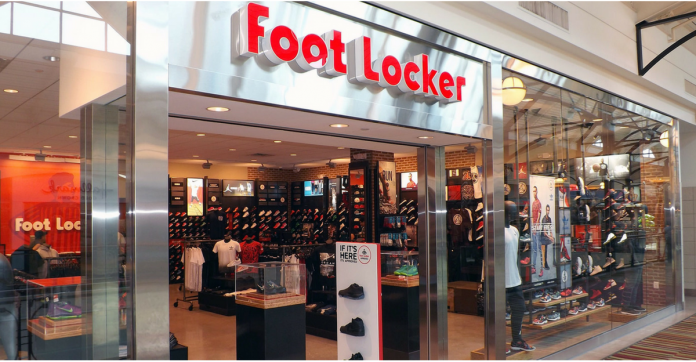
    Foot Locker’s Orchard Road flagship has been forced to suspend business due to breaching the Singapore government’s Covid-19 safe management measures.

    The suspension was enforced as the retailer conducted a product launch which drew huge crowds outside the store last Friday despite the advisories on crowd management.

    According to Singapore Tourism Board (STB) and Enterprise Singapore (ESG), the retailer will have to stop trading at the Orchard flagship store until December 14.

    During 10 days of suspension, Foot Locker is banned from holding physical retail activities but may continue to trade online.

    “STB and Enterprise Singapore are also engaging Foot Locker Singapore on the measures it will take for future product launches, including the potential cessation of all such physical launches at Foot Locker locations across Singapore,” the agencies said.

    Opened earlier this year, Foot Locker Orchard Gateway @Emerald is the brand’s largest outlet yet in Singapore.

  • Dunhill catches Chinese star Yang Yang for global ambassadorship

    Dunhill catches Chinese star Yang Yang for global ambassadorship

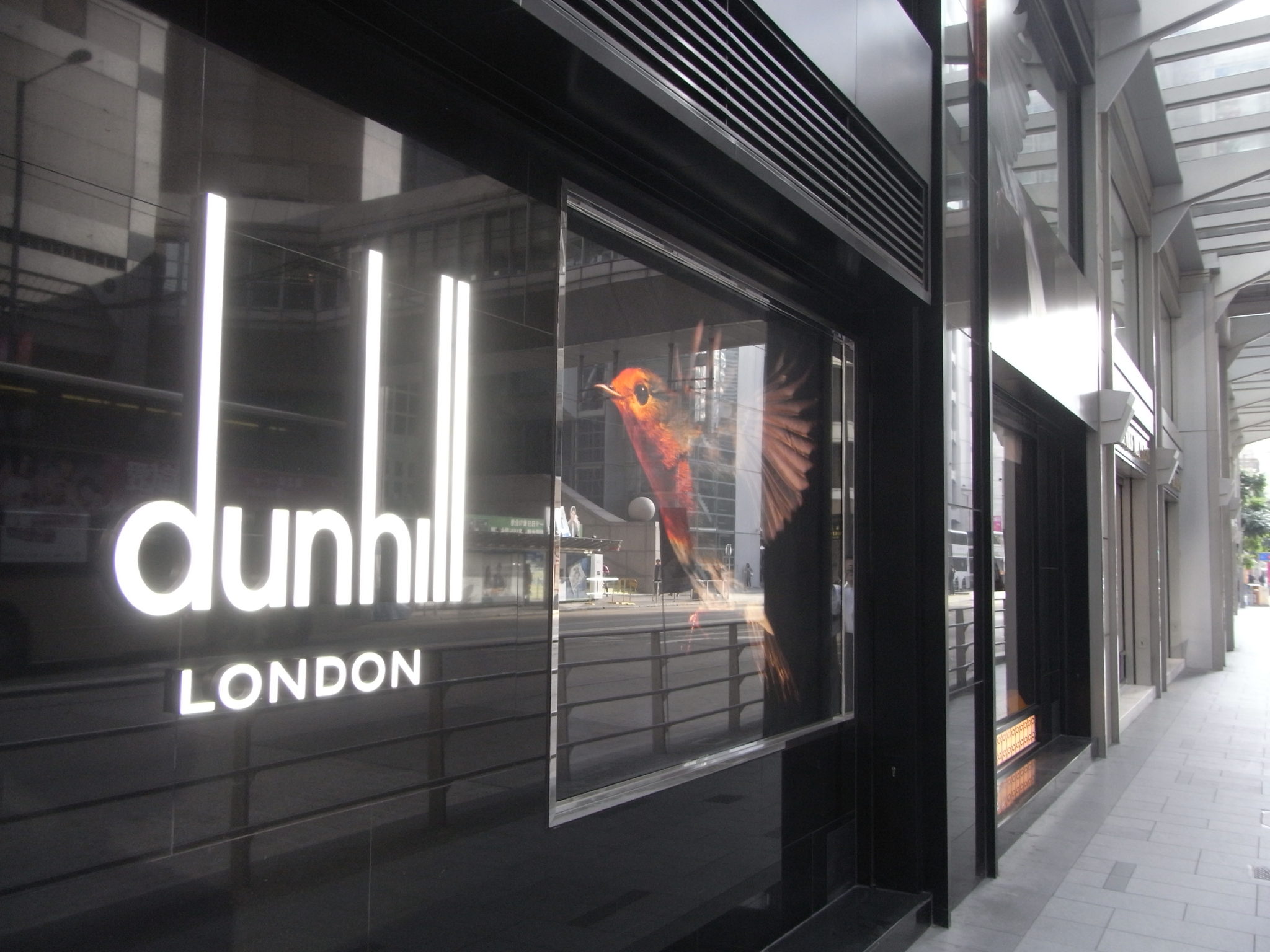
    Fashion brand Dunhill introduces Chinese actor Yang Yang as their newest Global Brand Ambassador. Yang and Dunhill’s creative director Mark Weston first meet at brand’s Fall Winter 2020.21 show in Paris. Chinese actor will represent Dunhill at this year’s GQ China Men of the Year Awards.

    As a British luxury House, Dunhill has always fascinated me and I am honoured to be their Global Brand Ambassador. When I met Mark in Paris at the show, it was clear to me that we hold many shared sensibilities and I am looking forward to continuing our work together. – Yang

    It’s great to work more closely with Yang Yang and I am excited for the new perspective he will bring. I was intrigued to hear about his personal and professional story and impressed by his drive and humility. His considered approach to his craft resonates with me personally. – Mark Weston.

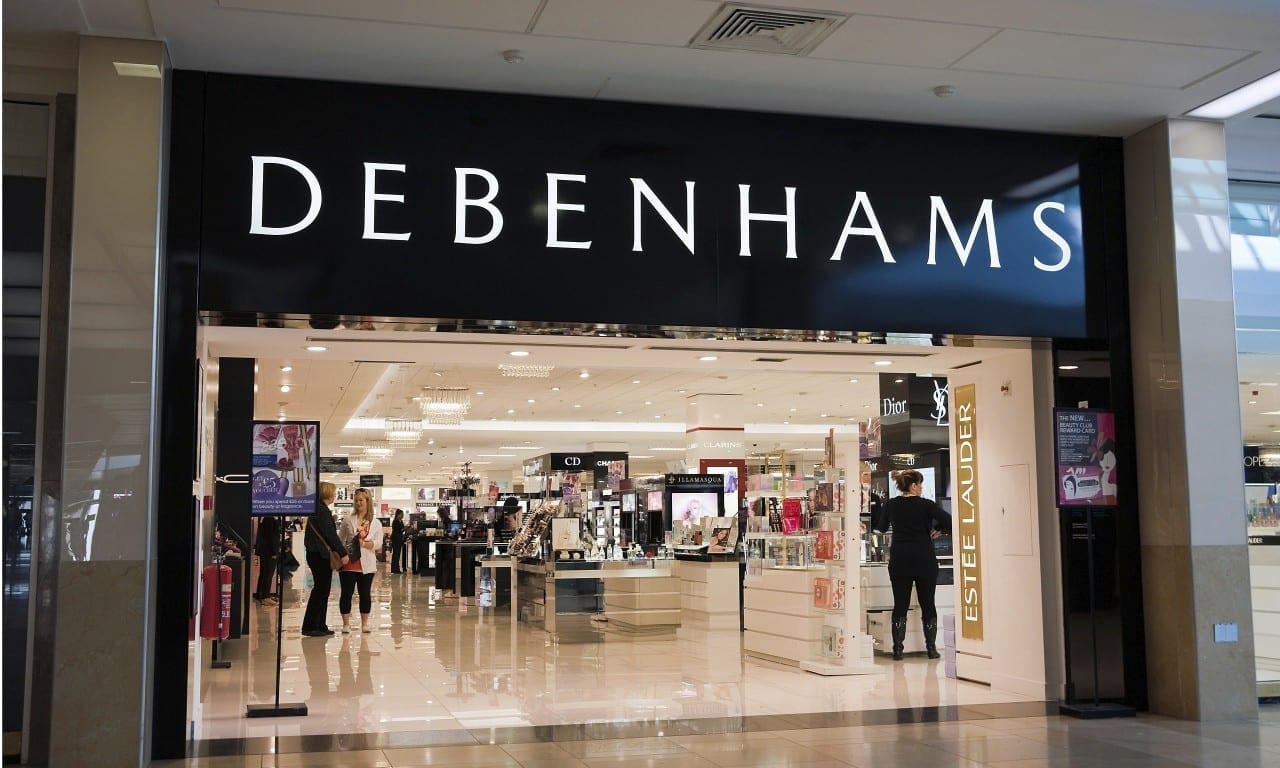
  • It’s all over for Debenhams as liquidators appointed

    It’s all over for Debenhams as liquidators appointed

    British department store retailer Debenhams is to be liquidated after failing to find a buyer, administrators FRP Advisory announced on Tuesday.

    FRP will commence a wind-down of the business, which was founded back in 1778, spelling the end of 12,000 jobs, mainly in the UK. It has 124 stores there and in Denmark, where it owns Magasin du Nord.

    However, the liquidator said it would continue to seek offers for all or parts of the business during the process.

    The collapse comes a day after Sir Philip Green’s Arcadia Group was placed in administration.

    Debenhams was first placed in administration on April 9 last year in a pre-pack administration which resulted in 22 stores being closed and rent reductions secured for many more. A second administration came exactly 12 months later this year.

    Efforts to find a suitor have been underway for eight months, with the most recent being JD Sports which quit rescue talks on Tuesday following the demise of Arcadia.

    According to its website, Debenhams operated 45 stores under licensing agreements in 17 countries including Malaysia, the Philippines and Pakistan in Asia. An earlier foray into Vietnam failed.

    The remainder of the franchises are in Eastern Europe and the Middle East, with the first franchise opened in Bahrain in 1997.

    In a statement, FRP said that given the current trading environment and the likely prolonged effects of the Covid-19 pandemic, the outlook for a restructured operation is highly uncertain.

    “The administrators have therefore regretfully concluded that they should commence a wind-down of Debenhams UK, whilst continuing to seek offers for all or parts of the business.”

    Trading will continue at UK stores and online to clear current and contracted stocks.

    “On conclusion of this process, if no alternative offers have been received, the UK operations will close,” said FRP.

  • Nike Japan ad on bullying, racism sparks hot online response

    Nike Japan ad on bullying, racism sparks hot online response

    A video ad from Nike Japan against bullying and racism that features biracial athletes and other minorities, such as those of Korean descent, has prompted a sharp online response including calls to boycott the company.

    Japan has traditionally prided itself on being racially homogeneous, although successful mixed-race athletes such as tennis star Naomi Osaka are challenging that image.

    The commercial, “Keep Moving: Yourself, the Future,” released on Nov 30, shows several teen girls bullied in school over their race or other differences, but who ultimately find confidence through soccer prowess.

    One scene features a girl whose father is Black surrounded by fellow students, squealing and pulling her hair.

    The video, viewed 14.1 million times on Nike Japan’s Twitter feed by noon (0300 GMT) Wednesday, had racked up 63,000 likes but also a cascade of critical comments from many who vowed never to buy Nike products again.

    “Nowadays, you often see one or two people of different nationalities going to school perfectly peacefully. The one that’s prejudiced is Nike,” wrote one user named “hira1216”.

    Another asked, “Is it so much fun to blame Japan?”

    Although Japanese sports fans have celebrated Osaka, who counts Nike as a sponsor and makes a cameo appearance in the ad, she was once depicted as a cartoon character by another sponsor, Nissin, with pale hair and light brown hair, while a comedy duo said she “needed some bleach”.

    Nike Japan was not immediately able to comment on the response, but said on its website it believes in the transformative nature of sports.

    “We have long listened to minority voices, supported and spoken for causes that fit our values,” it added.

    “We believe sports have the power to show what a better world looks like, to bring people together and encourage action in their respective communities.”

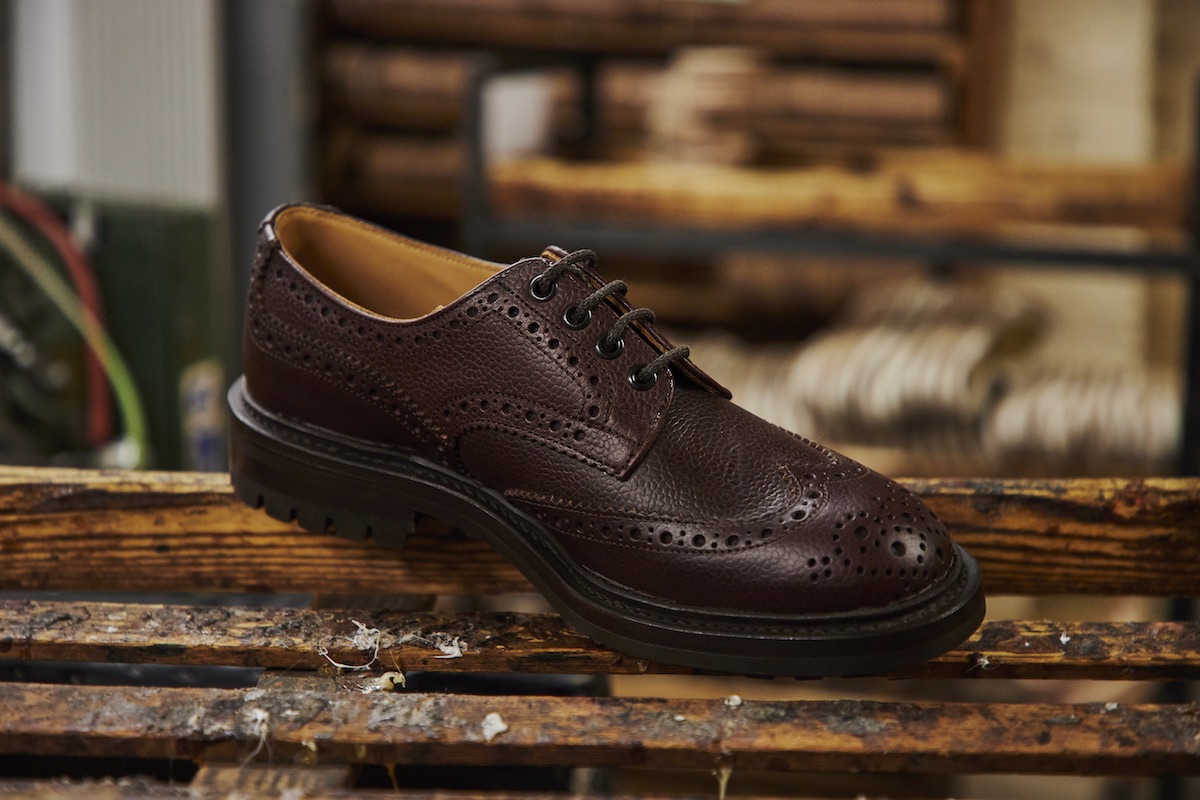
  • British footwear brand Tricker’s to launch in China

    British footwear brand Tricker’s to launch in China

    The brand has held a Royal Warrant with Prince Charles since 1989 and was recently visited by the Prince of Wales to celebrate its 190th anniversary with a commemorative plaque. It manufactures its leather shoes and boots in a factory in Northampton, a town renowned for its shoe industry. A total of 260 individual processes are involved in the creation of each pair of shoes.

    Martin Mason, brand managing director, told BBC News that footwear made in Northampton was “revered” in Japan and that the brand’s products are seen as a luxury.

    “If you head into Tokyo, Northampton footwear has a really important place,” he said.

    Japan seems to be a big market for English footwear, with Northamptonshire shoemakers said to be exporting £20m worth of shoes to Japan each year.

    For Tricker’s, Japan helps boost international sales, which account for about 80% of the firm’s revenues. The brand is considering opening further stores in countries including South Korea and the United States.

    In a social media post, the brand said its new store located in the wealthy Aoyama neighborhood is an absolute replica of its Jermyn Street shop, which opened in the high-class destination noted for men’s tailoring in 1938.

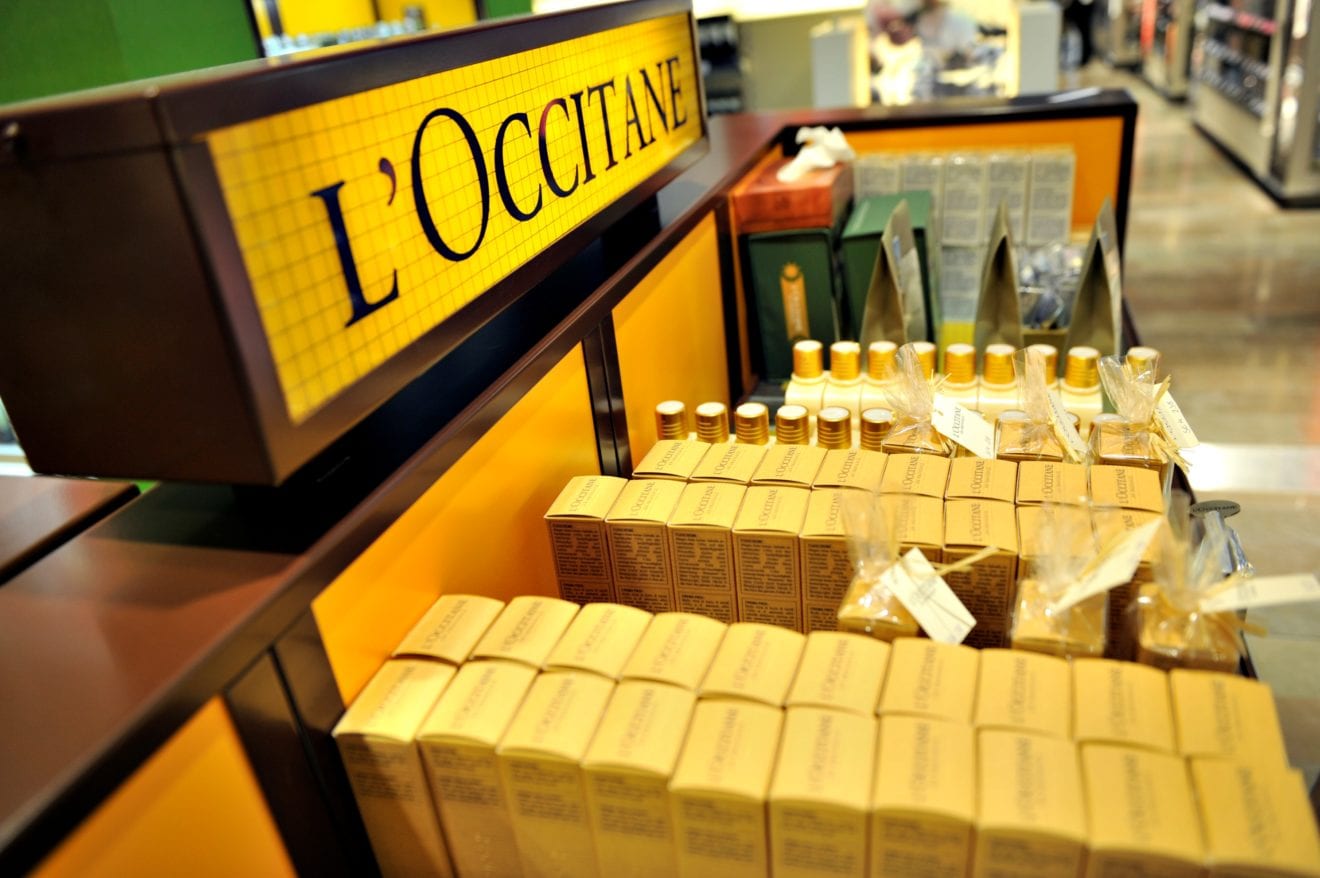
  • L’Occitane shrugs off Covid impact as Asian sales surge

    L’Occitane shrugs off Covid impact as Asian sales surge

    L’Occitane International is looking to boost development in the hand care category to keep up with demands generated by the novel coronavirus (COVID-19) outbreak. The company’s fourth-quarter net sales saw a decline of 0.7% at reported rates compare to the previous year while FY2020 net sales grew by 15.2% at reported rates.

    According to the company, it managed to maintain good sales momentum in January before COVID-19 impacted the business in the subsequent months due to travel bans, lockdowns, and shop closures mostly in China, Hong Kong, and Japan.

    Currently, almost 75% of the company network of stores throughout Europe, the Americas, Japan, and Australia remain closed.

    The company now plans to undertake certain initiatives to manage the future impact of the crisis.

    “While it is too early to gauge how the COVID-19 pandemic will impact our ongoing performance, we are taking various steps to minimize the fallout from the very serious turndown in business. This includes optimizing our cost structure while ensuring that we maintain the capacity to resume growth as strongly as possible when the conditions allow,” ​said Reinold Geiger, chairman and CEO of L’Occitane.

    The firm has observed demand for hand washes and hand creams. In South Korea, sales of those items helped to boost the company’s performance by 18.8%, making it one of the fastest-growing markets.

    “Sales in our hand care category have increased as a percentage of total sales since the outbreak of COVID-19. We have seen a pronounced boost in our e-commerce sales over the past few months, partly attributed to increased overall consciousness of hand hygiene and hand care — this is a sweet spot for us,” ​said André Hoffmann, vice chairman of L’Occitane International.

    As such, the firm plans to develop new products related to hand care and personal hygiene to keep up with the demands of the market.

    “We are also adapting further to this rising demand by launching new products such as a hand purifying gel, which we feel will be a great add-on product for travel retail,”​ said Hoffmann

    The company will be launching a new hand purifying gel in order to adapt to new consumer demands. The 75-millilitre bottles will be available for sale in key markets in Asia, Europe as well as travel retail.

    Hoffman believes the demand for hand care products will continue well after COVID-19.

    “Innovation has always been at the core of our DNA. But it is more than that. COVID-19 has led consumers to re-discover the premium hand care products that we are known for — we expect this trend to be sustained post-COVID-19 both online and offline as our physical stores around the world begin to re-open.”​

    In spite of the difficulties, L’Occitane remains committed to supporting the community with several relief efforts.

    The group has re-directed some of its manufacturing facilities in Manosque to the production of hand sanitizer and has donated a million bottles of care products in support of healthcare workers.

    “The global COVID-19 pandemic is an extremely challenging period for all of humankind. We are committed to doing everything we can to meaningfully support healthcare authorities and healthcare workers around the world,” ​said Geiger.

  • Zappos founder dies

    Zappos founder dies

    Tony Hsieh, the former CEO of Zappos, died peacefully and surrounded by family on Friday, according to a statement emailed to CNN by Megan Fazio, a spokesperson for DTP Companies, a Las Vegas-based enterprise for which Hsieh served as the visionary.

    Hsieh, 46, died from injuries sustained in a house fire that occurred in Connecticut while he was visiting family, according to Fazio.

    “Tony’s kindness and generosity touched the lives of everyone around him, and forever brightened the world,” said a statement from his family that was shared with CNN by Fazio.

    His mantra: delivering happiness, his family says.

    “Instead of mourning his transition, we ask you to join us in celebrating his life,” their statement added.

    Hsieh was well known for his leadership of online shoe and clothing retailer Zappos. He had recently retired after spending 20 years with the company, Zappos CEO Kedar Deshpande wrote in a statement Friday.

    “The world has lost a tremendous visionary and an incredible human being,” Deshpande wrote. “We recognize that not only have we lost our inspiring former leader, but many of you have also lost a mentor and a friend.”

    Hsieh also played a “pivotal role in helping transform Downtown Las Vegas,” Nevada Gov. Steve Sisolak wrote on Twitter.

    “Kathy and I send our love and condolences to Tony’s family and friends during this difficult time,” he wrote.

    Las Vegas Councilman Cedric Crear said he was “saddened” to hear the news.

    “Such a creative & innovative person who positively helped change the landscape of Downtown Las Vegas,” he said on Twitter. “We have been working on some cool projects for Downtown. God speed to his family, coworkers and our community.”

    More tributes for Hsieh poured in on social media early Saturday — many from other business leaders and entrepreneurs.

    “Tony Hsieh was always generous with me,” Dan Price, the head of Seattle-based Gravity Payments, said. “He would talk to me about anything and it was always a good time. RIP Tony.”

    He was a “truly original thinker, a brilliant entrepreneur, and a kind-hearted and generous friend to so many,” wrote Max Levchin, co-founder and former chief technology officer of PayPal.

    “He questioned every assumption and shared everything he learned along the way,” said Chris Sacca, a billionaire tech investor, on Twitter. “The earth has lost a beautifully weird and helpful person.”

    And in a tweet, Nevada Gov. Steve Sisolak sent condolences to Hsieh’s family and friends, and said, “Tony Hsieh played a pivotal role in helping transform Downtown Las Vegas.”
  • Tiffany beats profit estimates on soaring China demand

    Tiffany beats profit estimates on soaring China demand

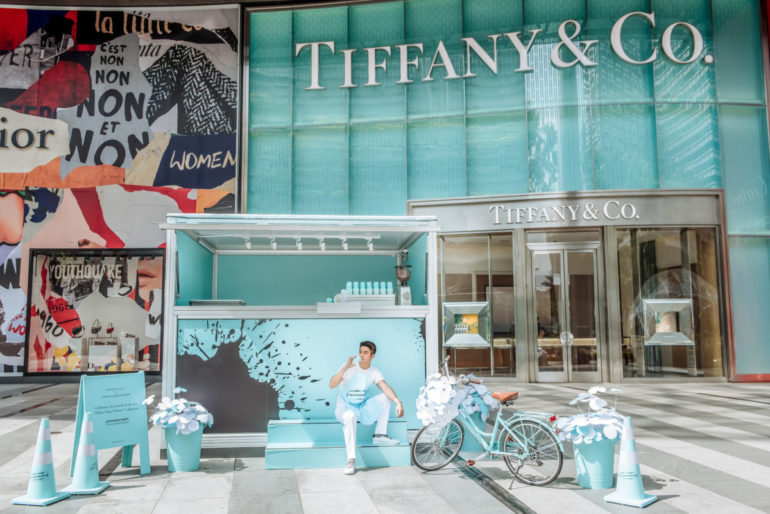
    Tiffany & Co, which is being bought by French luxury giant LVMH, beat Wall Street expectations for quarterly profit on Tuesday as the U.S. jeweler benefited from an over 70% rise in sales in China and a recovery in demand at home.

    The results bode well for the upcoming holiday season for the jeweler and other luxury retailers in general, which have been hit hard by the pandemic. They also underscore the growing importance of sales within mainland China to offset dependence on tourism, especially on Chinese tourists visiting fashion hubs like Milan and Paris.

    “We had a strong third quarter …. which speaks volumes about the enduring strength of the Tiffany brand and gives us confidence as we enter the important holiday season,” Chief Executive Officer Alessandro Bogliolo said, nodding to “the successful completion of the merger transaction with LVMH in early 2021.”

    Tiffany and LVMH ended a bitter legal battle last month and agreed to a new deal that would see the French firm buy out the U.S. jeweler at a slightly lower price of $15.8 billion, or at a discount of $425 million.

    Tiffany said sales in the Asia-Pacific region rose 30%, while sales in the Americas region declined 16% – much smaller than the 46% drop seen in the preceding quarter.

    Tiffany forecast a mid-single-digit percentage decline in holiday quarter sales, while analyst had predicted a 3% drop. It also expects a high-single-digit percentage increase in earnings for the current quarter.

    The health crisis also forced the New York-based retailer to invest in its online business and to introduce curbside pick-up at certain stores. This helped e-commerce sales surge 92% in the quarter.

    Best known for its diamond engagement rings, Tiffany could face more challenges ahead as COVID-19 cases are surging in much of the U.S. and across the world, spurring Britain and other countries in Europe, and many American states, to go into another lockdown.

    As of Oct. 31, most of Tiffany’s 320 retail stores worldwide were fully or partially opened, in accordance with local government guidelines, it said. As of Nov. 20 though, approximately 60% of Tiffany’s retail stores in Europe were temporarily closed.

    But analysts remain optimistic.

    “Q3 results also reiterate our confidence that the Tiffany brand will continue to shine through the holidays,” said CFRA analyst Camilla Yanushevsky.

    According to a CFRA site traffic analysis of Alexa Internet’s data, there is “growing traffic momentum” to tiffany.com entering the all-important holiday season, Yanushevsky added.

    Shares of the company were up marginally on low volumes in premarket trading.

    Excluding certain item, Tiffany earned $1.11 per share, surging past the average expectation of 66 cents.

    Tiffany’s net sales fell about 1% to $1.01 billion in the third quarter ended Oct.31, but beat expectations of $980.71 million, according to IBES data from Refinitiv.

  • Online investment takes into Gap profits

    Online investment takes into Gap profits

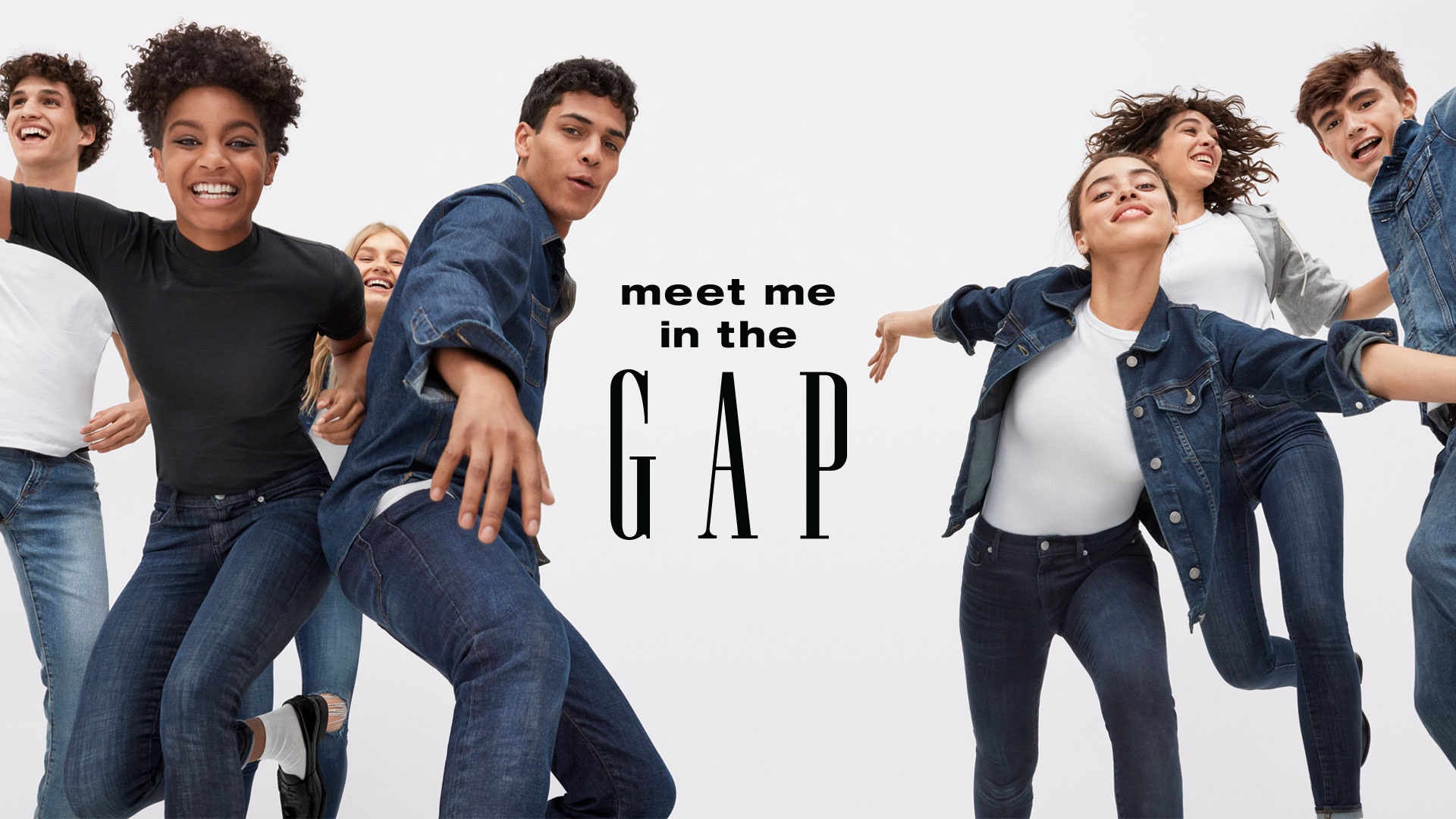
    Gap Inc. said Tuesday that it enjoyed a 61 percent jump in online sales during its fiscal third quarter ended Oct. 31 — offsetting a 20 percent fall in in-store sales due to the ongoing pandemic. The retail giant also said that its Athleta chain’s sales rocketed even as revenues plunged at Banana Republic Global.

    “With our teams focused on sales growth and returning to profitability, we’ve made investments in demand generation that are driving engagement, particularly in this dislocated market as customers are looking to trusted brands to provide easy and safe shopping options,” Gap Inc. Chief Executive Officer Sonia Syngal said in announcing the results.

    Management said results at its flagship Gap Global division included a formidable digital performance that partly offset decreased brick-and-mortar presence and lowers physical traffic trends. But all in, Gap Global’s net sales dropped 14 percent year over year, with comparable sales for the brand falling 5 percent from Q3 2019.

    Banana Republic Global fared even worse, with net sales plunging 34 percent year on year for the quarter. However, management said that was a “slight improvement” from Q2.

    Management said that Banana Republic is continuing to focus on acclimating to shopper preferences and bolstering inventory mix by moving away from the label’s usual workwear selection and into casual fashion in the “current stay-at-home environment.”

    On the plus side, Athleta’s sales jumped 35 percent year on year, with comparable sales rising 37 percent to the highest level in the brand’s history. Sales at the company’s Old Navy Global unit likewise rose 15 percent, with comparable sales up 17 percent.

    “Old Navy continued to experience meaningful acceleration in its online business as strong customer response to product was further bolstered by compelling and relevant digital marketing investment,” management said.

    Gap added that it finished Q3 with $2.6 billion in cash, cash equivalents, and short-term investments — way up from $1.1 billion at Q3 2019’s end. Management added that Gap ended the latest quarter with 3,785 retail locations in 43 nations, including 3,178 company-operated stores.

    As for its overall results, Gap reported 25 cents earnings per diluted share on $3.99 billion in net sales. That fell short of analyst estimates of 32 cents per share in earnings but came out ahead of a $3.82 billion forecast in revenue.

  • L’Oreal names Gemma Chan as its new brand ambassador

    L’Oreal names Gemma Chan as its new brand ambassador

    English actress Gemma Chan (陳靜) has been announced as L’Oréal Paris’s newest spokeswoman. Already a familiar face to many readers, from an extensive résumé dating back to the mid-2000s—Doctor Who, Sherlock, Secret Diary of a Call Girl, and Humans among her TV work—Chan was probably noticed more by US audiences when she appeared in Crazy Rich Asians in 2018, followed by Captain Marvel in 2019. Her role in the anthology series I Am, which she co-developed and where she played Hannah in the third entry (‘I Am Hannah’), was highly acclaimed. In December, Chan will star alongside Meryl Streep in Steven Soderbergh’s Let Them All Talk, and next year, in Eternals, another Marvel entry. She also founded her own production company, with the aim of promoting more minority voices.

    An Oxford University and Drama Centre London alumna, Chan has worked as an advocate for or supporter of numerous causes, including UNICEF, the Time’s Up movement, the Justice and Equality Fund, and Cook-19 supporting London health care workers.

    It is her rising international profile that seems to have L’Oréal Paris interested, especially with Chan venturing into blockbuster hits. Says its global brand president, Delphine Viguier-Hovasse, ‘Gemma Chan is proof of the success that happens when you have the confidence to follow your own dreams, and speak up for others to be able to follow theirs. Committed to her causes with innate female strength, she’s a source of inspiration beyond the screen, for young women to be the change. We’re delighted to welcome Gemma to the family.’ Chan added, ‘I’ve always believed that we should embrace our difference as our strength. So I’m thrilled to join L’Oréal Paris, a family of empowered women of all origins standing together to show the power and beauty of diversity. The L’Oréal Paris message to every woman, “Believe in your self-worth,” is as needed today as ever.’