Category: Finance

Retail News Asia is committed to providing both local and global retailers with the latest Finance news throughout the Asian market. This on a daily base.

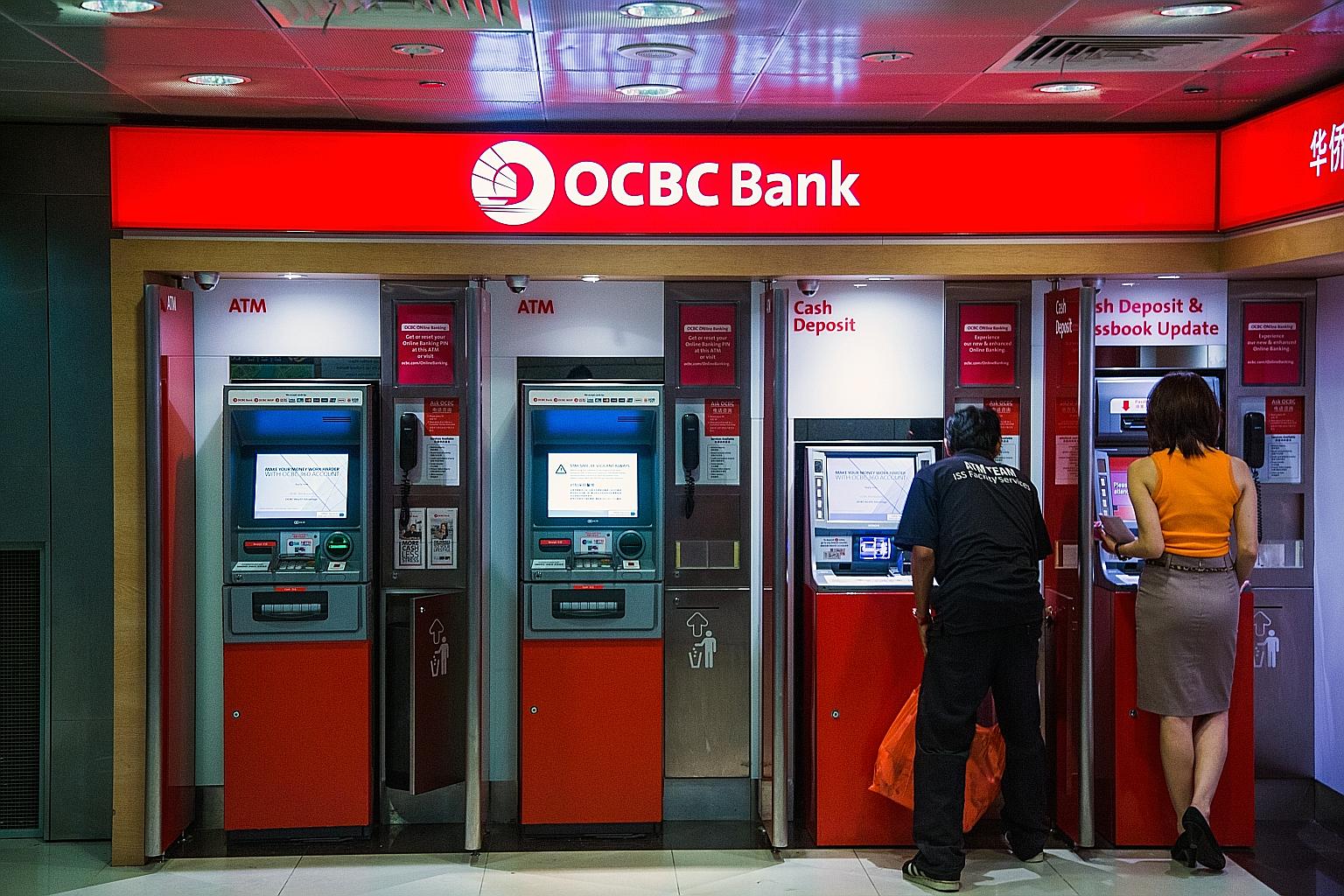
  • ComfortDelGro Gets OCBC Green Loan

    ComfortDelGro Gets OCBC Green Loan

    The transport operator becomes the first Singapore land transport company to adopt a green loan, which will be used to finance its hybrid bus fleet in Melbourne, Australia. Singapore land transport operator ComfortDelGro’s Australia subsidiary has received a A$25 million ($17.2 million) green loan from OCBC Bank, a joint statement on Tuesday announced.

    The loan was structured in accordance with the Green Loan Principles issued in 2018 by the Loan Market Association and Asia Pacific Loan Market Association. It will be used to purchase 50 hybrid buses that use 30 percent less fuel and emit significantly less noise when idling.

    As an environment-conscious transport company, sustainability considerations are indeed at the core of our business strategy, and this green financing is a natural fit for us, Yang Ban Seng, managing director and Group CEO of ComfortDelGro, said in the statement.

    The ComfortDelGro was added to the Dow Jones Sustainability Asia Pacific Index (DJSI Asia Pacific), which serves as a benchmark for investors who integrate sustainability considerations into their portfolios, in September 2019.

    OCBC said the green loan is an important step towards its goal of building a S$10 billion ($7.42 billion) sustainable finance portfolio by 2022.

    «We hope this green loan by ComfortDelGro sends a positive message to encourage peer industry players to take steps to support sustainable urban development through green financing options,» Elaine Lam, OCBC’s head of Global Corporate Banking, said.
  • Analysts Downgrade Thailand’s Oldest Banks

    Analysts Downgrade Thailand’s Oldest Banks

    Siam Commercial Bank, one of Southeast Asia’s largest lenders, has prompted cuts from analysts on concerns of its loan book.

    After the bank reported its fourth-quarter results, nearly a third of the analysts who cover the Thai bank cut their recommendations the past week, wiping out nearly $2 billion from its market value. Asia Plus, Credit Suisse and J.P. Morgan Chase were among the brokerages that cut ratings.

    Thailand’s economy in 2020 is still surrounded by negative factors. Asset quality is still at risk and needs to be watched closely. said Therdsak Thaveeteeratham, an analyst at Asia Plus Securities.

    Siam Commercial and other Thai lenders have closed branches while increasing digital banking in an effort to boost earnings. However, a struggling economy has increased bad loans at the bank, which is more than a century old and counts King Maha Vajiralongkorn as its biggest shareholder.

    Siam Commercial’s shares posted their biggest one-day decline since 2008 on January 20, the first trading day after the fourth-quarter earnings report showed a jump in bad-loan provisions.

    Still, the downgrades and reaction may be overdone as Siam Commercial raised loan-loss provisions in 2019, according to Diksha Gera, a Bloomberg Intelligence analyst. The bank may consider boosting the net interest margin and cut costs to counter weak revenue, she said.

    The bigger risk we see is potential M&A following recent moves of other local competitors such as Bangkok Bank to make acquisitions, she notes.

    Bangkok Bank last month announced that it would acquire a controlling stake in Indonesia’s PT Bank Permata for about $2.7 billion to expand its presence in Southeast Asia’s biggest economy.a

  • UOB Launches Student-Designed Bank Branch

    UOB Launches Student-Designed Bank Branch

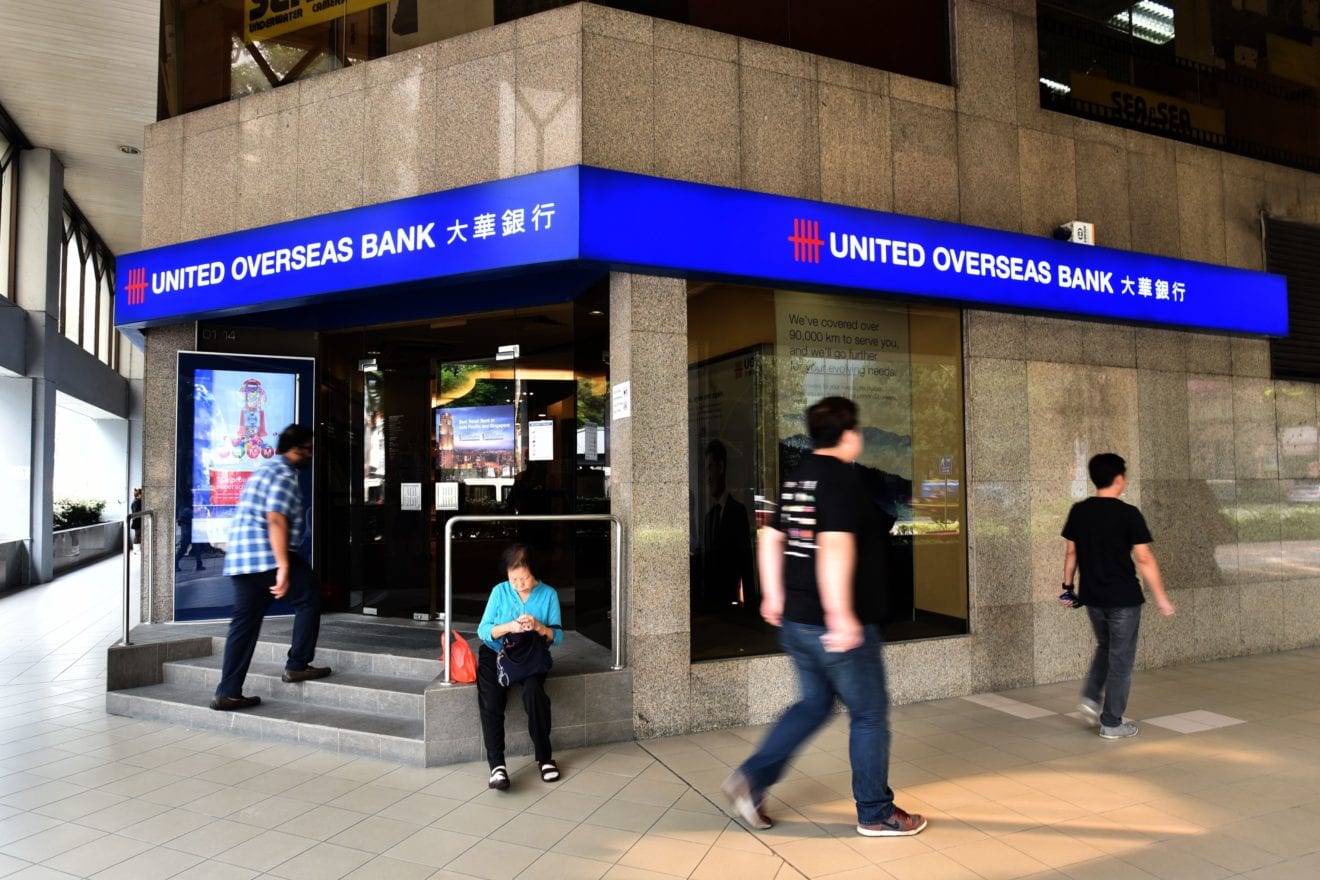
    United Overseas Bank (UOB) announced the launch of Hangout@UOB, a new branch concept designed and managed by Singapore Polytechnic students.

    A four-week design process of the branch enabled interior design and architecture students to put into practice the skills they have learned in school, the lender said. The final space is based on the final concept presented by the students.

    The process has provided students with the opportunity to gain vital work experience and to build a strong foundation for their careers, the bank added. We wanted Hangout@UOB to go beyond serving the students’ banking needs and to engage them more deeply by contributing to their curriculum and growth. By partnering Singapore Polytechnic, UOB has been able to deepen the students’ learning experience beyond the classroom to the real world,” said Jacquelyn Tan, Head of Personal Financial Services Singapore, UOB, in a media statement on Wednesday.

    The first step in the collaboration involved 40 lecturers and students from different schools such as Business and Media, Arts and Design coming together to create a space to call their own. They participated in a one-day Design Thinking workshop alongside teams from UOB to identify the features within the space that would suit the needs and interests of the polytechnic community.

    The workshop participants put together a list of preferred design elements, which students from the School of Architecture & The Built Environment and School of Business used to design Hangout@UOB. Students were given free rein to decide on the aesthetic and functional design elements of the branch such as the layout, colors, furniture styles and the use of gamification for engagement.

    We also know that while the students are digital natives, they wanted an inviting space where they could gather to find out more about specific banking solutions before applying for them online. As such, it was important that the final design integrated both the offline and online engagement preferences of the students, which is in keeping with the Bank’s omnichannel strategy, Tan added.

  • HSBC Singapore Launches Green Deposit Account

    HSBC Singapore Launches Green Deposit Account

    HSBC Singapore offers its first green deposit account for corporate clients on Thursday, allowing them to embark on the sustainability path. These accounts will accept the Singdollar and U.S. dollar.

    Corporate customers of HSBC in Singapore and the U.K. will have a way to support environmentally-friendly projects, as these two markets become the first that HSBC offers such products.  Deposits will finance green initiatives such as renewable energy, energy efficiency, and biodiversity conservation.

    The green deposit account enables companies to directly apportion cash savings into projects which directly benefit the environment, said David Koh, head of global liquidity and cash management in HSBC Singapore in a media statement. «Given that liquidity is critical for business operations, this is a simple and immediate solution for any corporation to begin or widen their sustainability strategy.

    Standard Chartered has a similar product named sustainable deposit offering – a deposit product linked to sustainable development goals, which it launched in Singapore last year, among other markets.

    The launch of such products comes as the need for investment in sustainable innovation and solutions becomes more urgent in South-east Asia, given the region’s susceptibility to climate change, the increasing depletion of natural resources and the growing level of natural disasters, according to HSBC. The Asian Development Bank forecasted that if left unaddressed, climate change could shave 11 percent off South-east Asia’s GDP by the end of the century.

    Despite much talk and activities around ESG-linked financial products, many banks stand accused of not doing enough to combat climate change at the World Economic Forum in Davos on Tuesday. Leaders of some big banks and other financial companies have resisted calls that they should refuse to work with clients that are major polluters.

    Mike Corbat, chief executive of Citibank, said it was not the role of banks to ensure that companies were adopting environmentally friendly business models by unilaterally cutting off finance for polluting businesses. I don’t want to be the sharp end of the spear, meaning I don’t want to have to be the one telling companies or enforcing standards in an industry or business. A bank’s job is to support the communities in which it operates. It is not to dictate outcomes,» said Corbat.

    Goldman Sachs’ chief, whose firm recently worked on the initial public offering of oil company Saudi Aramco, said the bank would not «draw a line» by refusing to advise clients that are major polluters.

    If you’re looking for a line, there’s not a line. There’s a transition that’s going on, and my view is this is going to be a multi-decade transition where we see changes in the way people allocate capital, said Goldman Sachs’ chief executive David Solomon during a panel discussion.

  • New financial policies in Macau

    New financial policies in Macau

    China is supposedly set to report new financial arrangements in Macau in potential scorn to protest-stricken Hong Kong. Xi Jinping will visit Macau next Monday to recognize the city’s twentieth jubilee come back to China. The President’s visit and the revealed monetary motivations are intended to throw a “sign to HK,”. The capital is set to disclose a huge number of arrangements including the foundation of a Yuan-designated stock trade in the Chinese exceptional authoritative area. The new impetuses likewise incorporate the speeding up of a Yuan settlement focus that is now underway, and the assignment of more land in terrain China for Macau to create.

    Both cities are considered as semi-self-governing areas of the country that have their own lawful, authoritative and legal structures from the continent. Since July, the megapolis has been injured by across the board manifestations as a part of its residents’ campaign for increasing the quality of freedom from the terrain. The conceivable money related motivating force is an endeavor to put pressure on HK, and in the more drawn out term, to develop Macau.

    Not a viable replacement for Hong Kong

    McGregor brought up that it is improbable for Macau or some other Chinese city to supplant Hong Kong’s centrality sooner rather than later. “If they could have recreated the city, somewhere else, and every one of the things HK can do, especially in money-related operations, China would have done it as of now,” he stated. It used to be colonized by Great Britain, and later that came back to China ‘97. Under the “one nation, two structures” formation, its residents have conceded some level of money related and legitimate autonomy from the territory. A similar type of structure applies to neighbor Macau, a previous Spanish settlement that came back to be under the Chinese control in October ‘99. What’s more, from the point of view of Beijing, the city is the token example of overcoming adversity of the strategy working out, said McGregor. Macau’s financial dynamic quality is completely reliant on the Casino business “at the mercy of Beijing,” expert clarified, taking note of that gaming business is banned in the terrain. Macau has been the Gaming Capital of the continent for a long long time. But back in the beginning of the Millenium casinos were controlled and monopolized by S.Ho. In 2002 a new era of Macau began because businesses used the strategy similar to casino deposit bonus offers in Norway. The capital has the ability to switch the tap up and down and stop hot shots coming there, so Macau is satisfying its capacity, and China is truly content with it.

    One nation, two structures

    Beijing has been attempting to sell the “one nation, two structures” thing to Taiwan for quite a long time, yet the ongoing social turmoil in HK has undermined the validity of that guideline, as experts explained. In November, the President, who is looking for a second term in this year’s elections, has totally dismissed the “one nation, two structures’ recipe. China sees his Country as a maverick territory and has recently recommended the island should go under Chinese jurisdiction in a comparative course of action.

    “Obviously it’s not working in HK, and unmistakably it isn’t appealing in Taiwan,” as it was stated about the arrangement.  As Taiwan officials prepare for the forthcoming surveys, it shows up likely that Tsai will win once more. “That is a major issue for the capital,” he stated, bringing up that she was “hostile to them.” The president is at present under a great deal of weight on numerous fronts. Indeed, even as continuous fights in HK keep on compromising the president’s hold on power, Taiwan’s decisions may likewise help hostile to China notions. On the U.S. front, there’s the exchange war, and locally, there is a financial log jam in China.  However, he said he is certain that Xi won’t be “avoided” locally, yet he may be left with no decision yet “to share power more than he has been eager to do hitherto.”

  • Investment Banker Bonuses Cut in Asia

    Investment Banker Bonuses Cut in Asia

    Investment bankers at global banks in Asia will see lower bonuses this year due to a slump in dealmaking in the region.

    The bonus pool at UBS’ investment banking unit is 14 percent lower than 2019 for Asia ex-Japan, and 9 percent lower at Morgan Stanley.

    At Citi the decline was lower, at 6 percent, while Goldman Sachs kept overall bonuses flat, the report, which cited unnamed sources, said.-

    According to the publication, slowing economic growth in China, which reached a 30-year low in 2019, was partly behind the slump in dealmaking, with the value of mergers falling 9 percent. Fee compression was also cited as a factor behind the lower bonuses.

    UBS, which is undergoing a global revamp of its business, took a hit as it was suspended from sponsoring IPOs in Hong Kong. The ban was lifted two months early in January.

    Following a record year in 2018, Morgan Stanley’s overall investment banking revenue declined about 12 percent, and its Asia bonus pool was cut after lower merger and acquisition fees, a source said.

  • New StanChart FX Engine Delivers Significant Trade Latency Gains

    New StanChart FX Engine Delivers Significant Trade Latency Gains

    Standard Chartered’s newly set up electronic pricing engine for global currencies completed its first-ever trade with promising improvements to efficiency.

    The trade was executed earlier this week with counterparty UOB and resulted in a reduction in trade latency of over 80 percent. Improved efficiency resulted in better volumes which would have generated an estimated 30 percent increase in profits, according to a statement from the bank.

    In June last year, Standard Chartered announced plans to launch the electronic FX pricing engine in the first quarter of 2020, with support from the Monetary Authority of Singapore, to enhance efficient access to liquidity in the city-state. The bank’s e-channels already experienced a 30 percent increase in spot trading volumes in 2019 and it expects the trend for greater adoption to continue.

    As one of the major FX participants in Singapore, we remain committed to leveraging this new solution to effectively serve our clients’ currency and commodities needs by offering them a seamless and consistent pricing experience for their hedging requirements,» said Michele Wee, head of financial markets, Singapore, at Standard Chartered Bank. «With the enhanced efficiency proven by this trade using the new e-trading and pricing engine, we expect this positive trajectory to continue.

    The new engine provides e-trading capability for 130 currencies and over 5,000 currency pairs in spot, forwards, swaps, non-deliverable forwards (NDFs) and options alongside commodities e-trading for precious and base metals. The launch complements the bank’s three other existing e-trading engines in London, New York and Tokyo.

  • International merchants embracing Chinese mobile payments, says report

    International merchants embracing Chinese mobile payments, says report

    A new survey by Alipay and Nielsen has found overseas merchants are actively exploring digital operations via Chinese mobile payments to increase sales and customer traffic.

    The jointly released survey reveals the latest trends in Chinese outbound tourism and the consumption habits of Chinese travelers for the third consecutive year.

    The results were demonstrated by nearly eight out of 10 (78 percent) of UK merchants surveyed, saying they are likely to recommend Alipay to their peers, especially for using digital operations to improve efficiency and turnover.

    Surveying 4837 Chinese travelers and 547 overseas merchants, the report found that Chinese tourists’ usage of mobile payments while traveling overseas continues to increase, with Singapore, South Korea, Japan, Australia, France, Thailand, New Zealand, Canada, the UK, and the US ranked as the “top 10 countries where Chinese tourists love to use mobile payments in 2019.”

    In Singapore, an early adopter of Chinese mobile payment solutions, almost all merchants (97 percent) indicated steady improvement compared to the previous year in terms of mobile payment usage and the amount of mobile spending by Chinese tourists.

    “Chinese mobile payments engagement level and the depth of usage among Chinese tourists continued to increase, indicating a more in-depth development of Chinese mobile payment solutions globally,” said Nielsen China president Justin Sargent. “As such, overseas merchants are showing a more open attitude towards the application of Chinese mobile payment platforms and digital operations. More overseas merchants may deepen their use of Chinese mobile payment platforms to go digital.”

    Regions such as the UK are accelerating the acceptance of Chinese mobile payments. Overseas merchants are also going beyond payment to explore more digitalized solutions including digital marketing, with nearly 70 percent of UK merchants surveyed saying they have already used additional services other than payment in Alipay.

    The improved acceptance of mobile payment solutions has made it possible for Chinese tourists to bring less cash, with data showing that the amount of foreign currency exchanged by Chinese tourists before leaving for Europe last year fell by 16 percent.

    Last year, 100 per cent of Chinese tourists surveyed had Alipay on their mobile phones while traveling overseas. On average, Chinese tourists surveyed used Alipay in nearly four transactions during their most recent trip overseas.

  • HSBC Axes 100 Equity Jobs

    HSBC Axes 100 Equity Jobs

    HSBC will offload around 100 employees in its equities business including research, sales, trading and back-office functions.vMost of the cuts will be made in the bank’s continental European trading floors, according to a report citing anonymous sources. A handful of layoffs will apply to Hong Kong.

    The bank could not comment on the matter ahead of scheduled reporting of its annual results for 2019.

    HSBC is undergoing a major cost-cutting exercise under interim chief Noel Quinn and was reportedly reviewing its equities business as part of the latest round of cuts which could total 10,000 jobs in Europe. This also follows announcements in August by the bank to layoff more than 4,700 jobs to cut 4 percent of wage costs.

    HSBC is expected to redirect its European equities business to focus on its core home market in the U.K., sources added, while retaining the trading hub in Paris to serve continental Europe. As part of Its retreat in the region, the bank will also seek to sell its French retail business and has repeatedly hired Lazard to support the estimated $1.1 billion deal.

  • Card Payments To Exceed One Billion In Hong Kong

    Card Payments To Exceed One Billion In Hong Kong

    Despite the dominance of cash, card payments volume in Hong Kong is expected to surpass one billion in 2020, says GlobalData.

    The convenience of electronic payments, robust payment infrastructure and the emergence of contactless payments are expected to drive the total number of card payments from 642.0 million in 2015 to 1 billion in 2020, according to GlobalData, a data and analytics company.

    Hong Kong’s high banked population, growing preference for contactless technology and, the growing e-commerce market will further support the use of payment cards over the next five years,” said Nikhil Reddy, Banking and Payments Analyst at GlobalData in a media statement on Monday.

    Hong Kong has a highly penetrated payment card market, with each individual holding more than three cards in 2019. The steady progress in the adoption and use of payment cards, plus the high penetration, are supported by the government and banks’ efforts to provide banking services even in remote areas.

    The expansion of banking infrastructure through the introduction of mobile banking branches, new physical bank branches and the establishment of virtual banks, were also factors.

    Hong Kong’s payment card market is mainly driven by credit and charge cards, which accounted for 67.9 percent of total card payment value in 2019, GlobalData’s Payment Cards Analytics reveals. The total card payment value in the country is forecast to increase from HK$43.3bn in 2019 to HK$59.6bn in 2023.

    The pricing benefits such as referral programs, installment facilities, cashback and discounts associated with credit and charge cards are some of the key reasons for their preference. In addition, these cards are increasingly preferred for online shopping and for transactions overseas.

  • UBS Profit Climbs, Disposes of Fund Unit

    UBS Profit Climbs, Disposes of Fund Unit

    UBS’ quarterly profit more than doubled on the year amid big spending cuts. The Swiss bank set out two-year targets and disclosed the sale of a funds business.

    The Zurich-based bank’s fourth-quarter net profit rose to $722 million, from $315 million year-ago, amid a nearly six percent cut in spending, it said on Tuesday. It lifted its dividend to 0.73 Swiss francs per share, after paying out 0.70 francs in 2018.

    We are balancing investments to take advantage of opportunities for growth across our businesses and regions while managing for efficiency,» the Swiss bank said. It recently unveiled a major restructuring of its flagship private bank, which is the centerpiece of CEO Sergio Ermotti’s 2012 new strategy for the bank.

    The private bank’s newly-disclosed goal is to hike profit before taxes by at least ten percent annually. As a whole, UBS’ year was more mixed: net profit dropped nearly five percent to $4.3 billion. The wealth manager couldn’t cut annual spending quickly enough to match a tumble in revenue.

    UBS is disposing of a majority of Fondcenter, a money management platform for its institutional clients, to Clearstream for $600 million, it said in a separate statement. The move will bolster UBS’ hardest type of capital, the bank said.

  • Singapore Tops List For Mobile Payment Usage

    Singapore Tops List For Mobile Payment Usage

    Singapore is ranked global leader in mobile payment usage among Chinese tourists, fueled by the country’s maturity in mobile payment solutions, according to a joint report by Nielsen and Alipay. The availability of mobile payment is among the top three factors affecting Chinese tourists’ overseas shopping habits.

    The Southeast Asia region maintains its leadership in mobile payment usage among Chinese tourists, with Singapore and Thailand positioned at #1 and #6 in the global ranking, reflecting the region’s maturity in mobile payment solutions. Other countries on the list of «Top 10 countries where Chinese tourists love to use mobile payments» include South Korea, Japan, Australia, France, New Zealand, Canada, the UK, and the U.S.

    In Singapore, an early adopter of Chinese mobile payment solutions, almost all merchants (97 percent) indicated steady improvement compared to the previous year in terms of mobile payment usage and the amount of mobile spending by Chinese tourists. «Chinese mobile payment engagement level and the depth of usage among Chines tourists continued to increase…as such, overseas merchants are showing a more open attitude towards the application of Chinese mobile payment platforms and digital operations,” said Justin Sargent, President of Nielsen China in a media statement.

    These results are encouraging more overseas merchants to deepen the use of Chinese mobile payment platforms as they go digital. Nearly seven out of ten (66 percent) surveyed merchants in Singapore, South Korea, and the U.K. hope to carry out more digital store operations through Chinese mobile payment platforms and hope to further their promotional and marketing activities leveraging Chinese mobile payment platforms.

    «The trend of more overseas merchants going beyond payment to adopt more digitalized services is a promising one, as it helps brick-and-mortar businesses become better integrated with the digital economy while bringing more personalized experiences for consumers around the world,» said Angel Zhao, President of Ant Financial’s International Business Group. Slightly under two-thirds of merchants surveyed in Singapore, South Korea and the U.K. (63 percent) said that they are likely to recommend Chinese mobile payment systems to their industry peers.

    Surveying 4,837 Chinese travelers and 547 overseas merchants, the report provides a new look at the digitalization trend of the overseas retail sector at a time when online and offline businesses are increasingly merging and Chinese tourists are poised to have even more influence as they travel abroad.

    Destination related insights

    • Among all the countries surveyed, the usage of Chinese mobile payments in Singapore, South Korea, and Japan was highest, with Singapore in the leadership position.
    • 77% of Chinese tourists in Singapore use mobile payments for their transactions.
    • Total spending via mobile payment of Chinese tourists increased significantly in countries where Chinese mobile payment adoption is relatively mature.
    • In Singapore, Malaysia, Thailand, Japan, and South Korea, the usage rate of mobile payment among Chinese tourists was high, reaching 70% in both 2018 and 2019.
    • Correspondingly, the total amount spent by Chinese tourists increased by 14% in Singapore and Thailand and 23% in Japan and South Korea between 2018 and 2019.

    Merchant related insights

    • More overseas merchants intend to deepen the use of Chinese mobile payment platforms as they go digital.
    • 66% of surveyed merchants in Singapore, South Korea, and the UK hope to carry out more digital store operations through Chinese mobile payment
    • 66% hope to further their store’s promotional and marketing activities leveraging Chinese mobile payment platforms.
    • 97% of surveyed merchants in Singapore indicated steady improvement compared to the previous year in terms of mobile payment usage and the amount of mobile spending by Chinese customers.
    • 63% of surveyed merchants in Singapore, South Korea, and the U.K. said that they are likely to recommend Chinese mobile payment systems to their industry peers.

    Tourism-related insights

    • In 2019, destinations located a four-hour flight away such as Japan, South Korea, Thailand, and Singapore, remained the most popular choices for Chinese tourists.
    • In addition, the U.S., Australia, U.K., and Canada were also among the top 10 countries, which indicated that Chinese tourists were fairly keen on traveling to English-speaking countries.
    • Thailand and Singapore were among the Top 10 overseas destinations visited by Chinese tourists in 2019 and the Top 10 Countries for Overseas Travel Plans in 2020.
    • In 2019, compared with last year, Chinese tourists born in the 1990s spent nearly 12% more on a single overseas trip while those born in the 1980s spent 15% more. An underlying reason for the increased travel expenses may be the desire for a more in-depth experience of local cultures.
    • Top three factors affecting Chinese tourists’ overseas shopping habits are:
      • Payment methods accepted by the merchant (37%);
      • Product variety and quality (36%); and
      • Product price (36%)
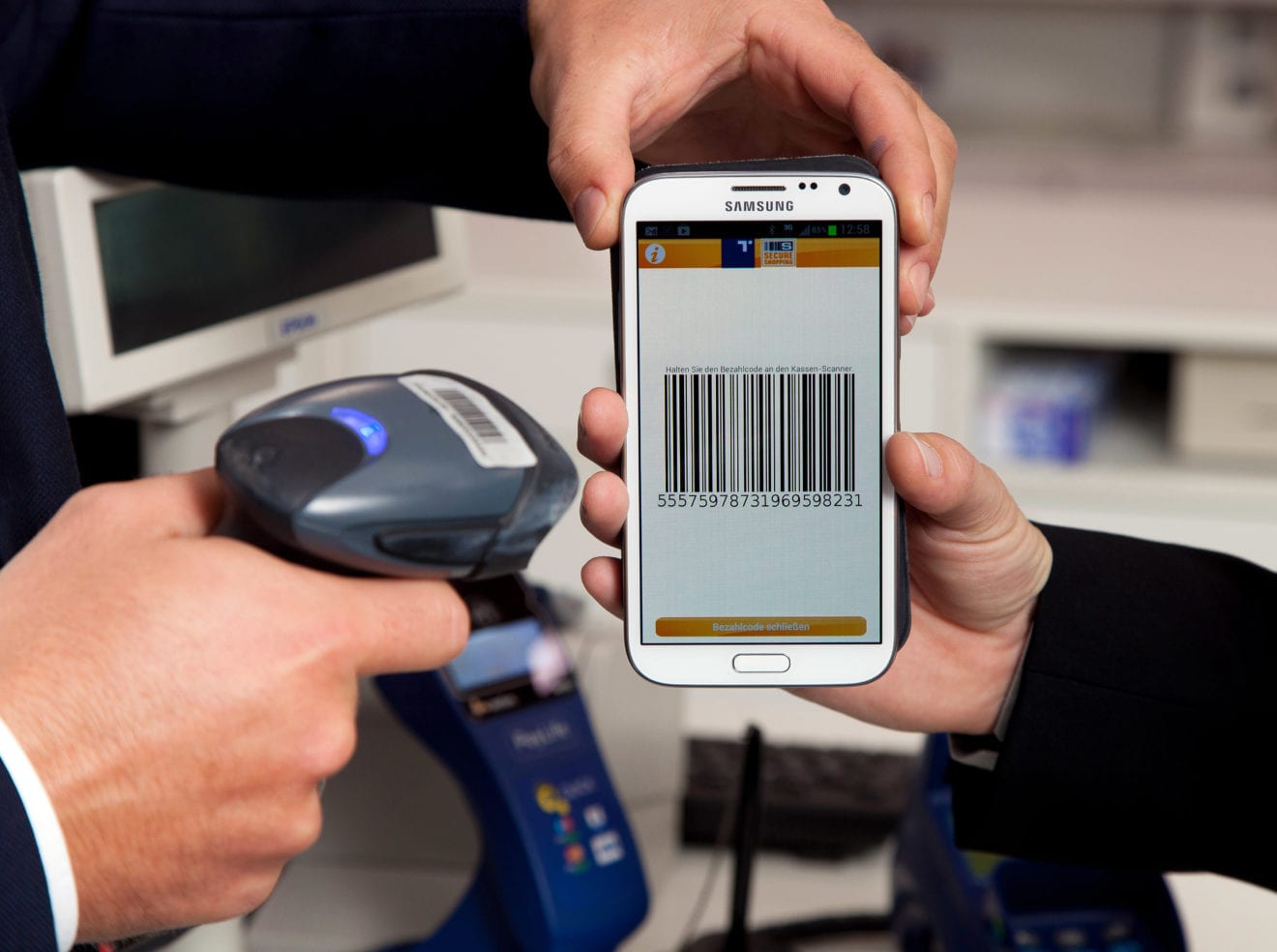
  • DBS Launches QR-Based B2B Payments

    DBS Launches QR-Based B2B Payments

    DBS helps further propel Singapore’s cashless movement by introducing quick response code-based payments for the business-to-business segment.

    The bank hopes to boost payment speeds and is piloting the solution first in the F&B industry – a sector with limited penetration with nine out of 10 payments still being made through cash or bank transfers, according to a statement. The bank developed the solution after nearly 20 digital workshops with F&B businesses to identify bottlenecks in the payment process.

    In the new solution, which executes payments through its fund transfer service PayNow, users can consolidate multiple invoices per transaction and make full or partial payments for multiple invoices. This is also expected to effectively help improve credit terms due to the instantaneous and flexible nature of the process. The bank will roll out the new payment solution to the broader F&B ecosystem, logistics companies, and traders by the end of 2020.

    Aside from the retail segment, SMEs are expected to be a major growth driver for digital players in finance given a large gap between needs and demand.

    Many SMEs we speak to want to realize productivity gains by becoming more digital but don’t have the expertise or infrastructure to do so,» said Joyce Tee, group head of SME banking at DBS. «The lender is looking to understand SMEs’ pain points and then lay the foundation for enhanced payments capabilities one sector at a time.

    In November last year, Singaporean rival UOB also launched a payment solution aimed to capitalize on the cashless market for businesses. UOB’s Mcollect is a QR-based solution that enables instant payment and reconciliation to improve what it estimates is otherwise, on average, a four-day manual process.

  • StanChart Names Global Head of Trade

    StanChart Names Global Head of Trade

    Standard Chartered hires a global head of trade in Singapore as its transaction banking business undergoes a tech-fueled transformation.

    Michael Spiegel joins in his new role reporting to Lisa Robins, global head of transaction banking at Standard Chartered. Spiegel has over 30 years of experience in Europe, the U.S. and Asia and was most recently with Deutsche Bank where he held various senior roles such as global head for trade finance and corporate cash management. Previously, he also held senior positions in client coverage and at the bank’s executive management committee.

    The new hire coincides with what Robins calls the next phase of the evolution in Standard Chartered’s transaction banking business with various tech-related milestones to boast for in recent times.

    Earlier this month, the bank made a strategic investment into Linklogis, China’s leading blockchain-enabled supply chain financing platforms to expand its ecosystem of partners. In the same week, it also became the first bank to introduce a public portal for real-time tracking of cross-border payments called SCI GPI Track.

  • Citi Private Bank Nets Ex-Managing Director from UBS

    Citi Private Bank Nets Ex-Managing Director from UBS

    Citi Private Bank hires a former managing director from UBS to lead its South Asia FX advisory team based in Singapore.

    Christian Schuwey joins the bank, effective immediately, with responsibilities to drive «significant growth» in Australia, Brunei, India, Indonesia, Malaysia, New Zealand, Philippines, Singapore, and Thailand, according to a statement, naming the South Asia region as the main driver of Citi Private Bank’s APAC FX business. Schuwey reports to Adam Cowperthwaite, managing director and head of capital markets, Asia Pacific at the private bank.

    Schuwey was most recently a managing director with UBS where he led a team of FX advisors based in Singapore, Hong Kong, Tokyo and Taipei covering ultra-high net worth clients across the flow and structured products. Schuwey has over 30 years of experience and spent over a decade as an FX trader at UBS’s investment bank before shifting to its wealth arm where he developed direct, longstanding relationships with some of Asia Pacific’s largest UHNW FX trading clients.

    He will be working in partnership with the bank’s front office and Cora Chiu, North Asia head of FX advisory, to increase understanding and usage of FX-linked products, hedging tools, and funding solutions.