Category: Finance

Retail News Asia is committed to providing both local and global retailers with the latest Finance news throughout the Asian market. This on a daily base.

  • Wolfsberg Group’s Ambitious Quest for Integrity in Banking

    Wolfsberg Group’s Ambitious Quest for Integrity in Banking

    The Wolfsberg estate, a pivotal site in the history of Swiss banking, stands as a testament to a visionary approach towards merging education with the elevated standards of banking excellence. Established amidst social upheaval in the 1970s, this historical estate has evolved into a sophisticated center for financial education and dialogue.

    A Storied History

    From Farm to Financial Institution

    Originally constructed in 1576 as a farm by Wolf Walter von Gryffenberg, the Wolfsberg estate has undergone a series of transformations over the centuries. In 1732, the estate was remodeled into a summer residence by Johannes Zollikofer von Altenklingen and later served as the first guesthouse in Thurgau, adding layers of cultural significance to its legacy.

    By the mid-20th century, the estate fell into disrepair before Swiss banking giant SBG, now UBS, acquired it in 1970, thanks in large part to Robert Holzach, a visionary at SBG who saw the potential for greatness in the estate.

    Pioneering the Banker’s Philosophy

    Under Holzach’s direction, Wolfsberg was envisioned as more than just a training facility; it became a crucible for developing a new breed of banker—one imbued with nobility of mind and spirit. Holzach’s belief in the necessity of a refined banking culture sought to instill high standards in a rapidly evolving financial landscape.

    Transformative Education and Training

    A Banker’s Monastery

    Widely referred to as a “banker’s monastery,” Wolfsberg was meticulously designed to foster rigorous training for emerging banking leaders. The estate was thoughtfully renovated to include classrooms, an auditorium, and living quarters, highlighting a commitment to discipline and excellence.

    The official opening in 1975 set the stage for what would become an elite training ground for those seeking a prominent place in the banking world, emphasizing both specialist skills and comprehensive education in economics, politics, and culture.

    Shaping Future Leaders

    Wolfsberg not only hosted lectures by top-tier global leaders like Mikhail Gorbachev and Helmut Schmidt but also integrated unique training methods, including simulations and role-play, to prepare participants for real-world challenges. The emphasis on pressure-based learning ensured that future executives could effectively navigate the complexities of modern finance.

    Modernization and Global Outreach

    An Evolving Mission

    As the global economic landscape shifted in the 1990s, SBG adapted the Wolfsberg model to align with the new realities of globalization and the Americanization of finance. Significant renovations were implemented between 2005 and 2008, enhancing the facilities while shifting focus from insular training to a broader, international approach.

    Today, the Wolfsberg estate serves as the UBS Center for Education and Dialogue, hosting a variety of events that facilitate networking and thought leadership among clients and organizations. With roughly 30 annual events under the Wolfsberg Dialogue Program, the center emphasizes themes of economics, politics, and passion, providing exclusive opportunities for idea exchange.

    Conclusion: The Broader Implication for Retail and Banking

    As Wolfsberg adapts to the changing tides of the banking industry, its legacy continues to influence how financial institutions approach training, leadership, and innovation. This evolution highlights a pivotal moment for brands striving to maintain relevance in an increasingly dynamic market.

    Questions & Answers:

    1. What is the historical significance of Wolfsberg? Wolfsberg has evolved from a 16th-century farm into an essential training center for bankers, reflecting the changing landscape of the financial industry.

    2. How did Robert Holzach influence the creation of Wolfsberg? Holzach spearheaded the acquisition and transformation of Wolfsberg into a training ground aimed at fostering a new standard of excellence in banking through rigorous education.

    3. What is the current focus of the UBS Center for Education and Dialogue? The center primarily hosts dialogues and events that cater to global clients, shifting from in-house training to a more inclusive platform for networking and idea exchange in economics and politics.

    In this dynamic era of retail and finance, Wolfsberg serves as a poignant reminder of the importance of continuous evolution and the cultivation of elite standards to thrive amidst consumer trends and market demands.

  • Dollar Hits Two-Week High Against Dong Amid Retail Boost

    Dollar Hits Two-Week High Against Dong Amid Retail Boost

    U.S. Dollar Steady at Two-Week High Against Vietnamese Dong

    In a notable development on Thursday morning, the U.S. dollar has maintained its position at a two-week high against the Vietnamese dong, reflecting ongoing shifts in global financial markets. The exchange rate dynamics highlight the evolving landscape of currency value amidst fluctuating economic indicators.

    Exchange Rates Shift

    Vietcombank has set the selling rate for the dollar at VND26,174, marking a 0.13% increase from the previous day. In a complementary move, the State Bank of Vietnam has raised its reference rate by 0.12% to VND24,928, signaling a proactive stance in managing currency stability.

    On the black market, the dollar’s price eased slightly to VND26,450, down 0.11%. Since the start of 2023, the dollar has appreciated against the dong by approximately 2.44%, underscoring a trend of strengthening demand for the U.S. currency in the Vietnamese market.

    Global Context

    The dollar’s global performance has softened as it takes a breather after recent fluctuations. Following President Donald Trump’s unexpected decision to ease tensions regarding Federal Reserve chair Jerome Powell’s position, the dollar has rebounded from significant lows, now hovering around 143.25 yen, after briefly dipping below 140 yen earlier this week.

    Francesco Pesole, a currency strategist at ING, opines that while the dollar faces potential downhill risks in the near term, a notable decline similar to recent trends is not anticipated. Observations suggest that the EUR/USD exchange rate continues to be influenced predominantly by U.S. dollar movements, with potential for an upward shift above $1.15 if concerns surrounding the Fed’s independence resurface.

    Conclusion: Implications for the Retail Sector

    The recent fluctuations in the dollar’s value against the Vietnamese dong highlight key consumer trends and potential impacts on retail dynamics. As the dollar strengthens, imported goods might become more expensive, potentially affecting consumer purchasing decisions and purchasing power in Vietnam. Conversely, a strong dollar can enhance feelings of economic confidence in consumers looking to invest overseas.

    Questions & Answers

    1. What was the recent exchange rate for the U.S. dollar against the Vietnamese dong? As of Thursday morning, the U.S. dollar is selling at VND26,174 through Vietcombank, reflecting a slight increase.
    2. How has the dollar performed against the dong this year? The U.S. dollar has appreciated by approximately 2.44% against the Vietnamese dong since the beginning of 2023.
    3. What external factors influenced the dollar’s recent performance? The dollar’s performance was influenced by President Trump’s easing of tensions regarding the Federal Reserve chair, contributing to a stronger dollar amidst shifts in global market sentiment.
  • Surge in Suspicious Activity Reports Signals Growing Retail Money Laundering Concerns

    Surge in Suspicious Activity Reports Signals Growing Retail Money Laundering Concerns

    Surge in Suspicious Activity Reports Signals Ongoing Money Laundering Challenges in Switzerland

    The landscape of financial crime prevention in Switzerland continues to evolve, as the Swiss Money Laundering Report Office (MROS) reported a significant rise in suspicious activity reports (SARs) related to money laundering last year. This increase, reflecting robust national and international cooperation, underscores the ongoing efforts to tackle financial crime.

    Noteworthy Increase in Reports

    In its latest annual report, MROS revealed that a staggering 15,141 SARs were submitted, marking a 28 percent increase from the previous year. This trend aligns with long-term growth patterns, especially following a remarkable 56 percent surge in 2022.

    Banks continue to be the primary source of these reports, providing 92.3 percent of all SARs. This statistic is consistent with the long-term average of 90.1 percent for the banking sector from 2015 to 2024.

    Escalation in Overall Reporting Activity

    The adoption of the goAML information system has markedly enhanced reporting capabilities. In 2024 alone, 27,901 entries were logged, reflecting a nearly 30 percent increase from the prior year. This increase has resulted in a threefold rise in reporting volume since the system’s inception in 2020.

    On average, MROS processes around 107 reports daily, which comprise SARs, responses from financial intermediaries, and various international requests, among others.

    Increased Referrals to Law Enforcement

    MROS’s activities have also translated into a 20 percent increase in referrals to law enforcement authorities, which now stands at 1,043. These referrals are bolstered by analytical reports providing crucial insights, including data from both domestic and international sources.

    Notably, SARs accounted for about 55 percent of all entries last year, a decrease from over 90 percent a decade ago. This shift highlights the growing complexity of financial crime and the need for broader investigative collaboration.

    Enhancing Public-Private Partnerships

    The official launch of the Swiss Financial Intelligence Public Private Partnership (Swiss FIPPP) in November 2024 represents a significant advancement in combating financial crime. This initiative unites twelve financial institutions and MROS, aiming to elevate Switzerland’s financial intelligence capabilities to that of other leading global finance hubs.

    Furthermore, MROS is placing increasing emphasis on crypto and virtual assets, areas that are rapidly evolving and require robust regulatory frameworks. The agency hosted a specialized symposium in October 2024 to facilitate dialogue between regulators and industry leaders on these pressing issues.

    Implications for the Retail Sector and Consumers

    The rising tide of suspicious activity reports highlights the growing complexity of financial transactions, particularly within the retail sector. As consumer trends shift and digital transactions become more prevalent, the necessity for enhanced regulatory frameworks and collaboration will become even more critical. This ongoing scrutiny not only signifies a commitment to transparency but also reflects an adaptive retail environment responding to emerging challenges in consumer behavior and financial integrity.

  • Bitcoin Broker Teams Up with Sygnum to Boost Retail Sales

    Bitcoin Broker Teams Up with Sygnum to Boost Retail Sales

    Innovative Offering Provides New Liquidity Options for Investors

    Bitcoin broker Relai has announced a new collaboration with Sygnum Bank to launch Bitcoin-backed Lombard loans. This initiative aims to offer private, qualified investors the ability to leverage their Bitcoin holdings for short- to medium-term liquidity without liquidating their assets.

    Unlocking Financial Flexibility for Wealthy Clients

    The new service allows clients to access liquidity in euros or Swiss francs, enabling them to manage their financial needs while maintaining their Bitcoin investments. This offering positions Relai as the first broker in Europe to facilitate Bitcoin-backed loans, marking a significant development in the intersection of cryptocurrency and traditional finance.

    The startup, founded in 2019, emphasized that the newly introduced loans provide high-net-worth clients and small to medium-sized enterprises (SMEs) with enhanced financial flexibility. While specific loan conditions remain undisclosed, the initiative is designed to help clients capitalize on potential price increases in Bitcoin while avoiding potential tax implications from selling their assets.

    A Milestone for Relai’s Growth

    Julian Liniger, CEO and co-founder of Relai, hailed the partnership with Sygnum Bank as a watershed moment for the young company. “Bitcoin-backed loans are a groundbreaking innovation for our high-net-worth clients, as they give them access to cash without having to sell their Bitcoin,” he stated.

    This pioneering offering not only reflects the growing consumer demand for cryptocurrency-based financial products but also underscores the expanding role of digital assets in mainstream finance.

    As the retail sector continues to evolve, Relai’s foray into Bitcoin-backed loans may set a new standard for financial services, particularly for consumers seeking innovative ways to unlock the value of their digital assets. The potential impact on both high-net-worth individuals and the broader retail market cannot be understated, paving the way for more advancements in the world of cryptocurrency and traditional banking.

  • Banque Cramer Reduces Operations Amidst Shifting Retail Landscape

    Banque Cramer Reduces Operations Amidst Shifting Retail Landscape

    In a landscape marked by fluctuating market conditions, Banque Cramer, the Geneva-based private bank, reports a decline in net profit for the fiscal year 2024, even as it sees a notable increase in assets under management. Under the leadership of new CEO Thomas Müller, the bank is poised to undertake modernization efforts to streamline its operations.

    Growth in Assets, Downturn in Profit

    The bank’s assets under management grew by an impressive 15%, reaching 3.7 billion Swiss francs. However, this positive development contrasts sharply with the bank’s declining bottom-line results. According to the annual report released this Wednesday, net profit slid from 9.1 million francs the previous year to 7.2 million francs. Additionally, operating profit saw a significant drop from 14.8 million francs to 10.4 million francs.

    Key Factors Behind Profit Dip

    Two primary factors contributed to the downturn: a decrease in income from trading activities, which fell by 3.7 million francs, and a reduction in net interest income of 3.6 million francs. On a brighter note, the bank experienced growth in commission and service income, which increased from 20.6 million francs to 22.3 million francs.

    Despite these challenges, Banque Cramer successfully attracted net new money amounting to 158.2 million francs; however, this is substantially lower than the 398.2 million francs garnered in the previous fiscal year. The bank also effectively managed to reduce operating costs by 1.3 million francs, bringing them down to 32.9 million francs.

    Strong Financial Foundation

    Banque Cramer maintains a robust equity base, with a total equity of 93.4 million francs at the end of 2024. The bank’s Tier 1 capital ratio stood at a strong 31.9%, while the Liquidity Coverage Ratio (LCR) reached an impressive 363.4%.

    As Banque Cramer initiates modernization strategies under its new CEO, the future could signal increased resilience in an evolving financial landscape. The developments at the bank not only reflect current consumer trends but may also influence broader dynamics in the retail banking sector. This strategic pivot could enhance the bank’s competitiveness, benefiting both its clients and the overall market.

  • Vontobel Welcomes Former UBP Executive to Boost Brand Growth

    Vontobel Welcomes Former UBP Executive to Boost Brand Growth

    In a strategic move that underscores its commitment to enhancing client services, Vontobel has appointed Tristan Buffet as part of its wealth management leadership team. Previously the global head of the CIO office at Union Bancaire Privée (UBP), Buffet’s departure marks a significant shift in the private banking landscape.

    Transition from UBP to Vontobel

    Tristan Buffet’s tenure at UBP was marked by notable achievements, including a four-year term as Co-COO of investment management. After assuming leadership of the CIO office in March 2024, he transitioned out of his role just a month later, reflecting the dynamic nature of the finance sector.

    Before joining UBP, Buffet earned valuable experience at Alpha Financial Markets Consulting. His journey in finance began in 2013 as an analyst at Institut du Patrimoine in Paris, showcasing his progressive career advancement in the investment domain.

    Implications for Vontobel’s Strategy

    Buffet’s appointment is poised to amplify Vontobel’s capabilities in wealth management, especially as consumer demand for personalized investment strategies continues to rise. His expertise in investment management aligns with Vontobel’s goal of enhancing service offerings for its clientele.

    Impact on the Retail Sector

    As Vontobel expands its leadership team, this strategic hire could have lasting effects on consumer trends in the private banking industry. Increased competition may lead to better service options and innovative investment solutions for consumers, ultimately benefiting the wider retail sector.

    In a landscape that continually evolves, stay tuned for developments surrounding Vontobel’s growth and its influence on the future of wealth management.

  • Partners Group Welcomes Expert to Boost U.S. Insurance Market Growth

    Partners Group Welcomes Expert to Boost U.S. Insurance Market Growth

    Strategic Leadership Strengthens Brand Expansion and Client Relations

    In a strategic move aimed at fortifying its Client Solutions business, Partners Group has announced the appointment of John Woerner as Senior Advisor for the U.S. insurance sector. This significant addition comes as part of the firm’s ongoing efforts to respond to evolving consumer trends and enhance its services to insurance clients.

    A Wealth of Experience

    Bringing nearly three decades of experience, Woerner’s background encompasses a diverse range of executive and strategic roles in the insurance and wealth management field. Most notably, he spent 17 years leading the Insurance & Annuities division at Ameriprise Financial, where he also held the position of Chief Strategy Officer. Additionally, he served as a Partner at McKinsey & Company, steering the Asset & Wealth Management practice.

    Driving Strategy and Business Development

    In his new role, Woerner will focus on refining Partners Group’s strategic approach for insurance clients while boosting relationships with insurance companies across North America. His extensive network and comprehensive industry insights are anticipated to facilitate business development and aid in the execution of innovative investment strategies.

    Impact on the Retail Sector

    As Partners Group expands its expertise in the insurance market, the potential ripple effects on the retail sector and consumers could be significant. Enhanced strategies may lead to improved services and offerings, aligning with current consumer demands in the evolving financial landscape. This appointment not only showcases Partners Group’s commitment to growth but also emphasizes the importance of experienced leadership in shaping the future of retail services in insurance and beyond.

  • Retail Stocks Surge as Consumer Demand Drives Week’s Gains

    Retail Stocks Surge as Consumer Demand Drives Week’s Gains

    VN-Index Posts Modest Gains Amid Active Trading

    The VN-Index, Vietnam’s benchmark stock market measure, rallied 0.48% on Friday, closing at 1,229.23 points, as investor activity intensified.

    Market Overview

    In a buoyant trading session, the index climbed 5.88 points, following a notable increase of 12.35 points in the previous day’s trading. The Ho Chi Minh Stock Exchange saw a trading volume surge of 15%, reaching VND20.35 trillion (approximately USD 782.1 million). This uptick signals increased investor optimism and engagement.

    Key Performers

    The VN-30 basket, which includes the 30 largest listed companies, experienced gains among 15 stocks. Notably, Vingroup (VIC) reached its ceiling price, underscoring strong investor interest. Vietjet Air (VJC) soared by 6.2%, while Vinamilk (VNM) rose 3.6%, reflecting positive consumer trends in the airline and dairy markets, respectively.

    Conversely, 13 blue-chip stocks declined. SeABank (SSB) fell by 2.7%, followed closely by Sacombank (STB) slipping 2.6%, and Fortune Vietnam Bank (LPB) closing 2.1% lower. This mixed performance indicates a cautious sentiment among some investors.

    Foreign Investment Trends

    Foreign investors stepped back as net sellers, offloading VND593 billion worth of shares. The primary targets of this selling spree were tech giant FPT Corporation and Vingroup. This trend may reflect broader concerns about market volatility, impacting long-term investment strategies.

    Broader Market Indicators

    The HNX-Index on the Hanoi Stock Exchange, which showcases mid and small-cap stocks, increased by 0.31%, while the UPCoM-Index for unlisted public companies rose 0.47%. These developments highlight a broader recovery across various market segments.

    Implications for the Retail Sector

    The current market momentum, combined with heightened consumer demand in sectors such as travel and dairy, signals potential growth opportunities for the retail sector. With emerging consumer trends indicating increased spending, retailers can expect heightened interactions with a dynamic investing landscape as they strategize for the upcoming quarters.

  • Vietnam’s Largest Blockchain and AI Week Set to Ignite Innovation in June

    Vietnam’s Largest Blockchain and AI Week Set to Ignite Innovation in June

    Da Nang Set to Host Pioneering Technology Event

    On April 23, Orochi Network Co., Ltd., FPT Online Services Joint Stock Company, and the Da Nang Center for Research, Training, and Design of Microchips and Artificial Intelligence (DSAC) unveiled ‘Super Vietnam 2025,’ a transformative technology event dedicated to fostering the blockchain and AI landscape. Sponsored by VnExpress, this initiative aims to spotlight cutting-edge tech, enhance domestic and international collaboration, and leverage government policies to bolster a thriving innovation ecosystem.

    Building a Sustainable Blockchain Future

    Tran Thi Kieu Diem, CEO and co-founder of Orochi Network, emphasized the importance of a robust technological foundation coupled with clear legal frameworks for sustainable blockchain development. She stated, “For blockchain technology to thrive, a solid technological foundation and a clear legal corridor are essential,” underscoring the objectives of Super Vietnam 2025.

    Supportive Local Policies to Drive Innovation

    Le Hoang Phuc, Director of DSAC, reinforced Da Nang’s commitment to nurturing high-tech sectors with supportive policies. These include a three-year personal income tax exemption for skilled personnel and free operating space for startups in AI, semiconductor, and blockchain fields. “We are dedicated to taking concrete actions to cultivate high-quality human resources for the future,” Phuc affirmed.

    Engaging Conferences and Thematic Sessions

    The event will kick off with a plenary opening conference on June 4, themed “Emerging Tech – Creative Synergy, Future Orientation,” bringing together experts, policymakers, and industry leaders to discuss pivotal technology trends. Following this, specialized sessions on “Application of blockchain and AI in enterprises” and “Future investment vision” will feature technology corporations, investment funds, and startups.

    A Dynamic Expo and Competition

    In conjunction with the conference, the Super Vietnam Expo will run from June 4 to June 5, showcasing nearly 50 booths focused on sectors such as data, fintech, AI, and gaming. This expo serves as a critical networking opportunity for businesses and global investors alike.

    Moreover, the Super Vietnam PitchFest, launching on April 25, offers blockchain and AI startups a chance to secure funding and receive mentorship, culminating in an exciting awards ceremony during the event week.

    Additional Opportunities for Collaboration

    Attendees can also look forward to side events including deal-making sessions, a job fair, a technology tour, and a talent incubation signing ceremony, all aimed at creating a collaborative atmosphere for innovation. Organizers anticipate that Super Vietnam 2025 will serve as a flagship event, igniting Vietnam’s innovation ecosystem and advancing the nation’s blockchain and AI initiatives.

    In conclusion, as Super Vietnam 2025 prepares to gather over 5,000 attendees and 100+ industry leaders in Da Nang, it promises to be a significant catalyst for growth in the retail sector and a strong indicator of evolving consumer trends toward technology-driven solutions.

  • Dollar Surges to New High Against Dong Amidst Rising Retail Sales

    Dollar Surges to New High Against Dong Amidst Rising Retail Sales

    The U.S. dollar surged to an all-time high against the Vietnamese dong on Friday morning, reflecting its robust performance against other major currencies.

    Dollar Rises at Vietcombank

    Vietcombank reported the U.S. dollar selling for VND 26,195, representing a 0.08% increase from the previous day and surpassing its former peak of VND 26,182. In the black market, however, the greenback traded slightly lower at VND 26,445.

    State Bank Adjusts Reference Rate

    In response to market dynamics, the State Bank of Vietnam raised its reference rate by 0.08%, setting it at VND 24,948. This move aims to stabilize currency fluctuations as global economic conditions evolve.

    Global Context: The Dollar’s Performance

    In international markets, the U.S. dollar regained strength after a slight dip earlier in the week. On Friday, the currency was up 0.3% at 143.08 yen and 0.4% stronger against the Swiss franc, trading at 0.8303. Meanwhile, the euro fell by 0.3% to $1.1355, and the British pound eased 0.2% to $1.3314.

    The dollar’s volatility this week has been notable. After dropping 1% on Monday amid President Trump’s mixed signals regarding economic policies and the Federal Reserve, it rebounded 1.5% a day later. This rebound came as Trump clarified his stance on Federal Reserve Chair Jerome Powell and hinted at potential de-escalation in trade tensions with China.

    Weekly Performance and Market Outlook

    Despite this week’s fluctuations, the dollar index — which gauges the currency against six major counterparts — is poised for a modest 0.27% increase. If achieved, this would mark the end of a four-week losing streak.

    As the dollar continues to experience significant swings, the developments in the forex market may have far-reaching implications for both the Vietnamese economy and global consumer trends. Investors and consumers alike should stay vigilant as these fluctuations could influence pricing on imported goods and currency accessibility in the retail sector.

  • Investors Overlook Risks as They Go All-In on Gold

    Investors Overlook Risks as They Go All-In on Gold

    Surge in Gold Prices Captivates Vietnamese Consumers Amid Growing Investment Frenzy

    In recent months, a wave of enthusiasm for gold has swept across Vietnam, particularly among young investors eager to secure their wealth. With prices recently hitting a historic peak, many consumers are turning to gold as a reliable asset. The dynamics of this trend reflect changing consumer behavior and highlight the evolving landscape of investment in the retail sector.

    Rising Interest in Gold Investments

    Hanoi resident Anh Nguyet, 28, has emerged as a case study in this trend. Over the past four months, she has taken out monthly loans of VND4 million (approximately $154) to purchase smaller quantities of gold. Once indifferent to this traditional asset, she now stocks up as soon as her salary arrives, driven by her belief that today’s high price could foreshadow a future dip.

    “I buy more gold, even if it means taking on more debt,” Nguyet admits. “The allure of rising prices and the fear of missing out are compelling.”

    The Burden of Investment Decisions

    Similarly, Nguyen Tuan and his wife from Hai Phong City find themselves in a precarious financial position. After borrowing VND200 million for home renovations, they now face mounting pressures with their initial gold investment untouched. Rather than cashing in on their two taels of gold during a peak price, they have opted for additional loans, anticipating further increases in value.

    “Selling now feels wrong when prices are climbing,” Tuan explains. “We’re committed to adding to our gold reserves, even if it means tightening our budget significantly.”

    A Broader Market Trend

    The experiences of Nguyet and Tuan reflect a larger phenomenon occurring across Vietnam. Recently, gold prices surged to an unprecedented VND124 million per tael, marking a staggering 45% increase since January. Market analysts attribute this trend to various factors, including low bank interest rates and a lack of diverse investment avenues for the general population.

    Ngo Tri Long, a market analyst and former director at the Institute for Market and Price Research, comments, “There is a significant fear of missing out among consumers. Many regret not investing earlier and feel compelled to buy at current rates, despite the inherent risks.”

    The Consumer Gold Rush

    As part of this retail news, a survey conducted among gold retailers in Hanoi reveals a frantic buying atmosphere, with many outlets running out of stock by midday. To secure purchases, customers are accustomed to booking appointments, waiting in line, and are often limited to buying minimal quantities.

    “Gold has become the default investment strategy for many,” says Long. “The increased demand has led to visible queues outside major retailers, illustrating a collective rush to secure gold as inflation continues to impact purchasing power.”

    Navigating the Gold Market Wisely

    However, this gold rush is not without its pitfalls. Investment experts urge consumers to approach gold purchases thoughtfully. Defining a clear purpose for buying—whether for long-term savings or short-term speculation—is essential for avoiding impulsive decisions driven by market fluctuations.

    Investors are advised against obsessively tracking gold prices on social media, as doing so can lead to unnecessary stress and anxiety. Balanced asset allocation remains a fundamental strategy, and Long emphasizes diversification—suggesting that individuals only allocate 5-10% of their total investments to gold.

    Conclusion: Implications for the Retail Sector

    The current gold trend in Vietnam highlights shifting consumer preferences toward tangible assets amid economic uncertainty. As more individuals seek refuge in gold, the implications for the retail sector are profound. Retailers may need to adapt strategies to meet increased consumer demand, balancing the dynamics of supply with a hyper-aware community of investors. The ongoing situation underscores the importance of informed decision-making in a market driven by fear and excitement, ultimately shaping the future landscape of consumer investment behavior.

  • UBS Highlights Global Crisis as Potential Threat to Retail Sales Growth

    UBS Highlights Global Crisis as Potential Threat to Retail Sales Growth

    Swiss Banking Giant Highlights Potential for Global Crisis

    In its latest earnings report for the first quarter, UBS has underscored the growing uncertainties in the macroeconomic landscape, particularly as tensions escalate in the ongoing trade war. The bank has re-evaluated its economic scenarios, introducing a new global crisis scenario to better account for potential risks.

    Revised Economic Scenarios Reflect Rising Geopolitical Tensions

    UBS’s decision to modify its expected credit loss (ECL) models comes amid significant political and economic turbulence. “As of March 31, 2025, the geopolitical and macroeconomic environment appeared increasingly complex and uncertain,” the bank noted, emphasizing the potential impact of future tariff implementations by the U.S. government.

    With tariffs introduced in April 2025, UBS conducted its assessment based on prevailing uncertainties at the time of reporting, indicating a meticulous approach in navigating these challenges.

    New Risk Assessments Signal Caution

    The updated forecasts reflect a notable shift in UBS’s outlook. The bank has replaced its previous “stagflationary geopolitical crisis scenario” with a more broad-ranging “global crisis scenario,” now pegged at a 15% likelihood. This scenario accounts for risks such as sovereign defaults and potential strain in emerging markets, while also introducing a “mild stagflation crisis scenario” at a 30% probability.

    In contrast, the bank has scaled back the likelihood of stable economic conditions, reducing its baseline scenario to a 50% chance from 60% previously, highlighting a cautious stance as global conditions evolve.

    Ongoing Market Monitoring

    UBS is committed to closely tracking the ever-changing market landscape and has indicated that it may revisit these economic narratives and weightings in the second quarter of 2025 to ensure they remain relevant amid potential developments.

    Impact on Retail Sector and Consumer Trends

    UBS’s revised outlook is likely to reverberate through the retail sector, where businesses are already adapting to shifting consumer trends and economic pressures. As brands navigate this uncertain environment, an emphasis on monitoring consumer demand and adjusting strategies will be vital for sustaining growth and resilience in the face of potential economic challenges.

  • Revolut Targets Swiss Market with Yield-Focused Retail Strategy

    Revolut Targets Swiss Market with Yield-Focused Retail Strategy

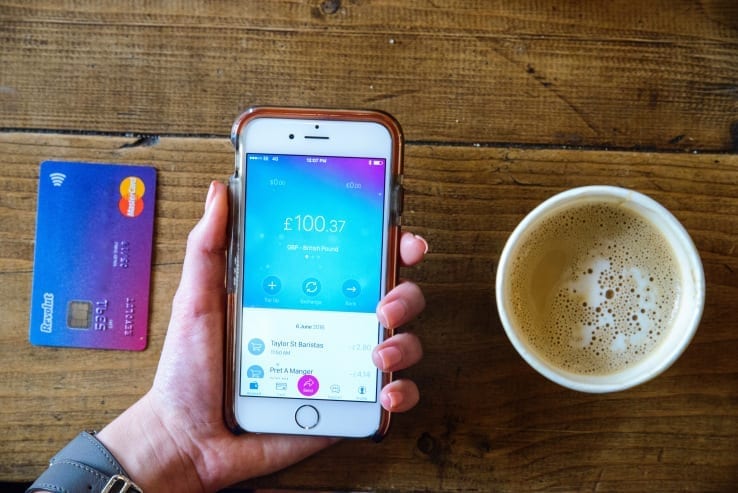
    Revolut is enhancing its presence in Switzerland by introducing flexible money market funds and virtual Swiss IBANs tailored for business clients.

    In an exciting development for the Swiss business landscape, Revolut has announced the launch of a product suite designed to empower companies with new financial tools. By offering flexible money market funds in multiple currencies and virtual Swiss IBANs, Revolut aims to enhance financial management for businesses of all sizes.

    Flexible Money Market Funds

    Starting immediately, Swiss customers using Revolut Business accounts—specifically those on Grow, Scale, or Enterprise subscriptions—can diversify their liquidity investments. Available in euros, US dollars, and British pounds, this offering democratizes access to financial products that were once primarily available to large corporations.

    Revolut highlights the attractive yield of its GBP-denominated fund, which offers variable returns of up to 4.08 percent (as of April 27, 2025). “This innovative fund allows business clients to grow their assets effectively,” stated Revolut in their announcement.

    Introducing Virtual Swiss IBANs

    In addition to flexible funds, Revolut is now providing virtual Swiss IBANs to streamline payment processes for businesses. The key features of this service include no costs for deposits and withdrawals, daily yield payouts, and convenient access to funds. James Gibson, Head of Revolut Business, expressed enthusiasm about these offerings, stating, “We are excited to support businesses of all sizes in managing their money efficiently and without high fees.”

    Strong Growth Momentum

    Revolut’s expansion into Switzerland is backed by impressive growth metrics. The company reports nearly 80 percent increase in monthly transaction volumes and a 63 percent rise in business deposits, reflecting a strong demand for its services among local enterprises.

    Future Considerations

    While Revolut is rolling out a broader range of services, such as FX forwards and enhanced integration with Swiss accounting software, the reception of foreign currency money market funds remains uncertain amid current market volatility. Over the past year, the Swiss franc has appreciated against major currencies, with the US dollar dropping approximately 9.5 percent against the franc, and the euro and pound also seeing declines.

    As Revolut continues to innovate, its new offerings stand to significantly impact the retail sector in Switzerland by providing businesses with cost-effective financial solutions. This expansion not only aligns with current consumer trends favoring digital banking but also reflects a broader shift in how companies manage their finances in an increasingly volatile economic environment.

  • UBS Settles Credit Suisse U.S. Tax Case for $511 Million

    UBS Settles Credit Suisse U.S. Tax Case for $511 Million

    UBS Resolves Credit Suisse Tax Investigation with $510 Million Settlement

    The U.S. Department of Justice has concluded its protracted investigation into Credit Suisse’s tax practices, resulting in a settlement considerably lower than initial projections.

    In a significant development within the retail banking sector, Credit Suisse Services—now a subsidiary of UBS Group—will pay over $510 million to resolve two major U.S. tax inquiries. The settlement, announced by the Department of Justice (DOJ), addresses serious misconduct involving American clients.

    Major Allegations and Settlement Details

    The guilty plea from Credit Suisse reveals its role in aiding U.S. taxpayers to conceal assets totaling more than $6 billion across offshore accounts. This included over $4 billion hidden in at least 475 undeclared accounts in Switzerland and an additional $2 billion linked to U.S. assets in Singapore. These actions occurred despite Credit Suisse’s previous admissions of guilt in a 2014 agreement aimed at achieving full compliance with U.S. tax laws.

    A Settlement Lower Than Expected

    Speculation surrounded the potential settlement amount, with earlier reports suggesting a figure much higher than the final tally of $511 million. This sum is broken down into $371.9 million related to Swiss misconduct and $138.7 million for issues tied to Singapore. Two critical factors may have influenced the lower resolution: changes in the administration’s enforcement priorities and the decline in interest in prosecuting past Credit Suisse executives following UBS’s acquisition.

    Continued Misconduct Up to 2021

    The DOJ’s findings confirm that Credit Suisse continued to assist American clients in tax evasion well beyond its 2014 commitment to compliance. Bankers engaged in activities such as crafting fraudulent donation documents and misrepresenting account holders as recently as 2021.

    Connections to Singapore and Ongoing Litigation

    The investigation’s ties to Singapore include claims of undisclosed funds associated with Georgian billionaire Bidzina Ivanishvili, who is currently pursuing legal action against Credit Suisse for alleged fraud. UBS has emphasized its non-involvement in misconduct, reiterating its stringent “zero tolerance” policy toward tax evasion.

    Looking Ahead: Financial Impact Still Unclear

    The ramifications of this settlement for UBS are still being assessed. While UBS anticipates a credit this quarter resulting from a contingent liability adjustment following its acquisition of Credit Suisse, a related charge will also be recorded.

    As this case culminates, it brings to light ongoing challenges within the retail banking sphere, particularly regarding compliance with tax regulations. The implications of this case could resonate through the sector, prompting a reassessment of regulatory practices and consumer trust in financial institutions.

  • Eric Trump Accuses Banks of Sabotaging Retail Growth Strategies

    Eric Trump Accuses Banks of Sabotaging Retail Growth Strategies

    Eric Trump Advocates for Crypto Revolution at Token2049 in Dubai

    In a compelling presentation at the cryptocurrency forum Token2049, held in Dubai, Eric Trump, Executive Vice President of The Trump Organization, delivered a fervent endorsement of cryptocurrencies, highlighting significant flaws in traditional banking systems.

    Traditional Banking Under Fire

    Trump’s critique focused on the outdated financial transaction system known as SWIFT, which he argued operates at a sluggish pace compared to the rapid capabilities of cryptocurrency. He emphasized how blockchain technology allows for instantaneous cashless payments via smartphones, proclaiming that virtual currencies like Bitcoin render traditional banking “obsolete.”

    A Personal Struggle with Banking

    Sharing insights from his entrepreneurial experiences, Trump detailed the frustrations he encounters with conventional banking practices. “Every Friday, I trace wire transfers, and I know I’m not alone in this struggle,” he stated. He further condemned mainstream financial institutions, like JP Morgan Chase, for their rigid policies, expressing concerns about their power to freeze accounts and impact lives with minimal notice.

    Trump posited that such inefficiencies could lead to the extinction of major banks within the next decade if they fail to adapt. He claimed that the so-called “cancel culture,” which seeks to silence conservative voices, finds an ally in the traditional finance sector.

    Emphasizing Crypto Freedom

    Trump’s dynamic address resonated with the audience at Dubai’s Madinat Jumeirah, where he rallied support for the decentralized finance platform World Liberty Financial. “Crypto means freedom,” he asserted, as he encouraged attendees to embrace the potential of digital currencies. Despite a moment of silence when he acknowledged the U.S. dollar’s dominance, attendees applauded his vision for the future of financial freedom.

    Dubai’s Forward-Thinking Approach

    Acknowledging the efforts of Dubai and the Gulf Emirates in promoting digital currencies, Trump praised the region’s proactive stance on making cryptocurrency socially acceptable. His closing remarks underscored a mission intertwined with ideals of financial liberation.

    The next Token2049 summit is set to take place on October 1-2 in Singapore, marking a continuation of the global dialogue surrounding the future of digital finance.

    This passionate endorsement by Eric Trump highlights the ongoing shift in consumer trends toward cryptocurrencies, exemplifying a potential inflection point within the retail and financial sectors. As consumer demand for faster, more efficient methods of transaction continues to surge, the implications for traditional banking could be profound, shaping a new landscape for how transactions are handled in the future.