Category: Food

Retail News Asia is committed to providing both local and global retailers with the latest Food and Food & Beverage news throughout the Asian market. This on a daily base.

  • Dairy Queen Returns to Hong Kong with Four Outlets in Fourth-Quarter Push

    Dairy Queen Returns to Hong Kong with Four Outlets in Fourth-Quarter Push

    American ice cream chain Dairy Queen will open four Hong Kong outlets in the fourth quarter of 2026. The rollout starts with a flagship in Causeway Bay.

    The launch reintroduces the 85-year-old brand to the market 47 years after a brief stint in 1979. Outlets will spread across Hong Kong Island, Kowloon, the New Territories and the outlying islands.

    Locations and Product Formats

    Its first flagship site opens at the One Causeway Bay shopping centre in November. A second store in Kowloon is under hoarding at The Angle shopping centre in Kwun Tong. The remaining two branches will open before the end of December.

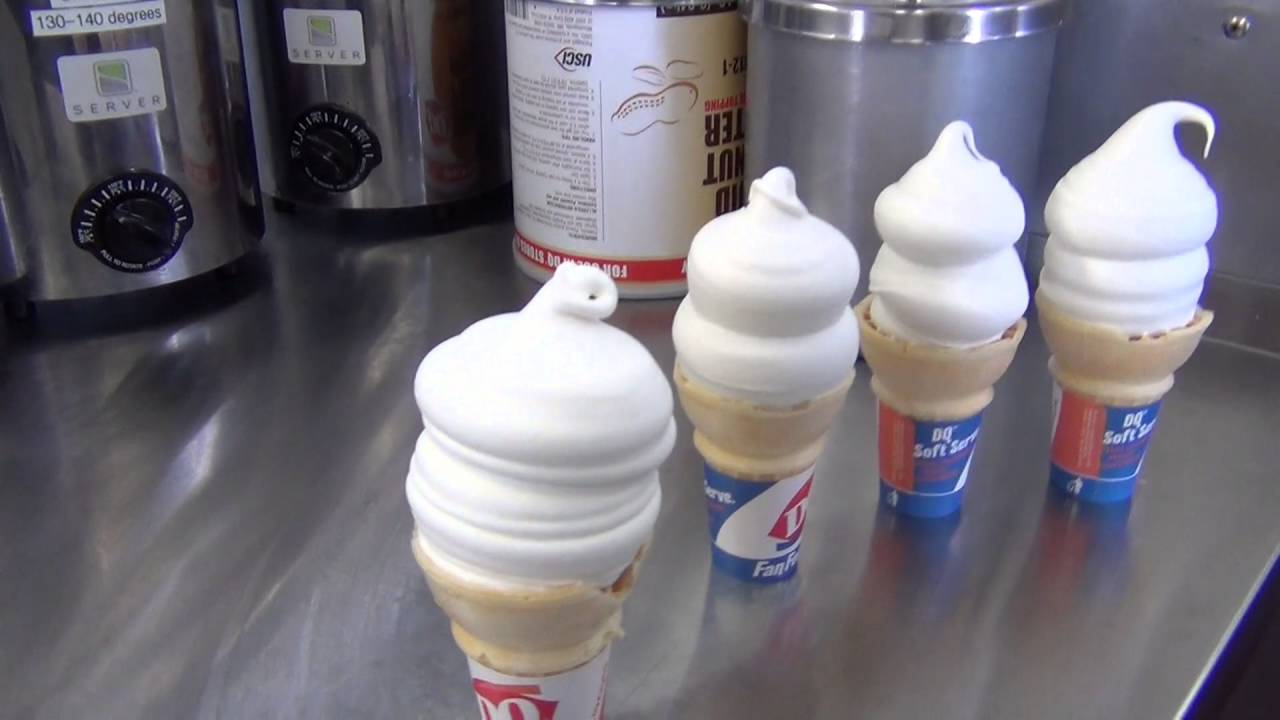
    Dairy Queen developed a localised menu for the territory with five core product categories. Offerings include milkshakes, parfaits, ice cream cakes, and its signature soft-serve dessert. The soft serve uses an exclusive full-fat dairy mix and an air overrun of roughly 40 per cent to maintain consistency.

    Shifting Rents and Tourist Spending

    Structural turnover continues across the city’s food and beverage sector. Prime commercial rents in core retail districts remain down 60 to 70 per cent from their 2013 and 2014 peaks. That drop lowers startup overhead for international franchise operators as legacy restaurants exit.

    Lower leasing costs arrive alongside a rebound in inbound traffic. Hong Kong recorded 31.22 million visitor arrivals during the first seven months of 2026, up 11 per cent year on year. Total retail sales value grew 8.9 per cent over the same period.

    Deploying across four separate districts in a single quarter lets foreign fast-casual operators build brand awareness quickly. The footprint tests local demand across tourist and suburban residential catchments.

    Fit-out work continues at the One Causeway Bay site ahead of the November launch. Opening dates for the New Territories and island locations are expected before year-end.
  • Japan Convenience Store Chains Cut Onigiri Base Prices

    Japan Convenience Store Chains Cut Onigiri Base Prices

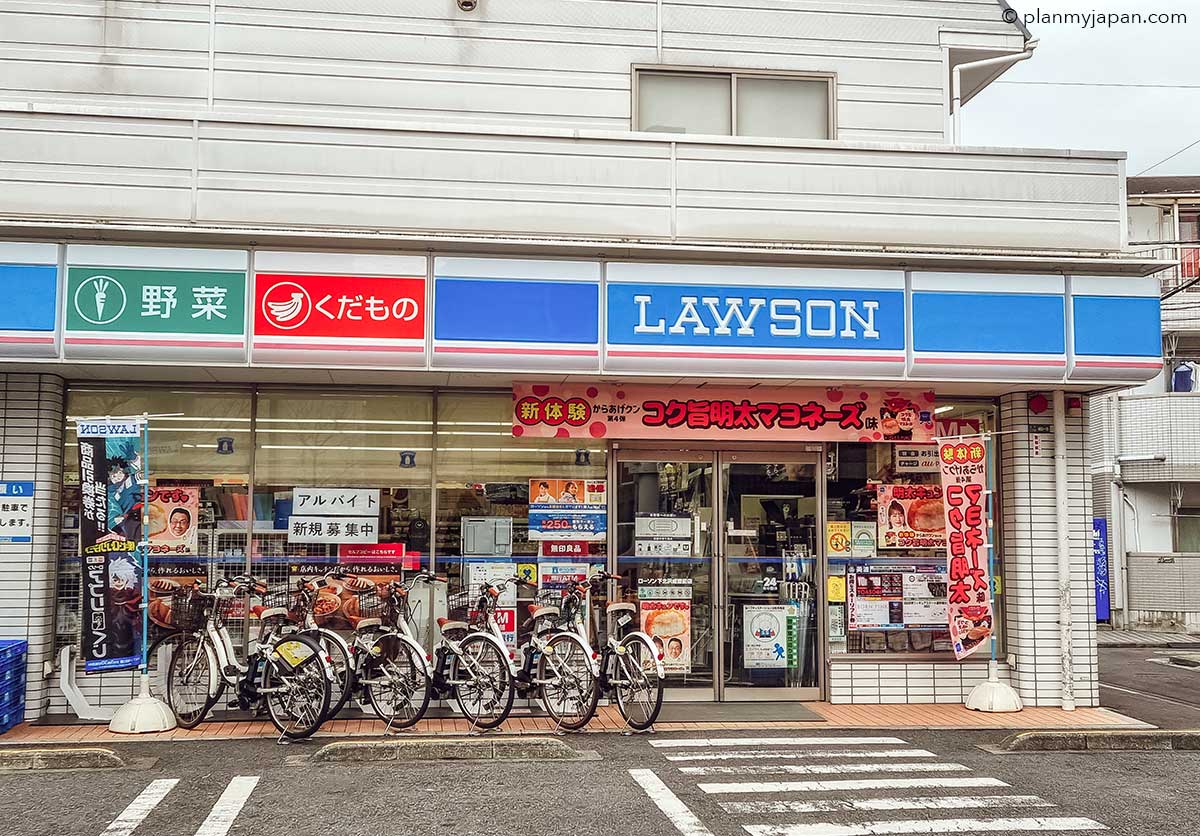
    Japan’s three largest convenience store operators, 7-Eleven, FamilyMart and Lawson, have cut base retail prices on onigiri rice balls after years of inflation doubled shelf prices for the staple snack.

    The reductions mark a permanent reset of baseline pricing rather than temporary sales promotions, targeting everyday basket affordability across thousands of urban outlets.

    Price Cuts Across Major Chains

    Lawson will reduce after-tax prices by 10 yen across all 20 varieties in its Temaki Onigiri lineup on September 29. Its Sea Chicken Mayonnaise drops from 181 yen to 171 yen, grilled salmon falls from 221 yen to 211 yen, and spicy cod roe mentaiko drops from 235 yen to 225 yen. Plum, kombu, and okaka variants will each decline from 194 yen to 184 yen.

    7-Eleven Japan is lowering prices on its core salmon and mentaiko rice balls by 19 yen, reducing both from 214 yen after tax. FamilyMart initiated its adjustments on August 24, cutting the price of its Kombu and Tuna Mayonnaise Big Musubi from 320 yen to 298 yen.

    Wholesale Relief and Volume Recovery

    Data from Japan’s Ministry of Agriculture, Forestry and Fisheries shows the average supermarket retail price for a five-kilogram bag of rice dropped 27.7 per cent between early this year and mid-August. Falling raw grain costs have given convenience chains room to adjust procurement and restore unit volumes that slowed when onigiri crossed historical psychological price barriers.

    For Japanese convenience operators, rice balls serve as primary foot-traffic drivers alongside canned coffee and ready-to-eat lunches. Chains spent two years passing input costs directly to shoppers, but price resistance pushed consumers to trim daily spend, prompting this coordinated push to protect store traffic.

    The repricing rollout will test whether lower shelf prices can restore transaction counts before quarterly sales figures reveal the impact on gross retail margins.

  • Carrefour Returns to India with 50,000-Square-Foot Greater Noida Flagship

    Carrefour Returns to India with 50,000-Square-Foot Greater Noida Flagship

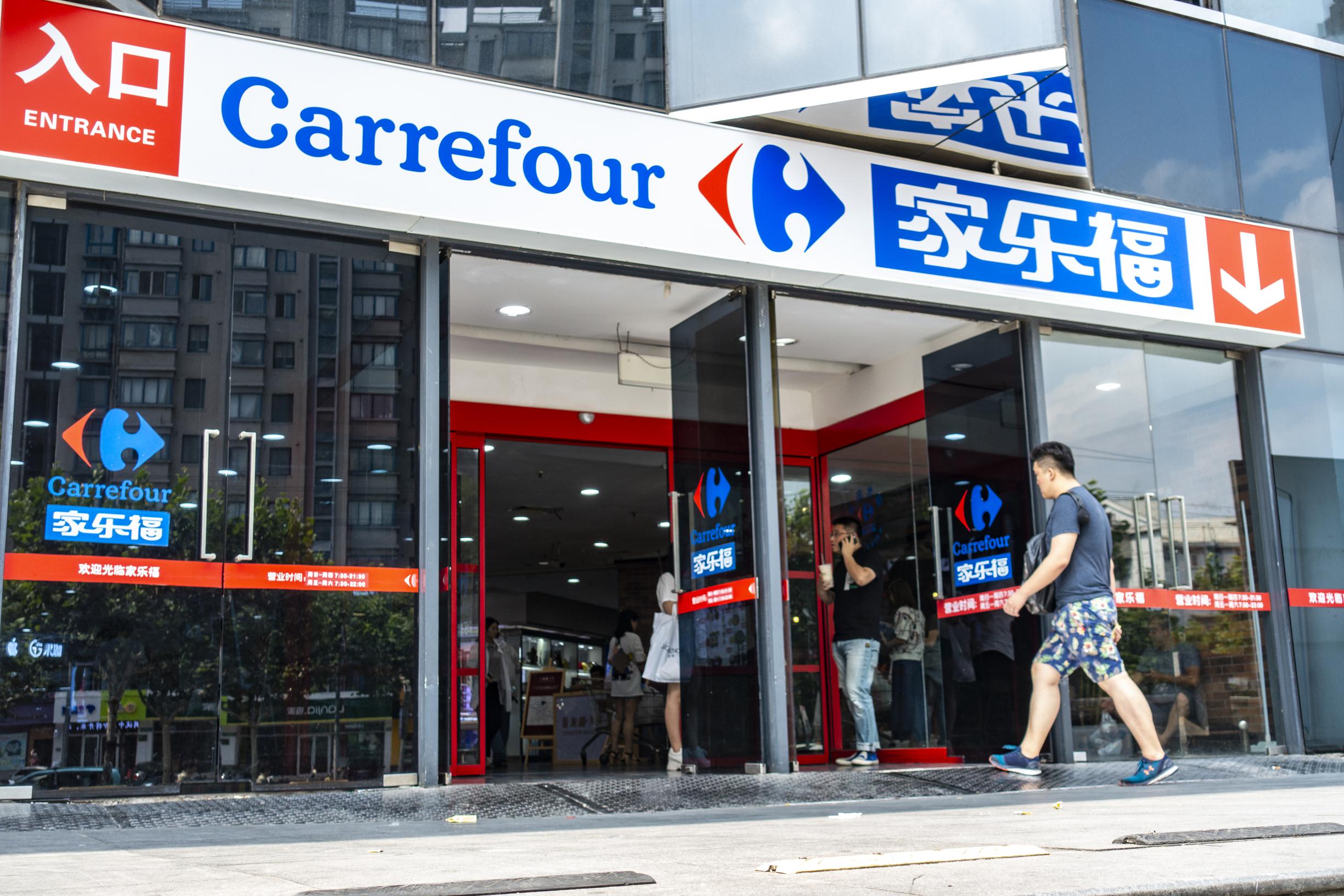
    French grocer Carrefour opened a 50,000-square-foot flagship store in Greater Noida West, returning to the Indian market a decade after shutting down its initial operations.

    The outlet at Boulevard Walk mall stocks more than 15,000 products across fresh food, groceries and household essentials under a franchise pact with Dubai-based Apparel Group.

    Apparel Group, which manages more than 300 fashion and lifestyle stores across 50 Indian cities, will run the local stores and supply chain. The partnership combines Carrefour’s private labels and imported lines with locally sourced goods to build an omnichannel grocery network across North India.

    A Second Run at Multi-Brand Grocery

    Carrefour first set foot in India in 2010 under the government’s cash-and-carry wholesale regulations. It closed its five wholesale depots and left in 2014 after failing to secure a domestic partner to navigate foreign investment limits in multi-brand retail.

    Foreign supermarket chains have long found India difficult to penetrate because of strict ownership caps and entrenched local distributors. While Walmart shifted entirely to wholesale and e-commerce through Flipkart, Carrefour is using a regional master franchisee to shoulder real estate commitments and store-level operations.

    Scaling North India Distribution

    Apparel Group owner APPCORP Holding, led by chairman Nilesh Ved, is using the Greater Noida site as a launchpad to expand Carrefour into additional northern urban clusters.

    The joint venture will now establish dedicated supply chain hubs to support planned store openings across Uttar Pradesh and the National Capital Region.

  • Global Food Price Index Hits Nearly Four-Year High on Sugar Surge

    Global Food Price Index Hits Nearly Four-Year High on Sugar Surge

    Global food commodity prices rose 1.9 per cent in August as the United Nations Food and Agriculture Organization price index reached 133.3 points, its highest level since November 2022.

    The increase leaves the benchmark 2.5 per cent higher than a year earlier, driven by broad gains across sugar, cereals, dairy, meat and vegetable oils.

    Sugar registered the steepest climb across the index, jumping 11.9 per cent month on month to 106.4 points. Lower expected sugarbeet yields in the European Union, production declines in Brazil, and weather concerns tied to El Niño in major Asian producers squeezed supply outlooks. India compounded the pressure by announcing duty-free raw sugar imports to shore up domestic availability.

    “August’s increase in global food prices is a warning that the risk premium is returning to food markets,” said Maximo Torero, chief economist at the FAO. Torero pointed to climate shocks, geopolitical tensions and trade logistics bottlenecks as factors tightening supply expectations.

    Grains and Oils Add Cost Pressure

    Cereal prices averaged 116.3 points in August, up 2.2 per cent from July to reach their highest reading since May 2024. Quotations rose for wheat, maize and rice, driven by strong buying interest, adverse weather across several production belts, and shipping disruptions from Black Sea ports in Ukraine.

    Vegetable oils rose 0.6 per cent to 196.9 points. Firm global import demand lifted palm and soy oil values, while dry conditions linked to El Niño threatened plantation yields in Southeast Asia. Rapeseed and sunflower oils softened slightly on expectations of steady harvest volumes.

    Dairy prices advanced 2.3 per cent to 119.2 points because of lower raw milk collections in Europe. Meat edged up 1 per cent to 127.9 points as hot weather slowed pig growth across European farms, though bovine meat prices dipped after Chinese import quotas intensified price competition between Brazilian and Australian cattle exporters.

    Margin Squeeze for Asian Food Retailers

    For packaged goods manufacturers and supermarket operators across Asia, the August index reading signals renewed margin pressure on pantry staples. Food retailers in import-dependent hubs had spent much of the past year managing lower inventory carrying costs, but rising raw input prices for sugar, wheat and cooking oils will force pricing reviews before the fourth-quarter holiday buying cycle.

    Passing higher wholesale costs directly to consumers remains difficult in markets where household budgets are already stretched by utility and transport expenses. Retailers face a choice between absorbing lower gross margins on staple categories or relying on smaller pack sizes and promotional discounts to preserve transaction volumes.

    Supply Outlook for Regional Sourcing

    The August figure sits 16.8 per cent below the all-time high recorded in March 2022, when the outbreak of war in Ukraine disrupted agricultural trade. The latest rally shows that structural supply risks remain sensitive to localized weather and trade restrictions.

    Procurement teams are now monitoring regional harvest numbers closely after the agency cut its 2026 global cereal production forecast by 2 per cent to 2.98 billion tonnes, a harvest that would still rank as the second-largest on record.

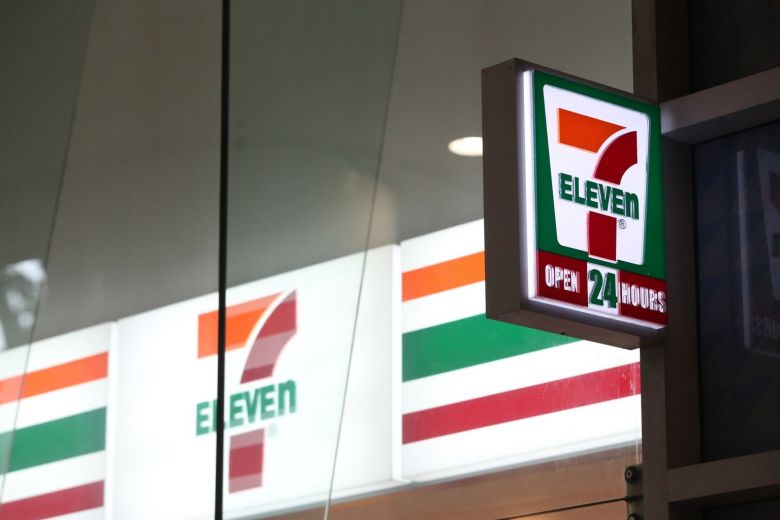
  • Philippine Seven Corp to Open 5,000Th 7-Eleven Store in Cebu

    Philippine Seven Corp to Open 5,000Th 7-Eleven Store in Cebu

    Philippine Seven Corp will open its 5,000th 7-Eleven store in Lapu-Lapu City, Cebu on Dec. 3, completing an expansion of 1,000 outlets in two years.

    The convenience chain closed June with 4,650 branches nationwide after net profit climbed 3.8 per cent to 1.84 billion pesos in the first half. System-wide sales rose 15.1 per cent over the same six months, with locations opened within the period generating more than 6 per cent of total turnover.

    Franchise Split and Store Economics

    Half of the 350 outlets needed to hit the year-end target will be company-owned, with franchisees taking the remainder. The rapid buildout follows the opening of store number 4,000 in 2024, four decades after 7-Eleven entered the Philippine market.

    PSC chair Victor Paterno told reporters that unit economics improved despite rising electricity, fuel and labor expenses. Cashless checkout terminals installed across tourist destinations and higher-income districts lifted average spend by enabling credit card transactions.

    The operator is also adjusting its merchandise mix to attract younger shoppers while brushing off competition from fast-spreading hard discounters. Paterno noted that discount grocers stock minimal immediate-consumption items, leaving local convenience formats largely insulated from their price pressure.

    Next Targets in Mindanao

    Across Southeast Asia, convenience store chains are racing to build dense logistics networks outside capital cities to capture rising provincial purchasing power before regional competitors establish dominance. PSC is mirroring strategies used by convenience operators in Thailand and Indonesia, where rural expansion delivers higher sales gains than saturated tier-one metros.

    PSC plans to open approximately 600 additional stores in 2027, subject to broader macroeconomic conditions. Distribution routes will push deeper into Western Mindanao, with Zamboanga City designated as a key focal point for logistics development.

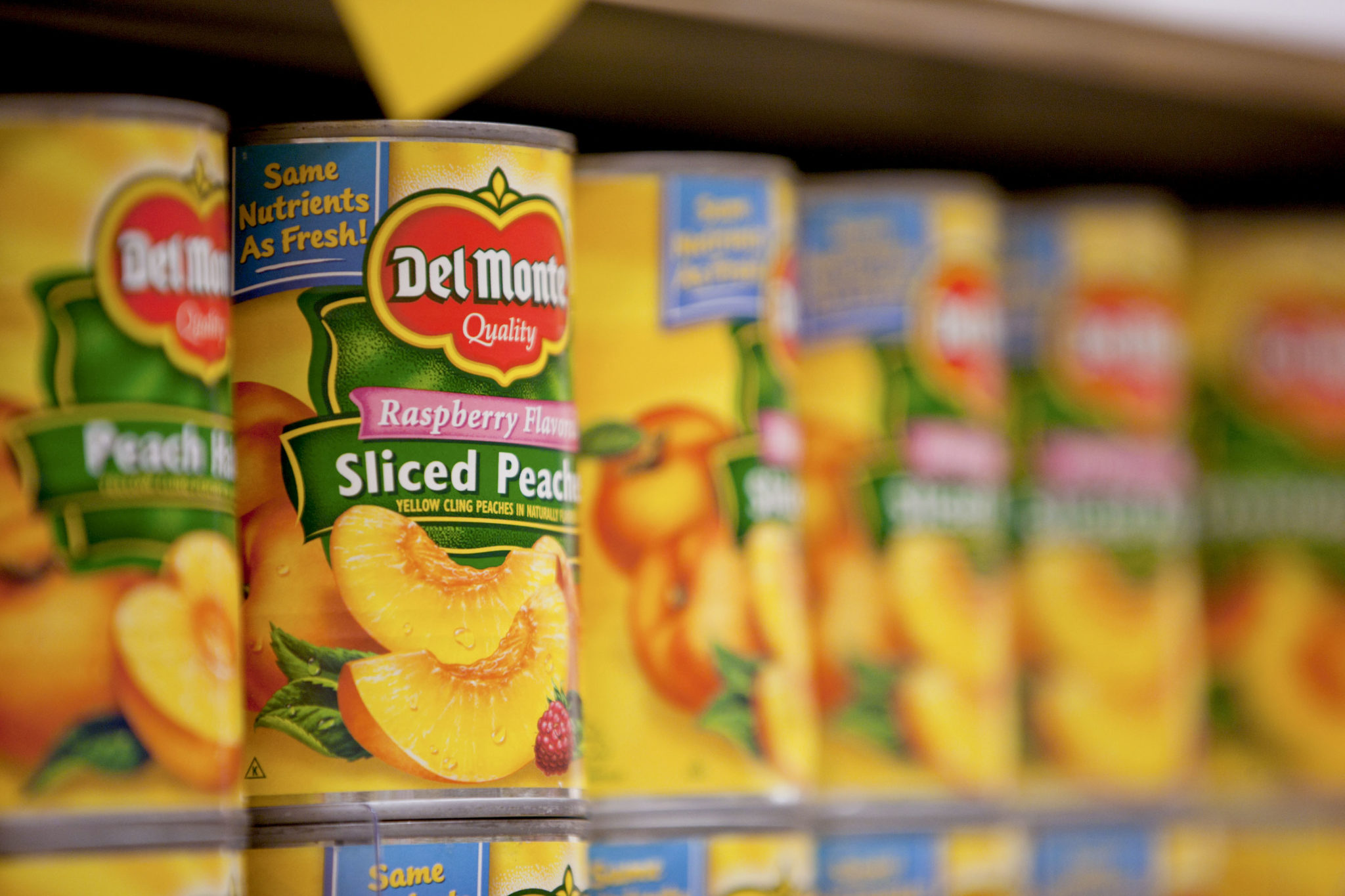
  • Del Monte Partners with Riverking to Expand Fresh-Cut Fruit in China

    Del Monte Partners with Riverking to Expand Fresh-Cut Fruit in China

    Del Monte Corp. Has formed a joint venture with Shanghai-based Riverking to sell fresh-cut fruit across China, targeting an Asian business that generated 9 per cent of its sales.

    The partnership, signed through Hong Kong subsidiary Del Monte Fresh Produce (HK), links the New York-listed group with Riverking’s network of 11 distribution centres across mainland China.

    Riverking was founded in 2003 and handles supply chains spanning cultivation, sourcing, harvesting and cold-chain distribution. Outside mainland China, the Shanghai firm operates international offices in Thailand, Australia, New Zealand, North America and South America.

    Distribution Across Eleven Hubs

    Fresh and value-added items delivered $2.62bn of Del Monte’s $4.32bn total revenue last year, while bananas contributed $1.49bn. The group, which changed its corporate name from Fresh Del Monte Produce in June, relies on third-party distributors across China, Hong Kong, Japan and South Korea.

    Up to now, South Korea housed the company’s only dedicated fresh-cut processing facility in East Asia. Partnering with an established domestic handler in Shanghai gives the brand immediate cold-storage reach into Chinese supermarket shelves without building out an entire standalone logistics fleet from scratch.

    Portfolio Realignment After Asset Deals

    The China agreement follows several portfolio shifts by Del Monte over the past year. In January, the group purchased vegetable, tomato and refrigerated fruit lines from California-based Del Monte Foods in a US bankruptcy transaction, after buying a majority stake in Ugandan avocado oil producer Avolio.

    Competitors in China’s packaged produce sector face high spoilage risks and fragmented retail networks. For Del Monte, the next metric to watch is whether Riverking’s 11 regional hubs can lift Asian sales above their current 9 per cent share of total revenue.

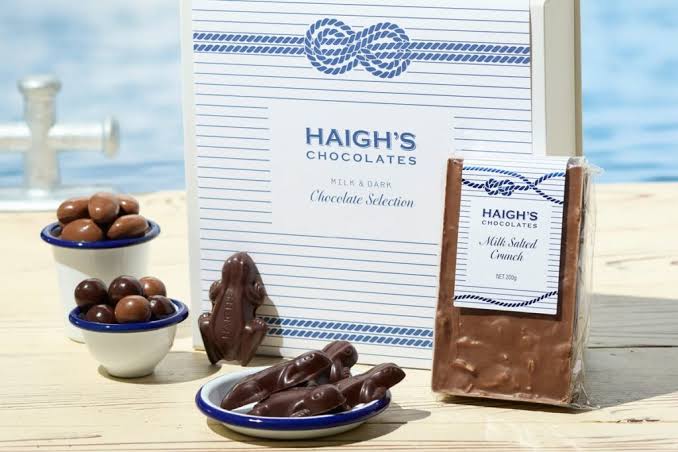
  • Haigh’s Chocolates Enters Queensland with First Brisbane Store

    Haigh’s Chocolates Enters Queensland with First Brisbane Store

    Haigh’s Chocolates has launched its first physical store in Queensland at Westfield Mt Gravatt in Brisbane. The opening establishes a direct retail footprint in the state ahead of two further Brisbane outlets scheduled for November.

    The family-owned South Australian confectioner took space on Level 2 of the shopping centre next to cosmetics retailer Mecca. The store sells the brand’s core artisan chocolate lines alongside complimentary tasting counters.

    Queensland Footprint Expands

    Online sales in Queensland prompted the physical rollout. Customer order volumes across the state showed sufficient local demand to justify bricks-and-mortar leases, according to the company.

    “Since announcing that we were coming to Brisbane, we have had so many Haigh’s fans and online customers reaching out, asking where they can visit and when we will be open,” said Haigh’s Chocolates chief executive Peter Millard.

    Two more retail sites are in the pipeline. Outlets at Westfield Chermside in Brisbane’s north and Westfield Carindale in the east will open before the end of the year.

    Supply Chain Backing

    The Queensland rollout relies on supply chain capacity completed last year. Haigh’s opened a 120 million Australian dollar production and logistics facility in Salisbury South, South Australia, designed to support national distribution and higher store volumes.

    Converting digital customer density into shopping centre tenancies mirrors how regional specialty retailers derisk capital expenditure in Australia. By validating regional demand through online fulfilment first, brands reduce opening risk in major retail malls before committing to long-term leases.

    Fit-out work is continuing at both the Chermside and Carindale locations ahead of their planned November trade debut.

  • Chipotle Opens First Asian Restaurant in Seoul with Singapore Next

    Chipotle Opens First Asian Restaurant in Seoul with Singapore Next

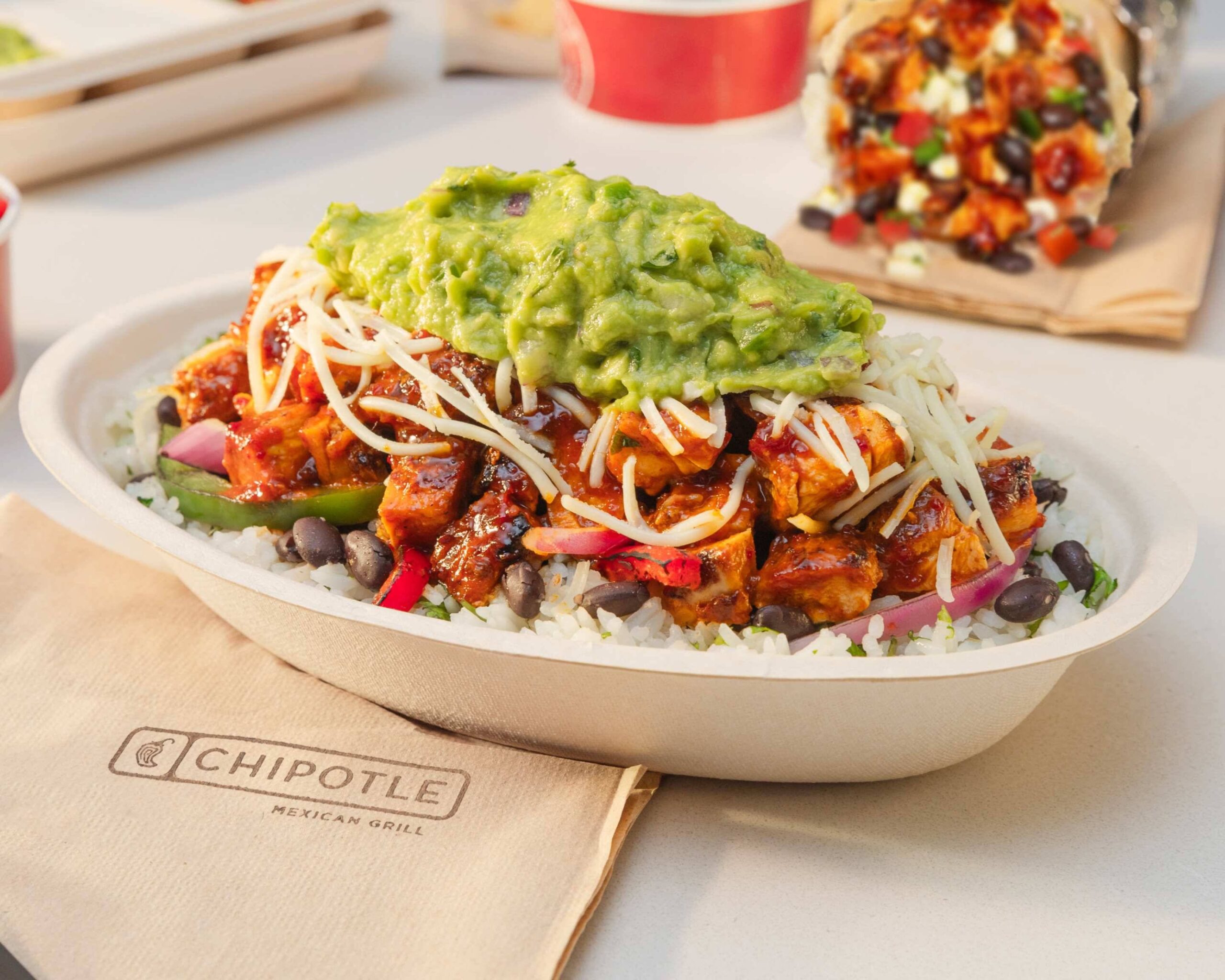
    Chipotle Mexican Grill opened its first Asian restaurant in Seoul, picking South Korea as the entry point for its regional expansion. The US fast-casual chain partnered with local conglomerate Sangmidang Holdings, formerly SPC Group, to run the operations.

    More locations will open across South Korea before the end of the year. The group will take the concept to Singapore next year for its second market in the region.

    The Partnership in Seoul

    Sangmidang Holdings manages the local rollout, bringing Chipotle’s standard assembly-line menu of burritos, bowls, tacos, quesadillas, and salads to Korean diners. The format keeps its customisation model, preparing ingredients daily without artificial colours or preservatives.

    Scott Boatwright, chief executive of Chipotle, identified South Korea as a primary target due to customer demand for fresh food served quickly. Sangmidang president Hee-soo Hur said the business will focus on maintaining the exact operational format developed in North America.

    Expanding Across Asian Markets

    Western fast-casual operators regularly use South Korea to test Asian consumer appetites before tackling larger Southeast Asian markets. High dining-out frequency and dense urban foot traffic in Seoul give foreign operators quick feedback on pricing and menu adaptation, though competition among domestic and international fast-food chains remains fierce.

    Sangmidang is now securing real estate for the next batch of Seoul restaurants due before December. Site selection for the inaugural Singapore restaurant is also underway ahead of its planned opening next year.

  • Mixue Closes 89 Overseas Stores as First-Half Profit Drops 15%

    Mixue Closes 89 Overseas Stores as First-Half Profit Drops 15%

    Mixue cut its overseas footprint by 89 stores in the first half of 2026, driven by closures across core Southeast Asian markets Vietnam and Indonesia.

    Net profit fell 15 percent year on year to 2.32 billion yuan, even as total revenue edged up 2.3 percent to 15.2 billion yuan ($2.26 billion). Group filings show higher selling and distribution expenses ate directly into margins across its franchise network.

    Rising Distribution Costs Squeeze Margins

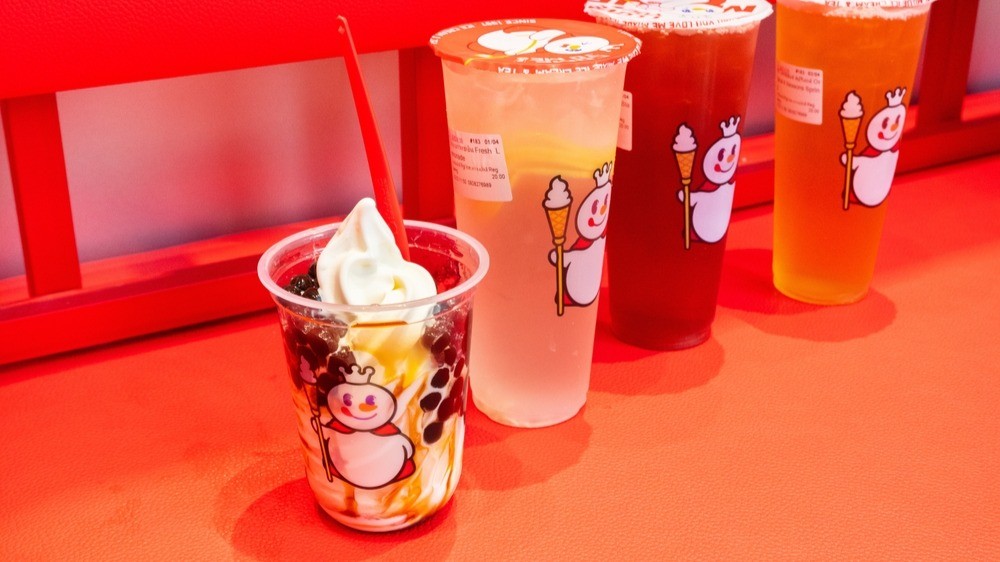
    The Henan-headquartered drinks giant operated 63,987 outlets globally by June 30, with 59,609 locations in mainland China. That leaves roughly 4,378 international stores, concentrated heavily in Southeast Asia where the brand sells budget soft-serve ice cream and milk tea.

    Mixue did not publish country-level closure totals for Vietnam or Indonesia. The company stated in its interim report that reducing store density improved individual unit quality and created a cleaner base for sustainable operations.

    Franchisee economics have tightened across the region. Rapid street-level expansion in major cities sparked cannibalisation between neighbouring outlets, forcing operators to absorb higher logistics costs on imported syrups and packaging without room to raise retail prices.

    Rebalancing Southeast Asian Footprints

    Vietnam was Mixue’s first international market when the chain launched in Hanoi in 2018. By September 2024, the brand ran 1,304 stores across the country, according to its Hong Kong listing prospectus filed in early 2025.

    Mass-market tea and coffee chains in Southeast Asia now face heavier competition from local discounters and Chinese rivals copying the low-price franchise playbook. Mixue’s retreat from sheer store count growth signals that overseas networks cannot rely solely on relentless opening schedules to deliver profit.

    Investors now await Mixue’s updated capital-raising timeline in Hong Kong, where full-year store productivity figures will test whether the overseas pruning protected operating cash flow.

  • Lion Launches Kirin Asobi Alcoholic Iced Tea in Australia

    Lion Launches Kirin Asobi Alcoholic Iced Tea in Australia

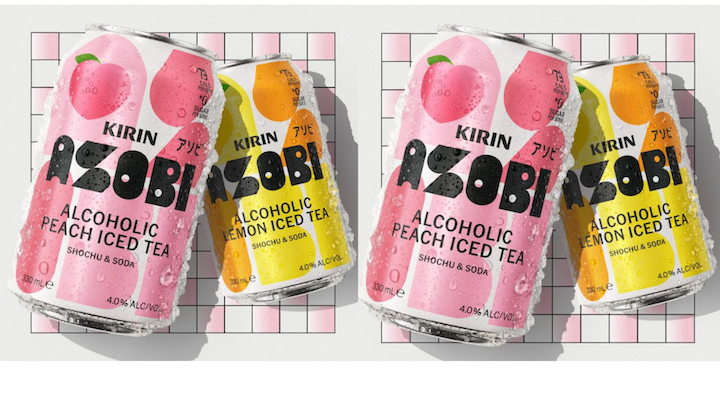
    Lion launched Kirin Asobi in Australia on September 3, entering the alcoholic iced tea category with a 4 per cent alcohol by volume premixed drink.

    The zero-sugar line rolls out across national liquor chain Liquorland in 330ml cans.

    Shochu Base and Flavour Options

    Lion formulated Kirin Asobi with a blend of Japanese shochu, brewed black tea, sparkling water, and fruit juice. The lineup debuts with two options: Lemon and Peach.

    Each 330ml can contains no sugar. That profile places the brand directly in the low-sugar premix segment, where major beverage makers are fighting for younger drinkers who avoid standard beer.

    Premix Competition in Oceania

    Japanese brewing group Kirin Holdings continues to push Asian spirit profiles into Western retail channels through its regional subsidiaries. Shochu and chuhai-style ready-to-drink cans have taken significant shelf space from malt-based seltzers across Australasia over the past two years.

    Liquorland carries the range across its store network starting this week, with initial retail sell-through over the southern hemisphere spring determining whether Lion broadens distribution to independent banner groups.

  • Pizza Hut Owner Flynn Group Pledges $10 Million to Expand in Australia

    Pizza Hut Owner Flynn Group Pledges $10 Million to Expand in Australia

    Flynn Group will invest $10 million to overhaul Pizza Hut Australia and open 100 outlets across the country. The expansion aims to add 300 jobs and lift the chain from its current footprint of roughly 300 stores.

    US-based Flynn Group, which acquired the master franchise from private equity firm Allegro Funds in 2023, plans to roll out redesigned store layouts, updated menus and upgraded ordering hardware. The chain has traded in Australia since 1970, but recent financial filings from Flynn Group’s local operating division showed a $1 million loss for the previous financial year.

    Digital Sales And Store Redesigns

    Online channels now generate roughly 80 per cent of all sales for the brand in Australia. Flynn Group said the business has recorded seven straight years of same-store revenue growth, with average sales per location doubling over the past five years despite the recent bottom-line loss.

    “This isn’t a lick of paint; it’s a complete reinvestment in the product, the stores, and the people behind them, moving at a pace this category has never seen,” said Richard Wallis, president of Flynn Group Apac.

    Turning Around Australian Losses

    Across Asia-Pacific, legacy quick-service restaurant chains face tight margins from wage inflation and delivery aggregator fees, forcing operators to downsize dining rooms and automate order processing. Flynn Group is testing whether streamlined formats and higher store density can convert steady same-store sales momentum into sustainable net profits in a crowded fast-food sector.

    The group has not named the locations for the first batch of new outlets, leaving the timeline for reaching the 400-store mark as the primary metric for the turnaround plan.

  • Mega MGC Coffee Approaches 4,500 Stores Across South Korea

    Mega MGC Coffee Approaches 4,500 Stores Across South Korea

    Mega MGC Coffee reached 4,466 outlets in South Korea on August 27, widening its lead as the country’s largest coffee franchise by physical store count.

    The network now sits within striking distance of the 4,500-store threshold in a national market that holds more than 100,000 coffee shops. Founded in 2015, the brand expanded through a low-price, high-volume model built on large drink sizes and small takeaway shop footprints.

    Franchise density and territory controls

    Rapid growth has pushed Mega ahead of older rivals. Domestic competitor Ediya Coffee operates more than 4,200 locations, while Compose Coffee passed the 3,000-store mark last year. Starbucks closed last year with just over 2,000 outlets across South Korea, operating on a corporate-owned model rather than franchises.

    To prevent its own stores from cannibalising sales, the chain analyses pedestrian commercial zones before approving new franchise applications. A company representative said Mega evaluates whether both neighbouring existing units and proposed locations can generate stable returns before clearing an opening.

    Bifurcation in the cafe sector

    The scale achieved by Mega and Compose illustrates how deeply value-tier operators have penetrated South Korea’s daily commuter market. While premium brands focus on seated dining space and elevated menus, budget chains capture weekday takeaway volume through kiosk ordering and lower pricing.

    Foreign chains continue to test the opposing end of the market. Canada’s Tim Hortons is expanding its presence toward 50 locations across South Korea, adding 26 stores this year with larger flagship formats and broader food menus.

  • Jollibee Shifts International Spinoff Listing to Hong Kong

    Jollibee Shifts International Spinoff Listing to Hong Kong

    Jollibee Foods will list its overseas business in Hong Kong instead of the United States, carving out its international restaurant operations into an independently traded entity.

    The unit, named Jollibee Foods International (JFCI), will hold all network operations outside the Philippines, while parent firm JFC keeps domestic stores and its listing on the Philippine Stock Exchange.

    Carving Out the Global Assets

    Splitting the operations creates two separate public companies with independent capital allocation and operating targets. Jollibee said Hong Kong provides direct access to Asian and global institutional funds as the chain builds its presence across North America and regional markets outside its home base.

    Hong Kong recorded $22.45 billion in initial public offerings during the first half of the year, a 57 per cent increase from the previous year and the exchange’s strongest first-half performance in five years.

    Richard Chong Woo Shin will lead JFCI as chief executive officer once the corporate separation finishes. Shin currently serves as chief financial and risk officer for Jollibee Group and will retain those duties until the restructuring concludes.

    Shifting Listing Destinations

    Consumer brands across Southeast Asia have long weighed New York listings against regional venues when seeking deeper international liquidity. By picking Hong Kong over a US exchange, Jollibee joins Asian consumer groups that favor regional trading hours and institutional investors familiar with Asian quick-service restaurant networks over the regulatory friction and compliance overhead of American bourses.

    The company is setting up internal governance, financing facilities, and operating systems for JFCI. The deal still requires formal shareholder and regulatory clearances before the company files its listing timetable with the Hong Kong stock exchange.

  • Bodie’z Rolls Out Waterless Functional Sherbet Sachets Across Kmart

    Bodie’z Rolls Out Waterless Functional Sherbet Sachets Across Kmart

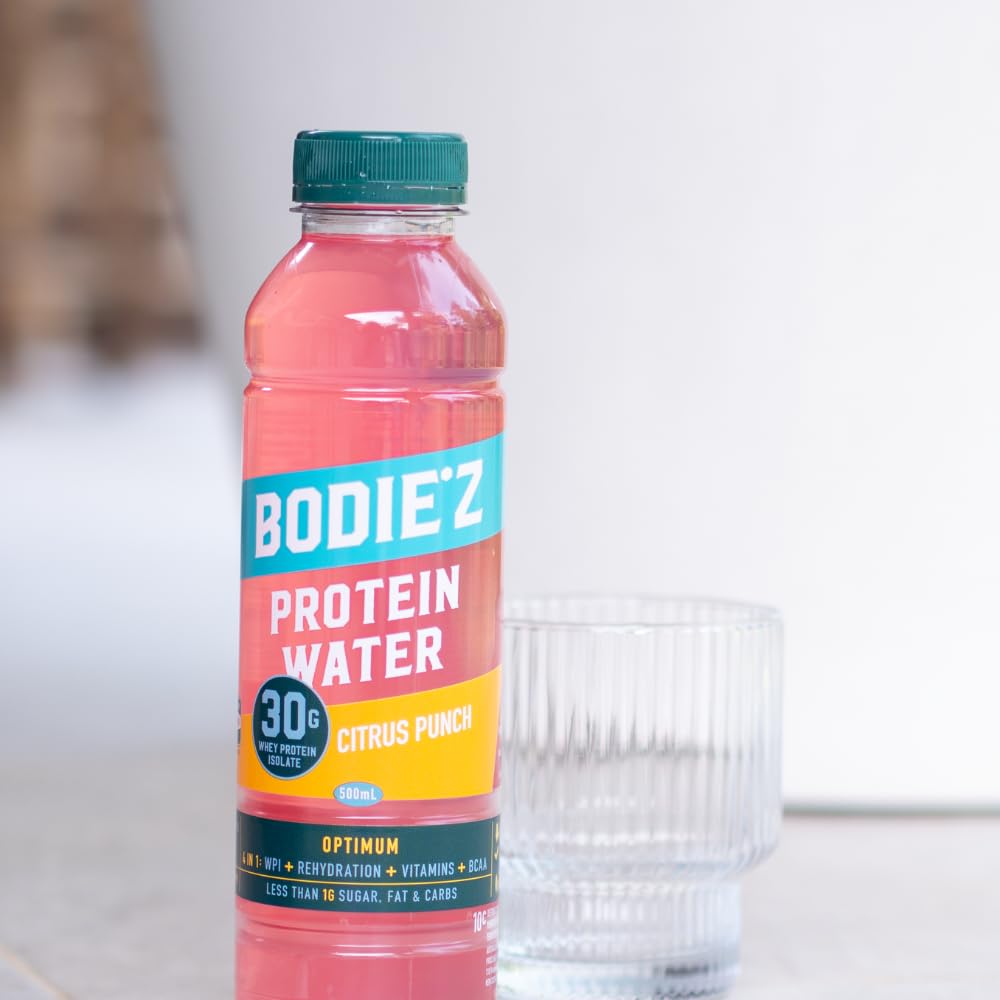
    Sydney sports nutrition brand Bodie’z has launched a waterless functional sherbet range called Fizzers across Australia, pricing single-serve sachets at $2.50. The rollout puts the direct-to-mouth powders into discount department store chain Kmart alongside Amazon and the company’s direct retail site this September.

    The launch shifts the company beyond its established ready-to-drink protein water products into portable dry formats. Each sachet delivers active nutritional compounds without requiring water or shaker bottles, targeting consumers seeking faster daily supplement habits.

    Three functional recipes

    Bodie’z built the Fizzers lineup around three specific formulations. Electrolyte Fizz focuses on hydration and mineral replenishment, while Creatine Fizz provides 3 grams of creatine monohydrate per serving. The third option, Lock In Fizz, combines L-tyrosine, matcha, and vitamin B6 for cognitive support.

    Every variant is low in sugar and uses natural flavouring. Founder Bodie Lazar designed the recipes to eliminate common points of friction in sports nutrition, including measuring scoops and swallowing large capsules.

    Waterless formats and retail reach

    Functional food manufacturers across the Asia-Pacific region are increasingly testing waterless and confectionery-inspired formats to capture shoppers who find standard powders and pills inconvenient. Moving into Kmart gives Bodie’z direct access to high-footfall general retail shelves, broadening its consumer base beyond specialist supplement channels.

    Distribution begins this month across Kmart’s national store network, Amazon Australia, and the brand’s e-commerce platform.

  • Thai Brand Emily’s Rolls Out Konjac Version of Signature Chicken Noodles

    Thai Brand Emily’s Rolls Out Konjac Version of Signature Chicken Noodles

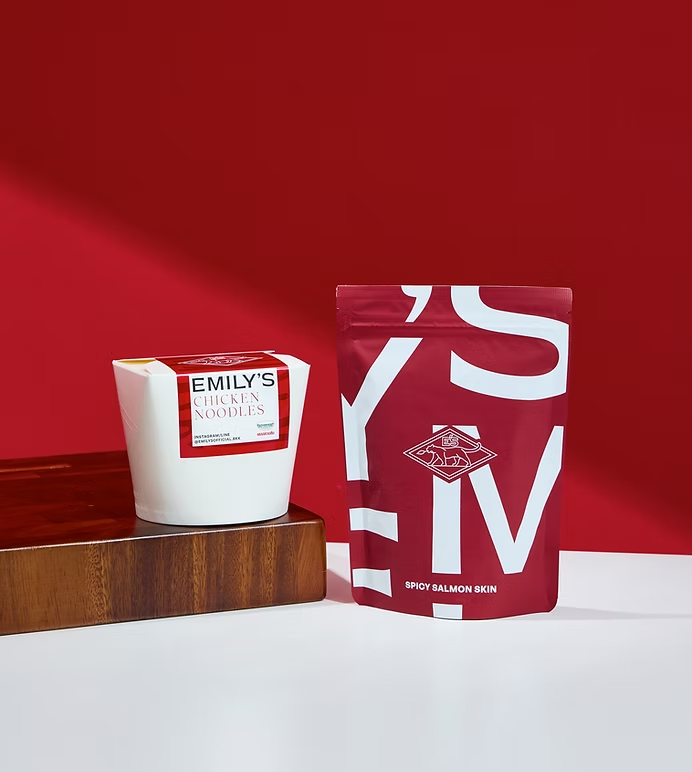
    Thai food brand Emily’s launched a limited-edition konjac version of its signature shredded chicken noodles on 20 August, targeting consumers seeking low-calorie dining options.

    The Bangkok-born business introduced the high-protein alternative as an adaptation of its core menu item, which drove the company’s initial viral retail growth across Thailand.

    Health-Focused Menu Shift

    Founders Naiyanachanok Patamasingh Na Ayutthaya and Thaparat Waerojruedee developed the dish by swapping traditional wheat-based noodles for konjac root substitutes. The formulation retains the brand’s original chicken seasoning while cutting net carbohydrates and overall calorie counts.

    Konjac noodles have gained traction across Southeast Asian quick-service and casual dining formats. Fast-casual concepts across Bangkok and regional capitals frequently use limited-run functional dishes to convert casual social media interest into repeat footfall without changing baseline kitchen inventory permanently.

    Limited-Edition Rollout

    The new recipe operates as a short-run promotional item across the brand’s sales channels. Emily’s built its retail footprint around packaged and ready-to-eat comfort food formats before branching into dedicated counter operations.

    Customer sales performance and reorder velocity during the initial promotion window will determine whether the brand integrates the konjac dish into its permanent daily menu.