Category: Food

Retail News Asia is committed to providing both local and global retailers with the latest Food and Food & Beverage news throughout the Asian market. This on a daily base.

  • Suntory Oceania Expands Maximus Lineup with Pink Lemonade Sports Drink

    Suntory Oceania Expands Maximus Lineup with Pink Lemonade Sports Drink

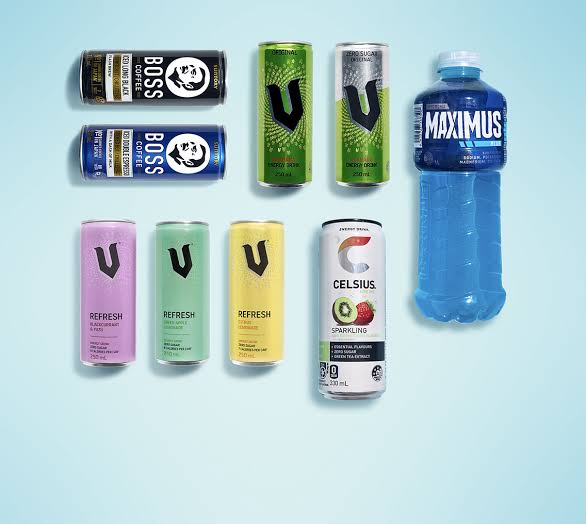
    Suntory Oceania launched a Pink Lemonade variant for its Maximus sports drink brand across Australia. The standard 1-litre bottle carries an RRP of $3.15.

    This addition expands the core beverage lineup. It follows reported incremental volume growth across the regional sports hydration category.

    Category Expansion and Flavor Lineup

    Shipments join existing Maximus varieties on retail shelves, including Blue, Mango Passionfruit, Grape, Red, and Lemonade Ice Block. Retailers are stocking the 1-litre single-serve bottle to capture commuter and athlete demand for high-volume functional drinks.

    Brand teams aimed the release at consumer demand for familiar citrus profiles in hydration. Maximus leans on its value-per-volume pitch against traditional 600ml rivals in convenience stores and supermarkets.

    Oceania Hydration Strategy

    Japanese parent firm Suntory Holdings consolidated its Australia and New Zealand commercial operations to speed up distribution across soft drinks, ready-to-drink options, and functional beverages. Maximus acts as the group’s primary volume driver against global incumbents in the regional isotonic category.

    Across Asia-Pacific, beverage makers face tighter shelf space as retailers cut underperforming SKUs for high-turnover line extensions. Suntory Oceania is pushing mainstream flavor profiles to secure fridge door share in independent petrol and grocery channels.

    Rollouts continue across major Australian retail chains and convenience networks this month. Sales velocity and inventory levels over the spring trading period will determine whether the flavor secures a permanent core ranking.
  • Moondarra Expands Dairy Line with Cranberry Vanilla Cream Cheese at Woolworths

    Moondarra Expands Dairy Line with Cranberry Vanilla Cream Cheese at Woolworths

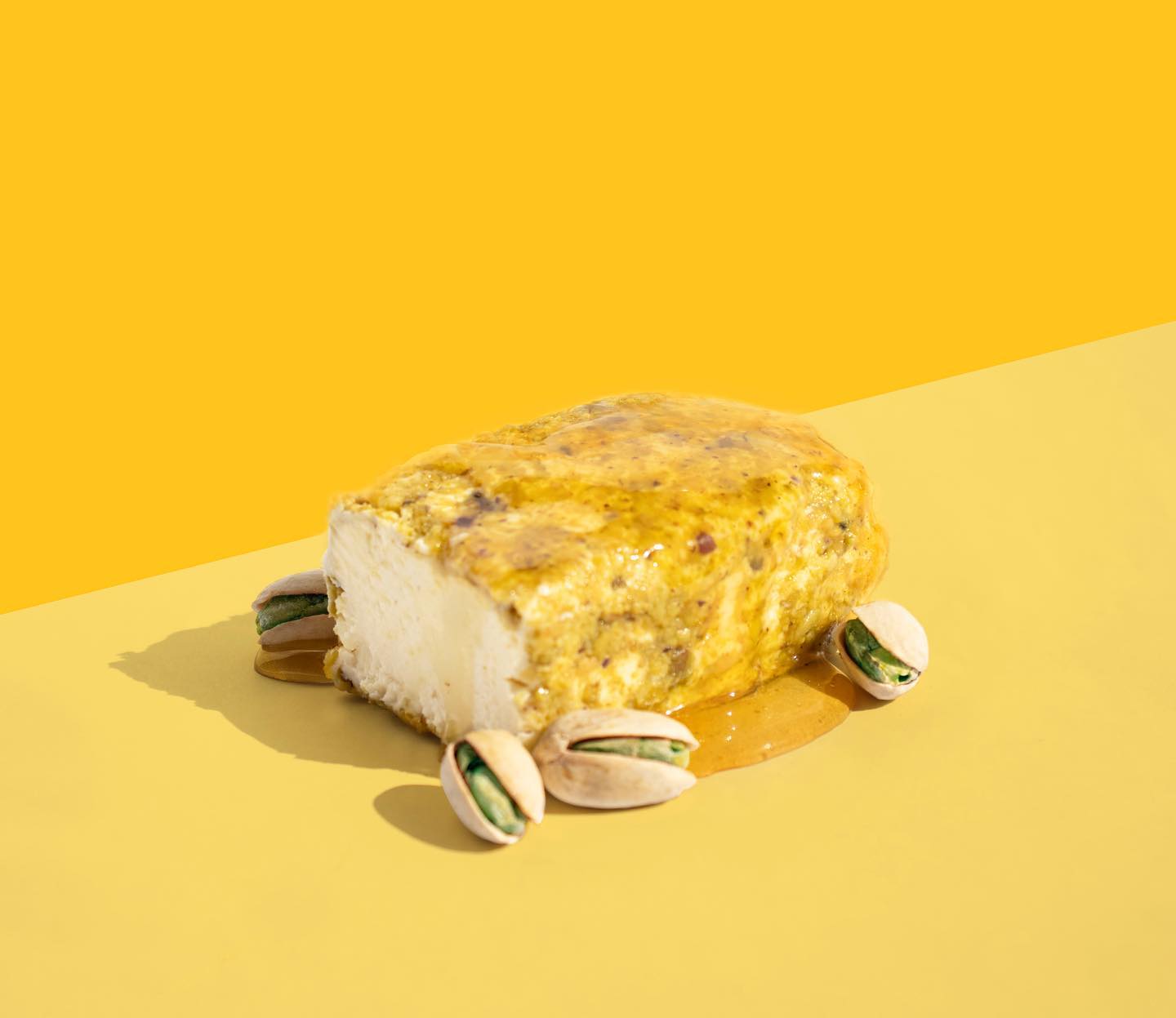
    Australian dairy brand Moondarra Cheese has rolled out a cranberry and vanilla soft cheese across selected Woolworths supermarkets nationwide, priced at $4.20 for a 120-gram tub.

    The product uses the manufacturer’s triple cream cheese base blended with cranberries and vanilla. Alongside the new SKU, Moondarra refreshed the packaging design across its broader line of marinated cheeses to improve shelf visibility in the specialty deli and dairy aisles.

    Supermarket Dairy Competition

    Sweet and savoury combination cheeses have gained shelf space in Australian grocers as producers target entertaining platters and snacking occasions. Woolworths and rival Coles have both reshuffled their specialty cheese sets over the past two years, replacing slower-moving European imports with local flavoured cheeses that offer higher margins and shorter supply chains.

    For Moondarra, the rollout secures valuable facings in Australia’s largest supermarket network. Supermarket dairy aisles remain tightly contested as private-label options squeeze mid-tier branded producers on everyday staples, pushing commercial cheese makers toward higher-value sweet and marinated segments.

    Distribution and Retail Presence

    The new cheese formulation is now available in selected Woolworths stores across the country. Moondarra will monitor sales performance across the network ahead of the key summer entertaining season.

  • New Zealand Children Food Brand Odi Launches Direct Sales in Australia

    New Zealand Children Food Brand Odi Launches Direct Sales in Australia

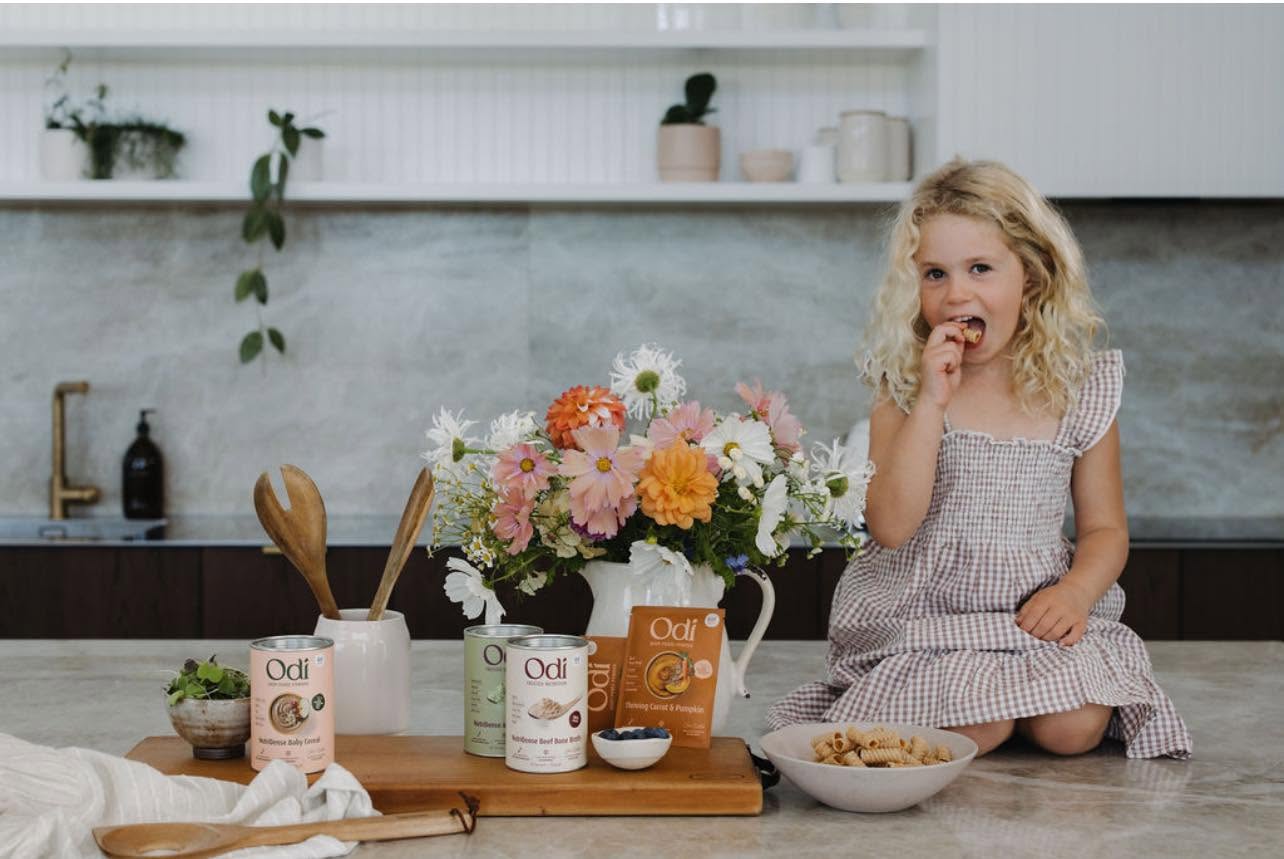
    New Zealand children’s food maker Odi entered Australia on August 28, 2026. The launch brings direct-to-consumer sales in the brand’s first international expansion outside its home market.

    Domestic retail distribution across New Zealand came first. Now, the company is targeting Australian shoppers through an online-first model.

    Direct Sales Before Supermarket Shelves

    Odi sells directly to households through its website during this initial launch. Later, it plans to secure distribution agreements with nationwide Australian grocery and food retailers.

    This export push tests whether New Zealand brand momentum translates across the Tasman without immediate supermarket placement. Direct shipping builds customer demand data first. That gives the brand use before it negotiates wholesale terms with major supermarket chains.

    Scrutiny on Infant Food Formulations

    Regulators in Australia are paying closer attention to packaged children’s food formulations. Government research found commercial infant and toddler products are major sources of dietary sugar. That finding puts pressure on established FMCG manufacturers to reformulate ranges.

    Retail buyers have responded by reviewing children’s food ranges, opening shelf space for newer independent labels. Direct sales offer New Zealand brands a fast entry point while buyers evaluate these category shifts.

    Odi will run direct fulfillment in Australia while it finalizes retail supply partnerships for a planned nationwide physical store rollout.

  • Vodka Reaches Record Share in India as White Spirits Surge

    Vodka Reaches Record Share in India as White Spirits Surge

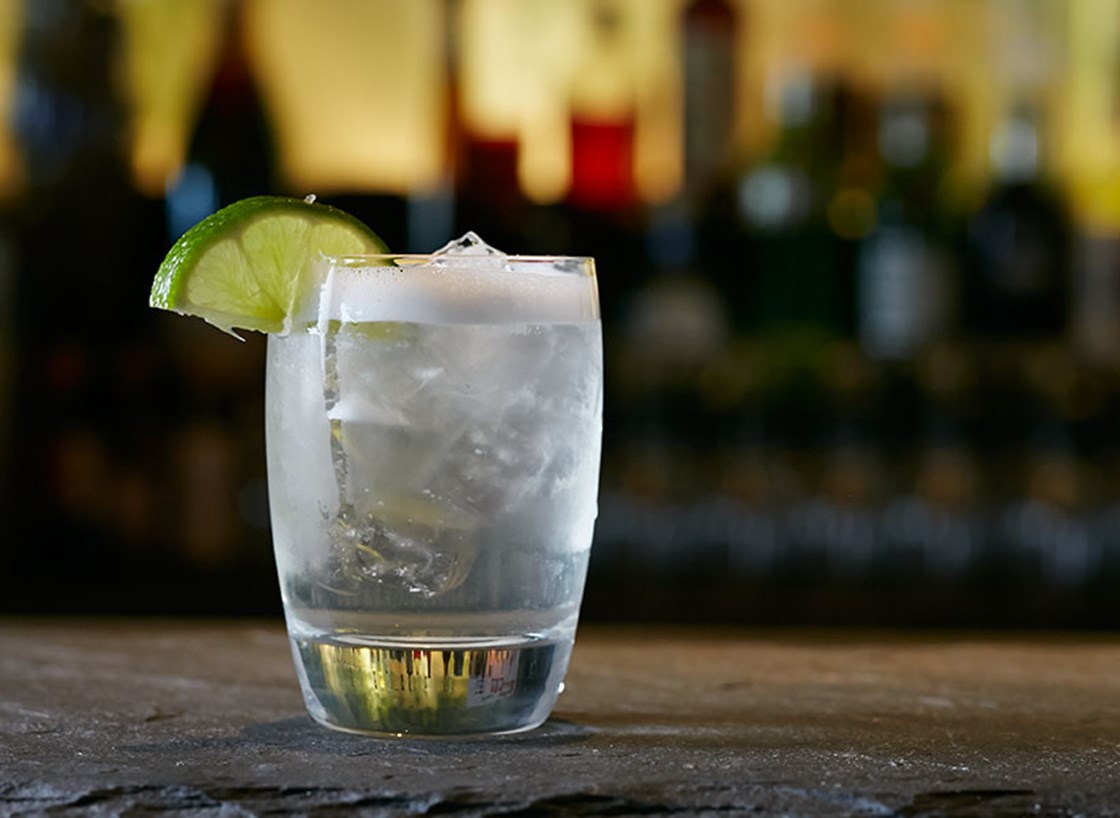
    Vodka has taken a record share of India’s liquor market as demographic shifts push drinkers toward white spirits.

    Purchases by younger consumers and women are driving the category, altering demand patterns in a sector historically dominated by commercial whisky.

    Shift toward white spirits

    Distillers are adjusting their product mixes to capture changing consumer tastes across retail stores and bars. Radico Khaitan expanded its vodka operations over the past five years to secure stronger positions in urban retail channels. The change pulls volume away from entry-level brown spirits into clear, mixable drinks.

    Premiumisation drives portfolio overhaul

    Spirits makers are overhauling existing product lines to protect operating margins against rising bottling and raw material costs. Radico Khaitan upgraded its whisky portfolio into higher price bands, cutting its exposure to mass-market commodity liquor. Liquor retailers across India are allocating more shelf space to premium white spirits as manufacturers phase out unprofitable lower-tier labels.

    Investors and distributors now await next quarter’s sales filings to assess how volume gains in premium vodka balance margin declines in mass-market spirit lines.

  • Burger King Korea Opens Seoul Flagship Store as It Chases 1.1 Trillion Won in Sales

    Burger King Korea Opens Seoul Flagship Store as It Chases 1.1 Trillion Won in Sales

    Burger King Korea will open its first global flagship store in Seoul on September 10, backing a push to reach 1.1 trillion won in annual sales.

    The quick-service operator is targeting a network of more than 600 locations across South Korea this year, up from its current footprint.

    Located in the eastern district of Seongsu, the new format trades under the name Flameground. Local operator BKR designed the venue around exclusive menu items, branded merchandise and reservation-only dining, shifting away from standard counter-service fast food into experiential dining in one of Seoul’s busiest retail corridors.

    Private equity backing and store targets

    BKR operates both Burger King and Canadian coffee chain Tim Hortons in South Korea. The company entered the country in 1984 with an initial site in Jongno, changed hands to VIG Partners in 2012, and joined Hong Kong private equity firm Affinity Equity Partners in 2016.

    Affinity attempted to divest its Burger King operations in South Korea and Japan in 2022 before pausing the auction. In June, the buyout group restarted the sale process for BKR, seeking an exit four years after first testing buyer appetite.

    Shifting format in Seongsu

    Fast-food chains across East Asia are building larger experiential flagships in high-footfall neighborhoods to protect margins against rising ingredient costs and weaker discretionary spending. Seongsu has become the preferred testing ground for experimental retail formats, drawing both domestic fashion pop-ups and international food brands trying to appeal to younger consumers.

    BKR will open Flameground on September 10, with transaction advisers watching whether the higher-margin concept supports the ongoing sale process.

  • Domino’s China Operator DPC Dash Adds 235 Stores as Revenue Hits RMB3.13 Billion

    Domino’s China Operator DPC Dash Adds 235 Stores as Revenue Hits RMB3.13 Billion

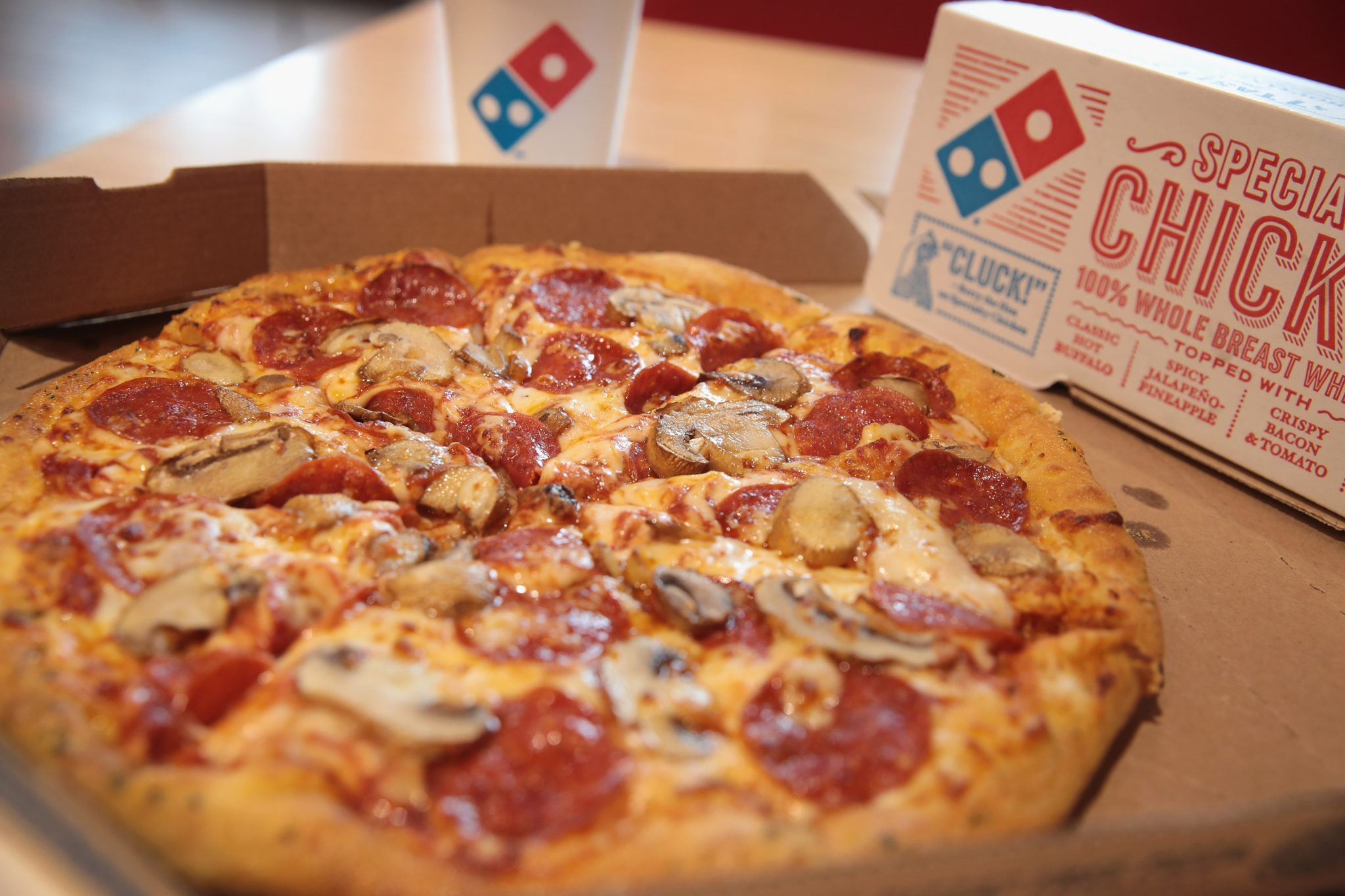
    DPC Dash added 235 net new Domino’s Pizza stores in China during the first half of 2026. Group revenue rose 20.8 per cent.

    Revenue for the six months ended June 30 reached RMB3.13 billion (US$440 million). Net profit rose 22.9 per cent year on year to RMB81 million, supported by a 7.1 per cent lift in same-store transactions.

    That buildout took the chain’s network to 1,550 stores across 75 cities. The operator entered 15 new municipal markets during the period.

    Pushing Into Lower-Tier Markets

    Lower-tier Chinese cities now make up the bulk of the brand’s footprint. The operator runs 1,018 stores outside Tier 1 hubs, compared with 532 locations across primary metropolitan areas.

    DPC Dash holds exclusive master franchise rights for Domino’s in mainland China, Hong Kong and Macau. Chief executive Aileen Wang said the company will focus on lifting average transaction value and expanding customer volume as third-party food delivery subsidies diminish across the sector.

    Western fast-food chains in China have redirected capital expenditure away from saturated top-tier cities to capture cheaper real estate and consumer demand in secondary markets. While quick-service competitors battle heavy price discounting on aggregator apps, Domino’s relies on its own delivery network and lower operating costs to protect unit margins.

    Pipeline Toward 350 Openings

    Between June 30 and August 14, the operator launched another 27 stores across the country.

    Another 38 locations are under construction, with 36 additional leases signed or approved. Those sites keep the business on track toward its full-year target of approximately 350 net new store openings.

  • Chris Hemsworth Buys Stake in Archie Rose Distilling Co

    Chris Hemsworth Buys Stake in Archie Rose Distilling Co

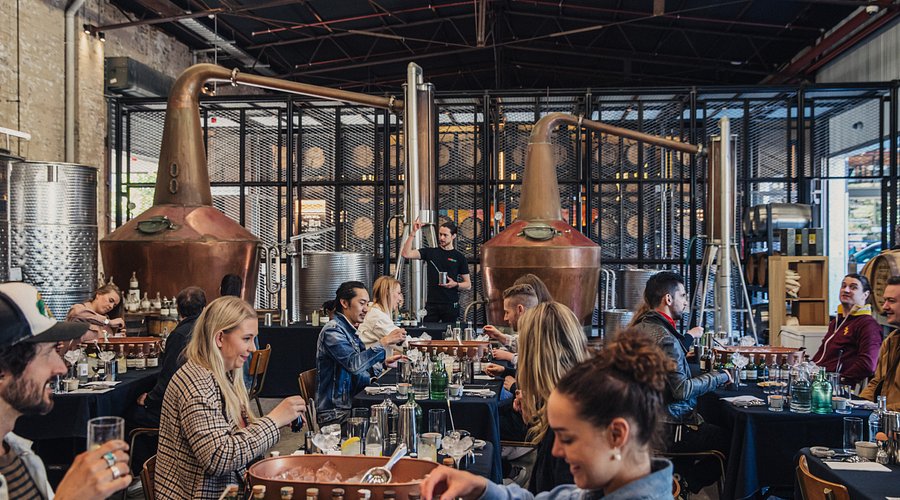
    Australian actor Chris Hemsworth has acquired an equity stake in Archie Rose Distilling Co, partnering with founder Will Edwards to finance an international retail rollout.

    The Sydney-based spirits producer plans to use the capital injection to enter the United States later this year while introducing three new whiskies across Asia and New Zealand.

    Global push from Sydney

    Hemsworth will work directly on product development at the distillery alongside his co-ownership role. The collaboration focuses on blending three distinct whiskies tailored for regional export markets.

    Archie Rose has built its business on botanical gins, single malts, and rye whiskies in Australia. Securing high-profile backing reflects a broader push by independent Australian craft distillers to secure distribution shelf space in high-margin Asian retail channels and premium hospitality venues.

    Whisky demand in Asia

    Regional consumers across Southeast Asia and East Asia continue to trade up into premium and craft brown spirits. Independent distillers often struggle against established global liquor conglomerates for retail distribution in major commercial hubs without significant marketing support.

    The company plans to complete its initial US market entry before rolling out the three Hemsworth-backed whisky releases to Asian retail partners in the coming months.

  • Lark Distilling Sales Rise 15% to $18 Million on Asia and Travel Retail Push

    Lark Distilling Sales Rise 15% to $18 Million on Asia and Travel Retail Push

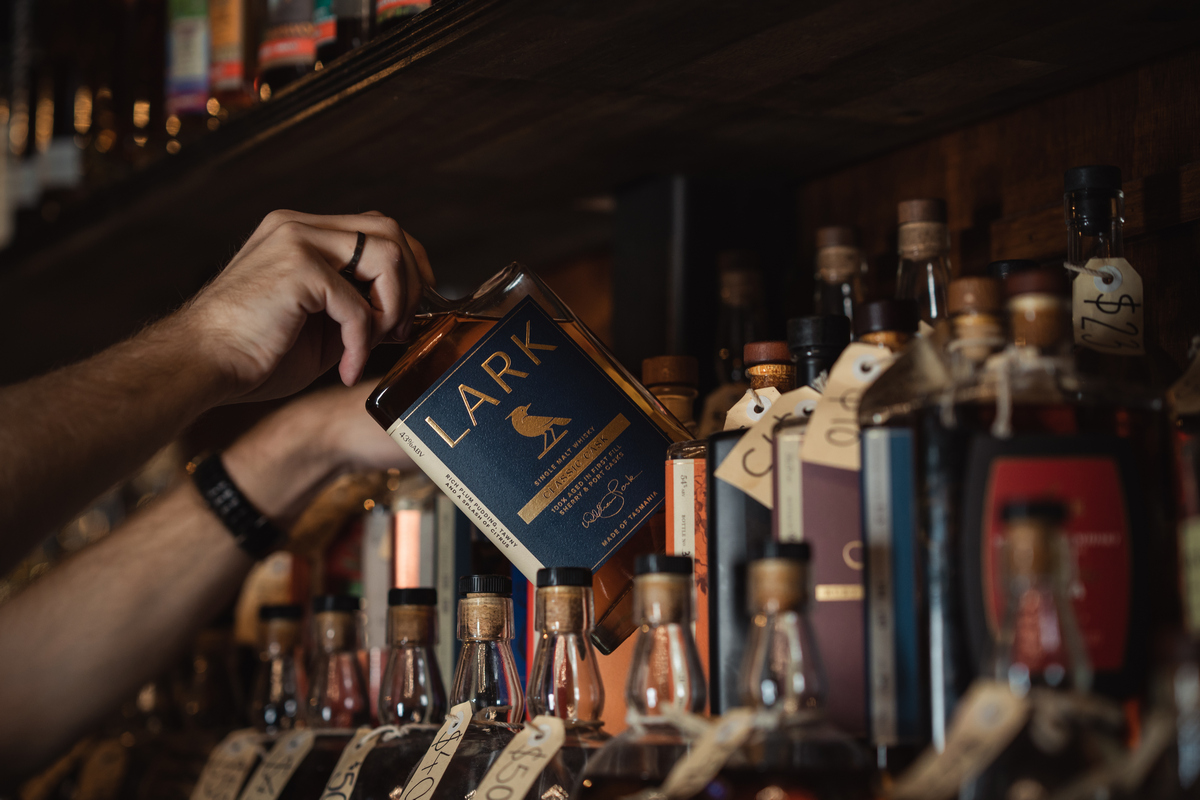
    Tasmanian single malt whisky maker Lark Distilling Co lifted annual net sales 15.1 per cent to $18 million for the year ended June 30.

    Export expansion and global travel retail channels drove the performance, offsetting softer broader consumer spending in mature domestic bottle shops.

    Export Demand Drives Gains

    International sales jumped 69 per cent to $1.8 million during the 12-month period. Global travel retail delivered $2.2 million in sales, representing an increase of 43 per cent over the prior year.

    Lark now distributes its spirits across 10 Asian markets. Regional airport duty-free counters and specialty spirits retailers served as the primary entry points for the Tasmanian brand as it built overseas distribution volume.

    Regional Premium Spirits Shift

    Australian craft distillers are increasingly targeting Asia-Pacific travel corridors to find higher margin buyers for aged stock. Demand for premium brown spirits across North and Southeast Asia has created an opening for niche single malts outside traditional Scottish and Japanese categories.

    Distributors will track whether Lark can sustain double-digit overseas momentum as additional export inventory arrives across its newer Asian accounts in the coming quarters.

  • F&N Expands NutriWell Line with Pistachio Chocolate Oat Milk

    F&N Expands NutriWell Line with Pistachio Chocolate Oat Milk

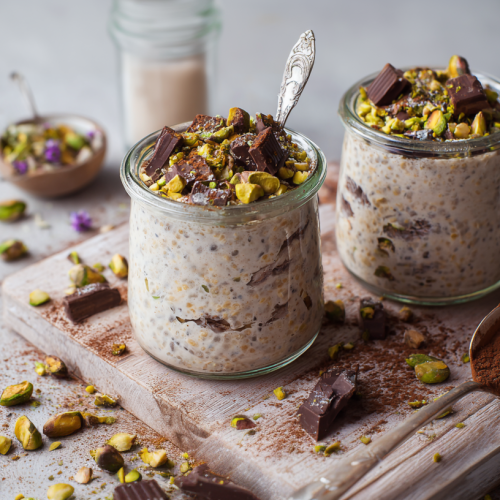
    Fraser and Neave launched NutriWell Pistachio Chocolate Oatmilk in Singapore this week, adding a flavored nut-and-grain blend to its packaged wellness beverage portfolio.

    The formulation pairs dairy-free oat milk with pistachio and chocolate flavoring, positioning the product directly at shoppers looking for plant-based indulgence.

    Flavour Blends in Plant Milk

    NutriWell formulated the new release entirely free of dairy to cater to lactose-intolerant consumers and vegan shoppers. The recipe pairs oat milk with pistachio, a flavour that has gained rapid traction across regional bakery, ice cream, and specialty coffee menus over the past twelve months.

    Packaged in ready-to-drink cartons, the drink provides an alternative to conventional chocolate cow milk and plain soya drinks. F&N designed the line to sit in chilled retail cabinets alongside standard dairy items rather than specialty vegan shelves.

    Chilled Dairy Alternatives in Southeast Asia

    Regional beverage makers across Southeast Asia have shifted away from plain soy and almond bases toward composite grain formulations. Major bottlers now combine oat bases with dessert-inspired profiles to protect shelf space as standard plant milk volumes plateau in mature supermarket channels.

    Retail distribution is rolling out across Singapore supermarkets and convenience outlets this month, with regional channel expansion across Malaysia scheduled for the following quarter.

  • Chinese Restaurant Chains Target US Market as Domestic Growth Slows

    Chinese Restaurant Chains Target US Market as Domestic Growth Slows

    Chinese restaurant chains are expanding across the United States to offset slowing growth at home, betting American diners are finally ready to embrace authentic regional menus.

    The push enters a market that already counts more Chinese dining spots than individual locations of almost any major American fast-food chain. For decades, those menus relied heavily on Westernised adaptations like chop suey and fortune cookies, both created in the United States rather than mainland China. Traditional fare struggled to gain traction during the twentieth century as immigrant chefs navigated widespread consumer resistance and discrimination.

    Shifting from takeout staples to authentic menus

    Domestic headwinds across China’s dining sector are now accelerating the overseas push. Operators face tighter consumer spending and intense margin pressure in their home cities, making international expansion an urgent priority rather than a long-term experiment.

    Instead of modifying dishes to suit Western palates, newer entrants are bringing specialized formats straight from the mainland. Concepts range from high-end Michelin-starred Peking duck houses to regional hotpot and noodle formats. The shift reflects growing diner familiarity with authentic Chinese culinary traditions, moving the market away from generic takeout boxes toward distinct regional identities.

    Navigating saturated overseas markets

    Breaking into the American market presents operational hurdles despite the historical presence of Chinese food. Mainland chains must manage higher labor expenses, complex local supply chains, and entrenched domestic competitors while maintaining recipe authenticity.

    The test for Chinese operators is whether authentic regional concepts can capture mainstream suburban foot traffic or remain confined to dense urban centers with established Asian diaspora populations.

  • Australian Certified Organic Sales Hit AU$1.02 Billion

    Australian Certified Organic Sales Hit AU$1.02 Billion

    Australia certified organic sector generated AU$1.02 billion in annual sales during the 2024-25 financial year. The total represents the first time the market cleared the billion-dollar threshold, driven largely by supermarket shelves and household pantry purchases.

    Retail sales for take-home consumption reached AU$657.6 million, climbing 11.9 per cent year on year, according to the Australian Organic Market Report 2026 released by Australian Organic Limited. The growth in household buying outpaced broader packaged grocery volume across major Australian supermarket chains.

    Supermarket Aisles Drive Revenue Gains

    Packaged food and fresh produce accounted for the bulk of retail spend, with shoppers prioritizing chemical-free certifications despite broader inflationary pressures on household food budgets. Certified supply chains kept up with the volume demand, helping standardise shelf placements across national grocery operators.

    The AU$1.02 billion total spans domestic agriculture, food manufacturing and retail channels across the country. Commercial operations continued converting conventional acreage to certified standards to capture premium wholesale margins.

    Wholesale Margins and Export Volumes

    Across the Asia-Pacific region, premium food producers face tight price sensitivity, yet certified organic goods continue to hold distinct price premiums in tier-one retail channels. Australian producers are positioning their certified output against competing high-end food exports from New Zealand and Europe.

    Industry bodies will monitor whether retail volume growth holds through the 2025-26 period as supply contracts renew and private-label organic ranges expand in major supermarket chains.

  • Domino’s Cuts Discounts to Lift FY26 EBIT to $200.1 Million as Asian Earnings Jump

    Domino’s Cuts Discounts to Lift FY26 EBIT to $200.1 Million as Asian Earnings Jump

    Domino’s Pizza Enterprises lifted full-year underlying operating profit 1 per cent to $200.1 million in FY26, curbing heavy discounting and pruning underperforming stores across Asia.

    Total network sales fell 6.8 per cent to $3.87 billion, while group same-store sales dropped 4.1 per cent as the franchisor traded transaction volume for franchisee margin relief.

    Average franchise partner profitability rose 11.3 per cent across the network, pushing free cash flow to $164.1 million. The Brisbane-headquartered company captured $35.3 million in realized savings during the fiscal year toward an annualised target of $67 million, while global corporate overhead fell 5.8 per cent through stricter discretionary spending controls.

    Asia store closures lift regional margins

    Asia delivered the sharpest regional earnings rebound. Underlying earnings before interest and taxes across the Asian business climbed 19.7 per cent despite a 6.7 per cent drop in same-store sales, helped by tighter cost controls and the closure of unprofitable locations, particularly in Japan.

    Performance across Western markets was more mixed. Underlying operating profit in Australia and New Zealand slipped 5.9 per cent alongside a 4.7 per cent drop in same-store sales as the chain reduced promotional price cuts. European earnings rose 2.6 per cent against a 2.2 per cent same-store sales decline, with steady trading in the Benelux markets outweighing sluggish demand in France and Germany.

    Pricing discipline replaces mass vouchers

    The margin turnaround reflects a broad retreat from the low-price delivery wars that eroded quick-service restaurant returns across the Asia-Pacific region over the past three years. Fast-food operators in Japan and Australasia have faced stubborn ingredient costs and high delivery wages, forcing franchise systems to protect store-level solvency rather than chasing top-line market share.

    Executive chairman Jack Cowin said the company deliberately sacrificed short-term order counts to stabilize partner balance sheets. Group chief executive Andrew Gregory will now test whether the chain can rebuild customer order frequency in FY27 through menu execution and clearer base pricing without returning to blanket discount vouchers.

  • Retail Food Group EBITDA Drops 31% as Network Trims 29 Stores

    Retail Food Group EBITDA Drops 31% as Network Trims 29 Stores

    Retail Food Group posted a 31.4 per cent drop in underlying EBITDA to $20.3 million for FY26 as weak consumer spending dragged down domestic sales.

    Domestic network sales across its franchise brands dropped 3.1 per cent to $489.5 million, while same-store sales slipped 0.7 per cent over the twelve-month period.

    The company, which owns Gloria Jean’s, Donut King, Crust, Brumby’s and Beefy’s, closed 35 underperforming stores and opened six new locations during the financial year. That left the group with a net reduction of 29 outlets across Australia as management trimmed non-core real estate.

    Rolling Out Firehouse Subs

    To reverse the sales slide, the franchisor is leaning into regional expansion and imported quick-service formats. It launched the US sandwich chain Firehouse Subs in Australia during the year, opening the debut site at Mt Gravatt in Queensland. The location produced the highest opening-day sales of any international Firehouse Subs restaurant to date, the company said.

    Retail Food Group plans to have four Firehouse Subs locations trading by December. Management aims to expand that footprint to 15 stores by the end of next year.

    Cost Targets and Franchise Margins

    Multi-brand franchise operators across Asia-Pacific face squeezed household discretionary budgets and rising labor costs, pushing holding groups to prune marginal mall sites in favor of higher-volume fast-food models. The group spent recent years re-engineering legacy bakery and coffee networks to stabilize store-level profitability following earlier portfolio contractions.

    Executive chairman Peter George said trading conditions remained difficult throughout FY26, with macroeconomic pressures hitting the second half. The company is now pursuing between $5 million and $7 million in cost savings in FY27, with capital focused on franchise partner economics, cash generation and the planned December store openings.

  • Chick-fil-A Opens Second Singapore Store Under US$75 Million Asia Push

    Chick-fil-A Opens Second Singapore Store Under US$75 Million Asia Push

    Chick-fil-A opened its second restaurant in Singapore at Millenia Walk on July 30, backing a US$75 million capital commitment to expand across Asia over the next decade.

    The US fast-food chain appointed 23-year food and beverage veteran Deborah Ku as owner-operator after an 11-round interview process that screened more than 900 applicants over nearly two years.

    Single-unit operator model

    Unlike competitors that rely on master franchisees or multi-unit master developers across Southeast Asia, Chick-fil-A runs a single-operator structure. The Atlanta-based company assigns one dedicated local owner-operator to lead daily operations at each site.

    The Millenia Walk restaurant maintains standard corporate operating policies, including closing on Sundays. Prior to opening its doors, the branch donated S$25,000 to The Food Bank Singapore under the chain’s mandatory community contribution rule for new outlets. Ku adapted the menu for local palates with a Singapore Chili Sauce alongside distinct domestic architectural elements.

    Western fast-food expansion in Southeast Asia

    American quick-service brands face a fiercely competitive environment in Singapore, where high mall rents and persistent kitchen labour shortages have forced several established dining concepts to downsize or exit entirely since 2022. While rivals such as McDonald’s and KFC rely on mass-scale corporate franchising to protect margins, Chick-fil-A is testing whether high-touch individual owner-operators can carve out defensible market share in island retail hubs.

    Real estate watchers and franchisors now track site selection for the company’s next pipeline locations as it deploys the remainder of its 10-year, US$75 million regional capital pool.

  • Global FMCG Brands Reshape Experiential Deals Across Asia-Pacific

    Global FMCG Brands Reshape Experiential Deals Across Asia-Pacific

    Global consumer goods manufacturers are restructuring major event partnerships across Asia-Pacific, shifting capital into high-traffic sports and cultural fixtures that drive direct product trial.

    Treasury Wine Estates flagship label Penfolds took an event supporter role at the Formula 1 Australian Grand Prix at Albert Park in March 2026. The four-day motorsport contract replaced its five-year tenure at the Melbourne Cup carnival, aligning the label with international broadcast reach during the 75th anniversary of its Grange vintage.

    On-Ground Services and Market Reach

    Consumer goods conglomerate Procter & Gamble expanded its multi-market Olympic platform to integrate retail campaigns directly with athlete usage. During the Milano Cortina 2026 Olympic Winter Games, the company ran its Champions Clubhouse across the Milano and Cortina villages, servicing more than 3,500 athletes with grooming, hair care and recovery facilities.

    The group distributed product kits across 25 corporate labels, including SK-II, Head & Shoulders, Oral-B and Gillette Venus. That athlete-facing footprint converts into localized supermarket campaigns across the region, including an ongoing partnership with eight-time Olympic gold medallist Lisa Carrington in New Zealand.

    Community Anchors and High Volume

    Pernod Ricard brand Absolut continues to direct festival marketing toward high-throughput consumption formats. The spirits maker pairs rapid-service cocktail menus with cultural events, including its long-running alignment with the Sydney Gay and Lesbian Mardi Gras in Australia and massive activations at Coachella in North America.

    Alcohol and personal care groups across Asia-Pacific are increasingly moving away from passive perimeter signage. Instead, brand owners want dedicated on-premise pours and physical service lounges that put physical inventory straight into shoppers’ hands.

    Brand teams now face the next test of this experiential spending when race organizers release spectator attendance and paddock hospitality figures for the upcoming grand prix calendar.