Category: Food

Retail News Asia is committed to providing both local and global retailers with the latest Food and Food & Beverage news throughout the Asian market. This on a daily base.

  • Gamers Clear Inventory for Quake Hit Kumamoto Brewery Tsujun Shuzo

    Gamers Clear Inventory for Quake Hit Kumamoto Brewery Tsujun Shuzo

    Tsujun Shuzo sold out its online inventory of Hotarumaru sake in August after fans of the video game Touken Ranbu placed orders for roughly 600 bottles. The emergency direct-to-consumer surge cleared backlogged stock after a July 28 earthquake halted wholesale shipments and dropped monthly sales of its flagship brew from 1,000 bottles to 120.

    The 256-year-old brewery, located in Yamato in Kumamoto Prefecture, suffered no direct structural damage from the tremor, which reached the maximum seismic intensity of 7 in parts of the prefecture. Commercial demand dried up immediately. Wholesalers stopped buying as tourism halted and regional consumers pulled back on discretionary drinking, while the brewery’s on-site cafe logged cancellations for about 500 guests.

    Wholesale Freezes and Online Surges

    Twelfth-generation owner Yasuo Yamashita, 63, posted on social media platform X in mid-August that bottles of its core junmai ginjo brand, Semi, were stranded in the storehouse. The plea caught the attention of Touken Ranbu players because Tsujun Shuzo also brews Hotarumaru, a junmai ginjo named after a historic Japanese sword that features as a character in the franchise.

    Gamers responded by clearing the brewery’s digital storefront, purchasing between 500 and 600 bottles of Hotarumaru within days. Staff packed each delivery with a printed letter acknowledging that customer orders had freed inventory with nowhere else to go.

    Pop Culture Ties Cushion Regional F&B

    Subculture collaborations and character licensing have become critical safety valves for traditional Japanese food and beverage producers facing shrinking domestic consumption. When local wholesale channels freeze during natural disasters, established pop culture ties give regional craft producers an immediate route to national retail demand without intermediary distributor costs.

    Tsujun Shuzo is now working through its packaging backlog and restocking its online store while monitoring regional wholesale accounts as Kumamoto’s hospitality and restaurant sectors reopen.

  • Champagne Bureau Australia Launches Education Prize for Wine Retailers

    Champagne Bureau Australia Launches Education Prize for Wine Retailers

    Champagne Bureau Australia has launched the Champagne Education Prize for early-career hospitality and fine wine retail staff. Australia ranks as the world’s seventh-largest Champagne export market.

    The training scheme targets frontline workers. It combines technical category study with direct travel to France.

    Focus on frontline wine sellers

    Organisers view sommeliers, bartenders and fine wine retail employees as the primary channel for introducing Australian consumers to the category. The program aims to deepen their technical knowledge through direct interaction with shoppers and restaurant diners.

    Selected participants will travel directly to the Champagne region for on-the-ground study.

    Australia holds seventh place globally

    Sustaining demand across Asia-Pacific liquor retail channels relies heavily on trade education. Premium wine distributors face stiff competition from domestic sparkling producers for shelf space and wine list placements.

    Intake dates and selection details for the inaugural cohort will determine when the first group of Australian trade professionals heads overseas.

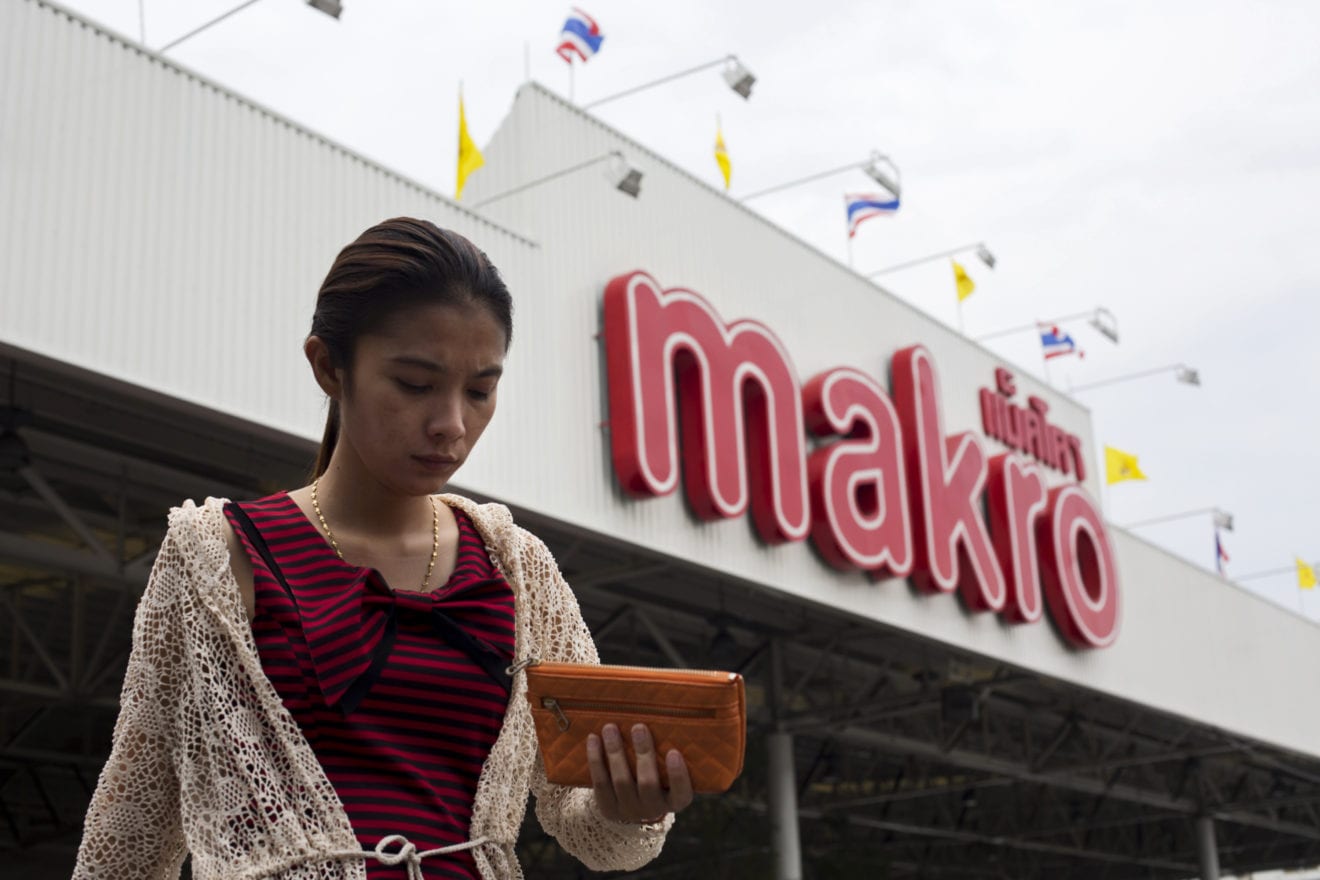
  • Makro Returns to Philippines with Four Greater Manila Outlets

    Makro Returns to Philippines with Four Greater Manila Outlets

    Thai wholesale operator CP Axtra has partnered with Ayala Corporation to bring Makro back to the Philippines across four commercial estates in Greater Manila.

    Under the deal, the joint venture signed lease agreements with Ayala Land for sites in Quezon City, Taguig, Laguna, and Cavite. The cash-and-carry brand returns nearly two decades after its original footprint was sold off and absorbed by rival operators.

    Four Hubs Across Greater Manila

    All four locations sit inside key transport corridors and commercial zones. In Quezon City, Makro will open at Cloverleaf at the intersection of EDSA and the North Luzon Expressway. In Taguig, the retailer will take space inside Ayala Malls Arca South to serve the capital’s southern gateway.

    Two other branches target corridors south of Metro Manila. Broadfield in Biñan, Laguna, puts Makro inside a dedicated commercial and logistics campus. Meanwhile, Evo City in Kawit, Cavite, places the brand in a fast-growing residential and commercial district.

    Rebuilding an Old Partnership

    Makro first entered the Philippine market in March 1996 through a joint venture among Dutch retailer SHV, Ayala, and the SM Group. Ayala sold its 28 percent stake in 2004. SM took full control five years later, converting all existing branches into SM Hypermarkets by 2009.

    Today, the partnership pairs Ayala with CP Axtra, the retail arm of Thailand’s Charoen Pokphand Group, which operates Makro wholesale centres and Lotus’s supermarkets. The Philippine market offers a strong base of small merchants, food service businesses, and bulk-buying households that CP Axtra targets across Southeast Asia.

    Makro Philippines plans to open its first two stores at Cloverleaf and Arca South between the fourth quarter of 2026 and the first quarter of 2027. Openings in Cavite and Laguna will follow.

  • Every Half Coffee Roasters Secures $8 Million in Series A Funding

    Every Half Coffee Roasters Secures $8 Million in Series A Funding

    Vietnamese specialty coffee chain Every Half Coffee Roasters has secured $8 million in a Series A funding round to expand its retail footprint and supply operations.

    The capital injection provides the Ho Chi Minh City-based roaster with fresh resources to scale its cafe network and upgrade processing facilities across domestic markets.

    Expanding Roastery and Store Footprint

    Founded to champion Vietnamese specialty beans alongside international varieties, Every Half operates a growing roster of cafe locations alongside its roasting business. The new financing enables the company to accelerate new outlet openings in key urban centers, while bolstering direct sourcing partnerships with domestic coffee farmers.

    Operating in an increasingly sophisticated domestic cafe market, the brand focuses on single-origin offerings, specialized brewing methods, and modern retail store formats designed for urban consumers.

    Shifting Dynamics in Vietnam’s Coffee Market

    Vietnam remains the world’s second-largest coffee producer, yet its retail landscape has long been dominated by traditional robusta street stalls and large domestic chains like Highlands Coffee and Phuc Long. Over the past five years, consumer preferences in major cities have shifted toward premium arabica, specialty roasters, and traceable sourcing.

    Independent chains across Southeast Asia are tapping institutional capital to challenge both legacy domestic operators and global giants such as Starbucks. For RetailNews Asia readers tracking regional food and beverage investments, the round confirms sustained venture interest in premium cafe concepts that control both roasting and retail touchpoints.

    Every Half now turns to executing its multi-city rollout schedule as competitors race for prime commercial real estate in Hanoi and Ho Chi Minh City.

  • India Steps Back from Mandatory Front-of-Pack Food Warning Labels

    India Steps Back from Mandatory Front-of-Pack Food Warning Labels

    India has backed away from enforcing stricter front-of-pack health warning labels on packaged food and beverages following sustained pushback from global consumer goods manufacturers.

    The regulatory stance allows packaged goods companies to sell high-sugar formulations and artificial additives without displaying prominent health alerts on the front of their products.

    Discrepancies in product recipes

    A standard can of Fanta sold in London contains 63 calories, while the equivalent product sold in India contains three times as much sugar. The Indian version also uses artificial dye.

    European regulations mandate a visible health warning on packaging when such colourants are present. In India, manufacturers list the additive only in fine print after the container.

    Resistance from packaged food giants

    Large multinational food companies have long opposed Indian measures that would require front-of-pack nutritional warnings. RetailNews Asia has seen similar corporate resistance across other regional markets where governments attempt to introduce front-facing warning badges on high-sugar snacks.

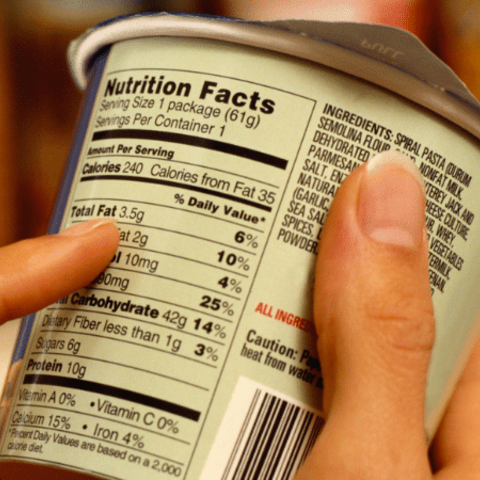
    The current labelling framework leaves back-of-pack ingredient lists as the primary disclosure mechanism for Indian retail shoppers.

  • Balter Brewing Launches Dark Lager Exclusively with Liquorland in Australia

    Balter Brewing Launches Dark Lager Exclusively with Liquorland in Australia

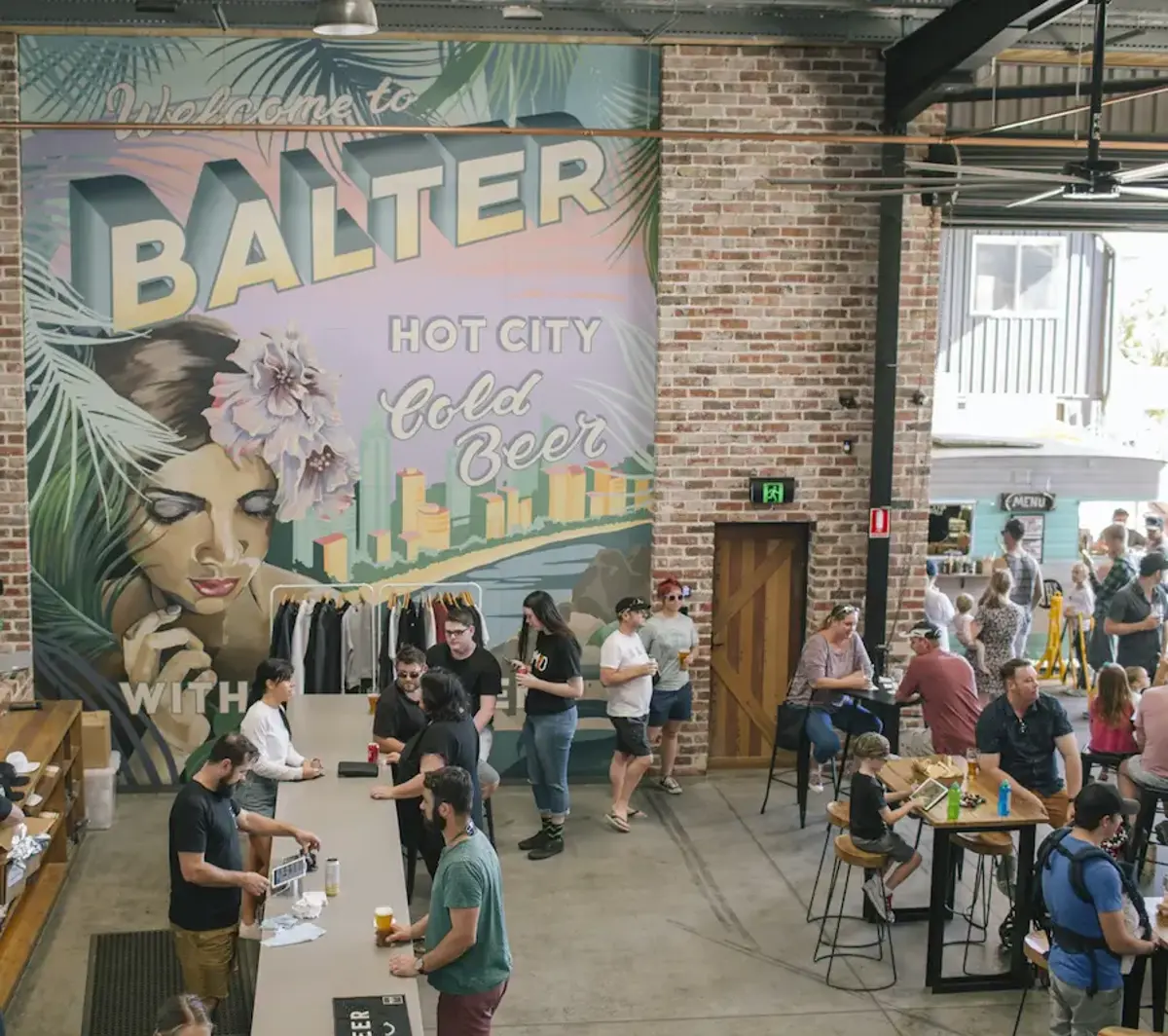
    Balter Brewing, an Australian craft beer producer, has unveiled its new dark lager, Balter Black. The product is launching as an exclusive retail offering through Liquorland, one of Australia’s prominent liquor retailers. This partnership highlights the growing consumer demand for diverse beer options, particularly in the dark brew segment.

    The Balter Black lager is designed to appeal to drinkers seeking an alternative to traditional heavy stouts. It combines the characteristic chocolate notes and mild roasted flavour of a dark malt with the lighter, crisp profile typically found in standard lagers. This approach aims to capture consumers who are drawn to the increasing popularity of dark beers, influenced by the resurgence of traditional varieties like Guinness.

    Exclusive Retail Partnership

    Initially developed as a limited-run special brew, Balter Black is now being brought to a wider market through its collaboration with Liquorland. This exclusive distribution model gives Liquorland a unique product in a competitive retail landscape, potentially driving foot traffic and sales for the retailer. For Balter Brewing, it secures significant shelf space and market penetration for their new product.

    Exclusive product launches and strategic retail partnerships are a common and effective strategy for brands seeking to gain market share or introduce new categories. In Asia, similar models are frequently seen, with craft brewers in markets like Japan and Singapore often partnering with specific supermarket chains or online platforms to launch new limited editions or seasonal brews. This allows brands to test market response while offering retailers a competitive edge. The trend for premium and craft alcoholic beverages continues to grow across the Asia-Pacific region, with consumers increasingly looking for unique flavour profiles and brand stories.

    Responding to Consumer Trends

    The introduction of Balter Black directly addresses evolving consumer preferences within the Australian beer market. The rising interest in dark beers, alongside a general appreciation for craft and specialty brews, indicates a shift from mainstream lagers towards more nuanced and experimental styles. By offering a dark lager that is both flavourful and approachable, Balter Brewing positions itself to capitalise on this trend, providing a product that caters to both seasoned dark beer enthusiasts and those exploring the category for the first time.

  • Kinrise Expands Poppin Snack Range with Maltesers Popcorn in Australia

    Kinrise Expands Poppin Snack Range with Maltesers Popcorn in Australia

    Australian food manufacturer Kinrise has launched Maltesers-flavoured ready-to-eat popcorn in retail aisles nationwide. The rollout extends its existing brand partnership with confectionery giant Mars Snacking.

    The product sells in a 110-gram sharebag format tailored for supermarket snack aisles across Australia. It blends traditional popped corn with malt and chocolate seasoning based on the Mars confectionery brand.

    Mars Snacking partnership and packaging updates

    This release builds on an established commercial licensing agreement between Kinrise and Mars Snacking. Alongside the new malted variant, Kinrise refreshed the packaging across its Mars Bar flavoured popcorn range.

    Kinrise also introduced a dedicated multipack format for that Mars Bar popcorn line. The pack contains smaller, single-serve bags designed for lunchboxes and on-the-go shoppers seeking portion control.

    Supermarket aisle brand crossover trends

    Confectionery licensing into adjacent grocery categories is gaining speed across Asia-Pacific supermarkets. Packaged food manufacturers lean on established sweet brand equity to attract impulse buyers facing higher grocery price points.

    Retail buyers in Oceania increasingly set aside shelf space for hybrid sweet snacks bridging savoury chips and premium confectionery. Kinrise and Mars Snacking will track scan data across major supermarket accounts as the 110-gram format moves through national inventory systems this quarter.

  • Shrinkflation Pushes Half of Australian Grocery Shoppers to Switch Brands

    Shrinkflation Pushes Half of Australian Grocery Shoppers to Switch Brands

    Eighty-five per cent of Australian grocery shoppers have noticed shrinkflation on supermarket shelves, driving half of them to seek out competitor brands when pack sizes shrink.

    The findings from the 2026 Australian Grocery Shopper Report show that reducing pack volumes rather than raising shelf prices carries immediate commercial risks for FMCG manufacturers. Overall price remains a decisive factor for six in 10 shoppers, but consumers now weigh cost directly against product volume, quality, and ingredient integrity.

    The cost of breaking consumer habits

    Consumer tolerance for stealth volume cuts has eroded sharply across grocery aisles. Focus Insights found that 60 per cent of shoppers do not believe packaged goods companies are transparent about size adjustments. When presented with the choice between a price increase or fewer biscuits in a pack, 59 per cent preferred the product to stay at its original size.

    Downsizing familiar products breaks repeat purchasing cycles. One in two consumers surveyed said they actively seek alternatives if a favourite item shrinks. One in three said they purchase the downsized product less often, and one in five said they stop buying the product altogether.

    The promotional trap for FMCG brands

    Price discounting adds another layer of margin pressure across the category. Nine in 10 shoppers said price promotions influence what they place in their baskets, with 57 per cent stating discounts almost always dictate their purchases. Frequent discounting cycles have conditioned 67 per cent of shoppers to defer purchases until products go on sale rather than pay full shelf price.

    For retailers and consumer packaged goods brands across Asia-Pacific markets, managing rising input costs requires explicit communication on shelf. Quietly trimming product weights threatens core volume share in high-frequency categories where private label substitutes are readily accessible.

    Focus Insights chief executive Deane Hubball and Believe You Me founder Blair Triplett will present the detailed category breakdowns and shopper sentiment data at industry briefings in Melbourne and Sydney next month.

  • Mondelēz Rolls Out Three Limited Oreo Flavours in National Consumer Vote

    Mondelēz Rolls Out Three Limited Oreo Flavours in National Consumer Vote

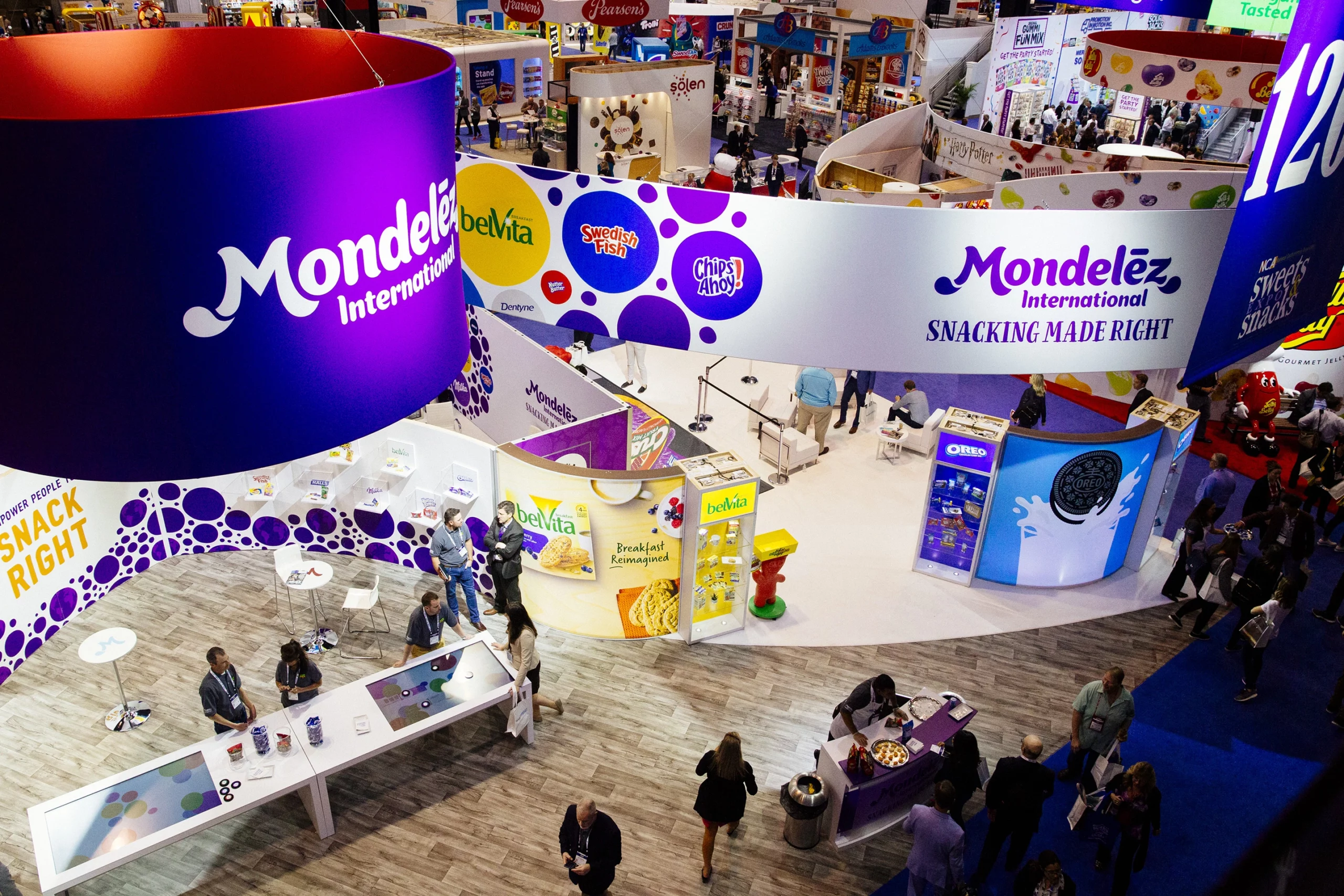
    Mondelēz International released three limited-edition Oreo flavours across Australia on August 24. Consumers will vote on which variant secures a permanent production run in 2027.

    The Twist, Lick, Vote promotion opened with an online presale before stock hit supermarket shelves nationwide. Banana Pudding, Deep Fried, and Chicken & Waffles make up the experimental trio.

    Flavour profiles and voting mechanics

    Banana Pudding combines banana and vanilla pudding flavoured creme in a dual layer between vanilla wafer cookies. The other two entries rely on savoury and novelty profiles to drive social engagement and trial purchases.

    Shoppers cast votes online after sampling the range. The flavour with the highest tally transitions to regular factory production next year.

    Crowdsourced menu strategy

    Packaged food manufacturers across the Asia-Pacific region frequently run voting campaigns to test unconventional formulations without committing to full manufacturing lines. The tactic limits inventory risk while driving retail footfall.

    Mondelēz has not disclosed production volumes for the limited batch or the exact closing date for voting. Tally results and the winning permanent flavour will follow once polling wraps up.

  • Australian Grape & Wine Chief Executive Lee McLean to Step Down

    Australian Grape & Wine Chief Executive Lee McLean to Step Down

    Australian Grape & Wine chief executive Lee McLean will step down next month after eight years with the national industry body.

    McLean took the helm in 2022 following five years as general manager of government relations. He brought more than a decade of background in agricultural policy, trade negotiations, and international relations to the peak industry group.

    Leadership transition

    The departure concludes McLean’s four-year leadership term as chief executive, during which he represented Australian grape growers and winemakers through complex regulatory and trade shifts across regional export markets.

    “I’ve given this role everything I have, and I know it’s the right time to step away and allow space for fresh thinking and leadership,” McLean said.

    Trade and policy tenure

    Prior to his appointment as chief executive, McLean directed government relations for five years, shaping industry advocacy on market access and domestic policy. His tenure coincided with major trade adjustments for Australian wine exporters, particularly across key destinations in the Asia-Pacific region.

    The organisation will outline its leadership succession plan ahead of McLean’s formal departure date next month.

  • Coles Lifts Underlying Profit to $1.26 Billion as Supermarket Sales Surge

    Coles Lifts Underlying Profit to $1.26 Billion as Supermarket Sales Surge

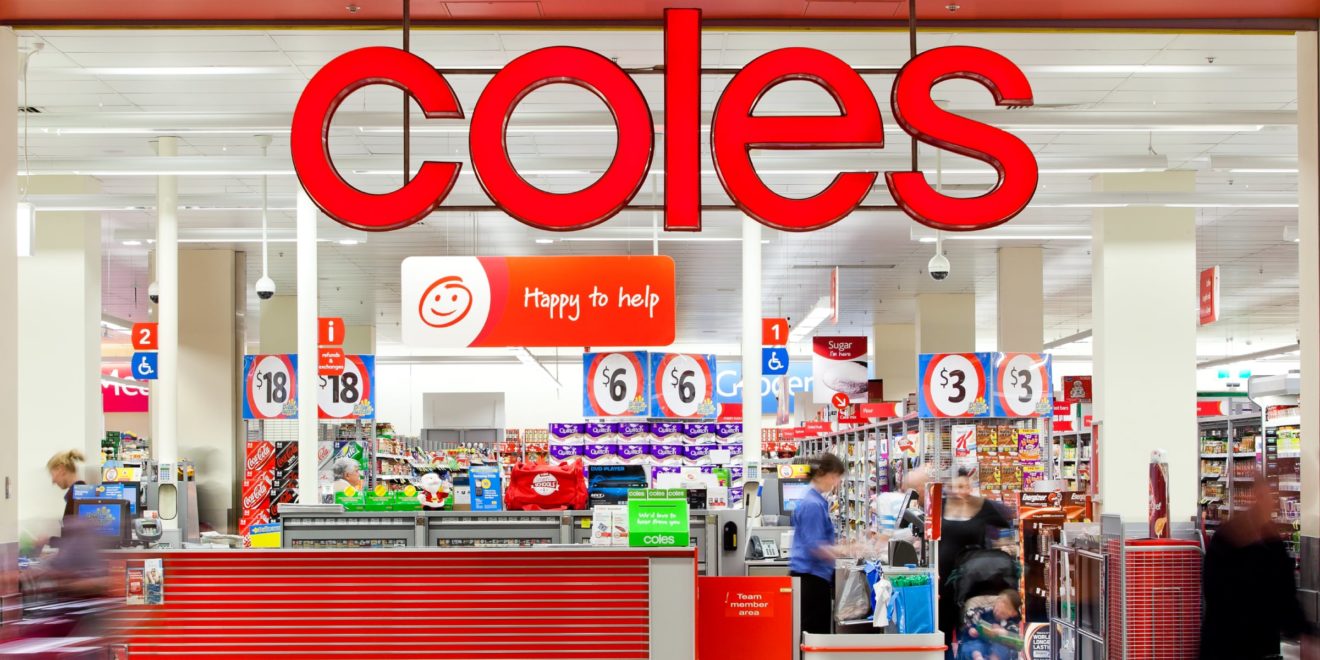
    Coles Group lifted underlying annual profit 13.7 per cent to A$1.26 billion in Melbourne, powered by grocery volume and fast-expanding digital channels.

    Group sales revenue advanced 2.8 per cent to A$45.58 billion across the 2026 financial year. Reported net profit came in lower at A$1.09 billion after the grocer set aside A$235 million to cover remediation costs and penalties from a Federal Court staff underpayment judgment.

    Supermarkets drove the operating momentum. Core grocery revenue rose 3.7 per cent to A$41.47 billion, while division earnings before interest and tax increased 12.2 per cent to A$2.37 billion as the retailer took market share. Supermarket e-commerce sales jumped 26.4 per cent to A$5.6 billion, pushing the group’s automated customer fulfilment centres into positive earnings in their second full year of operation.

    Shoppers pinched by living costs continued to trade down to private labels and loyalty discounts while eating more meals at home. That grocery strength insulated Coles from regional retail headwinds, contrasting with discretionary Asian department store and hypermarket chains that continue to struggle against softer household demand.

    Liquor Slump and In-Store Shrink

    The liquor arm proved the main drag on the group balance sheet. Liquor sales slipped 3.3 per cent to A$3.55 billion, and division operating earnings plunged 47.8 per cent to A$59 million. Management responded with a multi-year restructuring plan that includes shutting standalone shops, co-locating bottle shops alongside supermarkets, and bundling food and beverage offerings.

    Security issues also weighed on store operations. Victoria recorded an 85 per cent surge in threatening incidents against staff over two years, pushing Coles to trial facial recognition systems, though management has not committed to a full network rollout.

    Restructuring Corporate Roles Under Accenture Deal

    Coles will cut hundreds of corporate jobs in the 2027 financial year as part of an expanded technology partnership with Accenture. The retailer plans to spend about A$190 million during the year on restructuring and redundancy costs to establish a dedicated capability centre.

    Store and customer-facing teams will remain exempt from the staff reductions, with the company offering reskilling pathways for affected corporate workers. Capital expenditure will increase in parallel, with Coles allocating an extra A$300 million across FY27 and FY28 to fund technology upgrades, store refurbishments, and 45 new supermarket openings.

  • Endeavour Group Earnings Fall 8.7% as Retail Price Cuts Hit Margins

    Endeavour Group Earnings Fall 8.7% as Retail Price Cuts Hit Margins

    Australia’s Endeavour Group posted an 8.7 per cent drop in underlying earnings to $845 million after aggressive price discounting across its retail bottle shop network squeezed operating margins.

    Total sales edged up 1.3 per cent to $12.2 billion, demonstrating that sharper shelf pricing succeeded in defending retail volumes even as profit yields contracted.

    Trading profit for volume

    The liquor and hospitality operator chose to sacrifice margins to protect foot traffic at Dan Murphy’s and BWS stores. Discretionary spending among Australian shoppers remained constrained, prompting the group to sharpen shelf pricing on core beverage lines.

    “Sales momentum in retail is building with customers responding positively to our renewed focus on value and price leadership,” said managing director and chief executive Jayne Hrdlicka.

    Supermarket rivals intensify price war

    Major grocery and liquor merchants across Australasia face identical margin pressure as household budgets tighten. Competing retail conglomerates have poured cash into promotional programs and private-label alternatives to stop shoppers from migrating to discount banners, accepting compressed margins to defend market share.

    Investors now await trading updates across the peak spring and summer beverage calendar to see whether customer volume gains can outpace sustained promotional costs.

  • BioCheese Launches Protein-Fortified Vegan Cheddar at Coles for $9

    BioCheese Launches Protein-Fortified Vegan Cheddar at Coles for $9

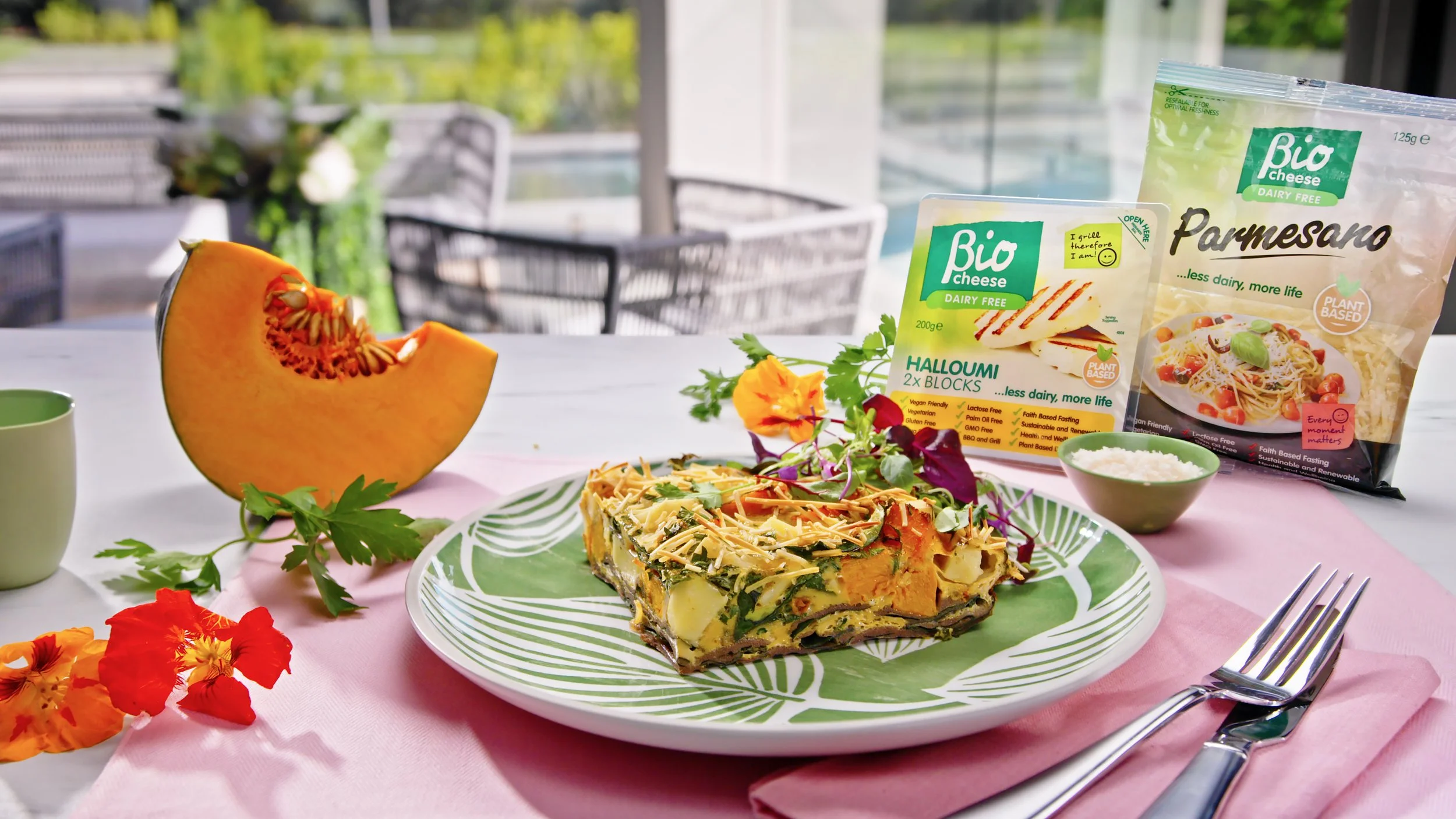
    BioCheese has launched a protein-fortified plant-based cheddar shred across Australian supermarket chain Coles, priced at $9 for a 200-gram pack.

    The product delivers 10 grams of protein per 100 grams, making it the first added-protein dairy-free cheese stocked in Australian grocery aisles.

    Pea Protein and Melting Performance

    Formulated with pea protein, the shredded cheese is built specifically for hot and cold culinary applications. The brand designed the shred to melt in toasties and baked dishes while holding texture in tacos and salads.

    Each unit ships in a resealable 200-gram pouch intended for standard refrigerated dairy and plant-based sections across Coles supermarkets nationally.

    Protein Claims in Plant Dairy

    Plant-based cheese alternatives have historically faced pushback from shoppers over low nutritional value compared to traditional dairy cheddar. While standard dairy cheese provides around 25 grams of protein per 100 grams, standard coconut oil and starch-based alternatives often register near zero.

    By adding 10 grams of functional plant protein, BioCheese is testing whether enhanced nutritional metrics can defend premium shelf space as price-conscious shoppers scrutinise grocery spending across the Asia-Pacific region.

    Distribution is now live across Coles stores, with retail buyers watching whether the $9 price point can sustain regular basket repeat rates against traditional dairy blocks.

  • Noumi Revenue Climbs 8.8 Percent to $648.4 Million on Dairy Demand

    Noumi Revenue Climbs 8.8 Percent to $648.4 Million on Dairy Demand

    Noumi grew full-year revenue 8.8 per cent to $648.4 million for the twelve months ended June 30, led by gains in its dairy and nutritionals division.

    Adjusted operating earnings before interest, tax, depreciation and amortisation rose 7.6 per cent to $61.8 million, up from the prior corresponding period.

    Earnings improve despite shipping drag

    The Sydney-listed maker of MilkLab absorbed an estimated $2 million hit to second-half operating EBITDA caused by trade disruptions linked to conflict in the Middle East. Statutory net loss after tax narrowed 55.2 per cent to $67.2 million as legacy liabilities and exceptional costs receded.

    Operational gains came largely from higher processing volumes across dairy and plant-based beverage lines. Factory throughput remained steady across packaging facilities, offsetting higher ingredient costs with targeted wholesale price adjustments in key commercial accounts.

    Regional cafe demand supports volume

    Plant-based beverage suppliers across Asia-Pacific have faced stiff competition from local co-packers and expanding oat milk capacity. Noumi has leaned on barista-grade distribution across Southeast Asian coffee chains to protect margins that grocery private-label contracts often erode.

    Investors are tracking Noumi’s upcoming annual general meeting for detailed export segment breakdowns and full-year capital expenditure plans.

  • Hong Kong Study Links Frequent Fast Food Intake to Depression Risk in Young Adults

    Hong Kong Study Links Frequent Fast Food Intake to Depression Risk in Young Adults

    Hong Kong young adults who consume fast food frequently face higher rates of depression and anxiety symptoms, according to a 142-person university study published in Nutrients.

    Depressive symptoms in the city already stand at 34 per cent and anxiety at 31 per cent, outpacing global averages. The findings arrive as quick-service restaurant chains continue to rely on youth footfall in high-density commercial districts across the territory.

    Burgers, Fries and Bubble Tea

    Researchers at the HKU School of Professional and Continuing Education and Hong Kong University tracked participants aged 18 to 27 using a 22-item food frequency questionnaire. The team split subjects into high- and low-intake brackets to evaluate how specific menu choices correlated with psychological outcomes.

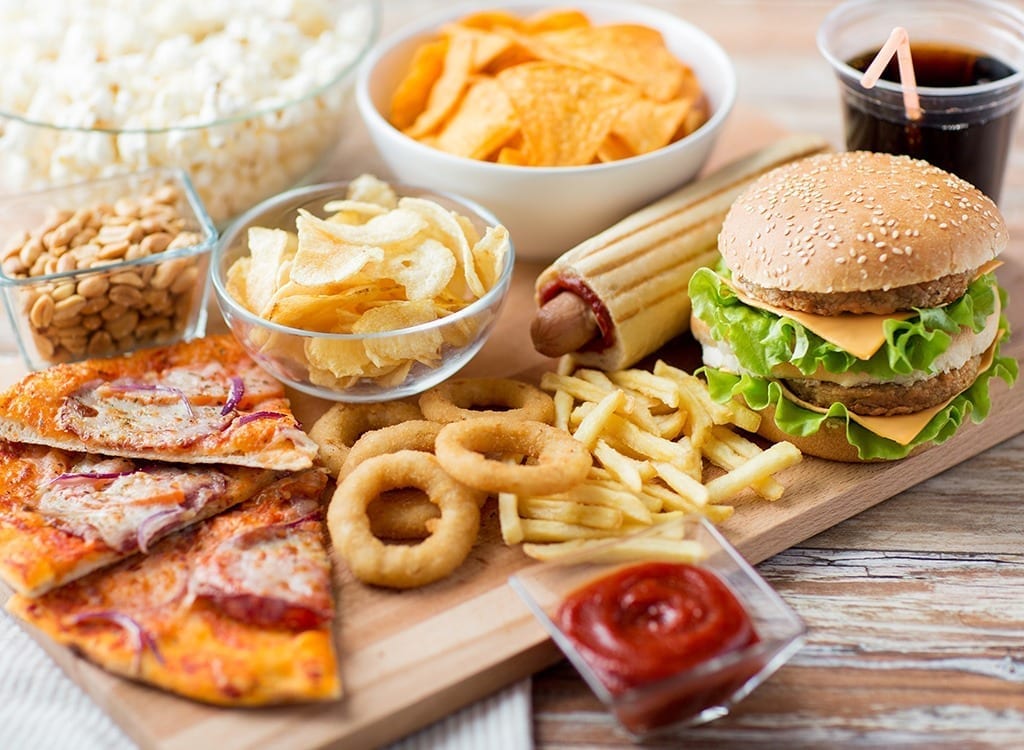
    Four menu staples showed the strongest links to mental distress: beef burgers, French fries, fried chicken, and sweetened bubble tea. Each carries elevated levels of saturated fat, sodium, or added sugar.

    Sugar-free beverages showed the opposite effect. Regular consumption of unsweetened tea correlated with lower reported rates of depressive symptoms, pointing to potential protective dietary properties.

    Nutritional Imbalance and City Pressures

    High property costs and tight living spaces push many young Hong Kong workers toward cheap, calorie-dense convenience meals. Fast-food operators have built substantial market share around these budget constraints, offering rapid service at price points traditional sit-down restaurants struggle to match.

    Nutritional shortfalls compound the problem. Diets heavy in processed fats and refined sugars trigger systemic inflammation and disrupt gut health, which researchers associate with impaired neurotransmitter production.

    For food chains across East Asia, shifting consumer scrutiny toward mental wellness creates new menu hurdles. Brands that expanded aggressively across Hong Kong with high-sugar milk teas and deep-fried combos face growing pressure to formulate lower-sodium and zero-sugar alternatives.

    The research team called for larger longitudinal studies to track dietary impacts over multi-year periods as public health bodies evaluate targeted dietary advisories for young consumers.