Category: Food

Retail News Asia is committed to providing both local and global retailers with the latest Food and Food & Beverage news throughout the Asian market. This on a daily base.

  • Australian Bakery Director Fined for Obstructing Inspectors, Targeting Visa Holders

    Australian Bakery Director Fined for Obstructing Inspectors, Targeting Visa Holders

    Legal proceedings have been initiated against Sinamon Pty Ltd, an Australian bakery chain, and two of its directors, including co-director Hui, by the Fair Work Ombudsman (FWO). The allegations include obstructing fair work inspectors and breaching Australian workplace laws, with a specific focus on the treatment of visa-holder employees.

    The FWO has accused Hui of physically preventing an inspector from accessing a back office during an unannounced inspection in October 2022. This incident occurred during an investigation that began after a Japanese visa holder sought assistance regarding their employment at Sinamon’s Victoria Park and Mount Lawley outlets.

    Allegations Include Obstruction and Misrepresentation

    Sinamon, which operates stores in Victoria Park, Mount Lawley, and Fremantle, and previously at Curtin University, is also alleged to have failed to comply with a Notice to Produce, as well as breaching record-keeping and payslip requirements. Former director Ahmed El Sayed Imam is separately accused of misrepresenting workplace rights to another visa holder, who was employed at the Curtin University outlet for less than a week in 2023. Imam allegedly told this worker that wages could be deducted to cover damages after their departure.

    Sinamon allegedly failed to comply with a Compliance Notice issued in August 2024. This notice followed the FWO’s belief that the company had underpaid two visa holders under the Fast Food Industry Award 2020 and Restaurant Industry Award 2020, with Hui and Imam allegedly involved in these breaches.

    FWO Prioritises Visa-Holder Protection

    Fair Work Ombudsman Anna Booth stated that intentionally obstructing inspectors is unacceptable conduct. She highlighted the FWO’s priorities: protecting visa-holder workers and improving compliance within the fast food, restaurant, and cafe sectors. The FWO is seeking significant penalties, up to A$93,900 per breach against Sinamon, and A$18,780 per breach against Hui and Imam. They also seek an order for the company to comply with the Compliance Notice and rectify outstanding entitlements, superannuation, and interest.

    A directions hearing is scheduled for September 4 in the Federal Circuit and Family Court in Perth. Hui and Imam have a history of previous penalties, having been fined over A$135,000 in three prior legal actions under Western Australian employment laws. The FWO has filed 171 proceedings involving employers of visa-holder workers in the eight financial years leading up to June last year, securing A$39 million in penalties from these cases.
  • Asia’s Fox Nuts Market Set for Strong Growth, Driven by Healthy Snacking and Online Retail

    Asia’s Fox Nuts Market Set for Strong Growth, Driven by Healthy Snacking and Online Retail

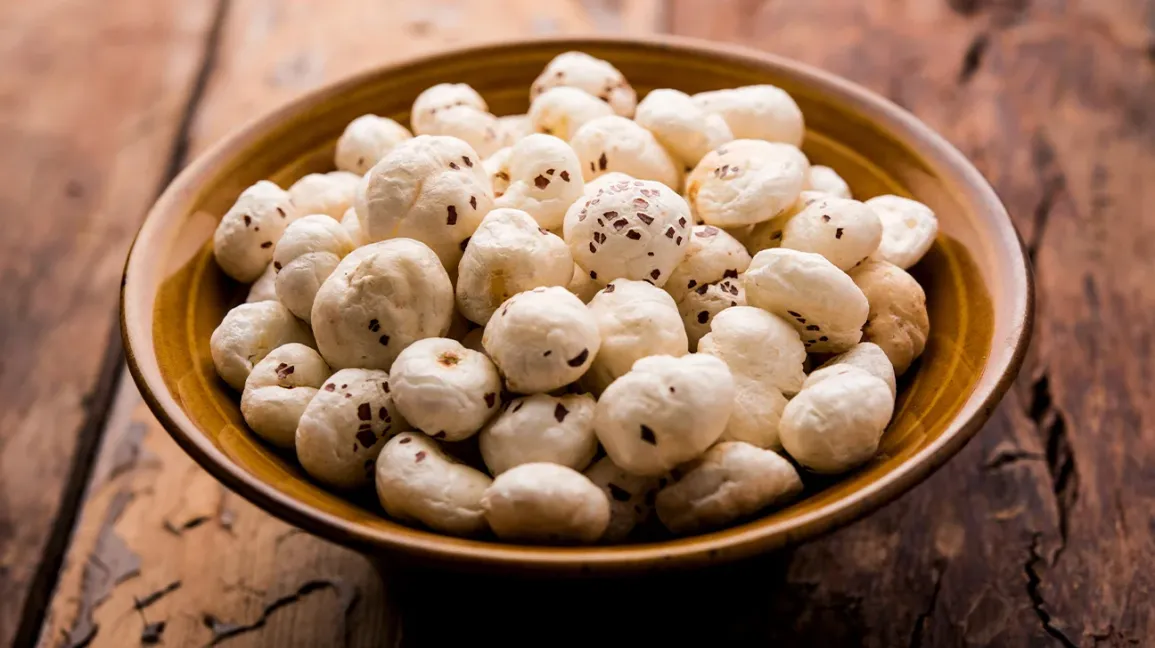
    The global market for fox nuts, also known as makhana, is on a significant upward trajectory, with Asia Pacific leading the expansion. Valued at USD 183.4 million in 2025, the market is projected to reach USD 404.95 million by 2034, growing at a compound annual rate of 9.2% from 2026. Asia Pacific alone accounted for 59.28% of the market share in 2025, highlighting its crucial role in this burgeoning industry.

    Fox nuts, derived from the aquatic plant Euryale ferox, are gaining traction as a nutritious snack. They are rich in protein, antioxidants, minerals, and dietary fiber, and are naturally gluten-free. This nutritional profile makes them popular among health-conscious consumers seeking clean-label and plant-based food alternatives. The demand is further fueled by a growing shift toward healthy snacking, a preference for low-calorie and nutrient-dense options, and the rise of plant-based diets. Flavored, ready-to-eat makhana products are expanding their reach through supermarkets, convenience stores, and e-commerce platforms, particularly in Asia Pacific and North America.

    Innovation And Investment Drive Market Expansion

    Innovations in flavor and product development are key to the fox nuts market’s growth. Manufacturers are developing gourmet fusion snacks, incorporating global flavors like peri-peri, cheese, and chocolate, moving fox nuts from a traditional snack to a premium functional food. This appeals to urban consumers and is leading to expanded product portfolios and increased visibility in modern retail and online channels. For instance, India’s government initiatives, such as the PLI scheme for millet and superfood processing, are encouraging further innovation in fox nut-based products.

    Beyond gourmet offerings, there is a growing demand for fox nuts as a clean-energy snack for work and travel. Their light, fiber-rich, and convenient nature makes them ideal for on-the-go consumption, transitioning them into a mainstream daily snack. Portion-controlled packs and nutrient-enhanced variants are being introduced to cater to busy urban lifestyles. These trends align with health-focused public initiatives, like India’s POSHAN Abhiyaan, which promotes healthier snacking habits.

    Significant investment and funding are also bolstering the market. In 2025, the Government of India allocated USD 54.4 million (INR 476.03 Crore) for a six-year program to modernize the fox nuts ecosystem, focusing on cultivation, processing, value addition, and market development. An additional USD 11.4 million (INR 100 Crore) was invested in the National Makhana Board Initiative to develop processing clusters and improve supply chain infrastructure in Bihar, which accounts for over 80% of India’s makhana production. Private companies like Farmley also secured USD 40 million in Series C funding in May 2025 to scale their packaged fox nuts portfolio and expand distribution.

    Opportunities And Challenges For Retailers

    The increasing demand for convenient and nutritious food presents a strong opportunity for fox nuts in meal replacement formats and functional snacking. Brands are developing fox nut-based protein blends and breakfast mixes, targeting fitness enthusiasts and wellness-focused consumers. This aligns with a global trend of consumers seeking healthy snacks that offer satiety and clean-label nutrition. The global interest in plant-based and minimally processed foods, particularly in North America and Europe, also creates export opportunities for premium fox nut products through health food retailers.

    Despite the positive outlook, the industry faces challenges in standardizing puffing efficiency without compromising texture quality. Much of the processing still relies on manual labor, leading to inconsistencies and higher operational costs. Post-harvest, fox nuts are highly susceptible to moisture reabsorption, which can degrade quality and shorten shelf life, especially in humid regions. Ensuring export compliance with global food safety certifications also remains a hurdle for market players aiming for international expansion. RetailNews Asia has observed similar challenges in scaling artisanal food production across the region, where traditional methods often clash with modern industrial demands and international quality standards.

  • Hyderabad Indian Grill Expands US Presence with New Wisconsin Outlet

    Hyderabad Indian Grill Expands US Presence with New Wisconsin Outlet

    Hyderabad Indian Grill, a restaurant chain established by Minnesota restaurateur Sasi Nimmigadda, has launched its inaugural Wisconsin location in Eau Claire. The new outlet, named Hello Hyderabad, commenced operations on August 5, 2026, at 2831 Hendrickson Drive.

    This expansion marks the first venture for the Hyderabad Indian Grill chain into the Wisconsin market, occupying a 1,500-square-foot space. The restaurant provides both dine-in seating and carry-out services via third-party delivery partners. Its menu features a selection of Indian dishes, including freshly baked naan, curries, butter chicken, samosas, and Hyderabad’s signature biryani. Hello Hyderabad operates daily from 10 am to 11:45 pm.

    Indian Cuisine Sees US Growth

    The opening of Hello Hyderabad contributes to a developing Indian cuisine scene in the Chippewa Valley region of Wisconsin. Another Indian eatery, New India Curry House, is also set to open in Oakwood Mall, taking over a former Five Guys location. This establishment will offer lunch and dinner menus, with prices ranging from approximately $15 to $35 for dinner and under $16 for lunch. These developments highlight a broader trend of increasing demand for diverse international culinary options in regional US markets.

    Across Asia-Pacific, RetailNews Asia observes a similar pattern of regional food concepts expanding beyond their home markets. For instance, numerous Southeast Asian and South Asian restaurant chains have successfully launched outlets in countries like Australia, New Zealand, and parts of North America, capitalising on diaspora communities and growing interest in authentic ethnic cuisines. This strategy often involves adapting formats for smaller spaces or integrating with existing retail environments like shopping malls, mirroring the approach taken by Hello Hyderabad and New India Curry House.

    Diverse Culinary Landscape Emerges

    Beyond Indian cuisine, the Eau Claire area is also anticipating new additions that show a varied international culinary landscape. Condesa Grill, a Brazilian and fusion-style steakhouse, plans an October opening in downtown Eau Claire. This 7,000-square-foot restaurant, owned by JP Nunez, will feature a wood-fired grill, prime-grade steaks, fresh seafood, and Latin-inspired dishes curated by a Michelin-trained chef consultant.

    Also, That’s a Wrap: Eats & More recently opened in Chippewa Falls, offering gourmet wraps and planning to introduce Detroit-style pizza. A new Mexican restaurant, Oleo, is also expected to open in Eau Claire at the former Manny’s Cocina location, with a soft opening potentially by the end of August.

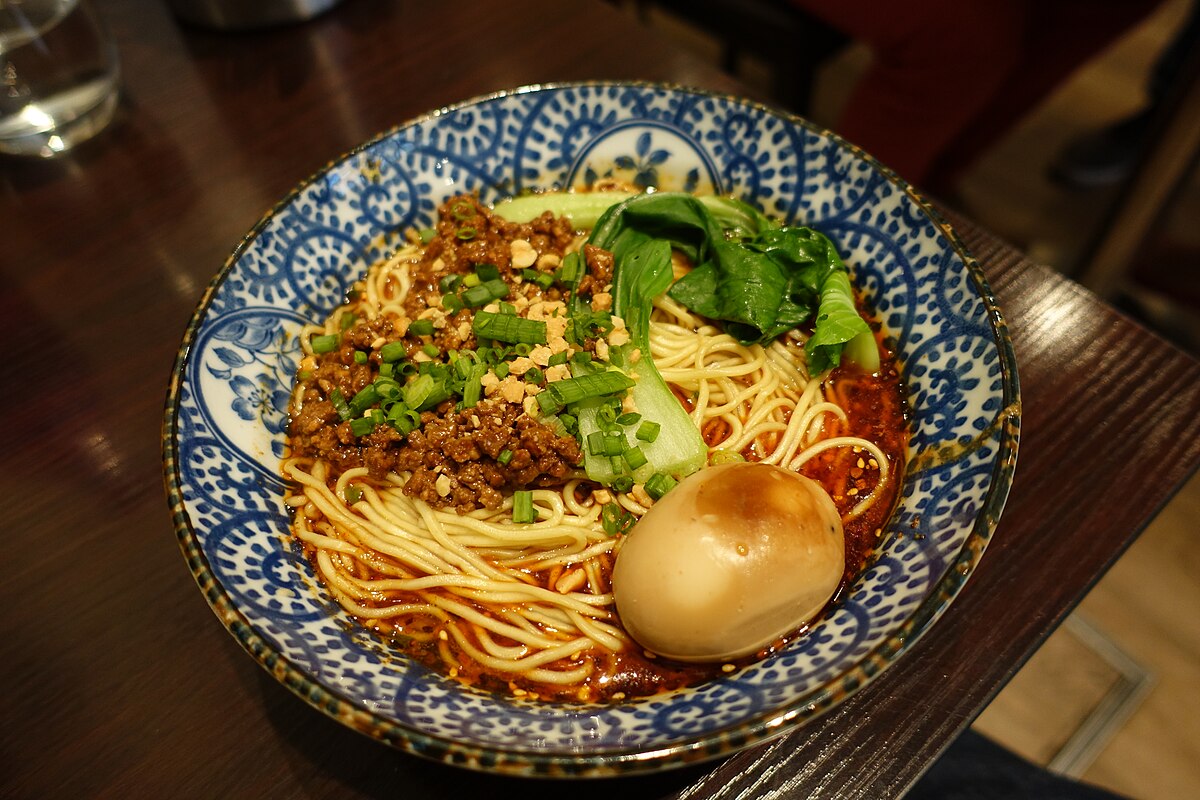
  • No-Frills Noodles See Surge in Japan as Consumers Seek Value Amid Rising Prices

    No-Frills Noodles See Surge in Japan as Consumers Seek Value Amid Rising Prices

    Major Japanese convenience store and supermarket chains are significantly increasing their offerings of no-frills noodle products. This strategic shift aims to cater to consumers actively seeking more affordable food options as inflation continues to impact household budgets across the nation.

    Lawson, a prominent convenience store operator, introduced two types of frozen noodles without toppings in late June 2026, priced at ¥297 (US$1.90) each. This represents a more than 20% price reduction compared to its existing frozen noodle products that include toppings. The company had previously found success with a line of cup noodles without toppings launched in October 2024, which sold over 5 million units due to their focus on quality broth and customizability.

    Retailers Adapt To Shifting Consumer Habits

    Kanako Ochi, an official in Lawson’s product division, highlighted the importance of responding to evolving consumer needs as shoppers become more budget-conscious. The expansion of no-frills options allows the company to offer new product angles while maintaining competitive prices. Similarly, supermarket giant Aeon began selling fried noodles without toppings such as pork and cabbage in April 2025. This product, priced at just ¥320, contains three times the noodle quantity of its standard fried noodle offering.

    Initially launched in select regions, including the Tokyo metropolitan area, the no-frills fried noodles proved immensely popular, selling ten times more than anticipated. This success prompted a nationwide rollout. An Aeon spokesperson attributed the strong performance to consumers appreciating the cost benefits during a period of increased cost of living. Following this, Aeon also launched topping-free soba noodles in July 2026, featuring double the quantity of its regular product.

    Inflation Drives Demand For Value

    The trend towards value-focused products underscores the ongoing impact of inflation in Japan. According to research firm Teikoku Databank, approximately 18,000 products have either seen price increases this year or are slated for increases by November 2026. This pervasive inflationary environment is expected to ensure the continued popularity of no-frills options among Japanese consumers. RetailNews Asia observes this trend as indicative of broader shifts in consumer spending across the region, where economic pressures often lead to a renewed focus on essential, value-driven purchases, prompting retailers to innovate their product portfolios to meet these demands.

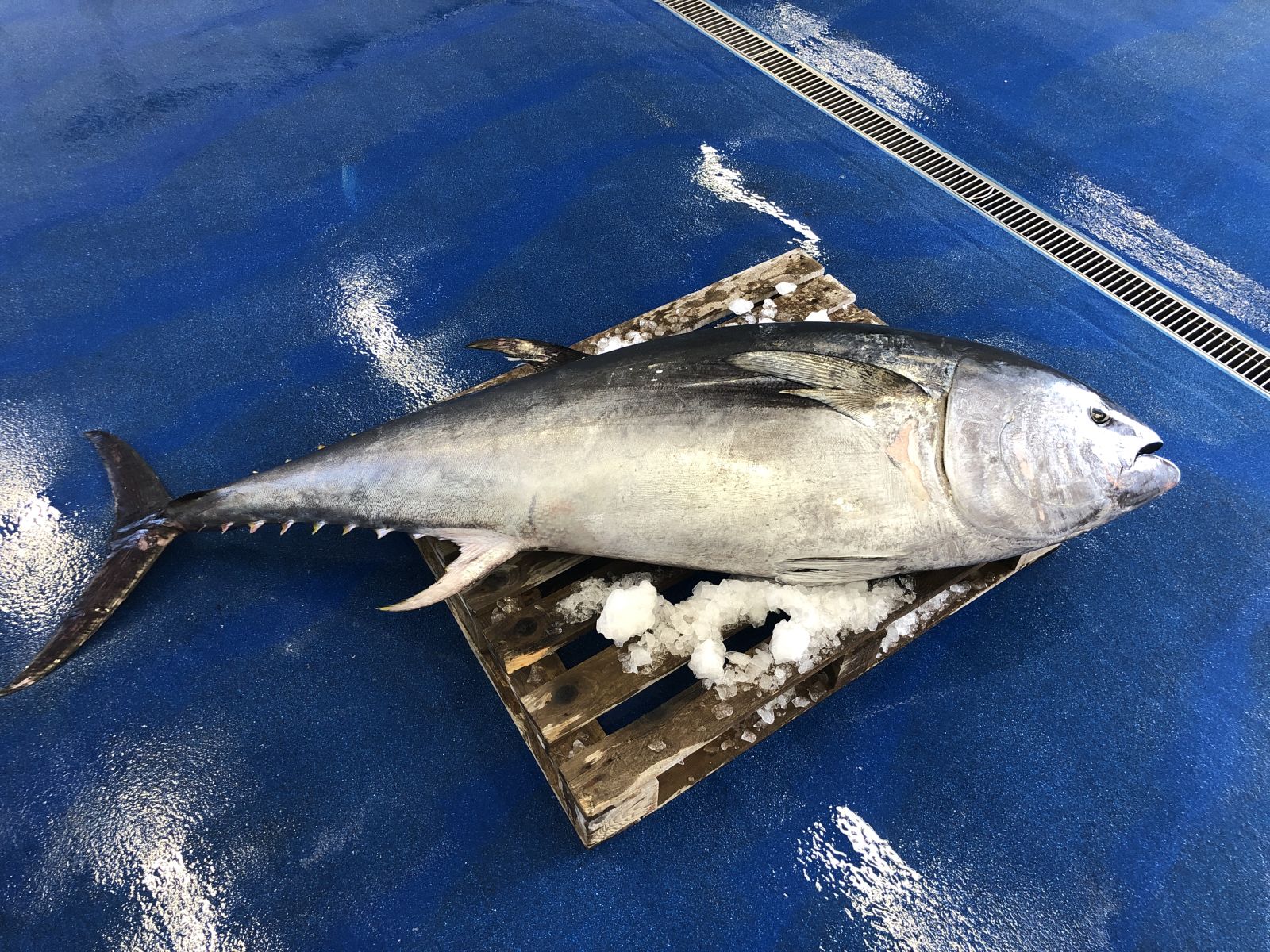
  • Pacific Bluefin Tuna Quota Sees 25% Increase

    Pacific Bluefin Tuna Quota Sees 25% Increase

    International delegates have approved a 25% increase in the catch quota for Pacific bluefin tuna weighing at least 30 kilograms. This agreement, reached during an online conference on Tuesday, August 18, 2026, will primarily affect fishing in the Central and Western Pacific regions.

    The decision follows Japan’s persistent efforts to expand the quota, a proposal that faced initial resistance from Mexico. After bilateral discussions, Mexico eventually endorsed the plan, paving the way for the new limits.

    Quota Adjustments Detailed

    Under the new agreement, the annual quota for large bluefin tuna in the Central and Western Pacific will rise to 14,836 tons for fiscal years 2027 and 2028. This marks a significant increase from the current 11,869 tons. Conversely, the quota for smaller tuna, weighing less than 30 kilograms, will see a 6% reduction, settling at 4,823 tons.

    The Eastern Pacific, an area closer to Mexico, will also experience a minor increase in its catch quota, moving from 7,581 tons to 7,740 tons. These changes reflect a delicate balance between sustainable fishing practices and the economic demands of the fishing industry.

    Impact on Asian Markets and Retail

    Japanese fishers have reported robust catches in their operating areas, often facing challenges in adhering to previous quota caps. The expanded limit addresses their calls for greater flexibility, which previously led to scaling back operations or releasing perfectly good catches to comply with regulations. This adjustment could lead to more stable supply chains and potentially impact prices for tuna in Japanese and other Asian retail and food service markets, where bluefin tuna is a highly sought-after delicacy.

    The agreement underscores the ongoing efforts to manage global fish stocks, balancing conservation with economic realities for countries reliant on the seafood industry.

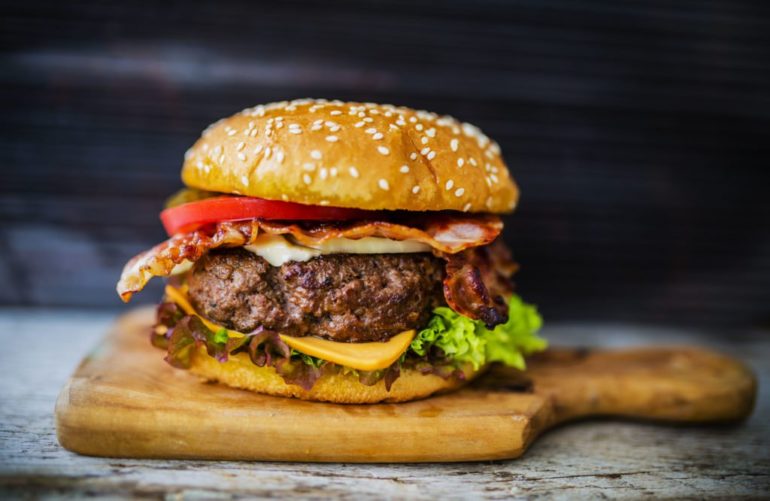
  • Burger Revolution: Global Brands and Local Hotspots Lock Horns in Chinas Fast-Food Boom

    Burger Revolution: Global Brands and Local Hotspots Lock Horns in Chinas Fast-Food Boom

    The fast-food landscape in China is witnessing a dramatic shift as the burger market, once a niche segment ruled by Western giants like McDonald’s and KFC, is now attracting everyone from multinational restaurant chains to local hotpot outlets and coffee brands. The humble burger has become a hot commodity among budget-conscious consumers and smaller households, making it a fierce point of competition in the nation’s fast-food sector.

    China’s Growing Appetite for Burgers

    Yum China’s innovative Pizza Hut Burger Bar concept, offering a burger counter within an existing Pizza Hut restaurant, quickly expanded to over 200 locations within six months. By the end of 2026, the company plans to have 500-600 such outlets, accounting for roughly 10% of the total Pizza Hut store network.

    This burger boom mirrors broader changes in China’s consumption trends. Smaller household sizes and economic uncertainty are causing consumers to opt for low-cost, portable meals, consequently transforming burgers from a niche Western import into one of the most competitive segments in China’s restaurant market.

    As a result, brands are racing to capitalize on this trend. Last month, hotpot chain Haidilao diversified into the burger market with Huanxianbao, or “Fresh Burger,” a chain offering burgers along with pizza, pasta, and fried chicken. Similarly, coffee chain M Stand has begun to introduce burger-focused outlets in certain cities.

    The Economics of Burgers

    China’s Western fast-food market, valued at 499.65 billion yuan (US$74.1 billion) in 2025, is expected to reach 587.09 billion yuan by 2027. According to a survey, burgers were the top preference among consumers, with 55% of respondents selecting them. The burger category, worth $18.4 billion in 2025, is projected to grow by 8.7% annually through 2035.

    Burgers offer a value-for-money choice as consumers remain cautious about their spending. They provide a less costly alternative to full-service restaurant meals while still satisfying as a substantial meal, making them a popular choice among students and single-person households.

    Burgers also align with demographic changes, with rising numbers of smaller families, single-person households, and young urban workers driving demand for convenient individual meals. Pizza Hut, for instance, added burgers to its menu in 2024 and by 2025, burgers accounted for a considerable share of the company’s sales.

    The burger trend is not only bringing in domestic chains like Tasiting but also international brands. Notably, when U.S. chain Five Guys launched in Beijing, customers were willing to wait over two hours to be served. Wendy’s also announced plans to enter China and open up to 1,000 franchised restaurants over the next decade.

    Questions & Answers

    Why are burgers becoming popular in China?
    Economic uncertainty and smaller household sizes have led to a preference for low-cost, portable meals like burgers. These changes in consumption habits are turning burgers from a niche Western import into a highly competitive segment of China’s restaurant market.

    Who are the major players in China’s fast-food burger market?
    While Western giants like McDonald’s, KFC, and Burger King initially dominated the market, local brands like Haidilao and international brands like Five Guys are now entering the fray.

    What does the rising popularity of burgers represent?
    The growing demand for burgers reflects broader shifts in China’s consumer behavior, such as the preference for lower-cost, convenient meals that offer good value for money. It also aligns with demographic changes, including the rise in single-person households and small families.

  • Ferrero Boosts US Breakfast Presence with Purely Elizabeth Acquisition

    Ferrero Boosts US Breakfast Presence with Purely Elizabeth Acquisition

    The Ferrero Group, an international confectionery company, has confirmed its plans to acquire Purely Elizabeth, a wellness brand from the U.S. that has gained significant recognition in the health-conscious food sector. The move by Ferrero is aimed to further solidify their standing in the American breakfast market.

    The collaboration with Purely Elizabeth will allow Ferrero to extend its consumer reach through a blend of continued product innovation, enhanced operational abilities, and wider distribution. These initiatives will guide the next growth stage of the Purely Elizabeth brand.

    Implications for Ferrero’s U.S. Market Presence

    Giovanni Ferrero, president of Ferrero International SA, expressed his satisfaction with this addition to Ferrero’s expanding U.S. portfolio, citing Purely Elizabeth’s impressive range of high-quality, palatable products.

    He further asserted that this deal amplifies Ferrero’s recent acquisition of WK Kellogg Co, strengthening both its influence in American breakfast consumption and its foothold in the health-centered food market.

    Purely Elizabeth, established in 2009, has witnessed its sales more than double in the last two years. This success has been primarily fueled by its innovative collection of granola, oatmeal, and cereals, and its venture into the rapidly expanding protein market.

    Elizabeth Stein, founder and CEO of Purely Elizabeth, expressed her pride in the brand’s evolution over the past 17 years. She emphasized that partnering with Ferrero is the result of finding a collaborator who recognizes the unique essence of the Purely Elizabeth brand and shares a mutual commitment to quality, innovation, and sustainable growth.

    Upon merging, Purely Elizabeth will operate as an independent brand within the Ferrero Group. Stein will maintain her position alongside the current leadership team.

    Aligning with Consumer Preferences

    Lapo Civiletti, president of Ferrero Ice Cream and WK Kellogg Co, praised Purely Elizabeth’s knack for creating premium products that align with changing consumer preferences. He emphasized that this makes it a perfect addition to Ferrero’s portfolio and aligns with the company’s strategy of investing in high-growth categories.

    Civiletti emphasized Ferrero’s anticipation to support the continued growth of Purely Elizabeth while preserving the entrepreneurial spirit that has contributed to its success.

    The finalization of this transaction is anticipated in the following months, pending customary closing conditions and regulatory approvals.

    Questions & Answers

    What does the acquisition of Purely Elizabeth mean for the Ferrero Group?
    The acquisition allows Ferrero to strengthen its presence in the American breakfast market and expand its reach within the health-conscious food sector, aligning with evolving consumer preferences.

    What will happen to Purely Elizabeth post-acquisition?
    Purely Elizabeth will operate as an independent brand within the Ferrero Group. The current CEO, Elizabeth Stein, will continue in her role alongside the existing leadership team.

    What makes Purely Elizabeth a good fit for Ferrero’s portfolio?
    Purely Elizabeth’s ability to stay in tune with changing consumer tastes through its premium product range makes it a complementary addition to Ferrero’s portfolio. It aligns with Ferrero’s strategy of investing in high-growth categories.

  • Decoding the Future of Adult Beverages: Upcoming Trends Tailoring Consumer Choices

    Decoding the Future of Adult Beverages: Upcoming Trends Tailoring Consumer Choices

    The consumer preferences in the alcohol sector are shifting as individuals become more deliberate in their alcohol consumption habits, according to recent studies. Factors such as moderation, social occasions, value, convenience, and brand trust are major influences on customer behavior and the variety of products in the category.

    Changes in Consumption Habits

    There is a rising trend of moderation in alcohol consumption as customers are becoming more mindful of their spending and alcohol intake. In fact, total beverage alcohol (TBA) volumes in the 15 largest markets, including Australia, the US, Canada, Mexico, Brazil, France, Germany, Italy, Spain, the UK, South Africa, China, India, Japan, and Taiwan, saw a 3% decline last year after a 2% drop in 2024. It appears that consumers are opting to drink less per occasion, with the average number of alcoholic beverages consumed dropping from 4.4 in March 2024 to 3.9 in March this year. Despite this, global consumption volume remains more than 30% above the levels recorded in 2000.

    These figures suggest that this trend of moderation is becoming a permanent fixture in customer behavior, rather than a temporary or trend-driven phenomenon. However, this pattern varies across different generations. For instance, only the boomer generation has shown a decrease in participation, frequency and intensity of alcohol consumption, driven by factors such as cost, fewer social occasions, and a desire for moderation. On the other hand, the proportion of Gen Z individuals in the drinking population has risen from 13% to 17%, with above-average participation noted in India and the US.

    Catering to Evolving Preferences

    Social occasions continue to be a significant driver of alcohol consumption, with 35% of consumers citing them as their main reason for drinking. Moreover, 52% of consumers prioritize flavor when choosing ready-to-drink (RTD) beverages. Over the past decade, product innovation has contributed to over half of the growth in beverage alcohol retail value, enhancing the demand for products like canned cocktails, hard seltzers, flavored malt beverages, and no- or low-alcohol products.

    Trust in a brand also plays a crucial role in consumers’ willingness to experiment with new products. A staggering 77% of global consumers are more likely to trust a new product if it comes from a brand they are familiar with.

    The beer category, encompassing both traditional beer and other beer-related products, has seen its share of total alcohol servings increase from approximately 46% in 2019 to over 50% in 2026, a trend projected to continue until 2035. Demand for social experiences, convenience, affordability, and new formats has led to beer alone increasing its share from around 44% to 47%.

    Questions & Answers

    What factors are influencing consumer behavior in the alcohol category?
    Factors such as moderation, social occasions, value, convenience, and trust in the brand are some of the key influences on consumer behavior in the alcohol category.

    How has alcohol consumption changed across different generations?
    While the boomer generation has shown a decrease in alcohol consumption due to factors like cost and a preference for moderation, the Gen Z population has seen a rise in alcohol consumption, with particularly high participation in India and the US.

    What role does brand trust play in the alcohol category?
    Brand trust significantly influences a consumer’s willingness to try new products. Around 77% of global consumers are more likely to trust a new product if it comes from a brand they are familiar with.

  • MilkLab Unveils New Lactose-Free Milk at Woolworths: A Revolution in Dairy Digestibility and Taste

    MilkLab Unveils New Lactose-Free Milk at Woolworths: A Revolution in Dairy Digestibility and Taste

    MilkLab, a subsidiary of Noumi, has launched a new reformulated lactose-free milk at Woolworths in response to increasing consumer preference for lighter, easily digestible dairy options.

    Advanced Filtration for Healthier Milk

    MilkLab’s innovative product uses ultrafiltration technology, which processes milk through fine membranes. This concentrates the milk’s natural protein and fat content while lowering the levels of lactose sugar. The end product contains 9 grams of sugar per serving, marking a 25 per cent reduction compared to the average 12 grams found in conventional dairy milk. Beyond simply reducing sugar, this process also enhances the milk’s texture and its ability to produce foam in hot coffee.

    Natalie Latimore, MilkLab’s head of marketing, emphasizes the brand’s commitment to continuous product development, “Innovation at MilkLab is more than just getting it ‘good enough’. Rather, we strive for perfection. MilkLab’s success depends on close collaboration with roasters, baristas, and our retail partners. This ensures that by the time our product reaches the consumer’s cup or shopping cart, it has been refined to the highest standard.”

    Long-term Development for Superior Lactose-free Milk

    The new lactose-free milk is the culmination of a three-year development process involving 12 rounds of trial formulations. The process included consumer testing in conjunction with Deakin University and validation testing in association with commercial coffee roasters.

    MilkLab’s Lactose-Free 1L milk is now available in a long-life format at Woolworths stores and is also being supplied to commercial cafes throughout the country.

    In other company news, Noumi, MilkLab’s parent company, transitioned to private ownership last month following an agreement with its largest shareholder to purchase all remaining shares.

    Questions & Answers

    What is unique about MilkLab’s lactose-free milk?
    MilkLab’s lactose-free milk uses ultrafiltration technology to concentrate natural protein and fat while reducing lactose sugar, providing a healthier, easily digestible dairy option.

    How much sugar does MilkLab’s lactose-free milk contain?
    MilkLab’s lactose-free milk contains 9 grams of sugar per serving, which is 25 per cent less than the average 12 grams found in standard dairy milk.

    Where is MilkLab’s Lactose-Free 1L milk available?
    MilkLab’s Lactose-Free 1L milk is currently available in Woolworths stores in a long-life format and is also being distributed to commercial cafes nationwide.

  • Affordable Canadian Lobsters Conquer Vietnamese Market with Freshness and Flavor

    Affordable Canadian Lobsters Conquer Vietnamese Market with Freshness and Flavor

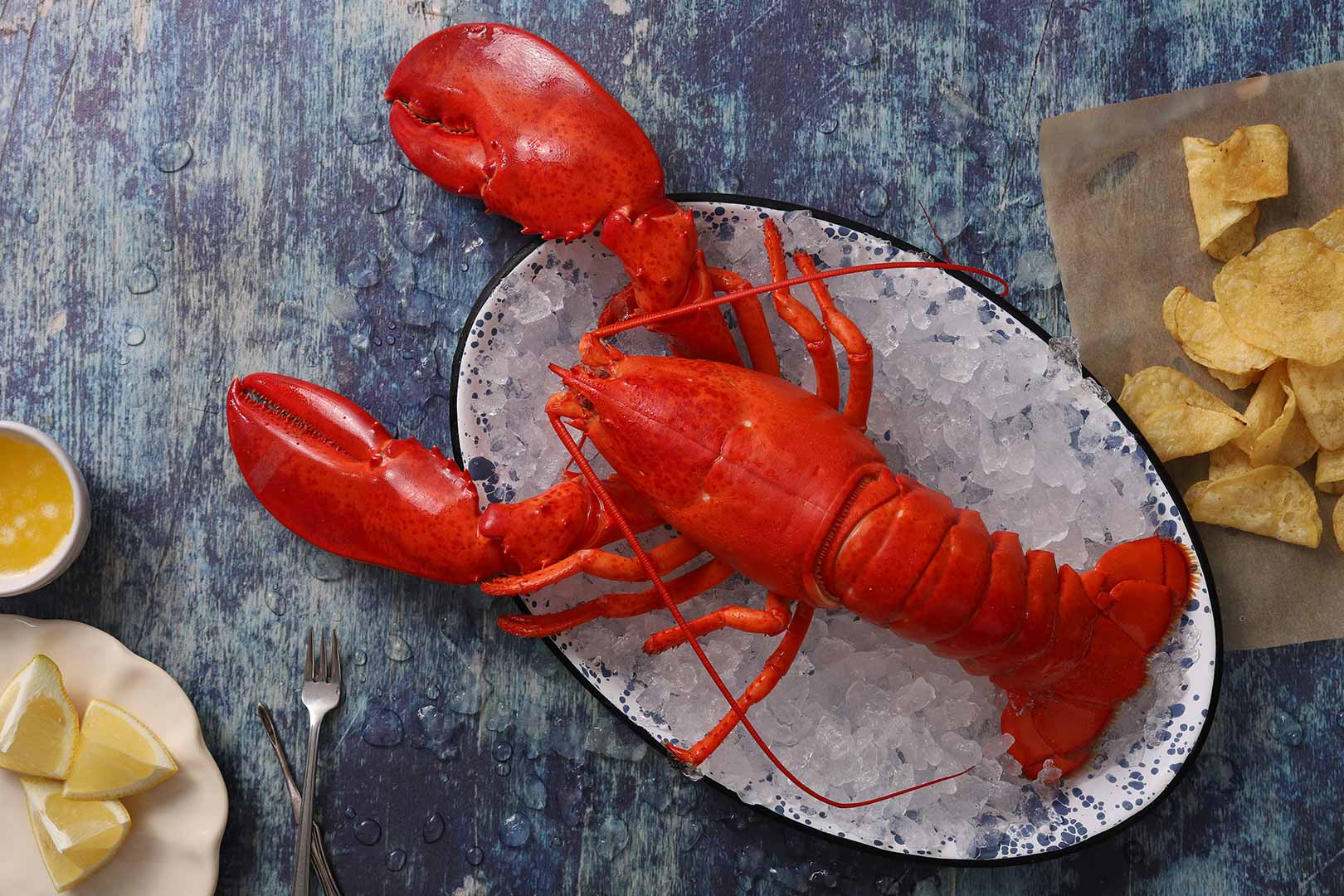
    Canadian lobsters are increasingly gaining favor among Vietnamese consumers, primarily due to their affordability compared to Australian lobsters and some local varieties. Hoa, a HCMC resident and a frequent seafood consumer, shared her recent preference for Canadian lobsters, citing their reasonable pricing, freshness, and high quality.

    Canadian Lobsters: A Budget-Friendly Option

    Seafood markets in HCMC offer Canadian lobsters, each weighing between 500 and 600 grams, at prices ranging from VND950,000 to VND1.1 million per kilogram (equivalent to US$36-42 per kilogram). Larger lobsters, weighing one kilogram or more, are priced around VND1.3-1.4 million per kilogram. These prices reflect a decrease of 5-10% compared to the previous year.

    In comparison, Australian lobsters are priced at VND3.5 million per kilogram, Vietnamese spiny lobsters near VND3 million, and local rock lobsters around VND1.5 million. The attractive pricing of Canadian lobsters has led to a surge in their imports. Data from Vietnam Customs indicates that Vietnam imported seafood worth approximately $34 million from Canada in the first seven months of the year, marking an increase of 42% compared to the same period last year. Lobsters accounted for almost 60-65% of this total import value.

    Rising Demand for Canadian Lobsters

    Canadian lobsters are not only gaining popularity due to their affordability, but also their versatility and accessibility. An increasing number of businesses, supermarkets, and online platforms are offering these lobsters, further widening their consumer base. Many restaurants and eateries now include Canadian lobsters in their seafood platters, making it possible for groups and families to enjoy lobsters without excessive expenditure.

    Tran Van Truong, CEO of seafood chain Hai San Hoang Gia, pinpoints price as a key factor driving the growing demand for Canadian lobsters. He reported a double-digit year-on-year increase in his company’s imports of Canadian lobsters for the first seven months of this year. Truong also highlighted the seasonal advantage of Canadian lobsters, which are abundantly available from July to September. While these lobsters may not match the quality of Vietnamese lobsters, they have a robust supply chain and exhibit good survival rates, ensuring minimal losses during transport and storage.

    Additional factors contributing to the lower prices of Canadian lobsters include import tariffs. Canadian lobsters that fulfill the Comprehensive and Progressive Agreement for Trans-Pacific Partnership requirements attract a 0% tariff when imported into Vietnam.

    Canada, the world’s largest lobster exporter, recorded the highest export of any fisheries items in 2025 at 79,380 tons of lobsters valued at $3.01 billion, according to Fisheries and Oceans Canada.

    Questions & Answers

    Why are Canadian lobsters becoming popular in Vietnam?
    Their popularity is largely attributed to their affordability compared to other varieties. They’re also versatile and increasingly accessible through various outlets, including online platforms.

    What factors contribute to the lower price of Canadian lobsters?
    Factors include a robust supply chain, good survival rates which minimize losses during transport and storage, and a favorable import tariff of 0% when they meet the Comprehensive and Progressive Agreement for Trans-Pacific Partnership requirements.

    How does the quality of Canadian lobsters compare to other varieties?
    While the quality of Canadian lobsters may not match that of Vietnamese lobsters, they offer a satisfying taste and texture, making them a value-for-money choice among consumers.

  • ZUS Coffee Brews Buzz with Potential $245M IPO, Bolstering Malaysias Coffee Industry

    ZUS Coffee Brews Buzz with Potential $245M IPO, Bolstering Malaysias Coffee Industry

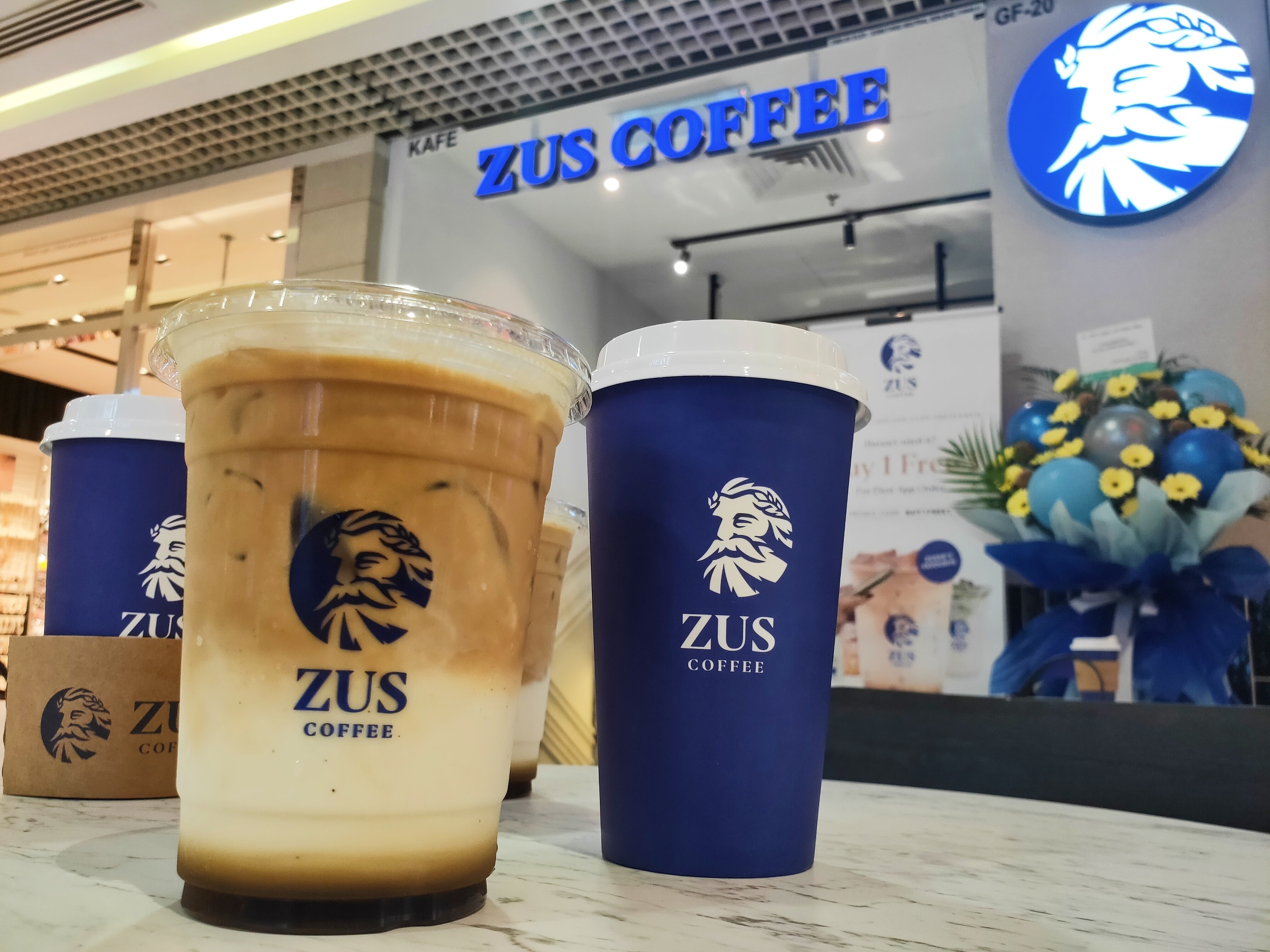
    ZUS Coffee, Malaysia’s largest coffee chain, is reportedly considering an initial public offering (IPO) for its Malaysia business that could generate a minimum of RM1 billion (US$245 million). Zuspresso, the brand’s owner, is teaming up with financial advisors to potentially launch the IPO as early as mid-2027. The valuation of the project could reach RM4 billion. However, the magnitude and timing of this venture are still under negotiation.

    Rapid Growth to Market Dominance

    ZUS Coffee, which began as a small kiosk in 2019, rapidly grew into Malaysia’s largest chain by store count by 2024, overtaking Starbucks. The company targeted the mid-priced segment of the coffee market, which was relatively underserved at the time of its inception. A standout feature of ZUS Coffee’s business model is its technological approach, featuring an app that allows customers to pre-order and collect their purchases in-store. This app also provides valuable insights into customers’ preferences, facilitating data-driven product development.

    Expansion Plans

    Currently, ZUS Coffee operates over 1,000 stores globally, the majority of which are in Malaysia. The company has also expanded into other markets such as Singapore, Brunei, the Philippines, Thailand, and Indonesia. Earlier this year, ZUS Coffee announced its ambitious plan to expand its network to 1,300 outlets by the end of 2026. This expansion includes adding 200 more stores in Malaysia.

    Questions & Answers

    What is the projected value of ZUS Coffee’s IPO?
    The IPO could potentially value ZUS Coffee’s business at RM4 billion.

    What sets ZUS Coffee’s business model apart?
    ZUS Coffee utilizes a tech-driven business model, featuring an app that allows customers to place orders in advance and collect them at stores. The app also provides the company with valuable customer preference data, supporting data-led product development.

    What are ZUS Coffee’s expansion plans?
    ZUS Coffee intends to grow its network to 1,300 outlets by the end of 2026, with an additional 200 stores planned in Malaysia.

  • McDonald’s and Red Bull Gear Up to Energize the Market with New Dragonberry Energizer Drink

    McDonald’s and Red Bull Gear Up to Energize the Market with New Dragonberry Energizer Drink

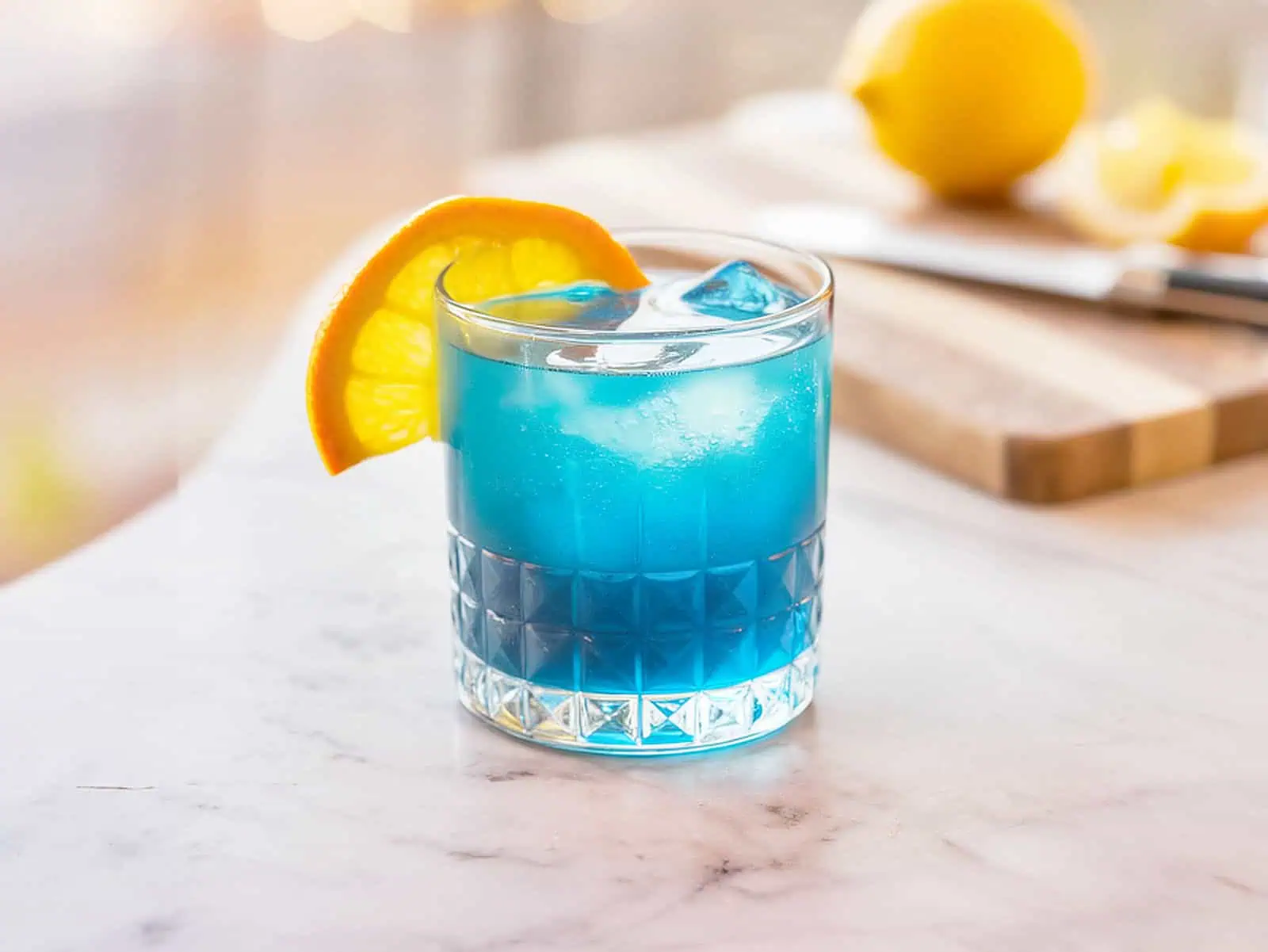
    McDonald’s USA has joined forces with Red Bull in a groundbreaking venture into the energy drink market, launching an innovative fruity energy beverage. This marks a key development for the fast-food chain, as it branches out into new product categories.

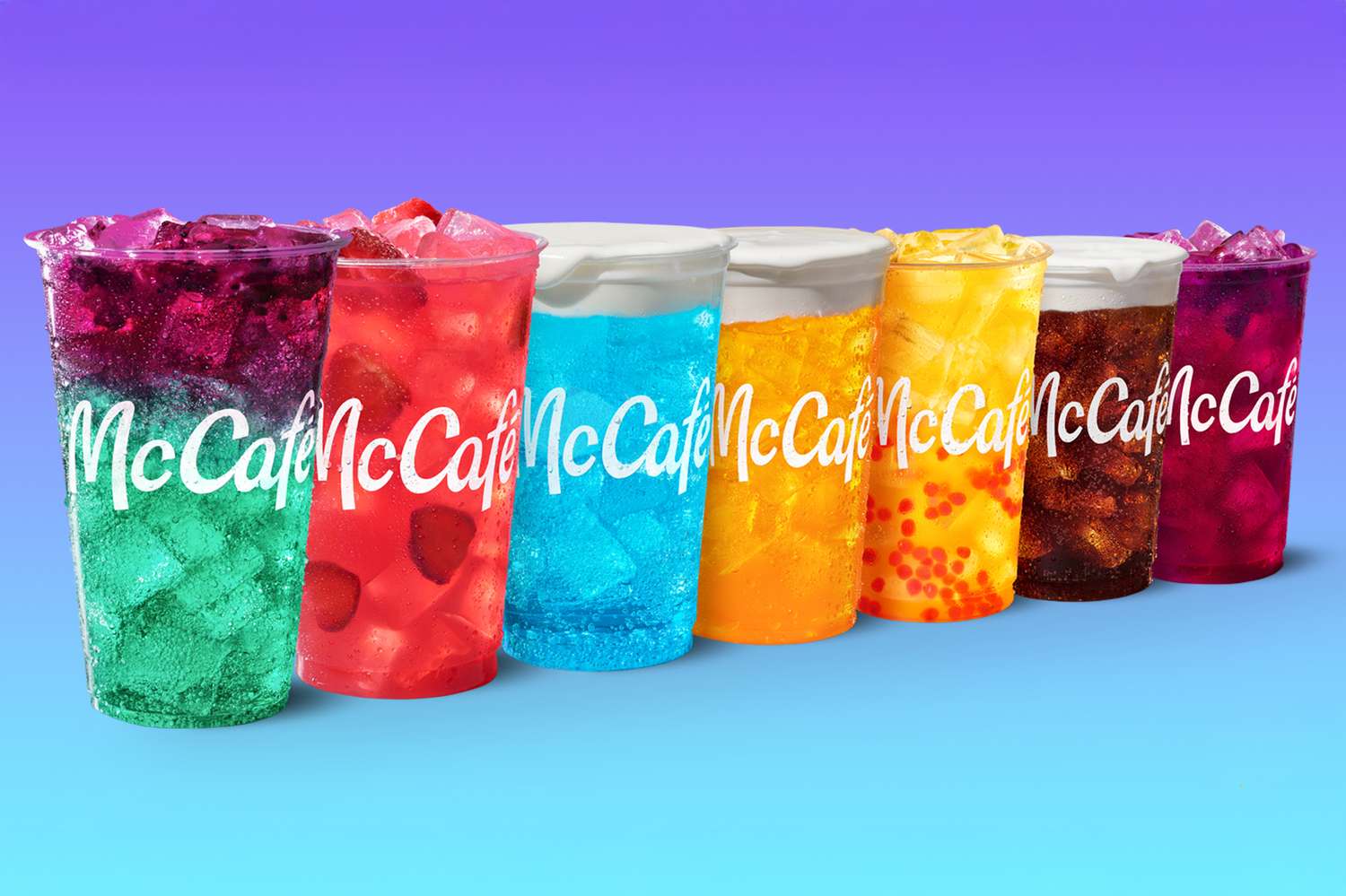
    Their latest offering, named ‘Red Bull Dragonberry Energizer’, is a unique blend of a classic Red Bull energy drink base, freeze-dried dragonfruit, and blue raspberry syrup. The beverage has been designed with customer preferences in mind, offering the option to customize it with a Red Bull Zero base for those seeking a lower-sugar alternative. The drink is also available in a 248ml can size.

    In line with the launch of the energy drink, McDonald’s is also augmenting its ‘crafted soda’ lineup. The new addition, called Vanilla Swirl, is a cold-foam vanilla additive designed to be paired with the existing Coca-Cola product range. Furthermore, McDonald’s is catering to health-conscious consumers with low-sugar beverage options, including Fanta, Diet Dr Pepper, Dr Pepper Zero Sugar, and Sprite Zero Sugar.

    Alyssa Buetikofer, CMO and CCO for McDonald’s US, expressed her excitement about these newly launched beverages. She stated, “Our crafted sodas and refreshers have been met with increasing enthusiasm, as consumers seek greater variety and options for every occasion. Our US customers gave the Red Bull Dragonberry Energizer rave reviews during initial testing, so we are thrilled to roll it out nationally to satisfy our customers’ energy needs.”

    The development of these innovative products follows a successful trial period in selected regional markets and strengthens McDonald’s existing range of specialized cold beverages. The Red Bull Dragonberry Energizer is slated for nationwide release across McDonald’s outlets on August 17.

    Questions & Answers

    What is the new beverage introduced by McDonald’s in collaboration with Red Bull?
    The new beverage is called the ‘Red Bull Dragonberry Energizer’, which is a blend of a classic Red Bull energy drink base, blue raspberry syrup, and freeze-dried dragonfruit.

    What other drinks are being introduced by McDonald’s alongside the energy drink?
    McDonald’s is also expanding its ‘crafted soda’ lineup with the addition of Vanilla Swirl, a cold-foam vanilla additive intended to complement the existing Coca-Cola product range. It is also offering lower-sugar alternatives such as Fanta, Diet Dr Pepper, Dr Pepper Zero Sugar, and Sprite Zero Sugar.

    When is the Red Bull Dragonberry Energizer expected to launch?
    The Red Bull Dragonberry Energizer is scheduled to launch in McDonald’s restaurants across the US on August 17.

  • Australian Aperitif Brand Tanica Gears Up for Massive Expansion: Fundraising for RTD Rollout and Increased Asian-Pacific Exports

    Australian Aperitif Brand Tanica Gears Up for Massive Expansion: Fundraising for RTD Rollout and Increased Asian-Pacific Exports

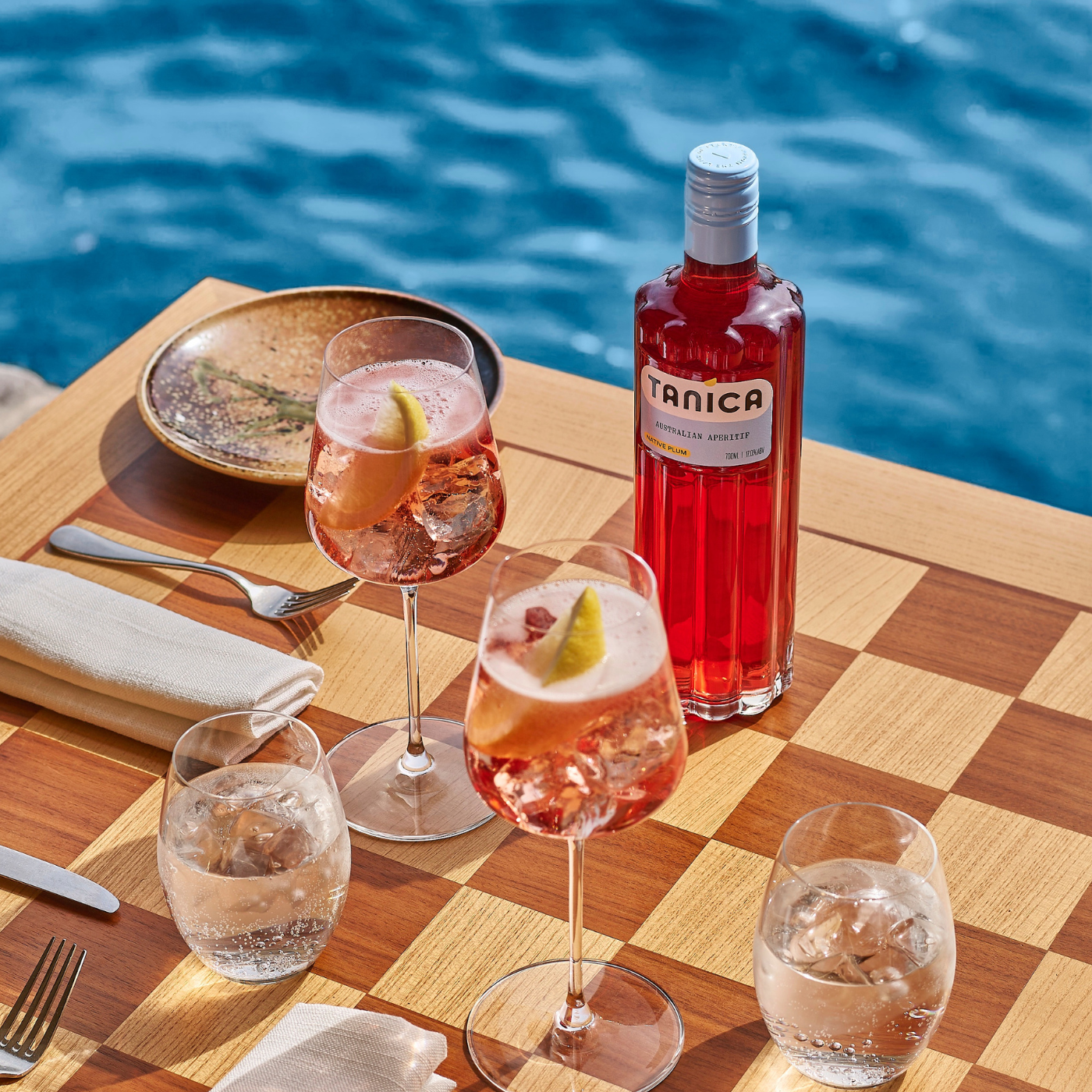
    Australian aperitif manufacturer, Tanica, is aiming to raise capital in order to launch a ready-to-drink product line, amplify production, and increase its export operations throughout the Asia-Pacific region.

    This fundraising effort comes as Tanica moves into the season where spritz drinks are most popular, following its national distribution deal with Iconic Beverages two months ago to speed up its country-wide growth. In the last two years, Tanica has seen a 159 per cent increase in sales, while the gross profit has surged by 171 per cent in the prior year.

    A Local Alternative

    Adriane McDermott, the Founder and CEO, stated that the firm is increasingly establishing itself as a domestic alternative in a market still largely controlled by traditional imported goods, with over 70 per cent of aperitif sales in Australia being imported from Italy.

    She questioned why their best times with friends should be marked by imported summers, when their coastal lifestyle and native flavours narrate a tale that is uniquely Australian.

    She explained that her ambition with Tanica is to kindle a new admiration for what is available in their own backyard, offering the spritz a fresh position globally. One that is produced, tastes, and feels genuinely Australian.

    According to Tanica, the impending raise will finance its marketing and production augmentation, as well as its ready-to-drink product push in anticipation of the summer season. The funds will also aid the brand’s path to profitability over the next year and a half by assisting it in increasing distribution by four to five times and evaluating export possibilities in the US and Asia-Pacific region.

    Rebrand & Resurgence

    In November, McDermott reinvented the brand’s identity, focusing on its coastal lifestyle positioning and local flavours following the withdrawal of funding from the Distill Ventures program. Since then, Tanica products have been featured in over 150 bars across the nation, recording a repeat order rate of 68 per cent among customers, with online sales making up 17 per cent.

    The window for expressing interest in the capital raise is currently open, with early registrants receiving priority access when the offer begins on August 25.

    Questions & Answers

    What is Tanica’s aim with the capital raise?
    The capital raise aims to develop a ready-to-drink range, double production, and expand exports across the Asia-Pacific region.

    What significant growth has Tanica experienced in recent years?
    In the past two years, Tanica has recorded a 159 per cent increase in sales and a 171 per cent rise in gross profit over the previous year.

    What is the primary objective of Tanica’s rebranding?
    The primary objective of the rebranding is to emphasise Tanica’s coastal lifestyle positioning and native flavours, differentiating it as a locally-produced alternative in a market dominated by imports.

  • Woolworth’s Axes Farmers Own Brand: A Disappointment for Dairy Farmers Nationwide

    Woolworth’s Axes Farmers Own Brand: A Disappointment for Dairy Farmers Nationwide

    Woolworths, the acclaimed supermarket chain, is gradually discontinuing its Farmers’ Own milk brand. This specialized product line will be eliminated from all national supermarkets as the existing contracts with suppliers reach their conclusion.

    The Farmers’ Own brand has already been removed from the supermarket shelves in South Australia. It is set to vanish from the stores in Western Australia, Queensland, New South Wales, and Victoria by the upcoming year.

    The Brand’s History and Evolution

    Farmers’ Own was first introduced to the market in 2013 as an initiative to aid and support Australian dairy farmers. It offered a platform for suppliers to negotiate better deals, thus fostering a stronger Australian dairy market.

    Tim Bale, a dairy farmer who was pivotal in establishing the brand, expressed his disappointment at its phasing out, observing that consumers are now left with the difficult choice between supporting local farmers and opting for cheaper milk alternatives.

    According to Bale, declining sales and limited marketing efforts made the brand increasingly challenging to sustain. An oversupply in the dairy market also exerted additional strain on processors and farmers.

    The Supermarket’s Response

    In response to the forthcoming end of the Farmers’ Own brand, Woolworths stated that they had recently consulted with the dairy suppliers about the impending contract expirations. The supermarket will honour existing contracts, and some suppliers have the option to extend their contracts for an additional year. Woolworths has not revealed why they have chosen to discontinue the brand.

    Questions & Answers

    What is the reason behind Woolworths phasing out the Farmers’ Own brand?
    The exact reason is not disclosed by Woolworths. However, declining sales and limited marketing, along with an oversupply in the dairy market, are cited as possible contributors.

    What was the purpose of the Farmers’ Own brand?
    Introduced in 2013, the Farmers’ Own brand was an initiative to support Australian dairy farmers by providing them with a platform to negotiate better terms with suppliers.

    What will happen to the existing contracts with dairy suppliers?
    Woolworths has affirmed that they will honour existing agreements, and some suppliers have the option to extend their contracts for an additional year.

  • Brownes Dairy Refreshes White Milk Packaging with Contemporary Artwork for 140th Anniversary

    Brownes Dairy Refreshes White Milk Packaging with Contemporary Artwork for 140th Anniversary

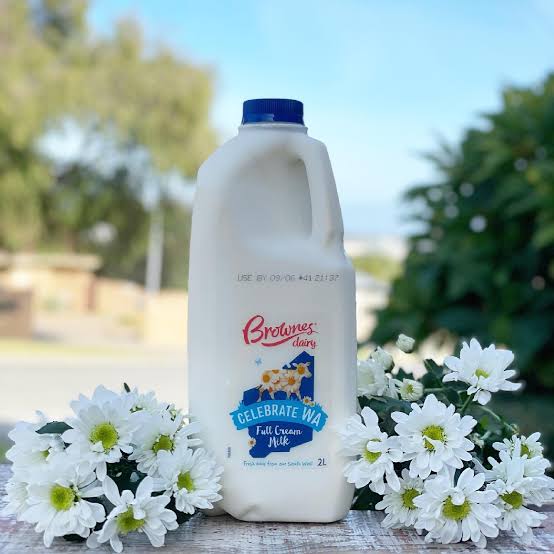
    Western Australia’s Brownes Dairy has embarked on a redesign of its white milk range’s packaging to coincide with a significant milestone- 140 years of operations.

    The new packaging has been brought to life by local artist Jordan Lee, who swapped traditional agricultural imagery for more contemporary, abstract botanical artwork. This design was inspired by the natural flora and landscapes of the South West region of Western Australia, an area from which Brownes Dairy sources its raw milk supplies.

    In a remarkable achievement, the company’s white milk range has secured its highest market share in three years, maintaining its position as the state’s leading branded white milk option. The revamped packaging now offers even clearer nutritional labelling, showcased on refreshed bottles and cartons.

    Nicole Ohm, the Head of Marketing at Brownes Dairy, shared insights behind the redesign. “Every day, our dedicated dairy farmers in the South West tirelessly supply us with top-quality products for Western Australian families. This significant redesign is a strategic business effort to increase premium value in our local agricultural sector”, she explained.

    In an effort to keep operational costs in check and prevent inventory wastage, the company rolled out the new packaging in phases starting last month. The launch began with the 2L and 3L milk bottle formats, with plans to update the carton product line soon.

    Ohm elaborated on the thought process behind the aesthetic of the packaging, saying, “We wanted to create the most beautiful, premium design in the market to show that 100% fresh, nutritionally rich Western Australian dairy is always worth paying for, more so when it directly supports our local farming communities.”

    This development comes after the company was put up for sale last year due to a Chinese lender calling in a $200 million loan.

    Questions & Answers

    What is the major change in Brownes Dairy’s white milk range packaging redesign?
    The major change is the shift from traditional agricultural imagery to contemporary, abstract botanical artwork that reflects the natural landscapes and flora of Western Australia’s South West region.

    Who was responsible for the creation of the new packaging design?
    The new packaging design was created by Western Australian artist Jordan Lee.

    What was the rationale behind the redesign of Brownes Dairy’s milk range packaging?
    The redesign aims to show that 100% fresh, nutritionally rich Western Australian dairy is always worth investing in, as well as to support local farming communities. It also marks the company’s 140th year of operations.