Category: Food

Retail News Asia is committed to providing both local and global retailers with the latest Food and Food & Beverage news throughout the Asian market. This on a daily base.

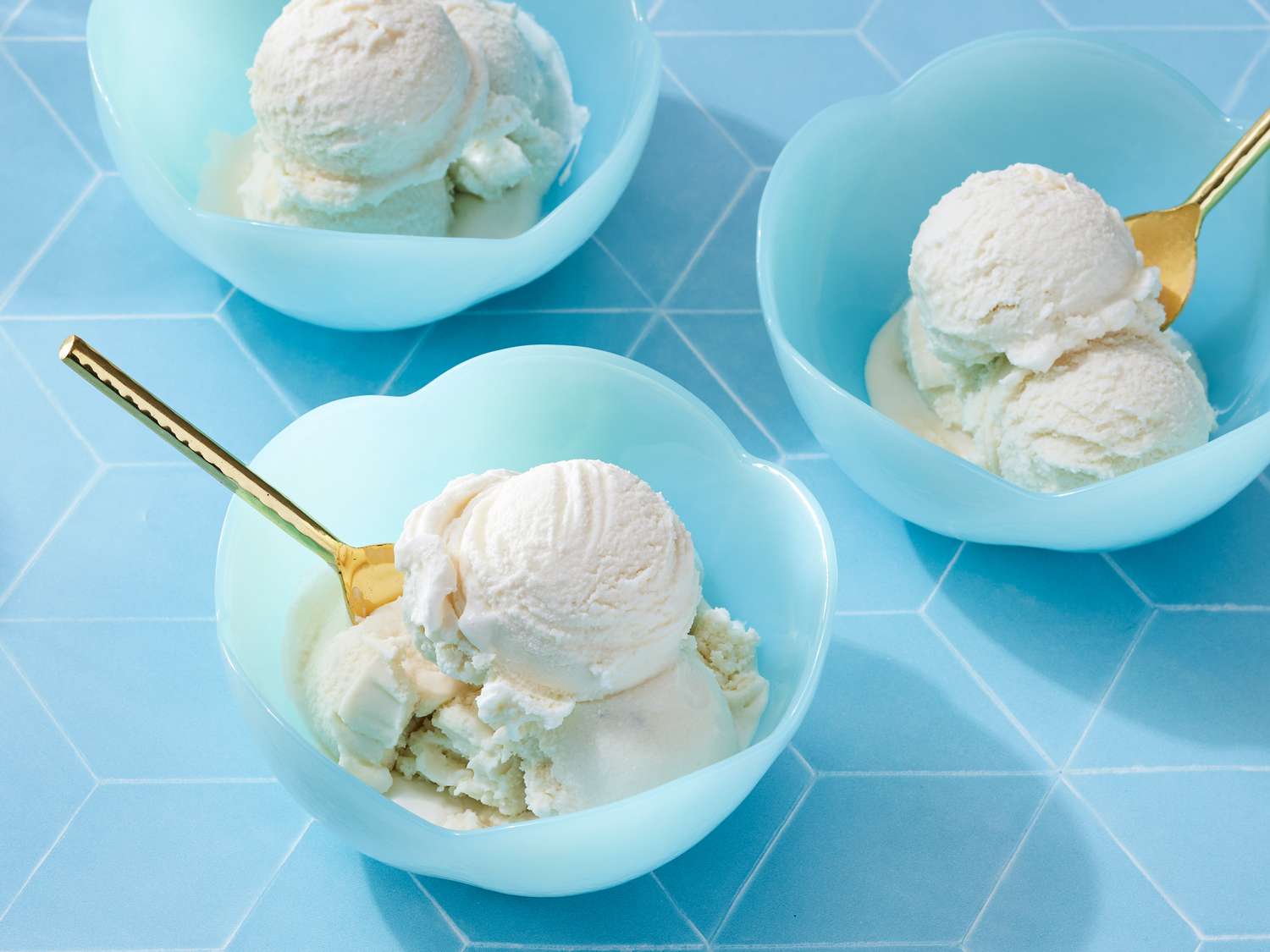
  • Ice Cream Industry Pivots: Healthier Ingredients and Smaller Portions for Guiltless Indulgence

    Ice Cream Industry Pivots: Healthier Ingredients and Smaller Portions for Guiltless Indulgence

    In the backdrop of soaring summer temperatures, ice cream companies are experiencing a surge in sales. However, they are concurrently strategizing for a future delineated by health-conscious consumers. There is a burgeoning demand for healthier food alternatives, and a rise in GLP-1 drugs that suppress appetite, which has prompted ice cream manufacturers to adjust their production methods. They are striving to reduce portion sizes, enhance protein content, and purify their ingredients lists.

    Adapting to Changing Consumer Preferences

    Despite a minor decline in U.S. ice cream sales volumes, manufacturers are optimistic about the future. They believe consumers will continue to enjoy ice cream, albeit with stipulations. Modern consumers crave indulgence, but they prefer indulgence that comes with lower calorie content, increased protein, and an uncomplicated list of ingredients. Ice cream companies are seeing a shift towards “wellness indulgence.”

    Companies like Blue Bunny, owned by Ferrero, are reporting strong demand for their lower-calorie products. They are also making efforts to exclude certain ingredients from their products, like high-fructose corn syrup and artificial coloring and flavoring. This transition reflects a broader industry-wide challenge, as evolving eating habits dictate what consumers expect from their foods.

    The Emergence of Wellness-Oriented Offerings

    Magnum Ice Cream Company, known for brands like Magnum and Ben & Jerry’s, has fast-tracked its focus on wellness, driven by the positive growth of Yasso, its frozen Greek yogurt brand. Consumers are increasingly seeking products that balance indulgence with factors such as higher protein content, fewer calories, and controlled portion sizes.

    Nearly 16 million Americans are consuming GLP-1 drugs, and this number is expected to rise significantly by the end of the decade. This has led companies to reformulate their products to incorporate more protein, fiber, and nutritional benefits. The challenge for ice cream companies lies in retaining the appeal of ice cream as a treat while catering to consumers who consider nutritional value as important as taste.

    Brands like Halo Top, which offers a similar ice cream experience with half the calories of leading competitors, have seen a significant increase in sales over the last two years. The brand is focusing on offering flavors that consumers crave, coupled with a good source of protein and fewer calories than traditional ice cream.

    The wellness trend is not restricted to the U.S., raising questions about how ice cream brands can stay relevant as global eating habits evolve. Companies worldwide are recognizing the growing demand for smaller portions, premium products, and lower-calorie alternatives that align with health and wellness goals.

    Questions & Answers

    What changes are ice cream companies making to adapt to consumer health preferences?
    They are reducing portion sizes, increasing the protein content of their products, and cleaning up their ingredients lists.

    What is the wellness trend in the ice cream industry?
    The wellness trend involves creating ice cream products that offer indulgence but with fewer calories, more protein, and simpler ingredients.

    How have consumer preferences impacted the ice cream market?
    Healthier consumer preferences have led to a slight decline in sales, a surge in demand for healthier alternatives, and a shift in production methods to accommodate these preferences.
  • 7Up Shakes Up the Soda Scene: Unveils Lime-Forward Flavor and Bold New Identity After 15 Years

    7Up Shakes Up the Soda Scene: Unveils Lime-Forward Flavor and Bold New Identity After 15 Years

    7Up, owned by Keurig Dr Pepper (KDP), has undertaken its most significant brand renovation in over 15 years. The company has given a fresh identity to the 7Up brand, which is valued at US$5 billion in the lemon-lime category.

    A New Identity

    7Up is revising its soda recipe, emphasizing the lime flavor to appeal to younger consumers who prefer citrus-flavored beverages. The move comes as competition in the citrus soda market continues to intensify. Since its launch in 1929 as the Original Uncola, 7Up has been positioning itself as an alternative to traditional sodas. The recent brand refresh aims to return to these founding principles.

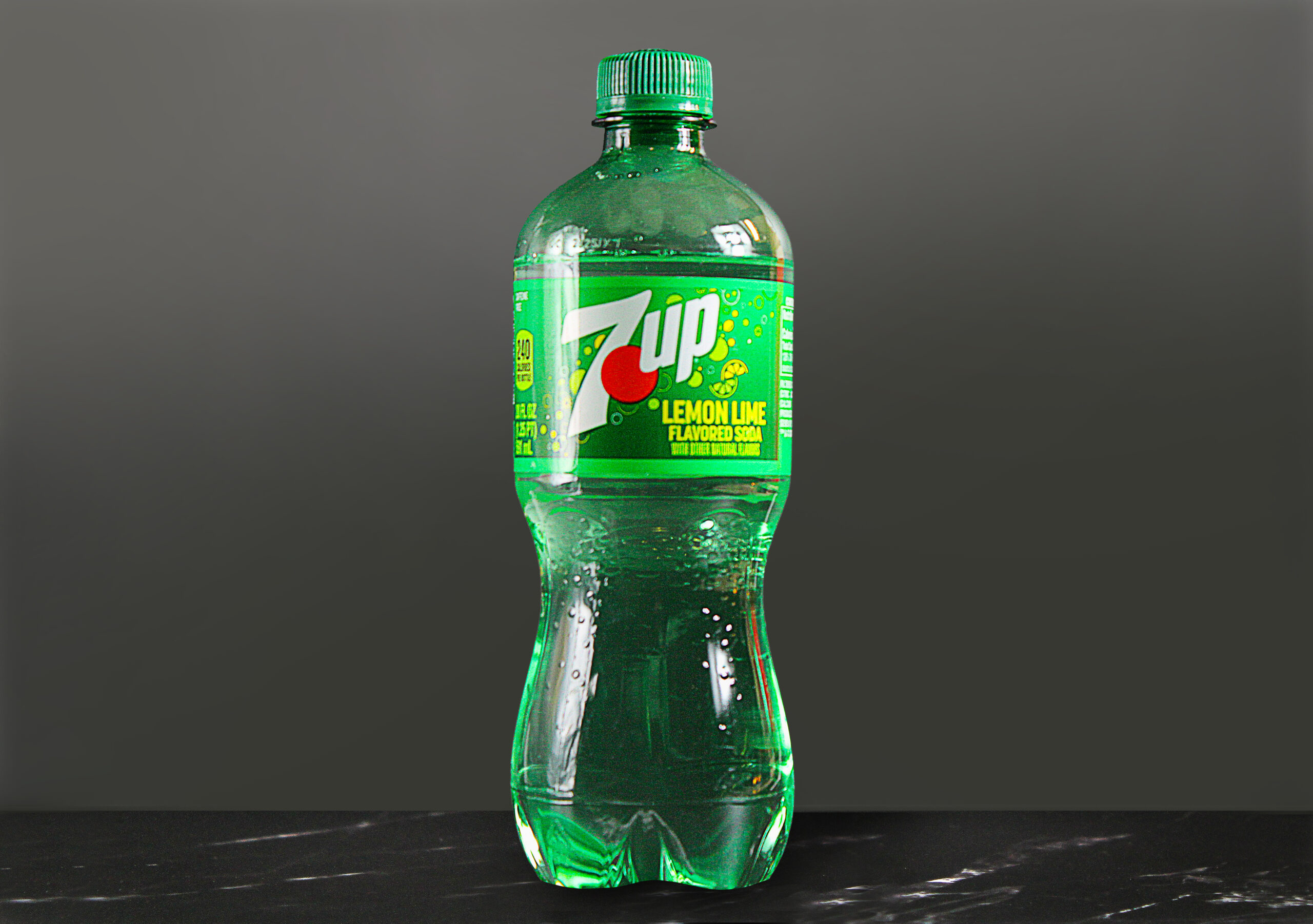
    The revamped recipe will be utilized across Regular, Zero Sugar, Cherry, and Cherry Zero Sugar product lines starting from mid-August in North America. The new face of the 7Up brand involves a refreshed visual identity characterized by a vertical logo, more vibrant colors, and a new Lime Lemon tag.

    Strategies for Engaging Consumers

    Drew Panayiotou, the chief marketing and innovation officer at Keurig Dr Pepper, referred to the brand makeover as a “bold reinvention” designed to appeal to a new generation of consumers. The flavor modification is the first step in this process.

    “By giving lime the spotlight, we’re rewriting the rules of the lemon-lime category,” Panayiotou said. “We are transforming a beloved heritage brand into a modern disruptor – delivering a sharper visual identity, a more refreshing taste experience, and a distinct position that attracts new users and deepens brand loyalty.”

    To further bolster the brand’s new image, a multi-platform marketing campaign dubbed ‘Flip the Sip’ will roll out. The campaign will leverage social storytelling, cultural moments, and in-store experiences to celebrate the unexpected.

    Questions & Answers

    What is the objective of the 7Up brand refresh?
    The brand refresh aims to appeal to younger consumers who prefer citrus-flavored sodas amidst growing competition in the market.

    What changes will be implemented in the 7Up product line?
    The revamped recipe will be used across Regular, Zero Sugar, Cherry, and Cherry Zero Sugar products and will emphasize the lime flavor. The brand will also feature a refreshed visual identity with a vertical logo, brighter colors, and a new Lime Lemon tag.

    What is the ‘Flip the Sip’ campaign?
    The ‘Flip the Sip’ campaign is a multi-platform marketing initiative that will use social storytelling, cultural moments, and in-store experiences to reinforce the brand’s new identity.

  • Starbucks Korea Hit Hard by Backlash over Controversial Marketing Campaign

    Starbucks Korea Hit Hard by Backlash over Controversial Marketing Campaign

    In the second quarter, Starbucks Korea’s operator, SCK Company, suffered an operating loss due to a decrease in sales. This followed negative reactions to an ill-received marketing campaign and the suspension of its high-profile summer promotion.

    The operating loss for the second quarter amounted to 18.4 billion won (US$13.4 million), in contrast to the 40.3 billion won operating profit registered in the same period the previous year and the 29.3 billion won profit of the preceding quarter.

    The summer promotional campaign, regularly held in June by SCK, the Starbucks Korea operator, was conspicuously absent this year. This decision was confirmed during an earnings announcement made by E-Mart, SCK’s parent company.

    In a related incident in May, Starbucks Korea came under fire for their ‘Tank Day’ tumbler campaign, which coincided with May 18, triggering criticism for its inappropriate reference to the 1980 Gwangju pro-democracy uprising. In response to the public outcry, Starbucks Korea suspended the campaign and issued an apology.

    As a result of the controversy, the Shinsegae Group, the parent company of Starbucks Korea, dismissed the head of Starbucks Korea. Following this, the group reported a “very significant” drop in sales. They further addressed the issue by implementing historical awareness and social sensitivity training for their staff.

    Despite these events, E-Mart did not directly attribute the controversy or the subsequent calls for a boycott as the immediate cause for the decline experienced in the quarter.

    Questions & Answers

    What was the operating loss of Starbucks Korea’s operator, SCK Company, in the second quarter?
    The operating loss of SCK Company in the second quarter was 18.4 billion won (US$13.4 million).

    What was the controversy regarding Starbucks Korea’s marketing campaign?
    The ‘Tank Day’ tumbler campaign by Starbucks Korea faced criticism for its inappropriate reference to the 1980 Gwangju pro-democracy uprising, leading to public outcry and a subsequent boycott.

    How did the parent company of Starbucks Korea respond to the controversy?
    The Shinsegae Group, the parent company of Starbucks Korea, dismissed the head of Starbucks Korea following the controversy. They also reported a significant drop in sales and initiated historical awareness and social sensitivity training for their staff.

  • Sustainable Snacking: Aussie Trial Launches KitKat Bars in Recycled Packaging

    Sustainable Snacking: Aussie Trial Launches KitKat Bars in Recycled Packaging

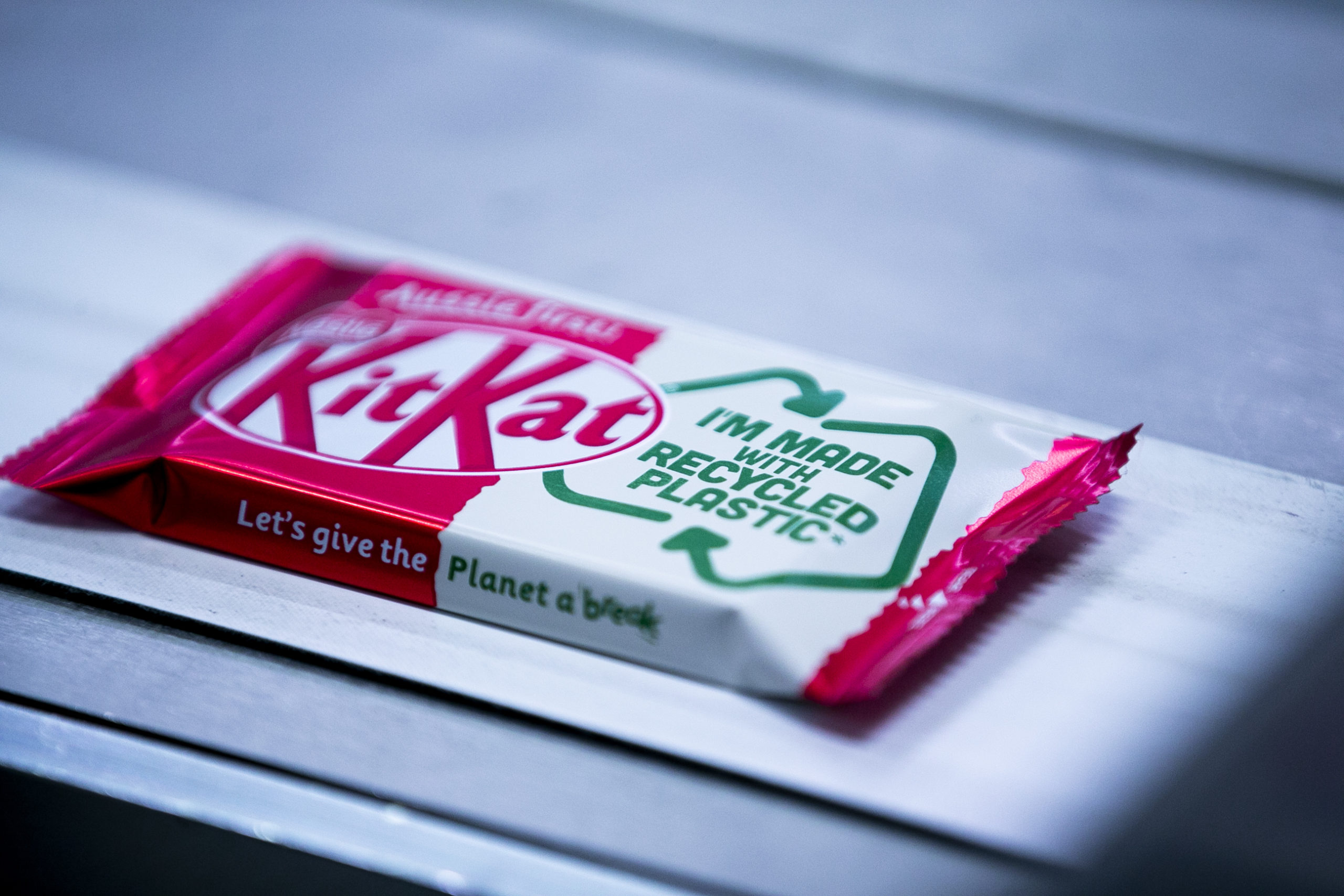
    A unique production run of the popular KitKat 4 Finger chocolate bars is now available in Australia, with the chocolate bars enclosed in wrappers made from locally recycled polypropylene (PP). This initiative is part of an experimental collaboration between Viva Energy and Nestlé, where soft plastic pyrolysis oil is transformed into food-grade recycled polypropylene.

    Recycling Plastic into Edible Packaging

    The experimental journey commenced in Victoria and extended across the entire production chain. Viva Energy processed over 9.5 tonnes of pyrolysis oil from plastics at its Geelong Refinery last year. This led to the creation of approximately 5 tonnes of recycled PP. The recycled PP was then used to fabricate seven million ISCC-certified KitKat wrappers in March, a joint venture involving Taghleef Industries and Amcor. The KitKat 4 Finger bars now on the market are encased in these environmentally friendly wrappers.

    The pyrolysis oil derived from plastic was imported from Alterra in the United States for the trial, as Australia lacked the necessary materials at a commercial scale. To ensure the origin and journey of the recycled material were traceable, ISCC certification was implemented across the production chain.

    The Geelong Refinery and the connected polymers plant, both owned by Viva Energy, are the only facilities in Australia with the capability to convert waste soft plastics into food-grade plastic feedstock chemically.

    Creating a Circular Plastics Economy

    Viva Energy’s executive GM energy and infrastructure, Bill Patterson, emphasized that the trial had proven that soft plastics pyrolysis oil could be used as a feedstock. This demonstrated the potential of adapting existing industrial infrastructure to support a circular plastics economy.

    This trial project stemmed from a partnership formed in 2022 between Viva Energy and Nestlé, when the companies first used recycled soft plastic packaging for KitKat 4 Finger bars. Andrew Lawrey, Nestlé Oceania confectionery GM, expressed that the trial could provide valuable insights into the design of future packaging and commercial-scale recycling processes.

    This ambitious plan’s successful implementation will rely on the domestic supply of feedstock, efficient collection and sorting systems, robust recycling infrastructure, and a comprehensive producer responsibility scheme.

    Viva Energy and Cleanaway are currently conducting a feasibility study on a large-scale plastics recycling project. The Front-End Engineering and Design phase is anticipated to commence after the Australian Government finalizes the details regarding its packaging reforms.

    Questions & Answers

    What material are the new KitKat 4 Finger wrappers made from?
    The wrappers are made from locally recycled polypropylene.

    Why was the pyrolysis oil for the trial imported from the US?
    The necessary materials for producing pyrolysis oil were not available at a commercial scale in Australia.

    What could be the impact of this trial on future packaging design and recycling processes?
    The trial could lead to more sustainable packaging design and improved commercial-scale recycling processes.

  • Mid-Autumn Festival Mooncakes Soar in Price: Navigate the 20% Hike in this Popular Traditional Treat

    Mid-Autumn Festival Mooncakes Soar in Price: Navigate the 20% Hike in this Popular Traditional Treat

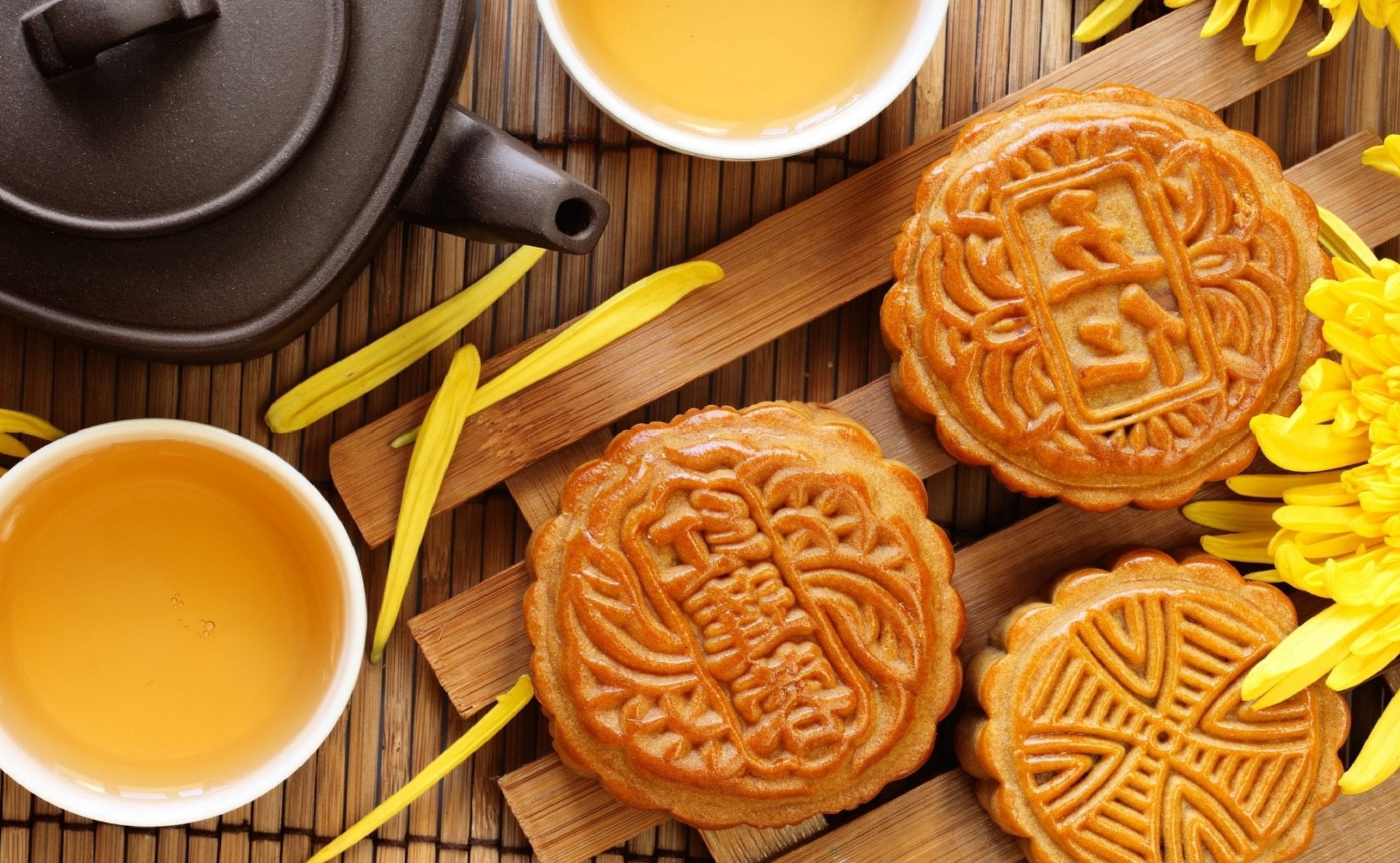
    Mooncakes, a beloved traditional treat during the mid-autumn festival, have seen a noticeable rise in price this year. The increase, ranging from 3 to 20 percent, is attributed to heightened costs for ingredients, labor, and packaging. As a result, consumers have found themselves paying more for the festive delicacies.

    The Price of Tradition

    Hoa, a resident of HCMC’s Gia Dinh Ward, was taken aback when she discovered that a pack of four mooncakes, which she purchased last year for VND700,000, is now priced between VND830,000-850,000 in many stores. Shockingly, some vendors even charge up to VND1 million for the same box.

    Locally-made mooncakes from small bakeries and shops are equally affected. Consumers can expect to pay 7-8% more for cakes with traditional fillings such as red bean, taro, and lotus seed paste. For mooncakes with mixed fillings, the price hike reaches 10%.

    Tran Tien Dung, proprietor of a long-standing mooncake bakery in HCMC’s Cau Kieu Ward, admitted to increasing his prices by 15% in response to a 30-40% surge in the cost of ingredients and labor.

    However, it appears larger manufacturers have taken a more conservative approach. KIDO, for instance, has only implemented a 3-5% price increase for some mooncake varieties, leaving the rest of its offerings at their original price.

    Online Shopping and Consumer Caution

    As the festival approaches, selling mooncakes online has become a widespread practice. Online offerings often include non-traditional fillings, such as tiramisu or molten salted egg. These mooncakes, often marketed as homemade, can be found at half or even a quarter of the price set by physical stores.

    However, the HCMC Department of Food Safety has advised consumers to be cautious when buying online. They stress the importance of purchasing from sellers who clearly state their production facilities and ingredient sources.

    Questions & Answers

    Why have mooncake prices increased?
    Prices have risen due to increased costs for ingredients, labor, and packaging.

    How much have prices increased for traditional filling mooncakes?
    Mooncakes with traditional fillings have seen a price increase of 7-8% this year.

    What advice has been given for buying mooncakes online?
    The HCMC Department of Food Safety recommends buying from sellers who clearly state their production facilities and ingredient sources.

  • Vietnam’s Pepper Exports Soar Past $1B in First 7 Months, Up 10.1% YoY

    Vietnam’s Pepper Exports Soar Past $1B in First 7 Months, Up 10.1% YoY

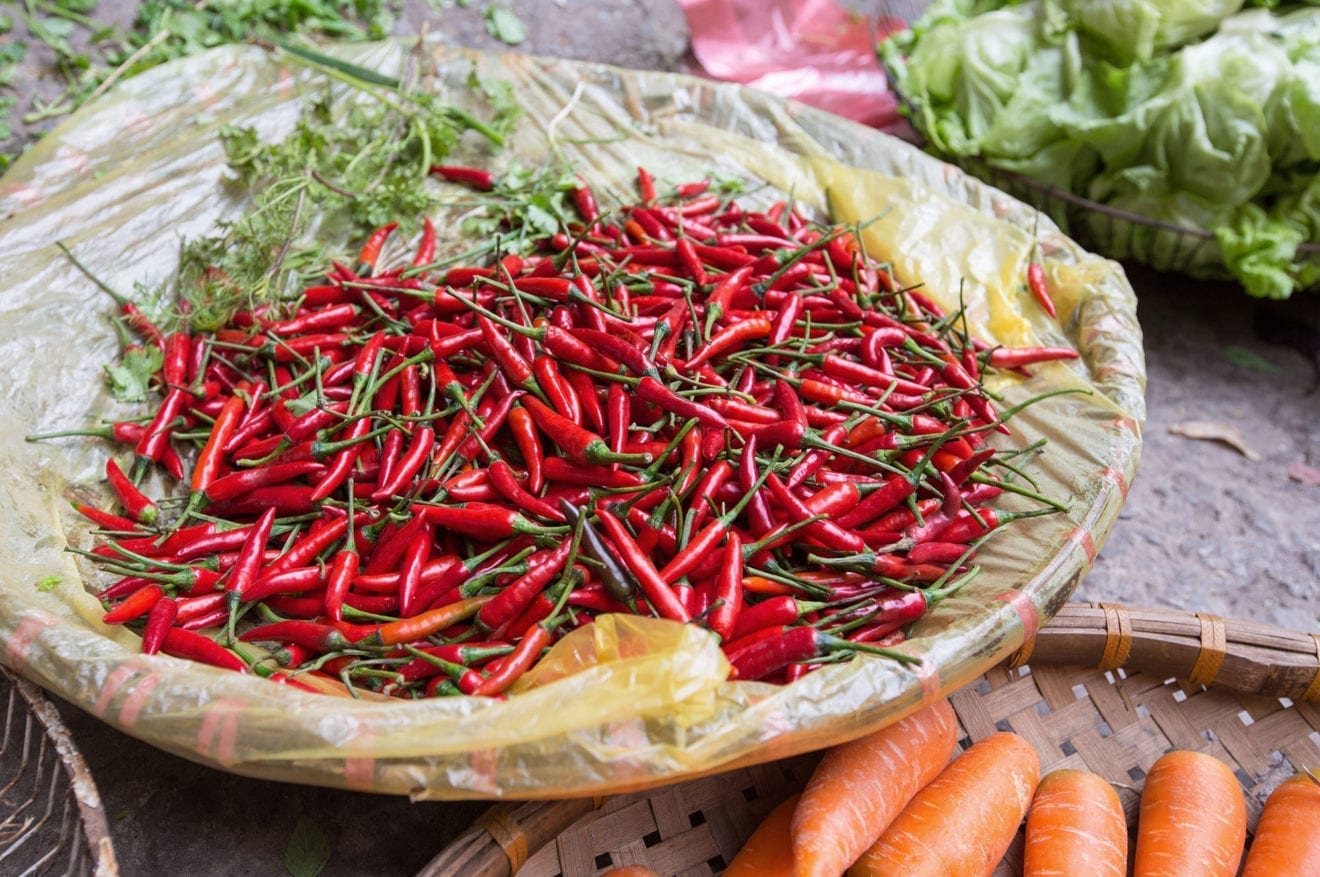
    In the first seven months of this year, Vietnam experienced a significant boost in its pepper export industry, achieving a total value of US$1.08 billion, which reflects a 10.1% increase from the same period last year. According to data from the Vietnam Pepper and Spice Association, the quantity of exported pepper reached a total of 168,429 tonnes, marking a 16.1% growth year-on-year.

    Global Markets for Vietnamese Pepper

    Asia continued to be the leading buyer of Vietnamese pepper, with imports totalling 76,845 tonnes. This figure represents a 12.3% increase from the previous year and accounts for 45.6% of Vietnam’s total pepper exports. Meanwhile, exports to America surged by 34% to 45,470 tonnes, and exports to Europe grew by 7.5%, reaching 36,140 tonnes. Africa also saw a 10% rise in imports, with a total of 9,964 tonnes.

    Within these regions, the U.S. remained the largest single market, with imports totalling 40,712 tonnes, reflecting a 31.8% increase year-on-year. Following closely behind, China imported 17,110 tonnes, marking a notable 55.8% growth. Other significant importers included the Netherlands and Thailand, which imported 6,136 tonnes and 6,913 tonnes, respectively. However, not all markets showed growth; exports to Germany and India declined by 18.1% and 26.4% respectively.

    On the other hand, Vietnam’s pepper imports reached a total of 48,812 tonnes, valued at $279.3 million. This represents a substantial increase of 55.1% in volume and 43% in value compared to the previous year. The leading supplier was Cambodia, which accounted for a staggering 52.1% of all inbound pepper, with imports increasing by 256.9% to a total of 25,413 tonnes.

    Vietnamese Pepper Industry’s Future Outlook

    Le Viet Anh, chairman of the Vietnam Pepper and Spice Association, anticipates that pepper prices will remain stable in the foreseeable future, assuming there are no major geopolitical disruptions. Despite facing increasing competition for land and stringent regulations, particularly the European Union Deforestation Regulation, the Vietnamese pepper industry remains optimistic.

    The association has suggested that the industry should shift its focus from expanding production to enhancing the quality, branding, and value addition of its products. In response to this, companies are being encouraged to increase investments in certified raw materials, strengthen collaborations with farmers, improve pesticide residue controls, enhance traceability systems, and fulfil all technical standards required by importing markets.

    Moreover, embracing sustainable practices such as regenerative agriculture, circular economy models, lower carbon emissions, and smarter water usage is recommended. These measures align with the rising trend of green consumption and can contribute to the industry’s resilience and future success.

    Questions & Answers

    What was the total value of Vietnam’s exported pepper in the first seven months of this year?
    The total value was US$1.08 billion, a 10.1% increase from the same period last year.

    Which countries are the largest importers of Vietnamese pepper?
    The U.S. and China are the largest importers, with the U.S. importing 40,712 tonnes and China importing 17,110 tonnes in the first seven months of this year.

    What future strategies are being proposed for the Vietnamese pepper industry?
    The Vietnam Pepper and Spice Association recommends enhancing the quality and branding of products, improving controls and traceability systems, fulfilling importing market standards, and embracing sustainable practices.

  • Golden Gaytime and Cinnabon Blend Nostalgia and Indulgence in New Frozen Treat for Australia

    Golden Gaytime and Cinnabon Blend Nostalgia and Indulgence in New Frozen Treat for Australia

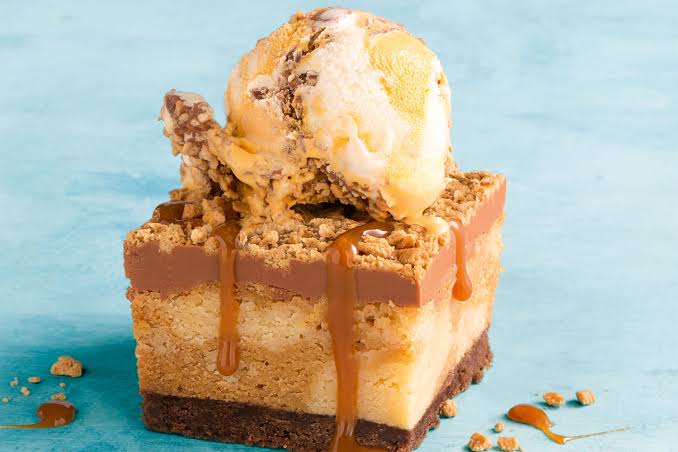
    Golden Gaytime, a well-loved brand belonging to Streets Ice Cream, has teamed up with the renowned bakery chain, Cinnabon, to debut a co-branded frozen dessert in Australia. Named “Junior,” this innovative dessert fuses Cinnabon’s signature cinnamon and cream cheese flavors with Golden Gaytime’s chocolate coating and biscuit crumb outer layer.

    Meeting Consumer Demands with a Sweet Collaboration

    The launch of this novel frozen treat is in response to the increasing consumer preference for nostalgic food combinations and rich, indulgent products. The promotional campaign for the dessert humorously portrays a fictional romance between the two brands. This unique narrative is designed to not just attract but also engage consumers, sparking conversations and fueling a sense of camaraderie among fans.

    The single-serving of this dessert will be available at petrol stations and convenience stores across Australia. Furthermore, a four-pack variant of the treat is slated for release on August 24 in supermarkets throughout the country.

    Kalli Swaik, the Managing Director for Streets Ice Cream ANZ, said, “Golden Gaytime has always maintained a light-hearted brand image, so representing this collaboration as a love story seemed like the perfect way to generate buzz.”

    Cinnabon’s Growth Strategy

    For Cinnabon, which operates over 2,400 bakeries in 65 countries worldwide, this project aligns with its ongoing multi-channel licensing strategy. The bakery chain emphasizes on extending its growth beyond physical outlets by infiltrating commercial grocery channels.

    In a similar vein, Streets Ice Cream also previously partnered with home fragrance brand Dusk, broadening their product range to include home fragrances, bath, and personal care products.

    Questions & Answers

    What unique features does the new dessert from Golden Gaytime and Cinnabon offer?
    The dessert combines Cinnabon’s cinnamon and cream cheese flavors with Golden Gaytime’s chocolate coating and biscuit crumb outer layer.

    Where can consumers purchase this new frozen treat?
    The dessert can be purchased at petrol stations and convenience stores across Australia, and a four-pack variant will be available in supermarkets from August 24.

    What is Cinnabon’s approach towards growth?
    Cinnabon focuses on driving growth outside its physical storefronts by entering commercial grocery channels as a part of its multi-channel licensing strategy.

  • Coca-Cola Europacific Partners Teams Up with Visy for Sustainable, Efficient Freight Transport Deal

    Coca-Cola Europacific Partners Teams Up with Visy for Sustainable, Efficient Freight Transport Deal

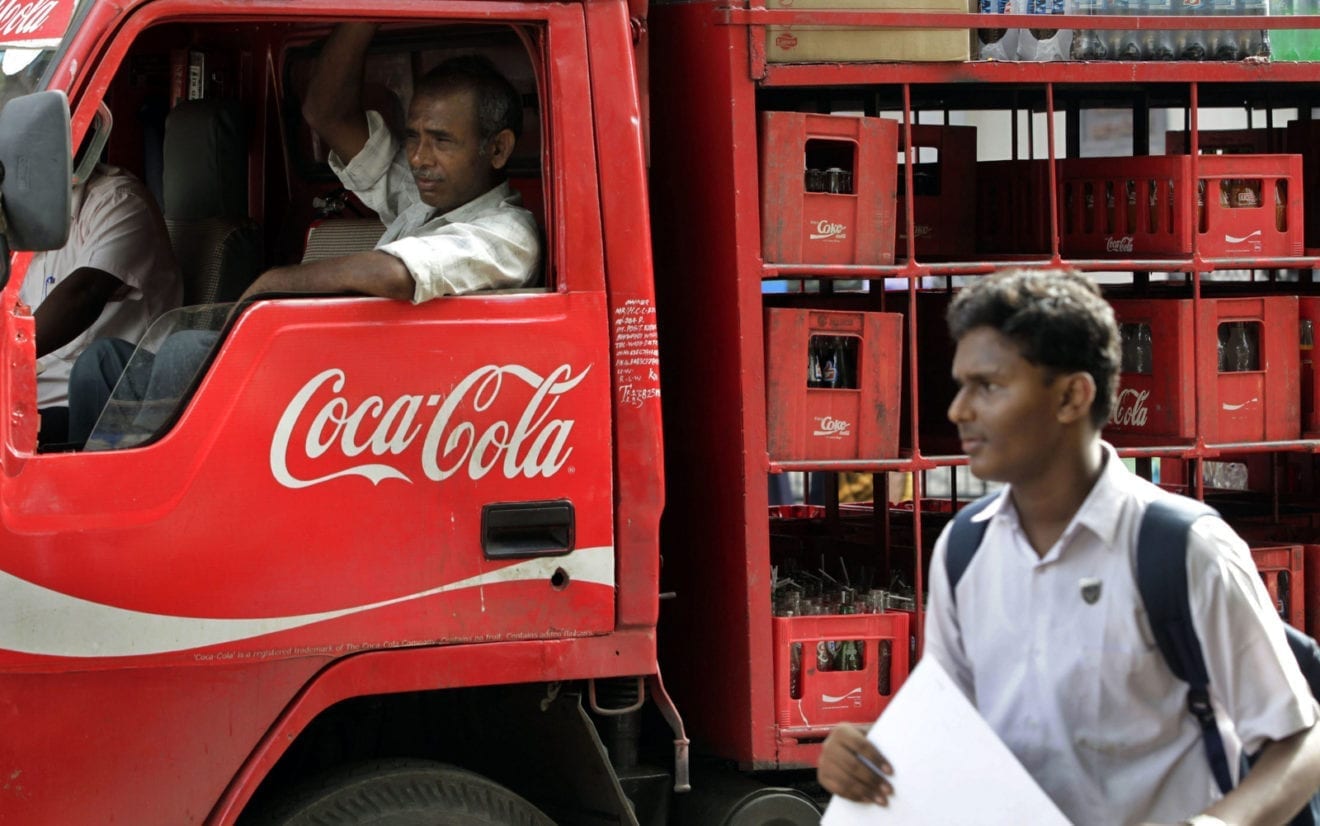
    Coca-Cola Europacific Partners (CCEP) in the Australia Pacific region has formed a strategic partnership with Visy to oversee freight transport on select national transit paths.

    Partnership Details

    Within the framework of Visy’s national fleet network, CCEP is set to reap the benefits of dependable capacity, operational adaptability, and state-of-the-art transport facilities. This includes access to Volvo FH600 prime movers and high-capacity 36-pallet trailer configurations.

    These uniquely configured trailers enable CCEP to transport 6% more goods per journey compared to the standard 34-pallet configurations, thus reducing the total number of road trips. The incorporation of Euro 6 engines is anticipated to decrease CCEP’s freight fuel consumption by 5%.

    Tim Chapman from CCEP Australia Pacific stated the importance of having the right partners across their supply chain, given the company’s role in manufacturing and moving some of Australia’s favorite beverages on a daily basis. He noted that Visy Logistics provides the necessary scale and linehaul ability to support this, while also granting access to higher-capacity equipment for a more efficient and sustainable supply chain.

    The partnership agreement includes plans for dedicated CCEP branding to be displayed on select Visy Logistics trailers as they transport goods interstate.

    Partnership Goals

    The collaboration aims to ensure stable, efficient product distribution for the beverage distributor, while also addressing corporate supply chain sustainability goals through the use of modernized freight equipment.

    Wayne Boxshall, president of Visy Logistics Australia, spoke about the partnership reflecting the robustness of their transport capabilities and their consistent delivery of high-quality results for their clientele.

    Visy made headlines earlier this year with the announcement of its investment in a new packaging hub in Devonport, which will supply cardboard packaging throughout Tasmania.

    Questions & Answers

    What benefits will CCEP gain from its strategic partnership with Visy?
    CCEP will gain reliable capacity, operational flexibility, and access to modern transport facilities, including high-capacity trailers and Euro 6 engines, which are expected to decrease CCEP’s freight fuel consumption by 5%.

    How will the partnership affect product distribution?
    The partnership aims to ensure consistent, efficient product distribution for CCEP, while addressing corporate supply chain sustainability targets through modernised freight equipment.

    What future plans does the partnership include?
    The agreement includes plans for dedicated CCEP branding to be displayed on select Visy Logistics trailers as they transport goods interstate.

  • Vietnam’s Durian Exports Skyrocket, Dominating Chinas Fruit Imports with Room for Growth

    Vietnam’s Durian Exports Skyrocket, Dominating Chinas Fruit Imports with Room for Growth

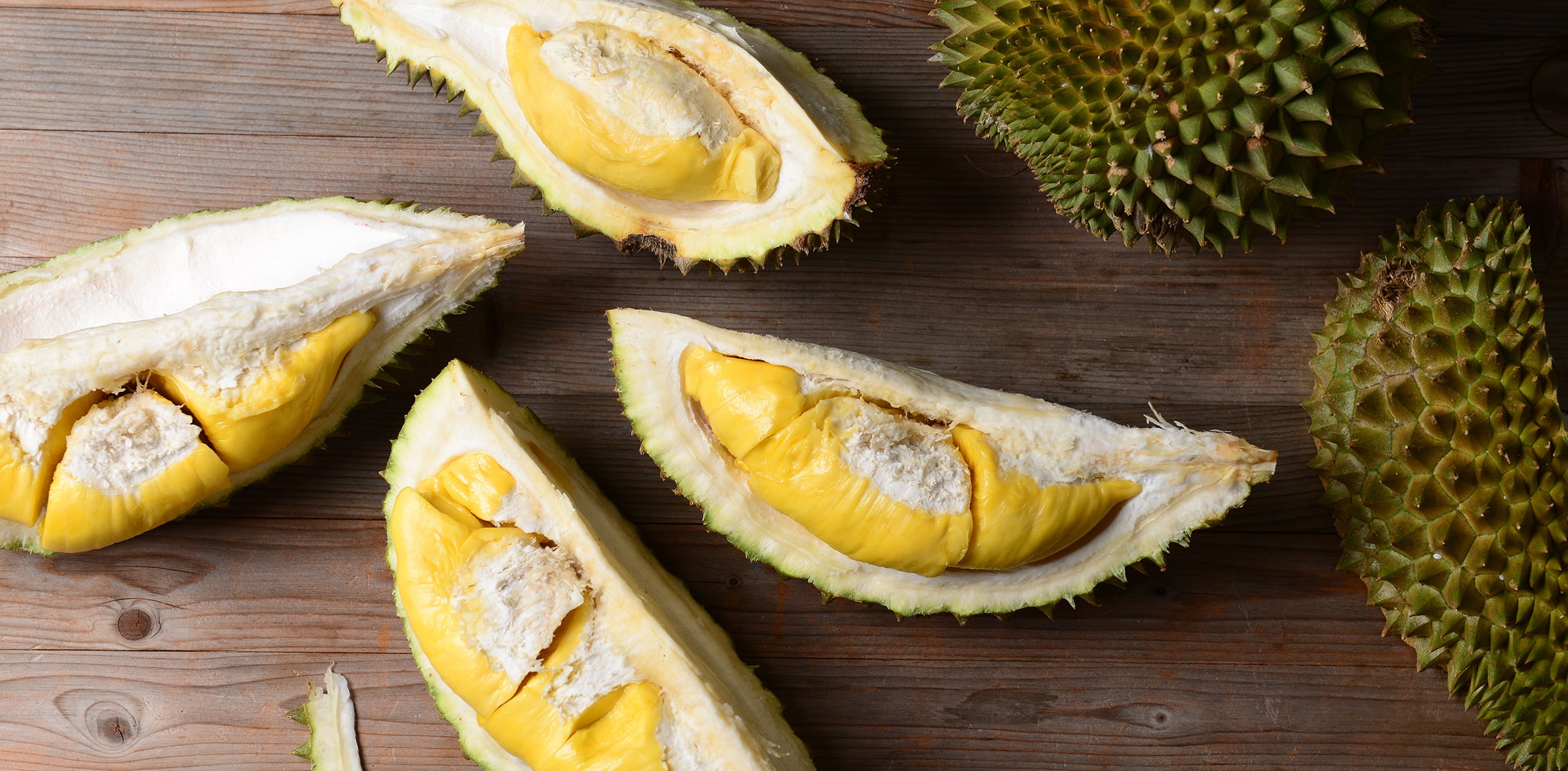
    In the first half of 2026, China increased its durian imports from Vietnam by 43%, reaching a sum of US$988 million. With a promising harvest, this robust growth is anticipated to persist. The General Department of Customs reported that durian represented over 48% of Vietnam’s fruit and vegetable exports to China. While exports of coconuts saw close to a double increase, exports of dragon fruit, bananas, and mangoes experienced a decrease.

    Future Prospects for Durian Exports

    Dang Phuc Nguyen, the Secretary General of the Vietnam Fruit and Vegetable Association, expects the surge of durian export growth to continue into the second half of the year. As the Central Highlands, the largest durian-growing region in the country, recently commenced its peak harvest season, Nguyen predicts that if the current pace of exports persists, durian export growth in 2026 could surpass the 20% rate seen in the previous year.

    The scope of durian exports has begun to broaden beyond China. As of July, fresh Vietnamese durian was granted import approval by India, introducing a new market comprised of a population exceeding 1.4 billion. However, Nguyen cautioned that a sizable population does not necessarily guarantee immediate high sales. As durian is still relatively unknown to the majority of Indian consumers, time would be required for adjustments in dietary preferences and the establishment of distribution systems.

    Nguyen suggested that initial demand for durian could be seen in major cities, imported-fruit stores, luxury retail chains, hotels, restaurants, and e-commerce platforms. He also indicated that exporters from Vietnam might find it useful to test the market using frozen, dried, or processed products. This strategy could alleviate the pressure to sell fresh fruit during the peak harvest season.

    In the first half of the year, China’s total imports of Vietnamese fruits and vegetables were valued at $2.04 billion, marking an increase of nearly 25%.

    Questions & Answers

    What was the growth rate of China’s durian imports from Vietnam in the first half of 2026?
    China’s durian imports from Vietnam increased by 43% in the first half of 2026.

    What is the potential for Vietnamese durian in the Indian market?
    While India has approved the import of Vietnamese durian, widespread success in the market will depend on the adaptation of eating habits and development of distribution systems. Initial demand is expected in major cities, premium retail outlets, hotels, restaurants, and e-commerce platforms.

    How might Vietnamese exporters approach the new Indian market?
    Vietnamese exporters could test the market by introducing frozen, dried, or processed durian products. This move could also relieve the pressure to sell fresh durian during the peak harvest season.

  • End of an Era: Iconic Singapore Gelato Shop, Tom’s Palette, to Shut Down after 21 Sweet Years

    End of an Era: Iconic Singapore Gelato Shop, Tom’s Palette, to Shut Down after 21 Sweet Years

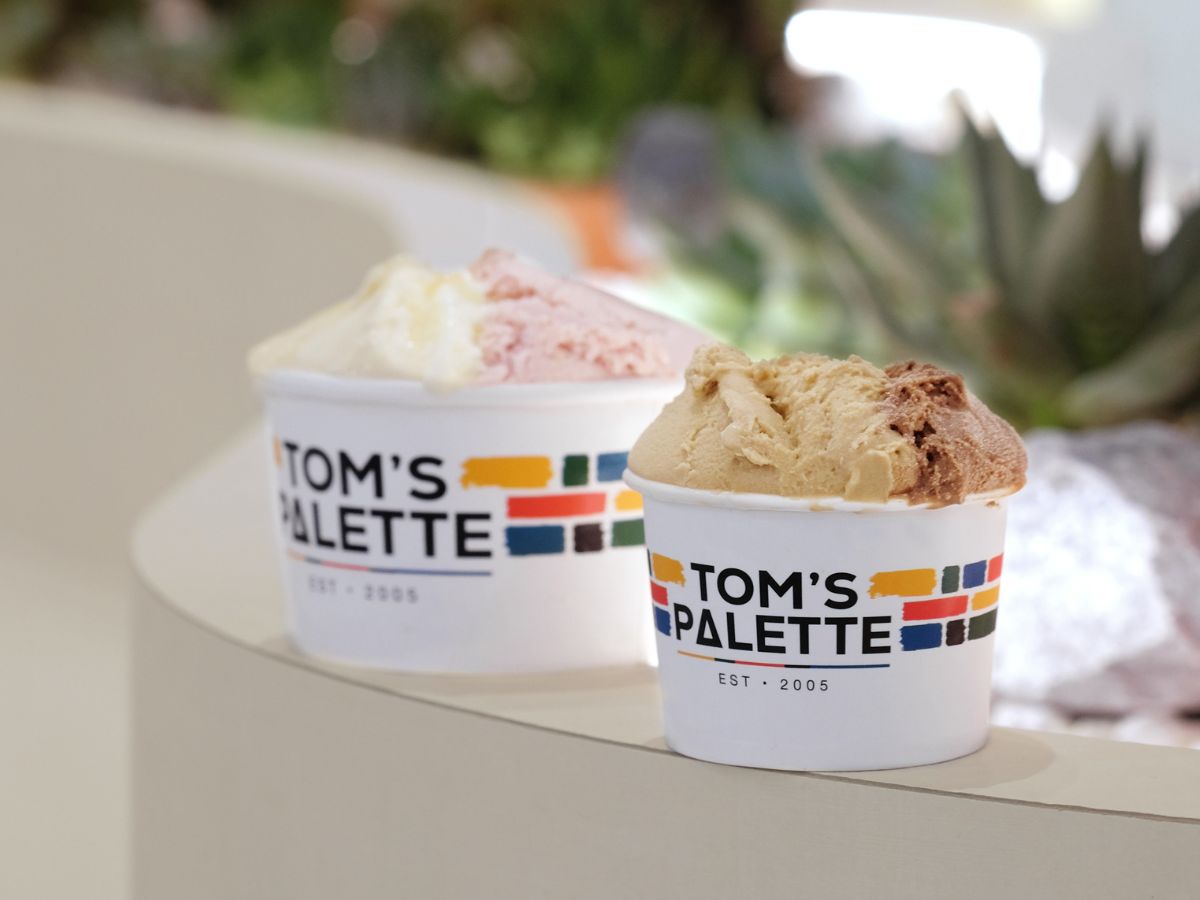
    After 21 years of satisfying sweet cravings with its unique range of gelato flavors, Singapore’s beloved gelato institution, Tom’s Palette, is set to cease operations by mid to late October. The heartening announcement was made by the shop’s spokesperson in a recent video shared on social media, leaving ardent fans of the dessert establishment disheartened.

    “We are regretful to announce that we can no longer sustain our dream venture,” she remarked. However, the shop is not closing its doors without leaving behind a possible lifeline. The spokesperson also announced that the business, along with its treasure trove of more than 250 recipes, is on the market for potential buyers who wish to continue the legacy.

    A Legacy of Unique, Unconventional Flavors

    Tom’s Palette, established in 2005, has been cherished for its eclectic range of flavors that often straddled the line between tradition and innovation. Notably, the gelato shop offered a slew of unusual flavors that took inspiration from local favorites like Hainanese kaya and nasi lemak.

    The well-loved dessert shop first opened its doors at Shaw Tower, subsequently relocating to Middle Road in Bugis. The second outlet made its debut on Hougang Street in Kovan in 2024, adding accessibility for their loyal patrons.

    The Unforgiving Impact of the Pandemic on Food & Beverage Businesses

    Unfortunately, Tom’s Palette is the latest addition to a growing list of food and beverage establishments forced to shut down in Singapore this year. A staggering 1,777 enterprises ceased operations in the first six months of this year alone, with a record 603 businesses recorded in March, signaling the profound impact of the pandemic on the industry.

    In a grim nod to the harsh reality, an artisanal chocolatier, Laurent Cafe & Chocolate Bar at Robertson Quay, had to close up shop earlier this week after a 20-year run.

    Reflecting on the impending closure, the spokesperson from Tom’s Palette shared, “In April, I pondered if we were next, and sadly, despite our utmost efforts, we are next.” She added, “Though we may seem like a thriving business to many, the harsh reality is that the dessert industry only truly thrives for three hours of the day, which is an insufficient duration to cover the costs for the remaining 21 hours when business is slow.”

    Questions & Answers

    What is the main reason for Tom’s Palette’s shutdown?

    The main reason for the shutdown is the financial strain caused by the limited hours of business profitability in the dessert industry.

    When is Tom’s Palette expected to cease its operations?

    Tom’s Palette is expected to cease operations by mid to late October.

    What will happen to Tom’s Palette’s treasure trove of recipes?

    The business and its vast collection of over 250 recipes are up for sale to potential buyers who wish to continue the legacy.

  • Malaysian Cafe Chain Oriental Kopi Brews Expansion into Indonesia for International Growth

    Malaysian Cafe Chain Oriental Kopi Brews Expansion into Indonesia for International Growth

    Oriental Kopi, a renowned cafe and food brand in Malaysia, is setting its sights on Indonesian shores, marking a new milestone in its ongoing global expansion efforts.

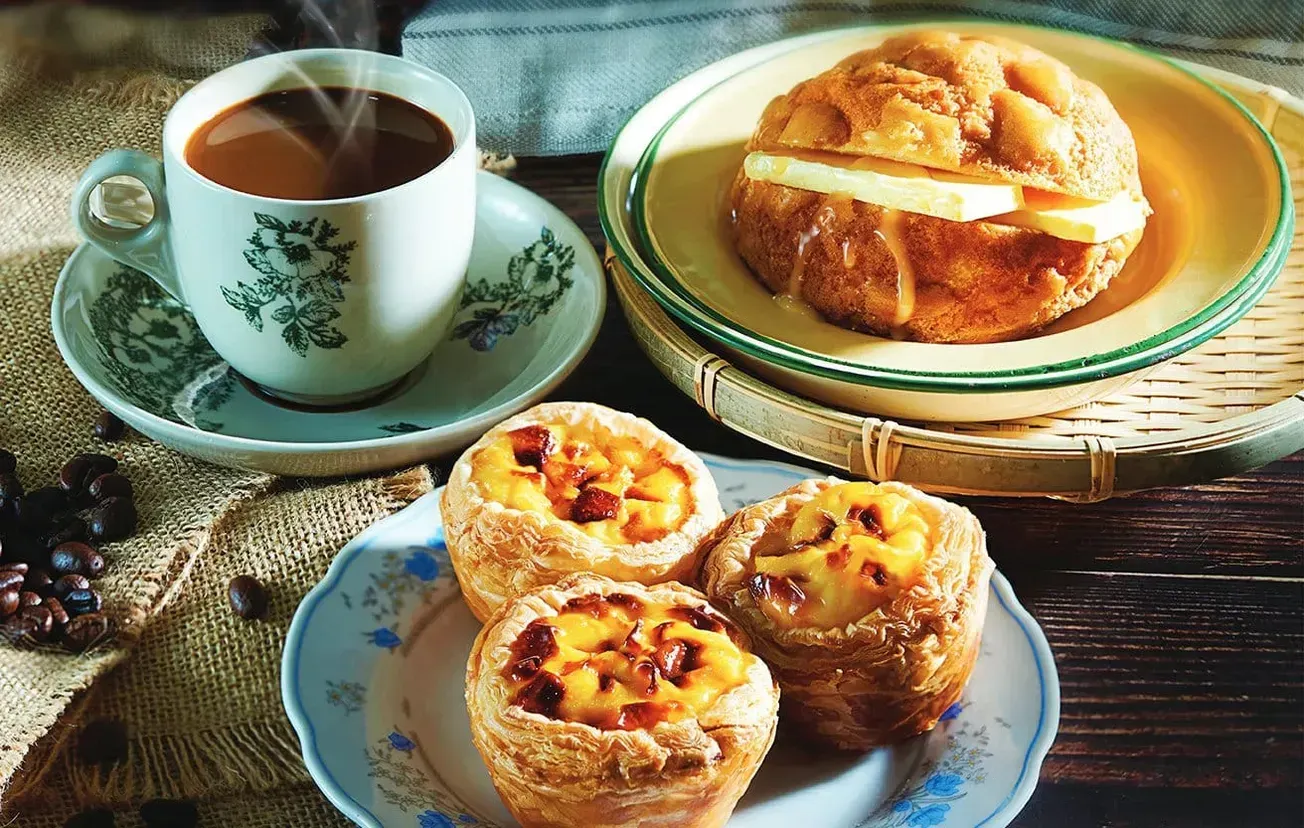
    The brand’s forthcoming entry into Indonesia, fostered through a strategic partnership with the Indonesian retail and distribution firm Erajaya Group, signifies Oriental Kopi’s second venture into foreign terrains, following its successful establishment in Singapore. The brand’s strategic move is driven by the desire to introduce its authentic Malaysian food and coffee to a more extensive consumer base across Southeast Asia.

    In their official statement, Oriental Kopi highlighted, “Indonesia will be the newest addition to Oriental Kopi’s international market portfolio. This move aligns with our strategy to amplify our presence beyond Singapore and expose the unique Malaysian culinary fabric to a wider global audience.”

    This strategic manoeuvre provides Oriental Kopi with a gateway to one of Southeast Asia’s most lucrative consumer markets, thereby fortifying its regional presence.

    In 2021, Oriental Kopi undertook a significant financial initiative, aiming to raise US$40.9 million via an initial public offering (IPO) on the ACE Market of Bursa Malaysia.

    Questions & Answers

    What does Oriental Kopi’s expansion into Indonesia signify?
    This signifies Oriental Kopi’s second foray into international markets, following their successful establishment in Singapore, as part of their broader global growth strategy.

    What does Oriental Kopi aim to achieve with this expansion?
    Oriental Kopi seeks to introduce its authentic Malaysian food and coffee offerings to a larger consumer base across Southeast Asia, starting with Indonesia.

    How does the brand plan to expand its regional footprint?
    Oriental Kopi plans to expand its regional footprint through strategic partnerships with local companies, such as the recent partnership with Indonesian retail and distribution firm, Erajaya Group.

  • Minor Group Takes Global Reins: Acquires Full Ownership of Korean Chain Bonchon

    Minor Group Takes Global Reins: Acquires Full Ownership of Korean Chain Bonchon

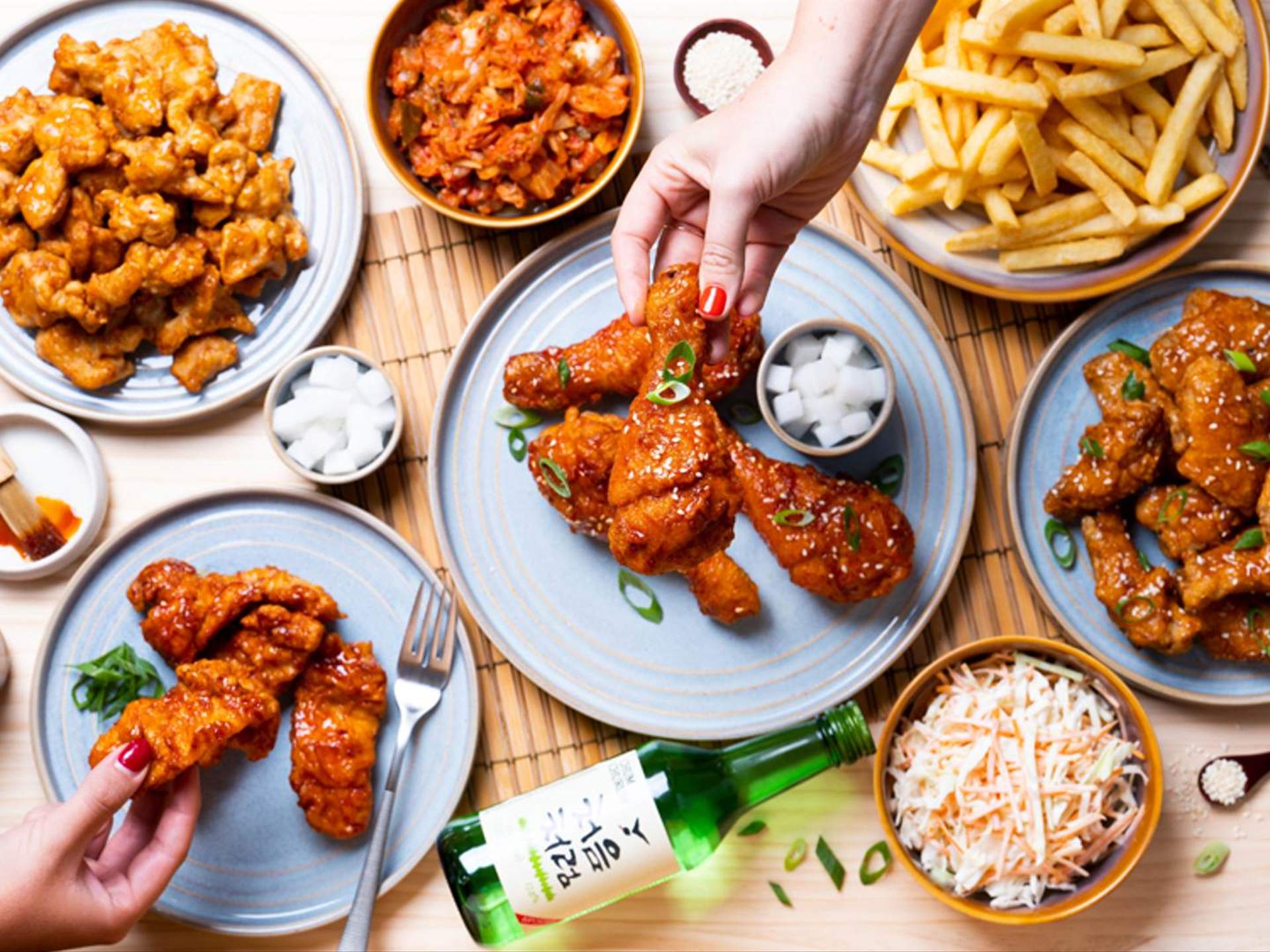
    Thailand’s Minor Group is set to acquire the remaining stake in Bonchon, a South Korean restaurant chain, thereby becoming its global owner. Headquartered in Bangkok, Minor Group has a significant presence in the restaurant industry with ownership of The Pizza Company, along with being a key franchisee for Burger King and Dairy Queen in Thailand. Since 2019, it has successfully managed over 100 Bonchon outlets across the country.

    A Strategic Acquisition

    Minor Group signed a stock purchase agreement on Monday with VIG Partners, a South Korean domestic private equity fund manager, to take over Bonchon International. It is reported that the sale includes the principal equity owned by VIG Partners as well as the stake held by Bonchon’s founder, Seo Jin-deok.

    Upon the finalization of this transaction, Minor Group will hold complete ownership of Bonchon International. Although the precise transaction amount remains undisclosed, the estimated corporate value of Bonchon is around 300 billion won or approximately US$212 million.

    Established in Busan, South Korea, in 2002, Bonchon embarked on its international journey in 2006 with its first venture in the United States. Since then, it has expanded into roughly 10 markets across North America, Asia, and Europe.

    VIG Partners became the largest shareholder of the restaurant chain in 2018 after purchasing a 55 percent stake for around 60 billion won. The remaining 45 percent stake is owned by Seo, who currently serves as the CEO of Bonchon International.

    The transaction between all parties involved is expected to be concluded by the end of the current month.

    Questions & Answers

    Who is acquiring the remaining stake in Bonchon?
    The Minor Group from Thailand is acquiring the remaining stake in Bonchon, resulting in full ownership of the South Korean restaurant chain.

    What is the estimated corporate value of Bonchon?
    The corporate value of Bonchon is cited to be around 300 billion won or approximately US$212 million.

    Who currently holds the majority stake in Bonchon International?
    Before the acquisition, the majority stake in Bonchon International was held by VIG Partners, a South Korean private equity fund manager. They held 55 percent stake whereas the remaining 45 percent stake was owned by Bonchon’s founder, Seo Jin-deok.

  • MilkLab’s Almond and Oat Milks hit Kiwi Shelves, Feeding NZs Booming Home-Brewed Coffee Culture

    MilkLab’s Almond and Oat Milks hit Kiwi Shelves, Feeding NZs Booming Home-Brewed Coffee Culture

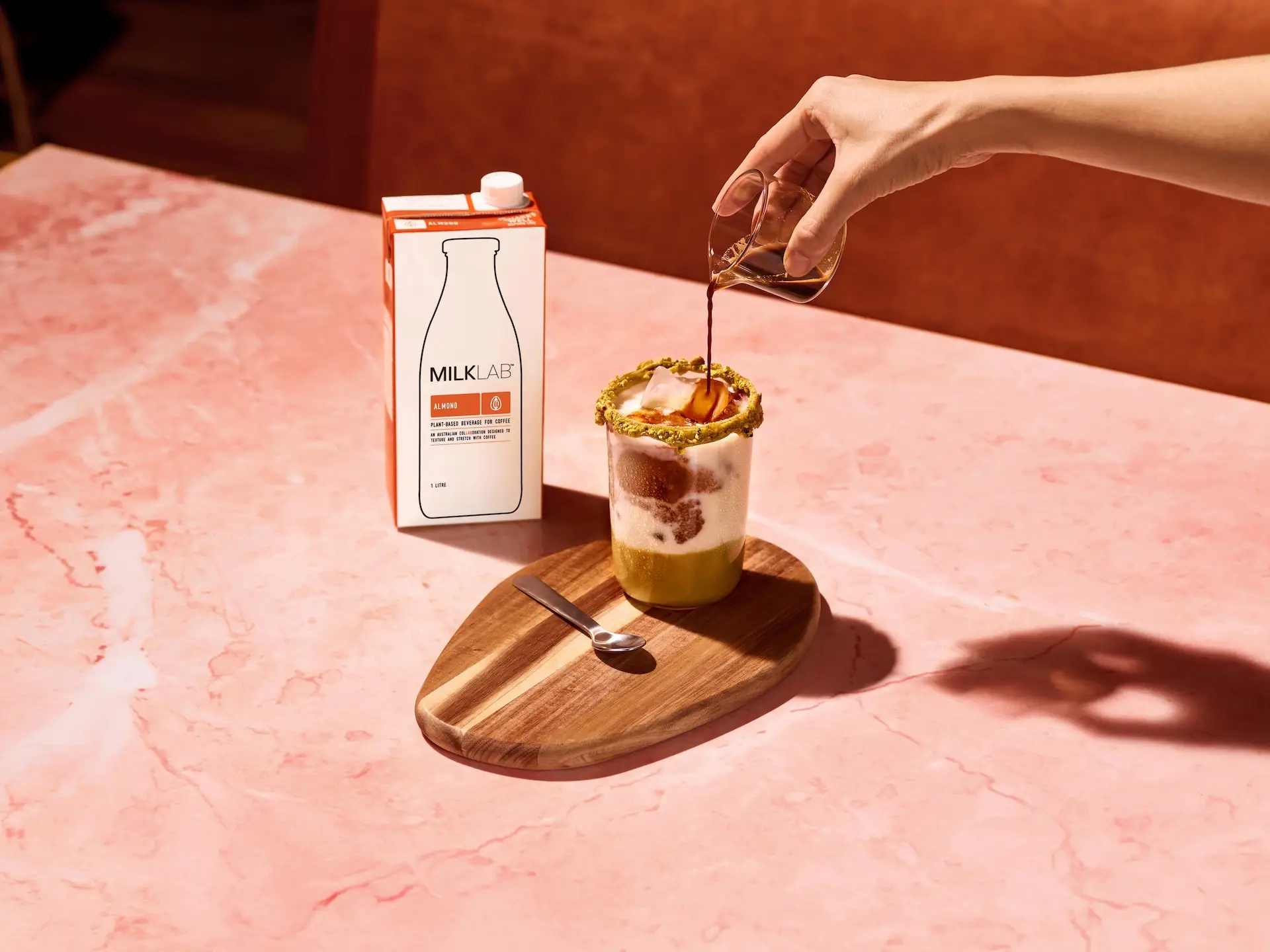
    Renowned dairy and plant-based milk brand, MilkLab, has expanded its market by introducing its Almond and Oat varieties to consumers in New Zealand via Woolworths stores. The move is in response to the increasing demand for dairy alternatives among New Zealand residents, who consume an average of 3.7kg of coffee annually. As more Kiwis embrace the use of home espresso machines, the need for alternatives that do not alter the taste, texture, or appearance of coffee has become evident.

    MilkLab Responds to Demand for Dairy Alternatives

    The introduction of MilkLab Almond and MilkLab Oat – the top two choices of baristas in Australia – into New Zealand supermarkets is an answer to the escalating demand. Natalie Latimore, MilkLab’s head of marketing, views the expansion as a strategic move, considering the growing popularity of specialty coffee among Kiwi households.

    “New Zealand has an advanced and passionately loyal coffee culture. Kiwi consumers expect their coffee to meet high standards whether they are in a cafe or at home,” Latimore said. She further emphasized that New Zealand’s coffee enthusiasts can now enjoy the results of MilkLab’s years of innovation in plant-based milk to achieve cafe-quality coffee at home, by simply shopping at Woolworths.

    MilkLab has been a part of New Zealand’s cafe scene for several years, and the annual MilkLab NZ Barista Battle is a highlight on the local coffee calendar. The competition enables local baristas to display their skills and creativity using the same MilkLab products now available in supermarkets.

    MilkLab’s Partnership Strategy

    In another strategic move, the company has partnered with Allpress Espresso. This partnership will see MilkLab Almond, Oat, and Lactose Free become the alternative milk of choice in Allpress cafes in Australia.

    Melanie Ung, brand manager at MilkLab, expressed her excitement about the partnership stating, “Allpress is a respected name in this industry, and we are thrilled to be the brand behind their bar. We believe this partnership aligns perfectly with our values and standards, and what we believe the barista experience should be.”

    The company anticipates that this collaboration will strengthen MilkLab’s leadership in the highly competitive plant-based milk category.

    Questions & Answers

    What are the MilkLab products now available in New Zealand?
    The MilkLab Almond and MilkLab Oat are now available in New Zealand.

    What is the significance of the MilkLab expansion into New Zealand’s market?
    This expansion allows MilkLab to tap into the growing demand for dairy alternatives in a country with a rich coffee culture.

    What is the new partnership between MilkLab and Allpress Espresso?
    MilkLab has partnered with Allpress Espresso to become the alternative milk of choice in all Allpress cafes in Australia.

  • Corby Spirits Sells Leading Rum Brand Lambs for $55.5 Million in Strategic Deal

    Corby Spirits Sells Leading Rum Brand Lambs for $55.5 Million in Strategic Deal

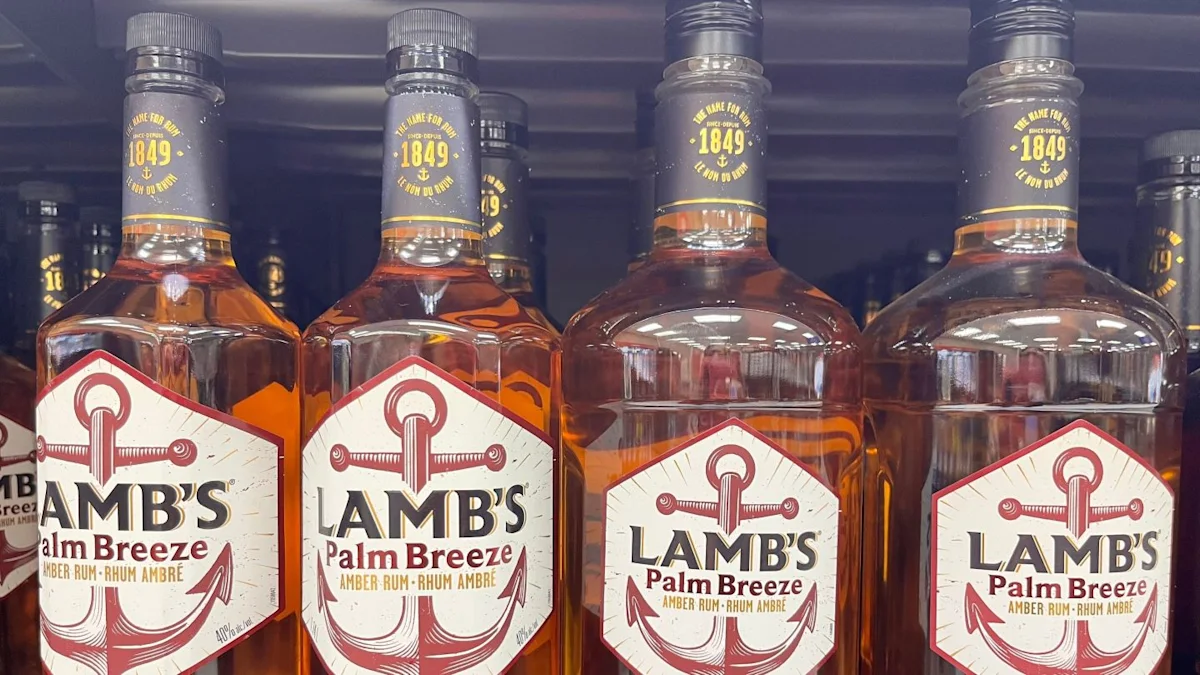
    Corby Spirit and Wine Limited has divested its British rum brand, Lamb’s, for the sum of US$39.2 million ($55.5 million) to Canadian and French firms, Phildan and Cofepp, respectively. Lamb’s holds a predominant position among rum brands in the UK and Canada, with its unique blend also available in Australia via select merchants and liquor retailers. The brand was acquired by Corby in 2006.

    Portfolio Simplification and Strategic Acquisition

    The business arrangement sees Phildan, a subsidiary of the Dandurand Group, taking over the North American rights to the brand, while Cofepp will hold the rights for the rest of the globe. The deal is part of a strategic decision by Corby to streamline its business portfolio and concentrate its efforts on growing priority categories, such as premium spirits and ready-to-drink beverages. According to Corby President and CEO, Florence Tresarrieu, the selling off of Lamb’s is a disciplined portfolio management decision that aligns with Corby’s long-term goals.

    The acquisition serves to bolster Phildan’s spirits portfolio, reflecting its sustained dedication to investing in brands with robust consumer recognition and growth potential. Hugues Gauthier, the president of Phildan, expressed his pride at the addition of one of Canada’s most recognized rum brands to their portfolio.

    Christophe Pichambert, the International Director at Cofepp’s subsidiary La Martiniquaise-Bardinet, stated that Lamb’s, being an established brand, would supplement their existing portfolio and align with their strategic objectives. He conveyed their excitement for the future opportunities and their commitment to support the continued success of the brand.

    Awaiting Deal Completion and Support Agreement

    While the transaction is still pending customary adjustments, Corby and its associated companies have pledged to provide post-closing production and distribution support to the new brand owners.

    Questions & Answers

    Who are the new owners of the Lamb’s brand?
    Corby Spirit and Wine Limited has sold the Lamb’s brand to the Canadian firm, Phildan, and the French firm, Cofepp.

    Why did Corby Spirit and Wine Limited decide to sell the Lamb’s brand?
    The decision to sell Lamb’s was made as part of a strategic plan to streamline Corby’s portfolio, enabling them to focus on growth categories including ready-to-drink beverages and premium spirits.

    What will be the future role of Corby Spirit and Wine Limited concerning the Lamb’s brand?
    Corby and its affiliates will provide post-closing production and distribution support to the new brand owners, Phildan, and Cofepp.

  • Noon Breakfast Beverage Storms US Market with Nationwide Target Launch

    Noon Breakfast Beverage Storms US Market with Nationwide Target Launch

    Noon, the breakfast beverage company, has recently broadened its horizons with a comprehensive launch across the United States. The nationwide debut, which features both physical store availability at Target and online accessibility through Target.com, represents the brand’s most significant retail expansion thus far.

    The US launch follows the successful completion of a $2.5 million seed funding round. This financial backing was provided by BFG Partners, RiverPark, and Habitat Partners. According to the company, these funds will bolster Noon’s ongoing expansion across the American market.

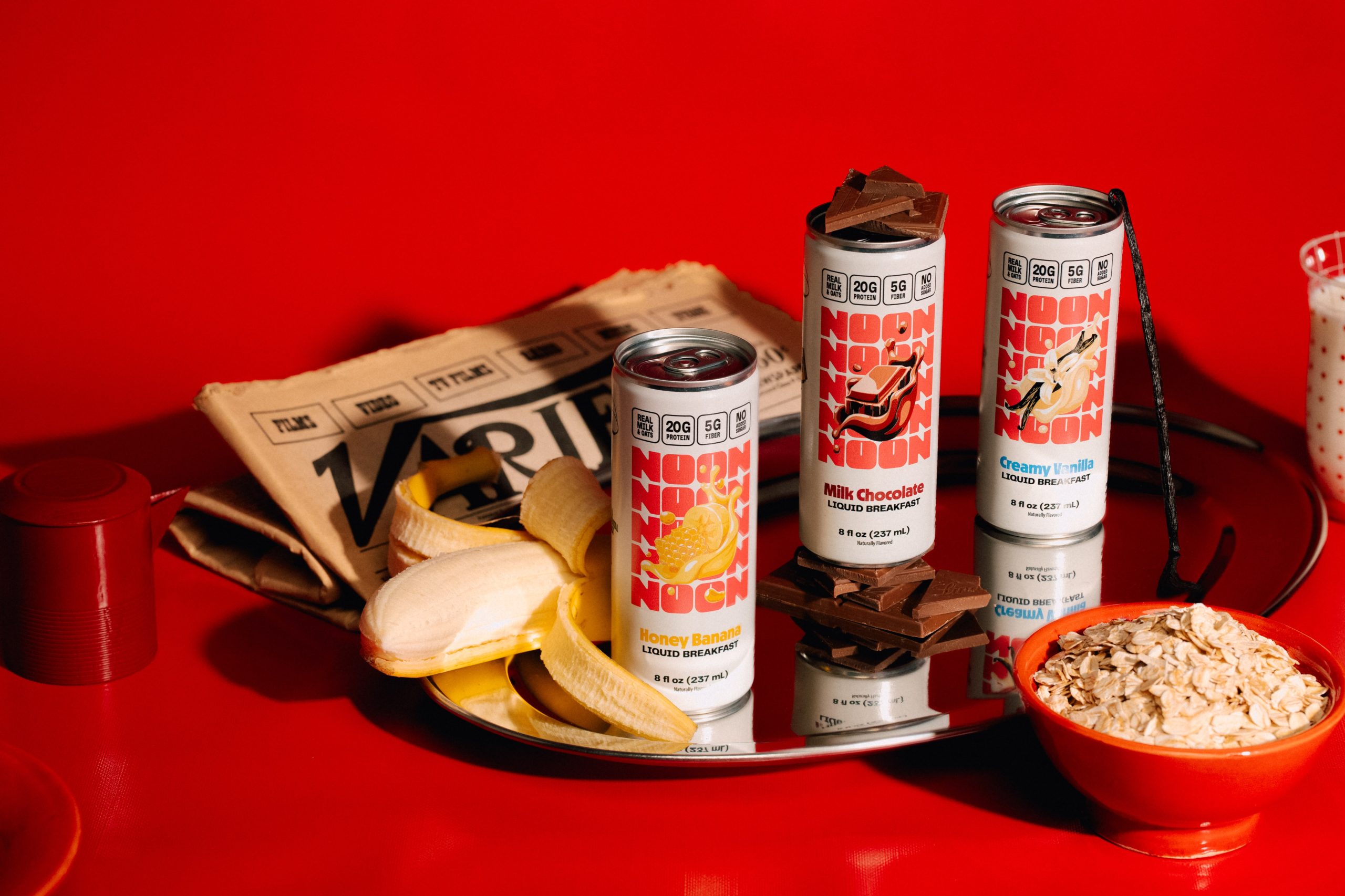
    Initially established in New Zealand by Cade Fleming and Tamir Triguboff, Noon introduces a shelf-stable breakfast drink that boasts 20g of protein, 5g of fibre, and zero added sugars. The product range includes delectable flavors such as Creamy Vanilla, Milk Chocolate, and Honey Banana.

    Noon’s mission is to address the growing consumer need for convenient, high-protein breakfast alternatives. Cade Fleming, co-founder and CEO, identified evolving eating practices, the surge in clean-label products, and the increased usage of GLP-1 medication as primary catalysts for the expansion in this sector.

    Fleming said, “We’ve designed Noon to fill this void by rethinking breakfast from its core. Every ingredient, every nutritional calculation, and every design decision was taken with one objective in mind: to develop a breakfast option that’s clean, wholesome, and effortless.”

    Earlier this year, Noon marked its entry into the Australian market, with its products becoming available across Woolworths Group stores.

    Questions & Answers

    What does the Noon beverage provide in terms of nutritional value?
    Noon’s breakfast beverage is specifically designed to be a high-protein, high-fibre drink with no added sugars. Each serving provides 20g of protein and 5g of fibre.

    What are the available flavors of the Noon beverage?
    Noon’s product range currently includes three flavors: Creamy Vanilla, Milk Chocolate, and Honey Banana.

    What was the capital raised in the recent seed funding round and how will it be used?
    Noon recently closed a $2.5 million seed funding round. The company plans to use this capital to support its expansion across the United States.