Category: Food

Retail News Asia is committed to providing both local and global retailers with the latest Food and Food & Beverage news throughout the Asian market. This on a daily base.

  • Who Gives A Crap Launches Halloween Range at 42.50 Australian Dollars

    Who Gives A Crap Launches Halloween Range at 42.50 Australian Dollars

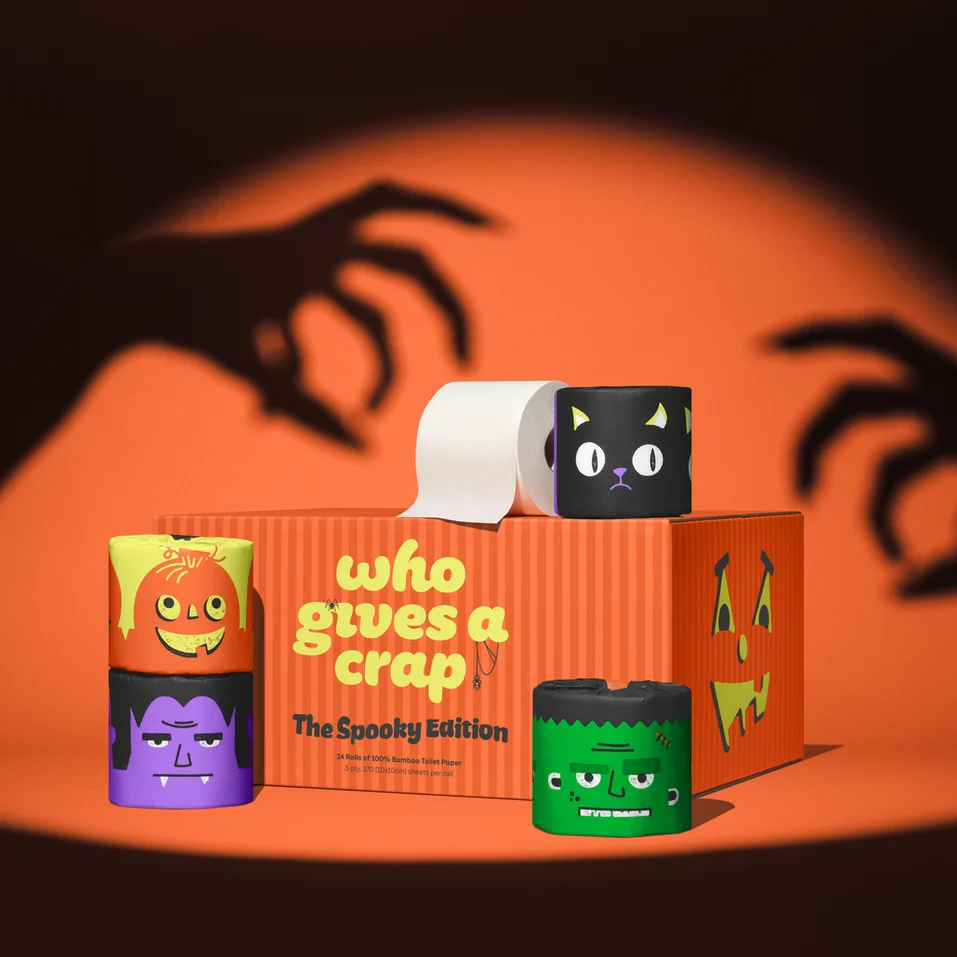
    Who Gives A Crap launched a limited-edition Halloween toilet paper range priced at 42.50 Australian dollars for a 24-pack, expanding its seasonal direct-to-consumer line ahead of October 31.

    A bulk two-pack containing 48 rolls sells for 69.50 Australian dollars on the brand’s online store. The Spooky Edition uses 100 per cent bamboo material across seven character wrappers, including Frankenstein’s monster, a vampire, a mummy, a skeleton, a black cat, spiders and a jack-o’-lantern. Each printed roll wrapper incorporates three separate faces that rotate as users spin the paper.

    Retail Expansion Beyond Online Channels

    The seasonal rollout follows the brand’s push into physical retail shelves across international markets. British supermarket chains Tesco and Waitrose, alongside online grocer Ocado, began stocking a six-pack version of the Halloween line on September 2 at a recommended retail price of 6.75 pounds, two weeks before the company opened web sales on September 17.

    Diverting seasonal inventory into grocery aisles reduces customer acquisition costs that have climbed across digital marketing channels. For fast-moving consumer goods suppliers, holiday packaging creates temporary visual differentiation without requiring formula modifications or permanent shelf allocation. The physical retail presence gives direct-to-consumer hygiene brands access to standard weekly shopping baskets.

    Direct-to-Consumer Seasonal Strategy

    Seasonal runs carry distinct supply chain risks for tissue manufacturers relying on offshore bamboo production. Unsold decorative inventory loses retail value immediately after October 31, forcing brands to accurately balance stock allocations between direct web fulfilment hubs and retail partner distribution networks.

    Who Gives A Crap relies on limited production volumes to prevent surplus decorative stock from lingering in warehouses past November. The strategy treats household paper products as disposable home decor, encouraging existing subscribers to bring forward reorders while testing impulse purchasing among retail shoppers.

    Sanitation Funding and Market Presence

    Founded in 2012, the Melbourne-born B Corp directs 50 per cent of its operating profits toward global sanitation and clean water initiatives. Filings and company data show the business has distributed more than 11 million pounds to hygiene projects worldwide since its establishment.

    The company expanded from its initial recycled paper subscriptions into bamboo bathroom rolls, paper towels and facial tissues before entering major retail supermarket partnerships in Australia and the United Kingdom. Inventory for the Halloween collection remains on sale online through October 31 or until initial batch allocations run out.
  • Sixty-One per Cent of Shoppers Use AI for Grocery Decisions, EY Finds

    Sixty-One per Cent of Shoppers Use AI for Grocery Decisions, EY Finds

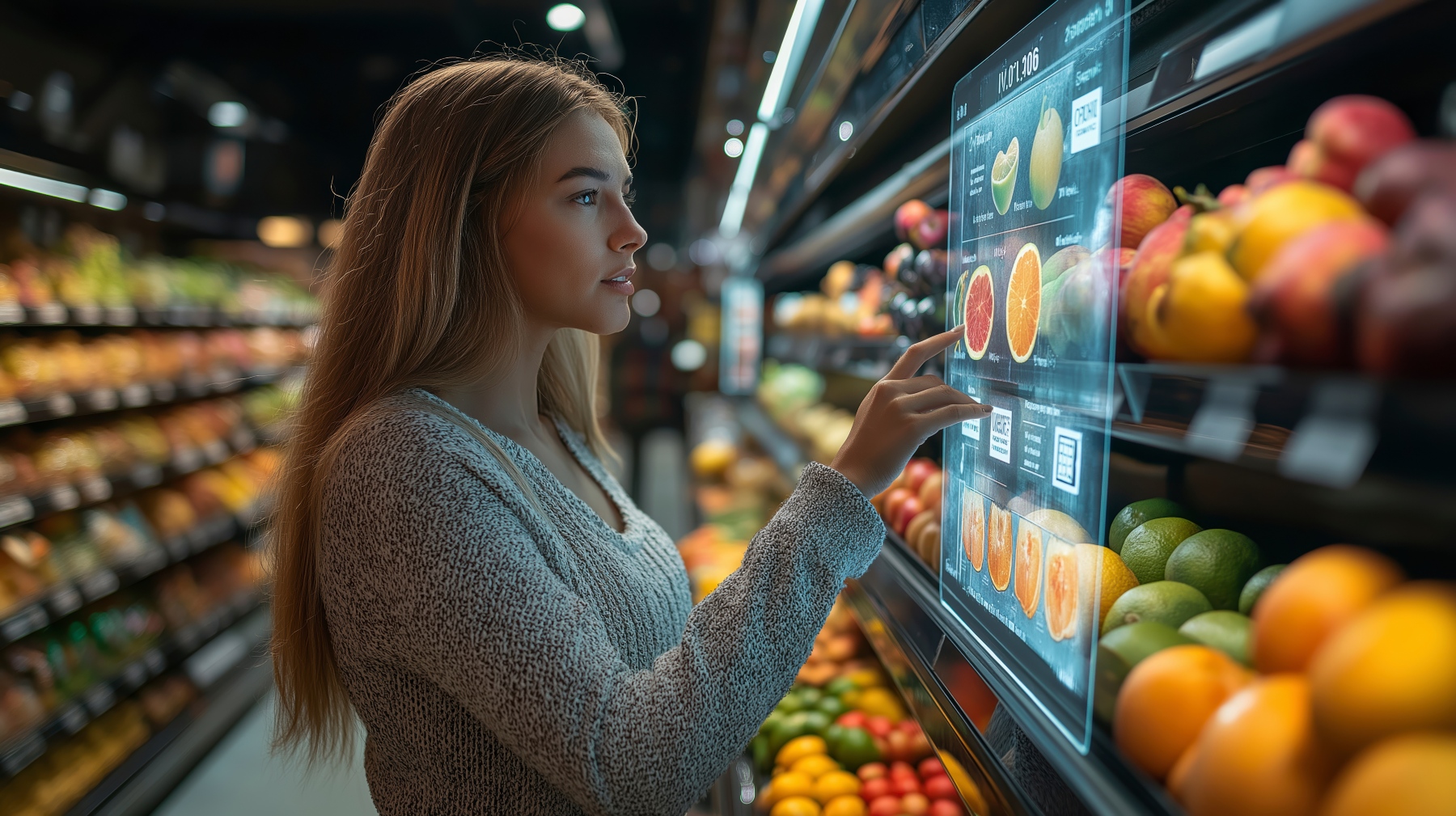
    Sixty-one per cent of respondents have used artificial intelligence to help make grocery decisions, according to a report released by EY in September 2026.

    The study, titled What Happens When Shoppers No Longer Do the Shopping?, found that almost half of surveyed consumers would likely use a tool that reliably sourced their usual basket across several supermarkets, though only 17 per cent were very likely to do so.

    Richard Rome, associate director for consumer industry at EY, examined whether shoppers would allow an AI assistant to plan, compare and purchase groceries, noting that the shift represents a more human-centric model with less human touch rather than humanless shopping.

    What Drives Automated Basket Decisions

    Cost reduction remains the main hurdle before consumers surrender control of their shopping carts. EY found that 40 per cent of respondents demand clear financial savings on their total grocery bill before delegating purchases to an automated system.

    Time savings offer a faster route to practical adoption. Fifty-eight per cent of shoppers said they would hand over an online order if software saved them up to 30 minutes a week, while 47 per cent would do so for trips to physical stores. Another 25 per cent pointed to practical assistance with dietary rules, label verification, health goals and ethical sourcing as sufficient incentive to use automated tools.

    Families Lead Early Adoption Rates

    Younger households with children show the highest appetite for delegating routine shopping chores. In the EY data, 70 per cent of families with children under 18 ranked as potential early adopters, followed closely by consumers aged between 18 and 34, full-time workers and higher-income earners.

    The concentration among busy households points to an immediate opportunity for automated replenishment tools. Consumers with packed schedules want to eliminate the mental friction of tracking household staples, checking ingredient lists and comparing pack sizes across multiple store apps.

    Why Supermarkets Face Platform Risk

    Retail incumbents such as Woolworths and Coles face a structural shift if third-party software takes over product discovery. When an independent algorithm chooses brands based on unit price or nutritional parameters, traditional investments in eye-level shelf placement, endcap displays and on-site search advertising lose their pull.

    Trust in automated shopping requires tools to remain entirely neutral between competing retail chains. Software created by a single supermarket chain restricts the selection pool, opening the door for price comparison portals, payment platforms, meal planners and standalone AI applications to capture the customer relationship instead.

    How Suppliers Must Structure Product Data

    Packaged goods manufacturers now need clean, machine-readable specifications to ensure autonomous agents select their items. If an algorithm filters out products lacking explicit dietary tags, standardized ingredient data or clear unit pricing, those products drop out of the basket before a human ever sees them.

    The research builds on earlier consumer shifts across Asia-Pacific toward algorithmic grocery planning and quick-commerce meal kits. Richard Rome, associate director for consumer industry at EY, will present detailed data from the report during an Australian Food & Grocery Council webinar on October 28.

  • Chobani Enters Australia High-Protein Milk Category with Five Flavours

    Chobani Enters Australia High-Protein Milk Category with Five Flavours

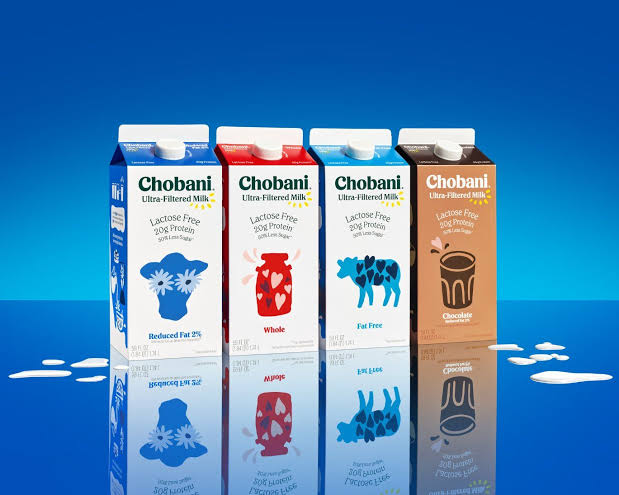
    Chobani entered Australia’s high-protein drinks category on September 29 with a five-flavour line of ready-to-drink yogurts packing up to 30 grams of protein per bottle.

    The rollout targets health-focused shoppers across the country, selling in 270ml and 400ml bottle sizes with 20-gram and 30-gram protein formulations.

    Formulation and format specifications

    Chobani’s new line arrives in Vanilla, Mixed Berry, Tropical, Mango and Strawberry. The company sources the protein content entirely from fresh milk rather than added milk powders.

    Each bottle is lactose-free and contains no added sugar or artificial sweeteners. The formulation gives supermarket buyers a clean-label dairy option in grab-and-go refrigerated beverage cases, where shelf competition from RTD shakes and functional milks has sharpened.

    Shifting fridge space beyond traditional yogurt

    Australian retailers are allocating more linear shelf space to high-protein dairy beverages as consumer demand shifts toward functional snacking. Chobani built its market position in Australia on traditional tub Greek yogurt, but chilled beverage aisles offer higher purchase frequency and faster inventory turn.

    Entering liquid drinks puts the brand into direct competition with established functional milk processors and sports nutrition brands. The clean-ingredient profile is Chobani’s main lever to pull shoppers away from powder-reconstituted protein shakes that dominate convenience coolers.

    Broader protein and ready-to-drink expansion

    The Australian rollout aligns with the group’s global pivot toward high-protein formats and functional ready-to-drink beverages. Chobani recently introduced its 20-gram Protein Flip yogurt snacks in North America, pairing strained dairy bases with nuts and freeze-dried fruit mix-ins across four varieties.

    Beverage diversification has also accelerated through coffee. Chobani expanded into ready-to-drink cold brews and liquid creamers after acquiring La Colombe, which has generated more than 30 per cent annual growth in ready-to-drink coffee formats.

    Manufacturing investment backs volume goals

    Capacity expansions underpin this product pipeline across international territories. The company recently committed $1.2 billion to acquire and expand a 1.5 million square-foot manufacturing facility in Allentown, Pennsylvania, to support production scale for dairy, coffee and prepared foods.

    Supply chain control remains central to the brand’s margin strategy. Sourcing liquid milk directly from regional dairy farm networks allows the group to avoid processed whey concentrates while sustaining production volumes across expanding product categories.

    Australian retail stockists are expected to complete nationwide shelf resets for the new beverage line across supermarket and convenience channels over the coming quarter.

  • Baileys and Magnum Launch Six-Pack Non-Alcoholic Mini Ice Cream Bars

    Baileys and Magnum Launch Six-Pack Non-Alcoholic Mini Ice Cream Bars

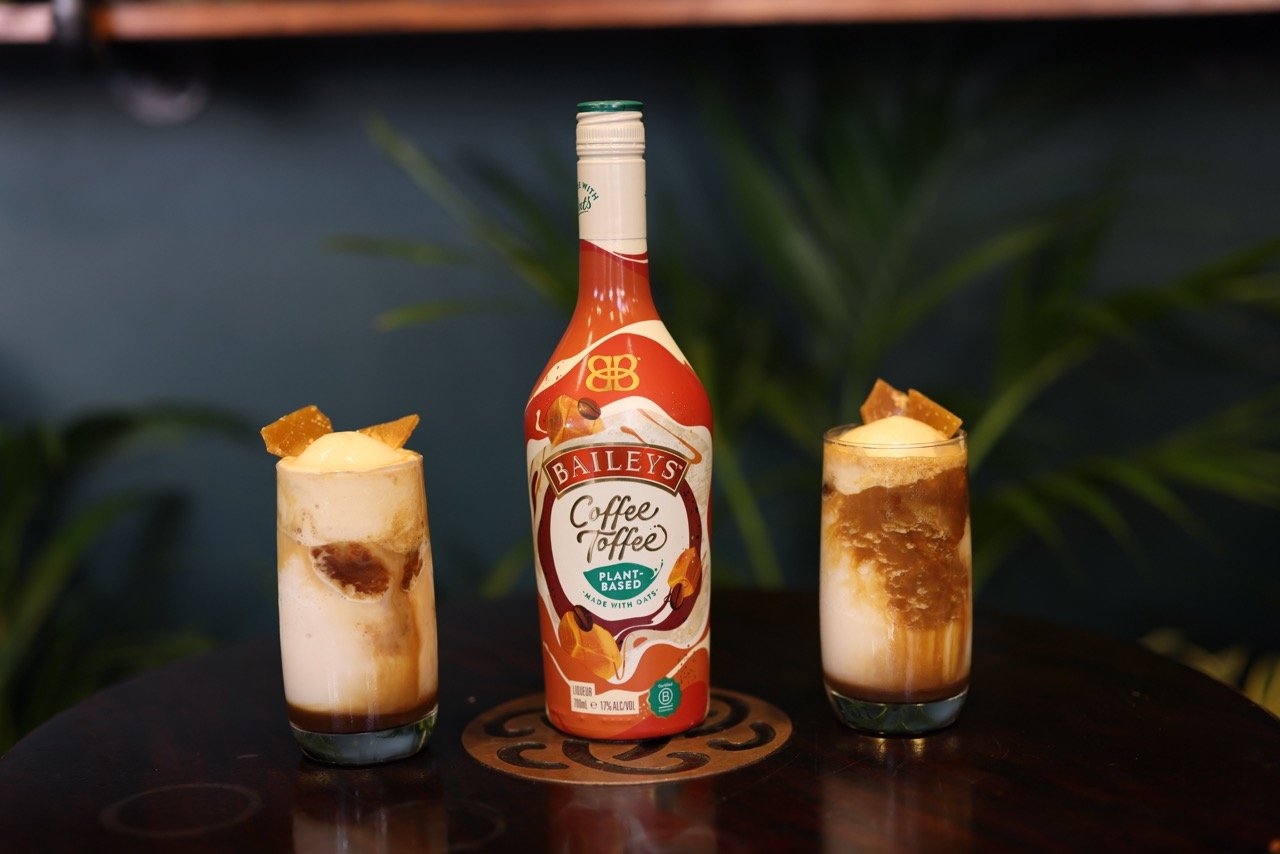
    Baileys Original Irish Cream Liqueur has partnered with The Magnum Ice Cream Company to launch a non-alcoholic ice cream bar in September 2026.

    The six-pack product, Magnum Mini Inspired by Baileys, pairs vanilla ice cream with Baileys flavour, wrapped in Magnum’s chocolate shell and biscuit pieces.

    Brand licensing agency Asembl supported the collaboration, with the treats containing no alcohol and manufactured locally at The Magnum Ice Cream Company’s facility in Minto, NSW.

    Production runs out of the company’s factory in Minto, New South Wales. Brand extension agency Asembl brokered the partnership to broaden the Baileys trademark across non-liquor grocery categories.

    The Non-Alcohol Brand Extension Play

    Liquor brands across the Asia-Pacific region increasingly license non-alcoholic food products to capture everyday consumption occasions. Stripping out the alcohol opens mainstream supermarket shelves, convenience chains, and younger demographics without licensing constraints.

    For Magnum, co-branding provides differentiation in a crowded premium segment where private labels pressure margins. The recipe borrows flavour equity from Baileys while keeping standard production lines at the Minto site.

    Supermarket Freezer Competition

    Licensing deals of this scale rely heavily on novelty to drive initial trial. Sustaining repeat sales in frozen desserts is harder. Freezer space is tightly allocated, and retailers delist slow-moving stock quickly if volume drops once launch marketing ends.

    Competitors across Oceania use similar strategies, pairing legacy bakery or confectionery names with dairy bases to secure premium pricing. Peters Ice Cream recently deployed Lotus Biscoff across its frozen lineup, forcing rival Unilever brands to defend market share with recognizable global partnerships.

    Retail Distribution Timelines

    Asembl previously managed licensing agreements that pushed Baileys into Australian bakery, dessert, and confectionery aisles. Each rollout tests consumer appetite for spirit-inspired flavours in everyday food aisles.

    Sales performance across major Australian supermarkets will determine whether the six-pack format expands into single-serve convenience formats ahead of the southern hemisphere summer.

  • McDonald’s Uses AI to Guide Menu Prices Across Global Markets

    McDonald’s Uses AI to Guide Menu Prices Across Global Markets

    McDonald’s is increasingly deploying artificial intelligence to guide menu prices across the US and international markets, according to reports in September 2026.

    The system supercharges pricing models by estimating how much each store’s patrons are willing to pay, a move designed to lift headquarters’ profit.

    How the Pricing Engine Operates

    However, the extensive use of AI risks alienating customers and attracting antitrust scrutiny, while franchisees report mounting corporate pressure over local pricing decisions.

    Price gaps between nearby outlets have widened under the algorithm. In Fresno, California, a company-owned branch listed a Big Mac at $5.69. Another company store two miles away charged $6.89. That is a 21 percent price premium for the same product.

    Franchise Rules and Compliance Tracking

    Corporate executives maintain that operators retain legal discretion over menu pricing. Even so, store owners report institutional pressure to adopt the algorithmic recommendations. Internal documentation from June confirms headquarters logs specific instances where franchisees deviate from recommended figures.

    Under business standards enacted in January, franchise operators must constructively engage with corporate-approved pricing consultants and digital tools. McDonald’s defended the system as an advisory tool rather than a mandate, designed to help operators navigate varying overheads and distinct trade areas.

    Operator Margins and Market Friction

    Centralized algorithmic models shift pricing control away from local store operators. Across developed Asian markets like Japan, Australia and Singapore, automated yield management tests consumer tolerance. Franchise networks in these markets already face elevated labor and supply chain costs.

    Quick-service brands risk swift pushback whenever digital systems create visible price gaps across nearby postal codes. Rival chains Wendy’s and Burger King confirmed they do not use automated artificial intelligence tools to alter menu pricing. Both chains are positioning themselves against algorithmic adjustments.

    The Race Toward Automated Restaurant Tech

    Fast-food conglomerates have accelerated investments in predictive automation over the past two years. The goal is protecting gross margins while testing value propositions for cost-conscious diners. Yum Brands, operator of KFC and Taco Bell, has similarly expanded artificial intelligence deployments across its global store network to streamline operational decisions.

    Presentations from corporate executives show earlier affordability initiatives aimed at retaining traffic among lower-income demographics. Investor filings show headquarters views the technology as essential to defending systemwide volume without sacrificing royalty receipts.

    Regulators and consumer protection bodies continue to review dynamic and algorithmically generated pricing structures across retail sectors. Attention now shifts to fourth-quarter store profitability reports and franchisee compliance metrics as operators evaluate how local foot traffic responds to neighborhood price adjustments.

  • Fanta and Snapchat Launch Map Campaign with 7-Eleven in Australia

    Fanta and Snapchat Launch Map Campaign with 7-Eleven in Australia

    Fanta and Snapchat have partnered with 7-Eleven across Australia on an interactive map retail campaign. The promotion runs through October 4, 2026, offering a 10,000 Australian dollar travel voucher prize.

    Users are directed into physical 7-Eleven stores to drive sales of the newly released Fanta Fantasies drink range.

    How the in-store map mechanic works

    Snapchat brought its Promoted Places format to Australia for the campaign. The app displays a floating bottle icon on the Snap Map over 7-Eleven storefronts. Users open the map to find nearby stores, visit with friends, and take a screenshot within the application while on site. Customers then scan a QR code on the Fanta Fantasies packaging to submit their screenshot on a landing page.

    Map pins are paired with full-screen takeovers, including First Snap and First Story formats that launch when a user opens the platform. EssenceMediacom handled media planning. Ogilvy Australia created the campaign creative, featuring creator-led video content.

    “What Snapchat offers is something genuinely different: more than 8 million Australians already on the platform, already using Snap Map to find their friends and decide where to go next.”

    Active users on the mapping tool exceed 8 million monthly in Australia and 450 million globally, according to Snap. Entry is open once per person daily. No retail purchase is necessary to participate.

    Shifting convenience foot traffic from screens to aisles

    Convenience operators across Asia-Pacific face rising digital customer acquisition costs. They still need younger shoppers walking through physical doors. Smartphone location triggers remove friction between seeing an online drink ad and grabbing a can from an impulse chiller. For 7-Eleven, turning storefronts into active map nodes tests whether geolocated mobile mechanics can lift basket sizes beyond single drink units.

    Drink makers like Coca-Cola face a fragmented convenience retail market. Younger demographics regularly ignore standard endcap displays and static transit posters. By requiring shoppers to physically enter a 7-Eleven to complete entry, Fanta shifts marketing spend from passive impressions to verified foot traffic. Conversion at the shelf remains the primary risk, since free entry terms do not guarantee a register sale.

    Pushing digital utility across retail networks

    Across the region, convenience chains are investing in digital inventory visibility and gamified mobile loyalty tools. Retailers in Japan, South Korea, and Southeast Asia have tested augmented reality and app check-ins to defend foot traffic against on-demand delivery apps. Tying sponsored map pins to physical store footprints gives national chains an edge over independent grocers who lack single-network media scale.

    Entries close at 11:59pm AEDT on October 4. Judging for the 10,000 Australian dollar squad travel prize takes place on October 12, 2026.

  • Vinarchy Appoints Nicole Battistessa as Managing Director for ANZ

    Vinarchy Appoints Nicole Battistessa as Managing Director for ANZ

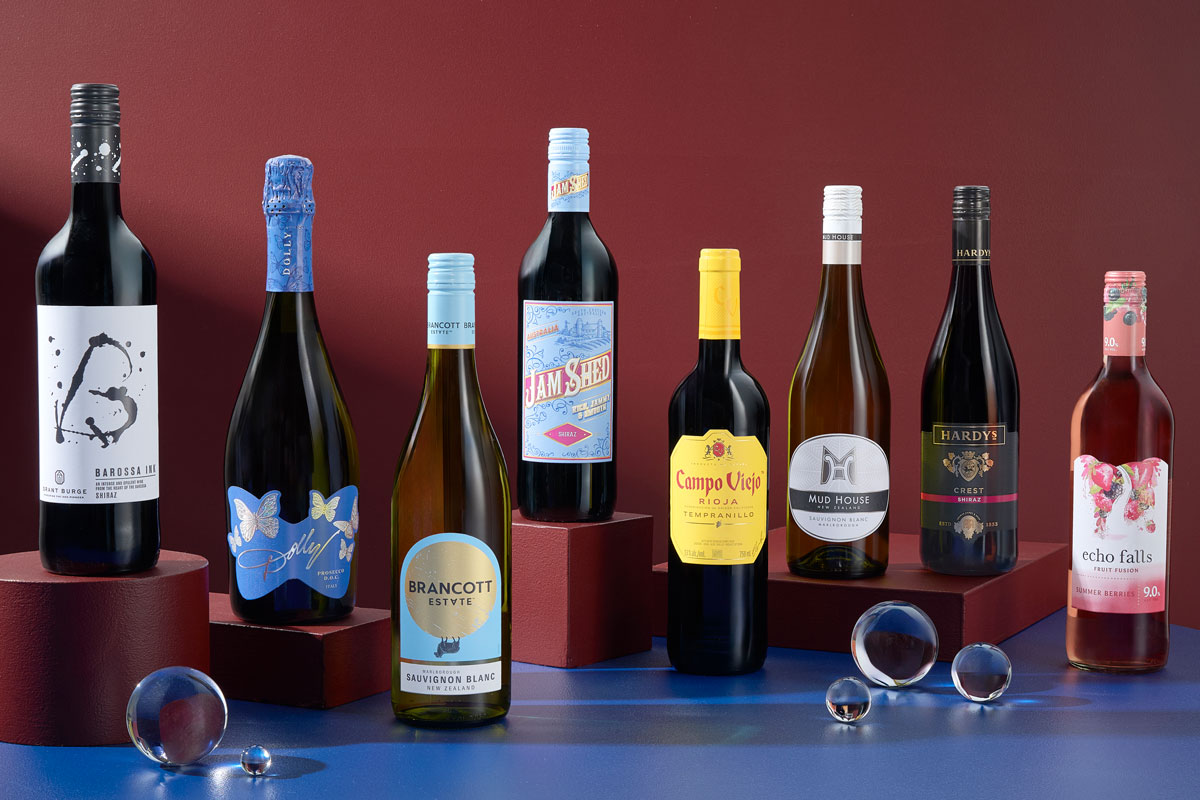
    Vinarchy appointed former Nestlé and Unilever executive Nicole Battistessa as managing director for Australia and New Zealand earlier this year to overhaul how the wine group targets younger consumers.

    The appointment brings more than 20 years of packaged goods experience to a wine group formed barely 12 months ago.

    FMCG Playbook for Wine

    Battistessa joined Vinarchy after senior commercial roles across Nestlé, Unilever and Kimberly-Clark. Her remit focuses on importing standard fast-moving consumer goods discipline into a domestic wine market long shaped by heritage branding and traditional cellar-door distribution.

    Wine producers across Australasia face falling consumption rates among legal-drinking-age consumers under thirty-five. Beer, ready-to-drink spirits and zero-alcohol substitutes have steadily taken retail shelf space from mid-tier wine labels across major retail banners.

    Portfolio Modernisation

    Vinarchy manages a blended portfolio that combines heritage regional labels with newer commercial lines. Applying packaged goods discipline means tighter stock management, faster product development cycles and packaging formats tailored to grocery aisles rather than fine wine specialists.

    For liquor retailers and supermarket groups across Australia and New Zealand, dealing with FMCG-trained leadership usually means firmer volume targets, structured promotional calendars and data-driven category management. The operational friction sits between established winemaking cycles and the speed demanded by modern convenience retail.

    Category Pressure

    The Australian wine sector entered 2026 working through supply imbalances and shifting export patterns across Asia-Pacific. Domestic consumption volume has contracted as household budgets tightened and younger demographics diversified their alcohol spend.

    Winning those consumers requires rethinking entry-level price points, brand messaging and format sizing. Traditional 750ml glass bottles carry less appeal for casual social occasions than single-serve cans and lighter alcoholic alternatives.

    What to Watch

    Battistessa has completed her first seven months running the Australia and New Zealand operation. The next operational test will be the release of Vinarchy’s upcoming commercial product slate and retail ranging agreements ahead of the peak summer trading quarter.

  • Metcash Expands Coveo AI Partnership for AskRoss Portal

    Metcash Expands Coveo AI Partnership for AskRoss Portal

    Wholesale distributor Metcash expanded its partnership with Coveo on September 29, 2026, to bring generative artificial intelligence conversational experiences to its AskRoss business-to-business customer communications portal.

    The expansion builds on Metcash’s existing deployment of Coveo alongside technology partner Publicis Sapient, with retail general manager Madeleine Fitzpatrick noting the system will allow partners to self-serve routine needs and access support.

    Upgrading the AskROSS Merchant Network

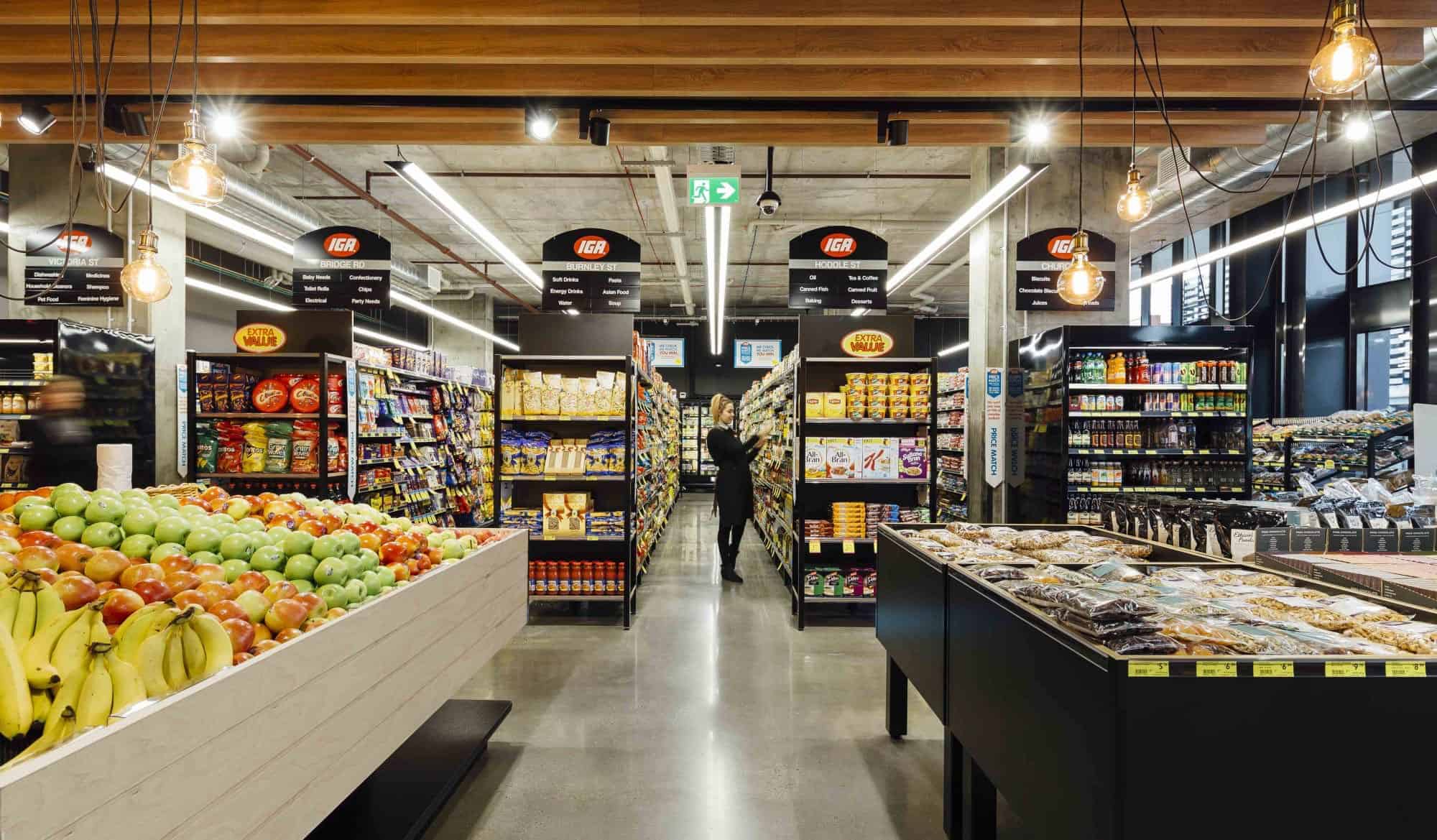
    Metcash runs supply chains that underpin thousands of independent Australian storefronts, including IGA supermarkets, Mitre 10 hardware outlets and Cellarbrations bottle shops. The updated AskROSS platform allows store owners to query inventory rules, stock availability and operational support in natural language instead of hunting through manual menus.

    Support personnel inside Metcash will receive identical conversational search tools within their internal agent interfaces. That setup gives both store owners and backend staff the same reference data during ordering disputes or stock inquiries.

    “Retailers can now ask questions in natural language and receive fast, trusted answers that help them make better decisions,” said Madeleine Fitzpatrick, general manager of retail at Metcash.

    The Wholesale Shift to Machine Search

    Wholesale distribution in Australia operates on thin margins and dense product catalogues. Independent grocers ordering through Metcash deal with tens of thousands of fast-moving consumer goods lines where supply snarls or incorrect pack sizes quickly erode shopkeeper profits.

    For independent operators, moving administrative queries from call desks to automated natural language search cuts administrative overhead during peak morning restocking hours. For Metcash, routing routine catalog queries into automated self-service frees internal account teams to focus on commercial contract disputes and wholesale supplier terms.

    Integration Across Sorted and Distribution Systems

    Publicis Sapient served as the systems integrator on the project, working with Metcash over two years to build the data foundation across the distributor’s commerce architecture. The AskROSS rollout follows an earlier integration of Coveo search tools across Metcash’s digital wholesale marketplace, Sorted.

    Competitors across Australasia are making parallel investments to automate merchant portals. Woolworths and Coles have both poured capital into automated supply interfaces and predictive fulfillment systems, forcing Metcash to upgrade its digital interfaces to retain independent supermarket owners who can switch wholesale agreements.

    Building Out Enterprise AI Portals

    Metcash first integrated Coveo indexing tools into its Sorted marketplace to streamline catalogue searches across thousands of supplier stock keeping units. Expanding that index into merchant communications deepens Metcash’s multi-year digital transformation program across its food and liquor divisions.

    The deployment moves next into Metcash’s central support agent network, where internal service desks are scheduled to adopt conversational search assistance across upcoming trading cycles.

  • Peters Ice Cream Launches Lotus Biscoff Frozen Range in 2 Formats

    Peters Ice Cream Launches Lotus Biscoff Frozen Range in 2 Formats

    Peters Ice Cream partnered with Belgian brand Lotus Bakeries in September 2026 on a co-branded frozen dessert line in Australia. The rollout covers two initial formats.

    Both lines combine the speculoos biscuit brand with frozen dairy to contest freezer space in supermarkets and convenience outlets.

    Two Formats for Australian Freezers

    The range includes the Biscoff Sandwich and a 425ml tub. In the sandwich, Biscoff-flavoured frozen dessert sits between two whole biscuits. The tub blends a frozen base with biscuit pieces and Biscoff spread.

    Dessert makers increasingly turn to co-branding to secure retail distribution quickly. It bypasses years of building flavour equity from scratch. For Peters, Lotus Bakeries brings established recognition from bakery aisles to drive impulse purchases in the freezer.

    Rivalry in the Premium Freezer Aisle

    This deal pits Peters against Unilever and private-label rivals selling licensed snack flavours in Australian grocery aisles. Freezer space is tight. Supermarket buyers regularly drop slow-moving stock keeping units to make room for high-turnover co-branded products.

    Lotus Bakeries expands its Asia-Pacific freezer reach via local manufacturing deals. Brand licensing lets the Belgian baker step outside ambient biscuit aisles. It avoids building regional cold-chain plants.

    Prior Brand Crossovers

    Earlier crossover projects paired Peters’ Maxibon label with heritage confectionery and ice cream flavours to gauge demand before full production runs. The Lotus partnership expands that strategy into year-round tub and sandwich sales rather than seasonal novelty releases.

    Supermarket buyers are tracking early sell-through rates on the 425ml tub format as grocers finalise upcoming summer freezer planograms.

  • Fonterra Annual Profit Jumps to NZ$2.6 Billion on Mainland Sale

    Fonterra Annual Profit Jumps to NZ$2.6 Billion on Mainland Sale

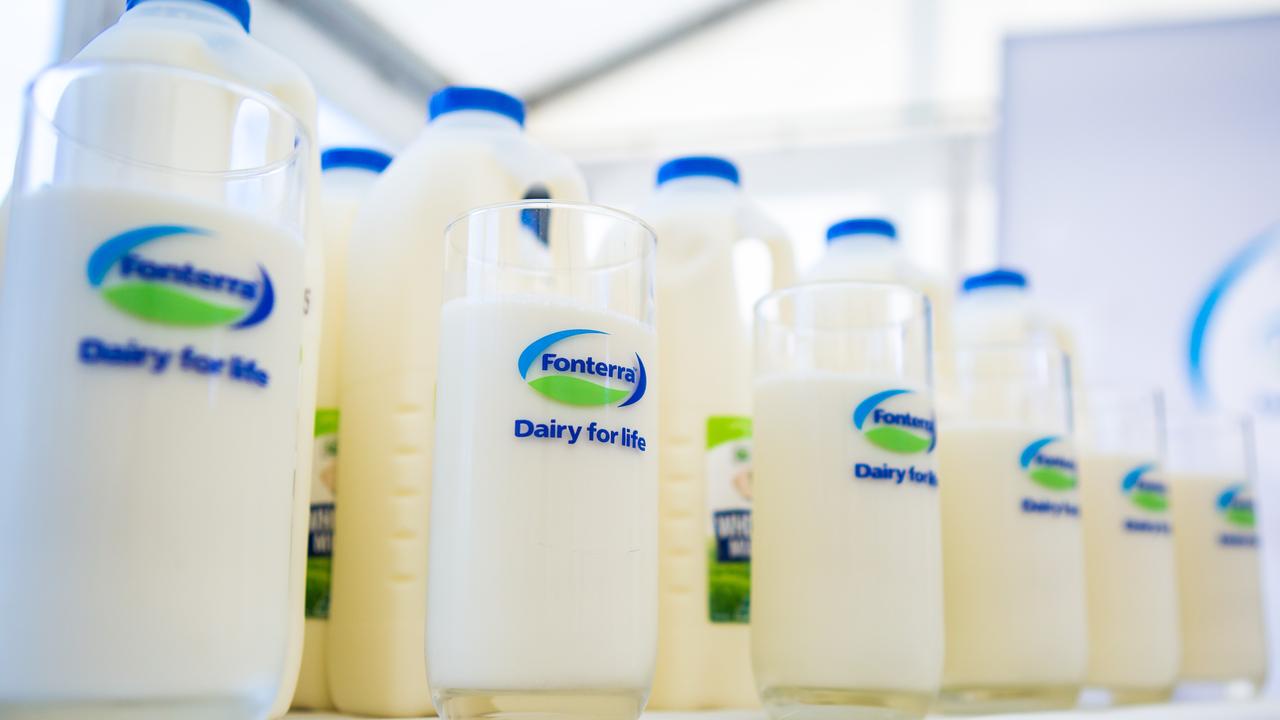
    Fonterra lifted its full-year net profit after tax by 142 per cent to NZ$2.6 billion ($1.6 billion) following the sale of its consumer arm.

    Operating profit jumped 97.6 per cent to NZ$3.4 billion for the fiscal year ended July 31. That figure included a NZ$1.2 billion gain from selling the Mainland Group consumer business.

    The Auckland-based dairy co-operative completed the Mainland sale in March, handing over brands including Anchor, Mainland, Perfect Italiano and Anmum. Stripping out the divestment, underlying operating profit rose 20 per cent to NZ$1.8 billion from NZ$1.5 billion a year earlier. Total cash distributions reached NZ$12.42 per fully shared-up farmer shareholder. That comprised a NZ$10.42 operating payout and a NZ$2.00 capital return from sale proceeds.

    Balance sheet overhaul and debt reduction

    Fonterra used the divestment proceeds and operating cash flow to cut adjusted net debt by NZ$967 million. Total debt fell to NZ$1.7 billion. Gearing dropped to 21 per cent from 24 per cent twelve months prior. Debt to earnings before interest, tax, depreciation and amortisation fell from 1.1 times to 0.7 times, giving the business headroom to absorb farmgate commodity swings.

    Underlying earnings per share rose 31 per cent to 71 New Zealand cents from 54 cents in FY25. Underlying return on capital reached 14.2 per cent. That result beat the co-operative’s target band of 10 to 12 per cent.

    Processing volumes counter farmgate price drop

    Milk collections reached 1,571 million kilograms of milk solids across the season, up 4.1 per cent year-on-year. That set a ten-year processing record for the group. Higher factory throughput spread fixed costs across a larger volume base and improved plant utilisation.

    Higher processing volumes helped shield earnings from softer commodity rates. The final Farmgate Milk Price settled at NZ$9.69 per kilogram of milk solids, down from NZ$10.16 in the previous season. Global milk supply recovered across Europe and the Americas during the period.

    Early recovery against post-sale targets

    The co-operative beat its internal recovery schedule by two years. Management had planned to take three years following the Mainland exit to rebuild underlying operating profit to NZ$1.7 billion. Higher product stream margins pushed the core business past that mark in year one.

    For food manufacturers and retail private-label buyers across Southeast Asia and Greater China, the restructured business now functions strictly as an ingredients and foodservice supplier. It no longer competes as a brand owner on retail shelves. The divestment removed channel conflict with Asian supermarket clients, though it concentrates group revenue on volatile global dairy trade benchmarks and industrial buyers.

    Earnings momentum into the next milk season

    Asset sales in South America and China farming hubs preceded this final exit from overseas retail consumer operations. Fonterra shares traded at NZ$8.30 in Wellington after the release. That put the stock near the upper limit of its 52-week trading range of NZ$6.14 to NZ$8.49.

    Chief Financial Officer Andrew Murray stated that holding product stream returns near FY26 levels would keep earnings on track through the next cycle. Investors and ingredient buyers now look to Fonterra’s opening farmgate forecast update in November to gauge early Southern Hemisphere spring production volumes.

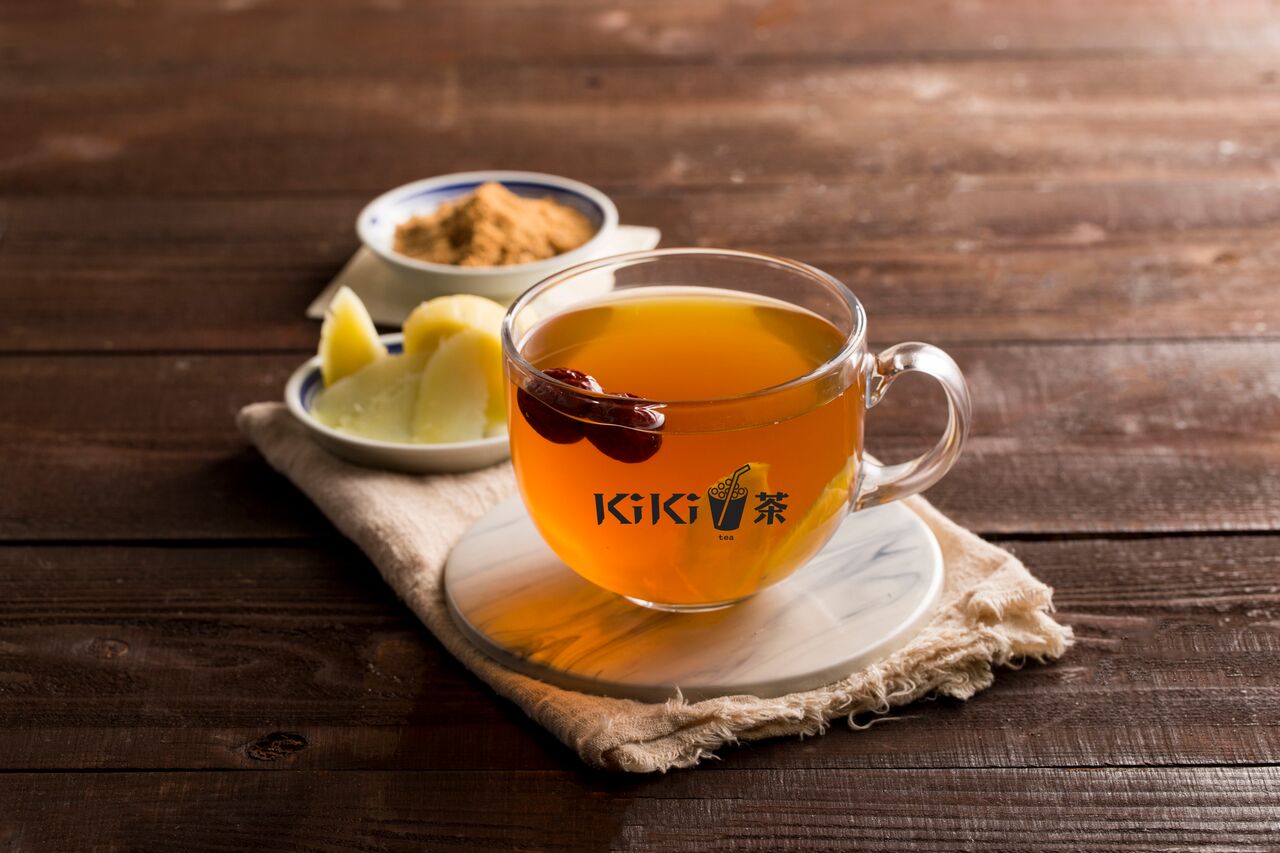
  • Vietnam Tea Exports to the US Jump 36% to $7.64 Million

    Vietnam Tea Exports to the US Jump 36% to $7.64 Million

    Vietnam shipped $7.64 million worth of tea to the United States in the first eight months of 2026. That is a 36.4 percent jump year-on-year.

    Volume climbed 22 percent over the period. At the same time, average prices gained 12 percent to $1,649 per ton, customs data shows.

    Value gains offset volume drop

    American demand outpaced Vietnam’s overall tea trade, which shrank by volume. Worldwide shipments totaled 77,256 tons worth $143.5 million through August. Volume dropped 9.8 percent. Even so, total export value fell just 1.5 percent because the global average price rose 4.5 percent to $1,778 per ton.

    Sales to Saudi Arabia jumped 27 percent, and exports to Russia rose 15 percent across the eight months. Pakistan went the other way. Shipments to the longtime buyer fell by more than half after it enforced strict halal certification rules.

    Premium blends drive export pricing

    Vietnam’s Export-Import Department linked the price resilience to a structural pivot away from bulk raw leaves. Foreign buyers now order more processed green tea, oolong, and flavored blends. These specialty products yield higher retail margins.

    Growers in production hubs like Lam Dong province are converting acreage to specialty teas. They want higher wholesale prices in premium consumer markets instead of chasing raw volume. The mix shift helps protect revenues when total shipments slow.

    Divergence across agricultural commodities

    Similar price dynamics played out across other Vietnamese agricultural sectors. Coffee exports brought in over $6 billion on nearly 1.7 million tons through August. Seafood shipments generated $3.3 billion, led by Chinese demand for shrimp.

    Perishable domestic crops faced steeper swings. Farm-gate dragon fruit prices in Lam Dong crashed 53 to 90 percent earlier in the season to between 2,000 and 7,000 dong per kilogram. Meanwhile, tight supply in Dak Lak lifted Monthong durian prices 20 to 30 percent to 105,000 dong per kilogram.

    Targeting the final quarter

    Government trade officials expect export volumes and pricing to stay strong through the fourth quarter of 2026. Holiday retail purchasing across North America, East Asia, and the Middle East should anchor year-end demand.

    Industry groups are now watching September data to see if steady North American sales can cover the volume lost in South Asia through year-end.

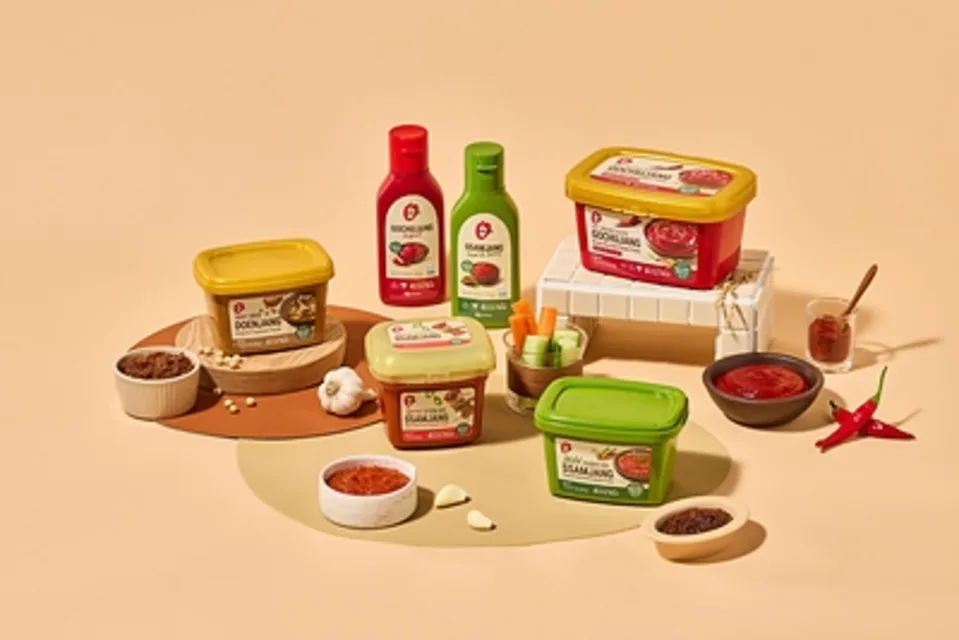
  • Daesang Expands US Kimchi Output as Brand Captures 56% of South Korea Exports

    Daesang Expands US Kimchi Output as Brand Captures 56% of South Korea Exports

    South Korea’s Daesang Corporation captured 56 per cent of the country’s total kimchi exports in the first half of 2026, generating 48 million dollars in overseas shipments.

    Total South Korean kimchi exports reached 86 million dollars during the six-month period, cementing the United States as the group’s largest foreign market.

    California Plant and Supply Sourcing

    The Seoul-listed food group expanded output across North America through its 10,000-square-metre facility in the City of Industry, California, and its 2023 purchase of food maker Lucky Foods. The California factory provides 2,000 metric tons of annual processing capacity, holding dedicated cold-storage rooms and running lines for regular, vegan, white, cucumber and extra-spicy Silbi recipes.

    Daesang buys napa cabbage, radishes and green onions directly from growers in the United States. Sourcing produce locally allows the manufacturer to bypass trans-Pacific shipping schedules and preserve crispness across its mainstream supermarket accounts in western and central states.

    Mainstream Retail and Product Tweaks

    Asian packaged food producers face flat domestic populations and high ocean freight expenses, pushing operators to build manufacturing inside export destinations. By establishing factory lines in California, Daesang avoids refrigeration surcharges and port congestion that erode margins on perishable shipments sent from South Korea.

    Building local production networks introduces new supply-chain liabilities. Processing regional crops exposes the company to North American harvest price swings, while reformulating recipes for western supermarket chains risks alienating traditional Asian diaspora shoppers who built the brand’s initial market share. Daesang is calculating that volume from mainstream retail shelves will easily offset higher US factory overheads.

    Portfolio Shift Beyond Korean Grocers

    Jongga began expanding out of Asian supermarket channels into broadline American grocery stores in 2019. The company completed its California plant in early 2022, becoming the first Korean food maker to operate a commercial-scale kimchi facility on American soil, before buying Lucky Foods a year later to add the Seoul Kimchi brand to its stable.

    Global export sales for the brand tripled from 32 million dollars in 2017 to 90 million dollars in 2025. The United States overtook Japan in 2023 as the label’s highest-volume international destination, supported by distribution agreements that put jars into mainstream grocery aisles.

    Global Scale and Product Formats

    To match western consumer eating habits, Daesang widened its catalog beyond whole fermented cabbage. The lineup includes shredded carrot and green cabbage blends, mild white varieties, apple-beet-carrot mixtures, spreadable kimchi pastes for bread and crackers, and portioned Crunchy Bites containers.

    Commercial collaborations have also entered the schedule. In 2024, Daesang partnered with San Francisco chef Corey Lee to sell San Ho Won Kimchi lines under its Gourmet Edition badge.

    The United States has emerged as Jongga’s largest export market and is a key market for our global kimchi business.

    Retail analysts will track Daesang’s full-year 2026 sales reports to see whether overseas kimchi revenue tops the 90 million dollar total booked in 2025.

  • PepsiCo Backs Australia Foods Unit with $150 Million Produce Spend

    PepsiCo Backs Australia Foods Unit with $150 Million Produce Spend

    In September 2026, PepsiCo highlighted the scale of its Australian supermarket presence, supported by an annual spend of about $150 million on locally grown produce.

    The company’s domestic foods business spans household snack brands including Smith’s, Red Rock Deli and Doritos, backed by three manufacturing sites and more than 1,700 employees.

    For Alexia Horley, CEO of PepsiCo’s Australia and New Zealand foods business, a key focus is keeping its familiar brands relevant and visible across store shelves.

    Sourcing and Factory Operations

    Local agricultural supply chains form the backbone of the manufacturer’s domestic processing network. The company directs approximately 150 million Australian dollars each year into domestic farm produce, primarily processing potatoes and grains across three dedicated factories.

    Those production hubs include manufacturing facilities such as its Regency Park operations in South Australia. Plant operations run round-the-clock shift schedules covering bulk liquid intake, grain handling, automated frying, seasoning and high-density palletised distribution into national retail distribution centres.

    Rivalry in the Snack Aisle

    Competition in Australian grocery aisles is tightening as supermarket chains Coles and Woolworths push private-label alternatives against multinational branded goods. Discount retailers like Aldi continue to squeeze standard packet pricing across core chip segments.

    Branded manufacturers face pressure on margins from elevated ingredient input costs, transport tariffs and retail listing fees. To defend volume without discounting away brand equity, packaged goods suppliers must push established names into premium formats, alternative grain bases and cross-category pantry lines.

    Supply Chain Priorities

    Sustaining local manufacturing gives multinational consumer groups an operational hedge against international shipping volatility and foreign currency swings. Processing close to farm gates cuts transport lead times and secures direct supply agreements with domestic growers.

    The group has kept its regional manufacturing base intact while many consumer goods competitors outsourced production to lower-cost Southeast Asian packing hubs. That domestic manufacturing base allows fast product turnover and seasonal flavour runs tailored directly to Australian shoppers.

    Next Steps for Retail Distribution

    PepsiCo plans to roll out line extensions under its Smith’s and premium snack banners across supermarket networks over the coming retail quarters. Procurement teams are tracking raw material contracts across eastern state farming districts ahead of the next seasonal harvest cycles.

  • Luckin Coffee Opens 100Th Singapore Store in Bugis Expansion

    Luckin Coffee Opens 100Th Singapore Store in Bugis Expansion

    Luckin Coffee opened its 100th store in Singapore on September 29, 2026, setting up in the commercial and transit hub of Bugis. The milestone establishes the Chinese chain as the city-state’s second-largest coffee operator by store count three years after its local launch.

    Customer volumes drove the physical expansion. More than 1.9 million cumulative transacting customers have bought drinks through the brand’s app-led ordering system in Singapore since the first outlet began trading in 2023.

    Footprint Strategy in Transit Nodes

    The Bugis site follows Luckin’s standard format across Southeast Asia: compact footprints near high-density commuter pathways and retail developments. Placing locations directly inside transport interchanges and office basements reduces seating overhead while maintaining order throughput during morning and lunch rush hours.

    Digital pickups handle the bulk of transactions. By requiring customers to order and pay via mobile application before collecting at the counter, the chain keeps queue times low and processes hundreds of drinks per hour with small front-of-house teams.

    Shifting Market Dynamics for Local Operators

    Reaching 100 outlets in three years puts immediate pressure on established mid-market chains and legacy regional brands. Fast store rollouts backed by aggressive digital discounting force competing operators to protect market share by upgrading their own mobile ordering apps and matching promotional drink pricing.

    Commercial landlords benefit from the format’s flexibility. Luckin takes micro-units and irregular floor plans that sit outside traditional full-service cafe requirements, generating steady rental income from transit corridors that previously housed service kiosks or sat vacant.

    International Growth Beyond the Domestic Base

    Singapore served as Luckin’s first international testing ground when the company entered the market in early 2023. Building a profitable operating model outside mainland China required adapting supply chains and menu profiles for Southeast Asian consumer tastes while retaining its core low-cost automated store design.

    Sustained transaction growth in Singapore validates the exportability of the grab-and-go model across high-rent Asian cities. The rapid climb to 100 units demonstrates that digital-first coffee retail can secure substantial market penetration even in mature, highly competitive metropolitan markets.

    Next Steps for Southeast Asian Expansion

    Attention now turns to whether Luckin can sustain repeat purchase frequency without deep promotional couponing. As the network reaches saturation in central commercial districts, subsequent sites must extract volume from suburban housing estates and secondary retail malls.

    Market watchers will track upcoming company filings for unit-level margins and regional store target updates across neighbouring Southeast Asian markets.

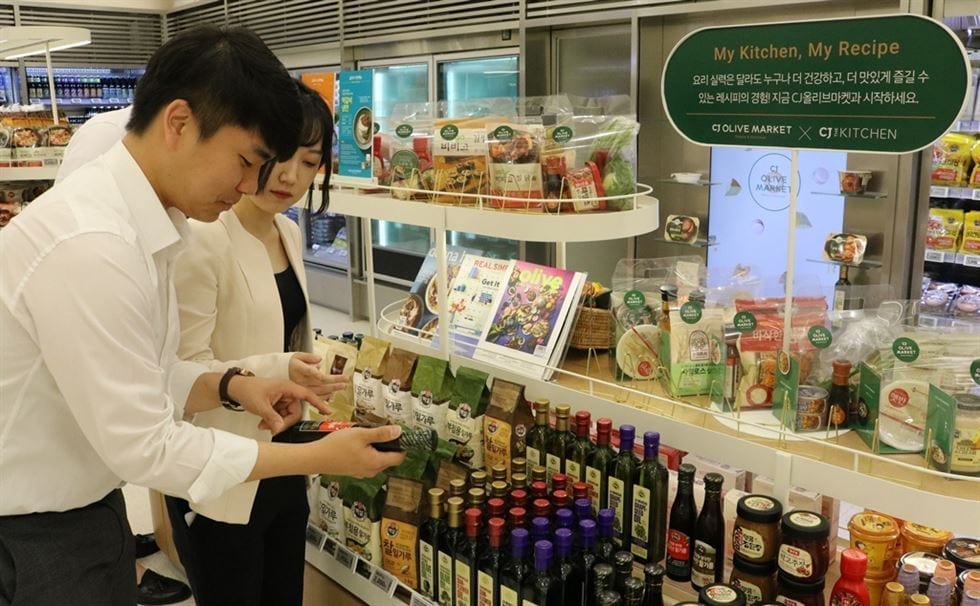
  • CJ Foods Oceania Names Jamie Henderson Managing Director

    CJ Foods Oceania Names Jamie Henderson Managing Director

    CJ Foods Oceania, a subsidiary of South Korea-based food giant CJ Foods, appointed Jamie Henderson as its new managing director on September 28, 2026.

    Henderson brings extensive commercial and leadership experience across the Australian fast-moving consumer goods sector to the role.

    Local FMCG Leadership

    Henderson joins the Oceania unit following senior leadership roles at poultry producer Inghams. His commercial track record spans several major Australian packaged goods suppliers, including Capilano Honey, Goodman Fielder, and Primo Foods, the smallgoods brand owned by JBS.

    CJ Foods Oceania operates as the regional arm of CJ Foods, the packaged food division of South Korea’s CJ Group. The business distributes Korean packaged staples, frozen foods, and ready meals across Australian and regional retail channels.

    Broader Push Into Western Grocery Channels

    Asian packaged food groups face an ongoing challenge in Oceania: crossing over from specialty Asian grocers into mainstream supermarket aisles at Coles and Woolworths. Bringing in leadership from established domestic suppliers like Goodman Fielder and Inghams directly addresses retail buyer relationships and domestic distribution terms.

    The risk sits in category demand. While consumer appetite for Korean food brands has climbed across Western markets, securing permanent shelf space in Australian chilled and frozen sections requires heavy trade spending and consistent promotional support.

    Commercial Track Record

    CJ Foods has steadily built out dedicated regional subsidiaries across Asia-Pacific, North America, and Europe over the past decade to localize sales and distribution. The Oceania unit handles the company’s retail rollout across Australia and neighboring markets.

    Henderson will oversee retail account growth, supply chain operations, and product placement across Australian supermarket chains as CJ Foods Oceania builds out its product lineup for the coming financial year.