Retail News CRM

Category: Food

Retail News Asia is committed to providing both local and global retailers with the latest Food and Food & Beverage news throughout the Asian market. This on a daily base.

  • Jago Coffee Brews up $12.5M in Series B Funding for Nationwide Mobile Expansion

    Jago Coffee Brews up $12.5M in Series B Funding for Nationwide Mobile Expansion

    Jago Coffee, an Indonesian-based mobile coffee startup, recently secured a significant financial boost of US$12.5 million in a Series B funding round. This recent round of funding will enable the company to progress with its expansion plans. The focus is on increasing its fully electric coffee cart network and bolstering its proprietary technology platform across Indonesia.

    Investment Details

    The Series B round received significant support from a trio of investors, namely Beenext, Intudo Ventures, and Orzon Ventures. This follows a Series A round, which saw Jago Coffee secure US$6 million in funding in 2024.

    Jago Coffee’s Business Model

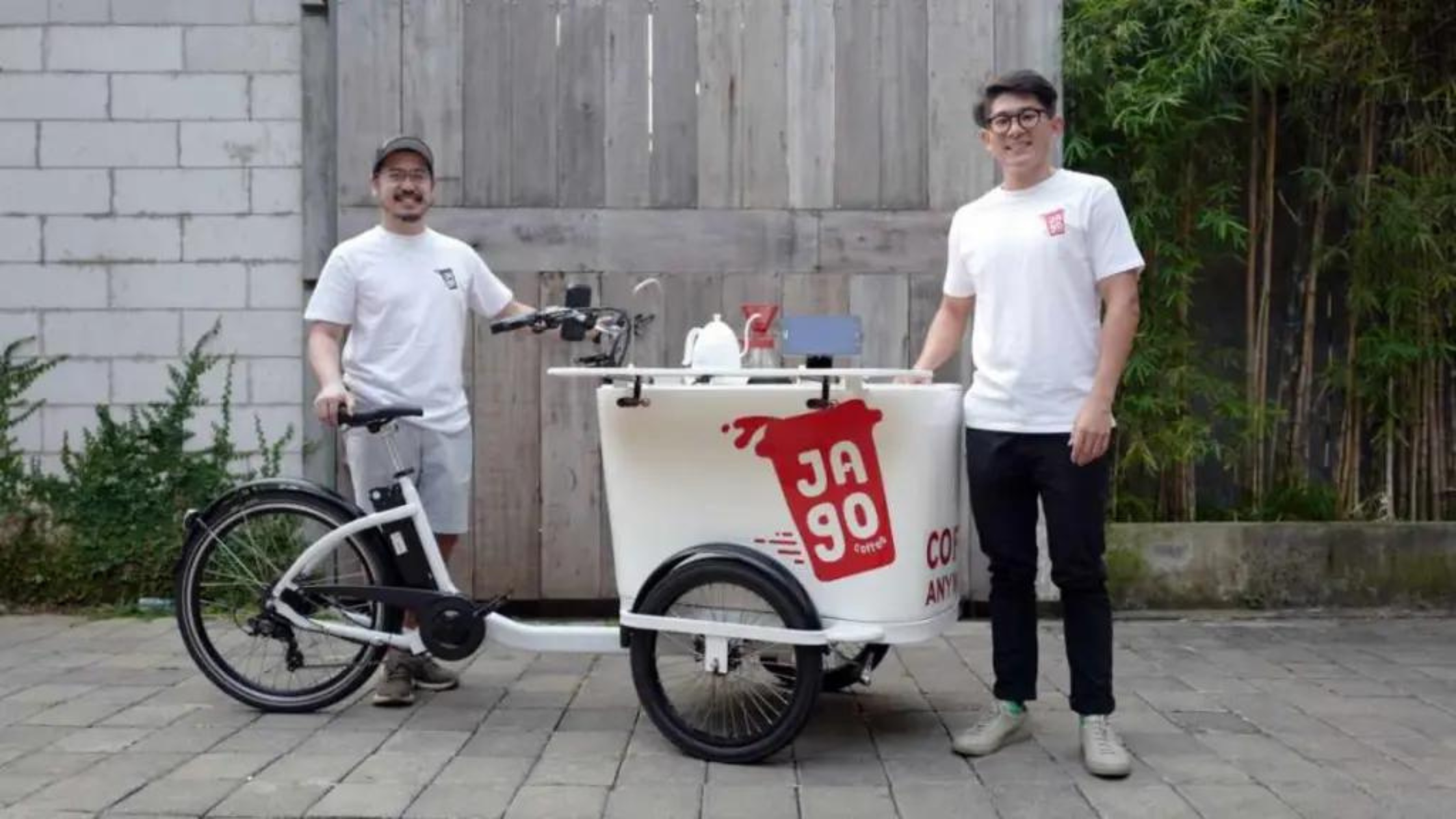
    Founded in Jakarta, Jago Coffee operates an extensive network of fully electric carts. These mobile units serve fresh, cafe-quality beverages in various settings, from residential neighbourhoods to commercial districts and transit hubs.

    The coffee startup’s strategy is to offer high-quality beverages at competitive prices, targeting a mass-market consumer base. The company’s innovative service model eliminates the overhead costs associated with traditional brick-and-mortar storefronts. It prioritizes convenience and accessibility while maintaining cost efficiency.

    Customers have two options to order from Jago Coffee. They can either purchase directly from the mobile carts or use the company’s dedicated app. The app allows customers to request the nearest barista to be dispatched directly to their location.

    Questions & Answers

    What is the business model of Jago Coffee?
    Jago Coffee operates a fleet of fully electric coffee carts that serve fresh beverages in various locations. The company targets mass-market consumers with cafe-quality drinks at affordable prices. It emphasizes convenience, accessibility, and cost efficiency by eliminating the need for physical storefronts.

    Who led the recent funding round for Jago Coffee?
    The latest funding round, Series B, was led by Beenext, with participation from Intudo Ventures and Orzon Ventures.

    How do customers order from Jago Coffee?
    Customers have two options for ordering from Jago Coffee. They can either order directly from the roaming coffee carts or use the company’s dedicated app to have the nearest barista delivered to their location.

  • Heytea Unveils First Experimental ‘Lab’ Store in Canada at Toronto Eaton Centre

    Heytea Unveils First Experimental ‘Lab’ Store in Canada at Toronto Eaton Centre

    Heytea, a renowned Chinese tea chain, has recently expanded its global presence by launching its pioneering ‘Lab’ store in Canada, situated in the bustling downtown Toronto Eaton Centre. This addition to the Toronto cityscape represents a significant milestone in the expansion of the bubble tea market segment.

    Encompassing an area of 1800 square feet, the ‘Lab’ store, strategically located on the mall’s main level, is a deviation from Heytea’s conventional store design. The ‘Lab’ concept focuses on offering a range of limited-edition and innovative products instead of a standard fixed menu.

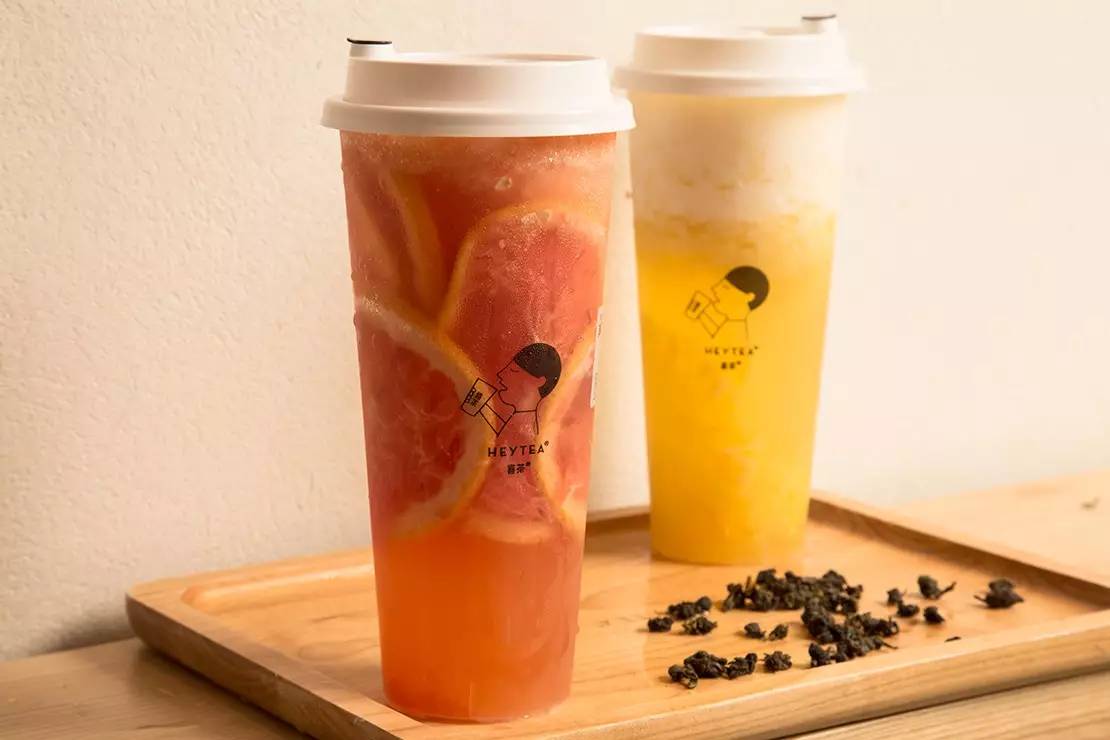
    This unique Toronto location features an exclusive selection of eight beverages, only available at this site. Many of these drinks are centred around a ‘Rock Oolong’ tea base, which Heytea leverages to enhance the appeal of its premium-priced and specialty products.

    Furthermore, the ‘Lab’ store’s menu also showcases collaborative creations developed with esteemed Toronto chef, Susur Lee. These innovative offerings incorporate high-end ingredients, including caviar, into select beverages and desserts.

    Heytea launched its initial foray into Canada in 2023 when it opened its first store in Vancouver. Since then, the company has continued to grow its Canadian presence, now boasting six stores across Vancouver and Toronto. The opening of the Toronto Eaton Centre location further solidifies its foothold in the country.

    Established in 2012, Heytea has established a significant global presence, operating approximately 4000 stores in over 330 cities worldwide. This includes more than 100 locations spread across Hong Kong, Macau, and various international markets, with over 45 stores in North America alone.

    Questions & Answers

    What is unique about Heytea’s ‘Lab’ store in Toronto Eaton Centre?
    The ‘Lab’ store deviates from Heytea’s typical store format, focusing on offering customers limited-edition and innovative products rather than a standard fixed menu.

    What specific beverages are available only at the Toronto ‘Lab’ location?
    The Toronto ‘Lab’ store offers an exclusive selection of eight drinks, many of which are centred around a ‘Rock Oolong’ tea base.

    What collaborative creations are included in the menu of Heytea’s ‘Lab’ store?
    The ‘Lab’ store’s menu features collaborative creations developed with renowned Toronto chef, Susur Lee. These unique offerings incorporate high-end ingredients like caviar into select beverages and desserts.

  • Jollibee Amplifies Asian Footprint with Hot Pot Acquisition and Compose Coffee Expansion

    Jollibee Amplifies Asian Footprint with Hot Pot Acquisition and Compose Coffee Expansion

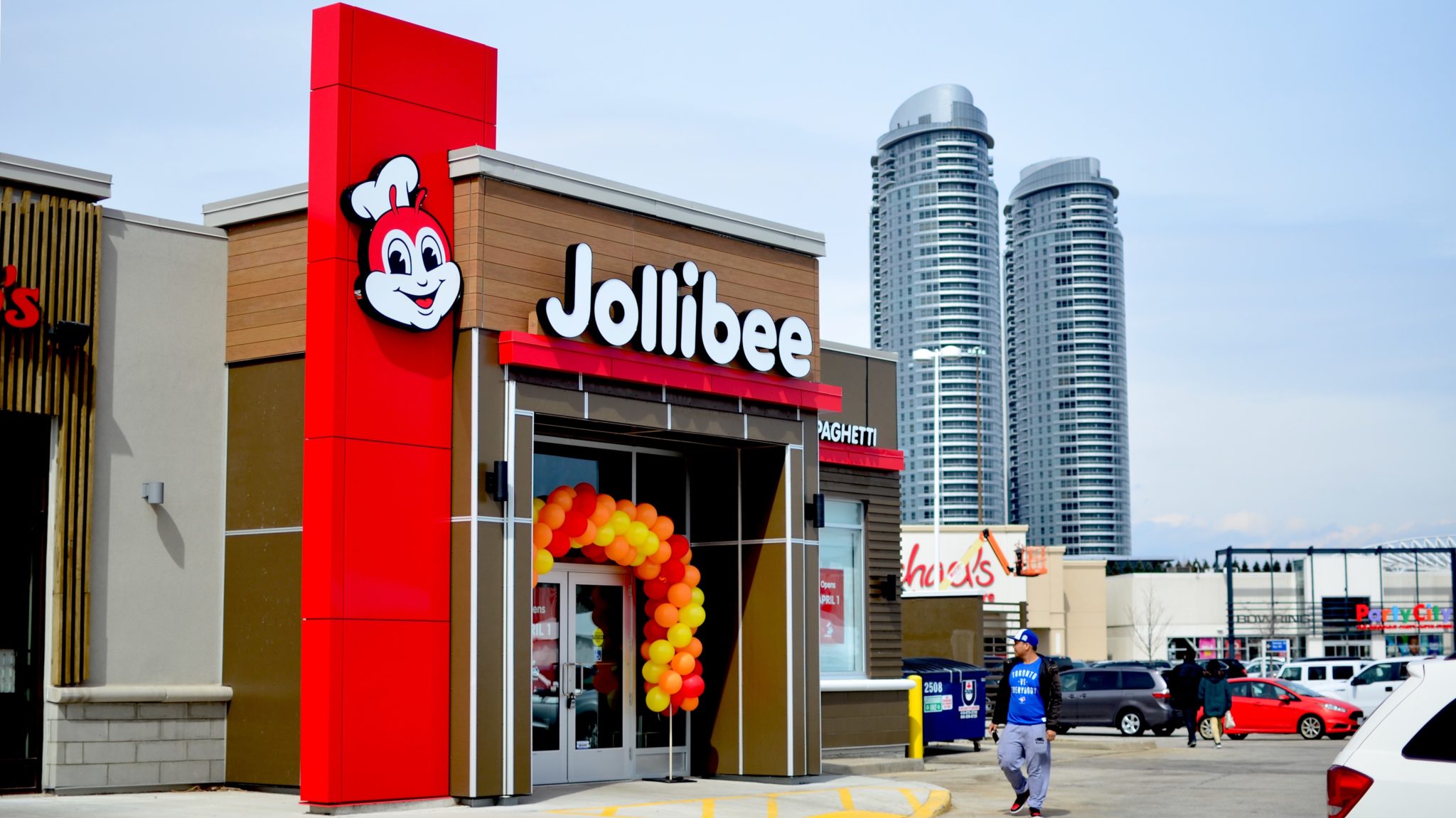
    Jollibee Foods Corporation (JFC) is accelerating its expansion across Asia with the purchase of a South Korean hot pot buffet chain and the impending introduction of a rapidly expanding Korean coffee brand into the Philippines.

    Acquisition of Shabu All Day

    JFC has secured a 70% majority stake in All Day Fresh Co, the company that operates Shabu All Day, through its subsidiary Jolli-K Co. Shabu All Day, established in 2014, has since blossomed into a chain of 169 stores throughout South Korea, acquired for an approximate total of $87 million.

    Growth in Beverage and Dining Segments

    Already part of JFC’s Korean platform is the coffee chain Compose Coffee. This diversifies the corporation’s portfolio, enabling it to have a presence in both beverage-led and full-service dining sectors.

    Introduction of Compose Coffee to the Philippines

    JFC is set to bring Compose Coffee to Philippine consumers under a master franchise agreement via its subsidiary Fresh N’ Famous Foods. Initial stores are expected to commence operations later in the year. Compose Coffee, founded in Busan in 2014, has undergone rapid growth to almost 3000 stores, establishing itself as one of Korea’s top value-oriented coffee chains. In 2024, JFC obtained a 70% stake in the coffee chain. This move is part of JFC’s ongoing efforts to make inroads into the rapidly growing coffee and tea segment, where it already operates brands such as Highlands Coffee, The Coffee Bean & Tea Leaf, and Milksha.

    Company Growth Amid Record Sales

    JFC has reported record preliminary systemwide sales of ₱122.3 billion (approximately $2.1 billion) in the fourth quarter of 2025, a 12% year-on-year increase. Throughout the year, the company’s total network of stores grew by 5.9% to 10,341 outlets, the highest number of new store openings in JFC’s history. This includes 3504 stores in the Philippines and 6837 international locations, demonstrating ongoing expansion in key markets.

    Globally, JFC operates 576 stores in China, 348 in North America, and 437 across Europe, the Middle East, Asia, and Australia. The company’s portfolio includes 985 Highlands Coffee outlets, 1079 The Coffee Bean & Tea Leaf stores, 357 Milksha locations, 2972 Compose Coffee stores, and 83 Tim Ho Wan branches.

    Questions & Answers

    What is JFC’s strategy for expansion in Asia?
    JFC is expanding its presence in Asia through acquisitions, such as the recent purchase of the South Korean hot pot buffet chain Shabu All Day, and launching new brands, like the upcoming introduction of Compose Coffee in the Philippines.

    What are some notable brands under JFC?
    JFC operates several well-known brands, including Highlands Coffee, The Coffee Bean & Tea Leaf, Milksha, Compose Coffee, and Tim Ho Wan.

    What has been the growth of JFC in recent years?
    JFC has experienced significant growth, with record systemwide sales in the fourth quarter of 2025 and a 5.9% increase in its total store network. This growth is reflected in its ongoing expansion in both domestic and international markets.

  • Jollibee Foods Sizzles up Asian Market with Korean Hot Pot Acquisition and Compose Coffee Expansion

    Jollibee Foods Sizzles up Asian Market with Korean Hot Pot Acquisition and Compose Coffee Expansion

    Jollibee Foods Corporation (JFC), a dominant player in the food service industry, is poised to strengthen its position in Asia through the acquisition of a South Korean hot pot buffet brand, Shabu All Day, and the anticipated introduction of a rapidly-growing Korean coffee brand, Compose Coffee, into the Philippines.

    Amplifying Asian Presence

    Jolli-K Co, a subsidiary of JFC, has acquired All Day Fresh Co, the company behind the operation of Shabu All Day, in a deal worth approximately US$87 million. Shabu All Day, established in 2014, boasts 169 stores distributed across South Korea. In addition to this acquisition, JFC’s South Korean portfolio encompasses the coffee chain, Compose Coffee, ensuring the company has a diverse presence across both full-service dining and beverage-led segments.

    Introducing Compose Coffee to the Philippines

    In a synergistic move, JFC is set to bring the Korean coffee brand, Compose Coffee, to the Filipino market. This will be achieved through a master franchise agreement facilitated by its subsidiary, Fresh N’ Famous Foods. The first Compose Coffee stores are projected to open in the Philippines later this year.

    Established in 2014 in Busan, Compose Coffee has witnessed prolific growth, with around 3000 stores in operation. This growth has positioned it as one of South Korea’s most significant value-driven coffee chains. JFC acquired a 70 per cent stake in Compose Coffee in 2024. This expansion into the Philippines is a testament to JFC’s ongoing commitment to the flourishing coffee and tea sector, where it already operates various brands, including Highlands Coffee, The Coffee Bean & Tea Leaf, and Milksha.

    Unprecedented Network Growth

    These growth strategies were announced against a backdrop of record sales for JFC in the preliminary fourth quarter of 2025. The food service giant reported systemwide sales of ₱122.3 billion (approximately US$2.1 billion), a 12 per cent increase year on year.

    The company’s total store network for the full year expanded by 5.9 per cent to reach 10,341 outlets, the highest level of gross store openings in the company’s history. This network comprises 3504 stores in the Philippines and 6837 international stores, demonstrating JFC’s consistent expansion across key markets. JFC operates 576 stores in China, 348 in North America, and 437 across Europe, Middle East, Asia, and Australia. The growth is largely driven by its diverse portfolio of brands, including Highlands Coffee, The Coffee Bean & Tea Leaf, Milksha, Compose Coffee, and Tim Ho Wan.

    Questions & Answers

    What is Jollibee Foods Corporation’s latest acquisition?
    Jollibee Foods Corporation has recently acquired Shabu All Day, a South Korean hot pot buffet chain, through its subsidiary, Jolli-K Co.

    What new brand is JFC introducing to the Philippines?
    JFC is set to introduce Compose Coffee, a popular and rapidly-growing South Korean coffee brand, to the Philippines.

    What was JFC’s growth rate for their total store network in the last fiscal year?
    JFC’s total store network grew by 5.9 per cent during the last fiscal year, reaching a total of 10,341 outlets.

  • A2 Milk Company Rides High on Double-digit Growth in China, US Markets: A Peek Inside the Success Story

    A2 Milk Company Rides High on Double-digit Growth in China, US Markets: A Peek Inside the Success Story

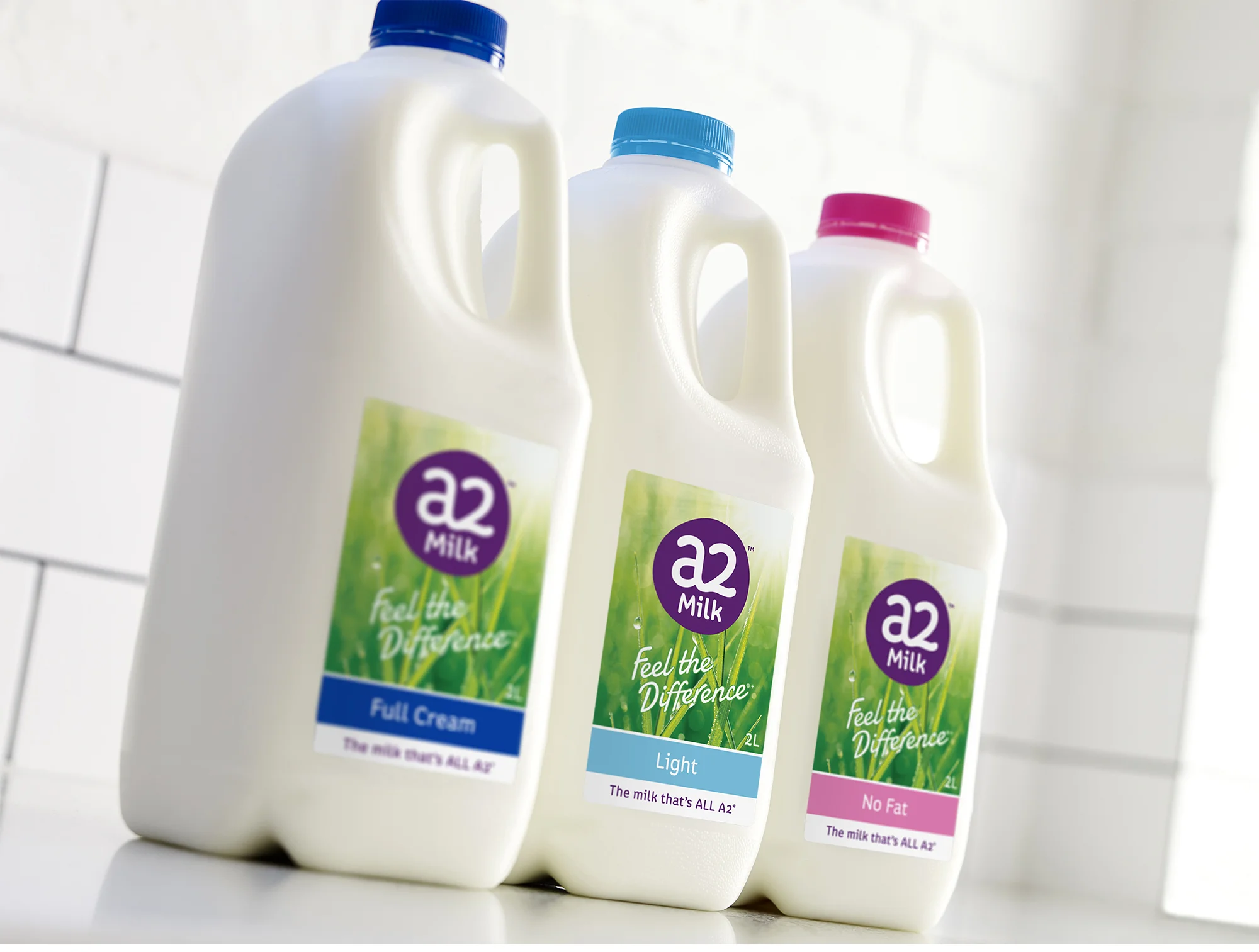
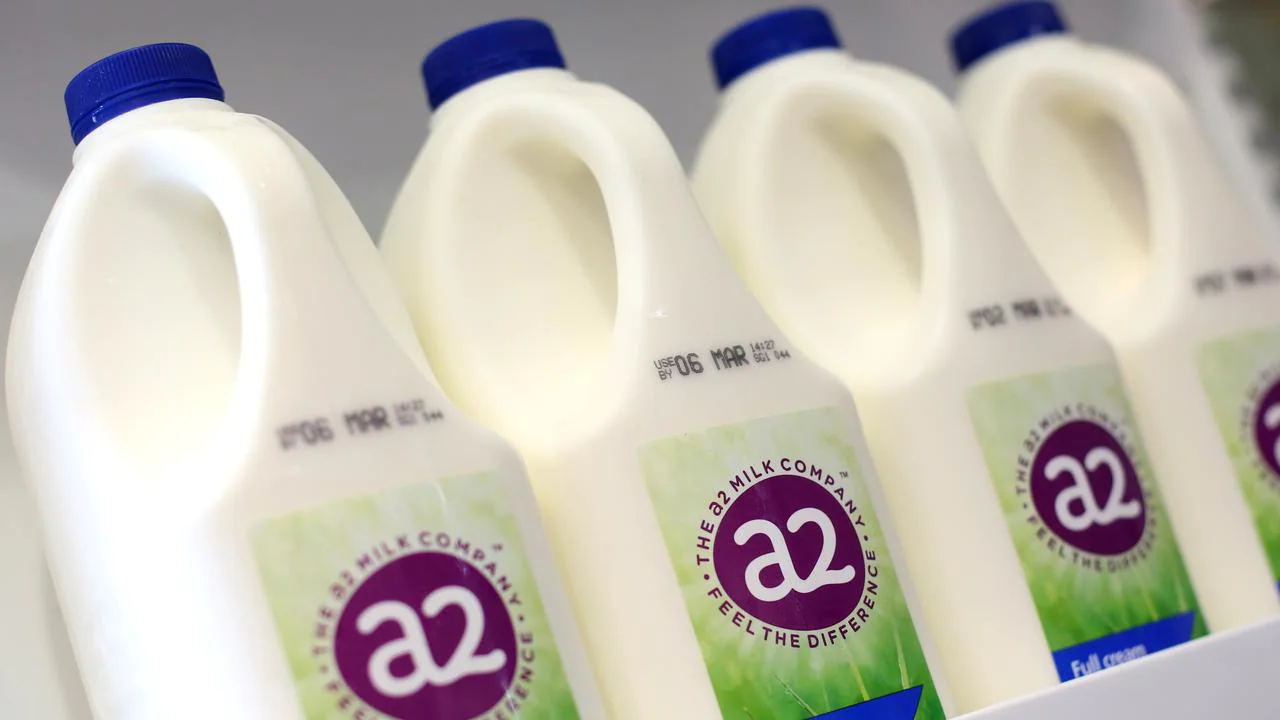
    The A2 Milk Company has announced robust sales growth in the double digits for the first half of the fiscal year. This growth has been driven largely by the company’s strong performance in both the China and US markets.

    Revenue for the six-month period ending December 31 grew by 18.8% to reach NZ$993.5 million ($845 million). This growth spanned all segments and product categories.

    Strong Market Performance in Asia and the US

    In the “China & other Asia” segment, sales saw an increase of 20.3%, spurred primarily by the growth of English label Infant Milk Formula (IMF) and other nutritional products. Meanwhile, the US segment experienced a considerable surge, with growth registering at 29.1%, thanks largely to the success of its core and Grassfed liquid milk products.

    The ANZ region also experienced an increase, albeit a more modest one, with a growth rate of 8.8%. This was mainly driven by the growth of Australian liquid milk. Daigou channel sales within this region appear to have stabilized.

    Growth across Various Product Categories

    When considering sales by category, total IMF sales experienced a growth of 13.6%. This has been attributed to the strong health of the brand and effective sales execution. English label revenue saw a sizeable growth of 20.9%, driven by the company’s performance within the CBEC and O2O channels.

    Sales of China-label products also saw a rise, with a growth rate of 6.5%. In addition, liquid milk sales grew by 18.5%. Other nutritional products saw a significant surge of 42.9%. This increase was largely due to growing contributions from children’s and seniors’ fortified milk powder products.

    In terms of earnings, EBITDA increased by 18.4% to reach NZ$155.0 million, while the EBITDA margin remained steady at 15.6%. NPAT from continuing operations saw an increase of 9.4% to reach NZ$112.1 million.

    Recent Transactions and Partnerships

    In August, the company made the announcement that it had acquired a fully integrated nutritional manufacturing facility in Pokeno. Additionally, it disclosed the divestment of MVM in an effort to optimize its asset footprint and financial performance. Both transactions were carried out during the half.

    The company also signed a long-term agreement with Fonterra for the supply of A1 protein-free milk from the North Island in New Zealand.

    A2 Milk has revised its outlook for the full year, anticipating revenue growth in the mid double digits and an EBITDA margin of approximately 15.5-16%.

    Questions & Answers

    What drove the growth of A2 Milk Company in the first half of the fiscal year?
    The growth was driven by a strong performance in the China and US markets across all segments and product categories.

    Which product categories experienced the most significant growth?
    Other nutritional products saw the most significant surge of 42.9%, with growing contributions from children’s and seniors’ fortified milk powder products.

    What does A2 Milk anticipate for its full-year outlook?
    The company expects mid double-digit revenue growth and an EBITDA margin of approximately 15.5-16%.

  • Treasury Wine Estates in Crisis: Titantic Losses Spur Massive Transformation Plan

    Treasury Wine Estates in Crisis: Titantic Losses Spur Massive Transformation Plan

    Treasury Wine Estates (TWE), renowned for its ownership of the Penfolds brand, has experienced significant losses in the initial half of the 2026 fiscal year. In spite of this, the conglomerate remains dedicated to its long-term strategic overhaul.

    First-Half Financial Decline

    The financial woes for TWE are clear, with losses mounting to a total of $649.6 million in a mere six month period. This loss was not isolated to a specific market, but rather was experienced across all of TWE’s markets. This included a notable downturn for Penfolds, the company’s premier luxury wine, which recorded a drop in earnings by 19.6%.

    Sam Fischer, TWE’s CEO, expressed his optimism during these trying times, stating, “Our current results reflect the transformational phase we are in. It’s encouraging to see the significant progress made from implementing necessary measures to steer TWE back to a trajectory of sustainable and profitable growth.”

    US Market Struggles and Brand Impairments

    The company’s performance in the Americas was particularly disappointing, with earnings plummeting by 63.6%. TWE attributed this to a subdued wine market in the region. Further exacerbating the losses was an impairment of $770.5 million related to its 19 Crimes brand in the American market.

    When disregarding the impairments, the group managed to generate a profit of $236.4 million. However, this figure is still approximately 40% lower than the corresponding period in the previous fiscal year.

    CEO Fischer emphasized the company’s resolve to bounce back, stating, “Our attention is squarely on the future. We are committed to improving execution and building a more robust, resilient business for the long haul.”

    TWE Ascent Transformation Plan

    In a bid to turn the tide, TWE is persisting with its two- to three-year strategic transformation plan named TWE Ascent. This move will involve a critical evaluation of the company’s portfolio and an effort to attain $100 million per year in operational cost efficiencies.

    Fischer explained, “TWE Ascent is the linchpin of our strategic reset. This is a structured, multi-year transformation strategy aimed at sharpening our portfolio, streamlining our organization, and optimizing our cost base. So far, we are pleased with the strides we have made.”

    He further added, “It’s heartening to see our key brands continue to perform in the marketplace and strongly resonate with customers. This bolsters our confidence in the strength of our portfolio and in our ability to enhance performance as we progress with the business transformation.”

    Questions & Answers

    What is TWE’s response to the losses observed in the first half of 2026?
    CEO Sam Fischer has expressed his optimism, stating that the company is focussed on the future and is committed to long-term growth.

    What contributed to the significant losses in the Americas?
    TWE attributed the 63.6% decline in earnings to a subdued wine market in the region, as well as a $770.5 million impairment related to its 19 Crimes brand.

    What is the company’s plan to improve their financial situation?
    TWE plans to persist with its two- to three-year strategic transformation plan named TWE Ascent, which involves a critical evaluation of the company’s portfolio and aims to attain operational cost efficiencies of up to $100 million per year.

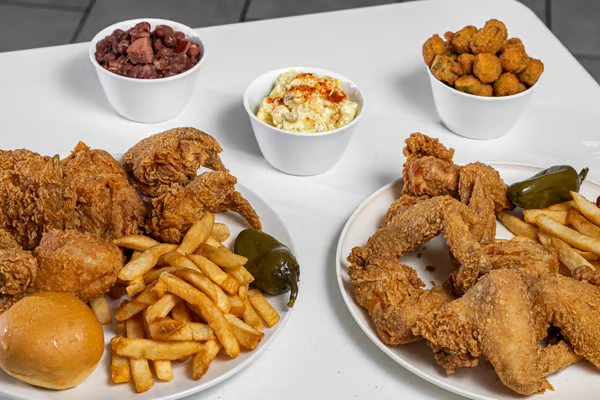
  • South Korean Firm The Venture Acquires Majority Stake in Chicken Plus Vietnam, Targets Rapid Expansion

    South Korean Firm The Venture Acquires Majority Stake in Chicken Plus Vietnam, Targets Rapid Expansion

    South Korean investment firm, The Venture, has recently acquired the majority shares of Chicken Plus’ business operations in Vietnam. This is part of their overseas investment project fund.

    Chicken Plus: An Expanding Brand

    Chicken Plus, a renowned fried chicken brand from South Korea, operates under a franchising model. The chain, which was first established in 2016, has seen significant growth in its domestic market with over 500 locations currently in operation.

    In 2019, the brand made its debut in Vietnam and has since expanded to more than 100 locations across the nation.

    Investment Strategy

    The Venture secured its majority stake in Chicken Plus Vietnam through an overseas investment project fund. This fund also includes a key domestic chicken franchise company as a strategic investor.

    The investment firm aims to build on the existing local store network and operational infrastructure of Chicken Plus Vietnam. The goal is to increase its store count to 270 within the next four years.

    Aside from this expansion plan, the company also has plans to establish its own poultry farm. They aim to internalize production, distribution, and sales processes to ensure cost competitiveness and quality control.

    No Changes to Management

    Following the acquisition, there will be no alterations to the existing management or personnel.

    Daehyun Kim, a partner at The Venture who supervises investments in Vietnam, suggests that the acquisition’s primary objective is to enhance asset value. This is to be achieved through the integration of the Korean restaurant system with local infrastructure.

    The Venture firm has a history of investing in logistics data solutions and e-commerce startups, primarily in Vietnam and Malaysia. This latest deal indicates their expansion into the restaurant sector.

    Questions & Answers

    What is the goal of The Venture’s acquisition of Chicken Plus Vietnam?
    The Venture aims to increase the store count of Chicken Plus Vietnam to 270 within the next four years, by leveraging the existing local store network and operational infrastructure.

    What changes will occur after the acquisition?
    There will be no changes to the existing management or personnel after the acquisition.

    What is the investment history of The Venture firm?
    The Venture has a history of investing in logistics data solutions and e-commerce startups, primarily in Vietnam and Malaysia. This latest acquisition signals its expansion into the restaurant sector.

  • Vietnam Tops Southeast Asia in Pork Consumption: A Look at the Nation’s Soaring Demand

    Vietnam Tops Southeast Asia in Pork Consumption: A Look at the Nation’s Soaring Demand

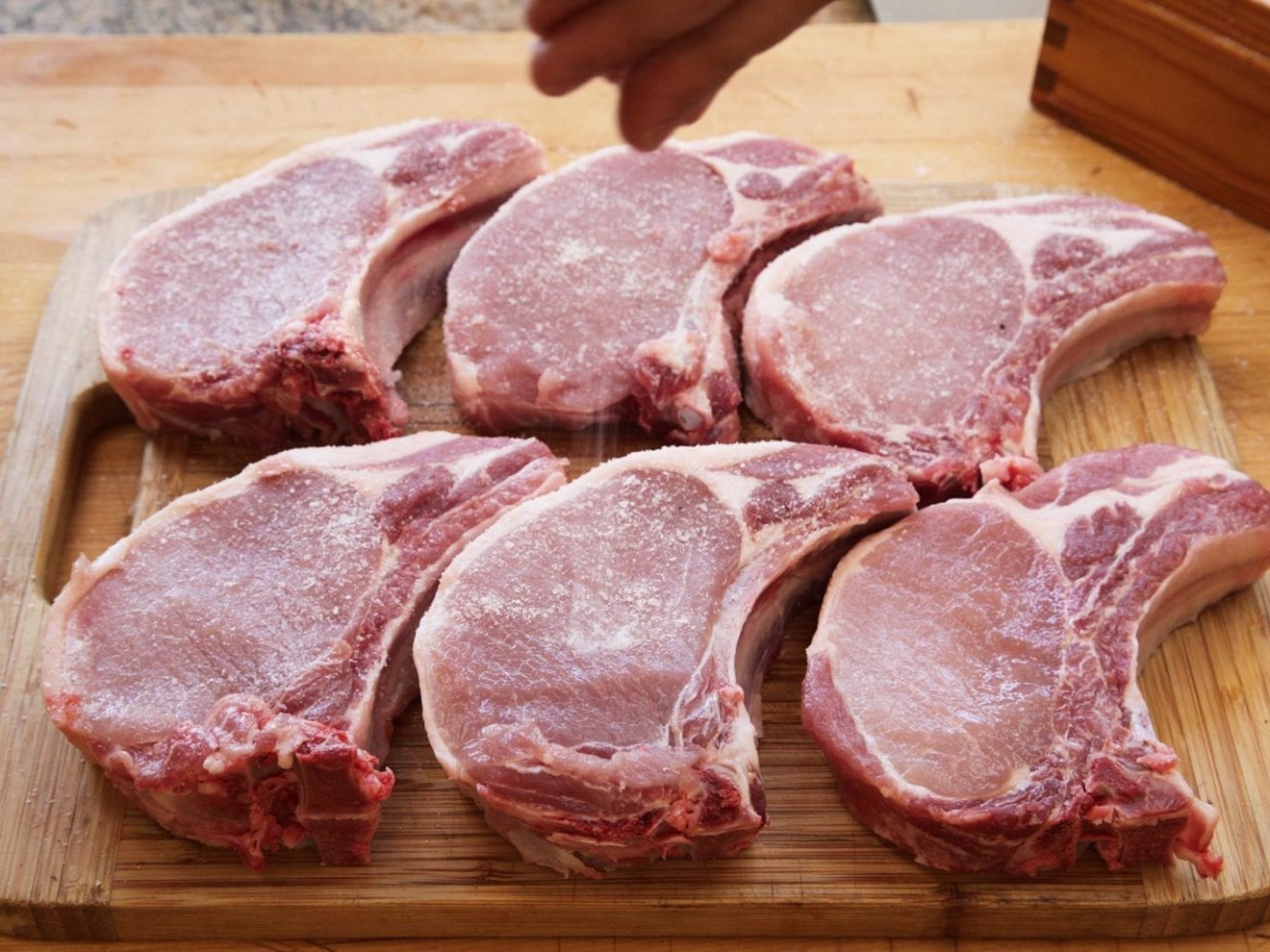
    Based on a report from the Ministry of Industry and Trade’s Department of Domestic Market Management and Development, Vietnam holds fourth place globally and tops the ranks in Southeast Asia in terms of pork consumption. Forecasts predict that by 2025, each individual in the country will be consuming nearly 39 kg of pork.

    The Role of Pork in Vietnamese Diet

    Pork remains a significant part of diets in Vietnam, as the country’s high consumption rate reflects. In addition, it significantly influences the national Consumer Price Index (CPI). Recent data illustrates a continuous rise in domestic pork consumption annually. In 2021, the average person consumed approximately 30 kg, which increased to around 37 kg in 2024 and further rose to nearly 39 kg the following year. Currently, the consumption of pork makes up over 63% of the total consumption of livestock products.

    Impact on the Market and CPI

    Pork is a food item that significantly affects the food market and the CPI, according to the department. As the Lunar New Year, or Tet, approaches, pork demand typically surges by around 10-15%. Last year, there was strong growth in the livestock industry, producing 8.6 million tonnes of various meats, of which 5.4 million tonnes were pork. This amount is sufficient to ensure an adequate supply for the upcoming Tet holiday.

    Pham Kim Dang, the Deputy Director of the Department of Animal Husbandry and Veterinary Medicine, expressed concerns over a potential supply shortage due to natural disasters and disease outbreaks the previous year. However, she assures that the current pig population of 31.4 million is more than enough to meet the demand for the Tet holiday.

    Current Pork Pricing

    Presently, the market price for live pigs is around VND71,000-74,000 (US$2.73-2.85) per kg. Despite being slightly lower than the previous month, experts consider this price to be still quite high. There were instances in January when the price reached up to VND81,000 per kg, which was unusual.

    Nguyen Xuan Duong, the Chairman of the Vietnam Livestock Association, believes that the prices of pork are swayed by speculative trading and the behaviours of small traders. Pork plays a large part in the Vietnamese consumer basket and is deemed an essential good. Therefore, a significant rise in pork prices could directly impact the people’s livelihoods and the national CPI.

    Questions & Answers

    What is the annual per capita consumption of pork in Vietnam?
    The annual per capita consumption of pork in Vietnam is predicted to reach nearly 39 kg by 2025.

    How does pork consumption affect the Vietnamese economy?
    Pork consumption significantly impacts Vietnam’s food market and the Consumer Price Index (CPI), particularly because it makes up over 63% of the total consumption of livestock products.

    What factors influence the price of pork in Vietnam?
    The price of pork in Vietnam is influenced by speculative trading, the behaviours of small traders, and the supply and demand dynamics, particularly during the Lunar New Year when demand typically surges by around 10-15%.

  • Iconic Prince Coffee House in Singapore Bids Farewell After Half a Century of Serving Delightful Chinese Cuisine

    Iconic Prince Coffee House in Singapore Bids Farewell After Half a Century of Serving Delightful Chinese Cuisine

    The iconic Prince Coffee House, a renowned Chinese restaurant in Singapore, has announced its upcoming closure, marking the end of its half-century-long service. According to the proprietor, Jimmy Lim, the decision to cease operations emerges from his decision to retire. At nearly 90 years of age, Lim has been at the helm of the restaurant’s operations for the past fifty years.

    Scheduled to shutter its doors by mid-2026, the closure coincides with the expiration of the establishment’s lease in July of that year. Lim admits his inability to withstand the strenuous twelve-hour work schedule, a factor significantly contributing to his retirement decision. Additionally, the future of Prince Coffee House remains uncertain, with Lim’s children showing no interest in perpetuating the family business.

    A Glimpse into the Past

    The coffee house, which began its journey at Shaw Towers during the mid-1970s, owes its name to the now-extinct Prince Cinema that previously resided within the same complex. The restaurant’s illustrious past is visible through photographs adorning its walls, capturing memories of numerous celebrities who dined there during its peak years.

    After a thirteen-year tenure at Shaw Towers, the establishment relocated to Coronation Plaza located in Bukit Timah. It continued to serve its customers there for a period of 21 years before moving to its present location on Beach Road nearly a decade and a half ago.

    A Tradition of Excellence

    Despite these numerous relocations, the Prince Coffee House has maintained a steady influx of patrons. Over the years, due to rising costs of living, the restaurant has adjusted its prices periodically, evidenced by layers of updated prices, handwritten and taped over previous ones.

    However, the fare offered has remained consistent over the years, with dishes like oxtail stew and beef hor fun continuing to be customer favorites. Adding to the charm of the restaurant, the plates utilized for serving have a history of their own, with some dating back to the 1970s.

    When queried about his post-retirement plans, Lim expressed his intent to continue his passion for cooking but in the comforts of his home and at his wife’s behest.

    Questions & Answers

    What is the reason for the closure of the Prince Coffee House?
    The owner, Jimmy Lim, has decided to retire due to his advancing age and the demanding nature of running the restaurant.

    When is the Prince Coffee House expected to close?
    The restaurant is scheduled to cease operations in the middle of 2026 when its lease expires.

    What will Jimmy Lim do after the restaurant closes?
    Jimmy Lim plans to continue his love for cooking but will do so at home, focusing on his wife’s culinary needs.

  • Mekong Delta Mango Prices Soar by 33% as Tet Celebrations Approach Amid Low Supply

    Mekong Delta Mango Prices Soar by 33% as Tet Celebrations Approach Amid Low Supply

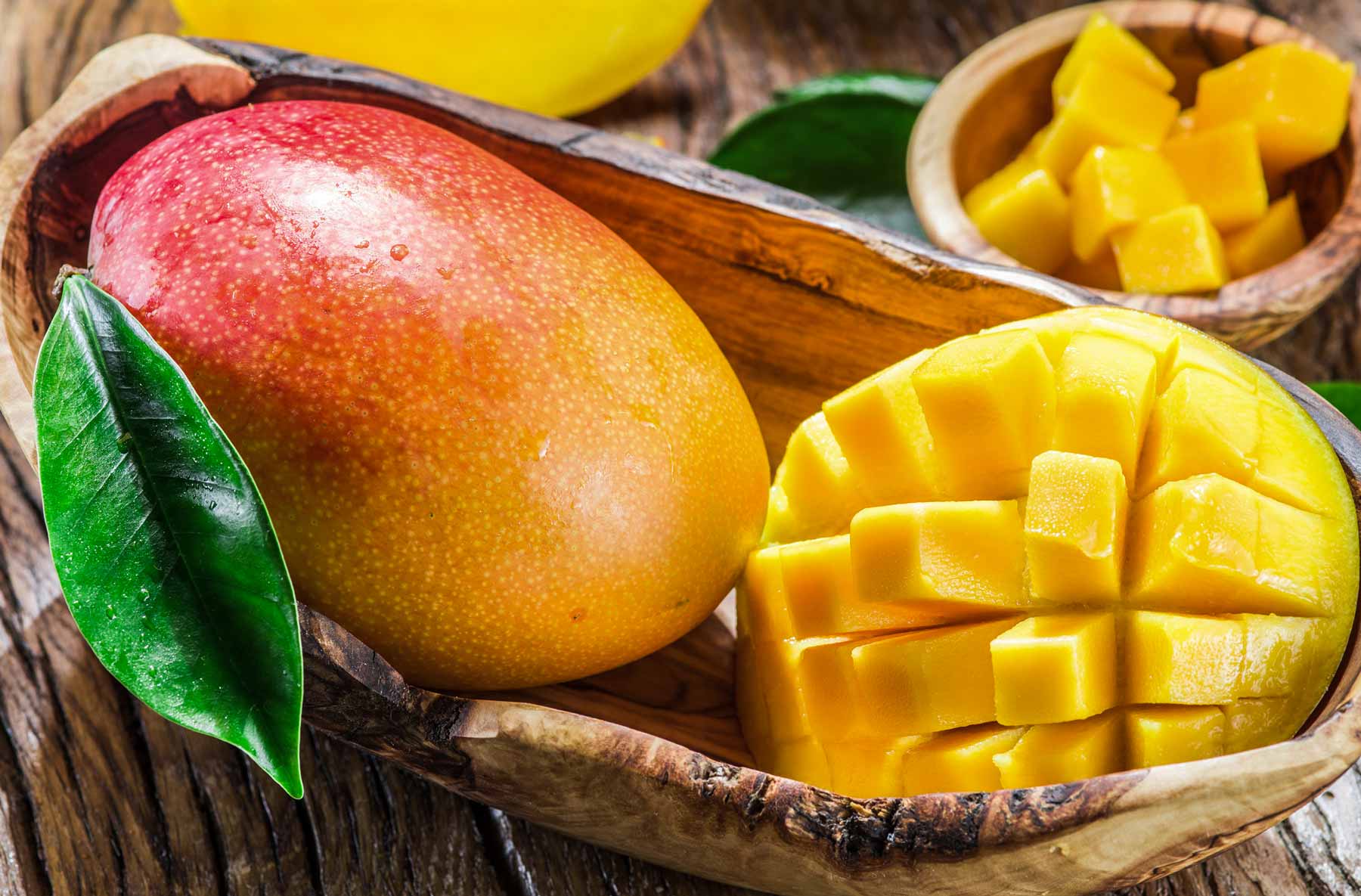
    The Mekong Delta’s renowned Hoa Loc mangoes are currently being sold at a retail price of VND200,000 (US$7.70) per kilogram, reflecting a surge of 33% compared to the previous year, primarily due to a supply shortage.

    Market Dynamics

    Several retail stores in Ho Chi Minh City (HCMC) have reported difficulties in procuring sufficient quantities of this fruit, which is a traditional component of the Tet (Lunar New Year) fruit tray. As the New Year approaches, larger and more attractive fruits are being sold out rapidly, despite their steep prices.

    Nguyen Thi Loan, a fruit store owner located in the An Hoi Dong Ward of the city, revealed that her daily sales have dropped to approximately 150 kilograms compared to last year’s 200 kilograms during the same period. The availability of other mango varieties has also decreased, subsequently pushing their prices upwards.

    Weather Impact and Export Priorities

    Unfavorable weather conditions have hampered timely fruit-bearing in many large orchards, contributing to the supply-demand imbalance. Nguyen Thi Hong, a mango grower with over a hectare of land in the Mekong Delta province of Dong Thap, claimed that Hoa Loc yields have declined by 20-30% compared to the previous year.

    This reduction in output has inflated both farm-gate and wholesale prices. For instance, at the Thu Duc agricultural wholesale market in HCMC, mango prices have skyrocketed by over 60% since the last Tet, reaching VND130,000 per kilogram.

    A manager at the market also indicated that certain businesses are prioritizing their export orders, thereby intensifying the local supply crunch.

    Questions & Answers

    Why have the retail prices of Hoa Loc mangoes increased significantly?
    The prices have escalated due to a supply shortage, which has resulted from unfavorable weather conditions and lower yields.

    What other factors are contributing to the rise in the prices of these mangoes?
    In addition to the supply-demand imbalance, some businesses are prioritizing their export orders over local supply, leading to a further increase in prices.

    How has this affected the traditional Tet fruit tray?
    The scarcity of Hoa Loc mangoes and their high prices have led to a reduction in sales, impacting the traditional Tet fruit tray which typically includes these mangoes.

  • Revolutionizing the Beverage Industry: Kiwi Startup’s Innovative Tablet Drink Seeks to Curb Plastic Waste

    Revolutionizing the Beverage Industry: Kiwi Startup’s Innovative Tablet Drink Seeks to Curb Plastic Waste

    A New Zealand-based startup, Incrediballs, is set to introduce a tablet-based beverage product, with the aim of minimizing plastic usage in the beverage industry. The product represents the commercial exploitation of a research endeavor that spanned seven years.

    Incrediball’s Innovative Concept

    Incrediballs specializes in the production of non-plastic effervescent drink tablets. The development of these tablets was spearheaded by Brianne West, founder and ex-CEO of Ethique, a personal care company. West’s departure from Ethique saw her utilizing a co-crystal stabilization method, a technology birthed at the University of Bradford, UK.

    The conventional effervescent tablets are inherently unstable, necessitating the use of plastic or metal packaging for protection against moisture and air, West explained. On a commercial scale, stabilizing these tablets is a challenge that even pharmaceutical companies grapple with.

    “The chemistry may seem straightforward but controlling it is no easy feat,” she said. “Our patented system encapsulates active ingredients such as citric acid and sodium bicarbonate with compounds like nicotinamide and creatine. This prevents the reaction from taking place until the tablet is completely immersed in water.”

    Upon dissolution, each tablet generates a 350ml beverage with no added sugar. By eliminating the need for bottled drinks, this format presents an alternative within the global soft drink market. The market, estimated to be worth $1.42 trillion, is responsible for generating around 583 billion single-use plastic bottles annually, with only about 10% of these bottles being recovered by recycling systems.

    An Eco-friendly Alternative to Bottled Drinks

    West, referring to data from the United Nations, stated that manufacturers are capable of producing approximately 20,000 PET bottles every second. Furthermore, single-use drink containers account for roughly 45% of litter in urban areas.

    Incrediballs’ tablets are packaged in a paper-based material that is certified for home composting and devoid of plastic laminates. The packaging can be composted or recycled. The company uses water-based inks and is exploring options for algae-derived alternatives.

    The development of Incrediballs incorporated feedback from over 15,000 subscribers and social media followers who participated in product testing. The company plans to extend their product line to include functional beverage formats that utilize ingredients sourced from New Zealand such as manuka, kawakawa, and kiwifruit extracts.

    Revolutionizing the Beverage Industry

    Incrediballs’ goal is to revolutionize the drink manufacturing, transportation, and sales sectors. However, the company’s focus is not merely to position its product as an environmental alternative. It has set ambitious targets to prevent the production of 50 million plastic bottles by 2030 and 300 million by 2050.

    From a logistical standpoint, the non-liquid, non-plastic format of the product decreases transport volume by over 99%, enabling higher product density per shipment. According to West, this shift has the potential to transform export economics by reducing logistics costs.

    In terms of financial aspirations, the company aims for a revenue of $1 million by the 2027 fiscal year, with long-term plans to establish an export business boasting an annual turnover of $1 billion.

    The initial four flavors of the product will be available for online orders beginning February 16. The company has already garnered interest from supermarkets and FMCG retailers in Australia and New Zealand.

    At first, the company’s focus will be on direct-to-consumer sales to establish brand positioning and gain customer insights. They also plan on partnering with select independent retailers for trial runs. Feedback from these early stages will be used to fine-tune aspects such as flavor, packaging, and usage prior to wider FMCG and export distribution.

    “We’re not aiming to be a niche or a travel product,” West said. “We want our presence felt on every beverage aisle.”

    Questions & Answers

    What is Incrediballs?
    Incrediballs is a New Zealand-based startup that specializes in the production of non-plastic effervescent drink tablets aimed at reducing plastic waste in the beverage industry.

    How does the Incrediballs tablet work?
    The Incrediballs tablet, when fully immersed in water, dissolves to produce a 350ml beverage. This eliminates the need for single-use plastic bottles.

    What are Incrediballs’ future plans?
    Apart from aiming to prevent the production of 50 million plastic bottles by 2030, Incrediballs also plans on extending their product line to functional beverage formats using locally sourced ingredients. The company aims to establish a strong brand presence in all beverage aisles, not just as a niche or travel product.
  • South Korean Coffee Giant, The Venti, Brews Expansion into Middle East through Key Franchise Agreement

    South Korean Coffee Giant, The Venti, Brews Expansion into Middle East through Key Franchise Agreement

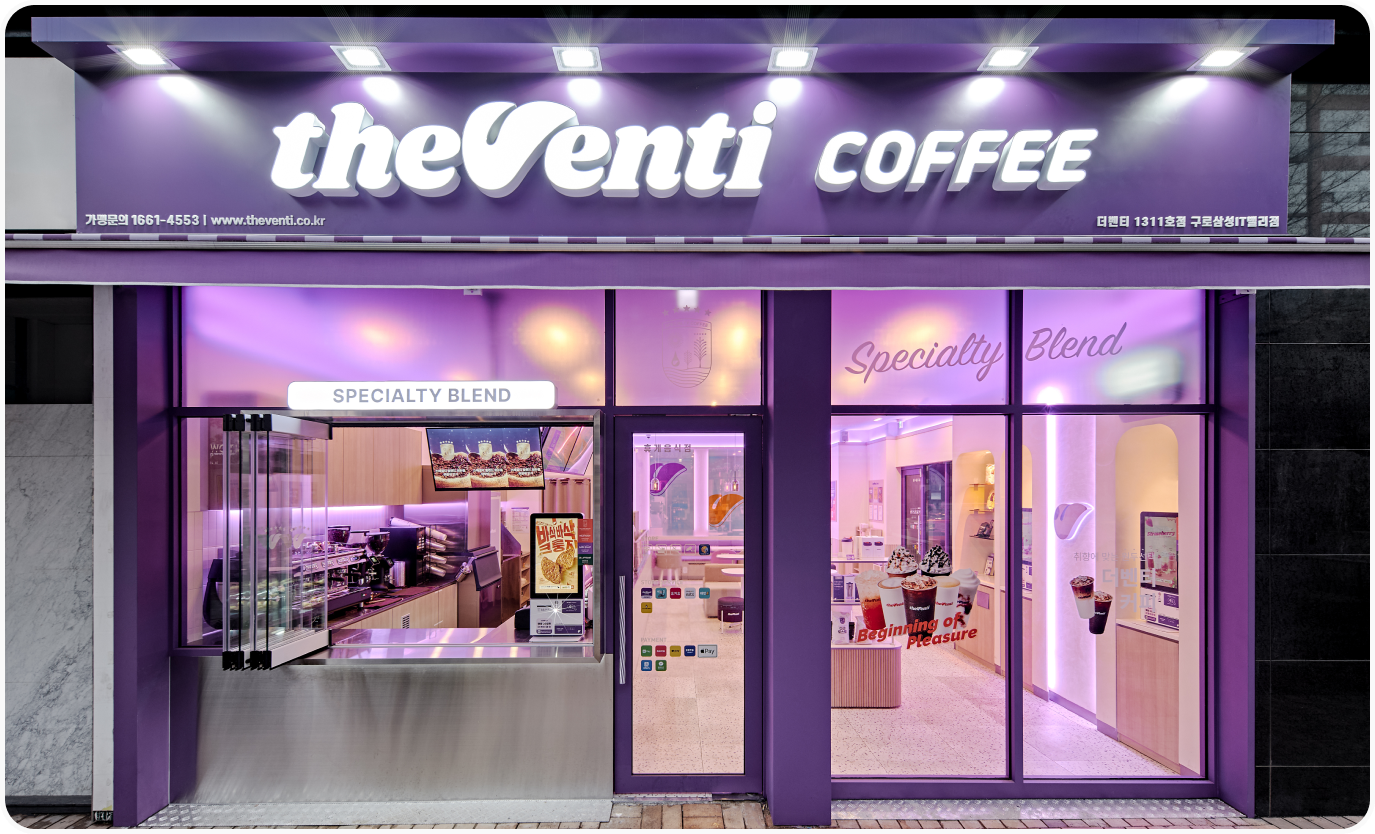
    South Korean coffee powerhouse, The Venti, has recently entered into a strategic master franchising agreement with JKT Networks. This strategic partnership aims at further expanding The Venti’s presence into the Middle Eastern market.

    First Steps Into the Middle East

    Established in Busan in March 2014, The Venti has made its first foray into the Middle East with the opening of a new outlet in Amman, Jordan. The move is part of the company’s broader strategy to expand its footprint beyond Asia, further into the Middle East and North Africa.

    A spokesperson for The Venti explained the significance of this market entry, stating, “This entry into Jordan serves as a strategic foothold aimed at expanding beyond Asia into the Middle East and North Africa. It will mark an important milestone in The Venti’s global roadmap.”

    The Venti’s Global Aspirations

    The Venti has clear intentions to become a sensory brand that forms connections between the global and local. The company is committed to respecting the cultural sensitivities of each country it operates in and strives to provide consistent brand value to its customers worldwide.

    JKT Networks: The Ideal Partner

    JKT Networks, a distributor of Korean products, is The Venti’s chosen partner for its expansion into the Jordanian market. JKT Networks’ core competency lies in catering to markets in Jordan, making it an ideal fit for The Venti. Its partner, UiL Trading, exports over 20,000 Korean products, adding further value to the partnership.

    Questions & Answers

    What is the significance of The Venti’s entry into the Middle East?
    The entry marks an important milestone in The Venti’s global expansion roadmap, serving as a strategic foothold for further expansion into the Middle East and North Africa.

    Who is The Venti’s partner for its Middle East expansion?
    The Venti has entered into a partnership with JKT Networks for its expansion into the Middle Eastern market.

    What are The Venti’s global aspirations?
    The Venti aims to become a sensory brand that connects the global and local by respecting the cultural sensitivities of each country it operates in while providing consistent brand value to customers worldwide.

  • Major Shake-Up at A2 Milk: ANZ MD Steps Down, Sparks Leadership Reshuffle

    Major Shake-Up at A2 Milk: ANZ MD Steps Down, Sparks Leadership Reshuffle

    The A2 Milk Company has recently confirmed a sequence of significant leadership transitions, following the resignation of Eleanor Khor, the Managing Director (MD) for Australia and New Zealand (ANZ). Her tenure is set to conclude at the end of March.

    Leadership Change

    Jaron McVicar, currently serving as the Chief Legal and Sustainability Officer, will assume leadership of the ANZ business. The company expressed its gratitude towards Khor for her significant contributions during her service.

    Eleanor Khor has been an essential member of the company’s executive leadership team. Her significant contributions to the company’s growth and success over the past seven years were acknowledged by David Bortolussi, the MD and CEO of the company. Khor had been at the helm of the ANZ business unit since 2023 and was instrumental in enhancing brand health, fostering employee and customer engagement, and boosting sales and earnings. The company extends its best wishes to Khor for her future endeavors.

    Promotions and New Responsibilities

    Kate Tidbury, currently the head of legal in the group, is set to join the executive leadership team (ELT) in the capacity of Chief Legal Officer and Company Secretary.

    In Khor’s absence, the company’s Chief Financial Officer (CFO), David Muscat, will spearhead the corporate strategy. Furthermore, the Strategy and Analytics team in China will now report directly to Xiao Li, the regional CEO.

    Bortolussi has applauded Kate’s promotion to the ELT, citing her notable leadership and technical skills. He also commended Jaron, David, and Xiao for their new areas of responsibility, stating that these changes align well with the company’s carefully crafted internal succession plans.

    Questions & Answers

    Who is taking over the ANZ business of the A2 Milk Company following Eleanor Khor’s resignation?
    Jaron McVicar, the Chief Legal and Sustainability Officer, will take over the ANZ business following Eleanor Khor’s resignation.

    Who will head the corporate strategy in Eleanor Khor’s absence?
    In Eleanor Khor’s absence, the company’s Chief Financial Officer, David Muscat, will head the corporate strategy.

    Who will the Strategy and Analytics team in China report to in the future?
    The Strategy and Analytics team in China will now report directly to Xiao Li, the regional CEO.

  • Coca-Cola’s Upbeat 2025: Digital Transformation and Steady Growth Ahead

    Coca-Cola’s Upbeat 2025: Digital Transformation and Steady Growth Ahead

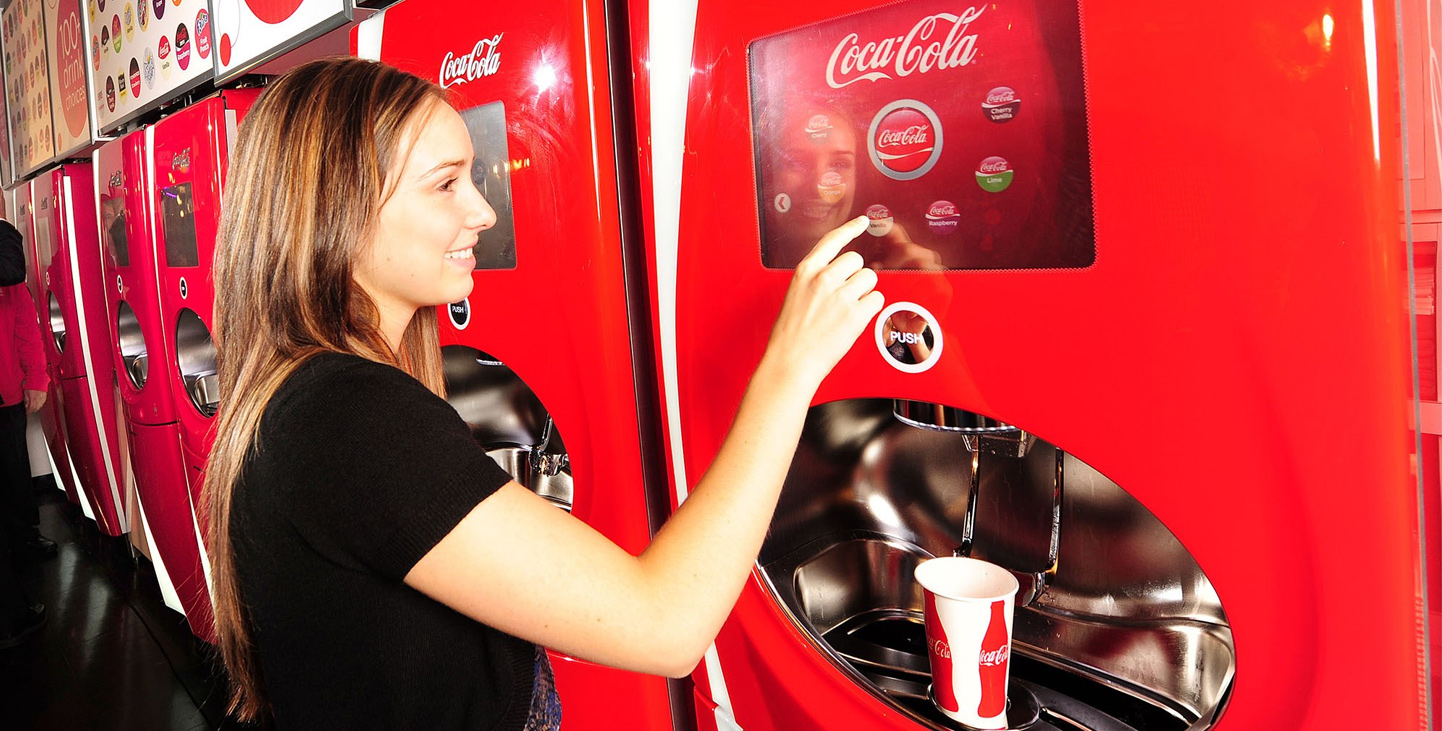
    Coca-Cola, a leading player in the soft drink industry, showcased continued revenue growth in 2025, setting the groundwork for its long-term success plan.

    Growth Pattern

    The company’s net revenues exhibited a 2% increase in both the fourth quarter and the entire year, while organic revenues saw a 5% growth over the same timeframe. James Quincey, chairman and CEO of Coca-Cola, expressed his satisfaction with the 2025 performance, which he believes demonstrates both the resilience and momentum inherent in the business.

    Quincey also shared insights into the company’s future plans, stating, “Our focus moving forward will be on better execution of our strategy and ensuring our system is primed for long-term success.”

    Towards a Digital Future

    Coca-Cola is set to fast-track its digital transformation with the aim of fostering closer relationships with consumers. Key initiatives include the establishment of a chief digital officer position, the launch of innovation hubs, and the inception of “commercial centres of excellence” in strategic markets.

    A spokesperson for the company explained that, “These collective actions are designed to better position the business to attract new customers, take the lead with marketing and innovation, and pilot a system that is ready for the future.”

    Sales and Revenue Highlights

    Sales figures for Coca-Cola’s zero sugar drink rose by 13% in Q4, while Diet Coke saw a 2% increase in the same period. However, the company’s operating income for the quarter fell 32% due to a US$960 million ($1.35 billion) charge related to a Bodyarmor trademark. Despite this, annual operating income showed a 38% rise.

    Future Expectations

    Looking ahead, Coca-Cola anticipates a free cash flow of approximately $17.1 billion, which includes an estimated $20.2 billion cash flow from operations.

    Questions & Answers

    What were the growth rates for Coca-Cola’s net and organic revenues in 2025?
    The company’s net revenues grew by 2% and organic revenues increased by 5% in the same year.

    What are some initiatives Coca-Cola is taking as part of its digital transformation?
    Coca-Cola is appointing a chief digital officer, setting up innovation hubs, and creating commercial centres of excellence in key markets.

    How does Coca-Cola’s operating income for 2025 compare to the previous year?
    Despite a 32% drop in the operating income for Q4 due to a trademark-related charge, the annual operating income grew by 38%.

  • Luckin Coffee Celebrates 30,000th Store Milestone with Launch of Innovative ‘Origin Flagship’ Format in Shenzhen

    Luckin Coffee Celebrates 30,000th Store Milestone with Launch of Innovative ‘Origin Flagship’ Format in Shenzhen

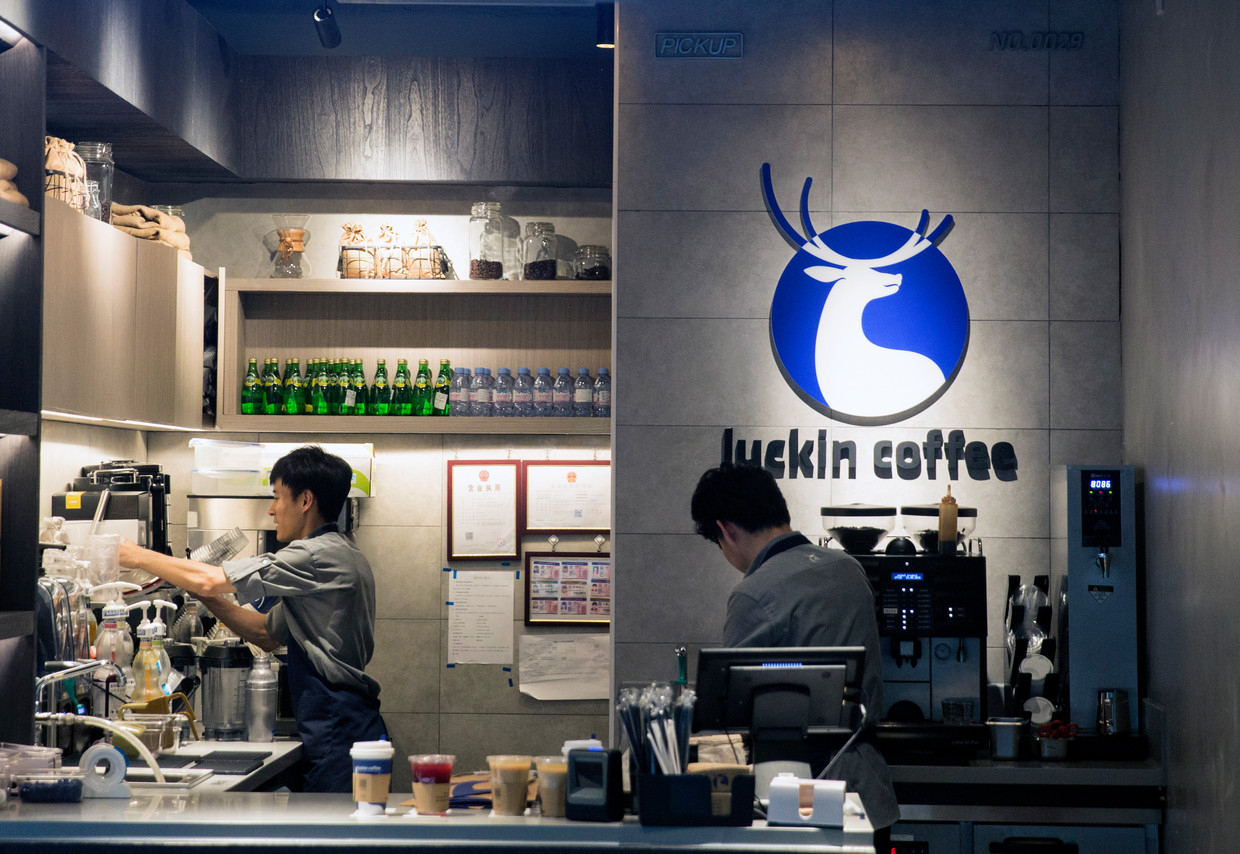
    Luckin Coffee, the global coffee enterprise, recently celebrated the grand opening of its 30,000th outlet. This notable event was marked by the introduction of a new ‘Origin Flagship’ store in Shenzhen.

    New Store Format

    This two-level outlet, significantly larger than Luckin’s traditional pickup-centric small stores, covers an expansive area of about 420 square meters. It carries a special ‘Origin Lab’ menu, presenting customers with a unique selection of single-origin coffees and pour-over options. Coffee aficionados can look forward to tasting beans originating from various regions, including Yunnan, Ethiopia, and Mandheling.

    Store Features

    The new store is equipped with state-of-the-art semi-automatic coffee machines. In addition, it features an exclusive ‘Master Space’, specifically designed to host coffee-related events and facilitate customer interaction.

    In keeping with its commitment to sustainability, Luckin Coffee developed the new store in accordance with Leed Platinum and Zero Carbon Space standards.

    Global Coffee Journey

    Li Hui, Chairman of Luckin Coffee, expressed his company’s dedication to delivering the authentic taste of premium coffee from various renowned regions, including Indonesia, Brazil and Colombia, to every customer. He emphasized that the experience of enjoying a cup of Luckin Coffee is not just about the taste; it’s the beginning of a journey through global coffee flavors. This perspective signifies a critical advancement of Luckin’s corporate vision and mission.

    Currently, the coffee giant operates over 30,000 stores in more than 300 cities in China. It has also successfully expanded its footprint to international markets like Singapore, Malaysia, and the US.

    Questions & Answers

    What is unique about Luckin Coffee’s 30,000th store?
    The 30,000th Luckin Coffee store, located in Shenzhen, introduces a new ‘Origin Flagship’ format. It is a two-story outlet covering 420 square meters, significantly larger than the traditional small, pickup-focused outlets. The store features an ‘Origin Lab’ menu with single-origin coffees and pour-over options.

    What is the ‘Origin Lab’ in the new Luckin Coffee store?
    The ‘Origin Lab’ is a special menu featured in the new store that offers single-origin coffees and pour-over options. Customers can taste beans from various regions, including Yunnan, Ethiopia, and Mandheling.

    Where else does Luckin Coffee operate?
    Luckin Coffee operates more than 30,000 stores in over 300 cities in China and has expanded internationally into markets such as Singapore, Malaysia, and the US.