Retail News CRM

Category: Food

Retail News Asia is committed to providing both local and global retailers with the latest Food and Food & Beverage news throughout the Asian market. This on a daily base.

  • Woolworths NZ Kick-starts Innovative Drive-Thru Home Burger Trial: A Fresh Take on Convenient Dining

    Woolworths NZ Kick-starts Innovative Drive-Thru Home Burger Trial: A Fresh Take on Convenient Dining

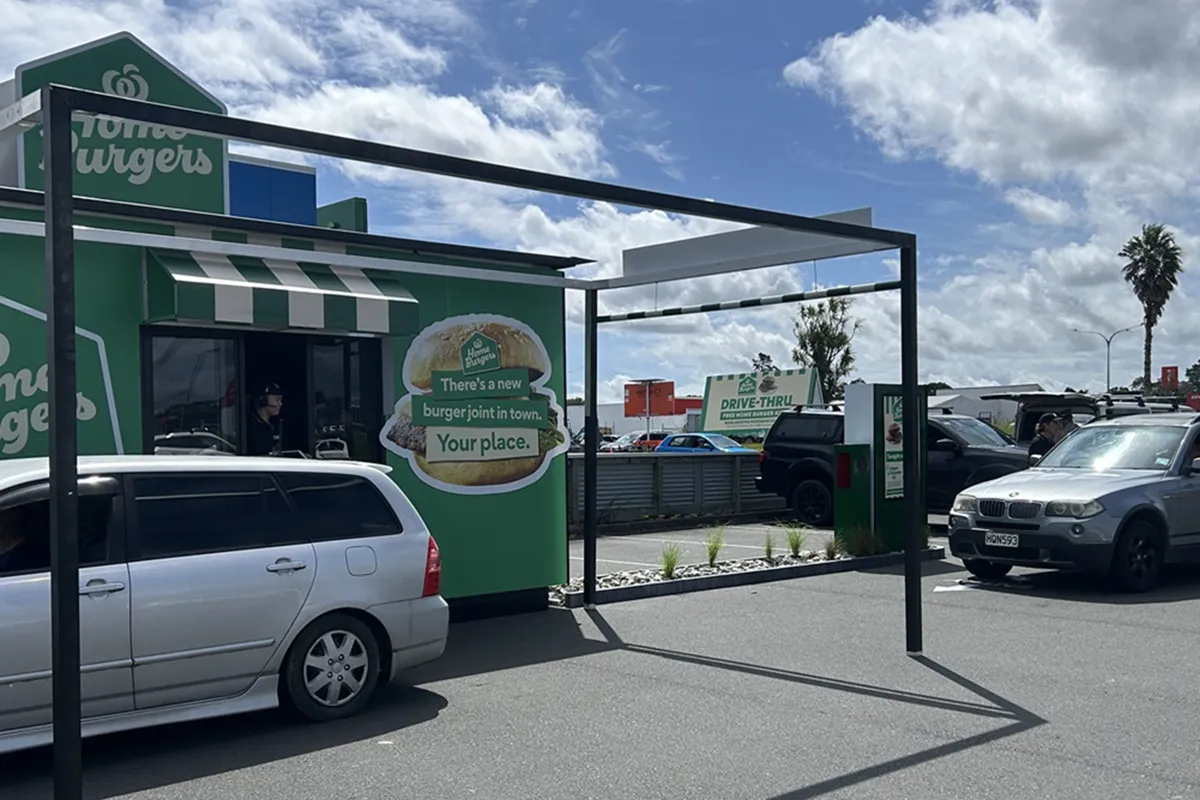
    Woolworths New Zealand recently conducted a drive-thru experiment in a supermarket parking lot to promote its new line of beef burger patties. The event, which occurred from January 26 to 28 at Woolworths Pukekohe South, underscored the importance of own-brand products during the busy summer season.

    Drive-Thru Experiment

    Approximately 4,500 Home Burger kits were handed out free of charge during the trial. With queues of vehicles observed throughout the event and stocks depleted each night, the results pointed towards a strong consumer demand for home-cooked meals that mimic the convenience of takeaways.

    Conrad Webber, Woolworths NZ’s marketing manager for fresh food and own brand, spoke about the innovative drive-thru concept. He explained that it offered a platform to showcase restaurant-style meals intended for home cooking, while also experimenting with a novel customer engagement strategy.

    “The drive-thru allowed us to translate a typical dining-out experience into a retail environment,” said Webber. He further added that “the positive reception over the three nights reaffirmed our belief that New Zealanders appreciate restaurant-quality cuisine they can easily replicate at home, and confirmed that own-brand products can deliver on flavor, quality, and convenience in a manner that resonates with our customers’ lifestyles.”

    Home Burger Kits

    Customers participating in the trial drove through the store’s parking lot to collect a Home Burger kit. The kits, which featured Woolworths Own Brand products including beef patties, brioche buns, sliced cheese, salad ingredients, and condiments, were packaged in reusable Woolworths bags complete with preparation instructions for home use.

    The drive-thru event was part of Woolworths’ more extensive Home Burgers launch. It positioned the beef burger patty range as a viable alternative to takeaway-style burgers.

    The initiative catered to households seeking quick and familiar meal solutions, particularly in light of ongoing cost-sensitivity. The campaign’s focus was on providing bundled meal solutions rather than individual item purchases.

    Questions & Answers

    What was the purpose of the Woolworths drive-thru experiment?
    The Woolworths drive-thru experiment was designed to promote its new line of beef burger patties, with a focus on demonstrating the convenience and quality of own-brand products.

    What did the Home Burger kits include?
    The Home Burger kits featured Woolworths Own Brand products including beef patties, brioche buns, sliced cheese, salad ingredients, and condiments. They were packaged in reusable Woolworths bags, with home preparation instructions included.

    What was the primary target audience for this initiative?
    The primary target audience for this initiative was households seeking quick, familiar, and cost-effective meal solutions that could easily be prepared at home.

  • Facing Tough Tides: Synlait Milk Anticipates Half-Year Loss Amid Manufacturing Hurdles

    Facing Tough Tides: Synlait Milk Anticipates Half-Year Loss Amid Manufacturing Hurdles

    Synlait Milk, a company based in New Zealand and listed on the Australian Securities Exchange (ASX), anticipates reporting a loss for the six months ending on January 31. The company has attributed this forecast to manufacturing challenges at its Dunsandel facility. Synlait owns Dairyworks, a supplier of cheese, butter, and ice cream to Australian supermarkets.

    Financial Projections

    Synlait anticipates an underlying net loss after tax of NZ$33 million to $38 million, as well as a reported net loss after tax of $77 million to $82 million for the six-month period. This is a significant drop from the previous year, which saw an underlying net profit after tax (NPAT) of $8.7 million and a reported NPAT of $4.8 million.

    The company expects its underlying earnings before interest, taxes, depreciation, and amortization (EBITDA) for the half year to range from breakeven to $5 million, with a projected reported EBITDA loss of $28 million to $33 million.

    Manufacturing Challenges and Cost Impacts

    While Synlait has primarily resolved the manufacturing issues at the Dunsandel site, it is still grappling with related cost and operational effects. The necessity to rebuild inventory across product segments entailed substantial adjustments to Synlait’s manufacturing plans for the current dairy season. To facilitate these adjustments, the company increased its raw milk sales, which negatively affected margins and operating costs.

    Low returns from the commodities portfolio also adversely impacted Synlait’s half-year performance. Furthermore, the company took a cautious approach, choosing not to recognize additional deferred tax assets stemming from unused tax losses beyond those recorded at the end of July.

    Effects on the Company’s Future

    Synlait’s CEO, Richard Wyeth, expressed disappointment with the results and the subsequent slowdown in the company’s recovery. Nevertheless, he affirmed that progress has been made in operations, including the establishment of a revitalized executive leadership team (ELT) in Canterbury and the forthcoming sale of Synlait’s North Island assets.

    This sale, slated for completion on April 1, is expected to substantially reinforce Synlait’s financial position, with the proceeds being used to reduce debt. The sale will also allow Synlait to concentrate its primary operations in Canterbury, with an emphasis on continual operational excellence and customer diversification to bolster long-term profitability.

    However, both Wyeth and Synlait acknowledge that the company’s recovery will take time, with a minimum of 12 months projected. Further details will be provided when Synlait releases its half-year results on March 23.

    Questions & Answers

    What contributed to Synlait’s projected financial loss?
    Manufacturing challenges at its Dunsandel facility, the need to rebuild inventory, increased raw milk sales, and low returns from the commodities portfolio all contributed to Synlait’s projected losses.

    What is the company’s current strategy for recovery and long-term profitability?
    Synlait’s recovery strategy includes the sale of its North Island assets to reduce debt, focusing its core operations on Canterbury, pursuing operational excellence, and diversifying its customer base.

    When does Synlait expect to see a recovery?
    The company anticipates that the recovery will take at least 12 months.

  • Kettle Chips Ignites Taste Buds with New FireMasters Range Inspired by Fire-Based Cooking Methods

    Kettle Chips Ignites Taste Buds with New FireMasters Range Inspired by Fire-Based Cooking Methods

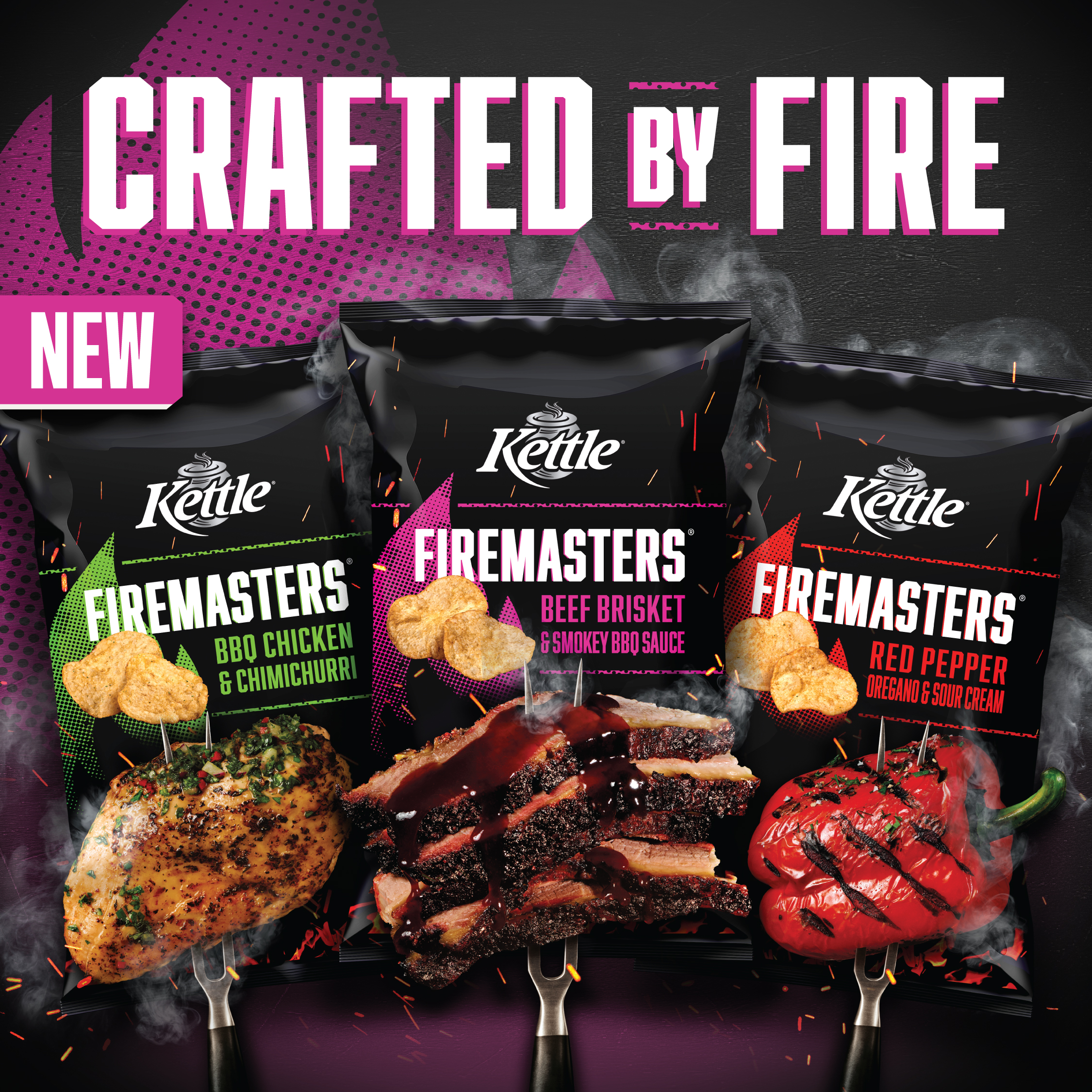
    Kettle Chips is broadening its spectrum of offerings with the introduction of a premium new range called Kettle FireMasters Potato Chips. This unique collection draws its inspiration from various fire-based culinary techniques.

    The FireMasters Range

    The FireMasters range features a trio of distinct variants: Firepit Beef Brisket & Smokey BBQ Sauce, Woodfired BBQ Chicken & Chimichurri, and Chargrilled Red Pepper, Oregano & Sour Cream. These flavours are a testament to the diverse and captivating methods of fire pit, wood-fired, and chargrilled cooking. This range caters to the increasing consumer preference for bold, smoky, and genuinely authentic taste profiles.

    According to Snackbrands Australia, the Kettle team has worked diligently to create a daring new range that allows customers to select their preferred fire and flavour. Every flavour is meticulously crafted to provide an immersive snacking encounter, whether it’s the charred richness of flame-kissed vegetables or the deep, slow-cooked warmth of firepit meats.

    Availability

    The Kettle FireMasters range is currently being launched across major retailers. This includes Woolworths and is retailed at $6 for a 150g bag.

    In addition to this new range, Kettle Chips also joined forces with Bundaberg Brewed Drinks last year to introduce a limited-edition offering – Bundaberg Ginger Beer Potato Chips.

    Questions & Answers

    What is the new range launched by Kettle Chips?
    Kettle Chips has launched a new range known as Kettle FireMasters Potato Chips.

    What are the three variants in the FireMasters range?
    The three variants are Firepit Beef Brisket & Smokey BBQ Sauce, Woodfired BBQ Chicken & Chimichurri, and Chargrilled Red Pepper, Oregano & Sour Cream.

    What is the retail price of the Kettle FireMasters range?
    A 150g bag of the Kettle FireMasters range is retailed at $6.

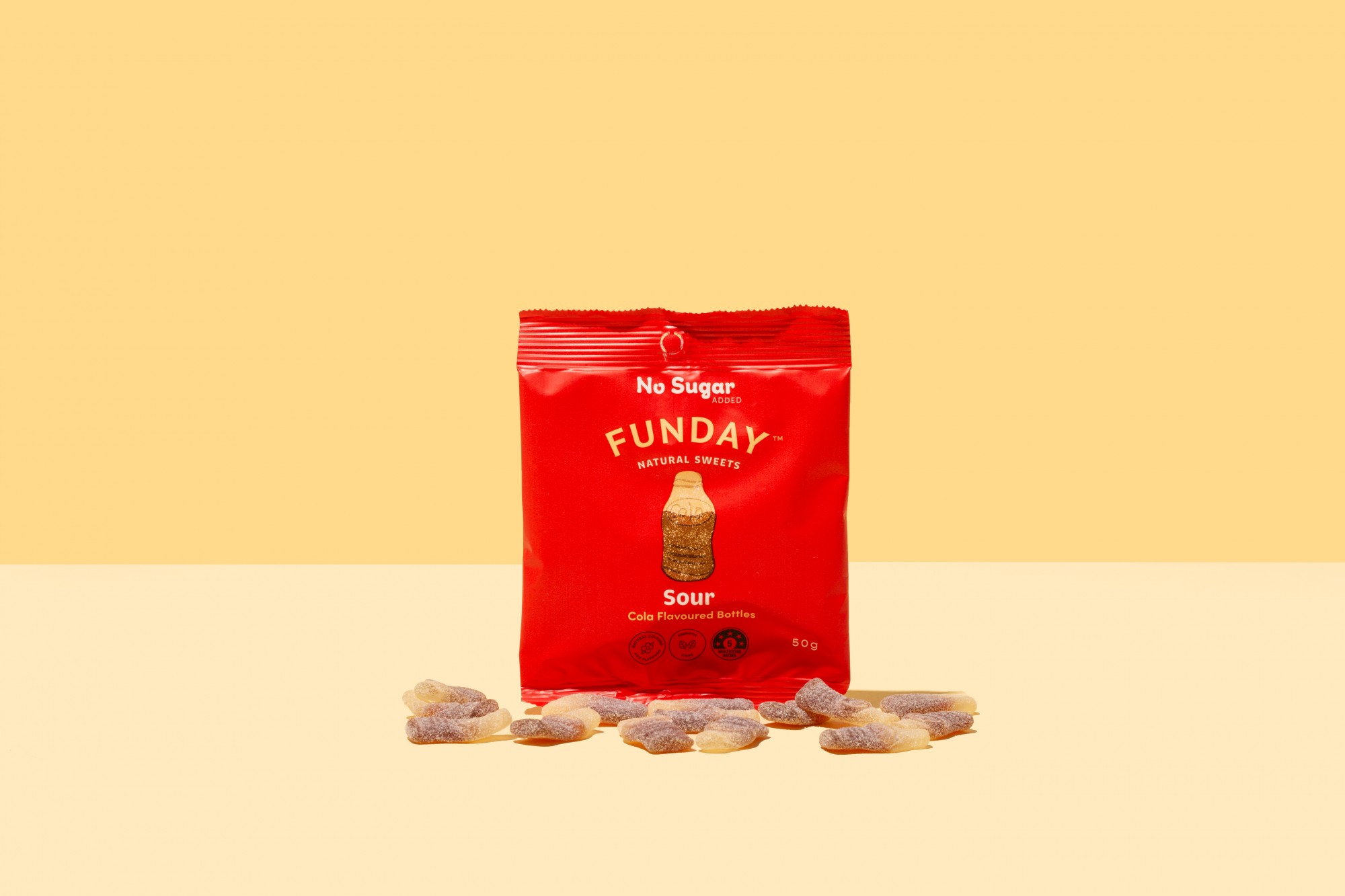
  • Sugar-Free Sweet Sensation: Funday Debuts Exciting New Chocolate Range with Fruity Center

    Sugar-Free Sweet Sensation: Funday Debuts Exciting New Chocolate Range with Fruity Center

    Funday, known for its well-loved sugar-free confectioneries, is expanding its product line with the introduction of a new chocolate range. This launch sees the company entering the chocolate sector for the first time, continuing their commitment to create sweets that do not contain added sugar or sugar alcohols.

    Product Features

    The newly released chocolate products are manufactured in Funday’s local factory. This range offers a unique twist to traditional chocolates, featuring milk chocolate enveloping a delectable fruity, gummy center. There are four product varieties to cater to different chocolate preferences: Milk Chocolate Raspberry Bullets, White Chocolate Raspberry Bullets, Milk Chocolate Banana Bites, and Dark Chocolate Strawberry Bites.

    Funday’s founder, Daniel Kitay, expressed that the addition of chocolate to their product selection was a response to customer demand. “It has been our most requested product among consumers,” Kitay stated, “We took our time to ensure that we got it right.”

    Spreading Joy Through Chocolate

    The launch of Funday’s new chocolate range aligns with the brand’s mission to spread joy through their products. “We’re excited to finally share this new product with our fans,” said Kitay, “It’s all about adding a bit more fun and happiness with our chocolate.”

    Availability & Pricing

    The Funday Chocolates are available in convenient 50g bags, priced at $6 each. Consumers can find these new offerings in prominent retail chains such as Woolworths and Chemist Warehouse, as well as independent stores across the country.

    Questions & Answers

    What is unique about Funday’s new chocolate range?
    The unique factor of Funday’s new chocolate range is the fruity, gummy center featured in each item. Plus, they continue Funday’s tradition of creating sweets without added sugar or sugar alcohols.

    What are the different variants of Funday’s chocolate range?
    Funday’s new chocolate product line includes four variants: Milk Chocolate Raspberry Bullets, White Chocolate Raspberry Bullets, Milk Chocolate Banana Bites, and Dark Chocolate Strawberry Bites.

    Where can consumers purchase Funday’s new chocolate range?
    Funday’s new chocolate range can be purchased at Woolworths, Chemist Warehouse, and independent stores nationwide.

  • Red Bull Spices up Australian Market with Exclusive New Flavours: Lilac and Winter Editions

    Red Bull Spices up Australian Market with Exclusive New Flavours: Lilac and Winter Editions

    Red Bull, the globally recognized energy drink brand, is broadening its Australian beverage range with the introduction of two novel flavors. The new flavours, dubbed Lilac Edition and Winter Edition, are set to hit the market this month.

    The Lilac Edition

    The Lilac Edition is an exclusive offering earmarked for Woolworths stores and will come in a 473ml can size, to be available solely at Ampol outlets. The new variant presents a unique blend of grapefruit and blossom flavors. This flavor profile was initially presented to consumers at the prestigious Australian Open, where it was well received.

    The Winter Edition

    On the other hand, the Winter Edition is a limited-edition product that will be available in two sizes: 250ml and 473ml cans. The exclusive retailer for this novel flavor will be 7-Eleven stores. Red Bull has characterized this product as a passionfruit-flavored concoction, specifically crafted to complement the Australian winter season.

    Each can of both the Lilac and Winter Editions will contain 80mg of caffeine, providing the energy boost that Red Bull is renowned for.

    Questions & Answers

    What new flavours is Red Bull introducing in Australia?
    Red Bull is introducing two new flavours – Lilac Edition and Winter Edition – to its Australian market this month.

    Where can these new flavors be purchased?
    The Lilac Edition will be exclusively available at Woolworths and Ampol outlets, whereas the Winter Edition can be found at 7-Eleven stores.

    What is the main flavor profile of these new products?
    The Lilac Edition features a unique blend of grapefruit and blossom flavors. The Winter Edition, on the other hand, is infused with a passionfruit flavor.

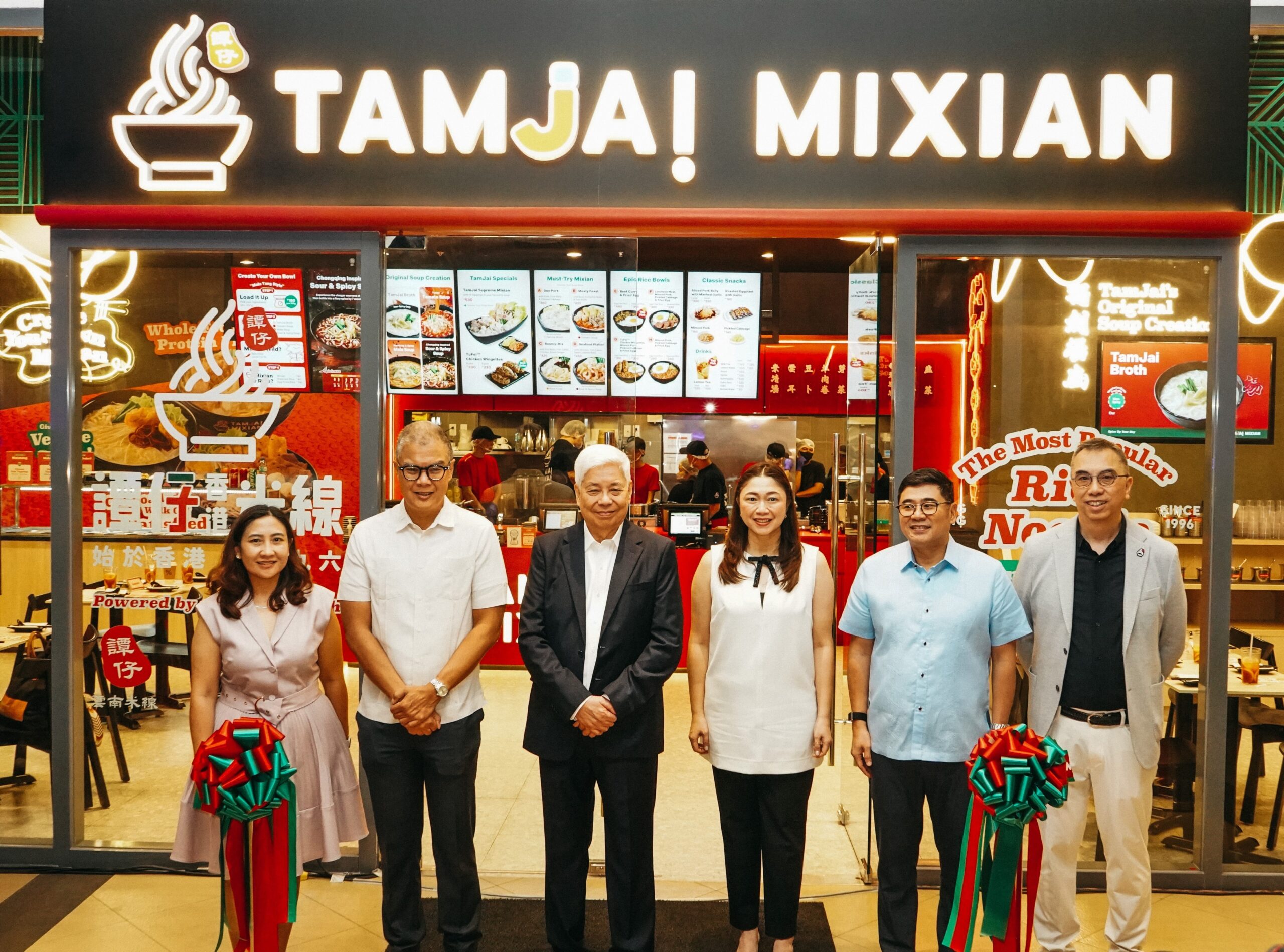
  • Hong Kong’s Tam Jai Mixian Makes a Splash in the Philippines with Innovative ‘Mala Tang’ Concept

    Hong Kong’s Tam Jai Mixian Makes a Splash in the Philippines with Innovative ‘Mala Tang’ Concept

    Renowned Hong Kong-based noodle franchise, Tam Jai Mixian, has successfully expanded its operations to the Philippines, marking another key milestone in its regional growth strategy. This expansion was made possible through a franchise partnership with Suyen Corporation.

    Tam Jai Mixian’s new location is in the bustling Bonifacio Global City in Taguig, where it serves the brand’s signature soups, snacks, and rice bowls to the delight of local food enthusiasts. Aside from these classic offerings, this new location is also pioneering the brand’s ‘Mala Tang’ concept overseas for the first time. This innovative concept allows customers to personalize their meal by choosing their preferred soup base and spice level from Tam Jai’s 10-point scale.

    Daren Lau, the Chairman and CEO of Tam Jai International (TJI), expressed optimism about the brand’s debut in the Philippines. He emphasized that this new expansion not only strengthens the group’s regional influence but also enriches their already extensive restaurant network. Including this new location in the Philippines, Tam Jai boasts more than 250 stores spread across the Asia-Pacific region, spanning countries such as Hong Kong, Mainland China, Singapore, Japan, Australia, and Malaysia.

    Mr. Lau further indicated that the company is eager to continue its expansion efforts in key markets and grow TJI’s restaurant network. He credited the brand’s success in these ventures to its strategic partnerships with robust local partners, which have been instrumental in ensuring the successful establishment and growth of its branches in different regions.

    Questions & Answers

    What is unique about Tam Jai Mixian’s new location in the Philippines?
    It is the first overseas branch to introduce the brand’s ‘Mala Tang’ concept, which enables customers to customize their bowls by selecting a soup base and spice level from Tam Jai’s 10-point scale.

    How does the company view its expansion to the Philippines?
    The company regards its expansion into the Philippines as a key step in strengthening its regional presence and enriching its extensive restaurant network.

    What strategy does Tam Jai International (TJI) employ for its ongoing expansion?
    TJI has attributed its successful expansion to its partnerships with robust local partners, which have been vital in establishing and growing its restaurant network in key markets.

  • Starbucks Eyes Major Global Expansion: China in Spotlight Despite Market Challenges

    Starbucks Eyes Major Global Expansion: China in Spotlight Despite Market Challenges

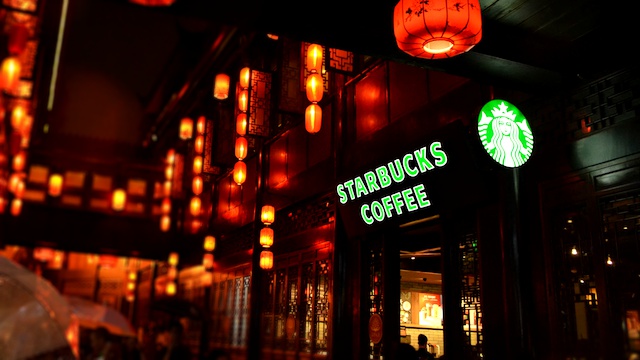
    Starbucks, the renowned coffee chain, is fast-tracking global expansion plans that extend beyond fiscal year 2028. The company considers China as the bedrock of its long-term development strategy, notwithstanding the increasingly competitive landscape and looming economic challenges.

    During the 2026 Investor Day, the coffee behemoth announced plans for significant expansion in both domestic and international markets.

    International Growth

    Starbucks intends to double its international cafe presence over time, aiming for nearly 40,000 non-US stores. China is anticipated to play a major role in this planned growth. Starbucks plans to open between 15,000 and 20,000 additional stores in the Chinese market over the long term.

    Brady Brewer, CEO at Starbucks International, provided insights on the company’s international strategy. He stated, “Our international business fills a very clear role. We are an asset-light growth driver for Starbucks that bolsters the company’s margins.”

    Challenges and Opportunities in China

    China, while being a strategic priority, continues to be one of the most challenging markets for Starbucks. Local competitors such as Luckin Coffee and Cotti Coffee are gaining traction via aggressive pricing strategies, swift expansion, and localized innovation. Simultaneously, economic slowdown is causing increased price sensitivity, challenging Starbucks’ premium positioning.

    In response to these challenges, Starbucks has reorganized its operations in China. The company has established a joint venture with Boyu Capital, transitioning to a licensed business model while maintaining a 40% stake.

    First Quarter Financials

    For the first quarter of fiscal 2026, Starbucks reported a revenue of US$9.9 billion. This shows an upward sales trajectory and continuous growth across the coffee giant’s global network of stores.

    Questions & Answers

    What is Starbucks’ plan for international growth?
    Starbucks intends to double its international store presence, targeting nearly 40,000 non-US locations.

    What role does China play in Starbucks’ expansion strategy?
    China is expected to account for a major portion of Starbucks’ international expansion. The company plans to open between 15,000 and 20,000 additional stores in the Chinese market.

    What changes has Starbucks made in its China operations?
    In response to increasing competition and economic challenges, Starbucks has restructured its China operations through a joint venture with Boyu Capital, transitioning to a licensed business model and retaining a 40% stake.

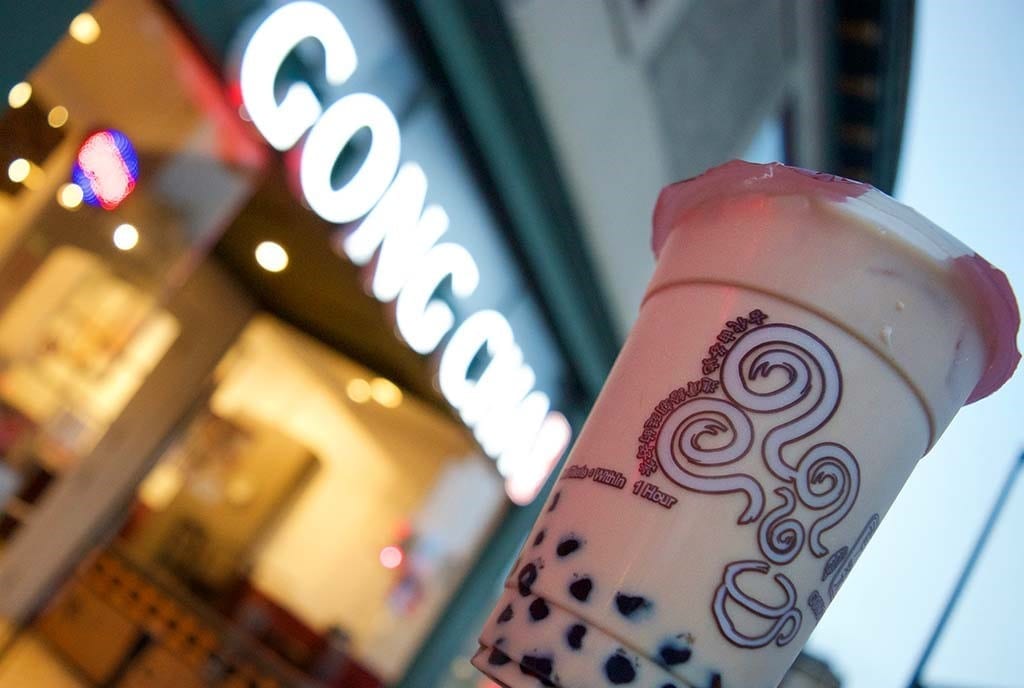
  • Gong Cha Steers Growth With Major Leadership Shake-Up Across Key Global Markets

    Gong Cha Steers Growth With Major Leadership Shake-Up Across Key Global Markets

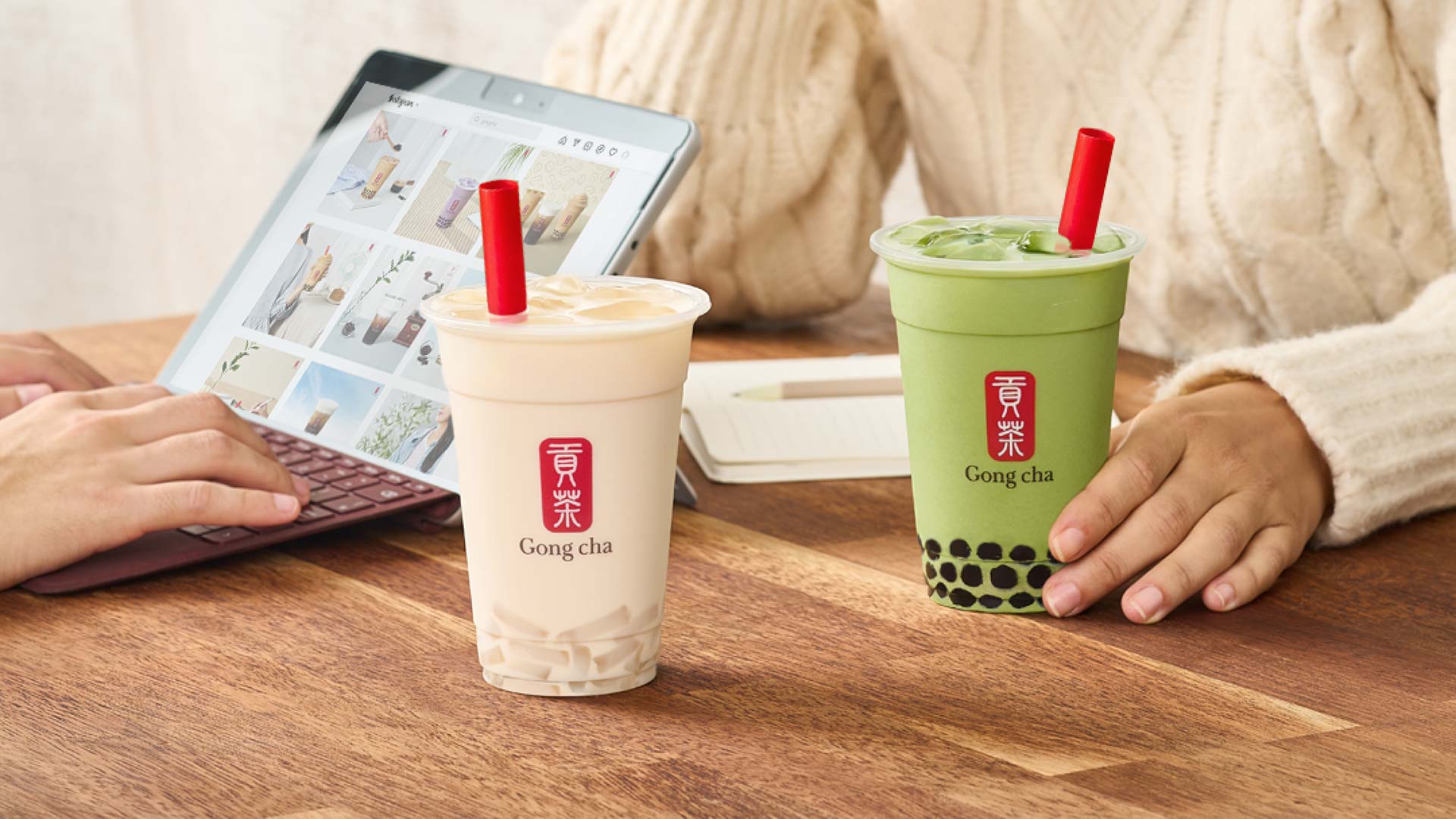
    Popular bubble tea franchise, Gong Cha, has recently undergone a significant restructuring of its top-tier management. This move is intended to bolster the company’s framework, enabling it to better support continued growth across its principal markets.

    New Leadership Assignments

    Keaton Myburgh, who joined Gong Cha in 2023, has been appointed as the new General Manager for the Asia-Pacific region (APAC). In his time with Gong Cha, Myburgh has shown exceptional leadership in assisting franchise partners and managing regional operations. His new role will extend his responsibility to ensuring operational excellence, regional development, and brand consistency across the APAC region.

    For the Europe, Middle East, and Africa (EMEA) region, Gong Cha has appointed Jemma Smoker as the General Manager. Smoker, who also joined the company in 2023, will assume responsibility for overseeing regional operations and the development of the brand within the region.

    Marketing Team Expansion

    On a similar note, Gong Cha has also broadened its marketing team. Sepanta Bagherpour has taken on the role of Chief Marketing Officer for the Americas and EMEA regions. Bagherpour brings to the table over two decades of experience in marketing and communications, working with global brands.

    Moreover, Gong Cha has announced the promotions of Maya Murasawa and Jina Jeeyoung C. Murasawa will now serve as the Head of Marketing in Japan while Jeeyoung C has been named the Chief Marketing Officer for South Korea and APAC. These appointments underscore Gong Cha’s commitment to customer-focused, locally relevant marketing strategies.

    These reshuffles come on the back of the company’s launch of Gong Cha 2.0, a global revamp of the company’s business model. This new model aims to bolster efficiency across its franchise network.

    Questions & Answers

    What is the goal of Gong Cha’s recent leadership restructuring?
    Gong Cha has reshaped its senior leadership team to strengthen its organizational structure and support its growth across key markets.

    Who are the newly appointed leaders in Gong Cha’s team?
    Keaton Myburgh has been appointed as the General Manager for the APAC region and Jemma Smoker for the EMEA region. Sepanta Bagherpour has joined as the Chief Marketing Officer for the Americas and EMEA. Maya Murasawa and Jina Jeeyoung C have been promoted within the marketing department in Japan and South Korea and APAC respectively.

    What is Gong Cha 2.0?
    Gong Cha 2.0 is a global update to the company’s operating model aimed at improving efficiency across its franchise network.

  • Singapore’s Food Delivery Market Growth Lags Behind Southeast Asia Peers

    Singapore’s Food Delivery Market Growth Lags Behind Southeast Asia Peers

    Last year saw Singapore experiencing the second-slowest growth rate in its food delivery market among prominent Southeast Asian nations, according to recent research. The Food Delivery Platforms in Southeast Asia report by Momentum Works reveals that Singapore’s food delivery gross merchandise value rose by 13% in 2025, totaling US$2.9 billion.

    Regional Growth Rates

    This growth rate is notably slower than the average 18% growth recorded across six Southeast Asian markets. Only the Philippines saw a slower growth rate than Singapore, at 12%, which was explained by the frequent disruptions caused by tropical cyclones.

    Thailand led the way as the fastest-growing market, with its gross merchandise value increasing by 22%. This rapid growth was attributed to the affordability of delivery platforms, heightened competition, and the government’s “half-half” subsidy scheme, which offsets a portion of consumers’ food costs.

    Following Thailand, Indonesia, Malaysia, and Vietnam each reported growth rates of around 18% to 19%. Indonesia, the most populated market in the region, experienced the largest absolute increase, approximately $1 billion.

    Singapore’s Market Challenges

    Momentum Works’ CEO Li Jianggan shed light on Singapore’s slower growth, pointing out the wide-ranging consumer behaviors and market conditions that differ between countries. Factors such as city layouts, spending power, and the supply dynamics of riders and restaurants all play a role.

    “Food delivery can be costly in Singapore, particularly when there are numerous affordable in-person dining options,” he shared. While Singapore’s double-digit growth reflects a resilient demand, keeping pace with this growth could put pressure on delivery platforms to enhance their efficiency, especially as customers consider other options like dining out or picking up orders themselves.

    Li further noted that Singapore faces a unique structural challenge due to a limited pool of delivery riders, an issue not shared by its larger, more populous neighboring countries. “While the adoption of technology can aid in overcoming this, the key drivers to increasing the market ceiling will be the platforms’ relentless focus on building density and operational efficiency,” he added.

    Market Shares and Trends

    On the platform front, Grab maintained its spot as the leading food delivery player in Southeast Asia, increasing its regional market share from 53.8% in 2024 to roughly 55% in 2025. In total, Grab generated an estimated $12.5 billion in food delivery value across the region last year.

    ShopeeFood surpassed Foodpanda to secure the position of the region’s second-largest platform, with an estimated $3.3 billion in transactions. Meanwhile, Foodpanda’s value decreased to around $2.6 billion. Both Gojek and Thailand-based Lineman reported similar figures, with each reaching about $2 billion, which reflects Lineman’s strong performance in its home market.

    The study also underscored Southeast Asia’s high order volume compared to other emerging markets. Despite having approximately double the population of Southeast Asia, India’s estimated 4-5 million daily orders were nearly half of what platforms in Southeast Asia fulfilled, between 8.5 million and 9.5 million orders per day on average. This discrepancy may be due to India’s local eating habits and a limited number of food establishments.

    China, whose population is smaller than India’s, fulfills an estimated 180 million to 200 million food delivery orders daily. “This emphasizes that food delivery penetration is influenced less by population size and more by urban density, substitution for dining out, and platform-led affordability mechanisms,” the study concluded.

    Questions & Answers

    What was the growth rate of Singapore’s food delivery market in 2025?
    The food delivery market in Singapore grew by 13% in 2025.

    Which country had the fastest-growing food delivery market in Southeast Asia?
    Thailand had the fastest-growing food delivery market in the region, with a growth rate of 22%.

    Which platform consolidated its lead as Southeast Asia’s dominant food delivery player?
    Grab consolidated its lead as Southeast Asia’s dominant food delivery player, increasing its regional market share to about 55% in 2025.

  • Gong Cha Launches ‘Super Wu’ Automated System in Revolutionary 2.0 Global Model Upgrade

    Gong Cha Launches ‘Super Wu’ Automated System in Revolutionary 2.0 Global Model Upgrade

    Gong Cha, a globally recognized tea brand, is introducing significant updates to its business model, labeled Gong Cha 2.0, that will enhance efficiency across its franchise locations.

    The New Operating Model

    The highlight of Gong Cha 2.0 is Super Wu, an innovative, automated beverage-making system designed for repetitive duties and real-time operation tracking. Following a successful trial period of over two years at 40 outlets in 13 different countries, the company is ready to roll out Super Wu on a larger scale.

    The upgrades are not just confined to the beverage-making system. Newly built and remodeled stores will also implement self-ordering kiosks and updated store layouts, aiming to quicken service, alleviate labor pressures, and boost digital ordering and customer loyalty programs.

    Redesigned Stores and Enhanced Efficiency

    The brand’s revamped store designs will embody open layouts, digital menu displays, and more streamlined configurations at the back of the house. Despite the changes, the brand assures that their focus will remain on offering customized tea beverages.

    Super Wu and the digital kiosks are expected to improve efficiency significantly, enabling staff to shift their attention from monotonous tasks to engaging with customers. Geoff Henry, president of Gong Cha Americas, explained how the new technology has made onboarding easier for franchisees, reduced pressure during peak times, and freed up more time for customer interaction.

    About Gong Cha

    Established in Taiwan in 2006, Gong Cha has rapidly expanded its footprint to almost 2200 outlets in 33 markets worldwide, including over 240 locations in the United States.

    Questions & Answers

    What is Gong Cha 2.0?
    Gong Cha 2.0 is a global update to the operating model of Gong Cha, aiming to improve efficiency across its franchise network with enhanced technology and revamped store designs.

    What is Super Wu?
    Super Wu is an automated drink-making system that performs repetitive tasks and provides real-time operational data. It is a part of the Gong Cha 2.0 update.

    What changes will Gong Cha 2.0 bring to the stores?
    Gong Cha 2.0 will introduce self-ordering kiosks, updated store layouts, digital menu displays, and a more efficient back-of-house configuration. These changes aim to speed up service, ease labor demands, and support digital ordering and customer loyalty programs.

  • Starbucks Debuts Culture-Inspired Concept Store in Hong Kong Palace Museum: Merging Art, Coffee, and Custom Engraving Experience

    Starbucks Debuts Culture-Inspired Concept Store in Hong Kong Palace Museum: Merging Art, Coffee, and Custom Engraving Experience

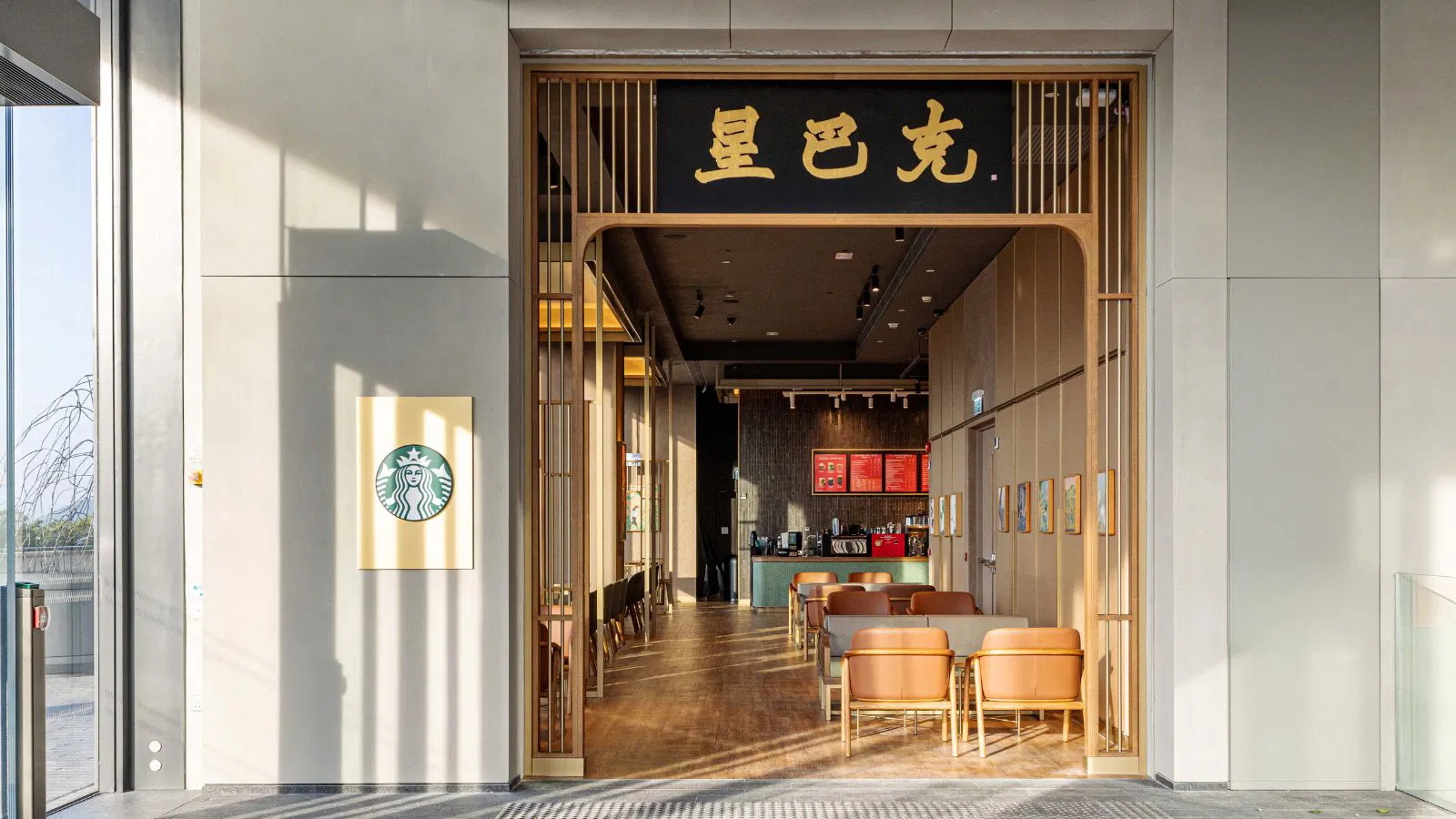
    Starbucks has unveiled a novel concept store at the Hong Kong Palace Museum in West Kowloon, positioned as a serene oasis amidst the hustle and bustle of the city.

    Store Design and Art Collaborations

    The store showcases unique design collaborations with three prominent local artists. Calligrapher Westley Wong is the creative genius behind the Chinese “Starbucks” brush signage that welcomes visitors at the entrance. Elsa Ngai, another inspiring artist, has enriched the interiors with layered botanical artworks that narrate the life cycle of a coffee plant using mineral pigments and gold leaf.

    Drawing on the serene landscapes of Yunnan and the wisdom of Chinese philosophy, porcelain sculptor Leo Wong has crafted a remarkable ceramic wall installation. Patrons of the store can also enjoy an uninterrupted view of Victoria Harbour while sipping their coffee.

    Exclusive Beverage and Food Menu

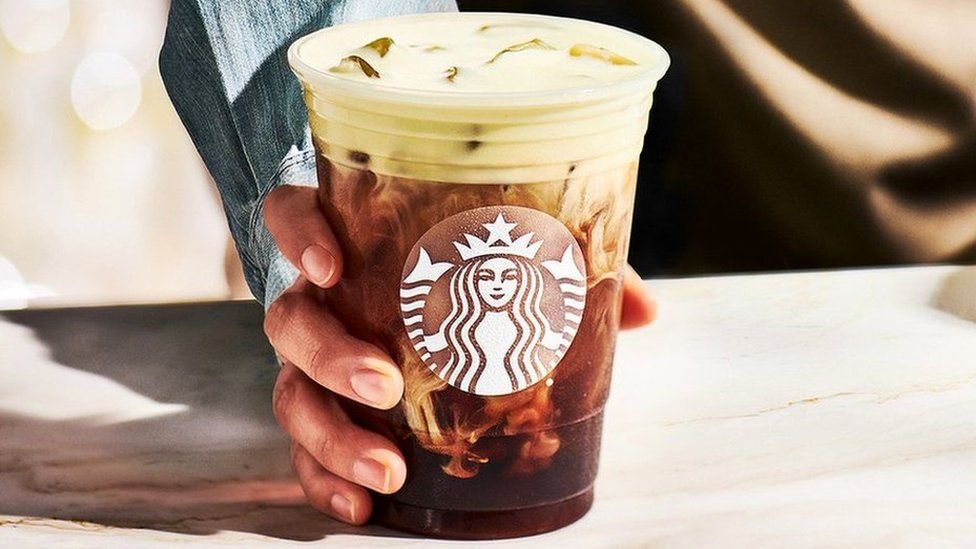
    The concept store has launched a new seasonal range of beverages inspired by the plum blossom. The range includes oolong tea and coffee-based creations, all served with plum sauce, a whole plum, and a topping of creamy foam. Customers can choose between hot and iced versions of the drinks, with an option to add tonic water to the chilled variants. The store also offers an exclusive Turmeric Oatmilk Latte, only available at this particular location.

    In terms of food, the store has introduced two unique desserts inspired by Ancient Egypt: the Golden Pistachio Pyramid Cake and the Mummy’s Secret Roll.

    New Services and Experiences

    This concept store is the first in the city to offer a Starbucks engraving service, providing customers with the opportunity to personalize their tumblers. The store will also be hosting Coffee Micro-Experiences like hand-brewing sessions, latte art demonstrations, and curated coffee tastings.

    General Manager of Starbucks Hong Kong and Macau, Alan Chan, states that the HKPM store aims to reflect local culture in its design, range of products, and in-store experiences. The goal is to reimagine the Starbucks Third Place experience by integrating local elements to foster deeper and more meaningful connections with the community.

    Questions & Answers

    What unique design features does the new Starbucks concept store offer?
    The store showcases design collaborations with local artists, including a Chinese “Starbucks” brush signage, botanical artworks, and a ceramic wall installation inspired by Yunnan’s landscape and Chinese philosophy.

    What exclusive beverages and food items are available at the new store?
    The store has introduced a plum blossom-inspired beverage range and an exclusive Turmeric Oatmilk Latte. The food menu includes two Ancient Egypt-themed desserts: the Golden Pistachio Pyramid Cake and Mummy’s Secret Roll.

    What unique services and experiences does the new store offer?
    The store offers a Starbucks engraving service and hosts Coffee Micro-Experiences such as hand-brewing sessions, latte art demonstrations, and curated coffee tastings.

  • Starbucks Brews Success with Q1 Sales Surge: ‘Back to Starbucks’ Strategy Fuels Global Expansion

    Starbucks Brews Success with Q1 Sales Surge: ‘Back to Starbucks’ Strategy Fuels Global Expansion

    In the first quarter of fiscal 2026, Starbucks has announced a robust revenue of US$9.9 billion, pointing towards a general expansion in sales and steady growth of its worldwide store chain.

    Global Sales Progress

    Comparable store sales on a worldwide level saw a growth of 4 per cent during the quarter. Primarily, this rise was fuelled by a 3 per cent growth in transactions and a 1 per cent increase in the average ticket size. Unlike previous quarters, this expansion was mainly supported by an increase in customer traffic rather than price escalations.

    Uplift in North American Sales

    In the North American region, inclusive of the US, comparable sales saw a 4 per cent rise. This included the first transaction growth in the US in the past eight quarters. The management credits this growth to improvements in operations and a renewed focus on the in-store experience under the guidance of CEO Brian Niccol’s ‘Back to Starbucks’ initiative.

    CEO Brian Niccol expressed his satisfaction with the results, saying, “Our Q1 results indicate that our ‘Back to Starbucks’ strategy is proving effective, and we believe we are advancing faster than our original schedule.”

    Strong Performance in International Markets

    The international markets posted even stronger outcomes, with comparable store sales rising by 5 per cent. China emerged as the strongest performer, with a 7 per cent growth in comparable sales, backed by a 5 per cent increase in transactions and a 2 per cent rise in the average ticket size.

    During the quarter, Starbucks launched 128 new stores, raising its worldwide total to 41,118 locations. Currently, 52 per cent of the stores are company-operated and 48 per cent are licensed. The US and China remain the largest markets for the company, accounting for 61 per cent of all stores, with a total of 16,911 and 8,011 locations respectively.

    Future Expectations

    Starbucks anticipates the current growth trend to persist. The company forecasts at least 3 per cent comparable sales growth in the current fiscal year and aims to launch between 600 and 650 new stores globally, underscoring its confidence in its revival and expansion strategies.

    In a recent development, Starbucks declared its intentions to sell a controlling stake in its China operations to Boyu Capital, in a US$4 billion deal. However, it will retain a 40 per cent stake while continuing to own and license the Starbucks brand and intellectual property.

    Questions & Answers

    What was the growth rate of global comparable store sales in the first quarter?
    The global comparable store sales grew by 4 per cent in the first quarter.

    What was the primary factor for the rise in global sales for Starbucks in the quarter?
    The rise was primarily supported by a growth in customer traffic rather than price escalations.

    What are Starbucks’ growth plans for the current fiscal year?
    Starbucks plans to achieve at least 3 per cent comparable sales growth and intends to launch between 600 and 650 new stores globally.

  • Tim Hortons Brews Up Localization Strategy to Double South Korean Presence in 2022

    Tim Hortons Brews Up Localization Strategy to Double South Korean Presence in 2022

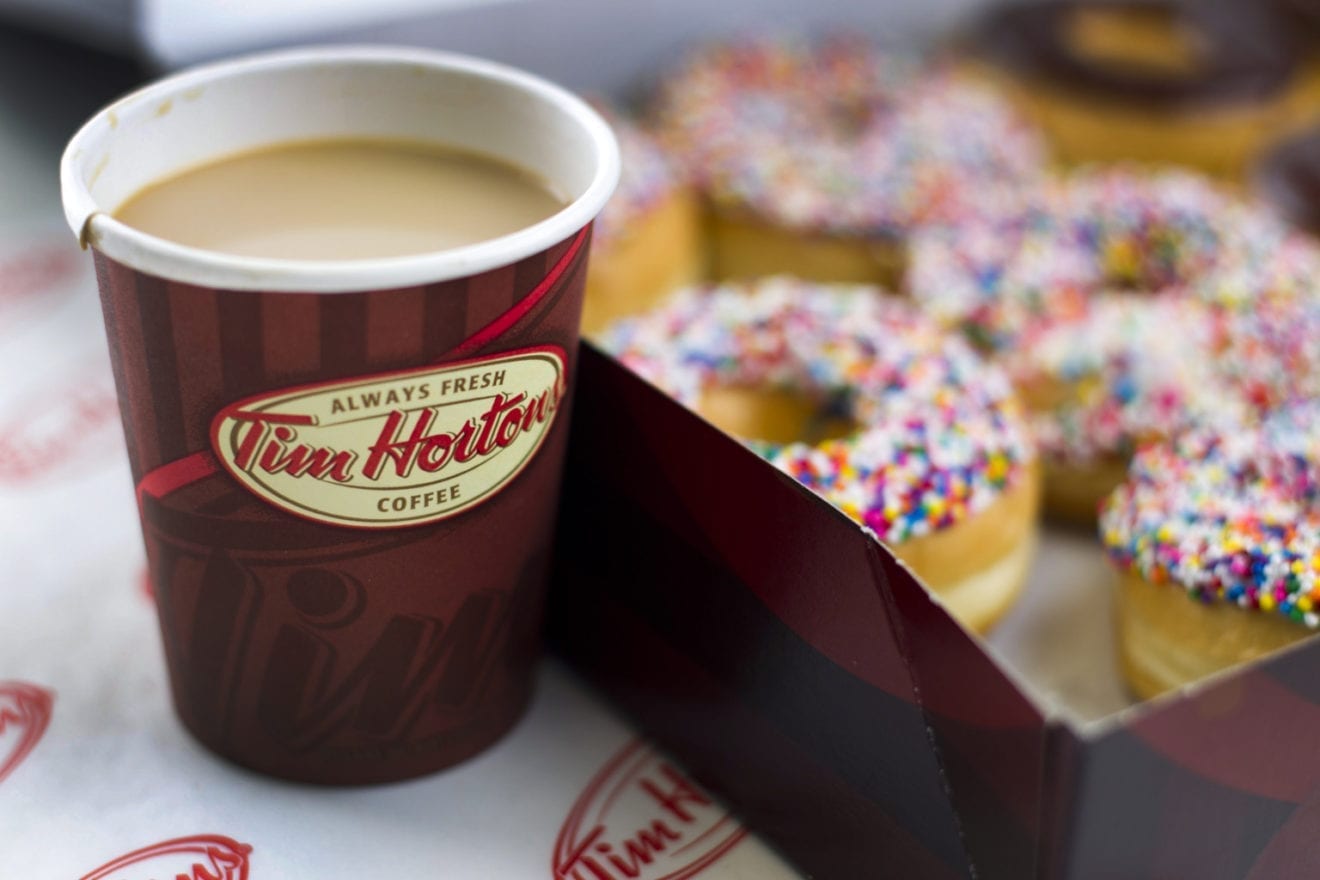
    Renowned Canadian coffee company, Tim Hortons, is ramping up its efforts to establish a stronger operational presence in South Korea. The firm’s objective is to more than double its store tally to a total of 50 locations within this calendar year. This strategy is underpinned by a recognition of the importance of localization in propelling its growth in an increasingly competitive coffee industry.

    Currently, Tim Hortons operates 24 outlets, with the majority situated in Seoul and its surrounding metropolitan areas. This year, the company plans to increase its store count by an additional 26, one of which will be a flagship “signature store”. This special location will feature a larger floor space and a more extensive food menu, setting it apart from the standard outlets.

    An Tae Yeol, the Chief Brand Officer of BKR, stated at a recent press conference that the company’s focus for this year would be on stores directly operated by Tim Hortons. This approach is part of their strategy to successfully navigate the fiercely competitive South Korean coffee market. The introduction of franchising is projected to commence next year, albeit with a select group of partners.

    Tim Hortons’ operations in South Korea are managed by BKR, which is also responsible for the operation of Burger King outlets in the country. Previously, the brand had set a goal to open 150 outlets within the first five years of its entry into the South Korean market in 2023.

    Questions & Answers

    What are Tim Horton’s expansion plans in South Korea?
    Tim Hortons aims to more than double its store presence in South Korea within this year, increasing its footprint from 24 to 50 outlets. The company plans to establish a flagship “signature store” with a larger floor space and a broader food menu.

    How does Tim Hortons plan to manage its growth in the highly competitive South Korean coffee market?
    Tim Hortons plans to focus on company-operated stores for the upcoming year as a strategy to remain competitive in the South Korean coffee industry. The company also plans to introduce franchising by next year with a limited number of partners.

    Who operates Tim Hortons in South Korea?
    Tim Hortons in South Korea is operated by BKR, the same company that runs Burger King outlets in the country.

  • Yamamoto Hamburg: Japanese Hamburger Chain Set To Debut In Hong Kong This Month

    Yamamoto Hamburg: Japanese Hamburger Chain Set To Debut In Hong Kong This Month

    Yamamoto Hamburg, a Japanese company renowned for its handmade hamburger patties, is set to establish a new outlet in Hong Kong next month. The location of this new establishment will be PopCorn in Tseung Kwan O, marking Yamamoto Hamburg’s first venture in the Hong Kong market.

    Brand’s Second International Expansion

    This move constitutes the brand’s second foray outside its homeland Japan, with the first expansion taking place in Taiwan. The Hong Kong venture also complements Yamamoto Hamburg’s sister brand, Hikiniku to Come, which made its Hong Kong debut in 2024.

    The Hong Kong flagship location, which spans 1700 square feet, will accommodate over 60 guests. The decor is centered around the brand’s friendly, communal ethos, with natural wood finishes, gentle lighting, and relaxed seating arrangements to facilitate casual, family-friendly dining.

    A Culinary Legacy Spanning Two Decades

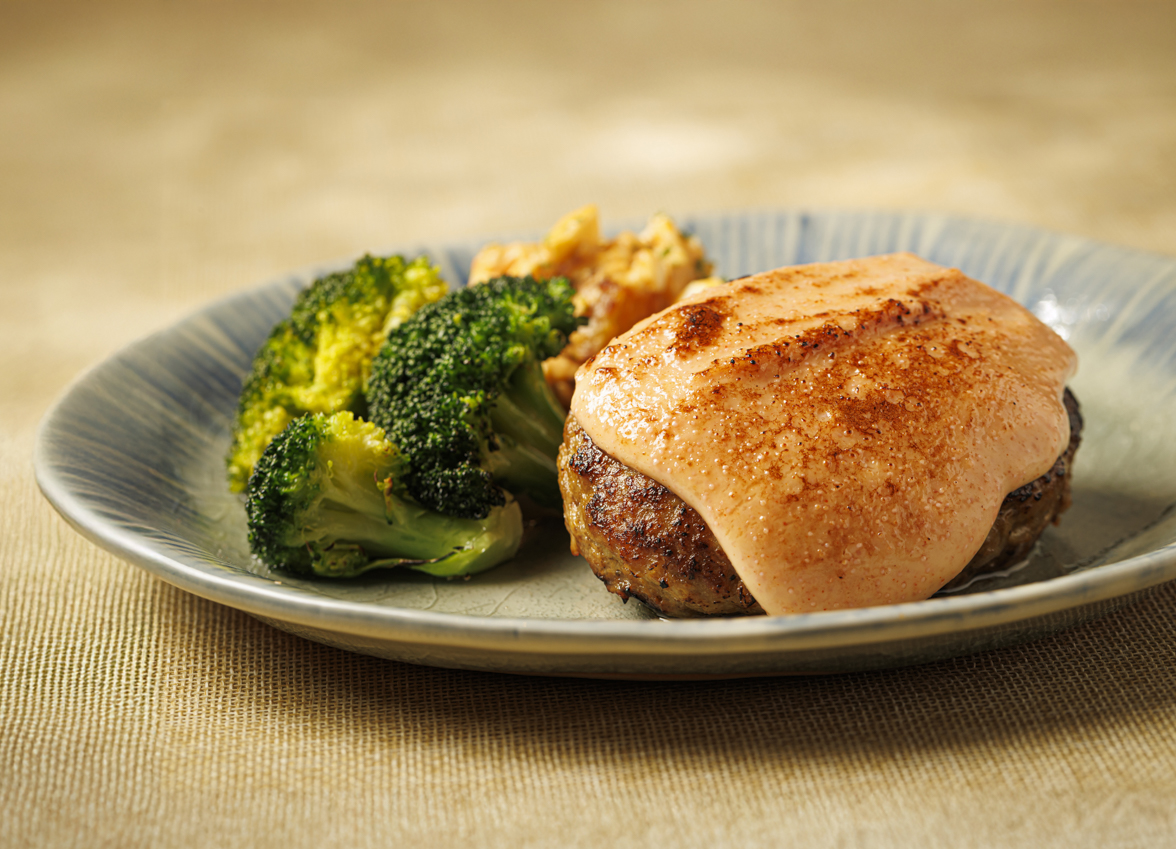
    Yamamoto Hamburg was established in 2005 by Shohei Yamamoto. The brand primarily deals in handmade hamburger patties, crafted from Australian Black Angus beef and Spanish pork, establishing it as a relaxed, family-focused dining option.

    Yamamoto expressed his delight at the expansion, stating, “Since our inception in Tokyo twenty years ago, my aim has been to spread the pleasure of Japanese handmade hamburg – prepared with safe, reliable ingredients imbued with the warmth of home cooking – to the world. I am therefore thrilled to bring my first hamburger brand, Yamamoto Hamburg, to Hong Kong.”

    Yamamoto Hamburg aims to provide an authentic daily feast revolving around family and the comforting essence of Japanese dining, as Yamamoto recalled the meals his mother used to prepare.

    Questions & Answers

    When was Yamamoto Hamburg established?
    Yamamoto Hamburg was founded in 2005 by Shohei Yamamoto.

    What does Yamamoto Hamburg specialize in?
    Yamamoto Hamburg specializes in handmade hamburger patties using Australian Black Angus beef and Spanish pork.

    Where is the brand’s new outlet to be located in Hong Kong?
    The new outlet of Yamamoto Hamburg is slated to open in PopCorn, Tseung Kwan O.

  • Vietnam’s Durian Domination: Record-Breaking $3.8B Exports Propel Fruit to Top of Global Market

    Vietnam’s Durian Domination: Record-Breaking $3.8B Exports Propel Fruit to Top of Global Market

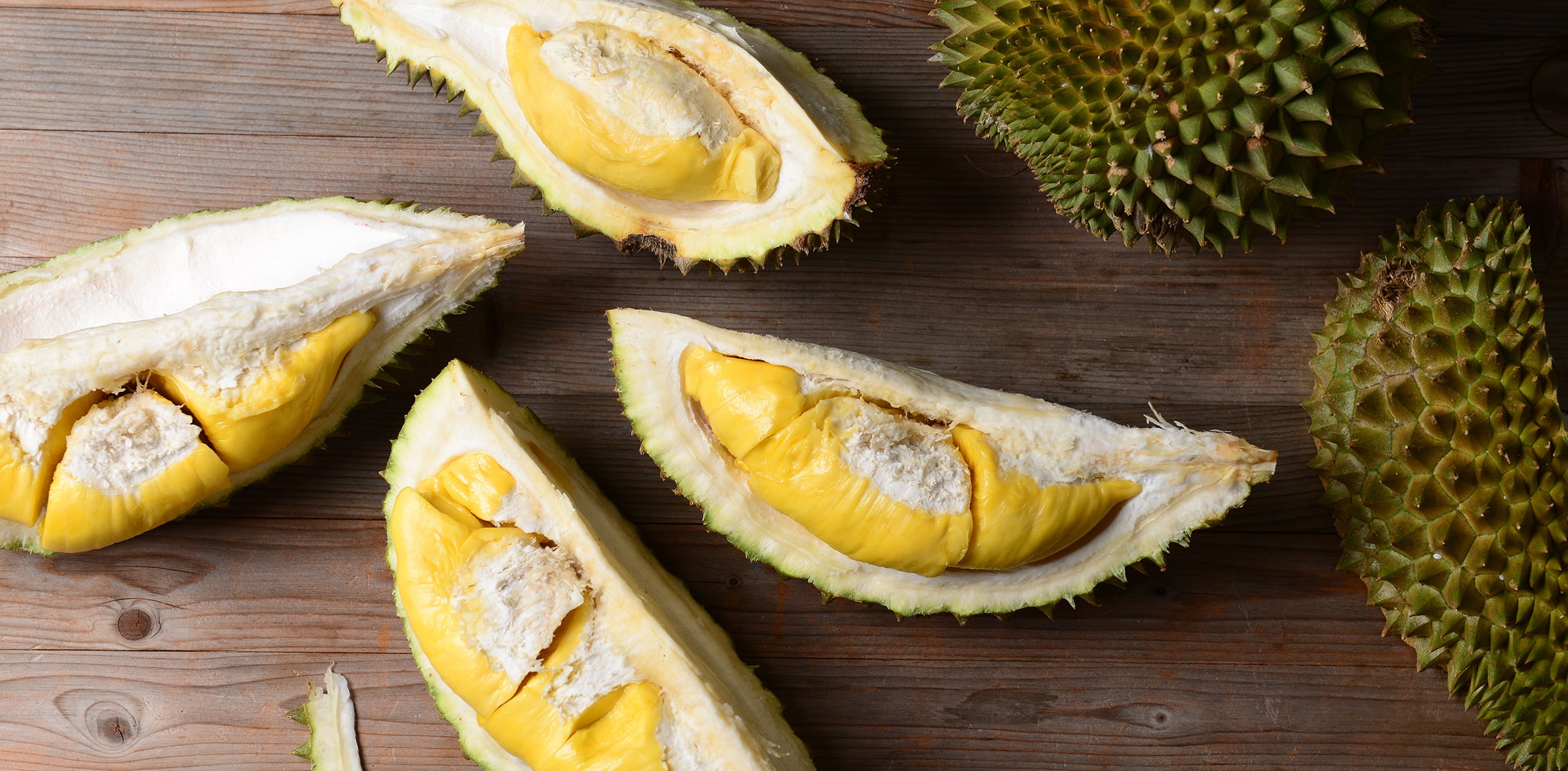
    Vietnam’s durian exports reached a new high last year, with the total value reaching US$3.86 billion. This figure is more than 20% higher than the previous year’s record, making durian the most significant export among all fruits and vegetables from Vietnam. The country’s customs data reveal that durian exports contributed over 45% to the total value of $8.56 billion.

    Other Top Fruit and Vegetable Exports

    Durian was not the only fruit of note in Vietnam’s export list. Fresh coconuts registered an impressive growth rate of 36.6%, although the total export value of $534 million placed it far behind durian. Dragon fruit, another significant export, earned $526 million, despite a slight decrease in its export value.

    Adaptation to Market Requirements Spurs Growth

    According to Dang Phuc Nguyen, General Secretary of the Vietnam Fruits & Vegetables Association, the increase in durian exports is due to Vietnamese businesses’ ability to meet stricter quality standards and other conditions set by some markets. However, he emphasized the importance of consistent quality control and market expansion for sustained growth.

    China – The Largest Market for Vietnam’s Durian Exports

    China continues to be the most significant market for Vietnam’s durian exports, a position strengthened by agreements signed last year permitting the export of frozen durians and fresh coconuts from Vietnam. In addition to China, shipments to the United States, Japan, South Korea, and Europe also experienced substantial growth. Looking ahead, the association anticipates fruit and vegetable exports to reach between $9 and $10 billion this year.

    Questions & Answers

    What was the total value of Vietnam’s durian exports last year?

    The total value of Vietnam’s durian exports last year was US$3.86 billion.

    What contributed to the growth of durian exports from Vietnam?

    The growth in durian exports from Vietnam is attributed to businesses’ ability to adapt to stricter quality standards and other conditions imposed by some markets.

    Which countries are the largest markets for Vietnam’s durian exports?

    China is the largest market for Vietnam’s durian exports, followed by the United States, Japan, South Korea, and Europe.