Category: Food

Retail News Asia is committed to providing both local and global retailers with the latest Food and Food & Beverage news throughout the Asian market. This on a daily base.

  • Central Retail to Add 37 Food Stores Across Vietnam by 2028

    Central Retail to Add 37 Food Stores Across Vietnam by 2028

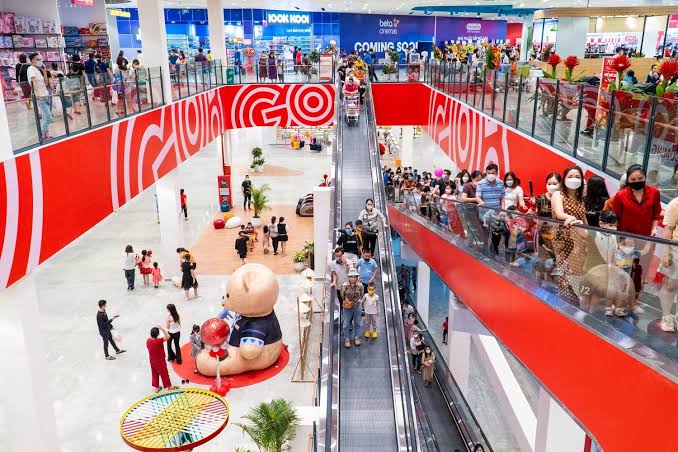
    Central Retail will open up to 37 food stores in Vietnam by 2028. The plan adds large-format hypermarkets and neighborhood supermarkets across primary and secondary cities.

    Targets include 10 to 12 Go! Hypermarkets and 23 to 25 Mini Go! Stores over the next two years. The group already operates more than 300 locations covering 1.3 million square metres of floor space.

    Splitting formats between city hubs and provinces

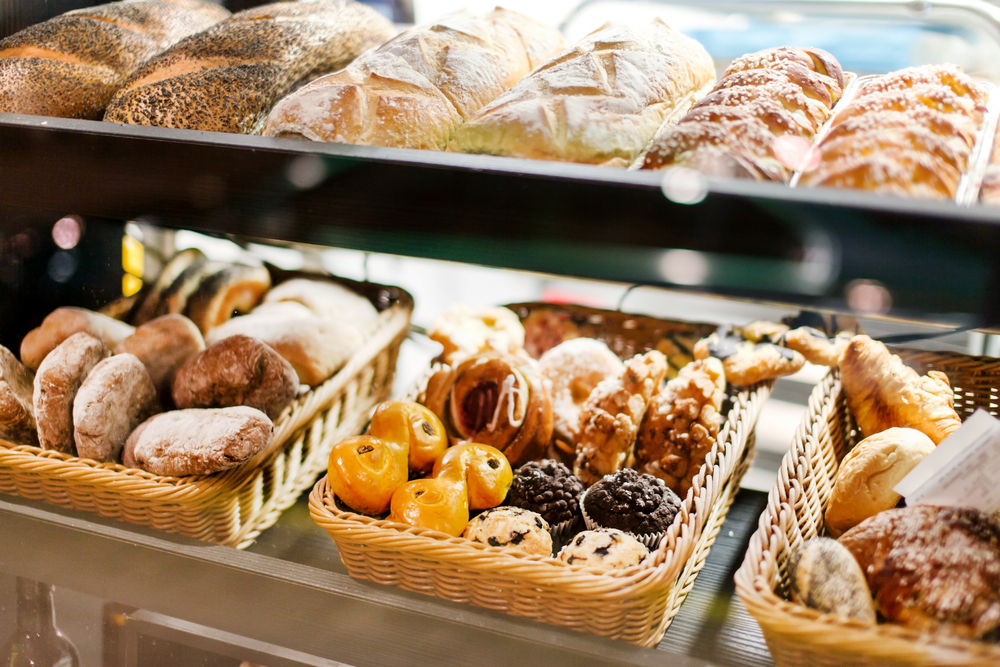
    Capital will split between large retail hubs and smaller grocery boxes. Central Retail Food Group is restructuring flagship Go! Hypermarkets around fresh produce, in-store bakeries and prepared dining counters. Smaller Mini Go! Branches will push into provincial markets. There, modern retail still competes against traditional wet markets.

    Food accounts for the bulk of local revenue. Beyond Go!, the portfolio includes Tops Market, Mini Go! And Lan Chi Mart. Sourcing leans heavily local. More than 90 per cent of inventory comes from roughly 2,000 Vietnamese suppliers.

    “Our strength lies in having a diverse range of store formats, from hypermarkets to supermarkets, allowing us to expand in ways that best suit the potential of each location and consumer segment across both major and secondary cities,” said Stephane Coum, CEO of Central Retail Food Group.

    Pressure on domestic grocers and floor space

    Rival operators like WinCommerce and Saigon Co.op face higher stakes in secondary provinces. Domestic chains spent the past three years closing unprofitable small stores and trimming distribution margins. Central Retail is taking the opposite route, committing fresh capital to physical stores as consumer spending climbs.

    Productivity outside Hanoi and Ho Chi Minh City remains the main operational hurdle. Secondary cities provide cheaper leases and less modern competition, but basket sizes are smaller and shoppers watch prices closely. The company bets fresh food counters and ready-to-eat meals will pull shoppers from wet markets faster than packaged goods.

    Building out the network

    Central Retail entered Vietnam nearly 15 years ago and has invested THB49 billion (US$1.5 billion) to date. It converted the Big C assets acquired in 2016 into the Go! Brand. Older hypermarket layouts were dropped for food-led centers that mix dining tenants with specialty retail.

    Loyalty data will feed directly into the physical roll-out. The 1 Vietnam loyalty programme reached 7.4 million members in its first year. The chain will use that database to drive shoppers into the 37 new locations as construction finishes through 2028.
  • Waterdrop Rolls Out Hydration Cubes Across 150 7-Eleven Stores

    Waterdrop Rolls Out Hydration Cubes Across 150 7-Eleven Stores

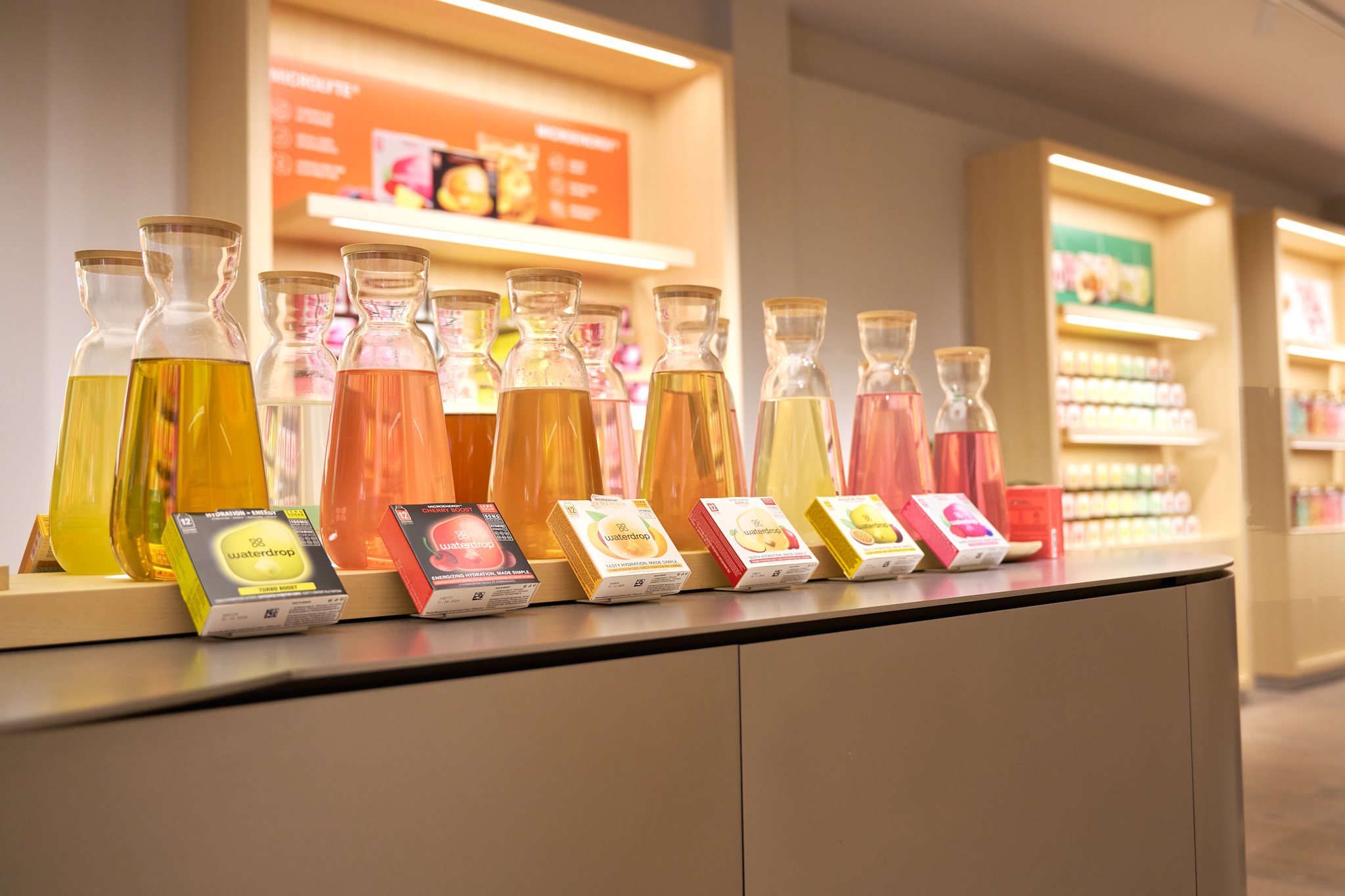
    Vienna-based hydration brand Waterdrop expanded its functional beverage line into 150 7-Eleven stores nationwide in September 2026.

    The rollout features three-pack units of Berry Recharge and Vitamin Apple priced at $7. Berry Recharge provides essential electrolytes and vitamins for rapid rehydration, while Vitamin Apple is formulated with natural fruit and plant extracts.

    Convenience Formats Challenge Bottled Drinks

    Convenience stores typically dedicate cold vaults to heavy ready-to-drink plastic bottles and energy cans. Placing lightweight, ambient dissolvable cubes on front-of-counter shelves alters the revenue math per square centimetre for franchise operators.

    A three-pack footprint takes up less than a tenth of the shelf space required by three 600ml beverage bottles. For 7-Eleven, the compact format delivers higher gross margins per unit while appealing to urban commuters who carry reusable bottles to avoid single-use plastics.

    Pricing and Channel Strategy

    At $7 for three servings, Waterdrop costs roughly $2.33 per prepared drink. That price point undercuts imported sports drinks and functional sodas in Australian convenience fridges, which regularly retail between $4.50 and $6.00 per bottle.

    Consumer habit presents the primary obstacle. Selling dissolvable cubes in convenience retail requires shoppers to plan ahead rather than grabbing a cold drink for instant thirst. Competitors in sports hydration have largely stuck to ready-to-drink bottles or multi-serving tubs sold through grocery chains and specialty supplement shops.

    Expanding Beyond Direct-to-Consumer Channels

    Waterdrop built its initial business through direct-to-consumer online sales and dedicated brand kiosks in European and North American transit hubs. The push into Australian convenience stores shifts the company toward everyday impulse foot traffic in the Asia-Pacific region.

    Early sales will test whether convenience shoppers adopt compact cube formats without extensive educational marketing at the counter. Performance across these first 150 7-Eleven sites will decide whether the brand expands into the retailer’s wider network of more than 750 stores nationwide.

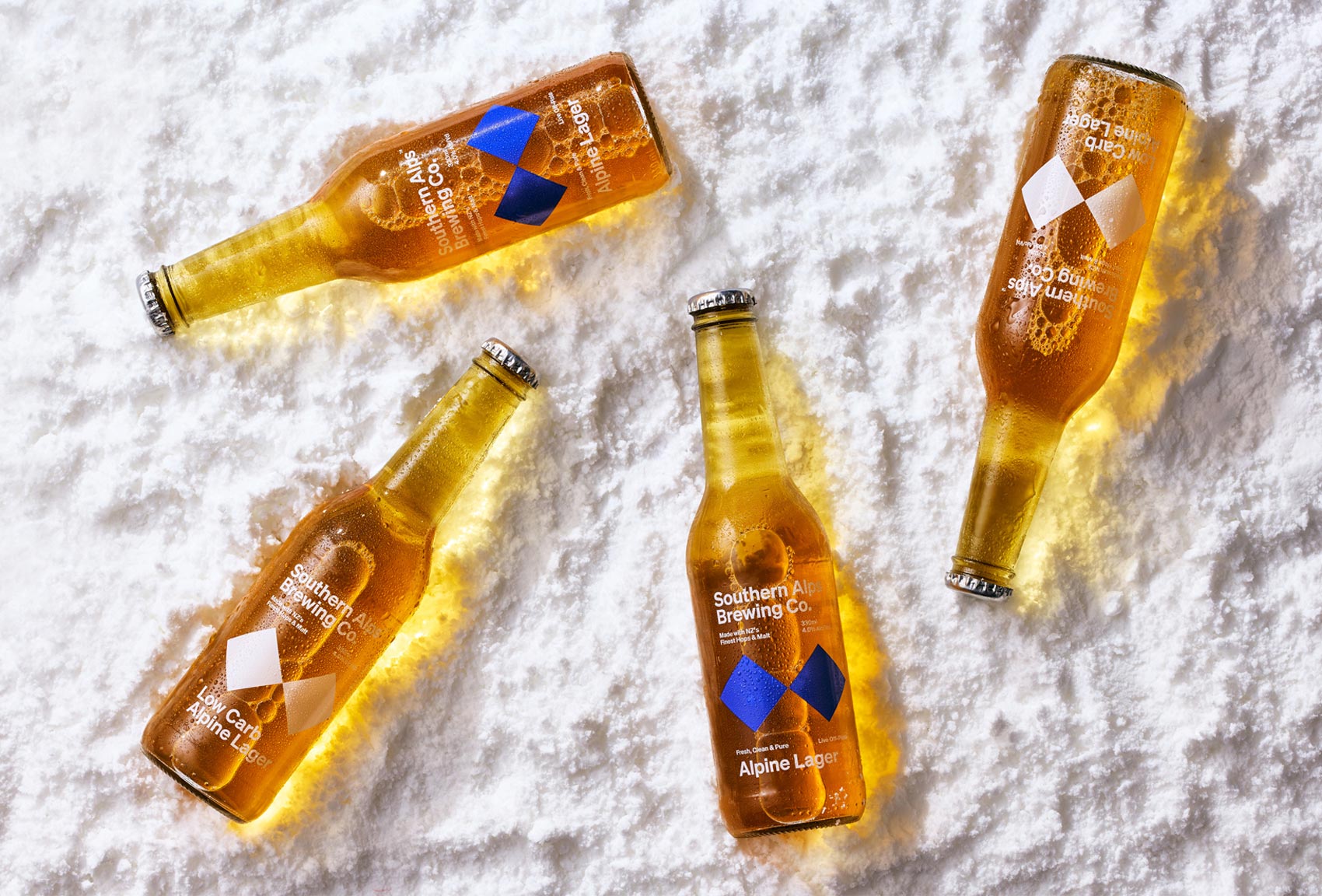
  • Southern Alps Brewing Launches NZ Low-Gluten Lager for $27 to $30

    Southern Alps Brewing Launches NZ Low-Gluten Lager for $27 to $30

    In September 2026, Southern Alps Brewing launched New Zealand’s first premium low-gluten lager, priced between $27 and $30 for a 12-pack.

    The 4.8 per cent ABV beverage comes in 330ml packs and uses an enzymatic process that reduces gluten content to below 10 parts per million while maintaining a standard beer profile.

    Enzymatic reduction and local sourcing

    Southern Alps Brewing, a portfolio brand of Marlborough-based Moa Brewing Company, brews the product with New Zealand malt and southernmost-grown hops, with independent testing by Assure Quality verifying the gluten threshold.

    Traditional gluten-free beers rely on sorghum, rice, or millet, which often changes the body and flavor profile of the brew. By keeping barley malt and deploying enzymes to degrade the problem proteins, the brewer keeps the standard lager profile intact.

    Shelf space pressure in liquor aisles

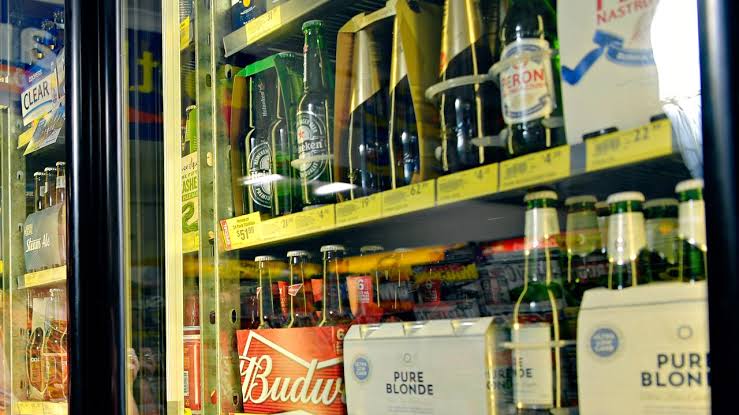
    Supermarket operators and specialty liquor chains across Australasia face mounting competition in the better-for-you drinks category. Low-carbohydrate, zero-alcohol, and functional drinks have occupied an expanding share of refrigerated retail space over the past three years. For bottle shop owners, stocking low-gluten lines allows them to capture drinkers who might otherwise migrate entirely toward seltzers, cider, or spirits.

    Retail margins in the craft segment remain tight due to elevated excise rates and rising packaging inputs. A 12-pack priced up to NZ$30 places the product directly against mainstream craft four-packs and imported premium labels. Retailers will test whether mainstream shoppers pay a premium strictly for verified gluten reduction.

    Premium pricing in functional brewing

    Breweries across the region spent the last five years rationalizing standard stock keeping units while testing dietary variants. Moa Brewing Company has adjusted its brand portfolio to defend domestic market share against both international conglomerates and neighborhood microbreweries.

    Distribution now expands across New Zealand liquor merchants and retail grocers ahead of peak southern hemisphere summer beverage demand.

  • Greenstorm Foods Recalls 4 Peppermint Leaf Pack Sizes over Metal Risk

    Greenstorm Foods Recalls 4 Peppermint Leaf Pack Sizes over Metal Risk

    Greenstorm Foods recalled four pack sizes of organic peppermint leaf across six Australian states in September 2026 after discovering metal contamination in the supply chain.

    The action pulls bulk and retail units of Certified Organic Premium Peppermint Leaf sold through independent grocers and online platforms in New South Wales, Queensland, Victoria, Tasmania, South Australia and Western Australia.

    Pack sizes and affected batch codes

    Greenstorm Foods, which trades as Austral Herbs, issued the recall for 250-gram, 1-kilogram, 5-kilogram and 10-kilogram packages. Every affected unit carries a best-before date of 2 April 2029.

    Food regulators warned that physical metal contaminants in dried botanical products create an immediate risk of illness or physical injury if consumed. Retailers holding the stock must remove units from shelves immediately and quarantine inventory for return or destruction.

    Supply chain exposure for independent grocers

    Austral Herbs operates primarily as a wholesale supplier of bulk botanicals, teas and culinary ingredients to independent specialty grocers, herbalists and commercial food processors. The spread across package sizes from 250 grams to 10 kilograms indicates that the contaminated stock entered both retail consumer channels and commercial preparation pipelines.

    For independent grocers, physical contamination recalls carry direct reverse-logistics costs and shelf-space disruption. Unlike supermarket chains with automated point-of-sale product locks, independent retailers rely on manual stock identification across distributed inventory to isolate affected batch runs.

    Processing controls under scrutiny

    Physical contamination in dried agricultural products usually traces back to harvesting equipment failure or milling machinery wear during bulk processing. When metal fragments pass through screening stages undetected, processing facilities face mandatory audits of their magnetic separation and metal-detection hardware.

    Regulators track secondary distribution routes to ensure bulk bags sold to secondary re-packagers or commercial tea blenders do not surface under different brand labels. The multi-state footprint requires coordinated compliance filings with food safety authorities in each state jurisdiction.

    Health authorities advise consumers who purchased the recalled peppermint leaf to return the product to the place of purchase for a full refund while batch tracking continues across state retail networks.

  • Retail Drinks Australia Demands Action as NSW Store Crime Surges 67 per Cent

    Retail Drinks Australia Demands Action as NSW Store Crime Surges 67 per Cent

    Retail Drinks Australia called on New South Wales lawmakers on September 11 to enact bipartisan protections for shop staff. The push follows a 67 per cent surge in state retail crime across five years.

    Independent bottle shops and chain operators bear the brunt of the surge. They face escalating theft, break-ins, intimidation and violent physical assaults.

    Break-ins and Staff Assaults Across Sydney

    Recent offences include commercial break-ins across Sydney’s Northern Beaches and an assault in Mascot, where teenage shoplifters pushed floor staff while stealing stock. Industry body Retail Drinks Australia said small business operators and front-line workers face daily exposure to organised theft and threatening behaviour.

    Brazen offenders increasingly target high-value spirits and packaged alcohol during trading hours. Confrontational groups enter outlets, leaving floor teams with little recourse against physical intimidation.

    Operating Costs and Security Pressure

    Liquor retailers across the state now divert working capital into private security guards, reinforced entry shutters and electronic surveillance upgrades. Smaller independent bottle shops operate on thin margins. For these stores, recurring inventory shrink and security outlays directly erode profitability.

    Regional and suburban operators face the steepest operational burden. When private security costs outstrip gross margin on late-night trade, stores cut opening hours. Those cuts reduce foot traffic and hurt convenience retail precincts.

    A Five-Year Wave of Offending

    Reported retail offences surged 67 per cent across five years of compounding losses in New South Wales. Industry groups have tracked a steady transition from opportunistic pilfering to aggressive, coordinated group raids since 2021.

    State parliament in Sydney will next weigh the lobbying push and decide whether to introduce stiffer statutory penalties for assaults on retail workers.

  • 127-Year-Old Italian Brand Mutti Enlists Sam Kerr for ANZ Campaign

    127-Year-Old Italian Brand Mutti Enlists Sam Kerr for ANZ Campaign

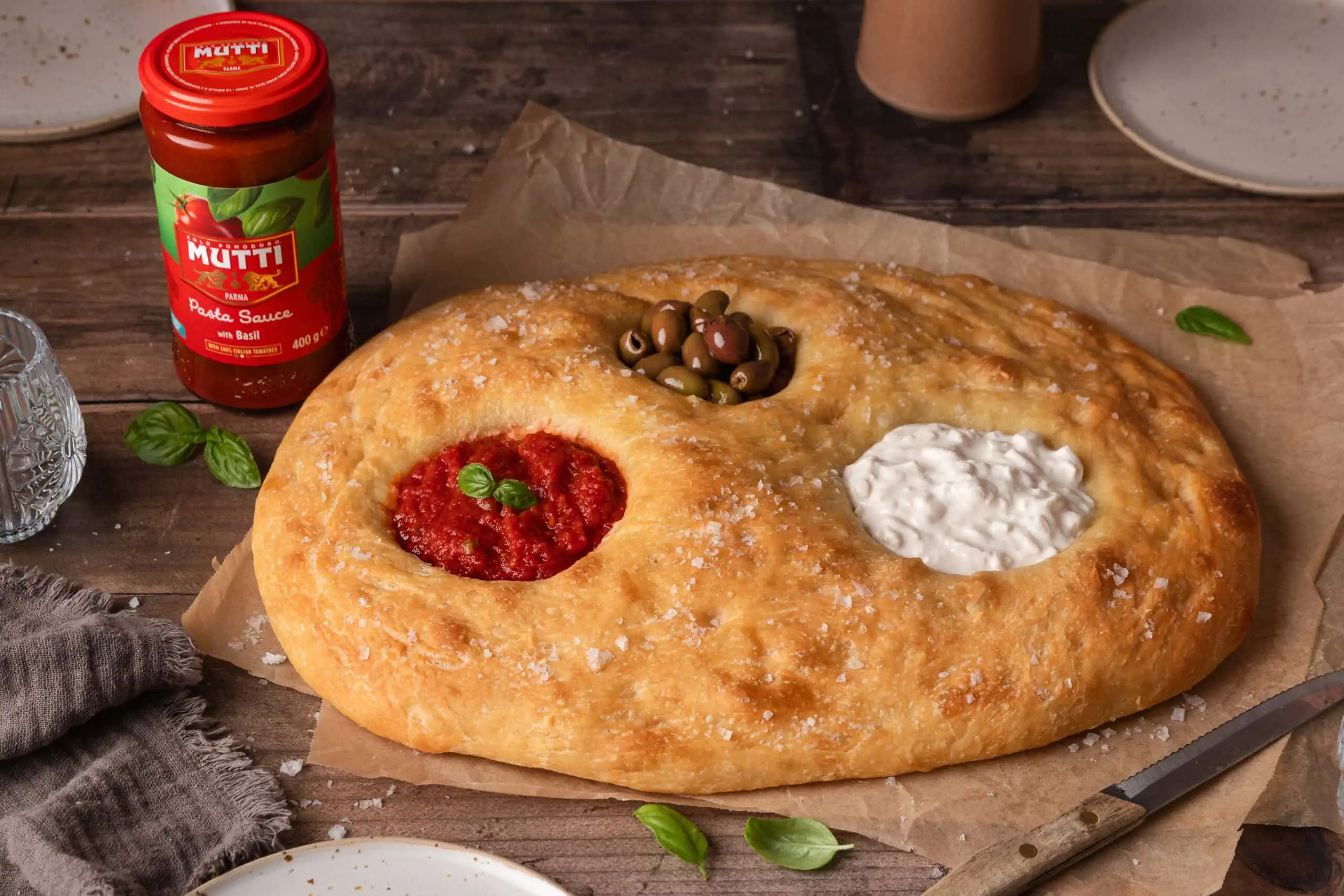
    Italian packaged tomato producer Mutti launched a marketing campaign across Australia and New Zealand in September 2026. Football star Sam Kerr, Paralympic champion Dylan Alcott and television presenter Chris Brown front the push.

    The 127-year-old Italian company targets pantry staple shoppers across Australian supermarkets. It relies on character-driven storytelling rather than standard recipe demonstrations.

    Celebrity Roster and Storytelling Pivot

    Creative spots take the form of scripted vignettes framed as confessions from dedicated brand buyers. In the lead spot, Kerr carries Mutti Passata in her luggage at a hotel and interacts with a chef named Matteo. The scene sets an intentionally humorous tone for the packaged grocery category.

    Samantha Filocamo, marketing director for Australia and New Zealand at Mutti, designed the platform to inject personality into the heritage canned tomato business. She aims to expand brand recall across competitive retail aisles.

    Supermarket Shelf Competition

    Packaged food brands in Australia face sharp margin pressure from private-label supermarket lines. Premium European suppliers must defend higher price points through distinct branding. Mutti has historically relied on provenance and quality credentials to justify its shelf premium over standard tinned tomato competitors.

    Enlisting national sporting figures shifts the brand from niche culinary positioning into mainstream consumer recognition. For grocery retailers, strong branded campaigns in staple ambient categories help protect category value against lower-priced store brands.

    Category Dynamics Across ANZ

    Mutti built its presence in Australasian retail through major supermarket distribution, focusing on whole peeled tomatoes, chopped tomatoes and passata. The promotional push pivots away from traditional food service and home-cooking messaging toward mass-market entertainment.

    Supermarket operators across Sydney and Melbourne will track shelf velocity across the ambient tomato range as the campaign rolls out across broadcast and digital channels.

  • JC Seafood Recalls 275G Salmon Portions Sold at Woolworths in WA

    JC Seafood Recalls 275G Salmon Portions Sold at Woolworths in WA

    JC Seafood Company has recalled its 275-gram Sweet Chilli and Lime Salmon Portions from Woolworths supermarkets across Western Australia after identifying undeclared soy in the product.

    The recall affects batches marked with a best-before date of 18 September 2026. The presence of soy poses a potential health risk to consumers with a soy allergy or intolerance.

    Allergen risks prompt shelf pull

    Consumers who have purchased the affected product are advised to return it to the place of purchase, and anyone concerned about their health should seek medical advice.

    Shoppers who purchased the affected batch can return the packs to their local Woolworths store for a full cash refund. Those who consumed the salmon and feel unwell have been urged to seek medical advice.

    Supply chain labelling scrutiny

    Mislabelling incidents remain a persistent compliance hazard for seafood processors packing value-added marinades and ready-to-cook proteins. Adding pre-mixed glazes often introduces secondary ingredient streams, multiplying the points where allergen tracking can fail.

    For national supermarket operators like Woolworths, undeclared allergen recalls create immediate operational friction at store level. Staff must execute rapid stock sweeps across distribution centres and hundreds of retail bays to eliminate liability.

    Regulatory compliance tracking

    Packaged seafood recalls tied to packaging errors have drawn tighter scrutiny across Australian supply chains this year as regulators press suppliers on quality assurance audits. JC Seafood Company has not reported any illnesses linked to the batch.

    Health authorities and retailer quality teams will monitor store compliance until the product’s 18 September 2026 shelf-life window closes.

  • DB Breweries Rolls Out Draught Zero-Alcohol Beer to 300 Venues

    DB Breweries Rolls Out Draught Zero-Alcohol Beer to 300 Venues

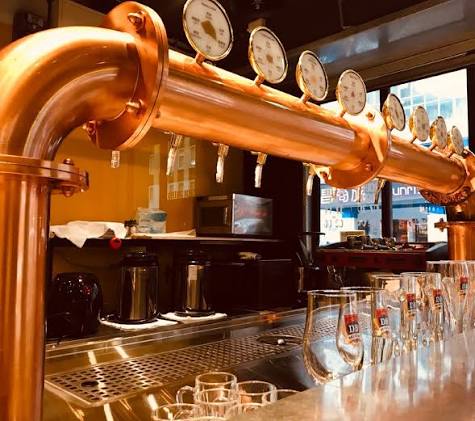
    DB Breweries will install draught dispense systems for zero-alcohol beer across roughly 300 New Zealand hospitality venues ahead of the summer trading season.

    The nationwide deployment follows April pilot trials at two Auckland venues, the Empire Tavern and Moretons.

    Expanding Draught Dispense Beyond Packaged Formats

    Breweries across the Asia-Pacific region historically limited non-alcoholic lines to packaged bottles and cans. Keg stability and line hygiene constraints drove that approach. By introducing dedicated tap systems at scale, the brewer gives on-premise operators a direct draught alternative that mirrors standard beer service.

    DB Breweries managing director Peter Hart said the technology gives consumers choosing zero-alcohol beer an experience comparable to drinking conventional draught.

    Commercial Stakes for On-Premise Operators

    For bar and pub operators, draught zero-alcohol options command higher margins than single-serve bottles. They also keep non-drinking patrons in venue rounds longer. The model shifts zero-alcohol beer from a refrigerated afterthought into active tap lineups.

    Keg throughput and line maintenance remain the chief operational challenges. Non-alcoholic beer lacks the natural alcohol preservatives that protect against bacterial spoilage. Venues taking the hardware must maintain strict cleaning cycles to protect product quality across high-turnover summer taps.

    Scaling Up from Auckland Trials

    Operational feedback from the April trials at Empire Tavern and Moretons guided the rollout. Those tests measured equipment performance and pour rates, establishing dispense protocols before DB Breweries committed capital to a 300-site expansion.

    Technicians will install hardware across the 300 targeted venues over coming months, with all taps scheduled to pour before peak summer patronage begins.

  • Brita Marks 60 Years with Launch of Limited Edition Glass Jug

    Brita Marks 60 Years with Launch of Limited Edition Glass Jug

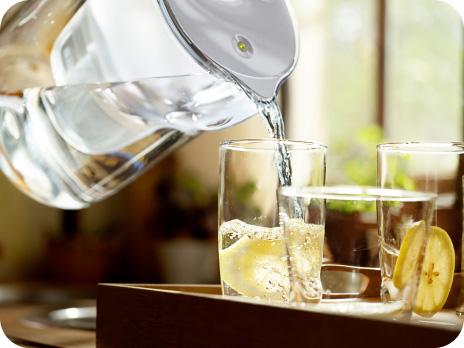
    Brita is marking 60 years in September 2026 by expanding beyond traditional water filter jugs into a broader hydration category spanning smart bottles, tap solutions, and dispensers.

    The German brand, founded in 1966, is rolling out the Brita 60th Anniversary Limited Edition Glass Jug alongside carbonators and integrated appliance filtration to connect with modern shoppers.

    Nadine Miller, marketing director of Brita ANZ, said the brand’s ‘Drink better. Do better.’ campaign reflects an effort to place hydration at the intersection of homewares, wellness, technology, and lifestyle.

    Expanding Beyond the Plastic Filter Jug

    Countertop jugs with replaceable cartridges built the modern filtration category, but growth in developed retail markets requires higher-ticket hardware. Department stores and specialty homewares chains in the Asia-Pacific region have increasingly given prime shelf space to premium glass carafes and integrated carbonation dispensers over utilitarian white plastic pitchers. Brita is responding by pushing higher-margin glass designs and tap fittings into its existing retail footprint.

    Retailers face inventory trade-offs when shifting from simple replacement cartridges to multi-format hydration systems. Cartridges generate reliable repeat footfall, whereas hardware installations demand more display space and shopper education. If consumers treat filtration as an occasional lifestyle purchase rather than a daily consumable habit, replenishment velocity across mass-merchant channels risks slowing down.

    Recycling Metrics and Shelf Space Competition

    Sustainability claims are now central to how hydration products compete against bottled water in major supermarkets. Brita tracks its environmental footprint using an internal metric called Planet Contribution, which balances single-use plastic bottles avoided against the company’s carbon output. In Australia, the business runs a national take-back scheme with TerraCycle to collect and recycle used Maxtra Pro cartridges and soft-plastic packaging wrappers.

    Heinz Hankammer founded the company in Germany in 1966, building filters by hand before releasing the AquaDeMat car-battery demineraliser in 1967. Brita introduced its first consumer household filter jug in 1970 and launched its first industrial cartridge recycling programme in 1992. Those core filter mechanics remain the foundation of the business, even as the exterior form shifts toward glass and plumbed appliances.

    Retail buyers across Australia will evaluate sell-through rates for the 60th Anniversary Limited Edition Glass Jug over the coming holiday quarter as Brita tests consumer appetite for premium materials against standard plastic SKUs.

  • Australian Functional Drinks Market Generates over $2 Billion

    Australian Functional Drinks Market Generates over $2 Billion

    In September 2026, Australian innovation is helping drive a new phase in functional beverages, targeting a domestic market that generates more than $2 billion a year.

    The shift toward what industry observers call 4th Gen Drinks moves past adding electrolytes, caffeine, vitamins, protein or probiotics to instead use naturally occurring compounds from food and food-production streams.

    Chris Plazzer, founder of Olive Mill Water, has developed a functional drink made from polyphenol-rich liquid released during olive oil production, without added sugar, caffeine, flavourings or artificial sweeteners.

    Extracting Value From Agricultural Waste

    Olive processors have historically discarded wastewater despite high concentrations of active phenolic compounds. Pre-clinical research currently links olive-derived phenolics to metabolic, cardiovascular and gut microbiome function, drawing commercial interest from functional food formulators.

    Rather than dosing purified extracts into standard liquid bases, upcycling systems capture active compounds directly from existing farmgate processing lines. The method reduces waste management costs for agricultural millers while generating raw inputs for consumer-packaged drinks.

    The next generation of functional drinks won’t be built by adding more to the formula. It’ll be built by discovering what’s already there; in ingredients the industry has spent decades overlooking, or throwing away entirely.

    Shifting Formulations in Regional Beverage Retail

    Australian beverage brands face changing consumer patterns as younger demographics reduce alcohol intake and demand clean-label alternatives. Convenience retailers and supermarket chains across the region are reallocating refrigerated shelf space away from high-sugar soft drinks toward functional hydrators and natural extracts.

    The main commercial bottleneck for upcycled functional beverages sits in taste profile regulation and supply stability. Olive wastewater carries natural bitterness that requires precise filtration without thermal degradation of target polyphenols, limiting initial batch yields.

    Export Pathways and Science Backing

    Functional drink makers previously relied on imported vitamin premixes and synthetic electrolytes to build label claims. Upcycled domestic ingredients allow manufacturers to shorten ingredient supply chains while tapping into Asian retail demand for clean Australian agricultural provenance.

    Clinical trials on olive phenolic bioavailability in beverage formats continue across independent laboratories, with initial commercial retail distributions scheduled for review in late 2026.

  • Mubadala Invests $1 Billion in Luckin Coffee Alongside Centurium

    Mubadala Invests $1 Billion in Luckin Coffee Alongside Centurium

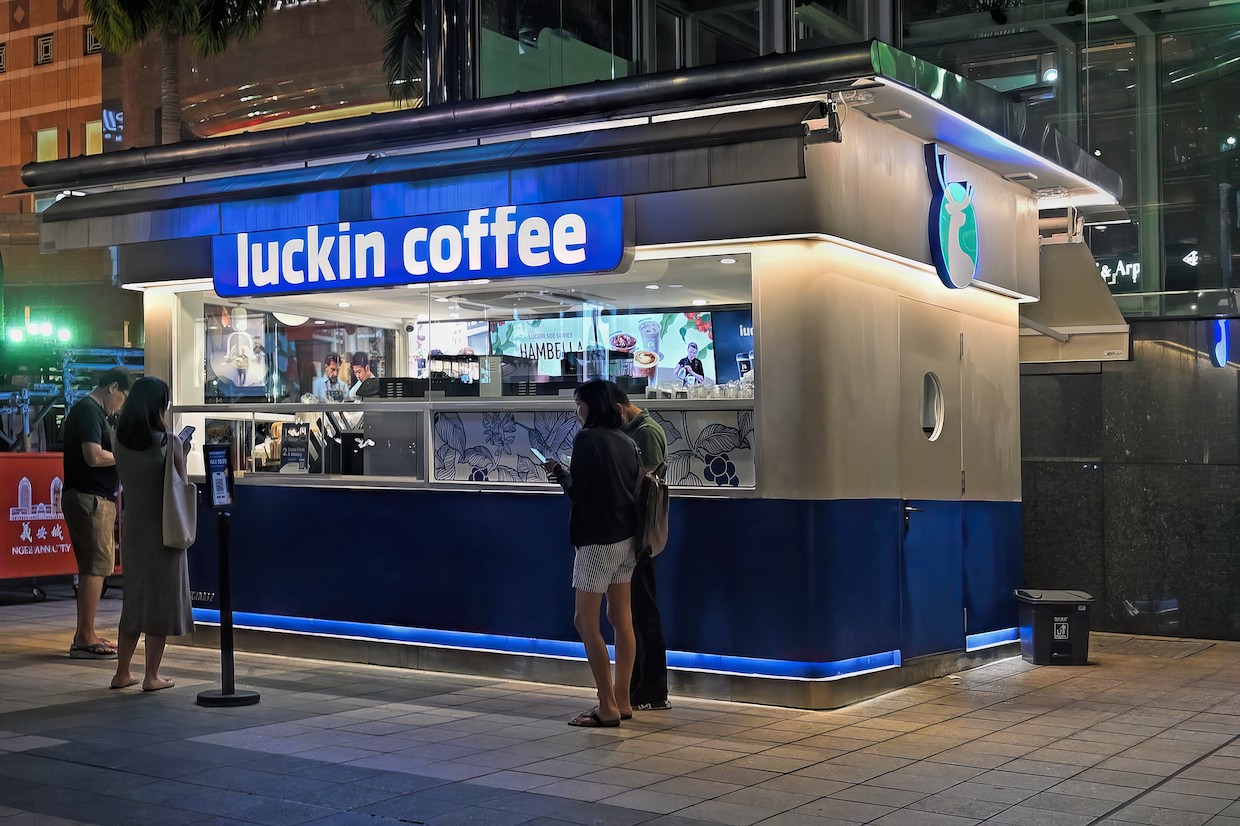
    Abu Dhabi sovereign wealth fund Mubadala Investment Company agreed to invest about US$1 billion for a minority stake in Luckin Coffee. The Chinese chain operated more than 36,000 stores globally by June 30, with customer rolls reaching nearly 500 million transacting buyers.

    Mubadala is injecting the capital alongside Centurium Capital, the private equity firm that holds controlling shareholder control over the retail group. Fresh funding will finance store buildouts across mainland China while bankrolling new retail sites in overseas target markets.

    Gulf Capital Backs China Network

    The transaction directs Gulf sovereign money into high-frequency Chinese retail at a time when global private equity deployment in the country has cooled. Mubadala head of Asia private equity Mohamed Albadr pointed to data integration across product cycles and unit operations as the driver for the commitment.

    “Luckin Coffee has built a differentiated, technology-enabled business with data embedded across customer engagement, product development and store operations,” Albadr said.

    Securing US$1 billion gives the chain a balance sheet buffer that rivals cannot easily match in current fundraising conditions. The cash injection strengthens Luckin against low-price challengers like Cotti Coffee while intensifying lease competition for small-format commercial spaces across regional retail corridors.

    Scale Shifts Pressure to Rivals

    For multinational operators including Starbucks, the capital infusion signals that price competition and unit expansion in secondary Chinese cities will not slow down. Landlords in transport hubs, office basements, and shopping malls gain an aggressive, well-funded tenant capable of taking small footprints on short turnaround schedules.

    Risk now centers on unit-level profitability outside top-tier shopping zones as store density increases in mature urban markets. Expanding into international markets will also test whether the chain’s app-driven, low-labor operating model transfers effectively into markets with higher real estate and staffing overhead.

    International Footprint Next in Line

    The deal follows a rapid store buildup through the first half of 2026, when Luckin crossed the 35,000-location threshold before adding another 1,000 stores by the end of the second quarter. Centurium had previously taken operational control to restructure the company and reorient unit economics around small-format pickup counters and digital orders.

    RetailNews Asia will track the pace of the group’s overseas site selection and store openings over the coming quarter as capital deployment begins.

  • Harrods Develops Bespoke Collaboration with Hong Kong Brand Silk

    Harrods Develops Bespoke Collaboration with Hong Kong Brand Silk

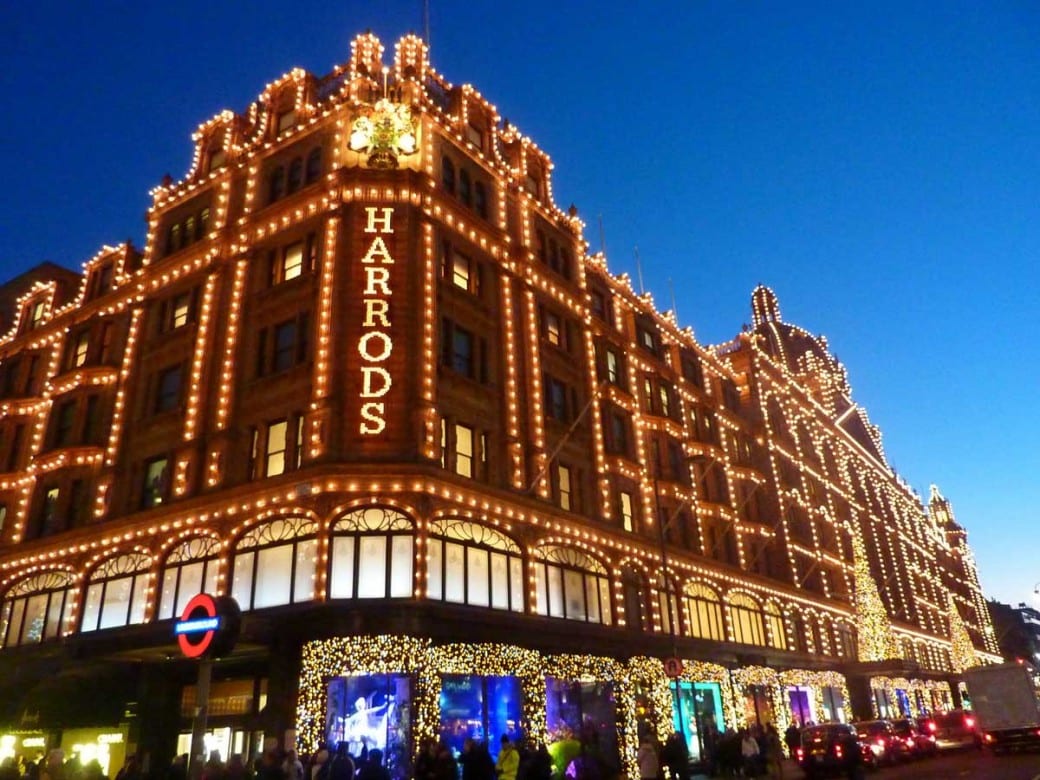
    In September 2026, London department store Harrods flew members of its global marketing team to Hong Kong to develop a bespoke collaboration with Silk, a young local beverage brand. The partnership aims to place Hong Kong-style bubble tea directly into premium lifestyle culture.

    Silk was founded on the conviction that Hong Kong-style bubble tea deserves a place in premium retail. For the young beverage maker, working directly with 1 of the world’s most recognisable department stores confirms its place in high-end lifestyle branding.

    Global Retailers Target Local Asian Culture

    Department stores across Europe and Asia increasingly look past standard licensing deals in favour of direct, culturally rooted partnerships. Securing authentic local products gives established department stores cultural credibility with younger Asian travellers and domestic luxury shoppers.

    For Silk, entering a joint project with Harrods validates a premium pricing and branding strategy for a product category traditionally sold at low street prices. The commercial risk sits in execution: luxury consumers expect elevated ingredients, distinct packaging and narrative depth rather than standard co-branding.

    Shifting Playbook for Independent Beverage Brands

    Regional beverage brands in Asia previously relied on regional franchise networks or overseas store openings to build global scale. Partnering directly with legacy international retailers offers an alternative route to worldwide visibility without the capital expense of offshore physical stores.

    The Harrods project mirrors broader retail shifts where Western heritage operators seek relevance in Asian consumer hubs through high-profile regional collaborations. The development process required London brand teams on the ground in Hong Kong to oversee formula and packaging design.

    Next Steps for the Collaboration

    Harrods and Silk will confirm rollout schedules and retail availability across physical counters and export channels once final product formulations clear development.

  • Hong Kong Bakery Brand Builds 30,000 Members Without Retailer POS Data

    Hong Kong Bakery Brand Builds 30,000 Members Without Retailer POS Data

    A century-old Hong Kong bakery and confectionery manufacturer signed up more than 30,000 loyalty members within six months by asking shoppers to scan supermarket receipts instead of relying on retailer point-of-sale data.

    Powered by the KlikNGo loyalty and CRM platform, the initiative took Gold for Best CRM Campaign at the DigiZ Awards 2026 in September after doubling repeat purchases and generating 47 per cent of the brand’s sales uplift.

    How receipt scanning bypasses the till

    Suppliers selling through Hong Kong supermarket chains, convenience stores and neighbourhood grocers have long operated with limited visibility of their end consumers. Trade promotions produce temporary sales lifts without delivering customer intelligence, while retailers typically treat transaction records as confidential. At the same time, younger shoppers have drifted toward artisanal and lifestyle food brands, weakening the impact of legacy brand familiarity alone.

    To capture shopper records directly, the manufacturer rolled out a mobile application built on the KlikNGo loyalty platform. Consumers register, buy goods at third-party retailers, and photograph paper or digital receipts. The software extracts the merchant name, branch location, purchase timestamp, payment method, and transaction number. It verifies purchases against approved retail partners while blocking duplicate claims.

    More than 10 major retail chains in Hong Kong are covered by the system. Members redeem accumulated points for tier perks, vouchers, gifts, and lucky draws. Outlet staff validate reward vouchers in real time using a separate merchant app, eliminating any need to integrate with supermarket registers.

    Customer profiling and media returns

    App downloads crossed 23,000 within three months of rollout. Shoppers uploaded more than 30,000 receipts over five months. Member mission completion rates hit 85 per cent, supplying profile details, purchase occasions, and product preferences to turn raw receipt data into targeted first-party segments.

    Direct data reshaped advertising spend. Targeted promotions to verified buyers improved media efficiency by 49 per cent. That allowed the brand to direct ad budgets against known consumption habits rather than buying broad demographics across Hong Kong media channels.

    The shift in supplier use

    Packaged goods makers across Asia face an altered balance of power with physical grocery giants like Dairy Farm and AS Watson. When brands collect store-level purchasing intelligence independently, trade marketing budgets move away from retailer listing fees and end-cap slots. Funds shift directly into proprietary engagement channels.

    Customer friction remains the primary operational risk. Asking shoppers to photograph physical receipts demands higher rewards than swiping a loyalty card at checkout. Redemption costs rise if mission completion drops or rewards fail to compensate for the manual step.

    Industry recognition followed the rollout. The initiative won Gold for Best CRM Campaign at the DigiZ Awards 2026, while platform provider KlikNGo took Bronze for Best MarTech for CRM. KlikNGo presents the Hong Kong case study at the Digital Marketing Asia conference in Singapore on September 22.

  • Cinnabon to Exit Singapore as Final Ion Orchard Store Closes

    Cinnabon to Exit Singapore as Final Ion Orchard Store Closes

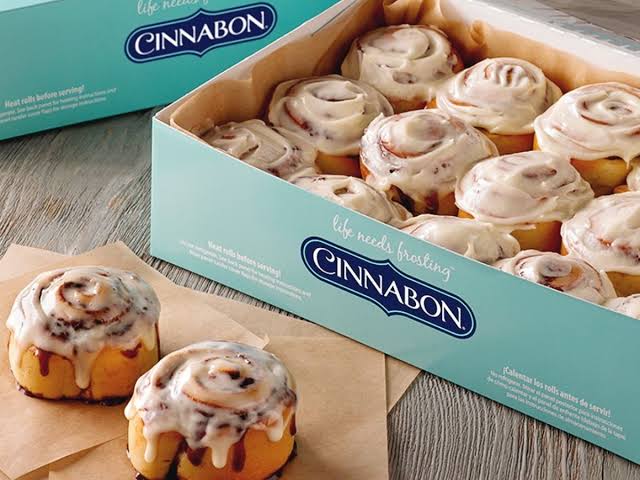
    Cinnabon will pull out of Singapore on September 22, shutting its final Ion Orchard outlet after a three-year comeback attempt failed to gain commercial traction. The closure leaves master franchisee Wabi-Sabi empty-handed against an initial target to build a network of 10 locations across the city-state within five years.

    The American cinnamon roll brand announced the wind-down on September 8, confirming that operations at its sole remaining store in Orchard Road will finish before the end of the month. Outlets at Raffles City Shopping Centre and Jewel Changi Airport have already ceased trading.

    High Rents and Footfall Realities

    Securing high-profile retail space in Singapore demands relentless sales volume to cover overheads. Single-category bakery concepts face a severe margin squeeze when novelty fades and everyday demand fails to match prime shopping mall rental rates. Ion Orchard, Raffles City and Jewel Changi offer heavy pedestrian traffic, but they rank among the most expensive commercial addresses in Southeast Asia.

    For food and beverage operators, relying on a narrow product catalogue creates immediate vulnerability when footfall shifts or local consumer spending tightens. While larger multi-brand operators can cross-subsidise prime leases, standalone single-concept franchisees bear direct exposure to rising mall rents and labour costs. Wabi-Sabi took on substantial lease commitments in premier corridors rather than testing lower-cost suburban clusters first.

    The Second Exit in Two Decades

    This shutdown marks the second time Cinnabon has abandoned the Singapore market. The chain previously operated in the city before closing its retail footprint in 2002. It returned in February 2023 with the Raffles City debut, aiming to build a broader local presence through standard units and smaller kiosk formats.

    Master franchisee Alvin Ng outlined plans at the launch to take the franchise into suburban residential hubs. Those outer-island locations never materialised, leaving the business dependent on tourist-heavy downtown malls where foot traffic fluctuates and local repeat purchases remain harder to lock down.

    Regional Footprint After Singapore

    The retreat from Singapore leaves Cinnabon adjusting its wider Southeast Asian strategy. The brand re-entered neighbouring Malaysia in mid-2024 with a different franchise partner, testing whether suburban mall clusters and lower operating costs in that market can sustain unit economics that proved unviable in Singapore.

    Final trading at the Ion Orchard store concludes on September 22, when Wabi-Sabi hands back the premises and Cinnabon officially vacates the Singapore market.

  • Barambah Organics Founder Ian Campbell and Daughter Die in Plane Crash

    Barambah Organics Founder Ian Campbell and Daughter Die in Plane Crash

    Barambah Organics founder Ian Campbell, 56, and his daughter Hannah, 23, died in a light plane crash south of Brisbane on Monday.

    Campbell founded the dairy business alongside his wife Jane in 2002.

    The Tamara Capital Buyout and Brand Growth

    Private equity firm Tamara Capital bought a majority stake in the business in 2020 in a deal valuing it at $50 million, while the Campbell family kept a minority stake and continued to influence operations.

    Following the buyout, the business expanded distribution across Australian retail channels to supply independent grocers, organic specialists and national supermarket shelves. It established a dedicated processing network and direct farm supply model across regional Queensland and northern New South Wales.

    Dairy Sector Pressures and Market Position

    Australian premium dairy producers face cost inflation across cold chain freight, feed and energy. Premium organic labels rely on tight supply agreements and consistent volume to protect margins against conventional private-label milk pricing.

    Customer retention was built on single-source farm provenance and organic certification standards. Preserving brand equity and operational continuity now falls to the institutional investors and executive management installed following the 2020 acquisition.

    Operational History and Next Steps

    The Campbell family ran the business as an independent operation for 18 years. Outside capital was brought in to fund factory upgrades and broader national distribution.

    Aviation safety authorities continue to examine the site south of Brisbane to determine the mechanical factors and flight conditions surrounding the crash.