Retail News CRM

Category: Food

Retail News Asia is committed to providing both local and global retailers with the latest Food and Food & Beverage news throughout the Asian market. This on a daily base.

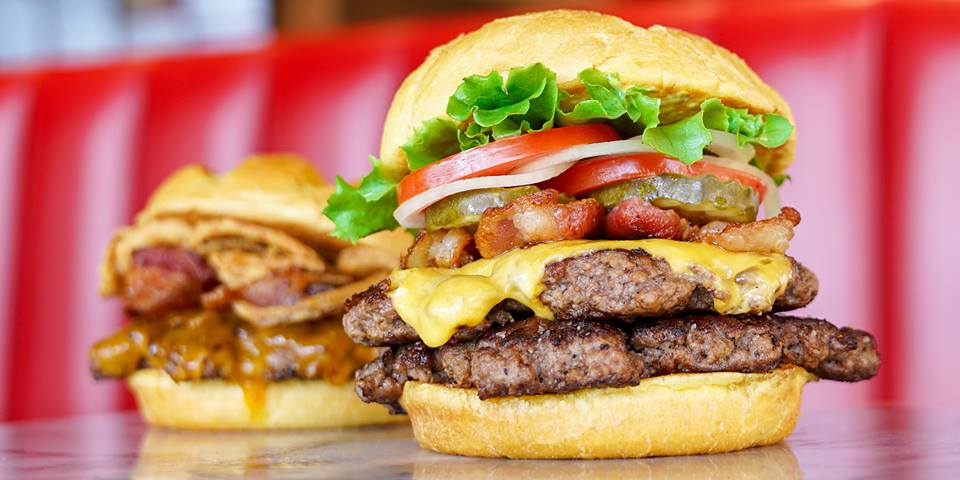
  • Yum China Breaks into Burger Business with V Burger: A Fresh Spin on Fast Food Amidst Rising Market Competition

    Yum China Breaks into Burger Business with V Burger: A Fresh Spin on Fast Food Amidst Rising Market Competition

    Yum China, recognized as the chief operator of Pizza Hut on the Chinese mainland, has recently launched two independent V Burger locations in Futian and Longhua districts in Shenzhen. This move establishes the brand’s inaugural foray into the dedicated burger restaurant sector within the nation.

    The V Burger approach leans towards a Western-style concept and mainly caters to individual eaters and small groups of diners. The newly implemented menu features a variety of around ten different freshly made chicken and beef burgers. Prices for these items range from 23 to 42 yuan (equivalent to US$3.29 to US$6.01), resulting in an average expenditure of 32.5 yuan per diner.

    This new venture aligns with Yum China’s wider strategy of multi-brand expansion. This strategy has been evidenced by recent introductions of brands like KCoffee, Kpro, and the KFC Fried Chicken Brothers concept.

    Industry insiders have revealed that the company’s entry into the burger market has been in the planning stages for a considerable duration. Since December 2023, Pizza Hut has initiated a testing phase for a “pizza burger” series in selected cities. This series has comprised of four different types of burgers which were priced between 20 and 30 yuan each.

    The introduction of V Burger is timely as both international and domestic fast-food chains are currently vying intensely for a greater share of the Chinese consumer market. A report by Daxue Consulting suggests that China’s fast-food market was worth RMB1.28 trillion in 2023 and forecasts further growth, powered by increased demand from smaller, lower-tier cities.

    Competition within the sector is becoming increasingly fierce. As an indication of this, Burger King divested its controlling stake in China in November, opting to establish a joint venture instead. The company also announced its strategy to double its outlet numbers within half a decade, with the goal of having more than 4000 outlets by 2035.

    Questions & Answers

    What is Yum China’s latest venture in the Chinese market?
    Yum China has recently opened two standalone V Burger outlets in Shenzhen’s Futian and Longhua districts. This is the brand’s first dedicated foray into the burger restaurant sector within the country.

    Who is the target market for V Burger?
    The V Burger concept primarily caters to solo diners and small groups, offering a variety of freshly prepared chicken and beef burgers.

    What is the significance of the V Burger launch?
    The rollout of V Burger comes at a time when international and domestic fast-food chains are fiercely competing for Chinese consumers. It is a part of Yum China’s broader multi-brand expansion strategy which includes brands like KCoffee, Kpro, and the KFC Fried Chicken Brothers concept.
  • Mixue: China’s Beloved Tea and Ice Cream Chain Brews Up Its First US Store in Hollywood

    Mixue: China’s Beloved Tea and Ice Cream Chain Brews Up Its First US Store in Hollywood

    The popular Chinese ice cream and tea chain, Mixue, has successfully established its first US location in Los Angeles, California, marking the brand’s debut in the American market.

    Offerings and Customisation

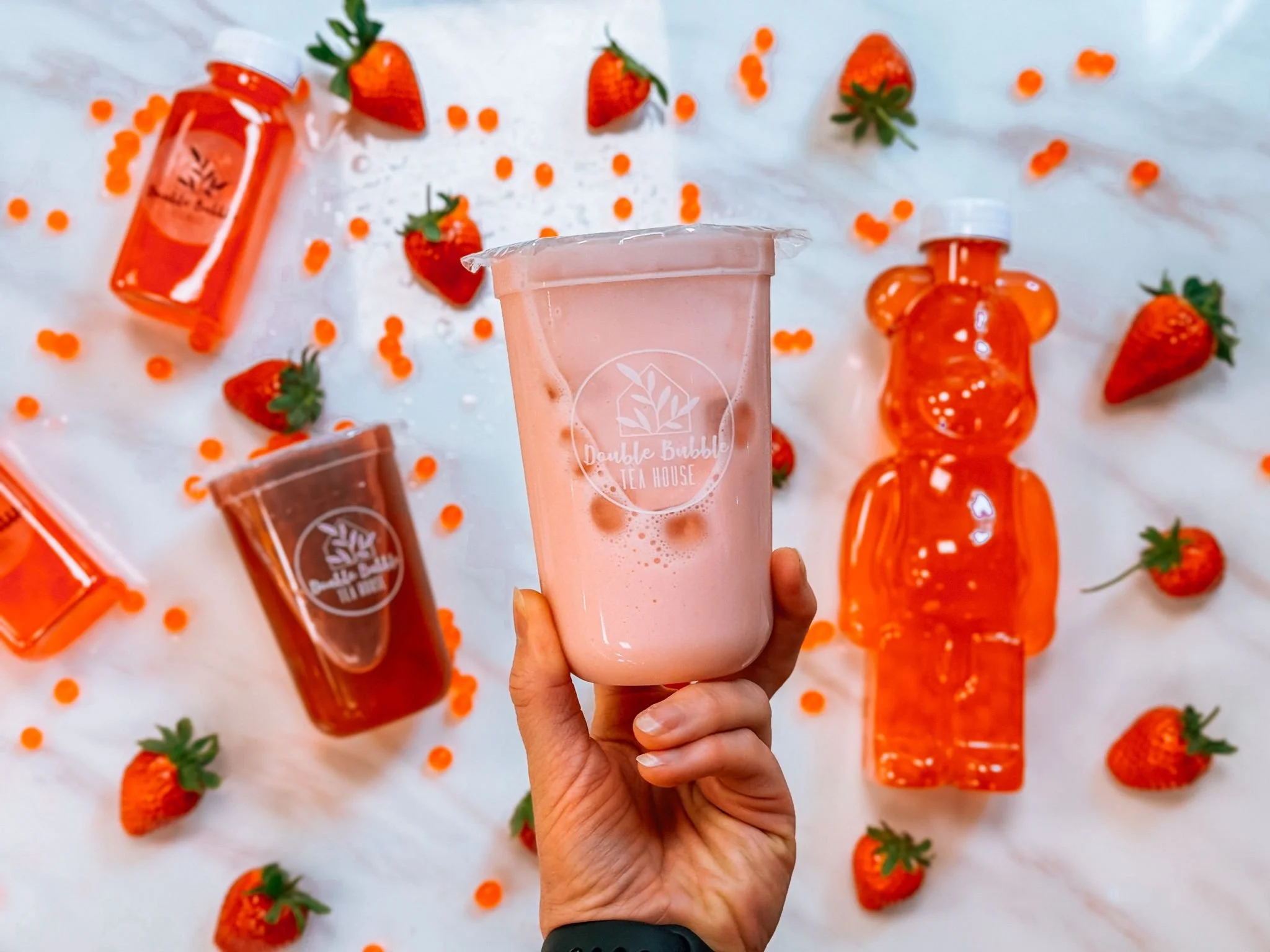
    Situated on the famous Hollywood Boulevard, the new Mixue store provides customers with the chain’s traditional menu. The offered choices encompass a variety of beverages including ice cream, pure tea, fruit drinks, milk tea, and coffee. One of the unique aspects of Mixue’s service is the ability for customers to personalize their drinks. They can adjust the sugar content to their liking and select from a range of toppings for certain beverages.

    Global Expansion

    Since its establishment in 1997, Mixue has been diligently working on its international growth. The brand expanded outside of China for the first time in 2018, with the opening of a store in Vietnam. Following this, Mixue entered several other markets, including Australia, South Korea, Thailand, Malaysia, Singapore, and the Philippines.

    Growth Plans in the US

    The US is the next frontier for Mixue’s ongoing international expansion. The company has expressed its intention to enhance its presence in the American market further. A store in New York is anticipated to open soon as a part of this expansion plan.

    Zhang Hongfu, the Global CEO of Mixue, stated that the company is committed to its worldwide strategic growth. He added, “Our aim is to consistently broaden our store network, thereby enabling more local consumers to savour our high-quality, affordable drinks.”

    Presently, Mixue Group runs over 53,000 stores globally.

    Questions & Answers

    What does the Mixue menu offer in their new US store?
    The menu in the new Mixue US store consists of a range of beverages such as ice cream, pure tea, fruit drinks, milk tea, and coffee.

    Where did Mixue first expand to outside of China?
    The first overseas expansion of Mixue was in Vietnam, which took place in 2018.

    What are the future expansion plans of Mixue in the US?
    Mixue plans to strengthen its presence in the US with the opening of a new store in New York, which is expected to happen in the near future.

  • Vietnam Targets $11.5B from Seafood Exports in 2026: A Sustainable Growth Strategy

    Vietnam Targets $11.5B from Seafood Exports in 2026: A Sustainable Growth Strategy

    Vietnam has set its sights on exporting more than 10 million tonnes of seafood, valued at $11.5 billion, in the course of the current year. This anticipated export volume signals a slight increase of 0.6% as compared to that of 2025, according to Pham Quang Toan, the deputy director general of the Department of Fisheries and Fisheries Surveillance who spoke at a recent conference.

    Understanding the Figures

    The forecast suggests that exports from capture fisheries may experience a slight decrease of 2.1%, landing at roughly 3.75 million tonnes. However, the aquaculture sector is projected to see an increase of 2.2%, amounting to approximately 6.25 million tonnes.

    The director general of the department, Tran Dinh Luan, shared insights into the future direction of Vietnam’s seafood sector. According to him, the sector is poised to progressively scale back capture fisheries while concurrently enhancing aquaculture practices. This transition is intended to be sustainable and resilient to climatic changes in order to boost competitiveness.

    Luan also emphasized a strategic shift from a production-oriented approach to a fisheries economy perspective. Moreover, the focus will be on moving from singular value growth towards integrated multi-value development.

    A Look at Past Performance

    Based on data from the Department of Fisheries and Fisheries Surveillance, the total output of seafood in 2025 was 9.95 million tonnes. This represents an increase of 3% from the previous year. Of this, capture fisheries contributed 3.83 million tonnes, which was almost identical to the volume in 2024. In contrast, the output from aquaculture rose by 5.1% to reach 6.1 million tonnes.

    The revenue from seafood exports was more than $11 billion last year, marking an impressive increase of 12.7%.

    Questions & Answers

    What is the projected seafood export volume for Vietnam in the current year?
    The anticipated seafood export volume for Vietnam is over 10 million tonnes.

    What changes are expected in the export volumes of capture fisheries and aquaculture?
    Capture fisheries exports are expected to decrease by 2.1%, while aquaculture exports are projected to increase by 2.2%.

    What was the seafood export turnover for Vietnam in 2025?
    The seafood export turnover for Vietnam in 2025 was estimated at over $11 billion.

  • PizzaExpress Reduces Singapore Presence: Shuts Down Two More Outlets Amid Retrenchment Wave

    PizzaExpress Reduces Singapore Presence: Shuts Down Two More Outlets Amid Retrenchment Wave

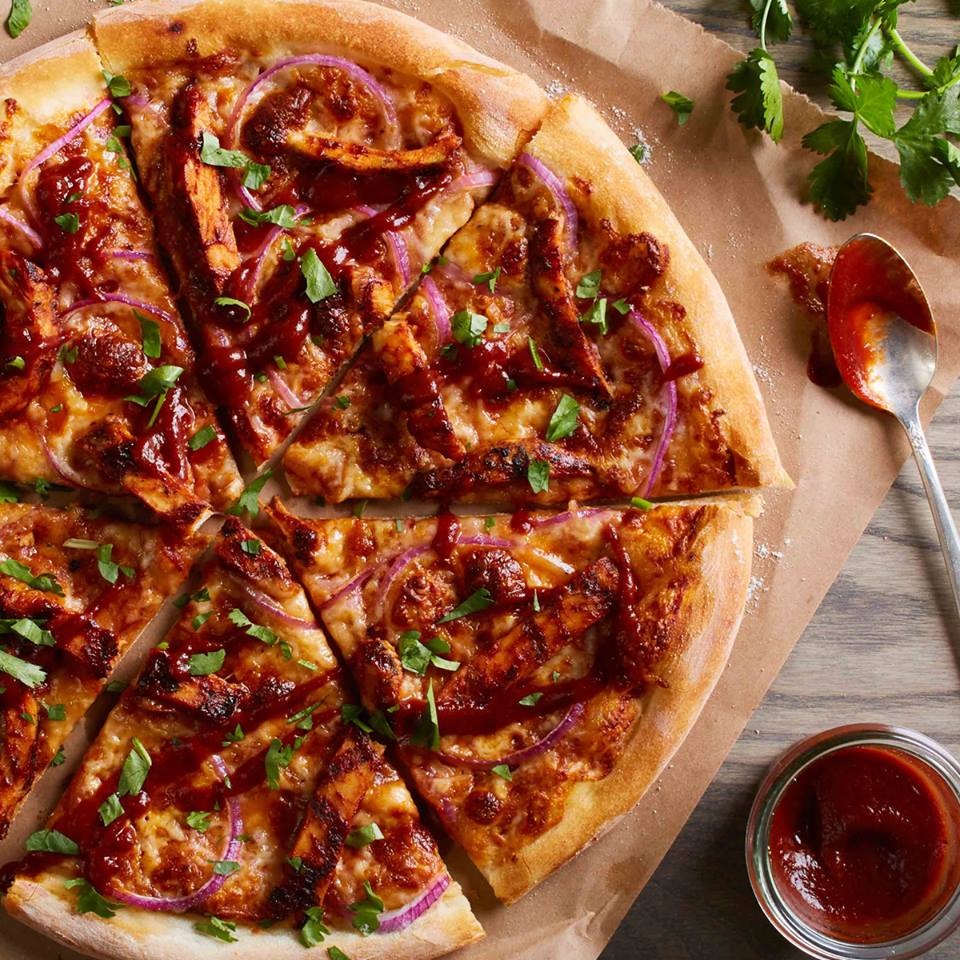
    The UK-based dining chain, PizzaExpress, has recently announced the closure of two of its outlets in Singapore, bringing its total locations in the city-state down to just two. Operations ceased at the Millenia Walk and Scotts Square outlets on December 31 last year. The reasons for these closures have not been disclosed publicly.

    Changes in Location

    The Millenia Walk outlet, the most recent addition to the PizzaExpress Singapore operations, had been serving customers for less than a year, having opened its doors in January 2025. The brand’s remaining outlets can be found at Duo Galleria and The Star Vista.

    This isn’t the first time the company has made location changes in Singapore. In January 2024, the PizzaExpress outlet in Holland Village was shuttered following six years of service. However, a new outlet was established at The Star Vista just a few months later in April.

    History and Challenges

    Established in London, PizzaExpress has made a name for itself globally for its handcrafted thin-crust pizzas. The Scotts Square outlet was the brand’s first foray into the Singaporean market in 2016. The company oversees more than 500 restaurants across the UK, Europe, Hong Kong, India, and the Middle East.

    Despite its global reach, PizzaExpress has grappled with financial difficulties in recent years. In 2020, the company announced plans to close 15% of its UK restaurants due to restructuring efforts aimed at managing an external debt of roughly US$993 million. The then-owner, Hony Capital, a Chinese private equity firm, started the process of seeking a new buyer.

    Food and Beverage Sector Struggles

    PizzaExpress is not alone in its struggles within Singapore. Many food and beverage chains in the city-state have had to close outlets due to dwindling demand. Kith Cafe, which boasted 10 outlets at its height, now operates only two locations. The well-known American chain, Eggslut, shut its last Singaporean outlet in February last year, indicating its departure from the country. Other businesses such as Burger & Lobster, Fluff Stack, Flor Patisserie, and Keong Saik Bakery have also withdrawn from the market.

    Questions & Answers

    Why did PizzaExpress close two of its outlets in Singapore?
    While the company announced the closures, it did not disclose the reasons behind them.

    Which PizzaExpress outlets remain open in Singapore?
    There are two remaining PizzaExpress locations in Singapore, one at Duo Galleria and the other at The Star Vista.

    What financial challenges has PizzaExpress faced in recent years?
    In 2020, PizzaExpress revealed plans to close 15% of its UK outlets amidst restructuring efforts aimed at managing around US$993 million in external debt.

  • Singapore Durian Devotees Dive into Decade-Low Deals on Musang King: Act Fast or Miss Out!

    Singapore Durian Devotees Dive into Decade-Low Deals on Musang King: Act Fast or Miss Out!

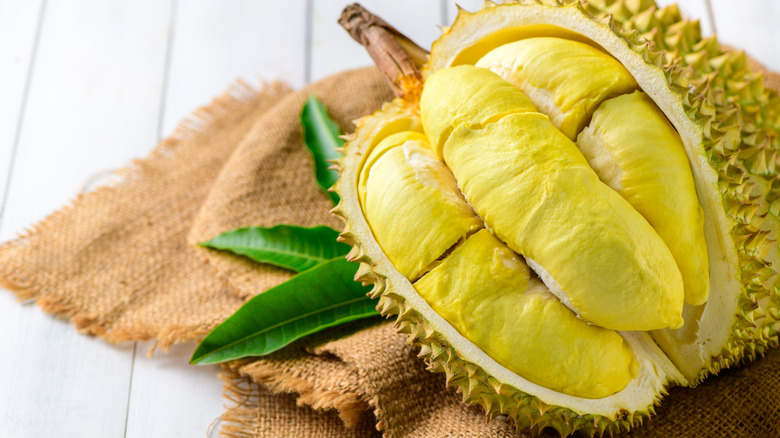
    In Singapore, enthusiasts of the durian fruit, particularly the Musang King variety, are taking full advantage of a decade-record low in prices out of Malaysia. However, sellers predict that this economic boon will likely only persist for another fortnight.

    The recent plummet in prices can be attributed to an oversupply in Malaysia, Singapore’s neighboring country. This has allowed sellers in the city-state to price the durian, also locally known as Mao Shan Wang, as low as S$8 (US$6.25) per kilogram.

    Economic Impact of the Durian Price Drop

    Anthony Gan, proprietor of the renowned Famous Durian stall in Yishun, commented on the significant drop in prices. “Compared to the previous season, it’s about S$8 cheaper per kilogram,” Gan said. He also noted that these are the lowest prices he has seen during his decade-long career in the durian trade.

    Similarly, Durian Empire in Punggol Plaza is selling the fruit for S$8-18 per kg, a stark contrast to the previous average rate of S$15-24.

    The rapid decrease in prices is linked to an unusually large harvest in Malaysia, Singapore’s primary source for durians. It was reported earlier that the Musang King variety, typically considered a premium type of durian, had dropped down to RM10 (US$2.4) per kg at farms across Malaysia. Some areas even saw even lower prices due to the supply glut. Other popular varieties, such as the Black Thorn, D24, and IOI, have also become more affordable.

    Singaporean Durian Demand and Consumption

    Durians, known for their pungent aroma, are beloved by Singaporeans. The Musang King variety is especially favored due to its creamy texture and bittersweet taste.

    Approximately 85% of the durians in Singapore come from its northern neighbour, with imports estimated to be around 100,000kg per day during the peak season. Therefore, the decreased prices have resulted in a surge in demand.

    Derrick Ooi, who owns the 211 House of Durian in Lorong 8 Toa Payoh, reported a 30-40% increase in his December sales compared to previous months. Zen Ho, proprietor of Durian Empire, reported a 20% sales increase from previous years.

    Meanwhile, Famous Durian’s Gan noted that daily orders have climbed to over 100 since last November, compared to 60-70 orders before that.

    A Temporary Relief

    While the price drop has been a boon for durian lovers and sellers alike, this respite is expected to be fleeting. As the durian season draws to a close later this month and into February, supplies are anticipated to shrink.

    Alvin Teo, who operates Durian 36 in Geylang, predicts that the price relief could “last for another two weeks’ time,” and that a 20-30% price increase might be on the horizon.

    However, despite potential price fluctuations, durian fruit will remain available through the Lunar New Year, according to 211 House of Durian’s Ooi.

    Questions & Answers

    Why have durian prices dropped so significantly?
    The price drop is due to an oversupply of durians in Malaysia, Singapore’s primary durian supplier.

    How long is the durian price drop expected to last?
    According to sellers, the price drop may only persist for another two weeks before prices are expected to increase again.

    Will durians still be available after the price increase?
    Yes, despite the potential price increase, durians, specifically the Musang King variety, are expected to remain available through the Lunar New Year.

  • Xiao Noodles’ Spicy Chongqing Delights Make Sizzling Singapore Debut: First International Flagship Launched

    Xiao Noodles’ Spicy Chongqing Delights Make Sizzling Singapore Debut: First International Flagship Launched

    Xiao Noodles, a Chinese quick-service restaurant, has marked its international presence with the establishment of its inaugural flagship store in Singapore.

    Roots and Expansion

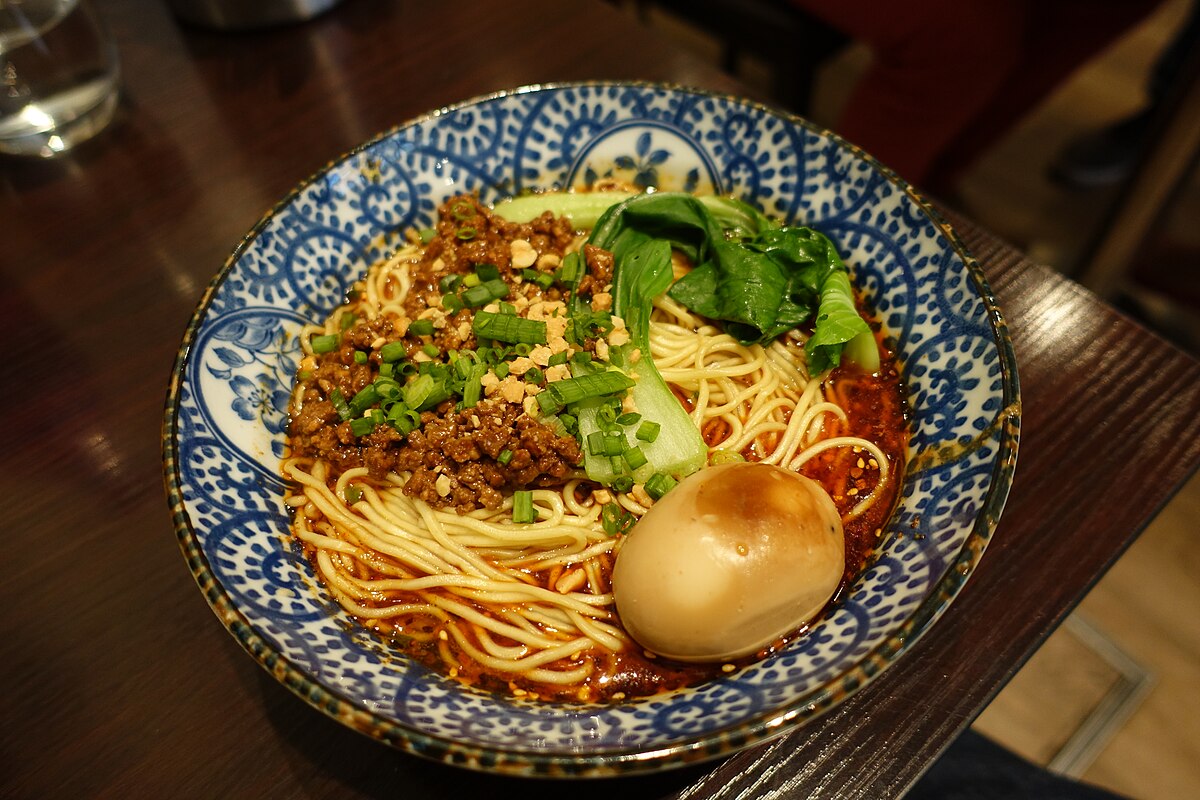
    Xiao Noodles, which was established in 2014, is renowned for its Chongqing-style noodles. With over 500 outlets across China, the restaurant chain has made a significant impact within the domestic food market. Their latest location, at 313@Somerset in Singapore, offers customers a taste of regional Chinese cuisine, with dishes such as Red Bowl Noodle (a spicy mala noodle dish with peas and meat sauce), Golden Bowl Noodle (hot and sour noodles), as well as a variety of Wonton and Maocai Hot Pot options.

    A Systematised Casual Dining Model

    This new outlet also serves as the debut platform for the company’s systemised casual dining model. This innovative model merges customary practices with digital operations, resulting in enhanced efficiency and scalability. Xiao Noodles is thus able to better handle the rising global demand for noodles and spicy foods.

    Taking Chongqing-Style Noodles Global

    Xiao Noodles is positioning itself to capitalize on the international popularity of noodles and the increasing demand for spicy flavours. The company aims to introduce Chongqing-style noodles to customers worldwide. Xiao Noodles’ founder and CEO, Song Qi, sees the Singapore flagship store as a model for future global expansions. He expressed his excitement at the opportunity to bring Chinese street food to tables around the world, establishing this as the official beginning of the company’s global vision.

    Questions & Answers

    What is unique about Xiao Noodles’ business model?
    Xiao Noodles’ business model combines traditional practices with digital operations, enhancing efficiency and scalability.

    What is the significance of the Singapore outlet for Xiao Noodles?
    The Singapore outlet serves as the first international presence for Xiao Noodles, acting as a blueprint for future global locations.

    What are some signature dishes of Xiao Noodles?
    Some of Xiao Noodles’ regional Chinese dishes include the Red Bowl Noodle, Golden Bowl Noodle, and a variety of Wonton and Maocai Hot Pot options.

  • Jollibee Gears Up for US Listing: Spinning Off Global Operations in Strategic Business Split

    Jollibee Gears Up for US Listing: Spinning Off Global Operations in Strategic Business Split

    Jollibee Foods Corp, a major player in the foodservice industry, has announced its intention to separate its international operations from its existing company structure. This significant move involves setting up a new, independent entity, which will be listed on a U.S. securities exchange, according to the company’s recent disclosure to the Philippine Stock Exchange.

    Two Independent Entities with Distinct Goals

    The company’s local operations in the Philippines will continue to be listed on the local stock exchange. The strategic decision to bifurcate the business is aimed at forming two autonomous entities. Each will have its distinct strategic focus and investment profile, allowing each to operate more efficiently within its designated market.

    Following the announcement, Jollibee’s stock experienced an impressive 14.5% surge, marking its most significant one-day increase in over half a decade.

    Timeline and Shareholder Impact

    Jollibee has outlined a tentative timeline for executing the transaction, aiming for completion in late 2027. However, the finalization of this move is subject to various factors including market conditions, thorough due diligence, and gaining necessary regulatory approvals.

    The current shareholders of Jollibee will not be left in the lurch following this corporate restructuring. They will be given shares in the newly formed entity, which will be in line with their existing interest in the company. This distribution, though, will be subject to applicable taxes and legal compliances. The company has noted that this information is still preliminary and may be subject to changes.

    Global Presence

    Jollibee has a formidable global presence with over 10,000 stores spread across 33 countries. Its portfolio includes well-known brands such as Jollibee, Chowking, Smashburger, and Tim Ho Wan, among others.

    Questions & Answers

    When does Jollibee plan to execute this corporate restructuring?
    The company aims to complete the restructuring by late 2027, subject to market conditions and necessary regulatory approvals.

    What will happen to the current shareholders of Jollibee?
    Existing shareholders will receive shares in the newly formed company, which will be proportionate to their current interest in Jollibee, subject to applicable taxes and legal requirements.

    What impact will this restructuring have on Jollibee’s local operations?
    The restructuring is not expected to impact Jollibee’s local operations, which will continue to be listed on the Philippine Stock Exchange.

  • Sushi Tycoon ‘Tuna King’ Shells Out Record $3.2M for Massive Bluefin at Tokyo’s Prestigious Auction

    Sushi Tycoon ‘Tuna King’ Shells Out Record $3.2M for Massive Bluefin at Tokyo’s Prestigious Auction

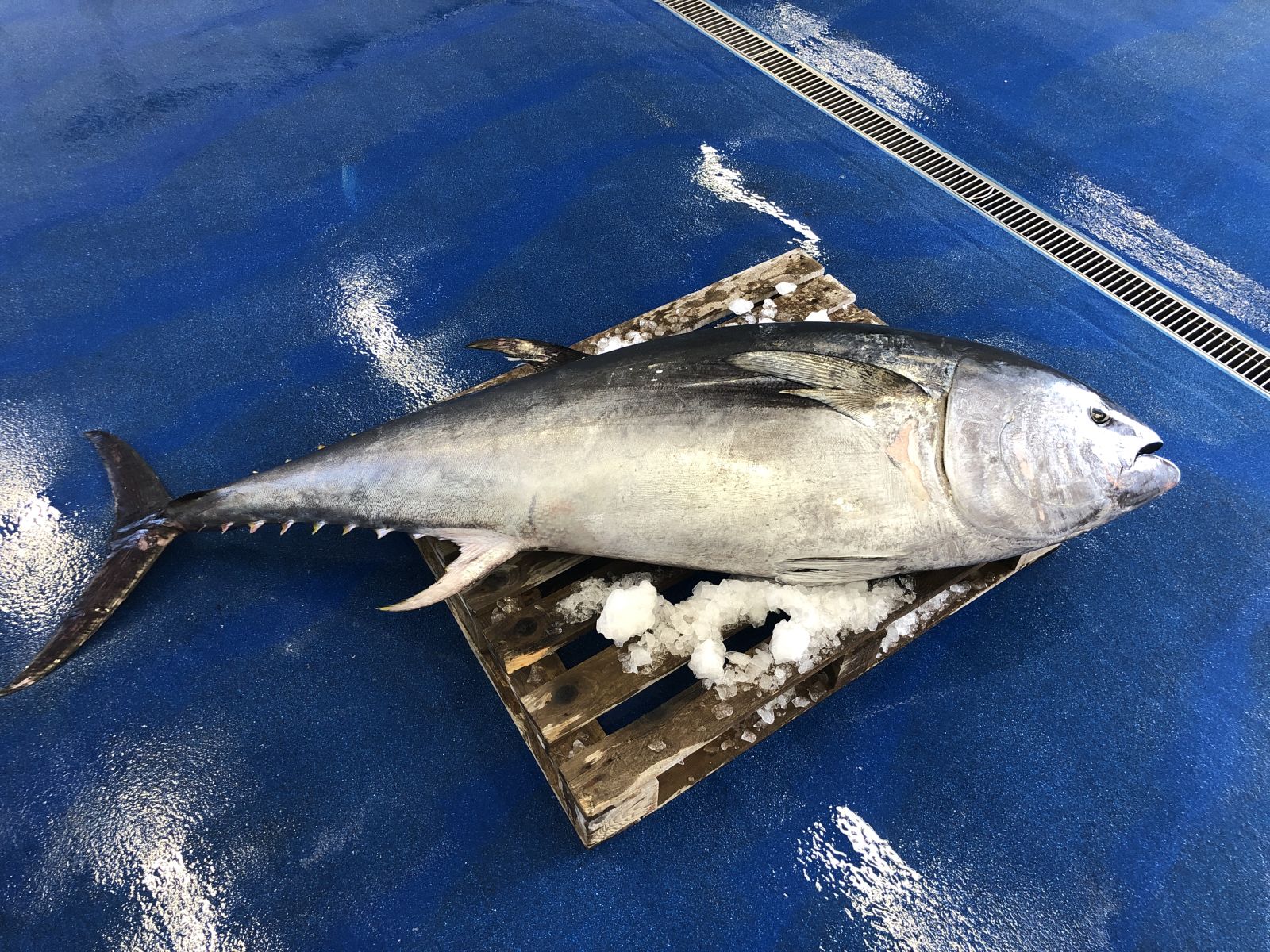
    A sushi entrepreneur from Japan, who goes by the moniker “The Tuna King”, set a new record when he purchased a colossal bluefin tuna for an unprecedented 510.3 million yen (approximately US$3.25 million) at an auction held on Monday.

    Record-Breaking Purchase

    Kiyoshi Kimura, the owner of a chain of sushi restaurants, emerged as the highest bidder at the esteemed annual New Year auction in Tokyo’s primary fish market. The 243-kilogram tuna that fetched this record price was caught off the northern coast of Japan.

    Kimura candidly expressed his surprise at the rocketing price of the fish. “I had hoped we could secure the fish at a somewhat lower cost, but the price escalated rapidly,” Kimura revealed in the wake of the predawn auction at Tokyo’s main fish market.

    Auspicious Tuna to Usher in the New Year

    Despite the staggering cost, Kimura remained optimistic about his purchase. “The price certainly caught me off guard…but I am hopeful that the consumption of this lucky tuna will invigorate as many people as possible,” he asserted to journalists.

    As the president of Kiyomura Corp., the Tokyo-based company operating the Sushizanmai sushi restaurant chain, Kimura showcased the 243-kilogram bluefin tuna at his flagship restaurant in Tokyo on January 5, 2026, following the New Year’s auction at Toyosu fish market.

    Historical Highs of Tuna Prices

    This auction price is the highest on record since data regarding such figures started being compiled in 1999. The previous record was 333.6 million yen, paid for a 278-kilogram bluefin tuna in 2019, after the fish market relocated from its traditional Tsukiji location in central Tokyo to a more modern facility.

    Last year’s highest bid was 207 million yen for a 276-kilogram bluefin. After this year’s auction, the hefty tuna was promptly prepared into sushi and sold for around 500 yen (about US$3) per roll.

    Customer Reactions

    Diners at one of Kimura’s restaurants in Tsukiji were delighted to partake in such an auspicious meal at the start of the year. “Having had the privilege of eating something so fortunate as the year begins, I feel like I’ve started the year on the right note,” shared 19-year-old Minami Sugiyama. Another patron, a 40-year-old Shinto priest named Kiyoshi Nishimura, shared a similar sentiment, praising the taste and texture of the tuna.

    Effects of the COVID-19 Pandemic

    During the COVID-19 pandemic, the New Year tuna prices plummeted to only a fraction of their regular peak prices as restaurants reduced their operations. However, the purchase of the bluefin tuna this year signals a potential recovery and brighter future for the Pacific bluefin industry.

    Questions & Answers

    What is the highest price ever paid for a bluefin tuna?
    The highest price ever paid for a bluefin tuna was 510.3 million yen (approximately US$3.25 million), by entrepreneur Kiyoshi Kimura in 2026.

    Who is Kiyoshi Kimura?
    Kiyoshi Kimura, also known as “The Tuna King”, is the president of Kiyomura Corp. and the owner of the Sushizanmai sushi restaurant chain in Tokyo.

    How has the COVID-19 pandemic affected the tuna industry?
    During the COVID-19 pandemic, prices for New Year tuna decreased significantly because restaurants had to scale back their operations.

  • Vietnam’s Fruit and Vegetable Exports Soar: $10B Target in Sight for 2026 Amid Global Trade Growth

    Vietnam’s Fruit and Vegetable Exports Soar: $10B Target in Sight for 2026 Amid Global Trade Growth

    According to industry experts, Vietnam’s fruit and vegetable exports could hit the $10 billion mark as early as 2026, provided the current pace is sustained and structural issues are resolved. The total exports are projected to be in the range of $8-8.4 billion in 2025, marking a growth of 18% from the previous year, as reported by the Vietnam Fruit and Vegetable Association.

    Growth Amid Global Trade Volatility

    The resilience and growth of Vietnam’s fruit and vegetable export sector in spite of ongoing global trade instability underscore the enhanced competitiveness of the nation’s agricultural products in global markets. This remarkable performance can be attributed to an array of beneficial conditions, including substantial recovery of demand in major markets such as China, the U.S., South Korea, Japan and the European Union. Furthermore, an increase in official export approvals for Vietnamese fruits to high-demand markets has created new avenues for growth.

    Nguyen Thanh Binh, chairman of the association, indicated that the growth in exports in recent years has evolved from seasonal peaks into a consistent upward trend. An increased emphasis on quality, traceability, and compliance with market standards has aided Vietnamese produce in establishing a more stable presence within global supply chains.

    Despite being the largest market and accounting for a significant proportion of shipments, China also poses the greatest challenges to the industry, as Binh noted.

    Persistent Vulnerabilities

    While there has been a robust increase in export value, market volatility and policy changes continue to cause disruptions in shipments to China. Dr. Nguyen Dinh Bich, an expert in agricultural economics, pointed out that the sector’s greatest vulnerability is seen in production organization. Despite the speedy growth, it lacks a firm grounding and without stronger connections from raw material sources to processing and distribution, the industry could be susceptible to changes such as tightened standards or altered regulations by major markets.

    Learning from past instances of congestion at border gates remains crucial, particularly as importing countries continue to elevate their requirements regarding quarantine, food safety, and sustainability.

    Striving for the $10 Billion Goal

    Despite these challenges, the long-term prospects remain favorable. Riding on the wave of consistent double-digit growth in recent years and Vietnam’s position among the world’s top 25 trading nations, the association is confident that exports could reach $10 billion by 2026.

    Many businesses deem this target achievable if existing roadblocks are overcome. A representative from the Tien Giang Vegetables and Fruits Joint Stock Company said that there remains potential for processed goods and premium fresh fruit. However, businesses require stable policies regarding raw material zones, logistics, and market access.

    Logistics costs, particularly those related to cold-chain logistics, constitute a substantial portion of expenses, compromising competitiveness with regional counterparts.

    Experts emphasize the necessity for comprehensive, long-term solutions, including focused farming zones, standardized production unit codes, and packing facilities certified in line with market demand. Diversifying export markets and increasing the share of processed goods are also seen as essential.

    Binh further underscored that continued government support in areas such as market access, standardization, and credit and logistics infrastructure will be crucial to ensuring sustainable growth.

    Questions & Answers

    What are the main challenges to Vietnam’s fruit and vegetable export industry?
    The main challenges include market volatility, policy changes, high logistics costs, and the need for stronger connections from raw material sources to processing and distribution.

    What are the proposed solutions to these challenges?
    Proposed solutions include the creation of concentrated farming zones, standardization of production unit codes, certified packing facilities, diversification of export markets, and increased government support in various areas.

    What is the projected value of Vietnam’s fruit and vegetable exports in the near future?
    Industry experts believe that Vietnam’s fruit and vegetable exports could reach $10 billion as early as 2026, given the current pace of growth and provided structural issues are properly addressed.

  • Indian Fast Food Titans Merge: KFC and Pizza Hut Unite under $933M Deal

    Indian Fast Food Titans Merge: KFC and Pizza Hut Unite under $933M Deal

    In a significant move within India’s quick-service restaurant (QSR) industry, Devyani International and Sapphire Foods India, two of the nation’s largest franchise operators for KFC and Pizza Hut, have agreed to join forces. The merger, approved by parent company Yum! Brands, is a $933 million deal that consolidates the operations of the two QSR chains under a singular operator in India.

    Details of the Deal

    The merger process is expected to be completed within 12 to 15 months, subject to regulatory and shareholder approval. Stock exchange filings reveal that Devyani will acquire exclusive franchise rights for the entire Indian market as part of the agreement. Moreover, Devyani will assume control of 19 KFC outlets in Hyderabad, currently directly managed by Yum! India.

    In recent times, Yum! Brands’ Indian operations have been divided between Devyani and Sapphire Foods. While Devyani, a part of Ravi Jaipuria’s RJ Corp, runs several outlets, Sapphire Foods, backed by Samara Capital, operates its own distinct territories.

    Objective of the Merger

    The primary aim of this consolidation is to generate efficiencies driven by scale in the face of increasing costs, escalating competition, and fluctuating consumer demand.

    Ravi Jaipuria, non-executive chairman of Devyani International, expressed confidence that the merger would “allow us to realize meaningful economies of scale, leverage a unified technology platform, and strengthen our supply-chain capabilities.” He added that these advantages would “unlock sustained value creation and long-term growth for our shareholders, customers, employees, and partners.”

    About the Companies

    Devyani International, one of India’s largest QSR operators, manages over 2,000 outlets across India and international markets. It operates several other renowned global food and beverage brands, including Costa Coffee, Tea Live, New York Fries, and Sanook Kitchen.

    On the other hand, Sapphire Foods India, which was established in 2015, operates more than 1,000 KFC, Pizza Hut, and Taco Bell restaurants across India and Sri Lanka in dine-in, takeaway, and delivery formats.

    Questions & Answers

    What is the value of the merger deal between Devyani International and Sapphire Foods India?
    The merger deal is valued at $933 million.

    What is the expected timeline for the completion of the merger?
    The merger is expected to be completed within 12 to 15 months, pending regulatory and shareholder approvals.

    What is the primary goal of the merger?
    The merger aims to achieve efficiencies driven by scale amid rising costs, intensifying competition, and uneven consumer demand.

  • Kingland Debuts Indulgent Dairy-Free Yoghurt in Hong Kong: A Major Move in Asia-Pacific Expansion

    Kingland Debuts Indulgent Dairy-Free Yoghurt in Hong Kong: A Major Move in Asia-Pacific Expansion

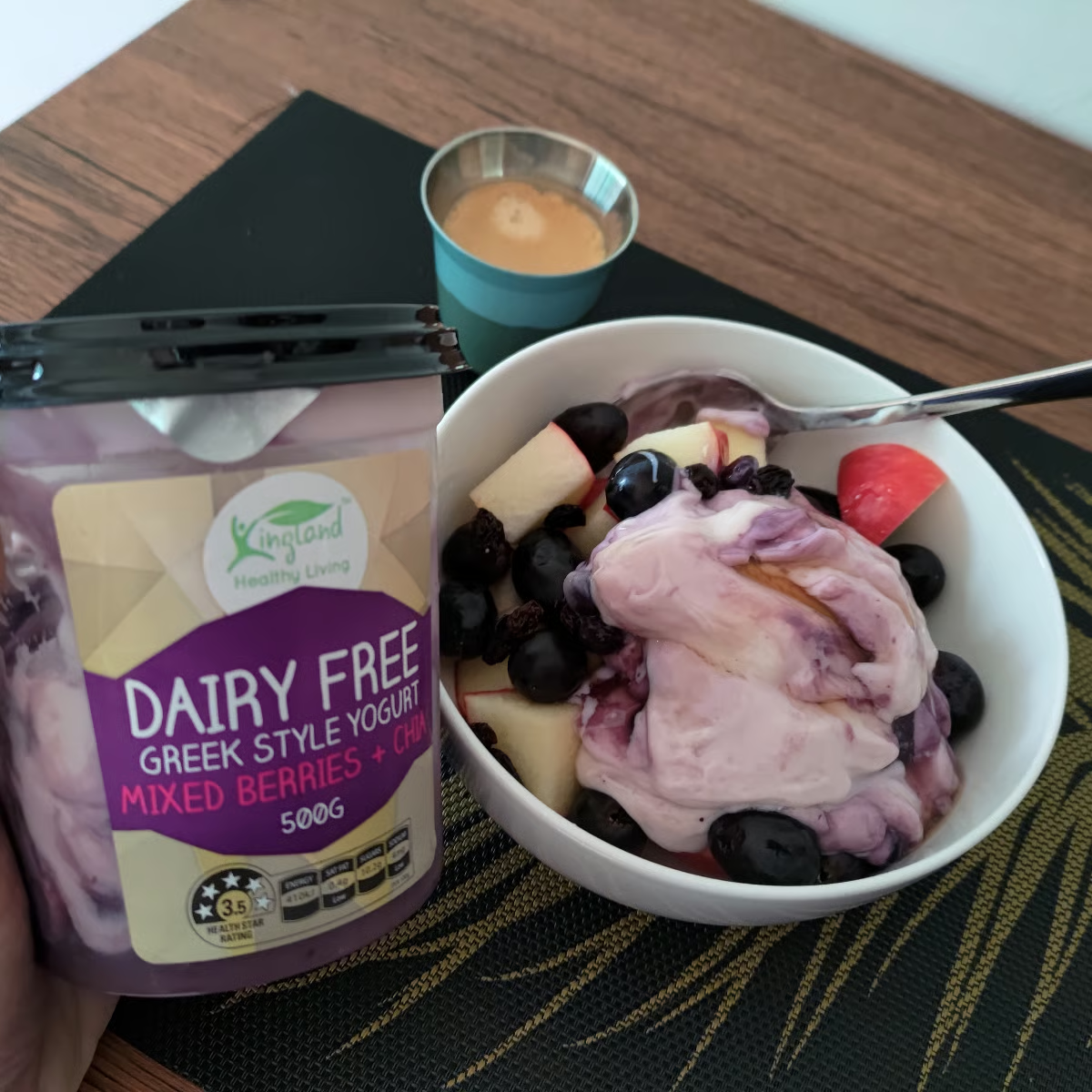
    The Kingland Dairy Free Yogurt range has been introduced in Hong Kong by Australian plant-based food manufacturer, King International. This launch signifies a significant milestone in the company’s expansion strategy within the Asia-Pacific region.

    The Kingland Dairy Free Yogurt range, available in two sizes, can now be found in selected upscale and mainstream retail stores, such as Oliver’s The Delicatessen, Market Place, 3hreeSixty and Wellcome.

    The company offers its Greek Style range in 500g tubs with a variety of flavors including Natural, Mango & Peach, and Apple Cinnamon. Additionally, the Fruit Yogurt range comes in 250g single-serve pots featuring Mango & Peach, and Strawberry flavors.

    Eric Hsu, co-founder and managing director of King International, expressed his joy in launching the dairy-free yogurt in Hong Kong. He described Hong Kong as a dynamic city that perfectly blends tradition and modernity. Hsu emphasized that their products are crafted to offer indulgence without sacrificing nutrition, sustainability, or inclusivity for all lifestyles. He expressed confidence that the quality and consideration put into every pot of Kingland yogurt will appeal to consumers in Hong Kong.

    In terms of health claims, King International stated that all products have a minimum 4.5 Health Star Rating, as per the Health Star Rating System of the Australian and New Zealand governments. This rating reinforces the brand’s health-focused positioning and supports consumer trust in the product.

    King International was established in Queensland in 1987 by Eric and Rachel Hsu. Over the years, the company has transitioned from a local tofu producer to a supplier of plant-based foods throughout Australasia and the Asia-Pacific.

    Questions & Answers

    What is the significance of the Kingland Dairy Free Yogurt range launch in Hong Kong?
    The launch is a crucial step in King International’s expansion strategy within the Asia-Pacific region.

    What variety does the Kingland Dairy Free Yogurt range offer?
    The Greek Style range comes in 500g tubs in Natural, Mango & Peach, and Apple Cinnamon flavors, while the Fruit Yogurt range is offered in 250g single-serve pots in Mango & Peach and Strawberry flavors.

    What is King International’s health rating for their products?
    All products by King International carry a minimum 4.5 Health Star Rating as per the Health Star Rating System of the Australian and New Zealand governments, supporting the brand’s health positioning.

  • Unsafe Landfill Cheese Surfaces on NZ Market: Over The Moon Brand Issues Alert

    Unsafe Landfill Cheese Surfaces on NZ Market: Over The Moon Brand Issues Alert

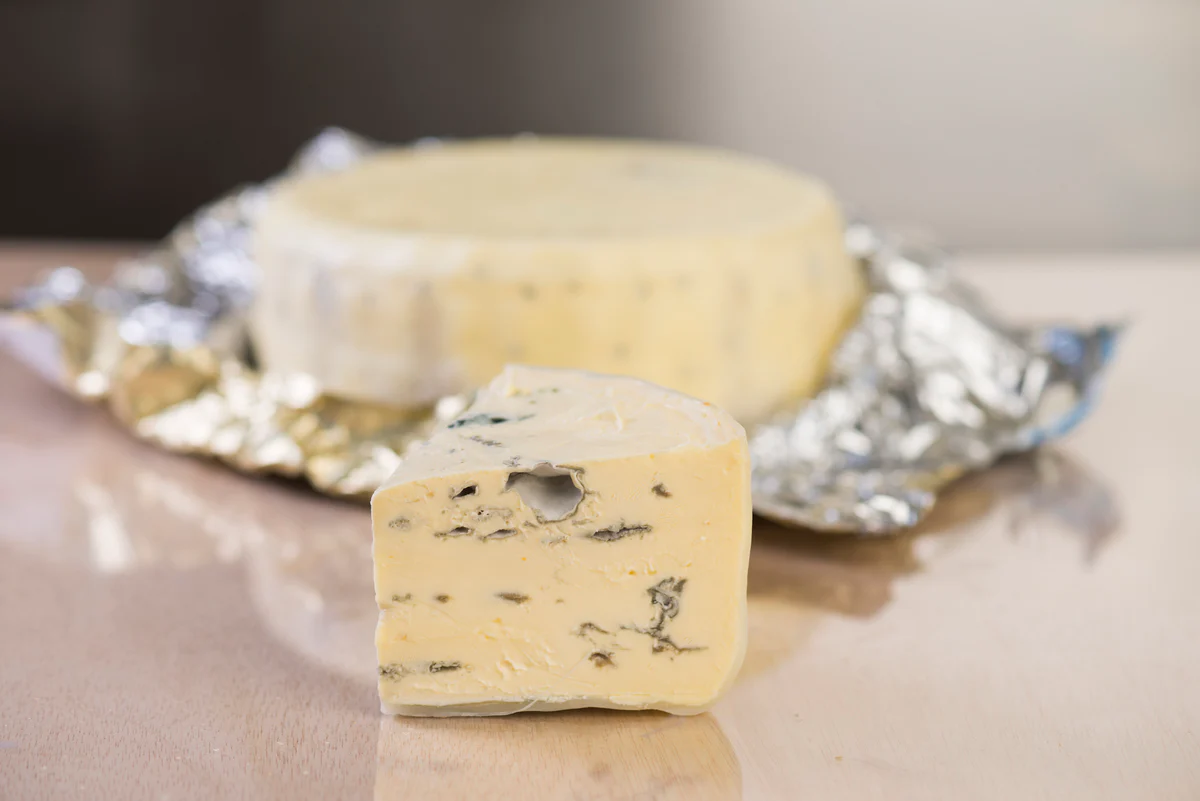
    Cheese that had been previously discarded in a landfill was discovered being unlawfully sold in Waikato.

    New Zealand Food Safety reports that the cheese seems to have been removed from the Putaruru rubbish tip before being located for sale in the town on Sunday. It was stated that the product had not been kept in refrigerated conditions and was therefore unsuitable for consumption. Additionally, there’s a possibility that this cheese is being sold in other regions as well.

    The Impacted Products

    The cheeses in question are all from the Over The Moon brand. The list of items includes Camembert, OMG, Black Truffle Brie, Galactic Gold, Halloumi, Gee’s Spread (Black Truffle & Garlic Chilli flavors), Smoked Chilli Camembert, Goat Camembert, and Double Delight. The batches affected carry the numbers 18.11.25, 25.11.25, and 26.11.25.

    Over the Moon was the first to bring this issue to the attention of New Zealand Food Safety, and is currently working on alerting its customers.

    Despite the absence of any reported illness linked to the consumption of this product, New Zealand Food Safety expressed “serious concerns” about the product’s safety. This is especially due to the fact that the cheese was deemed unfit for sale by the company and consequently disposed of.

    Vincent Arbuckle, the deputy director general of New Zealand Food Safety, warned about the evident food safety risks connected with the consumption of cheese that has spent a certain period of time in a landfill and outside of the food supply chain. He stated that the cheese should be avoided as it hasn’t been subjected to mandatory food safety controls and its storage, transport, and handling methods remain unknown.

    Customers who come across the affected cheese in unregistered businesses can call the toll-free line 0800 00 83 33. They have been advised to instead buy the legitimate Over The Moon products from the company’s authorized stockists.

    Investigations Underway

    Arbuckle emphasized that the sale of discarded cheese is illegal and poses a considerable risk to public health. He noted that an investigation is underway by New Zealand Food Safety.

    Questions & Answers

    What are the specific cheese products that have been found illegally for sale?
    The implicated products are from the Over The Moon brand, including Camembert, OMG, Black Truffle Brie, Galactic Gold, Halloumi, Gee’s Spread (Black Truffle & Garlic Chilli flavors), Smoked Chilli Camembert, Goat Camembert, and Double Delight.

    What is the risk of consuming these cheeses?
    The cheeses, which were not refrigerated and have spent time in a landfill, could be contaminated and pose significant food safety risks.

    What should customers do if they find the affected cheese for sale?
    Customers should report any sightings of the cheese being sold at unregistered businesses to the toll-free line 0800 00 83 33. They should only purchase Over The Moon products from the company’s authorized stockists.

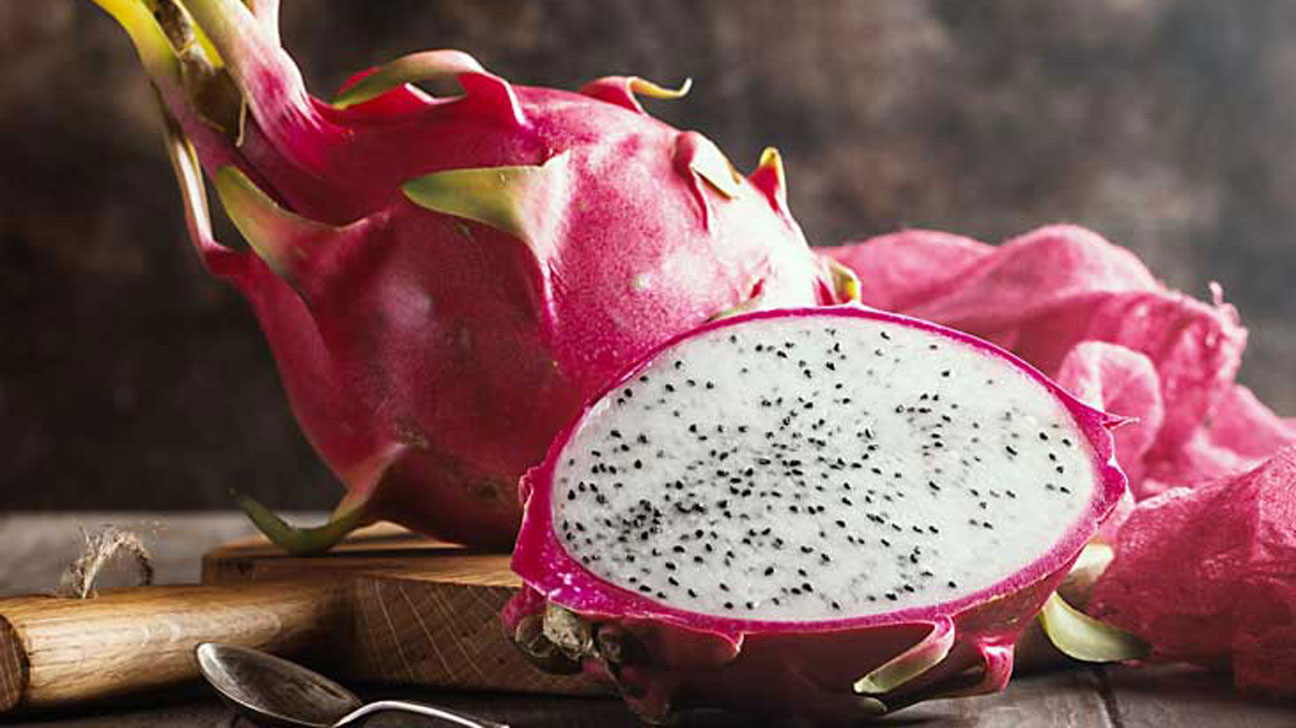
  • Vietnamese Dragon Fruit Exports Hit 11-Year Low Amidst Rising Global Competition

    Vietnamese Dragon Fruit Exports Hit 11-Year Low Amidst Rising Global Competition

    Dragon fruit exports from Vietnam, which historically garnered more than $1 billion annually, have plummeted to their lowest levels in over a decade. The first eleven months of last year saw exports decrease by 0.8% to $485.2 million, a low not seen since 2014, according to the Vietnam Customs.

    Dwindling Dragon Fruit Exports

    Annual exports between 2014 and 2018 regularly exceeded $1 billion, peaking at $1.3 billion in 2018. However, shifts in international competition and consumption markets led to a stagnation and eventual decline in dragon fruit exports.

    China remains the primary recipient of Vietnamese dragon fruit, with more than $301.7 million worth of exports recorded in the first 11 months, a figure that represents around 62% of total exports. Nevertheless, a decrease of 4.5% year on year revealed a slowing demand as China’s domestic supply becomes increasingly abundant.

    The Rise of New Markets

    While the key market dwindles, several new markets are demonstrating growth. Exports to India neared $41.8 million, marking a 6.4% increase, and exports to Thailand rocketed by 71.1% year on year. Despite this growth, the scale of these emerging markets is not yet sufficient to balance the decline in the main market.

    Exporters attribute the fall in exports to rapidly increasing global supply and intensifying competition. China has dramatically expanded its dragon fruit cultivation area, with an output of around 1.6 million tonnes annually, hundreds of thousands of tonnes more than Vietnam. This expansion has substantially reduced China’s import demand.

    Global Competition

    India is also emerging as a dragon fruit producer, with an estimated 3,000–4,000 hectares dedicated to its cultivation, according to the Indian Council of Agricultural Research and industry reports. While India’s current output is a modest 12,000 tonnes annually, it displays a clear upward trend.

    Mexico has successfully entered the dragon fruit market, directly contesting Vietnam’s dominance in the U.S. and Canadian markets. During the early 2010s, Vietnamese dragon fruit was smoothly exported to the U.S. However, Mexico’s geographic proximity to the North American market and expanded production from 2019 have significantly impacted Vietnam’s export of white-fleshed dragon fruit to these regions.

    Industry representatives predict that dragon fruit output and export revenues are unlikely to rebound quickly, especially if China and India continue to expand production. Dang Phuc Nguyen, secretary-general of the Vietnam Fruit and Vegetable Association, highlighted the need for farmers and businesses to reevaluate markets and competitive advantages. He recommended improvements in product quality and presentation and adjustments in cultivation timing to boost off-season production.

    Questions & Answers

    Why have dragon fruit exports from Vietnam decreased?
    Exports have fallen due to shifts in international competition and consumption markets, along with an increase in global supply, particularly from China and India.

    Which countries are emerging as new markets for Vietnamese dragon fruit?
    India and Thailand have demonstrated significant growth as new markets for Vietnamese dragon fruit.

    What strategies are being suggested to improve the dragon fruit sector in Vietnam?
    Industry experts advocate for improvements in product quality and presentation, reevaluating markets and competitive advantages, and adjusting cultivation timing to augment off-season production.

  • India’s Fast-Food Titans, KFC and Pizza Hut, Fuse in Billion-Dollar Powerhouse Merger

    India’s Fast-Food Titans, KFC and Pizza Hut, Fuse in Billion-Dollar Powerhouse Merger

    Sapphire Foods and Devyani International, the operators for KFC and Pizza Hut in India, announced plans to merge in a transaction valued at $934 million. This move will create a major fast-food enterprise in India, the world’s most populated nation. The merger is a strategic decision amidst rising operational costs, slowing sales growth, and squeezed margins, coupled with tough competition from the likes of McDonald’s and Domino’s Pizza in a market where consumers are limiting non-essential purchases.

    Deal Details

    As part of the merger, Devyani will issue 177 shares for every 100 shares of Sapphire. The companies expect annual synergies between 2.1 billion and 2.25 billion rupees ($23.34 million to $25.01 million) from the second year of operations of the merged entity. Both companies, which are partners with Yum Brands, operate over 3,000 outlets throughout India and abroad. Their businesses encompass KFC and Pizza Hut dine-in restaurants and they compete directly with the Indian operators of McDonald’s and Domino’s Pizza – Westlife Foodworld and Jubilant Foodworks.

    Challenges and Opportunities

    Despite their presence in the market, both KFC and Pizza Hut franchises operate at a net loss in India, presenting scalability issues, according to Akshay D’Souza, an independent consumer goods consultant. He suggests that if the merged entity can tap into even half of the expected synergies, it could potentially create a profitable operation with improved cost control. In the quarter that ended in September, Sapphire’s consolidated total costs increased by 10% year-on-year to 7.68 billion rupees, while Devyani’s expenses rose by 14.4% to 14.08 billion rupees.

    Financial Performance

    Devyani reported a net loss of 219 million rupees for the quarter ending September 30, a significant downturn from the previous year’s profit of 170,000 rupees. Similarly, Sapphire posted a larger consolidated net loss of 127.7 million rupees, compared to a loss of 30.4 million rupees the year prior.

    Questions & Answers

    What are the expected benefits of the merger between Sapphire Foods and Devyani International?
    The companies anticipate synergies between 2.1 billion and 2.25 billion rupees ($23.34 million to $25.01 million) from the second year of the combined operations.

    What challenges are the KFC and Pizza Hut franchises facing in India?
    Both franchises are currently operating at a net loss amid rising operational costs, slowing sales growth, and squeezed margins. They also face stiff competition from other fast-food chains like McDonald’s and Domino’s Pizza.

    What is the financial impact of the merger on the two companies?
    In the short term, both companies have reported losses. However, the merger is expected to lead to improved cost control and potential profitability.

  • Philippines Bolsters Domestic Sugar Industry with Extended Import Ban till December 2026

    Philippines Bolsters Domestic Sugar Industry with Extended Import Ban till December 2026

    The Philippine government has prolonged its prohibition on sugar imports until December 2026, given the strong domestic supply. This strategic decision is designed to provide ongoing support for local farmers and producers and maintain market stability.

    Decision Based on Sugar Production and Demand Outlook

    Agriculture Secretary Francisco Tiu Laurel stated that the decision to extend the ban was influenced by the present prospects for sugar production and consumer demand. The initial ban, which was implemented from mid-October 2025 until mid-2026, was deemed necessary due to the anticipated rise in domestic raw sugar production for the 2024-2025 crop year, as indicated by actual inventory data.

    Regulation of Molasses Imports

    In addition to the sugar import ban, the Department of Agriculture and the Sugar Regulatory Administration are in the process of establishing a long-overdue regulatory framework for the import of molasses. According to Tiu Laurel, this move will offer further protection to the domestic producers.

    Questions & Answers

    Why has the Philippine government decided to extend the sugar import ban?
    The ban has been extended in order to protect local farmers and producers and maintain market stability, given the strong domestic supply of sugar.

    What factors influenced this decision?
    The decision was based on the current outlook for sugar production and demand. An expected increase in domestic raw sugar output for the 2024–2025 crop year also contributed to this decision.

    What additional measures are being taken to protect domestic producers?
    The Department of Agriculture and the Sugar Regulatory Administration are preparing a regulatory framework for molasses imports. This move is intended to provide further protection to domestic producers.