Retail News CRM

Category: Food

Retail News Asia is committed to providing both local and global retailers with the latest Food and Food & Beverage news throughout the Asian market. This on a daily base.

  • Bacha Coffee’s Splendid Thai Debut: First Store Launches in Bangkok with Exquisite Moroccan Touch

    Bacha Coffee’s Splendid Thai Debut: First Store Launches in Bangkok with Exquisite Moroccan Touch

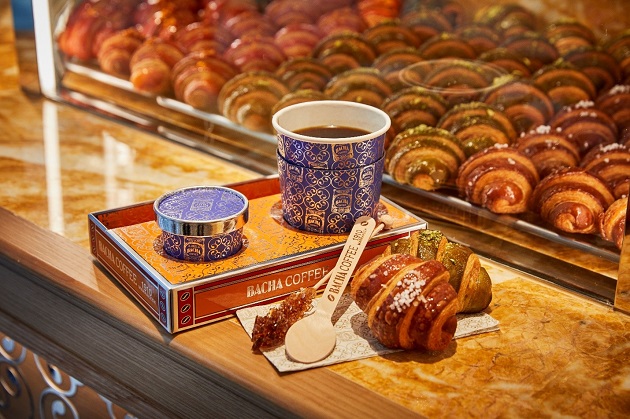
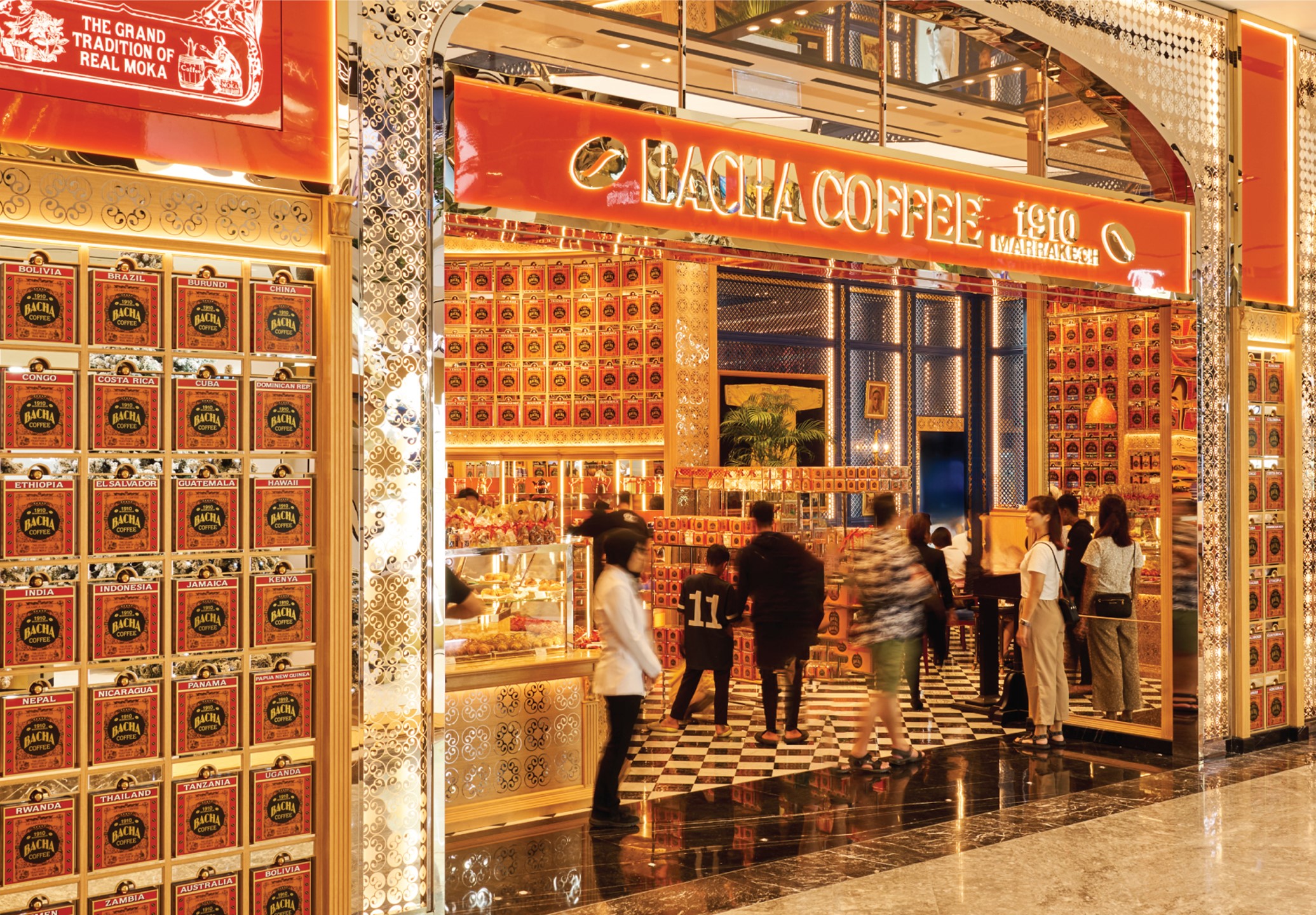
    Bacha Coffee, a renowned coffee brand dating back a century, has recently established its first shop in Bangkok, located in Siam Paragon. This milestone marks the brand’s initial foray into the Thai market.

    The New Store: A Blend of Retail and Relaxation

    Bacha Coffee’s latest outlet cleverly integrates a retail boutique with a comfortable coffee room. The store presents an impressive array of specialty coffees, complete with a selection of packaged products and accessories. A relaxed atmosphere is achieved by the store’s design, which echoes Moroccan aesthetics. This is a nod to the brand’s roots, which trace back to the Dar el Bacha palace in Marrakeck, where it was first founded in 1910.

    A Traditional Treat: Slow-Roasted Coffee and Delicate Pastries

    The coffee room entices customers with a menu that focuses on slow-roasted coffee, prepared through time-honoured techniques. This aromatic beverage is perfectly complemented by a range of pastries, such as croissants. Additionally, customers are offered the option of purchasing takeaway drinks – both hot and cold – served with Chantilly cream and raw sugar candy sticks.

    Bacha Coffee’s Global Expansion

    In recent times, Bacha Coffee has undergone significant expansion, spreading its influence across Asia and other international markets. This growth has been facilitated by V3 Gourmet, the parent company of TWG Tea. Bacha Coffee’s presence now reaches far and wide, with stores operating in locations as varied as Singapore, Hong Kong, Japan, South Korea, the Middle East, and Europe.

    Questions & Answers

    What is unique about Bacha Coffee’s new store in Bangkok?
    The store uniquely combines a retail boutique and a coffee room, offering specialty coffees, packaged products, and accessories. Its design draws from Moroccan influences, paying homage to the brand’s origins.

    What food and beverages does the coffee room offer?
    The coffee room offers a menu centered around slow-roasted coffee, paired with pastries such as croissants. Customers can also purchase takeaway drinks, which are served with Chantilly cream and raw sugar candy sticks.

    Where else does Bacha Coffee operate?
    Bacha Coffee has a global presence, with stores in Singapore, Hong Kong, Japan, South Korea, the Middle East, and Europe.

  • Krispy Kreme Doughnuts Rolls $65M Deal with Unison Capital, Transferring Japanese Operations for Sweet Success

    Krispy Kreme Doughnuts Rolls $65M Deal with Unison Capital, Transferring Japanese Operations for Sweet Success

    Krispy Kreme, the renowned doughnut company, has struck a $65 million refranchising agreement with private equity firm Unison Capital. The agreement, which constitutes a significant milestone in Krispy Kreme’s revival strategy, is scheduled for finalization in the initial part of the coming year.

    Two Decades of Krispy Kreme in Japan

    Having established its presence in Japan for the past 20 years, Krispy Kreme boasts of 89 stores and nearly 300 delivery points across the country. The continued growth and presence of Krispy Kreme in Japan underscores the brand’s enduring appeal amongst Japanese consumers.

    Krispy Kreme CEO Josh Charlesworth expressed his satisfaction with the agreement, stating that it signals considerable advancement in a critical facet of the company’s turnaround strategy. He also expressed his confidence in Unison Capital, noting their proven track record and deep-seated experience in the retail beverage and restaurant sectors.

    Charlesworth believes that Unison Capital is the ideal long-term partner for operating and expanding Krispy Kreme’s footprints in Japan. He further noted that the deal’s completion would significantly aid the company’s refranchising efforts, fostering increased financial flexibility and facilitating debt reduction.

    Unison Capital: A Reliable Ally

    Established in Japan in 1998, Unison Capital has managed to raise an impressive $5 billion across six funds in Japan and three more in South Korea. The private equity firm’s successful track record in the region offers confidence for the future growth of Krispy Kreme.

    Tatsuya Hayashi, the co-founder and managing partner at Unison Capital, expressed optimism about the deal. He acknowledged the joy that Krispy Kreme’s fresh doughnuts have brought to communities in Japan over the past two decades. Hayashi also expressed his eagerness to carry forward and build upon this tradition.

    Questions & Answers

    What is the financial value of the refranchising agreement between Krispy Kreme and Unison Capital?
    The agreement is worth $65 million.

    When is the deal expected to be finalized?
    The agreement is anticipated to be completed in the first quarter of the upcoming year.

    How long has Krispy Kreme been present in Japan?
    Krispy Kreme has been operating in Japan for 20 years, with 89 locations and nearly 300 delivery points across the country.

  • Indonesia Asserts Rice Self-Sufficiency, Ceases Imports in Boost for National Food Security

    Indonesia Asserts Rice Self-Sufficiency, Ceases Imports in Boost for National Food Security

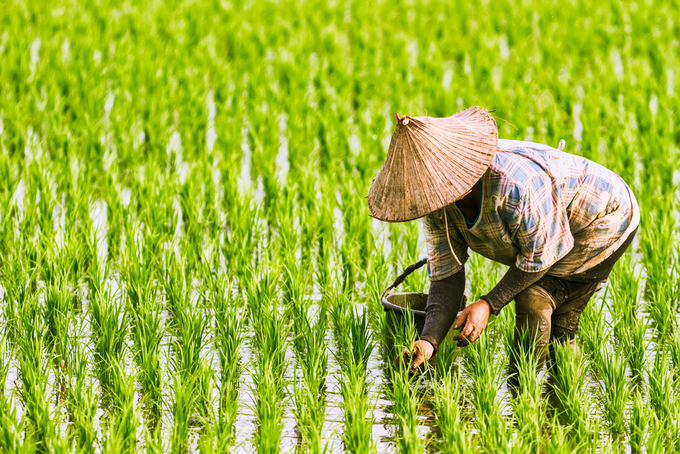
    Indonesia has announced that it will not be importing rice for any purpose in the coming year, due to ample domestic production capabilities. This announcement was made at a recently held ministerial summit in Jakarta. High-level officials from various government bodies including the Coordinating Ministry for Food Security, the Ministry of Trade, and the Central Statistics Agency were in attendance.

    Domestic Demand to be Met by Local Production

    Tatang Yuliono, who is the Deputy for Trade and Distribution Coordination at the Coordinating Ministry for Food Security, has affirmed that local production will be capable of satisfying all domestic demand. This encompasses both household consumption and industrial processing requirements.

    In line with this, the government has dismissed a proposal made by the Ministry of Industry to import nearly 381,000 tonnes of rice in 2026 for industrial purposes. Authorities believe the domestic supply will suffice. This policy of no imports will be enforced across the nation, inclusive of free trade zones like Sabang in Aceh.

    Yuliono further stated that related ministries will be continually reassessing food import policies in the future through commodity balance meetings.

    Strong Agricultural Performance in 2025

    The Indonesian government’s confidence in their domestic production capabilities stems from their successful agricultural performance in 2025. This was the year in which the country ceased imports of both rice and corn. By mid-2025, the nation’s rice reserves had reached an all-time high of about 4 million tonnes. This significantly stabilized the market and provided support to disaster-stricken regions.

    Official data reveals that rice production in 2025 is anticipated to hit 34.77 million tonnes, marking an increase of 13.54% on a year-on-year basis. This surge is attributed to favorable weather conditions and supportive policies for farmers implemented under President Prabowo Subianto’s administration. Corn production is also set to reach approximately 4 million tonnes by the end of the year, ensuring an adequate supply for both domestic consumption and the poultry sector.

    Questions & Answers

    Why has Indonesia decided not to import rice next year?
    The Indonesian government believes it has sufficient domestic production capabilities to satisfy all local demand for rice, eliminating the need for imports.

    How has the government responded to the Ministry of Industry’s proposal to import rice for industrial use?
    The government has dismissed this proposal, stating that the domestic supply of rice will be adequate for industrial use.

    What factors have contributed to the projected increase in rice production in 2025?
    The expected rise in rice production is attributed to favorable weather conditions and farmer support policies under President Prabowo Subianto’s administration.

  • Indonesia Breaks Ice with First Direct Durian Shipment to China: A Frosty Triumph for the Tropical Fruit Market

    Indonesia Breaks Ice with First Direct Durian Shipment to China: A Frosty Triumph for the Tropical Fruit Market

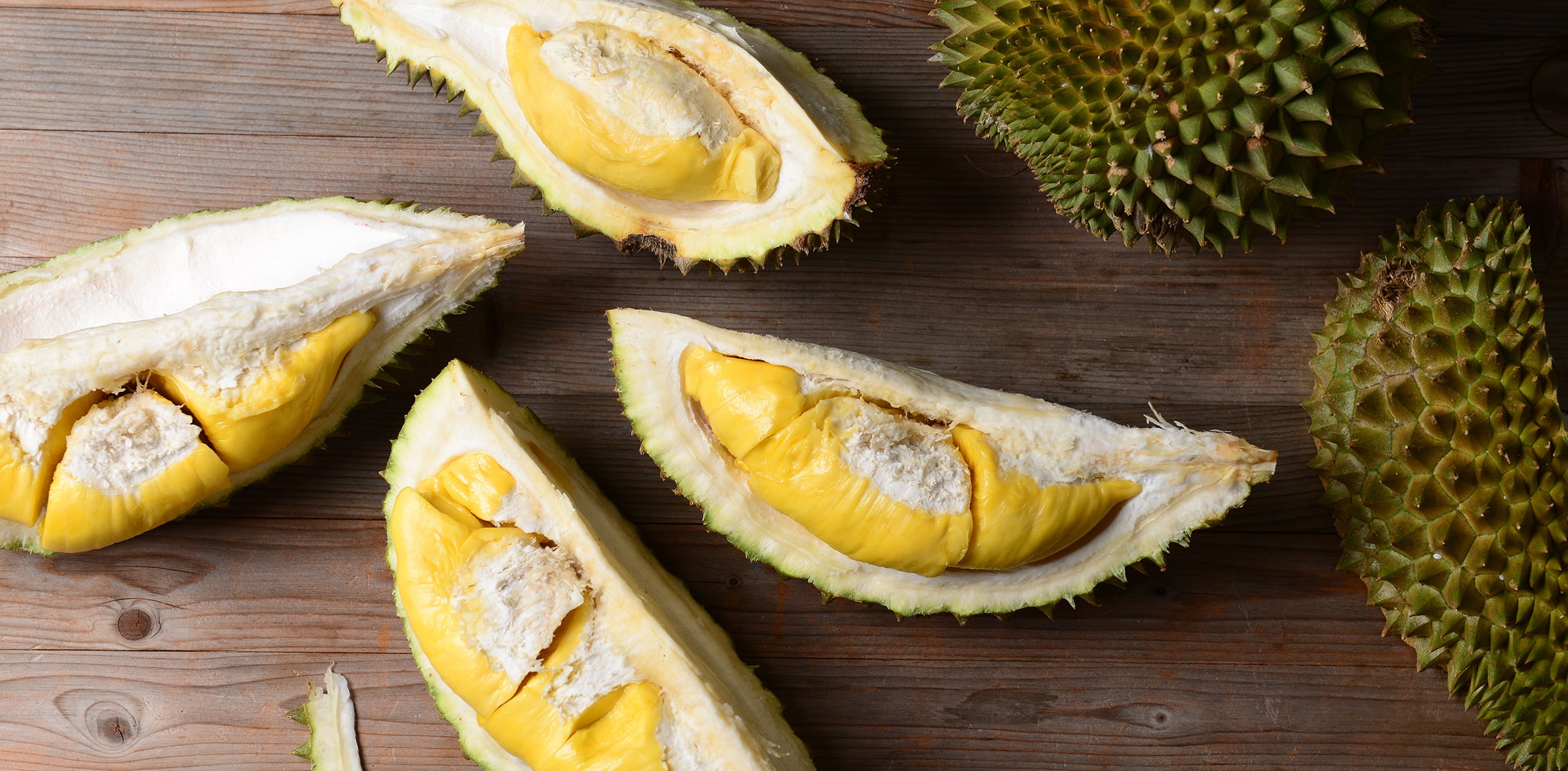
    Indonesia has recently achieved a significant milestone in its agricultural export sector with the first direct shipment of frozen durians to China. This 48-tonne shipment, valued at Rp5.1 billion (US$305,000), was processed in West Java and shipped from Tanjung Priok Port in North Jakarta to Qingdao Port, China.

    Long Road to Export Success

    The successful export marks the conclusion of an extensive process that spanned nearly two years, according to Sahat M. Panggabean, the head of the Agricultural Quarantine Agency. Before this breakthrough, Indonesia’s frozen durians used to reach China via intermediaries like Thailand and Malaysia. The fruit was processed in these countries and then re-exported to China.

    This practice underwent a change after an export protocol, which would allow for direct shipments, was finalized and signed by China and Indonesia in May. As a result, eight frozen durian packing facilities in Indonesia have met the standards required to serve as export hubs for China. Industry experts also highlight how direct shipments have drastically cut logistics costs, from approximately $18,000 down to $10,000-11,000.

    China’s Durian Market

    China is deemed the world’s largest durian market. In the previous year, China imported a staggering 15.6 million tonnes of durian valued at US$6.99 billion. The majority of these imports came from Thailand and Vietnam, which made up 57% and 41.5% of the shipments, respectively. The remaining shipments came from the Philippines and Malaysia.

    Despite a slight decrease in demand in the first half of this year, which saw a 15% drop in imports to 708,190 tonnes, the market remains robust. Aditya Pradewo, the secretary general of the Indonesian Durian Plantation Association, mentions that durian prices in China are still five to seven times higher than those in Indonesia.

    Pradewo believes that, with premium varieties such as Bawor, Super Tembaga, and Namlung, Indonesia could secure 5-10% of the Chinese market. This percentage equates to potential annual foreign exchange earnings of Rp6.4-12.8 trillion.

    Indonesia’s Durian Production

    Quarantine agency data shows that in the first 11 months of this year, Indonesia exported 10,162 tonnes of durians, primarily to Thailand, China, and Malaysia. The country’s durian production reached 2 million tonnes in 2024, marking a four-year high. Java, Sumatra, Kalimantan, and Sulawesi emerged as the top durian-growing regions.

    According to Zulkifli Hasan, Indonesia’s Coordinating Minister for Food Affairs, “Durian Nusantara is Indonesia’s strength in Asia”, boasting 21 of the 27 durian species recognized globally. As of 2024, Indonesia has registered 114 new superior varieties.

    Questions & Answers

    What was the significance of the recent durian shipment from Indonesia to China?
    This marked the first instance of a direct export of frozen durians from Indonesia to China, a process that took nearly two years to accomplish.

    How has the new export protocol impacted the logistics cost of durian exports to China?
    Direct shipments have significantly reduced logistics costs from around $18,000 to $10,000-$11,000.

    What potential does Indonesia have in China’s durian market?
    With premium durian varieties, Indonesia could potentially capture 5-10% of the Chinese market, yielding annual foreign exchange earnings of Rp6.4-12.8 trillion.

  • Lady M Confections Tightens Grip on Singapore Market, Amplifying Southeast Asia Expansion

    Lady M Confections Tightens Grip on Singapore Market, Amplifying Southeast Asia Expansion

    Leading patisserie brand, Lady M Confections, is set to take direct control of its Singapore operations, as part of an ongoing strategy to expand its influence in Southeast Asia.

    Lady M Confections Takes Charge of Singapore Operations

    The esteemed US-based patisserie first gained presence in Singapore in 2013 through a licensing agreement with Caerus Holdings. This marked Lady M’s initial venture into international markets outside of the United States. However, with this affiliation set to end this month, the company has decided to assimilate the Singapore market into its global operations. This shift is aimed at fortifying the brand’s supervision and ensuring consistent quality across all outlets.

    Lady M’s CEO, Ken Romaniszyn, revealed that Singapore holds a significant position in the brand’s international operations. As the brand sets foot into the next phase of its growth strategy, having a more direct involvement in the Singapore market is expected to bring forth a high-quality brand experience and enhanced consistency, thereby better serving its regional clientele.

    Romaniszyn further emphasized that this transition embodies the company’s commitment to long-term brand stewardship. By incorporating Singapore into their global operations, they aim to solidify their groundwork in Southeast Asia. This move is also geared towards ensuring that the Lady M experience remains consistent with the high standards expected by customers worldwide.

    About Lady M Confections

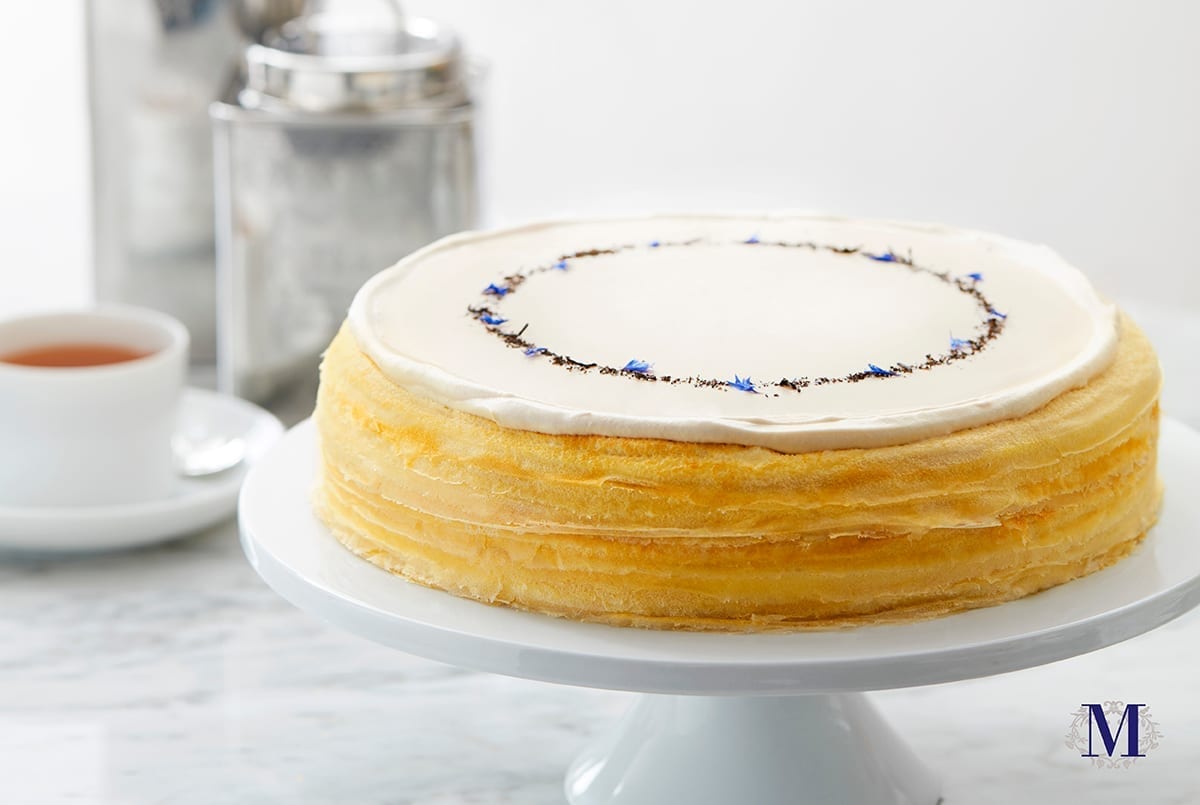
    Lady M Confections, which was founded in New York City in 2001, has gained international prestige for its signature Mille Crepes cake. The brand operates more than 40 boutiques across the globe, merging French pastry techniques with subtleties of Japanese culinary artistry.

    Questions & Answers

    What is Lady M Confections’ latest business strategy for Southeast Asia?
    Lady M Confections is taking direct control of its Singapore operations. This is part of its long-term strategy for growth and brand stewardship in the Southeast Asian region.

    When did Lady M Confections first enter the Singapore market and how?
    The company first made inroads into Singapore in 2013 through a licensing agreement with Caerus Holdings. This was their first venture into markets outside the United States.

    What is Lady M Confections best known for?
    Lady M Confections is best known for its signature Mille Crepes cake. The brand expertly combines French pastry techniques with Japanese culinary influences.

  • Chinese Coffee Powerhouse Luckin Bids for Premium Leap with Potential Blue Bottle Acquisition

    Chinese Coffee Powerhouse Luckin Bids for Premium Leap with Potential Blue Bottle Acquisition

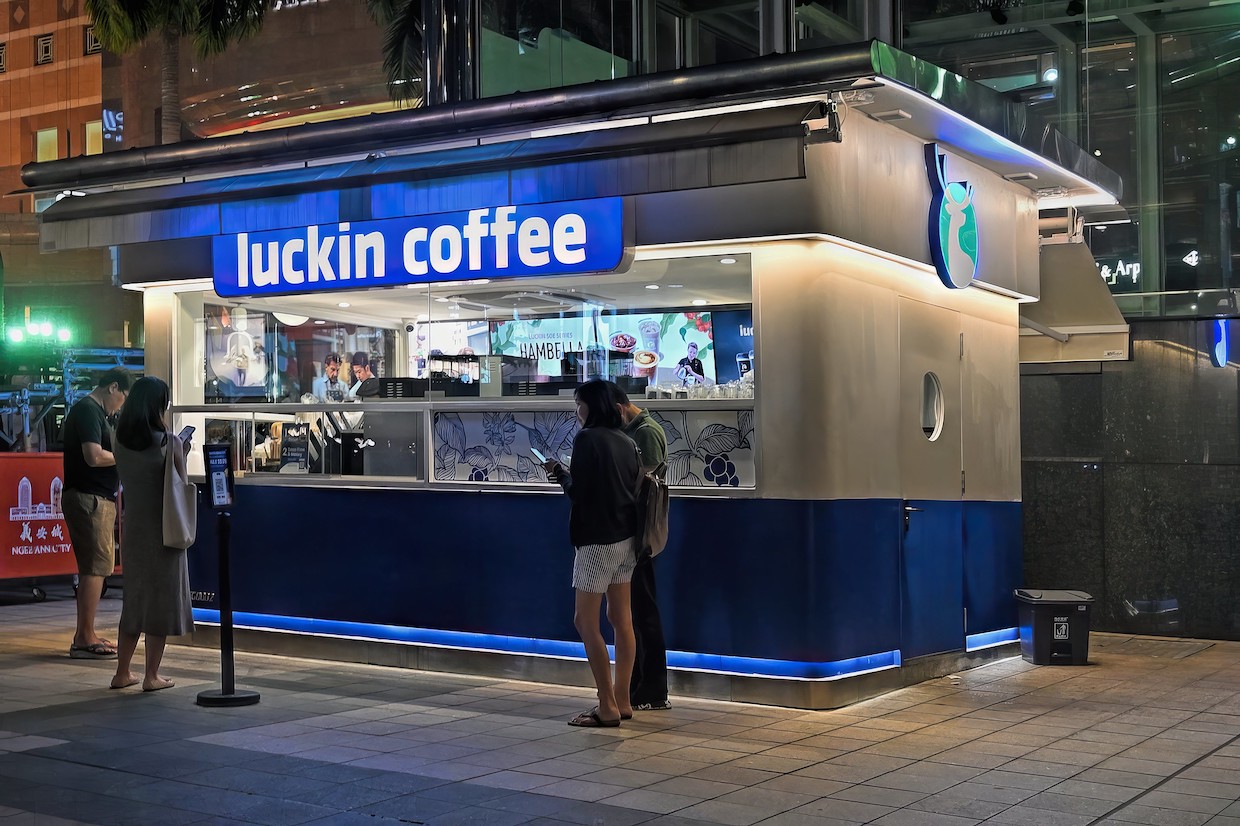
    Luckin Coffee, a major Chinese coffee company, is planning to upscale its operations. The company is currently exploring potential acquisitions to establish a premium coffee business parallel to its mass-market core.

    Acquisition Ambition

    The company is contemplating a bid for Blue Bottle Coffee, a Nestle-owned entity. If successful, such an acquisition would be a considerable leap for Luckin in their pursuit of the specialty coffee market. Additionally, it would provide an opportunity for them to enhance their brand identity beyond their current value-driven model.

    Blue Bottle Coffee, established in 2002, manages over 100 cafes across the United States and East Asia, with 12 in mainland China and four in Hong Kong. It enjoys a reputation as a reputable name in the specialty coffee sector.

    Earlier this month, it was reported that Nestlé, with the assistance of investment bank Morgan Stanley, was considering selling Blue Bottle Coffee. The premium roasting company was acquired by the Swiss food and beverage group in 2017 in a transaction that valued the business at approximately $700 million.

    Luckin Coffee, along with Beijing-based private equity firm Centurium Capital, is also said to be considering a bid for Lucky Ace International. Lucky Ace International possesses the exclusive master franchise rights for the Japanese specialty coffee brand % Arabica, operating in China and Hong Kong.

    Luckin Coffee’s Growth

    Founded in 2017, Luckin Coffee has rapidly become one of China’s largest coffee chains, boasting over 24,000 locations worldwide.

    Questions & Answers

    What is Luckin Coffee’s current initiative?
    Luckin Coffee is planning to upscale its operations and is considering potential acquisitions to establish a premium coffee business.

    Which companies is Luckin Coffee considering for acquisition?
    Luckin Coffee is contemplating a bid for Blue Bottle Coffee, a Nestle-owned entity. It is also reportedly weighing a bid for Lucky Ace International, which holds the exclusive master franchise rights for the Japanese specialty coffee brand % Arabica in China and Hong Kong.

    What is the significance of these potential acquisitions for Luckin Coffee?
    If successful, these acquisitions would represent a significant leap for Luckin’s push into the specialty coffee segment. Additionally, it would provide an opportunity for them to enhance their brand identity beyond their current value-driven model.

  • Mondelez Set to Sweeten US Market with Sugar-Free Oreo – A Healthier Twist to Iconic Snacks

    Mondelez Set to Sweeten US Market with Sugar-Free Oreo – A Healthier Twist to Iconic Snacks

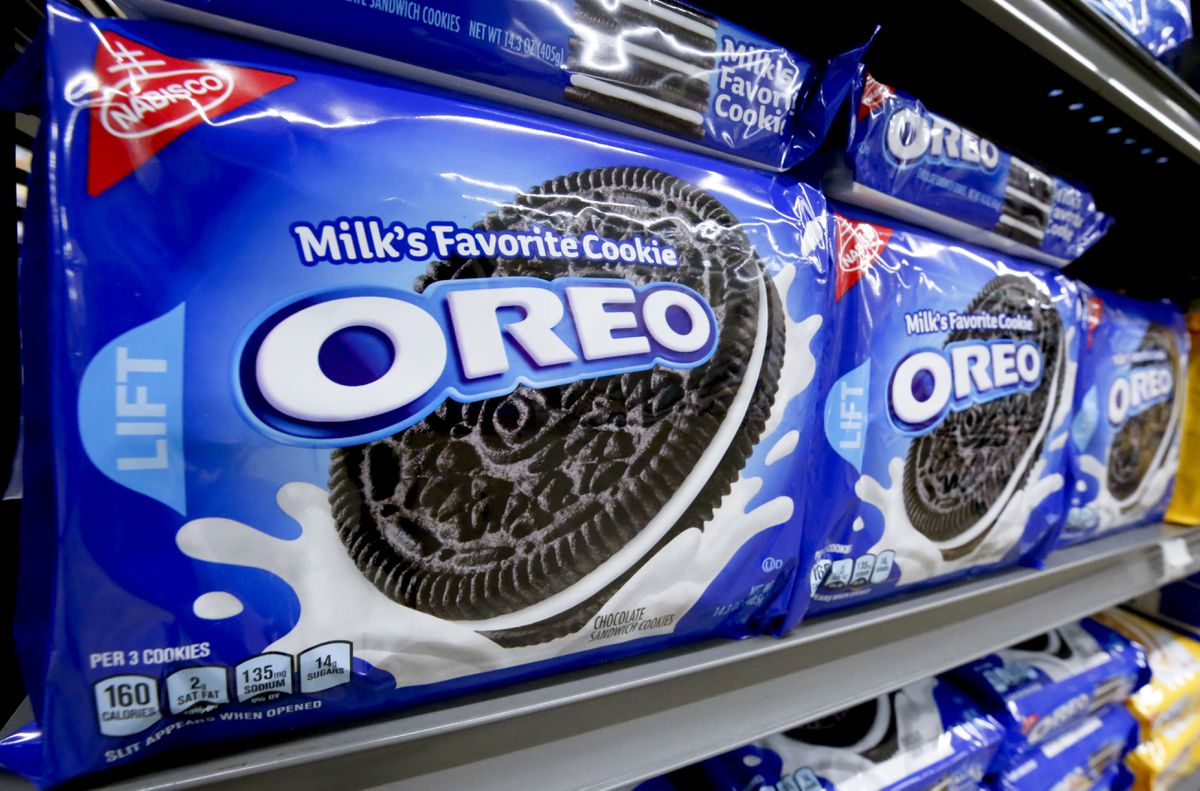
    Mondelez International, recognized worldwide for its Oreo brand, is set to broaden its range of offerings with the introduction of Oreo Zero Sugar and Oreo Double Stuf Zero Sugar in the U.S market, with a planned launch in January.

    This is a first-of-its-kind initiative for the U.S. market, with earlier successful launches of sugar-free Oreo products recorded in regions of Europe and China.

    The new products have been designed to maintain the quintessential Oreo taste and texture but without any added sugar. Mondelez has revealed that the cookies will be sweetened using a specially crafted blend of sugar substitutes, specifically formulated to cater to the health-conscious segment of consumers.

    This strategic move is in line with the evolving trends in the Fast-Moving Consumer Goods (FMCG) sector, where companies are steadily shifting their focus towards creating “better-for-you” snack products. This is in response to the rising consumer interest and increased demand for healthier snack alternatives.

    Questions & Answers

    What are the new products that Mondelez International is launching?
    Mondelez International is launching Oreo Zero Sugar and Oreo Double Stuf Zero Sugar.

    How are these new Oreo products different from the traditional ones?
    The new products maintain the classic Oreo taste and texture but they do not contain any added sugar. They are sweetened using a blend of sugar substitutes.

    Why is Mondelez launching these sugar-free products?
    The launch of these sugar-free Oreo products aligns with the broader industry trends where FMCG companies are responding to growing consumer interest in healthier, “better-for-you” snack options.

  • Better Beer Unveils ‘Halfy’: A Low-Calorie, Low-Alcohol Lager Answering the Call for Moderation

    Better Beer Unveils ‘Halfy’: A Low-Calorie, Low-Alcohol Lager Answering the Call for Moderation

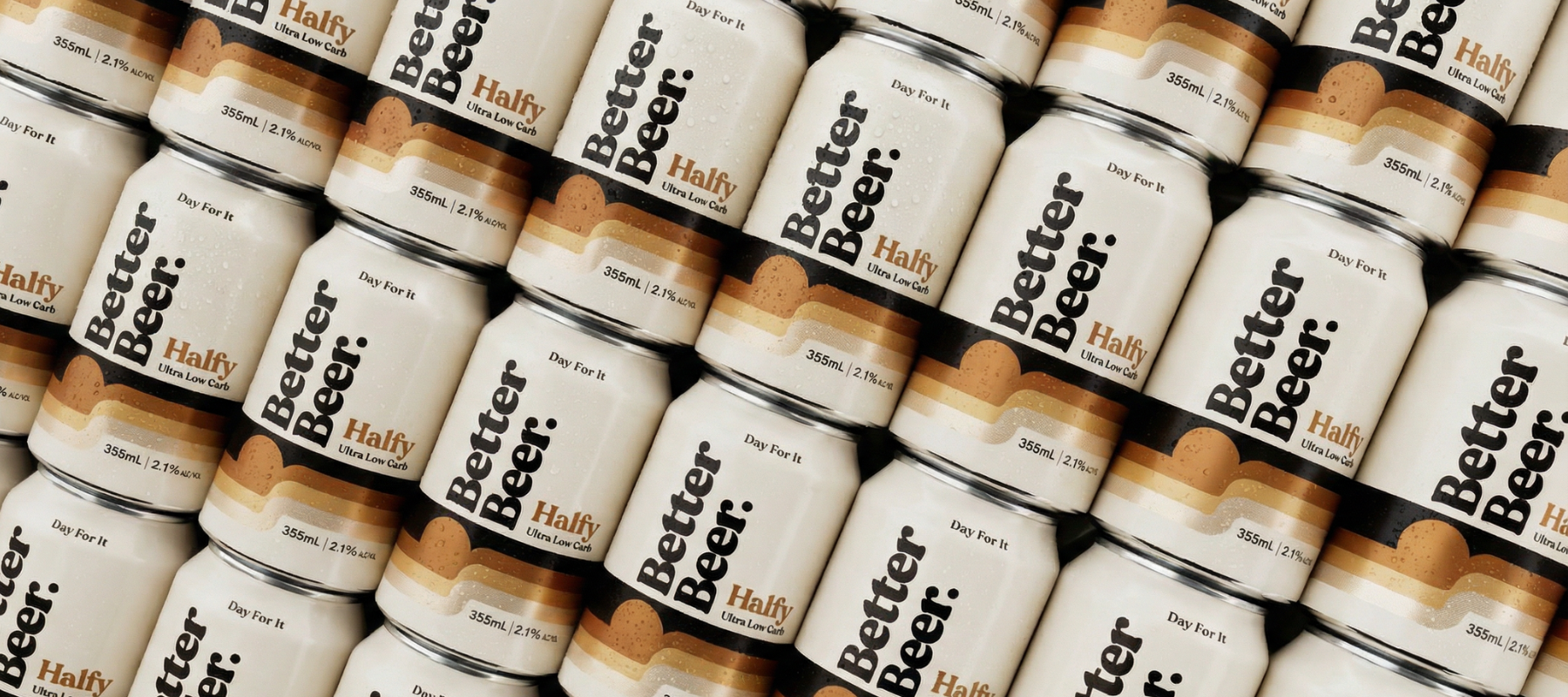
    Better Beer, a leading brewery company, has introduced Halfy, an ultra-low-carbohydrate lager that contains half the alcoholic content of its flagship product, the zero-carb Better Beer.

    New Addition to the Product Range

    The newly launched Halfy joins Better Beer’s extensive range of low or non-alcoholic beverages. The company’s current offerings include the zero-carb lager, an ultra-low-carb mid-strength beer known as Middy, a low-sugar, gluten-free ginger beer, and Better Cider.

    The Halfy lager is presented in a 355ml can and features an alcohol by volume (ABV) of 2.1 per cent, making it a light beverage option. In addition to its low alcohol content, Halfy also boasts just 57 calories per can. Moreover, the hop profile remains consistent with the original Better Beer, delivering a light and clean finish to satisfy beer connoisseurs.

    Meeting the Demand for Moderate Consumption

    Nick Cogger, CEO and co-founder of Better Beer, sees the launch of Halfy as the company’s answer to an increasing consumer demand for moderate alcohol consumption. Cogger explains that Halfy is designed for genuine Australian drinking experiences, allowing consumers to enjoy the full beer experience without fear of overindulging.

    Cogger notes a significant trend towards moderation, with an increasing focus on wellness and balance, particularly in the world of alcoholic beverages. Halfy is crafted to meet this demand, providing the taste of a conventional beer, but with reduced alcohol content and lower caloric intake.

    Availability and Pricing

    The Better Beer Halfy is currently available for purchase across Australia at Dan Murphy’s and BWS stores. The recommended retail price is $48 for a pack of 24 cans.

    Questions & Answers

    What is the ABV and calorie count for Halfy?
    Halfy has an ABV of 2.1% and contains 57 calories per 355ml can.

    What is the purpose of launching Halfy?
    The launch of Halfy is Better Beer’s response to the growing consumer demand for beer with lower alcohol content and a healthier profile, allowing consumers to enjoy the taste of beer without overindulging.

    Where can consumers purchase Better Beer Halfy?
    Better Beer Halfy is available for purchase nationwide at Dan Murphy’s and BWS stores.

  • Western Australia’s New Liquor Law Reforms: A Toast to Hospitality Growth and Enhanced Tourism Experience

    Western Australia’s New Liquor Law Reforms: A Toast to Hospitality Growth and Enhanced Tourism Experience

    The recently approved revisions to liquor laws in Western Australia are set to streamline processes, reduce bureaucratic hindrances, and inject vitality into the region’s liquor, tourism, and hospitality sectors.

    Enhancements to Alcohol Service and Trading Hours

    The legislation overhaul permits licensed establishments such as hotels, taverns, small bars, and alcohol manufacturers to offer alcoholic beverages with or without an accompanying meal on notable public holidays such as Good Friday and Christmas Day. Furthermore, the trading hours on these holidays, as well as on Anzac Day, will see an extension of up to four hours, permitting operation from 10 am to midnight.

    Introduction of Digital ID Checks

    In alignment with modern technological trends, the Liquor Control Act 1988 will also integrate digital ID checks into its enforcement mechanism. However, the law stipulates that digital evidence such as photographs or screenshots of IDs will not be deemed acceptable.

    Reducing Paperwork and Boosting Growth

    As part of the drive to slash red tape, the new laws will eliminate the need to renew extended trading permits, thus reducing paperwork and related costs for business operators. Small bars stand to benefit from these changes, as the legislation raises their patron capacity limit from 120 to 150.

    Expanding Product Range and Strengthening Penalties

    The reforms also broaden the scope for spirit producers, enabling them to produce a wider array of products, including ready-to-consume beverages like hard seltzers. To address potential alcohol-related issues, the Banned Drinkers Register (BDR) will become a permanent measure in Kimberley, Pilbara, Goldfields, Carnarvon, and Gascoyne Junction. The law will also amplify penalties for unauthorized alcohol sales and distribution.

    According to Racing and Gaming Minister Paul Papalia, these reforms echo the government’s dedication to facilitating business operations in Western Australia. He underscored the legislation’s dual benefit for businesses and customers, stating, “We’re backing growth in tourism, hospitality and the night-time economy with a modern liquor licensing system that works for both businesses and patrons.”

    Questions & Answers

    What are the key changes in Western Australia’s new liquor law reforms?
    The primary changes include extended trading hours on public holidays, introduction of digital ID checks, eradication of extended trading permit renewals, increase in customer capacity at small bars, and expansion of the product range for spirit producers.

    How will the reforms affect small bars?
    The reforms will ease administrative burdens for small bars by dispensing with the need for extended trading permit renewals. They will also allow for an increase in customer capacity from 120 to 150.

    What measures will be taken to address potential alcohol-related issues?
    The reforms will make the Banned Drinkers Register (BDR) a permanent feature in certain areas, and also strengthen penalties for illegal alcohol sales and distribution.

  • Bacha Coffee Brews Global Expansion with Lavish Flagship Store Debut in Tokyo’s Ginza District

    Bacha Coffee Brews Global Expansion with Lavish Flagship Store Debut in Tokyo’s Ginza District

    Bacha Coffee, a Moroccan coffee brand, has made a significant stride in its global growth strategy by establishing its inaugural Japanese flagship store in Tokyo’s luxurious Ginza district.

    Store Features and Design

    The flagship, situated in Ginza’s highly competitive 5-chome luxury retail sector, spans three levels and occupies 377 square meters. It incorporates a retail boutique on the ground floor, complemented by two coffee rooms on the upper levels, thereby positioning the location as a dual-purpose retail and hospitality destination.

    The design concept is inspired by Bacha Coffee’s roots at Dar el Bacha in Marrakech, with the aesthetics adapted to cater to the Japanese market. The interior showcases a blend of red ochre tones, a black-and-white checkered floor, geometric lattice motifs, and intricately carved cedar wood elements, reflecting a perfect fusion of Moroccan and Japanese aesthetics.

    Coffee Selection

    The Ginza-based establishment offers patrons a selection of over 200 varieties of 100% Arabica coffee, which are meticulously sourced from 35 countries worldwide, including Yemen, Ethiopia, Jamaica, and Hawaii. The assortment includes single-origin coffees, blends, and flavored options, alongside Naturally CO2 Decaffeinated coffee varieties.

    Maranda Barnes, Chief Commercial Officer of Bacha Coffee, has described the Ginza location as more than just a boutique. According to her, it serves as an iconic representation of Bacha Coffee in Asia. Barnes further described the location as “a true invitation to travel, a place where each cup tells a story of craftsmanship, passion, and savoir-faire.”

    Earlier in the year, Bacha Coffee indicated plans to expand its footprint in Japan via a franchising agreement with local railway operator The Tokyu Group.

    Global Presence

    Currently, Bacha Coffee operates 37 locations across 14 cities spanning Asia, Europe, and the Middle East. These locations include Paris, Seoul, Dubai, Singapore, Taipei, and Hong Kong. The brand has expressed its ambitious vision of establishing a presence in major global capitals by the year 2030.

    Questions & Answers

    Where is Bacha Coffee’s first Japanese flagship store located?
    The flagship store is located in Tokyo’s luxurious Ginza district.

    What are some unique features of the Ginza store?
    The store is uniquely designed, blending Moroccan and Japanese aesthetics. It spans three levels and incorporates a retail boutique and two coffee rooms.

    What is Bacha Coffee’s expansion target by 2030?
    Bacha Coffee aims to establish a presence in major global capitals by the year 2030.

  • Billion-Dollar Boom: Vietnam’s Banana Exports Set to Topple Records

    Billion-Dollar Boom: Vietnam’s Banana Exports Set to Topple Records

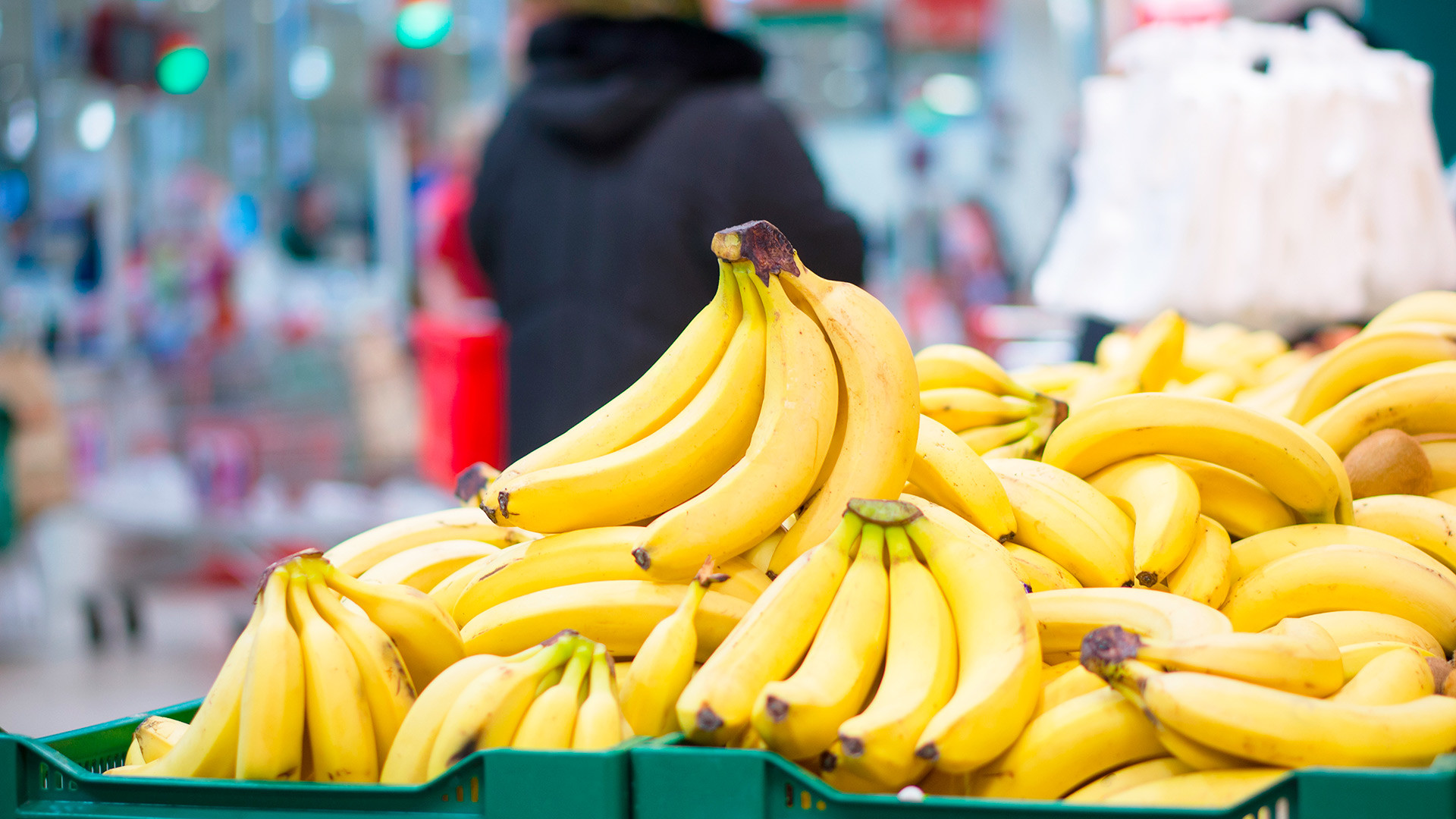
    Vietnam’s banana exports could potentially surpass the US$1 billion threshold in the near future due to increased investment, value-chain-driven production, and expanded export markets, a number of experts and industry insiders have highlighted. They shared this optimistic outlook during a recent forum held in Ho Chi Minh City that focused on strategies for preventing and controlling Panama disease in bananas.

    Current Production and Future Prospects

    Assoc. Prof. Dr. Le Quoc Doanh, a previous deputy minister of Agriculture and Rural Development and current chairman of the Vietnam Gardening Association, shed light on the current state of banana production in Vietnam. He indicated that the country produces approximately 2.8 million tonnes of bananas annually.

    Doanh pointed out that both the acreage dedicated to banana cultivation and the resultant yields have been on an upward trend. This growth reflects an increasing market demand and the sector’s expanding production capacity.

    In 2024, bananas accounted for about $372-378 million of Vietnam’s total fruit exports, trailing behind durian, dragon fruit, and coconut. Nonetheless, Doanh believes the current contribution of bananas to the export economy is still quite modest relative to the sector’s production scale and overall potential.

    Pham Quoc Liem, chairman of U&I Agriculture Corporation, shared his insights from a business point of view. He mentioned that the global banana market was worth approximately $15.3 billion in 2024, and is projected to balloon to $21 billion by 2030. Vietnam, despite being the ninth largest banana producer globally, has a relatively low share in banana exports.

    Liem also highlighted that Vietnamese bananas command less than 40% market share in China, around 3% in Japan, and below 17% in South Korea. These figures suggest that there is a significant potential for growth in these markets.

    Challenges Ahead

    The banana industry in Vietnam, while having strong prospects, faces several challenges. Nguyen Quoc Manh, deputy director of the Department of Crop Production and Plant Protection, stated that producers have limited access to market information. This problem is compounded by sharp fluctuations in prices, especially for shipments that fail to meet official export standards.

    Furthermore, stricter technical barriers in some markets, particularly those related to plant quarantine and chemical residue limits, are intensifying pressure on both farmers and exporters.

    Doanh identified plant disease as the greatest threat facing the sector, with Panama disease being the most dangerous. He called for a comprehensive strategy that encompasses plant varieties, cultivation techniques, production organization, and market development.

    Tackling Panama Disease

    Panama disease has been a major global issue since the mid-20th century, inflicting an estimated $1 billion in losses each year. Vietnam has experienced the effects of this disease since 2016-2017, leading to significant reductions in Cavendish banana production and forcing farmers to switch to alternative crops.

    To mitigate the disease’s spread, Vietnam has participated in international cooperation programs such as the Asia-Pacific Banana Network. The country has also boosted its own research and training efforts.

    Dr. Tran Ngoc Hung from the Fruit and Vegetable Research Institute emphasized that the most sustainable solution is developing banana varieties that are resistant to Panama disease.

    Future Developments

    Experts have concurred that with effective disease control, sustainable production restructuring, and stronger value chains, Vietnam’s banana industry can potentially become a billion-dollar export in the near future.

    Manh projected that the total area dedicated to banana cultivation in Vietnam this year would be around 163,000-163,500 hectares, with an estimated annual output of 2.75 million tonnes.

    Questions & Answers

    What is the current value of Vietnam’s banana exports?
    In 2024, Vietnam’s banana exports were worth approximately $372-378 million.

    What challenges does the banana sector in Vietnam face?
    The key challenges include limited access to market information for producers, price fluctuations, increasingly strict technical barriers in export markets, and threats from plant diseases, particularly Panama disease.

    What is the projected annual output of bananas in Vietnam?
    Vietnam is projected to produce an estimated 2.75 million tonnes of bananas annually.

  • Street Burger Invasion: Gordon Ramsay’s Iconic UK Brand Launches First Thai Outlet

    Street Burger Invasion: Gordon Ramsay’s Iconic UK Brand Launches First Thai Outlet

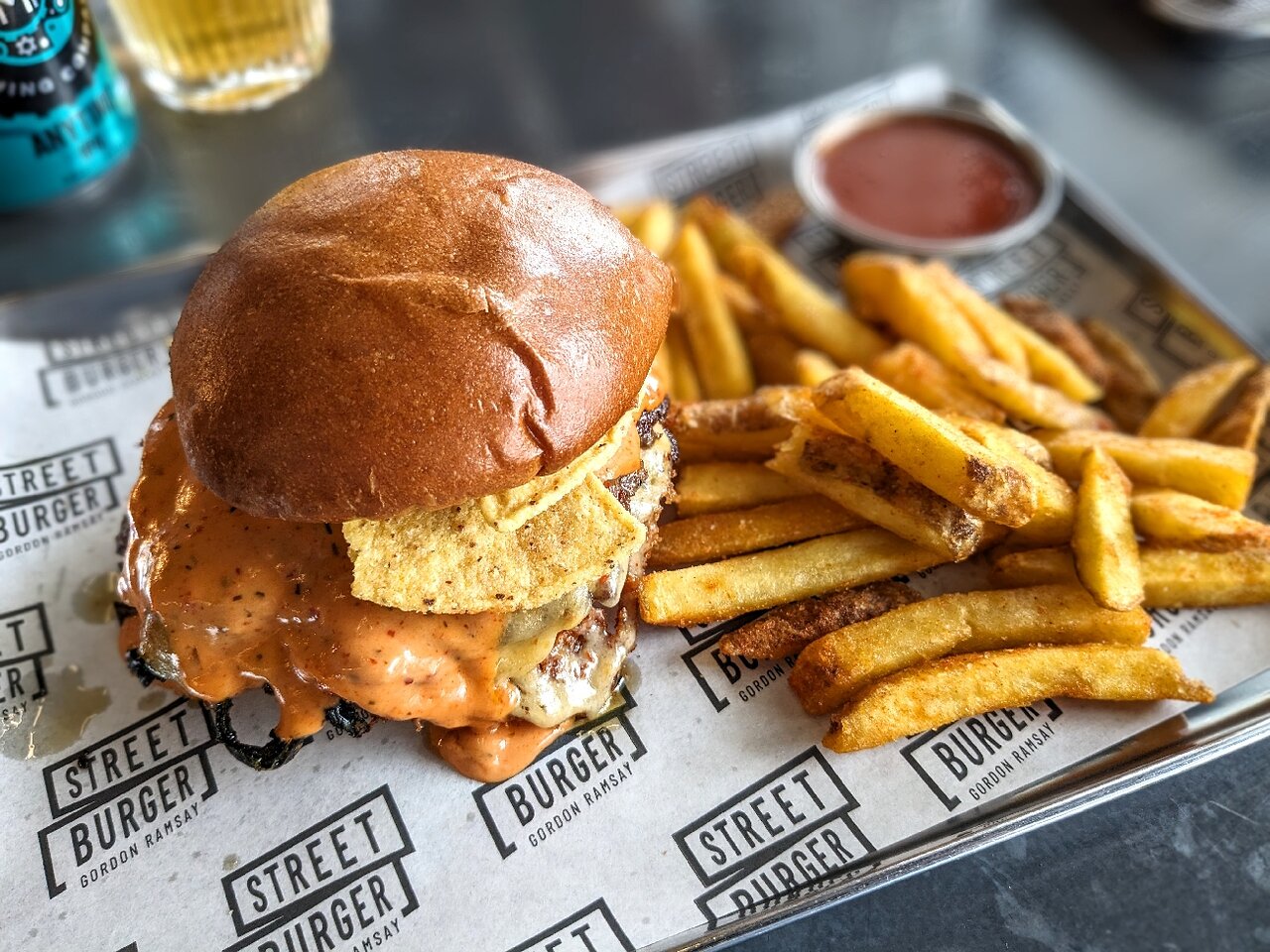
    Gordon Ramsay, the renowned chef, has introduced his popular street burger concept in Thailand, with the first outlet opening at Nextopia in Siam Paragon. This venture is in collaboration with Tanachira Group.

    Ramsay’s Casual Street-Dining Concept

    The newly opened eatery adheres to the brand’s casual street-dining concept that was originally cultivated in the UK. The menu is designed around Ramsay’s signature burgers, priced reasonably to attract a broad range of customers and offer them an authentic international dining experience.

    Minimalist Aesthetic and Eco-Friendly Practices

    The eatery’s interior adopts a minimalist design, adorned with neutral-toned furniture and complemented by London-inspired graffiti. The venue also hosts a Pac-Man arcade game, adding a touch of nostalgia. In line with environmental concerns, biodegradable and eco-friendly packaging materials are used across the outlet.

    Culinary Highlights

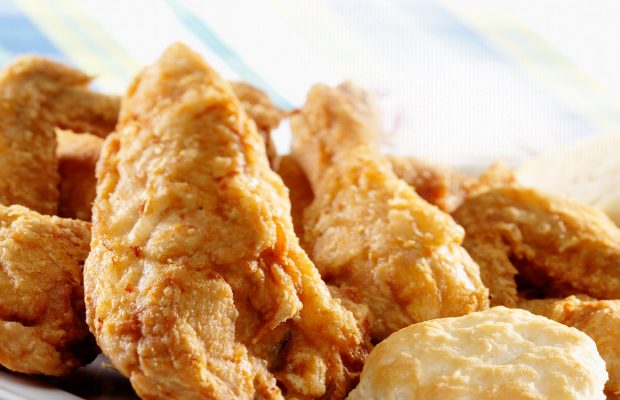
    Among the menu specials are the Original Gordon Ramsay Burger, which includes premium beef and smoked cheese, and the Gordon Fried Chicken Burger, served with kimchi-marinated fried chicken and a hash brown. Exclusive to Thailand, patrons can also enjoy the Chicken Satay Burger.

    Earlier in the year, Ramsay’s other restaurant franchise, Bread Street Kitchen, launched its flagship location at IconSiam in Thailand, marking the second outlet in the country.

    Questions & Answers

    What is the concept of Gordon Ramsay’s new restaurant in Thailand?
    The concept is based on casual street-dining developed in the UK, with a focus on signature burgers at affordable prices.

    What design aesthetics are present in the new restaurant?
    The restaurant features a minimalist design with neutral-toned furnishings and London-inspired graffiti. It also houses a retro Pac-Man arcade game.

    What are the signature dishes of the new outlet?
    The Original Gordon Ramsay Burger and the Gordon Fried Chicken Burger are the main highlights. Additionally, a Chicken Satay Burger has been introduced, exclusively for Thailand.

  • Chick-fil-A Marks Singapore Debut with Exclusive Menu and Community Experience at Bugis+

    Chick-fil-A Marks Singapore Debut with Exclusive Menu and Community Experience at Bugis+

    Fast-food giant Chick-fil-A has made its debut in Singapore with the inauguration of its first locally managed outlet in Bugis+. The restaurant is prominently located at 201 Victoria Street and is managed by Singaporean, Chyn Koh. Koh brings a wealth of experience from the local food and beverage industry.

    Menu Offering

    The new outlet’s menu replicates the central choices from Chick-fil-A’s U.S. offerings. Signature dishes like the Chick-fil-A Chicken Sandwich and Waffle Potato Fries are available, with an added local twist. The Singapore outlet has debuted a Spicy Chilli Sauce, exclusive to the Singaporean market, reflecting the local taste preference.

    A Community Space

    While internationally Chick-fil-A is renowned for its service culture, the Singapore branch seems more determined to position itself as a social hub. The restaurant features a Community Table, a common aspect of Chick-fil-A’s global outlets but with a local adaptation. The table was created in partnership with local artist Cheok Keng Lye.

    Hugh Park, the Head of Asia Pacific Operations at Chick-fil-A (Asia), shared, “Our Community Table serves as more than just a place to dine – it’s designed to bring people together. We hope it inspires guests to slow down, share a meal, and connect meaningfully with one another.”

    Interior Design

    The restaurant’s interior design also reflects a blend of local and brand-specific visuals. A full-length mural depicts local icons such as the Merlion, the Singapore Flyer, and smooth-coated otters, intermingled with Chick-fil-A motifs like waffle fries, dipping sauces, and milkshakes.

    International Expansion

    The Singapore launch aligns with Chick-fil-A’s international expansion strategy. Earlier this year, the company revealed plans for establishing permanent outlets in Singapore and the UK.

    Questions & Answers

    Who is managing the new Chick-fil-A outlet in Singapore?
    The outlet is managed by Chyn Koh, who has considerable experience in the local food and beverage scene.

    What are some unique features of the Singapore Chick-fil-A outlet?
    The restaurant offers a Singapore-exclusive Spicy Chilli Sauce. It also features a Community Table, designed in collaboration with local artist Cheok Keng Lye, and a full-length mural depicting local and brand-specific motifs.

    What is Chick-fil-A’s international strategy?
    Earlier this year, Chick-fil-A disclosed plans for international expansion, which includes establishing permanent restaurants in both Singapore and the UK.

  • Durian-Giveaway Mania: Over 500 Seniors Swarm Singapore Stall for Free King of Fruits

    Durian-Giveaway Mania: Over 500 Seniors Swarm Singapore Stall for Free King of Fruits

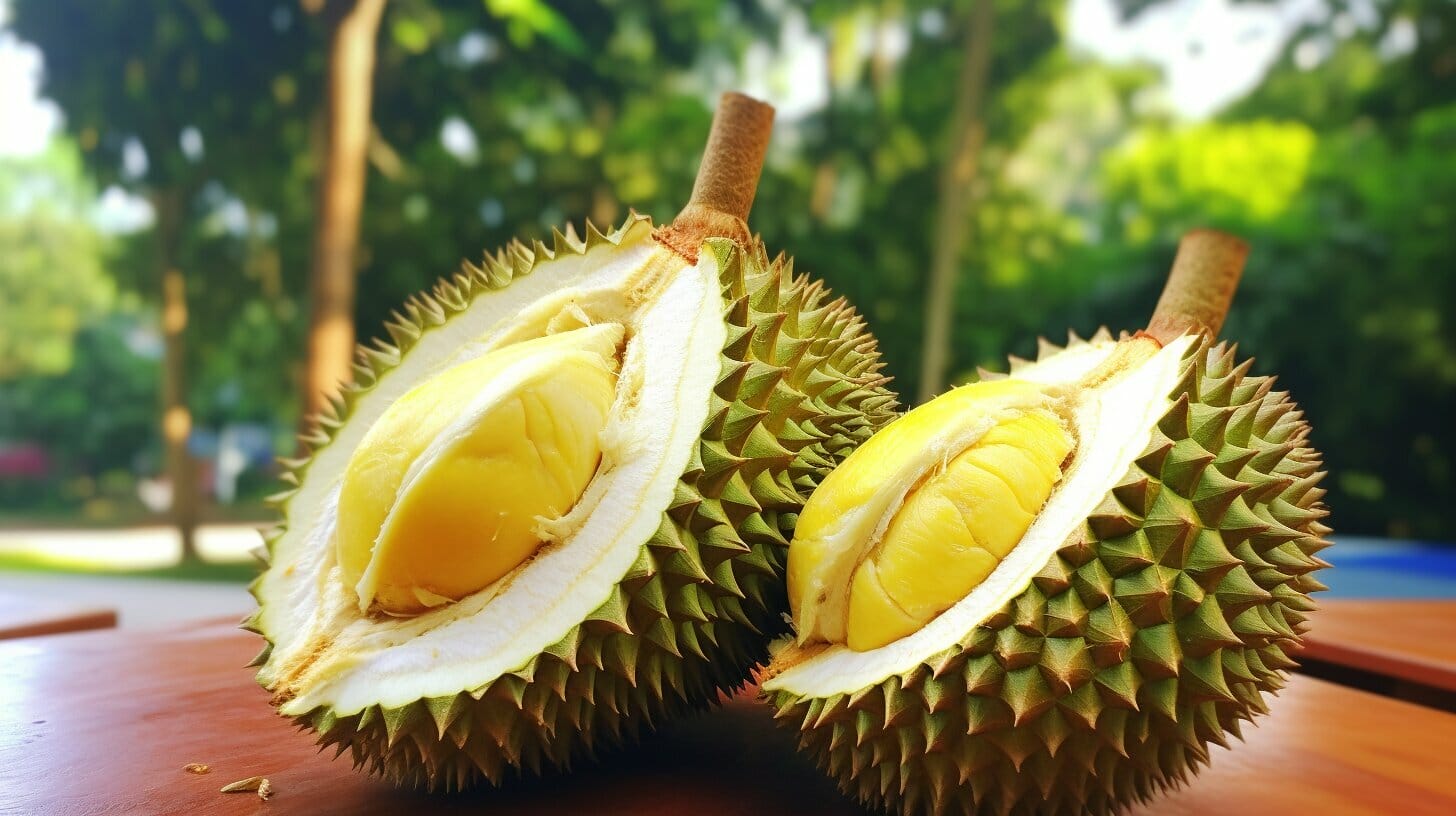
    In an act of goodwill and community service, a durian stall in Singapore, Famous Durian, recently held a sizable giveaway of the beloved fruit for senior citizens. The event drew a crowd of over 500 individuals, some of whom waited patiently for more than three hours to get their share of the prized fruit.

    A Popular Event for Seniors

    The giveaway event was scheduled to begin at 6 p.m. on Monday on Yishun Street 81. However, as early as 5 p.m., around 200 senior citizens were already lined up in anticipation. A 71-year-old retiree who was among the early birds expressed her joy at claiming the durians for the first time.

    An Appreciation Gesture

    The owner of the durian stall, a 43-year-old man, stated that the event was held as a gesture of appreciation to the community and as a means to allow elderly residents to enjoy the revered fruit. He prepared around 1,200 kilograms of durians, approximately 1,000 pieces, for the event, inviting anyone aged 60 and above. He noted that the distributed fruits were valued at over S$10,000 (US$7,730).

    Overwhelming Turnout

    Each participant could take home two durians, including one Mao Shan Wang (Musang King), a highly preferred variety in Singapore, and one of a different variety. Despite having organized such an event on three previous occasions, the turnout this time around was unexpectedly large, prompting the owner to distribute an additional 100 durians. Unfortunately, the entire stock ran out by 7:20 p.m., with some seniors eventually receiving only one durian instead of the promised two. The owner acknowledged that some participants were unhappy with this outcome, but assured that it was unintended.

    Spreading Love and Kindness

    In a post-event message, Famous Durian emphasized that the giveaway aimed to “spread a little love” with “no returns, no agenda” in a world that feels chaotic. The post read, “Kindness costs nothing, but it means everything. I hope everyone can pass this love forward and make our society a little softer.”

    Durians are a favorite among Singaporeans, with the city-state importing about 85% of its durians from Malaysia. During the peak season, the city-state imports around 100,000 kilograms of the fruit per day.

    Questions & Answers

    What was the purpose of the durian giveaway?
    The giveaway was organized by a durian seller as a gesture of appreciation to the community and as a way to allow elderly residents to enjoy the fruit.

    How many durians were given away and what was their value?
    The seller prepared around 1,200 kilograms of durians, approximately 1,000 pieces, for the event, with the distributed fruits valued at over S$10,000 (US$7,730).

    Were all participants able to receive two durians as promised?
    Due to the unexpectedly large turnout, some participants eventually received only one durian instead of the promised two. The entire stock ran out before everyone could receive their full share.

  • Ferrero Rocher Sweetens the Season: Introduces New Festive Treats to Christmas Range

    Ferrero Rocher Sweetens the Season: Introduces New Festive Treats to Christmas Range

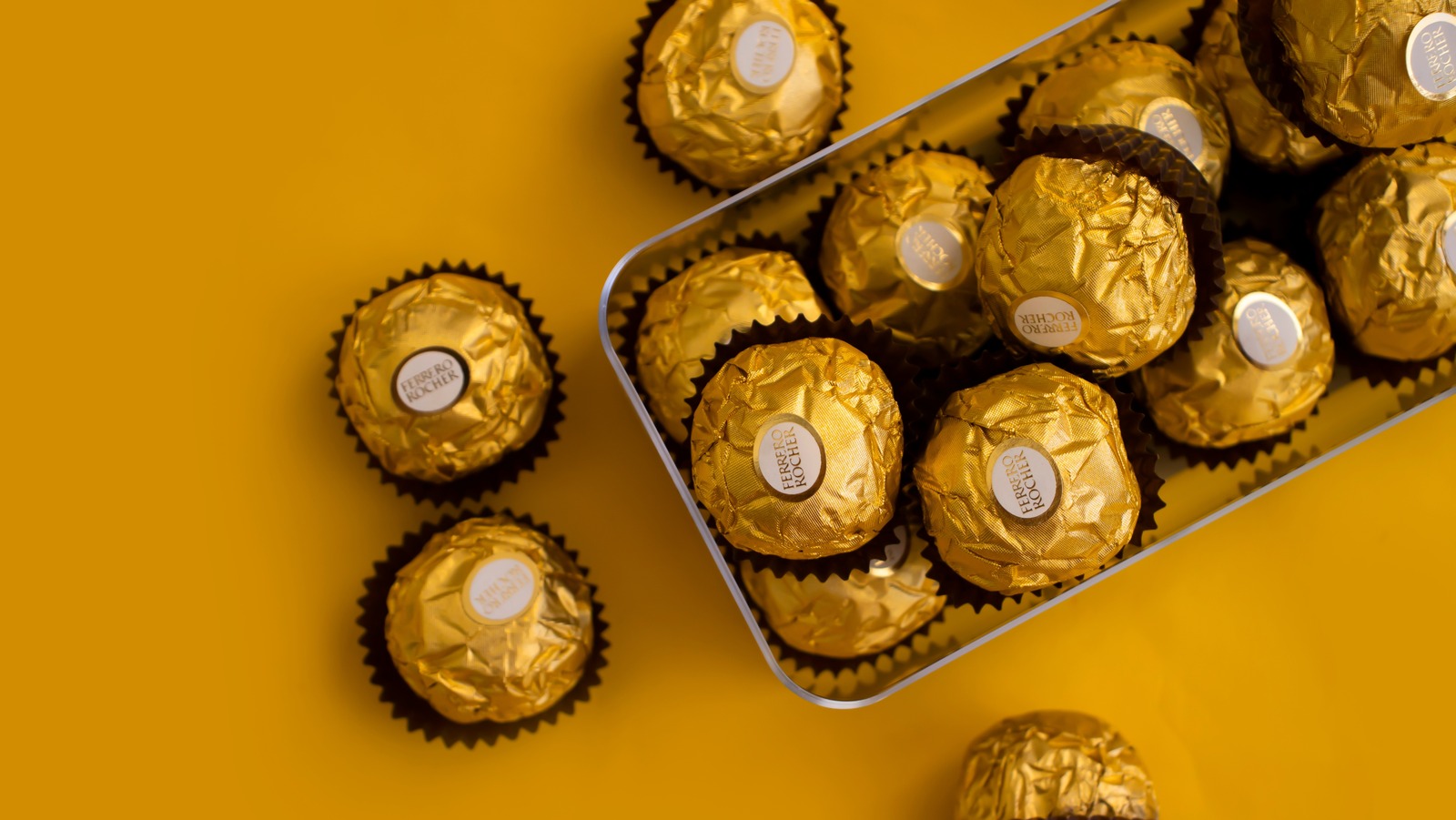
    This festive season, Ferrero Rocher is enriching its Christmas assortment with two additional seasonal products, aimed at gifting and holiday merriment.

    New Additions to the Festive Selection

    The first of these holiday additions is Ferrero Rocher’s “Merry Christmas Gift Pack”. Priced at $15, this pack includes 10 individually packaged chocolates along with a gift tag that can be personalised to suit the recipient.

    The second product is the “Christmas Cracker” by Ferrero Rocher. This item, priced at $7.50, promises to bring a candy-focused twist to traditional table decorations. It contains five chocolates aimed at satisfying those after-dinner sweet cravings.

    Enhancing the Existing Collection

    These new introductions serve to supplement Ferrero Rocher’s existing festive range. The current collection comprises a variety of gift-centric products specially curated for the holiday season, such as Ferrero Rocher Origins, Ferrero Rocher Bell, Ferrero Rocher Star, and the Ferrero Rocher Christmas Tree.

    All of Ferrero Rocher’s products stay true to the brand’s signature format – a whole hazelnut cloaked in a creamy filling, enclosed within a crunchy wafer, and finally, enrobed in chocolate.

    Questions & Answers

    What are the new additions to Ferrero Rocher’s Christmas lineup?
    The new additions are the “Merry Christmas Gift Pack” and the “Christmas Cracker”.

    What does the Ferrero Rocher Christmas Cracker offer?
    The Ferrero Rocher Christmas Cracker offers a sweet take on traditional holiday table decorations with five chocolates inside, intended to be an after-dinner treat.

    What is the signature style of Ferrero Rocher chocolates?
    Ferrero Rocher chocolates are known for their whole hazelnut surrounded by a creamy filling, encased in a crisp wafer and coated in chocolate.