Retail News CRM

Category: Food

Retail News Asia is committed to providing both local and global retailers with the latest Food and Food & Beverage news throughout the Asian market. This on a daily base.

  • Vietnam’s Agricultural Exports Soar by 12.6%: Thriving Market for Coffee, Fruits, and Vegetables

    Vietnam’s Agricultural Exports Soar by 12.6%: Thriving Market for Coffee, Fruits, and Vegetables

    In the first eleven months of 2025, the exportation of agricultural, forestry, and fisheries products increased by 12.6% on a year-on-year basis, totaling a whopping US$64 billion.

    Breakdown of Agricultural Exports

    The agricultural sector contributed significantly to this figure, accounting for $34.24 billion, representing an increase of 15% over the period. In particular, the average price of coffee exports experienced a significant boost, escalating by 40% to reach $5,667 per ton. Germany, Italy, and Spain emerged as the primary destination markets for these coffee exports.

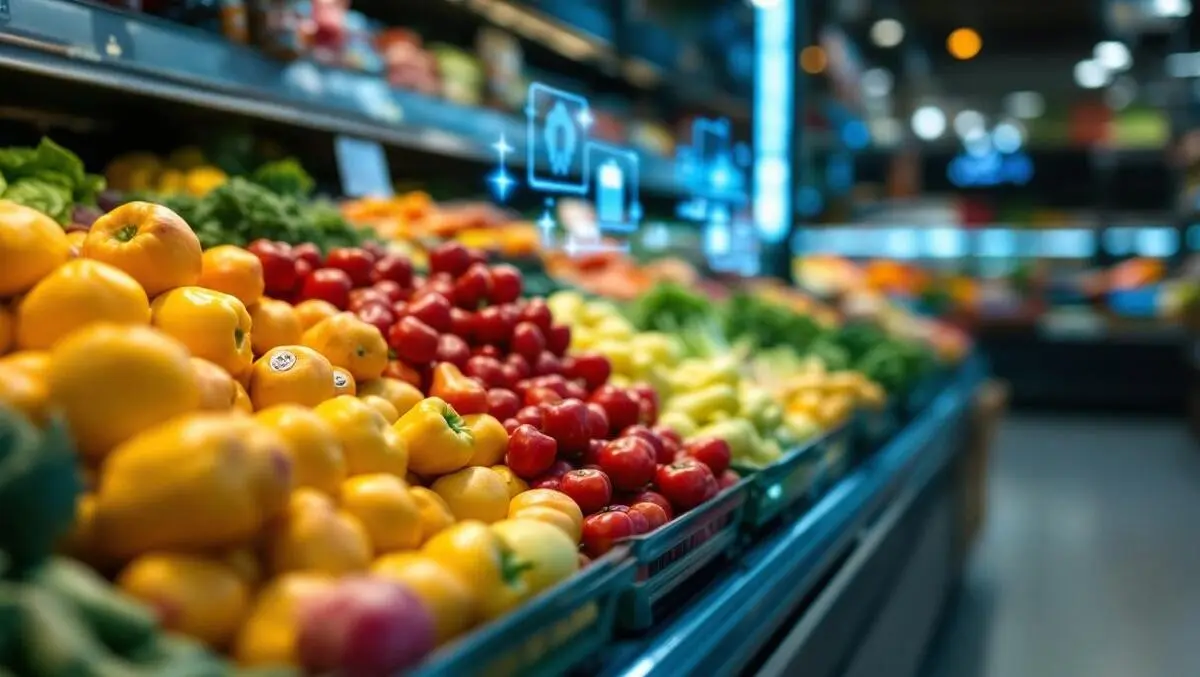
    Furthermore, exports of fruits and vegetables witnessed a near 20% rise, amounting to $7.91 billion. This surge was primarily driven by robust demand from the Chinese and U.S. markets.

    Challenges in the Export Market

    Despite the general upward trend, not all products enjoyed the same level of success. Cashew and pepper exports did increase; however, some key commodities encountered challenges.

    Rice exports, for instance, took a substantial hit, declining by 27.7% to $3.83 billion due to increased competition. Similarly, exports of tea and rubber suffered a downturn as demand for these products weakened.

    Government’s Future Plans

    Phung Duc Tien, the Deputy Minister of Agriculture and Environment, recently stated that by the close of the year, the export value of agricultural, forestry, and fisheries products could reach an approximate $70 billion.

    In an effort to boost this sector further, the government is focusing on promoting green, organic, and circular agricultural models. These initiatives aim to preserve natural resources and biodiversity. Additionally, the government intends to fortify regional linkages to create a more unified, strong sector.

    Questions & Answers

    What was the total value of agricultural, forestry, and fisheries exports in the first eleven months of 2025?
    The total value was US$64 billion, representing a 12.6% increase year-on-year.

    Which agricultural products saw an increase in export value?
    The price of coffee exports rose by 40%, and there was a nearly 20% increase in the exportation of fruits and vegetables.

    Which agricultural products faced challenges in the export market?
    Rice exports faced a significant decline due to rising competition, and the shipment of tea and rubber products also dropped because of weakened demand.
  • Wingstop Takes Flight: Iconic Fast Food Chain Breaks into Thailand Market in Global Expansion Blitz

    Wingstop Takes Flight: Iconic Fast Food Chain Breaks into Thailand Market in Global Expansion Blitz

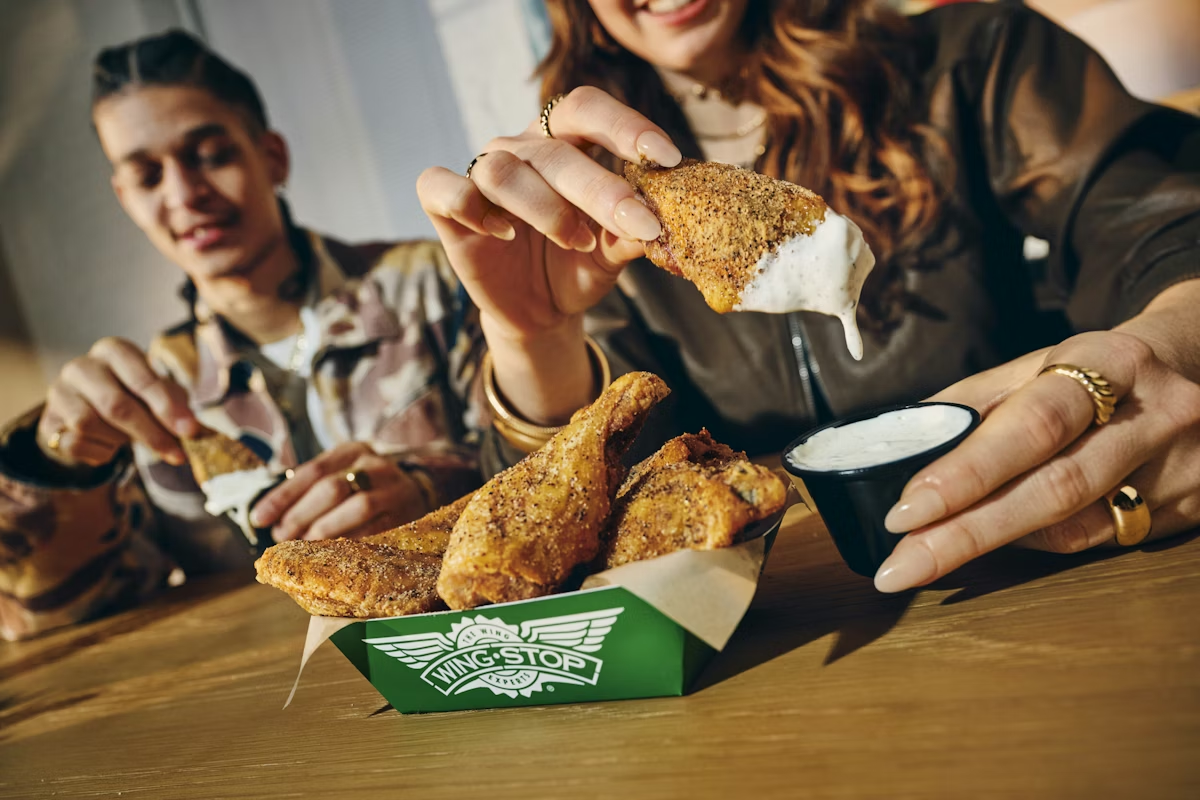
    Fast-food chain Wingstop is rapidly broadening its international reach by expanding into three new markets: Thailand, Italy, and Ireland. This move comes as part of the company’s ambitious plan for global expansion.

    Wingstop has recently celebrated a significant milestone in its growth trajectory by inaugurating its 3000th restaurant. Over the past two years, the company has shown robust expansion, adding close to 800 locations across the globe.

    This recent growth phase has seen Wingstop making its debut in six new markets, including Australia, Bahrain, Kuwait, Puerto Rico, Saudi Arabia, and the Netherlands.

    Michael Skipworth, the current President and CEO of Wingstop, expressed his confidence in the company’s continued growth. He highlighted that with a record pipeline of restaurant commitments sold, there seemed to be no slowing down for the Wingstop brand.

    Wingstop was founded in 1994 and has since become popular for its buffalo wings and sandwiches. The company has its operational footprint in 47 US states and 15 countries worldwide. Through franchising or direct operations, Wingstop has more than 10,000 restaurants in total.

    Questions & Answers

    What is Wingstop?
    Wingstop is a popular fast-food chain, established in 1994. It is known for its buffalo wings and sandwiches.

    Where does Wingstop operate?
    Wingstop operates in 47 US states and 15 countries globally. It has more than 10,000 restaurants which operate either through franchising or direct operations.

    What are the new markets Wingstop is expanding into?
    Wingstop is expanding its operations into three new markets: Thailand, Italy, and Ireland.

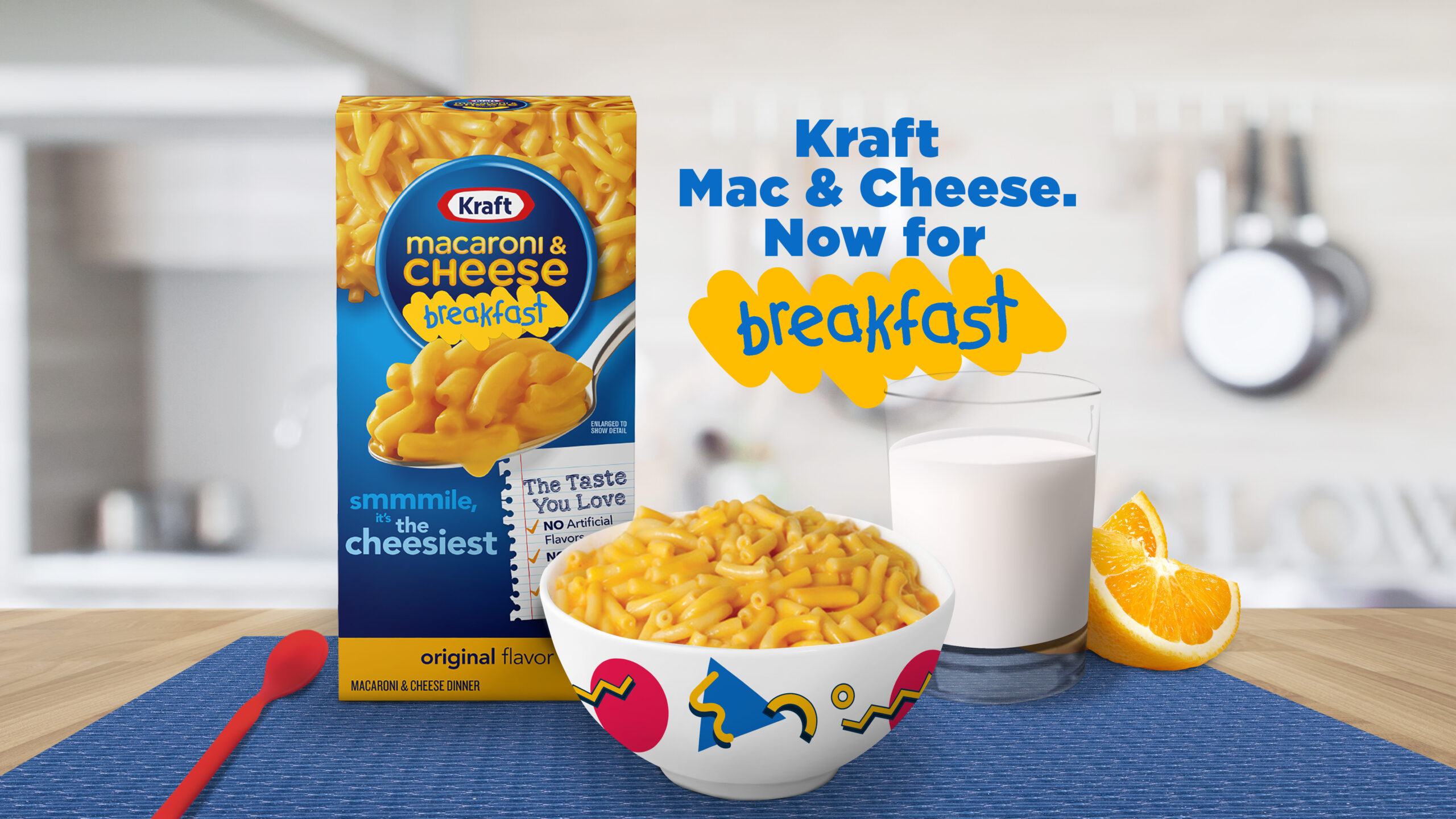
  • San Francisco Makes Legal Moves Against Kraft & Mondelez: An Obesity, Cancer Link to Ultra-Processed Foods at Stake?

    San Francisco Makes Legal Moves Against Kraft & Mondelez: An Obesity, Cancer Link to Ultra-Processed Foods at Stake?

    The city of San Francisco has lodged a legal complaint against multiple ultra-processed food manufacturers, including Kraft, Mondelez, and Coca-Cola. The city claims these companies have knowingly endangered the health of Californians with their addictive and damaging products.

    A Public Health Crisis

    San Francisco’s City Attorney, David Chiu, filed the lawsuit in San Francisco Superior Court. The suit alleges that these corporations implemented strategies mirroring those of the tobacco industry, deliberately creating and promoting products to induce consumer addiction. The city accuses these companies of contravening California’s public nuisance and misleading marketing laws.

    In a statement, Chiu commented, “These companies have manufactured a public health crisis, profited substantially, and must now be held accountable for the damage they’ve inflicted.”

    The city argues that the surge in ultra-processed foods has precipitated a rise in obesity, cancer, and diabetes rates. Chiu’s office has underscored that heart disease and diabetes – both connected to ultra-processed foods – are among the principal causes of death in San Francisco, with low-income and minority communities experiencing higher diagnosis rates.

    Industry Response

    At the time of reporting, representatives for Mondelez, Coca-Cola, and Kraft Heinz had not yet provided comment on the lawsuit. However, Sarah Gallo, the Senior Vice President of Product Policy for the Consumer Brands Association, countered that there is currently no universally accepted scientific definition of ultra-processed foods. She suggested that categorizing foods as unhealthy based purely on their processed nature, or vilifying food by disregarding its complete nutrient content, can mislead consumers and exacerbate health disparities.

    Implications and Precedence

    The city aims to obtain restitution and civil penalties to alleviate its healthcare costs and is seeking a court order to prevent these corporations from engaging in misleading marketing and mandate changes in their practices.

    While the classification of ultra-processed foods is still disputed, researchers typically refer to many packaged snack foods, sweets, and carbonated drinks made using processing methods, additives, and industrial ingredients, which primarily contain little whole foods.

    The lawsuit is significant as it is the first instance of a municipality suing over allegations that food companies have knowingly advertised and sold harmful and addictive ultra-processed foods.

    This lawsuit follows a similar case brought forward by a man from Philadelphia, who alleged that he was diagnosed with Type 2 diabetes and non-alcoholic fatty liver disease at the age of 16 due to his consumption of ultra-processed foods. However, this lawsuit was dismissed in August after a federal judge in Pennsylvania stated the plaintiff failed to link specific products to his health conditions.

    Questions & Answers

    What is the basis of San Francisco’s lawsuit against ultra-processed food manufacturers?
    The city alleges that these companies have knowingly endangered Californians with their addictive and harmful products, contributing to a public health crisis.

    What is the city’s objective in filing this lawsuit?
    The city aims to obtain restitution and civil penalties to offset its healthcare costs. It is also seeking a court order to prevent these corporations from engaging in deceptive marketing and mandate changes in their practices.

    What is the significance of this lawsuit?
    This lawsuit marks the first time a municipality has sued over claims that food companies have knowingly marketed and sold harmful and addictive ultra-processed foods.

  • Tic Tac Two: Doubling the Flavorful Fun with New Dual-Layer Mints in Australia

    Tic Tac Two: Doubling the Flavorful Fun with New Dual-Layer Mints in Australia

    In a move to appeal to the modern, adventurous consumer, iconic mint-based sweets brand, Tic Tac, has introduced a new product line in Australia, Tic Tac Two. This evolutionary version of the classic mint is dual-layered and twice the size of the original Tic Tac.

    The sugar-free Tic Tac Two comes in two exciting variants: Raspberry & Lemon and Peppermint Fresh Mild. The brand’s aim with this new range is to deliver a unique sensory experience, differing from the traditional Tic Tac products.

    New Flavours, New Experiences

    Azzura Puricelli, the head of business development for Ferrero Australia, expressed the company’s enthusiasm for the new product. “By introducing surprising combinations in a fun, fresh format, we’re blending the familiarity of Tic Tac with cutting-edge flavour innovation. Our goal is to cater to today’s adventurous consumers who are always seeking new taste experiences,” she said.

    According to the brand, the introduction of Tic Tac Two aligns with the rising consumer interest in flavoured, convenient confectionery products. It also resonates with recent trends towards larger portion sizes and multi-texture formats in the mint sweets category.

    Availability and Pricing

    Tic Tac Two is now available for purchase in major supermarkets and convenience stores across Australia. The recommended retail price is set at $4.

    Questions & Answers

    **What are the new variants of Tic Tac Two?**
    The new Tic Tac Two comes in two flavours: Raspberry & Lemon and Peppermint Fresh Mild.

    **How does Tic Tac Two differ from the original Tic Tac product?**
    Tic Tac Two offers a unique sensory experience with its dual-layer and twice the size of the original Tic Tac. It also introduces new flavours, creating a different taste to the classic Tic Tac mint.

    **Where can consumers purchase Tic Tac Two?**
    Tic Tac Two is now available in major supermarkets and convenience stores across Australia.

  • Emma & Tom’s Unveils Zesty Lemonade Range in Australia and New Zealand, Reinventing the Classic with a Healthy Twist

    Emma & Tom’s Unveils Zesty Lemonade Range in Australia and New Zealand, Reinventing the Classic with a Healthy Twist

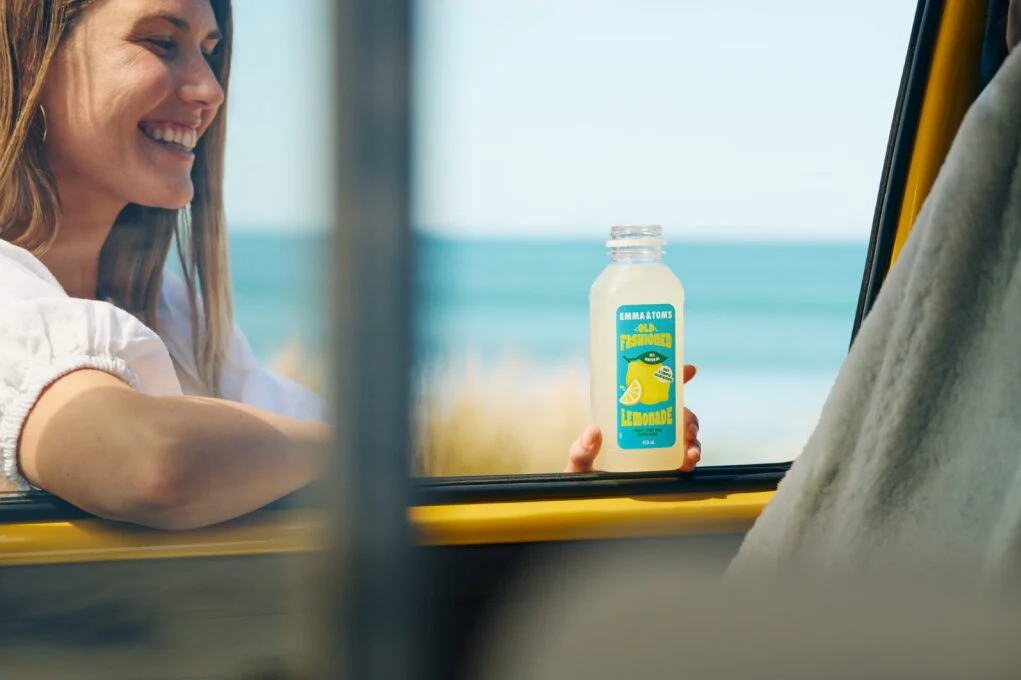
    Emma & Tom’s, the health-focused beverage company, has expanded its product offerings by launching the Old Fashioned Lemonades range in Australia and New Zealand. The newly introduced range includes Classic Lemon and Pink Lemonade flavors, and is now available for purchase at major supermarkets, independent retailers, cafes, and lunch bars across both nations.

    In addition to the new lemonade line, Emma & Tom’s have also revamped their Quencher product line by introducing the Light Lemonade range. This range, which is free from added cane sugar and sweetened with white grape juice, is available in Light Lemon and Light Pink varieties. Consumers can find these products on the shelves of Coles Group supermarkets.

    Emma & Tom’s was established two decades ago, centering its business on the philosophy of self-care. Their extensive range of products is health-oriented, while maintaining a strong commitment to social and environmental responsibility. Last year, the company was integrated into the food and beverage group, Soulfresh.

    Questions & Answers

    What new products has Emma & Tom’s launched?
    Emma & Tom’s has introduced the Old Fashioned Lemonades range and the Light Lemonade range to its beverage lineup.

    Where can the new products be purchased?
    The new lemonade ranges are available at major grocery stores, independent retailers, cafes, lunch bars, and at Coles Group supermarkets in Australia and New Zealand.

    What is the unique feature of the Light Lemonade range?
    The Light Lemonade range is free from added cane sugar and is sweetened with white grape juice, aligning with Emma & Tom’s health-oriented business philosophy.

  • French Luxury Chocolatier La Maison du Chocolat Expands Korean Presence with New Pop-Up in Seoul’s Lotte Department Store

    French Luxury Chocolatier La Maison du Chocolat Expands Korean Presence with New Pop-Up in Seoul’s Lotte Department Store

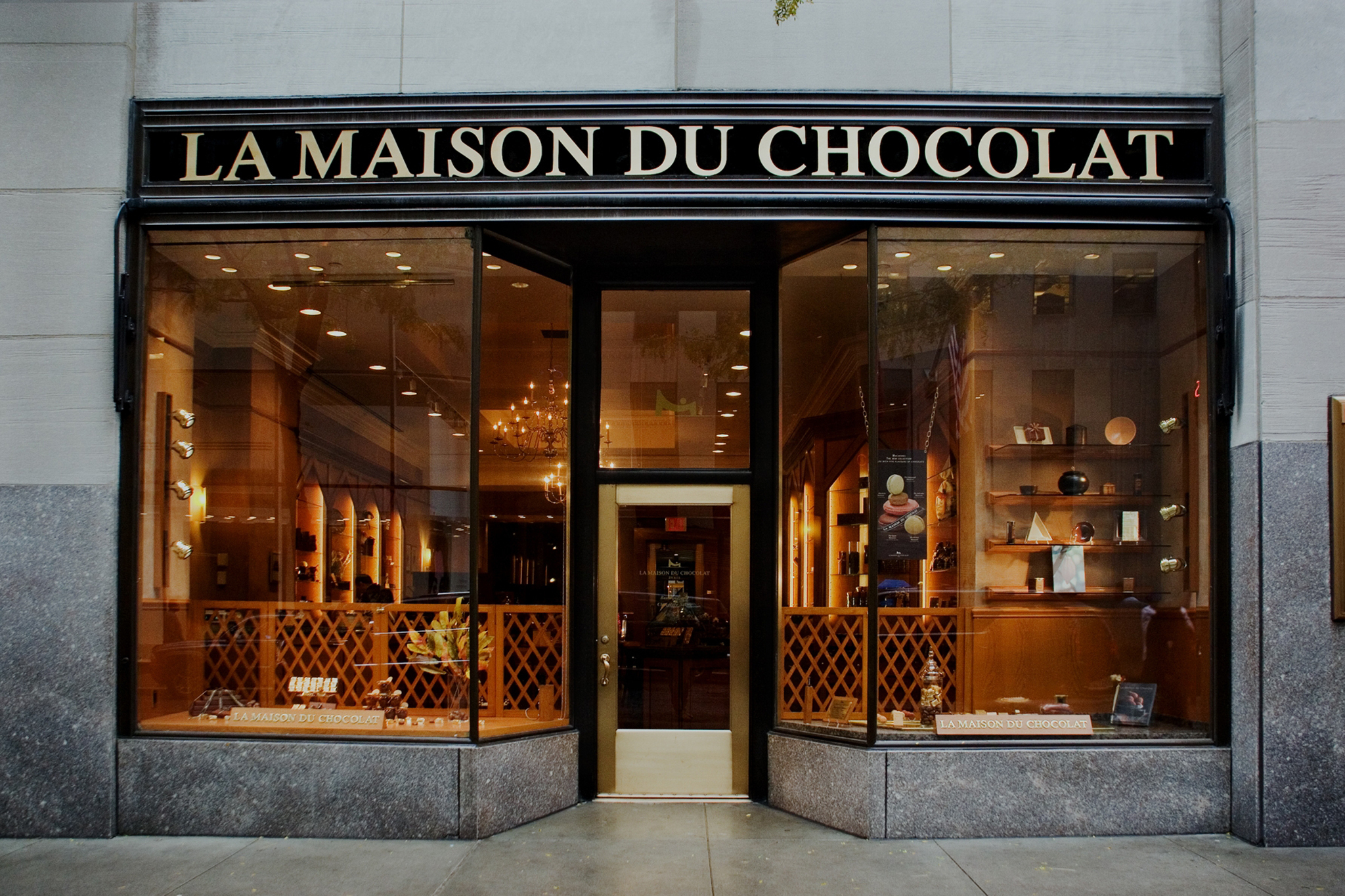
    La Maison du Chocolat, a renowned French luxury chocolatier, is expanding its presence in South Korea, launching a new pop-up boutique in the central Seoul location of the Lotte Department Store Main B1.

    Expanding Partnership with Bluebell Korea

    This latest venture is in cooperation with Bluebell Korea, a notable distributor recognized for handling an assortment of luxury and premium labels throughout the broader Asian region. The partnership serves to introduce La Maison du Chocolat’s revitalized branding and retail design to the Korean market, using the pop-up boutique as an experimental platform for potential future growth.

    Exquisite Chocolate Selection

    The temporary store will exhibit a curated selection of La Maison du Chocolat’s signature offerings. Their variety of products range from truffles, chocolate tablets, and macarons, to a host of seasonal creations, offering a tantalizing treat for all chocolate connoisseurs.

    Brand History

    Established in 1977 by chocolatier Robert Linxe, La Maison du Chocolat has since been spearheaded by Nicolas Cloiseau, who stepped into his role as creative director in 2011. The brand made its debut in the Korean market in 2015, opening a boutique in the main branch of Shinsegae Department Store situated in Sogong-dong.

    Questions & Answers

    Who is the current leader of La Maison du Chocolat?
    Nicolas Cloiseau has led La Maison du Chocolat as its creative director since 2011.

    When did the brand first enter the Korean market?
    The brand made its first foray into the Korean market with a boutique in Shinsegae Department Store’s main branch in Sogong-dong in 2015.

    What products does the new pop-up boutique in Seoul offer?
    The boutique offers a range of La Maison du Chocolat’s offerings, including truffles, chocolate tablets, macarons, and seasonal creations.

  • Vietnam Navigates Stormy Trade Seas, Eyes $11B Seafood Export Milestone Amid Global Demand Surge

    Vietnam Navigates Stormy Trade Seas, Eyes $11B Seafood Export Milestone Amid Global Demand Surge

    Vietnam’s seafood export industry is on track to hit its projected target of $11 billion this year, despite experiencing slower growth in exports to the U.S. due to increased tariffs. In the first 10 months of the year, exports witnessed a 15% year-on-year increase and reached a figure of $9.5 billion. This surge was primarily driven by shrimp exports, which contributed to more than 40% of the total exports, according to the Vietnam Association of Seafood Exporters and Producers (VASEP).

    U.S. Export Slowdown

    The third quarter saw a slow down in exports to the U.S., particularly in shrimp and pangasius, following the 20% tariff on seafood imports from Vietnam, which was implemented in August. However, this slump has not hampered overall growth.

    Emerging Markets and Opportunities

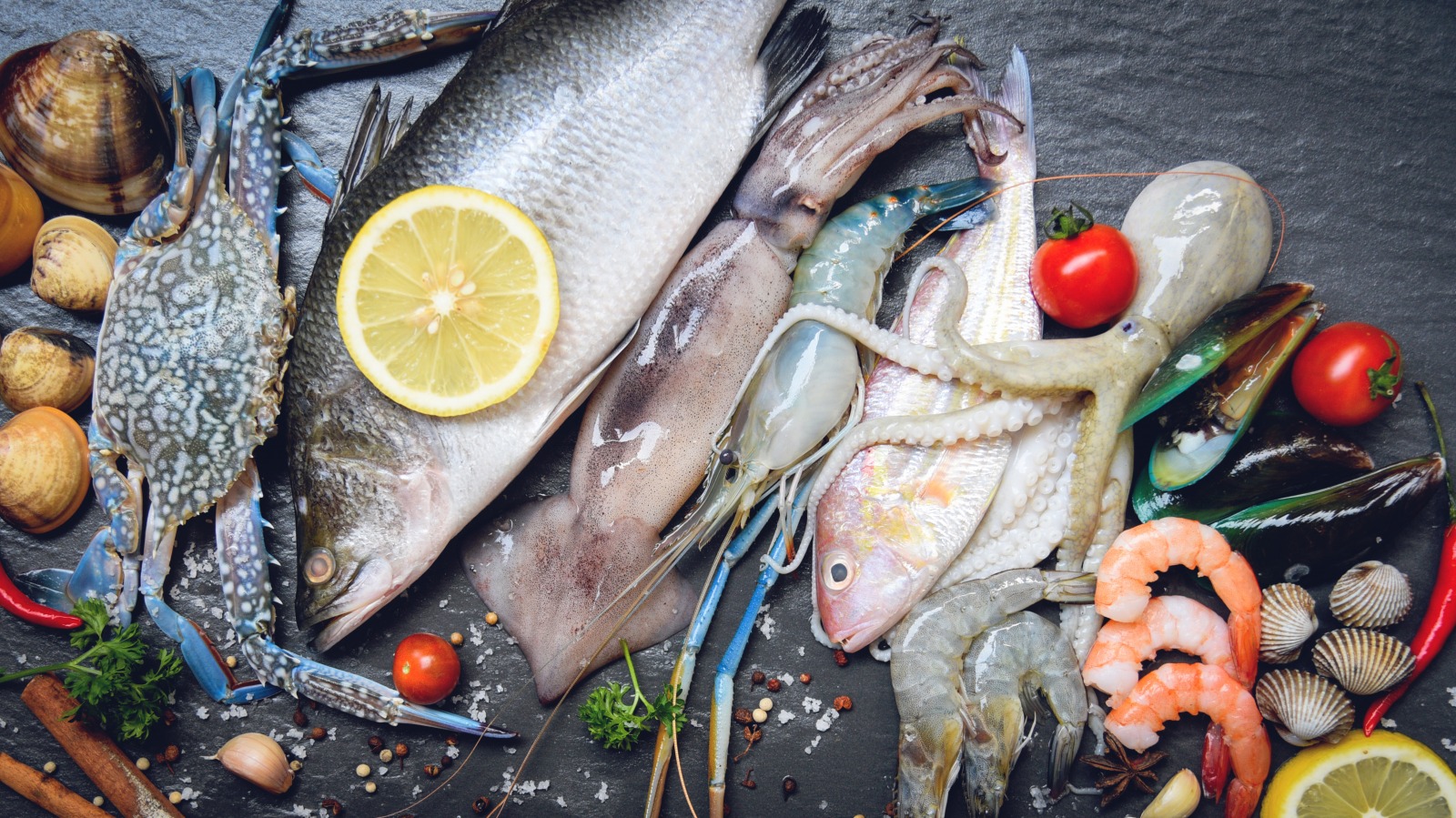
    Promising opportunities for export growth are emerging in other markets, particularly China. In the first 10 months of the year, China purchased over $2 billion worth of seafood from Vietnam, marking a significant increase of 32%. The main products exported to China include lobster, marine fish, and live crab, with demand consistently on the rise.

    Despite a weakening yen, exports to Japan also increased, witnessing a 15.2% rise to $1.4 billion. Other rapidly expanding markets include Canada and Australia.

    Challenges Ahead

    Despite the promising figures, VASEP has cautioned that the fisheries sector could encounter challenges in the coming year. The main concerns comprise the increased tariffs, potential impacts of the U.S. Marine Mammal Protection Act, and the likelihood of the E.U. maintaining its yellow card on Vietnam due to illegal, unreported, and unregulated fishing.

    The competition presented by India, Ecuador, and Indonesia is also expected to intensify in the near future, adding to the list of potential hurdles.

    Questions & Answers

    What factors have contributed to Vietnam’s seafood export growth this year?
    The main factors include a surge in shrimp exports and increasing demand from markets such as China, Japan, Canada, and Australia.

    What challenges could potentially impact the seafood export industry in Vietnam?
    Increased tariffs, potential ramifications from the U.S. Marine Mammal Protection Act, the likelihood of the E.U. continuing its yellow card on Vietnam for illegal fishing practices, and rising competition from India, Ecuador, and Indonesia could pose challenges.

    What is the projected seafood export target for Vietnam this year?
    Vietnam aims to achieve a seafood export target of $11 billion this year.

  • Vietnam Airlines Teams Up with Pizza 4P’s: Savour In-Flight Meals like Never Before!

    Vietnam Airlines Teams Up with Pizza 4P’s: Savour In-Flight Meals like Never Before!

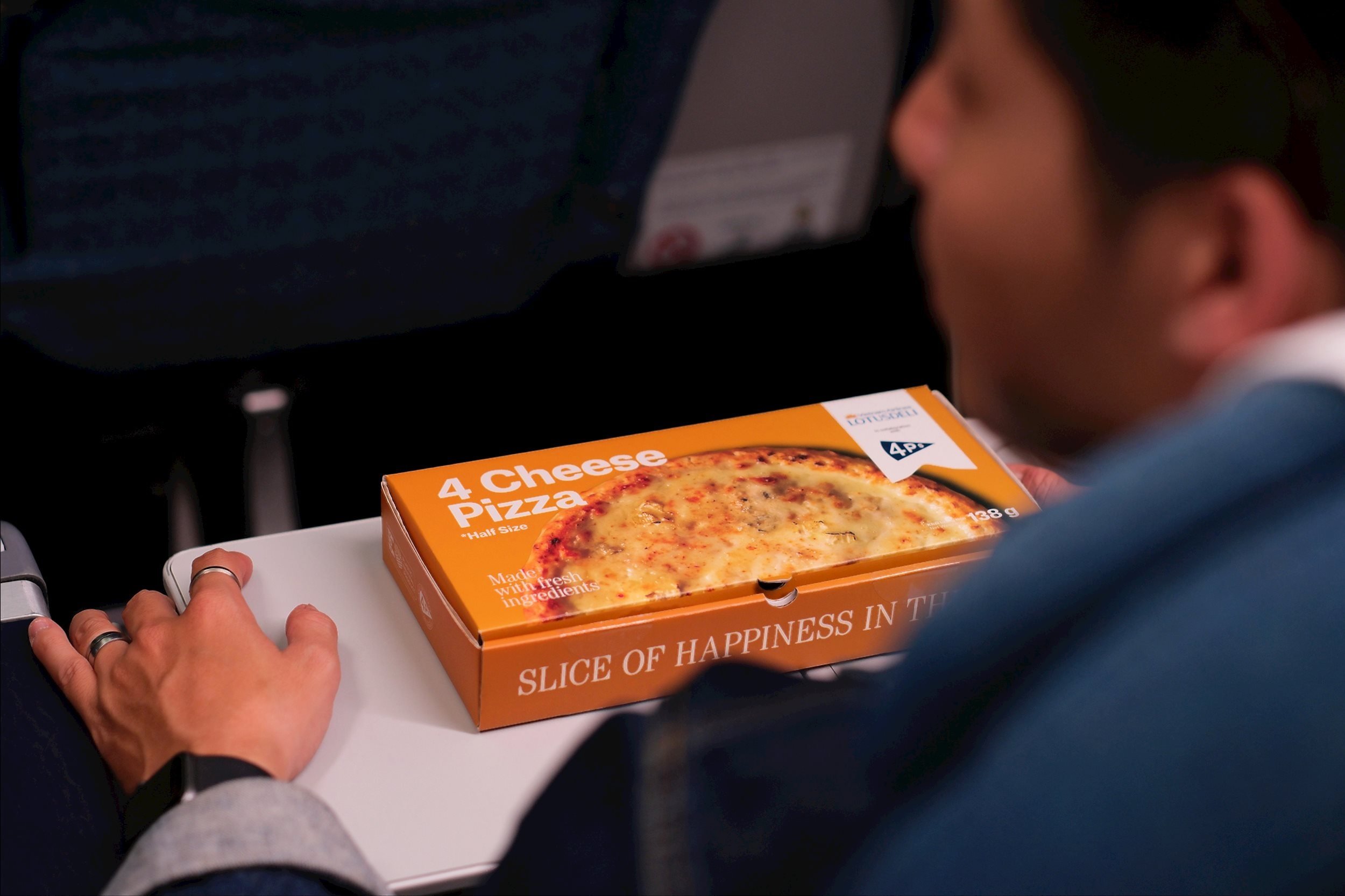
    Vietnam Airlines has recently introduced a new feature, offering meals sourced from the immensely popular Pizza 4P’s restaurant chain. The airline commenced the sale of these meals on Monday, on select domestic flights lasting 60 minutes or more and international flights that are a minimum of 90 minutes departing from Hanoi and HCMC, according to an official statement.

    Menu and Pricing

    Among the meal options available are Margherita and 4 cheeses, priced at VND119,000 dong (US$4.51) for half a standard pizza. However, potential customers are required to place their orders a minimum of 24 hours in advance, either via the airline’s official website or mobile app.

    Other airlines in Vietnam like Vietjet, Bamboo Airways, and Vietravel Airlines have already ventured into the sale of food and souvenirs on board their flights. In 2022, Vietnam Airlines also began selling milk tea on board, with prices set at VND49,000 per cup on domestic routes and VND100,000 on international flights.

    Shift Towards Personalized Offerings

    The initiative is part of Vietnam Airlines’ strategic shift towards offering more personalized, co-branded products that cater to the evolving needs of younger travelers, families, and international passengers.

    Pizza 4P’s, established in 2011 by Japanese duo Yosuke Masuko and Sanae Takasugi, is renowned for its pizza. Despite pizza being the main dish on its menu, the brand positions itself as a restaurant chain instead of a fast-food outlet. It now boasts 40 restaurants, with 35 locations in Vietnam and additional branches in Cambodia, Indonesia, Japan, and India.

    Questions & Answers

    What are the new meal options available on Vietnam Airlines?
    Vietnam Airlines has introduced meals from the popular Pizza 4P’s restaurant chain, including Margherita and 4 cheeses options.

    How can customers purchase these meals on Vietnam Airlines?
    Customers are required to place their orders a minimum of 24 hours in advance, either through the official website or mobile app of Vietnam Airlines.

    What is the goal of Vietnam Airlines in introducing these new meal options?
    Introducing meals from Pizza 4P’s is part of Vietnam Airlines’ strategic shift towards offering more personalized, co-branded products to cater to the evolving needs of younger travelers, families, and international passengers.

  • Packamama Lands $1M Grant to Revolutionize Wine Industry with Low-Carbon, Recyclable Bottles

    Packamama Lands $1M Grant to Revolutionize Wine Industry with Low-Carbon, Recyclable Bottles

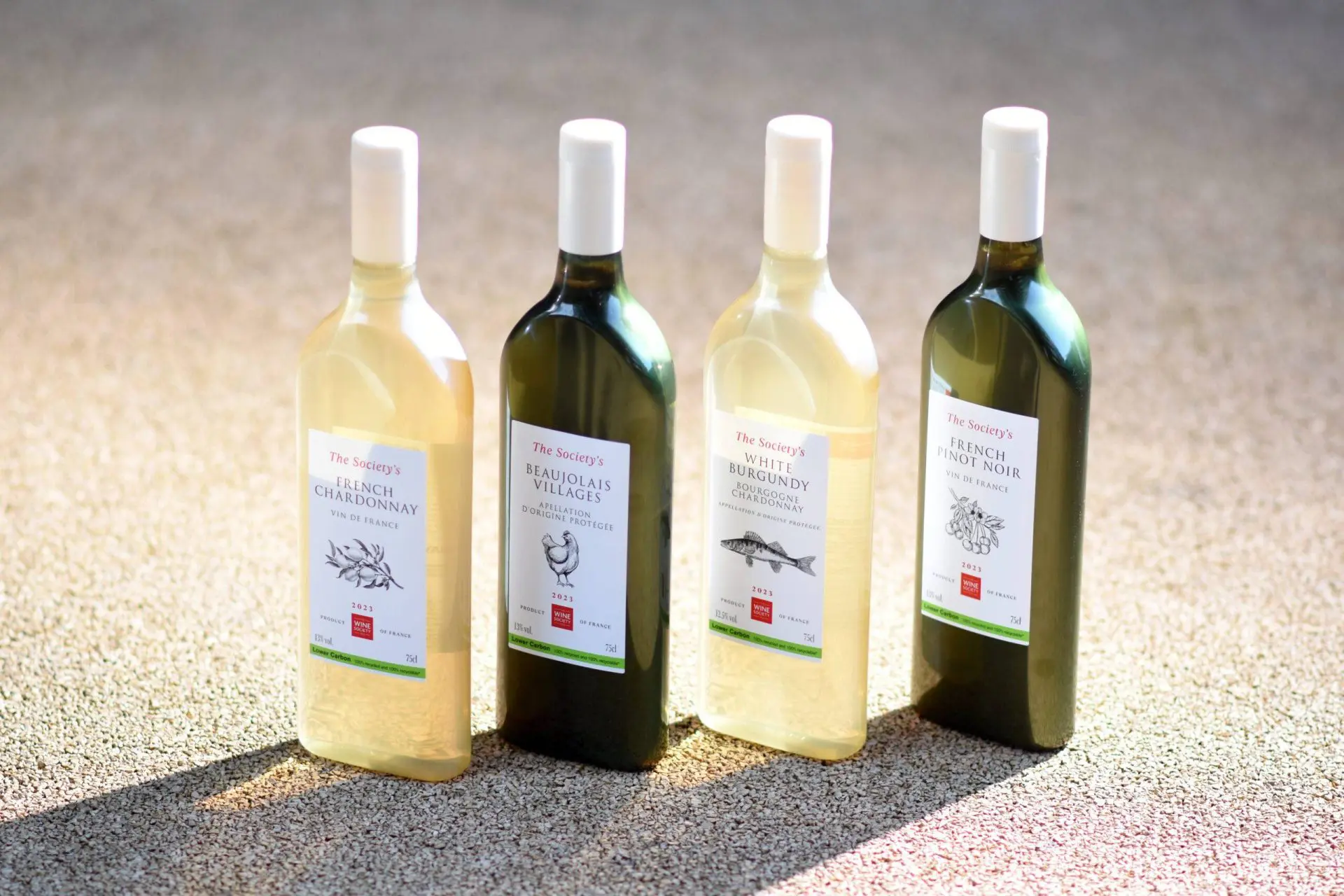
    Packamama, a leading innovator in packaging, has secured a government grant totaling $1 million. The funds will bolster their efforts to develop and perfect an advanced circular polymer wine bottle. This product promises to reduce carbon emissions without negatively affecting the quality of the wine it holds.

    Earlier Funding and Research

    The substantial funding follows an initial $100,000 feasibility grant provided by the Business Research and Innovation Initiative (BRII). The initial grant supported Packamama’s preliminary study, which effectively demonstrated the technical viability of the project, along with impressive potential for emissions savings.

    Packamama’s bottles underwent independent life cycle analyses, which confirmed the impressive reduction in carbon emissions. The findings showed that emissions were cut by over 50% when compared to conventional glass bottles. In addition to being environmentally friendly, the bottles are lighter, shatterproof, and fully recyclable using existing systems.

    Recognition and Future Plans

    As one of only two proof-of-concept recipients amongst a group of six participants in the Alternative Packaging for Australian Wine challenge, Packamama views the grant as a powerful affirmation of its vision. The company is driven to engage consumers and make the wine industry more sustainable through forward-thinking design and technology.

    Over the forthcoming 18 months, Packamama will move forward with validating its innovative bottle design. This will involve material trials, recyclability testing, and consumer research.

    The company is also investigating opportunities for retail collaborations both domestically and in the UK. These efforts will build on existing relationships with major retailers like Coles, Tesco, and Aldi.

    Comments from the CEO

    Packamama’s CEO and founder, Santiago Navarro, expressed his excitement and motivation at being chosen by the Australian Government and Wine Australia to spearhead the industry’s transition to more sustainable packaging.

    He stated, “This shows that innovation in materials, design, and technology can preserve both wine and the environment. Together, we can transition the wine bottle from being part of the problem to being part of the climate solution.”

    Questions & Answers

    What is Packamama’s mission?
    Packamama aims to excite consumers and decarbonize the wine industry through innovative design and technology.

    What makes Packamama’s bottles environmentally friendly?
    Packamama’s bottles significantly reduce carbon emissions compared to traditional glass bottles. They are also lighter, shatterproof, and fully recyclable using existing systems.

    What are the company’s next steps?
    Packamama plans to validate its innovative bottle design through material trials, recyclability testing, and consumer research. They are also exploring possibilities for retail collaborations locally and in the UK.

  • Global frozen potato brand Lamb Weston brings crispy fries to Singapore

    Global frozen potato brand Lamb Weston brings crispy fries to Singapore

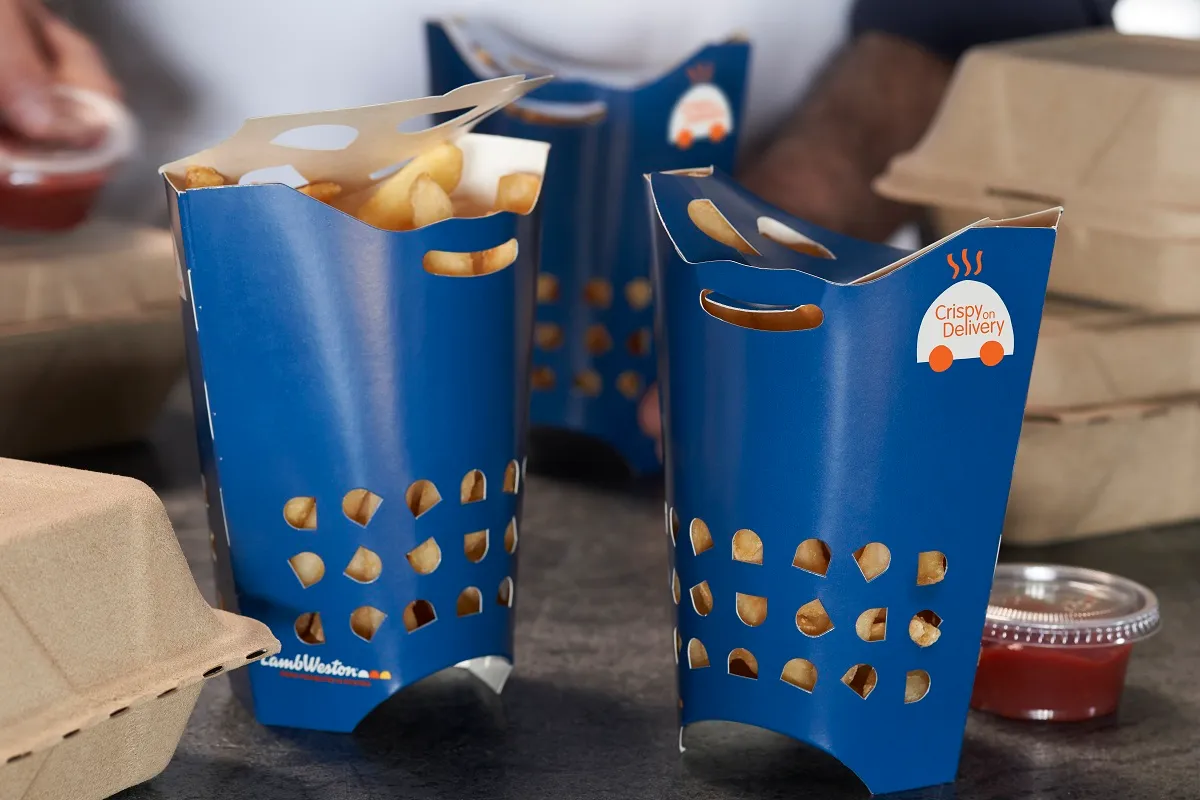
    Lamb Weston, a global leader in frozen potato products, celebrates its 75th anniversary by launching its retail range in Singapore, marking the brand’s first retail entry into Southeast Asia. Starting this month, Singapore consumers can now enjoy Lamb Weston’s restaurant-quality fries at home, available exclusively at FairPrice, FairPrice Xtra, and FairPrice Finest outlets.

    Founded in 1950 by Gilbert Lamb on a small farm in Weston, in the Pacific Northwest of the United States, Lamb Weston has grown into one of the world’s largest frozen potato companies and a trusted partner for restaurants worldwide. Over the decades, the company has led the industry in innovation – from inventing the water gun knife (an innovative potato cutting technology), in the 1960s to pioneering its proprietary Stealth™ batter coating and developing a variety of unique fry cuts enjoyed by consumers globally.

    Four signature fries now in Singapore

    The new retail range brings four distinct fry styles to Singapore, each designed to deliver crispy perfection every time:

    1. Original Fries: Classic skin-on cut for a rustic, hand-cut appeal and authentic potato flavor
    2. Grill Fries: Bold crinkle grooves seasoned with salt and pepper for a crunchy exterior and fluffy interior
    3. Ziggy Fries: Signature zig-zag cut with deep ridges for unbeatable crispiness
    4. Potato Dippers: Unique scoop-shaped fries perfect for dipping, sharing, and adding fun to any meal

    Each fry is coated with Lamb Weston’s exclusive Stealth™ batter, an invisible, innovative coating that locks in crispiness for up to twice as long as regular fries – whether cooked in the oven or air fryer. All products are Halal-certified, vegan, and gluten-free, catering to diverse dietary preferences.

    Sustainability at the core

    Lamb Weston goes beyond product innovation with its sustainable packaging. The new retail packs are 20% thinner and contain at least 60% bio-renewable polyethylene made from used cooking oil, cutting their carbon footprint by around 30% compared to conventional packaging. This initiative supports the company’s global sustainability targets to halve food waste and reduce carbon emissions by 25% by 2033.

    Exclusive launch offers

    To celebrate its debut, Lamb Weston fries are available at a special introductory price of SGD 6.15 (usual price SGD 6.65) for a limited time at FairPrice stores across Singapore.

    From 22 November, weekend sampling roadshows will be held at select FairPrice locations, where shoppers can taste the new fries and redeem a free Lamb Weston Fry Clip Fridge Magnet – a fun and practical food sealer shaped like a fry – with any two-pack purchase in a single transaction. Redemptions are available only during sampling events and while stocks last.

  • Coca-Cola Vietnam’s $31M Tax Challenge Shaken: Legal Appeal Loses Fizz

    Coca-Cola Vietnam’s $31M Tax Challenge Shaken: Legal Appeal Loses Fizz

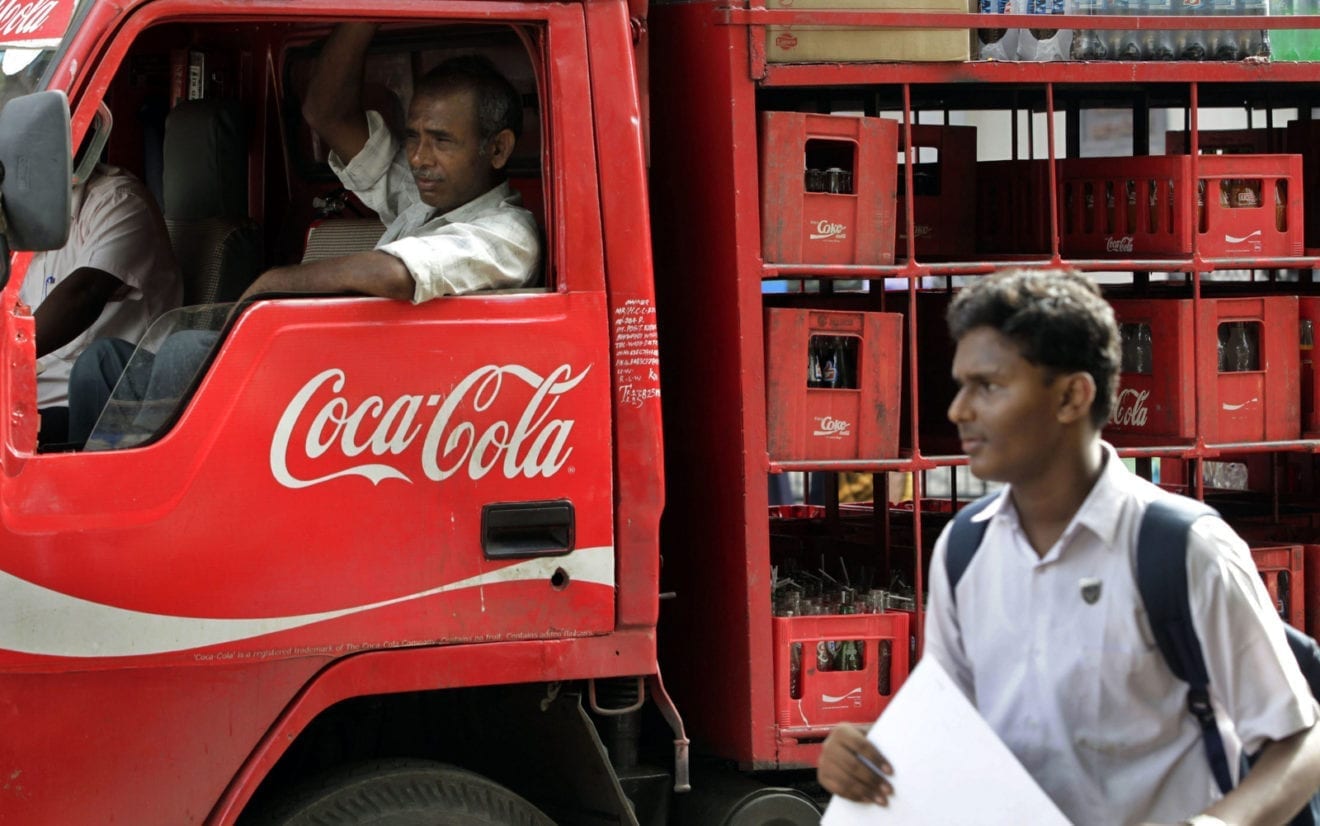
    Despite its efforts to dispute a tax claim, Coca-Cola Vietnam has been ordered to pay VND821 billion ($31.1 million) in back taxes and penalties after losing a lawsuit. The lawsuit was dismissed by the HCMC People’s Court last Thursday. This judgment upholds the decision made by the General Department of Taxation on December 25, 2019.

    Incorrect Tax Filings

    The tax authorities began to question Coca-Cola Vietnam’s tax filings for the business period from 2007 to 2015. Subsequent investigations revealed that the company had made errors in its filings, leading to an order for it to pay VND471 billion in back taxes and VND288 billion as a penalty for late payment.

    In court documents, the tax department revealed that Coca-Cola Vietnam had consistently reported losses from 1994 to 2015, resulting in no payment of business income taxes for those years, excluding 2015 when it paid VND115 billion. However, a contrary trend was noticeable in its net revenues, which consistently rose during this period. The company’s net revenues had reached VND197 billion in 2001, VND1.13 trillion in 2008, and VND6.82 trillion in 2015.

    Audit Results and Legal Disputes

    An audit of Coca-Cola Vietnam’s tax filings for the years 2016-2017 was conducted by the tax authorities. The audit, which concluded in December 2019, found incorrect filings, leading to the company’s underpayment of taxes. Coca-Cola Vietnam lodged a complaint in 2020, requesting the removal of part of the order, but this was dismissed by the tax department. Consequently, the company initiated a lawsuit in 2022.

    During the lawsuit, Coca-Cola Vietnam acknowledged disagreements with some of the tax authorities’ conclusions but was unable to provide sufficient evidence to support its case. The tax department maintained that its audit and decisions were in accordance with the law, a position which the court validated.

    Despite the dismissal of its appeal, Coca-Cola Vietnam stated that it respects the court’s procedures and judgement, reiterating its commitment to full compliance with tax regulations. The company is currently contemplating its subsequent moves.

    Coca-Cola’s History in Vietnam

    Coca-Cola made its entry into the Vietnam market in 1994, becoming one of the first U.S. companies to invest in the country after diplomatic relations were normalized. In more recent years, the company invested $136 million to establish a new factory in the southeastern province of Tay Ninh, indicating its continued intent to contribute to Vietnam’s development.

    Questions & Answers

    What was the outcome of Coca-Cola Vietnam’s lawsuit?
    The company’s lawsuit was dismissed, and it was ordered to pay VND821 billion ($31.1 million) in back taxes and penalties.

    What accounting discrepancies were found by the tax authorities?
    The tax authorities found that Coca-Cola Vietnam had been reporting losses consistently from 1994 to 2015, resulting in no payment of business income taxes for those years, except for 2015. However, the company’s net revenues had been steadily rising during this same period.

    How has Coca-Cola reacted to the court’s decision?
    Coca-Cola Vietnam has expressed respect for the court’s procedures and judgement. The company maintains that it has always fully complied with tax regulations and is considering its next course of action.

  • Unlocking New Trade Horizons: Vietnam’s Fresh Jackfruit Wins Approval for Export to China

    Unlocking New Trade Horizons: Vietnam’s Fresh Jackfruit Wins Approval for Export to China

    Vietnam has received approval to export their fresh jackfruits directly to China, following a protocol agreement between the two nations’ respective agricultural authorities.

    Significant Trade Agreement

    The protocol was established during a business meeting involving Tran Duc Thang, Vietnam’s Minister of Agriculture and Environment, and Zhao Zenglian, the Deputy Director of the General Administration of Customs of China. This accord signifies a noteworthy advancement in the bilateral agricultural commerce, adding to this year’s series of protocols encompassing chili, passion fruit, rice bran, and raw swiftlet nests.

    China’s General Administration of Customs (GACC) has underlined its commitment to opening its markets to premium Vietnamese agricultural products. Simultaneously, Vietnam reiterated its focus on augmenting collaboration in the agriculture and environment sector.

    Fresh Jackfruit Trade

    With this protocol, fresh jackfruit will be standardized, minimizing trade risks and aligning with stringent quality standards. This regulation supports the proliferation of jackfruit cultivation under Good Agricultural Practices (GAP). This progression is anticipated to amplify value-added production and improve farmers’ earnings.

    As per the Vietnamese Ministry of Agriculture, the nation’s fruit and vegetable exports reached an impressive nearly $7.1 billion during the initial 10 months of 2025. This denotes a growth of 15.1% compared to the previous year, with China absorbing 62.9% of these shipments.

    The fresh jackfruit export protocol looks set to bolster this growth further. It is hoped that this new agreement will help the sector achieve its export goal of $8.5 billion for the entire year.

    Questions & Answers

    What is the significance of this fresh jackfruit protocol between Vietnam and China?
    This protocol signifies a noteworthy advancement in the bilateral agricultural commerce between the two nations, potentially leading to an increase in the value-added production and earnings of Vietnamese farmers.

    What does the standardization of fresh jackfruit entail?
    The standardization of fresh jackfruit will minimize trade risks, align with stringent quality standards, and support the proliferation of jackfruit cultivation under Good Agricultural Practices (GAP).

    How much did Vietnam’s fruit and vegetable exports reach in the first 10 months of 2025?
    Vietnam’s fruit and vegetable exports reached nearly $7.1 billion during the initial 10 months of 2025, marking a growth of 15.1% compared to the previous year.

  • Michelin-Starred Terra Tokyo Italian Announces Closure Amid Market Challenges: A Decade-Long Journey Ends in December

    Michelin-Starred Terra Tokyo Italian Announces Closure Amid Market Challenges: A Decade-Long Journey Ends in December

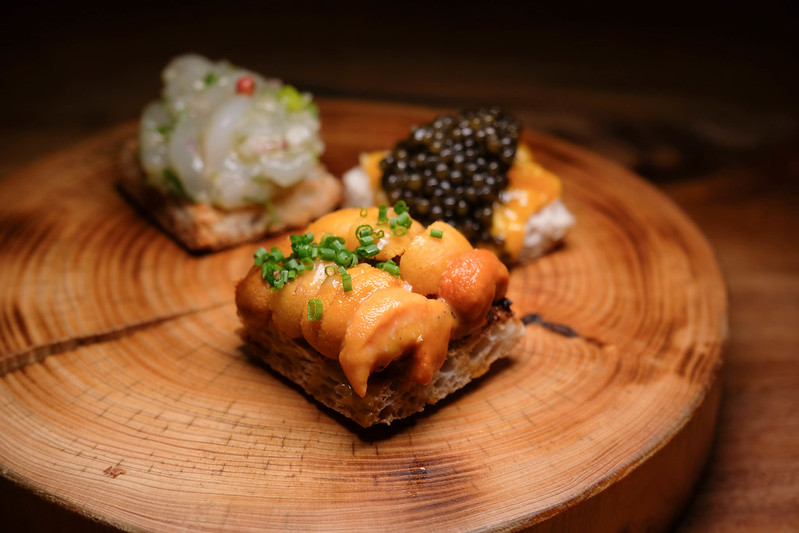
    Terra Tokyo Italian, a unique fusion of Japanese and Italian dining in Singapore, has announced it will be saying farewell this coming December. The Michelin-star restaurant broadcasted the disheartening news in an Instagram post earlier this week, stating that its final day of service will be December 20, 2025.

    A Fond Farewell

    The restaurant’s statement expressed a heartfelt goodbye, reminiscing over its journey that was marked by shared meals, warm conversations, celebrations, and memorable moments. It extended gratitude to its loyal patrons who have shaped the establishment over the past decade.

    “We are deeply grateful for the decade we have spent together. Your trust, your smiles, your support has meant everything to us. We hope to spend these remaining days together, just as we have done for the past ten years. We welcome you wholeheartedly until our very last service,” the statement said.

    Reason For Closure

    The restaurant attributed its impending closure to the challenges imposed by the current market conditions.

    Terra Tokyo Italian was originally established as an omakase-style restaurant by Japanese chef Seita Nakahara, who later left the establishment in 2023. It first earned a Michelin star in 2016, lost it the subsequent year, but managed to reclaim it from 2019 through 2024. Despite losing its star this year, the restaurant still remains a Michelin-selected establishment for its quality.

    Other Closures and Changes

    Terra Tokyo Italian is not alone, as eight other one-star Michelin restaurants also closed their doors between 2024 and now. Several other establishments that managed to retain their stars have also ceased operations or announced their closures, including restaurants like Alma by Juan Amador, Restaurant Euphoria, and Esora.

    In addition, other Michelin-starred restaurants are undergoing changes. For instance, Sushi Sakuta, a two-star restaurant, is moving from the Capitol Kempinski Hotel Singapore to Millenia Walk this month, while three-star French restaurant Odette is currently undergoing renovations and is set to reopen next month.

    The broader food and beverage industry in Singapore is also experiencing significant closures. Last year saw the closure of some 3,047 eateries, the highest figure in last two decades. The first ten months of this year already witnessed 2,431 closures, 63% of which did not last more than five years.

    Questions & Answers

    When will Terra Tokyo Italian close its doors?
    The restaurant plans to cease operations on December 20, 2025.

    What has been the impact of current market conditions on the restaurant scene in Singapore?
    The food and beverage industry in Singapore has seen a significant number of closures due to market conditions. In the past year, over 3,000 eateries have shut down, marking the highest closure rate in two decades.

    How has the Michelin Guide impacted Terra Tokyo Italian?
    The restaurant first earned a Michelin star in 2016, lost it the following year, but reclaimed it from 2019 to 2024. Despite losing its star in 2025, the restaurant still remains a Michelin-recognized establishment for its quality.

  • Starbucks Joins the Nespresso Vertuo Family: First-Ever Capsules Hit the Market

    Starbucks Joins the Nespresso Vertuo Family: First-Ever Capsules Hit the Market

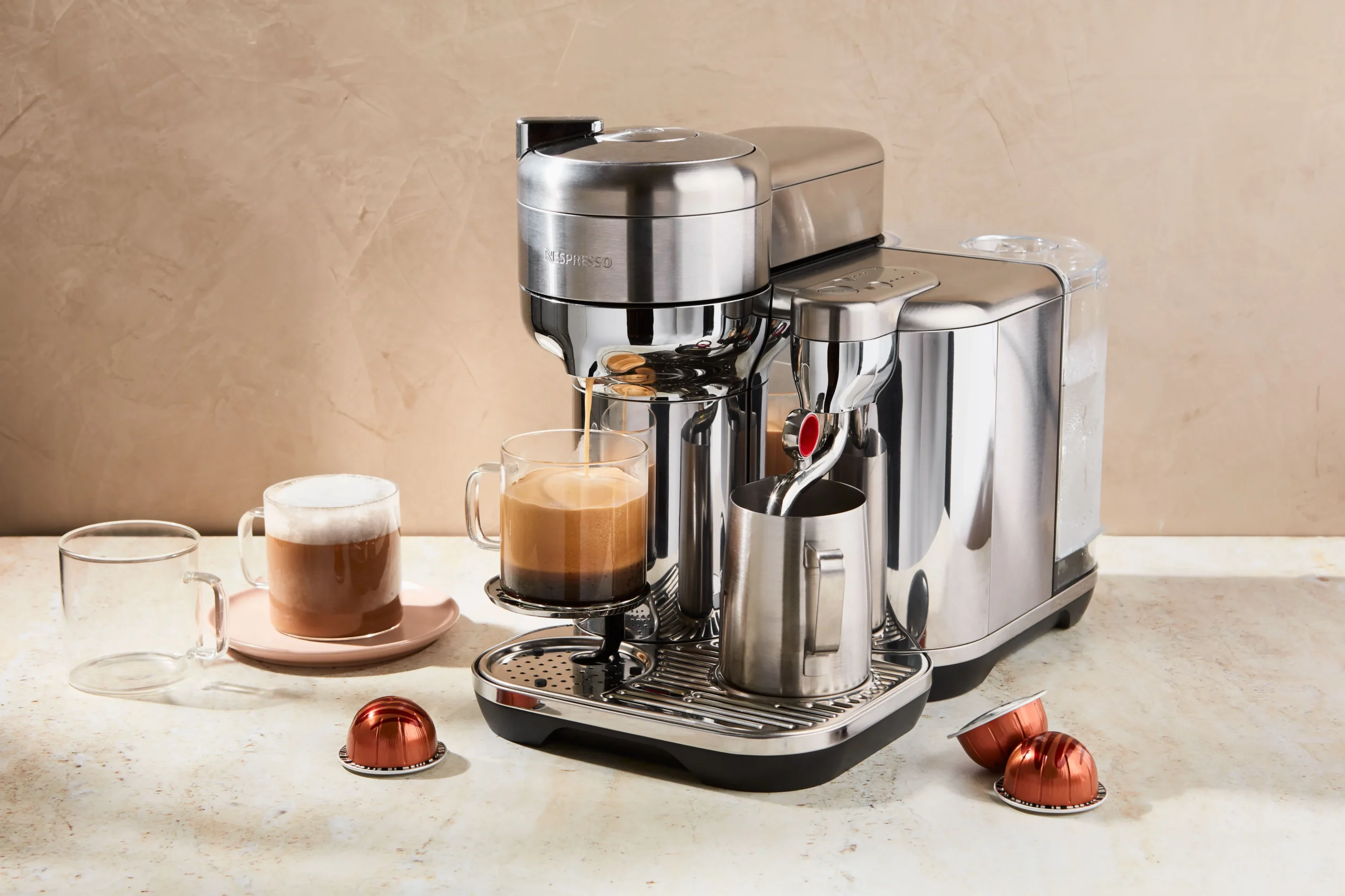
    Nespresso has unveiled an expansion to its Vertuo range which now includes Starbucks coffee capsules. This marks a pivotal moment as it is the first instance of Starbucks’ blends being incorporated into the Vertuo system.

    The new additions to the lineup consist of Espresso Roast and Blonde Espresso Roast, each prepared for 40ml espresso servings. Additionally, 230ml mug formats will now include Caffe Verona, Pike Place Roast, and Single-Origin Colombia. These expansions aim at offering customers an opportunity to explore a more diverse variety of coffee blends.

    Stefan Vermeulen, the Managing Director of Nespresso ANZ, emphasized the significance of the partnership. He mentioned that this collaboration further strengthens Vertuo’s commitment to variety and versatility. The Vertuo system, according to Vermeulen, is designed to promote coffee exploration as it offers a broad array of coffee blends.

    Moreover, the system’s ability to produce multiple types of beverages from a single capsule adds to its appeal. The inclusion of popular Starbucks blends into the range not only widens the options for customers but also facilitates their access to a globally recognized, cafe-style experience.

    The latest Nespresso and Starbucks collaboration in the form of Vertuo capsules will be accessible to customers online as well as in Nespresso boutiques.

    Questions & Answers

    What is the new addition to Nespresso’s Vertuo range?
    The new addition to Nespresso’s Vertuo range includes Starbucks coffee capsules, marking the first time Starbucks’ blends have been made available for the system.

    What types of roasts have been added to the lineup?
    The new roasts added to the lineup include Espresso Roast and Blonde Espresso Roast for 40ml espresso servings, and for 230ml mug formats, Caffe Verona, Pike Place Roast and Single-Origin Colombia have been added.

    Where will the new Nespresso x Starbucks Vertuo capsules be available?
    The new Nespresso x Starbucks Vertuo capsules will be available for purchase online and in Nespresso boutiques.

  • Heinz Unveils Squeezable Leftover Gravy: The Secret Sauce to Level Up Your Thanksgiving Leftovers

    Heinz Unveils Squeezable Leftover Gravy: The Secret Sauce to Level Up Your Thanksgiving Leftovers

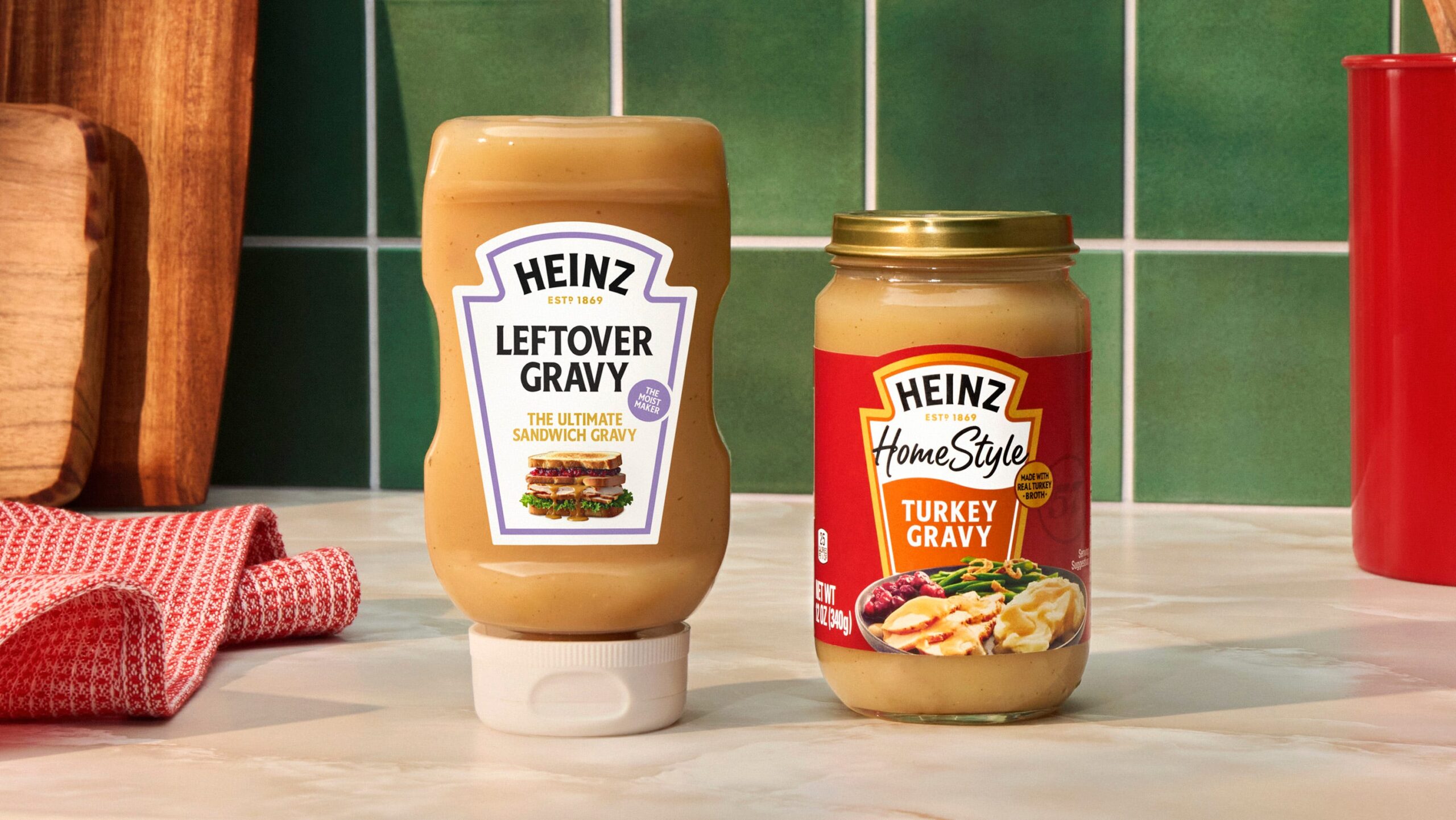
    Heinz, the renowned food processing company, has recently unveiled its Leftover Gravy, marking the debut of Homestyle Turkey Gravy in a squeezable format, a first-of-its-kind initiative ideal for enhancing Thanksgiving leftovers.

    During the protracted Thanksgiving celebrations, it is estimated that 94% of Americans craft sandwiches from their leftovers. Half of these sandwich makers regard gravy as a vital ingredient. With these statistics in mind, Heinz Leftover Gravy was conceived. The product takes its cue from the iconic “Moist Maker” sandwich, popularized by a much-loved sitcom from the 1990s, and serves as the perfect addition to next-day sandwiches.

    Jamie Mack, Associate Director of Brand Communications for Heinz US, shed light on the company’s decision to create this innovative product. “Although Heinz Gravy has been a longstanding crowd-pleaser at Thanksgiving feasts, we chose to shift our focus towards the day-after custom – given that leftovers are typically seen as the highlight, and our distinctively rich and creamy gravy only enhances the experience,” Mack explained.

    Heinz’s Leftover Gravy has been well-received on social media, particularly among millennial fans of the sitcom that inspired its creation. The “Moist Maker” sandwich symbolizes the meticulous and heartfelt preparation associated with holiday meals. Heinz is now paying tribute to those enthusiasts who harbor an inexplicable affection for this nostalgic sandwich, offering them the secret to a tasteful day-after sandwich – Heinz Leftover Gravy.

    The introduction of this product aligns seamlessly with Heinz’s ongoing emphasis on gravy during the high-demand holiday season. The company aims to appeal to millennial consumers, a demographic known for reshaping Thanksgiving traditions.

    Questions & Answers

    What is Heinz’s new product?
    Heinz has introduced Leftover Gravy, a squeezable version of Homestyle Turkey Gravy, designed to enhance Thanksgiving leftovers.

    What inspired the creation of Heinz Leftover Gravy?
    The product was inspired by the “Moist Maker” sandwich from a popular ’90s sitcom. It caters to the fact that 94% of Americans use their Thanksgiving leftovers to make sandwiches, with half of them considering gravy a crucial component.

    Who is the target demographic for Heinz Leftover Gravy?
    Heinz Leftover Gravy is aimed at millennial consumers, particularly those who are known to redefine traditional Thanksgiving celebrations.