Retail News CRM

Category: Food

Retail News Asia is committed to providing both local and global retailers with the latest Food and Food & Beverage news throughout the Asian market. This on a daily base.

  • McDonald’s Malaysia Invests $250M in Expansion: 100 New Franchises and Tech Upgrades Projected

    McDonald’s Malaysia Invests $250M in Expansion: 100 New Franchises and Tech Upgrades Projected

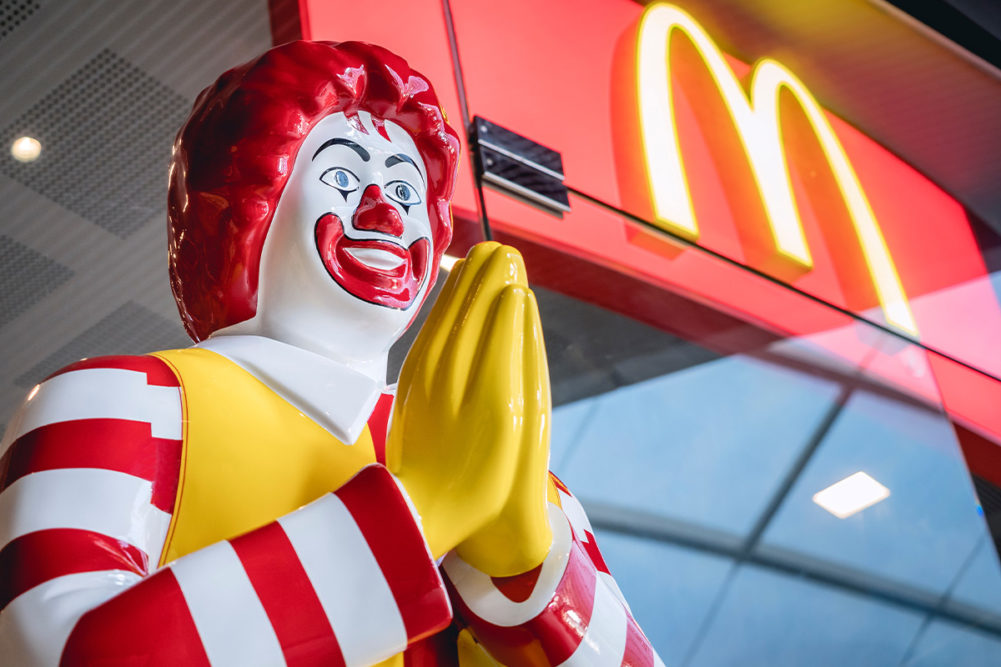
    McDonald’s Malaysia has announced its ambitious plans to invest RM1 billion (US$255 million) in the expansion and modernization of its operations over the coming years. This investment will encompass the opening of new stores, refurbishment of established outlets, and substantial technology enhancements.

    Investment Breakdown

    The company’s Managing Director and local operating partner, Datuk Azmir Jaafar, has provided a detailed breakdown of this substantial investment. Around RM600 million will be allocated to the establishment of new McDonald’s locations. A further RM200 million will be devoted to the refurbishment and modernization of existing stores. Finally, an equivalent amount of RM200 million will be spent on technological upgrades and digitalization efforts.

    New Beginnings

    Jaafar unveiled these future plans during a press conference held to mark the reopening of McDonald’s Titiwangsa Drive-Thru, located at Jalan Pahang. This location holds historical significance as the first McDonald’s drive-thru restaurant in Malaysia.

    Strategic Expansion

    Further outlining the operational strategy, Jaafar stated that the company aims to fortify its presence in Sabah and Sarawak, as well as across Peninsular Malaysia. Special emphasis will be placed on areas with high demand and those driven by the tourism industry.

    McDonald’s, as a quick-service restaurant operator, currently operates a network of over 370 restaurants nationwide. This includes 25 franchise outlets run by 11 franchisees.

    Goals for Growth

    Looking ahead, McDonald’s Malaysia aims to increase its number of franchise locations to between 70 and 100 in the next five to ten years. This expansion is forecasted to yield over 10,000 new employment opportunities, adhering to the company’s commitment of 100% local hiring.

    Jaafar also shed light on the franchise model, stating that franchising demands a significant investment in the range of RM5 million to RM7 million per restaurant. However, he also highlighted a promising return on investment as the payback period usually spans between three to five years.

    Questions & Answers

    What is McDonald’s Malaysia’s investment plan?
    Their plan involves an investment of RM1 billion (US$255 million) in opening new stores, refurbishing existing ones, and upgrading technology.

    Where does McDonald’s Malaysia plan to expand?
    The company intends to strengthen its presence in high-demand areas and tourism-driven locations across Sabah, Sarawak, and Peninsular Malaysia.

    What is the company’s franchising model?
    McDonald’s Malaysia’s franchising model requires a significant investment of about RM5 million to RM7 million per restaurant, with a typical payback period of three to five years.

  • McDonald’s Malaysia Unveils $254M Expansion: 100 New Restaurants, Digital Boost, and 10,000 Jobs on the Horizon

    McDonald’s Malaysia Unveils $254M Expansion: 100 New Restaurants, Digital Boost, and 10,000 Jobs on the Horizon

    McDonald’s Malaysia has announced an aggressive expansion plan that involves an investment of RM1 billion (approximately $254 million) over the next five years. The investment will be used to open 100 new outlets, revamp existing restaurants, and enhance the company’s digital capabilities.

    Allocation of Funds and Expansion Strategy

    Datuk Azmir Jaafar, Managing Director and Local Operating Partner, shared that a majority of the investment, around 60%, will be used for the launch of new restaurants. 20% of the funds will be directed towards the modernization of over 150 existing branches of McDonald’s in Malaysia. The remaining 20% will be invested in technology and digitalization initiatives.

    The expansion plan was revealed during a press conference following the reopening of the first McDonald’s drive-thru outlet in the country, located at Jalan Pahang, Titiwangsa. Jaafar expressed the company’s intention to broaden its reach in Sabah, Sarawak, and throughout Peninsular Malaysia, with a specific focus on areas with high demand and those popular among tourists.

    Jaafar explained, “There is considerable growth potential in Sabah and Sarawak, as these regions have many towns that are yet to house a McDonald’s outlet. We also aim to expand in the Klang Valley and in other high-growth locations within Peninsular Malaysia.”

    Building a Strong Franchise Network

    Additionally, McDonald’s Malaysia intends to enhance its franchise network. Currently, 11 franchisees nationwide operate 25 outlets. The goal is to establish between 70 and 100 restaurants within the next five to ten years.

    Jaafar underscored the promising return on investment in franchising. “A substantial investment of about MYR5 million to MYR7 million is needed per restaurant. The payback period is typically three to five years, indicating a healthy return,” he stated.

    Job Creation and Operational Efficiency

    This ambitious expansion is expected to generate over 10,000 new job opportunities for locals, in line with McDonald’s Malaysia’s hiring policy of employing only local workers.

    Despite a challenging business environment, the quick-service restaurant chain has already witnessed a 26% year-on-year growth in 2025, operating more than 370 outlets across the country.

    Jaafar stressed the importance of operational efficiency to maintain competitive menu prices. “In 2025, our menu price increase was about half of Malaysia’s inflation rate. This was due to continuous improvements in supply chain efficiency and restaurant operations,” he elaborated.

    After being a part of the Malaysian landscape for 43 years, McDonald’s Malaysia continues to contribute towards nation-building. The company aims to do so by creating jobs, providing skills training, supporting local suppliers, and getting involved in community activities.

    Questions & Answers

    What is the investment plan of McDonald’s Malaysia?
    McDonald’s Malaysia plans to invest RM1 billion over the next five years to open 100 new restaurants, upgrade existing outlets, and enhance its digital capabilities.

    How does McDonald’s Malaysia plan to allocate the investment funds?
    60% of the funds will be used to open new restaurants, 20% will be allocated towards the modernization of existing branches, and the remaining 20% will be invested in technology and digitalization initiatives.

    What is McDonald’s Malaysia’s franchising plan?
    McDonald’s Malaysia aims to expand its franchise network from the current 25 outlets run by 11 franchisees nationwide to between 70 and 100 restaurants over the next five to ten years.

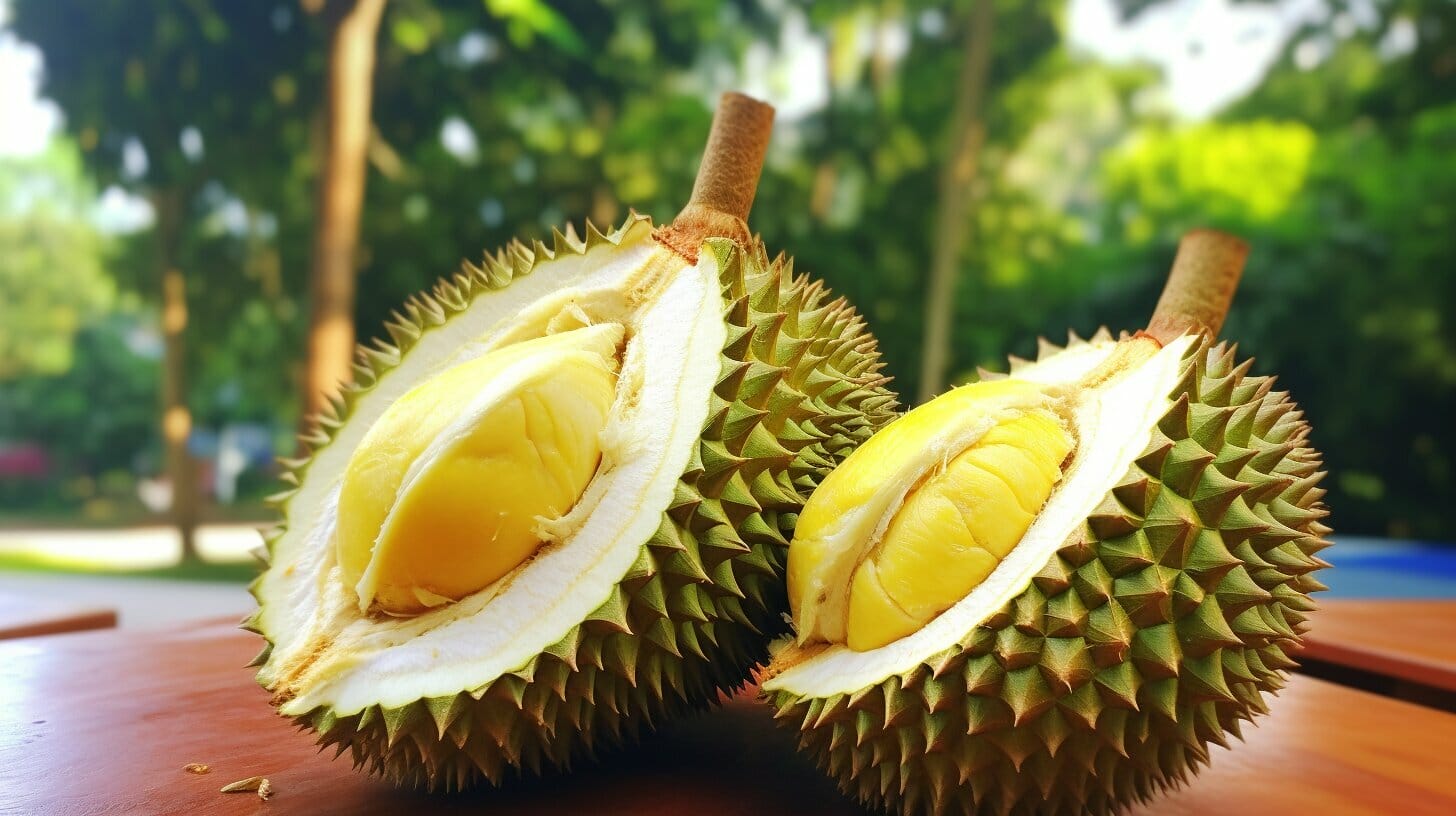
  • Tet Holiday Sees Durian Prices Skyrocket Amid Mekong Delta Supply Crisis

    Tet Holiday Sees Durian Prices Skyrocket Amid Mekong Delta Supply Crisis

    As the Lunar New Year, or Tet, approaches, the cost of durians has seen a significant spike due to the dwindling supply in the Mekong Delta region. Traders are currently buying the highest quality, or grade A, Monthong durians for a rate of VND140,000 (US$5.4) per kilogram, marking the highest price point in two years.

    Price Increases Across Durian Varieties

    The Grade A Ri6 durian is also witnessing a price surge, selling at VND80,000, which is an increase of 30 to 50 percent from prices recorded in November, marking the end of the main harvest period.

    Nguyen Thanh, a trader based in the Dong Thap Province of the Mekong Delta region, has reported challenges in obtaining a sizable quantity of durians, despite repeated offers of higher prices.

    Lower Harvests Impacting Supply

    The country’s primary durian supply comes from the off-season crop harvested in the Mekong Delta from November to March. However, farmers have reported lower harvests this year, which is impacting supply.

    A farmer by the name of Cuong, who owns a durian orchard in Can Tho City, decided to forego the harvest this year after experiencing a drastic dip in prices during last year’s Tet preparation. He is instead nurturing his trees for the main harvest season in April.

    Dien, a farmer from Dong Thap Province, expressed that many growers have opted out of the off-season crop this year due to unpredictable weather patterns, which have increased costs while simultaneously reducing yields. Despite a 30% decrease in output compared to last year, Dien managed to sell around 200 kilograms of fruit at VND130,000 per kilogram.

    Floods and Export Demands Affect Durian Supply

    According to the Vietnam Fruit and Vegetable Association, several delta orchards were severely affected by floods a few months ago and are still in recovery. High export demand is also contributing to the strain on supply.

    Last year, durian exports were valued at $3.86 billion, marking a 20% increase from the previous year, as per customs data.

    Questions & Answers

    Why have durian prices increased?
    Durian prices have increased due to a reduced supply caused by lower harvests, the damaging effects of recent floods, and high export demand.

    How are farmers responding to the increase in durian prices?
    Some farmers, despite the high prices, have decided to skip the off-season harvest this year due to reduced yields and increased costs caused by unpredictable weather.

    What factors affected the durian supply?
    The durian supply was negatively affected by disruptive weather patterns, floods that damaged several orchards, and high export demand, which strained the already limited supply.

  • Vietnam’s Seafood Exports Soar 13% in January Fueled by Asian Markets

    Vietnam’s Seafood Exports Soar 13% in January Fueled by Asian Markets

    In January, exports of seafood from Vietnam totaled US$874 million, a year-on-year increase of 13%. The Vietnam Association of Seafood Exporters and Producers noted that this boost was largely due to demand from Asian markets, particularly China, Japan, and ASEAN. Key product groups like pangasius, a type of catfish, as well as squid and octopus, contributed significantly to these robust export figures.

    Decline in U.S. Shipments

    However, U.S. shipments experienced a decline, especially in tuna exports. The downturn was attributed to factors such as the Marine Mammal Protection Act’s impact and difficulties in obtaining certificates of analysis for seafood exports, a crucial step in the export process.

    China Leads as Largest Seafood Market

    China solidified its position as Vietnam’s biggest seafood market in January; export values reached nearly $250 million, marking a 28.7% surge year-on-year. This uptick is mainly due to increased shrimp demand ahead of the Lunar New Year, a period when the consumption of premium seafood products usually escalates. Many businesses also seized the opportunity of this festive demand to increase their lobster shipments.

    Anticipated Seafood Export Downturn in February

    The Association anticipates a downturn in seafood exports in February. This prediction is based on disruptions to production and logistics during the Tet (Lunar New Year) holiday, persisting regulatory issues in the U.S., and a potential decrease in Chinese demand following an early period of stockpiling.

    Questions & Answers

    What caused the 13% increase in Vietnam’s seafood exports in January?
    The main factors contributing to this increase were robust demand from Asian markets, particularly China, Japan, and ASEAN, coupled with strong performance from key product groups like pangasius and squid and octopus.

    Why was there a decline in U.S. shipments of Vietnamese seafood?
    The decline in U.S. shipments can be attributed to the effects of the Marine Mammal Protection Act and challenges in obtaining certificates of analysis for seafood exports.

    Why is a downturn in seafood exports anticipated in February?
    The predicted downturn is due to potential disruptions in production and logistics during the Tet (Lunar New Year) holiday, ongoing regulatory challenges in the U.S., and an expected drop in Chinese demand after an early period of stockpiling.

  • Vietnam’s Agricultural Exports to China Skyrocket by 66%: Exploring the $1.5 Billion Surge in January

    Vietnam’s Agricultural Exports to China Skyrocket by 66%: Exploring the $1.5 Billion Surge in January

    In January, the exports of agricultural, forestry, and fishery products from Vietnam to China saw a significant increase of 66% compared to the previous year, reaching a total value of US$1.5 billion. China established itself as the largest market for these sectors, contributing to 23% of the total $6.5 billion worth of shipments – a 29.5% rise.

    Key Exports to China

    The primary exports to China included durian, banana, dragon fruit, and jackfruit, with a combined export value of $480 million. China was the leading buyer of Vietnam’s cassava, accounting for 92.6% of purchases. It also purchased 75% of Vietnam’s rubber and 50% of its cashew exports. The country was the third-largest market for Vietnam’s fishery products, following the U.S. and Japan.

    Growth in Fruit and Vegetable Exports

    According to the Ministry of Agriculture and Environment, the highest export growth was seen in the fruits and vegetables sector. The export value of these products doubled to $750 million, with marked increases in shipments going to the U.S. and Malaysia.

    Rise in Cashew and Pepper Exports

    Cashew exports were the second-highest growth category, with an increase of 70% that brought the total export value to $434 million. Pepper exports also saw a significant boost, rising by 53% to reach $133 million.

    Questions & Answers

    What was the percentage increase in Vietnam’s exports to China year-on-year in January?
    The exports of agricultural, forestry, and fishery products from Vietnam to China rose by 66% year-on-year in January.

    Which were the main products exported by Vietnam to China?
    The main exports to China were durian, banana, dragon fruit, and jackfruit, along with cashew, rubber, and cassava.

    Which products saw the highest growth in exports?
    Fruits and vegetables saw the highest export growth, doubling to $750 million. The second-highest growth was seen in cashew exports, which rose by 70% to $434 million.

  • End of an Era: Iconic McDonald’s Outlet at Tampines Mall Singapore Closes After 30 Years

    End of an Era: Iconic McDonald’s Outlet at Tampines Mall Singapore Closes After 30 Years

    One of McDonald’s long-standing outlets in Tampines Mall, Singapore, is set to close its doors on March 9. The fast-food restaurant has been a staple of the mall for over three decades, making its impending closure a significant moment for both the company and the many customers it has served over the years.

    The Closure Announcement

    The fast-food giant’s intended closure was announced via a store notice, which was then shared on social media on Tuesday. The notice revealed that the restaurant’s final day of operation would be March 8. While no specific reason was provided for the closure, the message expressed gratitude to the customers for their continued support through the years.

    The notice also assured patrons that while this particular outlet may be closing, the restaurant would be thrilled to serve them at their nearest branches. The Tampines Central and Tampines Hub were suggested as alternative locations for customers to visit.

    A Staple at Tampines Mall

    The McDonald’s outlet has been an integral part of Tampines Mall since its inception in November 1995. As one of the mall’s original tenants, its closure marks the end of an era. The mall, which celebrated its 30th anniversary in 2025, has seen many businesses come and go, but McDonald’s has remained a constant presence.

    The closure announcement has elicited feelings of nostalgia and sadness among patrons, many of whom consider the outlet to be an iconic part of the mall. Its strategic location near the entrance of the shopping complex means that for many, a trip to the mall was synonymous with passing by the McDonald’s store.

    Changes in Singapore’s Food Scene

    McDonald’s announcement follows a series of closures in Singapore’s food and beverage sector. In 2025 alone, 2,431 outlets were shut down in the first 10 months. The closures spanned a range of eateries, from Michelin-starred restaurants to long-standing heritage dining venues.

    In addition to the food scene, the retail sector has also seen significant changes. Isetan, a Japanese department store that had been operating in the mall for several decades, closed its outlet four months prior to McDonald’s announcement. The store cited evolving market conditions as the reason behind its departure.

    Questions & Answers

    Why is the McDonald’s outlet in Tampines Mall closing?
    While no specific reason was given for the closure, it comes amid a wave of business closures across Singapore’s food and drink sector.

    When was the last day of operation for the McDonald’s outlet in Tampines Mall?
    The outlet’s final day of operation was slated for March 8.

    Are there other McDonald’s outlets nearby where customers can go?
    Yes, the notice mentioned that customers could visit the McDonald’s branches at Tampines Central and Tampines Hub.

  • Bacha Coffee Brews Global Expansion with Luxury Launches in Beijing and Saudi Arabia

    Bacha Coffee Brews Global Expansion with Luxury Launches in Beijing and Saudi Arabia

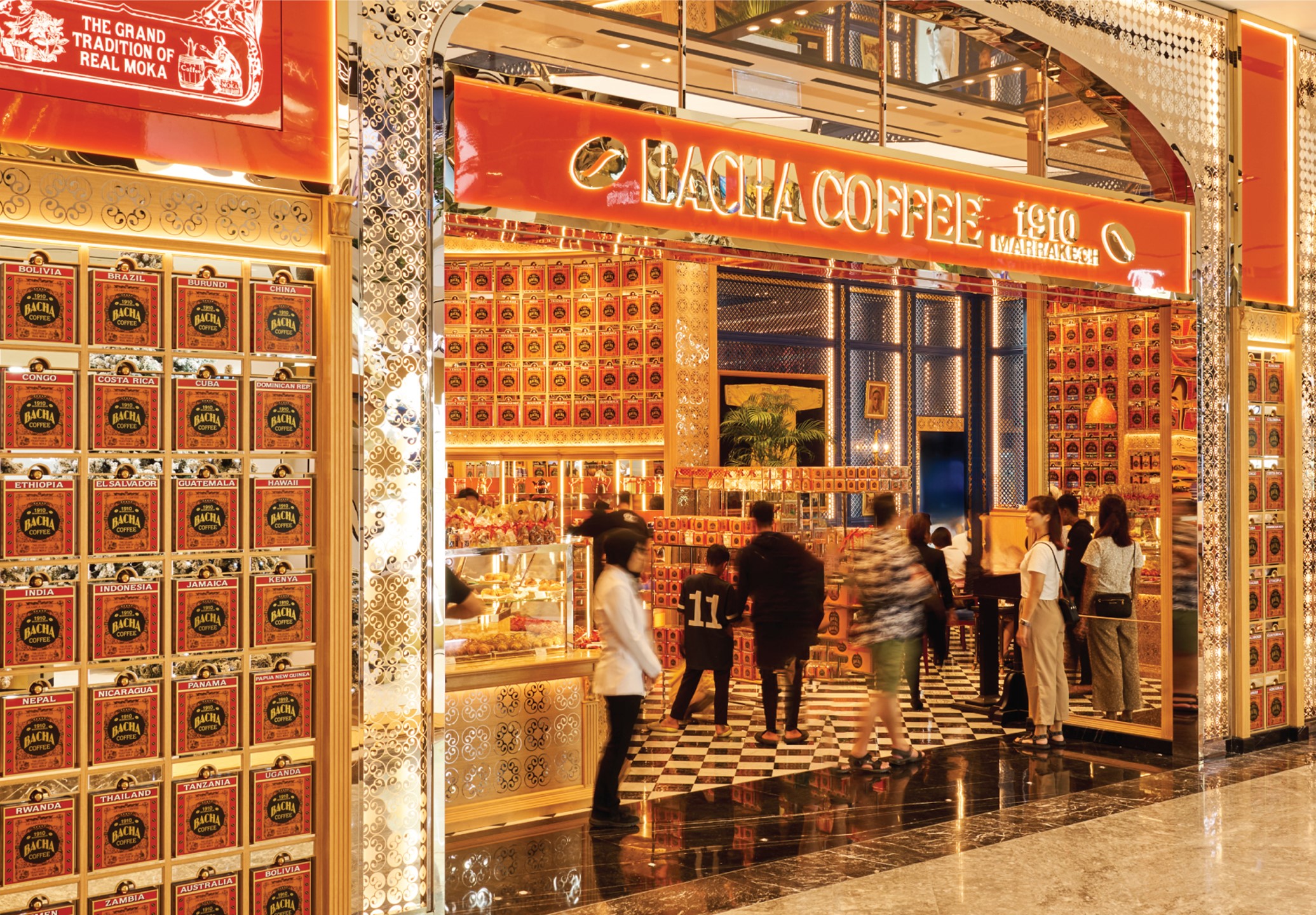
    Bacha Coffee, a Moroccan coffee house established in Marrakech in 1910, has further expanded its global footprint with its entry into two new markets, Beijing and Saudi Arabia. This development is a part of the brand’s consistent international growth trajectory.

    In Beijing, the brand has set up shop at the China World Mall, offering a multi-dimensional experience that integrates retail, takeaway, and a cozy Coffee Room seating area. This location showcases the brand’s extensive selection of over 200 specialty coffees, all of which are brewed using 100% Arabica beans sourced from 35 coffee-growing regions worldwide.

    The 210-square-meter Beijing store features a boutique that sells loose and packaged coffees, gift boxes, and accessories. Coffee Masters are readily available to assist customers and grind coffee beans on demand. The store also includes a 25-seat Coffee Room, featuring design elements inspired by the brand’s Moroccan heritage.

    Taha Bouqdib, President and CEO of V3 Gourmet, expressed his excitement over this latest expansion. “Our new location is designed to spark the curiosity of our guests, much like how coffee takes us on journeys to distant locales,” he said. “We’ve blended the old with the new in a single experience, honoring our past while paving the way for the future, with 100% Arabica specialty coffee taking center stage in this vibrant scene of life.”

    The latest openings in Beijing and Riyadh are part of Bacha Coffee’s extensive expansion across Asia, Europe, and the Middle East. The brand currently operates 42 stores in 16 cities globally, including Paris, Tokyo, Seoul, Dubai, Singapore, Hong Kong, and Taipei. In addition, the brand made its debut in Thailand last year.

    Questions & Answers

    How many specialty coffees does Bacha Coffee offer?
    Bacha Coffee offers an extensive selection of over 200 specialty coffees.

    Where are the newest Bacha Coffee stores located?
    The newest Bacha Coffee stores are located in Beijing, China, and Riyadh, Saudi Arabia.

    How many locations does Bacha Coffee operate worldwide?
    Bacha Coffee currently operates 42 locations in 16 cities worldwide.

  • Byron Bay Cookies Unveils New Protein-Plus Range: Healthier Indulgence on its 35th Anniversary

    Byron Bay Cookies Unveils New Protein-Plus Range: Healthier Indulgence on its 35th Anniversary

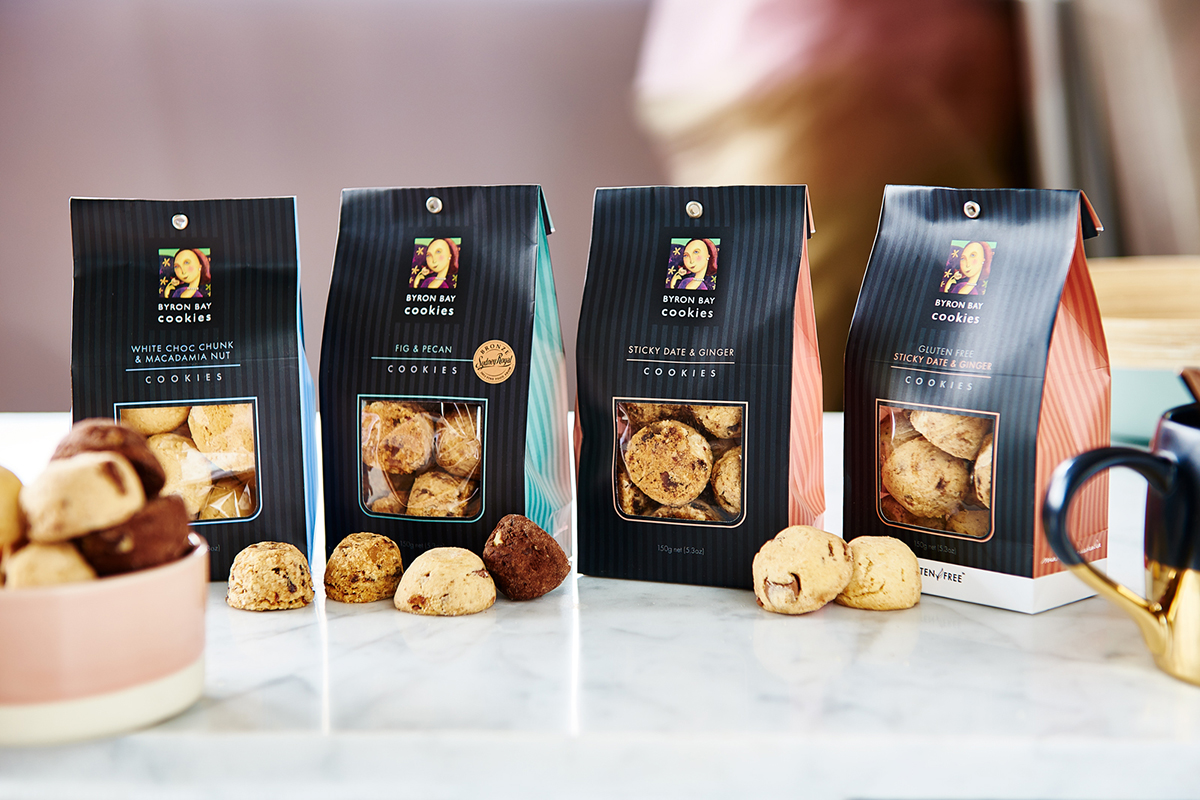
    Byron Bay Cookies is celebrating its 35th anniversary with the introduction of the Protein Plus Cookie range. These are 60g cookies, each individually packed, with protein content ranging from 16g to 18g and fibre content from 5g to 6g.

    Healthier Cookie Option

    The company claims that their new range of protein-rich cookies contains about 45% less sugar and 60% fewer carbohydrates compared to their original cookie lineup. This makes the new range a healthier choice for consumers who are conscious about their sugar and carbohydrate intake.

    Three Delicious Flavours

    The Protein Plus Cookie range comes in three delectable flavours: White Choc Macadamia, Milk Choc Chunk, and Triple Choc. These delicious options give customers variety and make it easier for them to incorporate these healthier cookies into their diet.

    Availability and Pricing

    The new range is set to be available on the company’s website from this month onward, with a recommended retail price of $6 per cookie.

    Bill Quayle, the owner and director of Byron Bay Cookies, believes that protein is not just a fleeting trend, but a lifestyle choice. He said, “We know our customers have been looking for something that delivers extra nutritional benefits, while still delivering on the taste and indulgence that we’re known for.”

    Questions & Answers

    What is the protein and fibre content of the new Protein Plus Cookie range from Byron Bay Cookies?
    Each 60g cookie from the new range contains between 16g to 18g of protein and 5g to 6g of fibre.

    What flavours does the Protein Plus Cookie range come in?
    The range comes in three flavours: White Choc Macadamia, Milk Choc Chunk, and Triple Choc.

    Where can customers purchase the new Protein Plus Cookie range and how much does it cost?
    The cookies are available on the company’s website from this month, with a recommended retail price of $6 per cookie.

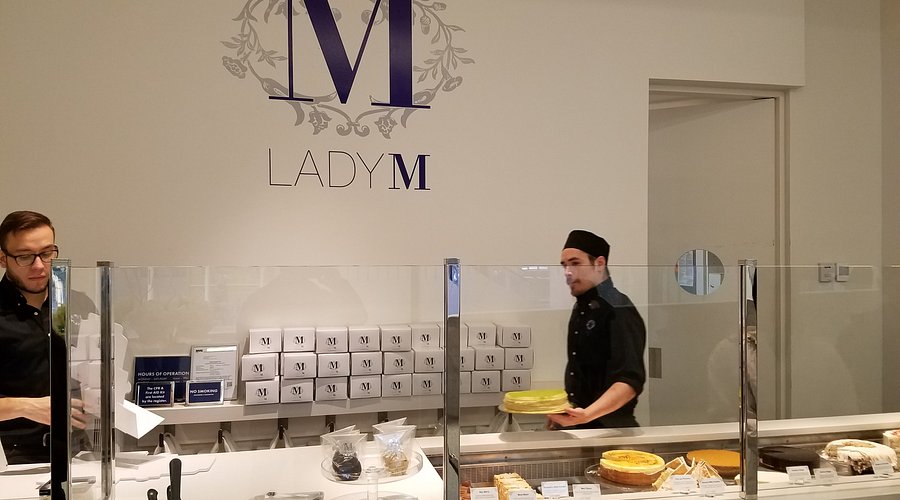
  • Lady M Conquers Singapore Again: Jewel Changi Debut and Spectacular Lunar New Year Horse Gift Set Launch

    Lady M Conquers Singapore Again: Jewel Changi Debut and Spectacular Lunar New Year Horse Gift Set Launch

    Lady M, a prominent New York-based patisserie, has announced its return to Singapore, establishing a shop at Jewel Changi Airport. This announcement is accompanied by the unveiling of a special gift set, the 2026 Year of the Horse, in anticipation of the Lunar New Year.

    Year of the Horse Gift Set

    The gift set, created in honor of the Year of the Horse, is designed with a vivid moire pattern on its exterior. Upon opening, a horse in mid-gallop is revealed, reflective of the energy associated with the upcoming year. The set contains 32 mini crepe biscuits, each elegantly wrapped in glistening foil. These delights are available in a variety of four flavors: Coconut, Chocolate Hazelnut Orange, Vanilla, and Raspberry.

    An additional feature of the set is a collectible horse-bag charm fashioned from vegan leather. This charm, tucked away in the set’s drawers, serves as a symbol of good luck for the forthcoming year.

    The package also includes Lady M’s signature confetti-red envelopes, with each scattered piece embodying blessings, prosperity, and festivity.

    A Symbolic and Vibrant Return

    Ken Romaniszyn, CEO of Lady M, expressed that the brand wanted to commemorate its return with a collection that was “symbolic and vibrant”.

    He stated, “The moire horse motif encapsulates the dynamism and vigor we associate with the year ahead. We aspire for these creations to become treasured keepsakes and joyous gifts for all who celebrate.”

    After the Lunar New Year period, Lady M Singapore intends to provide its complete assortment of cakes and products to its customers.

    Questions & Answers

    What is the significance of Lady M’s Year of the Horse gift set?
    The gift set is both a celebration of the Lunar New Year and the symbol of the upcoming year, the horse. The set includes 32 mini crepe biscuits and a horse-bag charm as a token of luck.

    What are the flavors of the mini crepe biscuits included in the gift set?
    The biscuits come in four flavors: Coconut, Chocolate Hazelnut Orange, Vanilla, and Raspberry.

    What are the plans of Lady M following the Lunar New Year?
    After the Lunar New Year period, Lady M Singapore plans to offer its full range of cakes and products to its customers.

  • Jago Coffee: Indonesia’s Innovative Cart Startup Brews Up $12M in Latest Funding Round

    Jago Coffee: Indonesia’s Innovative Cart Startup Brews Up $12M in Latest Funding Round

    Jago Coffee, an Indonesian mobile coffee service, recently raised $12 million in a Series B funding round bringing its total capital to over $20 million. The company is known for dispensing reasonably priced beverages from fully electric carts, making it an accessible option for a broad range of consumers.

    Funding Details

    The primary investors in the recent funding round were Beenext, alongside other contributors such as Intudo Ventures and Orzon Ventures. The infusion of capital is planned to support and accelerate the company’s expansion efforts, despite the recent financial figures indicating an increase in losses alongside growing revenue.

    Jago’s Unique Approach

    Jago Coffee has a unique business model that aligns closely with local street vendor practices. The company operates fully electric carts and offers coffee that is affordable, with prices starting at approximately $0.50. This approach makes its service accessible to a large segment of consumers.

    The company has also invested in technology, developing its own tech stack. This includes the use of machine learning to pinpoint potential areas for expansion. The company also prides itself on its dedicated applications for both baristas and customers, further enhancing its service delivery.

    Growth and Financial Performance

    Despite the challenges, Jago has experienced significant growth. There was a more than thirteenfold increase in size in 2023. Moreover, the company reported a 17% rise in revenue in December 2024. However, it should be noted that during the same period, the company’s losses more than doubled.

    This investment in Jago indicates a shift in the venture capital landscape. Investors are becoming more interested in companies that use software to manage local, physical operations, rather than placing their sole focus on digital products.

    Questions & Answers

    What is Jago Coffee’s business model?

    Jago Coffee operates fully electric carts, similar to local street vendors, to deliver affordable coffee to a mass market of consumers.

    How much has Jago Coffee raised in its recent Series B funding round?

    Jago Coffee has recently raised $12 million in a Series B funding round.

    How is venture capital shifting in relation to companies like Jago Coffee?

    Investors are increasingly interested in businesses that use software to manage physical, local operations, as opposed to focusing solely on digital products.

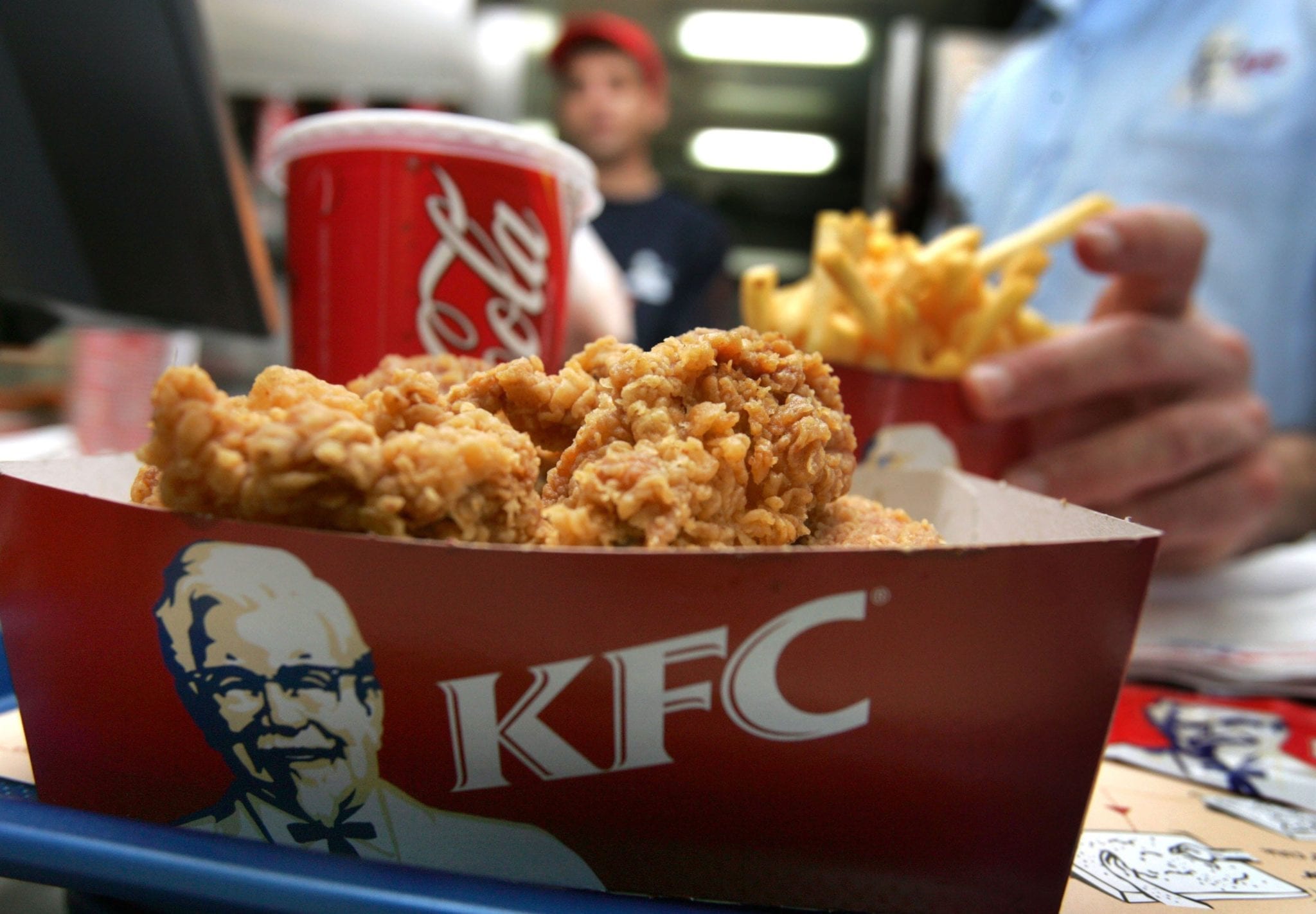
  • KFC Loyalty Program Captivates China: 590 Million Members and Counting

    KFC Loyalty Program Captivates China: 590 Million Members and Counting

    Yum China, the parent company of KFC in China, reported a significant expansion in its digital loyalty programs which now boast over 590 million members, accounting for over 40% of the country’s population.

    Growth in Loyalty Programs

    According to Yum China’s 2025 earnings report, unique membership in loyalty programs across KFC and Pizza Hut experienced a growth of 13% from the previous year. The report also revealed that 55% of the company’s sales were made through these programs.

    David Slavick, the founder of Ascendant Loyalty Marketing, a US-based consulting firm, referred to the achievement as “the largest loyalty program in the world”.

    Yum China’s Rapid Expansion

    Yum China Holdings, an offshoot of Yum Brands based in Shanghai, owns and franchises more than 18,000 stores across the country. This includes approximately 13,000 KFC locations, which the company claims is the largest restaurant chain in the country.

    The company has pursued a strategy of quick expansion in a market where consumers utilize digital payment apps more extensively than in other consumer markets such as the United States, a trend which has sped up in recent times.

    Impact on Yum China’s Business

    On Wednesday, Yum China’s CEO, Joey Wat, informed investors that the KFC loyalty program was “really helping our long-term and short-term business”. He attributed this to the growth in the popularity of the KPRO brand, a healthier and more upscale version of KFC, which was launched in 2017. Wat revealed that 80 to 90% of KPRO’s sales come from KFC loyalty members.

    Wat also mentioned that the company’s new AI ordering assistant for KFC app users, which was rolled out across the country in January, has been used by two million members so far, mainly by diners ordering breakfast and coffee.

    Increasing Trend of Digital Ordering

    Industry experts indicate that consumers in China use digital ordering apps more frequently than their counterparts in the United States. The market for loyalty programs in China was worth nearly $20 billion in 2025 and is projected to reach almost $33 billion by 2029.

    Yum China reported that 265 million users are active, meaning they have used the program in the past year. The company’s brand-specific loyalty apps, similar to the ones in the US, allow users to order meals and deliveries digitally, and also offer discounts and personalized recommendations. Unlike most restaurant brands in the US, Yum China’s KFC app also has paid and invitation-only tiers in its membership program that provide free deliveries and prioritization in delivery queues.

    Questions & Answers

    What is the scale of Yum China’s digital loyalty programs?
    Yum China’s digital loyalty programs have over 590 million members, which represents over 40% of the population of China.

    How much of Yum China’s sales are made through their loyalty programs?
    According to the company’s report, 55% of their sales are made through their digital loyalty programs.

    What is special about Yum China’s KFC app?
    Unlike most US restaurant brands, Yum China’s KFC app has paid and invitation-only tiers in its membership program. These tiers provide benefits such as free deliveries and prioritization in delivery queues.

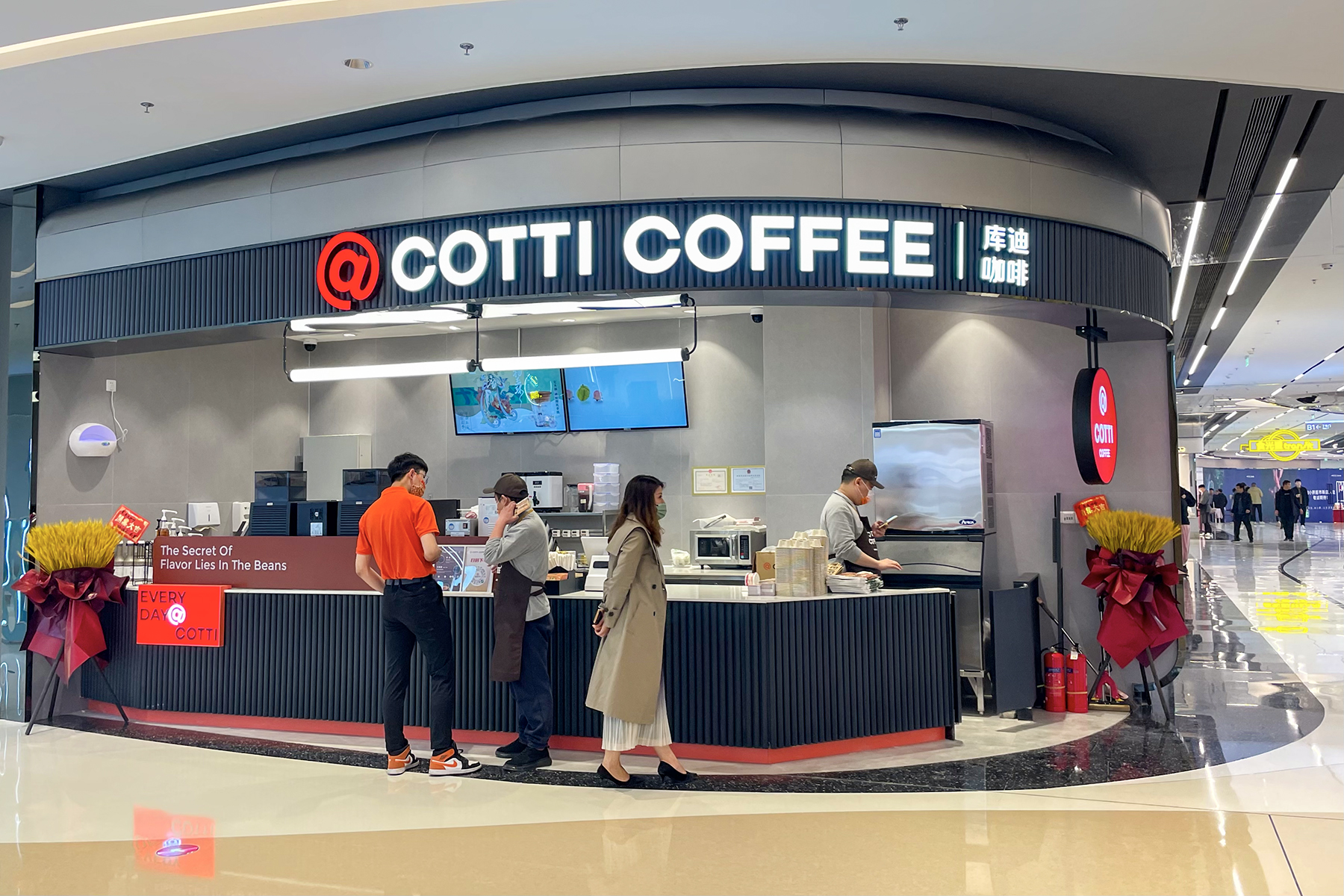
  • Cotti Coffee Takes on the UK: China’s Rapidly Growing Chain Brews Up European Expansion

    Cotti Coffee Takes on the UK: China’s Rapidly Growing Chain Brews Up European Expansion

    Cotti Coffee, a rapidly expanding Chinese coffee chain, has announced plans to venture into the UK market. This move is part of a wider strategy to accelerate the brand’s growth across Europe.

    Unveiling in London

    The budget-friendly coffee chain will make its UK debut with two stores in London, set to open on Middlesex Street and Camden High Street. This comes after Cotti Coffee’s recent successful launches in European cities such as Paris, Cologne, Düsseldorf, Hamburg, Barcelona, and Madrid. These continental outlets mark the brand’s first steps into the European market.

    Digital-First Strategy

    Cotti Coffee operates with a digital-first, small-format store model and is noted for offering aggressive discounts. This approach has earned the brand recognition in its home country of China, where it is seen as a key competitor to Luckin Coffee.

    Future Expansion Plans

    Beyond the UK, Cotti Coffee has plans for further expansion into several other European countries, including Italy, Belgium, Portugal, and the Netherlands.

    Cotti Coffee was established in 2022 by a pair of former Luckin Coffee executives. Today, the brand is operational in 28 countries worldwide, including locations in Vietnam, South Korea, Australia, and Malaysia.

    Questions & Answers

    Question 1: What is Cotti Coffee’s store model?
    Answer: Cotti Coffee operates a digital-first, small-format store model, which means they prioritize their online presence and compact store locations.

    Question 2: Where is Cotti Coffee planning to expand in Europe?
    Answer: The company has plans to expand into Italy, Belgium, Portugal, and the Netherlands as part of its broader European growth strategy.

    Question 3: Who founded Cotti Coffee and when was it established?
    Answer: Cotti Coffee was founded in 2022 by two former executives from Luckin Coffee, another major coffee chain in China.

  • Yum China Ends FY25 Strong: Delivery Boom and Store Expansion Fuel 9% Q4 Revenue Surge

    Yum China Ends FY25 Strong: Delivery Boom and Store Expansion Fuel 9% Q4 Revenue Surge

    Yum China Holdings ended the 2025 fiscal year on a strong note, with an increase in delivery orders and expedited store openings fueling a rise in sales and profits, even amidst muted consumer spending in China.

    Performance Overview

    During the quarter that concluded on December 31, Yum China, the operator of KFC, Pizza Hut, and other dining brands throughout mainland China, recorded a revenue of US$2.8 billion, a 9% increase compared to the previous year.

    The company saw a 3% growth in same-store sales, the third consecutive quarter of positive growth, while system sales experienced a 7% increase.

    Delivery service played a crucial role in driving growth, with delivery sales surging by 34% and contributing to around 53% of the total revenue. Yum China’s emphasis on digital ordering and convenience due to fluctuating dine-in customer counts across regions remains an integral part of its strategy.

    Store Expansion & Sales

    Store expansion significantly contributed to the company’s performance. Yum China inaugurated an astonishing 587 new stores in the fourth quarter, with franchise partners opening nearly 36% of these stores. Over the year, the group opened 1706 additional stores, raising its total to more than 18,100 restaurants across the nation.

    For the 2025 fiscal year, Yum China reported a revenue of US$11.8 billion, a 4% increase from the previous year, while the operating profit climbed 11% to approximately US$1.3 billion.

    Words from the CEO

    Joey Wat, CEO of Yum China, praised the hardworking team for ending 2025 on a high note by delivering growth in same-store sales for three consecutive quarters and same-store transaction growth for twelve quarters in a row.

    Wat noted that KFC had discovered new consumption opportunities via its KCoffee cafe format and Kpro side-by-side modules. Meanwhile, Pizza Hut enhanced its value proposition and launched its Wow model to extend its presence to previously untapped locations, particularly in lower-tier cities.

    Future Plans

    In terms of future plans, the company aims to operate more than 20,000 restaurants by the end of the current year, supported by the opening of over 1900 new stores. Yum China predicts that franchised outlets will represent 40-50% of all new openings across KFC and Pizza Hut, as it continues to extend its hybrid ownership model.

    Questions & Answers

    What was the revenue of Yum China for the 2025 fiscal year?
    The revenue was reported to be US$11.8 billion, a 4% year on year increase.

    What role did delivery service play in Yum China’s growth?
    Delivery service was a major growth driver, with delivery sales rising by 34% and making up around 53% of the total revenue.

    What are the company’s future expansion plans?
    Yum China aims to operate over 20,000 restaurants by the end of the year, supported by the opening of more than 1900 new stores.

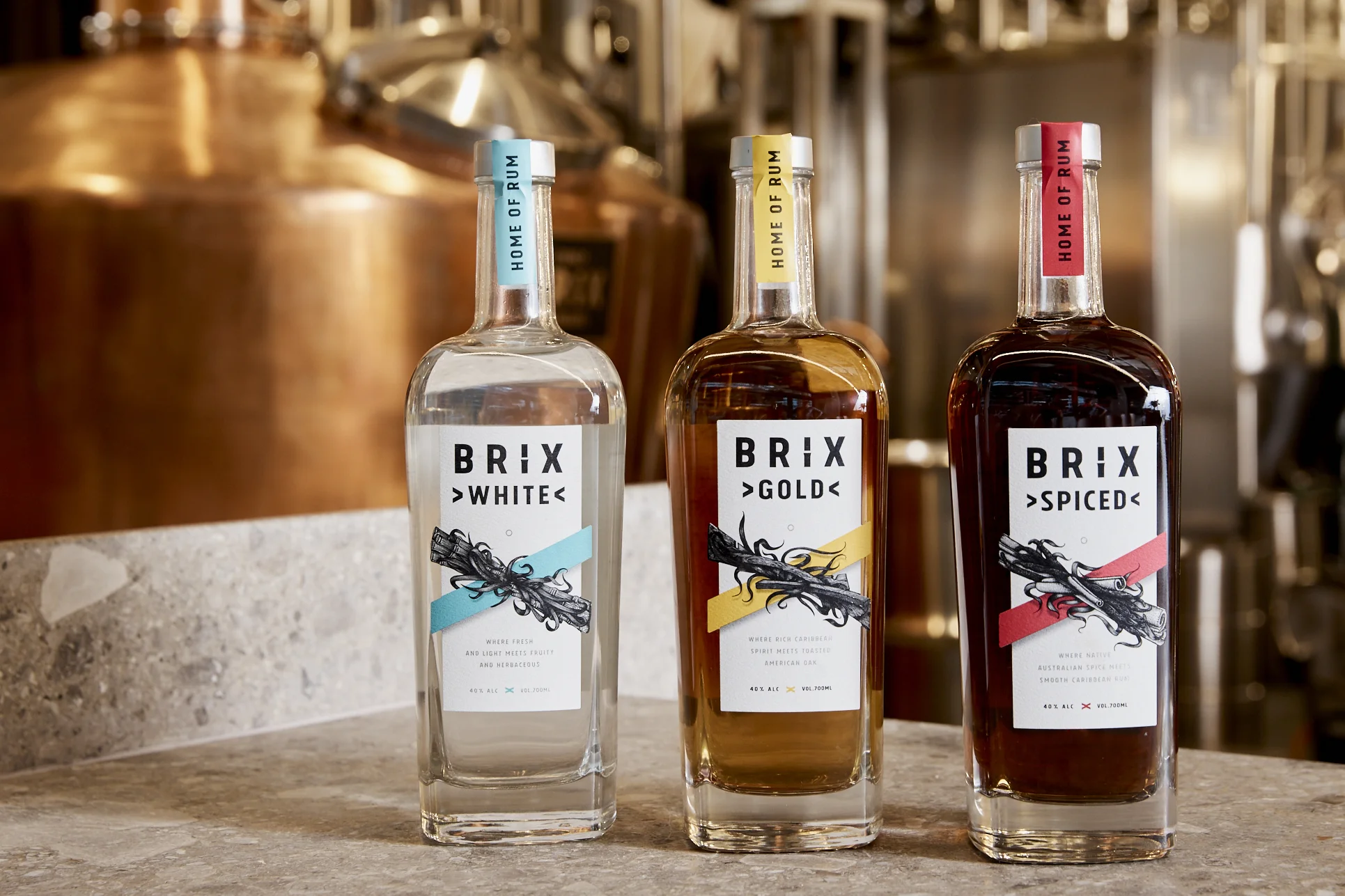
  • Acclaimed Brix Distillers Enters Voluntary Administration: Future of Australia’s First Craft Rum Distillery Uncertain

    Acclaimed Brix Distillers Enters Voluntary Administration: Future of Australia’s First Craft Rum Distillery Uncertain

    The boutique rum manufacturer, Brix Distillers, formerly known as Sydney Distilling Co, has opted for voluntary administration.

    Appointing an Administrator

    RSM Australia has been appointed to manage the administration for the pioneer craft rum distillery in the country. The firm is presently considering all possible alternatives, including liquidating the company’s assets through a deed of company arrangement.

    Brix Distillers, which was established in 2017, ran a bar in Surry Hills.

    Exploring Options for the Distillery

    The primary responsibility of the administrators is to explore and identify all potential solutions to ensure the most favourable outcome not only for the creditors but also for the legacy of this Australian distillery brand. This includes exploring the sale of the business and its assets, according to Ben Carson, director at RSM.

    The administrators are currently in discussion with several parties who have shown interest in the future of this premium craft rum brand and its business operations.

    Seeking Potential Buyers

    Carson noted that the company boasts one of the largest private stockpiles of Australian rum in the country. He encouraged those who are interested in the business to get in touch with their proposals.

    Questions & Answers

    What is the current status of Brix Distillers?

    Brix Distillers has gone into voluntary administration, and RSM Australia has been appointed as the administrator.

    What are the future plans for the business and its assets?

    The administrators are currently exploring all potential solutions, which includes the possible sale of the business and its assets.

    Who could potentially acquire the business?

    The administrators are in talks with several parties who have expressed interest in the business. Interested parties are encouraged to get in touch with their proposals.

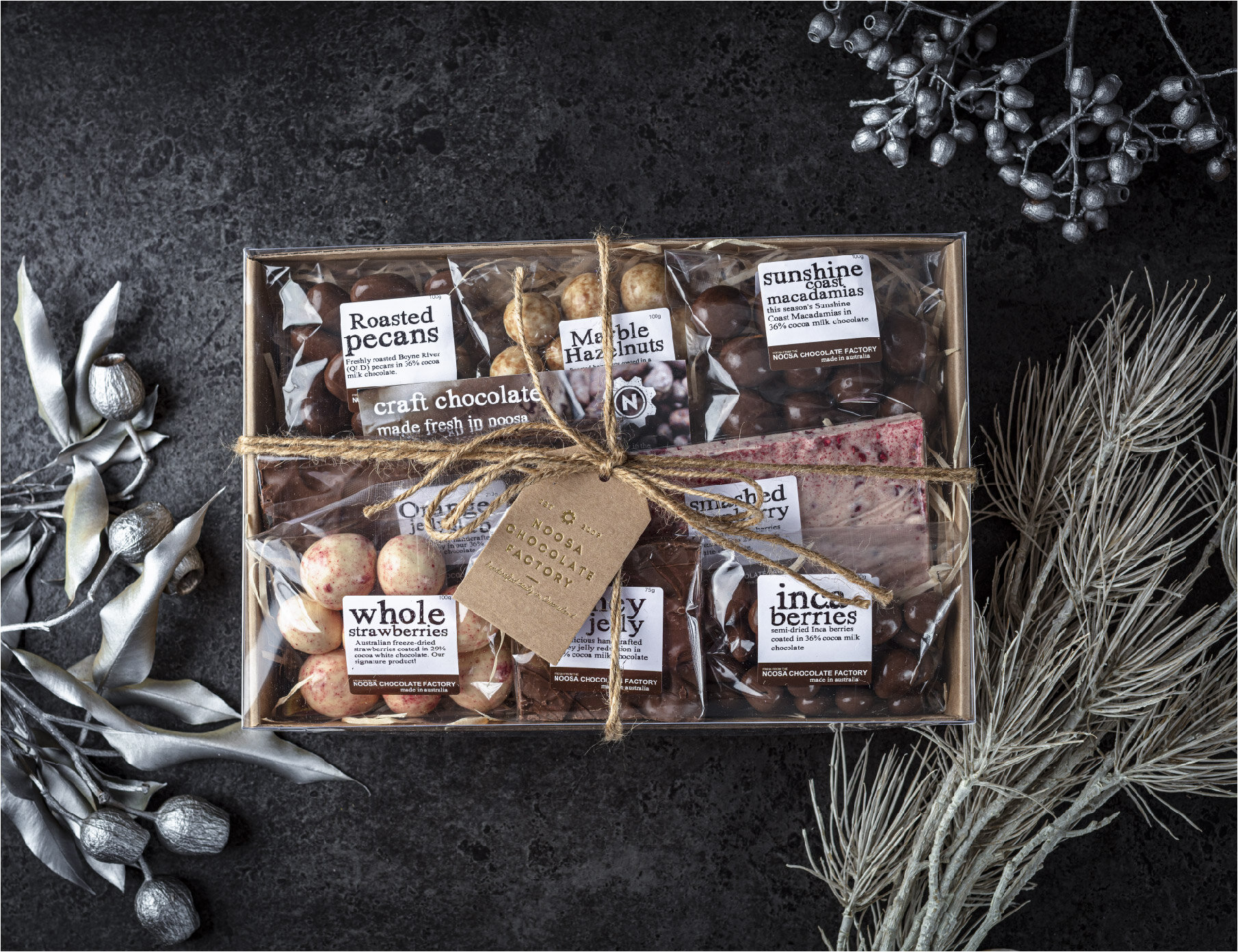
  • Marcus Raward: Steering Noosa Chocolate Factory Towards New Commercial Heights Amid Market Challenges

    Marcus Raward: Steering Noosa Chocolate Factory Towards New Commercial Heights Amid Market Challenges

    Marcus Raward has been appointed as the new Chief Executive Officer of Noosa Chocolate Factory, marking a new era in the company’s top leadership.

    Delivering Growth Through Strategic Leadership

    Known for his commercial strategy and business growth expertise, Raward is set to steer the company through its current operational phase. His responsibilities include honoring the company’s rich heritage while readily adapting to the prevailing economic landscape.

    Raward expressed his vision for the company, stating, “The goal is to honor the roots of our brand, highlight the unique qualities that set our products apart from other chocolate and confectionery brands, while propelling the business into a stronger commercial position.”

    Addressing Market Challenges and Opportunities

    The chocolate industry is currently undergoing a transition as it rebounds from significant price volatility in the global cocoa market. Raward pointed out that the market is beginning to stabilize, a shift that has been felt by manufacturers worldwide.

    Addressing this issue, Raward commented, “Cocoa prices have posed a tough challenge for the entire sector, but now we’re seeing signs of a plateau. Simultaneously, the demand for quality chocolate continues to be robust, which opens up a real opportunity for a brand like Noosa Chocolate Factory.”

    Expansion Plans

    As part of its growth strategy, Noosa Chocolate Factory has inaugurated a new outlet at Westfield Chermside and refurbished its store at Sunshine Plaza, which is anticipated to reopen early this month.

    Questions & Answers

    What is Marcus Raward’s vision for Noosa Chocolate Factory as its new CEO?
    Raward’s vision is to honor the brand’s roots, highlight its unique product qualities, and propel the company into a stronger commercial position.

    How is the global cocoa market impacting the chocolate industry?
    Significant price volatility in the global cocoa market has posed challenges for the chocolate industry. However, signs of a stabilizing market present new opportunities for brands like Noosa Chocolate Factory.

    What are some of Noosa Chocolate Factory’s recent expansion efforts?
    As part of its growth strategy, Noosa Chocolate Factory has opened a new store at Westfield Chermside and renovated its Sunshine Plaza store.