Category: Food

Retail News Asia is committed to providing both local and global retailers with the latest Food and Food & Beverage news throughout the Asian market. This on a daily base.

  • 7-Eleven Japan Expands In-Store Pizza Size by 30 Percent at Unchanged Prices

    7-Eleven Japan Expands In-Store Pizza Size by 30 Percent at Unchanged Prices

    7-Eleven Japan expanded the surface area of its in-store baked pizzas by approximately 30 percent across its network on 15 September. Retail prices stayed flat.

    Customers still pay 780 yen for the Margherita option. The Teriyaki Chicken variation remains 880 yen.

    Baking Specs and Packaging Adjustments

    Each revised pizza measures roughly 23 centimetres across. That is an increase in diameter of about three centimetres, or 15 percent. The operator raised dough moisture levels to produce a denser, chewier crumb while maintaining baseline crust thickness. Staff bake the items on demand using dedicated high-heat ovens behind store counters.

    Alongside the resizing, the chain replaced its custom octagonal takeaway box with a standard square carton. The change simplifies assembly and trims packaging overhead. That helps offset the cost of the larger dough portion.

    Convenience Stores Pressing into Quick Service

    Convenience operators across East Asia are pushing deeper into territory traditionally held by quick-service restaurants. Baking fresh items on site rather than relying strictly on chilled commissary meals helps 7-Eleven capture higher ticket averages during evening meal hours. The pizzas also feed directly into the proprietary 7NOW app, which handles local delivery from store inventory.

    Operational risks remain at the store level. Adding bulky bakery items and dedicated ovens squeezes prep space in standard Japanese convenience store footprints. At the same time, labour shortages limit staff availability during peak lunch and dinner rushes.

    Prior Formats and Menu Testing

    Seven & i Holdings continues to push prepared-to-order hot foods across its domestic network. The company opened its next-generation SIP format store in March 2024 to test broader fresh food assortments. It followed that launch with expanded trials of western-style items, including specialised bakery goods and hot sandwiches.

    Management is monitoring consumer uptake across urban outlets. Future store equipment orders will tie directly to 7NOW delivery volume through the final quarter.
  • Starbucks Plans to Close 250 North American Stores

    Starbucks Plans to Close 250 North American Stores

    Starbucks announced plans last week to close 250 more underperforming stores across North America.

    The cafes represent about one per cent of Starbucks’ 18,000 US and Canadian locations, which COO Mike Grams argued either offered a poor customer experience or were not performing financially.

    The decision follows a similar move last year, when Starbucks reduced its store count by one per cent while investing in renovations and overhauling its loyalty program in a major turnaround push.

    Culling underperforming real estate

    Trimming the bottom tier of a massive store base reflects standard operating discipline for mature retail networks. In dense metropolitan centers, older cafes often suffer from cramped layouts that cannot efficiently process digital mobile orders or accommodate higher-volume food preparation. Shutting these units protects operating margins and eliminates lease liabilities on drag assets.

    For commercial landlords, the loss of an anchor tenant creates immediate vacancy risk, though prime street corners rarely stay empty long. In urban cores, independent operators and regional bakery chains have moved quickly to claim vacated ground-floor footprints, benefiting from existing plumbing, grease traps, and electrical fit-outs left behind by the outgoing chain.

    Transfers and site takeovers

    In Starbucks’ home market of Seattle, two of the 250 locations are slated for closure. At least six previously shut Starbucks sites across the city have already transitioned into local bakeries and independent specialty cafes, including Petit Pierre Bakery, which took over a former cafe in the Ballard neighborhood for its third retail outlet.

    Secondary operators gain substantial capital expenditure savings by stepping into pre-fitted food and beverage real estate. Taking over spaces with established beverage counters and drainage cuts store setup costs significantly compared to building out a raw shell.

    Previous cuts across Europe and America

    The latest 250 closures follow a larger restructuring drive completed last year, when Starbucks closed 627 stores across North America and Europe. That earlier round also trimmed approximately one per cent of the network while the chain directed capital toward store refurbishments and an overhaul of its customer loyalty program.

    Capital discipline has taken priority over raw store expansion in Western markets as operational costs, wages, and lease renewals rise. By pruning weak units, the company channels investment into higher-yielding drive-thrus, digital order pickup hubs, and renovation programs for top-quartile stores.

    What comes next for the network

    Starbucks will manage staff transfers and lease expirations across the 250 affected North American locations through the coming quarter. Financial impacts from the closures and related severance expenses will appear in subsequent quarterly filings as the portfolio adjustment concludes.

  • Heytea Enters Thailand with Three-In-One Lab Flagship at CentralWorld

    Heytea Enters Thailand with Three-In-One Lab Flagship at CentralWorld

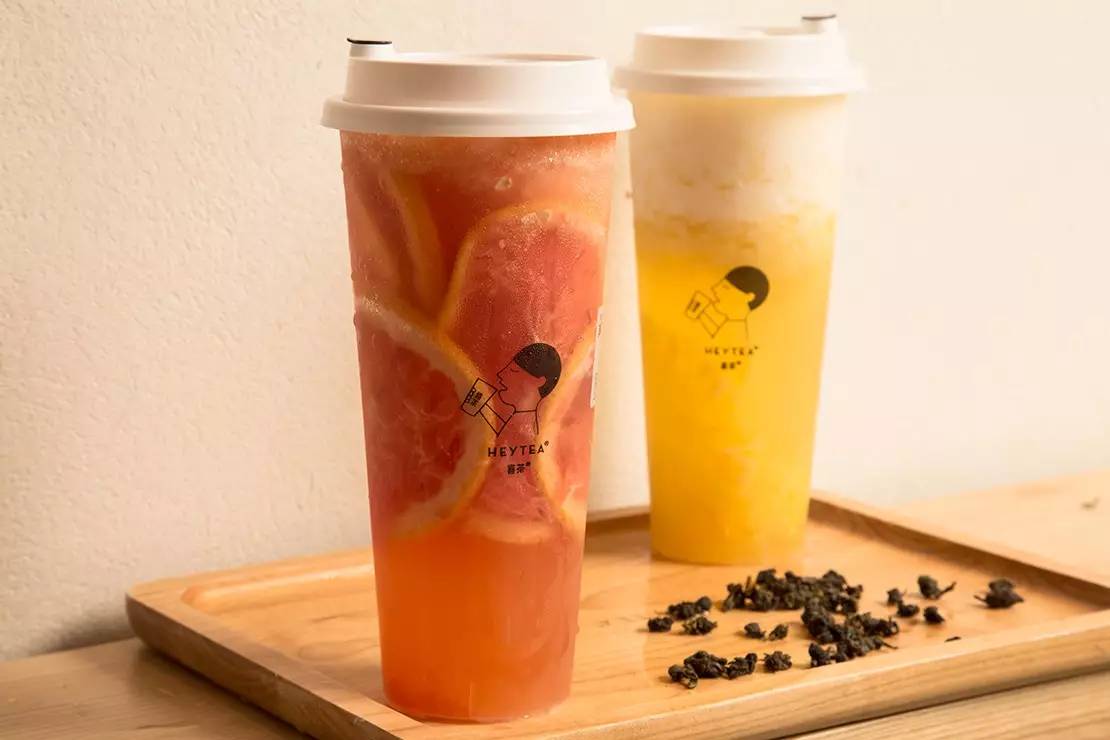
    Heytea opened its first store in Thailand at Bangkok’s CentralWorld on September 25, 2026. The launch brings its three-in-one Lab format to Southeast Asia for the first time.

    It gives the Chinese tea chain its third experimental Lab venue outside mainland China, following rollouts in New York and Toronto.

    Located on the first floor of CentralWorld in central Bangkok, the flagship combines a tea lab, a bake lab, and a gelato lab into a single retail unit. Customers order past open counters. Staff assemble teas, pastries, and ice creams in plain view of the floor. The store design takes cues from Thai floating markets, using curved timber joinery and boat-shaped counters across the dining area.

    Three formats under one roof

    Bangkok serves as the testing ground for teaAir, a proprietary foam preparation combining brewed tea, coconut, milk fat, and aerated texture. The chain launched the line with a Rock Oolong Jackfruit recipe. The drink blends oolong tea with jackfruit, papaya, and coconut bases.

    Next to the beverage bar, the bake lab sells localized pastries including a Thai Milk Tea croissant egg tart. The adjacent gelato section serves lime-infused Thai milk tea gelato. That puts its cold desserts in direct competition with established dessert cafes inside the mall.

    CentralWorld draws heavy foot traffic from Ratchaprasong commercial district office workers and downtown tourists. Heytea vice-president of communications and public relations Cheng Hao noted that the Thai capital combines high tourist volumes with consumers who scrutinize ingredient origins.

    “Bangkok is a global leader in trends. The heytea lab is designed for markets where consumers are not simply following trends but actively shaping them.”

    Battle for Southeast Asian tea market

    Heytea enters an entrenched field of domestic and regional tea operators across Bangkok’s prime shopping centres. CentralWorld already houses domestic giant ChaTraMue and Taiwanese boba chains. Chinese rival Mixue also competes nearby, targeting mass-market street locations on low price points.

    Deploying the capital-intensive Lab format rather than a standard kiosk targets premium spenders. The strategy relies on experiential dining and higher transaction values to offset prime retail rents in Bangkok’s top malls. For operators like Central Pattana, experiential food and beverage units generate steady daytime dwell time. Traditional fashion retail no longer delivers that traffic reliably.

    Suppliers in Thailand face tighter technical requirements as Chinese beverage brands import complex equipment and custom ingredient formulations. Meanwhile, regional operators must defend margin share. Well-funded Chinese chains continue to use cross-category merchandise, intellectual property partnerships, and proprietary drink textures to command price premiums.

    Ten years of retail evolution

    Founded nearly fifteen years ago, the business introduced cheese-foam tea to Chinese consumers before expanding across major metropolitan hubs. It created the experimental Lab concept in 2016 as a testing facility for new recipes, interior architecture, and retail formats.

    Management later took the Lab model overseas, opening standalone flagship sites at Times Square in New York and the Toronto Eaton Centre in Canada. Past brand marketing has relied on global partnerships with luxury house Fendi, artist Yayoi Kusama, and collectible toy maker POP MART.

    Bangkok now anchors the chain’s retail expansion across Southeast Asia. Management has not disclosed the number of secondary standard-format stores planned for the Thai capital. Real estate leasing teams and franchise partners will track sales productivity at CentralWorld through the final quarter of 2026.

  • TGI Fridays Signs Deal to Open 15 Restaurants in Pakistan

    TGI Fridays Signs Deal to Open 15 Restaurants in Pakistan

    TGI Fridays announced a development agreement with Meerab Hospitality on Sept. 23, 2026, to expand its presence in South Asia by scaling to 15 restaurants across Pakistan.

    The agreement targets a market of more than 240 million people with a median age of 21, aligning with the brand’s wider 1-2-3 Strategic Vision to reach over 1,000 restaurants and $2 billion in annual revenue by 2030.

    Flagship site set for Lahore

    Development begins in Lahore, where the first flagship restaurant is targeted to open within the next 12 months at the Hyatt Regency Hotel complex to establish the standard for future locations.

    Operating rights belong to Meerab Hospitality, the franchise and development arm of Meerab Properties. Led by founder and group chief executive Pervaiz Iqbal Shahid, the group holds two decades of property and operational assets across the UAE, Pakistan, and Central Asia.

    Shahid confirmed the group plans to rebuild the brand through a capitalized operating structure following earlier market exits.

    Franchise mechanics and local operating risks

    Pakistan offers international operators massive demographic scale, but execution risks are high. Western chains operating full-service formats face volatile currencies, rising utility overheads, and shifting import duties on specialized ingredients. To protect unit economics from currency shocks, operators must build domestic supply chains for poultry, produce, and dairy.

    Competition is fierce from domestic dining brands and fast-casual burger chains running lower average checks. TGI Fridays bets that dense commercial developments and hotel sites like the Hyatt Regency will generate the footfall needed to fill large dining rooms.

    Shift toward experiential dining formats

    Retail landlords and developers increasingly rely on international food-and-beverage banners to pull foot traffic into mixed-use sites. Landlords in Lahore, Karachi, and Islamabad are shifting gross leasable area away from apparel retail and toward dining and entertainment hubs aimed at consumers under 30.

    Offerings will center on non-alcoholic drinks, mocktail menus, and American bar-and-grill staples tailored to local dining habits. Support hubs in Dubai, London, and Dallas will handle franchisee assistance, quality audits, and menu localization across South Asia.

    Global pipeline targets 1,000 locations by 2030

    The expansion fits into the Dallas-based chain’s 1-2-3 Strategic Vision turnaround plan. That program aims to expand the global footprint past 1,000 restaurants and generate $2 billion in annual system revenue by 2030. Today, the chain runs roughly 400 restaurants across nearly 40 countries.

    September has already brought two market entries for the brand, starting with a franchise launch in the Balkans. Over the past year, regional agreements have added nearly 200 commitments across the Maldives, the Philippines, Japan, Kenya, Peru, Mexico, Spain, Greece, and Cyprus.

    Fit-out work at the Hyatt Regency complex in Lahore begins this year, with initial guest intake targeted before the final quarter of 2027.

  • FrieslandCampina Takes Majority Stake in Ultrajaya in 7.8B Share Deal

    FrieslandCampina Takes Majority Stake in Ultrajaya in 7.8B Share Deal

    Dutch dairy group FrieslandCampina is taking a majority stake in Indonesian peer PT Ultrajaya Milk Industry, folding its Frisian Flag Indonesia unit into the Jakarta-listed business ahead of a shareholder vote scheduled for 27 October.

    Under the transaction terms, Ultrajaya will assume ownership of FrieslandCampina’s 78.09% holding in Frisian Flag Indonesia in exchange for more than 7.8 billion new shares priced at Rp2,150 ($0.12) each under a rights issue.

    FrieslandCampina’s partners, Blue Waves Group Ventures and PT Bahtera Wiraniaga Internusa, will also transfer their shares in Frisian Flag Indonesia to Ultrajaya. Once completed, FrieslandCampina will launch a mandatory cash tender offer for the remaining minority shares of Ultrajaya.

    Consolidating Two Distribution Giants

    Folding Frisian Flag Indonesia into Ultrajaya unites two of Indonesia’s most entrenched packaged beverage distribution networks. Distribution across an archipelago of 17,000 islands requires cold-chain infrastructure and wholesale relationships that take decades to assemble. The combined business will pair FrieslandCampina’s dairy formulation capacity with Ultrajaya’s dominant position in ambient shelf-stable drinks. That gives the group greater sway over shelf space in traditional warungs and modern supermarket chains alike.

    Rival dairy processors such as Indolakto and Nestlé now face a domestic competitor with combined annual sales past Rp15 trillion. Both corporate units will keep their consumer product brands, production lines, and independent operational teams intact on the ground. Co-founder Sabana Prawirawidjaja will stay in position as president director. The founding Prawirawidjaja family retains a substantial long-term equity holding in the merged business.

    Production Scale and Financial Performance

    Established in 1971, Ultrajaya produces UHT milk, ready-to-drink teas, and traditional health beverages from two main processing plants in West Bandung and Cibitung, West Java. The manufacturer generated Rp8.77 trillion in revenue last year, compared with Rp8.87 trillion during the prior 12-month period. Operating profit jumped 16.7 per cent to Rp1.68 trillion despite the revenue dip. Net profit grew 19 per cent to Rp1.37 trillion on firmer margins.

    For FrieslandCampina, the Indonesian consolidation follows a period of volume weakness across developing territories. The Dutch cooperative booked annual revenue of €13.4 billion ($15.2 billion), up 3.6 per cent. Group operating profit dropped 3.8 per cent to €507 million because of commodity swings and weaker demand across its Middle East, Pakistan, and Africa divisions.

    Long-Term Bet on Packaged Nutrition

    Multinational food manufacturers in Southeast Asia have spent recent quarters reorganising local subsidiaries into joint ventures with domestic champions. The strategy cuts logistics costs and shields balance sheets from regional currency volatility. FrieslandCampina is trading direct control of a single subsidiary for equity control of a listed platform that manufactures its own packaging and commands local raw milk sourcing.

    “FFI will join a broader, more resilient platform serving consumers across the archipelago. Both companies will continue to operate alongside each other as separate businesses, each with its own brands, portfolios, and organisations.”

    Shareholder Approval and Next Steps

    Shareholders must now give formal sign-off. Ultrajaya scheduled an extraordinary general meeting for 27 October, where investors will vote on the proposed transfer of control to FrieslandCampina and the issuance of the 7.8 billion rights shares.

    Regulatory clearance from Indonesia’s Financial Services Authority and competition authorities will determine the timing of the subsequent mandatory cash tender offer for the minority shares.

  • PepsiCo Launches House of Brands Campaign as Only 18% Know Wider Range

    PepsiCo Launches House of Brands Campaign as Only 18% Know Wider Range

    In September 2026, PepsiCo launched a House of Brands campaign across retail channels after finding only 18 per cent of consumers associate the group with products beyond its core carbonated drink.

    The push highlights major portfolio names such as Lay’s, Cheetos, Gatorade and Quaker Oats under the corporate parent banner.

    Closing the Portfolio Perception Gap

    Consumer recognition remains heavily concentrated in beverages despite decades of multi-category expansion into snacks and packaged foods. The campaign uses hypothetical names such as Lay’s-Co, Cheetos-Co and Quaker-Co to demonstrate the scale of brands operating under the central corporate identity.

    Supermarket retailers across Asia-Pacific traditionally manage these product lines across separate aisle categories rather than as a single supplier block. Grouping savory snacks, sports beverages and breakfast staples under one umbrella strengthens supplier use during retail category reviews and joint promotional scheduling.

    Shifting Consumer Perception on Shelf

    Rival consumer goods conglomerates face similar challenges when corporate holding identities remain detached from daily shopping baskets. Linking individual product equities back to a central masterbrand helps defend shelf placement against store-brand lines across packaged grocery aisles.

    The strategy also introduces distinct exposure risks for the manufacturer. Any consumer scrutiny affecting carbonated beverage categories can transfer more readily to packaged grains or hydration products once corporate links become explicit.

    Retail performance metrics and cross-category purchasing data will show whether the awareness push drives higher basket conversion across Australian grocery chains.

  • Kopi Kenangan CEO and Investors Raise Stakes in Coffee Chain

    Kopi Kenangan CEO and Investors Raise Stakes in Coffee Chain

    Kopi Kenangan co-founder and group chief executive Edward Tirtanata increased his equity holding in the Indonesian coffee chain in September 2026 as part of an ongoing funding round backed by existing investors.

    Tirtanata acquired shares directly from early team members and shareholders to consolidate ownership during the regional expansion of the chain, which was founded in 2017.

    Cap Table Consolidation

    Existing institutional backers joined the transaction to increase their own positions in the beverage operator. Venture firm Alpha JWC Ventures, Tybourne Capital Management and Horizons Ventures participated in the share purchase alongside company leadership.

    The secondary buyout allows early employees and initial angel backers to cash out equity built up since the company started operations in 2017. Bringing those shares back to the core founder and late-stage institutional funds tightens voting control ahead of further capital deployment across Southeast Asian retail locations.

    Regional Retail Pressure

    Grab-and-go coffee formats across Southeast Asia face tighter store-level margins as local competitors and international chains fight for footfall in commercial hubs. Consolidating ownership gives management more latitude to make long-term real estate commitments and manage pricing without friction from early angel investors seeking quick exits.

    For retail landlords and retail competitors in markets like Malaysia and Singapore, better-capitalised flagship operators can sustain commercial rent terms and marketing outlays longer during expansion phases. The backing from long-term capital providers like Horizons and Tybourne keeps the balance sheet steady as outlet networks build density.

    Building Out the Footprint

    Tirtanata co-founded Kopi Kenangan in Jakarta seven years ago to sell espresso drinks tailored to local palates at affordable price points. The brand built an extensive domestic network before introducing grab-and-go outlets outside its home market.

    The latest funding round clears out legacy shareholder blocks while management focuses on store opening targets and regional unit economics across targeted overseas metropolitan markets.

  • The GlenAllachie Returns to Australia After Two-Year Absence

    The GlenAllachie Returns to Australia After Two-Year Absence

    Scottish single malt producer The GlenAllachie has returned to the Australian market after a two-year absence. The brand signed a national distribution agreement with specialist importer The Whisky List. Shipments arrive in late October 2026 across independent bottle shops, bars and direct-to-consumer channels ahead of peak holiday sales.

    Core age-stated bottles, cask-strength releases and rare single malts make up the initial commercial range. Prices span from $129 for the 12-Year-Old up to $2,499 for a 1990 35-Year-Old bottling. In the weeks following this rollout, the distributor will also bring in Meikle Tòir, the Speyside distillery’s peated whisky label.

    Wholesale Range and Shelf Pricing

    Stock focuses heavily on sherry wood maturation bottled at 46 per cent ABV or higher, without chill filtration or added caramel colouring. The 12-Year-Old opens at $129. The 15-Year-Old steps to $175, and the 18-Year-Old hits shelves at $265. Limited allocations include the 10-Year-Old Cask Strength at 59.8 per cent ABV for $179 and an 11-Year-Old Palo Cortado finish priced at $155.

    Wholesale orders and retailer allocations opened ahead of physical stock arriving at Australian ports. Trade buyers in independent bottle shops and on-premise venues will receive priority allocations alongside The Whisky List’s direct consumer base.

    Channel Strategy for Independent Retail

    Australian distributors have pivoted toward high-proof, un-chill-filtered single malts. Local buyers are moving away from mass-volume blended Scotch toward verifiable wood provenance. Securing independent spirits distribution gives specialty bottle shops margin protection against supermarket duopoly discounting, where house labels and commercial volume brands dominate shelf space.

    Direct-to-consumer tasting events, regional whisky fairs and online allocations will run alongside physical wholesale supply to build volume without discounting the core bottles. The commercial risk sits in the crowded $130 to $200 price tier. Australian craft distilleries and Japanese imports compete fiercely for discretionary spending during an inflationary retail climate.

    Pernod Ricard Carve-Out to Independent Importer

    Billy Walker bought The GlenAllachie from Pernod Ricard in 2017. He converted the Speyside site from an industrial bulk supplier for blended Scotch into an independent single malt producer. The distillery previously reached Australian shelves through Vanguard Luxury Brands. Supply then paused for more than two years while management renegotiated international trade agreements.

    “In The Whisky List team, we’ve found a shared passion for Scotch whisky and a partner that is genuinely committed not only to growing The GlenAllachie’s presence in Australia, but to supporting and growing the Scotch whisky category as a whole,” said Ciara Hepburn, international sales manager at The GlenAllachie.

    Supply Timeline for Holiday Trade

    Freight arrives in late October to capture early holiday retail purchasing. Trade accounts take initial delivery four weeks before Christmas trading peaks. Retail activations and national masterclasses will run across capital cities through early 2027 as the distillery approaches its 10th anniversary under independent ownership.

  • Sanitarium Launches 2 So Good High Fibre Milks at Woolworths

    Sanitarium Launches 2 So Good High Fibre Milks at Woolworths

    Sanitarium Health Food Company expanded its plant-based beverage portfolio on September 23, 2026, launching 2 new milks under its So Good brand.

    The So Good High Fibre + Prebiotics almond and oat milks rolled out nationwide across Woolworths stores and online.

    Sanitarium formulated the cholesterol-free range to help consumers increase daily dietary fibre intake and support digestive health across everyday uses like breakfast cereals, smoothies, and hot beverages.

    Gut health on the shelf

    Consumer interest in digestive wellness continues to alter product development schedules across Asia-Pacific grocery aisles. Dairy alternatives previously competed almost entirely on taste and base ingredients like soy, almond or oat. Adding prebiotic fibre pushes the category toward fortified nutrition. That helps capture health-conscious shoppers who want gut support without buying separate supplements.

    For retailers, functional plant milks offer higher shelf-margin potential than standard base alternatives. Woolworths secured early distribution for a high-awareness domestic brand, giving its beverage aisles a dedicated plant-based health proposition.

    Functional shifts across the category

    Plant-based beverage producers face stiffer competition as supermarket shelf space tightens. Brands across the region have shifted formulation strategies away from dairy mimicry and toward measurable nutritional additions like protein, vitamins and digestive aids. Sanitarium aims this launch straight at competitors using baseline formulas.

    Execution risks centre on taste and texture. Fortified fibre can alter the viscosity and mouthfeel of plant-based milks. That change often deters repeat buyers if the formulation interferes with morning coffee or breakfast cereal.

    Distribution and retail execution

    Sanitarium created the functional lineup after tracking sustained consumer demand for simpler daily nutrition. Putting functional benefits directly into pantry staples lowers adoption barriers for households seeking more dietary fibre without changing their daily routines.

    “We know many Australians are looking for simple ways to support their wellbeing, and fibre is an essential part of that,” said So Good Senior Brand Manager Nicole Toby.

    Tracking supermarket scan rates

    Category scan data and basket sizes over the coming retail quarter will guide Sanitarium’s next steps. Those supermarket figures will determine whether the company expands the line into independent grocers and export channels across the broader Asia-Pacific region.

  • Farmers Union Unites 3 Yoghurt Ranges Under Single Brand Platform

    Farmers Union Unites 3 Yoghurt Ranges Under Single Brand Platform

    Farmers Union launched its masterbrand platform, It’s A Living Thing, in September 2026. The setup brings 3 yoghurt lines, core, protein, and kids, under a single identity.

    According to the company, the initiative shifts the focus beyond live cultures and product functional benefits toward how yoghurt fits into everyday routines.

    Reframing functional health in the dairy aisle

    Marketing across all three tiers will present yoghurt as an everyday habit rather than an isolated nutritional supplement. Gut health takes a back seat to general lifestyle benefits.

    Consolidating these lines lowers marketing overhead and gives retail buyers a clean pitch. Dairy aisles face relentless pressure from private-label ranges. Branded processors must stand out.

    Brand architecture and product tiers

    Farmers Union grouped its plain yoghurt, high-protein tubs, and children’s pouches under this masterbrand. Each line keeps its distinct formulation while sharing central creative assets and packaging cues.

    Dairy manufacturers across Australia are streamlining portfolio messaging to cut customer acquisition costs. Supermarkets favour suppliers that drive category value across multiple shopper demographics at once.

    Retail pressures and supplier competition

    Australian dairy processors face tight margins and volatile farmgate milk dynamics. That pressure forces brand owners to maximize returns on processed dairy items. Moving from functional claims to lifestyle routines helps protect premium shelf prices against white-label contracts.

    Rivals across the chilled dairy sector are making similar adjustments to chase high-margin fitness and snacking shoppers. Gippsland Dairy recently partnered with Beechworth Honey. Bega also reported that its branded lines provided crucial margin support through the 2026 financial year.

    Category execution in supermarket channels

    Promotions will roll out across retail channels, digital media, and stores nationally. Commercial success hinges on a single question: can the unified look lift protein and children’s sales without hurting core plain yoghurt?

    Upcoming supermarket ranging reviews across major Australian grocery banners over coming quarters will decide if the overhaul wins expanded shelf space across all three tiers.

  • Universal Robina Launches Great Taste Premium Roast Instant Coffee at PHP 12.95

    Universal Robina Launches Great Taste Premium Roast Instant Coffee at PHP 12.95

    Universal Robina Corporation rolled out Great Taste Premium Roast Coffee Mix across the Philippines on September 23. The single-serve sachets retail at PHP 12.95 each.

    The instant blend offers a bolder roast profile. URC is pitching it to commuters, blue-collar workers and office staff who need extra caffeine during transit and shifts.

    Sachet Pricing and Market Reach

    Each PHP 12.95 pack combines dark roast extract with a creamer base. URC designed the sachet format for neighborhood sari-sari stores, convenience chains and supermarkets across Luzon, Visayas and Mindanao.

    Distribution runs through URC’s nationwide logistics network to reach thousands of micro-retailers. These small shops generate most FMCG sales in the Philippines. Single-serve portions drive local coffee revenue as consumers manage tight daily cash budgets.

    Expanding the Instant Coffee Mix

    This rollout follows the earlier debut of Great Taste White Sugar Free Coffee. That formulation targeted urban consumers who wanted to cut sugar intake without abandoning white coffee.

    Developing high-caffeine and low-sugar options helps the company defend shelf space against multinational rivals. The Great Taste lineup now covers standard three-in-one mixes, sweet white coffee, sugar-free variants and dark roast blends.

    Rivalry in the Philippine Beverage Sector

    Competition in the local coffee aisle remains fierce. Nestlé Philippines holds substantial volume through its Nescafé lines, while PT Mayora Indah’s Kopiko brand commands heavy market share in white and high-caffeine categories.

    For sari-sari stores, inventory turnover hinges on brand loyalty and prices between PHP 10 and PHP 15 per pack. Rising costs for robusta beans and dairy substitutes squeeze margins. Still, producers must keep shelf prices steady so shoppers do not switch brands.

    Product Diversification Across Regional Markets

    Across Southeast Asia, the launch fits a broader pattern of FMCG category expansion. URC has rolled out extensions in snacks, biscuits and ready-to-drink beverages across Thailand, Malaysia and the Philippines in recent quarters.

    Fourth-quarter sales across convenience stores and general trade outlets will show whether Philippine consumers trade up to premium roast mixes in sachet format.

  • Foshan Haitian Acquires Amoy Food from Trustar Capital

    Foshan Haitian Acquires Amoy Food from Trustar Capital

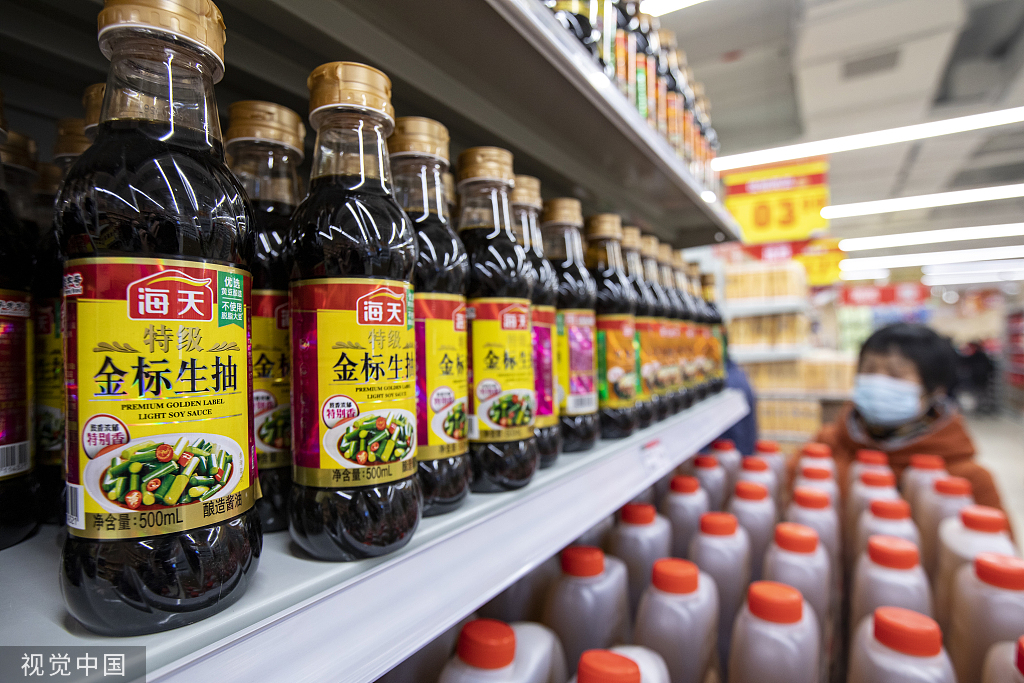
    Chinese condiment manufacturer Foshan Haitian Flavouring and Food Company has acquired Amoy Food from private-equity group Trustar Capital.

    Trustar confirmed it sold its entire equity interest in Hong Kong-based Amoy to Haitian, which holds dual listings in Shanghai and Hong Kong, though financial terms of the deal were not disclosed.

    Founded in 1908, Amoy manufactures products including soy sauce, oyster sauce, seasoning sauces and frozen dim sum, distributing across more than 40 countries including the US, the UK, Canada, Australia and Japan.

    Export footprints and retail networks

    Haitian sells soy sauce, vinegar, oyster sauce, ketchup and cooking seasonings across mainland supermarkets and wholesale food service channels. The purchase gives the Foshan-based group direct access to overseas retail buyers and overseas Chinese diaspora grocers that Amoy has served for decades.

    Trustar confirmed the divestment covers its entire equity stake. The two food groups will integrate production networks, warehouse capacity and procurement pipelines to lower freight and ingredient expenses.

    Mainland volume and slowing domestic margins

    Mainland condiment producers face margin pressures and crowded domestic supermarket shelves. While Haitian generated 16.15 billion yuan ($2.41 billion) in revenue during the first half of the year, growth sat at 5.98 per cent compared with 15.23 billion yuan in the prior-year period.

    Operating profit for the six-month period climbed to 4.96 billion yuan from 4.66 billion yuan in the first half of 2025. Net profit attributable to shareholders rose 7.2 per cent to 4.19 billion yuan, supported by factory automation and lower raw soy costs.

    Private equity exit after seven years

    Trustar purchased Amoy from Japanese packaged food group Ajinomoto in 2019. The private equity firm began exploring sale options in 2023 as global food brand valuations shifted and buyout funds looked to return capital to investors.

    Amoy was established in Xiamen in 1908 before shifting its core manufacturing base to Hong Kong. The business built substantial market share in frozen convenience foods and export condiments under previous multinational owners, including French dairy group Danone and Ajinomoto.

    Category growth targets through 2030

    Data from Frost & Sullivan forecasts China’s domestic condiment market will expand from 511.3 billion yuan in 2025 to 689.7 billion yuan by 2030. That projection represents a compound annual growth rate of 6.2 per cent across all savory sauces and flavorings.

    Haitian now faces the operational task of consolidating Amoy’s Hong Kong production schedules and Western export supply chains before reporting full-year earnings in early 2027.

  • McDonald’s Tests Third-Party Ads on Screens Across 13,700 US Stores

    McDonald’s Tests Third-Party Ads on Screens Across 13,700 US Stores

    McDonald’s is testing third-party ads on digital menu boards and ordering kiosks in select company-owned US restaurants. The trial targets the gap between payment and collection across a domestic footprint of more than 13,700 outlets.

    Drive-thru boards and self-service kiosks display commercial promos once a customer completes an order. Reserving that post-purchase window for outside brands lets the chain build a high-margin ad business without slowing down the ordering queue.

    Sales growth has decelerated sharply. Second-quarter global comparable sales rose 1.3 per cent for the period ended June 30. Domestic comparable sales slowed to 0.8 per cent, down from 3.9 per cent in the first quarter.

    Turning Customer Wait Times into Ad Inventory

    The system relies on idle visual time. After an order is logged and paid for, the display switches from item selection to third-party commercials while the kitchen prepares the meal.

    McDonald’s reaches roughly 26 million daily customers in the US. It interacts with nearly 90 per cent of the country’s population each year. That physical footfall provides an audience density rival digital networks struggle to match at the point of sale.

    A company spokesperson confirmed the test in an email statement:

    “This limited menu board advertising pilot at select company-owned restaurants is exploring ways to share post-purchase content that customers may find helpful, relevant, or interesting, while ensuring the McDonald’s experience remains at the center of every visit.”

    The Push into In-Store Retail Media

    Supermarket operators have spent years converting aisle footfall into retail media revenue. Media margins now generate between 3 per cent and 10 per cent of total operating profit for grocers, according to McKinsey & Co.

    Fast-food chains have lagged behind supermarkets in building dedicated advertising arms. A study by Forrester Consulting found restaurant operators have been slow to commercialise transaction data and screen interactions, leaving physical point-of-sale displays underutilised.

    In-store hardware is already deployed. Digital board rollouts began roughly a decade ago. By 2019, dynamic screens sat in more than 11,000 drive-thru lanes alongside self-ordering kiosks inside dining rooms.

    Implications for Asian Master Franchisees

    Asian master franchisees and licensed operators could use the pilot as a blueprint to extract auxiliary revenue from capital-intensive store refits. High-density markets such as Japan, South Korea, Taiwan and the Philippines already run heavily digitised ordering environments with dense foot traffic.

    Monetising screen real estate introduces friction with store operations. Franchisees run the vast majority of outlets globally. Operators will demand a clear split of ad revenues if corporate headquarters mandates third-party messaging on store hardware.

    Clutter presents another hurdle. Displaying non-food advertisements in dining areas risks degrading store environments. Promoting outside consumer goods at drive-thrus can also distract drivers during meal rushes, forcing operators to balance ad income against speed-of-service metrics.

    Traffic Squeeze and Hardware Modernisation

    Mounting margin pressure from rising input costs and softening store traffic drove the ad pilot. McDonald’s responded earlier this year by introducing value-oriented meal bundles to counter customer resistance to menu price increases.

    Modernising the digital footprint formed the first phase of this strategy. Over the past decade, capital poured into indoor touchscreens, drive-thru automation and mobile loyalty programmes to lower labour requirements and capture first-party consumer data.

    An investor day, the company’s first in three years, is scheduled for September 23. Management is expected to outline whether third-party screen advertising will expand across franchised locations or remain confined to company-operated pilot stores.

  • Only 17 per Cent of FMCG Launches Achieve Strong Trial and Repeat Buys

    Only 17 per Cent of FMCG Launches Achieve Strong Trial and Repeat Buys

    Only 17 per cent of fast-moving consumer goods launches achieve strong trial and strong repeat purchase, according to a 2025 study by NielsenIQ.

    A new product launch that fails to build a fast rate of sale quickly loses its shelf space, with winning back lost distribution costing even more.

    Marketing agency Social Soup notes that Australian product discovery no longer relies on single large campaigns, but on sequential creator recommendations, feed reviews, and verified trials.

    Data from the Interactive Advertising Bureau shows 58 per cent of Australian consumers now use social platforms for brand and product research. Among shoppers aged 18 to 39, 75 per cent discover products directly from creators. Spending has shifted away from broad television and static outdoor ads into verified sampling and creator-led store traffic programmes.

    The mechanics of retail store pull

    Consumer goods brands now use micro-creator networks to generate physical store visits instead of generic awareness. Beverage maker H2coco sent 100 creators with vouchers to buy its Peach variant inside Ampol service stations. The campaign produced 142 pieces of content showing the purchase and consumption. It delivered 126,600 organic views and a 7.8 per cent engagement rate, beating its 4 per cent target.

    Ampol stores saw a similar mechanic during the brand’s Matcha drink roll-out at 7-Eleven, where 51 creators repeated the purchase process. Shelf space in petrol and convenience channels is limited to immediate consumption. Quick sell-through speed determines whether an SKU earns a permanent spot in the cold vault.

    Tissue maker Sorbent used household sampling to trigger switching from rival paper brands. Its Home Truths campaign targeted 1,000 households that regularly bought competing products, generating 2,900 verified home trials and 2,158 published reviews. The push yielded an 88 per cent post-trial purchase intent score.

    Asia Pacific e-commerce shift

    These Australian figures match broader retail changes across the Asia-Pacific region, where mobile purchasing drives sales. Mobile devices account for more than 60 per cent of regional FMCG online transactions. Digital wallets make up 65 per cent of regional e-commerce settlements, compared to 83 per cent globally.

    Adoption rates vary widely across regional markets. India leads digital FMCG adoption at 90 per cent, followed by China at 86 per cent and South Korea at 60 per cent. By contrast, online penetration in traditional developed retail sectors fell from 60 per cent to 52 per cent over the past year due to price sensitivity and inflation.

    Shoppers across regional platforms track prices closely. Data shows 47 per cent of online shoppers delay buying consumer goods until major platform sales events. Delivery costs also decide basket size, with 93 per cent of shoppers calling free freight essential at checkout.

    Supplier risks and category entry points

    Suppliers carry clear operational risks when customer acquisition costs eat into retail margins. Discounting to trigger early volume damages price perception and rarely builds repeat buying habits. Supermarket buyers now demand proof of sustained demand before allocating floor space.

    Australian store operators have shortened review windows for new lines. An item that misses inventory turn targets within twelve weeks gets cut quickly. Backing launches with verified community trials gives suppliers the sales data they need to protect shelf space during quarterly range reviews.

    Global FMCG revenues, valued at 12.93 trillion dollars in 2024, are projected to reach 21.88 trillion dollars by 2034. Capturing that growth across Asia-Pacific requires brands to connect creator campaigns directly to store aisles rather than relying on stand-alone media.

    What consumer brands track next

    Brand teams in Australia and New Zealand are preparing for upcoming category range reviews across major supermarket and convenience channels. Marketers are shifting funds from slotting fees on end-caps into creator trial programmes.

    Range reviews through 2027 will test whether community sampling can lift that 17 per cent benchmark for 90-day repeat replenishment across supermarket aisles.

  • Saeki Selva Holdings Begins Training for 100-Store Vietnam Push

    Saeki Selva Holdings Begins Training for 100-Store Vietnam Push

    Japanese supermarket operator Saeki Selva Holdings plans to enter Vietnam with an operational rollout targeting 100 stores across the country. The Tokyo-based grocer is now training local personnel in Japan and Vietnam to handle store operations from floor basics to full management.

    The retailer is using its Japanese stores to teach prepared food assembly, inventory controls and daily floor management. Vietnamese staff working in Japan will move directly into store leadership tracks once the company begins opening locations in Southeast Asia.

    Building a Store Management Pipeline

    Staff development forms the baseline of the expansion model. Trainees learn food preparation, food safety standards and Japanese service techniques at existing domestic sites before deploying to Vietnam. That pipeline cuts the overhead of dispatching large teams of Japanese expatriates to run individual sites.

    Supermarket operators expanding into Southeast Asia frequently struggle with middle-management retention. By offering a defined career path from floor staff to store manager, Saeki Selva Holdings aims to stabilise its local store leadership before opening its first doors.

    The Competitive Field in Vietnam

    Vietnam remains one of the primary targets for foreign food retailers seeking growth outside mature home markets. Japanese retail giants like Aeon have already invested heavily in large shopping malls and compact supermarket formats across Hanoi and Ho Chi Minh City, while domestic chains retain strong footholds in the convenience and neighbourhood grocery segments.

    Saeki Selva Holdings enters a market where ready-to-eat meals and fresh foods drive foot traffic. Japanese supermarket formats carry a strong reputation for cleanliness and cold-chain reliability among urban Vietnamese consumers. Success for a 100-store network will hinge on whether the operator can price its fresh offerings to compete with entrenched local wet markets and neighbourhood minimarts.

    Supply Chain and Fresh Food Execution

    Prepared foods serve as a core differentiator for Japanese supermarket operators entering overseas markets. Saeki Selva Holdings is placing food preparation at the center of its training curriculum to maintain consistent product quality across its planned store base.

    Sourcing fresh ingredients locally while maintaining Japanese hygiene standards requires rigorous back-of-house supervision. Training workers directly in Japanese kitchens allows the company to replicate its central kitchen and in-store deli workflows before rolling out physical units in Vietnamese cities.

    Next Steps for the Market Entry

    Establishing operational readiness in Tokyo marks the initial phase of the cross-border strategy. Saeki Selva Holdings must next secure local store sites, establish distribution partnerships and clear regional commercial licensing requirements in Vietnam.

    The pace of the 100-store rollout will depend on site acquisition and the speed at which the first cohort of trained managers completes their preparation in Japan.