Category: Food

Retail News Asia is committed to providing both local and global retailers with the latest Food and Food & Beverage news throughout the Asian market. This on a daily base.

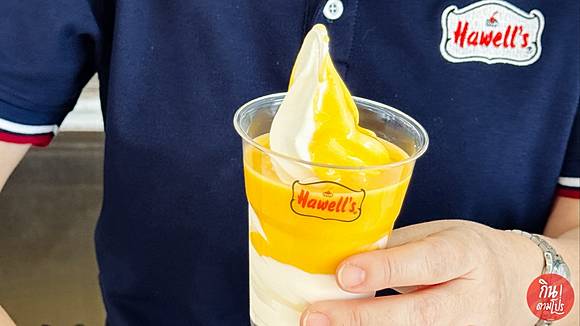
  • Thai Ice-Cream Brand Hawell’s Put up for Sale for 165 Million Baht

    Thai Ice-Cream Brand Hawell’s Put up for Sale for 165 Million Baht

    Hawell’s founder Siripong Akkarasriyuk has put the Thai ice-cream chain up for sale for 165 million baht as he prepares to enter the Buddhist monkhood.

    The package covers seven rai of land, a production factory in Nonthaburi, recipes developed across 37 years, and the brand’s sole operating standalone outlet.

    What the 165 Million Baht Sale Includes

    Siripong announced the sale on Friday, offering a 5 million baht referral fee to anyone who secures a buyer. The assets bundled into the 165 million baht price tag include the Hawell’s trademark, operating licences, an office building, plant machinery, and proprietary formulas for both hard-scoop and soft-serve ice cream.

    The sale also comes with an expansion blueprint targeting 8.8 billion baht in annual revenue. That model requires rollouts across 300 soft-serve shops, 100 hard ice-cream stores, and 5,000 automated cup-dispensing machines nationwide, provided the incoming buyer secures capital within two years.

    From 22 Mall Stores to One Standalone Unit

    Founded in 1999, the brand opened its first branch at Central Pinklao and expanded to 22 mall locations within three years by positioning itself as an affordable, quality domestic alternative. Growth stalled when competing international and corporate-backed chains secured exclusive lease clauses with shopping centre operators, barring direct rivals from mall premises. The closures culminated in the shutdown of the original Central Pinklao branch in 2014.

    Retail landlords in Bangkok have long favoured well-funded conglomerate brands with exclusive tenancy covenants, squeezing independent operators out of prime foot-traffic corridors. Hawell’s pivot away from department stores toward standalone sites and automated vending mirrors broader efforts by local food operators across Southeast Asia to bypass mall lease restrictions and high occupancy costs.

    After opening a standalone restaurant in Bang Bua Thong in 2023, Siripong attempted to renegotiate entry into shopping complexes over the past two years without success. Having authored a book on Buddhist philosophy in 2016, he has committed to entering full monastic ordination within two years, making a complete transfer of the business his final operational deadline.

  • Sajo Seafood Buys Hines Cold Chain Shed in Greater Seoul for $65M

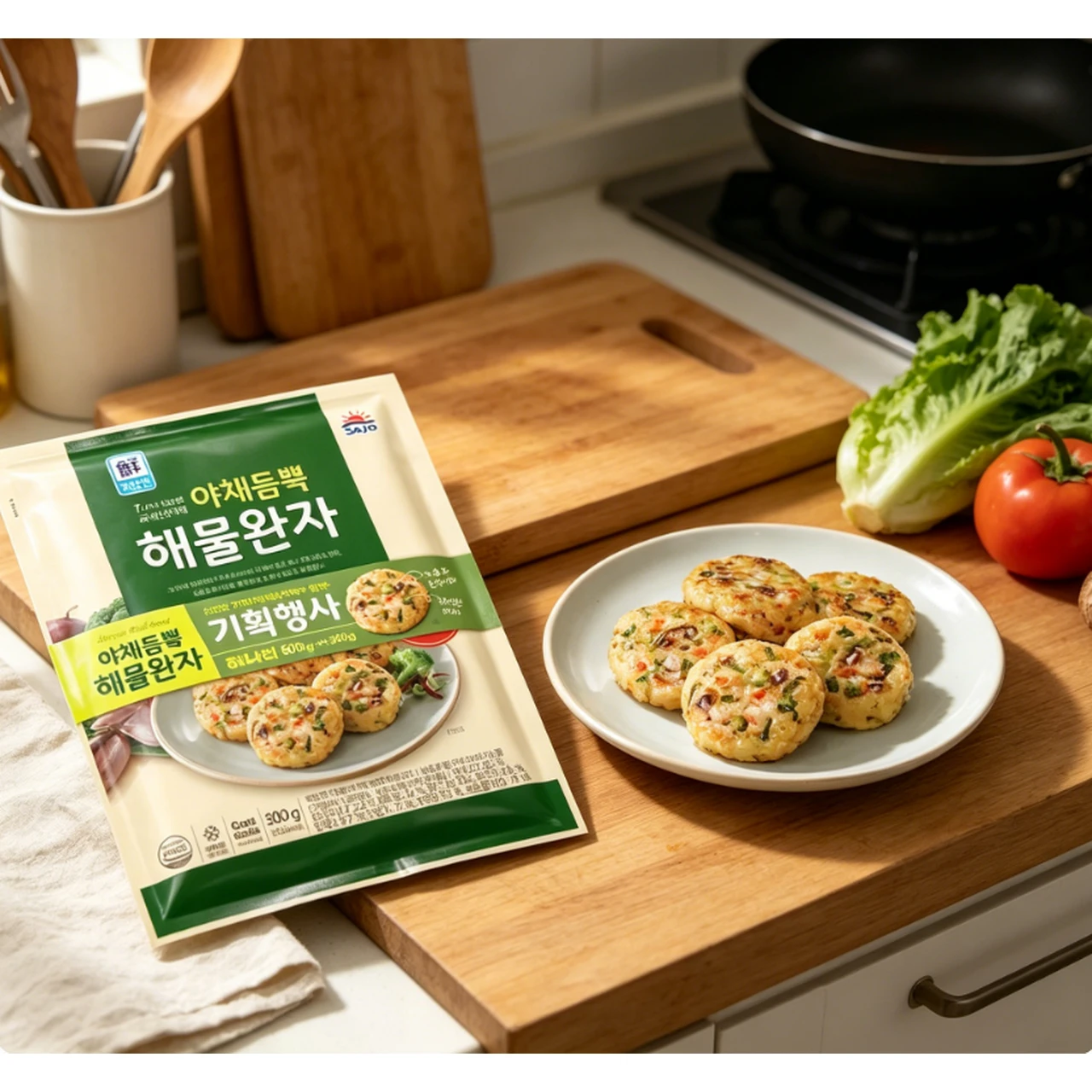
    Sajo Seafood Buys Hines Cold Chain Shed in Greater Seoul for $65M

    Sajo Seafood agreed to buy a Greater Seoul cold storage warehouse from Hines and Pebblestone Asset Management for KRW 90 billion ($65 million).

    The purchase gives the South Korean tuna processor and deep-sea fishing group full ownership of Hines Logistics Namyang in Hwaseong, Gyeonggi province. Sajo said the acquisition will expand its storage operations and add a direct distribution hub serving the capital region.

    Payment Schedule and Asset Specs

    Regulatory filings show Sajo paid an initial 10 percent deposit of KRW 9 billion. A second installment of KRW 18 billion falls due on 30 September, with the final KRW 63 billion balance scheduled for payment when the property transfers on 26 November.

    At the agreed price, Sajo is paying just under KRW 2 million per square metre of floor space. Completed in 2023, the four-level facility spans 487,258 square feet of gross floor area across ambient and refrigerated zones, featuring full ramp access, 10-metre clear ceiling heights, and floor load capacities up to 2.5 tonnes per square metre. E-commerce giant Coupang Fulfillment Services and Korea Food Services Corporation occupy space as key tenants.

    Shifting Cold Chain Capital

    Houston-based Hines and Seoul-based Pebblestone broke ground on the Namyang site in late 2021 as Hines made its first direct property investment in South Korea. The exit allows both managers to return capital after building out the multi-temperature asset from scratch on a 30,658-square-metre plot.

    Food producers across East Asia continue to buy dedicated logistics hubs rather than rely entirely on third-party cold chain operators, aiming to lock in temperature-controlled capacity near dense urban populations. The Hwaseong site sits within 50 kilometres of 21 million consumers, positioned between Incheon Airport, Incheon Port and Pyeongtaek Port.

    Hines has stepped up capital recycling across Asia, selling a Tokyo office tower to LaSalle Investment Management while acquiring Singapore retail assets. The final ownership transfer for the Hwaseong cold storage facility remains on track for completion on 26 November.

  • Ally Adds Collagen and Lifts Protein to 10G in Thailand Drink Relaunch

    Ally Adds Collagen and Lifts Protein to 10G in Thailand Drink Relaunch

    Thai functional beverage brand Ally has reformulated its Pro Fiber line in Bangkok, raising plant protein to 10 grams per bottle and adding collagen peptide.

    The updated ready-to-drink formula packs 20,000 milligrams of dietary fiber alongside psyllium husk to target digestive health and sustained fullness. Two new flavour profiles accompany the relaunch: Grape Berry, blending grape, blueberry, acai, and kale, alongside Apple Lemon, made with apple, pear, lemon, and kale.

    Upgraded formulation and new blends

    Ally originally launched the Pro Fiber line in 2025 with 8 grams of plant protein per unit. The revised 2026 iteration increases the protein dose extracted from pea and soy by two grams to support muscle maintenance while introducing marine collagen peptide aimed at skin hydration.

    Packaging changes reflect the formula shift. Psyllium husk, previously listed as a minor claim at the bottom of the bottle, now sits prominently on the front panel as a key functional selling point.

    Shift in convenience beverage positioning

    Thai beverage makers are packing multiple functional ingredients into single stock-keeping units rather than selling standalone protein or fiber drinks. Ally itself expanded into clear protein with creatine in May 2026 and rolled out ready-to-eat overnight oats in July 2026, building out a convenience-led functional nutrition portfolio in urban retail chains.

    Distribution continues across convenience store chillers and supermarket shelves in Thailand, where consumer uptake of high-fiber meal-replacement beverages will test whether multi-benefit RTD drinks can sustain premium shelf space against traditional dairy and juice competitors.

  • Blue Bottle Coffee Enters Thailand with Two Bangkok Cafes

    Blue Bottle Coffee Enters Thailand with Two Bangkok Cafes

    Blue Bottle Coffee will enter Thailand with two Bangkok locations developed alongside regional retail operator Valiram. The rollout at Dusit Central Park and the EmQuartier shopping mall follows the brand’s acquisition from Nestle by Chinese private equity firm Centurium Capital for less than $400 million earlier in 2026.

    Valiram is managing the Thai rollout after steering Blue Bottle Coffee’s entry into Singapore in 2024. The two companies are dividing the Bangkok launch across two distinct retail formats.

    Two Formats for Bangkok

    The Dusit Central Park cafe will operate as an open-format unit geared toward everyday foot traffic and core espresso drinks. The second site, at EmQuartier in the Sukhumvit commercial district, will serve as the brand’s flagship cafe in Thailand.

    That flagship will feature hand-brewed pour-overs, single-origin coffees and rotating seasonal menus. Both stores put the California-founded brand into direct competition with established specialty operators and international chains in Bangkok’s crowded cafe scene.

    Valiram Partnership and Centurium Ownership

    Blue Bottle Coffee already runs stores across Japan, South Korea, mainland China, Hong Kong and Singapore. Adding Bangkok extends its push into Southeast Asia under Centurium Capital, the private equity group that built Luckin Coffee into China’s largest coffee chain by store count.

    Valiram provides local operational muscle, bringing real estate relationships across luxury malls and transit hubs in the region. The group continues to handle store buildouts and staffing as the chain prepares to open doors at Dusit Central Park first before launching the EmQuartier flagship.

  • Yum China Opens 300Th Pizza Hut Burger Bar as Fast-Food Demand Grows

    Yum China Opens 300Th Pizza Hut Burger Bar as Fast-Food Demand Grows

    Yum China opened its 300th Pizza Hut Burger Bar in Wuhan, expanding a side-by-side restaurant format that reached the threshold within ten months of its national rollout.

    The concept grew from zero to more than 200 locations in its first six months, relying on shared kitchen space and existing staff inside established Pizza Hut outlets to keep capital expenditures low.

    Shared Kitchens and Dough Buns

    Pizza Hut entered the burger category two years ago by using baked pizza dough as buns. The Burger Bar format formalised that experiment into a dedicated counter model, preparing patties on a hot griddle in an open kitchen beside the main dining room.

    The 300th unit in Wuhan introduced regional menu items, including a crayfish crispy lotus root cheeseburger, tailoring offerings to local tastes. Management expects total burger sales across regular restaurants and dedicated Burger Bars to top RMB1 billion (US$148.6 million) this year. That total represents between 5 per cent and 6 per cent of Pizza Hut China’s overall revenue.

    Chasing Fast-Food Growth

    Fast-food chains across Asia are leaning heavily into lower-cost, single-diner formats to capture shifting customer habits. Smaller household sizes, tight consumer budgets and a preference for fast, individual meals have turned Western fast food into a contested segment in mainland cities.

    Market researcher Emergen Research valued China’s burger sector at US$18.4 billion in 2025, forecasting an annual growth rate of 8.7 per cent through 2035. While western burger chains continue adding standalone stores, Yum China is using its existing Pizza Hut footprint to capture market share without the overhead of building new restaurant shells.

    Yum China raised its expansion targets for the broader Pizza Hut chain, aiming for more than 800 net new store openings annually in 2027 and 2028, up from its earlier guidance of 600.

  • Thai Hypermarket Operators Face Slowing Growth Under Stiff Competition

    Thai Hypermarket Operators Face Slowing Growth Under Stiff Competition

    Thailand’s hypermarket operators face an uphill battle to expand as stiff competition and sluggish market momentum stall growth across large-format stores. The segment contends with difficult trading conditions where incremental gains require heavy operational effort against entrenched local rivals.

    Competition Slows Large Store Expansion

    Retail analyst Michael Baker reported that large-format grocery and general merchandise chains across Southeast Asia, led by Thailand, now operate in a grinding environment defined by slow forward momentum. Operators face intense rivalry that makes physical network expansion costly and difficult to sustain.

    Big-box retailers across the region have struggled to replicate past expansion rates as neighborhood formats, specialty retailers, and convenience networks pull shoppers away from suburban megastores. In markets like Thailand, where retail space per capita in urban centers is already high, winning market share requires squeezing efficiency out of existing floorspace rather than adding square footage.

    Market Headwinds Across Southeast Asia

    Large-format food and merchandise chains must resolve internal operating pressures while adapting store formats to retain foot traffic. Slower retail turnover across broad merchandise categories has forced chains to rethink store layout and inventory deployment.

    The next quarterly retail filings across Thai listed operators will show whether store rationalization and format downsizing can protect operating margins.

  • Vietnam’s Viva Star Coffee Expands to Malaysia with October Klang Store

    Vietnam’s Viva Star Coffee Expands to Malaysia with October Klang Store

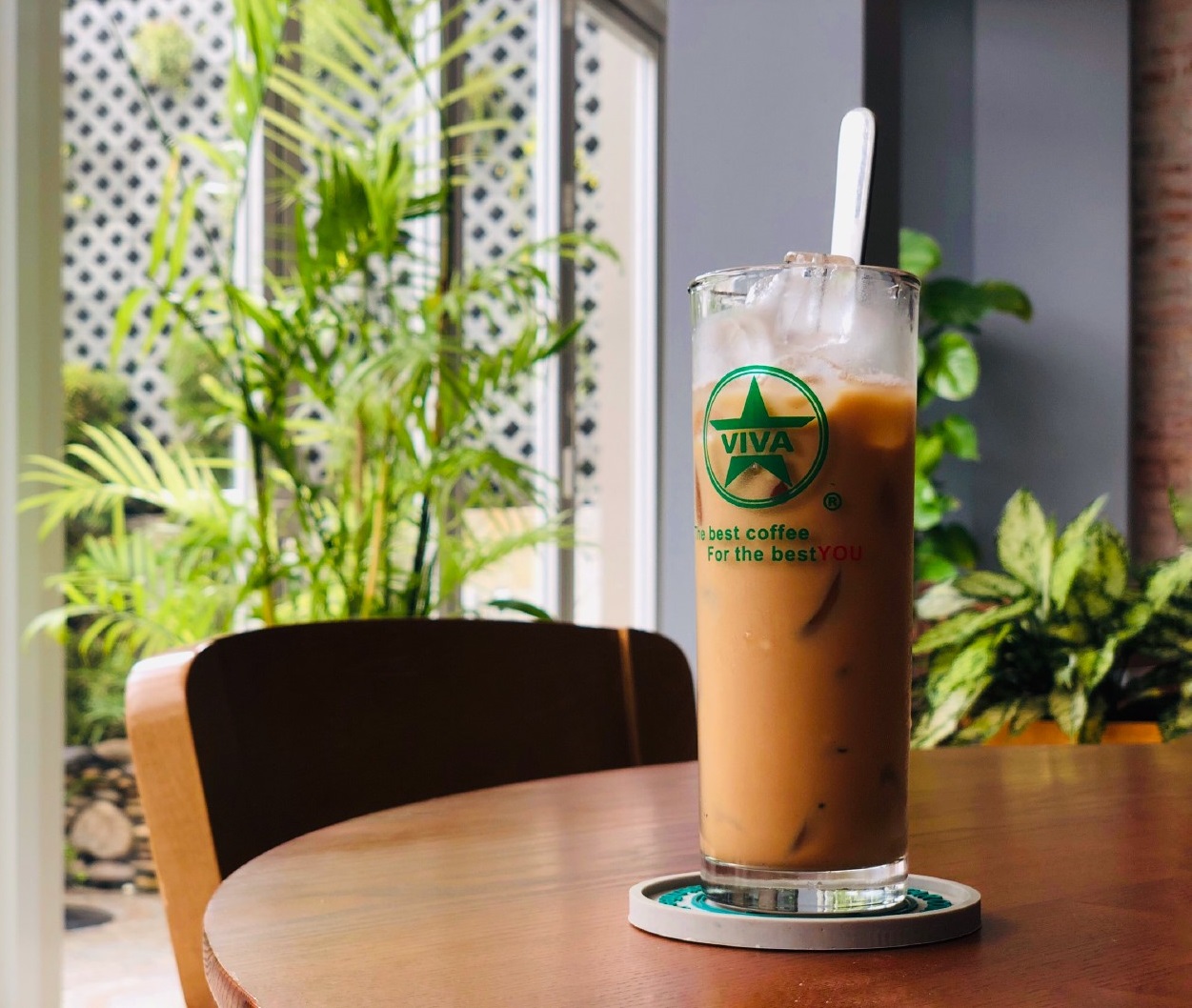
    Vietnamese cafe chain Viva Star Coffee will open its first Malaysian outlet in October at Wyndham Acmar Klang through a partnership with local firm GinsengWorld Biotech Berhad.

    Under the agreement, GinsengWorld will manage local operations while the Vietnamese group provides coffee sourcing, store formats and franchise systems developed over two decades in its home market.

    Franchise formats and supply chain

    Founded in Vietnam, Viva Star Coffee operates an integrated farm-to-cup model that spans bean cultivation, roasting, packaged exports and retail outlets. The chain relies on local master franchisees to scale across international borders rather than building corporate-owned store networks from scratch.

    Its retail lineup includes Viva Reserve, a higher-ticket format featuring six bean varieties and six brewing methods at a dedicated bar, alongside Viva Togo, a compact concept built for fast-service takeaway orders.

    Beyond store counters, the brand exports packaged coffee to South Korea, the United States, Czechia, Australia and Japan, where it established distribution channels in 2022.

    Regional coffee push into Malaysia

    Malaysia gives Viva Star Coffee its seventh overseas market since beginning its international push in Cambodia in 2018. The company has since added operations in Indonesia, Singapore, Thailand, China and India.

    Southeast Asian coffee operators are competing aggressively across each other’s home territories. Vietnamese chains such as Cong Ca Phe and Viva Star Coffee are taking their robusta-heavy menus into urban Malaysia and Indonesia, where local incumbents and international giants already fight for retail mall footfall and office lunch traffic.

    All eyes turn to the October opening in Klang, which will test how Viva Star Coffee’s franchise pricing and roast profiles compete against established domestic tea and coffee chains.

  • Maxim’s Overhauls Brand Strategy to Win Younger Asian Consumers

    Maxim’s Overhauls Brand Strategy to Win Younger Asian Consumers

    Maxim’s Food Group is overhauling its branded product strategy across Hong Kong and regional markets to target Gen Z consumers over the next 15 years. The initiative focuses on core festival sales periods, including Mid-Autumn Festival, Chinese New Year and the Dragon Boat Festival, where younger shoppers show shifting buying habits.

    Carmen Chiu, director of branded products at the Hong Kong-headquartered food and restaurant group, is leading the transformation. Chiu previously directed brand expansion for Godiva across Asia between 2012 and 2019, scaling the chocolatier from 30 stores to an opening rate of roughly one new shop per week across Mainland China and the wider region.

    The 80-20 Localization Rule

    Chiu runs brand adaptation on an explicit ratio: 80 percent global brand consistency in look, packaging and tone, with 20 percent dedicated to local market adjustments. At Godiva, low per-capita chocolate consumption across Asia forced a pivot from boxed gift sales into in-store cafes and soft-serve ice cream to build direct trial.

    A similar playbook governed Chiu’s regional rollout at British retailer Fortnum & Mason. The 315-year-old grocer adjusted tea storytelling and fine-tuned product recipes, altering sweetness and saltiness levels to match local palates while keeping core British store aesthetics intact.

    Preserving Festival Demand for Gen Z

    Heritage food brands across East Asia face an aging buyer base as legacy gifting habits weaken among younger demographics. Maxim’s relies heavily on seasonal bakery and gift box lines, where older cohorts remain loyal but younger consumers demand digital engagement and faster product iteration.

    Maxim’s is now testing new product segmentation, alternate distribution channels, and social media touchpoints integrated with artificial intelligence tools. The next phase will measure how these packaging and channel changes perform across Hong Kong retail shelves during upcoming seasonal festival cycles.

  • Black Sea Tensions Threaten Asian Food Supply Chains, Embassy Warns

    Black Sea Tensions Threaten Asian Food Supply Chains, Embassy Warns

    Tensions in the Black Sea region are creating significant risks for global food security and supply chains, with direct implications for Asian markets, warned the Russian Embassy in Cambodia. The embassy issued a comment responding to an article on food security originally published by The Indian Express and reprinted by Khmer Times, stating that the “Kiev regime and its sponsors” are overlooked as main beneficiaries of supply chain disruption.

    According to the statement, Ukrainian forces have increased attacks on coastal transport, logistics infrastructure, and civilian vessels in the Sea of Azov and the Black Sea. These attacks, reportedly utilizing unmanned systems and intelligence from NATO and the EU, have targeted essential agricultural shipments such as grain and sunflower oil.

    Shipping Under Attack

    The embassy cited several incidents, including a June 5 drone attack by the Armed Forces of Ukraine (AFU) on dry cargo ships Natra and Zirkon in the Sea of Azov, which resulted in five fatalities and three injuries. In July, there were over 100 reported drone attacks by Ukrainian forces against private vessels transporting Russian agricultural products to the global market. An attack on July 18 targeted the commercial bulker MV OMORFI, which was sailing under the Marshall Islands flag and transporting grain, leading to the death of an Indian sailor.

    Further incidents included AFU attacks on the grain export terminal in Rostov-on-Don between July 25-27, followed by the seaport of Taman on July 30. Ukrainian drones also targeted the Nadezhda, a ship flagged by Cameroon and operated by a Turkish company, and the Turkish bulk carrier Yaşar on August 3. These actions, described by the embassy as militarily pointless, violate international law on civilian vessel safety and cause delays in deliveries of crucial commodities to international importers.

    Global Market Impact

    The embassy asserts that this military campaign by the Kiev regime aims to create chaos in the global food market, serving the interests of several Western countries. This strategy, combined with financial, economic, and energy restrictions, is contributing to a deficit in grain and fertilizers, pushing up global food prices. The statement emphasized that countries in the Global South and East are becoming hostage to these policies, facing increased costs.

    In response, the Russian Armed Forces are reportedly taking measures to ensure navigation safety, including precision strikes against Ukrainian facilities used to destabilize shipping and infrastructure involved in delivering Western military hardware to Ukraine. These operations will continue until security threats in the Sea of Azov and Black Sea are eliminated, and unimpeded agricultural product exports are guaranteed.

    For Asia-Pacific retailers and consumers, these ongoing disruptions translate to higher import costs and potential supply volatility for staple goods like grains and oils. The region, heavily reliant on international trade, is particularly vulnerable to such geopolitical pressures on global commodity flows. This dynamic aligns with broader concerns RetailNews Asia has tracked regarding global supply chain resilience and its impact on regional retail sectors.

  • Cambodia Boosts Food Safety and Export Potential with Singaporean Partnership

    Cambodia Boosts Food Safety and Export Potential with Singaporean Partnership

    Phnom Penh is taking significant steps to elevate its food safety and processing capabilities through a new collaborative training initiative. The Ministry of Industry, Science, Technology and Innovation (MISTI) in Cambodia, in partnership with the Embassy of Singapore, has commenced a five-day program designed to improve food safety, boost agro-processing, and help Cambodian businesses produce export-ready, high-quality goods.

    This initiative, held at the Cambodia-Singapore Cooperation Centre, provides specialized training for Cambodian officials. The curriculum focuses on essential areas such as food safety management, preservation techniques, value addition, and sustainable production practices, aiming to strengthen the country’s food sector from farm to market.

    Strengthening Consumer Trust And Market Competitiveness

    Minister of Industry, Science, Technology and Innovation Hem Vanndy emphasized that robust food safety systems are vital for protecting public health and fostering consumer confidence. Such improvements also play a crucial role in enhancing the competitiveness of both industrial players and small and medium-sized enterprises (SMEs) within the market. Vanndy noted that investing in food safety safeguards consumer well-being today and bolsters Cambodia’s long-term reputation and economic future.

    The minister highlighted key priorities, including reducing post-harvest losses, adopting modern processing and packaging technologies, adhering to international standards, and promoting resource-efficient production methods. These efforts are expected to support Cambodia’s economic transition from basic production towards higher-value manufacturing, opening new avenues for local producers to reach regional and international consumers.

    A New Phase of Bilateral Cooperation

    Steven Pang Chee Wee, the Ambassador of Singapore to Cambodia, stated that this training program was developed specifically to address MISTI’s priorities, marking a new chapter in bilateral capacity-building cooperation. This marks the first customized course under the Singapore Cooperation Programme to be hosted at the Cambodia-Singapore Cooperation Centre, setting a precedent for future tailored collaborations between the two nations.

    The ambassador acknowledged Cambodia’s abundant agricultural output, noting that it presents considerable opportunities for increased value creation through enhanced processing, preservation, and food safety protocols. The course also supports MISTI’s broader objective of strengthening Cambodia’s National Quality Infrastructure, encompassing standards, metrology, accreditation, and laboratory testing. This systematic approach will help local micro, small, and medium enterprises improve product quality, enabling them to better access regional and international markets. The Cambodia-Singapore Cooperation Centre, established in 2002 and upgraded in 2018, has already provided capacity-building programs to over 19,000 Cambodian government officials, underscoring the long-standing partnership.

    RetailNews Asia notes that improving food safety and processing capabilities is a common strategy across Southeast Asia to boost agricultural exports and strengthen domestic consumer confidence. Similar initiatives have been seen in Vietnam and Thailand, where robust standards are essential for tapping into high-value markets. For retailers and F&B businesses operating in Cambodia, this move promises a more reliable supply chain of locally sourced, higher-quality products, potentially reducing import reliance and supporting local producers.

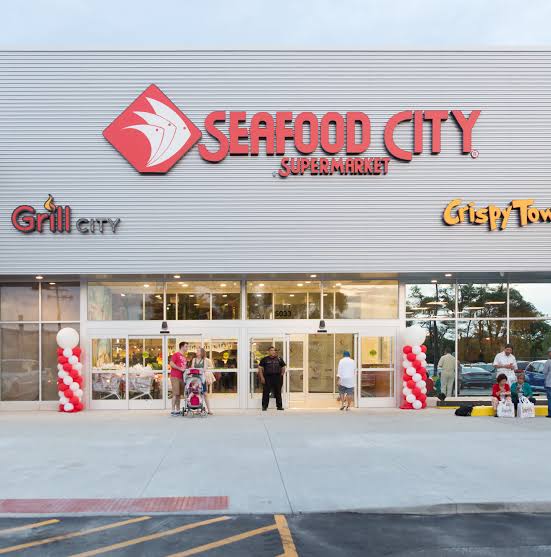
  • Filipino-American Grocery Chain Seafood City Opens First Arizona Store

    Filipino-American Grocery Chain Seafood City Opens First Arizona Store

    Seafood City Supermarket, a US-based grocery chain with roots in Filipino and Asian products, has officially opened its first store in Arizona. The new location in Chandler, an East Valley city near Phoenix, marks a strategic expansion for the company into new territories.

    The Chandler supermarket is designed to be a comprehensive destination for Filipino and pan-Asian groceries, fresh produce, and seafood. This opening continues Seafood City’s growth trajectory, building on its strong presence in California and other states with significant Filipino diaspora communities.

    Expanding US Footprint

    The Chandler store joins Seafood City’s existing network across the United States and Canada. The company, founded by Filipino-American entrepreneurs, has historically focused on serving communities with a high concentration of Filipino immigrants and those seeking specific Asian food items.

    The move into Arizona represents an effort to tap into growing Asian-American populations in new regions. Supermarkets catering to specific ethnic demographics often become community hubs, offering a taste of home and a wide range of specialty goods not typically found in mainstream stores.

    Regional Retail Dynamics

    For retailers in Asia, this expansion highlights the ongoing opportunities in catering to diverse consumer preferences, particularly within diaspora communities. The success of chains like Seafood City in North America can inform strategies for Asian grocery brands considering international expansion or for local retailers looking to enhance their specialty offerings.

    RetailNews Asia observes similar trends within the Asia-Pacific region, where specialized supermarkets and food halls are emerging to serve distinct consumer groups, whether focusing on organic products, imported goods, or specific regional cuisines. The ability to create a strong cultural connection through product assortment and store experience remains a key differentiator.

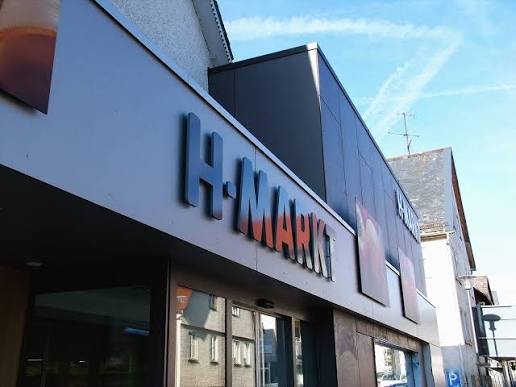
  • H Mart Orlando Unveils Expanded Asian Food Hall

    H Mart Orlando Unveils Expanded Asian Food Hall

    H Mart, America’s prominent Asian supermarket chain, will significantly enhance its customer experience with the Phase 2 grand opening of an expanded food hall in its Orlando, Florida, supermarket. The new extension is scheduled to launch on August 21, 2026, at 10:30 a.m. Local time, with regular operating hours set from 10:30 a.m. To 9:00 p.m. Daily.

    Located at 7501 W Colonial Dr, the Orlando supermarket, which opened last year and spans over 100,074 square feet, has already established itself as a community hub. The food hall expansion doubles the available dining choices, offering a wider array of culinary experiences. This move reinforces H Mart’s ongoing commitment to innovation and service excellence, bringing diverse Asian flavors under one roof.

    Expanding Culinary Horizons

    The expanded food hall aims to redefine convenience and variety by bringing together popular Asian fast-casual favorites. Customers can expect a diverse range of dishes, all prepared with fresh ingredients and authentic flavors. Offerings will include Korean street food, iconic Korean fried chicken, sweet stuffed hotteok, and savory Japanese curries.

    Brian Kwon, President of H Mart, stated the company’s enthusiasm for the expansion, emphasizing its dedication to sharing Asian food culture with the community. He affirmed the commitment to maintaining the high quality of food and service customers have come to expect. This expansion aligns with H Mart’s strategy to provide a holistic experience that combines shopping, dining, and entertainment.

    New Dining Concepts Introduced

    The new extension will introduce six distinct dining stalls, each offering a unique culinary focus. These additions are designed to create an upscale ambiance within the cultural space of the food hall. The new establishments include:

    • Curry 88: Specializing in Japanese Curry
    • Mari Mari: Offering Maki Rolls, Inari, and Noodles
    • Seoul Hotteok: Featuring Korean Traditional Dessert
    • bb.q Chicken: Known for Korea’s Finest Fried Chicken
    • Dduk Dabang: Serving Korean Street Food
    • SORIMMARA: A Korean Style Mala Restaurant

    H Mart’s strategic move to integrate an extensive food hall within its supermarket model echoes a broader trend observed across Asia, where retailers increasingly blend grocery shopping with experiential dining. In markets like South Korea and Japan, large-format supermarkets often feature diverse food courts and prepared food sections, drawing customers in not just for staples but also for a complete lifestyle experience. This US expansion by an Asian grocery giant highlights the growing global appeal of Asian culinary diversity and the evolution of the supermarket format into a comprehensive lifestyle destination.

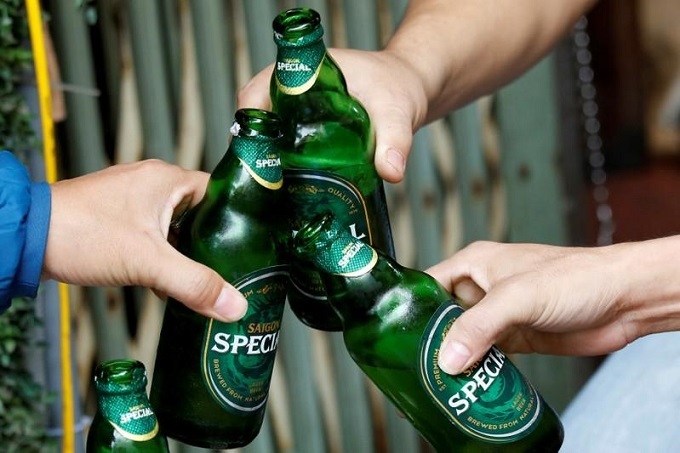
  • SABECO Boosts Consumer Engagement at Khanh Hoa Sea Festival 2026

    SABECO Boosts Consumer Engagement at Khanh Hoa Sea Festival 2026

    SABECO, the Vietnamese beverage giant behind Bia Saigon and 333 Beer, plans to significantly enhance its consumer engagement initiatives at the Khanh Hoa Sea Festival in 2026. This strategic move aims to connect directly with a large audience, reinforce brand loyalty, and expand its market reach within Vietnam.

    The company, known for its extensive portfolio of beer brands, regularly participates in major cultural and sporting events across the country. Its involvement in the Khanh Hoa Sea Festival provides a platform to show products, create memorable brand experiences, and gather direct feedback from consumers.

    Building Brand Presence Through Local Events

    Participating in large-scale public events like the Khanh Hoa Sea Festival allows SABECO to integrate its brands into local cultural celebrations. This approach helps the company build a stronger emotional connection with consumers, moving beyond traditional advertising. These festivals attract both local residents and tourists, offering a diverse demographic for brand interaction.

    For consumer brands operating in Southeast Asia, local festivals and events are critical channels for market penetration and consumer relationship building. Such engagement strategies are particularly effective in markets where community and cultural ties play a significant role in purchasing decisions. This is a common strategy for F&B companies across the region, from ThaiBev in Thailand to San Miguel in the Philippines, as they aim to embed their brands deeply within national identities and local traditions.

    SABECO’s Market Strategy in Vietnam

    SABECO continues to be a dominant force in Vietnam’s competitive beverage market. Its consistent presence at key national events underscores a long-term strategy to maintain market leadership and respond to evolving consumer preferences. These engagements often include interactive booths, product sampling, and branded entertainment, designed to create a positive association with its beer brands.

    The company’s focus on consumer engagement at events like the Khanh Hoa Sea Festival also reflects a broader trend among regional consumer goods companies. They are increasingly investing in experiential marketing to differentiate themselves and foster deeper brand loyalty in a dynamic retail environment. This direct interaction helps gather insights that inform future product development and marketing campaigns.

  • Mom’s Touch Sees Strong Singapore Debut with Sales More Than Doubling

    Mom’s Touch Sees Strong Singapore Debut with Sales More Than Doubling

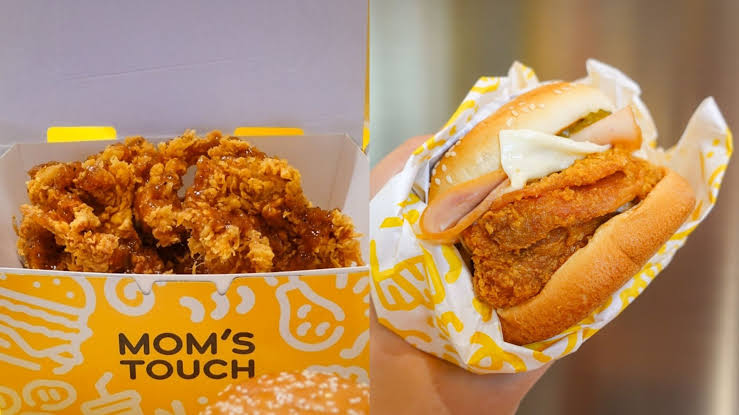
    Korean fast-food chain Mom’s Touch has reported strong initial performance for its first store in Singapore, with opening sales more than doubling its target. The outlet, located on South Bridge Road in Singapore’s Central Business District, launched last Friday and attracted over 200 diners on its opening day.

    This Singapore debut marks the first venture under a master franchise agreement between Mom’s Touch and FairPrice Group, Singapore’s largest retailer. FairPrice Group operates a diverse portfolio including supermarkets, food outlets, convenience stores, and pharmacies. Despite having a capacity of 90 seats, the store has maintained queues before opening each day, consistently exceeding its daily sales target by more than twofold during its first five days of operation.

    Local Adaptations and Expansion Plans

    Mom’s Touch dedicated over two years to developing ingredients, sauces, and a supply chain to meet halal dietary requirements and cater to local tastes in Singapore. The company ensured its signature items, such as the Thigh Burger, maintained their quality equivalent to those offered in Korea. The Singapore menu features market-specific items, including a spicy pepper-sauce burger, a fish fillet burger, and a burger with Australian Angus beef, egg, and cheddar cheese. Morning options like egg toast were also introduced to suit the store’s office district clientele. Prices for menu items range from 3.95 to 6.95 Singapore dollars.

    Dennis Quek, General Manager for Mom’s Touch Singapore and General Manager of FairPrice Group’s Kopitiam division, highlighted the aim of offering local customers a distinctive dining experience. Following this successful launch, Mom’s Touch plans to open a second store in a residential area of Singapore later this year, with broader expansion across the country slated for next year. The brand has been actively expanding its international footprint, having entered Thailand in 2022 and subsequently establishing a presence in Japan, Mongolia, Laos, and Uzbekistan. The company aims to operate 220 overseas stores by 2027.

    Asia’s Growing Fast Food Market

    Mom’s Touch’s strategic entry into Singapore, partnering with a retail giant like FairPrice Group, reflects a common approach for international brands seeking rapid market penetration and local relevance in Asia. Other global and regional fast-food chains have similarly adapted menus and forged local alliances to succeed in diverse Asian markets. RetailNews Asia has observed this trend across various F&B sectors, where localization and strong distribution partnerships are key to overcoming operational challenges and appealing to distinct consumer preferences in a competitive landscape.

  • Orang Tua Group Apologises For Quran Recitation-For-Liquor Promotion In Indonesia

    Orang Tua Group Apologises For Quran Recitation-For-Liquor Promotion In Indonesia

    Indonesian consumer goods conglomerate Orang Tua Group (OT Group) has issued a public apology after a promotion at a Jakarta music event sparked widespread condemnation. The promotion reportedly offered alcoholic beverages as prizes to individuals who could recite a chapter from the Quran, leading to protests and the initiation of a police investigation.

    Handoko, OT Group Operations Director, conveyed the company’s sincere apologies to the Muslim community on Friday. His statement was made in front of hundreds of protesters from the local community organisation Forum Betawi Rempug (FBR), who had gathered outside the company’s office in Rawa Buaya, West Jakarta.

    “I sincerely apologise, especially to Muslims, over the alleged religious blasphemy,” Handoko stated to the assembled protesters. He also confirmed that law enforcement agencies are currently handling the case and urged all parties to await the conclusion of the legal proceedings.

    Questions & Answers

    Which company issued the apology and what is its primary business?
    Orang Tua Group (OT Group), a consumer goods company based in Indonesia, issued the apology. Its primary business involves manufacturing and distributing various consumer products.

    What specifically caused the controversy and led to the apology?
    The controversy arose from a promotion at a music event in Jakarta where alcohol was reportedly offered as a prize for participants who could recite a chapter from the Quran. This promotion was perceived as religious blasphemy.

    What immediate actions has Orang Tua Group taken in response to the protests?
    OT Group Operations Director Handoko publicly apologised to Muslims in front of protesters. He also confirmed that the case is now under investigation by law enforcement, and the company urges all parties to await the legal outcome.