Category: Food

Retail News Asia is committed to providing both local and global retailers with the latest Food and Food & Beverage news throughout the Asian market. This on a daily base.

  • Nestlé Sells Holistic Health Supplement Business to Yellow Wood for $1.4 Billion

    Nestlé Sells Holistic Health Supplement Business to Yellow Wood for $1.4 Billion

    Nestlé has sold its mainstream vitamins, minerals and supplements unit, Holistic Health, to private equity firm Yellow Wood Partners for $1.4 billion. The transaction transfers brands including Nature’s Bounty to the consumer-focused buyout firm for US$1 billion in cash.

    The Swiss food and beverage group is pruning product lines that fall outside its core high-margin categories. Management described the divestment as a necessary step in realigning capital toward divisions where the company holds stronger global pricing power and manufacturing advantages.

    Portfolio refocus at Swiss food group

    Chief executive Philipp Navratil pointed to changing dynamics across consumer health channels as the rationale for exiting mainstream supplements. Dedicated specialist owners are better suited to run broad-market dietary brands as grocery and pharmacy retail channels fragment.

    Yellow Wood Partners focuses on corporate carve-outs in personal care, beauty, and consumer health. The private equity buyer plans to run the acquired supplement portfolio as an independent platform operating across global retail networks.

    Divestment strategy in global retail

    Consumer goods giants across the Asia-Pacific region and western markets have spent the past two years shedding slower-growth divisions to protect margins against inflation. Nestlé itself has pursued selective acquisitions in medical nutrition while trimming commoditised lines from its health science roster.

    Regulators will review the sale before formal closing, with transfer of manufacturing assets and brand distribution agreements expected in the coming quarters.

  • Australian Grocers Expand Private Labels as Coles Posts $1.09B Profit

    Australian Grocers Expand Private Labels as Coles Posts $1.09B Profit

    Coles Group posted a 1.09 billion Australian dollar net profit for the financial year ending June 28, as the country’s supermarket giants add thousands of private-label lines to store shelves.

    The expansion of store brands directly targets margin defence and customer retention across Australian grocery aisles.

    Private label pressure from Aldi

    Aldi entered the Australian market through Sydney in 2001, building its network on an inventory model where 90 per cent of products were private labels sold at lower price points. At that stage, Coles and Woolworths together controlled about 71 per cent of the national grocery market.

    The German discounter captured substantial market share by 2015. That persistent push forced both incumbent chains to rethink their merchandise mix and build out multi-tier house brands to compete across basic grocery categories.

    Margin defence and shelf allocation

    Supermarket operators use own-brand ranges to secure higher gross margins and gain greater use over suppliers. For grocery retailers across the Asia-Pacific region, allocating more shelf space to proprietary labels offers direct protection against wholesale price inflation.

    Both Coles and Woolworths face continued consumer demand for cheaper basket alternatives as shoppers swap branded packaged goods for supermarket-owned items.

  • Industry Beans Returns DC Coffee to Supermarket Shelves via Woolworths

    Industry Beans Returns DC Coffee to Supermarket Shelves via Woolworths

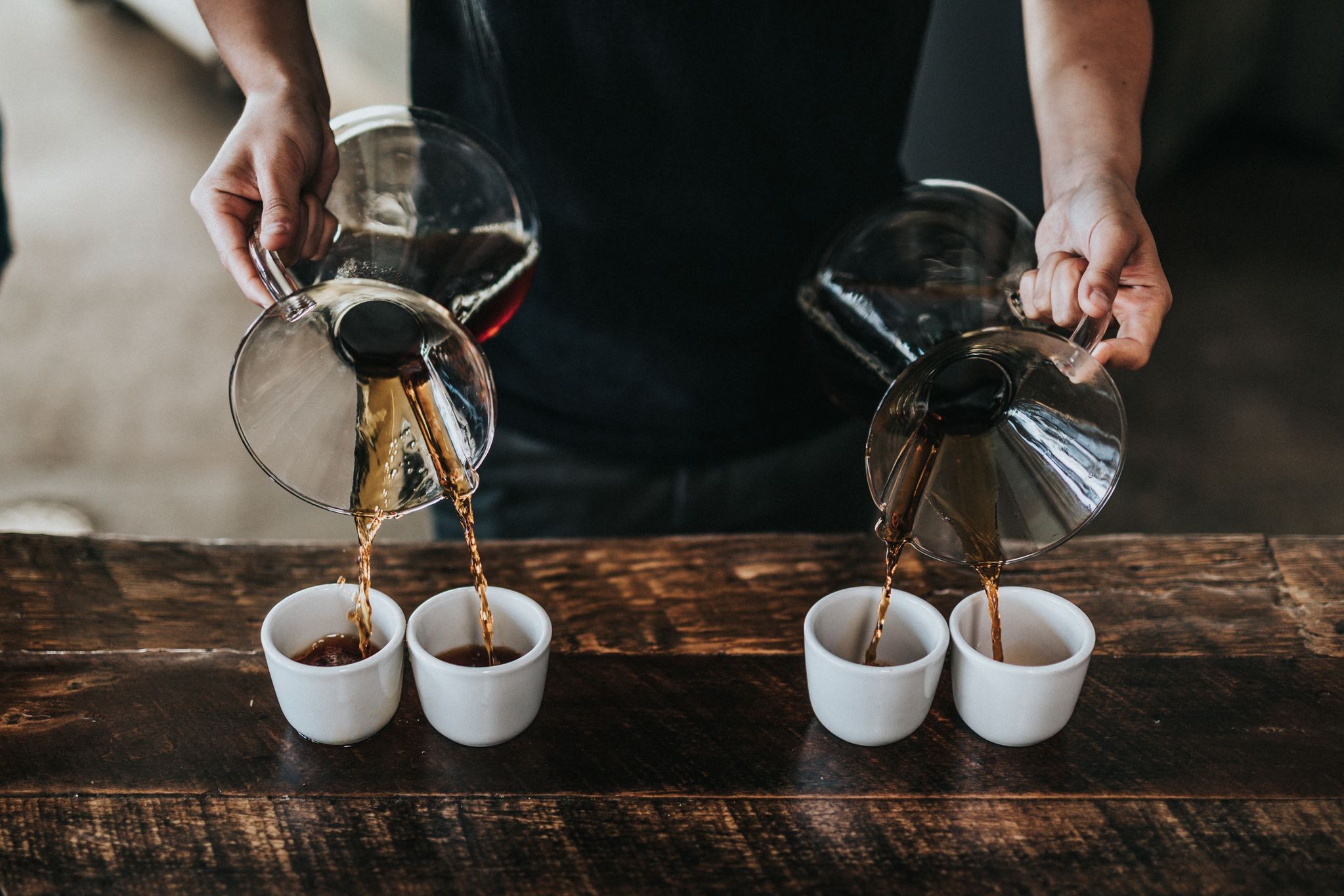
    Melbourne specialty roaster Industry Beans has returned DC Coffee to national supermarket shelves through Woolworths, targeting Australian consumers switching from cafe takeaway cups to home brewing.

    The rollout follows a total overhaul of the brand, which Industry Beans co-founder Trevor Simmons pulled from rival chain Coles after acquiring the business in 2023.

    Canstar survey data of more than 2,100 consumers shows 29 per cent of Australians have stopped buying cafe coffee to brew at home. Another 19 per cent bought a dedicated coffee machine to cut daily spending as the average takeaway cup climbed to $5.90 before plant-milk surcharges.

    Rethinking Supermarket Coffee

    Simmons bought DC Coffee from David Valmorbida after years of acting as its contract roaster. By 2023, the brand’s footprint in Coles had dropped to less than half its original SKU count because of weak sell-through and an absence of dedicated marketing support.

    Industry Beans stripped back the catalog rather than trying to salvage slow-moving specialty lines. The Woolworths range centres on larger pack formats and two high-volume blends, The Darkness and The Duchess, before introducing a third blend called The Swell and an instant coffee offering.

    DC Coffee traces its roots to Caffe Ducale under the Valmorbida family’s Conga Foods business. Former manager Rob Stewart later reshaped the label with street-art packaging, securing national distribution in Coles in 2020 as one of the earliest third-wave brands on mainstream Australian grocery shelves.

    Targeting the Home Brewer

    Specialty roasters across Asia-Pacific long protected premium positioning by keeping their best beans restricted to company-operated cafes or direct-to-consumer subscriptions. Rising living costs and sharper price scrutiny have forced a shift, prompting roasters to compete directly on supermarket shelves against commercial legacy brands.

    DC Coffee is backing the retail rollout with a national promotional push titled Fuel Your Creativity. The brand will track volume performance on the primary blends across Woolworths stores before releasing its instant coffee formats to the same network.

  • Chagee Same-Store Sales Fall 16.1% in China as Network Shifts Direct

    Chagee Same-Store Sales Fall 16.1% in China as Network Shifts Direct

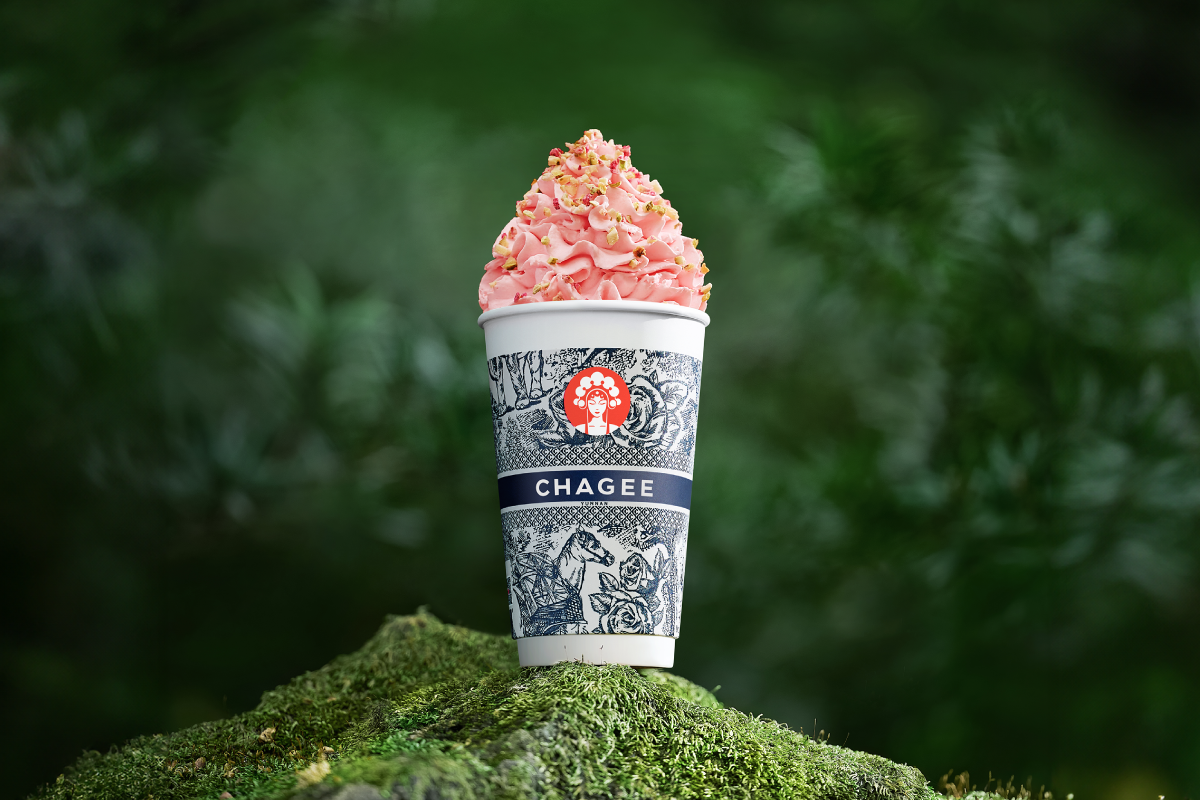
    Chagee posted a 16.1 per cent drop in same-store gross merchandise value across Greater China for the second quarter, marking its fifth consecutive quarter of double-digit declines at home.

    Total revenue for the Nasdaq-listed tea chain edged up 2.5 per cent year on year to RMB3.4 billion (US$503.3 million) in the three months ended June 30, while operating income jumped 387.6 per cent to RMB524.7 million. Total gross merchandise value fell 5.5 per cent to RMB7.66 billion, weighed down by a 9 per cent contraction in Greater China to RMB7.16 billion.

    Network shifts to corporate stores

    Chagee is responding to cooling domestic demand by buying back franchised outlets and running them directly. In Greater China, company-operated stores jumped from 164 to 624 over the past twelve months, while franchised locations declined from a peak of 6,836 in September 2025 to 6,616.

    Those company-owned outlets made up 11.6 per cent of the total network at the end of June but generated 27.5 per cent of overall revenue. Direct-store revenue climbed to RMB940.6 million, offsetting an 18.1 per cent fall in franchise revenue to RMB2.47 billion. Meanwhile, active members fell from 50 million in the first quarter to 47.1 million.

    China’s beverage chains are grappling with the aftermath of an aggressive 2025 delivery platform price war that drove cup prices down to single digits. While rivals like Mixue and Heytea rely heavily on deep discounting and sheer store density, Chagee is attempting to lift unit margins by consolidating ownership of its best locations.

    Overseas footprint doubles

    Outside China, gross merchandise value rose 114.3 per cent to RMB504 million. Chagee expanded its international footprint to 399 stores from 208 a year earlier, with initial momentum in new territories including South Korea, where its first three Seoul locations sold more than 16,000 cups in three days.

    Yet existing international stores are feeling the same demand pressures as domestic sites. Overseas same-store GMV declined 15.1 per cent during the quarter, steepening from a 12 per cent drop in the first three months of the year.

    Investors will watch whether the pace of franchise buybacks can stabilize network revenue before international same-store sales deteriorate further in the third quarter.

  • Robusta Coffee Climate Resilience Is a Flawed Myth, Study Warns

    Robusta Coffee Climate Resilience Is a Flawed Myth, Study Warns

    A new research study has challenged the widely held assumption that robusta coffee will withstand global warming better than arabica varieties. The crop suffers from severe drought intolerance, undermining its reputation as a climate-resilient alternative for global beverage supply chains.

    Tens of millions of bags of robusta reach international markets every year, with the bulk originating from farms in Vietnam and Brazil. Beverage brands and roasters have increasingly relied on the bean as rising temperatures squeeze traditional arabica harvests across Latin America and Africa.

    Flawed Assumptions on Crop Tolerance

    Researchers found that prior assessments overlooked how sensitive robusta plants are to water shortages during key growing cycles. The lead author described claims of broad climate resilience as an internet myth built on incomplete data.

    “Robusta is more heat-tolerant than arabica, but it’s drought-intolerant,” the study noted. While the variety can endure higher ambient temperatures, dry spells drastically cut yields, leaving commercial growers exposed to sudden harvest declines.

    Pressure on Asian Beverage Supply Chains

    For Southeast Asian agricultural hubs and instant-coffee processors, the findings point to growing volatility in raw bean procurement. Vietnam supplies the vast majority of global robusta exports, meaning prolonged dry weather in the Central Highlands directly disrupts margins for consumer packaged goods groups and cafe operators across Asia.

    Food and beverage manufacturers now face higher hedging costs and the need for heavier capital investment in farm irrigation systems to secure future robusta volumes.

  • Australia Food Manufacturing Turnover Hits $182.6 Billion

    Australia Food Manufacturing Turnover Hits $182.6 Billion

    Australia’s food and grocery manufacturing turnover rose 5.5 per cent to $182.6 billion in the 2024-25 financial year. Steady consumer demand across supermarket aisles drove the increase.

    Total workforce numbers across processing plants and distribution hubs passed 301,000 people over the 12-month period. That headcount now represents 33 per cent of all manufacturing jobs in the country.

    Squeezed margins and factory payrolls

    The annual State of the Industry 2024-25 report from the Australian Food and Grocery Council shows steady top-line expansion across packaged goods, beverages and daily essentials. Yet the headline revenue growth conceals worsening operational headwinds inside processing facilities.

    Persistent cost pressures and compressed margins are reducing the capital available for factory upgrades, automation and long-term expansion, the council warned. While consumer spending on staples supported turnover, wholesale input prices and elevated running expenses continue to erode net profitability across supply chains.

    Regional production pressures

    Similar margin pressure affects food manufacturing hubs across the Asia-Pacific region. Processors face higher utility bills, freight volatility and stubborn ingredient costs. When consumer-facing brands cannot fully pass wholesale cost increases to supermarket buyers, capital spending plans are routinely deferred.

    Factory operators are now recalibrating capital expenditure budgets for the 2025-26 cycle. They continue to monitor wholesale input pricing ahead of supplier negotiations with national retail chains.

  • Chagee Second Quarter Profit Jumps to $68.5 Million as Overseas Sales Surge

    Chagee Second Quarter Profit Jumps to $68.5 Million as Overseas Sales Surge

    Chagee posted a net income of RMB464.8 million ($68.5 million) for the second quarter, up from RMB77.2 million a year earlier as international expansion lifted returns.

    Net margin climbed to 13.6 per cent from 2.3 per cent in the prior-year period. Total revenue rose 2.5 per cent to RMB3.4 billion ($503.3 million) for the three months ended June 30, supported by an 8.5 per cent increase in store count to 7,639 locations worldwide.

    Overseas Momentum Offsets Domestic Softness

    Operating income surged 387.6 per cent to RMB524.7 million after the chain cut operating expenses by 10 per cent. While gross merchandise value dropped 9 per cent in Greater China, sales across eight international markets jumped 114.3 per cent.

    Seoul provided an early spark for that overseas push. Three teahouses in the South Korean capital sold over 16,000 drinks during their first three days, driven by more than 46,000 mobile app downloads recorded ahead of the launch.

    The divergence between domestic and overseas performance reflects the intense discounting battle among premium tea brands inside mainland China. Rivals such as Nayuki and Heytea have faced margin erosion at home, prompting operators to look abroad where pricing power remains intact and consumer demand for Chinese milk tea formats is expanding rapidly.

    Member Retention and Sales Outlook

    Loyalty membership reached 257 million registered users by the end of June. Repurchase rates among active loyalty users held above 43 per cent during the period.

    Management reported that same-store sales declines moderated in July, with comps projected to swing into positive territory in August.

  • Australian Supermarkets Adapt to In-Between Shoppers Seeking Asian Groceries

    Australian Supermarkets Adapt to In-Between Shoppers Seeking Asian Groceries

    Australian mainstream grocers are restructuring their international food aisles as demand from second-generation shoppers erodes the traditional gap between independent Asian grocers and major supermarket chains.

    The shift challenges decades of split retailing, where consumers bought standard household staples at major chains and visited specialty Asian grocers for authentic ingredients.

    Breaking the Specialty Divide

    May Wong, who concluded her tenure as a category manager at Coles Group on August 31, 2026, after seven years managing an Asian grocery store, said the boundary between the two channels is disappearing. Shoppers from second-generation migrant backgrounds increasingly expect mainstream supermarkets to stock the authentic food items that match their cultural heritage.

    Specialty grocers long held a monopoly on authentic imported brands, while major supermarkets focused on westernised pantry staples. Younger shoppers now seek authentic taste profiles without making a separate trip to suburban ethnic markets.

    Shifting Demographics on Mainstream Aisles

    For supermarket operators across the Asia-Pacific region, tailoring shelf space to multicultural demographics has turned ethnic aisles into high-growth territory rather than niche perimeter displays. Major chains in markets with large diaspora populations are expanding direct sourcing relationships with Asian food exporters to meet tighter consumer standards on authenticity.

    Coles and competing Australian supermarket operators will test updated product assortments across metropolitan store networks through the coming retail quarters.

  • Twelve Chinese Food and Beverage Brands Reach $63.4 Billion Valuation

    Twelve Chinese Food and Beverage Brands Reach $63.4 Billion Valuation

    Twelve Chinese food and beverage brands expanded their collective brand valuation to $63.4 billion this year, according to valuation data from consultancy Brand Finance.

    The gain reflects steady domestic volume and pricing power across packaged food, dairy, and drinks makers in China. Brand valuation measures the net economic benefit that a brand owner achieves by licensing the name in the open market.

    Domestic Scale and Category Strength

    Consumer staples manufacturers across the country have focused on product differentiation and distribution depth in lower-tier cities. Brand Finance tracks consumer enterprises globally, applying royalty relief methodology to calculate future revenue attributable to brand equity.

    Chinese producers have converted local consumer familiarity into commercial resilience. Direct control over supply chains and rapid adaptation to retail trends helped the 12 brands maintain their valuation trajectory.

    Shifting Competition Across Asian Aisles

    For multinational food groups operating in East Asia, the strength of domestic Chinese labels presents a persistent competitive hurdle. Global conglomerates face rivals that command supermarket shelf space while dominating live-commerce channels and local delivery apps.

    Several Chinese packaged goods producers have also expanded distribution across Southeast Asia, placing products directly into supermarkets in Singapore, Malaysia, and Thailand.

    Investors and retail operators now look to upcoming quarterly financial filings from Chinese consumer staple producers to see whether higher brand value translates directly into operating margin expansion.

  • China Finds High Nitrite Levels in Malaysian Edible Birds Nests

    China Finds High Nitrite Levels in Malaysian Edible Birds Nests

    Chinese regulators discovered nitrite levels averaging 4,400 milligrams per kilogram in edible bird’s nests imported from Malaysia, sixty times higher than the national safety limit.

    The Zhejiang Provincial Administration for Industry and Commerce tested blood-red cubilose across 491 dealers before issuing the health alert. Under national rules, nitrite content cannot exceed 70 milligrams per kilogram. Investigators found that dealers applied chemical dyes to standard nests to sell them as rare blood-red varieties, generating elevated concentrations of nitrite, a compound linked to cancer risks.

    Tainted stock pulled from shelves

    Beijing Tongrentang Co. Pulled all edible bird’s nests from its retail counters in mainland China and overseas locations. The traditional Chinese medicine merchant enacted the withdrawal two days after Zhejiang officials issued their findings.

    Bird’s nests rank among the most expensive luxury food items in Asia, commanding prices up to 10,000 US dollars per kilogram in markets across China, Hong Kong and the United States. Premium wellness retailers face immediate margin disruption when quality failures occur in products sold specifically for health maintenance.

    Export supply lines under pressure

    Malaysia operates as the world’s largest supplier of edible bird’s nests and ships 95 per cent of its output directly to China. The test results in Zhejiang expose supply chain weaknesses in cross-border trade for unrefined animal secretions, putting pressure on upstream processors to prove product purity before goods clear Chinese customs.

    China’s State Food and Drug Administration has not issued a nationwide directive on imported cubilose, leaving retail buyers waiting for central border inspectors to set updated testing protocols.

  • Temasek and ChrysCapital Compete to Buy 33 per Cent Stake in India’s Blue Tokai

    Temasek and ChrysCapital Compete to Buy 33 per Cent Stake in India’s Blue Tokai

    Singapore’s Temasek Holdings and private equity firm ChrysCapital are competing to invest up to 1,200 crore rupees in Indian specialty roaster Blue Tokai Coffee Roasters. The transaction values the 13-year-old chain at up to 3,700 crore rupees and will hand the winning bidder a stake of between 30 and 33 per cent.

    The deal structure involves both primary capital to finance retail expansion and secondary sales to provide exits for early seed backers. Existing shareholders include A91 Emerging Fund, which holds 21.72 per cent, alongside Verlinvest, Waterfield Fund and 12 Flags. The three founders, Matt Chitharanjan, Namrata Asthana and Shivam Shahi, currently hold an aggregate 15.27 per cent stake.

    Funding store targets across Asia and the Gulf

    Blue Tokai currently runs 240 outlets across India through parent company Muhavra Enterprises. The roaster plans to open 120 locations during the current financial year, pushing into secondary markets including Ahmedabad and Lucknow, before reaching an 800-store target by fiscal 2030.

    Overseas expansion is also underway. The chain partnered with UAE-based Ambrosia Gulf last year to build a regional store footprint, while setting up plans for an entry into Japan. It also acquired bakery operator Suchali’s Artisan Bakehouse in 2024 to support food service across its cafe network.

    Financial performance has shifted after Blue Tokai turned Ebitda-positive on a monthly basis for six consecutive months. Revenue climbed 50 per cent to 325 crore rupees in fiscal 2025, while net losses narrowed by 20.6 per cent to 50 crore rupees.

    Competition intensifies in India’s cafe sector

    Specialty coffee operators across Asia are racing to scale before high real estate overheads catch up with unit economics. In India, Tata Starbucks remains the market leader with more than 500 outlets and a plan to add 100 locations annually, while international entrants such as Canada’s Tim Hortons and Britain’s Pret a Manger compete against domestic rivals including Third Wave Coffee, Barista and Cafe Coffee Day.

    For ChrysCapital, a deal would follow its acquisition of patisserie chain Theobroma in August 2025 for roughly 2,410 crore rupees, opening opportunities to combine bakery and beverage operations. Temasek brings its own food service portfolio to the table, with holdings in Rebel Foods, Haldiram’s, Licious and Chinese coffee operator Luckin Coffee.

    Blue Tokai has not yet filed its fiscal 2026 accounts, though projections reviewed by investors point to revenue reaching between 750 crore and 775 crore rupees in fiscal 2027.

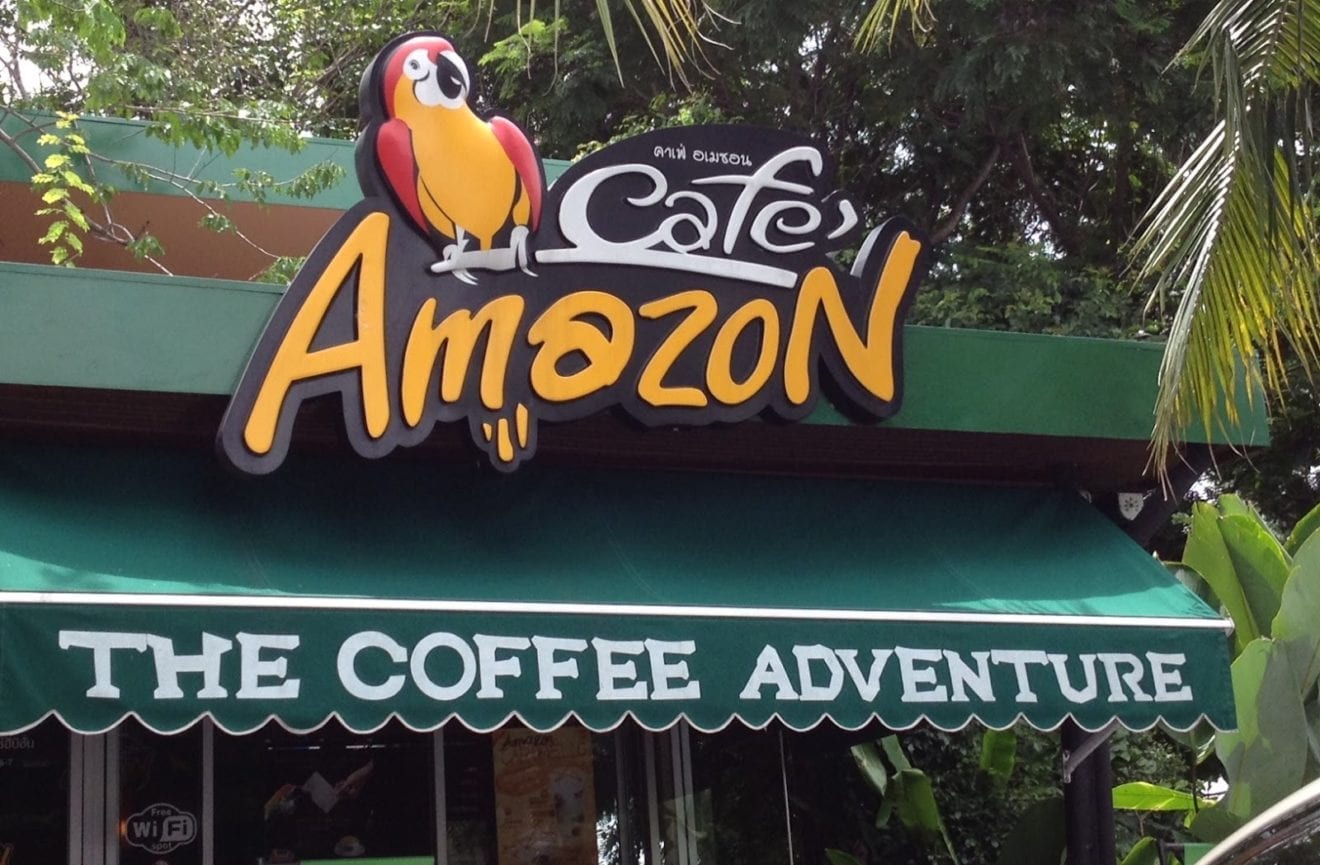
  • Café Amazon Rolls Out Canned Sparkling Coffee Across 7-Eleven Thailand

    Café Amazon Rolls Out Canned Sparkling Coffee Across 7-Eleven Thailand

    Café Amazon has launched Amazon Fizzpresso across 7-Eleven stores in Thailand. The product brings zero-sugar sparkling ready-to-drink coffee to convenience shelves nationwide.

    Two fruit flavours lead the debut: Yuzu and Peach. Both combine carbonated water with instant coffee notes to mimic a coffee soda. Earlier sparkling coffees in Thailand stayed in specialty grocers at premium prices. 7-Eleven’s retail footprint will test whether the drink works as an everyday convenience purchase.

    Formulation and convenience distribution

    The Peach variant contains water, 0.53 per cent concentrated peach juice, and 0.38 per cent coffee powder. Sucralose and acesulfame potassium replace sugar to keep the drink low-calorie. Acidity regulators and standard preservatives round out the shelf-stable formulation.

    Selling through 7-Eleven gives the chain immediate access to thousands of high-traffic locations across Bangkok and provincial hubs. In grab-and-go coolers, the product competes directly against carbonated soft drinks, energy drinks, and traditional canned milk coffees.

    Regional push into fizzy brews

    Sparkling coffee has seen mixed consumer reception across Southeast Asia, though regional chains continue to back the format. Malaysian operator ZUS Coffee introduced its canned Coffizz line in Original and Zesty Lime variants in 2024. Those cans remain on retail shelves despite polarized early feedback.

    Independent roasters and smaller regional players have treated sparkling coffee as a novelty drink. Café Amazon brings the manufacturing scale of parent group PTT Oil and Retail Business. The real test is whether repeat purchases hold up in convenience chillers once initial curiosity fades.

  • Comvita Swings to NZ$7.7 Million Annual Profit on Honey Reset

    Comvita Swings to NZ$7.7 Million Annual Profit on Honey Reset

    New Zealand Manuka honey producer Comvita swung to a net profit after tax of NZ$7.7 million for fiscal 2026, rebounding from a NZ$104.8 million loss a year earlier.

    Operating profit reached NZ$14 million for the twelve months ended June 30, reversing a NZ$29 million operating deficit booked during the previous financial year.

    Margin Recovery and Cost Discipline

    Gross profit climbed 38.8 per cent to NZ$114.8 million across the period. That performance expanded the group gross margin to 53.9 per cent as efficiency measures took hold across manufacturing and inventory handling.

    The return to the black follows an intensive reset programme that targeted operational costs after heavy inventory impairments and market softness damaged earnings in fiscal 2025.

    Asia Demand and Export Execution

    Comvita built its business on premium functional food demand across Greater China, Southeast Asia and North America. Premium specialty honey brands in the region spent the past two years battling cautious consumer spending, cross-border channel resets and distributor destocking across East Asian department stores and cross-border platforms.

    Market attention now turns to export volume trends in Asian retail channels over the first half of fiscal 2027 to verify whether the margin gains hold up in core consumer accounts.

  • It’s Olio Reaches Seven Figures and Targets $2 Million in Online Sales

    It’s Olio Reaches Seven Figures and Targets $2 Million in Online Sales

    South Australian olive oil brand It’s Olio has reached seven figures in revenue three years after launching on an initial budget of $10,000. The direct-to-consumer label now targets more than $2 million in online sales before the end of 2026.

    Founder Alec Randall conceived the business after travelling through Sicily in 2022 and attending local cooking classes. He started commercial operations the following year, focusing on premium olive oil marketing and digital direct sales.

    Cross-border digital distribution

    The business built its initial customer base in Australia before adding distribution across New Zealand and the United States. Online sales provide the core revenue engine, allowing the producer to handle fulfilment and marketing across three separate national markets.

    Self-funded pantry startups across the region increasingly bypass traditional supermarket contracts early in their lifecycles. High grocery shelf fees in major retail chains make pure-play e-commerce a leaner route to prove export demand before pursuing physical wholesale distribution.

    Targets for the current financial year

    Direct export logistics remain the main testing ground for boutique Australian food labels selling into North America and Australasia. Controlling fulfilment costs across multiple shipping zones will decide whether the brand maintains gross margins as volume scales.

    The company is now working to convert its offshore digital traffic into recurring subscriptions, with management targeting the $2 million online sales threshold before the close of the calendar year.

  • I’m Donut? Expands into Southeast Asia with Kuala Lumpur Store in September

    I’m Donut? Expands into Southeast Asia with Kuala Lumpur Store in September

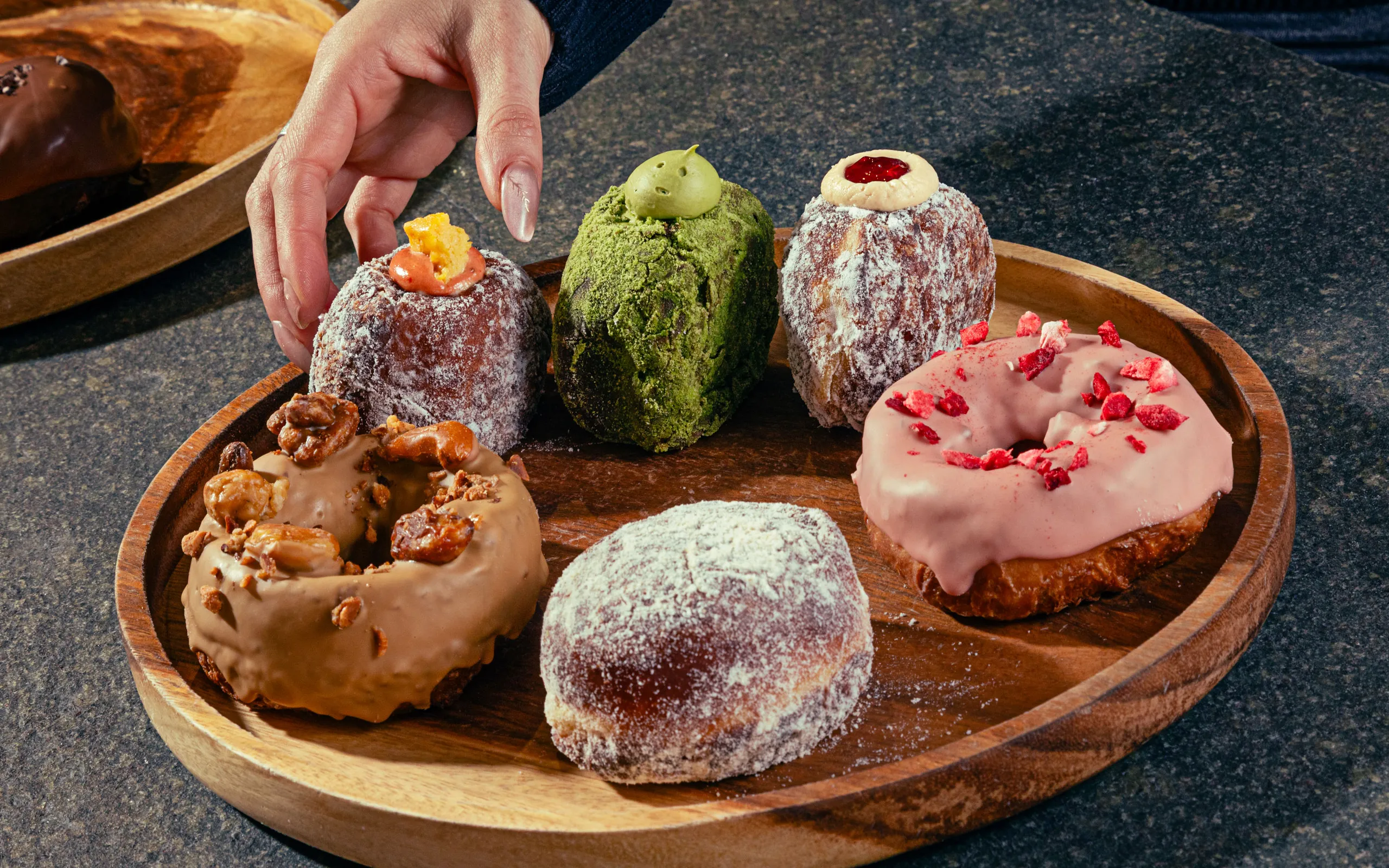
    Japanese bakery brand I’m donut? Will open its first Southeast Asian store in Kuala Lumpur this September. The store brings the company’s signature raw nama donuts to Malaysia for its regional debut.

    The concept built long queues across Tokyo with fried dough that uses pumpkin puree and high hydration to achieve a soft texture. The brand now enters Southeast Asia as international food and beverage operators target urban shopping destinations across the region.

    Expansion beyond Japan

    Malaysia frequently serves as an entry point for Japanese food brands testing regional appetites. Operators rely on high consumer familiarity with Japanese retail concepts and strong mall foot traffic in the Klang Valley to build brand momentum before expanding into neighbouring countries.

    Specialty dessert brands across Southeast Asia have shifted toward focused single-item menus. High-turnover bakery concepts allow operators to keep production footprints compact while driving customer traffic through distinct product formats.

    Competition in premium baked goods

    Artisanal bakery chains and overseas dessert operators are competing directly for prime retail space in major Malaysian retail centres. Premium baked goods have maintained steady foot traffic even as broader consumer discretionary spending faces pressure from food inflation and import costs.

    RetailNews Asia notes that dessert chains expanding internationally must balance localized supply chains with the need to match the taste profiles of their original domestic stores. The company plans to announce the exact retail site and opening schedule in Kuala Lumpur ahead of the September launch.