Category: Food

Retail News Asia is committed to providing both local and global retailers with the latest Food and Food & Beverage news throughout the Asian market. This on a daily base.

  • Minor Group Takes Global Reins: Acquires Full Ownership of Korean Chain Bonchon

    Minor Group Takes Global Reins: Acquires Full Ownership of Korean Chain Bonchon

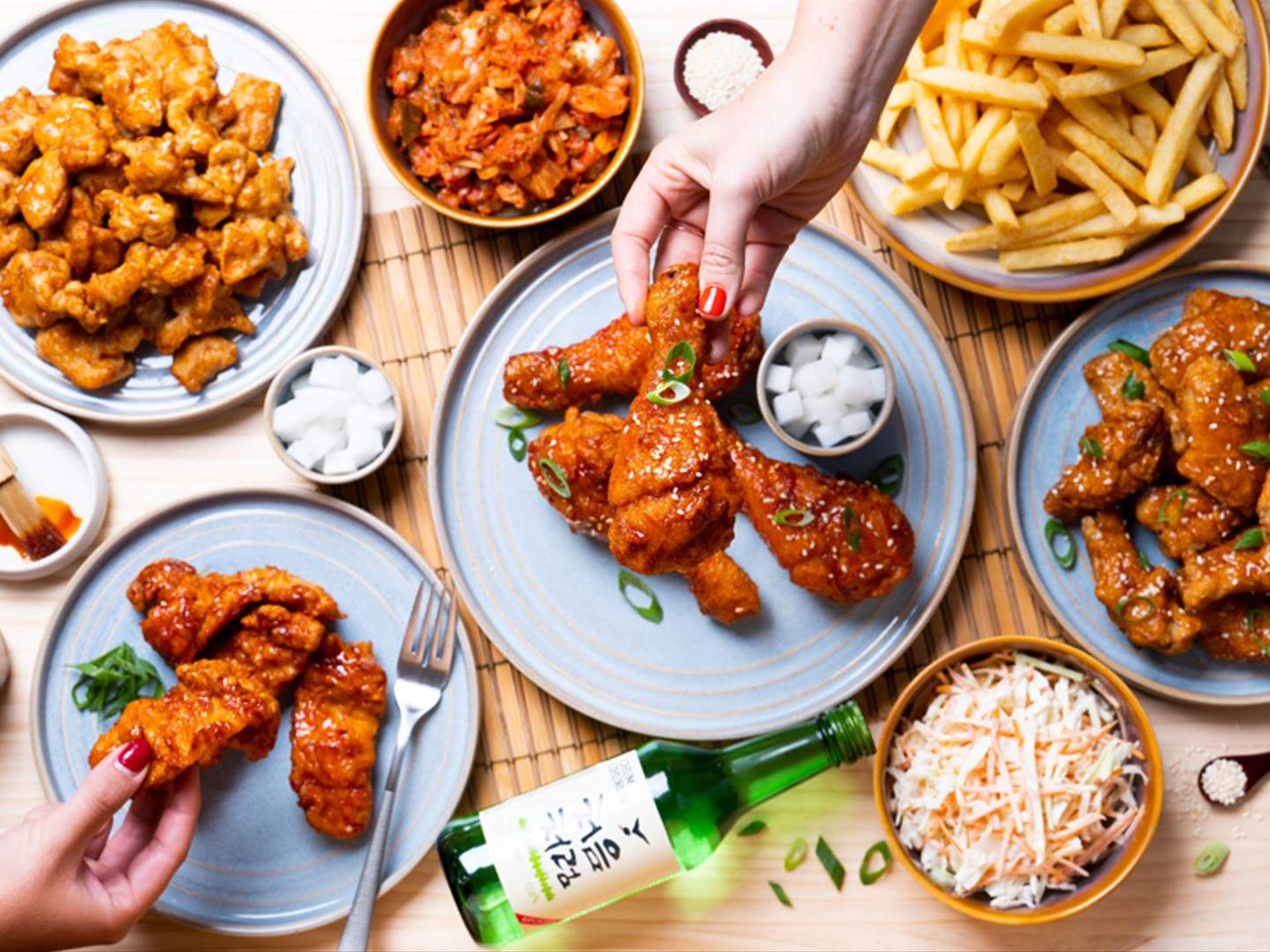
    Thailand’s Minor Group is set to acquire the remaining stake in Bonchon, a South Korean restaurant chain, thereby becoming its global owner. Headquartered in Bangkok, Minor Group has a significant presence in the restaurant industry with ownership of The Pizza Company, along with being a key franchisee for Burger King and Dairy Queen in Thailand. Since 2019, it has successfully managed over 100 Bonchon outlets across the country.

    A Strategic Acquisition

    Minor Group signed a stock purchase agreement on Monday with VIG Partners, a South Korean domestic private equity fund manager, to take over Bonchon International. It is reported that the sale includes the principal equity owned by VIG Partners as well as the stake held by Bonchon’s founder, Seo Jin-deok.

    Upon the finalization of this transaction, Minor Group will hold complete ownership of Bonchon International. Although the precise transaction amount remains undisclosed, the estimated corporate value of Bonchon is around 300 billion won or approximately US$212 million.

    Established in Busan, South Korea, in 2002, Bonchon embarked on its international journey in 2006 with its first venture in the United States. Since then, it has expanded into roughly 10 markets across North America, Asia, and Europe.

    VIG Partners became the largest shareholder of the restaurant chain in 2018 after purchasing a 55 percent stake for around 60 billion won. The remaining 45 percent stake is owned by Seo, who currently serves as the CEO of Bonchon International.

    The transaction between all parties involved is expected to be concluded by the end of the current month.

    Questions & Answers

    Who is acquiring the remaining stake in Bonchon?
    The Minor Group from Thailand is acquiring the remaining stake in Bonchon, resulting in full ownership of the South Korean restaurant chain.

    What is the estimated corporate value of Bonchon?
    The corporate value of Bonchon is cited to be around 300 billion won or approximately US$212 million.

    Who currently holds the majority stake in Bonchon International?
    Before the acquisition, the majority stake in Bonchon International was held by VIG Partners, a South Korean private equity fund manager. They held 55 percent stake whereas the remaining 45 percent stake was owned by Bonchon’s founder, Seo Jin-deok.
  • MilkLab’s Almond and Oat Milks hit Kiwi Shelves, Feeding NZs Booming Home-Brewed Coffee Culture

    MilkLab’s Almond and Oat Milks hit Kiwi Shelves, Feeding NZs Booming Home-Brewed Coffee Culture

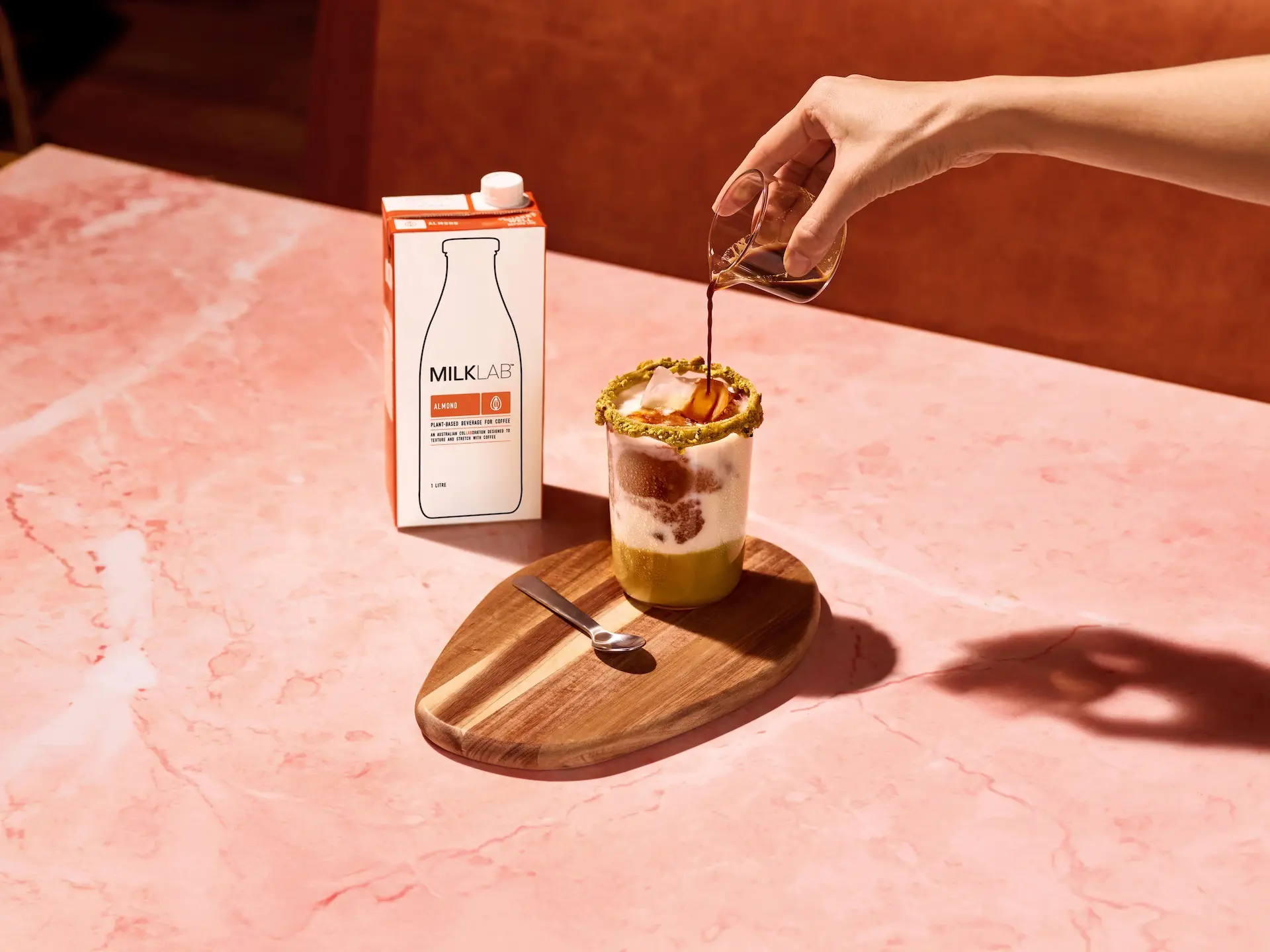
    Renowned dairy and plant-based milk brand, MilkLab, has expanded its market by introducing its Almond and Oat varieties to consumers in New Zealand via Woolworths stores. The move is in response to the increasing demand for dairy alternatives among New Zealand residents, who consume an average of 3.7kg of coffee annually. As more Kiwis embrace the use of home espresso machines, the need for alternatives that do not alter the taste, texture, or appearance of coffee has become evident.

    MilkLab Responds to Demand for Dairy Alternatives

    The introduction of MilkLab Almond and MilkLab Oat – the top two choices of baristas in Australia – into New Zealand supermarkets is an answer to the escalating demand. Natalie Latimore, MilkLab’s head of marketing, views the expansion as a strategic move, considering the growing popularity of specialty coffee among Kiwi households.

    “New Zealand has an advanced and passionately loyal coffee culture. Kiwi consumers expect their coffee to meet high standards whether they are in a cafe or at home,” Latimore said. She further emphasized that New Zealand’s coffee enthusiasts can now enjoy the results of MilkLab’s years of innovation in plant-based milk to achieve cafe-quality coffee at home, by simply shopping at Woolworths.

    MilkLab has been a part of New Zealand’s cafe scene for several years, and the annual MilkLab NZ Barista Battle is a highlight on the local coffee calendar. The competition enables local baristas to display their skills and creativity using the same MilkLab products now available in supermarkets.

    MilkLab’s Partnership Strategy

    In another strategic move, the company has partnered with Allpress Espresso. This partnership will see MilkLab Almond, Oat, and Lactose Free become the alternative milk of choice in Allpress cafes in Australia.

    Melanie Ung, brand manager at MilkLab, expressed her excitement about the partnership stating, “Allpress is a respected name in this industry, and we are thrilled to be the brand behind their bar. We believe this partnership aligns perfectly with our values and standards, and what we believe the barista experience should be.”

    The company anticipates that this collaboration will strengthen MilkLab’s leadership in the highly competitive plant-based milk category.

    Questions & Answers

    What are the MilkLab products now available in New Zealand?
    The MilkLab Almond and MilkLab Oat are now available in New Zealand.

    What is the significance of the MilkLab expansion into New Zealand’s market?
    This expansion allows MilkLab to tap into the growing demand for dairy alternatives in a country with a rich coffee culture.

    What is the new partnership between MilkLab and Allpress Espresso?
    MilkLab has partnered with Allpress Espresso to become the alternative milk of choice in all Allpress cafes in Australia.

  • Corby Spirits Sells Leading Rum Brand Lambs for $55.5 Million in Strategic Deal

    Corby Spirits Sells Leading Rum Brand Lambs for $55.5 Million in Strategic Deal

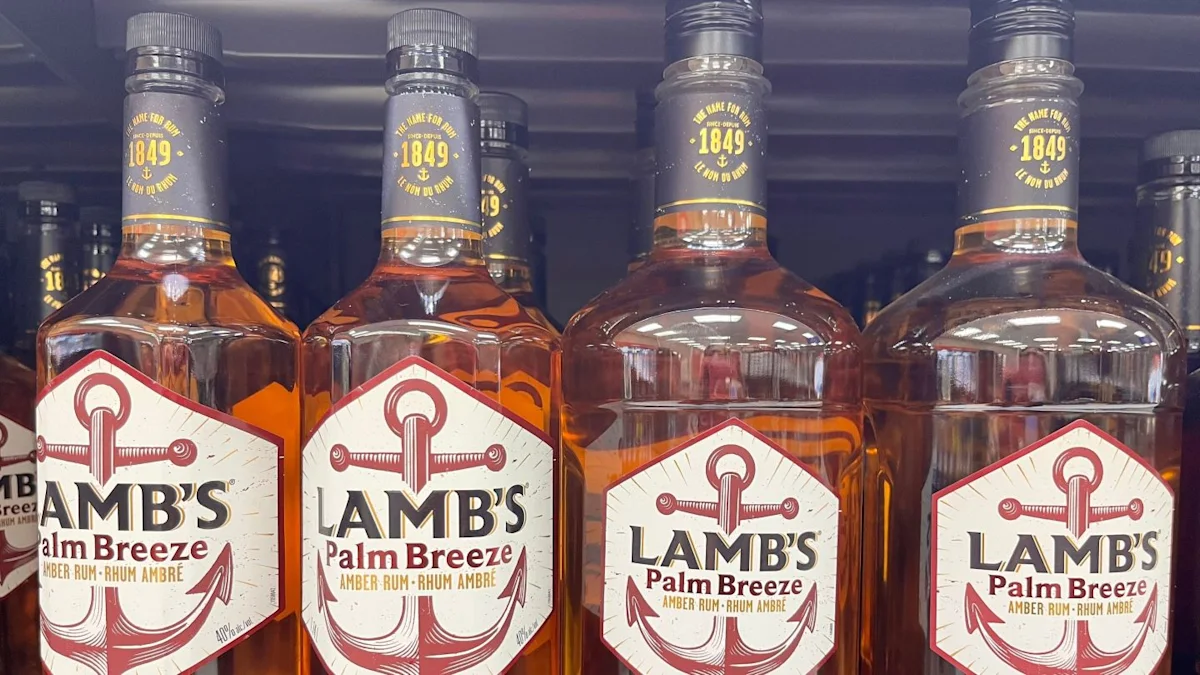
    Corby Spirit and Wine Limited has divested its British rum brand, Lamb’s, for the sum of US$39.2 million ($55.5 million) to Canadian and French firms, Phildan and Cofepp, respectively. Lamb’s holds a predominant position among rum brands in the UK and Canada, with its unique blend also available in Australia via select merchants and liquor retailers. The brand was acquired by Corby in 2006.

    Portfolio Simplification and Strategic Acquisition

    The business arrangement sees Phildan, a subsidiary of the Dandurand Group, taking over the North American rights to the brand, while Cofepp will hold the rights for the rest of the globe. The deal is part of a strategic decision by Corby to streamline its business portfolio and concentrate its efforts on growing priority categories, such as premium spirits and ready-to-drink beverages. According to Corby President and CEO, Florence Tresarrieu, the selling off of Lamb’s is a disciplined portfolio management decision that aligns with Corby’s long-term goals.

    The acquisition serves to bolster Phildan’s spirits portfolio, reflecting its sustained dedication to investing in brands with robust consumer recognition and growth potential. Hugues Gauthier, the president of Phildan, expressed his pride at the addition of one of Canada’s most recognized rum brands to their portfolio.

    Christophe Pichambert, the International Director at Cofepp’s subsidiary La Martiniquaise-Bardinet, stated that Lamb’s, being an established brand, would supplement their existing portfolio and align with their strategic objectives. He conveyed their excitement for the future opportunities and their commitment to support the continued success of the brand.

    Awaiting Deal Completion and Support Agreement

    While the transaction is still pending customary adjustments, Corby and its associated companies have pledged to provide post-closing production and distribution support to the new brand owners.

    Questions & Answers

    Who are the new owners of the Lamb’s brand?
    Corby Spirit and Wine Limited has sold the Lamb’s brand to the Canadian firm, Phildan, and the French firm, Cofepp.

    Why did Corby Spirit and Wine Limited decide to sell the Lamb’s brand?
    The decision to sell Lamb’s was made as part of a strategic plan to streamline Corby’s portfolio, enabling them to focus on growth categories including ready-to-drink beverages and premium spirits.

    What will be the future role of Corby Spirit and Wine Limited concerning the Lamb’s brand?
    Corby and its affiliates will provide post-closing production and distribution support to the new brand owners, Phildan, and Cofepp.

  • Noon Breakfast Beverage Storms US Market with Nationwide Target Launch

    Noon Breakfast Beverage Storms US Market with Nationwide Target Launch

    Noon, the breakfast beverage company, has recently broadened its horizons with a comprehensive launch across the United States. The nationwide debut, which features both physical store availability at Target and online accessibility through Target.com, represents the brand’s most significant retail expansion thus far.

    The US launch follows the successful completion of a $2.5 million seed funding round. This financial backing was provided by BFG Partners, RiverPark, and Habitat Partners. According to the company, these funds will bolster Noon’s ongoing expansion across the American market.

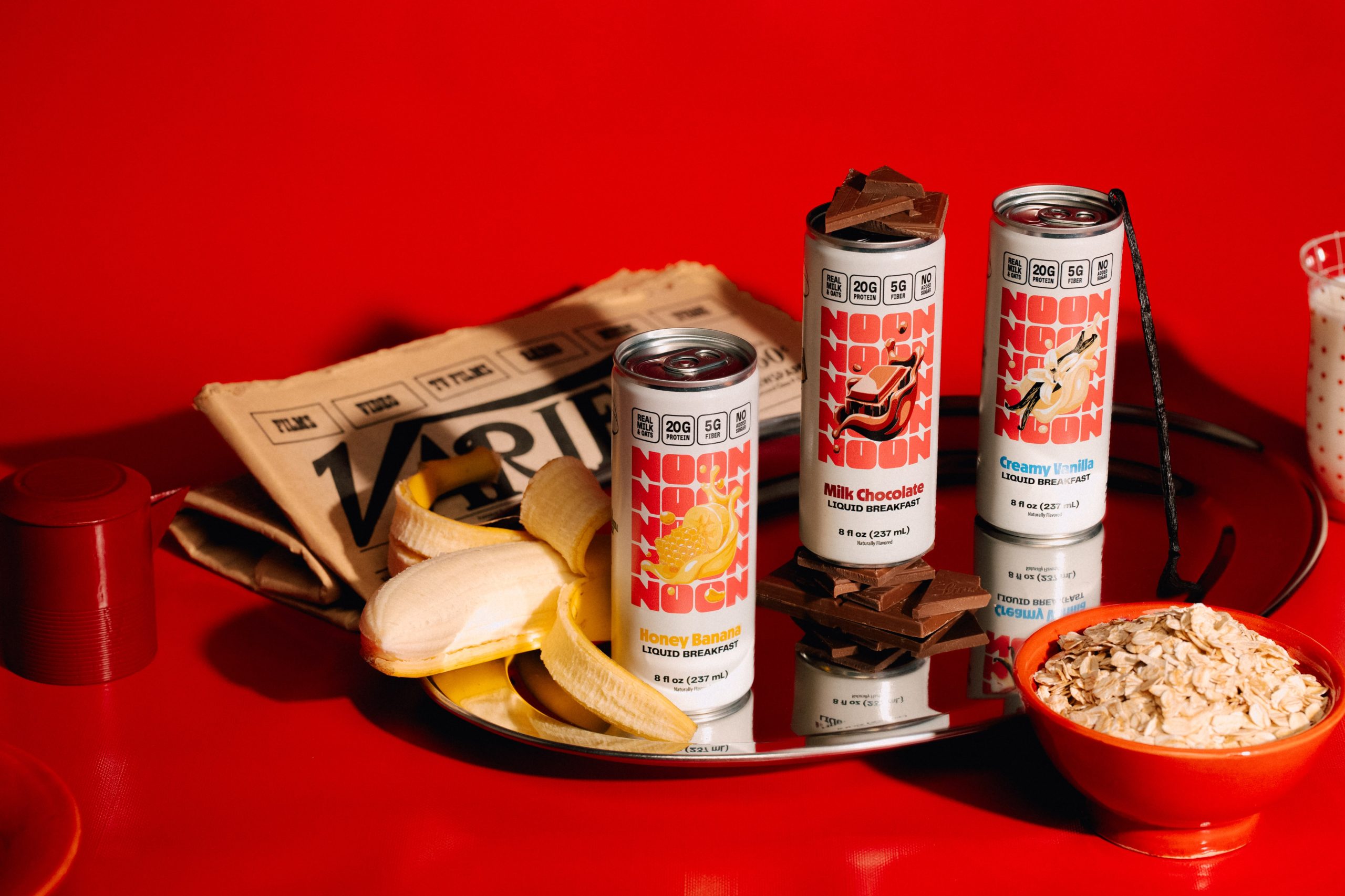
    Initially established in New Zealand by Cade Fleming and Tamir Triguboff, Noon introduces a shelf-stable breakfast drink that boasts 20g of protein, 5g of fibre, and zero added sugars. The product range includes delectable flavors such as Creamy Vanilla, Milk Chocolate, and Honey Banana.

    Noon’s mission is to address the growing consumer need for convenient, high-protein breakfast alternatives. Cade Fleming, co-founder and CEO, identified evolving eating practices, the surge in clean-label products, and the increased usage of GLP-1 medication as primary catalysts for the expansion in this sector.

    Fleming said, “We’ve designed Noon to fill this void by rethinking breakfast from its core. Every ingredient, every nutritional calculation, and every design decision was taken with one objective in mind: to develop a breakfast option that’s clean, wholesome, and effortless.”

    Earlier this year, Noon marked its entry into the Australian market, with its products becoming available across Woolworths Group stores.

    Questions & Answers

    What does the Noon beverage provide in terms of nutritional value?
    Noon’s breakfast beverage is specifically designed to be a high-protein, high-fibre drink with no added sugars. Each serving provides 20g of protein and 5g of fibre.

    What are the available flavors of the Noon beverage?
    Noon’s product range currently includes three flavors: Creamy Vanilla, Milk Chocolate, and Honey Banana.

    What was the capital raised in the recent seed funding round and how will it be used?
    Noon recently closed a $2.5 million seed funding round. The company plans to use this capital to support its expansion across the United States.

  • Casella Family Brands Broadens Beverage Array with Strategic Partnerships with Heaps Normal and Four Loko

    Casella Family Brands Broadens Beverage Array with Strategic Partnerships with Heaps Normal and Four Loko

    Casella Family Brands (CFB), a renowned name in the beverage industry, has recently formed strategic alliances with Heaps Normal and Four Loko. These partnerships are aimed at expanding and diversifying CFB’s product range, marking a shift from wine to a broader selection and catering to changing consumer preferences.

    Exploring New Avenues with Heaps Normal and Four Loko

    As part of these new agreements, CFB will extend its reach beyond its traditional wine base. It will manage the packaged distribution of Heaps Normal products in New South Wales, Victoria, South Australia, and Queensland. This distribution deal includes non-alcoholic beer, while Heaps Normal will continue to handle its wine and draught products.

    Andy Miller, the CEO and co-founder of Heaps Normal, emphasized the importance of quality time and strong relationships in the industry. He expressed his confidence in CFB’s ability to support Heaps Normal’s goal of enhancing its customer experience.

    On the other hand, the collaboration with Four Loko will involve the manufacturing and distribution of the US brand’s products in Australia. This will include the introduction of a vodka-based ready-to-drink (RTD) beverage in three different flavors, presented in a 440ml single-serve can designed specifically for the Australian market. This collaboration is set to bolster Four Loko’s local supply capability and availability, driving its next growth stage in the market.

    Four Loko, a product of Phusion Projects, is celebrating its 21st anniversary this year. It holds a strong international presence in the RTD category across North America, South America, and Europe. Jeff Wright, a co-founder of Phusion Projects, articulated his confidence in CFB’s manufacturing and distribution capabilities in supporting Four Loko’s ongoing expansion in Australia.

    Strategic Growth and Future Prospects

    CFB’s General Manager of Sales, Chris Blockley, highlighted the company’s advanced production facility and comprehensive expertise as key factors in its ability to partner with globally recognized brands that lead their respective categories.

    Blockley stated, “These partnerships reflect a deliberate strategy to focus where we can make the greatest impact, using our scale and customer relationships to build stronger brands.” He also noted that these brands perfectly complement CFB’s wine portfolio and broaden its relevance to more consumers and occasions. Blockley concluded by expressing confidence in the company’s growth prospects and its ability to adapt to evolving consumer needs.

    Questions & Answers

    What products are included in the CFB and Heaps Normal partnership? The agreement covers the packaged distribution of non-alcoholic beer. Wine and draught products will continue to be managed by Heaps Normal.

    What does the Four Loko deal entail? The agreement involves CFB manufacturing and distributing Four Loko products in Australia. This includes the launch of a vodka-based RTD beverage in three flavors, presented in a 440ml single-serve can format.

    What is the strategic focus of these new partnerships? These partnerships aim to diversify CFB’s product range, cater to changing consumer preferences, and build stronger brands using CFB’s scale and customer relationships.

  • Cascade Brewery Debuts First Mid-Strength Beer, Expanding Portfolio with Cascade Draught 3.5

    Cascade Brewery Debuts First Mid-Strength Beer, Expanding Portfolio with Cascade Draught 3.5

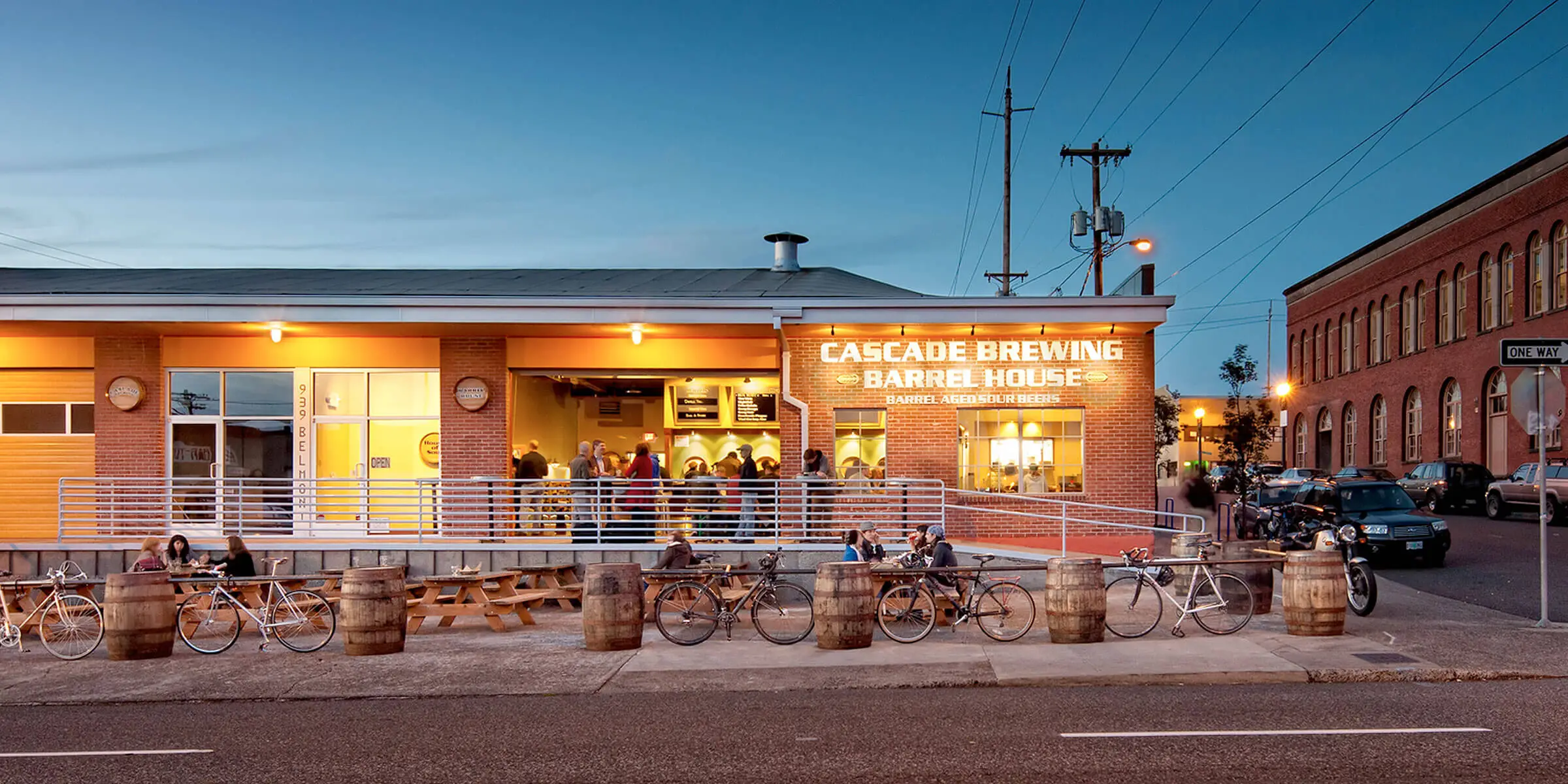
    Cascade Brewery, a long-standing Tasmanian beer maker, has diversified its product range by launching a new mid-strength beer — Cascade Draught 3.5 per cent. This venture marks the first time the company has introduced a mid-strength variation of its traditional beer.

    New Beer Targets Changing Consumer Preferences

    The new brew is a conscious effort to provide a lower-alcohol alternative that still retains the distinctive taste, malt attributes, and bitterness found in its full-strength counterpart. The mid-strength Cascade Draught promises to deliver the flavor of a standard beer but contains just one standard unit of alcohol per 375ml can.

    Brendan Flanagan, the head of manufacturing at Cascade Brewery, emphasized the importance of this launch. He stated that Cascade has been an integral part of Tasmania for over 60 years, and launching a mid-strength beer was a challenge they undertook seriously. Flanagan adds, “This is a perfect illustration of our commitment to ensuring that Cascade continues brewing quality beer in Tasmania, for Tasmanians, for many more years.”

    Investing in Future Growth

    The introduction of Cascade Draught 3.5 per cent comes on the heels of the company’s recent efforts to rejuvenate the infrastructure of their historic production facility. This move signifies Cascade Brewery’s intention to continue investing in its future growth and maintain its presence in the Tasmanian market.

    The new product is sold in packages of thirty 375ml cans and is only distributed within Tasmania. Local independent retailers, hospitality venues, and Cascade Brewery’s central brewery outlet will exclusively sell the new mid-strength brew.

    Questions & Answers

    What is the alcohol content in the new Cascade Draught?
    The new Cascade Draught has an alcohol content of 3.5%, making it a mid-strength beer.

    What sets the mid-strength Cascade Draught apart from the full-strength version?
    While the mid-strength Cascade Draught contains less alcohol, it is designed to match the taste, malt characteristics, and bitterness of its full-strength counterpart.

    Where can consumers purchase the new Cascade Draught?
    The new beer is available exclusively in Tasmania through regional independent retailers, hospitality venues, and Cascade Brewery’s central outlet.

  • Treasury Wine Estates Swallows $558m Blow in US Market Downsize: Total Write-Downs Top $1.2 Billion

    Treasury Wine Estates Swallows $558m Blow in US Market Downsize: Total Write-Downs Top $1.2 Billion

    Treasury Wine Estates (TWE), the company behind the Penfolds brand, has experienced an additional financial setback of $558.4 million following the scaling back of its operations in the United States. This recent loss brings the total write-downs to over $1.2 billion.

    Operational Changes and Focus on Underperforming Markets

    In June, the company announced to its investors that it intends to significantly downsize its brand portfolio and withdraw from underperforming assets, with a particular focus on its underperforming US market. TWE’s CEO, Sam Fischer, stated that the company is taking decisive steps to align supply with a stringent model of future demand, in light of an evolving US wine market.

    This strategic shift will lead to a reduction in the company’s yearly grape intake, with $137 million of the write-down projected to come from asset divestments. Despite these financial setbacks, the news was accompanied by an anticipated, above-estimate full-year earnings figure of $492 million.

    Future Prospects and Business Performance

    Fischer added that both the company’s ascent transformation program, and the strategic review of potential options for the future of its US business, are making good progress. He emphasized the continued positive momentum in the business, with key brands such as Penfolds, Daou, and Frank Family Vineyards outperforming their respective categories. Fischer also expressed confidence that the full-year earnings would surpass the guidance shared earlier in June.

    In TWE’s half-year financial report, the company disclosed a close to $650 million loss, with a dip in sales reported across all markets. Despite this, the company maintains optimism that it will rebound and achieve growth by the 2028 fiscal year.

    Questions & Answers

    What is the total amount of Treasury Wine Estates’ recent financial setback?
    The company has taken an additional $558.4 million hit, bringing total write-downs to over $1.2 billion.

    What strategic changes is Treasury Wine Estates making in response to its underperformance?
    The company plans to significantly reduce its brand portfolio and withdraw from underperforming assets. It will also align supply with a stringent model of future demand, focusing on the evolving US wine market.

    How does Treasury Wine Estates perceive its future prospects?
    Despite current financial setbacks, the company expressed optimism about its future. It expects key brands like Penfolds, Daou, and Frank Family Vineyards to continue outperforming, and aims to achieve growth by the 2028 fiscal year.

  • End of an Era: Singapores Iconic Laurent Cafe & Chocolate Bar Bids Adieu after Two-Decade Run

    End of an Era: Singapores Iconic Laurent Cafe & Chocolate Bar Bids Adieu after Two-Decade Run

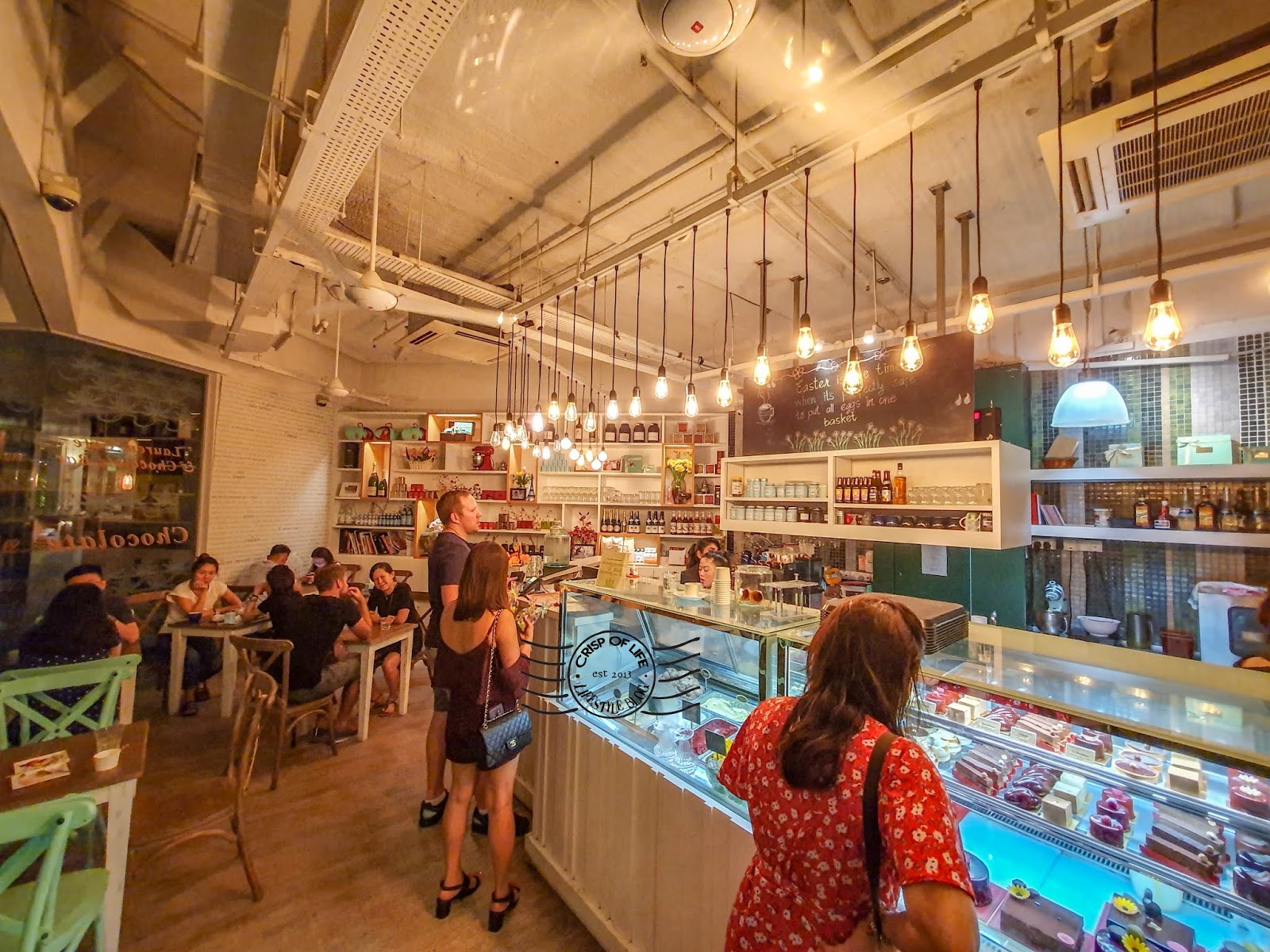
    After two decades of serving artisanal chocolates in Singapore, Laurent Cafe & Chocolate Bar is set to close its doors on August 10 due to escalating costs and financial strain. The renowned Robertson Quay-based chocolatier made the announcement on Facebook, marking a significant day of melancholy for the team. Originally, closure was set for the day of the announcement, however, the final day of operation was later adjusted to August 10.

    The inception of Laurent Cafe & Chocolate Bar in 2006 came via French pastry chef Laurent Bernard and his wife Iveta. Their establishment has been instrumental in moulding Singapore’s artisanal chocolate industry, long before local specialty chocolate brands gained popularity. The cafe earned recognition for their handcrafted chocolate bonbons, soufflés, and cakes.

    Bernard disclosed to the media that the business could no longer sustain the financial weight of running the cafe after being given a week’s notice to clear the premises due to overdue rent. The change of ownership for the building brought additional challenges to the business, as the new landlord demanded a year’s rent upfront. A decrease in footfall in the Robertson Quay area, coupled with increasing rental costs, contributed to the cafe’s struggles.

    Bernard expressed his emotional loss over the impending closure, stating that it’s far more impactful than any financial detriment. He appreciated the empathy shown by his customers and acknowledged the significance of the cafe to many local residents. Despite the closure of the physical cafe, Bernard confirmed that the brand, Laurent Bernard Chocolatier, would continue to operate online, offering delivery and self-pickup options from the company’s central kitchen on MacTaggart Road. With no immediate plans to open a new cafe, Bernard’s focus will shift towards expanding the online business.

    In related news, Pantler, a River Valley patisserie renowned for Japanese-French pastries and desserts, also announced its closure slated for August 30, unless a new owner steps in. This announcement came over an Instagram post, in which they extended gratitude to their loyal patrons for their support over the past 12 years. Escalating operating costs and a challenging business environment were the primary reasons behind the planned closure.

    These closures underline the growing pressure on Singapore’s food and beverage industry, where increasing costs and decreasing consumer spending have become frequent concerns. Singapore has seen 1,267 food business closures between January and April this year, nearly half the total number of closures recorded in the previous year.

    Questions & Answers

    Why is Laurent Cafe & Chocolate Bar closing?
    The escalating costs and financial pressures, coupled with a decrease in foot traffic in the Robertson Quay area, have forced the cafe to close.

    What will happen to the Laurent Bernard Chocolatier brand?
    The brand will continue to operate online, with options for delivery and self-pickup available.

    Are other businesses in the food and beverage sector in Singapore also facing these challenges?
    Yes, rising costs and weaker consumer spending have been cited as the primary challenges within the food and beverage industry in Singapore, leading to an increasing number of closures.

  • Sour Sally Soars: Celebrating 18 Years and 165 Stores Amidst Rival Llaollaos Indonesian Exit

    Sour Sally Soars: Celebrating 18 Years and 165 Stores Amidst Rival Llaollaos Indonesian Exit

    Sour Sally, the pioneering premium frozen yoghurt brand out of Indonesia, is set to participate in FLAsia 2026, a top-tier franchise and licensing exhibition in Asia. The event is scheduled to take place from August 13-15 at the Marina Bay Sands Expo and Convention Centre in Singapore.

    The Sour Sally team will be participating in the expo and showcasing the unique selling points of their award-winning frozen yoghurt concept. This also includes their rapidly growing sister brand, Juicy Sally, as well as their integrated franchise ecosystem designed for sustainable growth. Sour Sally is on the lookout for franchise investors, retail operators, and strategic business partners throughout Singapore and across the broader Asia Pacific region.

    Even after the departure of Llaollao from the Indonesian market, Sour Sally remains resilient, demonstrating the strength of a homegrown brand. The brand’s success is founded on long-term innovation, operational excellence, and consumer trust.

    Since its inception in 2008, Sour Sally has revolutionized Indonesia’s premium frozen yoghurt category, turning it into a trendy, health-conscious lifestyle choice. Over the past 18 years, the company has constantly evolved, making strides in product innovation, creating healthier menu choices, delivering exceptional customer experiences, and executing its business strategies with discipline.

    Sour Sally Today

    Today, Sour Sally is recognized as one of Southeast Asia’s leading frozen yoghurt companies, having sold more than 100 million cups, and annually serving over 15 million customers. The company has over 1000 employees, 165+ stores around the globe, and a proven track record of continuous growth and international brand recognition. In addition to these accomplishments, Sour Sally has officially received Halal Certification, further bolstering consumer confidence.

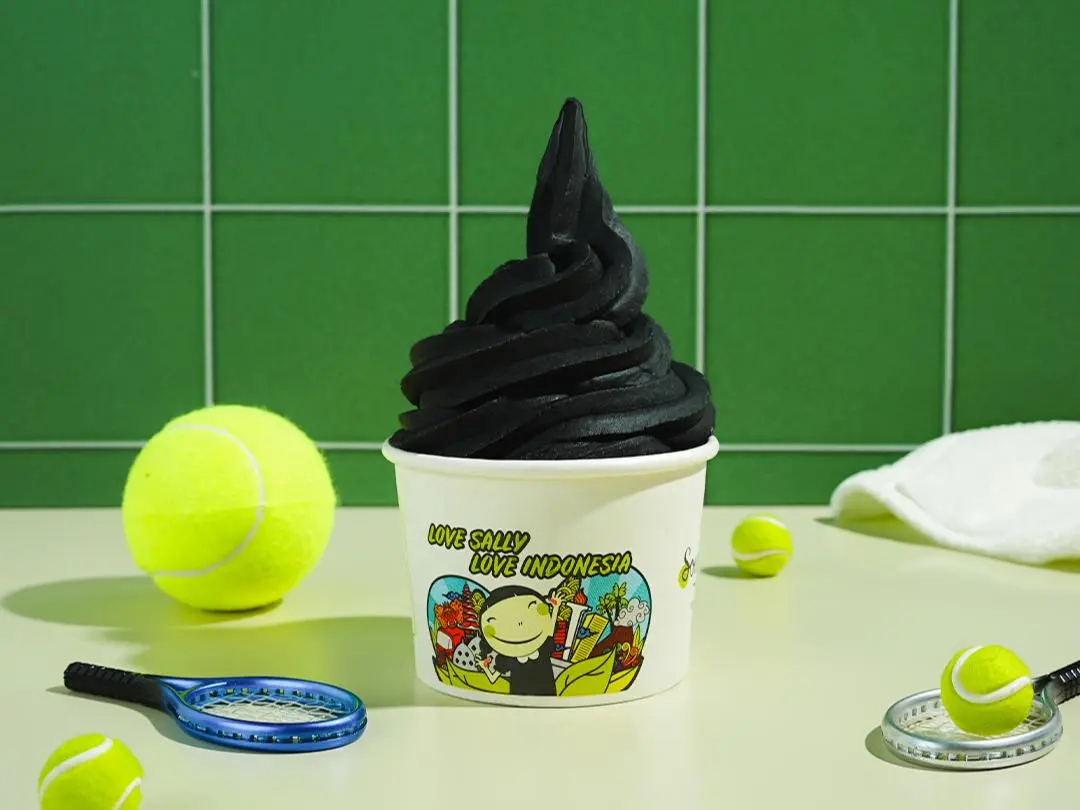
    One of Sour Sally’s standout innovations is Black Sakura, the world’s first black frozen yoghurt. This unique offering is made with naturally activated charcoal, providing not just a distinctive look, but also functional wellness benefits.

    Sour Sally Group also oversees Juicy Sally, the company’s premium juice bar concept. This concept incorporates real fruits with its signature Yoggurt Macchiato and J-U-X intellectual property character, offering a refreshing functional beverage experience aimed at health-conscious consumers.

    Expansion Beyond Home Turf

    Sour Sally has successfully expanded into the UAE, opening 15 outlets under a master franchise agreement, and demonstrating the brand’s ability to compete beyond its domestic market while maintaining consistent quality and customer experience. Recently, Sour Sally secured another major Master Franchise agreement in the Philippines, contributing to its global expansion.

    The company’s next strategic expansion chapter is Singapore. Through participation in FLAsia 2026, Sour Sally aims to identify Master Franchise partners who share the ambition of building one of Southeast Asia’s most successful food and beverage brands across the region.

    Sour Sally envisions partners who believe that globally competitive consumer brands can emerge from Southeast Asia. This vision is encapsulated in the company’s philosophy: ‘Asia’s best frozen yoghurt brand’.

    Singapore proves to be the perfect environment for Sour Sally’s growth, being one of Asia’s leading business and franchise hubs with a sophisticated retail landscape, strong investment ecosystem, and an international business community.

    Questions & Answers

    What is the philosophy of Sour Sally?
    Sour Sally operates under the philosophy of being ‘Asia’s best frozen yoghurt brand’. This embodies 18 years of resilience, entrepreneurship, and continuous product innovation.

    What is the strategic importance of Singapore for Sour Sally?
    Singapore, being one of Asia’s leading business and franchise hubs, provides a sophisticated retail landscape, strong investment ecosystem, and international business community. This makes it an ideal environment for Sour Sally’s next phase of growth.

    What are some of Sour Sally’s achievements so far?
    Sour Sally is recognized as one of Southeast Asia’s leading frozen yoghurt companies, having sold over 100 million cups, served more than 15 million customers annually, and achieving Halal Certification. It has also expanded its business globally, operating over 165 stores worldwide.

  • Haidilao Dives into Burger Biz Again, Boosts Sushi Venture Amid Cooling Hotpot Demand

    Haidilao Dives into Burger Biz Again, Boosts Sushi Venture Amid Cooling Hotpot Demand

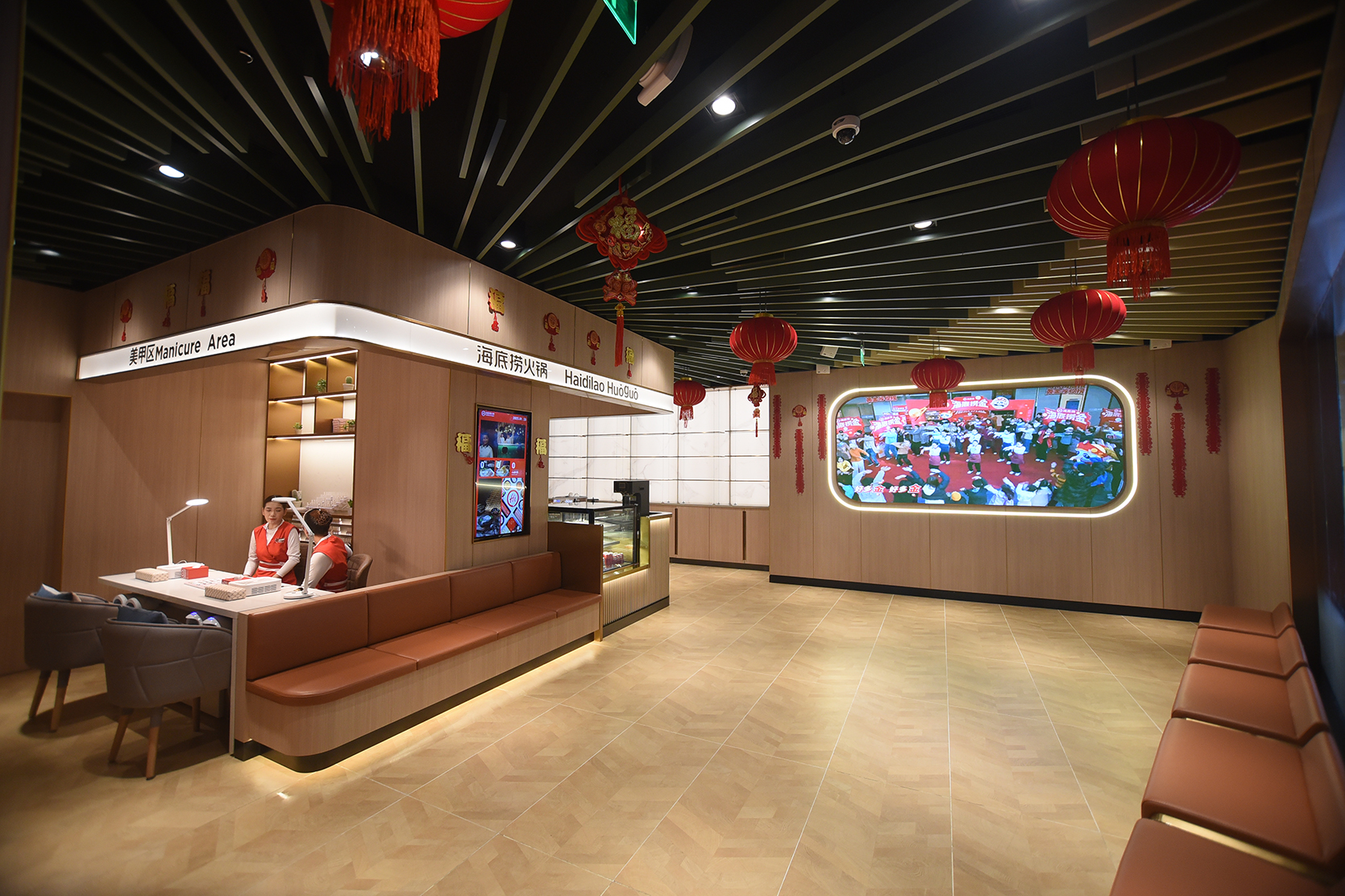
    Chinese hotpot giant Haidilao is making another attempt to break into the burger industry with its new venture, Fresh Burger, while simultaneously growing its budding sushi brand, Nyoisushi. This diversification comes as the company’s main business experiences a slowdown.

    Fresh Burger, Haidilao’s latest venture, was launched in Wuhan last month. The restaurant prides itself on its fresh grilled burgers, a departure from the frozen pre-made patties that many other fast-food chains utilize. Prices at Fresh Burger range from 18.9 yuan (approximately $2.80) to 41.9 yuan, and the menu also includes a variety of other options such as pizza, pasta, coffee, and ice cream.

    Alongside its expansion into the burger market, Haidilao has also been concentrating on growing its sushi brand, Nyoisushi. Following the success of its inaugural store in Hangzhou, the company has opened two additional outlets in Wuhan.

    Financial Situation and Future Plans

    Despite these ambitious expansions, Haidilao recently reported a 14% decrease in net profit for the fiscal year 2025, resulting in a sum of 4.05 billion yuan (about $600 million). Despite the drop, revenues still saw a slight increase of 1.1%, totaling 43.23 billion yuan.

    In light of these financial results, Haidilao announced plans to grow its multi-brand portfolio while focusing on enhancing the customer experience. The company aims to leverage digitalization and strategic acquisitions to achieve this goal. Beyond burgers and sushi, Haidilao also operates several other ventures, including seafood restaurants and Chinese fast-food chains.

    Haidilao’s previous attempt to break into the burger market was with Hiburger, launched in 2024. Despite initial hopes, Hiburger ended operations just a year later in 2025.

    This renewed effort to establish a foothold in the burger market comes as American fast-food chains bolster their presence in China. Notably, Burger chain Five Guys is slated to open its first store in Beijing in August, following its debut in Shanghai in 2021. Other U.S. chains such as Wendy’s and Texas Chicken have also announced their plans to enter the Chinese market, while Popeyes made a comeback in April after a two-decade-long absence since 2003.

    Questions & Answers

    What is the new venture of the Haidilao?
    Haidilao has launched a new burger chain called Fresh Burger and is expanding its sushi brand, Nyoisushi.

    What is the price range of food items at Fresh Burger?
    The prices at Fresh Burger range from 18.9 yuan (approximately $2.80) to 41.9 yuan.

    What are Haidilao’s future plans following its recent financial results?
    Haidilao plans to expand its multi-brand portfolio, improve the customer experience, increase digitalization, and pursue strategic acquisitions.

  • Vietnamese Coffee Giant, Cong Ca Phe, Set to Stir Up Indonesian Market with First Jakarta Store

    Vietnamese Coffee Giant, Cong Ca Phe, Set to Stir Up Indonesian Market with First Jakarta Store

    The Vietnamese coffee chain Cong Ca Phe has announced its foray into the Indonesian market, with the opening of its first branch in Jakarta in the forthcoming months. This strategic move aims to cement the Hanoi-based brand’s global presence by penetrating Indonesia’s thriving and highly competitive coffee shop industry.

    A Blend of Heritage and Authenticity

    Cong Ca Phe’s entrance into the Indonesian market, one of the most sought-after by its customers, is a testament to the brand’s dedication to preserving its Vietnamese roots. At the same time, it seeks to engage Indonesian consumers by offering a unique café experience that transcends the typical coffee service.

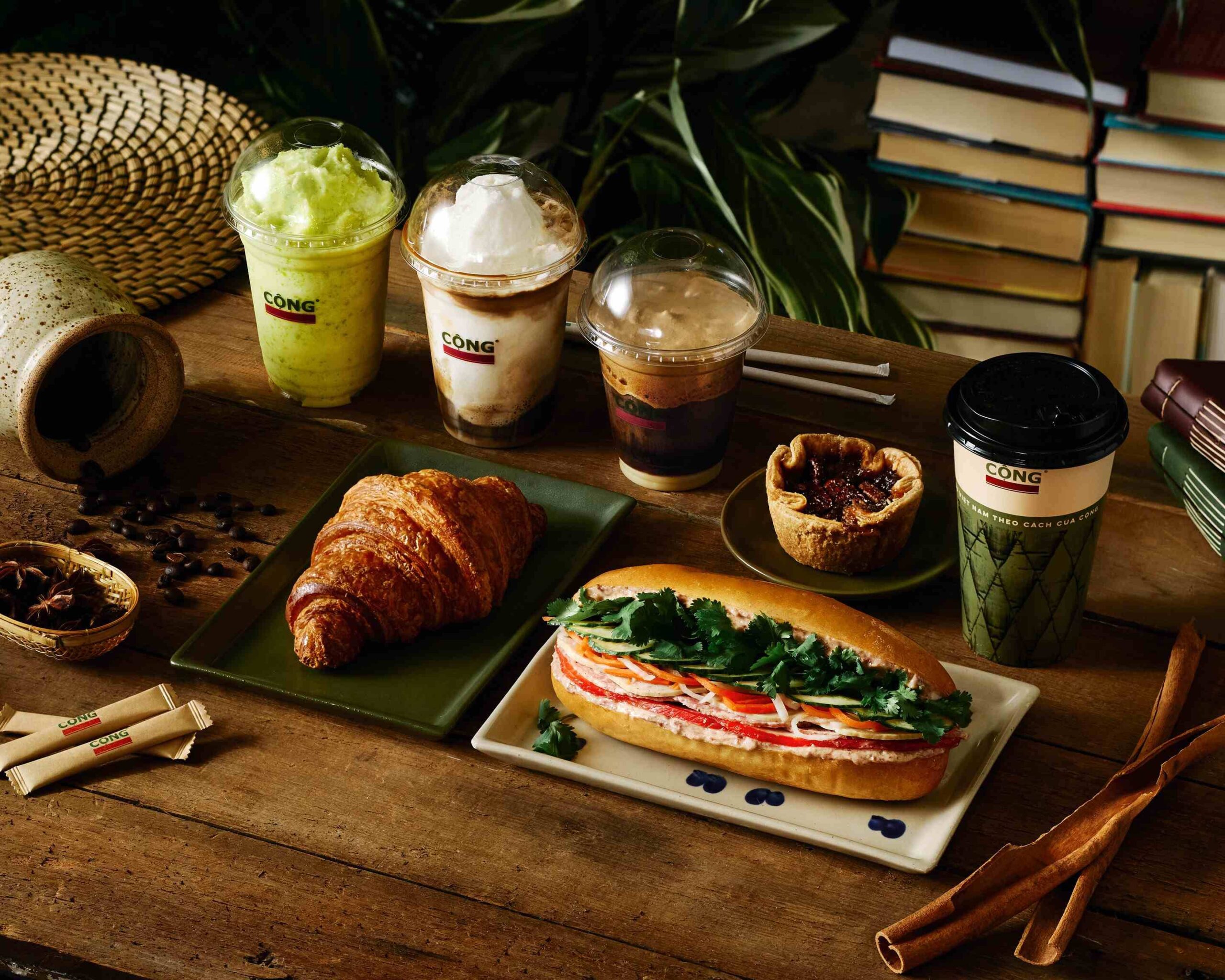
    The inaugural store in Gandaria City, South Jakarta, will feature Cong Ca Phe’s iconic Vietnamese Coconut Coffee. The menu will also include traditional Vietnamese coffee, a variety of non-coffee beverages, and a selection of Vietnamese-inspired dishes.

    The brand will continue its commitment to quality and authenticity by importing coffee beans and other essential ingredients directly from Vietnam. This initial store will serve as a litmus test for gauging local interest before any wider expansion plans are executed. Subsequent growth within Indonesia will hinge upon the success of this Jakarta-based outlet.

    The Story Behind Cong Ca Phe

    Established in 2007 in Hanoi by performance artist Linh Dung, Cong Ca Phe takes pride in its strong Vietnamese identity. The brand’s concept revolves around Vietnamese coffee culture and a nostalgic café atmosphere that harkens back to Vietnam. Its global presence has grown over the years, with outlets in South Korea, Malaysia, Taiwan, Canada, the Philippines, and France.

    Questions & Answers

    What is Cong Ca Phe’s signature offering?
    Cong Ca Phe is best known for its Vietnamese Coconut Coffee.

    Where will the first Indonesian Cong Ca Phe outlet be located?
    The first Indonesian outlet will be in Gandaria City, South Jakarta.

    What is the expansion plan of Cong Ca Phe in Indonesia?
    The brand’s expansion within Indonesia will largely depend on the performance of its inaugural Jakarta store. Future plans are to be determined based on this initial market response.

  • El Niño Threat Looms: Philippines Continues Rice Imports to Mitigate Shortage Fears

    El Niño Threat Looms: Philippines Continues Rice Imports to Mitigate Shortage Fears

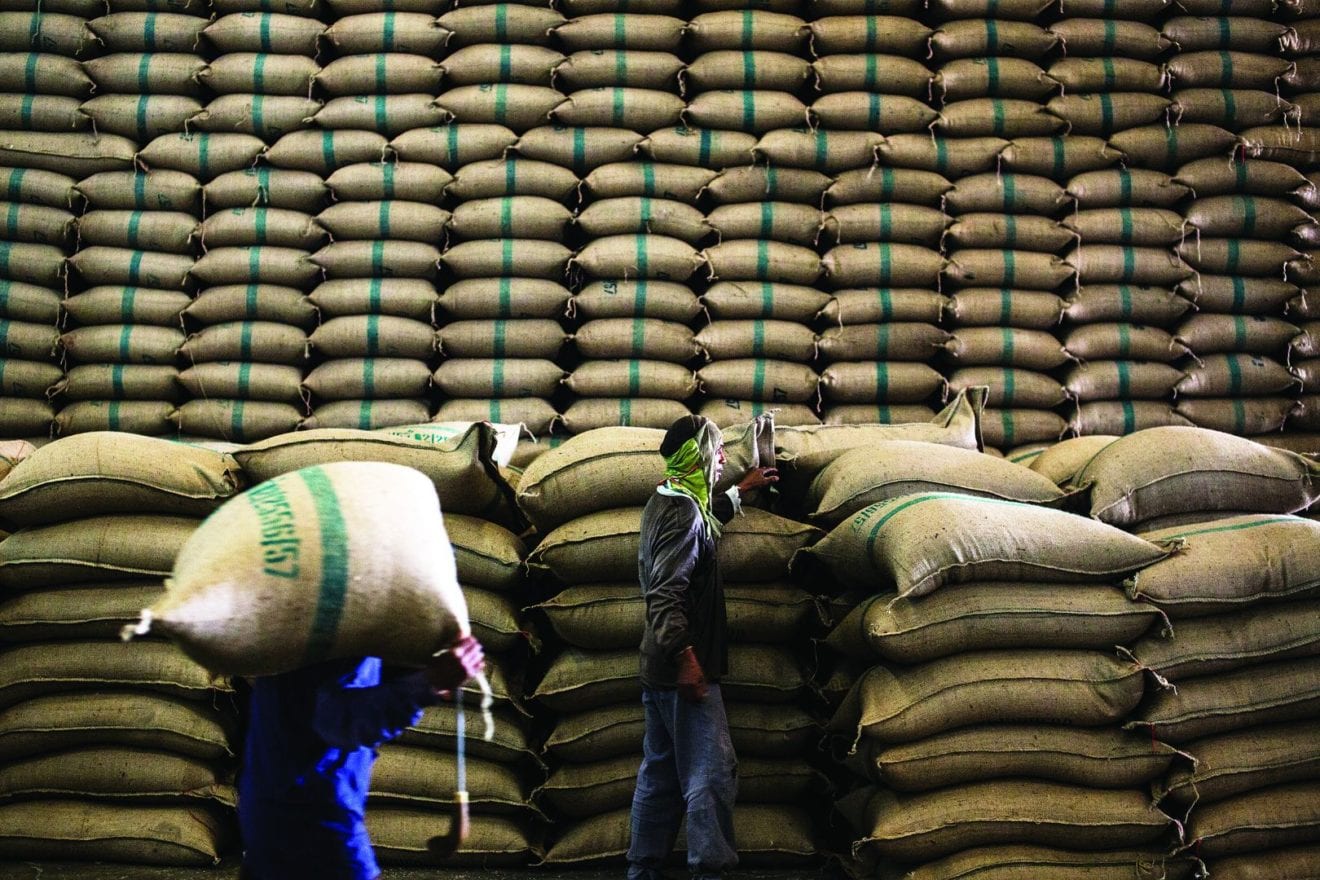
    In preparation for a potential reduction in domestic supply due to the expected El Niño weather event, the Philippines will not enforce a prohibition on rice imports this year. The possible upcoming strong El Niño, according to the nation’s Department of Agriculture, may diminish the national paddy yield by an estimated 750,000 metric tons. This could exacerbate the risk of supply shortages prior to the dry-season harvest in the early part of 2027.

    Rice Demand Outweighs Domestic Supply

    The consumption of rice in the Philippines exceeded the domestic supply by over one million metric tons last year. The country’s demand was 13.57 million metric tons, greatly surpassing the domestic yield of 12.40 tons. Francisco P. Tiu Laurel Jr., the Secretary of Agriculture, has stated the government’s intention to ensure large rice reserves are held prior to the upcoming harvest in order to preempt potential supply shortages.

    This strategic decision marks a deviation from the previous year’s approach, during which the Philippines halted rice imports between September and December. This move was implemented to bolster domestic paddy prices during the primary harvest season. This interruption to the importation process impacted delivery schedules for numerous Vietnamese exporters. Consequently, several companies had to seek orders from Africa and the Middle East.

    Impact on International Trade

    By August 3rd of this year, the Philippines had imported 3.3 million tons of rice. To lessen the impact of ongoing imports on local rice farmers, the government has directed the National Food Authority to procure 500,000 metric tons of paddy during this year’s wet-season harvest.

    A rice exporting enterprise in Vietnam’s Dong Thap Province has indicated that the Philippines’ decision to persist with imports will facilitate more straightforward negotiations of contracts for future deliveries this year. The Philippine market’s demand for Vietnam’s fragrant rice varieties remains steadfast due to their competitive pricing and unwavering quality.

    Vietnam exported a total of 5.5 million tons of rice in the first seven months of the year, generating $2.64 billion in revenue. In terms of volume, this figure represents a 0.5% increase year-on-year, although overall exports have declined by 6.7%. The Philippines continues to be Vietnam’s largest market, accounting for 45% of total exports.

    El Niño is a naturally occurring climate phenomenon characterized by unusually warm Pacific Ocean temperatures. This weather pattern can disrupt global weather patterns and often results in droughts in Southeast Asia, thereby reducing agricultural yield.

    Questions & Answers

    What is the expected impact of El Niño on the Philippines’ paddy yield?
    The strong El Niño weather event expected later this year could decrease the country’s paddy output by approximately 750,000 metric tons.

    How is the Philippines preparing for potential rice supply shortages?
    The Philippine government plans to maintain substantial rice reserves in anticipation of the next harvest to mitigate potential supply shortages.

    How have the Philippines’ import decisions impacted Vietnam’s rice exporters?
    The previous year’s suspension of rice imports disrupted delivery schedules for Vietnamese exporters. However, the decision to continue imports this year is expected to ease contract negotiations for future deliveries.

  • McDonalds Bags Premium Prices for Half of Its Hong Kong Properties Amidst Retail Downturn

    McDonalds Bags Premium Prices for Half of Its Hong Kong Properties Amidst Retail Downturn

    Despite the overall downturn in Hong Kong’s retail market, fast-food conglomerate McDonald’s has successfully managed to sell close to half of its 23 retail properties in the city at premium rates. The selling spree initiated in July of the previous year, in collaboration with property consulting firm JLL, has seen the fast-food giant yield approximately HKD 900 million (US$703 million) from the sale of 11 properties.

    Investor Interest in Prime Retail Real Estate

    Eunice Tang, JLL’s executive director of capital markets, has been overseeing the sale of six McDonald’s outlets. Tang elaborated that while the overall retail real estate market, particularly for properties valued above HKD 50 million, has been sluggish, these prime-located assets backed by a blue-chip tenant like McDonald’s have managed to pique the interest of high-net-worth buyers.

    As a part of its strategy, McDonald’s plans to sell all its 23 retail spaces, cumulatively valued at HKD 3 billion. However, the company intends to continue operations in these locations as tenants post their sale, ensuring no disruption to its citywide operations. Remarkably, McDonald’s has a network of 256 outlets in Hong Kong, many of which operate from rented spaces.

    The pace of sales, given the prevailing recession in Hong Kong’s retail real estate sector, is noteworthy. While McDonald’s continues to amass substantial gains over its historical purchase costs, other shops are being sold at rates 30% lower than their peak valuations or original asking prices.

    McDonald’s Sale & Lease-Back Agreements

    The McDonald’s outlets have been sold via sale-and-lease-back agreements, enabling the fast-food giant to continue operations under leases of up to 20 years. Most properties offer rental yields of over 6%, providing investors with steady income even as rents and capital values remain under pressure in the wider market.

    High-net-worth individuals, family offices, and seasoned private investors, including local investor Ng Yin and veteran investor Chang Yen-hsu (known as “Taiwan’s Chang”), have been among the buyers. Other purchasers include the Malaysian developer MB World Group and private investors from mainland China.

    The properties sold were initially owned by MCD Real Properties, a company associated with McDonald’s U.S. parent, and were retained post the local operating business’s sale to a Citic Capital-led consortium in 2017. Importantly, McDonald’s strategic approach of releasing its portfolio in phases rather than inundating the market has been commended by industry insiders for achieving these sales in this challenging market environment.

    However, the upcoming phase could present more difficulties, with several properties, including the flagship Star House shop in Tsim Sha Tsui, remaining unsold. Challenges in selling these remaining properties are not just related to their location but also to the larger ticket size and unconventional property specifications, which limit the pool of potential buyers.

    Questions & Answers

    What is the overall retail property market situation in Hong Kong?
    Given the ongoing recession, the retail property market in Hong Kong is experiencing a downturn. Many shops are trading at prices 30% lower than peak valuations or original asking prices.

    How has McDonald’s managed to sell its properties amid the market downturn?
    McDonald’s has strategically released its portfolio in phases rather than flooding the market all at once. The prime locations of its properties, the company’s reputation as a reliable blue-chip tenant, and the sale-and-lease-back agreement that allows for continued operations have attracted high-net-worth investors.

    What are some challenges in selling the remaining McDonald’s properties?
    The remaining properties, including the flagship Star House shop in Tsim Sha Tsui, have larger ticket sizes and unconventional specifications, which limit the potential pool of buyers. These factors, combined with the current market conditions, may pose challenges in the upcoming sales phase.

  • Starbucks Korea HQ Searched amid Controversial Marketing Investigation

    Starbucks Korea HQ Searched amid Controversial Marketing Investigation

    South Korean authorities have recently conducted a search at the main offices of Starbucks Korea. The search forms part of an ongoing inquiry into a contentious marketing campaign released earlier this year that led to extensive criticism.

    The campaign in question is alleged to have made reference to the 1980 military imposition on pro-democracy advocates in Gwangju, an action that sparked a significant public outcry due to its perceived insensitivity. As a result of the public backlash, Starbucks Korea reported a drastic dip in sales in May.

    The Shinsegae Group, the parent company of Starbucks Korea, had previously submitted documentation and other pieces of evidence. However, the recent search aimed to uncover additional documents and evidence not included in the earlier submission.

    Implications on Shinsegae

    The controversy has also had an adverse effect on the Shinsegae Group, with the aftermath leading to a decrease in its share value. The chairman of Shinsegae, Chung Yong-jin, issued a public apology in response to the controversy surrounding the marketing campaign. The retail giant also terminated its contract with Starbucks Korea’s chief, Sohn Jeong-hyun, attributing his dismissal to his responsibility for the inappropriate marketing endeavor.

    Both Starbucks Korea and Shinsegae have confirmed their understanding of the search as part of the ongoing investigation into the company.

    Questions & Answers

    **What was the cause of the investigation into Starbucks Korea?**
    The investigation was launched in response to a marketing campaign released by Starbucks Korea. The campaign reportedly referenced the 1980 military crackdown on pro-democracy protestors in Gwangju, which led to widespread public criticism due to its perceived insensitivity.

    **What was the impact of the controversial campaign on Starbucks Korea?**
    The backlash from the controversial campaign caused Starbucks Korea to report a significant decrease in sales in May.

    **What action did Shinsegae Group take in response to the controversy?**
    In the wake of the controversy, Shinsegae’s chairman, Chung Yong-jin, issued a public apology. The group also dismissed Starbucks Korea’s chief, Sohn Jeong-hyun, attributing his dismissal to his role in the controversial marketing campaign.

  • Heineken Thrives in First Half of Fiscal Year Despite Cutting 3000 Jobs

    Heineken Thrives in First Half of Fiscal Year Despite Cutting 3000 Jobs

    Heineken, the renowned brewing titan, has reported a substantial surge in growth during the first half of this fiscal year, following its decision to eliminate 3000 roles within the organization.

    The company declared a $24.3 billion revenue during this period, signifying a 2.7% increment, and correspondingly, a net profit of about $2 billion, marking a 10.2% rise.

    The organization’s CFO, Harold van den Broek, gave an account of these financial outcomes prior to the scheduled appointment of the company’s prospective CEO, Rafa Oliveira, set to take the helm on October 1.

    Van den Broek articulated, “We recorded volume expansion and a sturdy operating profit surge, with all our five global brands witnessing growth and maintaining promising momentum in our premium and beyond beer portfolios.” He further added, “The performance is indicative of the caliber of our progressive growth, the flexibility of our advantageous footing, and our ability to acclimate and execute in a fluctuating landscape. We further initiated major measures to enhance productivity and foster future-ready competencies, ensuring we efficiently catalyze further growth.”

    The Asia Pacific region was Heineken’s most robust source of revenue growth, with a staggering increase of 10.57%. Conversely, the company’s year-on-year growth in the Americas remained static.

    Emphasizing the company’s cautious approach in light of uncertain circumstances, van den Broek remarked, “We have confidence in our strategy and its progress, but we continue to exercise caution due to the persisting macroeconomic and geopolitical volatility.”

    The company’s prudence was demonstrated earlier this year, in February, when it declared 3000 job cuts in the first half of the fiscal year. In addition to these job reductions, Heineken anticipates eliminating another 3000 roles before the onset of the next fiscal year. The company asserts that these cuts have considerably expedited organizational transformations.

    Questions & Answers

    What was Heineken’s net profit and revenue growth in the first half of the fiscal year?
    Heineken reported a $24.3 billion revenue, a 2.7% increase, and approximately $2 billion in net profit, a 10.2% increase.

    Who is set to become Heineken’s new CEO?
    Rafa Oliveira is expected to become the new CEO of Heineken, with his appointment scheduled for October 1.

    What is the company’s approach in response to ongoing macroeconomic and geopolitical uncertainty?
    Heineken is exercising caution and prudence in response to ongoing uncertainties, as evidenced by its job reduction strategy and emphasis on efficiency and productivity.