Category: Food

Retail News Asia is committed to providing both local and global retailers with the latest Food and Food & Beverage news throughout the Asian market. This on a daily base.

  • Solbevi’s Limoncello Spritz Makes a Splash in Singapore with Nationwide Relaunch

    Solbevi’s Limoncello Spritz Makes a Splash in Singapore with Nationwide Relaunch

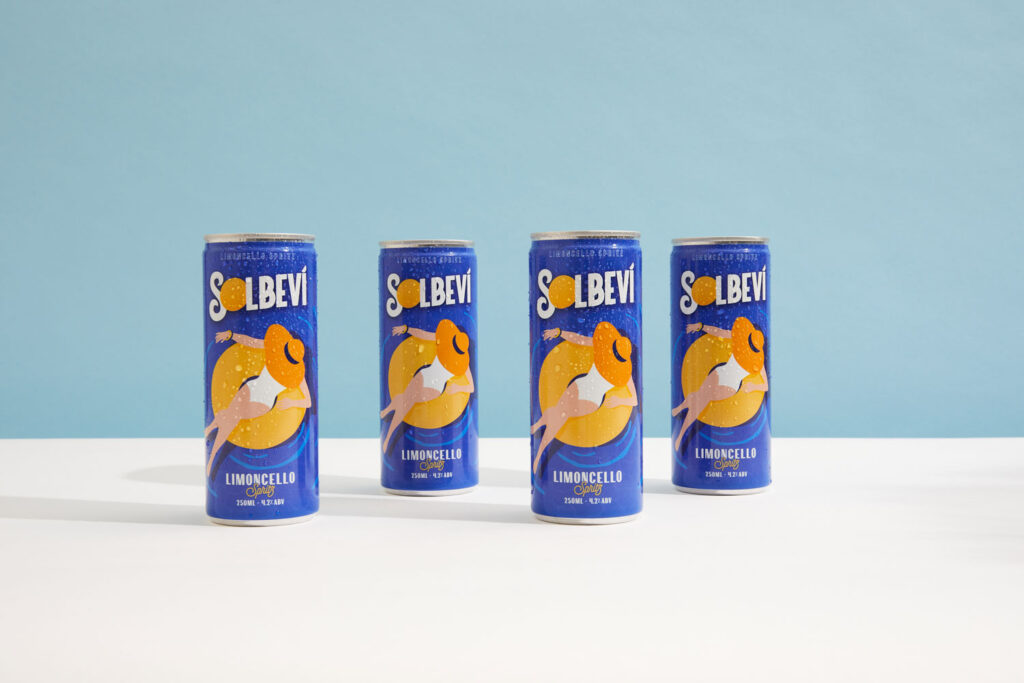
    Solbevi, the Australian creator of an Italian-inspired Limoncello Spritz, has recently revitalised its distribution in Singapore. This development follows a shift in local distribution partners, which confirms the availability of the company’s canned Limoncello Spritz at all Cold Storage supermarkets across Singapore.

    Marking a Distribution Milestone

    The recent relaunch signifies the first country-wide distribution for a canned Limoncello Spritz in Singapore. The brand debuted in the Singaporean market nine months ago but faced logistical constraints. This limitation restricted its preliminary retail exposure to on-board sales with Scoot Airlines.

    Solbevi, with its headquarters in South Melbourne, Australia, markets its Limoncello Spritz in a 250ml can that holds 4.2 per cent Alcohol By Volume (ABV). In addition to the canned spritz, Solbevi also offers a bottled limoncello liqueur. The brand has maintained a robust retail distribution across Australia and New Zealand (ANZ), coupled with a continual expansion overseas into markets such as Malaysia and Thailand.

    Learning and Growing

    In response to this relaunch, Stefan Di Benedetto, founder and CEO of Solbevi, expressed his insights into the competitive yet fulfilling Singaporean market. He highlighted the value of selecting the right distribution partner, a lesson derived from Solbevi’s initial market entry attempt.

    The achievement of securing 100 per cent distribution with Cold Storage, along with forging partnerships with Mondrian and Mama Shelter, marks a significant turning point for Solbevi in Asia. The relaunch events are not just about celebrating this accomplishment, but also a way of expressing gratitude to the city for providing a second opportunity to succeed.

    Questions & Answers

    What is Solbevi?
    Solbevi is an Australian-based company that produces an Italian-inspired Limoncello Spritz. They offer their product in both canned and bottled forms.

    What change has recently taken place with Solbevi’s distribution?
    Solbevi has revitalised its distribution in Singapore, successfully securing placements for its canned Limoncello Spritz across all Cold Storage supermarkets in the country.

    What challenges did Solbevi face when they entered the Singaporean market?
    When Solbevi first entered the Singaporean market, they faced distribution challenges that limited their early retail presence to on-board sales with Scoot Airlines.

  • Bloom Nutrition Ignites Australia’s Health Scene with Zero-Sugar Sparkling Energy Drinks at 7-Eleven

    Bloom Nutrition Ignites Australia’s Health Scene with Zero-Sugar Sparkling Energy Drinks at 7-Eleven

    Bloom Nutrition, a health and wellness brand originating from the United States, has recently made its debut in Australia with the introduction of its Sparkling Energy Drinks.

    Nourishing Energy Beverages

    Bloom Nutrition’s unique beverage blend boasts zero sugar and a minimal 10 calories per can. It’s power-packed with 113mg of naturally-sourced caffeine from green coffee beans. The brand champions a ‘better-for-you’ range, with its products featuring health-boosting compounds like prebiotics, B-vitamins, apple cider vinegar, and ginseng. Additionally, they are free from artificial colors and aspartame.

    The pioneer selection of the drink is offered in three different flavors: Strawberry Watermelon, Peach Mango, and Raspberry Lemon. Bloom Nutrition plans to extend its flavor range with more options, including Juicy Orange and Crisp Apple, expected to be launched by the end of this year.

    Expanding Market Reach

    By partnering with 7-Eleven, Bloom Nutrition has gained immediate access to Australia’s convenience retail market, a significant move in its international commercial expansion. The Sparkling Energy Drinks, available in 355ml cans, are now being sold nationwide through 7-Eleven stores at a recommended retail price of $7.

    Mari Llewellyn, co-founder of Bloom Nutrition, expresses her excitement about the brand’s expansion to Australia: “We founded Bloom with the aim of helping people feel their best. This makes our introduction to the Australian market a moment of fulfillment. Our Sparkling Energy Drinks are designed to cater to the active, wellness-oriented lifestyles of Australians.”

    Questions & Answers

    What are some key aspects of Bloom Nutrition’s Sparkling Energy Drinks?
    The drinks contain zero sugar and are low-calorie. They are made with natural caffeine, prebiotics, B-vitamins, apple cider vinegar, and ginseng.

    What flavors are currently available in Australia?
    At present, the available flavors are Strawberry Watermelon, Peach Mango, and Raspberry Lemon.

    What are the future plans for Bloom Nutrition in Australia?
    The company plans to launch more flavors, including Juicy Orange and Crisp Apple, later this year.

  • Marmite Mania: Singapore Supermarkets Face Unexpected Shortage of Beloved British Spread

    Marmite Mania: Singapore Supermarkets Face Unexpected Shortage of Beloved British Spread

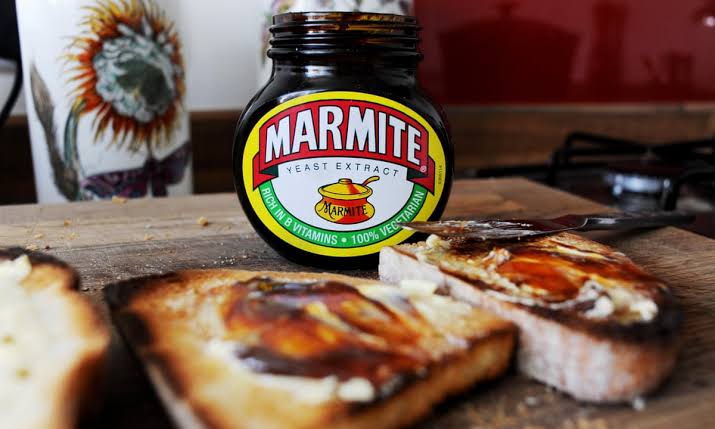
    Marmite, the unique British food spread revered for its savory umami flavor, has reportedly disappeared from the shelves of Singapore’s major supermarket chains and retail outlets. This comes as a surprise to the local populace who have grown to love the uniquely flavored condiment.

    Empty Shelves in Local Stores

    The top supermarket chains in Singapore, notably FairPrice, Sheng Siong, Cold Storage, and Giant, have all reported the absence of Marmite from their inventories. An employee at FairPrice confirmed that Marmite had been out of stock for several months. Similarly, a staff member at Sheng Siong revealed that they had not received any new Marmite shipments recently. Even online searches for Marmite on these supermarkets’ websites yield no results.

    While Marmite is still available from a handful of online sellers, the prices are considerably higher than before. For instance, last week, Shopee had only a few sellers offering 8g sachets for S$4.50 (US$3.48) each. This is a stark contrast to the previous price of a 200g jar, which was sold for S$7.08 at FairPrice.

    Marmite, a dark, sticky spread made from yeast extract, is renowned for its intensely savory, salty, and umami flavor profile. Traditionally spread on toast in the UK, it has also found its way into Singaporean cuisine, featuring in popular dishes such as Marmite chicken and Marmite pork ribs.

    Under New Management

    Unilever, the consumer goods behemoth that produces Marmite, announced in late March that it had agreed to merge its food business, including Marmite, with U.S.-based McCormick. The merged entity will operate under the McCormick name and will be managed by a combination of executives from both companies. The deal is anticipated to close by mid-2027, with Unilever and its shareholders retaining 65% control in the combined company.

    Earlier this month, a notice circulated on social media suggesting that Unilever Asia, the regional distributor responsible for Marmite supplies in Singapore, had removed the product from its portfolio as of April 1.

    Questions & Answers

    Why has Marmite disappeared from Singapore’s supermarket shelves?
    According to local reports, Marmite has been out of stock for several months. The exact reason remains unknown.

    Is Marmite still available in Singapore?
    While Marmite is no longer available in major supermarkets, it can still be purchased from a few online sellers although at higher prices.

    What changes are expected after the merger of Unilever’s food business with McCormick?
    The combined entity will operate under the McCormick name and will be managed by a blend of executives from both companies, with Unilever and its shareholders retaining 65% control. The deal is expected to close by mid-2027.

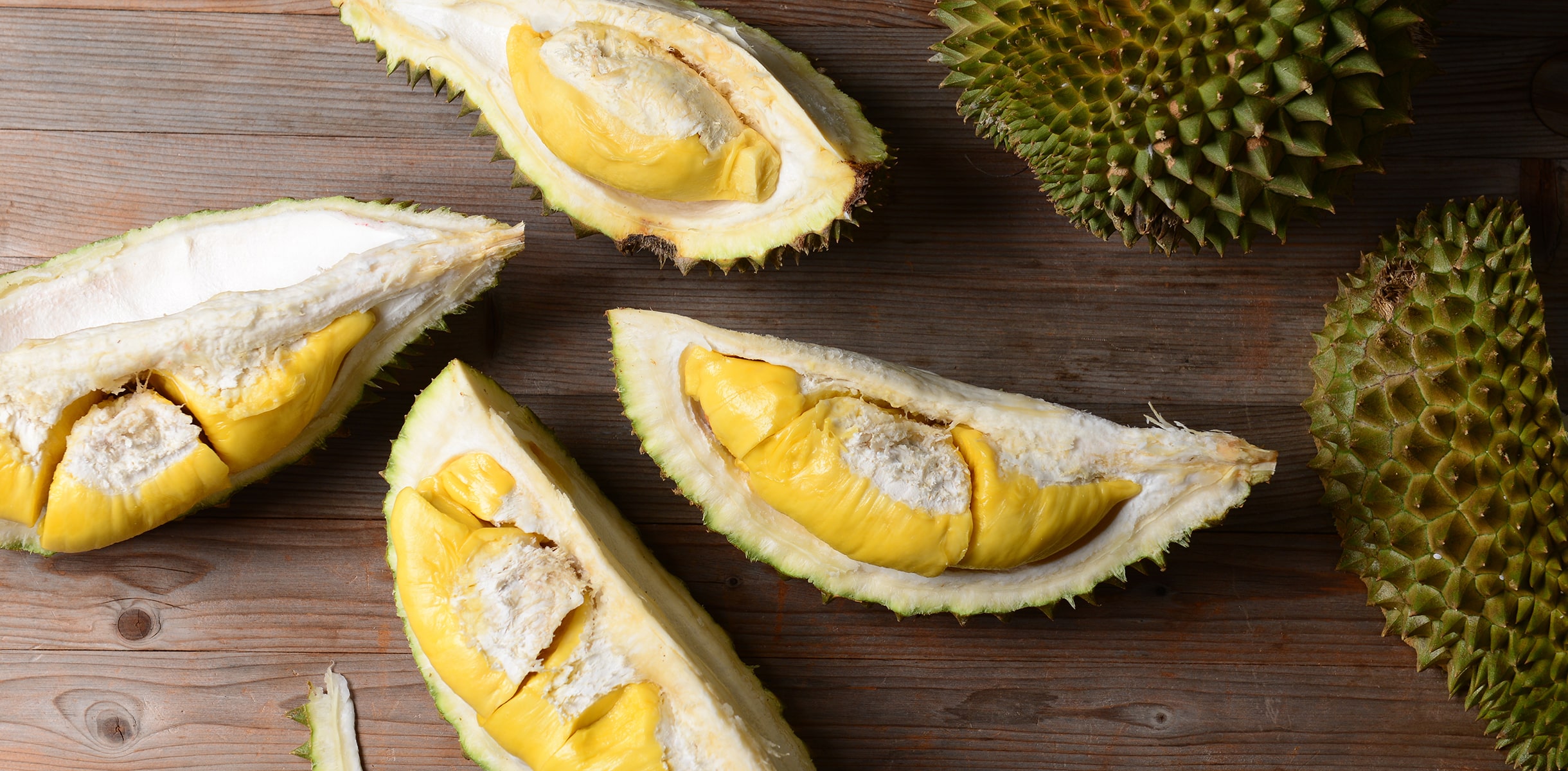
  • Riding the Durian Express: Cambodia Boosts Exports to China with 5,700 Tons of Fresh Fruit

    Riding the Durian Express: Cambodia Boosts Exports to China with 5,700 Tons of Fresh Fruit

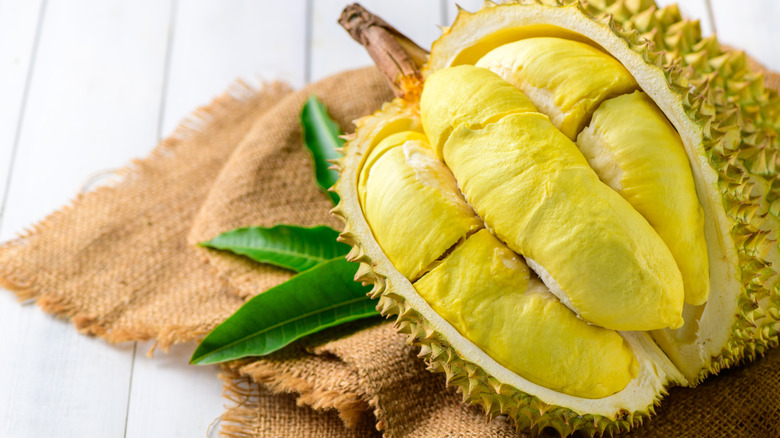
    In the first seven months of 2026, Cambodia managed to export a significant amount of fresh durians to China. Specifically, 5,738 metric tons of the fruit were exported, largely due to improvements in overland logistics. This advancement has been credited to the Ministry of Agriculture, Forestry and Fisheries, with the undersecretary of state, Khim Finan, highlighting the opening of a new overland route from Cambodia to China via Laos as a key factor.

    Boosting Trade via Overland Route

    The implementation of this new land route has not only opened fresh avenues of trade but also significantly reduced transit times. As Mr. Finan pointed out, the duration has been slashed from 15-20 days by sea to just 5 days overland. This route was officially inaugurated in late June and serves as a convenient channel for transporting a range of Cambodian agricultural products to China.

    The list of approved commodities for transport through this route includes bananas, mangoes, rice, Pailin longan, cassava starch, and durian. Each of these products has received official approval for shipment, boosting Cambodia’s export potential.

    Chinese Market’s Fondness for Durian

    China holds the distinction of being the world’s largest market for durian. In the previous year, China purchased an impressive 1.87 million tons of the fruit, amounting to a total worth of US$7.49 billion.

    The first half of this year has already seen an import of 1.07 million tons. Thailand remains the largest supplier, accounting for 81% of the total durian delivered to China. Vietnam follows close behind, contributing 18% to the supplies, while the remaining stocks are provided by Malaysia and the Philippines.

    Cambodia’s fresh durian exports to China have been on a sharp incline since July of the previous year. This was when the first shipment was sent after Chinese authorities granted approval to over 100 durian farms and 30 packaging facilities in Cambodia.

    Durian is the fifth fresh fruit from Cambodia to be given direct access to the Chinese market. It joined the ranks of bananas, mangoes, longans, and coconuts that have been enjoying this privilege.

    It was reported that Cambodia has more than 11,000 hectares devoted to durian cultivation, which yields an estimated 120,000 tons of the fruit annually.

    Questions & Answers

    What led to Cambodia’s significant export of fresh durians to China?
    The exports were largely facilitated by the opening of a new overland route from Cambodia to China through Laos, reducing transit times considerably.

    What are the other agricultural products Cambodia exports to China via this route?
    In addition to durian, Cambodia also exports bananas, mangoes, rice, Pailin longan, and cassava starch to China through this route.

    What is the significance of durian in the Chinese market?
    China is the world’s largest market for durian, having purchased 1.87 million tons of the fruit worth US$7.49 billion in the previous year.

  • Australia’s Growing Craving for Authentic Italian Fare: A Boon for Local Importers

    Australia’s Growing Craving for Authentic Italian Fare: A Boon for Local Importers

    Italian food has consistently been a staple for Australian consumers, wholesalers, and retailers. However, the reasons for this popularity are shifting. While items like pasta, olive oil, and cheese continue to be popular, consumers are more interested in the origins, production methods, and authenticity of these products.

    This shift in consumer behavior is opening new avenues for businesses that can provide authentic ‘Made in Italy’ products. Simona Bernardini, Trade Commissioner and Director of the Italian Trade Agency (ITA) in Sydney, has noted these developments.

    Recent statistics indicate a growing demand for these products. Accounting data shows that Australia’s imports of Italian food and beverage products amounted to $1.47 billion in 2025, making up 5.5% of total imports in the category. This makes Italy Australia’s fourth-largest supplier of these goods.

    Bernardini mentioned that Italian products, including processed tomatoes, pasta, cheese, olive oil, sauces, wine, and premium bakery products, continue to perform well. This reflects a growing appreciation for authentic, high-quality food that is strongly connected to its origin.

    The recently concluded Australia-European Union Free Trade Agreement is expected to further bolster this bilateral trade by reducing barriers for exporters and creating more opportunities for Australian buyers.

    A Strategic Export Market and Premium Credentials

    Australia is not just a destination for Italian food exports, but also a gateway market for broader growth across the Asia-Pacific region. The country offers a stable economic environment, a sophisticated retail sector, and consumers with a growing appreciation for authentic, high-quality imported food products.

    As consumers pay greater attention to the origin and production methods of their food, premium, sustainable, and traceable food is in high demand. European quality schemes like Protected Designation of Origin (PDO) and Protected Geographical Indication (PGI) provide strong guarantees of authenticity, traceability, and production standards. These certifications are becoming increasingly valuable to Australian consumers looking for genuine and premium food experiences.

    Building Resilient Supply Chains and Supporting Long-term Partnerships

    Despite the growing demand, global supply chains are under pressure due to geopolitical uncertainty and increased freight costs. Italian exporters have responded by becoming more agile and collaborative, diversifying transportation routes, and investing in efficient supply chain management practices.

    For Italian businesses looking to enter the Australian market, understanding Australia’s regulatory environment and building local partnerships is crucial. Bernardini advises that companies must consider biosecurity requirements, labeling regulations, logistics costs, pricing strategies, and finding the right importer or distributor.

    The Italian Trade Agency’s Sydney office plays a vital role in this, providing market information, sector insights, guidance on local requirements, identification of potential business partners, and promotional opportunities.

    Trade exhibitions, such as Fine Food Australia, are effective ways for Italian producers to connect with Australian retailers, importers, distributors, and foodservice operators. The Italian National Pavilion, organized by the Italian Trade Agency’s Sydney office, promotes the diversity and innovation of the Italian food and beverage sector, further strengthening commercial and institutional relationships between Italy and Australia.

    The Pavilion, which will host 23 Italian companies, will give Australian buyers access to internationally recognised brands and smaller regional producers. Bernardini emphasizes that the Pavilion is not just a showcase of Italian products but also representative of the robust partnership between Italy and Australia in the food and beverage sector.

    Questions & Answers

    What has led to the change in Australian consumers’ preference for Italian products?
    Consumers are now more interested in the story behind the products – their origins, production methods, and authenticity.

    What role does the Italian Trade Agency’s Sydney office play for Italian businesses entering Australia?
    The agency provides market information, sector insights, guidance on local requirements, identification of potential business partners, and promotional opportunities.

    How do Italian producers connect with Australian buyers and retailers?
    Trade exhibitions, such as Fine Food Australia, are an effective platform for Italian producers to directly present their products to Australian buyers, distributors, retailers, and food service operators.

  • Nestlé Partners with Platinum Equity: Spins off Premium Water Business into Multibillion-Dollar Joint Venture

    Nestlé Partners with Platinum Equity: Spins off Premium Water Business into Multibillion-Dollar Joint Venture

    Nestlé has revealed plans for a significant reorganization of its worldwide water division through a new collaborative endeavor with the private equity company, Platinum Equity. This move will see both Nestlé’s water and premium beverage businesses incorporated into a new autonomous company named Peranel. The 50:50 partnership with Platinum Equity will oversee this process.

    Peranel is set to manage an assortment of high-end brands, including Perrier, S Pellegrino, Acqua Panna, Maison Perrier, Buxton, and La Vie, across more than 120 countries globally.

    Financial Aspects and Benefits of the Partnership

    From this arrangement, Nestlé is projected to receive around €3 billion (US$3.4 billion) in cash while still holding a 50% stake in the newly formed business. Nestlé has communicated that this partnership will offer increased strategic focus and operational flexibility for the water division, allowing the company to redirect its attention towards its primary growth categories.

    Emphasizing the benefits of this partnership, Nestlé’s CEO, Philipp Navratil, stated that, “By partnering with Platinum Equity, Peranel will be better positioned to execute its strategy with enhanced agility. With added focus, it will be better equipped to drive its long-term growth ambitions by bolstering this unique portfolio of international and local brands, through continued investment in innovation, premiumization, operational excellence, and sustainability.”

    The new company, Peranel, will be under the leadership of the current CEO of Nestlé’s waters and premium beverages, Muriel Lienau, along with a team of seasoned management personnel. The transaction, which assigns an enterprise value of $5.6 billion to Peranel, is anticipated to be finalized in the first half of the ensuing year.

    Steady Growth and Future Outlook

    Nestlé’s announcement of this restructuring aligns with the multinational FMCG company’s release of its first-half results. The company reported sales of CHF43.1 billion (approximately US$ 52.76 billion) for the six months ending June 30, with an organic growth of 3.7%. This growth was supported by 1.8% real internal growth and 1.9% pricing. The coffee and confectionery sectors continued to perform exceptionally well, while pet care sustained its positive momentum.

    Nestlé’s CEO, Philipp Navratil, commented on the company’s performance stating, “Emerging markets growth accelerated, and we delivered solid performance in developed markets. We are increasing and prioritizing our investment behind our leading brands and growth platforms, sharpening our portfolio focus and driving further efficiencies to reinvest. While the external environment remains uncertain, we are taking actions to accelerate consistent growth.”

    Navratil also confirmed the company’s full-year guidance, with an expectation of achieving organic sales growth of between 3 and 4 percent.

    Questions & Answers

    What is the purpose of creating the new company, Peranel?
    The formation of Peranel will allow Nestlé’s waters and premium beverages business to execute its strategy with greater agility and focus.

    Who will be leading the new company, Peranel?
    Peranel will be led by Muriel Lienau, the current CEO of Nestlé’s waters and premium beverages, and a team of seasoned management personnel.

    What are Nestlé’s growth expectations for the year?
    Nestlé expects organic sales growth of between 3 and 4 percent for the year.

  • Nestlé Advocates for Simplified Food Labels in Bid to Demystify Scientific Ingredients

    Nestlé Advocates for Simplified Food Labels in Bid to Demystify Scientific Ingredients

    As consumer awareness increases, more people are inspecting ingredient labels and avoiding products that seem heavily processed. Nestlé, the global food and beverage company responsible for products such as Nescafe coffee and KitKat chocolate, has been advocating for the use of simpler, commonly recognized terms on packaging in the United States.

    This move aims to replace scientific names such as “ascorbic acid” with more familiar terms like “vitamin C” and “beta-carotene” with “vitamin A”. The goal is to prevent consumers from rejecting products with unfamiliar ingredient names, despite these ingredients being naturally derived or deemed safe by regulatory bodies. A former senior executive at Nestlé commented that sometimes the current way of labelling in the US can give off an impression of “Frankenstein food,” despite these being natural ingredients that consumers can recognize.

    Nestlé’s Efforts and Current Labelling Policies

    Nestlé has been in direct talks with Health Secretary Robert F Kennedy Jr’s team, discussing food labelling policies as part of the administration’s “Make America Healthy Again” initiative. The initiative aims to inform and educate the public about healthier food choices.

    Under current U.S. regulations, packaging often uses less familiar technical terms, which can discourage consumers from purchasing products and sometimes even compel companies to modify recipes to exclude certain ingredients. On the other hand, in Europe, the labelling depends on the intended use of an ingredient. For example, an ingredient used as an additive could be labelled as “antioxidant (ascorbic acid)” or simply as “vitamin C”.

    According to a report by Innova Market Insights, around 75% of North American consumers reconsider their purchases based on the ingredients list on packaging. The majority of consumers prefer real ingredients and an ingredient list that is easy to understand.

    Public Health Advocacy and the Food Industry

    While some public health advocates believe that simplified labelling can be misleading and allow large food companies to be vague about their use of additives, food companies are spending billions to remove artificial colors, preservatives, and additives in response to consumer preferences for simpler, more recognizable ingredient lists.

    Stefan Palzer, Nestlé’s technology chief, confirmed the company’s lobbying efforts, noting that it is a difficult task. The company aims to reduce ingredients that aren’t easily understood by consumers, without compromising on product safety, quality, or functionality. Palzer added that consumers globally prefer ingredients that look “familiar” and products with understandable labels.

    Industry groups such as the Americans for Ingredient Transparency coalition and the International Food Additives Council argue that technical ingredient names can unjustly stigmatize products, even when the ingredients themselves are widely accepted and considered safe. These groups include significant food and consumer companies such as Nestlé, Coca-Cola, PepsiCo, and Cargill.

    Questions & Answers

    What is the motivation behind Nestlé’s lobbying for simpler ingredient labels?
    Nestlé aims to replace scientific ingredient names with more commonly recognized terms to prevent consumers from rejecting products with unfamiliar ingredient names, even if these ingredients are natural or deemed safe by regulatory bodies.

    What is the current state of food labelling in the U.S.?
    Current regulations often require the use of less familiar technical terms on packaging, which can discourage consumers from purchasing certain products. This has prompted some companies to change recipes to avoid using these less recognizable ingredients.

    What is the stance of public health advocates on simplified labelling?
    Some public health advocates argue that using simpler labelling can be misleading and might allow large food companies to be non-transparent about the inclusion of additives in their products.

  • Chinese Hotpot Giant, Banu, Ignites Global Expansion with First Hong Kong Outlet

    Chinese Hotpot Giant, Banu, Ignites Global Expansion with First Hong Kong Outlet

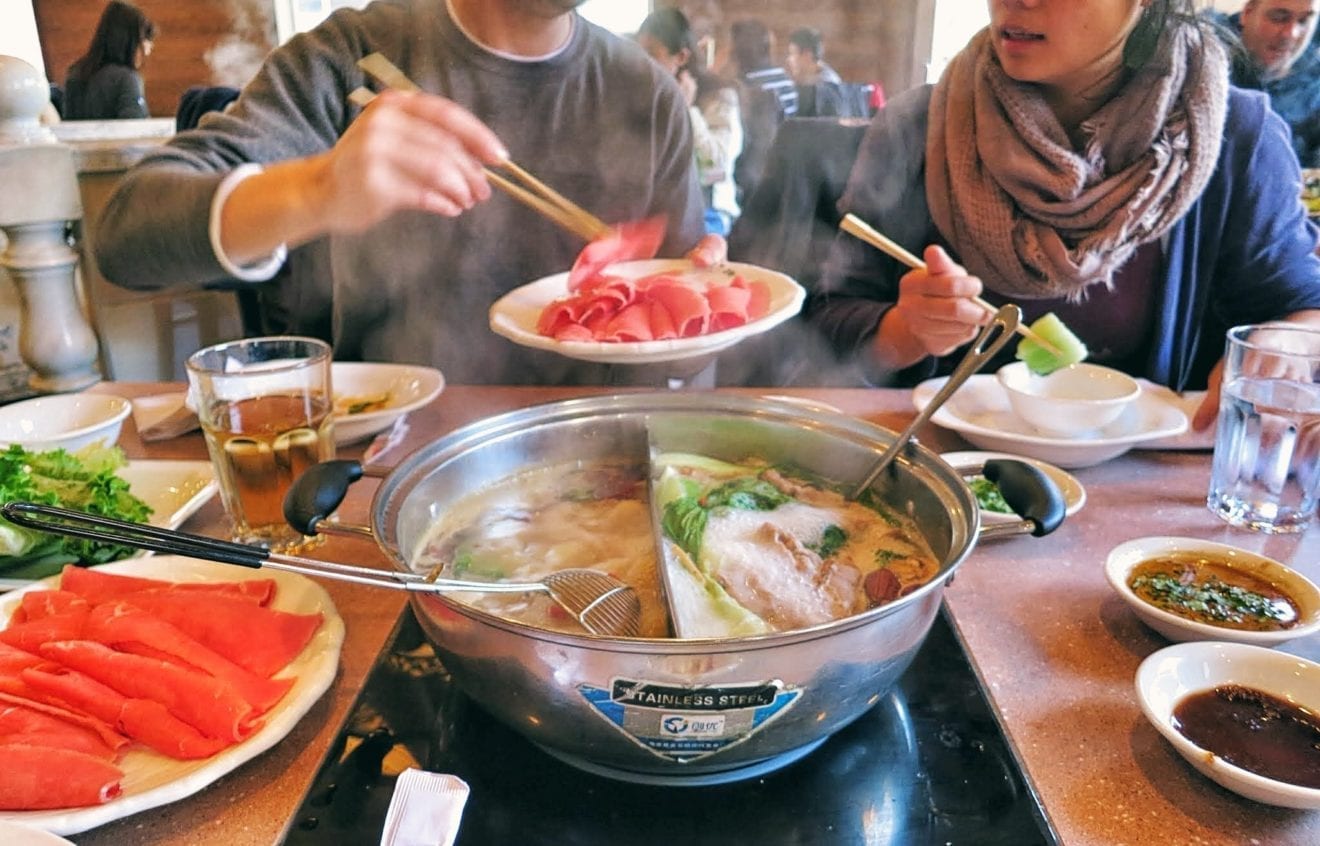
    Banu, a premier hotpot brand originating from Mainland China, has broadened its horizons by launching its very first establishment in Hong Kong.

    Established in 2001, Banu has seen rapid expansion, operating over 200 outlets across Mainland China. The brand’s debut in Hong Kong, with its maiden store located in Hysan Place, Causeway Bay, signifies the commencement of its ambitious global expansion plan.

    A Market Leader

    Banu is recognized as the largest revenue-generating brand in China’s premium hotpot market, recently ascending to occupy the second spot in the country’s overall hotpot market standings. The previous year witnessed an impressive 88.7% year-on-year surge in profits, alongside the opening of 44 new locations.

    In anticipation of its Hong Kong debut, Banu acknowledged the region’s reputation as a global culinary hub, boasting a mature catering industry with stringent standards for ingredient quality and culinary processes. They noted that Hong Kong’s hotpot market is distinctly divided: budget brands compete for footfall with their value-for-money offerings, while high-end establishments focus on deluxe seafood offerings. However, they believe there is a yet unexplored niche for boutique hotpot that harmoniously blends authentic Sichuan flavors with meticulous ingredient selection, all packaged within a sophisticated premium dining experience.

    Future Plans

    Towards aiding its global expansion, Banu is considering an initial public offering (IPO) in Hong Kong. Current market data indicates that themed restaurants, such as Banu, account for one-third of Hong Kong’s hotpot market.

    The brand’s unique positioning, centered around their signature beef tripe, is anticipated to unlock new growth opportunities in the market.

    Questions & Answers

    What is Banu’s market position in China’s hotpot market?
    Banu is recognized as the largest revenue-generating brand in China’s premium hotpot market and holds the second position in the country’s overall hotpot market standings.

    What is Banu’s expansion strategy?
    Banu is considering an initial public offering (IPO) in Hong Kong to aid its global expansion. It aims to explore the untapped niche for boutique hotpot that blends authentic Sichuan flavors with meticulous ingredient selection in a premium dining experience.

    What is Banu’s unique selling proposition?
    Banu’s unique selling proposition is its signature beef tripe, which it hopes will unlock new growth opportunities in the market.

  • China’s Coffee Giant Luckin Coffee Brews Rapid Expansion in Malaysias Johor Bahru with Trio of New Outlets

    China’s Coffee Giant Luckin Coffee Brews Rapid Expansion in Malaysias Johor Bahru with Trio of New Outlets

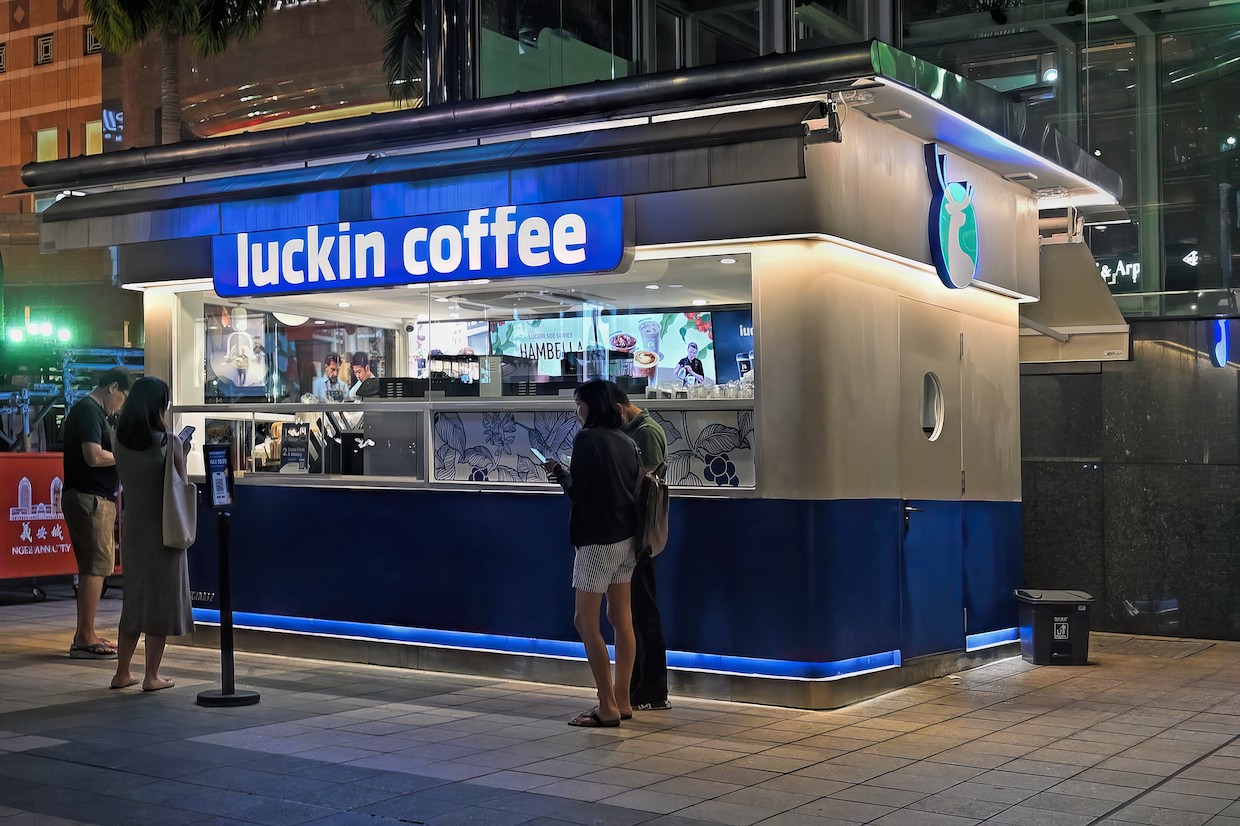
    Luckin Coffee, the largest cafe chain in China, has bolstered its presence in Malaysia by establishing three new outlets in the city of Johor Bahru last July. The first two branches were launched at Sutera Mall and Austin Heights early in the month, followed by a grand opening at the Sutera Mall location. A third branch was then opened in Taman Ungku Tun Aminah.

    Targeting Growth in Johor

    Dr. Jeff Lim, the CEO of Luckin Coffee Malaysia, has highlighted the strategic importance of Johor, Malaysia’s southernmost state, to the company’s expansion plans. He mentioned the potential of a more localized supply chain, job opportunities, and wider access to their digital-first coffee retail experience as key elements supporting the company’s growth in the region.

    Luckin Coffee was established in 2017 by a former tech executive and soon became a notable competitor to Starbucks in China due to its unique, app-driven cafes. Despite a setback in 2019 when the company was delisted due to an accounting scandal and subsequently filed for bankruptcy in 2021, it has made a robust recovery.

    Global Expansion and Achievements

    Luckin Coffee’s expansion efforts have seen it spread to over 300 cities in China, with most of its outlets located there. The company has also made inroads into international markets, such as Singapore, Malaysia, and the U.S. In February, just over eight years after its inception, Luckin Coffee opened its 30,000th store worldwide, an accomplishment achieved six times faster than Starbucks.

    As of the first quarter of 2026, the company has seen further growth with a total of 33,596 stores globally after adding more than 2,500 outlets during the quarter. Luckin Coffee made its debut in Malaysia last year and has since been growing rapidly. With the addition of the new outlets in Johor, the total number of stores across the country has now exceeded 120.

    Questions & Answers

    What is the significance of the Johor market for Luckin Coffee?
    Johor, being the southernmost state of Malaysia, is seen as a key market that can support Luckin Coffee’s growth through a more localized supply chain, job creation, and wider access to its digital-first coffee retail experience.

    How many outlets does Luckin Coffee have globally?
    As of the first quarter of 2026, Luckin Coffee has 33,596 stores across the globe.

    When did Luckin Coffee enter the Malaysian market and how many outlets does it have in the country?
    Luckin Coffee entered the Malaysian market last year and with the addition of new stores in Johor, it now operates more than 120 outlets in the country.

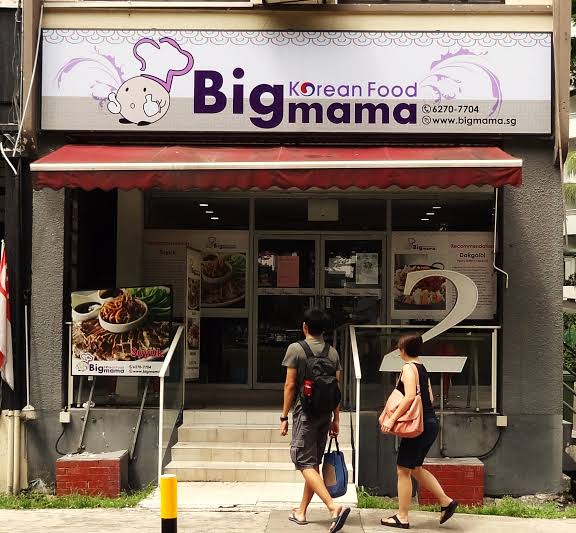
  • End of an Era: Beloved Singapore Korean Eatery Bigmama Bids Farewell After 16 Flavorful Years

    End of an Era: Beloved Singapore Korean Eatery Bigmama Bids Farewell After 16 Flavorful Years

    Bigmama, a beloved Korean eatery in Singapore, has officially closed its doors after a successful run of more than a decade. The owner made the sad announcement in a series of heartfelt social media posts and comments on Monday, revealing that the restaurant had served its final meal the previous day.

    End of an Era

    The proprietor of the popular restaurant, situated on Kim Tian Road, wrote, “After 16 glorious years, it’s time to conclude the beautiful journey of Bigmama.” She also mentioned that she was preparing for her return to South Korea.

    The restaurant was initiated in January 2012 by a former caretaker and tutor who had spent numerous years whipping up meals for her Korean students who were studying in Singapore. Bigmama quickly garnered a reputation for its delicious and authentic Korean dishes, with patrons particularly praising its suyuk (steamed pork belly) and dakgalbi (pan-fried chicken).

    A Heartfelt Farewell

    The posts expressed heartfelt gratitude towards the customers who had supported Bigmama throughout its journey. “Words cannot depict how grateful I am for your consistent love and the cherished memories we’ve created,” the post read. “Thank you for filling a significant chapter of my life with your warm smiles.”

    Questions & Answers

    How long had Bigmama been in business?

    Bigmama had been in business for over a decade, specifically 16 years.

    Who was the founder of Bigmama?

    Bigmama was started by a former caretaker and tutor who used to cook for her Korean students studying in Singapore.

    What were the signature dishes of Bigmama?

    Bigmama was particularly known for its suyuk (steamed pork belly) and dakgalbi (pan-fried chicken).

  • Surge in Durian Imports: Chinas Growing Craving Boosts Trade for Thailand and Malaysia

    Surge in Durian Imports: Chinas Growing Craving Boosts Trade for Thailand and Malaysia

    In the first half of 2026, China’s durian imports saw a significant increase of 47% compared to the previous year. This was largely due to surplus stock from Southeast Asian exporters, such as Thailand and Malaysia, following a decrease in durian prices. According to Chinese customs data, Thailand exported roughly US$3.79 billion worth of durians to China within this period, dominating 81% of the market share.

    The Durian Market

    Vietnam came in second in the durian export market throughout the first half of 2026, with exports reaching an estimated value of $846 million. This makes up 18% of the total durian imports into China. Despite this, Thailand’s durians remain a favorite among Chinese consumers, thanks to a robust logistics and quality-control system that effectively enhances the fruit’s reputation.

    Vietnam has also increased its durian exports to China since it received the green light to export fresh durians in 2022. However, some challenges were faced concerning quality control. Malaysia, a newcomer to China’s fresh durian market, exported roughly $30.26 million worth of the fruit within the first half of 2026, marking a whopping 342% increase compared to the same period the previous year.

    The Changing Durian Landscape

    In total, the volume of durian imports from all countries reached 1.07 million tonnes in the first half of 2026, increasing from 708,000 tonnes in the same period a year earlier. Factors such as improved services on the China-Laos Railway and the growth of Chinese e-commerce platforms have significantly boosted Southeast Asian durian exports to China, which is the world’s largest market and accounts for 90% of global durian consumption.

    Currently, durian producers like Malaysia, Thailand, and Vietnam are experiencing an oversupply due to the peak durian harvest season. This is a result of orchards reaching full production capacity and an output growth that surpasses demand.

    Despite the strong long-term demand from China, an imbalance has been noted where production has not expanded at the same pace as demand. This has resulted in a fall in durian prices during peak season. Officials in Malaysia are seeking permission from China’s General Administration of Customs to open a land-based shipping route in response to the oversupply.

    There has been a notable drop in durian prices in China, between 14% and 20%, due to factors such as increased supply from different origins, high inventories, and cautious consumer spending.

    Questions & Answers

    What caused the significant increase in China’s durian imports?
    There was a surplus of durians from Southeast Asian exporters due to a decrease in prices, leading to an increased supply to China.

    Which country is the largest exporter of durians to China?
    Thailand is the leading exporter, supplying approximately 81% of China’s durian imports in the first half of 2026.

    Why are durian prices falling in China?
    The decrease in durian prices in China can be attributed to increased supply from different countries, high inventories, and more conservative consumer spending.

  • Thailand Rolls Out Plans to Promote 300,000 Tons of Southern Durian amidst Oversupply Concerns

    Thailand Rolls Out Plans to Promote 300,000 Tons of Southern Durian amidst Oversupply Concerns

    Thailand is working to stimulate the consumption and distribution of 300,000 metric tons of southern durian due to an oversupply caused by a decline in exports to China, primarily related to quality issues. The director-general of the Department of Internal Trade, Wittayakorn Maneenetr, revealed that the durian production in southern Thailand is expected to reach 752,515 tons this year, marking an increase of 30% compared to the last season. Around 35% of the produce has already hit the market, with almost 489,199 tons remaining undistributed.

    According to Maneenetr, the early-season price drop is linked to China’s temporary halt in orders due to the quality concerns associated with unripe durians, and the growing competition from foreign suppliers and domestic production from Thailand’s eastern and northeastern regions.

    Market Stabilization Measures

    To balance out prices, the department has stepped in with initiatives like advance purchases and consumer-targeted promotional campaigns. Currently, Southern Monthong durians are priced at 85-105 baht (US$2.5-3.1) per kilogram for AB grade, 60-80 baht for C grade, and 40-55 baht for D grade.

    The designed plan to distribute 300,000 tons of southern durian involves selling 3,700 tons through advance purchase contracts, 9,000 tons via consumption promotion campaigns, and 281,000 tons through off-farm distribution networks. Additional measures encompass establishing direct sales outlets, subsidizing postal delivery costs, and encouraging processing initiatives.

    Under its medium-term strategy, the Ministry of Commerce is aiming to engage tourists through consumption campaigns, collaborate with food brands to create durian-based menus, and organize field trips for foreign ambassadors to the major durian-producing provinces, including Chumphon, Surat Thani, and Nakhon Si Thammarat.

    Despite the seasonal challenges, the overall durian exports from Thailand remain strong. From the start of the year until July 5, Thailand has exported 908,047.46 tons of durian in 55,831 shipments, which generated more than 104.19 billion baht.

    Questions & Answers

    What were the main reasons for the drop in durian exports to China?
    The decline in exports was primarily due to quality issues associated with unripe durians, leading to a temporary suspension of orders from China.

    What are the prices for different grades of Southern Monthong durians?
    AB grade durians are priced at 85-105 baht per kilogram, C grade durians at 60-80 baht, and D grade durians at 40-55 baht.

    What strategies are being implemented to boost durian consumption and distribution?
    Strategies include advance purchases, consumption promotion campaigns, setting up direct sales outlets, subsidizing postal delivery costs, and supporting processing initiatives. Furthermore, there are plans to engage tourists and collaborate with food brands to create durian-based menus.

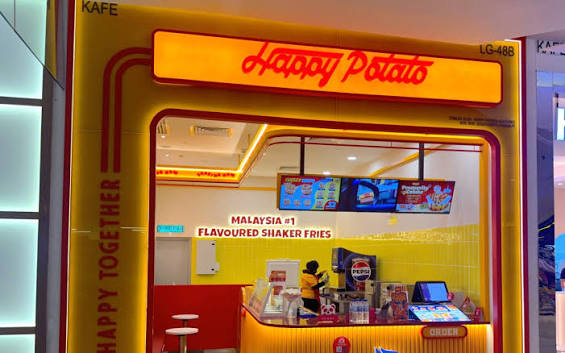
  • Happy Potato Sizzles Across Asia: Malaysian Fries Chain Captures Four New Markets

    Happy Potato Sizzles Across Asia: Malaysian Fries Chain Captures Four New Markets

    Happy Potato, a fries chain originally from Malaysia, has successfully extended its operations to four international markets within half a year. The company’s rapid growth has seen it establishing new outlets in Bangladesh, Indonesia, China, and Cambodia as a core component of its aggressive regional expansion strategy.

    This ambitious expansion has boosted Happy Potato’s network to a total of 126 outlets spread across five countries. The majority of the outlets, 117, are located in Malaysia, while Bangladesh hosts three, and Indonesia, China, and Cambodia each accommodate two.

    The origins of Happy Potato trace back to Kota Kinabalu in 2019 where it began with just one outlet. The company opened its initial directly operated store in Peninsular Malaysia in 2023, and has since then been on a fast-paced journey of expansion through its franchising network.

    Between 2024 and 2025, Happy Potato saw a surge in its growth, adding 98 outlets across the nation. This domestic surge set the stage for its current international growth, which began this year.

    Edmund Lim, the CEO and co-founder of Happy Potato, shared that the firm dedicated years to solidifying its franchise model and operational systems before breaking into international markets.

    “Establishing a new outlet is merely one aspect of expansion. The real challenge is ensuring that customers receive the same experience, product quality, and service standards irrespective of the outlet’s location. Achieving this consistency necessitates having robust operational systems, franchise support, and local partners,” he said.

    The international journey for Happy Potato started in February with the first outlets opening their doors in Bangladesh and Indonesia. This was followed by China in May, and Cambodia in July.

    Lim expressed that this recent expansion has bolstered the company’s confidence in scaling its business, while maintaining its commitment to consistent quality across all markets.

    “Happy Potato started as a humble Malaysian fries brand, and now we are catering to customers in five different markets. But this is only the beginning,” he said.

    As part of its 2028 growth plan, Happy Potato has set its sights on expanding its Malaysian network to 200 outlets, while also making its mark in another three to five countries across Asia.

    Questions & Answers

    What are Happy Potato’s plans for future expansion?
    Happy Potato plans to expand its Malaysian network to 200 outlets and enter another three to five countries across Asia by 2028.

    What is noteworthy about Happy Potato’s expansion strategy?
    The company spent years strengthening its franchise model and operating systems before expanding internationally, ensuring that customers receive the same high-quality experience and service at all locations.

    What was the sequence of Happy Potato’s entry into international markets?
    Happy Potato first entered Bangladesh and Indonesia in February, followed by China in May, and Cambodia in July.

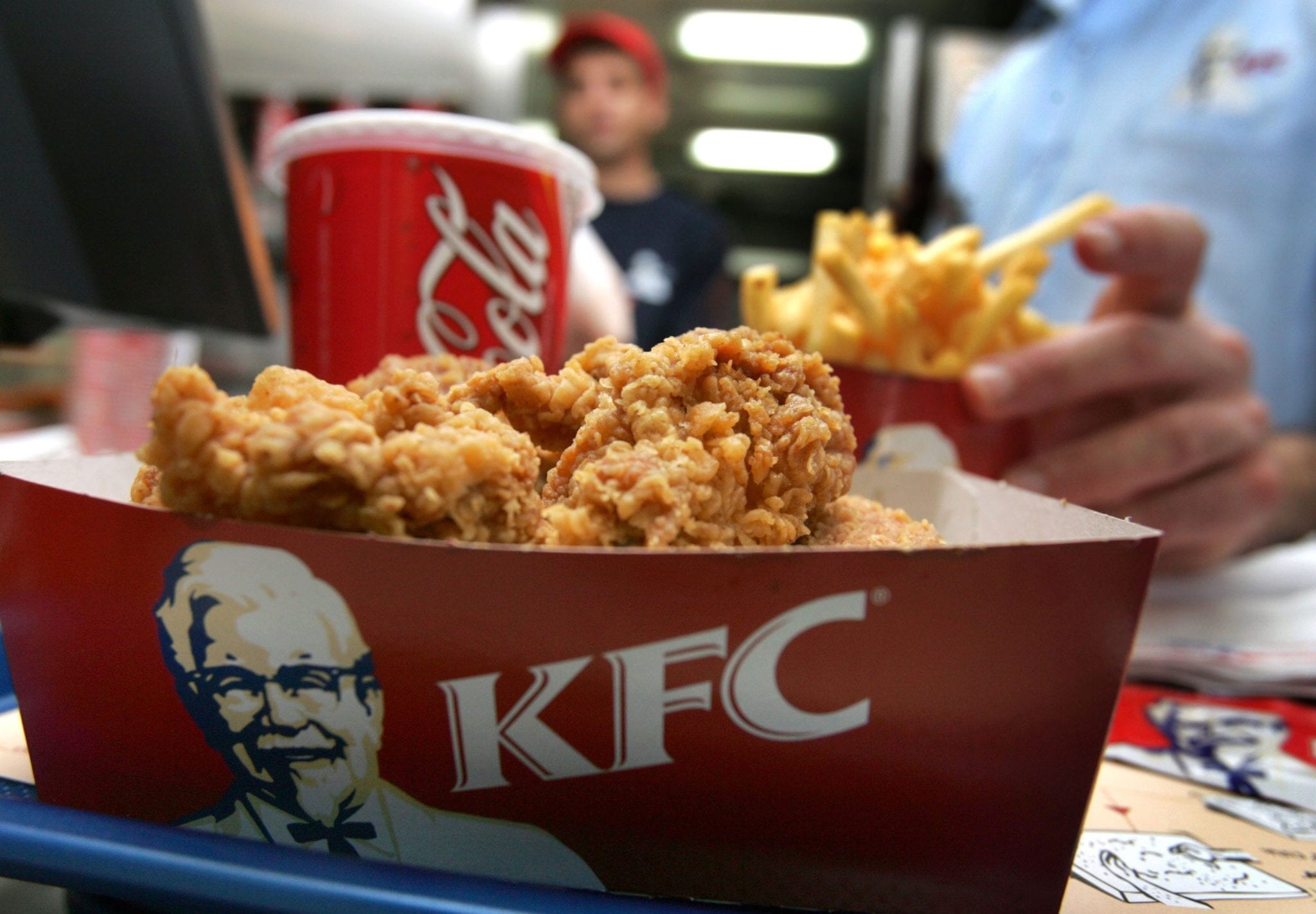
  • ThaiBev Mulls Over Sale of Thailands Premier KFC Franchise Amid Profit Drop

    ThaiBev Mulls Over Sale of Thailands Premier KFC Franchise Amid Profit Drop

    ThaiBev, owned by Charoen Sirivadhanabhakdi, is reportedly contemplating the sale of its KFC franchise business in Thailand – the largest of its kind in the country. The fast-food chain’s operations are overseen by The QSR of Asia. This takeover was initiated when the subsidiary purchased 240 restaurants from Yum Restaurants International in 2017 for an estimated US$335 million.

    ThaiBev’s Expanding Portfolio and Challenging Profits

    Since the initial acquisition, the number of outlets has more than doubled to over 500 across Thailand, solidifying QSR’s position as the country’s largest franchise. However, this expansion has brought its own set of challenges for ThaiBev. The company, known for producing Chang, has experienced a 21.7% decrease in profits, according to its latest annual fiscal statements.

    The drop in profits is reportedly due to the expenses incurred from the continual expansion of the restaurant chain. Nonetheless, ThaiBev remains a significant player in the market, despite the challenges and costs associated with operating a booming fast-food business.

    The Future of ThaiBev’s KFC Franchise

    Currently, ThaiBev is working with the Bank of America Corp to gauge interest in potential transactions relating to the KFC franchise. However, it is important to note that there are no guaranteed sales at this point. The future of the KFC franchise under ThaiBev’s ownership remains uncertain.

    Questions & Answers

    Who currently owns the largest KFC franchise business in Thailand?
    ThaiBev, owned by Charoen Sirivadhanabhakdi, currently holds the largest KFC franchise business in Thailand.

    What has been the impact of the franchise expansion on ThaiBev’s profits?
    The expansion of the franchise has led to a 21.7% drop in ThaiBev’s profits, largely due to the costs associated with the ongoing growth of the restaurant chain.

    What is the future of ThaiBev’s KFC franchise?
    ThaiBev is contemplating the sale of its KFC franchise and is working with the Bank of America Corp to assess interest in potential transactions. However, no sale is guaranteed at this time.

  • Chick-fil-A Boosts Singapore Presence: Second Restaurant Opens at Millenia Walk

    Chick-fil-A Boosts Singapore Presence: Second Restaurant Opens at Millenia Walk

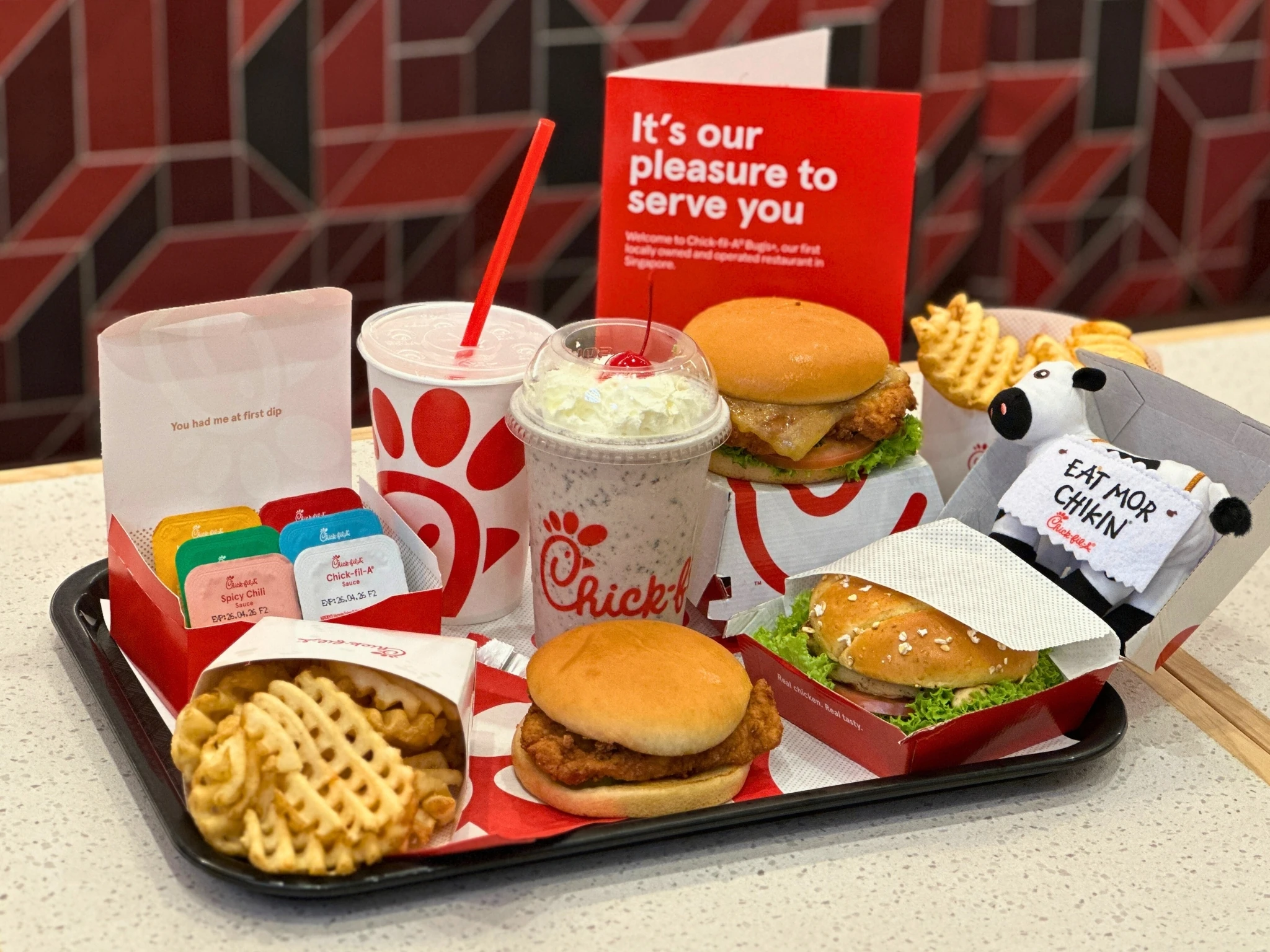
    American fast-food chain Chick-fil-A is set to expand its footprint in Singapore with the inauguration of its second restaurant, located at Millenia Walk, on July 30th.

    This new establishment forms part of the company’s strategic growth plan following its successful entry into Singapore last year, marking the brand’s debut in the Southeast Asian market. In a bid to boost its international presence, Chick-fil-A has committed to investing over US$75 million across Asia over the forthcoming decade.

    Details of the New Outlet

    The Millenia Walk restaurant, situated in Marina Centre, will offer both dine-in and takeaway services. Consistent with the brand’s longstanding global operating policy, the restaurant will operate from Monday to Saturday and remain closed on Sundays.

    The new venue will be managed by local owner-operator Deborah Ku, a seasoned professional in the food and beverage sector with more than two decades of industry experience. Ku will lead a workforce of 60 to 80 employees, focusing on training, mentorship, and leadership development.

    In expressing her excitement about the venture, Ku said, “Growing up in a culture deeply ingrained in warm hospitality, being part of Chick-fil-A’s journey in Singapore is a dream come true – not just for me, but also for my family, who have long admired the company’s strong culture of care and commitment to the community.” She added that she looks forward to creating a welcoming environment at Chick-fil-A Millenia Walk, where guests feel genuinely cared for and team members can grow, realize their potential, and make a profound impact in the lives of others.

    Community Contributions

    Coinciding with its launch, the Millenia Walk restaurant will participate in Chick-fil-A’s Shared Table program. This initiative combats food waste by redistributing surplus food to local charities through The Food Bank Singapore. So far, the program has provided more than 42 million meals globally.

    Chick-fil-A currently operates over 3,000 restaurants in multiple locations, including the United States, Canada, Puerto Rico, the United Kingdom, and Singapore.

    Questions & Answers

    What is Chick-fil-A’s investment plan for Asia?
    Chick-fil-A has committed to investing more than US$75 million across Asia over the next decade.

    Who will manage the new Chick-fil-A restaurant at Millenia Walk?
    The new restaurant at Millenia Walk will be managed by local owner-operator Deborah Ku, who has over 20 years of experience in the food and beverage industry.

    What is Chick-fil-A’s Shared Table program?
    The Shared Table program is an initiative by Chick-fil-A that redistributes surplus food to local charities. The Millenia Walk restaurant will participate in this program, which has so far provided over 42 million meals globally.