Category: Food

Retail News Asia is committed to providing both local and global retailers with the latest Food and Food & Beverage news throughout the Asian market. This on a daily base.

  • Vietnam Customs Expedite Clearance for Durian, Other Ag Exports: A Boost for Border Trade

    Vietnam Customs Expedite Clearance for Durian, Other Ag Exports: A Boost for Border Trade

    In a bid to streamline border operations and facilitate smoother trade of agricultural goods, particularly durian exports, Vietnam’s Department of Customs has instructed its local sub-departments to hasten customs clearance processes at border checkpoints.

    This directive, which was issued recently, calls for the regional customs branches to provide maximum assistance and ensure same-day clearance of exported agricultural, forestry, and fishery products. This is to be implemented even outside standard operational hours. Furthermore, the order advised the appointment of officers to oversee export shipments and handle customs procedures, even during off-hours, such as evenings, weekends, and public holidays.

    Sub-departments have been directed to swiftly resolve any issues that may arise during customs clearance. Should the situation exceed their jurisdiction, they are to promptly refer the matter to the department for further guidance.

    Cooperation and Coordination

    The directive also emphasized the need for collaboration with warehouse and storage operators at border gates. This collaboration is essential to ensure the availability of proper facilities for the storage and sorting of goods awaiting export. This measure will help maintain the quality of agricultural, forestry, and fishery products.

    Regular updates regarding the progress of agricultural, forestry, and fishery exports are required, along with offering timely information and advice to exporters using local border gates. Coordination with relevant authorities is needed to control traffic and prevent congestion that could disrupt customs clearance.

    Constant dialogue is also critical with customs authorities at corresponding Chinese border gates. This is to ensure the swift resolution of issues that may arise during customs clearance, as well as keeping Vietnamese exporters abreast of any changes to China’s customs management and inspection policies for compliance assurance.

    For shipments that have exited Vietnam but are denied entry into China, customs authorities have been asked to prioritize and expedite re-import procedures based on the request of enterprises.

    The department has also explicitly forbidden any acts of obstruction, harassment, or unnecessary delays in customs clearance, which could escalate costs and result in losses for businesses.

    Questions & Answers

    What is the main aim of the directive issued by Vietnam’s Department of Customs?
    The aim is to expedite customs clearance at border gates for agricultural exports, particularly durian shipments, and to ensure smooth trade operations.

    How will the regional customs sub-departments facilitate this process?
    They are instructed to provide maximum assistance, ensure same-day clearance of exports, resolve issues promptly, and maintain regular communication with corresponding Chinese border gates.

    What measures are being taken to prevent potential issues during customs clearance?
    The sub-departments must coordinate with warehouse and storage operators at border gates for appropriate facilities, provide regular updates, inform exporters of changes in China’s customs policies, and prioritize re-import procedures for rejected consignments.
  • Every Halfs $8M Series A Brews Excitement for Vietnamese Coffee Sector Expansion

    Every Halfs $8M Series A Brews Excitement for Vietnamese Coffee Sector Expansion

    Every Half, a Vietnamese coffee chain, recently raised $8 million in a Series A funding round with participation from current investors Openspace Capital and DSG Consumer Partners. This funding will be utilized to fuel the company’s expansion across Vietnam, enhance its vertically integrated supply chain, and extend its packaged coffee business.

    Diversifying Operations and Expanding Reach

    Simultaneously, the company is diversifying its portfolio beyond traditional coffee shops. It is investing in coffee farming, proprietary fermentation technologies, e-commerce, and business-to-business distribution. Currently, 36 stores are operating under the Every Half umbrella in various Vietnamese cities such as Ho Chi Minh City, Hanoi, Danang, and Hoi An. The company is predicted to nearly triple its revenue this year. In addition to its in-store offerings, Every Half has broadened its consumer product selection, selling roasted coffee beans and brewing tools online and exporting to countries like Singapore, Thailand, and Taiwan.

    The recent funding round builds upon prior investments made by Openspace and DSG Consumer Partners, following an undisclosed seed round in 2024 and a pre-Series A financing round worth $3 million last year.

    Every Half was established in 2021 by ex-executives of The Coffee House, Vo Duy Phu and Tran Le Minh Truc. The company aims to promote Vietnamese specialty coffee globally through a business model that covers sourcing, processing, roasting, and retailing.

    Transforming Vietnamese Coffee Industry

    When Openspace invested in Every Half in 2024, it praised the company’s vision of transforming Vietnamese coffee from a simple exported commodity into a globally recognized premium brand. The investment firm also praised the founders’ expertise in coffee sourcing, product development, and retailing. DSG Consumer Partners shared a similar sentiment, highlighting the company’s focus on specialty coffee, sustainable sourcing, and brand building as primary drivers of its long-term growth.

    Questions & Answers

    What will the recently secured funds be used for by Every Half?
    The funds will be used to accelerate Every Half’s expansion across Vietnam, deepen investment in its vertically integrated supply chain, and scale its packaged coffee business.

    What diversification strategies is Every Half employing?
    Every Half is expanding its operations beyond cafes to include coffee farming, proprietary fermentation technology, e-commerce, and business-to-business distribution.

    What was the vision behind the founding of Every Half?
    Founded by Vo Duy Phu and Tran Le Minh Truc, Every Half was created with the aim of showcasing Vietnamese-grown specialty coffee on a global scale, traversing operations from sourcing, processing, and roasting to retail.

  • Every Half Brews Fresh Success: Scores $8M Series A Funding for Rapid Vietnamese Coffee Expansion

    Every Half Brews Fresh Success: Scores $8M Series A Funding for Rapid Vietnamese Coffee Expansion

    Vietnamese coffee brand, Every Half, has recently raised a total of US$8 million in a Series A funding round. The considerable investment comes courtesy of existing investors Openspace Capital and DSG Consumer Partners.

    The new capital will be used to facilitate comprehensive expansion across Vietnam, as well as deepening the company’s investment into its vertically integrated supply chain. Plans are also in place to increase the reach of its packaged coffee business.

    Diversifying the Coffee Sector

    Every Half is well on its way to extending its business operations beyond traditional cafes. The company is actively investing in coffee farming, proprietary fermentation technology, e-commerce, and business-to-business distribution.

    As of now, Every Half manages 36 stores in numerous locations including Ho Chi Minh City, Hanoi, Danang, and Hoi An. The company is projected to almost triple its revenue this year. In addition to this, it has expanded its range of consumer products. From selling roasted coffee beans and brewing equipment online to exporting to markets such as Singapore, Thailand, and Taiwan.

    The latest funding round builds on previous investments from Openspace and DSG Consumer Partners. This follows an undisclosed seed round in 2024 topped by a $3 million pre-Series A funding round last year.

    Every Half was established in 2021 by ex-The Coffee House executives Vo Duy Phu and Tran Le Minh Truc. The company’s primary aim is to promote Vietnamese-grown specialty coffee through a wide-ranging business model that covers sourcing, processing, roasting, and retail.

    In 2024, when Openspace made its initial investment, it expressed support for Every Half’s ambition to transform Vietnamese coffee from a mere commodity export into a globally recognized premium brand. This highlighted the founders’ extensive experience in coffee sourcing, product development, and retail.

    DSG Consumer Partners echoed this sentiment, emphasizing the firm’s focus on specialty coffee, sustainable sourcing, and brand building as essential drivers of its long-term growth potential.

    Questions & Answers

    What is the primary focus of Every Half?
    Every Half aims to transform Vietnamese-grown specialty coffee into a globally recognised premium brand.

    How does the company intend to use the funds from the recent Series A funding round?
    The brand plans to use the funds to facilitate expansion all over Vietnam and to deepen their investment in their vertically integrated supply chain.

    What are some of the additional business avenues Every Half is exploring?
    Every Half is diversifying with investments in coffee farming, proprietary fermentation technology, e-commerce, and business-to-business distribution.

  • End of an Era: Singapores Iconic Carnivore Brazilian Buffet to Close Doors After Two Decades

    End of an Era: Singapores Iconic Carnivore Brazilian Buffet to Close Doors After Two Decades

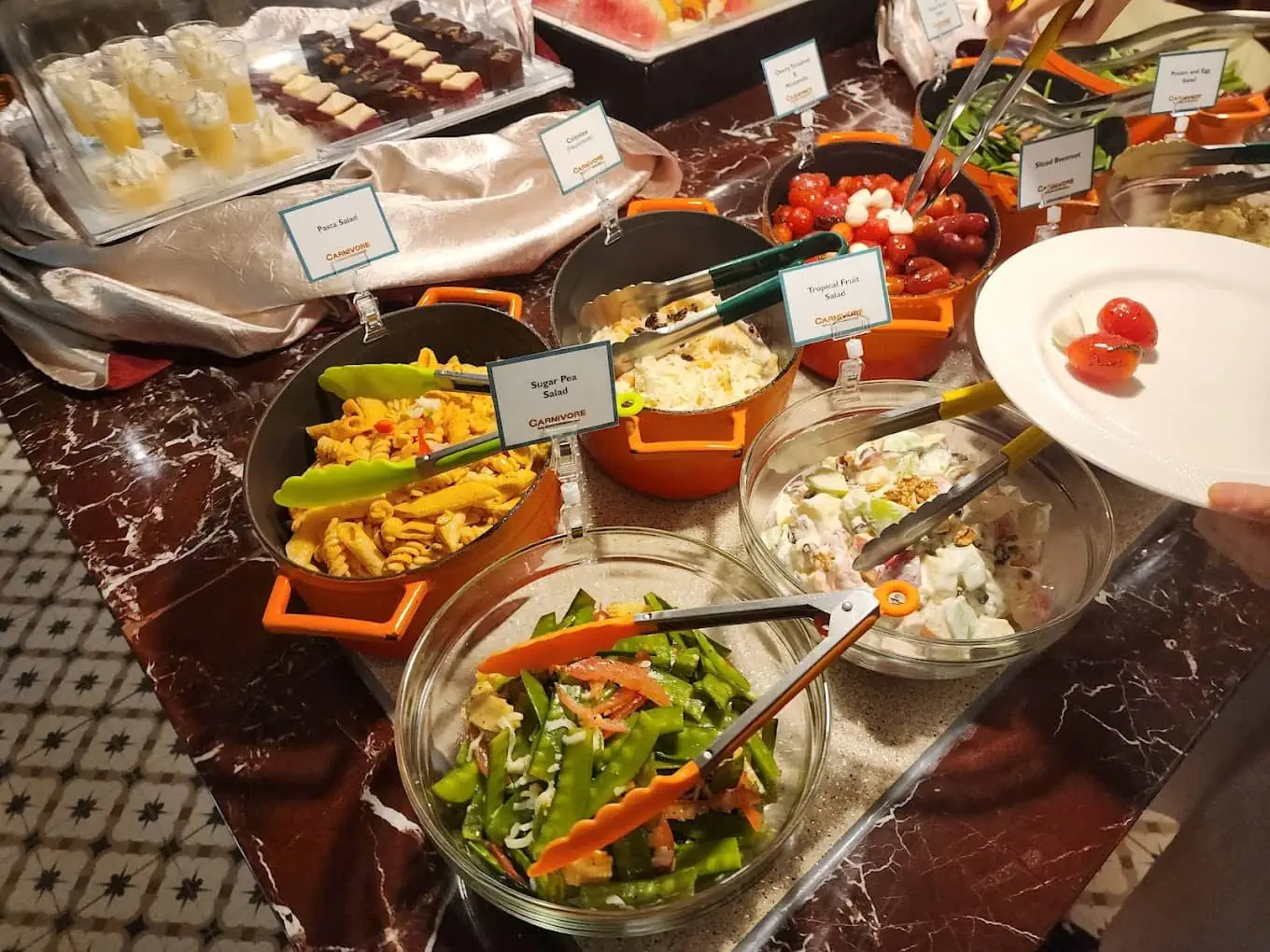
    After two decades of operation, the well-known Singapore buffet restaurant, Carnivore Brazilian Churrascaria, has announced its impending closure at the end of September. The establishment, situated at Riverside View in Robertson Quay, shared the news via social media on Tuesday, expressing gratitude to its patrons for their unwavering support.

    A Farewell to a Beloved Dining Spot

    “We now approach the moment to carve our final slice,” the restaurant shared in its statement. “Over the past 20 years, we’re grateful for the warm acceptance of our passadores and for the opportunity to be a part of your lives.”

    Since its inception in 2005, Carnivore Brazilian Churrascaria has won the hearts of many, gaining popularity for its unique serving style. The restaurant was celebrated for its rotisserie-grilled meats, flawlessly carved at the table by trained servers, known as passadores.

    A Journey Across Iconic Singaporean Locations

    Throughout its tenure, the restaurant has graced six different locations in Singapore. After the closure of its flagship outlet at Chijmes in October 2023, the restaurant relocated to its current locale in Robertson Quay.

    The restaurant’s journey has led it to operate in some of the city’s most renowned locales. From its origins at VivoCity, incredible vistas of Marina Bay Sands, the verdant allure of Dempsey, to lively weekends at The Grandstand, and its unforgettable chapter at Chijmes, the restaurant’s presence has been felt across the city. “Being part of your celebrations has been an absolute honor,” the restaurant added in its farewell message.

    Questions & Answers

    When will Carnivore Brazilian Churrascaria close?
    The restaurant will close at the end of September.

    What is the restaurant known for?
    Carnivore Brazilian Churrascaria is known for its rotisserie-grilled meats served by roaming passadores, trained servers who carve the meats at the table.

    How long has the restaurant been in operation?
    The restaurant has been in operation for 20 years.

  • Five Guys Burgers Set for Beijing Expansion Amid Uptick in US Fast-Food Foothold in China

    Five Guys Burgers Set for Beijing Expansion Amid Uptick in US Fast-Food Foothold in China

    Next month, the renowned American burger establishment, Five Guys, is all set to launch in Beijing. This event signifies the continued expansion of U.S. restaurant brands in China, undeterred by the escalating competition in the market.

    Five Guys plans to establish three eateries in Beijing’s shopping centers, strategically located in areas favored by the younger demographics. The brand’s entry into Mainland China came about in 2021, facilitated through a collaboration with local franchise operator, JumboFive. The inaugural restaurant, located at Shanghai’s Printemps Mall on Huaihai Middle Road, attracted considerable consumer attention. The brand reported that customers started lining up from as early as 2 am, enduring waits of over three hours on the opening day.

    The rapid expansion of Five Guys in China aligns with a larger trend noticed among American fast-food companies. These organizations are seeking growth opportunities in China as the prospects in the U.S. become more saturated. Domino’s Pizza China serves as a representative example, recently extending its franchise network to encompass 1550 stores. The pizza chain added a net of 235 new outlets in the first half of the year, concurrently reporting a surge in sales during the second quarter.

    In an akin move, Yum China recently decided to purchase the Pizza Hut business in mainland China from U.S.-based Yum Brands. The deal, worth US$1.2 billion in cash, aims to tap into the potential of Pizza Hut as the country’s largest casual dining restaurant brand. Last year, Pizza Hut generated a substantial revenue of $2.3 billion and an operating profit of $183 million.

    Questions & Answers

    What is Five Guys’ plan for expansion in Beijing?
    Five Guys plans to open three restaurants in Beijing, targeting shopping malls frequented by young consumers.

    How was Five Guys’ entry into Mainland China facilitated?
    Five Guys entered Mainland China in 2021 through a collaboration with the local franchise operator, JumboFive.

    What are some other examples of American fast-food chains expanding in China?
    Additional examples include Domino’s Pizza China, which expanded its network to 1550 stores recently, and Yum China, which acquired the Pizza Hut business in mainland China.

  • China Dethrones US as Vietnam’s Top Seafood Consumer: A 40% YoY Increase

    China Dethrones US as Vietnam’s Top Seafood Consumer: A 40% YoY Increase

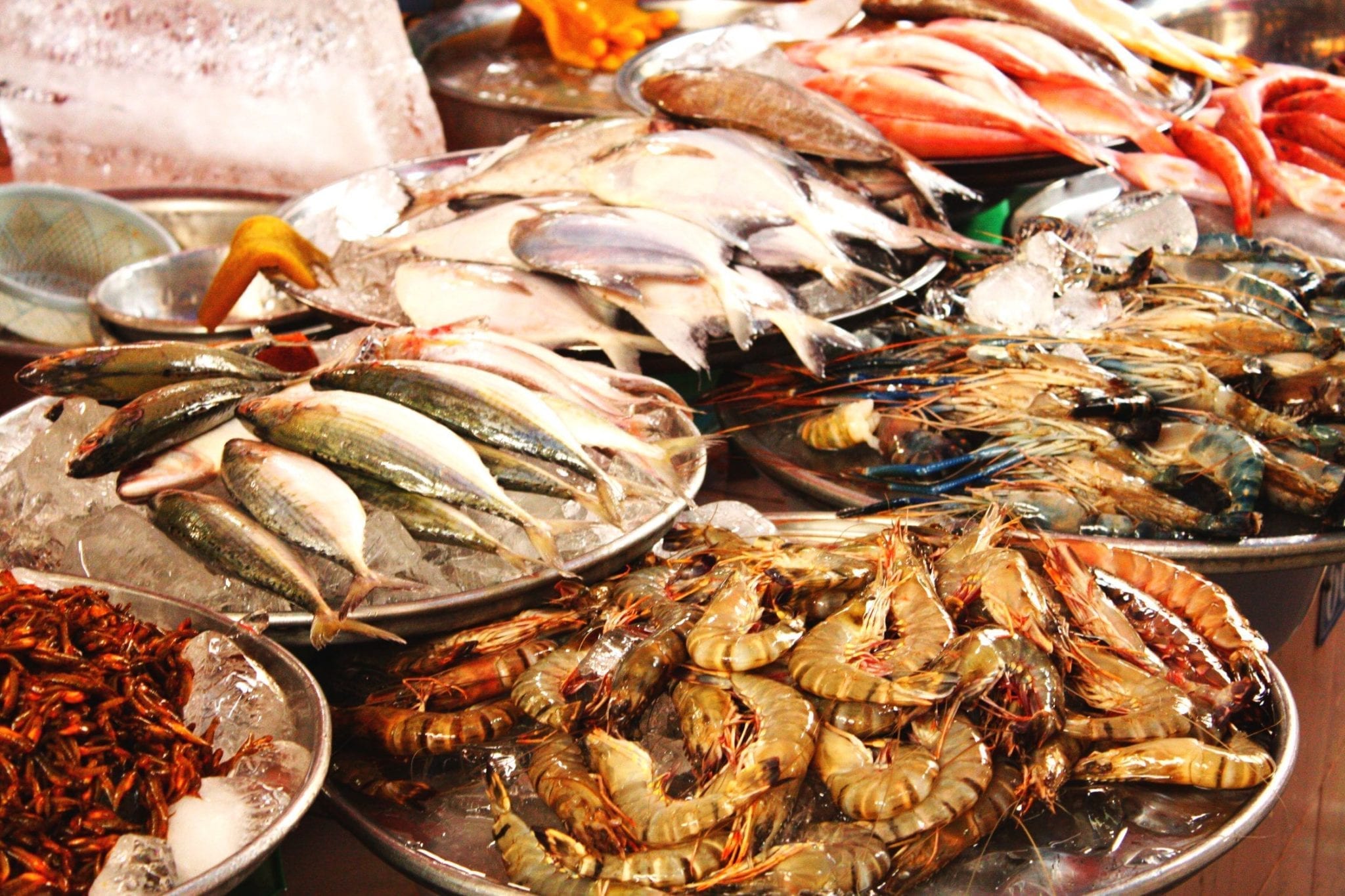
    In the first half of 2026, China became Vietnam’s largest seafood market, surpassing the United States. This shift resulted from an importation of Vietnamese seafood valued at nearly $1.4 billion, a 40% year-on-year increase. This accounted for almost a quarter of the $5.7 billion worth of Vietnamese seafood exports, a rise of 11.4%, as per the Ministry of Agriculture and Environment. Comparatively, the value of the U.S.’s imports was $898 million, while Japan, in third place, had $788 million worth of imports.

    Factors in Market Shift

    The rise in shipping costs has elevated China’s attractiveness due to its geographical closeness, according to Nam Viet Jsc, a seafood exporter. Furthermore, Le Hang, the Deputy General Secretary of the Vietnam Association of Seafood Exporters and Producers, noted that as the U.S. and Europe increased non-tariff barriers, many businesses turned towards China. She highlighted the U.S.’s requirement for businesses to provide extra admissibility certificates with a complex application process, particularly impacting tuna products. Additionally, shrimp exports faced high anti-dumping duties.

    Another contributing factor was the frontloading of shipments to the U.S., which led to significant inventories for importers in the country. This occurred during a period when consumers were restricting their spending and leaning towards lower-priced products.

    Adaptability and Future Outlook

    Hang stated that the growth in the first half was a reflection of the rebound in global demand and the adaptability of Vietnamese businesses, who adjusted their markets and product structures. Shrimp was the top export, valued at $2.3 billion (a 13.6% increase) and constituted over 40% of the total value. The demand from mainland China and Hong Kong primarily drove the growth. Moreover, exports of Pangasius, a white-flesh fish, increased by 12.1% to reach $1.1 billion, owing to Vietnam’s competitive pricing and the consistent demand in many markets.

    However, Hang predicts an uncertain future for exports in the second half of the year due to potential U.S. protectionist measures and trade barriers, ranging from regulations associated with “forced labor” to imposition of quotas on products. She emphasizes that in this rapidly evolving trade landscape, businesses must stay updated, adjust export plans, diversify markets, and increase the proportion of deeply processed products to manage risks and sustain growth.

    Questions & Answers

    What factors have contributed to China becoming Vietnam’s top seafood market?
    Shipping costs and non-tariff barriers in the U.S. and Europe have caused businesses to favor China. Additionally, China’s proximity to Vietnam makes it an attractive option.

    What was the largest exported seafood product from Vietnam?
    Shrimp was the top exported product, making up over 40% of the total export value and experiencing a 13.6% increase.

    What challenges do Vietnamese businesses face in the second half of 2026?
    They face potential U.S. protectionist measures and trade barriers, ranging from regulations related to “forced labor” to the application of quotas on products.

  • Five Guys Joins US Fast-Food Frenzy in China with First Beijing Outlet Opening

    Five Guys Joins US Fast-Food Frenzy in China with First Beijing Outlet Opening

    Five Guys, an American burger chain, is set to open its first outlet in Beijing in the coming month, joining a surge of American fast-food brands either entering or rapidly expanding within China. This comes on the heels of the establishment of the brand’s first Chinese outlet in Shanghai in 2021. According to a statement made by the company last week, it is aiming to open three outlets in Beijing’s prime shopping centers, primarily targeting younger consumers. Construction activities are already underway, indicating that the openings are not far off.

    American chains like Wendy’s, Chili’s, Texas Chicken, and Popeyes are all vying for a piece of the world’s second-largest consumer market as they face oversaturation in their domestic markets, according to industry analysts. Sandy Lim, a China consumer analyst at S&P Global Ratings, stated that some smaller American chains are exploring possibilities in China to counterbalance the oversaturation in their domestic markets.

    Lim elaborated, “Despite fierce competition, there are still pockets of demand within China’s large catering market.” She explained that unlike previous foreign brands that depended on direct operations overseen by overseas headquarters, exposing them to profits, losses, and market volatility, many American brands nowadays prefer franchising models.

    Wendy’s, listed on Nasdaq, announced in May its plans to open up to 1,000 stores across China in the next decade. As per its first-quarter earnings report, the company has entered into a new franchise agreement with an experienced local restaurant operator, who remains unnamed.

    In the first quarter, the burger chain’s sales, in the same stores, fell by 7.8% year on year, while its system-wide sales in international markets rose by 6% from the previous year.

    Texas Chicken, another American fast-food chain, plans to open its first Chinese outlet in Shanghai this summer. In an April statement, the company announced its partnership with Deke Shengtang, a well-established local operator with several quick-service restaurant brands, to develop a minimum of 600 restaurants across the country over the coming years.

    Chili’s, yet another American chain, opened its second store in Beijing in May. Meanwhile, the Louisiana-based fried chicken brand, Popeyes, made a comeback to Beijing in April, nearly twenty years after it left China in 2003. This chain currently has over 80 outlets in Shanghai.

    Adapting to the Chinese Market

    Fu Yifu, a special research fellow at Su Merchants Bank, noted that inflation continues to affect household spending in the U.S., while the presence of Western fast-food brands in China continues to grow.

    Early market entrants like KFC, McDonald’s, and Starbucks have developed localized franchising models to mitigate risks. Five Guys is positioning itself to appeal to quality-conscious consumers in first-tier cities. Fu emphasized that Chinese consumers are not automatically attracted to foreign brands anymore. To succeed, these brands must offer differentiated products and adopt localized operations.

    Questions & Answers

    What is Five Guys’ expansion plan in China?
    Five Guys plans to open three stores in Beijing’s popular shopping centers, targeting younger consumers. This follows the opening of its first China outlet in Shanghai in 2021.

    What strategy are American fast-food chains employing in China?
    Many American fast-food chains are opting for franchising models in China, partnering with experienced local operators. This model reduces their exposure to market volatility compared to direct operations managed by overseas headquarters.

    What approach is Five Guys taking to appeal to Chinese consumers?
    Five Guys is targeting quality-focused consumers in first-tier cities. As Chinese consumers are not automatically attracted to foreign brands, the company is focusing on offering differentiated products and adopting localized operations.

  • Embrace the Digital Detox: Join KitKat’s Rawdog Your Commute Challenge for a Chance to Win a Weekend Escape

    Embrace the Digital Detox: Join KitKat’s Rawdog Your Commute Challenge for a Chance to Win a Weekend Escape

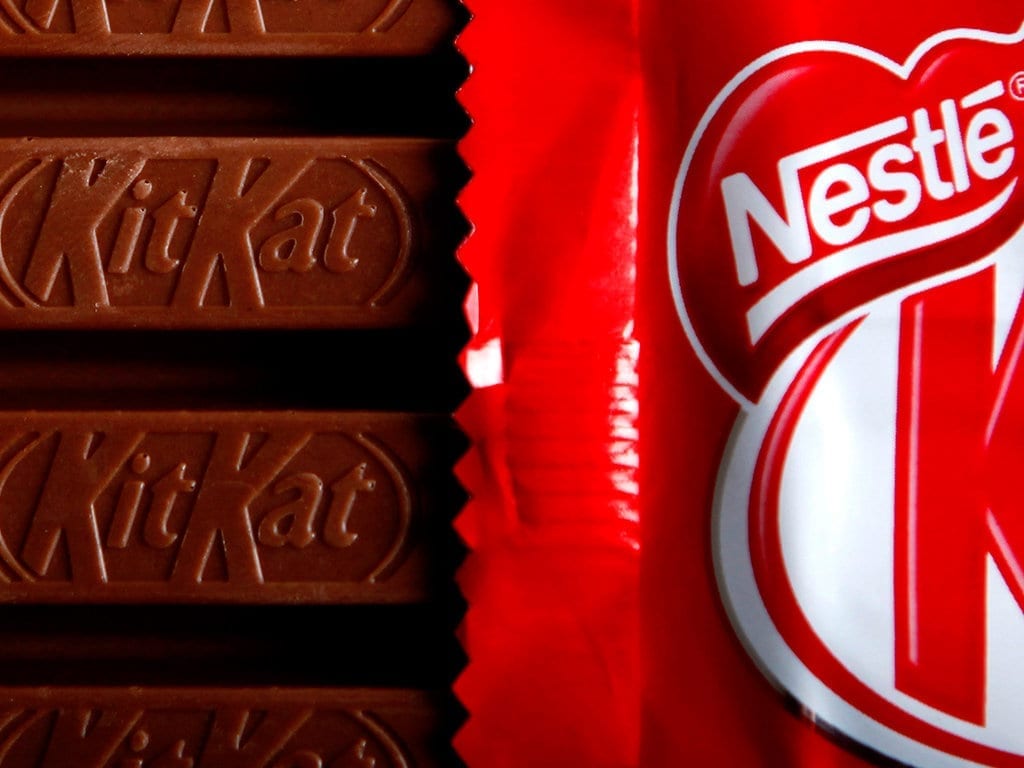
    KitKat, the renowned confectionery brand, is inviting Australians to embrace the growing trend of going entirely phone-free during their daily commute. This trend, aptly named ‘rawdogging’, has rapidly permeated everyday culture, with evidence of its popularity evident in the over 45 million posts on the social media platform, TikTok.

    KitKat ‘Rawdog your Commute’ Challenge

    In a bid to encourage individuals to take a break from their phones, KitKat has introduced the ‘Rawdog your Commute’ Challenge. This initiative involves a game that challenges commuters to see the length of time they can go without using their phones. Participants stand a chance to win one of 10 Unyoked 2-night weekend getaway e-gift cards, valued up to $626, which can be used anywhere in Australia. The longer the phone-free period, the higher the probability of winning.

    To participate in the game, individuals can scan a QR code on billboards positioned near commuting locations. Alternatively, they can visit the campaign’s website to start a timer that tracks the duration they can abstain from using their phone.

    Australians Crave a Break from Their Phones

    The launch of this campaign is timely as recent research commissioned by KitKat reveals that a significant 84% of Australians desire a break from their mobile devices. Additionally, 23% of respondents expressed that being phone-free would make their commute more enjoyable. Among those who have inadvertently been without their phones, 40% reported feeling happier, liberated, relieved, and more present.

    Shannon Wright, Nestlé Oceania’s Head of Marketing for Confectionery, commented on the campaign, stating, “KitKat has always been about aiding Australians in taking better breaks. However, disconnecting has become increasingly challenging in today’s digital age. This is why we’re encouraging commuters to rawdog their commutes via our new Phone Break game. We aim to make it achievable by rewarding those small, everyday moments that are transformed into a proper break.”

    KitKat asserts that this campaign is a contemporary take on its longstanding efforts to promote healthier breaks. It taps into the burgeoning consumer interest in digital well-being.

    Questions & Answers

    What is the aim of the KitKat ‘Rawdog your Commute’ Challenge?
    The challenge aims to encourage commuters to take a break from their phones during their daily journeys, making their commute more enjoyable and relaxing.

    How can one participate in the ‘Rawdog your Commute’ Challenge?
    Participants can join the challenge by scanning a QR code on billboards near commuting locations or by visiting the campaign’s website.

    What are the rewards for the challenge?
    Participants stand a chance to win one of 10 Unyoked 2-night weekend getaway e-gift cards, valued up to $626, to be used anywhere in Australia. The longer one goes without using their phone, the higher the probability of winning.

  • Cocoa Crisis Averted: Swiss Chocolatier Barry Callebaut Unfazed by Potential El Niño Impact

    Cocoa Crisis Averted: Swiss Chocolatier Barry Callebaut Unfazed by Potential El Niño Impact

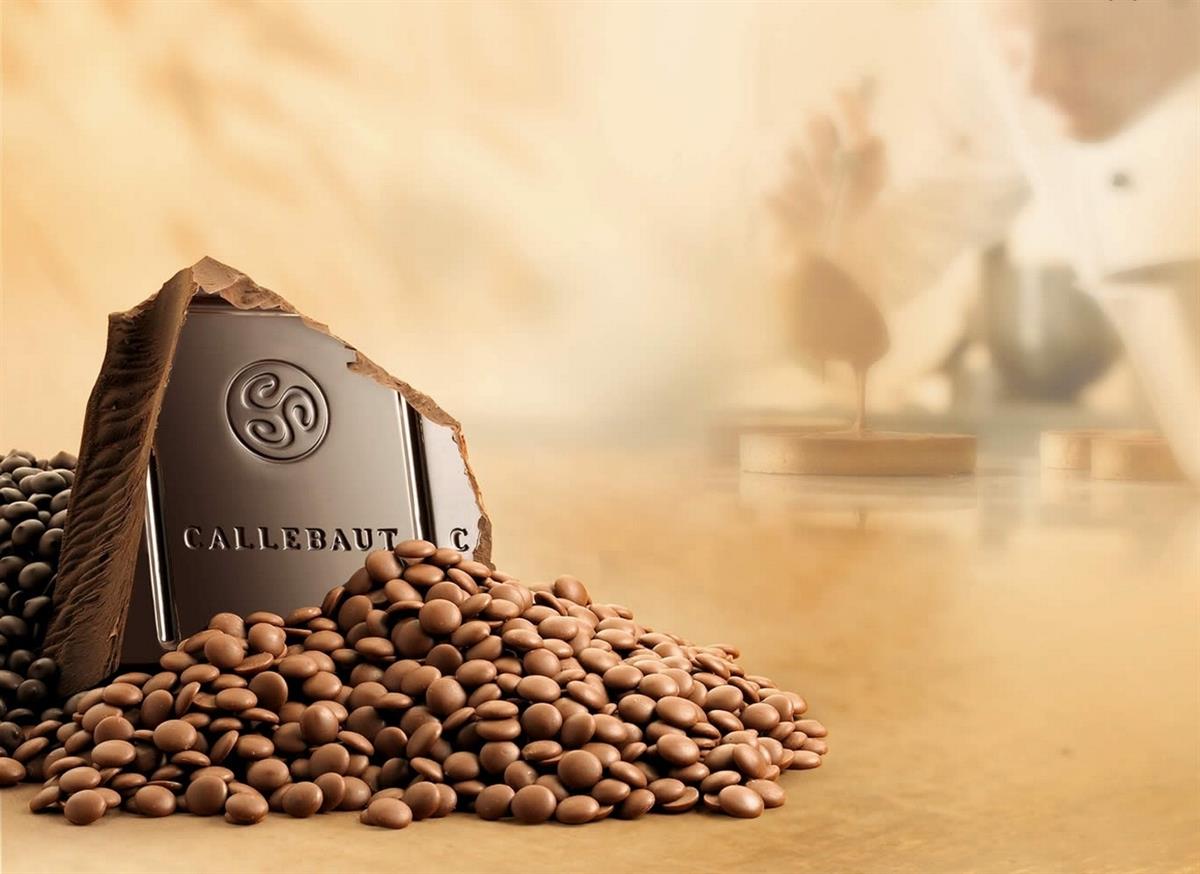
    Swiss confectionery manufacturer, Barry Callebaut, anticipates that the cocoa market will remain stable, despite the potential emergence of a strong El Niño weather pattern in the upcoming months. This statement was made by the company’s Chief Financial Officer, Peter Vanneste, earlier this week.

    The United Nations weather agency recently announced an increased likelihood of a powerful El Niño weather pattern emerging soon. This weather phenomenon is known to significantly impact the cocoa industry and could potentially elevate global temperatures. However, Vanneste maintains a positive outlook, stating that the circumstances differ substantially from those experienced during the 2023 and 2024 cocoa market crises.

    Stability Amidst Uncertainty

    “Unlike the situation in 2023/2024, when El Niño coincided with the primary harvest season and triggered a third consecutive year of cocoa deficit, we are currently in a position of significant surplus,” Vanneste explained. “We have large volumes of cocoa stocks ready for the upcoming harvest season.”

    In addition to maintaining a strong surplus, Barry Callebaut, which supplies key chocolate industry giants such as Nestlé and Hershey, has fortified its resilience by diversifying its sources, enhancing its cocoa bean blending capabilities, and implementing several financial measures.

    Monitoring Market Trends

    Vanneste also noted that his firm is keeping a keen eye on cocoa grind data. This is a key indicator of chocolate demand, particularly important as they approach the second quarter of the year.

    Recent data from May shows a 39.7% year-on-year increase in cocoa grinding in the Ivory Coast, the world’s largest cocoa producer. “The expectation is for this trend to continue,” said Vanneste. “However, it’s important to remember that demand recovery will take time. This is something we will be closely monitoring moving forward.”

    Questions & Answers

    What is the potential impact of a strong El Niño on the cocoa industry?
    A strong El Niño weather pattern can have profound effects on the cocoa industry, often disrupting cocoa production and leading to a deficit in supply.

    How has Barry Callebaut prepared for potential market instability?
    Barry Callebaut has fortified its market stance through origin diversification, increased sourcing flexibility, enhancing its cocoa bean blending capabilities, and implementing financial measures.

    What is the significance of monitoring cocoa grind data?
    Cocoa grind data serves as a proxy for chocolate demand. Monitoring this data allows companies to effectively track and forecast market trends.

  • Experience Hybrid Work Life at Logi Cafe: Logitechs Pop-Up Office Oasis with Ten Thousand Coffee in Taiwan

    Experience Hybrid Work Life at Logi Cafe: Logitechs Pop-Up Office Oasis with Ten Thousand Coffee in Taiwan

    Logitech, the global leader in computer peripherals, has teamed up with Ten Thousand Coffee to present Logi Café, a temporary initiative in Taiwan designed to transform cafés into flexible workspaces. This unique experience allows customers to interact with and explore Logitech’s extensive collection of innovative productivity devices.

    Creating Mobile Workspaces with Logi Café

    Active until the end of August, this experience is hosted in five different Ten Thousand Coffee locations across Taiwan, all under the banner ‘Work Anywhere With Logi.’ There are two primary venues, the Breeze Center and Q Square in Taipei, which offer dedicated experiential zones. Here, visitors have the unique opportunity to test the functionality of Logitech products within the authentic setting of a café environment.

    The Logi Café display features Logitech’s diverse array of portable and ergonomic devices. Visitors can engage with products such as the Mobi wireless folding mouse, the Keys-To-Go 2 Bluetooth keyboard, the MX series peripherals, and the complete Ergo collection. Additionally, customers can discover the AI-powered productivity features offered by Logitech’s Options+ software.

    This unique campaign was designed to reflect the contemporary shift towards hybrid work patterns. Cafes are increasingly seen as alternative workspaces for both professionals and students. The Logi Café initiative seeks to illustrate how Logitech’s lightweight peripherals can enhance productivity not only within traditional office spaces but beyond.

    Logitech’s Expansion into Retail

    In 2023, Logitech Singapore joined forces with Watsons to distribute a curated range of lifestyle and technology items across Singapore’s brick-and-mortar stores. This move into physical retail spaces further exemplifies Logitech’s commitment to delivering its innovative products directly to the consumer in a variety of settings.

    Questions & Answers

    What is Logi Café?
    Logi Café is a temporary initiative launched in Taiwan by Logitech in partnership with Ten Thousand Coffee. It transforms cafés into mobile workspaces where consumers can experience Logitech’s latest productivity devices.

    What products can visitors test at Logi Café?
    Visitors to Logi Café can explore a range of Logitech’s portable and ergonomic devices, including the Mobi wireless folding mouse, Keys-To-Go 2 Bluetooth keyboard, MX series peripherals, and the Ergo collection. They can also discover the AI-powered productivity features offered by Logitech’s Options+ software.

    What is the aim of Logi Café?
    Logi Café is designed to reflect the current shift towards hybrid working, demonstrating how Logitech’s lightweight peripherals can enhance productivity not only within traditional office spaces but also in alternative workspaces such as cafés.

  • Singha Beer Heiress Withdraws Ungrateful Child Suit Amidst Family Scandal

    Singha Beer Heiress Withdraws Ungrateful Child Suit Amidst Family Scandal

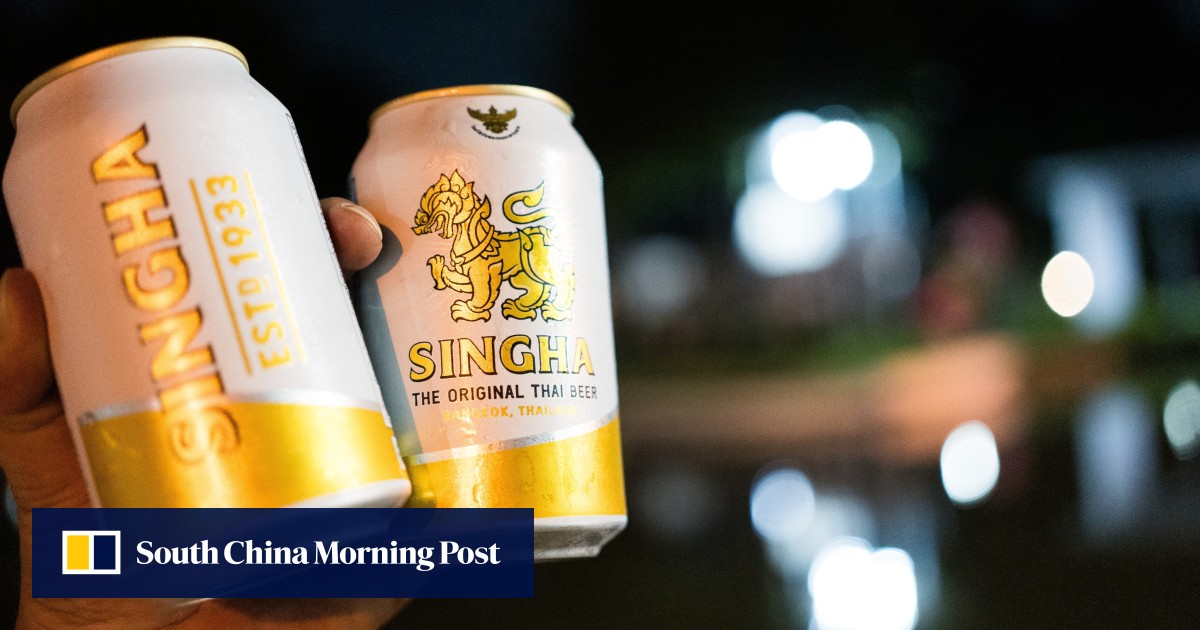
    On Wednesday, a mother from one of Thailand’s wealthiest families officially withdrew the lawsuit she lodged against her son under the “ungrateful child law.” The litigation stemmed from accusations her son, Siranudh “Psi” Scott, made against his older brother of sexual abuse. The mother, Jeeranuch Bhirombhakdi, is part of the billionaire family that founded Thailand’s Singha beer empire.

    The Ungrateful Child Law and Its Implications

    The “ungrateful child law,” invoked by Jeeranuch in February, provides parents the right to revoke gifts if their children are deemed ungrateful, abusive, neglectful in their later years or if they cause significant reputational damage. Triggered by the lawsuit, Siranudh disclosed in May that he had suffered sexual abuse at the hands of his elder brother, Sunit, and his babysitter.

    Jeeranuch contended that Siranudh’s accusations tarnished the family’s reputation. As a result, she sought to reclaim land valued in the millions that his late grandfather had bequeathed him. Despite the case withdrawal, Siranudh reported to journalists outside the courtroom, “Even though they withdrew the case, my life is still shattered.”

    Family Dispute Publicized

    Approximately 20 of Siranudh’s advocates assembled near the court, bearing paper flowers and photographs of him. Siranudh expressed that he could not consider the lawsuit withdrawal a victory, as the case should never have been initiated. He insisted, “I’ve never been ungrateful to anyone.”

    Parnthep Pourpongpan, Siranudh’s representative, informed reporters that Jeeranuch’s filing suggested resolution within the family due to the dispute’s familial nature. In a Friday-dated statement, Jeeranuch declared her willingness to converse, provided it was conducted with “love and genuine goodwill.” Jeeranuch also indicated her readiness to “respect and accept” the judicial process concerning the issue between her sons. She expressed her hope that “the truth will come to light and fairness will be served to both of my children.”

    Denying the allegations against him, Sunit admitted to roughhousing between the siblings. Singha’s parent company, Boonrawd Brewery, terminated Sunit’s executive role in May. According to Forbes, the Bhirombhakdi family ranks as Thailand’s 15th richest, with a net worth of approximately US$1.75 billion.

    Questions & Answers

    What is the “ungrateful child law”?
    The “ungrateful child law” is a measure that allows parents to revoke gifts to their children if they are deemed ungrateful, physically abusive, neglectful in old age, or responsible for serious reputational harm.

    Why did Jeeranuch Bhirombhakdi file a lawsuit against her son, Siranudh?
    Jeeranuch filed the lawsuit under the “ungrateful child law” after Siranudh accused his older brother of sexual abuse, which she claimed had damaged the family’s reputation.

    What happened to Sunit, the elder brother accused of sexual abuse?
    Sunit denied the allegations against him and was subsequently dismissed from his executive role at the family’s business, Boonrawd Brewery.

  • Durian Glut Crisis: Malaysias Fruit Boom Backfires Amidst Price Plunge and Oversupply

    Durian Glut Crisis: Malaysias Fruit Boom Backfires Amidst Price Plunge and Oversupply

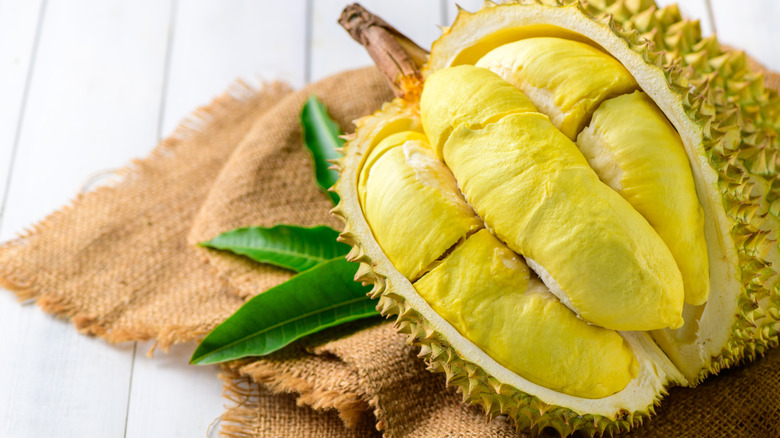
    Over the years, durian growers in Malaysia have been increasing production levels to meet the rising demand from China. This surge in demand has resulted in an abundance of the fruit, causing a significant drop in prices.

    Malaysia, renowned for its prized Musang King durian — often referred to as the “Hermès of durians” — has seen a rapid increase in its export of the fruit over the past decade, particularly to China. This growing demand prompted numerous farmers to join the industry. Consequently, durian plantation areas in the Southeast Asian nation increased from just over 163,000 acres in 2016 to more than 227,000 acres by 2024. Simultaneously, the annual yield nearly doubled, reaching over 568,000 tons.

    According to Lu Yuee Thing, owner of several durian farms near Raub, also known as Malaysia’s durian capital, many people had replaced their rubber trees or oil palms with durian trees in the past. These trees are now starting to bear fruit, leading to an oversupply in the market, especially during the harvest seasons in producing states like Kedah, Penang, Perak, Selangor, Johor, and Pahang. This oversupply has caused prices to plummet, with Musang King retailing for as low as RM9 (US$2.2) per kilogram — a 90% decrease from the usual RM90-100.

    This situation has been exacerbated by fruit that doesn’t meet export standards and is therefore redirected to the local market. The oversupply of durians has proven advantageous for deal-seekers across Malaysia and its neighboring country, Singapore, but it is a major setback for growers.

    Impact on Durian Growers

    Durian farmers and sellers are feeling the strain due to the price drop. Han Sing Keng, a durian farmer and seller in Johor, has had to rely on other crops, such as bananas, to compensate for the lost profits from durian. Han expresses that the pressure from the market is overwhelming for him and believes that the inexpensive, widely available fruit may be substandard in quality.

    The Federal Agricultural Marketing Authority (FAMA) in Malaysia has stepped in to aid growers by buying durians directly from them. FAMA plans to purchase 1,000 tons worth RM7 million through 42 operational centers. Additionally, businesses and entrepreneurs supported by the agency have bought another 1,199 tons valued at RM3.28 million.

    Planning for the Future

    The challenge now is to ensure that demand keeps up with the rising production. This requires both expansion into new export markets and growing new businesses within the domestic market. FAMA has begun processing excess fruit into pulp, which is supplied to manufacturers of cakes, ice cream, and other food products.

    Additionally, Malaysia, as one of the world’s largest durian exporters, is collaborating with Thailand and Chinese customs authorities to develop a land transport route for durian shipments to China, expected to reduce logistics costs.

    Lastly, Malaysia’s trade promotion agency, Matrade, announced plans to increase durian exports to China to $229 million by 2030.

    Questions & Answers

    What has caused the oversupply of durians in Malaysia?
    The oversupply is due to increased production levels, with a significant number of trees planted in previous years now beginning to bear fruit.

    How has the oversupply affected the price of durians?
    The oversupply has led to a significant drop in the price of durians. The Musang King, for example, is now retailing for as low as RM9 (US$2.2) per kilogram.

    What measures are being taken to manage the oversupply situation?
    The Federal Agricultural Marketing Authority (FAMA) is buying durians directly from farmers. In addition, efforts are being made to increase demand by expanding into new export markets and creating new businesses within the domestic market.

  • Sapporo Joins Forces with Carlsberg in $643M Southeast Asian Venture to Boost Premium Beer Sales

    Sapporo Joins Forces with Carlsberg in $643M Southeast Asian Venture to Boost Premium Beer Sales

    Japanese brewing company Sapporo is set to enter into a strategic partnership with Danish brewer Carlsberg, which entails a $643 million investment for a 25% stake in a Singapore-based joint venture. This venture, which will span across Southeast Asia and Hong Kong, is anticipated to begin operations in December 2026, with Carlsberg owning a majority stake of 75%.

    A Regional Expansion

    Sapporo intends to use this partnership as an opportunity to extend its existing collaborations in Malaysia, Hong Kong, and Singapore to other countries including Vietnam, Laos, and Cambodia. The company’s goal is to significantly increase the sales of its flagship product, Sapporo Premium Beer, in these target markets. By 2035, Sapporo aims to sell around ten times the number of units sold in 2025, an ambitious objective that will be facilitated by Carlsberg’s strong market presence across the region.

    Anticipated Benefits

    As part of the agreement, Sapporo will provide the joint venture with a long-term license for Sapporo Premium Beer. The Japanese brewer expects to see a variety of financial benefits as a result of this arrangement, including diversified revenue streams. These will emanate from dividends, royalty income, and manufacturing-related earnings.

    Questions & Answers

    What is the nature of the strategic partnership between Sapporo and Carlsberg?
    The partnership involves Sapporo investing $643 million for a 25% stake in a Singapore-based joint venture with Carlsberg, which will span across Southeast Asia and Hong Kong.

    What is Sapporo’s sales goal for the Sapporo Premium Beer?
    Sapporo aims to increase sales of the Sapporo Premium Beer in the target markets to approximately ten times the sales level of 2025 by the year 2035.

    How will Sapporo benefit from this joint venture?
    Sapporo anticipates gaining from diversified revenue streams, which will come from dividends, royalty income, and manufacturing-related earnings.

  • Vietnam’s Coffee Exports Hit $4.78B Despite Challenges: A Closer Look at H1 2026 Results

    Vietnam’s Coffee Exports Hit $4.78B Despite Challenges: A Closer Look at H1 2026 Results

    In the first half of 2026, Vietnam’s coffee exports amounted to US$4.78 billion, marking a decrease of 14.4% compared to the same period in the previous year. This decline in value comes despite a 9.7% year-on-year increase in exported volume, reaching 1.1 million metric tons. June alone accounted for shipments of 150,000 tons, valued at $552.6 million.

    Coffee Export Market Dynamics

    The average coffee export price during the first half of the year was around $4,435 per ton, a 22% year-on-year decrease after a period of elevated prices in 2024-25, as reported by the Ministry of Agriculture and Environment. The three largest markets for Vietnam’s coffee exports remained Germany, Italy, and the U.S., accounting for 14.1%, 7.9% and 6.9% of total exports, respectively. However, the first five months of the year saw a decline in shipments to these markets by 21.7%, 9.6% and 2.2% in value respectively, compared to the previous year.
    On the other hand, exports to China experienced a significant 70.7% surge in value, representing the strongest growth among the top fifteen importers of Vietnamese coffee.

    Domestic Coffee Market and Global Trends

    Domestically, coffee prices have rebounded to over VND90,000 (US$3.42) per kilogram, but trading remains cautious as the remaining inventory is limited. The Vietnam Coffee Cocoa Association indicates that the global coffee market is moving into a challenging phase where supply growth, largely driven by Brazil, is outpacing moderate consumption growth.

    Moreover, the association predicts that the large supply will continue to put downward pressure on prices in the coming months, particularly in the Robusta segment, which is Vietnam’s principal export product. This situation poses a challenge to achieving the year’s export revenue target due to the continuous fall in export prices and the historically lower shipments in the second half of the year.

    However, the association also highlights an opportunity for the industry to shift its focus from increasing output to enhancing value. This can be done by exporting higher quality coffee beans with sustainability certifications, and increasing exports of roasted, instant, and blended coffee products. Currently, around 30% of Vietnam’s coffee-growing area is certified under sustainable production standards, which provides a strong basis for meeting the increasingly rigorous requirements in export markets.

    In addition to this, the association recommends stronger trade promotion in promising markets such as China, Russia, South Korea, Algeria, and Nordic countries. It also encourages expanding connections with major retail chains in Asia and Europe to foster processed coffee exports.

    Questions & Answers

    What is the current state of Vietnam’s coffee exports?
    The value of coffee exports from Vietnam declined by 14.4% in the first half of 2026 despite an increase in export volume.

    Who are the major importers of Vietnamese coffee?
    Germany, Italy, and the U.S. are the three largest markets for Vietnam’s coffee exports, but exports to these markets have declined in value. Alternatively, exports to China have surged by 70.7%.

    What adjustments does the Vietnam Coffee Cocoa Association suggest for the coffee industry?
    The association suggests a shift in focus from output expansion to value enhancement. This could be achieved by increasing exports of sustainably certified, high-quality coffee beans and boosting shipments of roasted, instant, and blended coffee products.

  • Malaysia Vows to Slash Reliance on Foreign Food by Half by 2050 for Enhanced National Food Security

    Malaysia Vows to Slash Reliance on Foreign Food by Half by 2050 for Enhanced National Food Security

    Malaysia has outlined an ambitious plan to decrease its dependence on imported food by half by 2050 in an effort to bolster national food security. This objective arises as the nation grapples with an annual food import expenditure hitting around 80 billion MYR, or approximately US$20 billion, as per the statement of Ahmad Zahid Hamidi, Deputy Prime Minister and Minister of Rural and Regional Development, on July 4.

    Phased Implementation

    The strategy is set to be executed in stages, with intermediate milestones set at a 15% reduction by 2030 and just over 30% by 2040, before eventually realizing the ultimate aim by 2050. Hamidi stated that the strategy would focus on maximizing the use of underemployed and unused land owned by branches under the Ministry of Rural and Regional Development. This land would be transformed into agricultural and livestock production areas in order to increase domestic food production capacity.

    Hamidi further elaborated that the food security program has been active for the past three years and has already contributed to stabilizing prices, specifically through broiler chicken and egg production initiatives.

    Domestic Supply and Stable Prices

    Hamidi emphasized that the purpose of the plan is not to rival commercial producers. Instead, its primary focus is to guarantee an ample domestic supply and reduce price fluctuations. By increasing local production, Malaysia aims to obtain a more reliable and sustainable food source, reducing its vulnerability to global market changes and potential supply chain disruptions.

    Questions & Answers

    What is Malaysia’s goal with respect to imported food?
    Malaysia aims to cut its reliance on imported food by 50% by 2050 in order to enhance national food security.

    How does the country plan to achieve this objective?
    Malaysia plans to utilize underused and idle land owned by agencies under the Ministry of Rural and Regional Development, converting it into agricultural and livestock production zones.

    What is the purpose of this initiative?
    The goal is to ensure a sufficient domestic food supply and reduce price volatility, not to compete with commercial producers.