Category: Food

Retail News Asia is committed to providing both local and global retailers with the latest Food and Food & Beverage news throughout the Asian market. This on a daily base.

  • Yakult Singapore Swaps Unpopular Orange Flavor for Peach, Sparks Consumer Debate

    Yakult Singapore Swaps Unpopular Orange Flavor for Peach, Sparks Consumer Debate

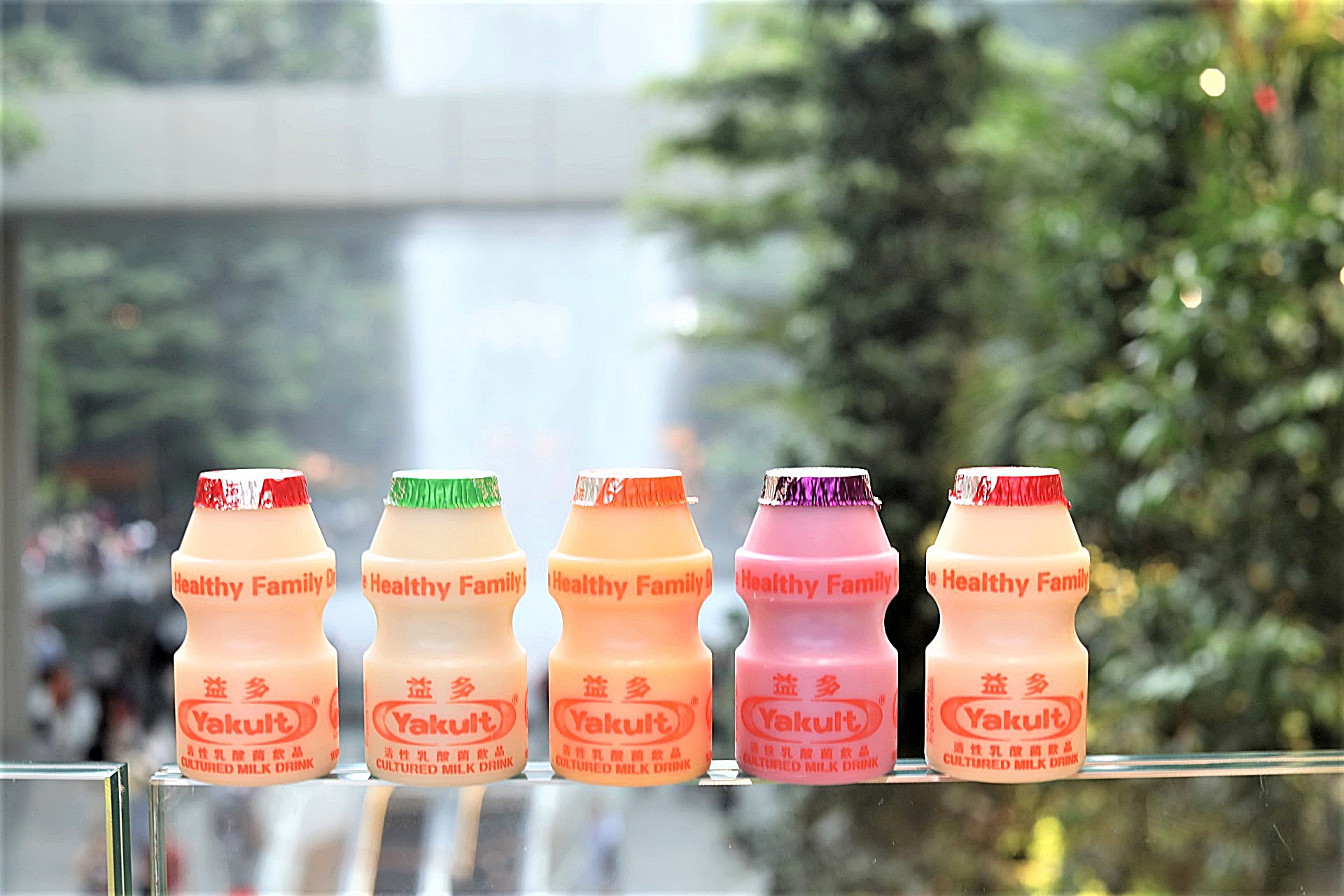
    The recent announcement regarding the discontinuation of Yakult Orange, a popular probiotic drink flavor, has elicited mixed reactions from consumers. For some, it comes as a surprise that this flavor was not as beloved as they had previously believed.

    Reactions to the Discontinuation

    Christine Heng, a 43-year-old music teacher, shared that she had always considered orange to be the preferred flavor until she discovered it was actually grape. She confessed that her regular monthly purchases of Yakult Orange for her family would drastically reduce due to the unavailability of her favorite variant.

    However, not everyone is mourning the loss of the orange flavor. A considerable number of comments were in favor of the change, with some people voicing their disapproval of the synthetic taste of the orange flavor. Comments such as, “I didn’t like how artificial the orange flavor was. I’m glad they replaced it,” and “Can replace any flavors, just don’t touch Apple and Grape,” reflect the varied consumer opinions on the matter.

    Farewell to Yakult Orange

    Despite the discontinuation, fans of Yakult Orange still have the opportunity to stock up on their favorite flavor until production officially comes to a halt at the end of this month. The drink will remain available as long as supplies last.

    Yakult, the probiotic cultured milk drink, was founded in Japan in 1935. It contains a strain of beneficial bacteria known as Lacticaseibacillus paracasei Shirota, discovered by its founder Minoru Shirota. Today, Yakult drinks are marketed worldwide, including regions such as Europe, Brazil, and Vietnam. In addition to the standard Yakult drink, there are other product ranges, like Yakult Plus. Furthermore, Yakult Peach was introduced in China in 2024.

    Questions & Answers

    What is the reaction of consumers to the discontinuation of Yakult Orange?
    Reactions are mixed: some consumers are disappointed, while others are glad about the change, criticizing the artificial taste of the orange flavor.

    Until when can consumers purchase Yakult Orange?
    Consumers can purchase Yakult Orange until the end of the month when production ends, or until supplies last.

    Where else are Yakult drinks available?
    Yakult drinks are available in several international markets, including Europe, Brazil, and Vietnam. They offer the standard Yakult drink and other product ranges like Yakult Plus.
  • Guoquans Global Debut: Chinese Home-Dining Giant Ventures into Hong Kong Market

    Guoquans Global Debut: Chinese Home-Dining Giant Ventures into Hong Kong Market

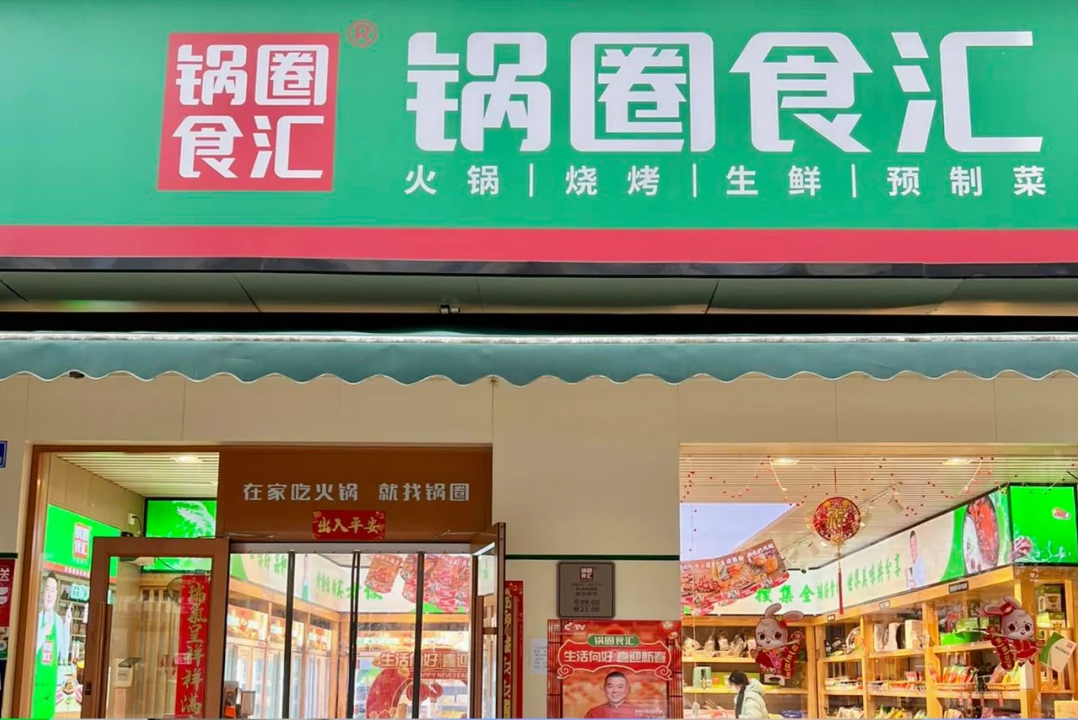
    The Chinese home-dining retailer, Guoquan, is planning to extend its business to Hong Kong. This move signifies the company’s first initiative outside Mainland China, aligning with their international expansion plans.

    The retailer anticipates the launch of its inaugural store in Wan Chai, Hong Kong, later this year. During this launch, local consumers will be introduced to the Guoquan’s “community central kitchen” concept.

    Expansion and Innovation

    This planned expansion to Hong Kong is concurrent with Guoquan’s continued growth within Mainland China. As of the first quarter of 2026, Guoquan boasts a network of 11,758 stores across the nation, including more than 3100 outlets in township level markets.

    From the latter half of 2025, Guoquan has been enhancing its store network by transforming smaller outlets into larger “community central kitchen” formats. The floor area of these renovated stores typically ranges from 80 to 100 square meters. These larger stores offer a wider array of products, a departure from the company’s traditional hotpot and barbecue ingredients.

    Guoquan’s product range has evolved to include breakfast items, ready-to-eat meals, light fare, alcoholic beverages, and other options tailored for various consumption times of the day. With 24-hour unmanned stores, customers can access these products and services at any time.

    Guoquan’s Journey

    Established in 2017, Guoquan has flourished into one of the leading home-dining brands in China. The company was publicly listed on the Hong Kong Stock Exchange in November 2023.

    Guoquan is renowned for specializing in household meal ingredients. Its product offerings range from hotpot and barbecue items to self-heating meals and prepared Chinese dishes.

    Questions & Answers

    What is Guoquan’s “community central kitchen” concept?
    The “community central kitchen” model is an innovative retail concept where stores are expanded from their traditional format to offer a wider range of products. This not only includes Guoquan’s traditional hotpot and barbecue ingredients, but has evolved to include breakfast items, ready-to-eat meals, light fare, alcoholic beverages, and more.

    When was Guoquan founded and when did it list on the stock exchange?
    Guoquan was founded in 2017 and listed on the Hong Kong Stock Exchange in November 2023.

    What is Guoquan’s current store count in Mainland China?
    As of the first quarter of 2026, Guoquan operates 11,758 stores nationwide in Mainland China, including over 3,100 outlets in township-level markets.

  • Tim Hortons China Welcomes New CEO Kwok Wah Cheung to Harness Growth and Innovation

    Tim Hortons China Welcomes New CEO Kwok Wah Cheung to Harness Growth and Innovation

    TH International, the parent company of Tims China, master franchisee of Tim Hortons coffee shops, has announced the appointment of Kwok Wah Cheung as its new CEO, effective June 15.

    Experience and Expertise

    Cheung brings his wealth of experience to this new role, having held leadership positions at various major consumer businesses in China for over two decades. His past roles include CEO of Supor, an appliance and cookware manufacturer; executive director of dairy company China Feihe; chairman and CEO of Nestlé’s Greater China Region; and global president of Wyeth Nutrition.

    In his new capacity, Cheung will oversee the company’s overall operations and the execution of the board’s strategic directives. His focus areas include intensifying localization efforts, fostering continuous innovation, expanding the loyalty club, and enhancing customer convenience through optimized store layouts and the integration of digital and delivery services.

    Leadership Transition

    As part of this management transition, the incumbent CEO, Yongchen Lu, will relinquish his position and take on the role of company chairman. Simultaneously, the current chairman, Peter Yu, will step down from his position and remain as a director.

    In his new role as chairman, Lu will work closely with Cheung to facilitate a seamless transition and continue delivering value to all stakeholders.

    Tims China launched its inaugural store in 2019 and has since expanded rapidly, boasting 1,026 system-wide stores in 93 cities across mainland China by the end of March this year. The company’s loyalty club community currently exceeds 35 million members.

    Questions & Answers

    Who is the new CEO of TH International?
    Kwok Wah Cheung has been appointed as the new CEO of TH International.

    What will be the primary focus of the new CEO?
    Cheung will focus on localisation, innovation, loyalty club expansion, and enhancing convenience via optimized store formats and digital integration.

    What role will former CEO Yongchen Lu assume?
    Yongchen Lu will step down as CEO and assume the role of company chairman.

  • Surging Ahead: Luckin Coffee Topples 35,000-Store Milestone with Rapid Global Expansion

    Surging Ahead: Luckin Coffee Topples 35,000-Store Milestone with Rapid Global Expansion

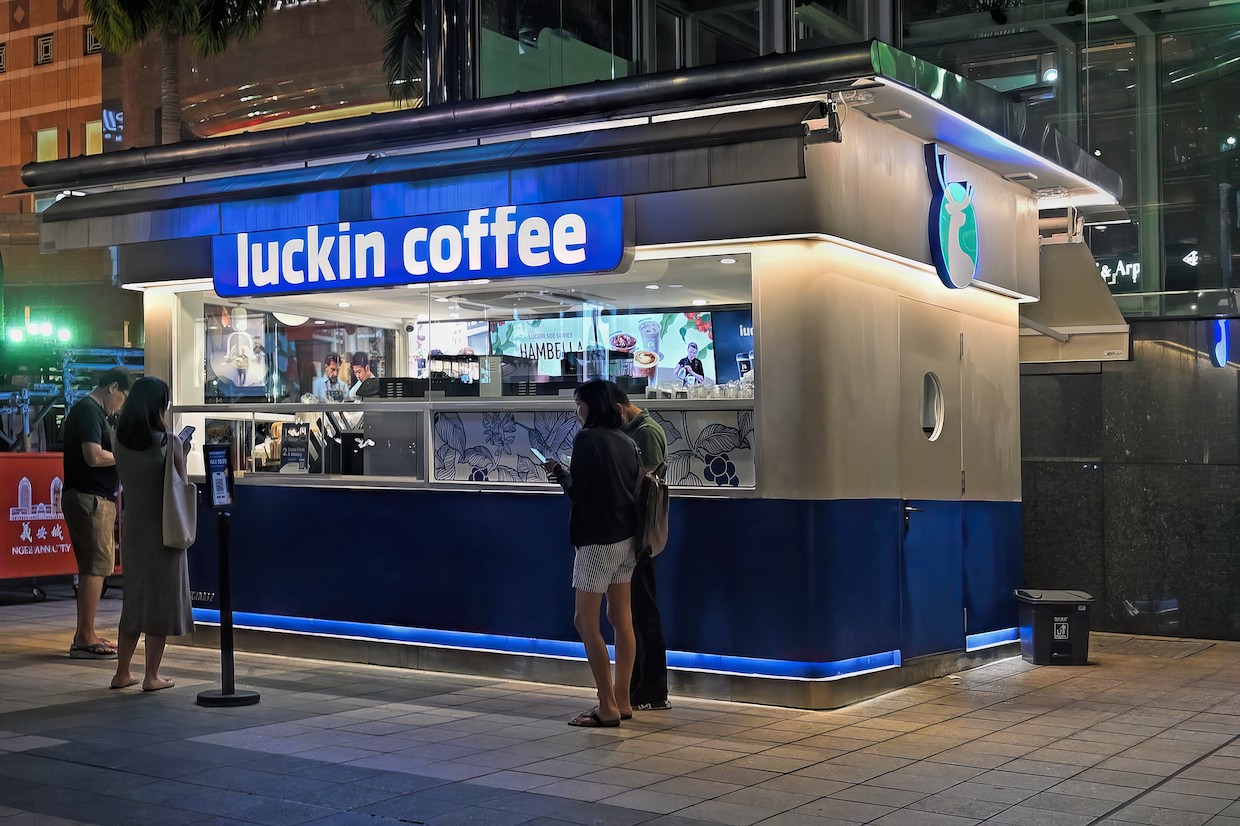
    Luckin Coffee, a leading coffee chain in China, recently celebrated a significant expansion mark. The brand’s international presence now spans over 35,000 locations across the globe. This development underscores Luckin’s rapid growth both in its home country and abroad, further solidifying its reputation as one of the most extensive coffee and beverage retail chains in terms of store count.

    Impressive Expansion Strategy

    Luckin’s monumental growth is primarily attributed to its aggressive expansion strategy. This strategy is rooted in establishing a dense urban presence, standardizing store layouts, and leveraging technology to facilitate rapid deployment and high-volume service.

    The chain’s growth trajectory has been consistent, with the opening of its 30,000th store earlier this year. This milestone was marked by the debut of a new ‘Origin Flagship’ store in Shenzhen, a significant departure from the brand’s usual small-scale, pickup-focused outlets. The two-story establishment covers an area of approximately 420 square meters.

    Sustained Revenue Growth and Product Demand

    Luckin Coffee has also enjoyed consistent double-digit revenue growth as the brand continues to expand its footprints. As of May 31, the company reported that its non-coffee beverages’ cumulative sales had exceeded RMB 20 billion (equivalent to US$ 2.9 million). The sales report also noted that 22 of its products had sold over 100 million cups each. This shows the strong consumer demand for its extensive beverage offerings beyond coffee.

    Over the years, the company has constructed an integrated supply chain and operational infrastructure designed for large-scale operations. This includes expanded global sourcing from key regions such as Brazil, Ethiopia, and Indonesia, and domestic agricultural areas like Yunnan and Guangxi.

    Questions & Answers

    How many locations does Luckin Coffee have worldwide?
    Luckin Coffee’s global presence now spans over 35,000 locations worldwide.

    What is the foundation of Luckin Coffee’s expansion strategy?
    Luckin Coffee’s expansion strategy is rooted in establishing a dense urban presence, standardizing store layouts, and leveraging technology to facilitate rapid deployment and high-volume service.

    How has Luckin Coffee’s non-coffee beverages performed in terms of sales?
    As of May 31, Luckin Coffee reported its non-coffee beverages’ cumulative sales had surpassed RMB 20 billion (equivalent to US$ 2.9 million). Furthermore, 22 of its products had each sold over 100 million cups.

  • Vietnam’s Pepper Exports Heat Up with 21.7% Rise in Five Months, US Leading the Demand

    Vietnam’s Pepper Exports Heat Up with 21.7% Rise in Five Months, US Leading the Demand

    In the first five months of 2026, Vietnam saw a significant increase in its pepper exports, with 122,600 tonnes exported, marking a rise of 21.7% from the previous year. The collective value of these shipments was US$789.2 million, representing a 13.9% surge year-on-year, as reported by the Vietnam Pepper and Spice Association.

    Primary Markets and Export Performance

    The United States emerged as the leading market, accounting for nearly 24.5% of the total exports, or 30,000 tonnes, marking a growth of 30.2% from the previous year. China followed closely with a staggering 145.4% rise, importing 14,636 tonnes.

    In terms of regional consumption, Asia led as the largest consumer, importing 56,570 tonnes, or 46% of the total product, marking a 24% rise year-on-year. Europe also saw a rise in imports by 5.1%, totalling 25,176 tonnes. Remarkably, the Netherlands boosted their imports by 51.6%, but Germany saw a 30.7% drop.

    The increase in exports can be attributed to a strong performance in the first and early second quarters, coupled with increased demand from major markets amid a tightening global supply. However, in May, pepper export volume experienced a decline of 18.9% from April and 4.8% year-on-year, totalling 25,180 tonnes worth $166.2 million.

    Import Trends and Other Exports

    On the import side, Vietnam purchased 38,086 tonnes of pepper valued at $217.8 million, marking a 69% rise year-on-year in volume and 60% in value. Cambodia emerged as the primary supplier, accounting for 54.6% of imports, followed by Brazil with a 29.1% share.

    In addition to pepper, Vietnam’s cinnamon exports also witnessed growth. The country exported 48,686 tonnes of the spice, totalling $124.3 million in the first five months, marking a 2% increase in volume and a 1% increase in value from the previous year. Asia accounted for 67.8% of these exports, while the Americas constituted 22.4%.

    Questions & Answers

    What was the total volume and value of pepper exported from Vietnam in the first five months of 2026?
    122,600 tonnes of pepper were exported, with a value of US$789.2 million.

    Which countries were the main buyers of Vietnamese pepper?
    The United States and China were the main buyers, importing 30,000 tonnes and 14,636 tonnes respectively.

    What trends were observed in Vietnam’s cinnamon exports?
    Vietnam’s cinnamon exports also saw a rise, with 48,686 tonnes exported, valued at $124.3 million. Asia and the Americas were the main markets for Vietnamese cinnamon.

  • St Ali Surfs the Cold Coffee Wave: Italo Disco Espresso Hits Coles Supermarkets Nationwide

    St Ali Surfs the Cold Coffee Wave: Italo Disco Espresso Hits Coles Supermarkets Nationwide

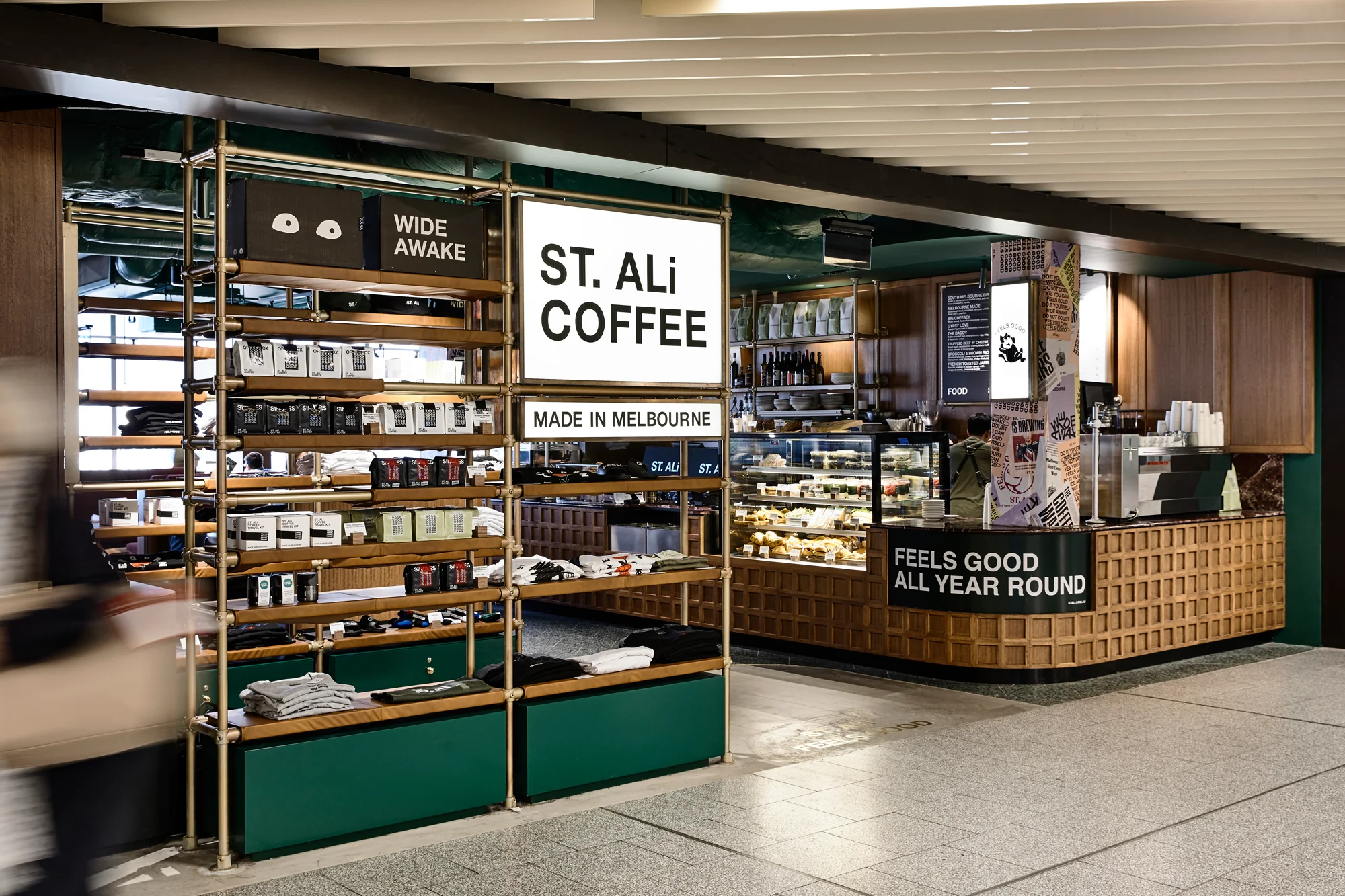
    Melbourne’s prominent coffee roaster, St Ali, has broadened its retail scope with the nationwide launch of its Italo Disco Espresso Concentrate in Coles supermarkets. This move comes after the successful introduction of the brand’s primary assortment of freshly roasted coffee beans in Coles stores in July 2024.

    Meeting Consumer Demand

    This expansion is a strategic response to evolving consumer preferences towards chilled coffee formats. Company data from St Ali’s South Melbourne cafe suggests that cold coffee variants account for approximately 35% of all their beverage sales. Cold coffee has emerged as a significant trend, with St Ali’s CEO, Lach Ward, identifying it as the most noticeable shift in consumption patterns throughout the brand’s 21-year history.

    Sales figures further underline this trend. Innovative cold beverages like the Biscoff Fredo have surged in popularity, becoming the company’s best-selling signature products, outpacing traditional options like magics and black coffee.

    Availability and Trends

    The Italo Disco Espresso Concentrate is accessible to coffee lovers across Australia in a 750ml pouch, retailing at $22. St Ali affirms that the shift towards chilled beverages is not confined to independent specialty outlets. Worldwide statistics reveal that cold beverages represent approximately 60% of total sales in major commercial coffee chains, including notable ones like Starbucks.

    Earlier this year, St Ali further diversified its product range to accommodate the summer season. This expansion included the introduction of two new beverages and the return of a larger-format cold brew.

    Questions & Answers

    What is the Italo Disco Espresso Concentrate?
    It’s a product by Melbourne coffee roaster St Ali, recently made available nationwide at Coles supermarkets.

    What has been the most significant shift in St Ali’s consumption patterns?
    The company has noticed a significant tendency towards cold coffee beverages, marking the most significant shift in their 21-year history.

    What is the current trend in coffee consumption?
    Chilled coffee beverages are the growing trend, with cold drinks accounting for about 35% of St Ali’s sales and 60% of sales in major commercial coffee chains.

  • Florida Family Files Worm Contamination Suit against Campbells and Walmart over SpaghettiOs

    Florida Family Files Worm Contamination Suit against Campbells and Walmart over SpaghettiOs

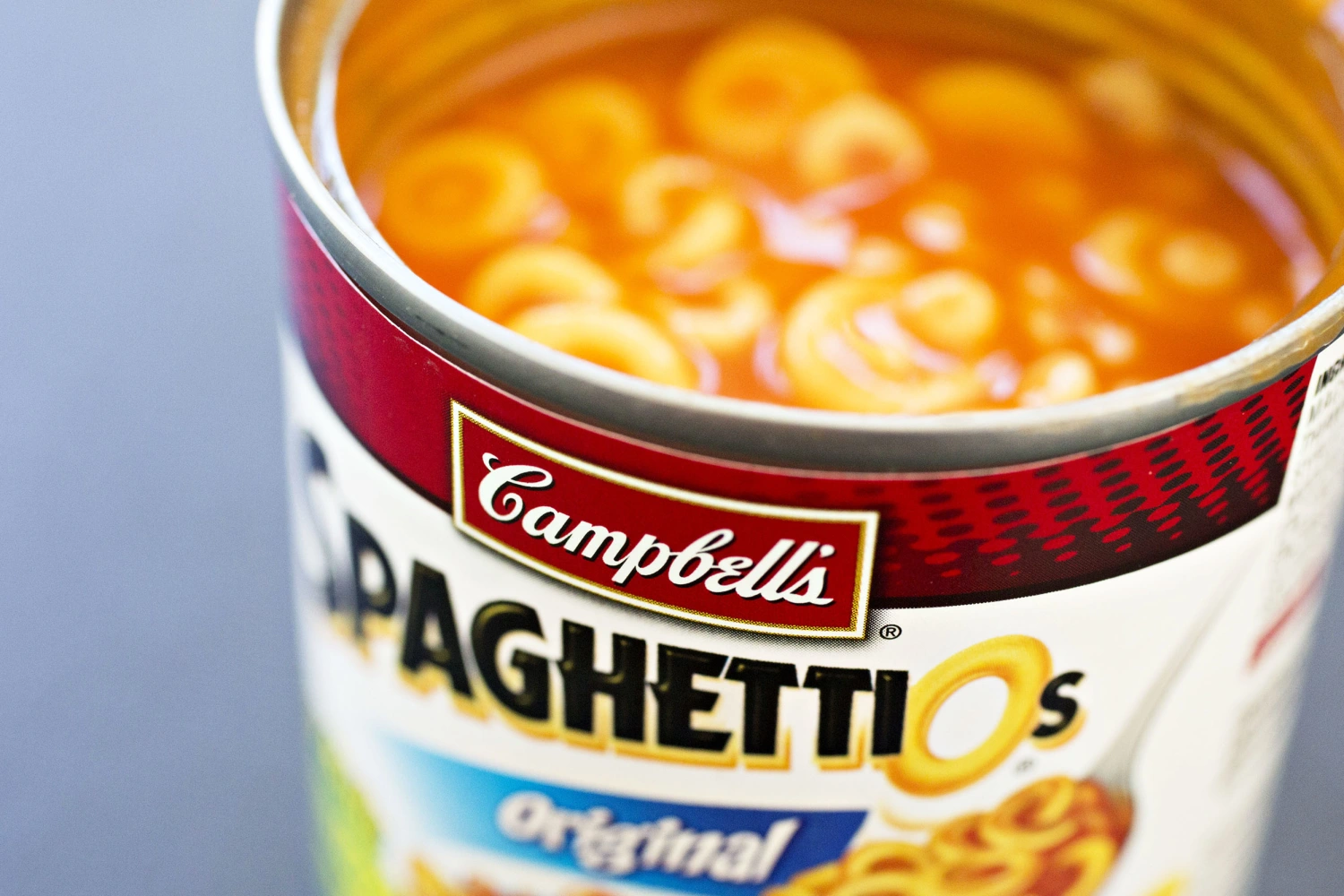
    A lawsuit has been filed against Campbell’s and Walmart by a Florida-based mother and her daughter, alleging that they consumed SpaghettiOs tainted with parasites or worms, rendering the product unfit for consumption.

    Accusations of Food Contamination

    In the legal complaint lodged on Tuesday, Mary Hubbard stated that she became aware of the alleged contamination on June 6, 2024, when they started eating the SpaghettiOs at their residence in Okeechobee County. It was mentioned that “worms or parasites appeared to be actively moving within the food.” In substantiation of this claim, Hubbard made videos that apparently portrayed worm-like organisms moving in the food item.

    According to her, the pasta product was purchased at Walmart, which is also named in the lawsuit. The plaintiffs, Hubbard and her daughter identified as PL, argue that they experienced parasitic infections after eating the SpaghettiOs, leading to various health issues. Hubbard suffered from a gastrointestinal illness and sepsis, while her daughter encountered nausea and vomiting.

    Companies Respond and Lawsuit Details

    In response to the allegations, Campbell’s, headquartered in Camden, New Jersey, dismissed the plaintiffs’ claims as baseless and expressed its intention to strongly refute them. Walmart, located in Bentonville, Arkansas, stated that it would respond to the allegations in court, underscoring that its customers’ health and safety are of paramount importance.

    The lawsuit seeks unspecified damages amounting to a minimum of US$75,000 from both Campbell’s and Walmart, citing alleged negligence and violation of federal food safety regulations. The father of young PL is also a plaintiff in the case, but lawyers representing the plaintiffs did not provide additional details when asked.

    Introduced to the market in 1965, SpaghettiOs was touted as “the world’s first spoonable spaghetti.” It is not uncommon for food manufacturers to face legal action over alleged contamination, often precipitated by lab tests, product recalls, or health alerts. For example, in April 2025, a public health alert was issued by the US Department of Agriculture’s Food Safety and Inspection Service for 12 varieties of soup, including four Campbell’s brand soups, on grounds of potential contamination with wood present in a federally regulated ingredient, cilantro.

    The lawsuit was filed in a federal court in Fort Pierce, Florida, and has been assigned to US District Judge Aileen Cannon.

    Questions & Answers

    What is the alleged contamination of Campbell’s SpaghettiOs about?
    The mother and daughter, Mary Hubbard and PL, claim they discovered worms or parasites in the SpaghettiOs they had purchased from Walmart. This allegedly led to parasitic infections and various illnesses.

    What are the companies’ response to this accusation?
    Both Campbell’s and Walmart have refuted the claims and intend to defend vigorously against the allegations. Walmart also highlighted that it considers customers’ health and safety a top priority.

    What compensation are the plaintiffs seeking with their lawsuit?
    They are seeking unspecified damages of at least US$75,000 from Campbell’s and Walmart, citing negligence and violation of federal food safety laws.

  • Chagees Expansion Spree Boosts Revenue but Dents Profits: Inside the Chinese Tea Giants Strategy

    Chagees Expansion Spree Boosts Revenue but Dents Profits: Inside the Chinese Tea Giants Strategy

    Chagee, the acclaimed Chinese tea chain, has experienced yet another boost in revenues, despite the ongoing expansion of its stores seeming to take a toll on its profit margins.

    Currently, Chagee owns a staggering 7531 teahouses, located primarily in Greater China, but also expanding internationally. Ending its first fiscal quarter of the year on a high note, Chagee reported revenues of RMB3.54 billion (US$514.1 million), indicating a rise from RMB3.39 billion during the same quarter in the previous year. Nonetheless, despite the hike in revenues, the company faced a 33.9 per cent dip in profits during the same period.

    Teahouse Business Dynamics

    Franchise-owned teahouses form the core of Chagee’s business model, contributing to a significant 77.4 per cent of the total revenue, while the remaining revenue comes from teahouses directly owned by the company.

    Although the Greater China region constitutes a whopping 95 per cent of Chagee’s business operations, by the end of the quarter, Chagee had marked its presence in seven additional countries. The most recent expansions saw Chagee breaking into markets in the United States, Vietnam, and the Philippines.

    Chagee’s Vision for the Future

    Founder and CEO of Chagee, Zhang Junjie, shared his view for the company’s future with investors. He expressed his commitment to focus on operational details, emphasizing that these granular aspects hold significant value to their consumers. He noted that the company’s ability to weather various business cycles is directly tied to genuine consumer recognition, and this forms the cornerstone of their objective for the current year – to perfect every single consumer touchpoint.

    Zhang Junjie expressed his confidence that Chagee is entering a phase of mature, steady, and sustainable growth. He ended his remarks by stating his assurance in every step the company is undertaking towards the future.

    Questions & Answers

    What is the revenue of Chagee for the first fiscal quarter of the year?
    Chagee reported revenues of RMB3.54 billion (US$514.1 million) for the first fiscal quarter of the year.

    What percentage of Chagee’s total revenue comes from franchised teahouses?
    Franchise-owned teahouses contribute to 77.4 per cent of Chagee’s total revenue.

    What is the major goal of Chagee for the current year?
    Chagee’s major goal for the current year is to perfect every single consumer touchpoint, according to founder and CEO Zhang Junjie.

  • Segafredo Brews Bold Move: Italian Espresso Hits Shelves in 900+ Woolworths Stores Across Australia

    Segafredo Brews Bold Move: Italian Espresso Hits Shelves in 900+ Woolworths Stores Across Australia

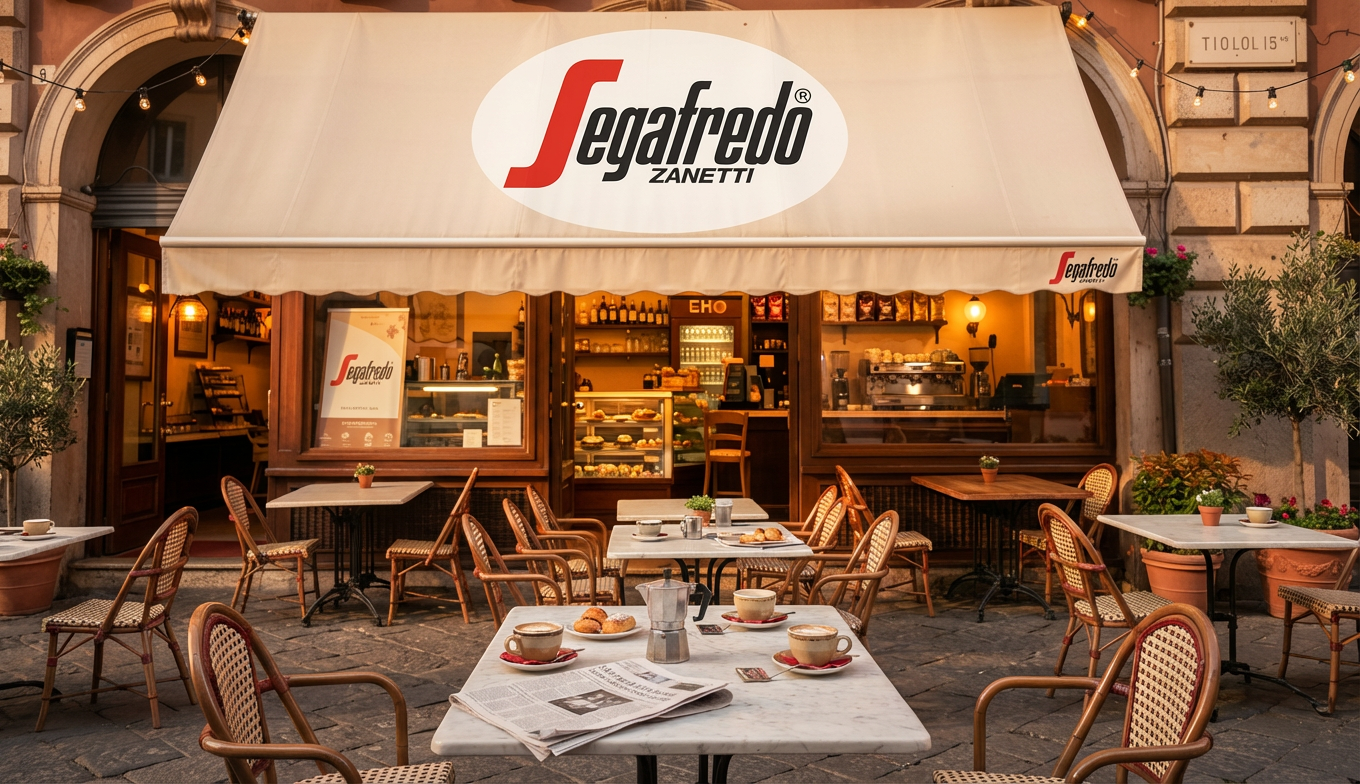
    Italian espresso company, Segafredo, has extended its reach into the Australian retail grocery market with a new product lineup. Over 900 Woolworths stores nationwide and their online platform will carry the brand that has been supplying Australian cafes since 1973. Now, Segafredo is venturing into the Fast-Moving Consumer Goods (FMCG) sector.

    Segafredo’s New Lineup

    The new offering includes eight products, all formulated with the tastes and preferences of Australian consumers in mind. The selection includes locally roasted whole coffee beans, coffee capsules, and instant coffee.

    The whole coffee bean selection is available in 700g packages at $30 each. It includes three options originating from the bold, dark Casa roast that is known for its “full-bodied intensity”. This variety is made with the Arabica Emozioni blend that offers hints of nuts and chocolate. There’s also a medium-roasted Intermezzo blend with a smooth, balanced palate.

    The brand offers 10-packs of capsules for home brewing at $8 each. The offerings include Arabica Supremo, the Classico signature blend, and Intenso.

    Also available is a 100g range of instant coffee, priced at $12. Customers can choose between a smooth, granulated Classic variety or a rich, freeze-dried Gold blend with a lingering aromatic finish.

    Reaction from Segafredo

    Rob Collier, Managing Director of Segafredo Bean Alliance Australia, expressed his excitement about the brand’s expansion into Woolworths. He stated that after being a staple in Australia’s cafe culture for over 25 years, this step marked a significant milestone for Segafredo. Collier also expressed that they have developed a range of blends and flavors that are likely to resonate with discerning consumers and are eager to become part of Australians’ everyday coffee rituals.

    This retail expansion aligns with the launch of Segafredo’s new global marketing initiative, ‘Take Your Shot’. This campaign features several public figures representing different product categories and consumer habits. Aggie Vlotman from Segafredo Bean Alliance Australia stated that the aim is to position Segafredo as a constant, quality coffee brand that aligns with the rhythm of Australians’ daily lives.

    Established in 1973 in Bologna by Massimo Zanetti, Segafredo has grown from a traditional Italian roasting house into one of the world’s leading coffee companies, now operating in over 110 countries worldwide.

    Questions & Answers

    What is the price range of Segafredo’s new product lineup?
    The price range is from $8 for a 10-pack of coffee capsules to $30 for a 700g package of whole coffee beans.

    What flavors or blends are included in Segafredo’s new product lineup?
    The lineup includes Arabica Emozioni blend, medium-roasted Intermezzo blend, Arabica Supremo, Classico signature blend, and Intenso.

    What is Segafredo’s new marketing initiative?
    The new initiative, ‘Take Your Shot’, aims to position Segafredo as a constant, quality coffee brand that aligns with the rhythm of Australians’ daily lives.

  • New Leadership Horizons: Nigel Parsons Takes Reins as Asahi’s Europe and International Division CEO

    New Leadership Horizons: Nigel Parsons Takes Reins as Asahi’s Europe and International Division CEO

    Nigel Parsons has been announced as the new CEO of Asahi’s Europe and International (AEI) segment, succeeding Dragos Constantinescu who is set to leave his position at the end of June. Parsons is slated to officially take over during the latter part of this year. In the interim period, Andrew Bailey, AEI’s CFO, will fulfill the CEO responsibilities.

    Parsons’ appointment has been attributed to his vast leadership skills spanning human resources, commercial, and multi-category operations within the organization and the wider Fast-Moving Consumer Goods (FMCG) industry. His tenure with Asahi Beverages began in 2021 when he took up the CEO position in the lifestyle beverages division. Most recently, Parsons held the Chief Commercial Officer (CCO) role for Oceania, where he supervised commercial operations in Australia and New Zealand.

    Atsushi Katsuki, the President and Group CEO of Asahi Group Holdings, has lauded Parsons for his proven capability in driving sustainable growth. Katsuki expressed his confidence that under Parsons’ guidance, AEI would progress its strategic objectives in complete harmony with the group’s medium to long-term management policies, thereby enhancing value creation across their business portfolio.

    Questions & Answers

    Who has been appointed as the new CEO of Asahi’s Europe and International division?
    Nigel Parsons has been appointed the new CEO of Asahi’s Europe and International division.

    Who will serve as acting CEO during the transition period?
    Andrew Bailey, the CFO of AEI, will serve as acting CEO during the transition period.

    What roles has Nigel Parsons held within the Asahi Group?
    Nigel Parsons joined Asahi Beverages in 2021 as CEO of its lifestyle beverages division, and most recently served as the Chief Commercial Officer for Oceania, overseeing operations in Australia and New Zealand.

  • Ferrero Expands Beyond Sweets: Innovation and Brand Extension Fuel Retailer Growth Opportunities

    Ferrero Expands Beyond Sweets: Innovation and Brand Extension Fuel Retailer Growth Opportunities

    Ferrero, a globally recognized confectionery brand, is venturing into new categories, offering retailers a chance to expand their growth. The company’s commitment to quality, local manufacturing, and exceptional execution is supporting this expansion. As Ferrero broadens its reach, it is capturing growth across diverse formats and consumption opportunities.

    Expanding Beyond Confectionery

    Ferrero’s move beyond confectionery into the broader packaged food sector was revealed by Nick Dawes, Sales Director at Ferrero Australia. Dawes emphasized that this expansion is not just about introducing new products, but also about unlocking new occasions and driving incremental growth. This strategy is reinforced by strong brand equity, innovation, and a continued dedication to quality, which facilitates recognition, trial, and repeat purchases across categories. Ferrero is capitalizing on its established trust among shoppers as it extends its brands into new categories.

    A significant development area for Ferrero is frozen desserts, where the company is making its mark with brands like Ferrero Rocher, Raffaello, Kinder Bueno, and Kinder Chocolate Ice Cream. These brands offer new consumption opportunities and support incremental growth. Nutella, another iconic Ferrero product, is contributing significantly, with its range now including spreads, biscuits, and frozen bakery items. These additions encourage cross-category purchases and increase basket value, supported by Ferrero’s local manufacturing facility in Lithgow. The Lithgow facility is also championing sustainable production while maintaining high-quality standards.

    Embracing Sustainable Manufacturing

    The Lithgow site recently installed a vertical electric hazelnut roaster, a global first, which has cut gas usage by almost 90%. Additionally, a rooftop solar array provides up to 20% of the facility’s electricity, demonstrating Ferrero’s commitment to continuous improvement and emission reduction in its manufacturing process.

    Recognizing shifting consumer preferences, Ferrero is innovating with targeted products such as Tic Tac Two Sugar Free and expanding into the health-conscious segment with Fulfil Protein Bars. Kinder, another beloved brand, is also evolving with new formats and product innovations, catering to different life stages and consumption occasions without compromising on quality.

    As Arslan Shah, ANZ Head of Supply Chain, points out, execution is crucial. Enhancements in demand planning, forecasting, and logistics flexibility are improving product availability and in-store performance. Ferrero is working on managing demand fluctuations more efficiently to ensure that products are available when and where customers expect them.

    With its strong brand equity, focus on quality, ongoing innovation, and commitment to sustainable manufacturing, Ferrero is well-positioned to assist retailers in achieving sustainable, long-term growth beyond confectionery.

    Questions & Answers

    What new categories is Ferrero venturing into?
    Ferrero is expanding into broader sweet-packaged food categories, frozen desserts, and health-conscious options.

    How is Ferrero’s Lithgow manufacturing site contributing to sustainable production?
    The site has installed a vertical electric hazelnut roaster that reduces gas usage by nearly 90% and a rooftop solar array that generates up to 20% of the site’s electricity needs.

    What strategies is Ferrero employing to handle demand fluctuations?
    Ferrero is combining stronger planning with a flexible logistics model to build a resilient and responsive supply chain.

  • Haidilao’s Pig Blood Curd Now Available Island-Wide as Singapore Lifts 27-Year Ban

    Haidilao’s Pig Blood Curd Now Available Island-Wide as Singapore Lifts 27-Year Ban

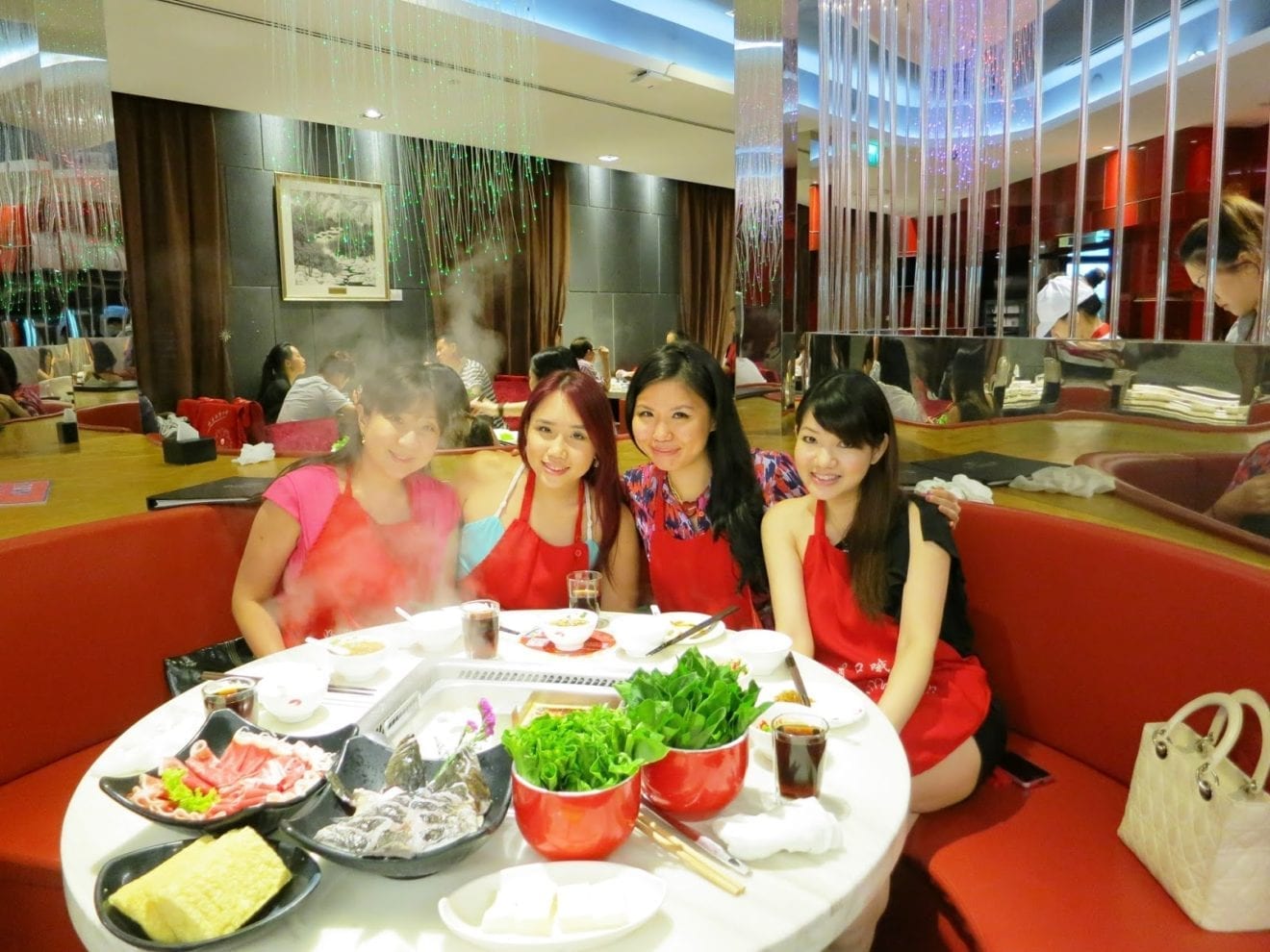
    Haidilao, the renowned hotpot chain, has recently begun offering pig blood curd across all its Singapore locations, marking the end of a 27-year prohibition. In an announcement made on social media last Tuesday, Haidilao Singapore revealed that the dish would be available from May 28.

    The specialty will retail at S$8 per serving at its outlet in Marina Bay Sands, while all other locations will offer the dish at S$6 per serving. Moreover, Haidilao has launched a promotional offer valid until June 30, which slashes the prices to S$4 and S$3 per serving respectively, subject to stock availability.

    Previously, Singapore had implemented a ban on animal blood food products, including pig blood and duck blood, following the 1999 Nipah virus outbreak. However, the tide turned in April when the Singapore Food Agency authorised the importation of heat-treated pig blood products from Bangkhla Pig Slaughterhouse, a recognised supplier based in Thailand.

    Questions & Answers

    Why has Haidilao started serving pig blood curd in Singapore?
    Haidilao has introduced pig blood curd to its Singapore menu following the city-state’s decision to lift a 27-year ban on animal blood food products.

    What is the price for a serving of pig blood curd at Haidilao?
    At Haidilao’s Marina Bay Sands outlet, pig blood curd is priced at S$8 per serving. However, all other locations serve it at S$6 per serving.

    Why was there a ban on animal blood food products in Singapore?
    The ban was put in place following the Nipah virus outbreak in 1999, which led to the prohibition of animal blood food products, including pig and duck blood, in order to protect public health.

  • Fonterras Positive Momentum Continues with $1.5B Q3 Operating Profits Despite Global Uncertainties

    Fonterras Positive Momentum Continues with $1.5B Q3 Operating Profits Despite Global Uncertainties

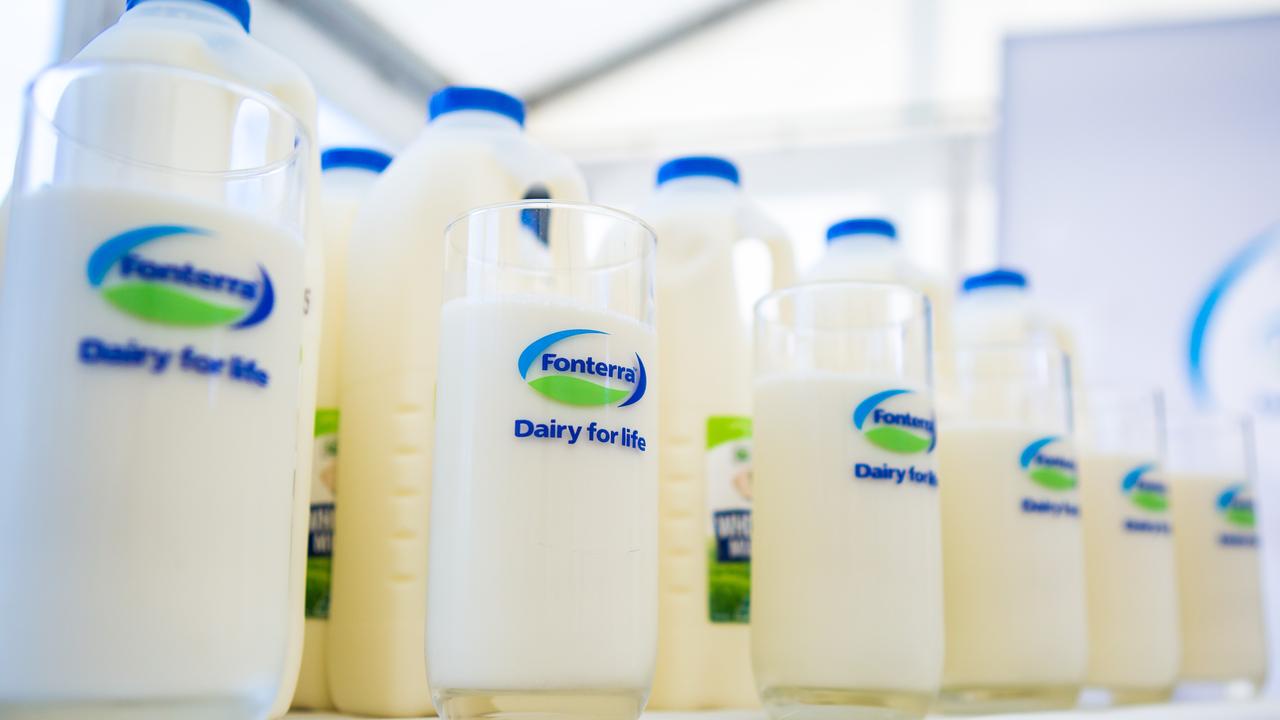
    New Zealand-based dairy cooperative, Fonterra, is exuding optimism about its future performance amid global uncertainties. The company’s third quarter results showed a promising $1.5 billion in operating profits, marking an impressive year-on-year increase of $85 million.

    Fonterra’s Stellar Performance

    Richard Allen, Fonterra’s CEO, proudly announced this significant achievement, describing the results as another demonstration of their strength. Despite the disruption of global supply chains, the company has seen a substantial rise in milk production this season. The organization’s sales book is well contracted, and its shipping volumes have been robust, recording the highest third-quarter shipment volumes in the past decade.

    Allen became the CEO succeeding a 25-year veteran, Miles Hurrell, who declared his retirement in December. Looking forward, Allen expects the company’s high milk collections to persist, much like the current season.

    “Our in-market sales teams foresee robust demand from across all regions amid possible fluctuations. This expectation is mirrored in our opening forecast range,” Allen stated.

    Resilience Amid Challenges

    Despite the approaching final quarter of the financial year, Allen expresses confidence in the company’s ability to maintain its momentum. He acknowledges the uncertainty prompted by the ongoing conflict in the Middle East and other global challenges, such as cost inflation and shipping disruptions.

    “Like our farmers and many others worldwide, we are navigating these challenges. However, we are confident that our deep relationships with customers and logistics partners will continue to assist us in overcoming these obstacles,” he commented.

    Questions & Answers

    What is Fonterra’s latest operating profit?
    Fonterra reported a $1.5 billion operating profit for its third fiscal quarter, growing its profits by $85 million year-on-year.

    What challenges is Fonterra facing?
    Fonterra is dealing with global challenges such as cost inflation, shipping disruptions, and uncertainties caused by the ongoing conflict in the Middle East.

    Despite the challenges, how does Fonterra view its future performance?
    Fonterra is optimistic about its future performance. The company expects to maintain its strong momentum, anchored by high milk collections and robust demand from all regions. They also express confidence in their deep relationships with customers and logistics partners that will help them navigate the current global challenges.

  • Zus Coffee Makes Bold Move into Indonesian Market, Amplifying Southeast Asia Presence

    Zus Coffee Makes Bold Move into Indonesian Market, Amplifying Southeast Asia Presence

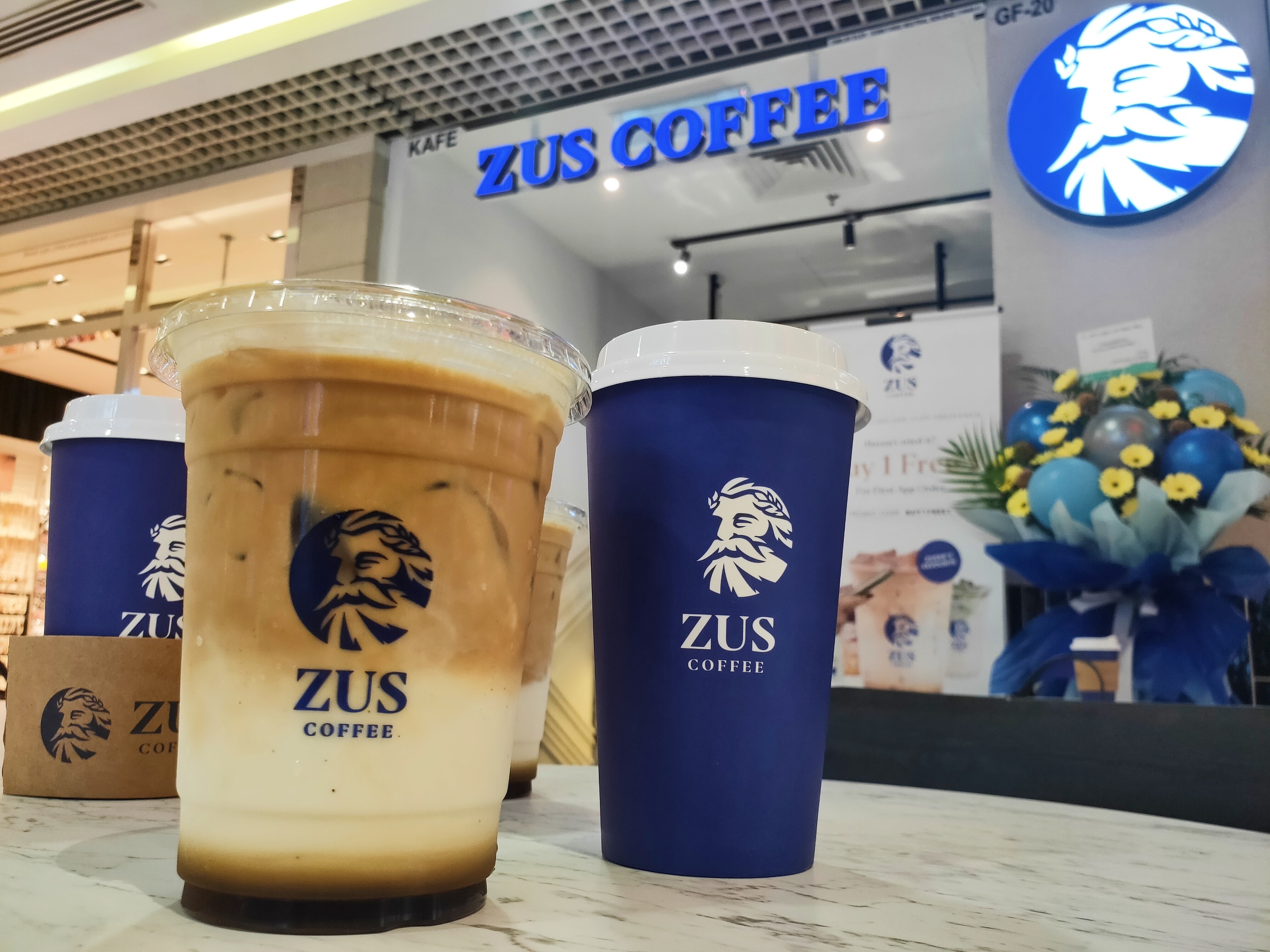
    Malaysia’s well-known coffee chain, Zus Coffee, has made its debut in Indonesia, marking its first venture into Jakarta. The launch marks yet another step in the company’s ambitious strategy to expand across Southeast Asia.

    The opening of the new store in Puri Indah Mall is the result of a collaboration with Kapal Api Group. This latest venture follows Zus Coffee’s successful expansions into other Southeast Asian countries, including the Philippines, Singapore, Brunei, and Thailand.

    Zus Coffee, established in 2019, began as a delivery-centric coffee kiosk operation. Since then, it has rapidly grown, fueled by the integration of a technologically advanced model that includes app-based ordering, pickup, and delivery services. Currently, Zus Coffee operates over a thousand stores throughout the region.

    According to Venon Tian, Group COO of Zus Coffee, Indonesia holds significant strategic value due to its rich coffee culture and an ever-changing consumer demand. As part of its expansion strategy, localisation remains a vital component, with the introduction of market-specific beverages alongside its main menu offerings.

    Over the years, Zus Coffee has solidified its position as one of Malaysia’s largest coffee chains and has emerged as a strong contender to the global giant, Starbucks. An investment of US$57.27 million (RM250 million) has been further secured by the company to facilitate its regional growth in 2024.

    As part of its expansion strategy, the company launched its inaugural stores in Thailand last year, planning to inaugurate 200 new stores across Southeast Asia. Parent company Zuspresso has set ambitious targets to add a minimum of 107 outlets in Malaysia, around 80 in the Philippines, and six in Singapore this year.

    Questions & Answers

    What is Zus Coffee’s expansion strategy?
    Zus Coffee is focusing on expanding across Southeast Asia, having already established a presence in countries like the Philippines, Singapore, Brunei, Thailand, and now Indonesia.

    How does Zus Coffee approach new markets?
    Zus Coffee has a strategy of localisation as it enters new markets. This involves introducing market-specific beverages alongside its core menu offerings to cater to local tastes and preferences.

    What kind of investment has Zus Coffee secured for its future growth?
    Zus Coffee has secured an investment of US$57.27 million (RM250 million) to support its regional growth in 2024.

  • Riding the Health Wave: Yum China Doubles Down on KPRO Stores Amid Rising Demand for Low-Calorie Meals

    Riding the Health Wave: Yum China Doubles Down on KPRO Stores Amid Rising Demand for Low-Calorie Meals

    Yum China, the company responsible for managing KFC and Pizza Hut chains across the nation, is broadening its reach by doubling its KPRO stores. The KPRO stores, which specialize in low-calorie meals, are set to reach 600 by the end of this year, following a rise in health-conscious consumer demand. KPRO’s offerings include nutritiously balanced meals such as protein-rich sandwiches and yogurt-based smoothies.

    An Emphasis on Health and Nutrition

    Yum China’s CEO, Joey Wat, emphasized the importance of satisfying meals that are also nutritious during a recent earnings brief. KPRO’s nourishing menu caters to this by providing consumers with clear calorie information, thereby enabling informed decisions. The cost for these healthier meal options varies from CNY30 to CNY50 (US$4.41–7.36) per meal.

    Yum China dedicated seven years to understanding the market for lighter meals before inaugurating its first KPRO store in Guangzhou in late 2024. By 2025, fueled by the escalating demand for healthier alternatives, the number of KPRO stores reached 200, strategically located adjacent to KFC chains.

    Chen Xiao, CEO of Shanghai Yacheng Culture, a provider of marketing and branding services, pointed out that the surge in young consumers keen on nutritionally balanced food offers international brands a significant advantage. These well-established brands can easily attract customers, particularly as restaurant chains can effectively reach out to a wide consumer base.

    The Growing Trend of Light Meals

    According to a report by research firm NCBD and Shanghai Expo Finefood, the number of Chinese consumers opting for light meals has skyrocketed from 2 million in 2017 to over 32.5 million by 2025. The report further stated that 40% of these consumers consume such meals at least thrice a week.

    Chen predicted that China’s light-meal sector could rake in about CNY100 billion in annual sales this year alone. On a similar note, Wat articulated the potential profitability of the segment, stating that the targeted 600 KPRO stores could boost the sales of their parent KFC chains by approximately CNY1 billion ($147.17 million) per year.

    However, Yum China is not the only player in the health food segment. Other chains such as Murvey LF and Moosang, operating about 600 and 400 stores respectively, are also prominent in the light meals market.

    Ending the first quarter of 2026 on a high, Yum China reported a net profit of $309 million, a 6% increase from the previous year. Their first-quarter revenue also saw a 10% rise, amounting to $3.3 billion.

    Questions & Answers

    **What is the expansion target for KPRO stores by the end of this year?**
    Yum China intends to double its KPRO stores to a total of 600 by year’s end.

    **What is the expected annual sales from China’s light-meal market this year according to Chen Xiao?**
    Chen Xiao predicted that the light-meal market could generate about CNY100 billion in annual sales.

    **What was Yum China’s net profit for the first quarter of 2026?**
    Yum China reported a net profit of $309 million for the first quarter of 2026, marking a 6% increase year-on-year.