Category: Food

Retail News Asia is committed to providing both local and global retailers with the latest Food and Food & Beverage news throughout the Asian market. This on a daily base.

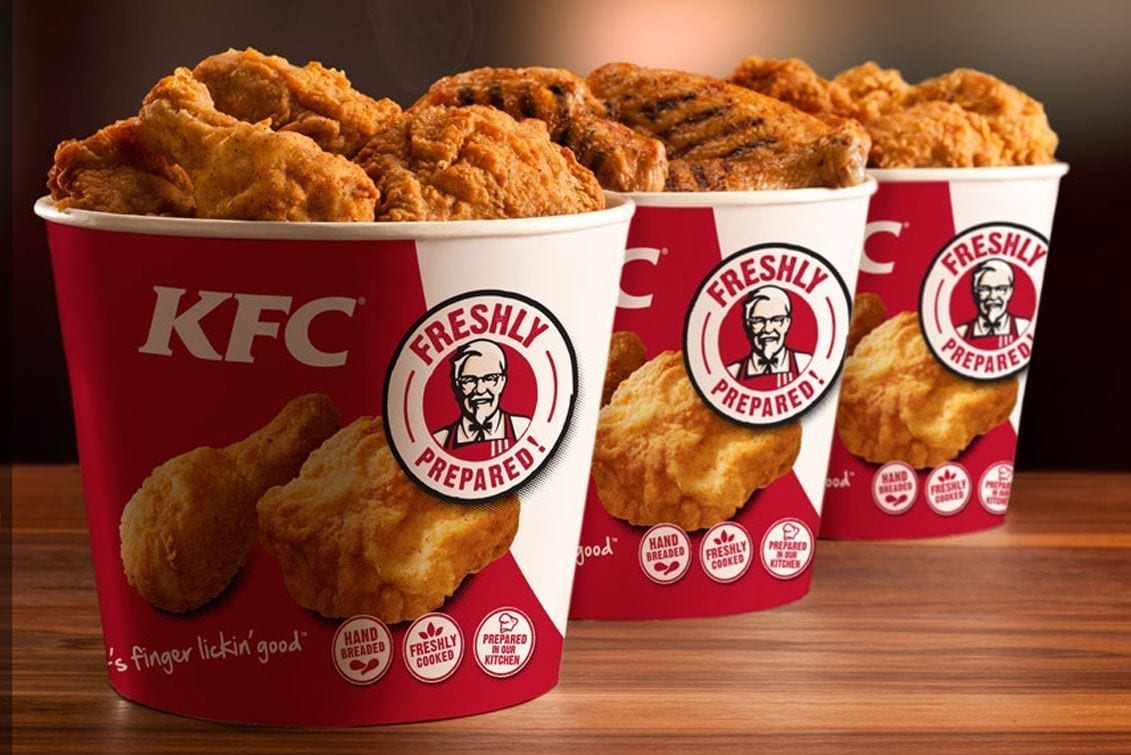
  • KFC China Rides High on Delivery Boom, Yet Battles Margin Squeeze

    KFC China Rides High on Delivery Boom, Yet Battles Margin Squeeze

    The surge in food deliveries is significantly transforming KFC China, the country’s top restaurant brand, leading to increased sales but tighter profit margins.

    Delivery sales for the brand witnessed a year-on-year growth of 33%, making up approximately 55% of total sales, a significant increase from 43% the previous year, according to parent company Yum China.

    Adrian Ding, the CFO of Yum China, communicated to investors during the earnings call that they consider this a sustainable trend.

    Despite Yum China’s same-store sales remaining constant, the launch of new outlets increased sales by 4%, and the operating profit rose 12% to US$447 million.

    The food delivery sector in China has seen fierce competition in recent times. E-commerce powerhouses Alibaba and JD have been actively striving to dominate the market share by offering enticing deals and discounts on a variety of menu items, including ice cream, takeaway coffees, and KFC’s signature fried chicken.

    A trend referred to as “instant retail,” which involves delivery of goods within an hour, has attracted the attention of Chinese regulators. They have consistently cautioned against extreme competitive practices among food delivery firms.

    While the growth in deliveries has boosted sales, it has also put pressure on profit margins since Yum China subsidizes them in collaboration with tech companies. Ding indicated that margins would have contracted by 190 basis points due to the increased costs associated with delivery drivers. However, about half of this impact was offset by operational improvements in other areas of the business. The company anticipates a margin expansion throughout the entire year.

    During the earnings call, company executives noted that subsidies for delivery apps have recently decreased, and these apps are now focusing more on larger food orders. “We appreciate this shift and believe it will positively impact our industry in the long run,” stated CEO Joey Wat. The executives also shared that delivery driver expenses account for approximately 30% of the company’s labour costs. Yum China also operates the Chinese divisions of Pizza Hut, Taco Bell, and other restaurants.

    Questions & Answers

    How much have delivery sales grown for KFC China?
    Delivery sales for KFC China have grown by 33% year-on-year.

    What is the impact of the growth in food deliveries on Yum China’s profit margins?
    While the surge in food deliveries has led to increased sales, it is also exerting pressure on profit margins due to the company’s decision to subsidize them.

    What percentage of labour costs at Yum China is attributed to delivery driver expenses?
    Delivery driver expenses account for roughly 30% of the company’s labour costs.
  • Yum China’s Monumental Growth: Q1 Results Skyrocket with Record 636 New Stores

    Yum China’s Monumental Growth: Q1 Results Skyrocket with Record 636 New Stores

    Yum China, a leading retail company, has announced the launch of an ambitious expansion plan, following a highly successful first quarter for FY26. The company reported 636 net new store openings, setting a record-high figure.

    Impressive Financial Performance

    The retail behemoth recorded an impressive 10% increase in total revenue, reaching a staggering US$3.3 billion. Operating profit also followed this upward trajectory, registering a 12% growth to a record-breaking $447 million. Consumer behavior in China is undergoing significant changes, with delivery services now accounting for an impressive 55% of total sales. This is a substantial increase from the 43% reported in the same quarter of the previous year.

    CEO of Yum China, Joey Wat, applauded the company’s growth efforts, saying, “In Q1, our accelerated store openings reached a record level, capitalizing on considerable market opportunities.”

    She continued, elaborating on the company’s consistent growth, “Concurrently, we have maintained our system sales growth, operating profit growth, and operating profit margin expansion for the eighth quarter in a row, a testament to the hard work and dedication of our teams.”

    Adaption of ‘Side-by-side’ Store Strategy

    Yum China’s ‘side-by-side’ store strategy is gaining momentum, especially for the KPRO brand. With 280 outlets now in operation, this health-conscious concept is quickly scaling up, with ambitious goals to reach 600 locations by the end of the year.

    In a parallel development, Pizza Hut is also undergoing a strategic change. The ‘Pizza Hut Wow’ format concentrates on simplified menus and affordable prices and is currently being introduced in 100 additional cities. This strategic move is designed to attract value-conscious consumers in Tier 2 and Tier 3 markets.

    Future Expansion Plans

    Looking forward, Yum China is aiming to build a total store network exceeding 20,000, facilitated by more than 1900 net new store openings this year. Additionally, the company is considering a 40-50% franchise mix for net new stores across both the KFC and Pizza Hut portfolios.

    CEO Joey Wat expressed confidence in the company’s future, stating, “Considering our robust foundation, dual focus on innovation and operational efficiency, and a more judicious delivery platform competition, we are optimistic about meeting our full-year targets and generating sustainable long-term value for our shareholders.”

    These promising results follow a strong fourth quarter for the company in the previous year.

    Questions & Answers

    What is Yum China’s expansion strategy?
    Yum China’s expansion strategy includes accelerated store openings and the introduction of the ‘side-by-side’ store strategy, especially for the KPRO brand.

    How is Pizza Hut adapting to market changes?
    Pizza Hut is implementing the ‘Pizza Hut Wow’ format, focusing on streamlined menus and affordable prices to attract value-conscious consumers in Tier 2 and 3 markets.

    What are Yum China’s future plans?
    Yum China plans to build a total store network exceeding 20,000, facilitated by more than 1,900 net new store openings this year. The company is also considering a 40-50% franchise mix for net new stores across both the KFC and Pizza Hut portfolios.

  • Citi Bolsters Regional Standing with New Lead for Infrastructure Investment Banking in Asia South

    Citi Bolsters Regional Standing with New Lead for Infrastructure Investment Banking in Asia South

    In a bid to solidify its foothold in the rapidly burgeoning regional infrastructure market, global banking conglomerate Citi has announced the appointment of Bhavin Shukla as its new Managing Director. Shukla is set to steer the firm’s Infrastructure Investment Banking operations in Japan, Asia North and Australia (JANA), and Asia South.

    Role and Responsibilities

    As the new Managing Director, Shukla will be the linchpin for Citi’s infrastructure-linked endeavors, with responsibilities spanning across advisory, financing, and deal origination fronts. His role will entail close collaborations with teams across a spectrum of sectors, comprising financial sponsors, natural resources, and real estate. He will also liaise with global counterparts within the bank.

    Prior Experience

    Before his tenure at Citi, Shukla was associated with J.P. Morgan, where he held the dual responsibilities of Managing Director, serving as Head of Asia Infrastructure Investors Coverage (excluding Australia), and Head of India Infrastructure Investment Banking. During his stint there, Shukla successfully established a regional franchise, offering advisory, financing, and risk management solutions for infrastructure funds, sovereign wealth funds, and corporate clients.

    Strategic Implications

    Shukla’s appointment comes at a time when the Asia-Pacific region is witnessing what industry pundits term as an “infrastructure supercycle.” This trend, driven by investments in energy transition, digital infrastructure, urban development, and increasing private capital inflow, signifies booming opportunities for firms like Citi. The introduction of a dedicated senior leadership role is indicative of Citi’s strategic, long-term plans of establishing a leading infrastructure advisory and financing franchise across the region and worldwide.

    Citi executives opine that Shukla’s extensive experience in complex infrastructure deals, coupled with his valuable relationships with key investors, will be a significant asset in augmenting the bank’s capabilities in the sector.

    This new hire highlights the escalating competition among global banks, all vying to capitalize on the rising deal flow related to infrastructure investments. The focus comes as public and private investors amplify spending on renewable energy, transportation networks, and digital connectivity across the Asia-Pacific region.

    Questions & Answers

    What does Bhavin Shukla’s appointment as Managing Director at Citi signify?
    Shukla’s appointment underscores Citi’s strategic intent to bolster its position in the burgeoning regional infrastructure market.

    What will be Shukla’s primary responsibilities at Citi?
    He will serve as the regional anchor for Citi’s infrastructure-related ventures, overseeing advisory, financing, and deal origination, and will collaborate with teams across multiple sectors.

    How does Shukla’s appointment reflect the current trends in the Asia-Pacific region?
    His appointment comes amidst an “infrastructure supercycle” in the Asia-Pacific region, demonstrating the increasing importance of infrastructure investments in this area.

  • A2 Milk Triumphs in Trademark Tussle: Historic Australian Court Victory Over Care A2 Plus

    A2 Milk Triumphs in Trademark Tussle: Historic Australian Court Victory Over Care A2 Plus

    The Federal Court of Australia has ruled in favor of The A2 Milk Company in a trademark lawsuit against its competitor, Care A2 Plus. The A2 Milk Company, a dairy company based in New Zealand, has several registered trademarks in Australia, including ‘A2 Milk’ and ‘A2’, that encompass a variety of products such as milk and infant formula.

    Care A2 Plus’s Alleged Infringement

    Care A2 Plus, another infant and toddler formula producer, markets its products in Australia under the branding ‘Care A2+’. The lawsuit was initially filed by A2 Milk against Care A2 Plus in 2023. The plaintiff accused Care A2 Plus of violating its trademark rights in contravention of the Australian Consumer Law.

    The A2 Milk Company asserted that Care A2 Plus consciously used the similar ‘A2/A2+’ branding even after requests to cease. The plaintiff also claimed that Care A2 Plus indulged in litigation strategies that escalated costs, and subsequently sought either damages or an account of profits.

    Court’s Stance on the Dispute

    At a hearing that took place this past Thursday, the court backed The A2 Milk Company. However, the court mandated both parties to present further submissions before it pronounces the final verdict concerning relief, including damages and costs.

    Despite Care A2 Plus’s claims that its packing was entirely distinctive, the court maintained that the conspicuous ‘A2/A2+’ branding could potentially indicate a connection to The A2 Milk Company.

    The court justified its ruling by stating that an average consumer encountering Care A2 Plus’s products for the first time would likely presume a connection with The A2 Milk Company. The consumer might even think that these products are part of The A2 Milk Company’s range or endorsed by the company.

    Questions & Answers

    What was the dispute between The A2 Milk Company and Care A2 Plus about?
    The dispute was about Care A2 Plus allegedly infringing on The A2 Milk Company’s registered trademarks by using a similar ‘A2/A2+’ branding.

    What did The A2 Milk Company seek from the lawsuit?
    The A2 Milk Company sought either damages or an account of profits from Care A2 Plus for using a similar branding and escalating litigation costs.

    What was the court’s ruling in the trademark dispute?
    The court ruled in favor of The A2 Milk Company, stating that Care A2 Plus’s ‘A2/A2+’ branding might lead consumers to believe that there is a connection between the two companies.

  • US-Based Carlyle Group Acquires KFC Korea: Sets Sight on Nationwide Expansion

    US-Based Carlyle Group Acquires KFC Korea: Sets Sight on Nationwide Expansion

    The US-based private equity firm, The Carlyle Group, has successfully acquired KFC Korea. With this acquisition, the firm aims to expand the existing 200-store portfolio of the popular restaurant chain in South Korea.

    The deal, which was initially announced in December, has now been finalized, with Carlyle gaining full ownership of KFC Korea. KFC Korea operates in South Korea under a master franchise agreement with Yum! Brands. The Carlyle Group bought the stake from Orchestra Private Equity.

    Envisioning Growth and Expansion

    John Kim, a partner and the head of Carlyle Korea, expressed enthusiasm about the partnership with Yum Brands. Kim said that Carlyle is eager to work with KFC Korea’s management team to grow the iconic brand in South Korea.

    Kim spoke highly of KFC Korea, stating that the brand’s strong heritage and market position make it ripe for expansion. He also mentioned the growing demand for quick-service dining among Korean consumers, which KFC Korea could effectively cater to.

    Carlyle’s current holdings include A Twosome Place, a dessert cafe chain boasting over 1700 stores in South Korea, as well as KFC in Japan.

    An Exciting Milestone

    Tony Shin, CEO of KFC Korea, also voiced his excitement about the partnership with Carlyle. He highlighted Carlyle’s extensive experience in the quick-service restaurant and F&B sectors, expressing optimism that the partnership will drive continued growth and innovation.

    Questions & Answers

    Who has acquired KFC Korea?
    The Carlyle Group, a US-based private equity firm, has acquired KFC Korea.

    What is the Carlyle Group’s plan for KFC Korea?
    The Carlyle Group plans to expand the restaurant chain’s existing 200-store portfolio in South Korea.

    Who previously owned the stake in KFC Korea that The Carlyle Group purchased?
    The stake was purchased from Orchestra Private Equity.

  • Early Arrival of Malaysia’s Durian Season Brings Creamier, Stronger-Flavored Fruits

    Early Arrival of Malaysia’s Durian Season Brings Creamier, Stronger-Flavored Fruits

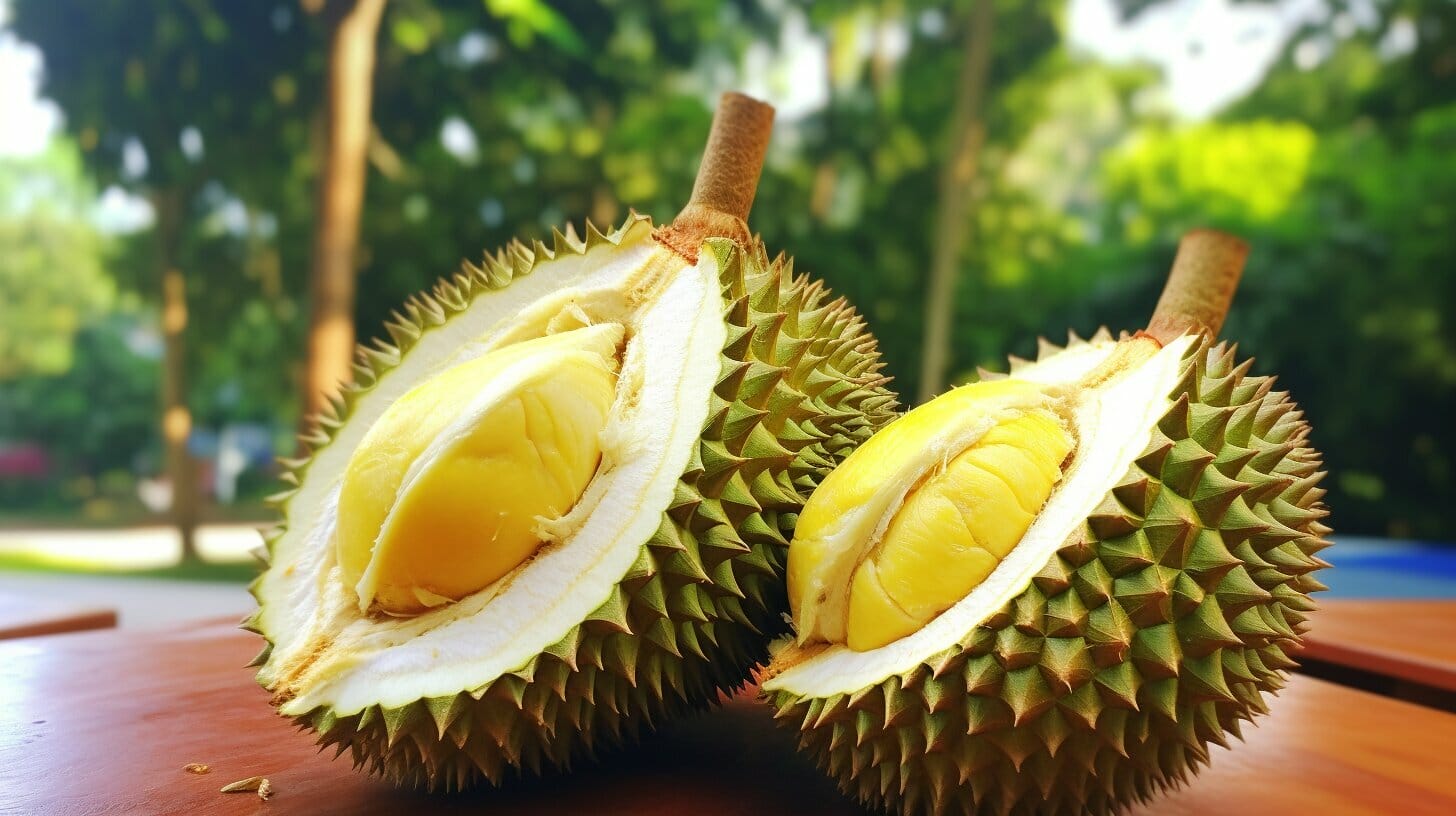
    This year’s early durian harvest in Malaysia is delivering creamier and more robustly flavored fruits to consumers. Durian types such as D604, Lipan, and Musang King have begun to catch the eye of passersby at various stands in Penang, a region renowned throughout Malaysia for its durians.

    Early Harvest, Creamier Durians

    Ang Hock Leng, a durian vendor in George Town, Penang, attributes the improvement in the fruit’s creaminess and flavor to the drier weather conditions this year. Despite the season only just beginning, these high-quality durians have already hit the shelves.

    With the early start to the season catching many off guard, it has primarily been the sight of these durian stands that has drawn in customers, claims Leng.

    Rising Prices

    According to Tan, another durian stand operator in George Town, the current supply of the fruit is limited, which has led to a price hike of approximately 20%.

    As an example, the early-season hybrid D604, known for its sweet, somewhat nutty flavor, is currently retailing at RM20-38 (US$5.1-9.6) per kilogram. The cost of the Musang King variety, on the other hand, is determined by factors such as grade and size, and its price ranges from RM45 to RM65 per kilogram.

    Despite the higher prices, Tan assures that this has not deterred durian lovers from indulging in the fruit. The fact that the season has started earlier than its usual mid-April commencement and the enhanced taste of the fruit are bonuses that consumers seem to be gladly accepting, regardless of the cost.

    Penang’s Durian Reputation

    Known for providing some of Malaysia’s most favored durians, Penang’s orchards had a difficult harvest last year, as the flowering stage was disrupted by rain and strong winds. This led to a delay in the season’s start, a shortened harvest period, and a decrease in yields.

    Nonetheless, once the season reached its peak later in the year, the region attracted large crowds to renowned durian hotspots such as Balik Pulau, Penang Hill, Padang Kota, and Batu Ferringhi.

    Longer Season, Lower Prices Predicted

    This year, however, Leng predicts that the season will last longer and that prices may decrease as production increases. He anticipates the fruit becoming cheaper from June onwards, due to what is expected to be a bumper yield.

    While the durian season has already commenced in Malaysia, the supply in Singapore, which imports a significant portion of its durians from its northern neighbor, has yet to pick up. Prominent vendors in Singapore, like 99 Old Trees Durian, Fruit Monkey Durian, and Combat Durian, currently only have limited quantities available, with a larger supply expected in early May.

    Questions & Answers

    Why are the durians creamier and more flavorful this year?
    According to durian vendor Ang Hock Leng, the drier weather conditions in Malaysia this year have resulted in creamier and more flavorful durians.

    What has caused the price increase in durians this season?
    The current limited supply of durians has led to a price increase of approximately 20%, as stated by Tan, a durian stand operator in George Town.

    When can consumers expect a decrease in durian prices?
    Prices are predicted to become cheaper from June onwards due to anticipated bumper yields, says durian vendor Ang Hock Leng.

  • Global Expansion Fuels Record-Breaking Q4 Earnings for Jollibee Foods Corporation

    Global Expansion Fuels Record-Breaking Q4 Earnings for Jollibee Foods Corporation

    Jollibee Foods Corporation achieved record earnings in Q4, driven largely by an increase in demand and enhanced operational efficiency, according to CEO Ernesto Tanmantiong.

    Stellar Performance

    Tanmantiong expressed pride in the company’s performance over the past year. The final quarter saw a record-breaking operating income, which saw a 41.9% increase from the previous year. This surge was attributed to a combination of robust sales momentum and improved operational leverage.

    The corporation’s net income for the quarter rose by 20.1% to $37.8 million (PHP2.2 billion), making for a 5.4% total increase to $189 million for the entire year. Furthermore, the Q4 operating income experienced a 41.9% increase, reaching a remarkable $70.6 million – a record for this period.

    Sustained Demand and Growth

    The company’s system-wide sales grew by 16.6% over the year, bolstered by sustained demand in both its local Philippine markets and international markets. Consolidated revenue for the fourth quarter was up by 9.8%, leading to a 13% total increase for the year.

    The company’s EBITDA (earnings before interest, taxes, depreciation, and amortization) saw a rise of 18.7% to $169 million in the final quarter, and overall, a 13.8% increase to $727.4 million for the year.

    International Operations and Expansion

    International operations remained a potent catalyst for growth, contributing to a 27% system-wide sales increase. The coffee and tea segment of the business also exhibited strong sales momentum, with a 44.9% increase in system-wide sales.

    Tanmantiong spoke about the company’s future, emphasizing execution and expansion as cornerstones of their strategy. He stated, “Our priorities remain clear: profitable growth, operational excellence, and consistent value creation for our shareholders and other stakeholders.”

    Over the past year, Jollibee Foods Corporation opened 1126 stores worldwide, setting a new annual record. The corporation has planned to expand its network by an additional 1200 to 1300 stores in the coming year.

    Questions & Answers

    What factors contributed to Jollibee Foods Corporation’s record Q4 earnings?

    Sustained demand and enhanced operational efficiency were key contributors.

    What future plans does the company have?

    Its CEO, Ernesto Tanmantiong, stated that the company will maintain its focus on profitable growth, operational excellence, and value creation for shareholders and stakeholders.

    What expansion is expected for Jollibee Foods Corporation in the coming year?

    The corporation plans to expand its network by an additional 1200 to 1300 stores worldwide.

  • Iconic Brunch Spot Penny University Bids Farewell to Jalan Klapa Outlet Amid F&B Industry Challenges

    Iconic Brunch Spot Penny University Bids Farewell to Jalan Klapa Outlet Amid F&B Industry Challenges

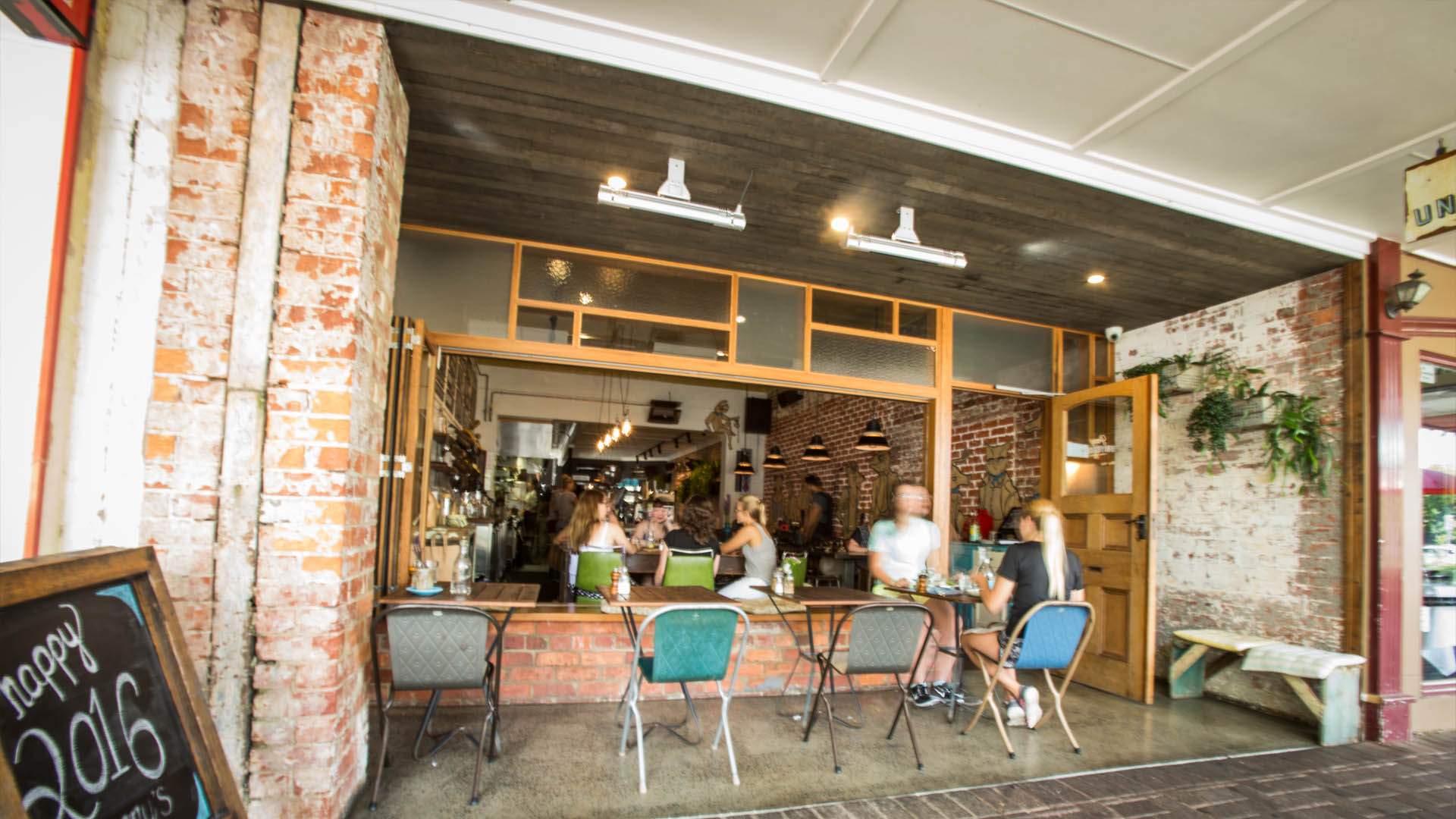
    Singapore-based Halal brunch café, Penny University, has announced the closure of its Jalan Klapa outlet. The doors will shut for the last time on May 3, following a challenging four-year period due to unfavorable conditions within the food and beverage industry.

    Established Reputation

    The café was established in 2012 on the East Coast and quickly garnered a reputation for its distinctive coffee and brunch selections. In 2022, after a successful decade at the original location, it moved to Jalan Klapa in Kampong Glam.

    In a post on Instagram, Penny University characterized its tenure at Jalan Klapa as an exciting journey. It emphasized how the café remained true to its commitment to serving quality coffee and brunch, while simultaneously building strong relationships with the local community. The café also expressed delight in the increase in its international clientele, describing them as a delightful crowd.

    Business Challenges

    The café acknowledged facing economic difficulties in the food and beverage sector, stating these as the reason behind the closure. “The economic conditions can be unforgiving, and we haven’t been an exception. The challenges in the F&B sector necessitate that we bid farewell to our time at Jalan Klapa,” the café shared in their post.

    They went on to express their sorrow at the closure but also their joy and gratitude for having had the opportunity to serve the patrons at this location. The café shared its intentions to use the closure period to recharge and reassess their next steps.

    Remaining Operations

    Despite the closure of the Jalan Klapa outlet, the café’s other outlet, located at Wisma Geylang Serai and opened in 2024, will continue to operate.

    During their tenure at Kampong Glam, Penny University had been a community hub, hosting events centred around the community like crochet sessions, art workshops, and book club meetings.

    Questions & Answers

    Why is Penny University closing its Jalan Klapa outlet?
    The café cited economic challenges within the food and beverage sector as the reason for the closure.

    When is the Jalan Klapa outlet closing?
    The Jalan Klapa outlet is set to close on May 3.

    Will the café’s other outlets remain open?
    Yes, the café’s Wisma Geylang Serai outlet, which opened in 2024, will continue operations.

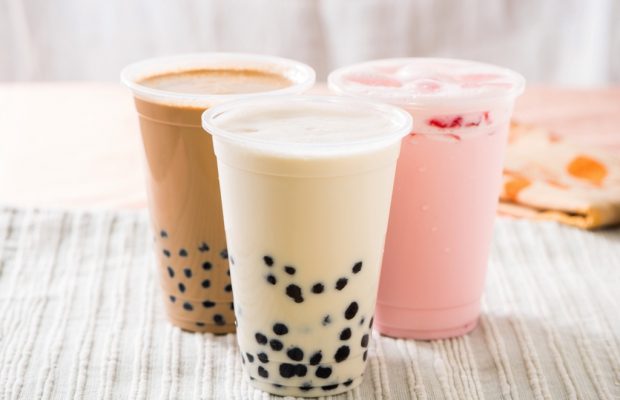
  • Milk Tea Giant Mixue Trims Overseas Presence, Closes 428 Stores – Pursues Optimized Operations in Indonesia and Vietnam

    Milk Tea Giant Mixue Trims Overseas Presence, Closes 428 Stores – Pursues Optimized Operations in Indonesia and Vietnam

    The world’s largest food and beverage chain, China’s Mixue, experienced a decrease in its international outlets in 2021. A significant number of these closures occurred in Indonesia and Vietnam, as the company strived to enhance its operations and efficiency.

    Strategic Store Closures

    While the exact number of closed outlets in Indonesia and Vietnam were not made public by Mixue, the company emphasised in its most recent financial statement a strategy to enhance the performance of their existing stores, to facilitate long-term, sustainable, and stable operations.

    Expansion in Other Territories

    Concurrently, Mixue expanded its reach in other countries including the United States and Kazakhstan, and launched its maiden stores in Malaysia and Thailand under a different brand, Lucky Cup.

    As of the end of last year, Mixue had a global presence with 59,823 outlets, the majority of which, 55,356, were located in mainland China. Indonesia and Vietnam are its two largest overseas markets. As of September 2024, Mixue had 1,304 outlets in Vietnam according to documents filed for its Hong Kong Initial Public Offering (IPO) in early 2025.

    Shifting Retail Strategy

    Mixue is in the process of transitioning from a traditional small-store format to larger outlets in Vietnam. The new locations will feature expanded preparation counters, street-facing storefronts, and more expansive floor areas than their predecessors. The company is also giving preference to prime locations for its outlets.

    The company made its debut in Vietnam in 2018, with an initial focus on Hanoi and the northern provinces. Since then, it has expanded its footprint nationwide. Some of its core offerings include lemonade, ice cream, milk tea, and fruit tea, all priced within an affordable range of VND10,000–30,000.

    Mixue credits its ability to maintain low prices to its control over the supply chain, which extends from raw material production and logistics to research and development and quality control.

    In a 2024 report, it was noted that Mixue has been instrumental in reshaping Vietnam’s milk tea market. The company has played a significant role in growing the affordable beverage segment and pursues an aggressive franchising strategy.

    Future Plans and Financial Performance

    Mixue has expressed plans to continue expanding its presence in Southeast Asia by further enhancing its franchisee network in the region.

    In terms of financial performance, Mixue saw a significant increase in its revenues and net profits last year. Revenues shot up by 35% to RMB33.56 billion (US$4.9 billion), and net profits rose by 33% to RMB5.93 billion.

    Questions & Answers

    What is Mixue’s current strategy in Vietnam?
    Mixue is transitioning from a traditional small-store format to larger outlets, with prime locations, expanded preparation counters, and larger floor areas.

    What are some of Mixue’s key products in Vietnam?
    Mixue’s core offerings in Vietnam include lemonade, ice cream, milk tea, and fruit tea.

    How has Mixue’s financial performance been in recent years?
    In the previous year, Mixue’s revenues increased by 35% to RMB33.56 billion (US$4.9 billion), and net profits rose by 33% to RMB5.93 billion.

  • Ikea’s Savory Surprise: Meatball-Flavored Chupa Chups Coming to Stores Worldwide

    Ikea’s Savory Surprise: Meatball-Flavored Chupa Chups Coming to Stores Worldwide

    Ingka Group has collaborated with confectionery brand Chupa Chups to bring a novel, meatball-inspired treat to Ikea stores across the globe this June. The peculiar confection, which was initially teased as an April Fools’ Day prank, garnered substantial customer interest, promoting the companies to make the concept a reality.

    From April Fool’s Joke to Reality

    On April 1st, the idea of a meatball-flavored lollipop was pitched, amusing customers and sparking curiosity. The response was so positive that the companies decided to turn the playful concept into a limited-edition treat. They plan to produce and distribute one million of these unique lollipops at numerous Ikea locations worldwide.

    The Flavor Inspiration

    The development of this product is in the hands of Chupa Chups. The confection is designed to mimic the taste of Ikea’s renowned Swedish meatballs paired with lingonberry. Rather than serving as a retail item, the lollipop is seen as an engaging extension of Ikea’s food offerings, intending to enhance the customer’s in-store experience.

    Javier Quiñones, commercial manager at Ingka Group, shared his enthusiasm about their partnership with Chupa Chups. He expressed that the lollipop is a delightful interpretation of their original idea and a unique way of celebrating their passion for food. He also noted the power of humor, remarking that even a simple joke could evolve into a tangible product and engage people in unexpected ways.

    Availability

    These intriguing lollipops won’t be up for sale. Instead, Ikea plans to treat customers by offering them as complimentary samples in stores throughout June.

    Questions & Answers

    What is the origin of the meatball-inspired lollipop?
    The concept started as an April Fool’s joke but due to the strong response from customers, the companies decided to make it a reality.

    What flavor will the lollipop have?
    The lollipop, developed by Chupa Chups, is intended to mimic the taste of Ikea’s popular Swedish meatballs coupled with lingonberry.

    Will these lollipops be available for purchase?
    No, they will not be available for sale. The lollipops will be given out as free samples to customers visiting Ikea stores in June.

  • Nutella Unveils Nutty New Flavor Revolution: Introducing Nutella Peanut after Six Decades

    Nutella Unveils Nutty New Flavor Revolution: Introducing Nutella Peanut after Six Decades

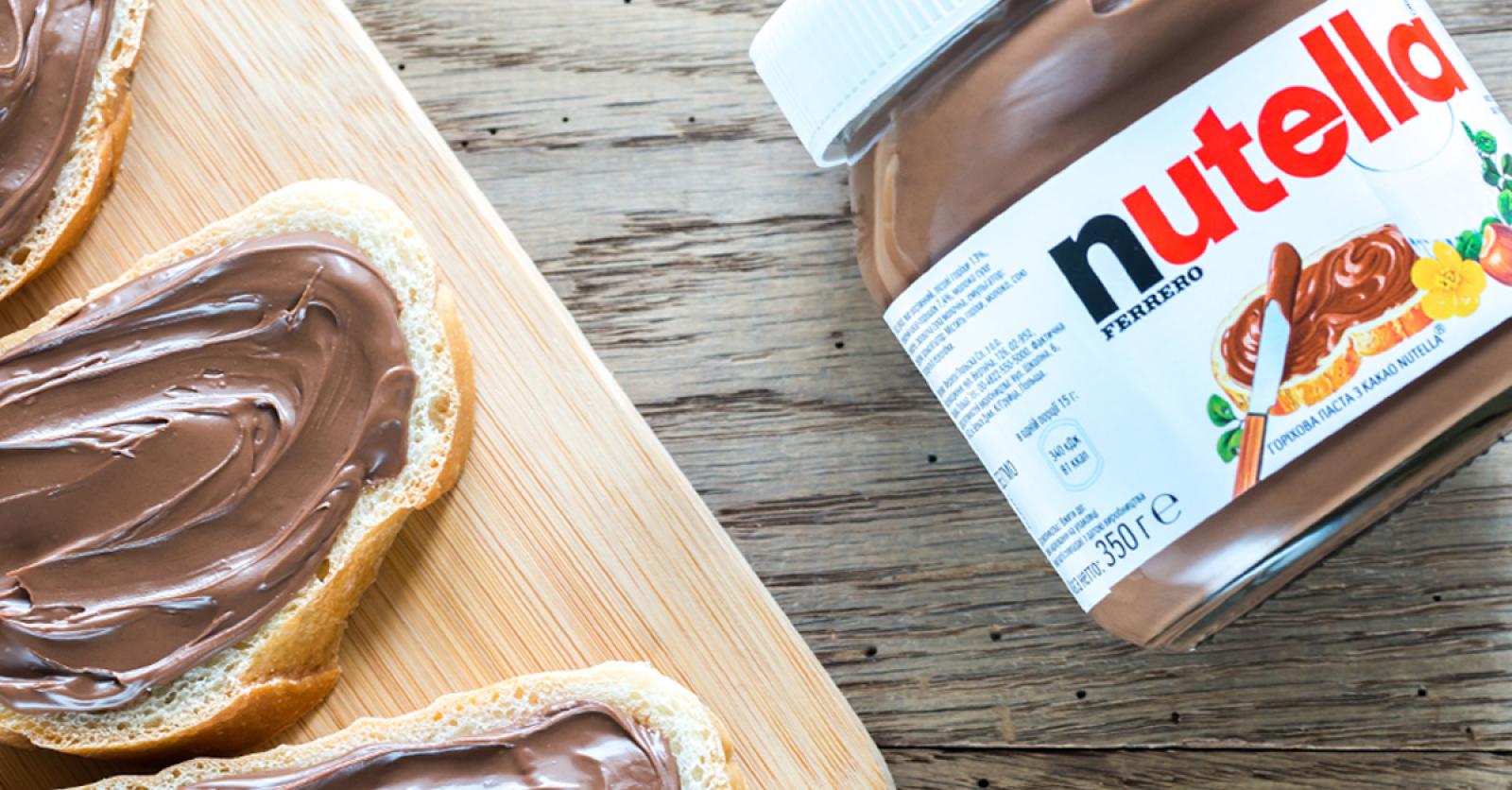
    Ferrero, the global confectionery company, has announced an innovative addition to its Nutella product line – Nutella Peanut. This new flavor is the first to be introduced by the brand in over six decades.

    Nutella Peanut: A Groundbreaking Flavor

    Nutella Peanut blends the beloved Nutella cocoa and hazelnut spread with roasted peanuts. Designed for daily consumption, this new blend is perfect for sandwiches and snacks.

    The company notes that the new product maintains the cherished creamy texture of Nutella while incorporating a distinct peanut flavor. Nutella Peanut is currently being introduced across the United States, with promotional events and in-store availability planned.

    Senior Vice President of Spreads for Ferrero North America, Noah Szporn, explained the company’s decision to innovate. “When a jar of Nutella becomes an internet sensation, even making its way into space, it opens a world of possibilities. As such, it was only logical for us to introduce our first new flavor in over 60 years,” said Szporn.

    A Strategic Move for Ferrero

    This launch marks a significant milestone for the global spread brand. Since its inception in 1964, Ferrero has primarily grown its Nutella product line through packaging and format innovations. The introduction of Nutella Peanut is part of the company’s strategic plan to cater to the changing tastes of consumers, especially in the North American market.

    Earlier in the year, Ferrero expanded its offerings with the launch of its frozen bakery range – Nutella Croissant and Nutella Muffin. These items are now accessible to food service partners across Australia.

    Questions & Answers

    What is the new flavor that Ferrero has added to its Nutella range?
    Ferrero has added a new flavor, Nutella Peanut, to its Nutella product line. This is the first new flavor that the brand has introduced in over six decades.

    What does Ferrero’s new Nutella Peanut blend consist of?
    The Nutella Peanut blend consists of the traditional Nutella cocoa and hazelnut spread mixed with roasted peanuts. The company claims the product retains Nutella’s well-loved creamy texture while offering a distinct peanut flavor.

    How does this new product fit into Ferrero’s overall strategy?
    The introduction of Nutella Peanut is part of Ferrero’s strategic plan to respond to evolving consumer tastes. It represents a significant milestone for the brand, which has primarily grown its product line through packaging and format innovations since its foundation in 1964.

  • Mangosteen Dethrones Durian: The Fruit Price Shift in Malaysia

    Mangosteen Dethrones Durian: The Fruit Price Shift in Malaysia

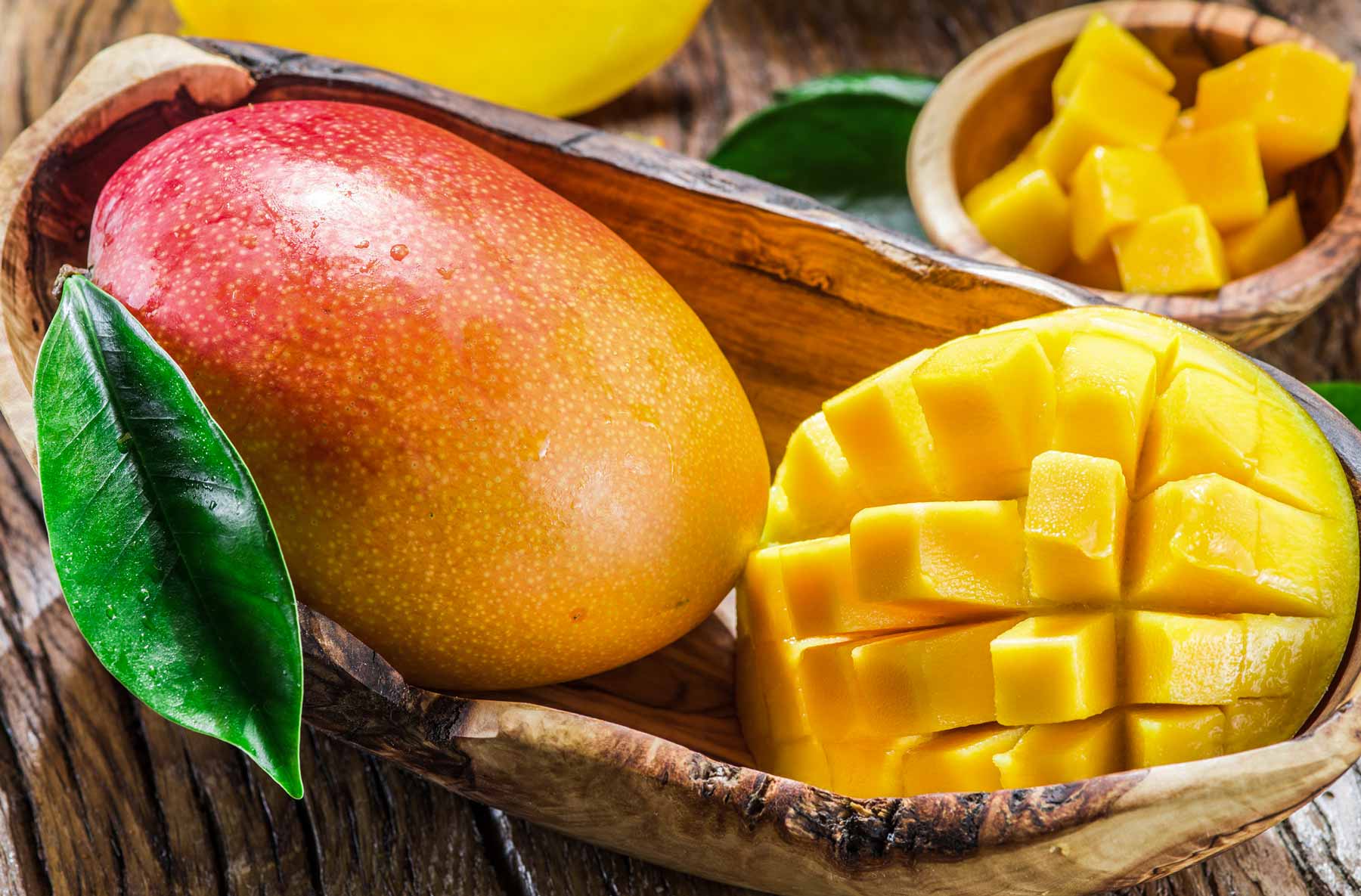
    In Malaysia, the locally adored fruit known as Mangosteen, often referred to as the “queen of fruits,” is becoming more costly than durians due to a shift in agricultural trends causing a decrease in supply. Prices for the locally cultivated Mesta variety of mangosteen, also known as the Japanese mangosteen, have risen to approximately RM20 per kilogram. In contrast, the price for the highly popular Musang King durian has fallen to around RM16.80 per kilogram.

    Availability and Promotions

    Numerous durian varieties, such as D13 and Red Prawn, are presently readily available, with prices as low as RM5 per fruit. One fruit seller, Walter Chew, says that they even have “buy one, get one free” promotions going on. According to Chew, the reason behind the decrease in durian prices is due to an increase in supply caused by a “mini season” which started approximately two weeks ago. This season introduces durians from several areas in Johor, Malaysia’s southernmost state.

    In contrast, the local supply of mangosteens has been inconsistent and limited, Chew points out. Another fruit seller, Yong Boon Sing, added that most mangosteens available on the market are now imported from Thailand and Indonesia.

    Changes in Supply due to Farming Shift

    Over the years, the supply of durians in Malaysia has increased as the fruit’s production and economic contribution have grown. In 2025, durian exports to China, the world’s largest durian market, reached a staggering $37.2 million. Malaysian durians are seen as premium produce, commanding much higher prices than those of regional competitors, averaging $12,138 per tonne as compared to $4,239 for Thai and $3,739 for Vietnamese fruits.

    The popularity of durian has also sparked a boost in tourism as more and more travelers plan their trips around harvest seasons, visiting orchards to taste different varieties and partake in experience-driven packages.

    Data has shown that durian plantations in Malaysia expanded from over 163,000 acres in 2016 to more than 227,000 acres by 2024. During this period, yields almost doubled to over 568,000 tonnes. The exponential increase in supply has consequently driven prices down. The Musang King durian, which was once sold for as much as RM100 per kilogram, has seen prices drop by about 80%.

    Mangosteen trees are often grown alongside durians as an additional source of revenue and for creating a more balanced farm ecosystem. As a result, mangosteen has traditionally been available during the durian season, with the two fruits commonly enjoyed together. However, Yong notes that many new durian farm owners have recently cut down mangosteen trees as their foliage can block sunlight and limit rain reaching the durian roots. This has led to a decline in mangosteen production and, subsequently, an increase in prices.

    Nor Sam Alwi, director-general of the Department of Agriculture, stated that mangosteen production declined from 23,297 tonnes in 2020 to 22,073 tonnes in 2023. She attributed this to the crop’s lengthy juvenile phase, which lasts over six years until it reaches full production. This has made it less attractive for investment, especially when compared to more profitable crops like durian.

    Alwi, however, also noted that yields have been impacted by several factors, including weather changes and increased vulnerability to certain physiological disorders. Preliminary data for 2024 indicates a potential recovery in output.

    Chin Nyuk Moy, the president of the Kuala Lumpur Fruit Wholesalers’ Association, stated that the days when mangosteen was readily available during durian season are mostly over. “Some orchards in Raub still grow the Japan variety, but those days are mostly over.”

    Questions & Answers

    Why has there been a decrease in the supply of mangosteens?
    This is mainly due to new durian farm owners cutting down mangosteen trees as their foliage can block sunlight and limit rain from reaching durian roots. Also, the crop’s long juvenile phase discourages investment.

    What is the current situation for durian exports?
    Durian exports, especially to China, are flourishing. In 2025, durian exports to China reached $37.2 million. Malaysian durians are seen as premium produce and command much higher prices than those of regional competitors.

    How has the shift in farming trends affected the prices of durians and mangosteens?
    The increase in durian supply has led to a decrease in prices. In contrast, the decrease in mangosteen production has led to an increase in prices due to its limited availability.

  • Revolutionizing Beverage Discovery: Starbucks Tests ChatGPT for Personalized Drink Recommendations

    Revolutionizing Beverage Discovery: Starbucks Tests ChatGPT for Personalized Drink Recommendations

    Starbucks is testing an innovative feature, ChatGPT beta, which allows customers to explore and customize their drinks through interactive prompts. This latest feature, which was rolled out this week, provides consumers with personalized beverage recommendations based on their mood, preferences, or situations, with the optional use of image inputs to further tailor the suggestions.

    The ChatGPT tool signifies a shift from traditional menu browsing to a more user-friendly, intention-based interaction. The platform allows customers to customize their order, select a store, and initiate an order. The final checkout can be completed via either the Starbucks app or their website.

    Reimagining the Ordering Process

    The addition of the ChatGPT beta feature to the Starbucks digital ordering process reflects the company’s commitment to making online ordering more instinctive and emotionally engaging. The aim is to transform the beverage selection process into an enjoyable journey of discovery, rather than a mere transactional search.

    Paul Riedel, Senior Vice President of Digital and Loyalty for Starbucks, stated, “Our goal is to engage with customers at the point of inspiration and make it as simple as possible for them to find a beverage that resonates with them.” He further added, “The introduction of the Starbucks app into ChatGPT is a significant move towards making this a reality, in a manner that is uniquely Starbucks – welcoming, warm, and steeped in creativity.”

    Stages of Development

    Starbucks is presenting this beta version as an initial testing phase. The development and enhancement of this feature will rely heavily on feedback from users.

    Questions & Answers

    What is the purpose of the new ChatGPT beta feature launched by Starbucks?
    It allows customers to discover and customise their beverages based on their preferences, moods, or occasions through interactive prompts.

    How does Starbucks view the new feature?
    Starbucks views the new tool as a shift from conventional menu browsing to a more user-friendly, intention-based interaction. It aims to make digital ordering more instinctive and emotionally engaging.

    What will determine the further development of the ChatGPT beta feature?
    The further development and improvement of the ChatGPT beta feature will depend on the feedback received from its users.

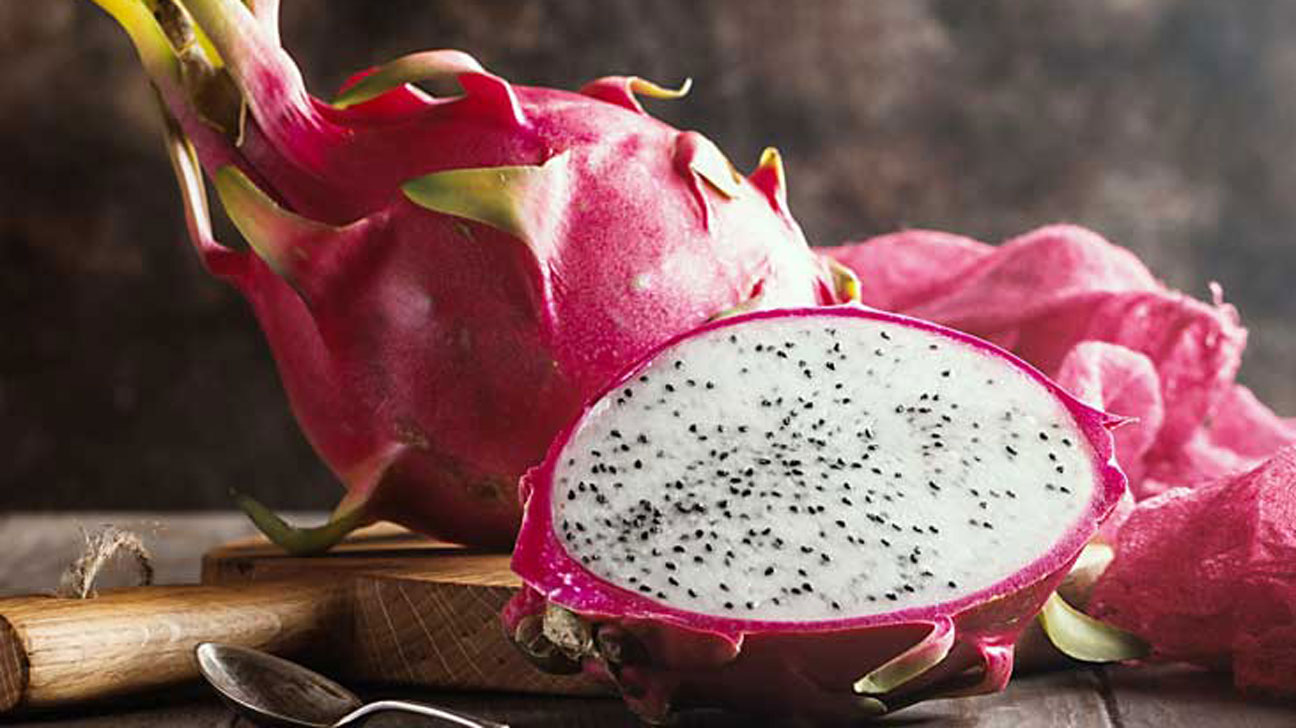
  • Vietnam’s Dragon Fruit Exports Soar: Thailand and Middle East Demand Spikes in 2026

    Vietnam’s Dragon Fruit Exports Soar: Thailand and Middle East Demand Spikes in 2026

    The initial two months of 2026 witnessed a 14% annual increase in Vietnam’s dragon fruit exports, amounting to US$108.5 million. This surge was primarily driven by a significant hike in deliveries to Thailand and the Middle East.

    Vietnam’s Dragon Fruit Export Market

    Cargo to Thailand experienced an over 2.7-fold increase, amounting to $9.2 million, while shipments to the United Arab Emirates grew by 57% to reach a value of $3.3 million.

    China, however, retained its position as the largest buyer, accounting for $66.5 million of all exports, marking a 5% increase in comparison to previous years. On the other hand, demand from the U.S. saw a considerable decrease, falling by 39% to a value of $4 million.

    These figures from the initial two months of the year could indicate a resurgence of shipments, pointing towards a potential recovery following a period of sustained decline.

    Historical Trends in Dragon Fruit Exports

    Between 2014 and 2018, the annual worth of dragon fruit exports consistently exceeded $1 billion. However, shifts in consumption patterns and increased competition led to a steady decline in the succeeding years.

    The total worth of exports in the first 11 months of the previous year stood at $485.2 million, corresponding to the lowest recorded value since 2014.

    Production and Supply Factors

    Dragon fruit in Vietnam is predominantly harvested between May and September, although some off-season cultivation occurs in January and February. However, supply has been falling in recent years as farmers have transitioned towards more profitable crops.

    Adverse weather conditions have also negatively impacted yield. Widespread flooding towards the end of last year resulted in fungal diseases in plants, significantly affecting dragon fruit production, particularly in Binh Thuan Province, a key cultivation region.

    As a consequence of dwindling supply, farm-gate prices have seen a rise. During the first two months of this year, white-fleshed dragon fruit was sold for VND10,000-15,000 (US$0.38-0.57) per kilogram, and the red-fleshed variety was priced at VND15,000-25,000.

    Questions & Answers

    What led to the surge in Vietnam’s dragon fruit exports in early 2026?
    A significant hike in deliveries to Thailand and the Middle East primarily drove the increase in exports.

    Which is the largest market for Vietnam’s dragon fruit exports?
    China is the largest market, accounting for $66.5 million of all exports.

    What are the factors impacting the supply of dragon fruit in Vietnam?
    A shift by farmers towards more profitable crops and adverse weather conditions causing fungal diseases in plants have led to a decline in dragon fruit supply.

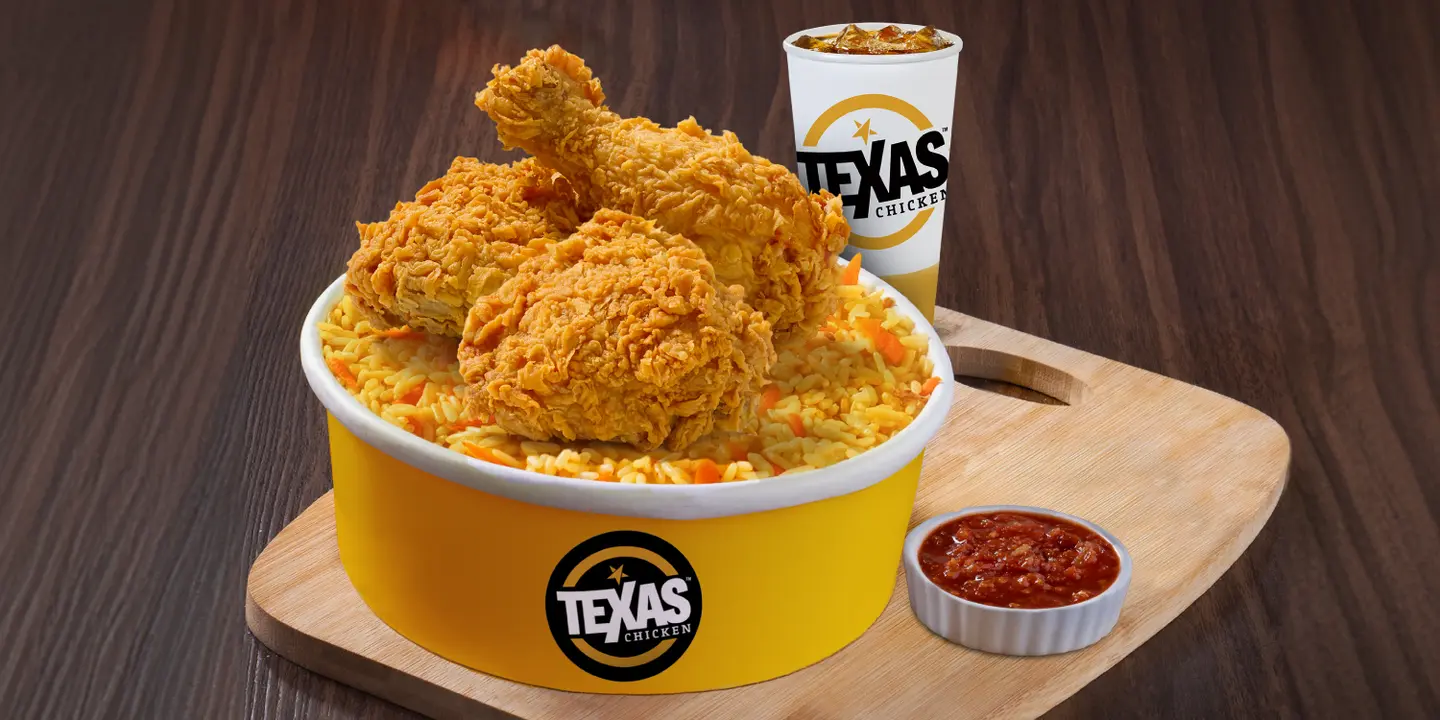
  • Texas Chicken Set to Conquer Chinese Market with 600+ Stores: The Biggest International Expansion to Date

    Texas Chicken Set to Conquer Chinese Market with 600+ Stores: The Biggest International Expansion to Date

    Texas Chicken, a prominent quick-service restaurant chain, is set to expand its footprint to China. The company plans to inaugurate its first restaurant in the country later in the year, following a significant deal to open over 600 establishments nationwide.

    China: The 27th International Market

    The upcoming debut of Texas Chicken in China signifies its entry into its 27th international market. The first restaurant under this brand will be launched in Shanghai this summer, followed by additional outlets in various locations. The company aims to create a robust presence in the Chinese market by opening more than 600 restaurants throughout the country.

    Strategic Partnership with Deke Shengtang

    To facilitate its successful entry into the Chinese market, Texas Chicken has formed a strategic alliance with Deke Shengtang, a renowned local operator for several quick-service restaurant brands. The partnership entails a franchise agreement that will see the development of 600 or more restaurants across China in the coming years.

    According to Texas Chicken, this franchising agreement marks the company’s most significant international development deal to date, reflecting its long-term confidence in the Chinese market.

    Executives’ Insights

    Roland Gonzalez, the CEO of Texas Chicken, stated, “China is one of the most dynamic and influential consumer markets globally, and we are entering it with a brand primed for connection – boasting big flavour, real value, and a spirit that unifies people.”

    Tim Wadell, EVP of International Business at Texas Chicken, further stated, “The team at Deke Shengtang brings the local expertise and ambition we seek in a partner.”

    The company will release more details about the restaurant design, locations, and future openings in China as the launch date approaches.

    Company Background

    George W Church Sr established Church’s Texas Chicken in San Antonio, Texas, in 1952. Texas Chicken, the sister brand, oversees operations outside the US. The quick-service restaurant chain currently operates over 1400 locations worldwide.

    Questions & Answers

    What is the significance of Texas Chicken’s entry into China?
    Texas Chicken’s entry into China marks its expansion into its 27th international market, representing a significant milestone in the company’s global growth strategy.

    Who has Texas Chicken partnered with for its market entry into China?
    Texas Chicken has formed an alliance with Deke Shengtang, a leading local operator of multiple quick-service restaurant brands, to facilitate its market entry into China.

    What is the expected number of Texas Chicken restaurants in China?
    Following a franchise agreement with Deke Shengtang, Texas Chicken plans to develop 600 or more restaurants across China in the next few years.