Category: Food

Retail News Asia is committed to providing both local and global retailers with the latest Food and Food & Beverage news throughout the Asian market. This on a daily base.

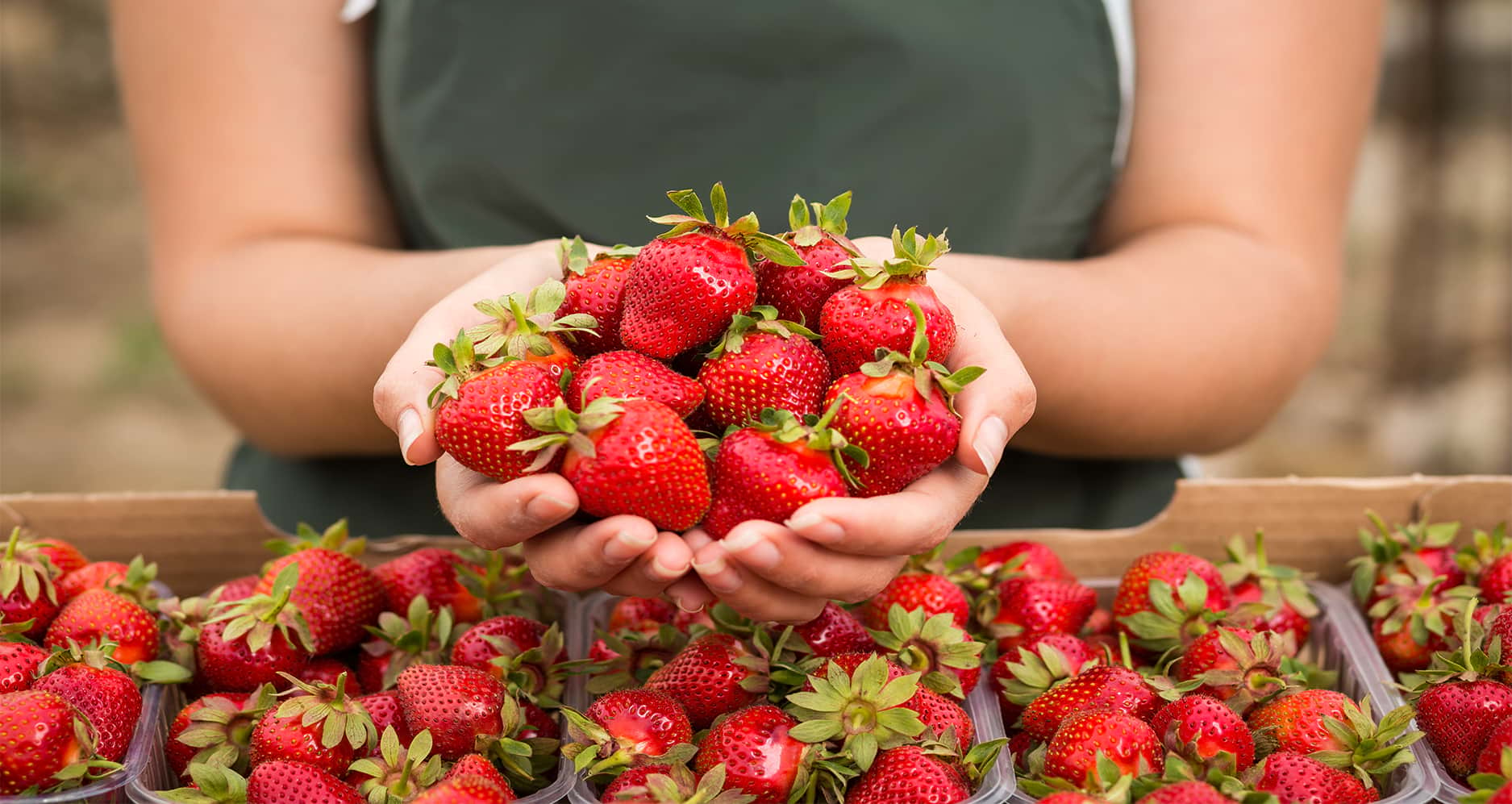
  • Strawberry Boom: Vietnam’s Berry Exports Skyrocket 2000-fold in 2026, Unlocking New Potential in Fruit Market

    Strawberry Boom: Vietnam’s Berry Exports Skyrocket 2000-fold in 2026, Unlocking New Potential in Fruit Market

    In the opening months of 2026, the export value of strawberries soared to a whopping US$3.4 million. This figure is a substantial increase from the previous year, with a growth margin of 2,000 times. Despite the significant leap, strawberry exports only made up a minor 0.34% of the total fruit exports as per the customs data.

    Yearly Export Overview

    Throughout the entirety of the previous year, the export value of the fruit totaled only $1.74 million. This is a considerable leap from the meager $6,000 earned from exports in 2021. Dang Phuc Nguyen, the General Secretary of the Vietnam Fruit and Vegetable Association, pointed out that Vietnamese strawberries make their way to various international markets. These include China, South Korea, Japan, Singapore, Malaysia, Thailand, the EU, and the Middle East.

    The majority of the exported strawberries were either frozen, freeze-dried, or processed, as these forms are easier to preserve and transport. Nguyen emphasized the considerable growth potential of this product if improvements can be made in quality and preservation techniques.

    Major Production Regions

    Lam Dong Province in the Central Highlands and the Son La province in the northwestern region are the leading producers of strawberries that meet GlobalGAP quality standards. Son La covers a wide 600 hectares with strawberry cultivation, producing around 10,000 tons per year, while Lam Dong utilizes a smaller 170-hectare area.

    Several other regions, including Hanoi, have begun to cultivate strawberries using smart farming models. Nguyen Xuan Nam, a representative of the Xuan Que Strawberry Cooperative in Son La, stated that the cooperative’s 17 members collectively manage a 50-hectare area, which produces an annual yield of 1,250 tons.

    Utilization and Market Challenges

    The harvested strawberries are typically processed into wine, syrup, and dried products. These goods are either locally distributed to Ho Chi Minh City or exported to international markets like Russia and Thailand. However, Nam reported that domestic sales and exports have been sluggish due to high yields and low market prices, causing financial losses for numerous strawberry growers.

    To counter these market challenges, Nam urged the development and implementation of policies to support advancements in preservation technologies, which would stimulate export growth. He believes that promoting exports at stable prices could provide farmers with a more predictable and secure income.

    As per the Fruit Association’s Nguyen, addressing challenges in preservation, logistics, and market expansion could pave the way for strawberries to become a major agricultural export product for Vietnam. This would help the country diversify its export portfolio, which currently mainly comprises traditional fruits like durian, mango, dragon fruit, and banana.

    Questions & Answers

    What is the export value of strawberries in the first two months of 2026?
    The export value of strawberries in the first two months of 2026 was US$3.4 million.

    What forms of strawberries are mainly exported?
    Mainly, frozen, freeze-dried, or processed strawberries are exported due to their ease of preservation and transport.

    What are the primary challenges facing the strawberry export market in Vietnam?
    The primary challenges include preservation, logistics, and market expansion. There is also a need for stable pricing to provide predictability and security for farmers.
  • Malaysia’s Food Prices Set to Skyrocket by 50% in Wake of Fuel Crisis, Trade Associations Warn

    Malaysia’s Food Prices Set to Skyrocket by 50% in Wake of Fuel Crisis, Trade Associations Warn

    Trade associations in Malaysia are warning that the country’s food prices could potentially surge by up to 50% due to the escalating energy crisis linked to the conflict in Iran. This crisis has led to an increase in fuel costs, which in turn is inflating the prices of raw materials. These materials are vital in the preparation of daily staples like nasi lemak, a popular dish of rice and meat served on a pandan leaf with spicy chili paste. The prices of these ingredients have already witnessed a significant rise, leaving traders little choice but to pass on the increases to consumers.

    Impact on Traders

    Rosli Sulaiman, president of the Federation of Malaysian Hawkers and Traders Associations, noted that even before the spike in fuel prices, costs had already risen by around 20% to 30%. He warned that when costs are high and return profits are non-existent, traders are compelled to raise their selling prices, albeit at a small margin. The impact of this situation is most deeply felt by small traders, hawkers, and the general public.

    The Malaysian Muslim Restaurant Owners Association (Presma), representing the Indian-Muslim community’s 24-hour eateries, already reported a cost increase of up to 30% within the past year. These cost upticks are affecting raw ingredients like chicken and vegetables, as well as cooking gas and plastic packaging.

    Pressures on the Food and Beverage Industry

    Government data reveals that Malaysians’ expenditure on dining out surpassed MYR870 (US$216) per month in 2024, denoting a 17% rise from the previous year. This trend indicates a growing affinity towards eating out as opposed to cooking at home and accounts for over 12% of the median monthly household income of MYR7,017.

    However, experts caution that the country’s MYR60 billion food and beverage industry could struggle to maintain growth if global crude oil prices – which peaked at $115 per barrel recently – stay high for an extended period. Fertilizer shortages impacting agriculture, as well as increasing shipping and logistics costs, could also contribute to imported inflation, thus affecting the sector beyond higher energy and transport costs.

    Potential Impacts on the Economy

    Doris Liew, an economist specializing in Southeast Asian development, warns that these secondary effects are likely to be more persistent in a trade-dependent economy like Malaysia than the initial energy shock. Despite Malaysia’s targeted fuel subsidies potentially buffering households from immediate price shocks, they are unlikely to offset the rising input costs for businesses. These costs are anticipated to trickle down to consumers, which could dampen business sentiment and consumer confidence, leading both companies and households to curtail spending amidst uncertainty.

    Questions & Answers

    What impact is the energy crisis having on Malaysia?
    The energy crisis associated with the conflict in Iran is driving up Malaysia’s food prices, with potential surges of up to 50%. The cost increase is affecting raw materials essential for daily living, and these costs are being passed on to consumers.

    What impact could the surge in prices have on the wider economy?
    The surge in prices could dampen both business sentiment and consumer confidence, causing companies and households to reduce spending due to uncertainty. This has the potential to slow economic growth amidst increasing inflation.

    What are potential solutions to offset the rising costs?
    While Malaysia’s targeted fuel subsidies may buffer households from immediate price shocks, these measures are unlikely to mitigate the rising input costs for businesses. It is crucial for the government to assure citizens of sufficient fuel and food supplies, backing up these claims with data to regain public confidence.

  • Vietnam Soars to 2nd Place in European Poultry Imports: A Boom in Southeast Asia’s Poultry Market

    Vietnam Soars to 2nd Place in European Poultry Imports: A Boom in Southeast Asia’s Poultry Market

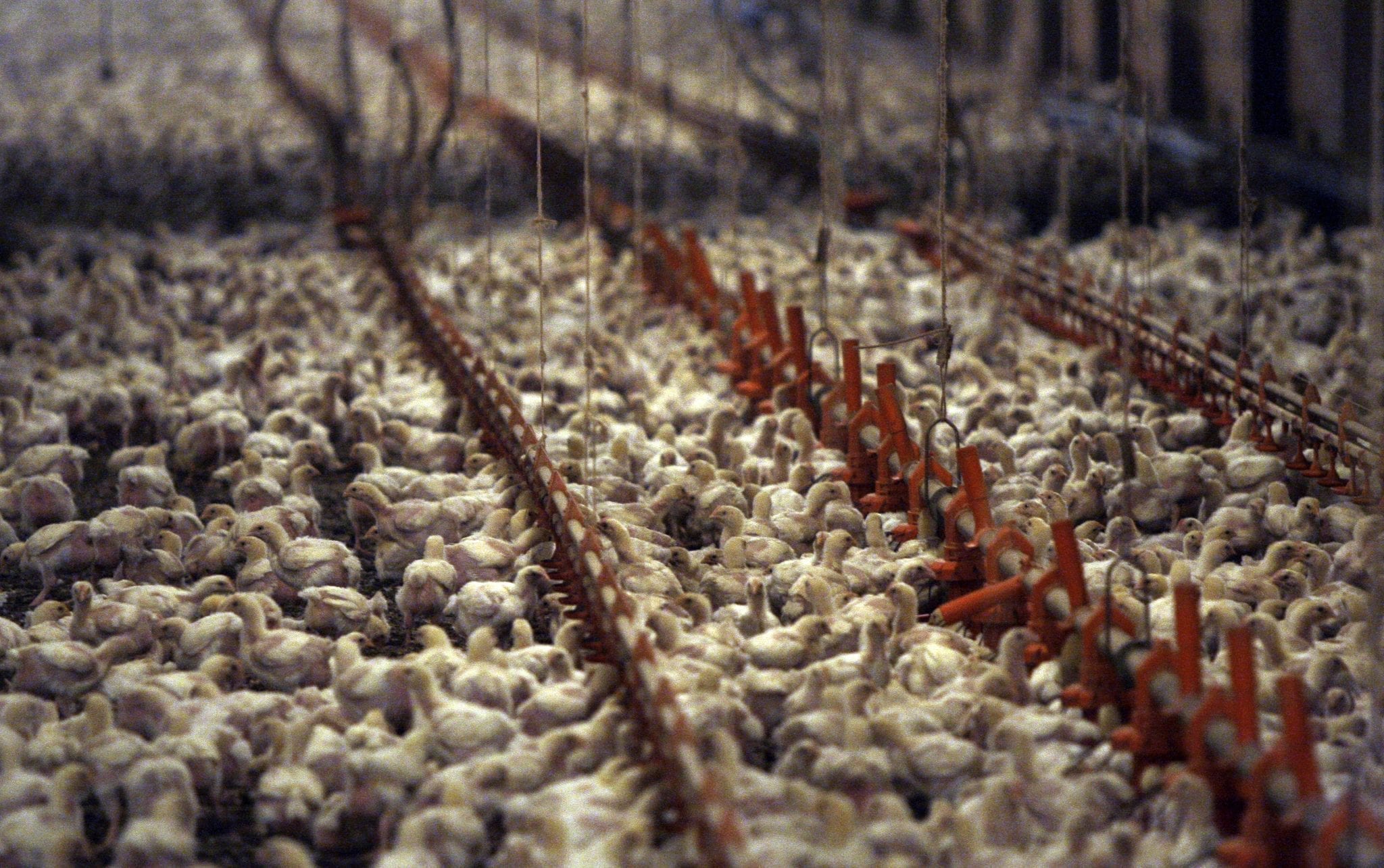
    In 2025, Vietnam witnessed an impressive import of over 56,500 tonnes of poultry from Europe, securing the country’s position as the second-largest consumer in Southeast Asia, with the Philippines leading the pack. This considerable import included various products like duck, chicken, and goose from the European Union (E.U.). These figures, released by the European Commission, show the steadily increasing demand for imported poultry products in the country. By January 2026, Vietnam had clinched the top spot as the largest importer of European poultry in the region, with purchases amounting to over 5,300 tonnes.

    Major European Suppliers

    Poland was the key European country supplying poultry to Vietnam, exporting over 37,300 tonnes in the previous year. France trailed behind with about 4,900 tonnes. Other significant contributors were Hungary, Italy, and the Netherlands, with respective exports of 4,680 tonnes, 2,750 tonnes, and 2,170 tonnes.

    According to Dariusz Goszczynski, a representative of the European poultry sector and President of the National Poultry Council under the Polish Chamber of Commerce, Vietnam is a priority market in the region for the E.U.’s poultry industry. This was highlighted during a promotional event in Ho Chi Minh City, under the campaign “European Poultry – From Farm to Fork.”

    Recovery from Pandemic-induced Disruptions

    Poultry importation in Vietnam experienced a downturn during 2021 to 2022 due to the disruptive effects of the Covid-19 pandemic, averaging around 30,000 tonnes per year. However, the volumes have bounced back almost twofold since 2023 as consumption regained momentum.

    Piotr Harasimowicz, the head of the Polish Investment and Trade Agency (PAIH) office in Vietnam, attributed the upswing in imports to the growing consumer trust in European poultry products, renowned for their strict safety and quality standards.

    Future Projections

    Industry professionals expect the demand to continue on an upward trajectory. The annual exports of Polish poultry to Vietnam alone are projected to hit an estimated 45,000 tonnes in the upcoming years.

    According to Agro Monitor, a market data provider, chicken accounted for 33% of Vietnam’s total meat consumption in 2024, a rise from 29% in 2022. This hints at a shift in dietary preferences towards poultry. The average egg consumption per person per year was about 198 eggs, still trailing behind the global average of 250–300 eggs, signifying further potential for market expansion.

    In line with income growth and urbanization, Vietnam’s evolving food consumption patterns are expected to support both domestic livestock development and the continued growth in poultry imports.

    Questions & Answers

    What is the status of Vietnam’s poultry imports from Europe?
    In 2025, Vietnam imported over 56,500 tonnes of poultry from Europe, becoming the second-largest consumer in Southeast Asia.

    Who are the major European suppliers of poultry to Vietnam?
    Poland, France, Hungary, Italy, and the Netherlands are the major European suppliers of poultry to Vietnam.

    What are the future projections for Vietnam’s poultry market?
    The demand for poultry in Vietnam is expected to continue expanding, with annual exports of Polish poultry alone projected to reach about 45,000 tonnes in the coming years. The country’s shifting food consumption patterns, due to factors such as income growth and urbanization, suggest further potential for market growth.

  • Domino’s China Soars High: Record Revenue and Aggressive Expansion Mark FY25 Success

    Domino’s China Soars High: Record Revenue and Aggressive Expansion Mark FY25 Success

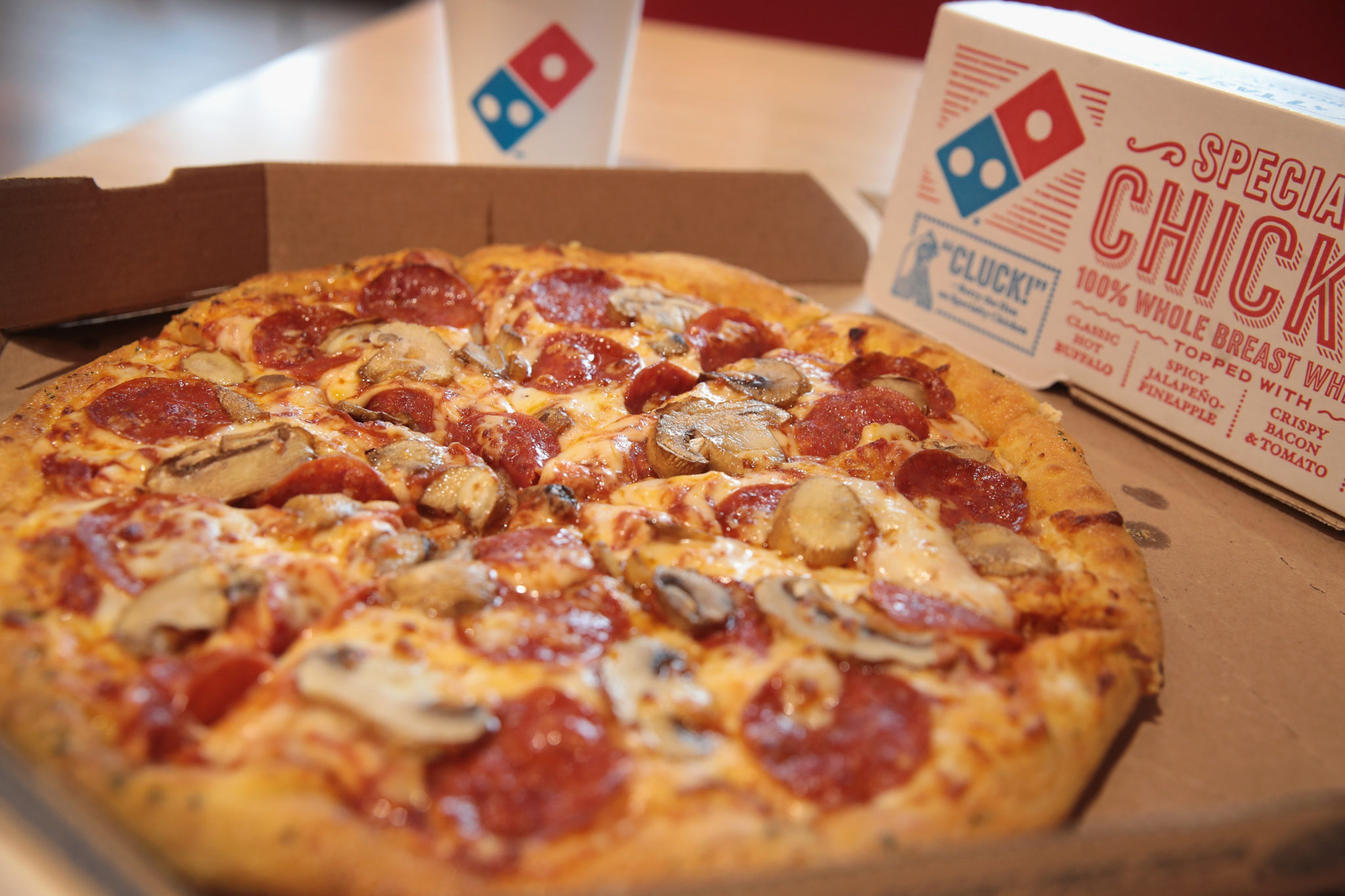
    DPC Dash, the firm in charge of Domino’s operations in China, has noted a substantial revenue increase as well as an ambitious expansion of stores across the country for the fiscal year 2025. The firm’s recorded revenue growth constituted a 24.8% increase year-over-year, amounting to RMB 5.38 billion (approximately US$778 million).

    Consolidating and Expanding Market Presence

    The company has persistently followed a strategic ‘Go Deeper, Go Broader’ approach, emphasizing its expansion into new markets and simultaneously fortifying its foothold in already established markets. Aileen Wang, CEO of DPC Dash, reiterated the firm’s strategic approach during an earnings call, where she noted the company’s disciplined expansion strategy of broadening its reach into new markets and deepening penetration in already existing ones.

    According to Wang, DPC Dash has noticed impressive performance in newly established stores in emerging markets. The daily sales of these stores have surpassed historical averages, clearly reflecting the attractive economic aspects of each unit and the capital efficiency of their developmental model.

    Record Breaking Expansion

    Last year, DPC Dash launched an impressive 307 new stores, extending its reach to 21 fresh cities and bringing the total count of its network to 1315 stores across 60 cities. Notably, the company recorded positive same-store sales growth throughout the year in Tier 1 cities. Furthermore, as of January 31, the company held all top positions in global Domino’s records for the first 30-day sales of new stores.

    DPC Dash’s CFO, Helen Wu, stated that the company has managed to leverage its scale and efficiency gains to strengthen profitability and establish a solid foundation for sustainable, long-term success.

    Loyalty Program Success and Future Goals

    DPC Dash also reported a strong engagement with its loyalty program, noting that the program’s membership increased by 45.3%, from 24.5 million in 2024 to 35.6 million last year.

    Looking forward, DPC Dash anticipates the opening of approximately 350 new stores in the fiscal year 2026. As of March 20, the company had already opened 140 new stores, with 14 under construction and 65 under contract for future development.

    Questions & Answers

    What was the percentage increase in DPC Dash’s revenue year-over-year?
    DPC Dash recorded a 24.8% increase in its revenue year-over-year.

    How many new stores did DPC Dash open in 2025 and in how many new cities?
    DPC Dash opened 307 new stores in 2025, expanding into 21 new cities.

    What is the projected number of new stores DPC Dash plans to open in 2026?
    DPC Dash plans to open approximately 350 new stores in 2026.

  • Domino’s China Ignites Growth with Aggressive Store Expansion: A Story of Record Revenues and National Penetration

    Domino’s China Ignites Growth with Aggressive Store Expansion: A Story of Record Revenues and National Penetration

    DPC Dash, the franchisee responsible for operating Domino’s outlets across China, has announced significant revenue growth and an ambitious store expansion campaign throughout the country in 2025.

    Impressive Revenue Growth

    DPC Dash declared a 24.8% rise in revenue on a year-over-year basis, amounting to RMB 5.38 billion, equivalent to approximately US$778 million. This robust growth is a testament to the company’s thriving operations and successful market strategies.

    ‘Go Deeper, Go Broader’

    In terms of expansion, the company has continued to adopt a disciplined strategy titled ‘Go Deeper, Go Broader’. This strategy involves penetrating deeper into existing cities while also stretching out to new locations. Aileen Wang, CEO of DPC Dash, confirmed this during the earnings call, stating that the company had effectively extended its infiltration in existing cities and extended its footprint to new areas.

    Strong performance was observed in the newly opened stores within these growth markets. These outlets have recorded average daily sales that surpass the historical averages, thereby illustrating the appealing unit economics and capital efficiency of the franchise’s development model.

    Aggressive Expansion and Store Performance

    DPC Dash launched 307 additional stores in 2025, thereby entering 21 new cities and expanding its network to a total of 1315 stores across 60 cities. The franchise’s Tier 1 city markets witnessed positive same-store sales growth throughout the year. Furthermore, the first 30-day sales records of new stores held all top spots globally within Domino’s records as of the end of January.

    Helen Wu, CFO of DPC Dash, highlighted the company’s gains in efficiency and the benefits of scale, stating that these elements have enhanced profitability and laid a robust foundation for long-lasting, sustainable success.

    Loyalty Program and Future Plans

    DPC Dash also reported a surge in engagement in its loyalty program, which grew by 45.3% in 2025, up from 24.5 million members in 2024 to 35.6 million members.

    Looking forward, DPC Dash plans to inaugurate approximately 350 new stores in the fiscal year 2026. As of March 20, the company has already opened 140 new stores, with 14 under construction and 65 signed for future development.

    Questions & Answers

    What is DPC Dash’s ‘Go Deeper, Go Broader’ strategy?
    This is a disciplined expansion plan that focuses on deepening the penetration into existing cities and extending reach into new markets.

    What is the overall growth of DPC Dash’s loyalty program?
    The company’s loyalty program grew by 45.3% in 2025, reaching a total of 35.6 million members.

    What are the future expansion plans of DPC Dash?
    DPC Dash plans to open approximately 350 new stores in the fiscal year 2026, with a significant number already opened, under construction or assigned for future development.

  • Danone Dives into Functional Nutrition with $1.6Bn Huel Acquisition: A Power Move in Global Health Market

    Danone Dives into Functional Nutrition with $1.6Bn Huel Acquisition: A Power Move in Global Health Market

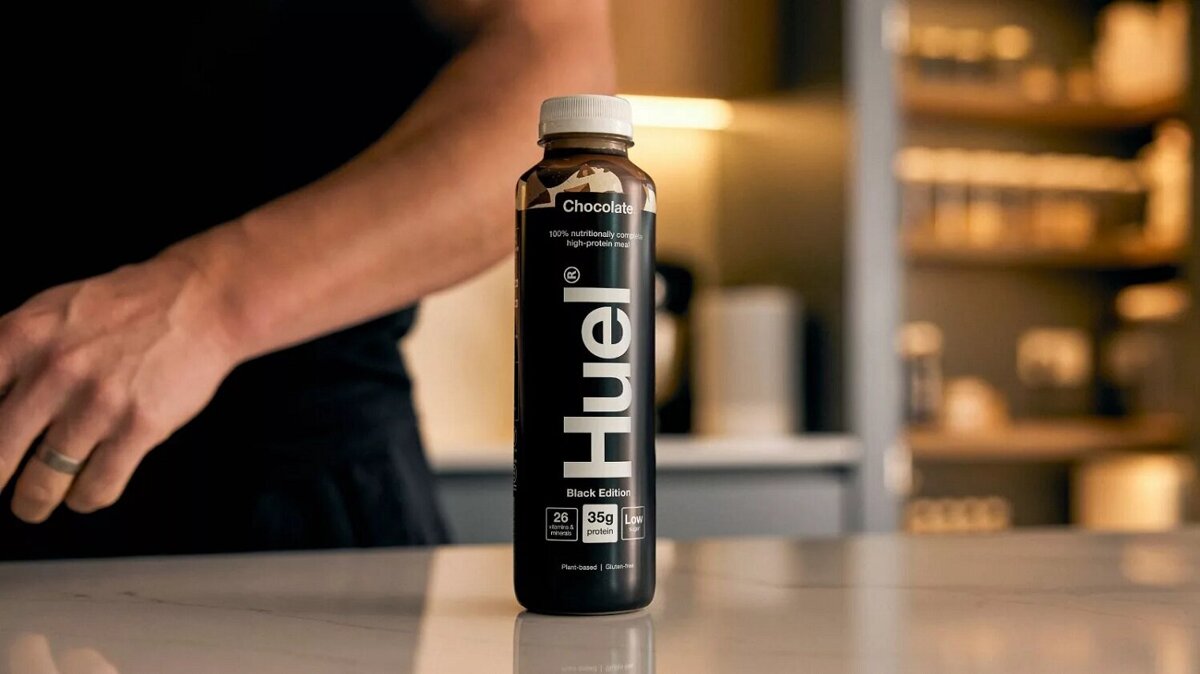
    Danone, the global leader in food and beverages, recently made public its purchase of UK-based nutrition drink company, Huel, for a staggering $1.65 billion.

    Huel: Convenience in Every Sip

    Huel, established in the year 2015, has staked its reputation on supplying “nutritionally complete” ingredients in its products. As a convenience beverage, Huel has earned the loyalty of consumers over the years. Moreover, the company has expanded its product range to include meals, bars and health supplements.

    New Horizons for Danone

    By acquiring Huel, Danone aims to explore the functional nutrition space further. Danone CEO, Antoine de Saint-Affrique, expressed his excitement over the acquisition and the potential it holds. He said, “We are delighted to welcome Huel and the Huel team into the Danone family. We look forward to learning from one another and unlocking new opportunities and growth for both businesses.” The deal is still subject to closing conditions, including regulatory approvals.

    Huel’s Excitement Over the Acquisition

    On the other hand, Huel’s CEO, James McMaster, showed eagerness at the prospect of joining Danone. McMaster stated, “We are so excited to be joining Danone, and today marks the next step for Huel. We’ve spent 10 years building a brand with a positive impact on people’s health. With Danone, we will now have the infrastructure, distribution, and R&D capability to go further, into new markets and to more people, as demand for convenient, complete nutrition continues to grow.”

    The CEO expressed pride in what the team has achieved so far and looks forward to the exciting journey ahead with Danone.

    Questions & Answers

    What is Huel and when was it founded?
    Huel is a UK-based company, founded in 2015, that specializes in the production of a “nutritionally complete” convenience beverage. Over the years, it has expanded its range to include meals, bars, and supplements.

    What is the significance of the deal between Danone and Huel?
    This acquisition allows Danone to make further inroads into the functional nutrition space. It also provides Huel with the necessary resources to expand its reach, go into new markets and cater to the growing demand for convenient, complete nutrition.

    What are the next steps for Huel and Danone?
    The transaction is still subject to closing conditions, including regulatory approvals. Once these are met, both companies look forward to learning from each other and unlocking new growth and opportunities.

  • Avocadoria Spreads its Avocado Delights to Bangkok: Dessert Chain’s Third Global Leap

    Avocadoria Spreads its Avocado Delights to Bangkok: Dessert Chain’s Third Global Leap

    Avocadoria, a dessert chain based in the Philippines, is breaking into the Thai market, further broadening its international reach. This will be the third overseas venture for the brand, following its successful introductions in Singapore and the United Arab Emirates.

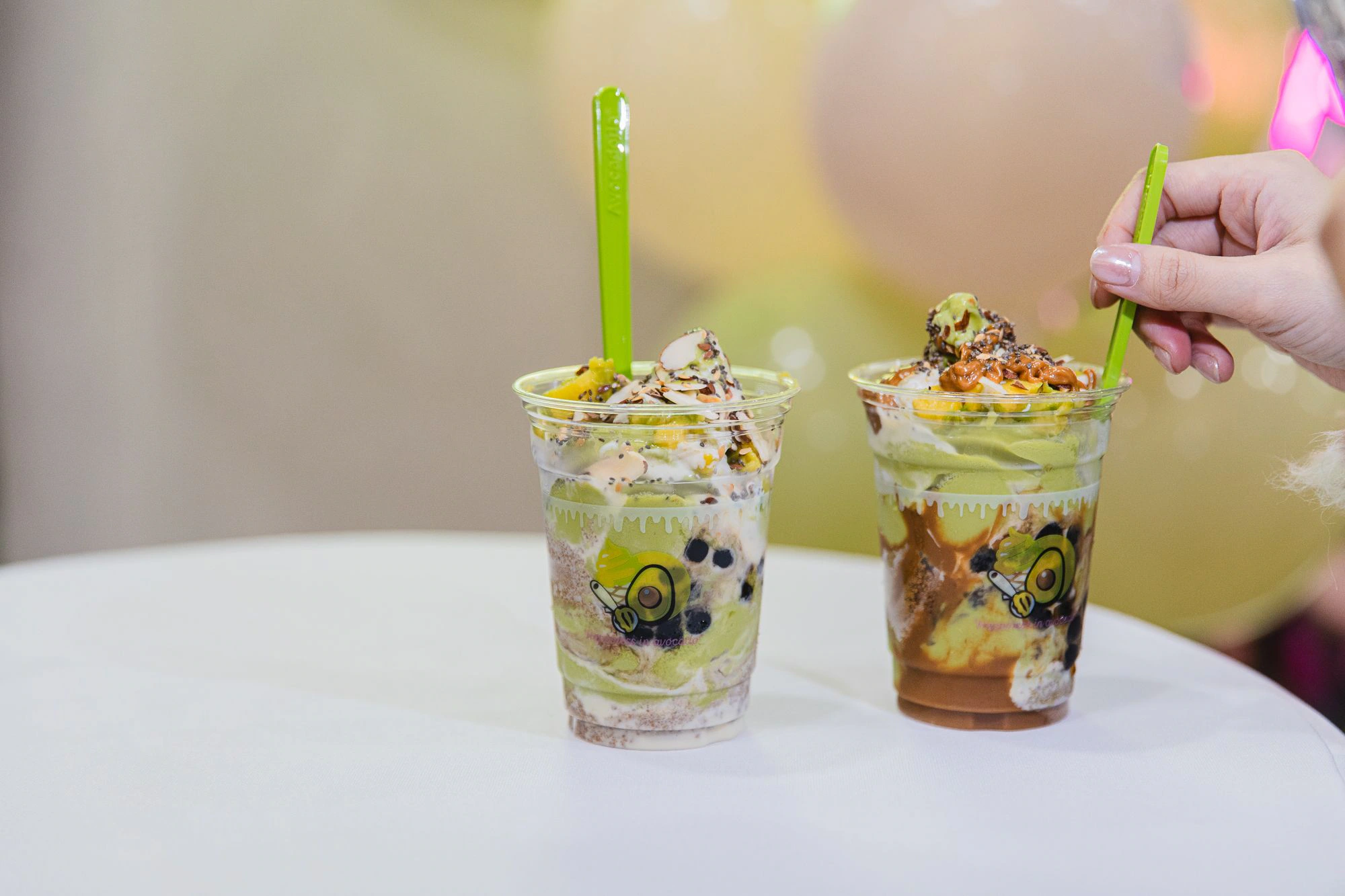
    Avocadoria has joined forces with local franchise group J&G Green Delights to launch its debut store in Bangkok. The new location is situated within Rama 9 Mall and offers a variety of avocado-centric desserts. Among the offerings are parfaits, popsicles, ice cream, shakes, and cheesecakes, all with a unique avocado twist.

    Success Story of Avocadoria

    Avocadoria was established in 2019 by Czarina Jagto-Sevilla. In a relatively short span of time, the brand has seen impressive growth, boasting 263 branches globally. Its signature item is the “Lover” series. This is a soft-serve ice cream concoction, featuring layers of cream, biscuits, tapioca pearls, nuts, seeds, and of course, fresh avocado.

    The Bangkok branch will also showcase other flavours like Pistachio Knafeh, Avocado Biscoff, and Naked Avocado Light Ice Cream. Additionally, customers can choose from six different types of avocado shake, each with the option of adding personalized toppings.

    Aligning with Local Food Culture

    Jagto-Sevilla expressed that the expansion into Thailand aligns well with Avocadoria’s brand positioning, given the country’s rich food culture. She emphasized that this move represents more than just growth for the company. It is an opportunity to share their story and their culture, all while bringing moments of joy to consumers through their unique desserts.

    Questions & Answers

    What is Avocadoria?
    Avocadoria is a dessert chain based in the Philippines that specializes in avocado-based desserts such as parfaits, popsicles, ice cream, shakes, and cheesecakes.

    Where has Avocadoria expanded to?
    Avocadoria has recently expanded into Thailand, which marks its third international market after Singapore and the United Arab Emirates.

    What is the signature dessert of Avocadoria?
    The brand’s signature dessert is the “Lover” series, a soft-serve ice cream layered with cream, biscuits, tapioca pearls, nuts, seeds, and fresh avocado.

  • Singapore’s Kelly Jie Seafood Honors Head Chef’s 20-year Service with Coveted Rolex Surprise

    Singapore’s Kelly Jie Seafood Honors Head Chef’s 20-year Service with Coveted Rolex Surprise

    Kelly Jie Seafood, a renowned dining establishment in Singapore, recently celebrated the long-standing commitment and expertise of their head chef by presenting him with a Rolex wristwatch. The timepiece was a token of gratitude for his relentless dedication and tireless service of 20 years.

    A video was shared on the restaurant’s social media platforms, capturing the unforgettable moment the head chef was gifted the luxury watch. He had always expressed a desire to own a Rolex, but had never personally purchased one. In response to his unfulfilled wish, the restaurant decided to surprise him and presented him with the coveted watch.

    The chef was taken aback when he discovered a Rolex box inside a paper bag, a reaction that echoed his surprise and delight. Overwhelmed by the unexpected present, he humorously enquired, “Is this really for me? Are you playing a practical joke on me?”

    When urged to try on his new watch, he jovially declined, stating his wrists were greasy from his culinary work. He was then provided with a sanitizer to clean his hands. On eventually draping the watch on his wrist, his face shone with a radiant and heartwarming smile.

    Through the post, Kelly Jie Seafood emphasized the invaluable contribution of the head chef in shaping the restaurant’s journey since its inception in 2006. He had provided steadfast guidance during the restaurant’s most daunting periods.

    The caption of the post read, “20 years of not just work, but also of unwavering loyalty, trust, and heartfelt dedication. We are grateful for your youthful energy, your strength, and your devotion to this place. Our success today is a testament to your efforts.”

    The touching post has garnered widespread attention, attracting thousands of views and comments. Several observers noted that the gift was a Rolex GMT-Master, with an estimated worth ranging from S$16,000 to S$30,000 (US$12,500 to US$23,450).

    Formerly operating under the name TPY Mellben Seafood, the establishment was founded by Kelly Soon, a celebrated television personality from the 1980s, fondly referred to as the ‘Anita Mui of Singapore’. The restaurant is famed for its zi char-style crab dishes and is currently under the proprietorship of the founder’s daughters, Rachel and Zara Lim.

    Questions & Answers

    What prompted Kelly Jie Seafood to gift their head chef a Rolex watch?
    The restaurant wanted to acknowledge the chef’s hard work, dedication, and 20 years of service, and knew he had always wanted a Rolex watch but never purchased one for himself.

    How did the chef react to receiving the Rolex?
    The chef was visibly surprised and joyful. Initially, he humorously asked if it was a prank, but when he put the watch on, his face lit up with happiness.

    How has the head chef contributed to Kelly Jie Seafood’s success?
    The head chef has been with the restaurant since its opening in 2006 and has guided it through some of its most challenging periods. His loyalty, trust, and dedication have been instrumental in its success.

  • Subway Accelerates Expansion in Taiwan with New Master Franchise Partnership with Yellowstone Investment

    Subway Accelerates Expansion in Taiwan with New Master Franchise Partnership with Yellowstone Investment

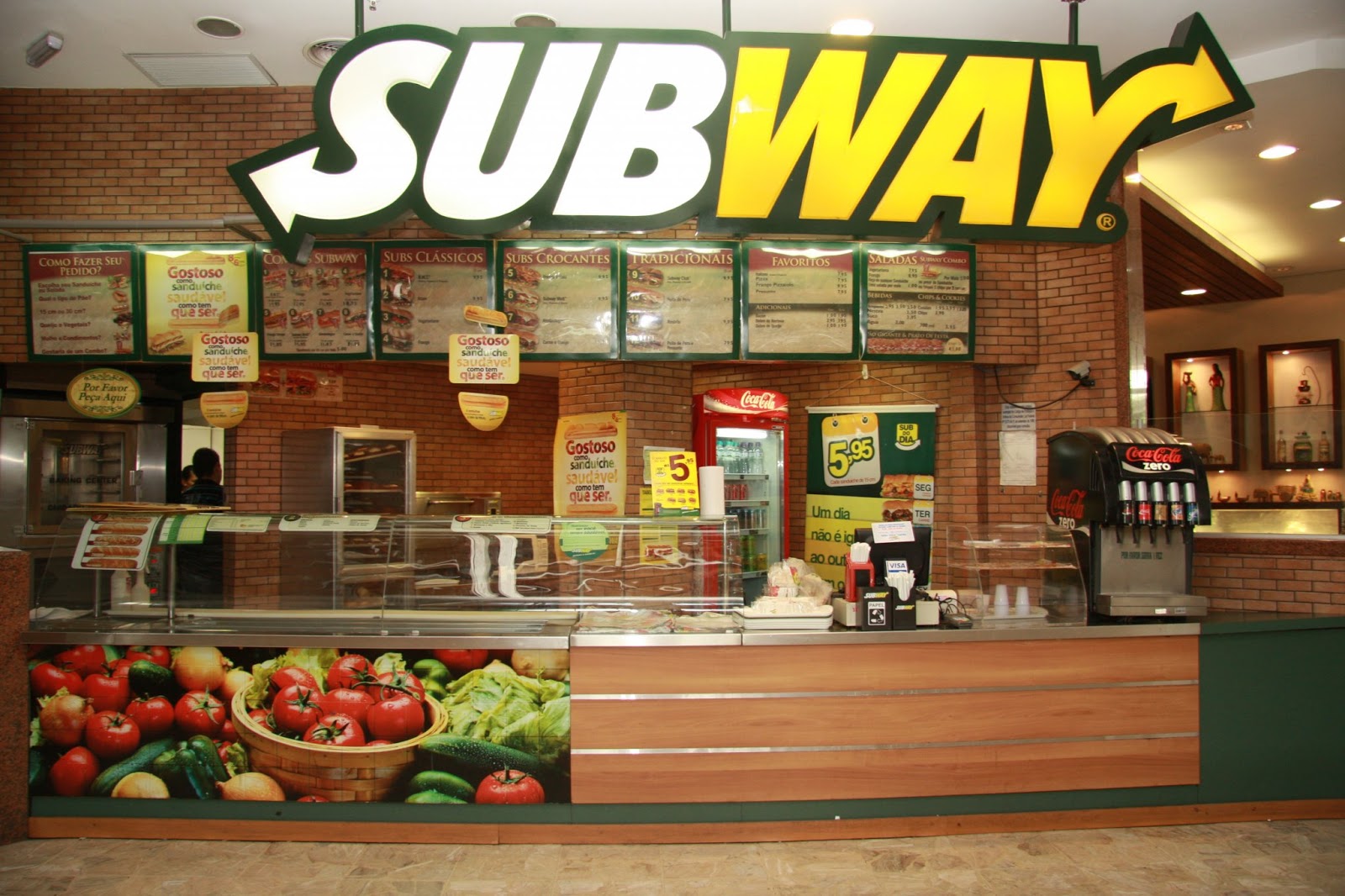
    Subway, an international quick-service food brand, has recently reached an agreement with Yellowstone Investment to be its primary franchise partner in Taiwan. Their strategic plan is to drive the growth of the brand across the island over the next ten years.

    Subway’s Expansion Plan

    According to their new partnership, Yellowstone Investment will supervise the growth and management of Subway’s restaurant chain in Taiwan. The company will be using its knowledge of the local market to bolster Subway’s expansion in both urban areas and the suburbs.

    The president of Subway Asia Pacific, Joseph Hsu, expressed his confidence in the partnership with Yellowstone, stating that their data-driven approach will ensure the brand’s further expansion and long-term success. Subway has already earned recognition and trust from the Taiwanese market, paving the way for future growth.

    Yellowstone’s Contributions

    Yellowstone Investment, under the leadership of President and CEO John Huang and Co-founder Chester Tang, brings to the table years of experience in real estate investment, large-scale business development, and multi-unit food operations.

    According to Huang, Taiwan’s growing demand for fresh, healthier dining options creates an excellent opportunity for Subway to build on its solid foundation. By integrating local insights and using a disciplined strategy for development, the company plans on thoughtfully expanding the Subway brand across Taiwan.

    Subway’s Strategy in Asia Pacific

    The master franchising agreement signifies Subway’s dedication to adopting a strategic and locally-informed approach to its expansion in the Asia Pacific region. This joint venture is a testament to Subway’s commitment to understanding and adapting to the unique needs of every market it enters.

    Questions & Answers

    What is the purpose of the partnership between Subway and Yellowstone Investment?
    The partnership aims to accelerate the growth of Subway’s brand across Taiwan over the next decade, with Yellowstone overseeing the management and development of Subway’s restaurant network in the region.

    What does Yellowstone Investment bring to the table?
    Yellowstone Investment, led by John Huang and Chester Tang, contributes years of experience in real estate investment, multi-unit food operations, and large-scale business development. Their local market expertise will be invaluable in expanding Subway in Taiwan.

    What is Subway’s strategy for expansion in the Asia Pacific region?
    Subway’s strategy for expansion in the Asia Pacific region is based on strategic, locally informed decisions. The company commits to understanding and adapting to the unique needs of each market, as demonstrated in their partnership with Yellowstone Investment in Taiwan.

  • Dua Lipa Brews up New Role as Nespresso Global Brand Ambassador to Ignite Youth Appeal

    Dua Lipa Brews up New Role as Nespresso Global Brand Ambassador to Ignite Youth Appeal

    Nespresso has recently announced that pop singer Dua Lipa will become its global brand ambassador in a bid to enhance its resonance with a younger, culturally engaged audience.

    As part of this collaboration, Dua Lipa is set to headline the Vertuo World campaign, which commences on April 14. The campaign will also feature a guest appearance by long-serving Nespresso ambassador George Clooney, linking the brand’s storied history with its modern marketing strategies.

    Leonardo Aizpuru, Nespresso’s chief marketing officer, expressed excitement about the partnership with Dua Lipa. He described the singer as an adventurer always eager to try new things – an ethos that is in perfect alignment with Nespresso’s brand direction.

    According to Aizpuru, the collaboration with Dua Lipa aims to inspire a new generation to confidently explore and appreciate new tastes. He emphasized that Nespresso’s core mission is to enable boundless exploration through exceptional coffee and that Dua Lipa embodies this mindset in a contemporary and seamless manner.

    This partnership marks a significant strategic move for Nespresso, which is facing mounting competition from both retail-ready and specialty coffee brands in the premium coffee market.

    By partnering with a global pop icon known for her trendsetting influence, Nespresso aims to appeal to a demographic that places equal importance on lifestyle and cultural relevance as well as product quality.

    In 2021, Nespresso demonstrated its commitment to retail expansion by unveiling a flagship boutique in Manhattan’s Flatiron District. This store is the largest and most immersive retail location that the company has opened to date.

    Questions & Answers

    Who has Nespresso appointed as its new global brand ambassador?
    Pop superstar Dua Lipa has been appointed as the new global brand ambassador for Nespresso.

    What is the primary objective of Nespresso’s partnership with Dua Lipa?
    The key goal of this collaboration is to enhance Nespresso’s appeal among younger, culturally engaged consumers and inspire them to explore and appreciate new coffee tastes confidently.

    What strategic shift does this partnership signal for Nespresso?
    Partnering with a global pop icon like Dua Lipa marks a significant strategic shift for Nespresso as it seeks to appeal to a demographic that values cultural relevance and lifestyle as much as product quality.

  • Ferrero Group Dives into Healthy Snacks, Acquires Brazilian Protein Brand Bold Snacks

    Ferrero Group Dives into Healthy Snacks, Acquires Brazilian Protein Brand Bold Snacks

    The Ferrero Group, an Italian confectionery company, has recently expanded its business by purchasing Bold Snacks, a Brazilian enterprise that specializes in protein snacks. This acquisition is part of Ferrero’s plan to diversify and expand its range of health-conscious products.

    Bold Snacks: A Rising Star in the Health Food Sector

    Bold Snacks was established in 2018 and has quickly gained popularity with its high-protein bars. More recently, the company has broadened its product range to include whey powders. The addition of Bold Snacks to the Ferrero Group’s portfolio is expected to provide new growth opportunities in key markets.

    Daniel Martinez Carretero, CFO of Ferrero Group, expressed his enthusiasm about the acquisition, stating, “Bold Snacks is a unique brand that has been gaining significant traction in Brazil. This deal bolsters our position in the health food category and allows us to continue diversifying our offerings across pivotal markets.”

    Acquisition Details & Future Prospects

    As part of the agreement, Ferrero Group will take ownership of Bold Snacks’ office and manufacturing facility, located in Divinópolis, Minas Gerais. Approximately 300 employees currently working for Bold Snacks will become part of Ferrero Brazil. The completion of the transaction is expected in the coming months, subject to the usual closing conditions.

    This acquisition comes shortly after Ferrero Rocher, another brand under the Ferrero Group, debuted its new Easter product line.

    Questions & Answers

    What is Bold Snacks renowned for?
    Bold Snacks is popular for its protein bars and has recently introduced whey powders to its product range.

    How will the acquisition of Bold Snacks benefit Ferrero Group?
    The acquisition will strengthen Ferrero’s presence in the health food category and support the ongoing diversification of its product portfolio across key markets.

    What will happen to Bold Snacks’ staff following the acquisition?
    Approximately 300 Bold Snacks employees will transition to Ferrero Brazil.

  • Revolutionizing Retail: Australia’s Innovative In-Store Avocado Ripeness Scanner Trial

    Revolutionizing Retail: Australia’s Innovative In-Store Avocado Ripeness Scanner Trial

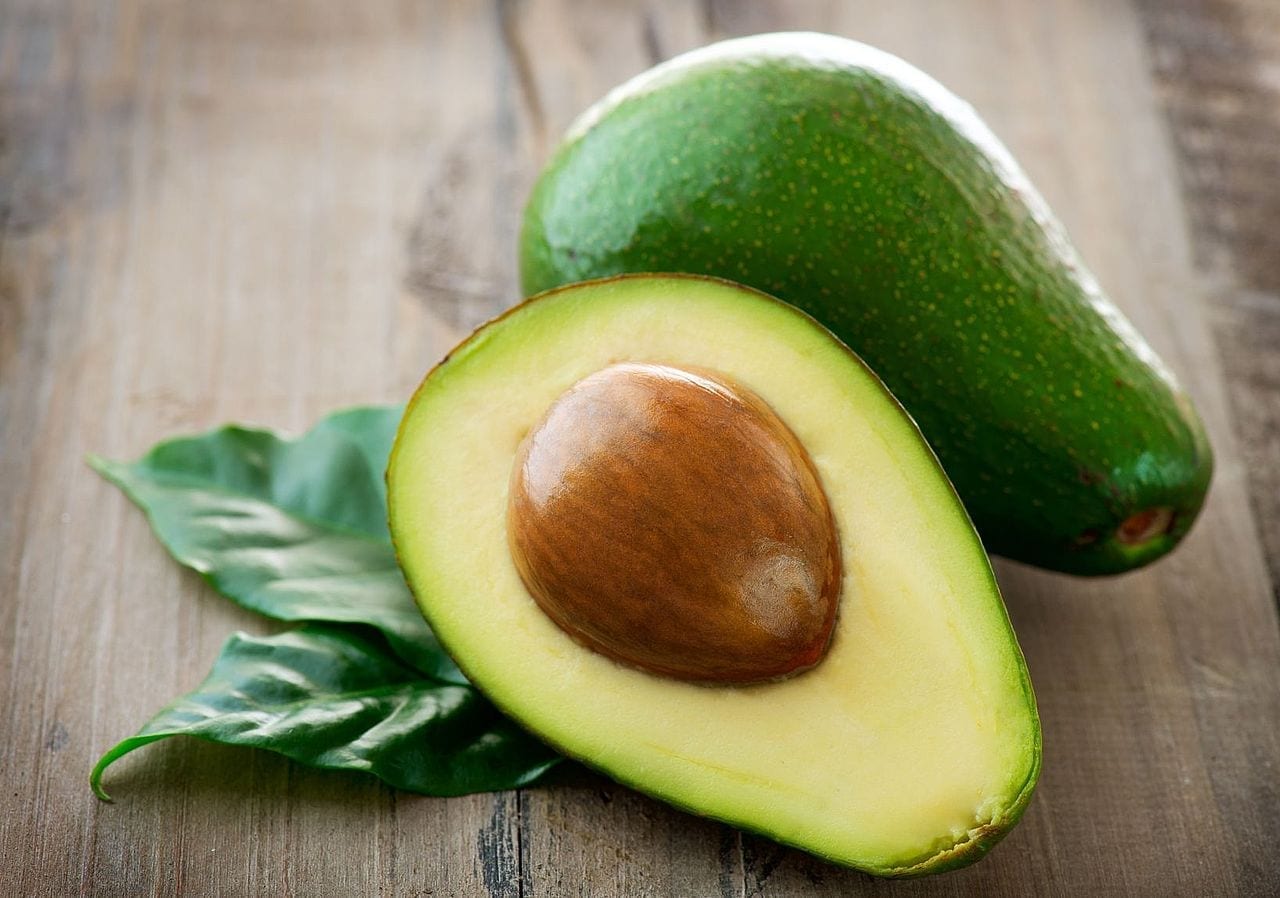
    In the competitive world of retail, customer satisfaction is key, and the avocado industry is no exception. A common issue faced by both retailers and consumers is determining the ripeness of an avocado on a supermarket shelf. Avocados Australia, an industry association, has introduced a potential solution to this problem – an in-store ripeness scanner.

    Understanding Customer Frustration

    According to John Tyas, the CEO of Avocados Australia, one of the major frustrations faced by consumers is identifying the ripeness of an avocado. This is important because approximately 75% of consumers want to buy avocados that are ready to be eaten within two days. Tyas believes that helping consumers with this selection process can enhance their eating experiences, minimize bruising of the fruit, and strengthen the overall trust in Australian avocados.

    The Ripeness Scanner

    The ripeness scanner aims to minimize the physical handling of avocados, which often leads to bruising. Data shows that about 47% of consumers handle three or more avocados before making a purchase, resulting in product loss for both growers and retailers. The scanner, developed by the Dutch agri-tech firm OneThird, not only reduces the need for physical handling but also prevents potential damage to the fruit.

    The scanner utilizes near-infrared (NIR) spectroscopy to assess the firmness of the fruit without causing damage, thereby helping to estimate the fruit’s readiness for consumption. The device also provides storage guidance to help consumers make informed purchase decisions. This technology has undergone trials in Europe and Thailand, where it was well-received by retailers and customers.

    Benefits for the Supply Chain

    Beyond consumer use, the ripeness scanner provides retailers with valuable data on in-store conditions and purchasing patterns. This information, which includes metrics on shelf ripeness, purchasing behavior, and peak periods, can be used to optimize merchandising, inventory management, and waste reduction efforts.

    The early results are promising, with the device being used for approximately 45% of avocado sales per week in participating stores. The accompanying platform provides fresh produce managers with data to monitor product condition and support efficient stock management.

    John Tyas further emphasized that the Australian avocado industry is committed to investing in research and development to continually enhance product quality and improve the consumer experience.

    Questions & Answers

    What is the purpose of the avocado ripeness scanner?
    The scanner helps consumers select ripe avocados, reduces fruit handling and bruising, and enhances the overall shopping experience.

    How does the ripeness scanner work?
    The scanner uses near-infrared spectroscopy to assess the firmness of the fruit without causing damage. It also provides storage guidance to consumers.

    What additional benefits does the ripeness scanner provide to retailers?
    The scanner provides data on in-store conditions and purchasing patterns, which can be used to support merchandising, inventory management, and waste reduction efforts.

  • Blue Bottle Coffee Unveils Flagship Store in Harajuku, Japan: A Fusion of Innovative Design and Local Flavors

    Blue Bottle Coffee Unveils Flagship Store in Harajuku, Japan: A Fusion of Innovative Design and Local Flavors

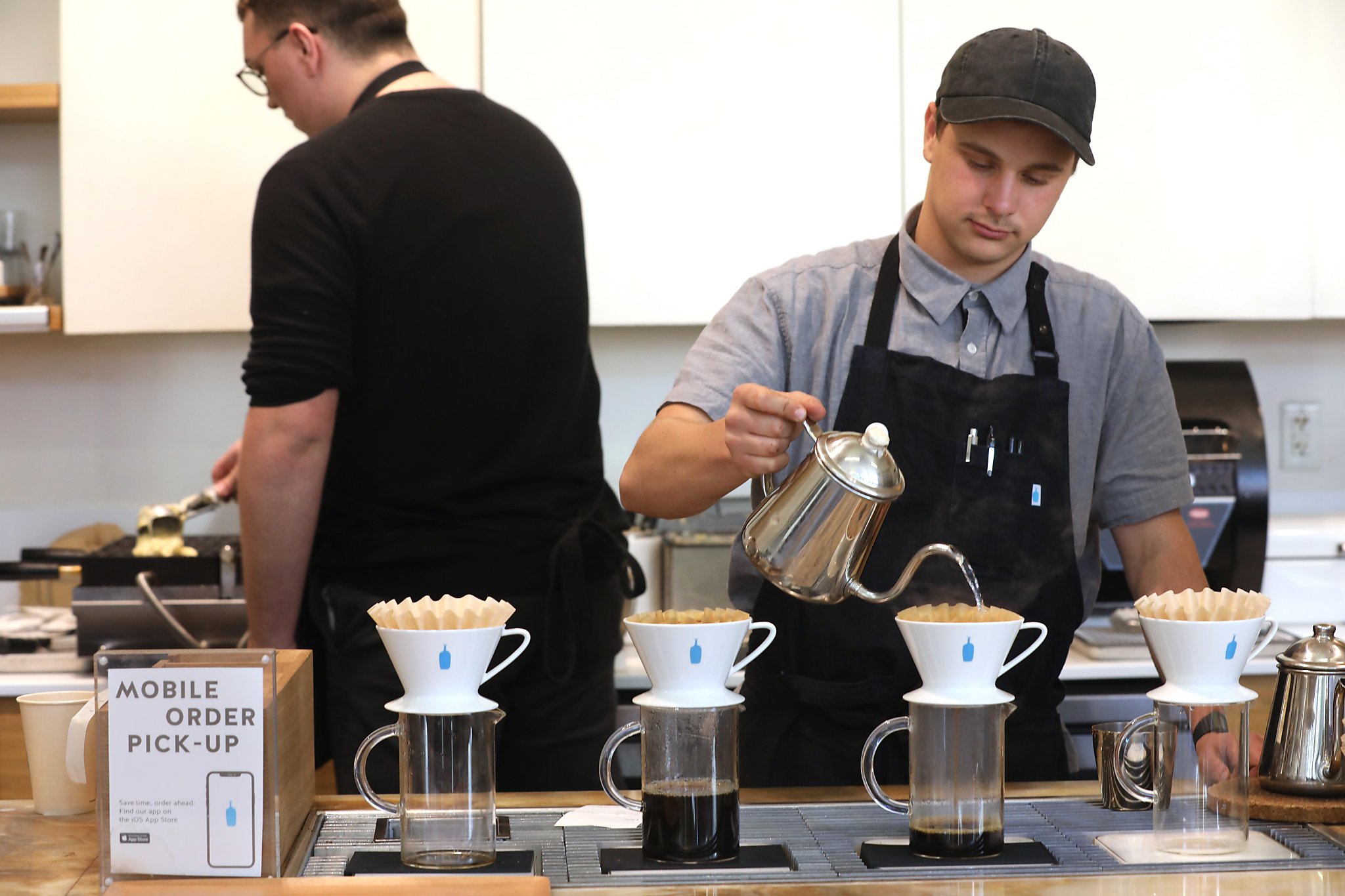
    Blue Bottle Coffee, the renowned global coffee brand, has launched a premier outlet in Harajuku, marking a significant step in its ongoing refinement of its retail format within Japan.

    A New Blend of Retail

    The Harajuku outlet is nestled in Jingumae near Cat Street, occupying a spatial expanse of approximately 83 square meters and accommodating 26 seats. The store showcases a unique design by Teki Design and harmoniously melds a stainless-steel façade with reflective interiors. This design subtly extracts and mirrors the vibrant streetscape, thereby encapsulating Harajuku’s trademark, visually engaging retail atmosphere.

    The store features a unique layout that departs from the conventional high-throughput service model. Its seating arrangement and spatial design encourage customers to linger, thereby fostering a more experiential approach that surpasses the mere transactional model.

    Brewing a New Retail Experience

    While the Harajuku outlet is termed a flagship store, Blue Bottle Coffee’s primary focus appears to be on format experimentation rather than territorial expansion. The new store introduces an array of innovative beverage offerings such as an updated cold brew along with seasonal drinks. Additionally, it offers a curated food menu designed to cater to the unique tastes of the local market.

    Blue Bottle Coffee first expanded its footprint into Japan in 2015 with the launch of its inaugural store in Kiyosumi, Tokyo. Since then, the brand has exponentially grown and now operates around 30 outlets, with most of them located in the bustling Tokyo metropolitan area.

    In 2021, Blue Bottle Coffee expanded its global presence by inaugurating its first outlet in Singapore, thereby marking its initial foray into the Southeast Asian market.

    Questions & Answers

    What is the new approach adopted by Blue Bottle Coffee in its Harajuku store?
    Blue Bottle Coffee’s Harajuku store adopts an experiential approach, focusing on longer customer dwell times rather than a purely transactional model.

    What new offerings does the Harajuku store introduce?
    The Harajuku store introduces new beverage offerings, including an updated cold brew and seasonal drinks, and a curated food menu tailored to the local market.

    When and where did Blue Bottle Coffee make its first debut in Japan?
    Blue Bottle Coffee first debuted in Japan in 2015 with its initial outlet in Kiyosumi, Tokyo.

  • Haidilao Heats Up: Chinese Hotpot Giant Crowned World’s Strongest Restaurant Brand Two Years Running

    Haidilao Heats Up: Chinese Hotpot Giant Crowned World’s Strongest Restaurant Brand Two Years Running

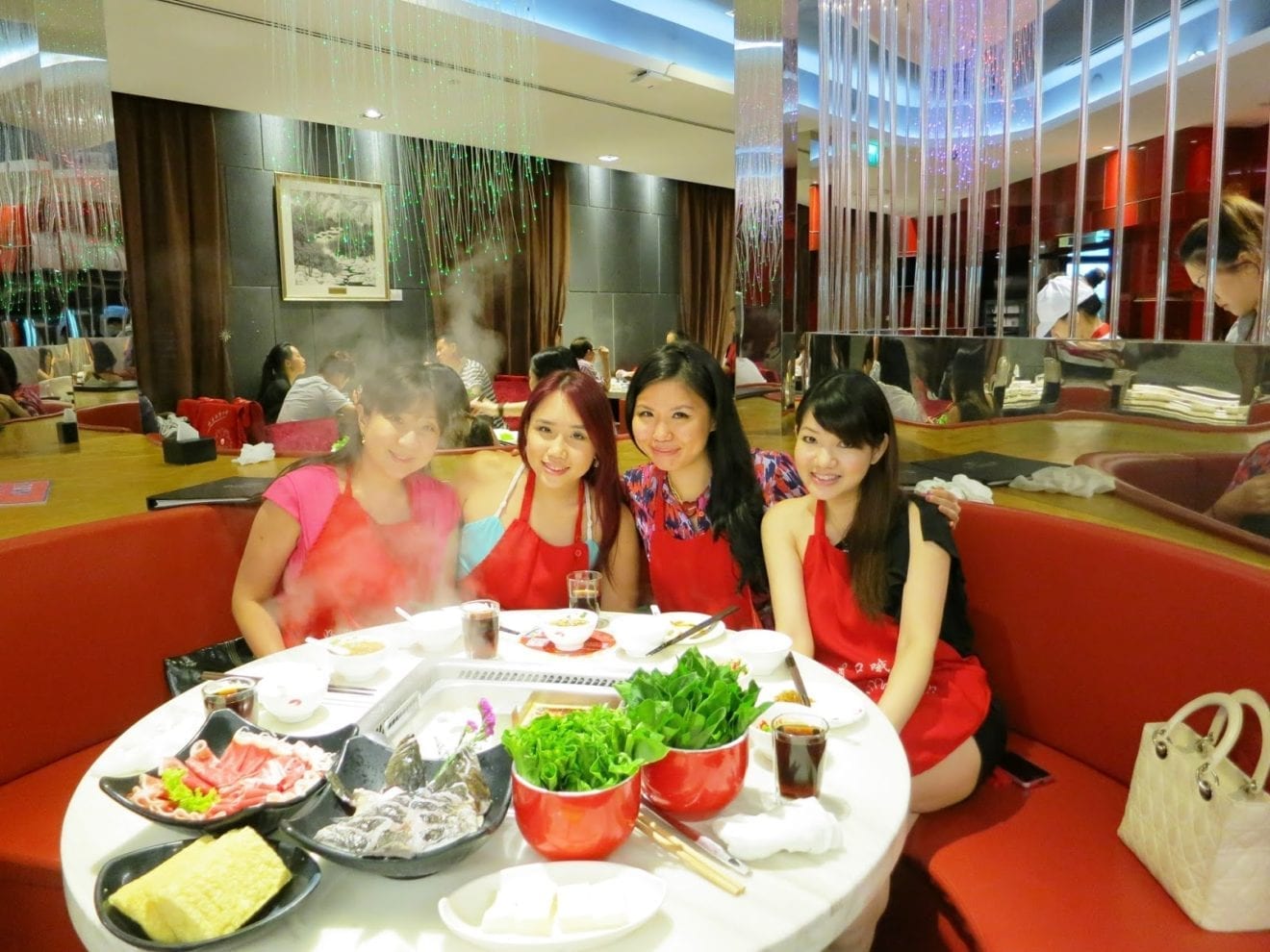
    For the second consecutive year, Chinese hotpot chain Haidilao has earned the title of “the world’s strongest restaurant brand” after experiencing a robust double-digit increase in value. The brand’s worth rose by 16% to reach $3.6 billion, propelling its strength index score to an impressive 94.1 out of 100.

    Factors Behind the Success

    Haidilao’s resounding success can be attributed to a variety of elements, including an expanded restaurant network, elevated brand influence and customer experience, as well as a more diverse product range. Despite the market’s competitive nature, the company was able to maintain its premium AAA+ brand strength rating.

    Other Emerging Brands

    Luckin Coffee, another brand originating from China, has also seen substantial growth. Its value has surged by 17% to reach $1.7 billion, which has allowed it to climb two places and achieve 19th place in the global rankings. Its score increased to 89.7 out of 100, making evident the growing allure of competing brands within China’s coffee market. Despite the escalating competition, Luckin Coffee achieved an AAA+ brand strength rating for the first time.

    Scott Chen, Managing Director of Brand Finance China, commented on the performance of these brands. He suggested that Haidilao’s sustained dominance as the world’s strongest restaurant brand, along with Luckin Coffee’s resilience amidst stiff competition, underline the dynamic character of the Chinese market. Chen also pointed to the innovation driving these brands to new heights.

    Brand Strength

    Brand strength refers to the effectiveness of a brand’s performance when compared to its competitors. Brand Finance, for instance, assesses the strength of a brand on the basis of several factors. These include marketing investment, stakeholder equity, and the effects of these on overall business performance.

    American Brands Domination

    Despite the success of Chinese brands, American brands remain dominant in terms of value. The five most valuable brands globally all hail from the United States. McDonald’s, in particular, has emerged as the world’s most valuable restaurant brand, with its value growing 7% to $40.5 billion. However, Starbucks, which used to hold the second spot, saw its brand value plummet by 36% to $38.8 billion.

    Chick-fil-A recorded the fastest growth in value within the sector, with its brand value soaring by 43% to $5.7 billion. This surge has resulted in the company now holding the eighth spot among the world’s leading restaurant brands.

    Questions & Answers

    What factors contributed to Haidilao’s success as the world’s strongest restaurant brand?
    Haidilao’s success was largely due to its expanded restaurant network, increased brand influence and customer experience, and a more diversified product range.

    How is brand strength measured?
    Brand strength is assessed based on the effectiveness of a brand’s performance in comparison to its competitors. Factors such as marketing investment, stakeholder equity, and their impact on business performance are taken into consideration.

    Which is the world’s most valuable restaurant brand?
    As of the latest rankings, McDonald’s is the world’s most valuable restaurant brand, with its value increasing 7% to $40.5 billion.

  • Rising Stars on the Global Coffee Scene: How Southeast Asia’s Homegrown Chains are Brewing Success Overseas

    Rising Stars on the Global Coffee Scene: How Southeast Asia’s Homegrown Chains are Brewing Success Overseas

    Southeast Asian coffee chains, including Malaysia’s Zus Coffee and Indonesia’s Kopi Kenangan, are extending their reach beyond their national borders, looking to make their mark on the region’s burgeoning café culture.

    Unleashing the Flavor of Southeast Asia

    Kopi Kenangan outlets in Singapore offer customers a unique coffee experience. In addition to the usual preferences for milk and sugar, customers can select their preferred coffee beans, sourced from various Indonesian regions such as Aceh, Bali, and Flores. The coffee chain also boasts traditional drinks with an Indonesian touch, like lattes sweetened with palm sugar, which makes them stand apart from the competition.

    Billy Ooi, a management professional based in Singapore, expressed his satisfaction with the brand, commenting that it is budget-friendly, offers good discounts, and the taste is comparable to other cafés.

    Rapid Growth

    In its home country, Indonesia, Kopi Kenangan, which was launched in 2017, has swiftly become the nation’s largest café chain. The brand had over 1,100 outlets across the country by the end of last year. It was also among the first to go global, opening approximately 187 stores in India, Australia, Singapore, Malaysia, and the Philippines.

    Similar progress is evident in other local brands like Tomoro and Fore, which have also made their presence felt in Singapore, China, and the Philippines.

    Malaysia’s Zus Coffee is another success story. It began as a small kiosk in 2019 and has since transformed into the country’s largest coffee chain. Operating over 1,000 outlets across Malaysia, Singapore, Brunei, the Philippines, and Thailand, the majority of its branches are located in its home market.

    Beej Marcado, a young entrepreneur from the Philippines, considers Zus as his top choice, impressed by their simple drinks and sustainable practices like the use of edible straws.

    Surviving in a Competitive Market

    As these Southeast Asian coffee chains venture into international markets, they are confronted with fierce competition from global juggernauts such as Starbucks from the U.S. and China’s Luckin Coffee, as well as robust local players in each country.

    Many have had to innovate to stay competitive, adding localized offerings to their menus. For example, Zus Coffee introduced an ube (purple yam) coffee in the Philippines and a Tom Yum Americano in Thailand to cater to local tastes.

    Adapting to local preferences was also crucial for Sarnies, a café chain from Singapore with several outlets in Thailand. Its founders, Eric Chan and Benjamin Lee, adjusted their menu to appeal to a more diverse customer base when they expanded into Thailand.

    The Future of the Coffee Chain Industry

    The modern coffee and tea market in Southeast Asia was estimated to be worth US$9.9 billion in 2025, a sharp increase from $8.3 billion in 2023. The expansion was fueled by swift store growth, the advent of digital ordering, and broader consumer adoption.

    However, the industry is entering a new phase. The focus is shifting towards the efficiency of operating systems, from supply chains and in-store processes to digital infrastructure. The ability to scale operations efficiently and uphold unit economics is becoming a decisive factor in competition.

    Questions & Answers

    What is unique about the coffee experience at Kopi Kenangan outlets in Singapore?
    At Kopi Kenangan, customers can select their preferred coffee beans, sourced from various Indonesian regions. They also offer traditional Indonesian drinks, like lattes sweetened with palm sugar.

    How are Southeast Asian coffee chains adapting to survive in international markets?
    Many chains are adding localized offerings to their menus to cater to local tastes. For example, Zus Coffee introduced an ube (purple yam) coffee in the Philippines and a Tom Yum Americano in Thailand.

    What is the projected value of the modern coffee and tea market in Southeast Asia in 2025?
    The modern coffee and tea market in Southeast Asia is expected to be worth US$9.9 billion in 2025.