Category: Food

Retail News Asia is committed to providing both local and global retailers with the latest Food and Food & Beverage news throughout the Asian market. This on a daily base.

  • Starbucks Korea Eliminates Printers and Desktops as Café Workspaces Gain Popularity Among Customers

    Starbucks Korea Eliminates Printers and Desktops as Café Workspaces Gain Popularity Among Customers

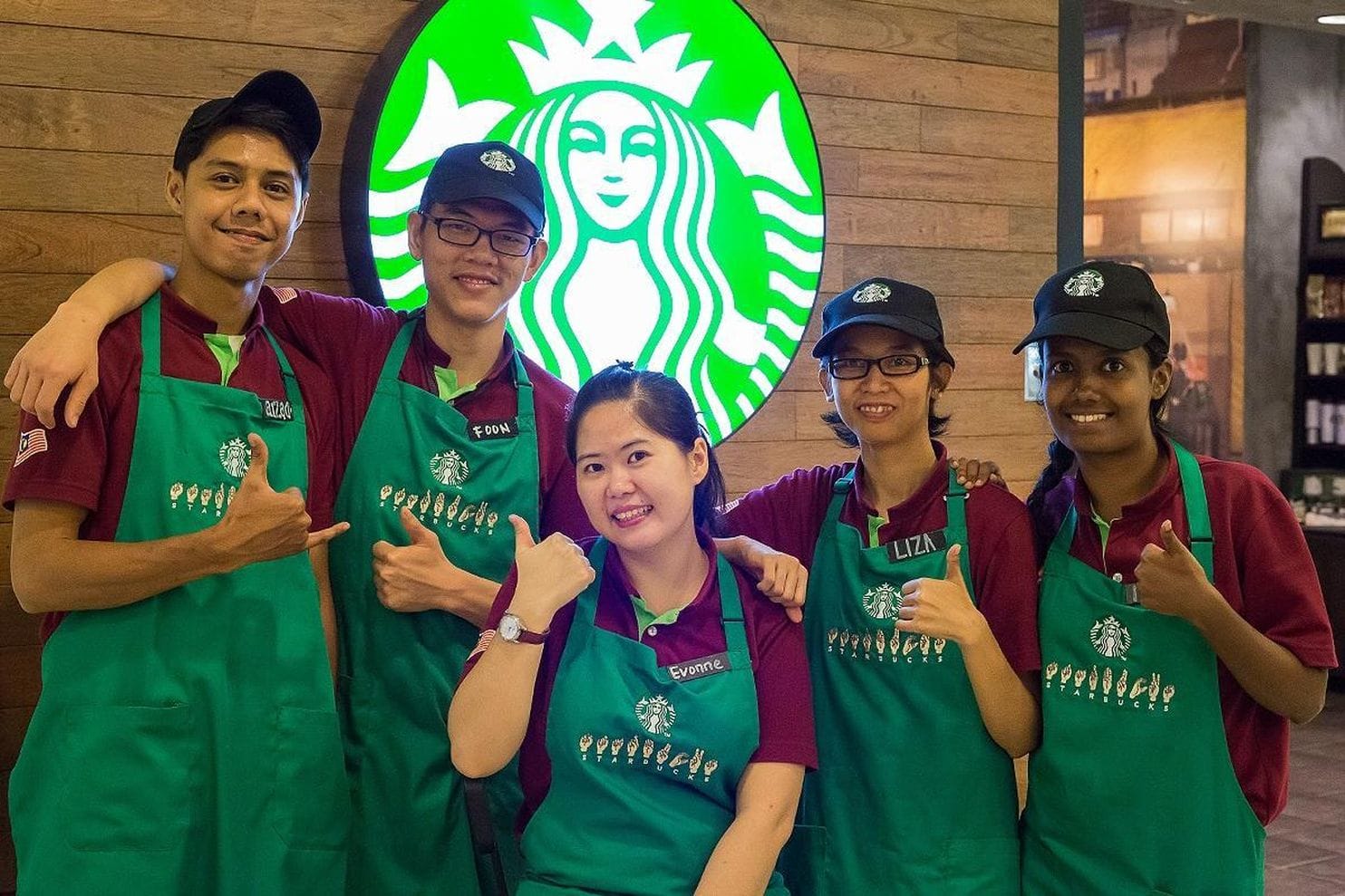
    In a strategic move to enhance customer satisfaction, Starbucks has implemented a new policy across all its locations in South Korea, urging patrons to leave behind bulky devices when they step away from their tables. Announced Thursday, every store has displayed notices banning large equipment, including power strips and extensive cubicle-style dividers.

    These signs serve a dual purpose: they remind customers to take their belongings if they plan to leave for an extended period and encourage the efficient use of shared tables. A representative from Starbucks elucidated that this policy aims to maintain a comfortable environment for all guests. “While laptops and smaller personal devices are welcome, customers are asked to refrain from bringing desktop computers, printers, or other bulky items that may limit seating and impact the shared space,” the spokesperson explained to Business Insider. Importantly, these guidelines do not impose time restrictions on those who choose to dine in.

    Starbucks boasts over 2,000 outlets in South Korea, making it the company’s third-largest market after the United States and China. This recent policy aligns with a rapidly burgeoning trend in the country known as “cagongjok,” which describes individuals who occupy coffee shops for long hours to work or study.

    While the majority of these patrons use laptops, the trend has also seen some customers bringing in considerably larger equipment such as monitors and printers, as well as—wait for it—partition panels. A social media post illustrating a customer in South Korea with a three-sided partition and a computer exemplifies this phenomenon, showcasing just how far some have taken the concept of a “mobile office.”

    The rise of this trend is rooted in South Korea’s changing labor landscape and the widespread shift toward remote work. Post-pandemic, many employees adjusted to working from home, and as they gradually returned to their offices, skyrocketing rents and limited redevelopment opportunities in Seoul restricted available commercial space. In a city where businesses fiercely compete for every square foot, cafés have flourished as makeshift workspaces.

    Jo Elfving-Hwang, an associate professor of Korean society and culture at Australia’s Curtin University, noted that businesses have adapted by turning to co-working spaces or allowing employees to work remotely. “People just started working from home more, and [businesses] discovered that they didn’t necessarily need a space in the same way,” she shared with Fortune.

    However, not everyone is pleased with the emergence of “cagongjok.” Some café owners voice frustration, labeling these long-term patrons as “electricity thieves” who commandeer tables for hours while purchasing just a single beverage, thereby limiting availability for other guests. As such, it seems only natural for cafés to strive to reclaim their identity as spaces for leisure and relaxation rather than simply functioning as remote work hubs, according to Elfving-Hwang.
    Questions & Answers

    What prompted Starbucks to implement this new policy in South Korea?
    The new policy was introduced to enhance customer experience by preventing the overcrowding of space caused by bulky devices like desktop computers and printers.

    What does the term “cagongjok” refer to in the context of South Korea’s café culture?
    “Cagongjok” describes individuals who occupy coffee shops for extended periods to work or study, often occupying tables for hours with minimal purchases.

    How is the rise of remote work influencing café dynamics in South Korea?
    As more employees work from home and the demand for physical office space decreases, many have turned to cafés as alternative workspaces, leading to a shift in how these establishments are utilized.

  • Vietnam’s 2025 Fruit and Vegetable Exports to China Plummet by 15% – What’s Driving the Decline?

    Vietnam’s 2025 Fruit and Vegetable Exports to China Plummet by 15% – What’s Driving the Decline?

    In a notable rebound, Vietnam’s fruit and vegetable exports are starting to recover after an alarming decline earlier this year. Following stricter scrutiny by Chinese authorities regarding residues of banned substances, exports had plummeted by as much as 80%. However, recent figures show that for the year to date, Vietnamese exports in this sector have reached an impressive $4 billion. The U.S. has emerged as a significant player, importing $316 million worth of goods—a 66% increase that underscores the growing appetite for Vietnamese produce.

    Growth Across Markets

    Other international markets, including Japan, the Netherlands, Taiwan, and Australia, have also shown robust growth, with increases ranging from 13% to 40%. This surge in demand reflects a newfound appreciation for Vietnam’s fresh fruits and vegetables. Dang Phuc Nguyen, general secretary of the Vietnam Fruit and Vegetable Association, attributes this recovery to enhanced safety measures. The Ministry of Agriculture and Rural Development has introduced a comprehensive food safety control process specifically for fresh durian exports, ensuring quality from farm to table.

    A Golden Opportunity for Durian Exports

    If these new measures are effectively implemented, there could be a significant breakthrough for durian and other tropical fruit exports to China, a market loomed over by more than 1.4 billion consumers. However, it’s worth noting that Chinese consumers are shifting their preferences toward processed fruits and vegetables, seeking convenience in their busy lives. Nguyen emphasized this trend as a golden opportunity for Vietnamese businesses, highlighting the need to act swiftly to capture greater market share and stabilize production.

    The Push for Sustainable Supply Chains

    Given Vietnam’s substantial trade deficit with China, a strategy is key. Nguyen Thi Thu Thuy, deputy director of the Trade and Investment Promotion Center, suggested that aside from tropical fruits, Vietnamese businesses should also focus on diversifying their produce offerings. Passion fruit, coconut, bird’s nest, and citrus fruits could become vital components of Vietnam’s export strategy, especially with the establishment of more sustainable supply chains in the coming years.

    Questions & Answers

    How significant is the rise in Vietnamese fruit and vegetable exports?
    Vietnam’s total exports have soared to $4 billion this year, marking a substantial recovery from earlier declines.

    What measures are being taken to enhance export safety?
    The Ministry of Agriculture and Rural Development has implemented a food safety control process for fresh durian, ensuring quality from production to market.

    What other products should Vietnamese businesses focus on for future exports?
    In addition to tropical fruits, there is potential in exporting passion fruit, coconut, bird’s nest, and citrus fruits, as businesses are encouraged to establish sustainable supply chains.

  • Asahi Beverages Expands Product Line With Zesty Hard Rated Alcoholic Orange

    Asahi Beverages Expands Product Line With Zesty Hard Rated Alcoholic Orange

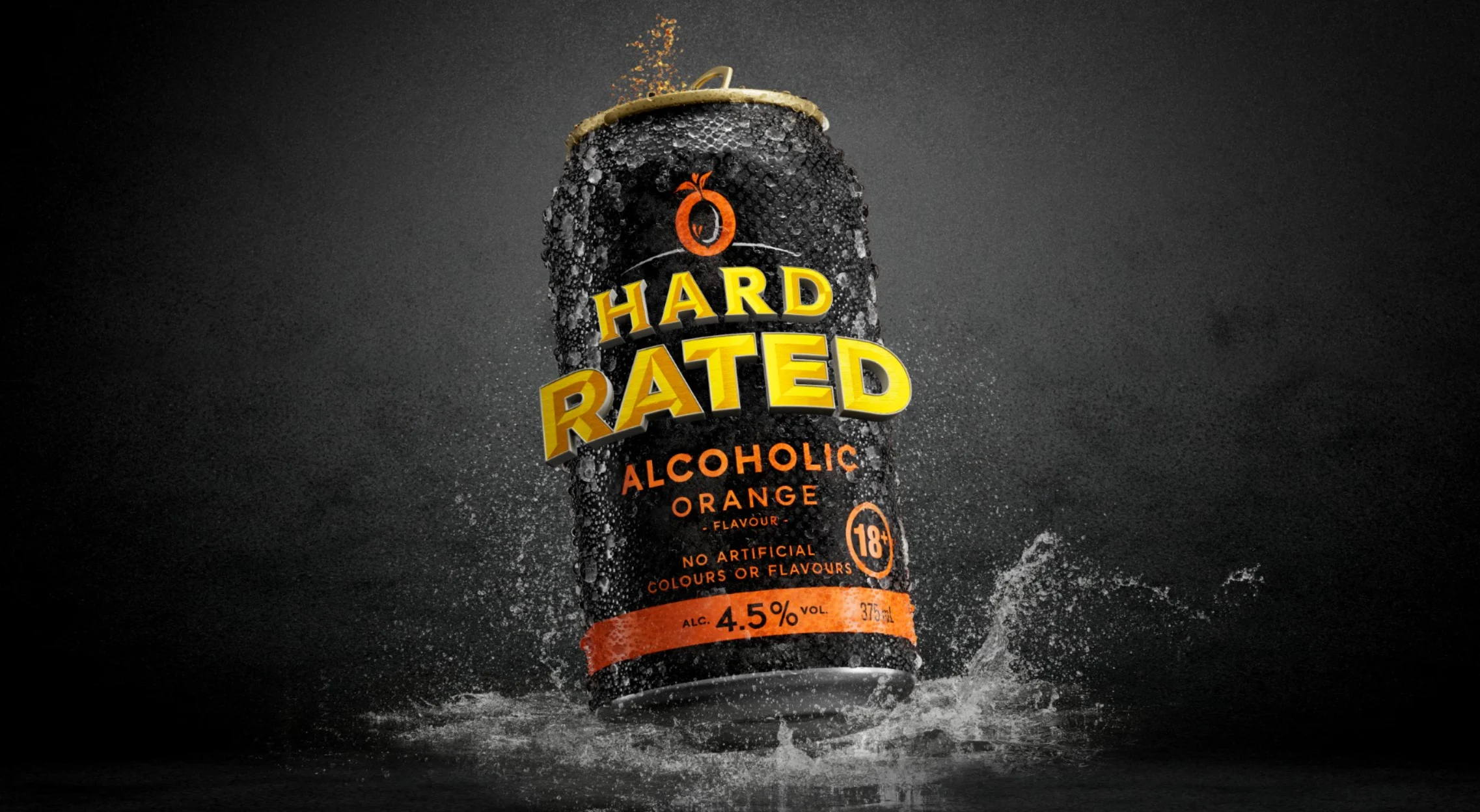
    Asahi Beverages, the multinational Japanese beverage company, is broadening its Hard Rated product range with the introduction of a fresh orange variant. This move aims to build on the achievements of its lemon variant, which was successfully launched in 2023.

    The New Orange Flavour

    The latest addition to the Hard Rated line boasts a distinct, low-bubble, sweet, and zesty orange profile. It maintains a 4.5 per cent alcohol by volume (ABV), and in keeping with the company’s commitment to quality and naturalness, this new variant contains no artificial colours or flavours.

    Sarah Wilcox, who heads the ready-to-drink (RTD) and cider divisions at Asahi Beverages, acknowledges the robust market demand for orange-flavoured alcoholic drinks. She also noted the undeniable growth in the RTD sector since the company first introduced Hard Rated in 2023.

    Wilcox added that the introduction of Hard Rated Alcoholic Orange seeks to sustain Hard Rated’s position as Australia’s top white spirit premix. It aspires to meet consumer demand for a tangy orange flavour that has not been readily available on the market.

    Distribution and Pricing

    The Hard Rated Alcoholic Orange is available through major alcohol retailers and venues across Australia. It comes in two variants – a four-pack priced at $30 and a 10-pack valued at $60.

    Questions & Answers

    What is the new addition to Asahi Beverages’ Hard Rated portfolio?
    The new addition is the Hard Rated Alcoholic Orange, which boasts a low-fizz, sweet, and zesty orange profile.

    What is the alcohol percentage of the new Hard Rated Alcoholic Orange?
    The Hard Rated Alcoholic Orange has an alcohol by volume (ABV) of 4.5 per cent.

    How much does the Hard Rated Alcoholic Orange cost?
    It is available in two variants – a four-pack priced at $30 and a 10-pack valued at $60.

  • Treasury Wine Estates Records Robust Financial Growth; Penfolds Brand Sales Surge 7.3%

    Treasury Wine Estates Records Robust Financial Growth; Penfolds Brand Sales Surge 7.3%

    Treasury Wine Estates (TWE) has seen a substantial growth pattern in its financial performance for the present fiscal year. The company’s net group sales have experienced a 7.2% increase, elevating the figure from $2.7 billion to $2.9 billion.

    Growth in Profit and Profit Margin

    The gross profit of the group has witnessed a 15% surge, amounting to $1.4 billion. This growth is mirrored in the company’s gross profit margin, which has moved up from 45.3% to 48.6% year-on-year.

    The firm’s Earnings Before Interest and Taxes (EBITS) has also seen a significant growth, marking a 17% increase to reach $770 million. The company’s net profit after tax followed suit, with an 8.1% increase, amounting to $450.7 million.

    Brand Performance

    The company’s renowned brand, Penfolds, has also reported a positive net sales revenue growth of 7.3%, reaching $1 billion. The brand’s EBITS has also risen, showing a 13.2% increase to reach $477 million.

    The Treasury Americas brand of the group has reported a notable 16.8% surge in its net sales revenue, bringing the total to $1.2 billion. This growth was accompanied by a 33.9% increase in its EBITS, reaching $308.6 million.

    However, TWE’s Treasury Premium Brands reported a decrease in its net sales revenue by 5.9% year-on-year, with the figure standing at $693.5 million. The brand’s EBITS also plummeted, reflecting a 27.6% drop to $55.1 million.

    CEO Statement

    Tim Ford, CEO of Treasury Wine Estates, expressed his satisfaction with the company’s fiscal performance. Despite facing challenges in several markets, the company remained committed to executing its business strategies, strengthening the company’s long-term growth.

    Ford attributed the company’s strong financial performance to Penfolds’ continued momentum and the successful integration of Daou Vineyards into their luxury portfolio. He also highlighted the company’s recent transition to a new luxury portfolio-led operating model that enhances strategic clarity and positions the firm well for the future.

    Questions & Answers

    What is the reported increase in Treasury Wine Estates’ group net sales?
    The group net sales have seen a 7.2% increase, moving from $2.7 billion to $2.9 billion for the current fiscal year.

    What has been the performance of Penfolds and Treasury Americas brands in terms of net sales revenue?
    Penfolds reported a 7.3% increase in net sales revenue to $1 billion, while Treasury Americas revealed a 16.8% rise, amounting to $1.2 billion.

    What measures has the company undertaken for long-term growth as per the CEO’s statement?
    The CEO revealed that the company has remained focused on executing its business plans, integrating Daou Vineyards into their luxury portfolio, and transitioning to a luxury portfolio-led operating model.

  • Cadbury Australia Recalls Marvellous Creations Candy Due To Plastic Contamination Risk

    Cadbury Australia Recalls Marvellous Creations Candy Due To Plastic Contamination Risk

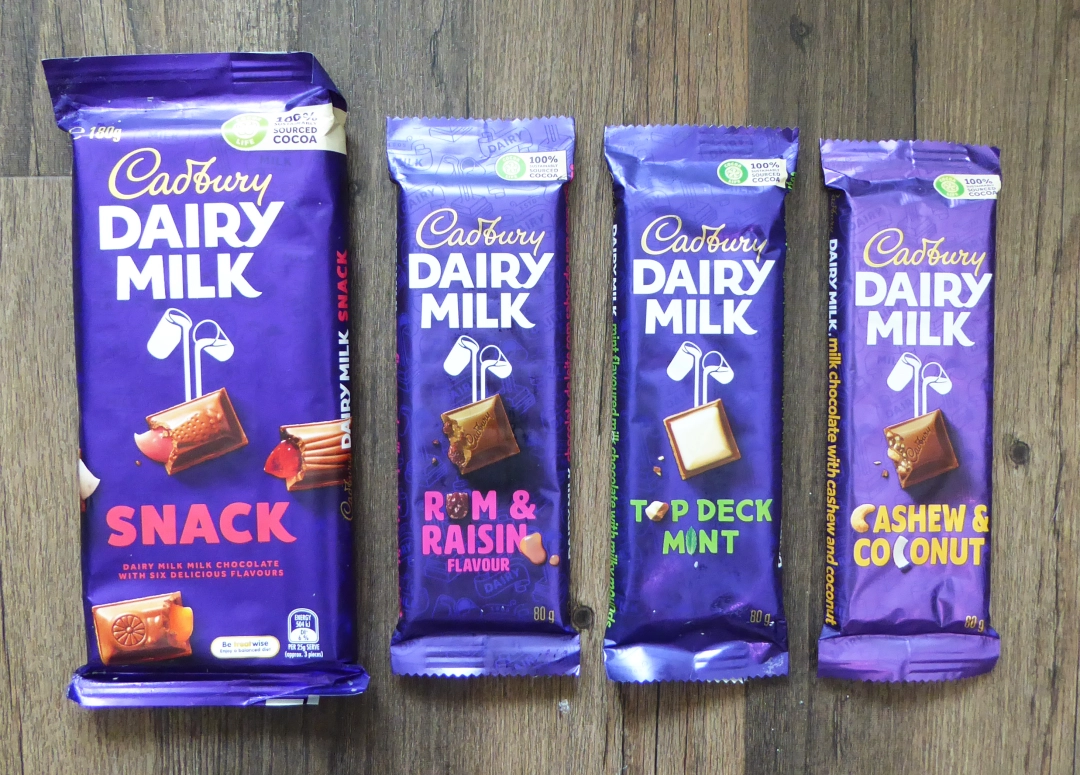
    Cadbury Australia has recently announced a countrywide recall of a popular product, the Marvellous Creations Jelly Popping Candy Beanies. The recall is due to the discovery of plastic fragments within the treats.

    Product Details

    The products impacted by the recall are those with an expiration date of May 21, 2026. They have been distributed and sold across the country by various outlets, including Coles, Woolworths, Drakes, The Reject Shop, IGA, and several independent retailers.

    Consumer Warning

    Food safety bodies have cautioned against consuming products containing plastic, stating that they may lead to potential health risks such as illness or injury.

    Advice to Consumers

    Customers who have purchased the affected product are strongly advised not to consume it. They are encouraged to return the product to the store of purchase where they will receive a full refund.

    For those who have already consumed the product and are worried about their health, it is recommended to seek immediate medical advice.

    Questions & Answers

    What should I do if I have purchased the recalled product?
    You should not consume it. Instead, return it to the store from where it was purchased for a full refund.

    What if I have already consumed the product?
    If you have already consumed the product and are feeling unwell or concerned about your health, it is strongly recommended to seek immediate medical attention.

    Are other Cadbury products affected by this recall?
    No. This recall is specific to the Marvellous Creations Jelly Popping Candy Beanies with an expiration date of May 21, 2026. Other Cadbury products are not affected.

  • Singapore’s Food Tech Startup Prefer Expands To Australia Through Strategic Partnership With The Coffee Ferm

    Singapore’s Food Tech Startup Prefer Expands To Australia Through Strategic Partnership With The Coffee Ferm

    Prefer, a Singapore-based food tech startup, is extending its reach to Australia, following the establishment of its debut domestic business collaboration.

    Expansion Down Under

    In a strategic move to expand its footprint in Australia and New Zealand, Prefer has formed a partnership with local coffee producer, The Coffee Ferm. This new alliance will see The Coffee Ferm acquiring a license for Prefer’s flavor intellectual property, enabling the firm to escalate manufacturing and distribution within the local market.

    Innovative and Sustainable Flavors

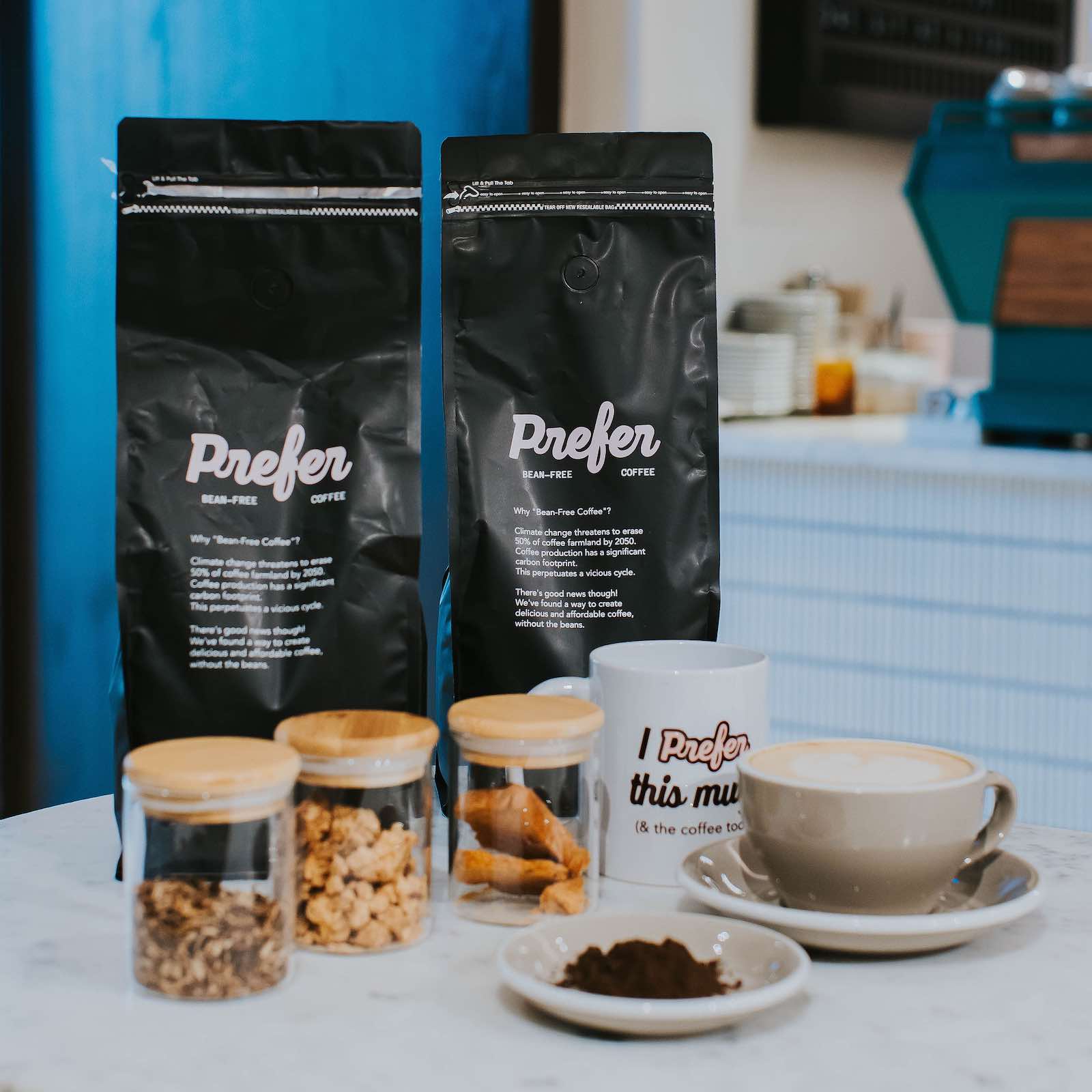
    Established in 2022, Prefer is making a name for itself in the market with its inexpensive and eco-friendly flavors and ingredients. These flavors are created using a unique fermentation and roasting technique, utilizing byproducts from food manufacturing processes, such as rice and soy. The company claims that their products deliver the same taste and operational attributes of coffee and cocoa, but with significantly lesser environmental impact.

    Supplies

    Prefer supplies its innovative flavors and ingredients to an array of businesses, from Fast Moving Consumer Goods (FMCG) brands and food manufacturers, to private label retailers, and flavor houses.

    Bean-free Coffee and Other Partnerships

    The startup has recently brought its ‘bean-free’ coffee products to the market via foodservice channels, in collaboration with the Singaporean food enterprise, Melvados. Moreover, Prefer has formed an alliance with Ajinomoto Thailand to generate sustainable innovations in the country’s coffee beverage sector.

    Funding and Future Plans

    This expansion comes in the wake of Prefer securing a successful fundraising round, which exceeded expectations at US$4.2 million. The fundraising was jointly headed by At One Ventures and Chancery Hill Capital, with Forge Ventures also participating. The influx of funds will contribute to the company’s plans to enhance their pilot production facility in key markets using toll manufacturers, further their research and development on cocoa flavor creation, and extend their global partnerships, with a continued emphasis on Asia.

    Questions & Answers

    What is the core business of Prefer?
    Prefer is a food tech startup that creates affordable and sustainable flavors from food manufacturing byproducts like rice and soy.

    What is the significance of Prefer’s partnership with The Coffee Ferm?
    The partnership will enable Prefer to expand into the Australian and New Zealand markets by licensing its flavor intellectual property to The Coffee Ferm, thus facilitating local manufacturing and distribution.

    What are Prefer’s future plans following the recent fundraising?
    Prefer plans to scale its pilot production facility, continue research and development on cocoa flavor, and broaden its global partnerships with a continued focus on Asia.

  • Australian Food Industry Shows Resilience With Robust Growth Amid Global Challenges

    Australian Food Industry Shows Resilience With Robust Growth Amid Global Challenges

    The food and grocery manufacturing industry in Australia has demonstrated robust growth, further solidifying its significance as the country’s biggest manufacturing sector and a crucial provider of regional employment opportunities.

    The Australian Food and Grocery Council’s (AFGC) State of the Industry 2023-24 report reveals that the sector’s turnover has experienced a 5.3 per cent growth, equating to a total of $173 billion.

    Employment and Exports

    Employment in the industry has also seen an increase of 4.4 per cent, resulting in almost 300,000 people now being employed in the sector, with over a third of these individuals located in regional Australia.

    Exports within the industry recorded a 5.2 per cent growth, while imports declined by 3.3 per cent. Interestingly, the US has surpassed China as the leading export market for Australia.

    Colm Maguire, CEO of AFGC, expressed his optimism for the sector’s future, emphasizing its “enormous potential”. He highlighted the need for policy and strategic backing as key for continued growth.

    Maguire added, “With the proper policy framework and strategic support, the food and grocery manufacturing sector can further enhance Australia’s economy – fostering regional employment, reinforcing Australia’s standing as a strong manufacturing nation, and securing our food and grocery supply amidst an increasingly complicated global landscape.”

    Challenges and Future Perspectives

    Despite the encouraging figures, the report also drew attention to certain challenges faced by the sector. These include an 11 per cent decline in capital investment, which currently stands at $3.8 billion, and ongoing cost pressures.

    As the Albanese Government progresses with its “Future Made in Australia” agenda, the AFGC argues that the food and grocery manufacturing industry is in a strong position to take the lead. This is reflected in their proposed seven productivity pillars, which concentrate on reducing bureaucracy, building resilient supply chains, and ensuring access to affordable, reliable energy.

    Questions & Answers

    What growth has the Australian food and grocery manufacturing industry seen recently?
    The industry has seen a 5.3 per cent increase in turnover, equating to $173 billion. Employment in the sector has risen by 4.4 per cent, with nearly 300,000 people now employed.

    Who is now Australia’s top export market?
    The US has now overtaken China as Australia’s top export market.

    What challenges does the Australian food and grocery manufacturing industry face?
    The industry faces challenges such as an 11 per cent decrease in capital investment and ongoing cost pressures.

  • Chatime And Maybelline Unveil Mascara-inspired Beverage Line With Unique Promotional Prizes

    Chatime And Maybelline Unveil Mascara-inspired Beverage Line With Unique Promotional Prizes

    Chatime and Maybelline New York have come together to unveil a series of four beverages that draw inspiration from Maybelline’s latest addition to its product line, the Colossal Bubble Mascara. The mascara promises to offer a voluminous yet lightweight effect.

    The Limited-Edition Beverage Collection

    The unique, limited-edition drink line-up includes Bubbillicious Mango Fruity, Colossal Mango Passion Frozen, Maybe It’s Peach Fruity, and Maybelline Sugar Swirl. These beverages aim to offer a refreshing twist and a new dimension to the beverage experience for customers, reflecting the bold and innovative nature of the two brands.

    Rachel Druce, who is in charge of marketing at Chatime, has expressed that this partnership has opened up a novel dimension in the brand’s line of collaborations. According to her, this initiative blends the worlds of beauty and beverages in a manner that is unique, enjoyable, and perfectly in tune with Chatime’s brand identity.

    An Exciting Offer for Customers

    As part of the promotion, customers who purchase any of the Maybelline-themed bubble tea drinks will receive a ‘Scratch and Win’ card. This allows them the opportunity to win a variety of prizes, including over 3000 full-size mascaras and an array of Chemist Warehouse vouchers.

    Melanie Bower, the marketing director of Maybelline New York ANZ, has expressed that this collaboration perfectly complements the launch of their new mascara. Being the leading mascara brand in Australia, Maybelline New York is constantly seeking unique and exciting ways to engage with its consumers. According to Bower, the collaboration with Chatime perfectly encapsulates this ethos by celebrating bold lashes and bold flavours together.

    The promotion is set to run nationwide from August 12th to 25th across all Chatime outlets.

    Questions & Answers

    What is the nature of the collaboration between Chatime and Maybelline New York?

    The collaboration involves the launch of four limited-edition beverages inspired by Maybelline’s new Colossal Bubble Mascara.

    What benefits do customers get from this collaboration?

    Customers who purchase any of the Maybelline-themed bubble tea drinks will receive a ‘Scratch and Win’ card, providing them a chance to win a variety of prizes, including over 3000 full-size mascaras and Chemist Warehouse vouchers.

    How long is the promotion set to run?

    The promotion is scheduled to run from August 12th to 25th across all Chatime outlets nationwide.

  • Jollibee Foods Reports 5.6% Rise In Q2 Net Income, Fueled By Overseas Growth And Record Sales

    Jollibee Foods Reports 5.6% Rise In Q2 Net Income, Fueled By Overseas Growth And Record Sales

    Jollibee Foods Corporation (JFC), a leading global fast-food company, has reported a 5.6% year-on-year rise in the second quarter’s attributable net income, reaching $57.78 million. This increase was primarily fueled by robust gains from the firm’s overseas operations and record-breaking system-wide sales (SWS).

    Expansion of Global Store Network

    By the end of June, JFC’s global store network had grown by 45.5% compared to the previous year, sporting a total of 10,119 outlets. This figure includes 6,695 international branches spread across China, North America, EMEA, and other key markets in Asia.

    Record Sales and Revenue

    The SWS for the quarter saw a 19.6% increase, reaching $2.06 billion. This was backed by a rise of 32.6% in the company’s international business. The coffee and tea segment emerged as the top performer, registering a staggering 68.6% growth, largely due to the impact of the South Korean brand, Compose Coffee.

    JFC also saw its revenue jump by 15.5% to $1.4 billion. Operating income followed suit, recording a 19.1% rise to $108.72 million. The group’s same-store sales growth registered a respectable 5.5%, with the Philippine business growing by 6.4% and the international business by 4.1%.

    Successful Business Momentum

    JFC’s CEO, Ernesto Tanmantiong, linked these robust results to the company’s ongoing business momentum and improved operational execution. He highlighted the growth in operating income as a testament to the strength of their coffee and tea segment as well as the consistent contributions from their Philippine business and Jollibee International. Tanmantiong also emphasized the effectiveness of their multi-brand and multi-market strategy in driving the company’s success.

    First Half Performance

    For the first half of the year, the attributable net income showed a 0.7% slip to $101.16 million from $101.88 million the previous year. However, SWS experienced a 19.2% growth to $3.92 billion, and the revenue rose by 15% to $2.66 billion. Correspondingly, the operating income increased by 18.4% to $195.3 million.

    Future Investment Strategy

    Richard Shin, the company’s Chief Financial and Risk Officer, explained their capital would be “selectively deployed” in support of growth in the Philippines, Jollibee International, and the coffee and tea segment. He noted early recovery signs in China and a clear turnaround path for Smashburger in the U.S. Compose Coffee is also expected to surpass 3000 stores, with an anticipated 36% return on invested capital this year.

    Questions & Answers

    What contributed to JFC’s growth in the second quarter?
    The growth was primarily driven by robust gains from their overseas operations and record-breaking system-wide sales.

    Which segment emerged as the top performer for JFC?
    The coffee and tea segment emerged as the top performer, registering a 68.6% growth.

    What are JFC’s future investment strategies?
    JFC plans to selectively deploy capital to support growth in the Philippines, Jollibee International, and the coffee and tea segment. They also anticipate growth in China and the U.S. through brands like Smashburger and Compose Coffee.

  • Haidilao to Close Its Beloved Singapore Outlet After 13 Years of Hotpot Delight

    Haidilao to Close Its Beloved Singapore Outlet After 13 Years of Hotpot Delight

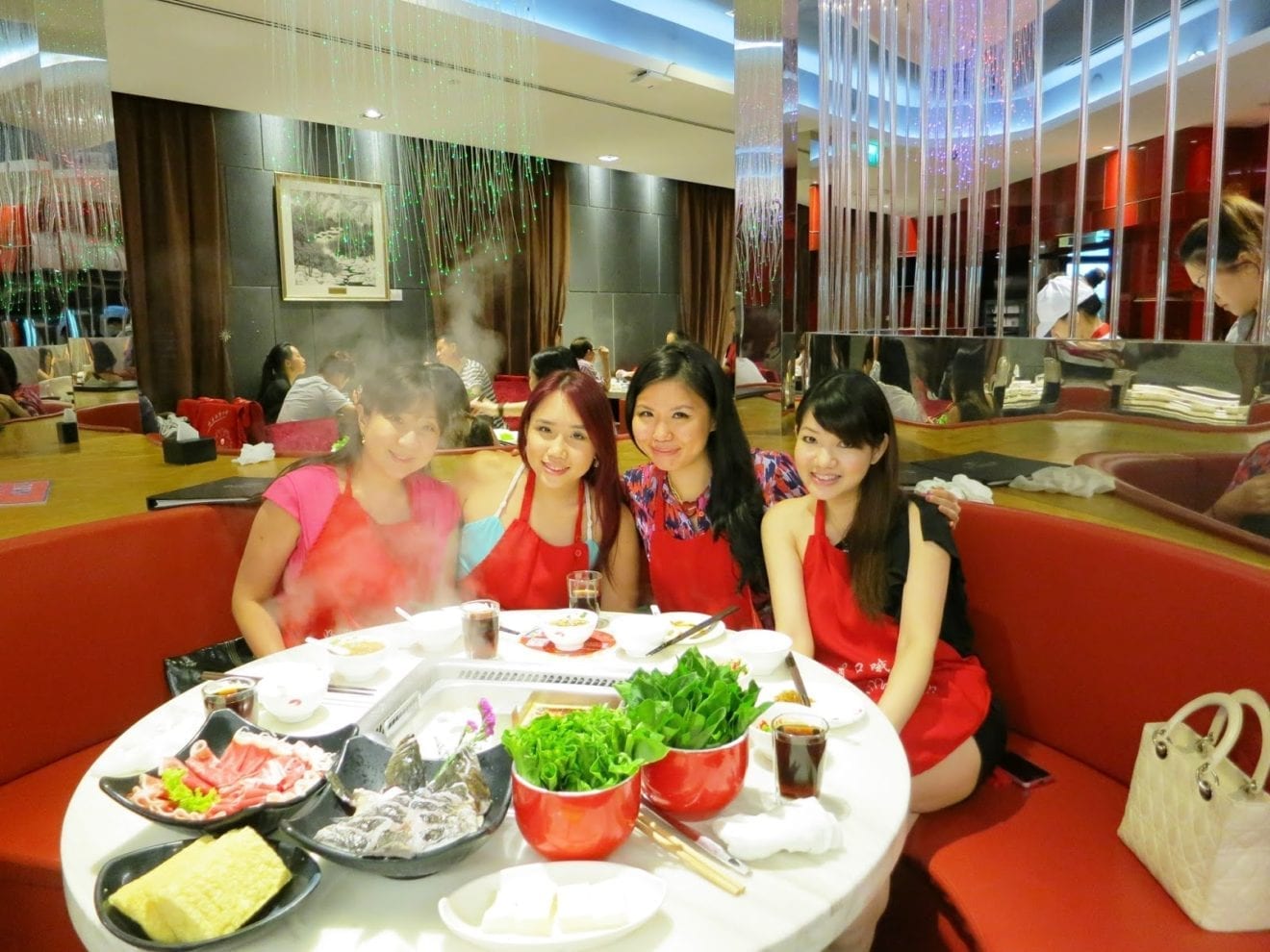
    The widely loved Chinese hotpot chain Haidilao will bid farewell to its flagship Singapore outlet in Clarke Quay on August 31 as its lease comes to an end. In a notice sent to patrons via text message, the closure marks a significant chapter for the restaurant, which first opened in 2012 as Haidilao’s inaugural venture beyond Chinese borders.

    “This was our very first outlet in Singapore and served as an introduction to Chinese hotpot for many local diners,” remarked a Haidilao Singapore spokesperson, adding that the location has been a treasure trove of memories for both staff and guests.

    The decision comes on the heels of Haidilao closing three other suburban restaurants across Singapore’s Bedok, Pasir Ris, and Punggol, part of a broader strategic reassessment following a phase of rapid expansion.

    Key considerations influencing this closure, according to a spokesperson, include rising labor costs, the suitability of outlet locations, and increasing rental expenses, all of which reflect the industry’s challenges.

    Representatives from CQ @ Clarke Quay, a vibrant hub favoured by locals and tourists alike, expressed gratitude for the longstanding partnership with Haidilao, which has adorned the area for 13 years. “Given Haidilao’s strong presence across the island, we have mutually agreed to refresh the #1 Store unit with a new tenant at the conclusion of its lease,” they stated.

    In a generous farewell gesture, Haidilao will distribute dining vouchers valued at over SGD800,000 (approximately US$625,000) to members eligible for the program. These vouchers can be utilized without a minimum spend at any of their locations throughout Singapore.

    Despite the impending closure of its flagship store, Haidilao’s footprint remains substantial, boasting over 16 restaurants in Singapore and more than 110 establishments globally, including in the U.S., Canada, and Australia.

    Questions & Answers

    What prompted Haidilao to close its Clarke Quay location?
    The closure is primarily due to the expiration of the lease, alongside mounting labor costs, rental expenses, and the need to reassess outlet locations.

    Will Haidilao continue to operate in Singapore after this closure?
    Yes, Haidilao still has over 16 outlets throughout Singapore, ensuring that fans of the hotpot chain can continue to enjoy their favourite dishes in other locations.

    What benefits are being offered to customers following the closure announcement?
    Haidilao is providing dining vouchers worth more than SGD800,000 (around US$625,000) to eligible members, which can be used without a minimum spend at any of their Singapore outlets.

  • Hong Kong’s Tam Jai International Makes Culinary Leap Into Malaysia With First Tamjai Mixian Restaurant

    Hong Kong’s Tam Jai International Makes Culinary Leap Into Malaysia With First Tamjai Mixian Restaurant

    Hong Kong’s Tam Jai International (TJI) has expanded its culinary reach into Malaysia with the launch of its pioneer TamJai Mixian restaurant. This move signifies an integral part of the company’s growth in the food and beverage market within Southeast Asia.

    The new establishment is situated in the Sunway Pyramid Mall in Selangor, Malaysia. The restaurant, covering 136 square meters, is an integral component of the master franchise agreement that TJI has with Hextar Retail Berhad. This company is a subsidiary of the Malaysian conglomerate Hextar Group.

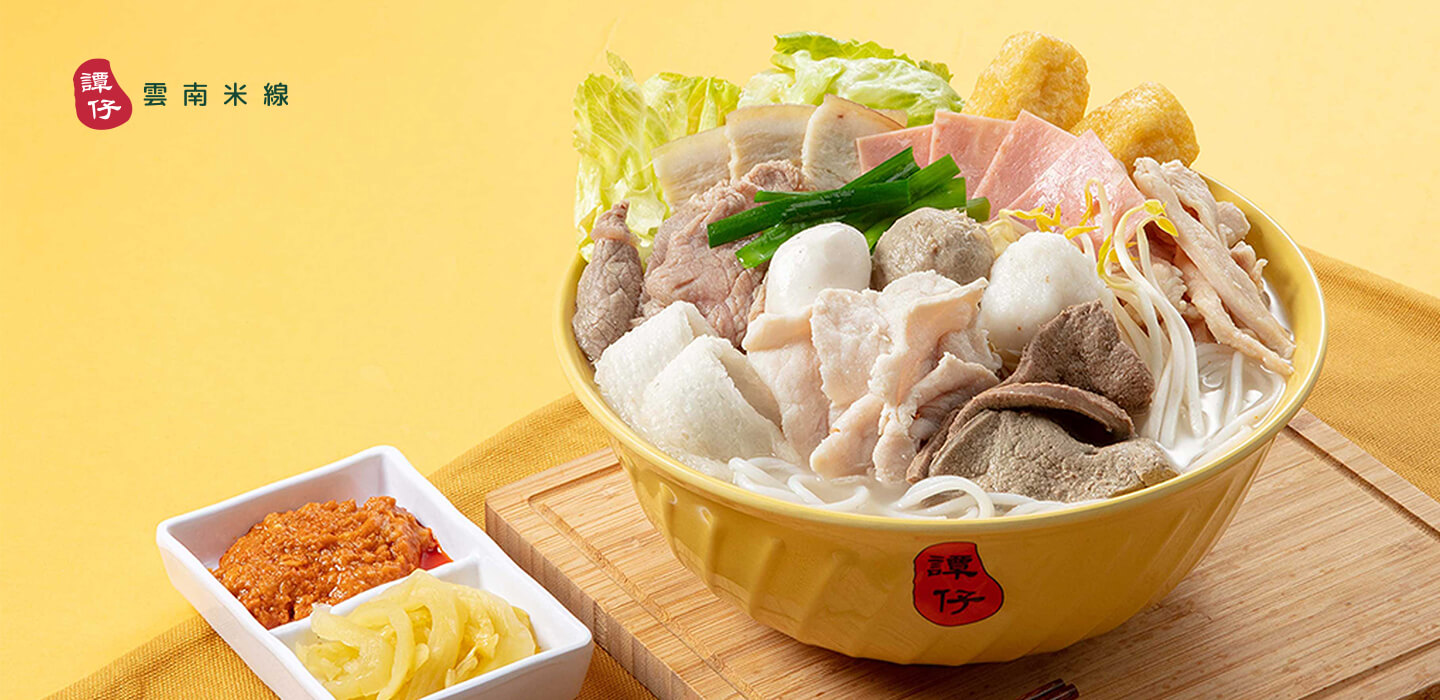
    TamJai Mixian, originated in Hong Kong, encompasses the quintessential elements of TJI’s flagship brands like TamJai Yunnan Mixian and TamJai SamGor Mixian. These brands are renowned for their carted noodles with soup bases, with a variety of spicy levels and an extensive selection of toppings.

    Daren Lau, the Chairman, Executive Director, and CEO of TJI, expressed his enthusiasm about the venture. “Our commencement in Malaysia signifies a substantial advancement in TJI’s strategic expansion within the rapidly proliferating Southeast Asian market,” he said.

    Lau also expressed his confidence in the brand’s appeal to the local Malaysian market. “We are confident that our established brand concept will strike a chord with local consumers, allowing us to leverage the robust growth potential of Malaysia’s vibrant and diverse food scene,” Lau added.

    The Tam Jai International group not only operates in Hong Kong but also runs over 240 locations in various countries such as Singapore, Japan, Mainland China, and Australia. The company also has plans in place for future expansion into the Philippines.

    Questions & Answers

    What is the significance of the new TamJai Mixian restaurant in Malaysia?
    The launch of the TamJai Mixian restaurant in Malaysia represents a significant step in TJI’s strategic expansion in the rapidly growing Southeast Asian market.

    What does TamJai Mixian offer?
    TamJai Mixian is known for its carted noodles with soup bases, which come in varying levels of spiciness and a wide selection of toppings.

    What is the future expansion plan of the Tam Jai International group?
    Apart from their recent expansion into Malaysia, Tam Jai International also has plans for future expansion into the Philippines.

  • Shake Shack Announces Major Expansion Into Vietnam With 15 Outlets By 2035

    Shake Shack Announces Major Expansion Into Vietnam With 15 Outlets By 2035

    American fast-food chain, Shake Shack, is set to expand its reach to Vietnam, aiming to open 15 outlets throughout the country by the year 2035. This expansion initiative is facilitated by a fortified collaboration with Maxim’s Caterers Limited, a Hong Kong-based licensee. This move further consolidates Shake Shack’s existence in the Asia-Pacific region.

    The Vietnam Shack

    The inaugural Vietnamese Shake Shack is slated to open its doors in the coming year. It aims to appeal to food enthusiasts with its signature offerings such as the ShackBurger, crinkle-cut fries, hand-spun frozen custard, the Chicken Shack, and the ShackMeister beer.

    Investing in Vibrant Cultures

    Michael Kark, president of global licensing at Shake Shack, expressed his enthusiasm about the expansion. “Breaking ground in Vietnam marks an exhilarating progression for Shake Shack,” he stated. “By planning 15 outlets over the coming decade, we are making a strong commitment to one of Asia’s most dynamic, food-loving societies.”

    Maxim’s Caterers presently operates 52 Shake Shack outlets across Mainland China, Hong Kong, Macau, and Thailand.

    “Maxim’s proves to be the ideal collaborator to implement our vision, thanks to their unrivaled local knowledge, operational proficiency, and a deep-seated passion for hospitality. Together, we are excited to introduce Shack to a brand new community of fans in Vietnam,” Kark added.

    Shake Shack’s global presence includes over 610 locations, with more than 210 restaurants in key metropolitan cities such as London, Tokyo, Seoul, and Dubai.

    Questions & Answers

    What is Shake Shack’s expansion plan in Vietnam?
    Shake Shack plans to open 15 locations across Vietnam by 2035.

    When is the first Shake Shack outlet expected to open in Vietnam?
    The first Shake Shack outlet in Vietnam is scheduled to open next year.

    Who is Shake Shack’s partner in its Vietnam expansion?
    Shake Shack’s expansion in Vietnam is facilitated by Maxim’s Caterers Limited.

  • WK Kellogg reports sharp drop in Q2 earnings amid Ferrero takeover

    WK Kellogg reports sharp drop in Q2 earnings amid Ferrero takeover

    The major breakfast cereal and snack producer, WK Kellogg, has revealed a significant drop in its net income for the second quarter as it readies itself for an upcoming acquisition by Ferrero Group.

    Drop in Earnings

    The company’s net income for the quarter was a mere $8 million, a significant decrease from the $37 million earned in the same period last year. This represents a year-over-year decrease of 78.4%.

    The company’s net sales for the second quarter also dipped by 8.8%, coming in at $613 million. This slump reflects the weakening consumer demand across all of WK Kellogg’s markets.

    Pending Acquisition by Ferrero Group

    WK Kellogg had previously announced a definitive agreement to be purchased by Italy-based Ferrero Group in an all-cash deal worth $3.1 billion. The deal is anticipated to close in the latter half of the present year, provided it receives the required approval from regulators and shareholders.

    Gary Pilnick, chairman and CEO of WK Kellogg, stated, “Despite the challenging operating environment, we experienced in the second quarter, we are making tangible progress against our long-term strategic priorities, including our supply chain modernization initiative.” He continued, “Our team remains committed to executing our plans for the remainder of the year and preparing for the future as we look forward to merging with Ferrero and commencing this exciting new chapter for WK.”

    The acquisition is viewed as a crucial move to expedite WK Kellogg’s transformation under Ferrero’s stewardship, capitalizing on complementary product portfolios and global outreach.

    Questions & Answers

    Why did WK Kellogg’s net income decrease in this quarter?
    The decline in net income is attributed to weaker consumer demand across all of WK Kellogg’s markets.

    What is the value of Ferrero Group’s acquisition deal with WK Kellogg?
    Ferrero Group has agreed to acquire WK Kellogg in an all-cash deal worth $3.1 billion.

    What does WK Kellogg anticipate from the prospective merger with Ferrero Group?
    The merger with Ferrero Group is expected to fast-track WK Kellogg’s transformation, leveraging the combined strength of their product portfolios and global reach.

  • Beyond Meat Rebrands To ‘beyond’, Pivots To Direct Plant-derived Proteins

    Beyond Meat Rebrands To ‘beyond’, Pivots To Direct Plant-derived Proteins

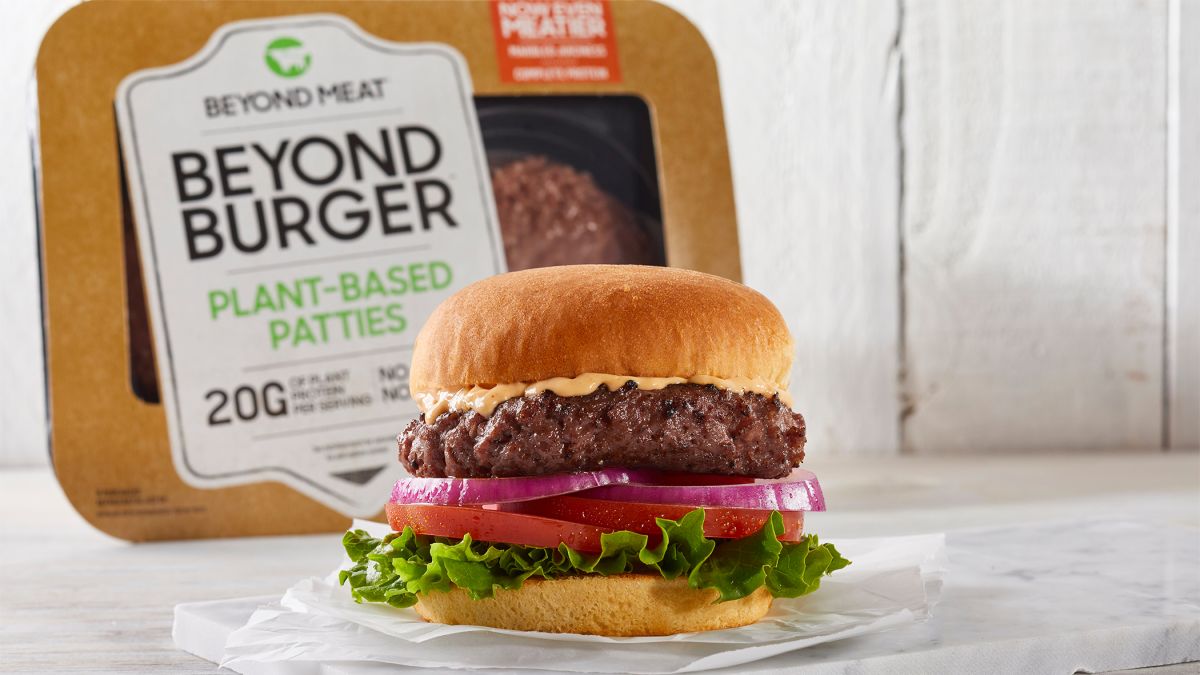
    Leading provider of plant-based alternative meat products, Beyond Meat, is set to rebrand itself as “Beyond.” This transition is part of the company’s efforts to expand its scope beyond meat substitutes and highlight its commitment to creating proteins derived directly from plants.

    Beyond’s initiative underpins the company’s strategy to construct its products directly from plant sources, rather than simulating meat-based products. This shift in brand identity comes in the wake of financial challenges encountered by the California-based enterprise, which the rebranding strategy could help overcome by opening up additional segments of the protein market for competition.

    To coincide with the rebranding, Beyond will introduce a new product known as Beyond Ground. Slated for release this month, Beyond Ground is positioned as a sustainable alternative to traditional ground beef. The product boasts a simple blend of nutritious ingredients, including fava beans, potato starch, water, and psyllium husk.

    The development and introduction of Beyond Ground align with consumer preferences for recognizable ingredients, straightforward production methods, and less emphasis on mimicking meat. According to Julian Cottee, Senior Corporate Engagement Manager at ProVeg International, aiding consumers in transitioning from predominantly meat-centric diets to more plant-based ones requires various tactics, one of which is offering products that bear familiar flavors and appearances.

    Cottee emphasizes the importance of options in facilitating such dietary transitions, stating, “The more options on the table, the better.”

    Questions & Answers

    Why is Beyond Meat rebranding itself as Beyond?
    The company is rebranding to reflect its commitment to creating proteins derived directly from plants, rather than just mimicking meat-based products. This strategy aims to help overcome the recent financial challenges faced by the company by tapping into new segments of the protein market.

    What is the new product that Beyond is launching?
    Beyond’s new product is called Beyond Ground, a sustainable alternative to traditional ground beef. It is made of simple and recognizable ingredients, including fava beans, potato starch, water, and psyllium husk.

    What is the significance of offering products that bear familiar flavors and appearances?
    Providing products that look and taste familiar can help facilitate consumers’ transition from a meat-heavy diet to a more plant-based one. The more options consumers have, the easier it is for them to make the switch.

  • V2food Acquires Daring Foods, Forms Alliance With Ajinomoto In Global Expansion Move

    V2food Acquires Daring Foods, Forms Alliance With Ajinomoto In Global Expansion Move

    V2Food, an Australian alternative meat company that emphasizes plant-based products, has made a significant stride in its worldwide expansion by acquiring Daring Foods, a company based in the United States, and forming a strategic alliance with Ajinomoto, a renowned Japanese food conglomerate.

    According to V2Food, this deal integrates its proprietary protein technology with Daring’s robust retail footprint in the U.S. and Ajinomoto’s extensive global reach and food science expertise that spans over a century.

    Merging Technological Capabilities

    Tim York, the CEO of V2Food, commented on the newly formed partnership. He believes that merging their technological prowess with Ajinomoto’s global scale and profound knowledge in food science, as well as Daring’s tested market triumph, will result in an influential platform for sustainable nutrition. This platform will not undermine the taste or quality of the food.

    Daring, which currently ranks as the top unbreaded plant-based chicken brand in the U.S., will maintain its brand name and operations. The acquisition, however, enables the brand to serve as a springboard for the introduction of V2Food’s products to the American market.

    Key Roles of Ajinomoto

    Ajinomoto will play a crucial role in expanding the business on an international scale, concentrating on Asia and Africa. These regions are currently witnessing a surge in demand for accessible and sustainable protein sources.

    Shigeo Nakamura, the president and CEO of Ajinomoto, spoke about the strategic association between Ajinomoto and V2Food. He emphasized the mutual dedication of both companies to revolutionizing the global food system through innovation, sustainability, and co-creation in technology and business development. All these efforts are geared towards contributing to the well-being of individuals, society, and our planet.

    Future Plans

    Both companies plan to introduce clean-label products to the market, including a line of frozen meals. These products are aimed at meeting the consumer demand for healthier, more natural plant-based options. V2Food’s technology features methylcellulose-free formulations and an innovative use of algae for colour.

    Questions & Answers

    What is the significance of V2Food’s acquisition of Daring Foods and partnership with Ajinomoto?
    Answer: These strategic steps mark a major milestone in V2Food’s global expansion, combining V2Food’s protein technology with Daring’s established US market presence and Ajinomoto’s extensive food science expertise and global reach.

    What role will Ajinomoto play in this partnership?
    Answer: Ajinomoto will help scale the business internationally, with a primary focus on Asia and Africa where the demand for accessible and sustainable protein sources is on the rise.

    What future plans do the companies have?
    Answer: The companies plan to launch clean-label products, including a frozen meal line, to meet the consumer demand for healthier, more natural plant-based options. Additionally, they will make use of V2Food’s innovative technology that involves methylcellulose-free formulations and algae-based colouring.