Category: Food

Retail News Asia is committed to providing both local and global retailers with the latest Food and Food & Beverage news throughout the Asian market. This on a daily base.

  • Hershey Sales Surge Amidst Slumping Profits: Navigating Rising Cocoa Costs And Supply Chain Challenges

    Hershey Sales Surge Amidst Slumping Profits: Navigating Rising Cocoa Costs And Supply Chain Challenges

    Hershey, the confectionery giant, has registered a significant increase in sales for the second quarter despite a drastic fall in profits. This arises from the escalating costs of cocoa, supply chain, and adverse effects from commodity hedging.

    In the most recent quarter, Hershey reported net sales of US$2.61 billion, a 26 per cent surge compared to the same quarter the previous year. The growth was a result of robust demand for seasonal products, which included popular items tied to the Easter season and early Halloween shipments.

    However, despite the impressive rise in revenue, net income experienced a 65 per cent decrease, landing at $62.7 million.

    Hershey attributed the sharp decline in net income to a significant drop in gross margins, spurred by the rise in input costs and losses from mark-to-market on commodity derivatives. This was despite the strong volume growth, especially in its North American confectionery division.

    Michele Buck, President and CEO of Hershey, commented on the situation. “Our investments in brands and impactful innovation, along with effective execution, have led to solid sales and share gains in both our US confection and salty snacking businesses,” she said.

    She further added, “In the future, we are committed to delivering balanced growth and have already initiated critical steps to offset cocoa inflation through strategic pricing, improved productivity, and the use of technology for efficiency and speed.”

    In other news, Hershey recently announced the appointment of Kirk Tanner as the new President and CEO, effective from August 18, succeeding Buck.

    Questions & Answers

    What led to the growth in Hershey’s net sales?
    The increase in Hershey’s net sales was a result of strong demand for seasonal products, such as those tied to the Easter season and early Halloween shipments.

    Why did Hershey’s net income decrease despite the growth in sales?
    The decrease in net income was due to a significant drop in gross margins, which was caused by the rising input costs and mark-to-market losses on commodity derivatives.

    What measures is Hershey taking to combat cocoa inflation?
    To mitigate cocoa inflation, Hershey is implementing strategic pricing, enhancing productivity, and leveraging technology for increased efficiency and speed.
  • Kitkat Unveils Revolutionary Beverage Machine In Global Collaboration With Nestlé Professional

    Kitkat Unveils Revolutionary Beverage Machine In Global Collaboration With Nestlé Professional

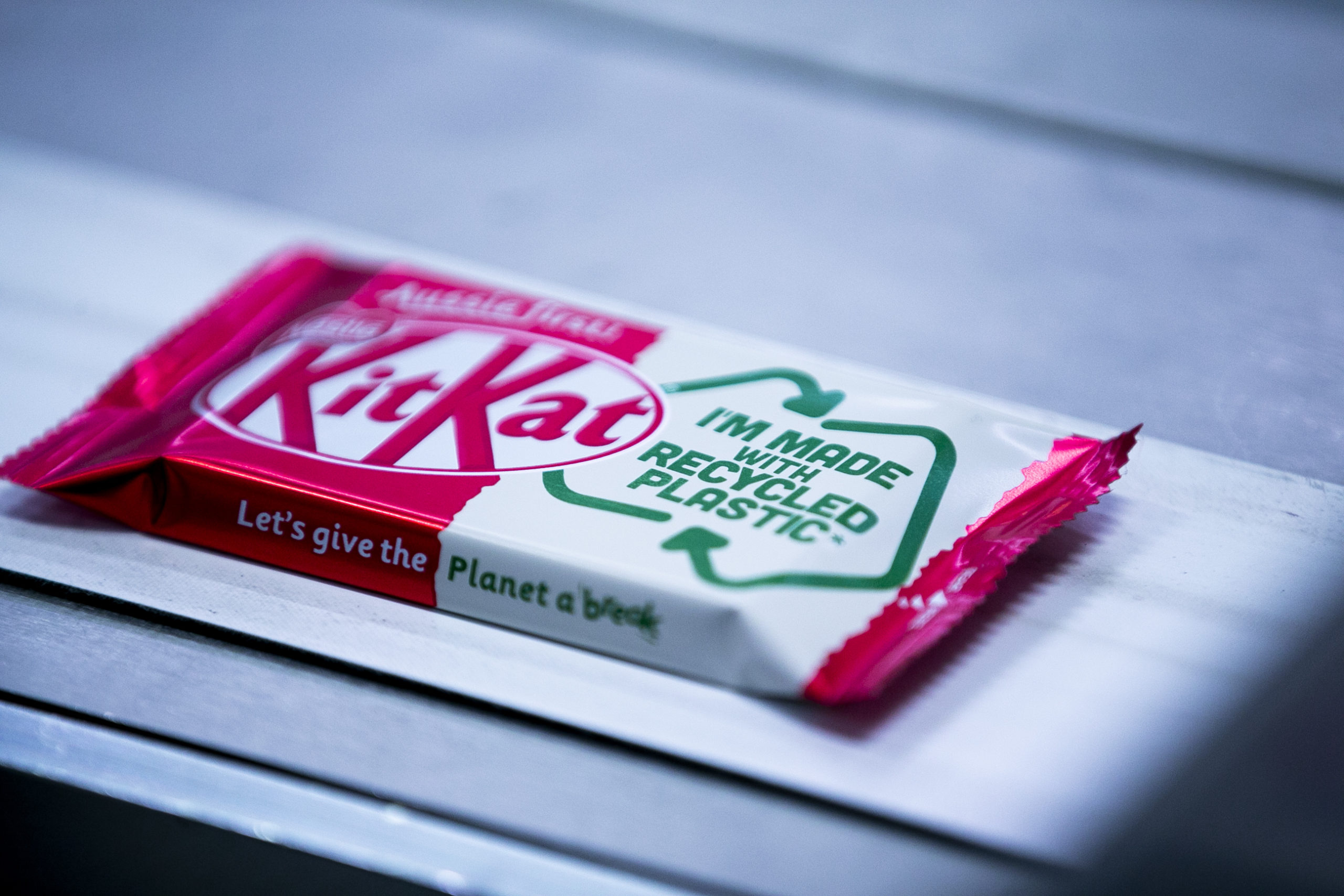
    In a recent collaboration with Nestlé Professional, KitKat has unveiled its inventive beverage machine on a global scale, enriching Nestlé’s vast food and beverage solutions portfolio. This innovative machinery provides an array of cocoa-infused beverage choices, featuring KitKat’s unique blend of crisp wafer and lush cocoa.

    The KitKat Beverage Machine

    The KitKat-themed beverage machine is a noteworthy addition to the Nescafé Fusion system. This comprehensive selection of coffee machines presents an assortment of personalized hot, cold, and iced beverages to cater to diverse customer preferences.

    Joe Aouad, the Global Head of Nestlé Professional’s beverage division, expressed optimism for the new offering. He stated, “The KitKat beverage will empower us to persistently back our operators across the globe, delivering the distinctive KitKat flavour in a convenient cup format.”

    Global Launch and Availability

    The pioneering KitKat Beverage product made its debut in Brazil. It will be accessible globally to Nestlé Professional beverage providers and professionals who supply to out-of-home locations. These locations include convenience stores, bakeries, healthcare facilities, and travel sites.

    KitKat’s Past Endeavors

    KitKat’s past efforts have resulted in an array of products, taking their brand beyond just a chocolate bar. These products range from confectionery items and ice creams to coffee mixes and cereals, all carrying the beloved KitKat taste.

    Questions & Answers

    What is the new KitKat beverage machine?
    The KitKat beverage machine is a result of a collaboration between KitKat and Nestlé Professional. It is designed to create an array of cocoa-infused beverages with components of KitKat’s signature crisp wafer and smooth cocoa.

    Where has the KitKat Beverage product been initially launched?
    The KitKat Beverage product was initially launched in Brazil and is planned for a global rollout.

    What type of locations can use the KitKat beverage machine?
    The KitKat beverage machine is designed for use in out-of-home locations such as convenience stores, bakeries, healthcare facilities, and travel sites.

  • Mars Wrigley Unveils Snickers Loaded: More Peanuts, More Caramel, Now Available Nationwide

    Mars Wrigley Unveils Snickers Loaded: More Peanuts, More Caramel, Now Available Nationwide

    Mars Wrigley has unveiled a new addition to its product line, Snickers Loaded, in the domestic market. This new variant promises to deliver more peanuts and caramel than the original Snickers bar.

    The Snickers Loaded is manufactured at the company’s Ballarat plant. The revamped chocolate bar boasts up to 10% more peanuts and an impressive 50% more caramel than its predecessor, all enveloped in a rich milk chocolate coating.

    Bianca Werkmeister, the Portfolio Director at Mars Wrigley Bars, commented on the product’s potential appeal to consumers. “Snickers has always been the go-to choice for individuals seeking a satisfying treat,” Werkmeister said. “Now, with Snickers Loaded, we’ve ramped up the texture and flavor, creating a truly indulgent yet fulfilling snack that we believe will resonate with Australians.”

    Snickers Loaded is now available for purchase across the country in supermarkets, gas stations, and convenience stores. The 45g bar is priced at $2.50, while the 66g twin pack retails for $3.

    Questions & Answers

    What is the new product introduced by Mars Wrigley?
    The company has introduced a new chocolate bar called Snickers Loaded.

    What differentiates Snickers Loaded from the original version?
    Snickers Loaded offers up to 10% more peanuts and 50% more caramel than the original Snickers bar.

    Where can consumers purchase Snickers Loaded?
    The product is available nationwide in supermarkets, petrol stations, and convenience stores.

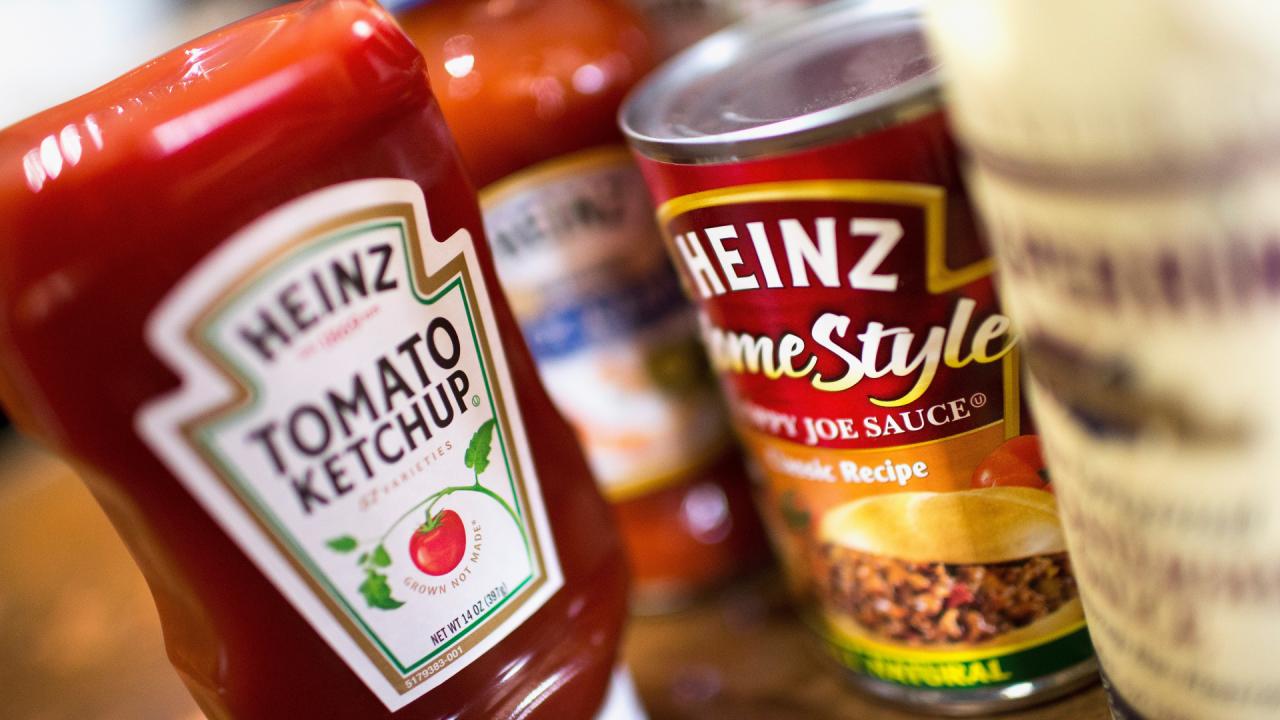
  • Kraft Heinz Reports $8 Billion Loss Amid Rising Costs And Impairment Charge: A Resilient Sales Performance Amid Turbulence

    Kraft Heinz Reports $8 Billion Loss Amid Rising Costs And Impairment Charge: A Resilient Sales Performance Amid Turbulence

    In the second quarter of 2025, multinational food company Kraft Heinz reported a net loss of $8 billion (AUD$12 billion). This financial downturn was primarily due to a $9.3 billion impairment charge. However, despite significant market challenges, the company’s overall sales exhibited resilience.

    Sales Performance

    Kraft Heinz saw a slight decline in its net sales by 1.9%, dropping to $6.35 billion. Organic sales also fell by 2%, where increased pricing countered a 2.7% volume decrease across various product categories. These categories included cold cuts, coffee, lunchables, frozen snacks, and powdered beverages.

    Operating Loss and Adjusted Income

    Operating income sharply fell into a loss of $8 billion. Similarly, adjusted operating income experienced a 7.5% decrease, landing at $1.3 billion. Kraft Heinz attributed these decreases to rising commodity costs and unfavorable volume and mix. However, these pressures were somewhat alleviated by price increases, reductions in advertising expenditures, and beneficial effects from foreign exchange.

    The company pointed to the impairment charge as the main factor driving their losses. This was largely due to a consistent decrease in share price and market capitalization.

    Strategic Initiatives

    Despite these challenges, Kraft Heinz remains committed to its long-term strategic plans. These include targeted investments in their brands, innovative product development, and improvements in operational efficiency. These initiatives aim to counterbalance the softness in volume and cost inflation.

    Carlos Abrams-Rivera, CEO of Kraft Heinz, commented on the company’s Q2 results, stating, “Our second quarter top-line results reflect this dedication, improving from the first quarter. We are delivering value and driving improvement, underpinned by our Brand Growth System and our Go To Market model.”

    Earlier in the year, it was rumored that Kraft Heinz was considering a spinoff of parts of its grocery division, as it continues to adapt to changing consumer preferences and a general shift away from processed foods.

    Questions & Answers

    What were Kraft Heinz’s net losses in Q2 2025?
    Kraft Heinz reported a net loss of $8 billion (AUD $12 billion) in the second quarter of 2025.

    What factors contributed to the company’s financial downturn?
    The company’s financial downturn was primarily due to a $9.3 billion impairment charge. Other contributors were rising commodity costs and an unfavorable volume and mix.

    What strategic initiatives is Kraft Heinz focusing on to combat these challenges?
    Kraft Heinz is focusing on strategic initiatives like targeted brand investments, product innovation, and operational efficiencies to help counterbalance volume softness and cost inflation.

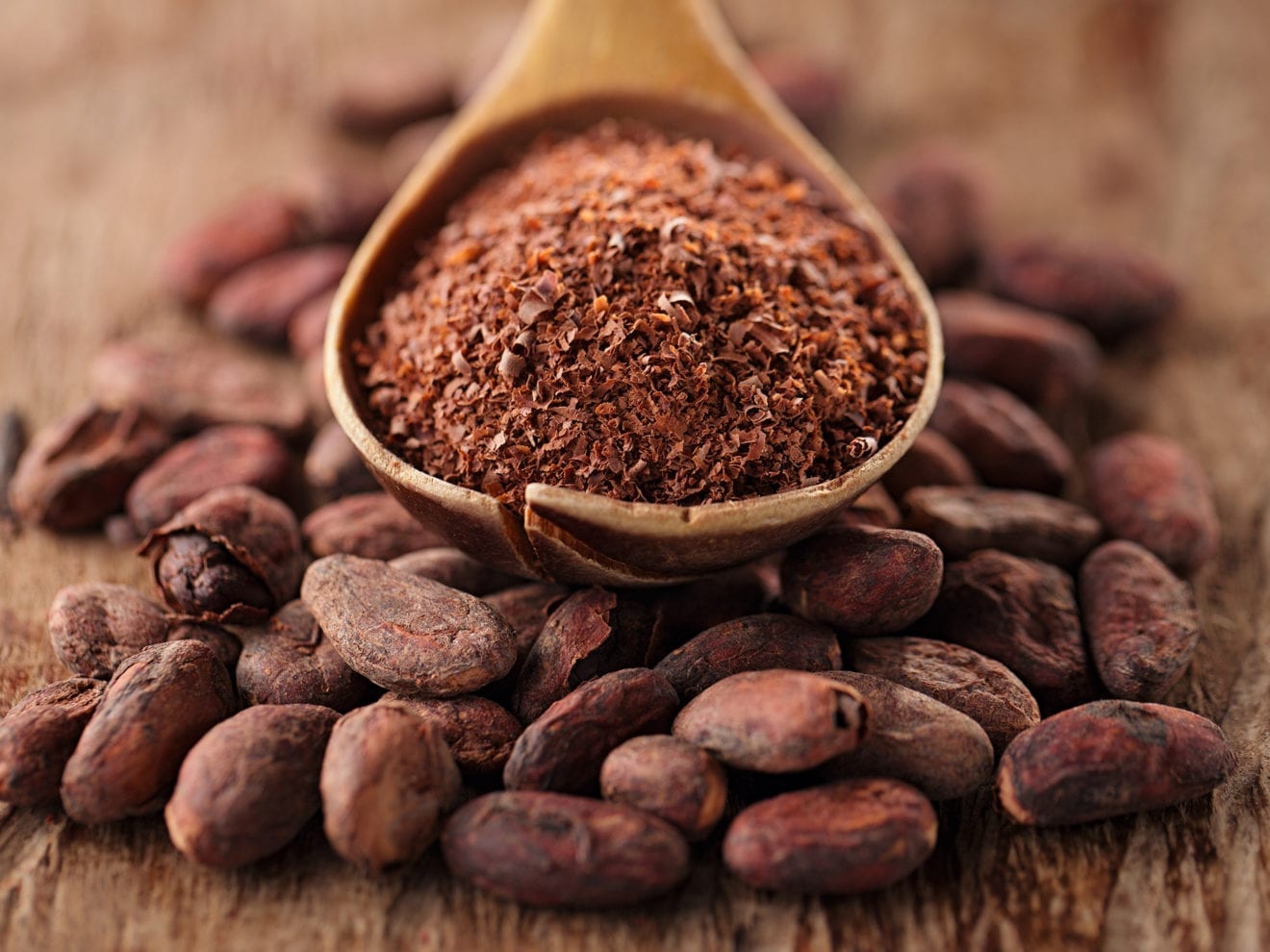
  • Cocoa and Chocolate Market Set to Reach $28.24 Billion by 2030: A Sweet Future Ahead!

    Cocoa and Chocolate Market Set to Reach $28.24 Billion by 2030: A Sweet Future Ahead!

    With indulgence and health preferences colliding, the global cocoa and chocolate market is poised for impressive growth, projected to expand from $23.69 billion in 2025 to $28.24 billion by 2030, according to MarketsandMarkets. This translates to a compound annual growth rate (CAGR) of 3.6% over the forecast period, signaling a sweet future for both consumers and producers alike.

    Health Meets Indulgence in Chocolate Offerings

    As disposable incomes rise across the globe, consumers are increasingly drawn to premium and functional chocolate products that offer both enjoyment and health benefits. Cocoa powder, the unsung hero of the chocolate universe, commands the largest market share. Its versatility makes it a favorite ingredient in bakery goods, confectionery, dairy products, beverages, and health-oriented items due to its affordability, shelf stability, and functional properties. There is a growing appetite for low-fat, high-flavor cocoa, particularly in protein drinks and sports nutrition, making it a must-have for health-conscious consumers.

    In a strategic response to this trend, Barry Callebaut launched defatted cocoa powders under its Bensdorp brand in February 2024, targeting a niche that craves healthier options without sacrificing taste. Additionally, food brands are increasingly incorporating cocoa powder into their plant-based and clean-label products, catering to a market that values transparency and wholesome ingredients.

    The Retail Landscape: Offline Still Reigns Supreme

    Despite the rapid rise of e-commerce, traditional retail channels—such as supermarkets, hypermarkets, and specialty stores—remain dominant in the cocoa and chocolate sector. Shoppers continue to favor physical stores for the immediate availability of products and the tactile experience of inspecting their choices, especially when it comes to premium chocolate gifts. In-store promotions and sampling initiatives play a significant role in fostering impulse purchases, underscoring the power of sensory marketing.

    In mature markets like the U.S., Germany, and Japan, organized retail continues to bolster robust offline sales, despite the ongoing shift toward online shopping. The tactile experience of chocolate—its aroma, texture, and packaging—often can’t be replicated through a screen, making physical stores a focal point for luxury chocolate sales.

    Asia Pacific Takes the Lead

    The Asia Pacific region is emerging as a powerhouse in the global market, spurred by rising incomes, urbanization, and evolving food preferences in nations like India, China, Indonesia, and Vietnam. Younger consumers, in particular, are fueling the demand for both innovative and premium chocolates. With chocolates becoming increasingly popular as gifts for festivals and weddings, the appetite for these confections is clearly on the rise.

    The retail infrastructure across Asia is experiencing rapid expansion, with companies like Hershey making significant investments in the region. This June, Hershey inaugurated a new plant and R&D hub in Malaysia aimed at catering to regional markets, reflecting the growing local appetite for sugar-free, fortified, and clean-label chocolate options. As companies pour resources into sustainability, innovation, and adaptability to local tastes, it’s clear that cocoa powder will remain a cornerstone in this flourishing marketplace.

    With Asia Pacific poised to emerge as a major growth hub, the future looks increasingly sweet for cocoa and chocolate aficionados around the world.

    Questions & Answers

    What factors are driving the growth in the global cocoa and chocolate market?
    The growth is driven by rising disposable incomes, increasing demand for premium and functional products, and enhanced access through both offline and online retail channels.

    How is the demand for cocoa powder evolving?
    Cocoa powder remains the largest segment, with increased demand for low-fat, high-flavor options, particularly in health-focused products like protein drinks.

    Why is Asia Pacific significant to the future of the chocolate market?
    Asia Pacific is leading global growth due to rising incomes and urbanization, with younger consumers driving the appetite for premium and innovative chocolate offerings.

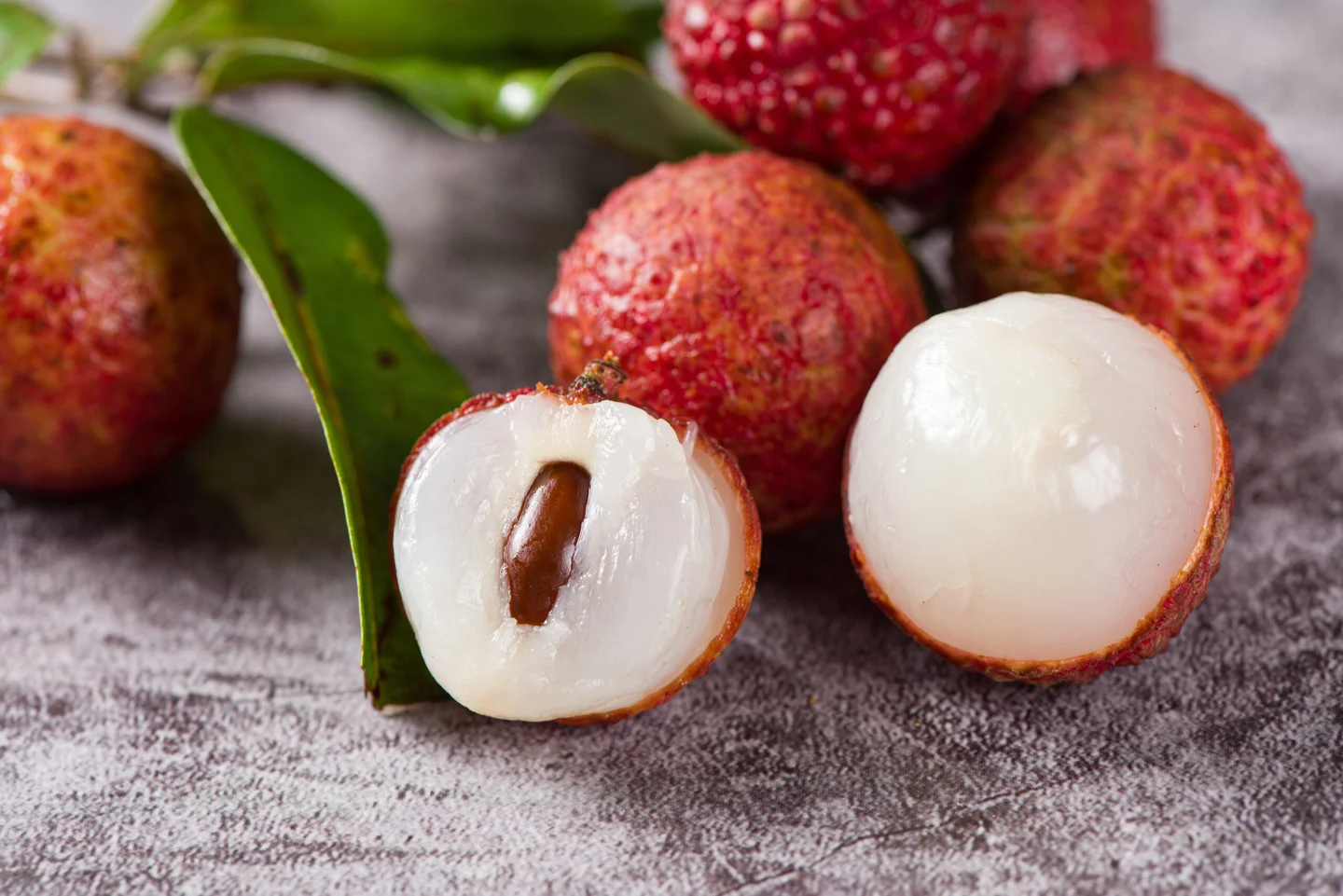
  • Lychee Exports Surge to $35M in June, Tripling Previous Figures!

    Lychee Exports Surge to $35M in June, Tripling Previous Figures!

    Vietnam’s lychee exports are soaring, with figures revealing a remarkable $27 million in sales to China alone—an astonishing 3.63 times increase compared to June of the previous year, according to customs data. Even in premium markets like France, Australia, the U.S., Canada, and the U.K., purchases of this luscious fruit surged by two to five times, showcasing the growing international appetite for Vietnamese lychees.

    Record-Breaking Exports Propel Local Farmers

    In the first half of 2025, total lychee exports reached an impressive $45.4 million, reflecting a remarkable 92% increase year-on-year. Shipments to the top ten markets saw staggering growth rates, ranging from 10% to a jaw-dropping 2,000%. These figures paint a vibrant picture of the fruit’s rising prominence on the global stage, capturing the taste buds—and wallets—of consumers around the world.

    Quality Meets Affordability in a Sweet Package

    One exporter highlighted that Vietnamese lychee’s appeal lies in its combination of affordability and high quality, making it a hit among international buyers. As Vietnamese and global quality standards like VietGAP and GlobalGAP are increasingly met, the credibility of these exports has skyrocketed, especially in demanding markets such as the U.S., Japan, and the U.K. Modern harvesting and preservation techniques, according to Dang Phuc Nguyen, general secretary of the Vietnam Fruit and Vegetable Association, have drastically enhanced the fruit’s quality and shelf life. Businesses are now collaborating directly with farmers to boost productivity and quality at every phase—from planting to harvesting.

    Price Trends and Export Markets

    Lychee is currently in season, with farm gate prices ranging from VND 8,000 to VND 20,000 (31-76 U.S. cents) per kilogram. Notably, lychees from orchards certified for export command higher prices, fetching between VND 25,000 and VND 30,000. At the beginning of the season in May, prices were higher, sitting at VND 35,000 to VND 40,000, while the fruit sells abroad for an impressive VND 200,000 to VND 300,000 per kilogram. Lychee, a staple summer delight in Vietnam, thrives predominantly in the northern regions, especially in the provinces of Bac Giang and Hai Duong.

    The Fruit’s Origin and Growing Regions

    This year’s harvest is expected to hit 250,000 tons, a 25% rise from 2024, with Bac Giang contributing a significant 165,000 tons. Luc Ngan, renowned as the “lychee capital” of the country, has approximately 18,000 hectares of lychee cultivation and yields over 100,000 tons annually. The Luc Ngan variety is particularly renowned for its size and sweetness, making it a favorite among discerning markets like Japan, Australia, the EU, and China. Meanwhile, Hai Duong, which made history as the first province to export lychees to Japan in 2020, boasts nearly 10,000 hectares of orchards producing the highly sought-after Thanh Ha lychees, recognized for their thin skin, thick flesh, aroma, and sweetness. Other areas like Hanoi, Quang Ninh, and Hung Yen also cultivate lychees, although on a smaller scale. The Central Highlands and some southern provinces have attempted to cultivate the fruit, but climate challenges have proven to be a significant hurdle.

    Questions & Answers

    What factors have contributed to the increase in Vietnam’s lychee exports?
    A combination of affordable pricing, high quality, and compliance with international standards has made Vietnamese lychees increasingly appealing in global markets.

    How has the production and quality of lychees evolved in Vietnam?
    Modern harvesting and preservation techniques, along with partnerships between businesses and farmers, have significantly improved the lychee’s quality and shelf life.

    Which provinces are the main producers of lychee in Vietnam?
    Bac Giang and Hai Duong are the primary provinces for lychee production, with Bac Giang accounting for a large portion of the national harvest.

  • Charlie’s Fine Food Expands Reach: Choc Chip Cookie Dough Hits Aldi Australia Shelves

    Charlie’s Fine Food Expands Reach: Choc Chip Cookie Dough Hits Aldi Australia Shelves

    The renowned Melbourne-based bakery, Charlie’s Fine Food, has recently made a significant splash with its products appearing on Aldi Australia’s shelves for the first time in over 20 years of operation.

    Expanding Product Reach

    The ready-to-bake Choc Chip Cookie Dough, which is the first product to be launched by the bakery in partnership with the supermarket chain, is now available in Aldi’s chilled dessert section across the nation. Priced at $6.49, the cookie dough is the result of 12 dedicated months of development. This launch is a significant achievement for the family-owned bakery.

    Jacky Magid, the director of sales and marketing, expressed her excitement about this fresh partnership with Aldi. “This is the first time we have collaborated with Aldi and the experience has been exceptional. We anticipate that this will be the first of many Charlie’s products we develop for Aldi’s shoppers to enjoy,” said Magid.

    Foundational History

    Charlie’s Fine Food was established in 2004 by Magid and her husband, Ken Mahlab. Over the years, the bakery has expanded its reach, with its products now being sold in major retailers such as Woolworths, Coles, Walmart, and Bunnings.

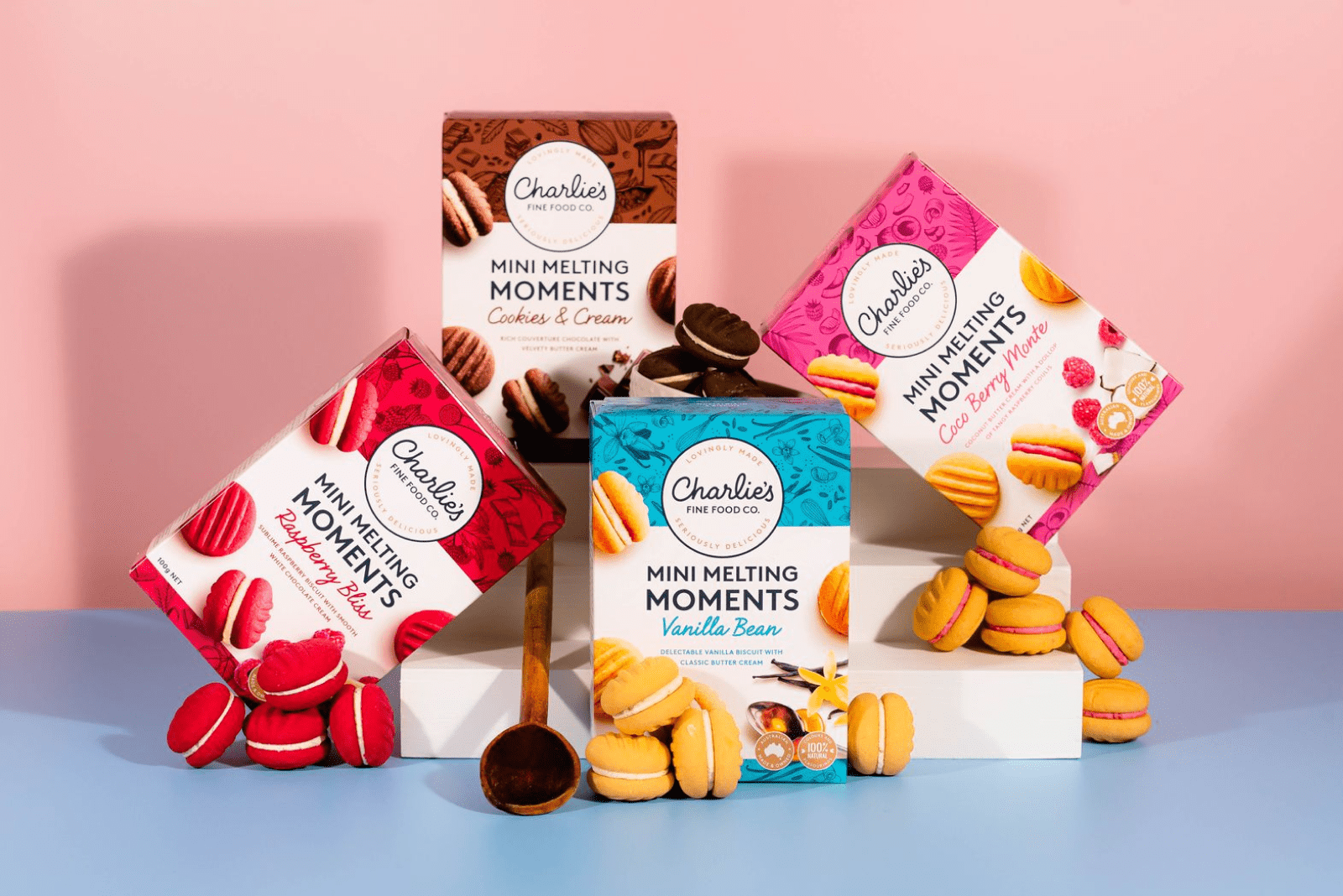
    In 2022, the bakery’s reputation grew even further with the popular launch of its Mini Melting Moments range in Woolworths Metro stores across the country.

    Questions & Answers

    What is the first product Charlie’s Fine Food has launched in Aldi?
    The first product from Charlie’s Fine Food to be launched in Aldi is their ready-to-bake Choc Chip Cookie Dough.

    Who are the founders of Charlie’s Fine Food?
    Charlie’s Fine Food was founded by Jacky Magid and her husband, Ken Mahlab.

    What is the significant product launch by Charlie’s Fine Food in 2022?
    Charlie’s Fine Food launched its Mini Melting Moments range in Woolworths Metro stores across the country in 2022.

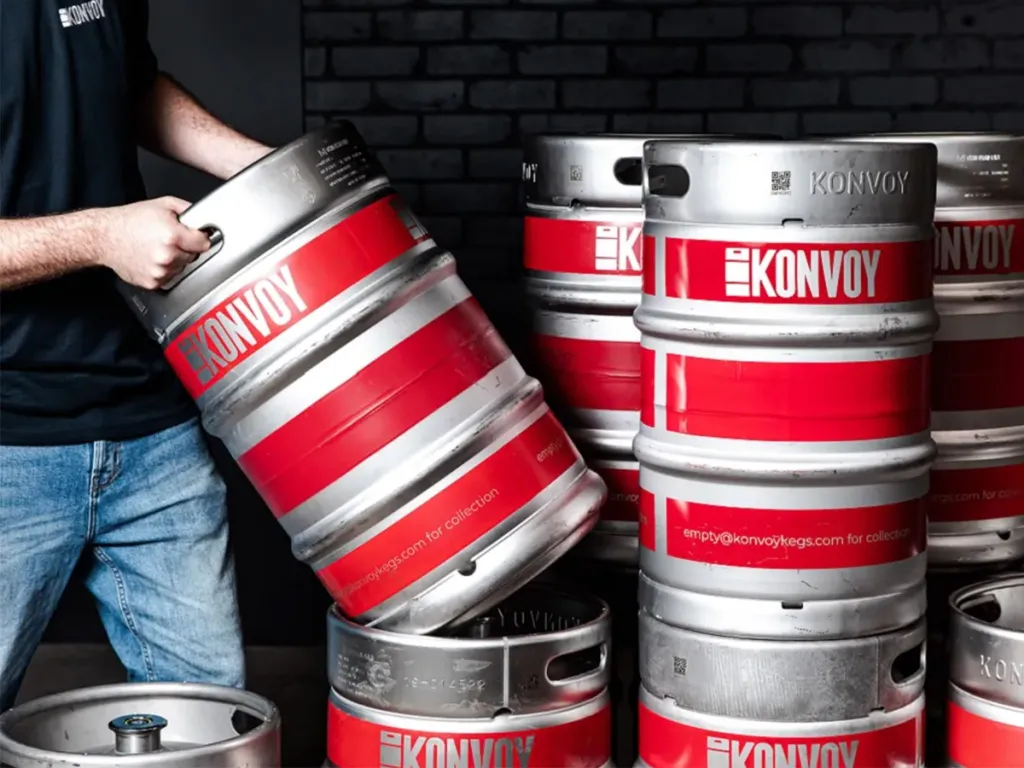
  • Kegstar Seeks Commerce Commission Approval To Acquire Liquidated Konvoy’s Assets

    Kegstar Seeks Commerce Commission Approval To Acquire Liquidated Konvoy’s Assets

    Kegstar New Zealand is seeking approval from the Commerce Commission to acquire assets from the now-liquidated Konvoy New Zealand. The requested assets include kegs, beacons attached to these kegs or stored in inventory, and New Zealand keg records.

    The Background

    This acquisition proposal follows Konvoy’s financial struggles, which led to the company entering receivership in March and subsequent liquidation in May. Both Kegstar and Konvoy are suppliers of beer kegs to breweries on a rental basis, in addition to offering logistics services.

    Kegstar, owned by MicroStar Logistics, has a broader operational reach than Konvoy, with a presence in Australia, New Zealand, Europe, and the US. In comparison, Konvoy’s operations were limited to Australia and New Zealand.

    The Approval Process

    The Commerce Commission is set to publicize a version of the application on its website. The regulatory body will only grant clearance for the proposed acquisition if it deems that the transaction will not significantly impact market competition.

    Questions & Answers

    What is Kegstar New Zealand proposing?
    Kegstar New Zealand is seeking to acquire certain assets from Konvoy New Zealand. These include kegs, related beacons, and keg records.

    Why is Kegstar interested in Konvoy’s assets?
    Konvoy New Zealand recently entered receivership and was liquidated. The company’s assets are now up for acquisition, and Kegstar, also a keg supplier, is interested in expanding its inventory.

    What conditions must be met for the deal to proceed?
    The Commerce Commission must grant clearance for the acquisition to go forward. The primary condition is that the deal should not substantially lessen competition within the market.

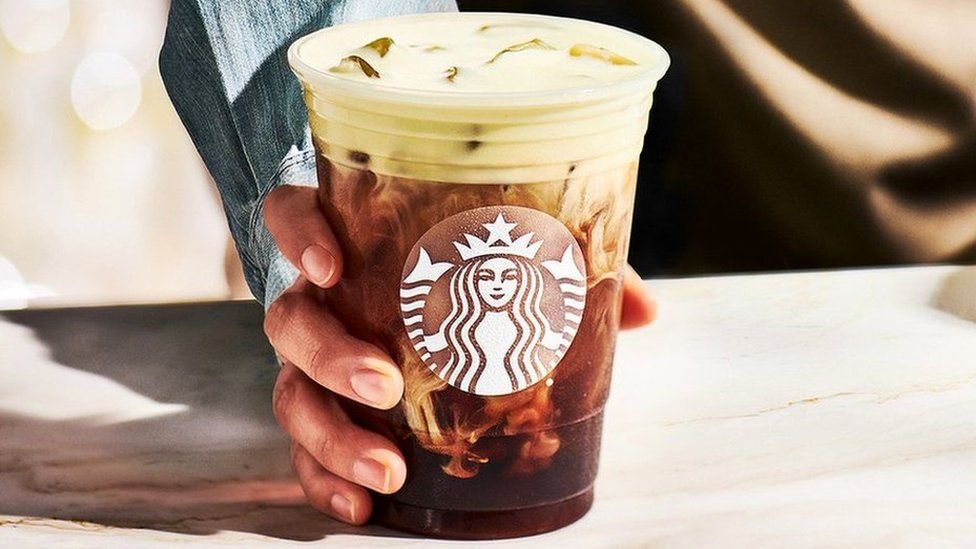
  • Starbucks Debuts Largest ‘greener Store’ In Asia-pacific, Showcasing Sustainability And Immersive Coffee Experiences

    Starbucks Debuts Largest ‘greener Store’ In Asia-pacific, Showcasing Sustainability And Immersive Coffee Experiences

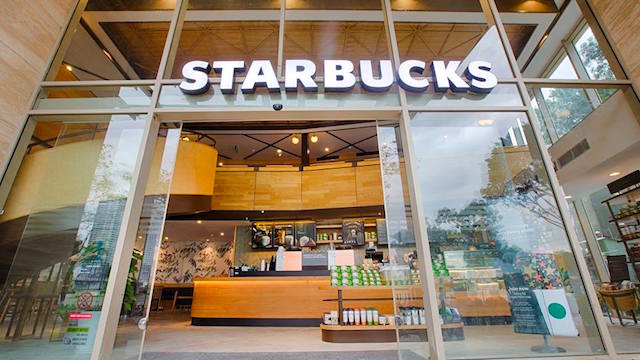
    Starbucks has made a significant addition to its global retail footprint with the unveiling of its largest ‘greener store’ in the Asia Pacific region. The Starbucks Reserve Dream Plaza Taipei in Taiwan is also the brand’s largest flagship store in Taiwan.

    Store Details

    Situated in the Xinyi District of Taipei, the sprawling store spans over 2000sqm and offers services round the clock. The store’s design is segmented into multiple zones, each showcasing various elements of the Starbucks brand. These include an exclusive selection of Starbucks Reserve coffee, a range of innovative culinary options, and eco-friendly design features.

    Siren’s Lounge and Unique Offerings

    One of the store’s most unique features is the Siren’s Lounge. This attraction is a first in the Asia Pacific region, housing a menu formulated in association with celebrated chef Andre Chiang. Customers can relish specialty mocktails and spirit-infused beverages, all while absorbing panoramic views of Taipei’s stunning skyline.

    The store also hosts a Mixology Bar where trained baristas concoct signature coffee-based cocktails such as the Espresso Martini Flight and Brandy Espresso Bliss. Additionally, Taiwan’s maiden Teavana Bar finds its home in this location, offering an assortment of sparkling tea infusions and season-specific blends.

    Immersive Experiences

    Adding to its list of attractions are two new experiential zones – the Sensory Room and Coffee Experience Room. These spaces are designed to host workshops and tastings guided by coffee connoisseurs. The aim is to provide customers with an immersive experience, delving deeper into the origins, flavors, and brewing techniques of coffee.

    The establishment of this flagship store underscores the importance of the Taiwanese market in Starbucks’s growth strategy. It also highlights the brand’s commitment to promoting sustainability and fostering cultural connections.

    In unrelated news, earlier this month, Starbucks’s operations in China reportedly received offers for a potential stake sale, with valuations amounting to as much as US$10 billion.

    Questions & Answers

    What is unique about the new Starbucks Reserve Dream Plaza Taipei?
    The Starbucks Reserve Dream Plaza Taipei, located in Taiwan, is the largest flagship store in the market and the largest ‘greener store’ in the Asia Pacific region. Some of its unique features include the Siren’s Lounge, the Mixology Bar, and Taiwan’s first Teavana Bar.

    What are the Sensory Room and Coffee Experience Room?
    The Sensory Room and Coffee Experience Room are two experiential zones within the store. These spaces host workshops and tastings led by coffee experts, with the aim of providing a deeper understanding of coffee’s origins, flavours, and brewing methods.

    What does the opening of this flagship store signify for Starbucks?
    The opening of this flagship store marks a key milestone in Starbucks’s growth strategy in Taiwan. It demonstrates the brand’s emphasis on culture and sustainability, as well as its commitment to providing unique and immersive experiences for its customers.

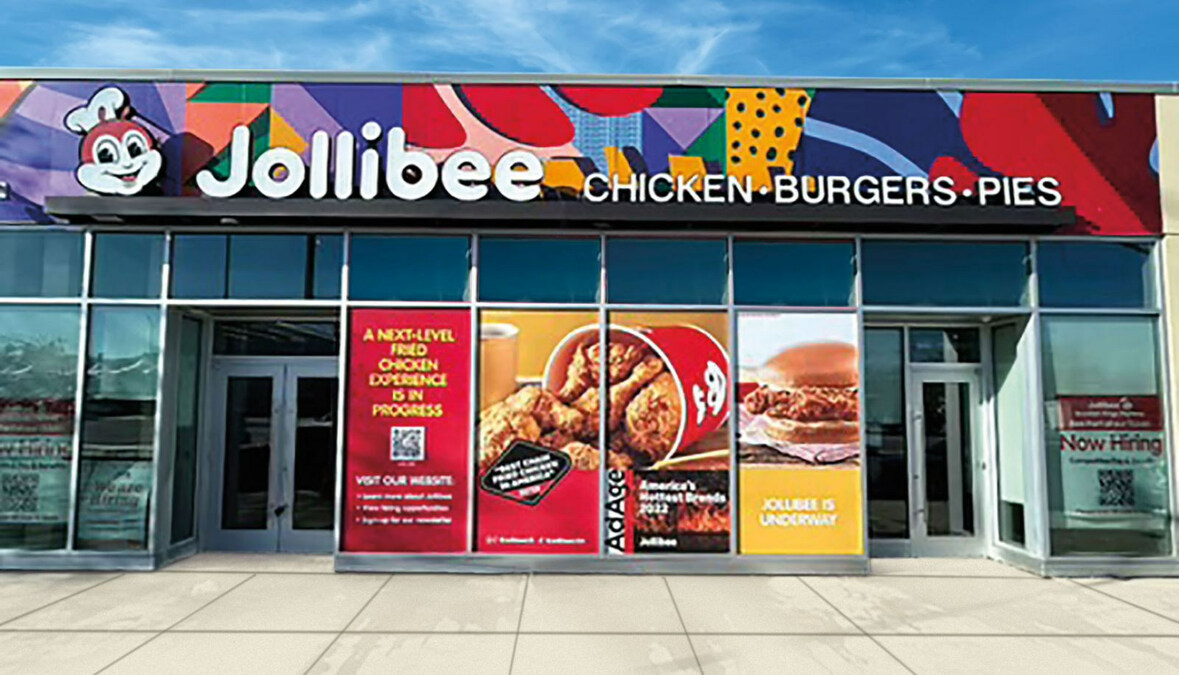
  • Jollibee Group Unveils Global Expansion Plan With Comprehensive Rebranding Strategy

    Jollibee Group Unveils Global Expansion Plan With Comprehensive Rebranding Strategy

    Jollibee Foods Corporation (JFC) has recently undergone a rebranding effort, now going by Jollibee Group, with an eye on further global expansion.

    Rebranding for Global Growth

    Despite retaining its legal entity as JFC, the firm has announced that this comprehensive rebranding will encompass a new visual identity, a simplified brand hierarchy, and harmonized naming across all business divisions. The objective is to further fortify the company’s global footprint and enhance its brand value.

    Jollibee Group’s global president and CEO, Ernesto Tanmantiong, explained the reasoning behind this significant move: “Our fundamental aim is to bring joy through superior flavor. This purpose is the driving force behind our innovation, it shapes our customer promise, and it propels our momentum forward.”

    Unveiling the New Identity

    The introduction of the fresh identity took place during internal events, such as the supplier summit and the annual stockholders’ meeting, which were attended by employees and partners. The company is currently deploying this new identity through global media channels and corporate communications.

    Tanmantiong further added, “As we expand globally, we’re not only extending our reach, but also establishing a company that is not only known for business success but also for the joy and quality we bring to people’s lives.”

    Jollibee Group currently has a strong presence in 33 countries, with over 9000 outlets, including locations in the US, the Middle East, and Southeast Asia. Its diversified portfolio includes well-known brands such as Tim Ho Wan, The Coffee Bean and Tea Leaf, Jollibee, Chowking, Greenwich, Red Ribbon, and Mang Inasal.

    Questions & Answers

    What is the main reason for Jollibee Group’s rebranding?
    The main reason for the rebranding is to position the company for further global expansion and enhance its brand value.

    How was the new identity introduced?
    The new identity was introduced during internal events including a supplier summit and the annual stockholder’s meeting. It is now being introduced through global media and corporate communications.

    How many stores does Jollibee Group operate and in how many countries?
    Jollibee Group currently operates more than 9000 stores across 33 countries, including the US, the Middle East, and Southeast Asia.

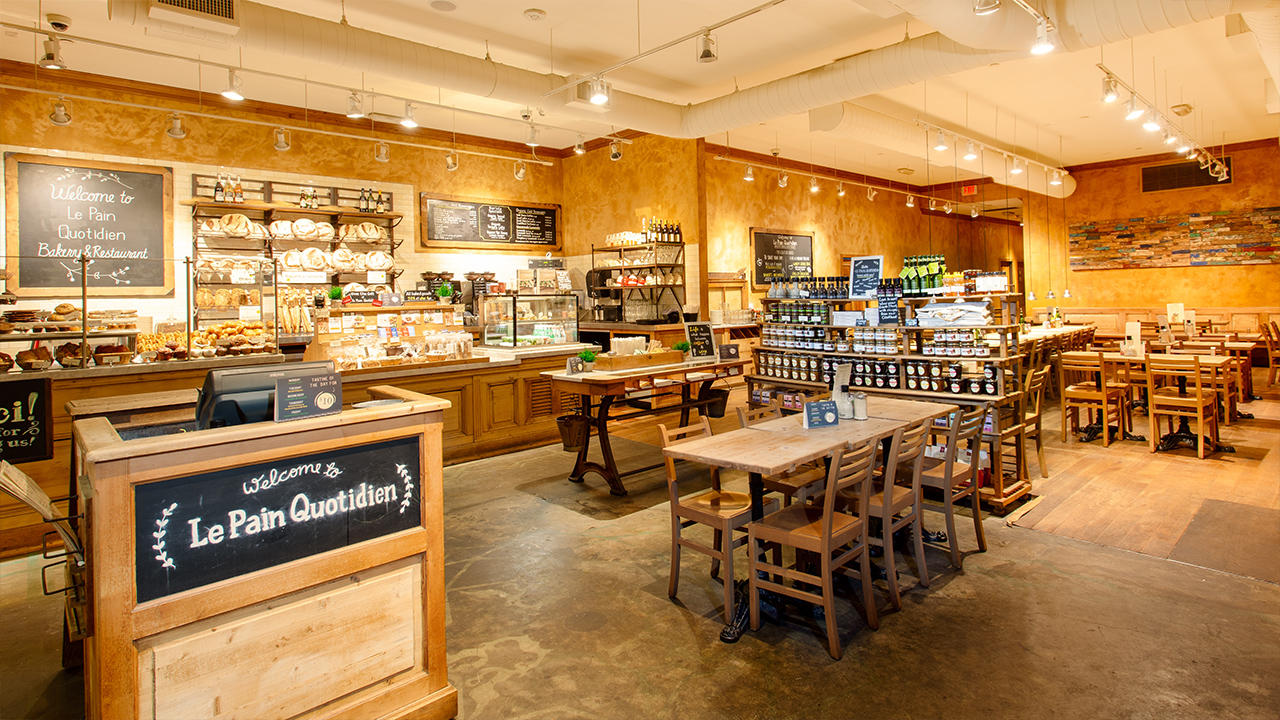
  • Belgian Bakery Le Pain Quotidien Returns To India, Plans 100 Outlets By 2035

    Belgian Bakery Le Pain Quotidien Returns To India, Plans 100 Outlets By 2035

    Le Pain Quotidien, a renowned Belgian bakery-cafe chain, has made a comeback in the Indian market by establishing a fresh outlet in Palladium Mall, Mumbai. The brand’s return is facilitated through a master franchise agreement with Bake & Brew Private Limited.

    Le Pain Quotidien’s Location

    The latest store of Le Pain Quotidien is strategically positioned in the Gourmet Village zone of Palladium Mall. This zone is known for its assortment of local and international restaurants, some of which include Gold by Ice Cream Works, Burma Burma, and Kuuraku.

    Le Pain Quotidien, a name that translates to “the daily bread” in French, initially launched its venture in India in 2010. However, the brand withdrew from the Indian market during the pandemic in 2020.

    New Franchise Agreement

    In August last year, Le Pain Quotidien entered into a new franchise agreement with Bake & Brew. The arrangement has an ambitious target – to inaugurate upwards of 100 outlets across India by 2035.

    Le Pain Quotidien was first established in Brussels in 1990 by Alain Coumont. Today, the brand operates over 200 locations in 18 different countries.

    Future Expansion Plans

    Le Pain Quotidien has major expansion plans on the horizon. It aims to launch a second store in Mumbai by the close of this year, while other major cities are also in its crosshairs for expansion. The brand is particularly keen on tapping into travel and transit hubs.

    Questions & Answers

    What is Le Pain Quotidien’s expansion plan in India?
    Le Pain Quotidien plans to open more than 100 outlets across India by 2035 as a part of their franchise agreement with Bake & Brew. They also aim to open a second store in Mumbai by the end of this year.

    When did Le Pain Quotidien first launch in India and when did it exit?
    Le Pain Quotidien first launched in India in 2010 and withdrew from the market during the pandemic in 2020.

    What is Le Pain Quotidien’s focus area for its future expansion?
    Le Pain Quotidien intends to expand into major Indian cities, particularly focusing on travel and transit hubs.

  • Starbucks Sales Dip Globally, But China Shows Signs Of Recovery

    Starbucks Sales Dip Globally, But China Shows Signs Of Recovery

    Starbucks has recently disclosed a drop in its global comparable store sales for its fiscal third quarter, which underscores the persisting challenges in its primary US market. This comes even as its China operations begin to show some promising signs of recovery.

    Revenue and Sales Performance

    Despite the Seattle-based coffee giant recording a 4% rise in total revenue year-over-year, amounting to US$9.5 billion, it was overshadowed by a 2% decrease in global comparable store sales. This dip can be predominantly attributed to a slump in foot traffic in North America—Starbucks’ biggest market—where there was a 3% reduction in transactions.

    On a brighter note, China, the second largest market for Starbucks, appeared to defy this trend. Comparable store sales in China saw a 2% increase, signifying a comeback following several quarters of decline.

    Expansion and Strategic Growth

    Over the past year, Starbucks has added over 500 new stores in China, thereby increasing its total to 7,828. The company is also said to be considering various proposals from potential local partners to help speed up its expansion into lower-tier cities, while keeping strategic control intact.

    However, Starbucks also faces mounting competition in China from rapidly growing domestic contenders such as Luckin Coffee and Cotti Coffee. These brands have been rapidly expanding by offering lower prices and faster service models.

    North America Initiatives and Future Plans

    In North America, Starbucks is actively undertaking its ‘Back to Starbucks’ initiative, a strategy designed to bolster store operations, improve employee engagement, and refine the overall customer experience.

    Brian Niccol, the Chairman and CEO, expressed an optimistic outlook, citing early signs of progress in the company’s efforts to revamp its operations. He commented, “We’ve made significant progress and tackled challenging issues to build a robust operating foundation. In terms of turnaround efforts, we are ahead of schedule.”

    “By 2026, we plan to launch a series of innovations that will drive growth, enhance customer service, and ensure that everyone has access to the very best of Starbucks. We are committed to rebuilding a superior Starbucks experience and a stronger business.”

    Starbucks has also announced its plans to gradually phase out underperforming mobile order-only stores, and shift towards new café formats that include seating and drive-thrus. This is part of an overall strategy to improve the in-store experience.

    The coffee chain has big plans for fiscal 2026, with the introduction of a range of new beverage and food items, including protein-based cold foams, coconut water-infused drinks, gluten-free snacks, and customizable energy drinks.

    In addition to the product expansion, there are also upgrades planned for the company’s mobile app and loyalty rewards program, with continued investment in digital and operational technology.

    Questions & Answers

    What strategies is Starbucks implementing to recover from the drop in sales?
    Starbucks is taking several steps to recover, including the ‘Back to Starbucks’ initiative in North America, which aims to strengthen store operations and improve the overall customer experience. The company is expanding in China and is planning to introduce new products and upgrade its mobile app and loyalty program.

    What is the ‘Back to Starbucks’ initiative?
    The ‘Back to Starbucks’ initiative is a strategy designed to strengthen store operations, increase employee engagement, and enhance the overall customer experience. The company hopes this will help to boost sales and customer satisfaction.

    What are the company’s plans for growth in China?
    Starbucks plans to partner with local entities to accelerate expansion into lower-tier cities in China. Over the past year, the company has already added more than 500 new stores in the country and continues to consider strategies for further expansion.

  • Remy Cointreau Records First Sales Growth Since 2023; Updates Annual Profit Forecast

    Remy Cointreau Records First Sales Growth Since 2023; Updates Annual Profit Forecast

    Remy Cointreau, the renowned French spirits manufacturer, has generated its initial quarter of sales growth since the start of 2023, and has accordingly updated its annual profit forecast. This encouraging development is attributed to the easing of tariff threats.

    Recovering from a Sales Slump

    Remy Cointreau’s major markets in the US and China had suffered a significant slump in sales over the past few years. This downturn led to the company repeatedly lowering its guidance and abandoning its mid-term sales objectives. Nevertheless, in June, the company announced that it was beginning to recover.

    The producer of Remy Martin cognac and Cointreau liqueur reported a 5.7% year-on-year surge in organic sales in the first quarter, exceeding market predictions. This upward turn came shortly after the appointment of the new CEO, Franck Marilly, in June. In response to the news, the company’s shares increased by over 4%.

    The company attributed its growth in the quarter to a low comparison base from the previous year in the US. While sales in China continued to decline, the company described the slump as “limited”.

    Charles de Riedmatten, a fund manager at Myria AM and a Remy investor, optimistically remarked, “After two years of declining growth, I think it’s the beginning of good news.” However, he also noted that the character of Remy’s growth, which it described as technical, was challenging to evaluate.

    De Riedmatten also expressed concerns about the underlying demand for cognac and questioned how the new CEO, with his background in luxury goods but not spirits, would perform.

    Impact of Tariffs

    Even before tariffs became a threat to both the US and Chinese markets, high US inflation and a pessimistic Chinese consumer base were already impacting Remy’s business.

    However, in July, the cognac industry reached an agreement with China to alleviate the steep duties enforced since October 2024. Consequently, Remy predicts that the annual economic impact from tariffs will decrease to 45 million euros from the previous estimate of 65 million euros. This reduction is primarily due to a decrease in the financial effect of Chinese duties from 40 million euros to 10 million euros.

    Despite this, the company has increased its projected financial impact from US tariffs on European goods by 10 million euros, bringing the total to 35 million euros. The upward adjustment is in response to US President Donald Trump’s threat to impose a 30 per cent tariff on EU imports as of August 1.

    Future Profit Expectations

    Remy Cointreau now expects its full-year operating profit to decline by a mid- to high-single-digit percentage, exhibiting an improvement compared to the mid- to high-teen decline it had originally anticipated.

    Approximately 70% of the company’s sales are derived from cognac and are primarily concentrated in the US and China. This focus leaves Remy Cointreau more vulnerable to tariffs and economic downturns than their more diversified counterparts.

    Questions & Answers

    What has led to the increase in Remy Cointreau’s sales?
    The easing of tariff threats and a low base of comparison from the previous year in the US have contributed to the increase in Remy Cointreau’s sales.

    What are the concerns about Remy Cointreau’s growth?
    Questions remain about the underlying demand for cognac, and there are doubts about how the new CEO, with his background in luxury goods but not spirits, will perform.

    How has Remy Cointreau adjusted its annual profit forecast?
    Remy Cointreau now expects its full-year operating profit to decrease by a mid- to high-single-digit percentage, an improvement compared to the mid- to high-teen decline it previously anticipated.

  • Demand Dips: Tyrrells Crisps Vanish From Major Australian Supermarkets

    Demand Dips: Tyrrells Crisps Vanish From Major Australian Supermarkets

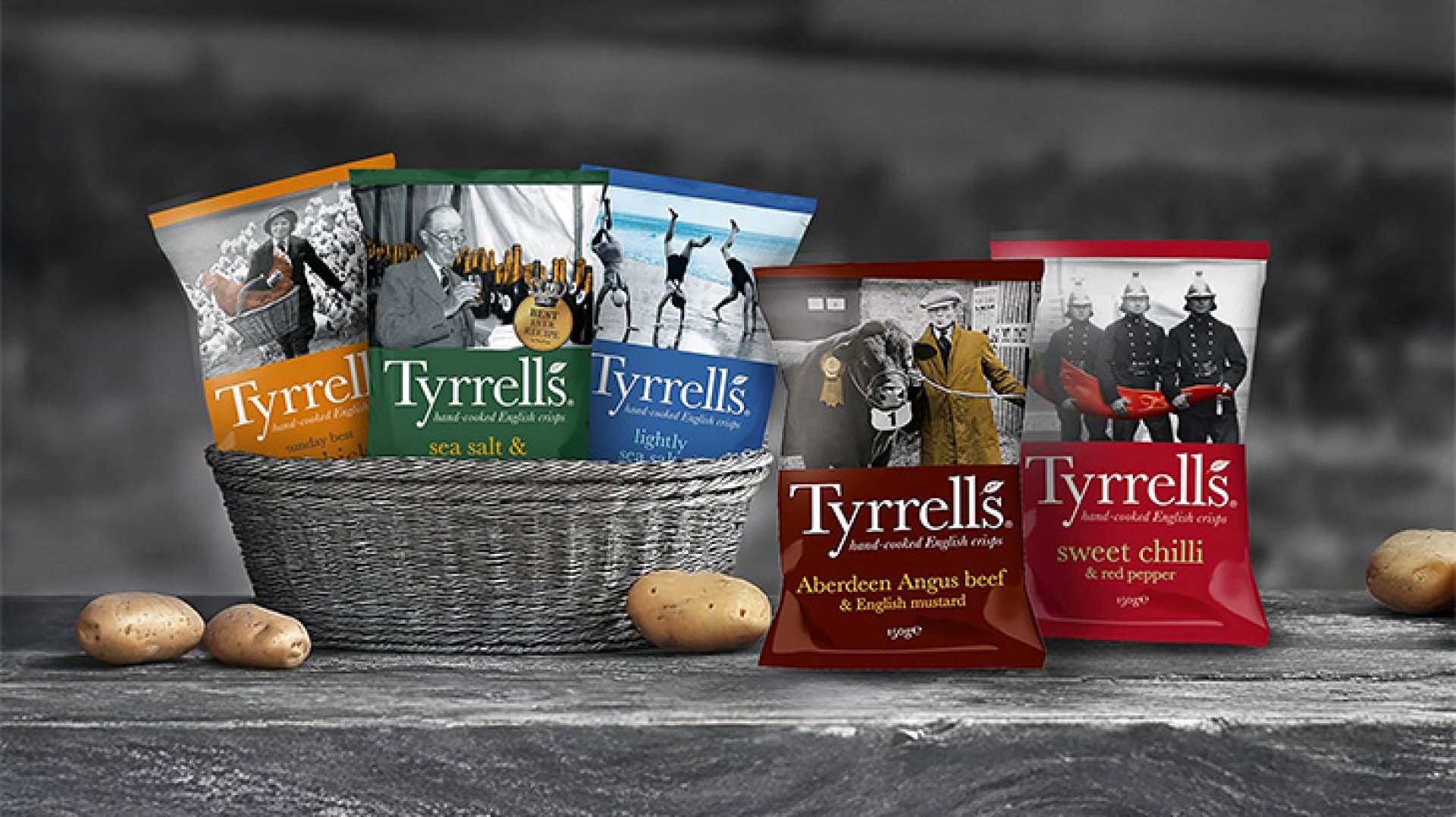
    Tyrrells, a British potato crisp brand, has seen a significant downsizing in its distribution in Australia. The brand, previously available in most major supermarkets in the country, has been delisted from leading chains such as Coles, Woolworths, and IGA. Its distribution has been reduced to select independent retailers across the nation.

    Major Supermarkets Stop Stocking Tyrrells

    Coles has affirmed that it has ceased stocking Tyrrells’ products. Concurrently, Woolworths has labelled the brand’s range as “out of stock” on its online store. This swift and unanticipated disappearance of Tyrrells’ products from the shelves of these supermarkets has caused a stir among consumers. Numerous long-term customers have expressed their disappointment through various social media platforms. One social media user bemoaned the absence of any warning or clearance sales, lamenting that they had not been given an opportunity to stock up on the snacks.

    Insufficient Demand Leads to Delisting

    Snackbrands Australia, the local manager of Tyrrells, attributes the decision to delist the brand to insufficient demand. A company spokesperson emphasised the need to balance both the desires of the consumers and the requirements of their retail partners when making challenging decisions such as these.

    Tyrrells’ Availability and History

    Despite this setback, Tyrrells’ products will remain available in certain Harris Farm Markets stores. For updates on availability, customers are advised to get in touch with the consumer care team of Snackbrands.

    Tyrrells, originally founded in the United Kingdom, ventured into the Australian and Asia-Pacific markets in 2016. This expansion included the establishment of manufacturing operations in Victoria, through an investment in Yarra Valley Snack Foods. Despite the recent shrinkage in its Australian distribution, Tyrrells’ products continue to be widely sold in Southeast Asia.

    Questions & Answers

    Why has Tyrrells been delisted from major supermarkets in Australia?
    Insufficient demand for Tyrrells’ products led to the decision to delist the brand from major supermarkets.

    Where can consumers in Australia still find Tyrrells products?
    Tyrrells’ products are still available in select Harris Farm Markets stores and certain independent retailers.

    When did Tyrrells first expand into the Australian market?
    Tyrrells first expanded into the Australian market in 2016.

  • Arkadia Revolutionizes Matcha With Innovative, Approachable Latte Line

    Arkadia Revolutionizes Matcha With Innovative, Approachable Latte Line

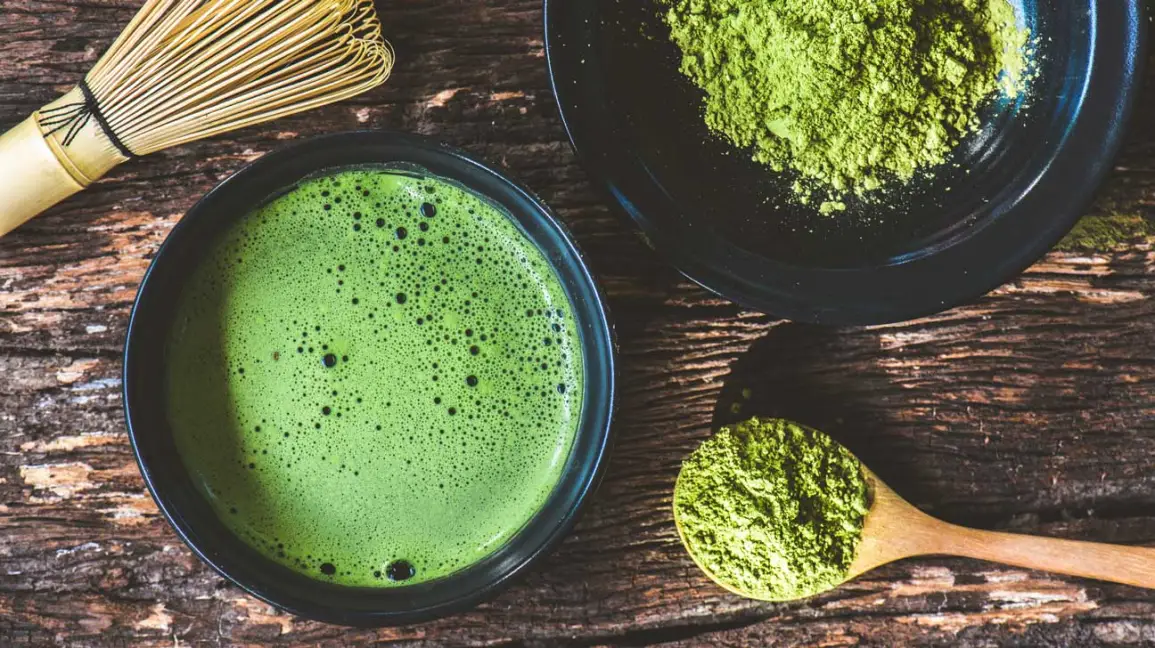
    Arkadia, an Australian beverage company, has recently launched a new Matcha Latte product line featuring two distinct flavors: Original and Strawberry. The Original flavor offers a rich, authentic matcha taste, while the Strawberry flavor introduces a refreshing fruity twist. Both of these beverage options are 99% fat-free when mixed with water and are free from artificial colors, sweeteners, and preservatives.

    A Fresh Approach to Matcha

    Ramona Culda, the head of brands at Maltra Foods, Arkadia’s parent company, explained that their new product line aims to present matcha in a more approachable manner. Matcha is often associated with a bitter or grassy taste, which can be off-putting for some. To combat this, Arkadia has developed a smooth, creamy version of the traditionally bitter tea that can be enjoyed at any time of day.

    Culda emphasizes, “We’ve created a blend that is incredibly sippable, with no compromise on flavor and definitely without the characteristic bitterness of matcha.”

    Availability and Pricing Details

    The Arkadia Matcha Latte range is available in 220g canisters and in packs of eight single-serve sachets. These products are priced at $7.50 and $0.95 respectively and can be purchased from Coles and Woolworths stores across the nation.

    Questions & Answers

    What flavors does the Arkadia Matcha Latte range include?
    The Arkadia Matcha Latte range includes two flavors: Original and Strawberry.

    How has Arkadia made matcha more approachable with their new product?
    Arkadia has created a smooth and creamy version of traditionally bitter matcha, making it a refreshing beverage that can be enjoyed at any time of day, while maintaining the authentic matcha flavor.

    Where can the Arkadia Matcha Latte range be purchased, and what is the cost?
    The Arkadia Matcha Latte range is available at Coles and Woolworths stores nationwide. The 220g canister is priced at $7.50, and the eight-pack of single-serve sachets costs $0.95.