Category: Food

Retail News Asia is committed to providing both local and global retailers with the latest Food and Food & Beverage news throughout the Asian market. This on a daily base.

  • Lee Kent Takes Reigns As Pepsico New Zealand’s GM Of Foods, Aiming To Amplify Brand’s Impact

    Lee Kent Takes Reigns As Pepsico New Zealand’s GM Of Foods, Aiming To Amplify Brand’s Impact

    PepsiCo New Zealand has announced the appointment of Lee Kent to the position of General Manager (GM) of Foods, effective from the 1st of August. He is set to succeed Michelle Cassettari in this role.

    Lee Kent’s New Role

    In his new position as GM of Foods, Kent will oversee operations, strategy, and management of the Bluebird brand, which is part of PepsiCo’s portfolio in New Zealand. Additionally, he will spearhead a cross-functional team with a primary focus on expanding the presence of PepsiCo within the country.

    Alexia Horley, the Chief Executive Officer (CEO) of PepsiCo Australia and New Zealand Foods, spoke highly of Kent’s abilities. She emphasized his bold strategic approach and his proficiency in establishing, managing, and executing business relationships. Horley believes that these skills will be a crucial differentiator in building effective leadership.

    Lee Kent’s Background

    Kent’s move to PepsiCo New Zealand comes after a notable tenure of more than 11 years at PepsiCo UK. In the UK, he held a number of senior commercial roles spanning organized trade, traditional trade, e-commerce, and value retail.

    In his most recent role, Kent served as the Senior Sales Director for PepsiCo’s Tesco business. He was an integral member of the UK sales leadership team. Additionally, Kent was responsible for leading cross-functional collaboration across marketing, supply, and finance sectors as the commercial lead for UK snacks.

    Questions & Answers

    Who is the new General Manager of Foods at PepsiCo New Zealand?
    Lee Kent has been appointed as the new General Manager of Foods at PepsiCo New Zealand, succeeding Michelle Cassettari.

    What will Kent’s responsibilities include in his new role?
    Kent will oversee operations, strategy, and management of the Bluebird brand, and lead a team aimed at expanding PepsiCo’s presence in New Zealand.

    What was Kent’s role at PepsiCo UK?
    Lee Kent served as the Senior Sales Director for PepsiCo’s Tesco business in the UK and was responsible for cross-functional collaboration across marketing, supply, and finance.
  • McDonald’s to sell Hong Kong retail spaces valued at US$153 million

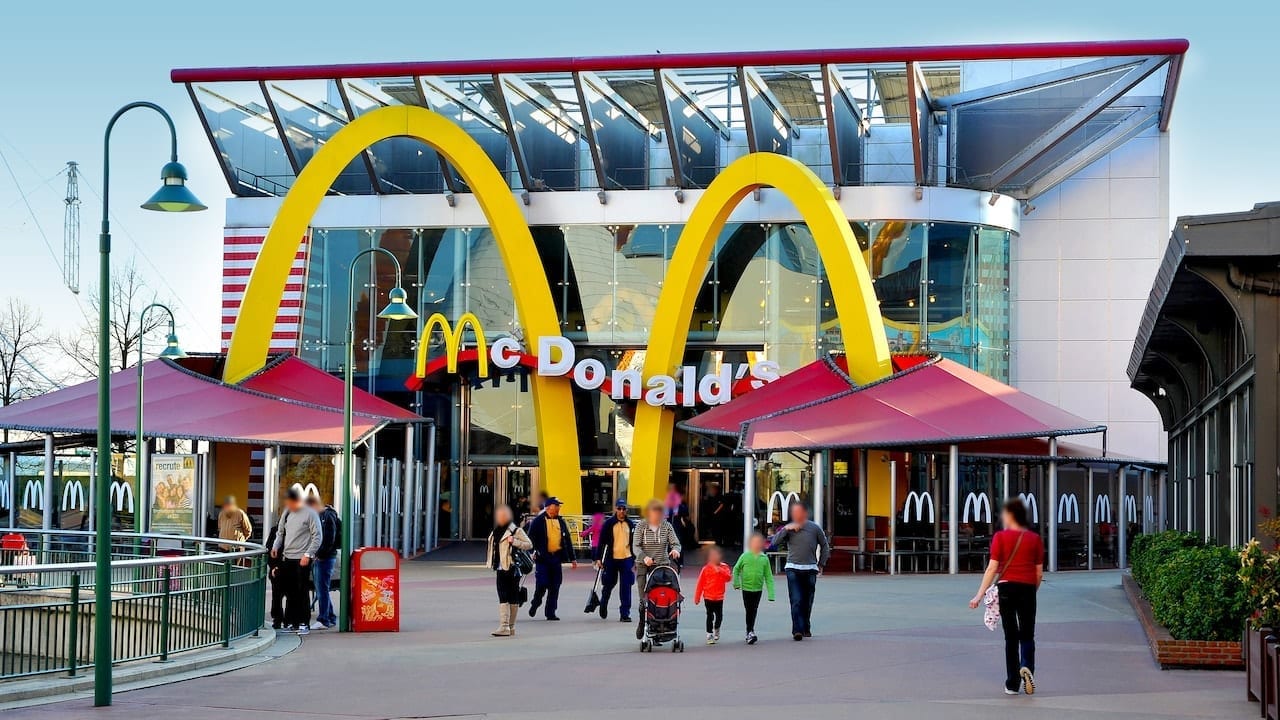
    McDonald’s to sell Hong Kong retail spaces valued at US$153 million

    Fast-food giant McDonald’s has announced plans to sell eight top-tier retail properties in Hong Kong, collectively estimated to be worth HK$1.2 billion (US$152.89 million). Jones Lang LaSalle (JLL), appointed as the exclusive agent for the sale, reported the news earlier this week.

    The properties will be sold via public tender, with the process scheduled to conclude on September 16. Buyers will have the flexibility to purchase the properties either separately or as a comprehensive portfolio. All the properties come with enduring leases with McDonald’s, which adds to their appeal.

    Previously, there had been reports that McDonald’s was considering selling all of its 23 stores in Hong Kong, the total market value of which is roughly HK$3 billion (US$382 million). The current sale of eight stores represents the first phase of this broader asset disposal strategy.

    This move is part of McDonald’s larger efforts to refine its asset base in the region. In 2017, McDonald’s sold its 20-year master franchise rights for China and Hong Kong to a consortium led by Citic Group and private equity firm Carlyle, while maintaining ownership of its real estate portfolio.

    Questions & Answers

    What is the estimated market value of the eight Hong Kong properties that McDonald’s plans to sell?
    The total market value of the eight properties is estimated to be around HK$1.2 billion (US$152.89 million).

    How will the sale of these properties be conducted?
    The sale will occur via public tender and is scheduled to conclude on September 16.

    What is McDonald’s broader strategy for its assets in the region?
    This sale is part of McDonald’s larger efforts to optimize its regional asset base. The company previously sold its 20-year master franchise rights for China and Hong Kong to a consortium, while retaining ownership of its real estate portfolio.

  • Beloved Singaporean Eatery Ka-Soh Bids Farewell After 86 Years of Serving Iconic Cantonese Fish Soup

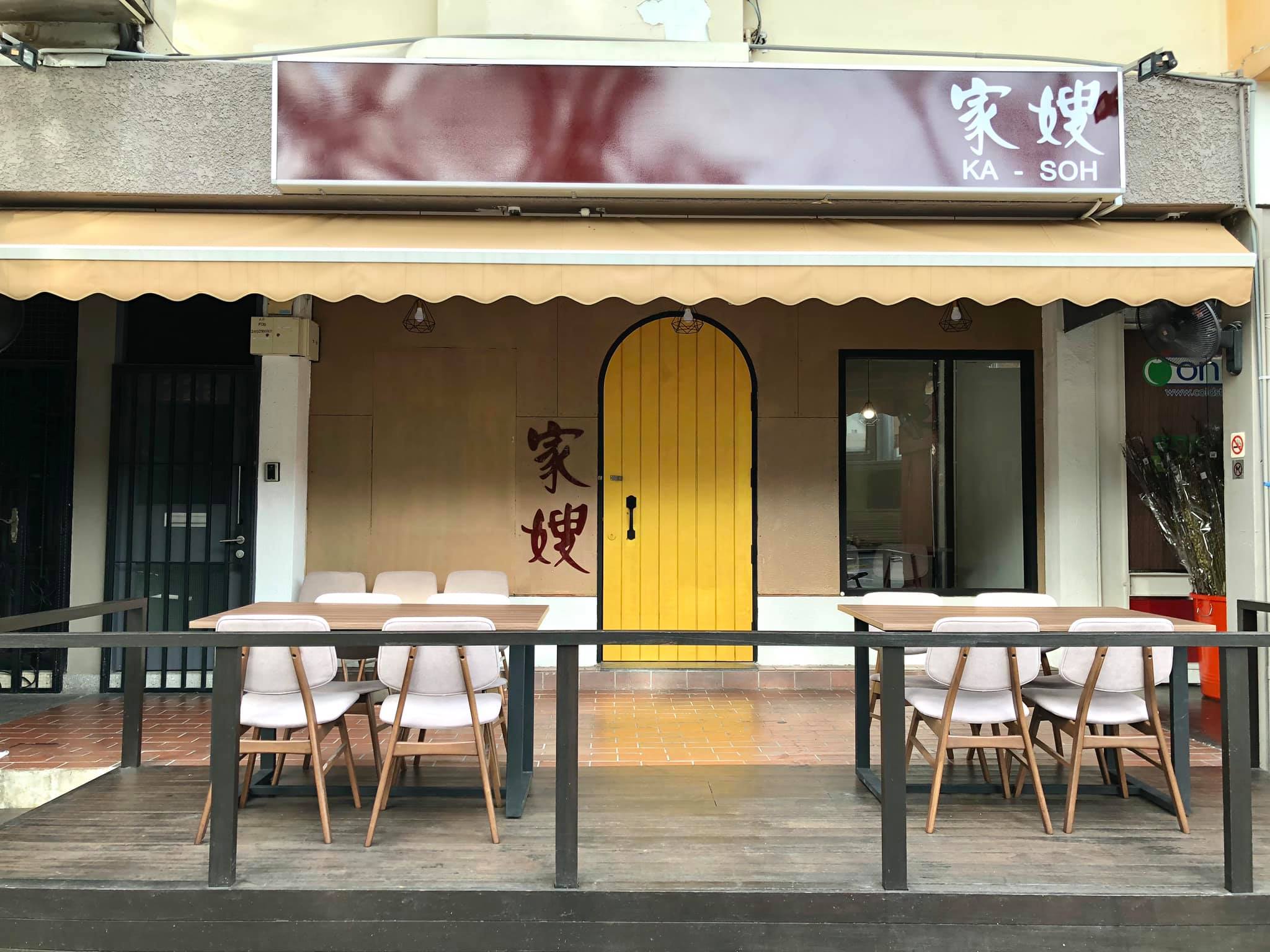
    Beloved Singaporean Eatery Ka-Soh Bids Farewell After 86 Years of Serving Iconic Cantonese Fish Soup

    In a heartfelt message posted on Facebook, Ka-Soh has announced it will close its Greenwood Avenue location, marking the end of an era come September 28, 2025. This decision comes after years of serving sumptuous Cantonese-style zi char dishes, beloved in both Singapore and Malaysia for their homey appeal and shared dining experience, as recognized by the Michelin Guide.

    Ka-Soh is particularly famous for its signature fish soup, a culinary masterpiece featuring a velvety, milky broth crafted from hours of boiling fish bones. And let’s not forget the prawn paste chicken — a dish that many loyal patrons hail as the best in Singapore, proving that food can inspire both nostalgia and deep cravings.

    In its announcement, Ka-Soh expressed immense gratitude to its loyal customers who have supported the restaurant for generations, moving with it from Chin Chew Street to Amoy and out to Outram before settling in Greenwood.

    Cedric Tang, the third-generation owner at the helm, shared his struggles with survival in today’s competitive food landscape. Just this month, he revealed to The Straits Times that the restaurant has been grappling with slim margins, admitting that he has had to take a salary cut while the earnings have dwindled to barely breaking even, a significant shift from the once-thriving profits of 30-40% seen decades ago.

    The Legacy of 86 Years

    The journey of Ka-Soh began in 1939 when Cedric’s grandfather, Tang Kwong Swee, launched the original eatery, Swee Kee. Following the disruptions of World War II, he reinvented himself as a street hawker along Chin Chew Street before eventually securing a shophouse to reopen his business. As demand grew, he hired a head waitress and her daughter-in-law, who helped shape the restaurant’s character, lending their name to what would become “Ka-Soh,” meaning “daughter-in-law” in Cantonese.

    The restaurant transitioned to Cedric’s father in the 1980s, relocating to Amoy Street in 1996, and saw a new chapter in 2007 with the launch of Ka-Soh as a slightly more upscale offering. At the peak of its popularity, Swee Kee attracted a blend of local patrons and international celebrities, including Hong Kong’s Four Heavenly Kings — Jacky Cheung, Andy Lau, Aaron Kwok, and Leon Lai — who dined there after their performances in Singapore, according to MustShareNews.

    Over the years, Swee Kee operated six outlets, including its flagship location on Amoy Street, earning multiple Michelin Bib Gourmand awards for providing quality food at reasonable prices. Yet, as economic realities set in, including increasing operational costs, Ka-Soh had to make the painful decision to close, nearly all of its outlets falling to the wayside, leaving just one standing.

    In a candid interview with 8days, Cedric articulated the harsh truths faced by traditional eateries in Singapore. Rising costs, persistent staffing challenges, and evolving customer expectations create a perfect storm of difficulties, particularly when price adjustments become necessary. “Being a heritage brand doesn’t pay the bills,” he lamented. Despite the emotional weight of closing the restaurant, Cedric remains hopeful that the spirit of their culinary legacy will endure, acknowledging the hard work he and his brother Gareth have poured into it.

    “Of course, it’s not easy,” he concluded somberly. “But we know we gave it everything we had.”

    Questions & Answers

    What is the significance of Ka-Soh’s closure for the local dining scene?
    Ka-Soh’s closure represents the loss of a beloved heritage brand that has served Singaporeans for decades, highlighting the challenges traditional eateries face in a rapidly changing economic landscape.

    How did Ka-Soh become popular in the first place?
    Ka-Soh became popular due to its authentic Cantonese-style zi char dishes, particularly its acclaimed fish soup and prawn paste chicken, attracting a loyal customer base over its 86-year history.

    What challenges is the restaurant industry facing today?
    The industry is grappling with rising operational costs, staffing issues, and shifting customer expectations, making it tough for heritage brands like Ka-Soh to adapt and thrive.

  • Starbucks Unveils Its Grandest Flagship Store Yet in Taiwan

    Starbucks Unveils Its Grandest Flagship Store Yet in Taiwan

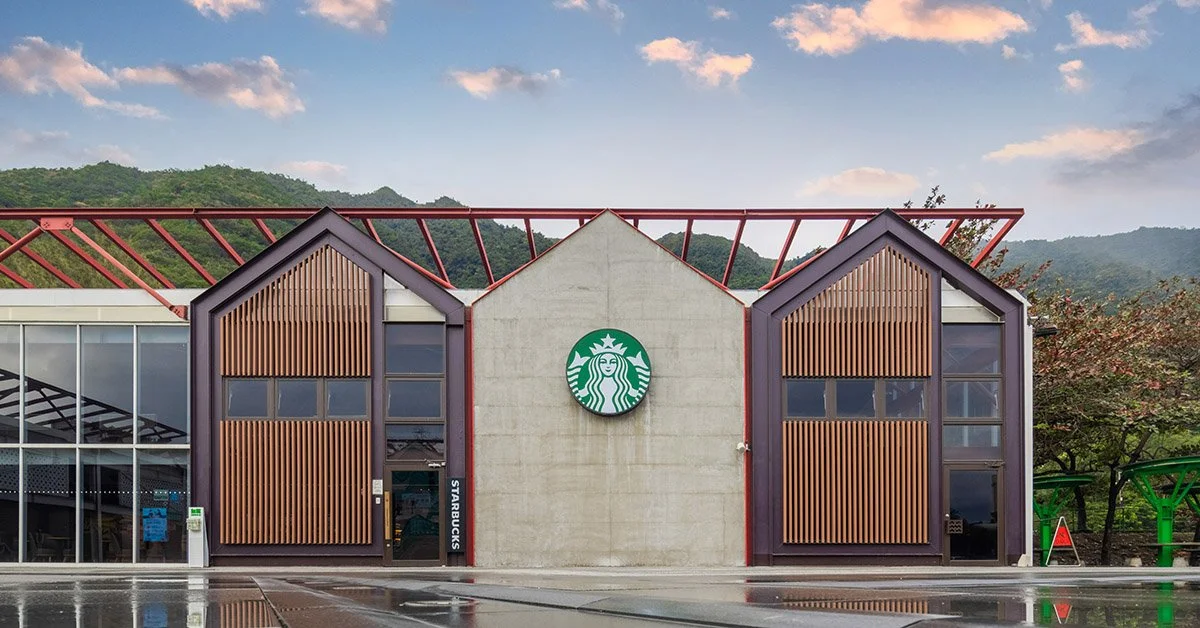
    Starbucks has unveiled its grandest flagship store in Taiwan, the Starbucks Reserve Dream Plaza Taipei, an ambitious endeavor nestled in the bustling Xinyi District. Open around the clock, this sprawling 2,000-square-meter venue transforms coffee culture into an immersive experience, featuring exclusive beverages and innovative concepts that are nothing short of a caffeine lover’s paradise.

    A Multifaceted Coffee Oasis

    Visitors can explore several distinct zones within this flagship location, including a Reserve Bar that serves up traditional espresso classics and an enticing bakery. Notably, the Siren’s Lounge®, the first of its kind in the Asia Pacific, offers a reservations-only tasting experience where guests dive into a curated menu crafted by renowned chef André Chiang. This unique dining adventure pairs exquisite food with mocktails and cocktails such as the “VSOP Brandy Espresso Bliss” and the “Reserve Coffee Manhattan,” creating moments that blend taste with artistry.

    Interactive Experiences and Educational Spaces

    The store also boasts new attractions like the Sensory Room and Coffee Experience Room, both designed for tastings, workshops, and events led by Starbucks Coffee Masters and expert roasters. These engaging spaces allow customers to delve deep into the intricacies of coffee’s origins and flavors, making each sip a journey of discovery.

    Introducing Teavana and Artistic Flair

    Excitingly, the store rolls out Taiwan’s first dedicated Teavana® Bar, featuring sparkling tea fusions and seasonal ingredients that reflect local flavors. Artists from both Taiwan and across the globe contribute to the store’s visual identity through a rotating art program themed “Harmony of Nature & Innovation.” The in-store gallery showcases the creativity behind coffee culture, sustainability, and cultural heritage.

    A striking metal sculpture of the iconic Starbucks Siren welcomes patrons at the entrance. Inside, highlights include “Terroir / The Rhythm of Seasons,” crafted by Indigenous Truku artist Labay Eyong, and “The Coffee Dreamscape,” a generative digital artwork by Che-Ye Wu. Tokyo-based artist Yaeko Kurimata adds a beautiful mural titled “Coffee and Biodiversity” in the Siren’s Lounge®, while Canadian designer Ben Johnston’s typographic piece in the Sensory Room conveys the fundamentals of coffee in a captivating visual format.

    A Commitment to Sustainability

    In a notable achievement, this store stands as the largest certified Greener Store in the Asia Pacific, exemplifying Starbucks’ commitment to sustainable design and materials throughout its structure. With an emphasis on eco-friendly practices, this flagship location not only serves coffee but also promotes a conscious approach to its craft.

    Questions & Answers

    What makes the Starbucks Reserve Dream Plaza Taipei unique compared to other Starbucks locations?
    This flagship store features an expansive 2,000-square-meter space with multiple immersive zones, including a dedicated Siren’s Lounge® offering a reservations-only tasting menu, unique to the Asia Pacific region.

    How does the store enhance the customer experience beyond traditional coffee offerings?
    With the introduction of the Sensory Room and Coffee Experience Room, guests can engage in tastings and workshops that delve deeper into coffee’s origins and flavors, guided by experts and Coffee Masters.

    What role does art play in the Starbucks Reserve Dream Plaza Taipei?
    The store showcases a rotating art program focused on “Harmony of Nature & Innovation,” featuring works by both local and international artists, enhancing the ambiance while celebrating coffee culture and sustainability.

  • Online Grocery Sales Bounce Back in June, Reigniting Momentum After May Dip

    Online Grocery Sales Bounce Back in June, Reigniting Momentum After May Dip

    As the retail landscape in Asia continues to evolve, the concept of omnichannel shopping is rapidly gaining traction, reshaping how consumers engage with brands. A recent study highlights the innovative strategies retailers are employing to create a seamless shopping experience that spans both online and physical storefronts.

    Transforming the Shopping Journey

    The survey, which surveyed over 5,000 consumers across major Asian markets, revealed that more than 70% of respondents prefer an omnichannel shopping approach. This affinity indicates a deep-rooted desire for flexibility, allowing shoppers to browse products online while still enjoying the tactile experience of in-store purchases. Retailers are transforming the shopping journey by integrating digital and physical channels, ensuring products are available wherever and whenever consumers wish to engage.

    Retailers like Japan’s Uniqlo and South Korea’s Shinsegae are setting the standard by leveraging technology to bridge the gap between online and offline experiences. Imagine walking into a store and finding items that have been filtered through your online wish list—an experience made possible through advanced inventory management systems that sync in real time.

    The Role of Technology

    Technology plays a pivotal role in this evolution. Retailers are increasingly adopting mobile apps and interactive kiosks to enhance shoppers’ decision-making processes. In addition, augmented reality is becoming a fun and compelling feature; consumers can now virtually try on clothing or visualize how furniture may look in their homes before making a purchase.

    This intersection of convenience and innovation also fosters a sense of community, encouraging brand loyalty in an age where consumer choices are plentiful. The ability to connect with brands through social media platforms, customer reviews, and personalized marketing further solidifies the relationship between retailers and consumers.

    Challenges Ahead

    However, the omnichannel strategy is not without its hurdles. Companies must navigate supply chain complexities and ensure an equitable distribution of resources to keep pace with consumer demand. Moreover, maintaining a consistent brand experience across channels is critical. Retailers who fail to deliver seamless integration risk alienating a savvy customer base that values cohesion and clarity.

    As brands venture deeper into the omnichannel realm, the industry’s dynamics are sure to transform further. A little sprinkle of creativity could turn even the most mundane shopping task into an unforgettable experience—and isn’t that what we’re all after?

    Questions & Answers

    What is the main finding of the recent study regarding omnichannel shopping in Asia?
    The study found that over 70% of consumers in major Asian markets prefer an omnichannel shopping approach, highlighting their desire for flexibility in how they engage with brands.

    How are retailers like Uniqlo and Shinsegae enhancing the omnichannel experience?
    These retailers are leveraging technology such as advanced inventory management systems and mobile apps, enabling a seamless experience where online wish lists translate directly to in-store offerings.

    What challenges do retailers face while implementing omnichannel strategies?
    Retailers must tackle supply chain complexities and ensure consistent brand experiences across channels to retain customer loyalty in an increasingly competitive market.

  • Vietnam’s Durian Exports to China Surge Thanks to Enhanced Quality Control Efforts

    Vietnam’s Durian Exports to China Surge Thanks to Enhanced Quality Control Efforts

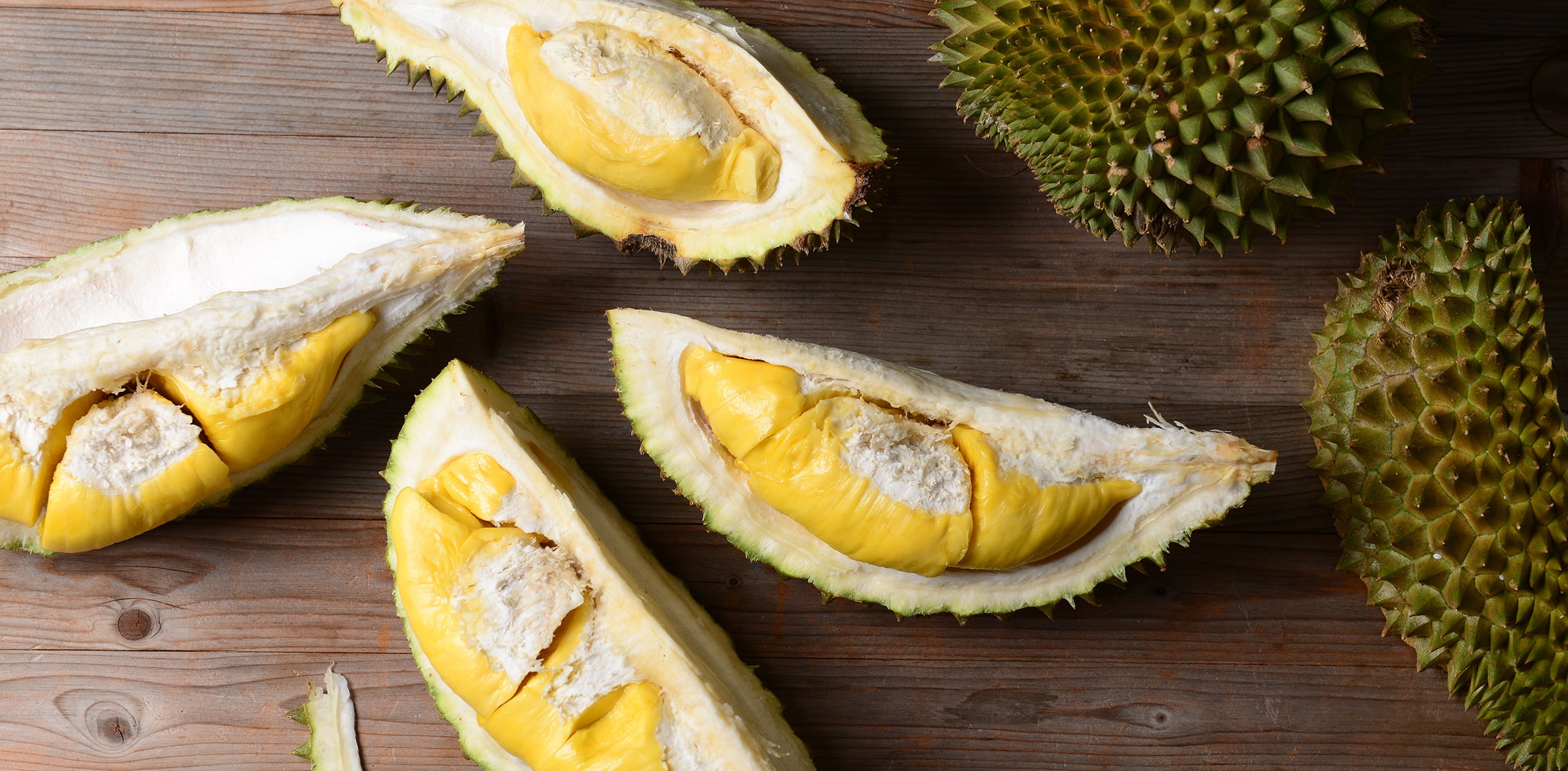
    In a remarkable turnaround, durian exports from Vietnam surged by 70% last month compared to May, reaching an impressive US$360 million, as reported by Vietnam customs. This revival follows a challenging period for the much-loved fruit, and industry experts are optimistic about the future.

    The Frozen Frontier of Durian Exports

    Dang Phuc Nguyen, general secretary of the Vietnam Fruit and Vegetable Association, noted that shipments of durian have stabilized recently, showing promising signs for the months ahead. Central to this rebound is the booming market for frozen durian, as highlighted by Nguyen Dinh Tung, chairman of Vina T&T Group, one of the major exporters.

    His company is currently dispatching around 20 containers of frozen durians to China each month. “If businesses invest properly in the freezing process, Vietnamese durians will have a significant advantage in the Chinese market,” Tung stated. He added that this method not only mitigates risks associated with unpredictable weather but also enhances quality control—a crucial factor for consumers.

    Rising Demand from the North

    Traders are reporting a notable increase in demand for Vietnamese durians among Chinese buyers. “Starting in June, the volume of durians purchased for export has escalated two to three times compared to previous months,” shared Hoang, a durian trader operating in southern Vietnam. This surge can also be attributed to improved compliance with Chinese quality standards, which have historically been a hurdle for exporters.

    Many companies are now requiring farms and traders to conduct quality tests before procurement, significantly enhancing the acceptance rates of Vietnamese durians in China. As the harvest season peaks in both the Mekong Delta and Central Highlands, Nguyen anticipates that exports during September and October could soar to between $500-550 million per month if current trends continue.

    Future Prospects in a Competitive Market

    However, Nguyen tempered excitement with a cautionary note, predicting that prices are unlikely to return to the record highs of 2023-2024, primarily due to a surge in global supply. Alongside competitors like Thailand, Malaysia, Indonesia, Cambodia, and Laos are also increasing their exports to China through official channels, intensifying the rivalry.

    Looking ahead, the Vietnam Fruit and Vegetable Association remains hopeful about the future of fruit and vegetable exports, particularly in the realms of frozen durians and coconuts. If trends hold, this year’s exports could reach a staggering US$6.5-7 billion, inching closer to last year’s record figures.

    Questions & Answers

    What contributed to the resurgence of Vietnamese durian exports?
    The sharp increase in exports can be attributed to the rising demand from China, particularly for frozen durians, which allow for better quality control and mitigate risks from fluctuating weather.

    How are Vietnamese exporters addressing quality concerns?
    Exporters are implementing quality testing protocols at farms and for traders to prevent issues like cadmium residues, which previously led to product rejections in the market.

    What are the export forecasts for Vietnamese durian?
    Currently, export expectations are optimistic, with predictions of monthly revenues reaching between $500-550 million during the peak harvest season in September and October.

  • Jack Link’s Acquires Kooee! Snack Foods In Strategic Expansion Into Anz Meat Market

    Jack Link’s Acquires Kooee! Snack Foods In Strategic Expansion Into Anz Meat Market

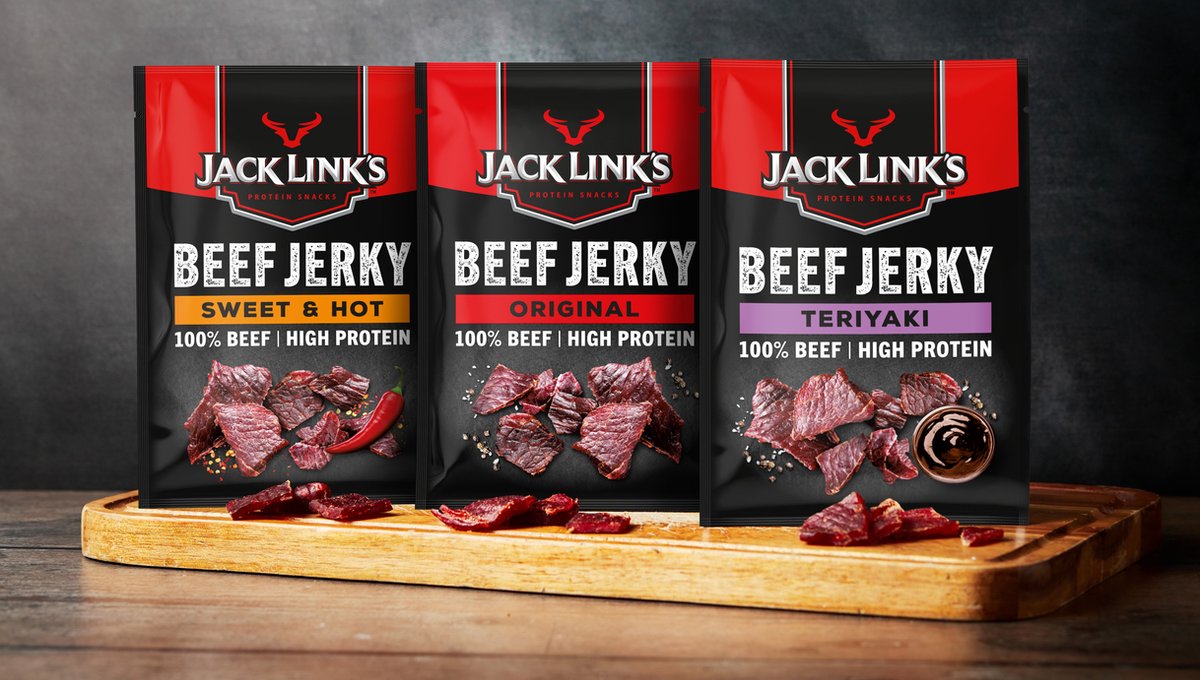
    Jack Link’s, the renowned meat snack company, has recently expanded its reach in the Australia and New Zealand (ANZ) region by acquiring Kooee! Snack Foods, a popular meat snack brand based in Tasmania. Effective immediately, the deal incorporates Kooee!, celebrated for its clean-label, grass-fed beef sticks, into the Link Foods Apac collection, which is Jack Link’s regional division headquartered in Australia.

    Integration and Expansion

    As a result of the acquisition, Kooee! will be integrated into Link Foods’ operations, thereby benefiting from increased production capabilities, wider distribution, and enhanced research and development opportunities. However, the brand will retain its unique identity and the integrity of its products.

    Shannon O’Connell, Managing Director of Link Foods Apac, lauded Kooee!’s brand attributes. He stated, “Kooee! possesses a brand personality that excellently mirrors the present-day snacking preferences of consumers – natural, rich in protein, and created with integrity. Its dedication to quality and clean ingredients is unparalleled and we consider this a significant addition to our expanding portfolio in Apac.”

    Strategic Acquisition

    This acquisition is a strategic move by Jack Link’s to invest in high-growth, health-conscious brands within the $15 billion global meat snacks market. It signifies the company’s commitment to providing healthier snacking alternatives to consumers.

    Kooee!, established by former consultants Shaun Malligan and Andy Fist in 2015, offers its products in Woolworths, Coles, and major health retailers across the country. The brand’s reputation for clean, high-quality ingredients aligns perfectly with Jack Link’s commitment to delivering wholesome, satisfying snacks.

    Questions & Answers

    What is the significance of Jack Link’s acquiring Kooee! Snack Foods?
    The acquisition signifies Jack Link’s strategic move to invest in high-growth, health-conscious brands to expand its portfolio in the global meat snacks market.

    What changes should Kooee! expect following the acquisition?
    Kooee! will be integrated into Link Foods’ operations, gaining increased production capabilities, wider distribution, and enhanced research and development opportunities.

    Will Kooee! maintain its brand identity after the acquisition?
    Yes, despite the acquisition, Kooee! will retain its distinct brand identity and the integrity of its products.

  • Hunt And Brew Launches Australia’s Highest-protein Milk, Targeting Health-conscious Millennials And Gen Z

    Hunt And Brew Launches Australia’s Highest-protein Milk, Targeting Health-conscious Millennials And Gen Z

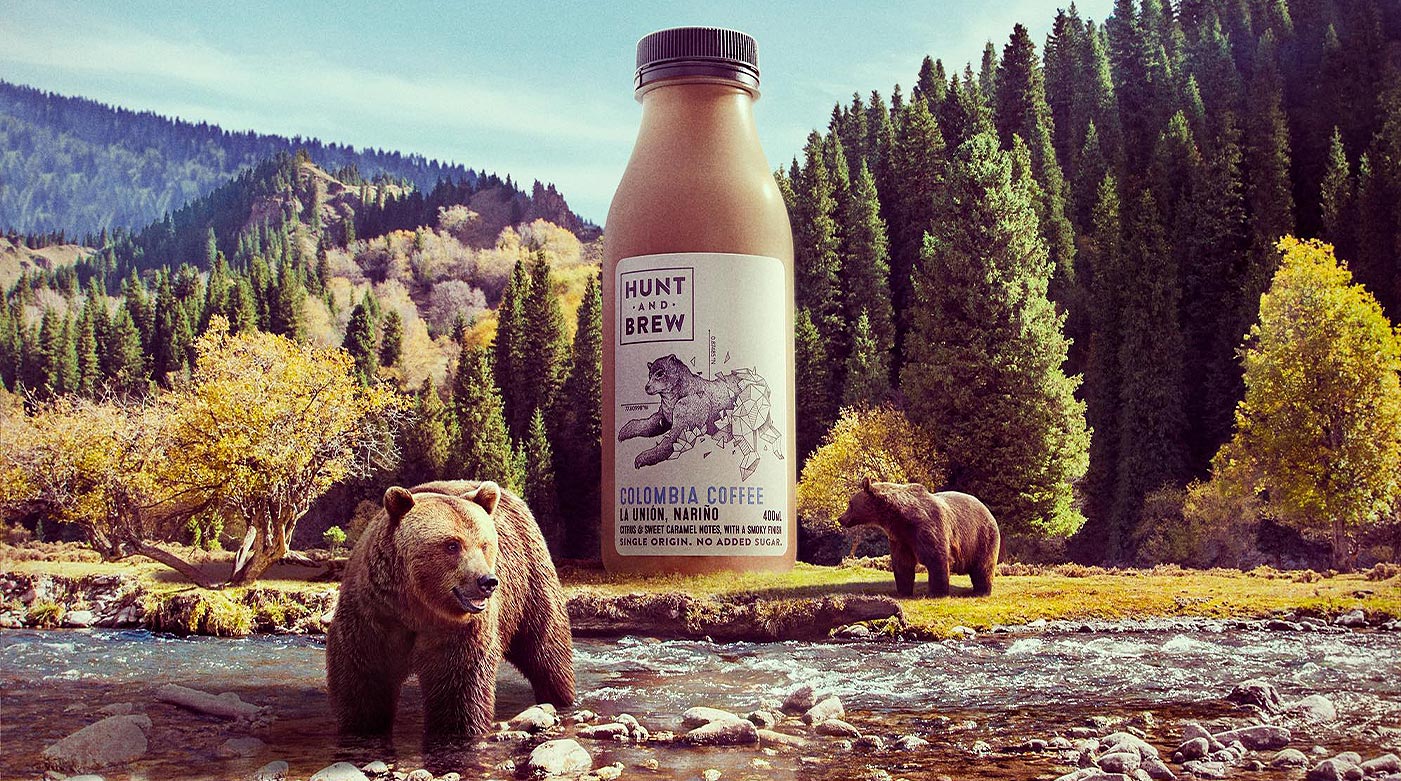
    Hunt and Brew, an Australian food and beverage company, has introduced its high-protein milk product, Extra Protein Milk 1L, to the national market. This newly launched product is now available at all Coles supermarkets throughout Australia.

    Product and Market Position

    The brand asserts that this product has the highest dairy protein content currently available, boasting a robust 16 grams of dairy protein per 250ml serving. This offering outstrips standard milk products by 80%, positioning it as a standout in the dairy market.

    The senior brand manager of Hunt and Brew, Jake Calabrese, expressed the company’s objective in introducing this high-protein milk. He cited a distinct market opportunity in the conventional dairy milk sector. The company designed this premium protein-rich milk to satisfy the increasing consumer demand for accessible, wholesome, and natural solutions to augment protein intake.

    Product Source and Uses

    The milk for this product comes from high-quality farms in the Margaret River and the adjacent Southwest region of Western Australia. It is versatile and works well in coffee and tea. It is also a perfect high-protein addition to breakfast cereals and smoothies.

    Target Audience and Market Strategy

    The launch targets younger generations, particularly millennials and generation Z. This strategy aligns with Hunt and Brew’s wider efforts to regain significance in the dairy industry.

    Calabrese further elaborated on the company’s mission, stating that Hunt and Brew aspires to improve the dairy sector. The company aims to attract younger, health-conscious millennials and generation Z back to the dairy milk category.

    Questions & Answers

    What is the protein content of the new Extra Protein Milk from Hunt and Brew?
    The Extra Protein Milk from Hunt and Brew contains 16 grams of dairy protein per 250ml serve, 80% more than standard milk.

    Who is the target market for Hunt and Brew’s new product?
    The company is targeting millennials and Gen Z who are more health-focused and interested in natural, convenient ways to increase their protein intake.

    Where is the milk for Hunt and Brew’s product sourced from?
    The milk is sourced from high-quality farms in the Margaret River and the surrounding Southwest region of Western Australia.

  • Coca-Cola Beats Earnings Expectations Despite Sales Dip; Unveils Cane Sugar Product For Us Market

    Coca-Cola Beats Earnings Expectations Despite Sales Dip; Unveils Cane Sugar Product For Us Market

    Coca-Cola’s quarterly earnings have surpassed expectations, the company reported on Tuesday, due to increased pricing. This comes despite a decrease in sales volumes in significant markets, and the announcement of a new Coca-Cola product made with cane sugar for the U.S. market.

    Higher Prices and Lower Volumes

    The boost in prices compensated for a 1 per cent decline in sales volumes, which had increased by 2 per cent in the previous two quarters. The decline was primarily due to a decrease in sales in essential markets, including Mexico and India, and within the Coca-Cola brand in the United States. After adjusting for certain items, the company made a profit of 87 cents per share, surpassing the expected 83 cents.

    Sales of higher-priced sodas have fluctuated in recent times, especially in wealthier nations, as consumers with lower incomes become more price-sensitive.

    Healthier Substitutes

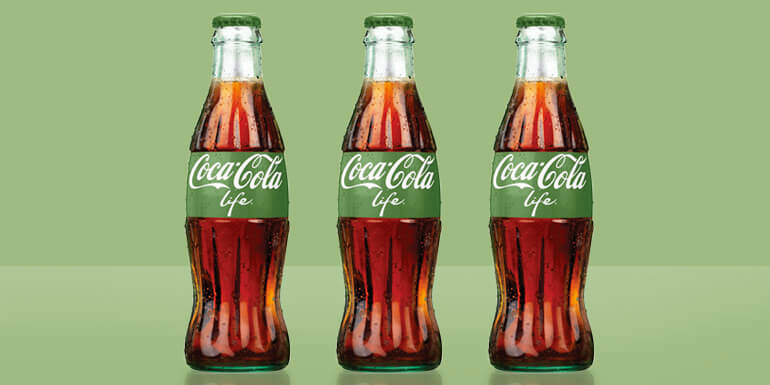
    In response to demands for healthier alternatives, food companies are looking to diversify their offerings. Recently, President Donald Trump announced that Coca-Cola had agreed to use real cane sugar in the United States. Coca-Cola’s CEO, James Quincey, stated during a post-earnings call that the company is exploring different sweetening options to meet consumer demand. This new cane sugar product will “complement” the company’s existing range, he added.

    Competing brand PepsiCo, which also exceeded quarterly earnings estimates recently, stated it would use natural ingredients if consumers expressed a preference for them.

    International Success and Domestic Challenges

    Coca-Cola already sells Coke made with cane sugar in various markets, including Mexico. Some U.S. grocery stores also offer glass bottles of Coke made with cane sugar, labelled as “Mexican” Coke.

    However, the transition to cane sugar will increase costs, including significant changes to supply chains, according to industry analysts. Higher-priced products could also put pressure on consumer budgets, as Quincey acknowledged that sales volumes in North America decreased due to continuing uncertainty and pressure affecting certain socioeconomic consumer segments.

    Coca-Cola maintains that the cost implications due to “global trade dynamics” are manageable. Approximately 61 per cent of the company’s revenue is derived from overseas markets.

    Higher Pricing and Volume Recovery

    Coca-Cola’s comparable revenue for the three months ending June 27 rose 2.5 per cent to $12.62 billion, outperforming the forecasted $12.54 billion. Quincey stated that a boycott-related drop in demand in the U.S. and Mexico has largely been resolved.

    Annual comparable earnings per share are expected to be near the upper limit of the company’s target increase range of 2 to 3 per cent, aided by a weaker dollar.

    Sales volumes of Coca-Cola Zero Sugar soared, with a 14 per cent increase recorded across all geographies.

    Questions & Answers

    What was the cause of the decrease in Coca-Cola’s sales volumes?
    The decrease in sales volumes was primarily due to a decline in sales in key markets such as Mexico and India, and within the Coca-Cola brand in the U.S.

    Is Coca-Cola planning to introduce new products to the market?
    Yes, Coca-Cola has announced it will introduce a new product made with cane sugar to the U.S. market as part of their commitment to meet consumer demand for healthier alternatives.

    What is the outlook for Coca-Cola’s annual comparable earnings per share?
    The annual comparable earnings per share are expected to be near the upper limit of Coca-Cola’s target increase range of 2 to 3 per cent, aided by a weaker dollar.

  • Bulla Teams Up With Hoyts For Exclusive Cinema-themed Ice Cream At Coles Supermarkets

    Bulla Teams Up With Hoyts For Exclusive Cinema-themed Ice Cream At Coles Supermarkets

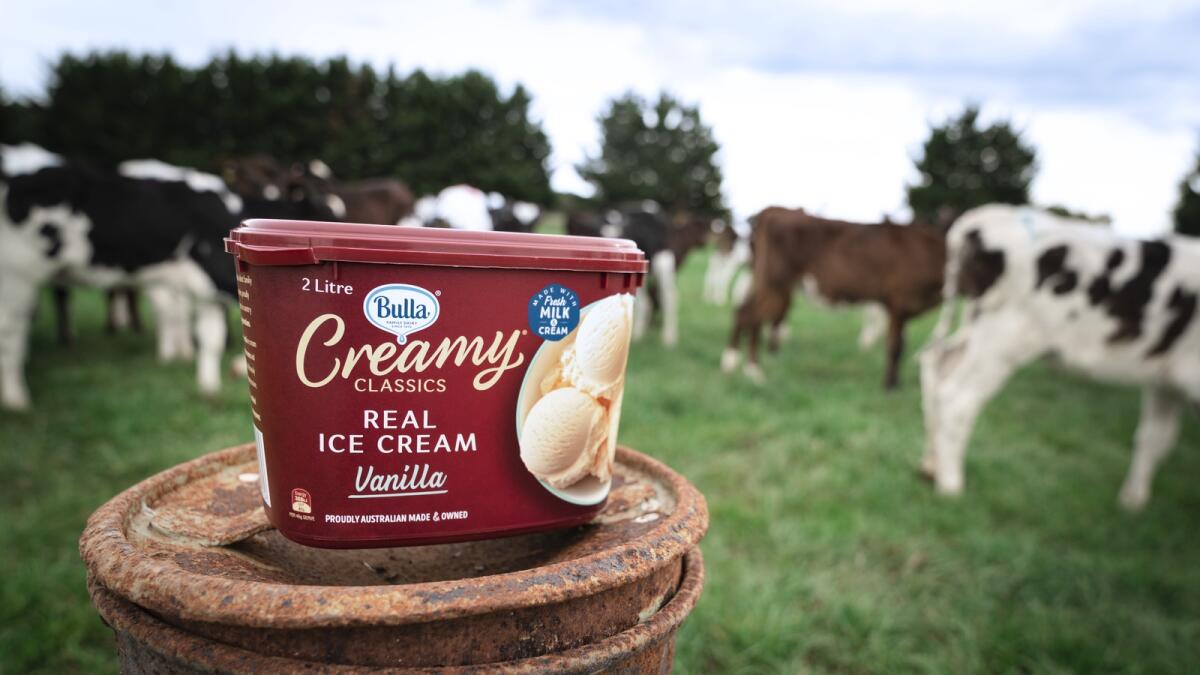
    Bulla Dairy Foods, in collaboration with Hoyts Cinemas, has introduced an exclusive cinema-themed treat for Australian households, called Bulla Hoyts Choc Tops. These special frozen desserts will be sold only at Coles supermarkets.

    Availability and Flavours

    The limited-edition Bulla Hoyts Choc Tops will be available for purchase between the 16th of July and the 30th of September. These ice creams will be sold in select Coles stores across Australia in packs of four. Customers will have the option to choose from two delicious flavours, Vanilla and Salted Caramel.

    In addition to the frozen treat, each pack will also contain a $12 Hoyts movie ticket voucher. Valid until the 30th of July, 2026, this serves as both a sweet indulgence at home and an incentive for movie-goers to return to the cinema.

    A Staple Cinema Snack

    According to Michael King, Hoyts’ General Manager of Food & Beverage and Retail, the Choc Top ice cream is an integral part of the movie-going experience, with millions being sold at Hoyts cinemas each year.

    King expressed his excitement at the launch of this initiative, noting the popularity of the combination of a movie and a Bulla Choc Top among cinema patrons. He said, “While nothing beats biting into a Bulla Choc Top at the cinema, we’re excited to give people a taste of the Hoyts experience at home.”

    Previous Ice-Cream Collaborations

    The introduction of Bulla Hoyts Choc Tops follows Bulla’s recent partnership with Hershey’s. Earlier this year, this collaboration resulted in the release of two new one-litre ice-cream flavours.

    Questions & Answers

    Who are the collaborators for the Bulla Hoyts Choc Tops?
    Bulla Dairy Foods and Hoyts Cinemas have partnered to create the Bulla Hoyts Choc Tops.

    Where can Bulla Hoyts Choc Tops be purchased and what are the available flavours?
    The Bulla Hoyts Choc Tops can be purchased exclusively at select Coles supermarkets. The available flavours are Vanilla and Salted Caramel.

    What is the additional benefit provided with the purchase of the Bulla Hoyts Choc Tops?
    Each pack includes a $12 Hoyts movie ticket voucher, valid until July 30, 2026.

  • Liquid Death Ventures Into Energy Drink Market With Low-caffeine, Sugar-free ‘sparkling Energy

    Liquid Death Ventures Into Energy Drink Market With Low-caffeine, Sugar-free ‘sparkling Energy

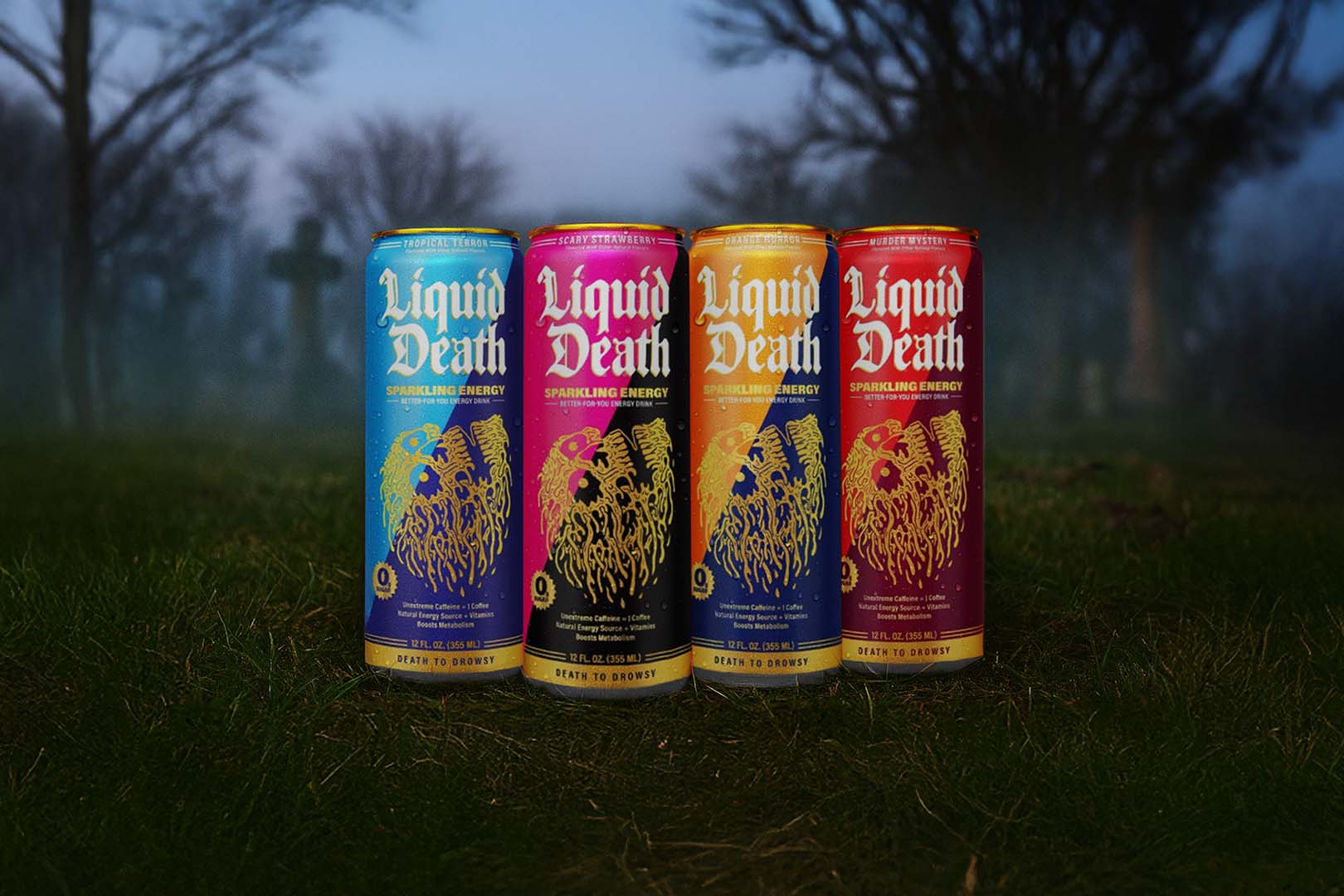
    Liquid Death, a notable canned water company, is set to make a definitive move into the energy drink market. Their new product line, named Sparkling Energy, is a low-caffeine, sugar-free beverage range expected to make its debut in the United States market early next year.

    New Flavours in the Pipeline

    The Sparkling Energy range is slated to roll out in four unique flavours. Tropical Terror, Scary Strawberry, Orange Horror, and Murder Mystery are the enticing names that have been unveiled. These four flavours promise to offer a refreshing and energy-boosting experience to their customers.

    Nutritional Aspects

    Each 355ml can of Sparkling Energy boasts a sensible caffeine content of 100mg, roughly equivalent to a cup of coffee. This seemingly modest caffeine level was purposefully chosen, as a counter-response to the excessive caffeine content perceived in the existing energy drink market.

    Furthermore, Sparkling Energy will leverage natural sweeteners, specifically stevia and allulose, to maintain its sugar-free promise. The drink also includes a beneficial infusion of vitamin B12 and vitamin C, adding another layer of nutritional value.

    Product Pricing and Marketing

    The Sparkling Energy drink is estimated to be priced at approximately US$3 per can. More intricate details about the marketing strategy for this new product range will be released as the launch date approaches.

    Questions & Answers

    What is the new product that Liquid Death is about to launch?
    Liquid Death is gearing up to introduce Sparkling Energy, a new range of low-caffeine, sugar-free energy drinks.

    What are the unique flavours that Sparkling Energy will be available in?
    Sparkling Energy will be available in four flavours: Tropical Terror, Scary Strawberry, Orange Horror, and Murder Mystery.

    What is the expected retail price of a Sparkling Energy can?
    Each can of Sparkling Energy is expected to retail for around US$3.

  • CJ Foods Launches Locally-sourced Bibigo Korean-style Fried Chicken In Australia

    CJ Foods Launches Locally-sourced Bibigo Korean-style Fried Chicken In Australia

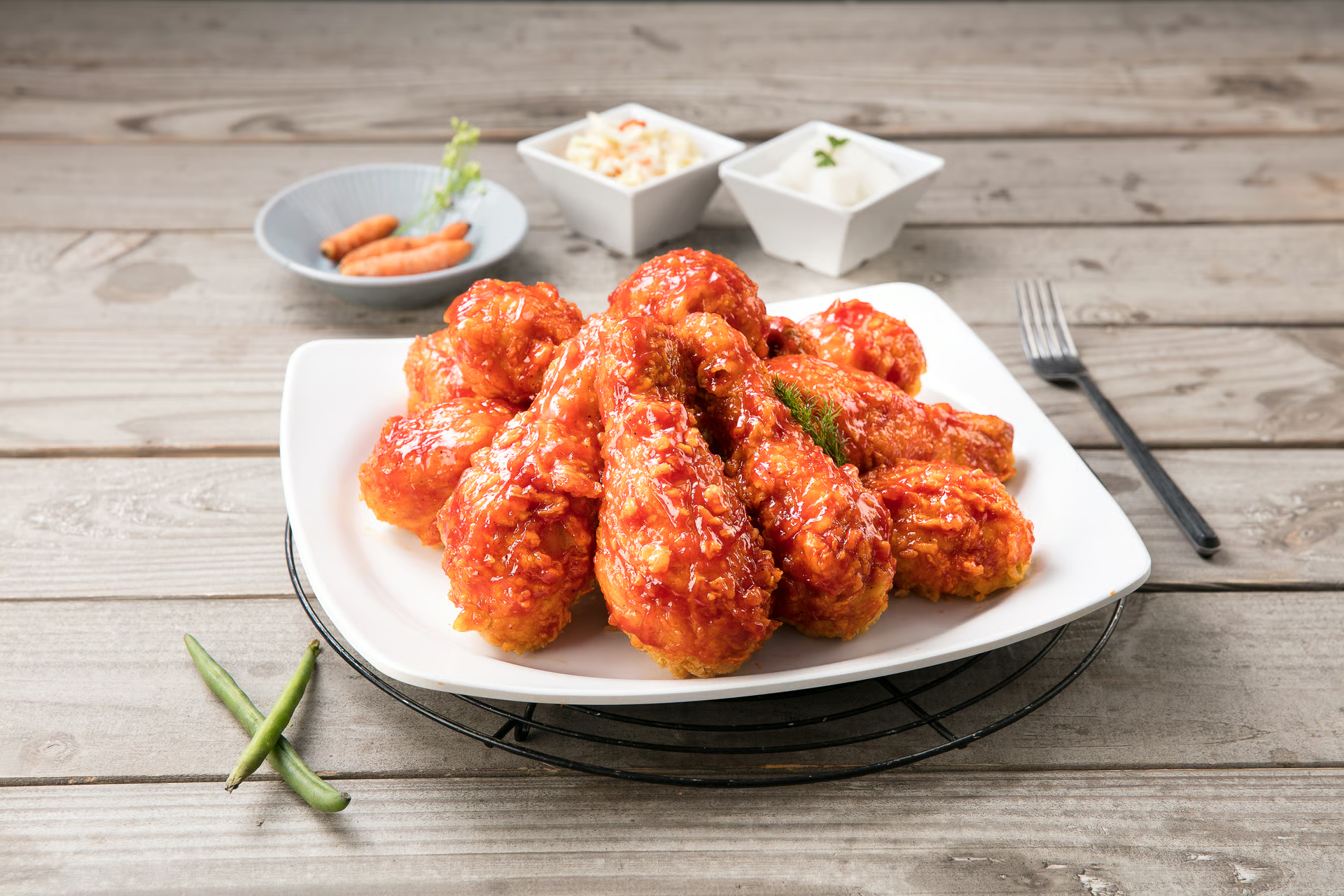
    CJ Foods Oceania, a division of the international CJ Group, has introduced its Bibigo Korean-Style Fried Chicken line, produced and procured locally in Australia.

    New Korean-Inspired Chicken Range Launched

    The Bibigo Korean-Style Fried Chicken range boasts two enticing flavours: ‘Sweet & Spicy’ and ‘Soy & Honey’. Nationwide sourced whole chicken breast cuts form the heart of this product line, which are then coated with a light, crispy batter.

    Convenient and Quick Preparation

    Each product comes with a separate sauce pack for easy and quick preparation, providing options for oven-cooking or air-frying. This launch is a continuation of the company’s introduction of other frozen food items, such as Mandu (Korean dumplings), Gimbap (Seaweed rice rolls), Rice balls, Bao (Chinese steamed buns), Soup Mandu (Soup dumplings), and Seaweed Chips.

    A Taste for Authentic International Flavours

    Eugene Cha-Navarro, Managing Director and CEO of CJ Foods Oceania, noted Australia’s well-developed taste for bold, internationally influenced flavours and its ongoing preference for traditional Korean cuisine. “Our focus is not solely on packaging, but also on sourcing local ingredients, understanding local tastes, and cultivating relationships with Australian farmers and producers,” he added.

    The Bibigo Korean-Style Fried Chicken range is now available nationally across Woolworths and will be available from IGA starting from mid-August.

    Questions & Answers

    What flavours does the Bibigo Korean-Style Fried Chicken range offer?
    The range currently offers two flavours, ‘Sweet & Spicy’ and ‘Soy & Honey’.

    How can the product be prepared?
    The product comes with a separate sauce pack for quick and easy preparation, including options for oven-cooking or air-frying.

    Where can the Bibigo Korean-Style Fried Chicken range be purchased?
    The range is available nationally across Woolworths outlets and will be available in IGA stores from mid-August.

  • Pepsi Unveils Prebiotic Cola: A Revolutionary Step In Classic Beverage

    Pepsi Unveils Prebiotic Cola: A Revolutionary Step In Classic Beverage

    PepsiCo has announced the launch of Pepsi Prebiotic Cola, a significant development in the traditional cola category that it hasn’t seen in two decades.

    The Modern Twist to Classic Pepsi

    The new product brings a fresh perspective to the conventional Pepsi flavor, enhanced with functional prebiotic fiber aimed at promoting gut health. Pepsi Prebiotic Cola is available in two distinctive flavors: Original Cola and Cherry Vanilla. Each 350ml can of this innovative concoction includes five grams of cane sugar, 30 calories, and three grams of prebiotic fiber, and is void of any artificial sweeteners.

    A Leap Forward in Cola Experience

    PepsiCo’s US CEO, Ram Krishnan, expressed his excitement about the new product, stating that Pepsi Prebiotic Cola takes a significant leap forward in offering consumers more choice and functional ingredients in their cola drinking experience, without sacrificing the iconic Pepsi taste that the brand is renowned for.

    Reflecting Mindful Consumption Trends

    The introduction of Pepsi Prebiotic Cola is a marker of shifting trends towards more conscious consumption. This product complements PepsiCo’s existing portfolio, which includes Pepsi Zero Sugar and Poppi, a rapidly growing prebiotic soda brand recently acquired by PepsiCo.

    Availability and Packaging

    The new Pepsi Prebiotic Cola range is scheduled to launch online in the fall, and it is expected to be available in retail stores nationwide in the early part of next year. The product will be sold as single cans and in eight-packs, allocated in the conventional soft drink aisle, alongside Pepsi’s comprehensive range.

    Questions & Answers

    What is the new product that PepsiCo has launched?
    PepsiCo has launched Pepsi Prebiotic Cola, a product that brings a modern twist to the traditional Pepsi flavor with the addition of functional prebiotic fiber.

    What are the key features of Pepsi Prebiotic Cola?
    Pepsi Prebiotic Cola contains five grams of cane sugar, 30 calories, and three grams of prebiotic fiber. It does not contain any artificial sweeteners and is designed to support gut health.

    When and where will Pepsi Prebiotic Cola be available?
    The new Pepsi Prebiotic Cola range will be available online in the fall and in nationwide retail stores in the early part of next year.

  • PepsiCo brings Doritos Cool Ranch back to Australia

    PepsiCo brings Doritos Cool Ranch back to Australia

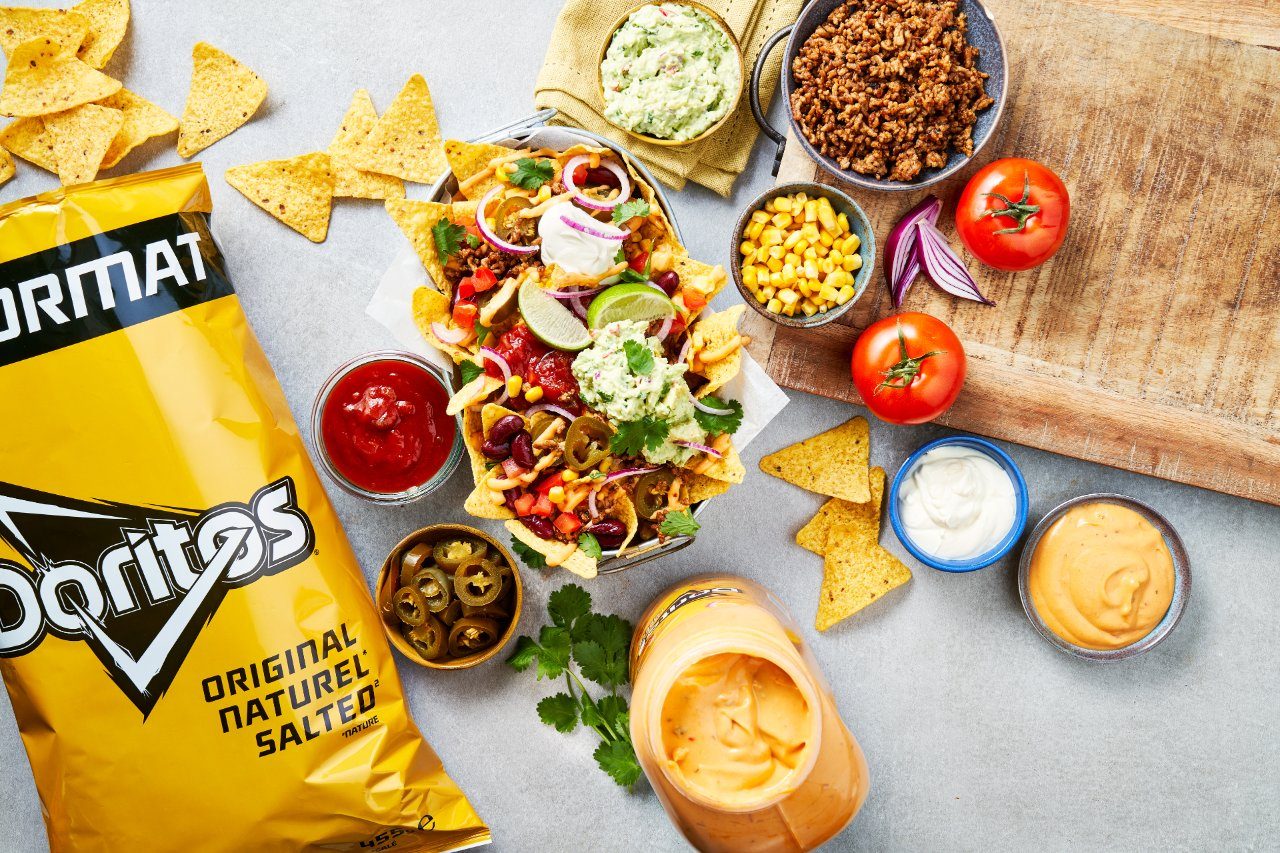
    PepsiCo has announced the triumphant return of Doritos Cool Ranch to the Australian snacking scene after a six-year hiatus. Ahead of a nationwide launch scheduled for September, these flavorful chips will be exclusively available at select 7-Eleven stores starting from July 30.

    Iconic Flavor Makes a Comeback

    According to Kathryn Miller, Doritos’ marketing manager, Cool Ranch has been one of the most sought-after flavors from the brand’s fan base. Miller expressed the intent to make the return of this beloved flavor a memorable event, thus the creation of a unique treasure hunt designed to satiate the snack cravings of their consumers. She emphasized that this re-release is targeted towards snack enthusiasts who enjoy bold flavors and the thrill of the so-called FOMO (Fear of Missing Out) experience.

    A Digital Treasure Hunt

    To enhance the excitement surrounding the flavor’s comeback, Doritos has crafted a digital campaign which revolves around a national treasure hunt. Clues will be released on popular social media platforms, TikTok and Instagram, urging participants to solve a code that will unveil hidden stashes of the returning Cool Ranch flavor. The grand prize includes a year’s supply of the coveted Cool Ranch chips, adding a tantalizing incentive for Doritos fans to partake in the digital endeavor.

    Availability

    The Cool Ranch flavor will be available for a limited period, with a national rollout planned across major supermarket chains like Coles and Woolworths, as well as leading convenience retailers, from September onwards.

    Questions & Answers

    When will Doritos Cool Ranch be available in Australian stores?
    Starting from July 30, the chips will be exclusively available at select 7-Eleven stores. A broader release is planned across major retailers from September onwards.

    What is the marketing strategy for the return of Doritos Cool Ranch?
    Doritos has planned a digital campaign revolving around a national treasure hunt on TikTok and Instagram. Participants can solve a code to discover hidden supplies of the returning flavor.

    What is the prize for the Doritos treasure hunt?
    The grand prize for the treasure hunt is a year’s supply of Cool Ranch chips.

  • China Overtakes US as Vietnam’s Leading Shrimp Export Market in First Half of the Year

    China Overtakes US as Vietnam’s Leading Shrimp Export Market in First Half of the Year

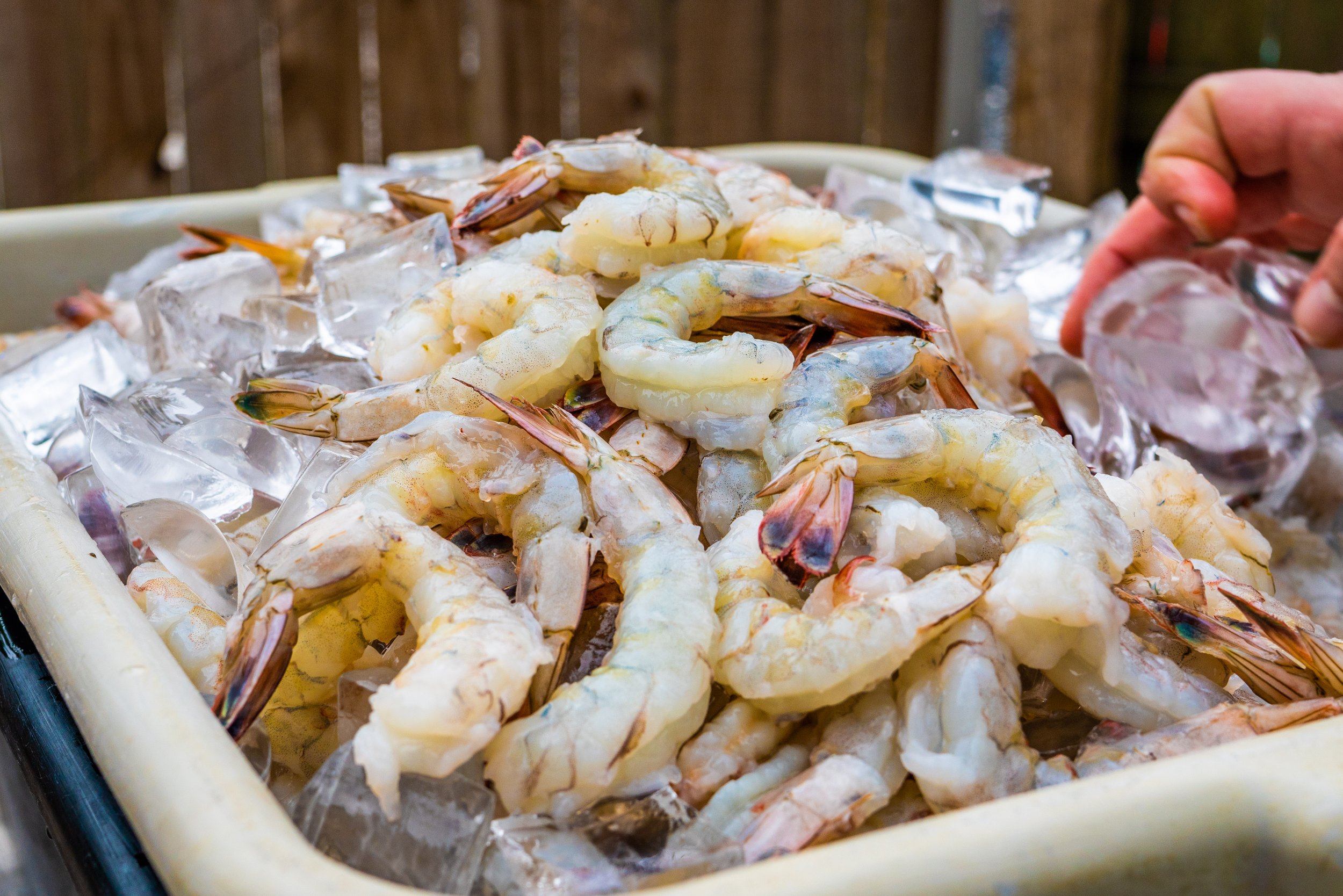
    China has emerged as a vital avenue for Vietnamese shrimp exporters, importing nearly US$595 million worth of shrimp, as reported by the Vietnam Association of Seafood Exporters and Producers (VASEP). A supply shortage in China, coupled with a seasonal spike in demand for premium seafood delights like lobster, has created an auspicious window for Vietnam’s seafood industry.

    Captivating Competitive Edge

    The geographic proximity of Vietnam to China adds to the appeal, allowing exporters to offer competitive prices that capture the attention of Chinese importers. Traditional markets remain steady, with Japan, South Korea, and the European Union contributing to this growth. Of particular note, Japan—the third-largest market for Vietnamese shrimp—has showcased a robust appetite for deeply processed, ready-to-eat shrimp products that cater to busy lifestyles.

    A tantalizing lobster on display in Ho Chi Minh City, showcasing the allure of premium seafood. Photo by VnExpress/Quynh Tran

    Navigating New Trade Waters

    Export dynamics to Europe have also enjoyed a boost thanks to the E.U.-Vietnam Free Trade Agreement. This agreement has positioned Vietnam favorably against other Southeast Asian competitors like Indonesia and Thailand. Conversely, the United States—once the leading market—has shown signs of decline in shrimp imports. Although exports to the U.S. increased by 13% to $341 million in the first half of the year, much of this surge was attributed to a pre-emptive rush in May, as businesses scrambled to fulfill orders ahead of the new tariffs introduced by the Trump administration.

    In June, the situation took a turn, with exports plummeting by 37%. In April, the Trump regime imposed a 10% retaliatory tariff on various imports, which is set to escalate to 20% on shrimp from August 1. In addition to this tariff hike, Vietnamese exporters face the looming threat of preliminary anti-dumping duties that could exceed 35%, alongside countervailing duties expected by year’s end.

    Shifting Strategies for Sustainability

    Amid these turbulent market conditions, VASEP has highlighted that U.S. tax policies are instilling caution among American importers, complicating pricing and order planning for Vietnamese businesses. This upheaval has prompted many seafood companies to explore alternative markets, with China appearing as an increasingly attractive option.

    Global shifts are also pressuring domestic shrimp prices. The cost of large black tiger shrimp has recently soared to a record VND201,000 (US$7.69) per kilogram, primarily driven by limited supply against consistent demand. Overall, Vietnam’s shrimp exports surged by 27% in the first half of the year, totaling $2 billion. However, VASEP forecasts a slowdown in exports as July approaches, following the rush of orders in May and June.

    With the U.S. delaying tariff increases until early August, some firms were able to expedite shipments, but the future remains uncertain, hinging on the final tariff levels and the capacity to diversify markets effectively. Many shrimp producers are now focusing on revising their export strategies to reduce dependency on the U.S. market, leveraging trade agreements like the EVFTA and the Comprehensive and Progressive Agreement for Trans-Pacific Partnership.

    A notable trend is the emphasis on deeply processed products, which attract higher value. Major markets like the U.S. and the EU are implementing stricter traceability and origin requirements, driving firms to enhance productivity throughout their supply chains—from certified farming practices and disease control to optimized processing and logistics.

    As Vietnam’s seafood industry navigates a volatile global market, the implementation of proactive financial and legal strategies will be crucial for sustaining growth and competitiveness.

    Questions & Answers

    How has China become a significant market for Vietnamese shrimp?
    China’s domestic supply shortage, combined with a rising demand for premium seafood products, has opened the door for Vietnamese exporters, leading to substantial imports worth nearly US$595 million.

    What impact have U.S. tariffs had on Vietnamese shrimp exports?
    The new tariffs imposed by the U.S. have caused export volatility, with a significant drop in shipments in June following a May spike as businesses rushed to beat the tariff deadline.

    What strategies are Vietnamese seafood businesses adopting for future growth?
    Producers are shifting focus away from reliance on the U.S. market and are capitalizing on trade agreements like the EVFTA, while also prioritizing the production of deeply processed shrimp products to meet evolving market demands.