Category: Food

Retail News Asia is committed to providing both local and global retailers with the latest Food and Food & Beverage news throughout the Asian market. This on a daily base.

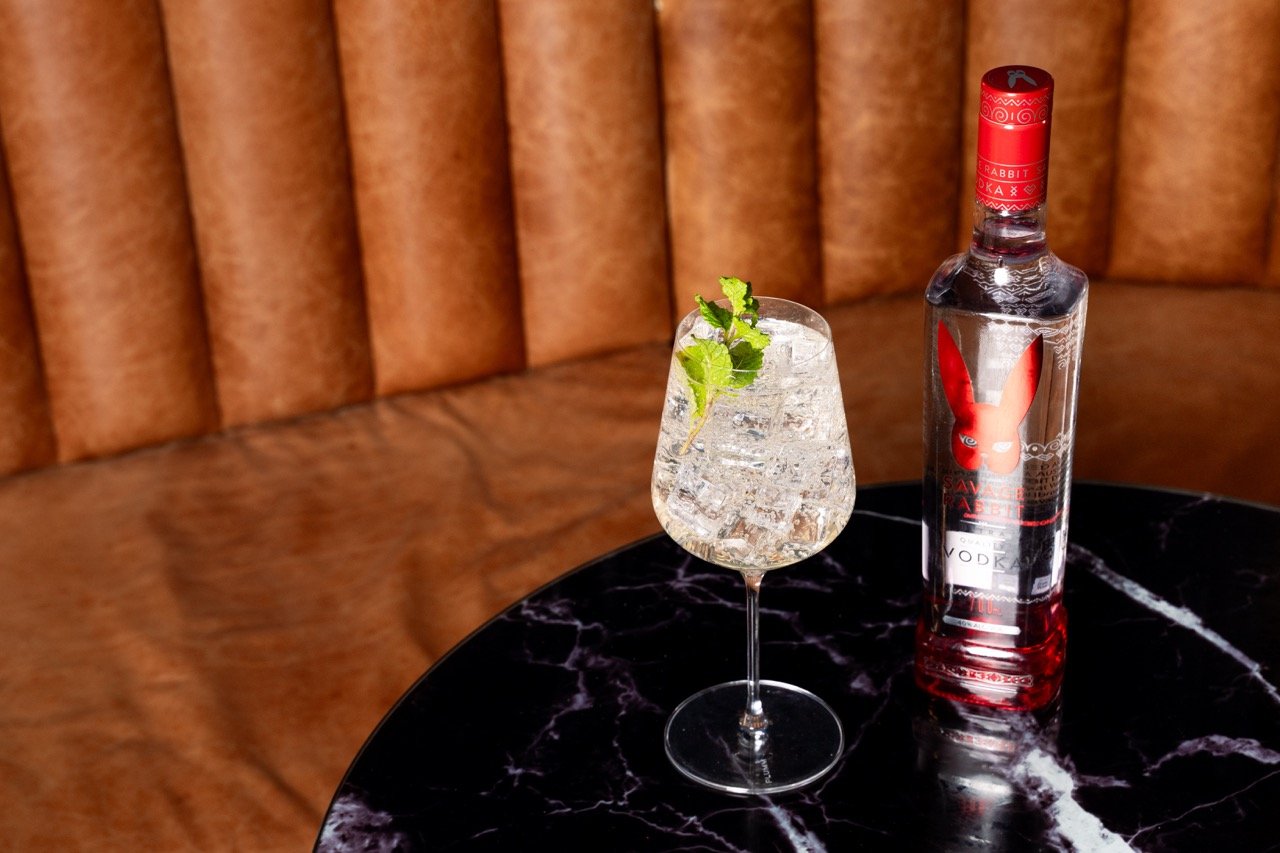
  • Savage Rabbit Vodka: Eastern European Tradition Meets Australian Market

    Savage Rabbit Vodka: Eastern European Tradition Meets Australian Market

    Slovakia-based Savage Rabbit has officially introduced its premium vodka into the Australian market.

    The Vodka’s Unique Composition

    Savage Rabbit’s vodka is a harmonious blend of winter wheat and rye, paying homage to Eastern European vodka-making traditions while incorporating modern practices. The spirit is noteworthy for its distinct taste profile, featuring notes of apple and juicy melon, underscored by almond with a touch of white pepper.

    Ian Head, the co-founder of Savage Rabbit, noted that the brand aims to combine a premium product’s purity and smoothness with a playful and social appeal in tune with modern consumers’ preferences.

    Inspired by Nature

    The vodka, distilled in Slovakia, draws inspiration from the glacial spirit of the Tatra Mountains. It offers a unique aromatic bouquet of grapefruit and pecan, culminating in a smooth, silky, buttery mouthfeel.

    Exceptional Production Process

    The production process of Savage Rabbit vodka involves a meticulous triple-filtration process. After cooling the spirit to below three degrees Celsius, it’s filtered through charcoal, silver, and platinum to ensure a pristine final product.

    Availability

    Savage Rabbit Vodka is now available for purchase in selected stores and venues across Australia, retailing at a standard price of $69.

    Questions & Answers

    What is the flavor profile of Savage Rabbit Vodka?
    Savage Rabbit Vodka combines taste notes of apple and juicy melon, layered with almond and a hint of white pepper. It also features aromatic tones of grapefruit and pecan.

    What is unique about Savage Rabbit’s production process?
    Savage Rabbit Vodka undergoes an intricate triple-filtration process through charcoal, silver, and platinum after being cooled to under three degrees Celsius, which contributes to its purity and smoothness.

    Where can Savage Rabbit Vodka be purchased in Australia?
    Savage Rabbit Vodka is available in select stores and venues across the nation.

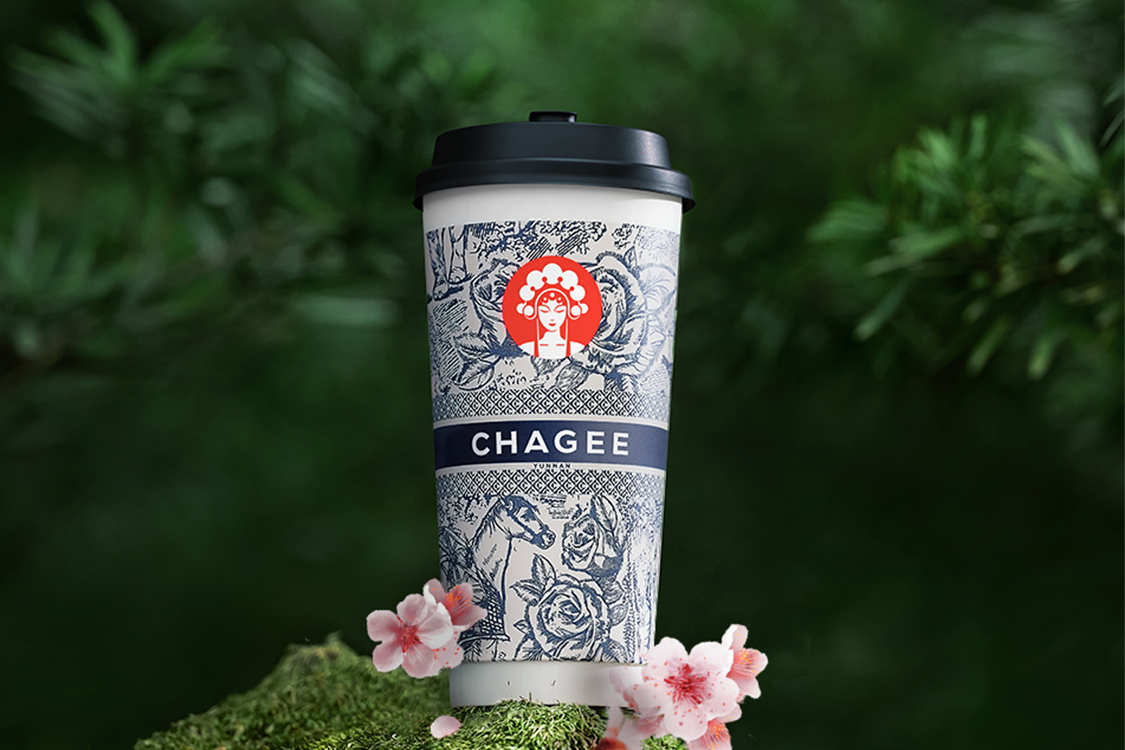
  • Chagee: Chinese Tea Giant Set To Brew Success In The Philippine Market

    Chagee: Chinese Tea Giant Set To Brew Success In The Philippine Market

    Chagee: The Chinese Tea Brand Poised to Enter Philippine Market

    Chagee, a renowned Chinese tea brand, is poised to infiltrate the Philippine market. This expansion is earmarked for August, with three branches slated for unveiling in Metro Manila.

    The fresh outlets will be strategically located at notable locales such as SM North EDSA, Robinsons Galleria, and Venice Grand Canal Mall.

    A Modern Take on Traditional Tea

    Chagee has carved a niche for itself as a contemporary tea bar that fuses traditional Chinese tea-making techniques with an emphasis on natural ingredients.

    The brand’s signature concoctions are milk-based tea beverages, expertly brewed using whole tea leaves from a variety of plants including green, black, and oolong. These teas are free from artificial sweeteners or flavorings, underscoring the brand’s commitment to all-natural products.

    Chagee’s Global Footprint

    With its roots in Yunnan, China, Chagee has successfully extended its reach across Asia and beyond. The company presently boasts of over 6000 stores worldwide. Its international presence can be felt in a number of markets such as Malaysia, Thailand, Singapore, and the United States among others.

    Questions & Answers

    What is Chagee?
    Chagee is a Chinese tea brand that is recognized for infusing modern flavors with traditional Chinese tea-making methods.

    Where are the new Chagee outlets in the Philippines going to be located?
    The new Chagee outlets in the Philippines are planned to be located at SM North EDSA, Robinsons Galleria, and Venice Grand Canal Mall.

    What distinguishes Chagee’s tea beverages?
    Chagee’s signature tea beverages are milk-based and are brewed using whole tea leaves from a variety of plants such as green, black, and oolong. These teas are free from artificial sweeteners or flavorings.

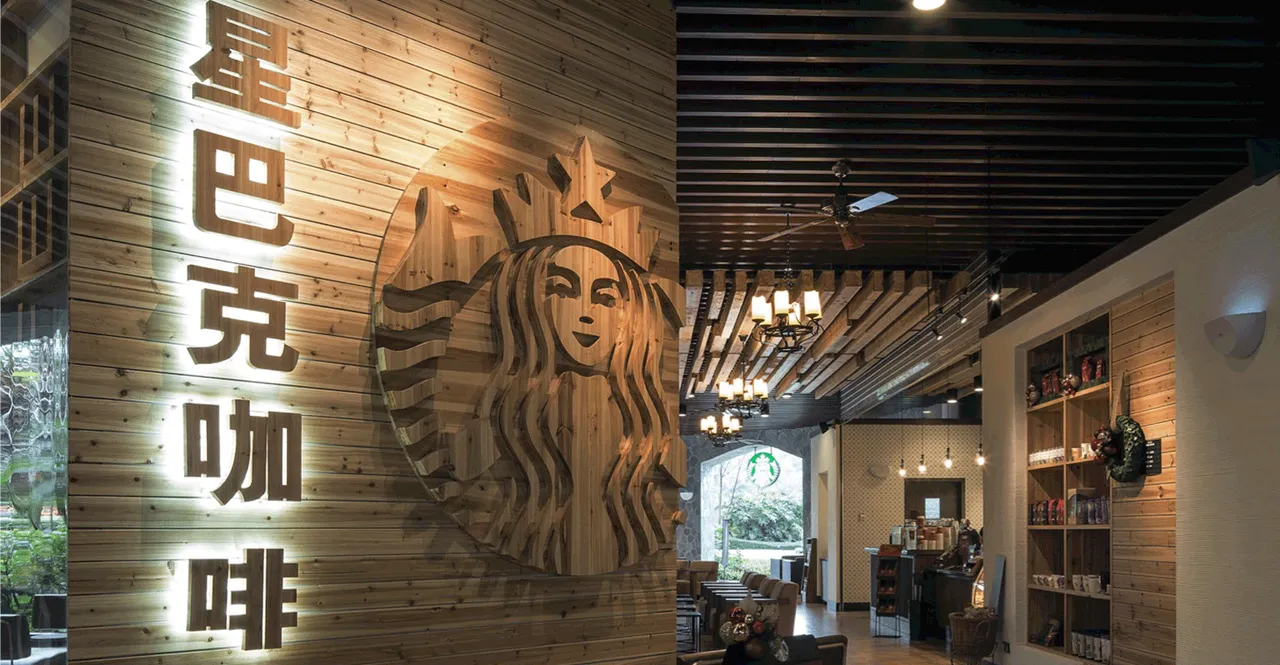
  • Potential $10b Valuation As Investors Eye Stake In Starbucks’ China Operations

    Potential $10b Valuation As Investors Eye Stake In Starbucks’ China Operations

    Starbucks’ China Operations Draw Interest from Potential Buyers

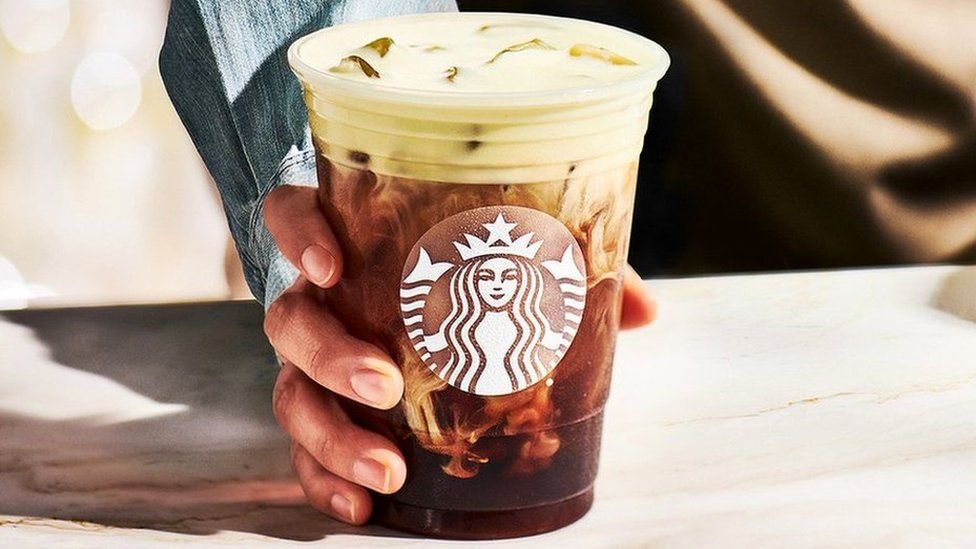
    Starbucks’ business operations in China may soon undergo changes, as several prominent investors have shown interest in acquiring a stake. This signifies a potential valuation of Starbucks’ China unit at approximately US$10 billion.

    Among the investors vying for a stake in the coffee giant’s China business are Asia-based private equity firms Centurium Capital and Hillhouse Capital, as well as their US counterparts Carlyle Group and KKR & Co.

    Starbucks May Retain 30% Stake

    According to sources, it is a possibility that Starbucks might retain a stake of 30 percent, with the remainder distributed among a group of purchasers, each owning less than 30 percent. However, the company and the potential buyers have not yet provided any comments on the matter.

    No Plans for Full Sale

    Last month, Starbucks confirmed that it does not plan to fully sell off its China operations. This announcement followed the commencement of a formal sales process for its China business in May.

    Offers Under Consideration

    Around 30 domestic and international private equity firms in China have submitted non-binding offers for a stake in Starbucks’ China business. Currently, the company is in the process of evaluating the bids, deal structure suggestions, and value creation proposals from the potential investors.

    This selection process is expected to result in a shortlist within the next two months. However, it is unlikely that the entire arrangement will be finalized before the end of this year.

    Questions & Answers

    Which companies are vying for a stake in Starbucks’ China business?
    Asia-based private equity firms Centurium Capital and Hillhouse Capital, as well as US counterparts Carlyle Group and KKR & Co, have shown interest in acquiring a stake.

    How much of a stake might Starbucks retain in its China operations?
    Starbucks may retain up to 30 percent stake in its China operations, with the remaining stake distributed among the group of buyers.

    Is Starbucks planning a complete sell-off of its China operations?
    Last month, Starbucks confirmed that it has no plans to fully sell off its China operations.

  • Australian Non-alcoholic Brand Naked Life Breaks Into Us Market With Molson Coors

    Australian Non-alcoholic Brand Naked Life Breaks Into Us Market With Molson Coors

    Australian Brand Naked Life Enters the US Market

    Naked Life, a renowned non-alcoholic beverage brand from Australia, has made its entry into the US market. This expansion was made possible through a distribution partnership with Molson Coors, a leading brewing company, allowing Naked Life to add to the corporation’s ever-growing selection of alcohol-free products.

    Lauded for its range of non-alcoholic and sugar-free cocktails, Naked Life is recognized for its use of distilled botanicals and extracts that authentically mimic the complex flavors of traditional spirits.

    Initial US Product Range

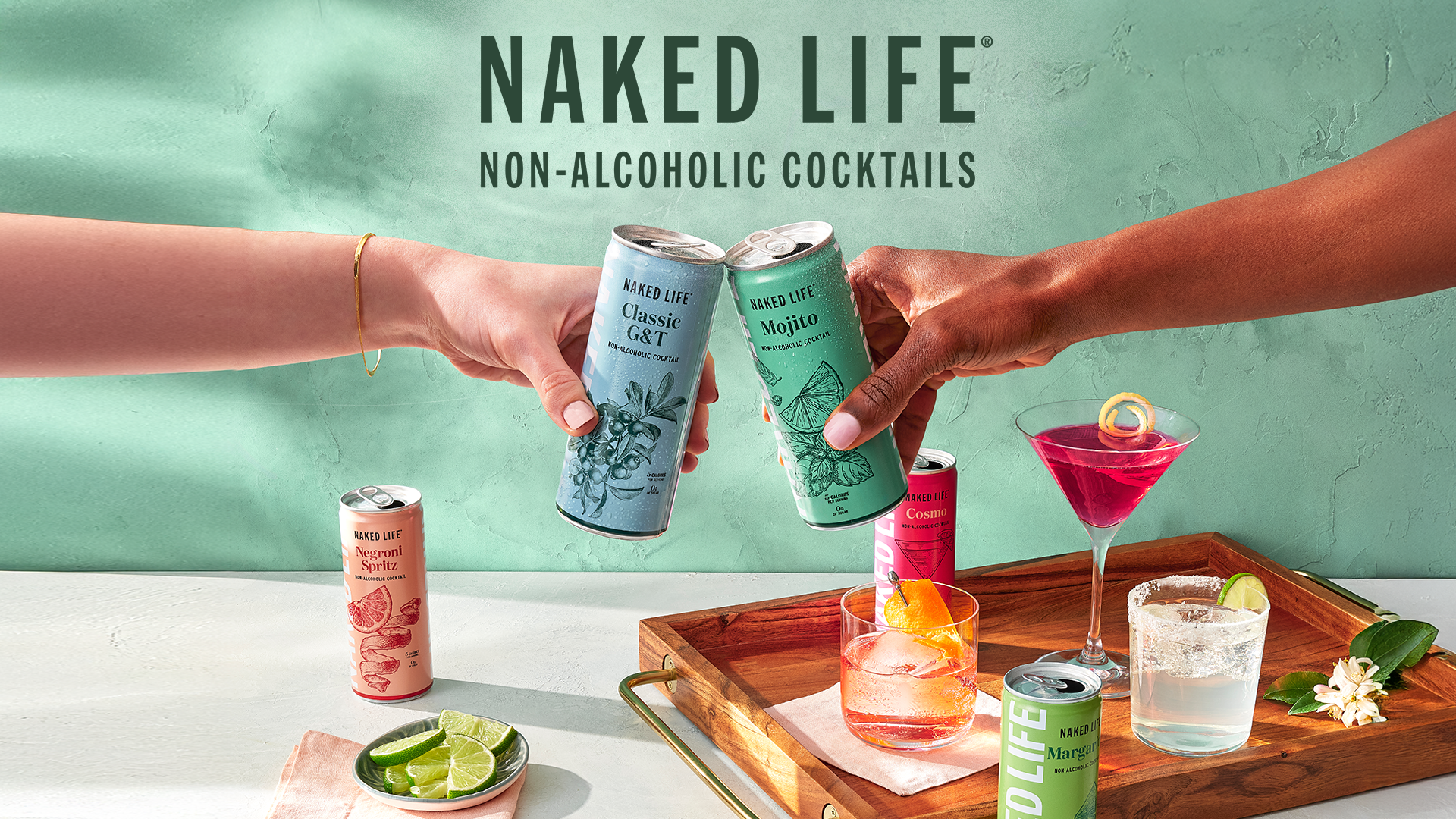
    The initial product line that Naked Life is bringing to the US consists of five core variants:

    – Mojito: A delightful concoction of citrus, lime, and fresh mint, accentuated with notes of brown sugar and rum.
    – Negroni Spritz: A balanced cocktail featuring cherry, amaro, and orange, offset by the bitterness of cinchona and bitter orange.
    – Classic G&T: A traditional mix of lemon, bitter orange, cinchona, and juniper berry.
    – Cosmo: A blend of cranberry and lime, injected with subtle orange notes.
    – Margarita: A blend of lime and salt, layered with undertones from a batch-distilled botanical blend.

    Mission of Naked Life

    David Andrew, the founder of Naked Life, shared the company’s mission: “Our aim in creating Naked Life was to make non-alcoholic cocktails more accessible, without giving up on flavor, experience, or occasion. As we observe the global trend towards mindful drinking, we are excited to bring Naked Life to the US and provide people with a different way to relish cocktail moments, on their own terms and at their own convenience.”

    Priced at US$9.99, Naked Life’s non-alcoholic cocktails are available across the US through various channels including DrinkNakedLife.com, Amazon, Total Wine, and select Meijer stores in West Michigan.

    Questions & Answers

    What kind of products does Naked Life offer?
    Naked Life offers a range of non-alcoholic and sugar-free cocktails that mimic the flavors of traditional spirits.

    What are the core variants of Naked Life’s initial US product range?
    The initial product range includes five core variants: Mojito, Negroni Spritz, Classic G&T, Cosmo, and Margarita.

    Where can you purchase Naked Life’s non-alcoholic cocktails in the US?
    These cocktails are available across the US via DrinkNakedLife.com, Amazon, Total Wine, and select Meijer stores in West Michigan.

  • Mars introduces Cookie Dough flavoured bar

    Mars introduces Cookie Dough flavoured bar

    New Chocolate Bar Launch by Mars

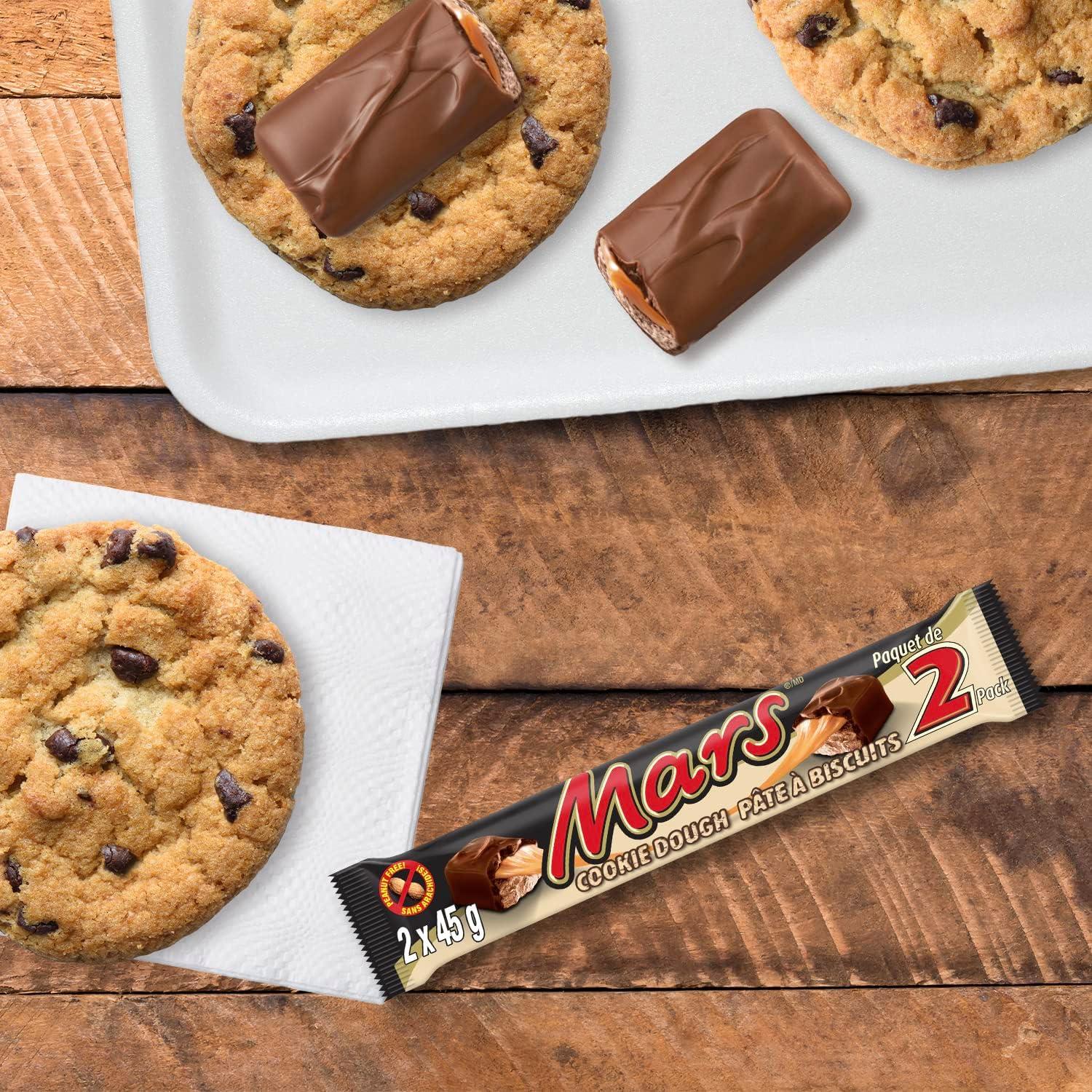
    Global confectionery leader Mars is set to launch a brand-new chocolate bar with a cookie dough flavor this month. This exciting addition to the chocolate market boasts a soft nougat center imbued with the taste of cookie dough, further complemented by a layer of caramel and enveloped in rich milk chocolate.

    Variety of Packaging Options

    The cookie dough-flavored chocolate bar will be offered in three different formats to cater to a range of consumer preferences. The first option is a single chocolate bar weighing 47 grams, perfect for individuals looking for a quick, sweet treat. For those seeking more, a twin pack weighing 64 grams will also be available. Lastly, a fun-size pack, ideal for sharing or portion-controlled indulgences, is set to hit the shelves in August.

    Nationwide Availability

    The Mars Cookie Dough bar will soon be seen on the shelves of major supermarkets and retail outlets across the country. This nationwide distribution ensures that chocolate enthusiasts from all corners of the country have access to this delectable new creation.

    Recent Acquisitions

    In related news, Mars recently received approval for its acquisition of Kellanova, pending a concluding review by the European Commission. This strategic move is expected to further strengthen Mars’ market position.

    Questions & Answers

    What is the unique feature of the new chocolate bar being launched by Mars?
    The new chocolate bar from Mars boasts a cookie dough-flavored nougat center, layered with caramel, and coated in milk chocolate.

    What are the different formats in which the Mars Cookie Dough bar will be available?
    The Mars Cookie Dough bar will be available in three different formats: a single 47-gram bar, a twin pack weighing 64 grams, and a fun-size pack set to launch in August.

    Where can one purchase the Mars Cookie Dough bar?
    The Mars Cookie Dough bar will be available for purchase in major supermarkets and retail outlets nationwide.

  • Hive & Wellness Australia Initiates Strategic Review Amid Global Interest

    Hive & Wellness Australia Initiates Strategic Review Amid Global Interest

    Hive & Wellness Australia Begins Business Review

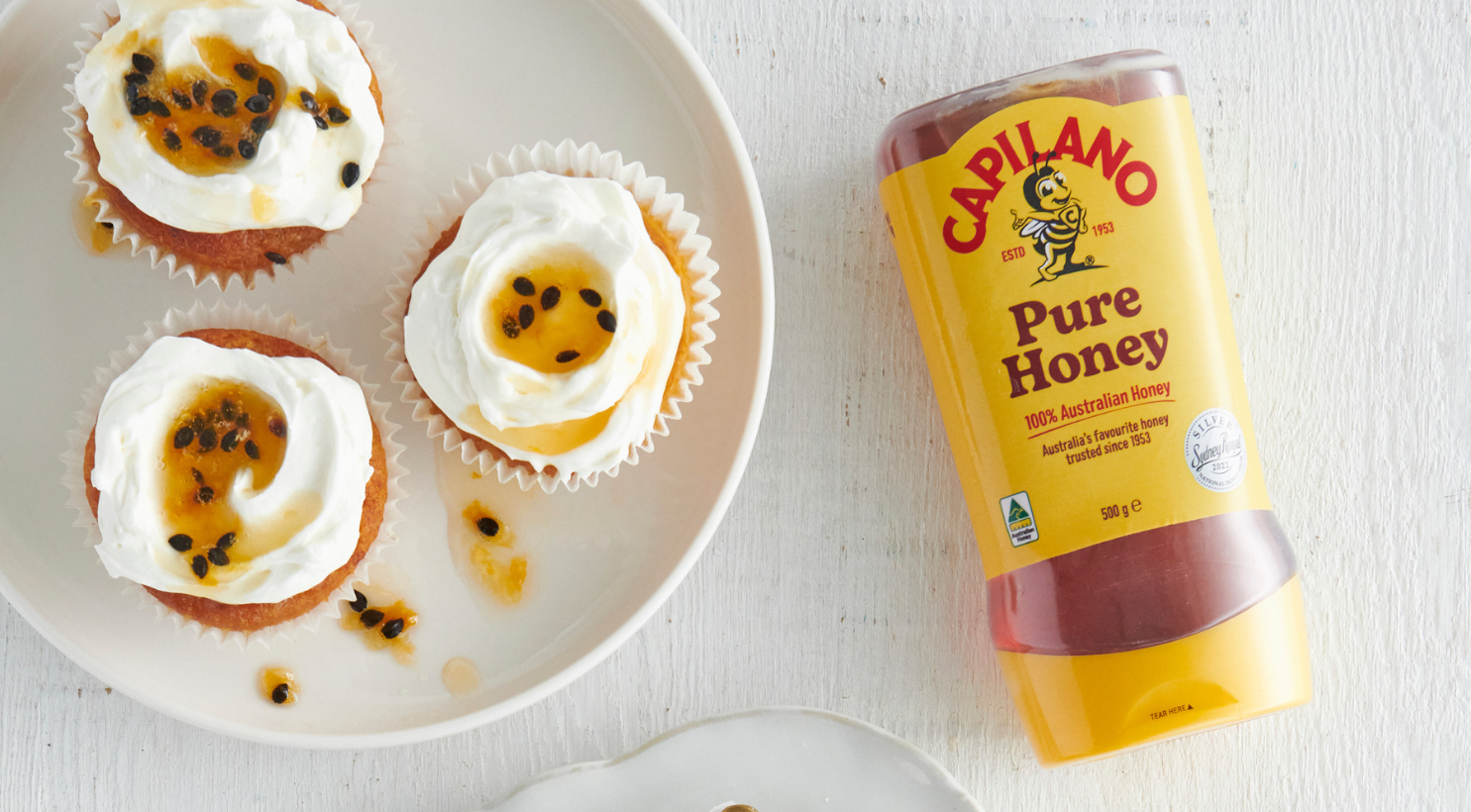
    Hive & Wellness Australia, the firm behind the Capilano Honey brand, has initiated a comprehensive evaluation of its operations. The company has engaged the services of Rothschild & Co to assist in this strategic review.

    This decision has been prompted by unsolicited interest shown in the company’s operations. Hive & Wellness Australia is considering a range of potential avenues, including courting interest from global food corporations and financial backers.

    Capilano Honey Goes Private

    In 2018, Capilano Honey transitioned to private ownership as part of a joint venture consisting of Wattle Hill Capital, ROC Partners, and Australian Capital Equity. This led to the formation of Hive & Wellness Australia.

    Subsequent to the acquisition, the consortium has collaborated with CEO Ryan d’Almeida to extend Hive & Wellness’s reach on a global scale. The brand’s products are now available in over 35 countries, with its international presence spanning markets such as China, Japan, and the United States.

    Business Performance and Portfolio

    Hive & Wellness Australia is a major player in the honey industry, sourcing over 15,000 tonnes of honey every year. The company posted impressive gross sales figures, approximately $150 million, for the 2025 fiscal year.

    Besides Capilano, Hive & Wellness Australia also owns other notable brands including Barnes Naturals and Wescobee, further diversifying its portfolio and strengthening its market positioning.

    Questions & Answers

    What prompted Hive & Wellness Australia to initiate a business review?
    The company decided to undertake a strategic review following unsolicited expressions of interest in its business operations.

    Which firms were involved in taking Capilano Honey private in 2018?
    Wattle Hill Capital, ROC Partners, and Australian Capital Equity formed a consortium to transition Capilano Honey to private ownership, resulting in the formation of Hive & Wellness Australia.

    What brands does Hive & Wellness Australia own apart from Capilano Honey?
    The company’s portfolio includes a number of brands such as Barnes Naturals and Wescobee, in addition to Capilano Honey.

  • Leuca Unveils Vodka-infused Water: A Healthy Twist To Ready-to-drink Beverages

    Leuca Unveils Vodka-infused Water: A Healthy Twist To Ready-to-drink Beverages

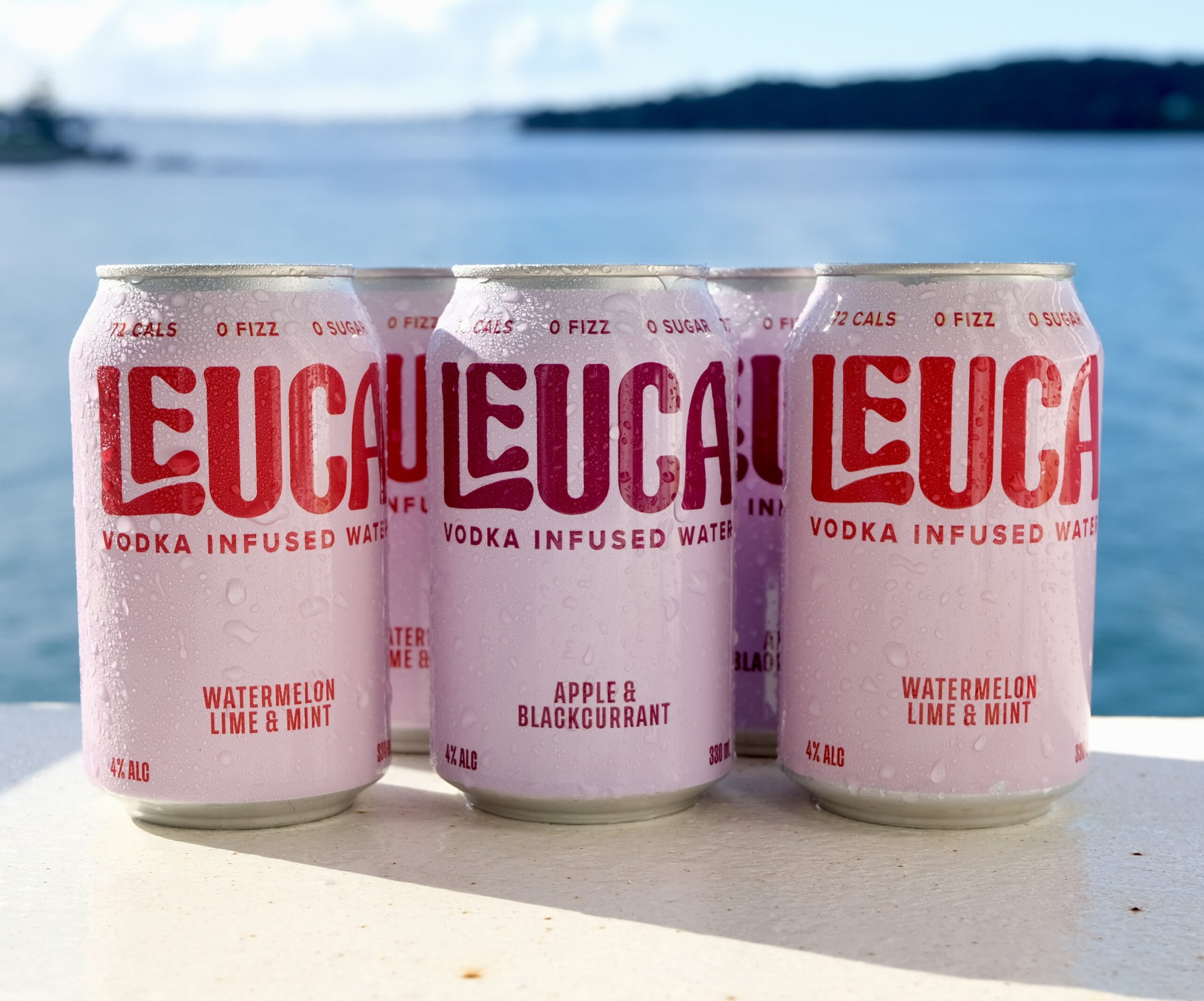
    Leuca, an Australian beverage company known for its ready-to-drink (RTD) products, has introduced its inaugural non-sparkling, vodka-infused water, augmented by two fresh fruit flavors.

    The new offerings, Apple Blackcurrant and Watermelon Mint Lime, are crafted with less sugar and natural fruit flavors. They blend pure water with triple-distilled top-grade vodka, providing a unique carb-free, non-fizzy beverage experience.

    The Vision Behind Leuca’s New Flavors

    Co-founder of Leuca, Shaun May, explains the concept behind the development of these beverages. According to May, finding a satisfying drink often involved a trade-off with sugar or additives. With the creation of these new Leuca beverages, consumers can enjoy a flavorful drink without the concerns of excessive sugar or carbonation.

    Availability and Distribution

    Prior to its official debut, the RTD collection from Leuca received extensive interest and was pre-ordered by well-known venues in Bondi, including Beach Road Hotel and Neighbourhood Cellars.

    The new flavors, each with an Alcohol By Volume (ABV) of 4 percent, are available in 330ml cans.

    Questions & Answers

    What are the new flavors introduced by Leuca in their vodka-infused water range?
    The new flavors introduced by Leuca are Watermelon Mint Lime and Apple Blackcurrant.

    What is the unique selling proposition of these new Leuca beverages?
    These beverages are non-carbonated and have less sugar, offering a fresh and healthy alternative in the ready-to-drink beverage market.

    Where can the new Leuca beverages be purchased?
    The beverages can be purchased at renowned venues in Bondi, including Beach Road Hotel and Neighbourhood Cellars. They are also available in 330ml cans for broader distribution.

  • Bega Group Launches High Protein Milk, Tapping Into Rising Health-conscious Market Trend

    Bega Group Launches High Protein Milk, Tapping Into Rising Health-conscious Market Trend

    Introduction

    In response to growing consumer interest in the natural nutritional benefits of dairy, Bega Group’s Dairy Farmers brand is poised to unveil its High Protein Milk. The product, notable for its high protein content, aims to capture a market increasingly focused on the health advantages of daily food consumption.

    Product Features

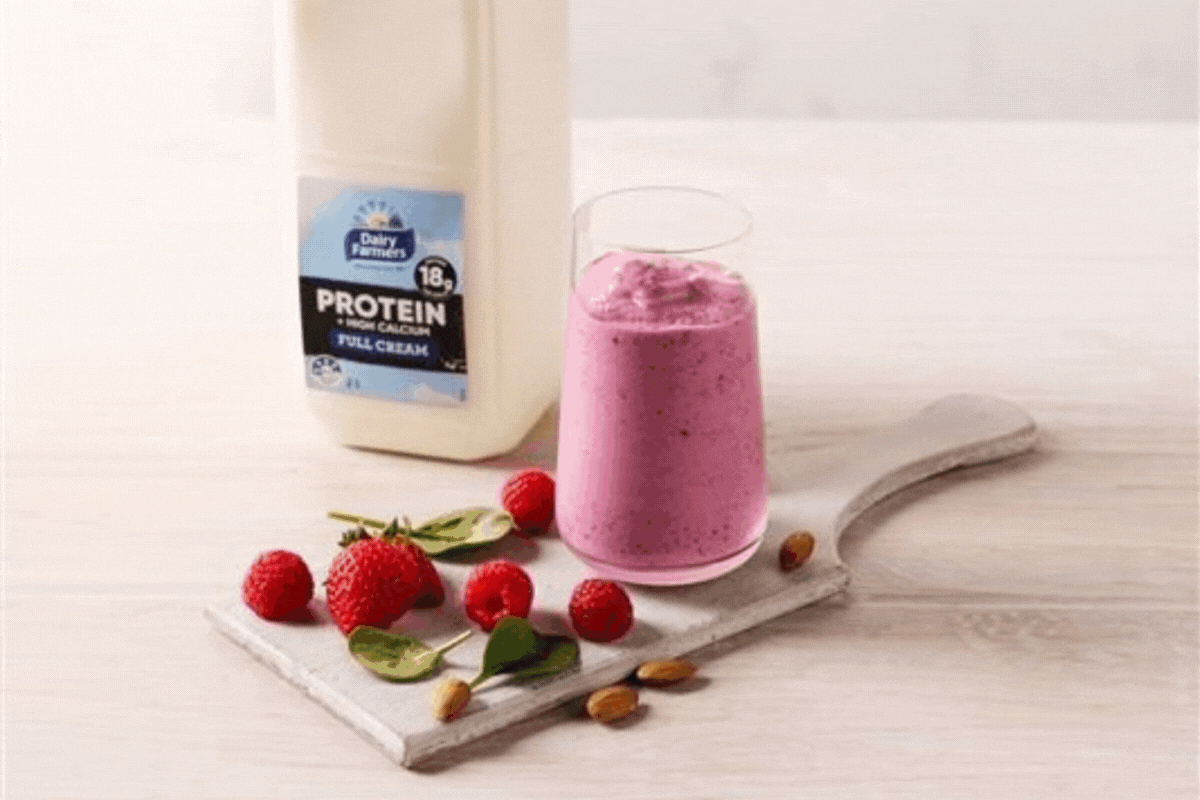
    Each 300ml serving of Dairy Farmers’ High Protein Milk contains 18 grams of dairy protein. According to the company, this is the highest concentration of protein in any dairy milk currently on the Australian market. The product matches the protein levels found in Bega’s existing The Complete Dairy 1L range. Furthermore, this high-protein milk maintains the creamy flavor of traditional full-cream milk, balancing health benefits with taste.

    Health and Nutritional Benefits

    Katrina Strazdins, group manager of nutrition at Bega Group, noted that Dairy Farmers High Protein Milk is also rich in calcium. Therefore, when incorporated into a balanced diet, it can serve as a valuable tool for maintaining strong bones and muscles. Additionally, it can aid post-exercise recovery through its high protein content.

    Market Trends and Demand

    The product’s launch aligns with the rising demand for high-protein foods. Bega Group has observed a 23% year-on-year increase in the high-protein category. This trend is being driven by consumers that seek greater functional benefits from their everyday diets. Anjali De Silva, marketing manager of white milk at Bega Group, expressed that this growth in dairy milk presents an opportunity for consumers to leverage its potential as a convenient and natural source of high-quality protein.

    Availability

    Starting from July 14, Dairy Farmers High Protein Milk (2L) will be available in Coles stores throughout NSW, Victoria, and SA.

    Questions & Answers

    What is the protein content of Dairy Farmers High Protein Milk?
    A 300ml serving of Dairy Farmers High Protein Milk contains 18 grams of dairy protein.

    What is the significance of high protein in milk?
    High-protein milk can assist in maintaining strong bones and muscles, as well as aiding recovery after exercise.

    Where and when will Dairy Farmers High Protein Milk be available?
    Dairy Farmers High Protein Milk will be available from July 14 in Coles stores across NSW, Victoria, and SA.

  • Starbucks’ China Venture Sparks Interest: Possible $10 Billion Stake Sale On Horizon

    Starbucks’ China Venture Sparks Interest: Possible $10 Billion Stake Sale On Horizon

    Starbucks’ China Business Draws Significant Interest

    Starbucks’ China venture has recently garnered substantial interest for a potential stake sale. The unit is speculated to be worth up to a staggering $10 billion. According to insider information, a multitude of entities is in the race for the stake, including Asian private equity firms Centurium Capital and Hillhouse Capital, as well as American counterparts Carlyle Group and KKR & Co.

    Possible Ownership Structure

    The multinational coffee company may retain a 30% stake in its China business if a deal goes through. The remaining portion would be divided among several investors, each maintaining a stake of less than 30%.

    No Official Comments Yet

    At this point, there has been no official response from Starbucks, Centurium, Hillhouse, Carlyle, or KKR regarding these claims. Until now, this information has not been independently corroborated.

    No Full Sale for Starbucks China

    Despite the current speculation, Starbucks clarified last month that it is not considering a complete sale of its China operations. This announcement followed the initiation of a formal sale process for Starbucks’ China operations that commenced in May.

    Offers Under Evaluation

    Starbucks has received non-binding offers from approximately 30 domestic and foreign private equity firms. The coffee giant is currently assessing these proposals, the proposed deal structures, and the value creation plans presented by the bidders.

    According to sources, the shortlist of potential investors could be ready within the next two months. However, it is unlikely that the transaction will be finalized by the end of this year.

    Questions & Answers

    Who are some of the potential buyers for Starbucks’ China business?

    Potential buyers include Asia-based private equity firms Centurium Capital and Hillhouse Capital, as well as US firms Carlyle Group and KKR & Co.

    What percentage of the Starbucks China business might the company retain after the sale?

    Starbucks may retain a 30% stake in its China operations post-sale.

    When is the deal likely to be finalized?

    While this is subject to change, the deal is currently unlikely to be completed before the end of this year.

  • Flash Coffee Welcomes New CEO to Drive Exciting Expansion Plans in Indonesia

    Flash Coffee Welcomes New CEO to Drive Exciting Expansion Plans in Indonesia

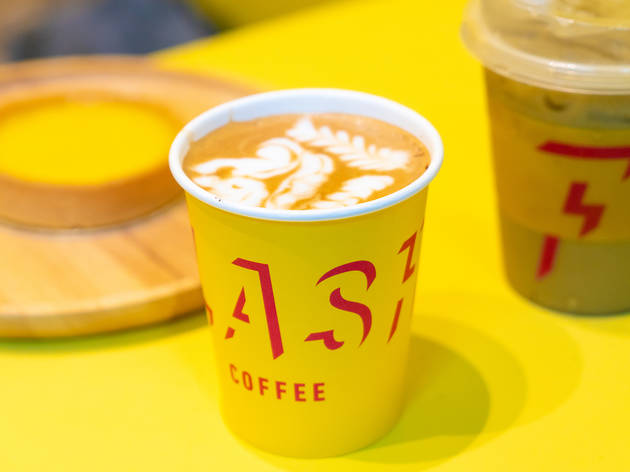
    Flash Coffee is gearing up for a new chapter in its growth story with the appointment of Bardon Matthew as its new chief executive officer. The company is making a strategic pivot towards Indonesia, singularly focusing on this market in an effort to enhance its turnaround and growth trajectory.

    Navigating the F&B Landscape

    With a robust track record spanning over two decades in Southeast Asia’s food and beverage sector, Matthew’s goals are explicit: to scale the business profitably and strengthen operational efficiencies. His leadership comes on the heels of pivotal strategic updates, including a decisive commitment to achieving disciplined, store-level profitability, which subsequently helped secure a fresh $3 million funding round.

    A Journey from Barista to CEO

    Matthew’s journey is as rich as the coffees Flash serves. Starting as a barista, he climbed the ranks through various esteemed establishments including Starbucks, J.Co Donuts & Coffee, Maxx Coffee, and Krispy Kreme. Most recently, he spearheaded a 230-store network at Fore Coffee during an impressive growth phase. His wealth of experience has equipped him with the insights and strategies needed to navigate the complexities of the industry.

    Bold Expansion Plans

    “I don’t believe in the status quo,” Matthew states emphatically. “With the right teams and systems, we can build for long-term success. I’m excited to scale Flash Coffee in my home market.” The ambitious plan includes scaling to over 500 stores by the end of 2025, with an immediate target of 80 locations, branching out to two new cities beyond Jakarta and Bandung. By 2026, Flash Coffee aims to have established 130 stores across Indonesia, marking an extraordinary leap on the regional retail scene.

    Will Coffee Shops Rule the Streets?

    As Flash Coffee ramps up its operations, one can’t help but wonder if the aroma of coffee will soon become an inseparable part of Indonesia’s bustling streets.

    Questions & Answers

    What are Bardon Matthew’s main goals as the new CEO of Flash Coffee?
    His primary objectives include scaling the business profitably, enhancing operational strength, and leading the company’s growth in Indonesia.

    How many stores does Flash Coffee plan to open in Indonesia?
    Flash Coffee aims to expand to over 500 stores across Indonesia, with an initial goal of 80 stores by the end of 2025.

    What is Bardon Matthew’s background in the food and beverage industry?
    Matthew has over 20 years of experience, having held leadership positions at various notable brands including Starbucks and Krispy Kreme, and most recently managed a 230-store network at Fore Coffee.

  • Asia Pacific Sees Food Delivery Market Surge to 23% Amid Growing Consumer Demand

    Asia Pacific Sees Food Delivery Market Surge to 23% Amid Growing Consumer Demand

    In a remarkable shift, delivery has emerged as the leading channel in Asia Pacific’s foodservice market, skyrocketing from 10% in 2019 to a projected 23% by 2024, according to the latest insights from Euromonitor International. This evolution is part of a larger trend, with the region now accounting for a staggering 40% of global foodservice sales and poised to grow at an impressive 6% compound annual growth rate (CAGR) through 2029.

    Globally, the appetite for delivery services has also doubled, constituting 21% of the market in 2024, up from just 9% in 2019. Even against a backdrop of inflation and economic uncertainty, the global foodservice sector expanded by 5.5% in 2024, reaching a hefty $3.2 trillion. Asia Pacific contributed significantly, hitting $1.3 trillion— a 6% increase from 2023 and surpassing pre-pandemic levels.

    “Inflation and economic uncertainty weigh heavily on consumers,” remarked Rocio Franco, senior consultant at Euromonitor International. “While transaction levels have rebounded to pre-pandemic figures, signaling robust demand within the industry, consumers are increasingly selective, opting for budget-friendly dining choices.”

    Looking ahead, delivery is expected to climb to 26% of Asia Pacific’s foodservice market by 2029, while traditional dine-in options will likely plateau at 64%. The surge is largely fueled by third-party delivery apps that entice customers with aggressive discounts, loyalty incentives, and waived service fees, driving order frequency through the roof. Limited-service restaurants are also thriving, catering to price-sensitive consumers with smaller, more affordable menu items.

    “For restaurant operators, the challenge lies not only in competitive pricing but also in creating memorable experiences, embracing digital strategy, and fostering brand loyalty,” Franco added, shedding light on the new rules for thriving in this dynamic market.

    Among the standout segments, specialist coffee and tea shops experienced an impressive 13% growth in 2024, totaling $39 billion in the Asia Pacific region. Seen as affordable luxuries, these establishments are rapidly proliferating, particularly in cities like Singapore, as they expand their offerings and footprint.

    Questions & Answers

    What is the current market share of delivery services in Asia Pacific’s foodservice sector?
    Delivery services have surged to account for 23% of Asia Pacific’s foodservice market in 2024, a significant increase from just 10% in 2019.

    How has the global foodservice market performed in the face of economic uncertainties?
    Despite inflation and economic challenges, the global foodservice industry grew by 5.5% in 2024, reaching $3.2 trillion, with Asia Pacific seeing a robust growth to $1.3 trillion.

    What strategies should restaurant operators consider to remain competitive?
    Operators are encouraged to focus on providing value beyond just price, enhancing customer experiences, harnessing digital tools, and cultivating brand loyalty to thrive in the current market landscape.

  • Vietnam’s Durian Exports Plummet for Fifth Month Amidst Ongoing Challenges in China Market

    Vietnam’s Durian Exports Plummet for Fifth Month Amidst Ongoing Challenges in China Market

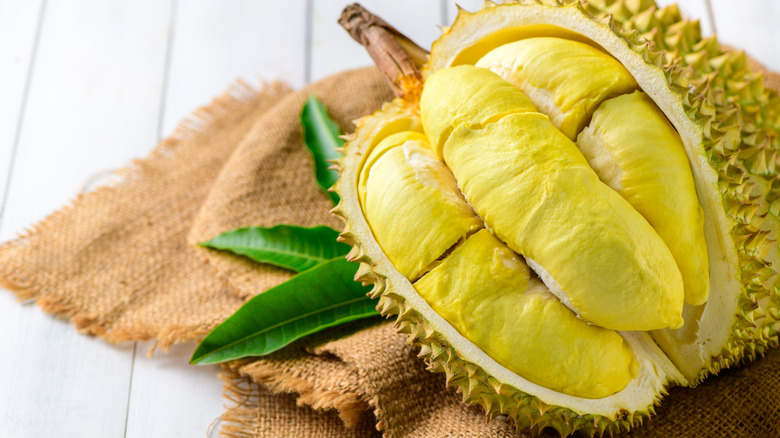
    Vietnam’s durian export market has experienced a staggering decline, plummeting 58% year-on-year in the first five months of 2023, with total revenue dropping to $386 million. Once celebrated as the golden fruit of the nation, durian’s dominance in Vietnam’s fruit and vegetable exports has sharply decreased, with its share sliding from 35% at the start of the year to a mere 17%, as reported by Vietnam Customs.

    China’s Demand Takes a Nosedive

    Strikingly, exports to China—the primary destination for Vietnamese durians—fell to $278 million, marking a drastic 67% reduction compared to the same period last year. This downturn is particularly concerning given that durian is a crucial pillar of Vietnam’s agricultural economy, which saw overall exports of fruits and vegetables dip by 13.5% to $2.3 billion.

    Stricter Screening Hurdles for Exporters

    Exporters are now grappling with heightened scrutiny as China tightens its import regulations. “China has intensified checks for heavy metal residues, plant quarantine, and fraudulent growing area codes, making customs clearance more challenging,” stated Dang Phuc Nguyen, general secretary of the Vietnam Fruit and Vegetable Association. Due to these new standards, many businesses are opting for smaller shipments rather than risking large contracts fraught with spoilage fears. Some have even halted exports altogether, shifting their focus to documentation and compliance efforts.

    Innovative Solutions Proposed for Compliance

    To navigate these tumultuous waters, Nguyen has suggested the establishment of mini testing laboratories for banned substances at farm sites, similar to initiatives taken in Thailand. “Fruits should be tested at farms and given compliance certificates. They then can be verified by China-approved labs before being exported,” he emphasized, pointing to the potential for more efficient customs processing.

    Meanwhile, Hoan Vu Inspection—a company authorized by China for quality testing—has urged better management of illegal fertilizers and the formulation of clearer cultivation guidelines. Efforts must also be made to remediate soil contaminated with heavy metals to promote sustainable farming practices.

    Cross-Border Cooperation for Future Success

    During a meeting on May 28 between officials from Vietnam’s Ministry of Agriculture and Environment and China’s General Administration of Customs, both sides agreed to extend working hours at customs and deploy additional personnel at border checkpoints to ease congestion. In a sign of optimism, China has increased its list of approved sources by adding 829 growing areas and 131 packing facilities in Vietnam for durian exports.

    Vietnam’s Agriculture Minister Do Duc Duy hailed this development as “a significant technical step and encouragement for businesses and farmers.” Additionally, Vietnam has proposed several key measures, including amending food safety policies to facilitate trade, accelerating customs clearance, and approving more laboratories equipped to test for cadmium and other harmful substances. A detailed report outlining Vietnam’s dedication to reinforcing the production, processing, and export supply chain has been submitted, signaling a commitment to restoring the glory of its beloved durian.

    Questions & Answers

    What factors contributed to the decline in Vietnam’s durian exports?
    The decline is primarily attributed to stricter import regulations and enhanced screening measures imposed by China, which accounts for a significant portion of Vietnam’s durian market.

    What solutions are being proposed to improve durian exports?
    There are calls for establishing mini testing labs for banned substances at growing sites and providing compliance certificates for fruits, allowing for smoother customs processes.

    How is the Vietnam government responding to the export challenges?
    Vietnam’s government is enhancing cross-border cooperation with China, extending customs working hours, and amending food safety policies to facilitate trade and improve export logistics.

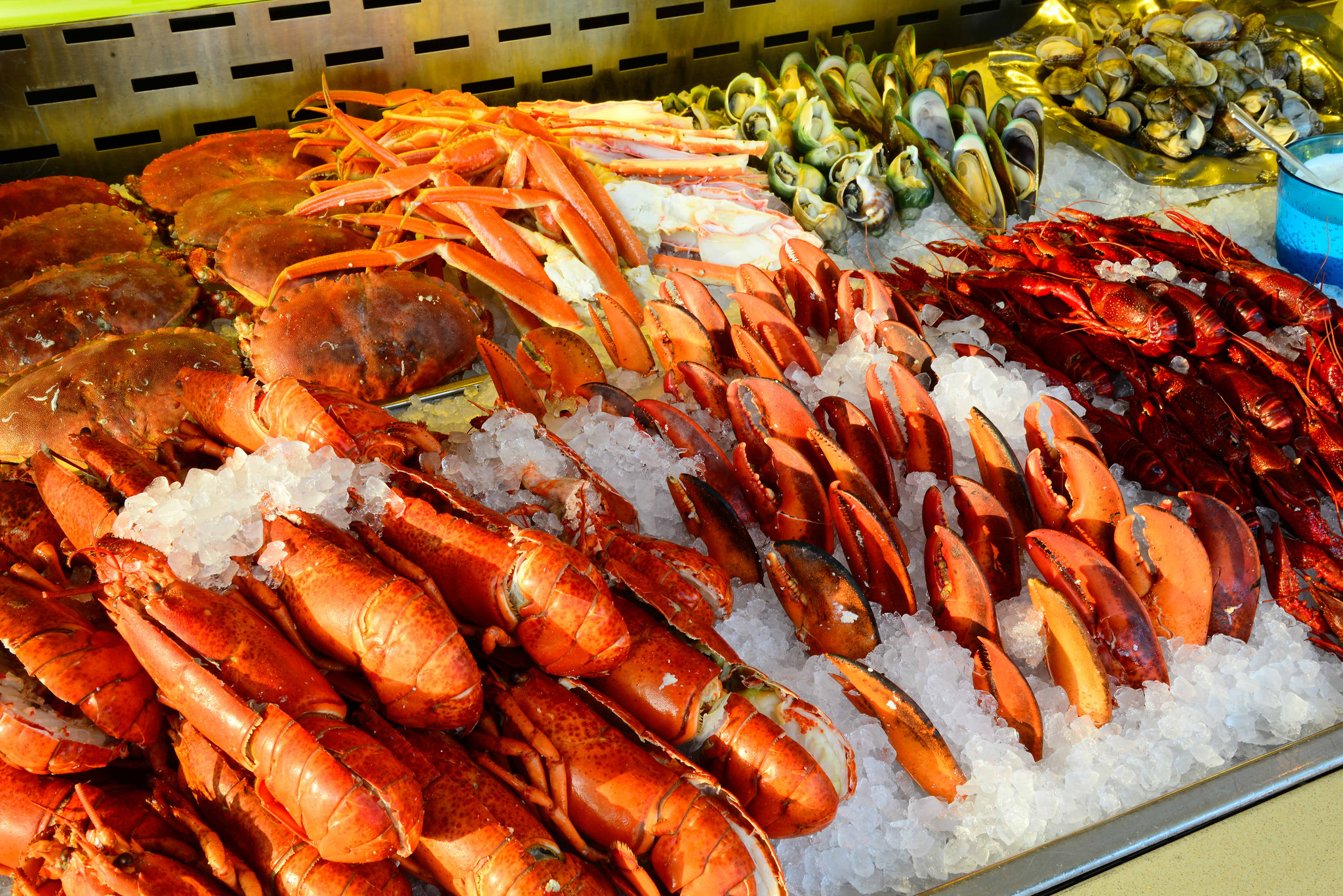
  • Hong Kong’s Dining Industry Struggles: Super Star Seafood Restaurant Closes, Leaving 50 Employees Jobless

    Hong Kong’s Dining Industry Struggles: Super Star Seafood Restaurant Closes, Leaving 50 Employees Jobless

    The vibrant culinary scene in Hong Kong has taken another hit as Super Star Seafood Restaurant announced its closure this week. The notice, posted at the restaurant’s last remaining outlet in the Moko shopping centre, highlights the troubling landscape for the city’s dining industry. “In recent years, the catering industry in Hong Kong has been facing structural challenges,” it noted.

    According to a report by the South China Morning Post, the closure announcement cited a continuation of weak local consumer sentiment, coupled with profound shifts in tourist spending behaviors that have adversely impacted business. The restaurant described its struggle to negotiate rent adjustments or suspensions with landlords, ultimately leading to an impasse.

    This abrupt closure leaves approximately 50 employees in a state of uncertainty as they grapple with the aftermath. Many were informed just hours before the shutdown, around 11 p.m. the night prior. These workers are now collaborating with the Federation of Hong Kong and Kowloon Labour Unions to seek resolutions regarding their employment status. Experts predict that the number of affected employees may rise as more details emerge.

    Compounding their woes, the restaurant reportedly owes about HKD6 million in outstanding payments, including one and a half months of back wages, unclaimed annual leave, and termination payments for numerous workers. Among them, 15 employees meet the required tenure for potential severance payments.

    Founded in 1989, the Super Star Group was once a powerhouse in Hong Kong’s dining scene, operating 16 branches at its peak. However, the Moko branch had become the final outpost of a brand that once boasted widespread popularity. The closure reflects a broader trend in the region, where a significant number of establishments have shuttered their doors in recent months due to high rents and dwindling consumer spending.

    On the heels of Super Star’s announcement, the Four Point Gold Restaurant chain declared its own closure of one of its two remaining locations. Their statement resonated with the echoes of many in the industry: “Can’t stand up to times, can’t stand up to the current market.” Last month, King Parrot Group, another stalwart in the dining business, closed nine of its eateries and reportedly owed staff over HKD1 million in unpaid wages and benefits, further underlining the urgent issues plaguing Hong Kong’s restaurant sector.

    Questions & Answers

    What factors led to the closure of Super Star Seafood Restaurant?
    The restaurant faced structural challenges within Hong Kong’s catering industry, including weak consumer demand and changing tourist spending habits, which ultimately impacted its viability.

    How are the affected employees handling the situation?
    About 50 employees are seeking assistance from the Federation of Hong Kong and Kowloon Labour Unions to navigate their employment issues, as they deal with unresolved wages and potential severance payouts.

    What does the closure of Super Star Seafood Restaurant signify for the local dining scene?
    This closure reflects a troubling trend in Hong Kong’s restaurant industry, where ongoing challenges like high rental costs and reduced consumer expenditures are driving many beloved eateries to shutter their doors.

  • Ribena Reveals Bold New Brand Identity: Striking Balance Between Heritage And Modernity

    Ribena Reveals Bold New Brand Identity: Striking Balance Between Heritage And Modernity

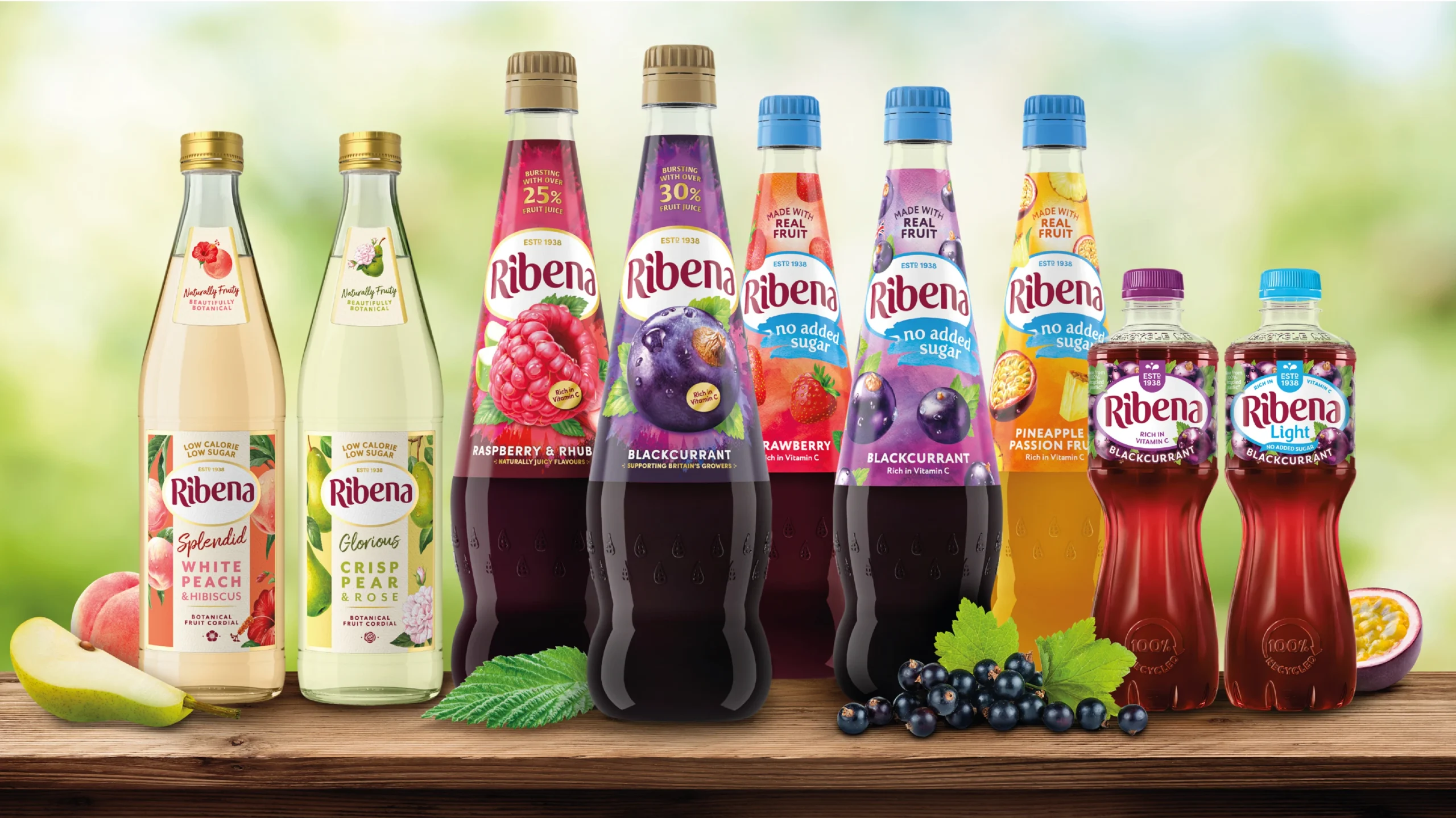
    Iconic beverage label Ribena has recently introduced a new brand identity, developed with help from the renowned creative team at Elmwood. With the aim of maintaining the brand’s familiarity while enhancing its shelf appeal, the revamped identity features a bold new logo while retaining key elements of its heritage.

    A New Twist to An Old Favorite

    The updated visual identity for Ribena features a reimagined logo where the traditional blackcurrant-colored wordmark is replaced by a bolder red hue. The curvature in the old lettering has been transformed into a more streamlined and clean baseline. The alterations also extend to the letterforms, which have been molded to look more “plump and juicy”, further emphasizing the brand’s fruity image.

    Striking the Balance Between The Old And The New

    Charlotte Distefano, Elmwood’s Creative Director, explained that their mission was to strike a balance between ‘familiar difference’. They observed that despite customers’ love for Ribena’s taste, the brand was often overlooked on store shelves. Therefore, the goal was to create a design that was immediately recognisable as Ribena, whilst boosting brand visibility and establishing a consistent look and feel.

    The Blend of Heritage and Modernity

    Key, heritage-linked elements, such as Ribena’s blackcurrants, have been retained in the rebranding, but are now subtly positioned in the background. A fresh “juicy droplet icon” has been introduced beneath the fruit, complemented by a vibrant purple backdrop and gold accents to further augment the brand’s aesthetic appeal.

    Elmwood confirmed that in trials, the refreshed packaging showed significant improvements across measures such as purchase intent, recall, and perceived taste, while still being easily identifiable as Ribena. Ribena, a company established in 1938, is currently held by Suntory Beverage & Food GB&I.

    Questions & Answers

    What are the key changes in Ribena’s new logo?
    The former blackcurrant-hued wordmark has been replaced by a bolder red logo and the curved old lettering has been simplified into a cleaner, straight baseline.

    What was the goal of Ribena’s redesign?
    The aim was to create an instantly recognisable yet distinctive design that enhanced the brand’s visibility and created a consistent look and feel.

    How has the reaction been to the new packaging?
    The new design performed well in trials, showing improvements in purchase intent, recall, and perceived taste, while maintaining its recognisability as Ribena.

  • Unprecedented Heatwave Hits Matcha Production: Global Demand Soars Amid Price Surge

    Unprecedented Heatwave Hits Matcha Production: Global Demand Soars Amid Price Surge

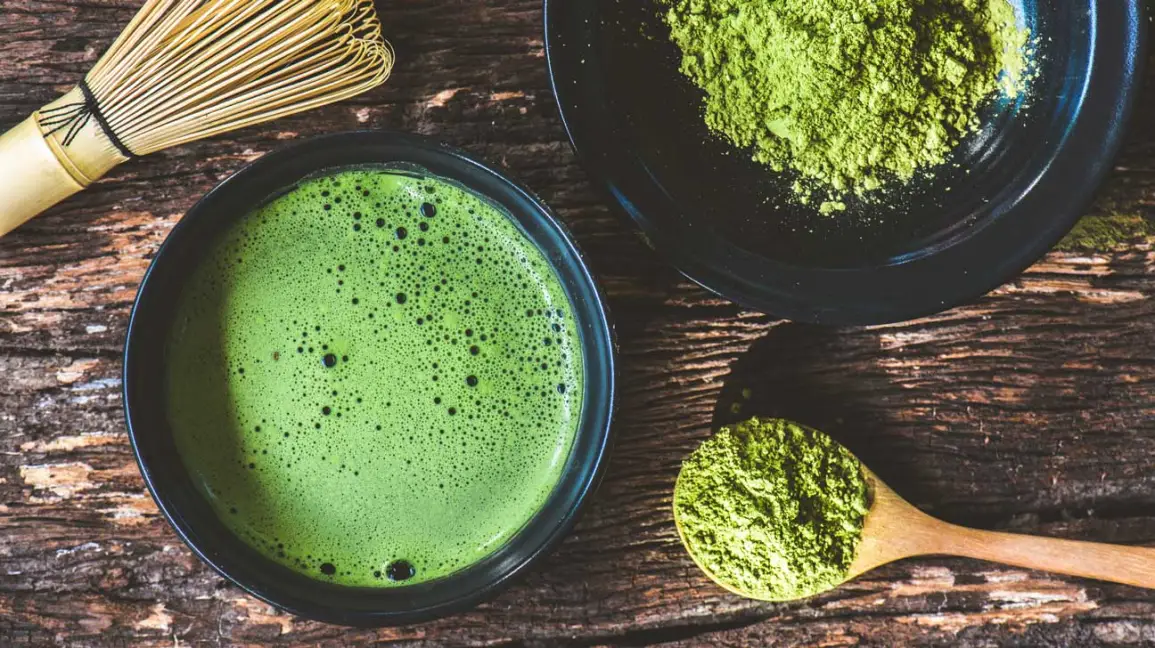
    Devotees of the highly coveted matcha green tea may need to dig a little deeper into their pockets as a result of unprecedented temperatures in Japan causing a considerable decrease in matcha production. This comes amid a worldwide surge in demand for the popular drink, resulting in significant supply strain and skyrocketing prices, according to farmers and industry insiders.

    Impact of Climate on Matcha Production

    The Kyoto region, a major contributor to Japan’s matcha production, experienced severe heatwaves last summer. The region accounted for roughly one-fourth of Japan’s total production of tencha – the tea leaves used in the production of matcha – which faced crippling damage due to the extreme heat. The poor yield from the recent April-May harvest is a direct result of Japan’s hottest year on record.

    Masahiro Yoshida, who belongs to a family of farmers that has been in the tea business for six generations, reported a significant decrease in his yield. This year, he was only able to harvest 1.5 tons of tencha, a reduction of 25% compared to his usual harvest of two tons.

    “The heatwave last year was so severe that it damaged the tea bushes, significantly reducing the number of tea leaves we could harvest,” Yoshida stated.

    Global Demand for Matcha

    Global interest in matcha has seen a sharp increase in recent years, fueled by health-conscious millennials and Gen Z consumers. Trendy cafes worldwide now offer matcha-infused products ranging from lattes and smoothies to desserts.

    The finely ground tea is highly favored for its rich antioxidant content and higher caffeine levels compared to other green teas. Its popularity received a significant boost last fall due to increased social media attention, resulting in purchase limits being imposed by some wholesalers.

    Tealife, a Singapore-based wholesaler, founder Yuki Ishii confirmed that matcha demand from his customers increased tenfold last year and continues to rise, despite dwindling supplies from Japan.

    The Future of Matcha Production

    Japan’s tencha production reached 5336 tons in 2024, reflecting an increase of almost 2.7 times over the previous decade as more farmers shifted their production towards this crop. However, the Japanese Tea Production Association anticipates a decrease in matcha output this year.

    Marc Falzon, who sources tea from Uji farmers for his New Jersey-based milling company, expressed disappointment with the current situation. He noted that while many hoped for a more abundant harvest this year to alleviate some of the shortages, it doesn’t seem likely.

    Despite a 25% increase in the export value of Japan’s green tea, including matcha, which amounted to 36.4 billion yen (US$252 million) in 2024, the shortfall continues. Tencha prices have escalated to record highs, with a May auction in Kyoto reaching 8235 yen per kilogram, a 170% increase from the previous year.

    While Japanese producers are making efforts to increase matcha production, the newly planted fields will not be ready for harvest for another five years, according to Falzon. As such, he anticipates even more significant price increases in the near future.

    Questions & Answers

    Why has there been a decrease in matcha production?
    Record temperatures and severe heatwaves in Japan, particularly in the Kyoto region, have significantly impacted matcha production, leading to weak yields.

    What factors have contributed to the surge in global demand for matcha?
    The global demand for matcha has increased due to health-conscious millennials and Gen Z buyers. Also, increased social media attention and the introduction of matcha-infused products in cafes worldwide have contributed to its popularity.

    What are the implications of the current matcha shortage?
    The shortage of matcha has led to record-high prices and imposed purchase limits by some wholesalers. Despite attempts to increase production, the issue is unlikely to be resolved in the near future, given that newly planted fields require five years to harvest.